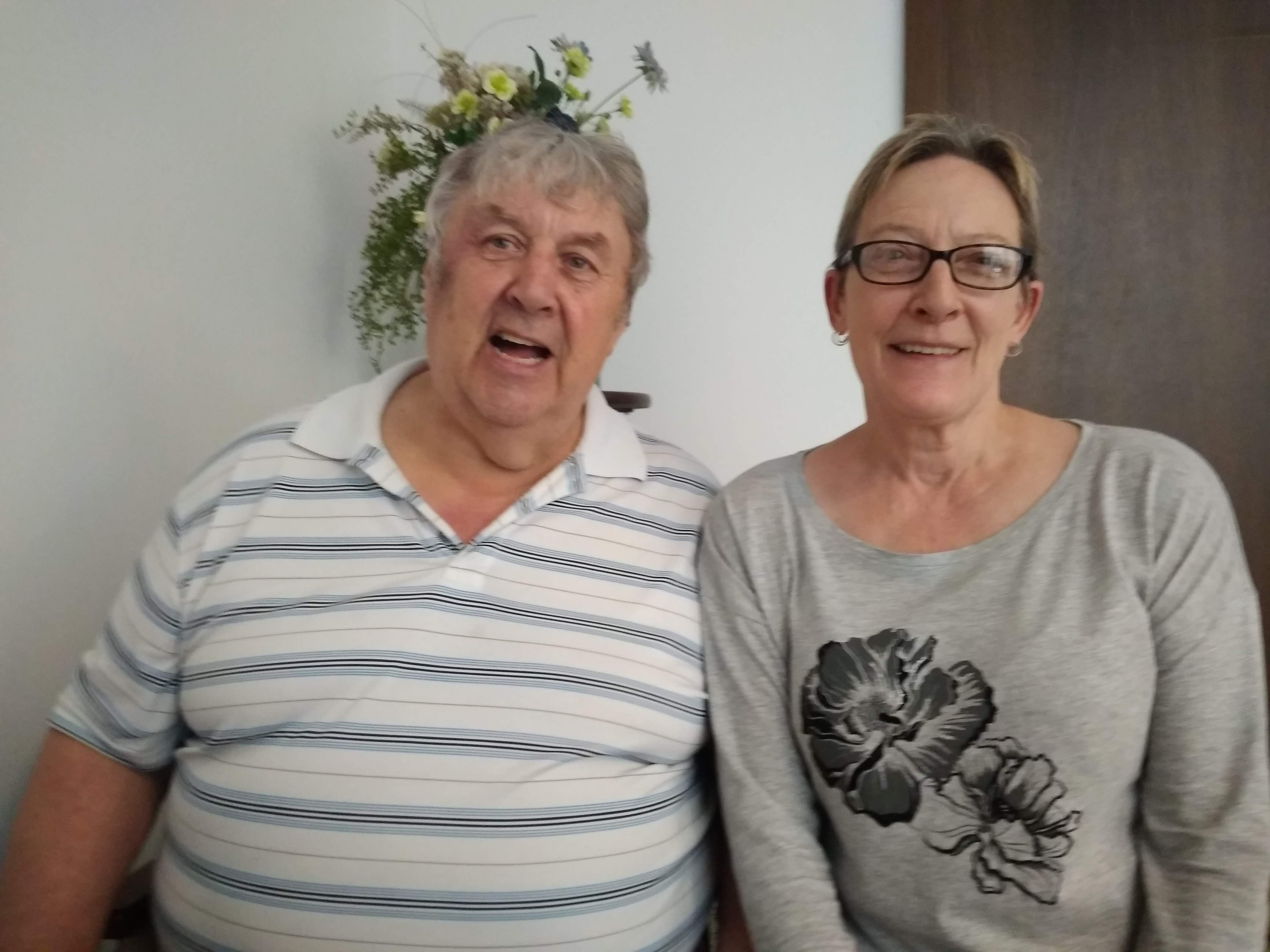
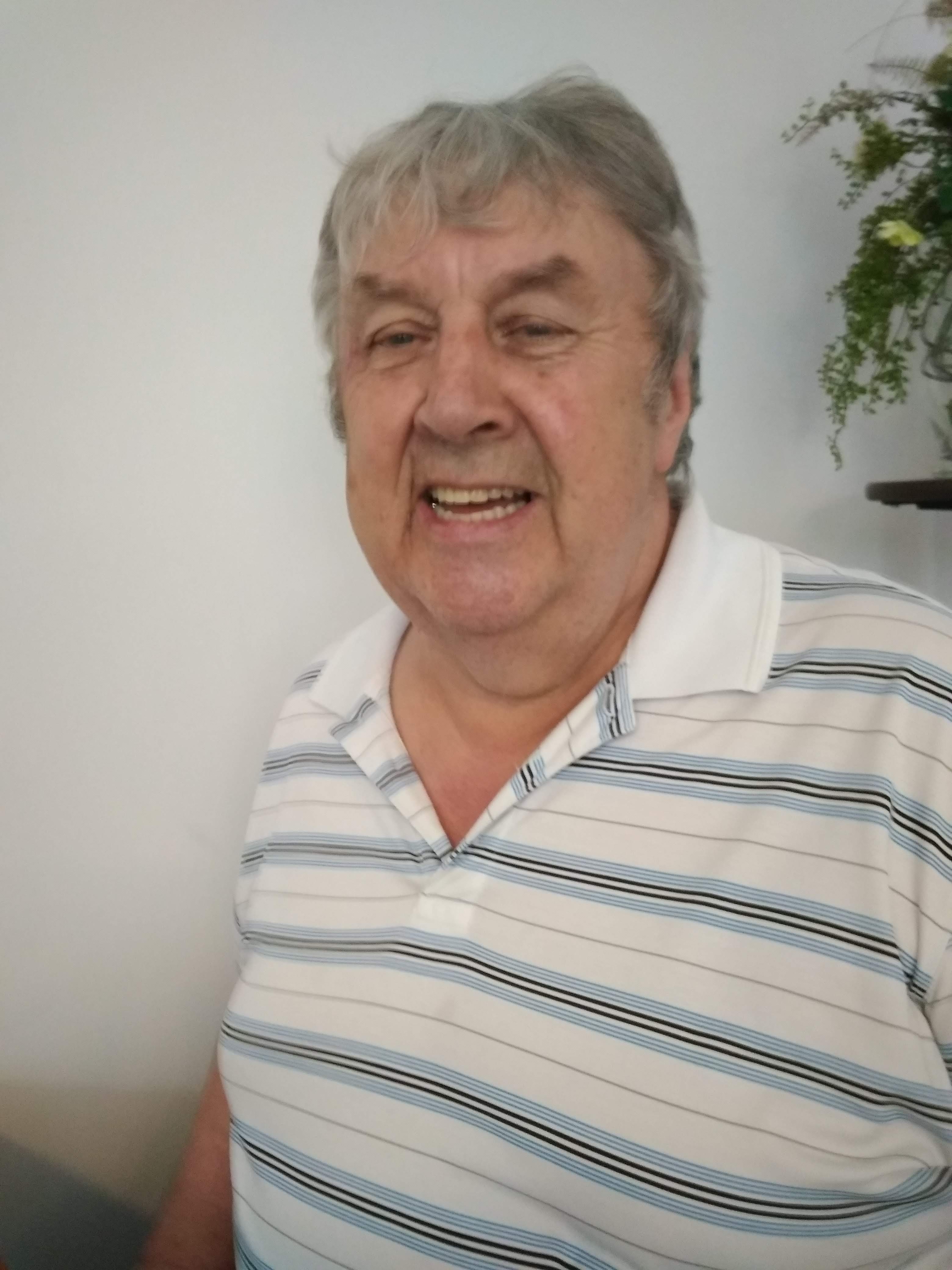
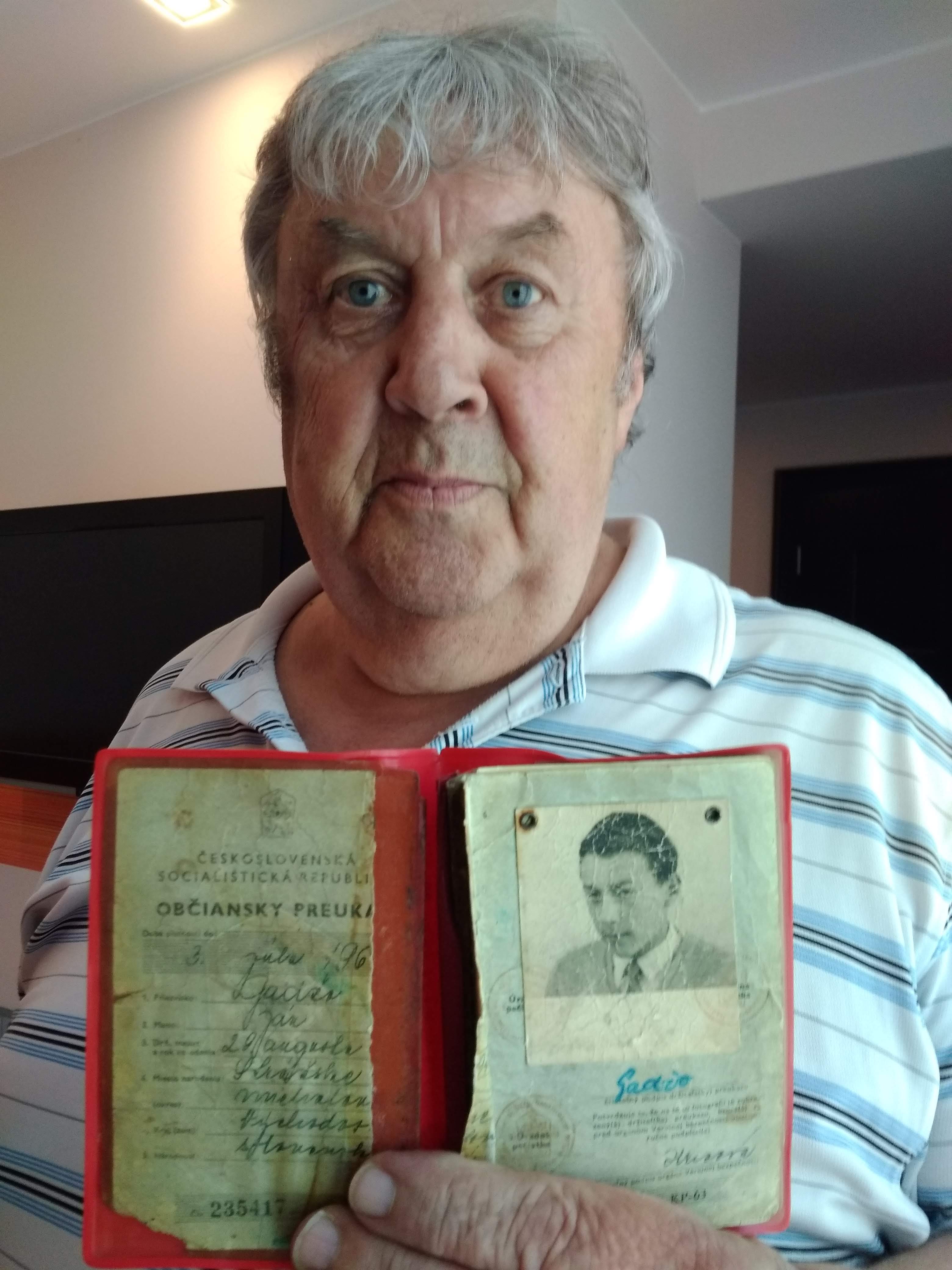
Ján Gadžo

* 1949

  • “Then the next day I walked around Maribor looking for ice cream men, because the people I knew they were Macedonians. I found one, I already spoke Serbo-Croatian, and he told me there was no one to help me, because everyone who used to lead people across the border had been caught. He told me, however, how to go, where to go and such things, everything.”

  • “I came to Vienna, took a cab, and went to the American Embassy – I had an uncle and family in America, I thought I'd get there, that I’d be in America in a few days. But it was already closed, they told me to come in the morning. Okay... There were thousands and thousands of people there back then. I remember 170,000 Czechoslovaks left at that time. You could hear Slovak, Czech all around Vienna. Everywhere."

  • “We had a lot of problems. In 1952 they took five hectares from us because they were building Chemko. Then they would come to us and persuade us to sign up for collectivization. I was a little boy and I remember all of this, because they would sit in our room all day, and both me and my brother were hiding under the bed and heard them talking.”

  • Celé nahrávky
  • 1

    Košice, 29.05.2019

    (audio)
    délka: 02:27:18
    nahrávka pořízena v rámci projektu Príbehy 20. storočia
  • 2

    Bratislava, 21.06.2019

    (audio)
    délka: 02:36:32
    nahrávka pořízena v rámci projektu Príbehy 20. storočia
Celé nahrávky jsou k dispozici pouze pro přihlášené uživatele.

He managed to escape on the third attempt
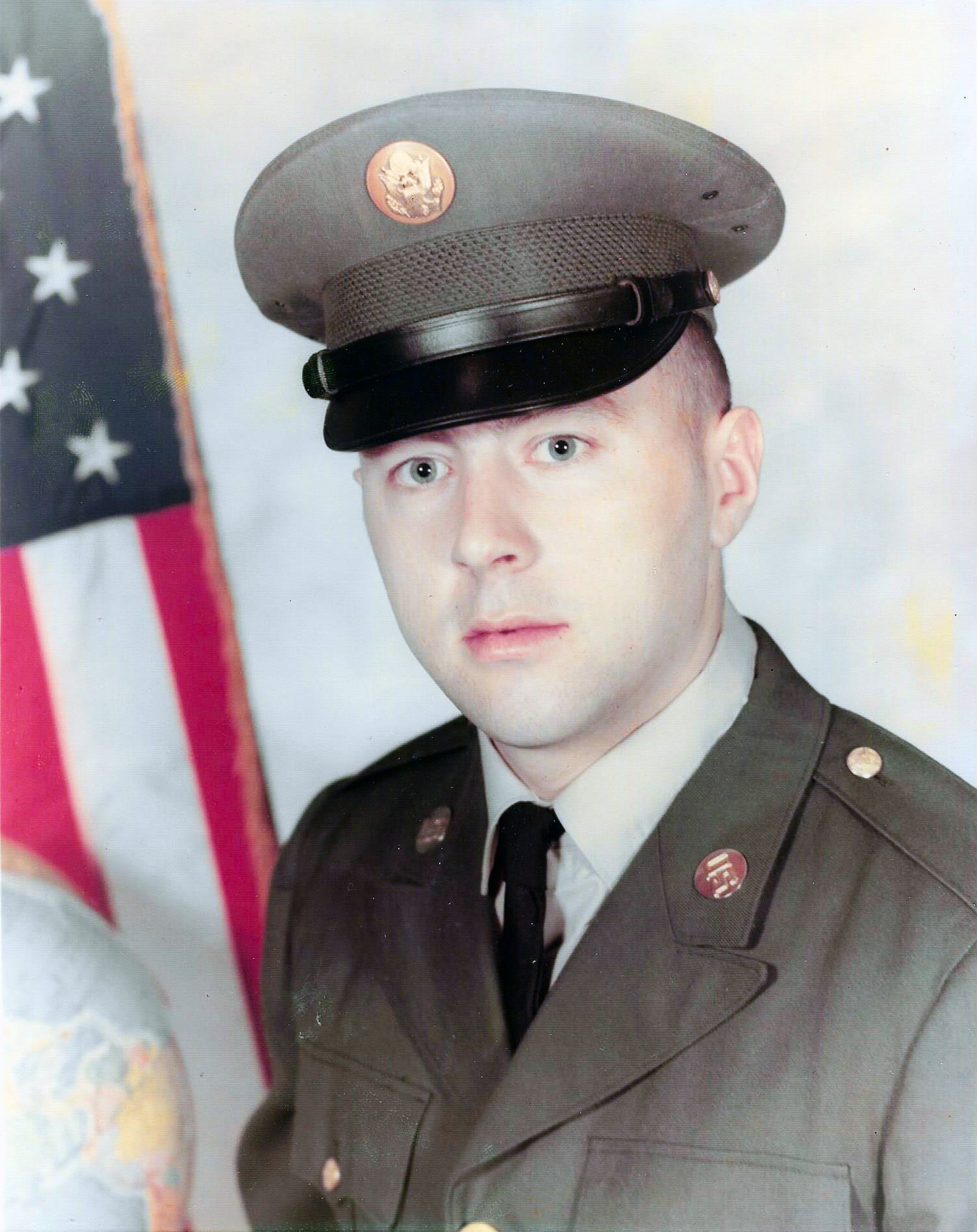
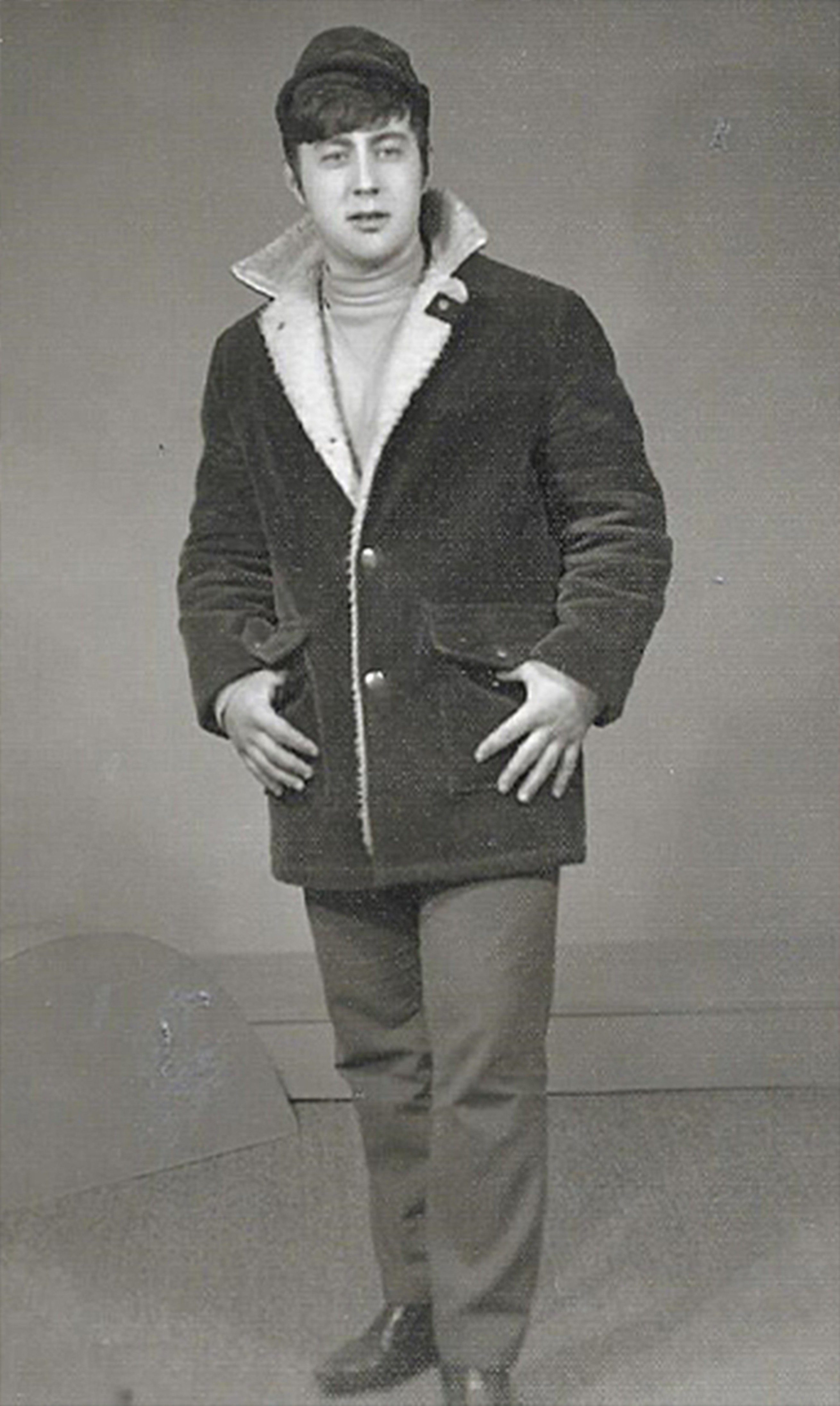
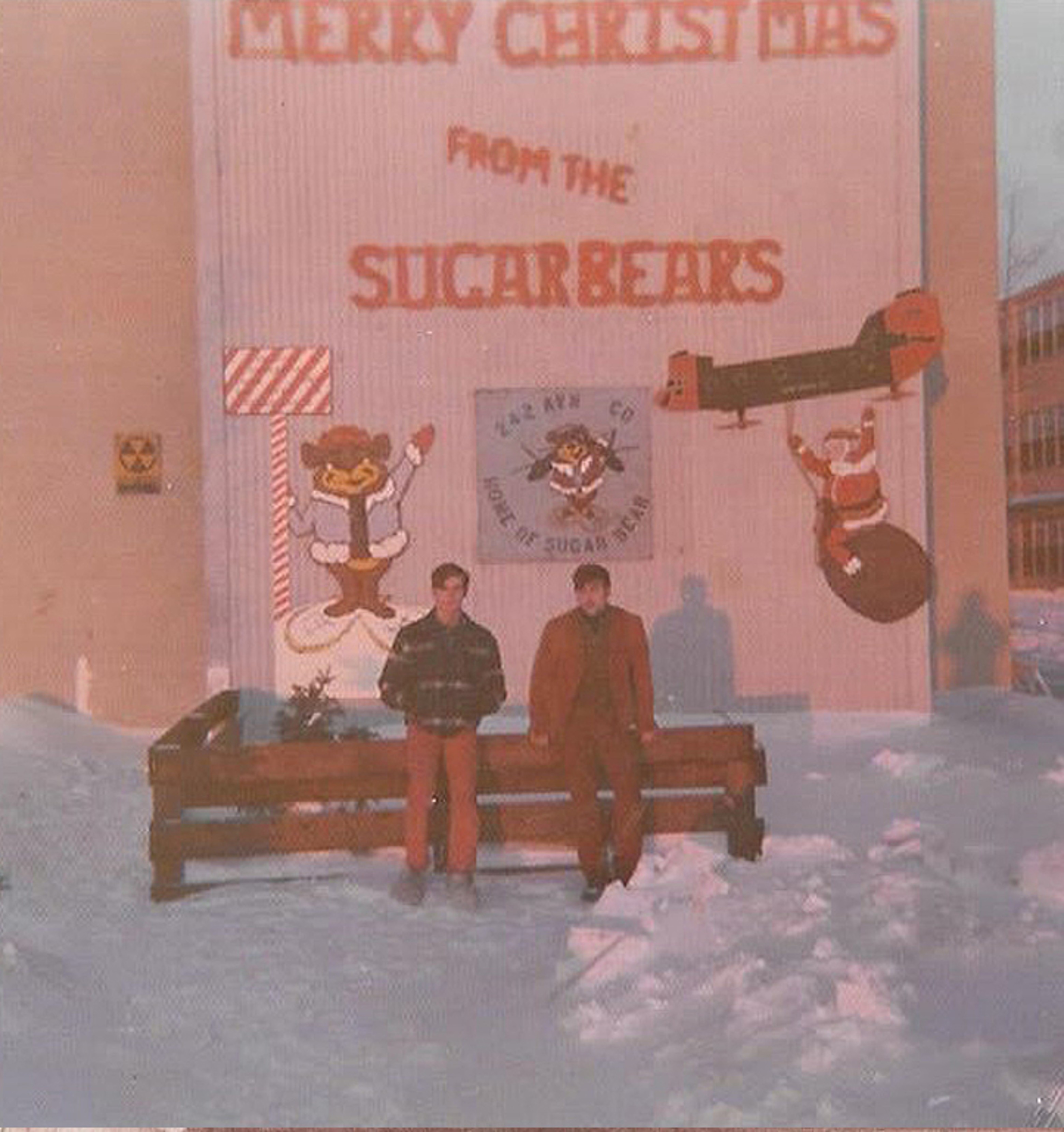
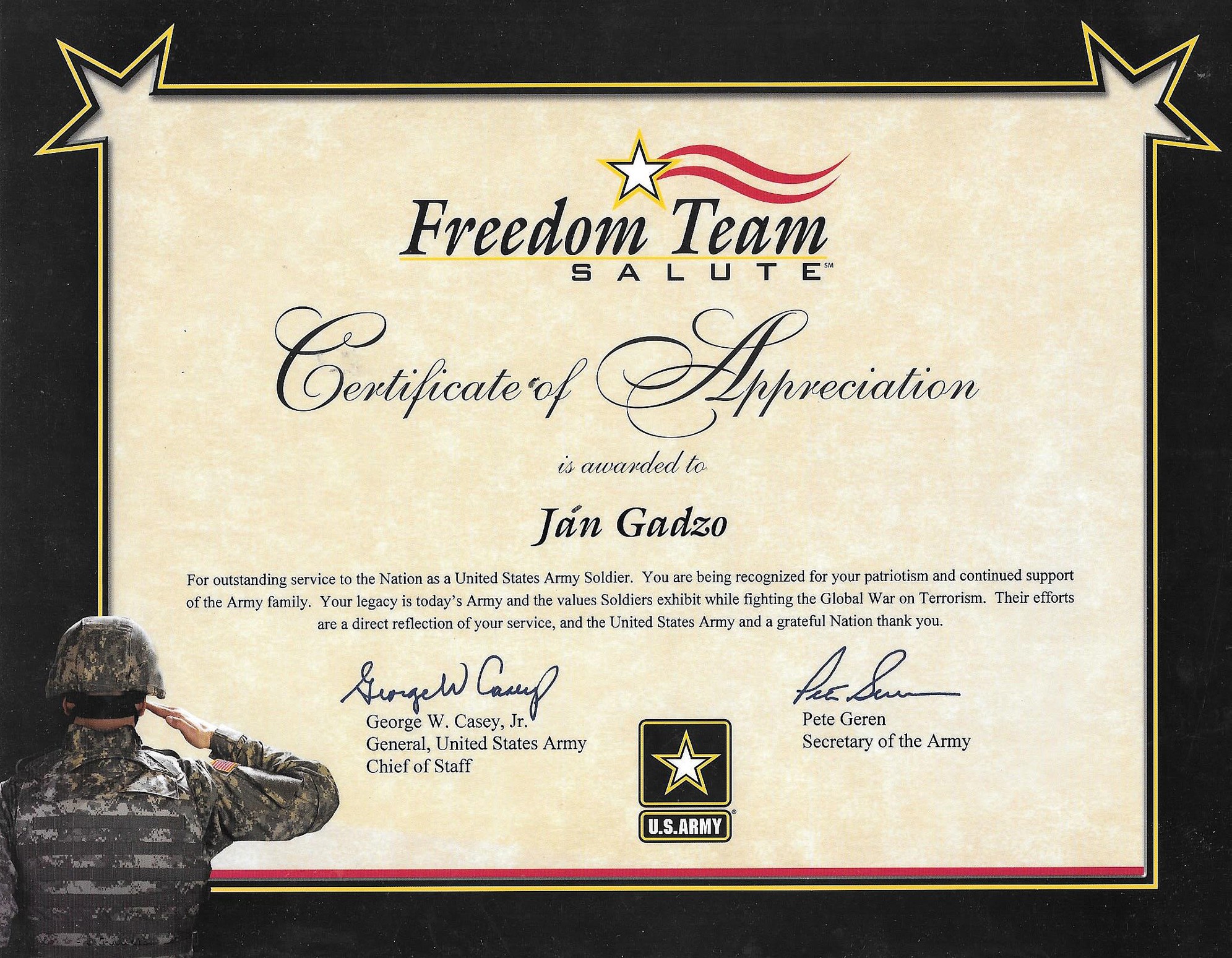
Ján Gadžo as a soldier in US army (1971 - 1973)
zdroj: archív pamätníka

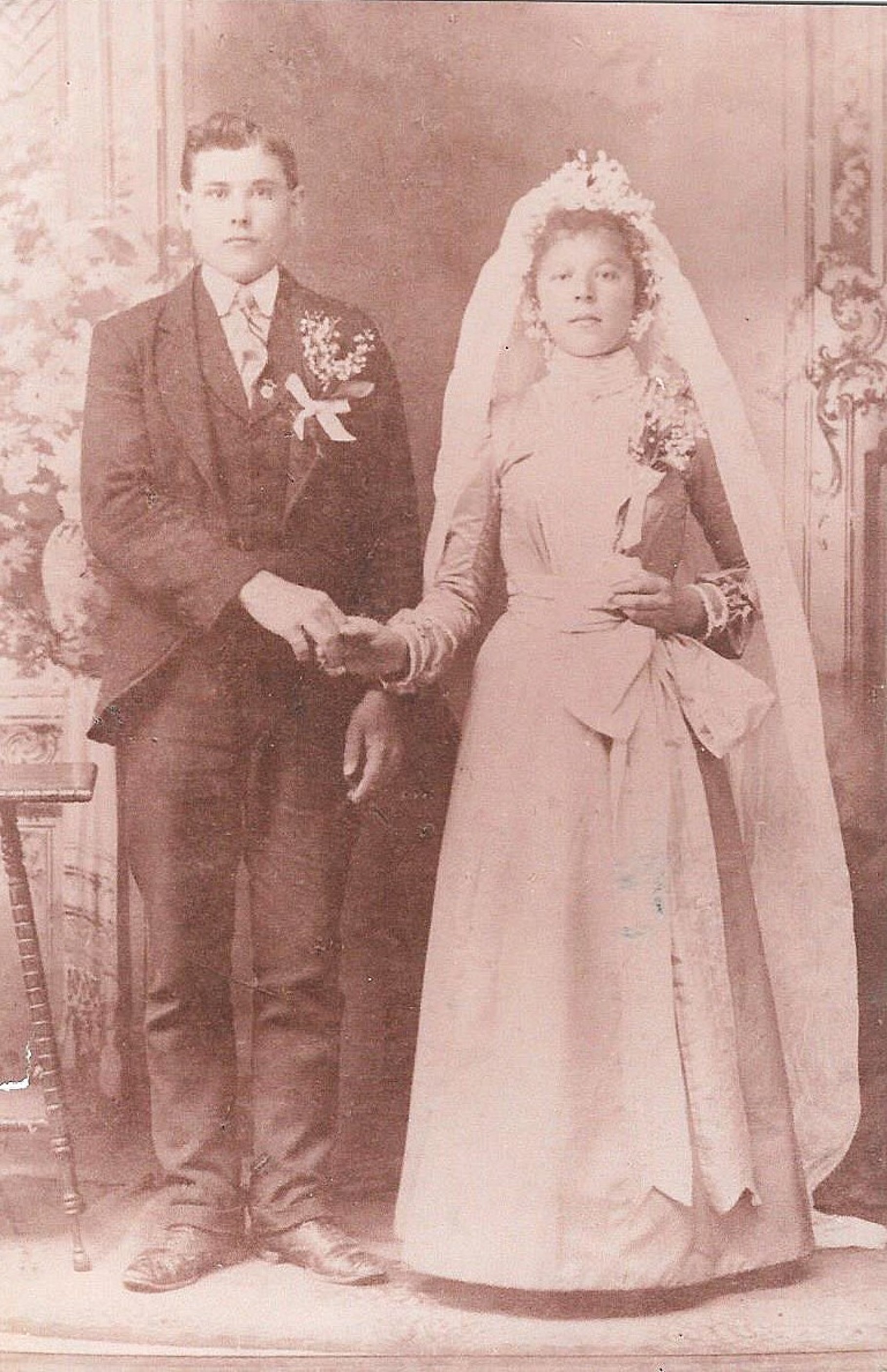
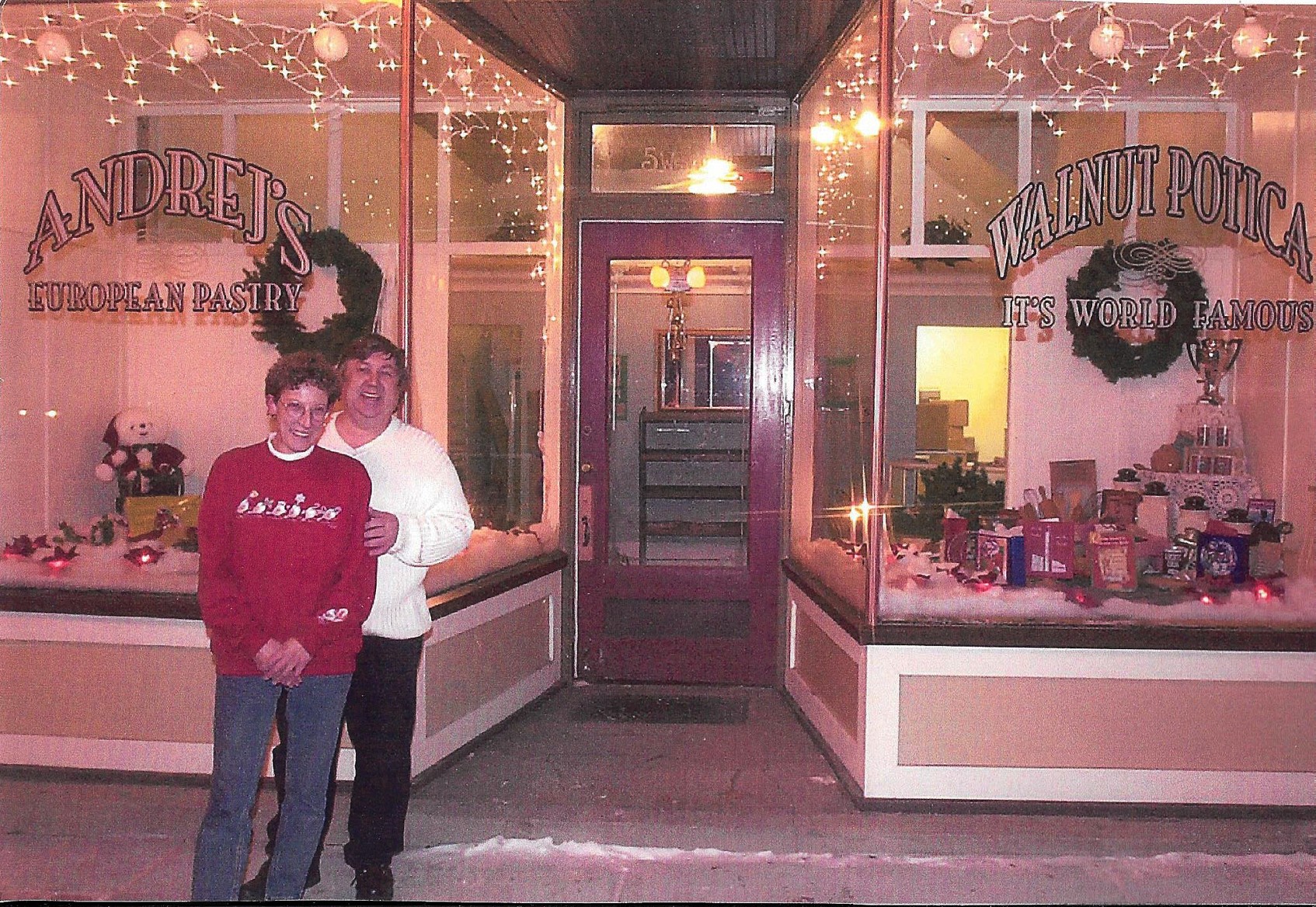
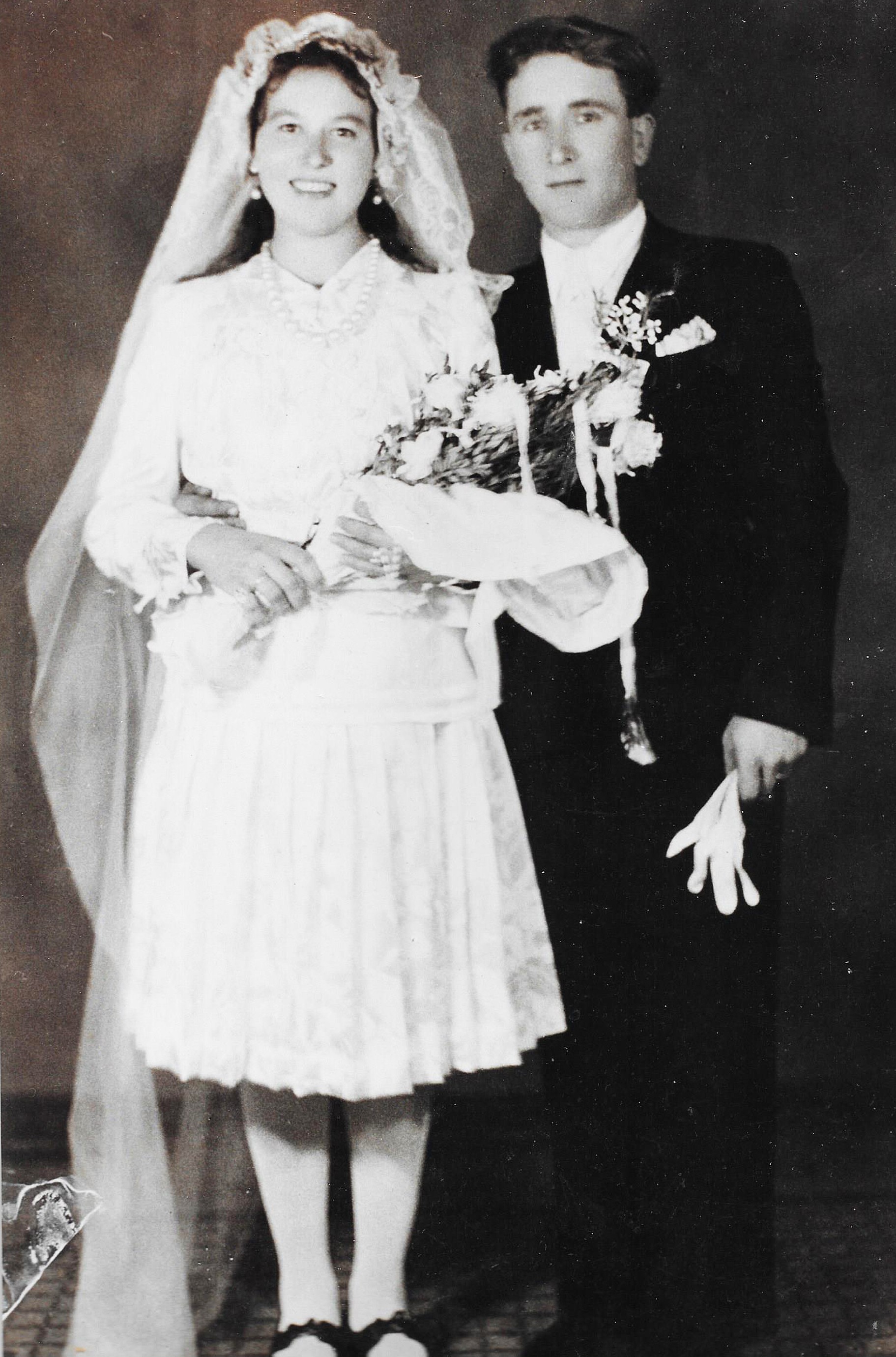
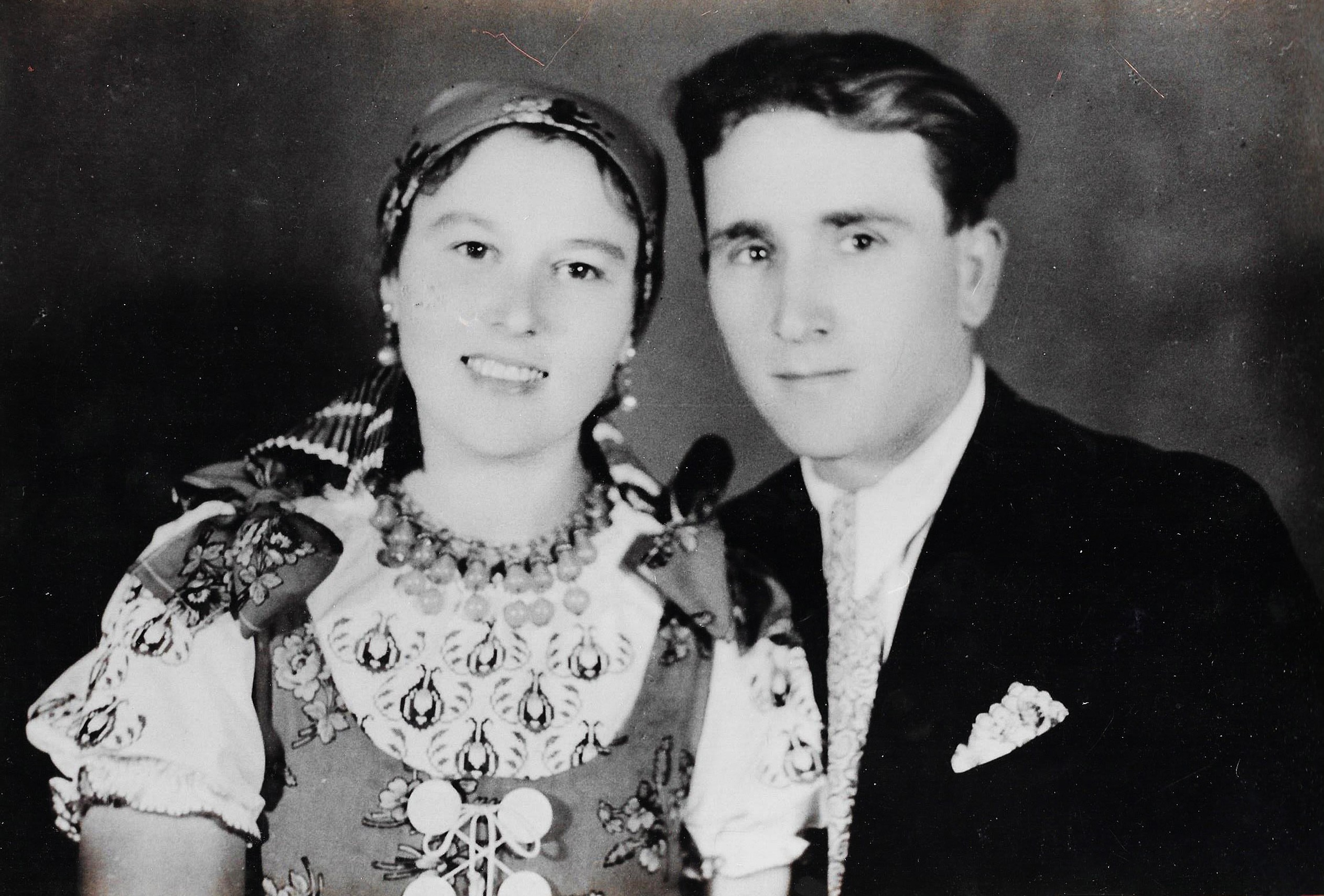
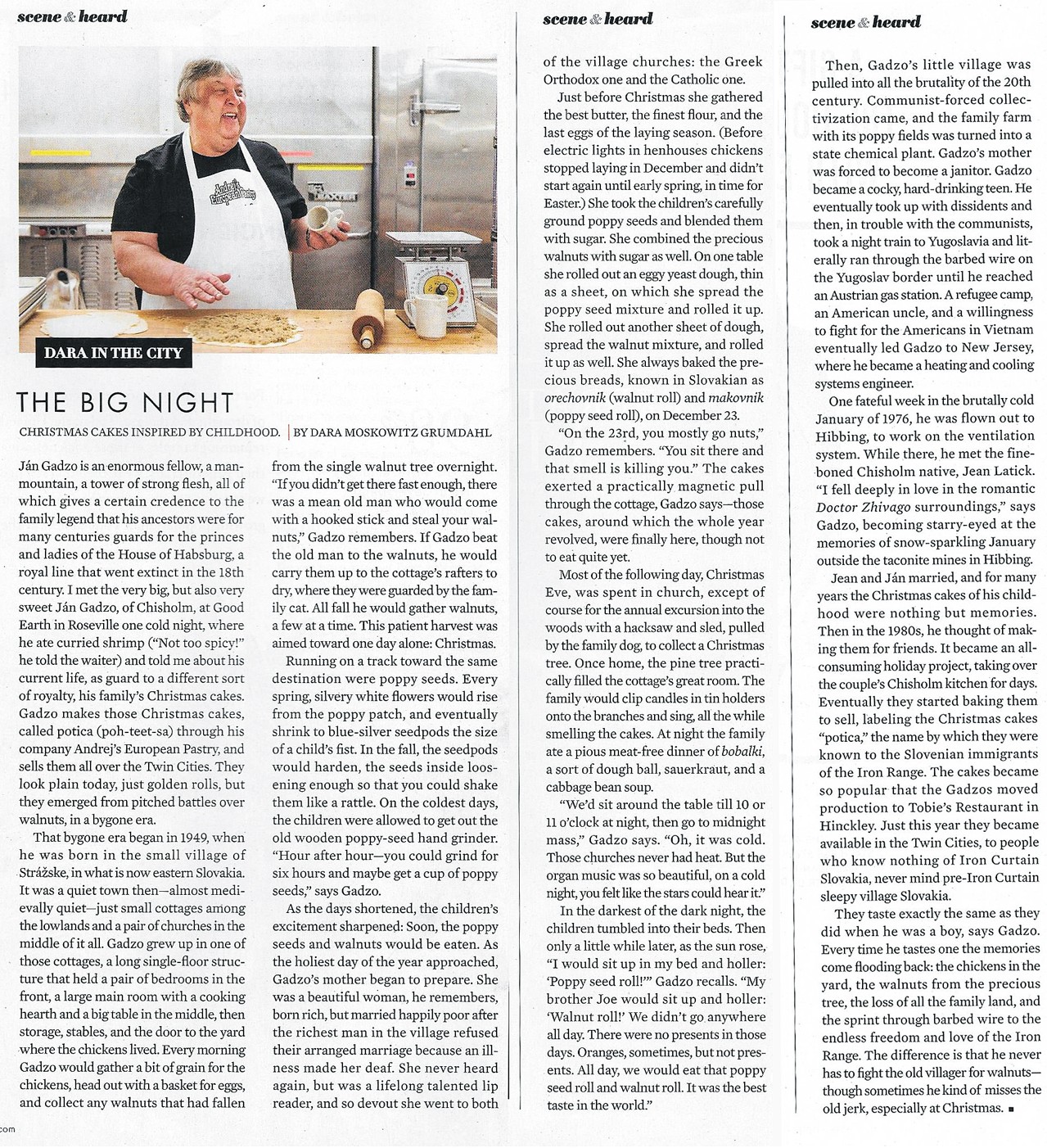
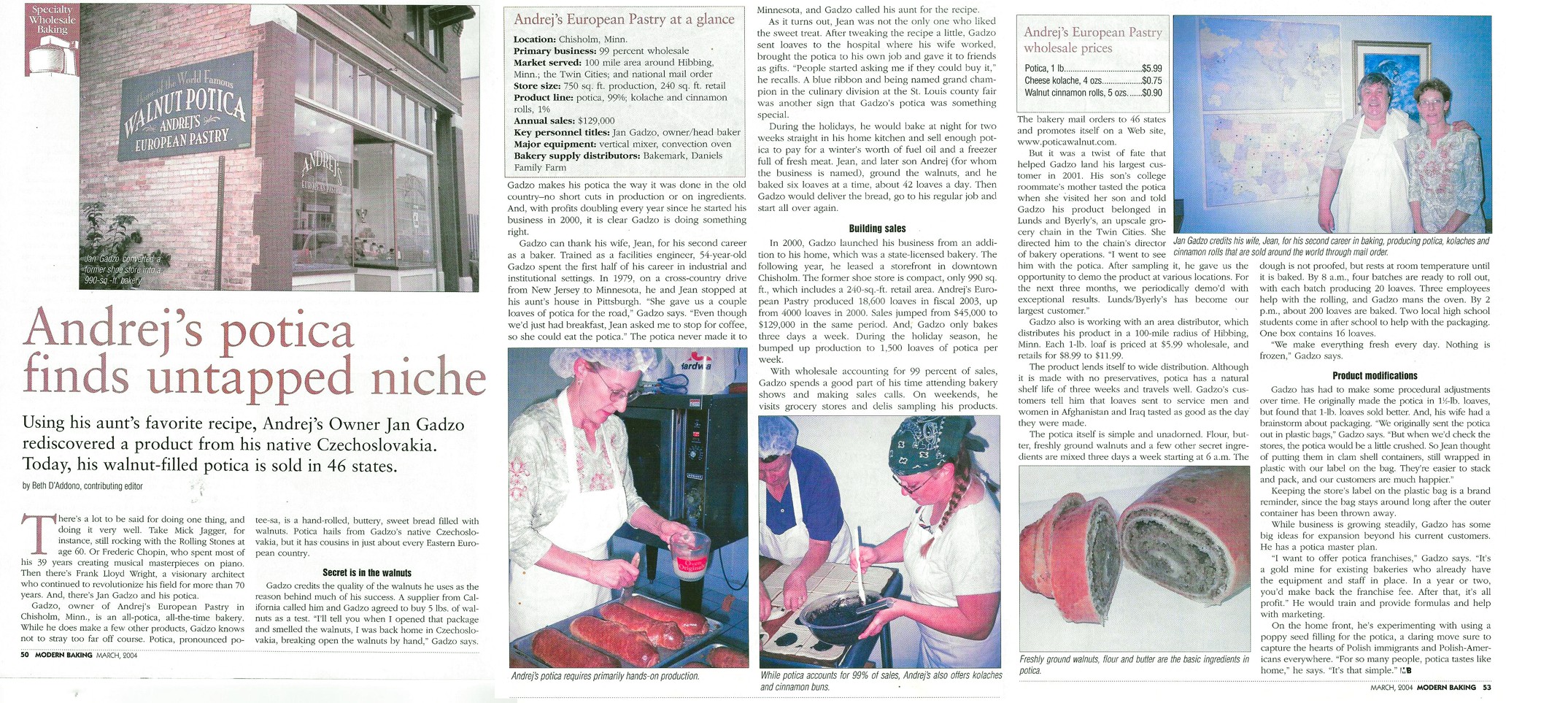
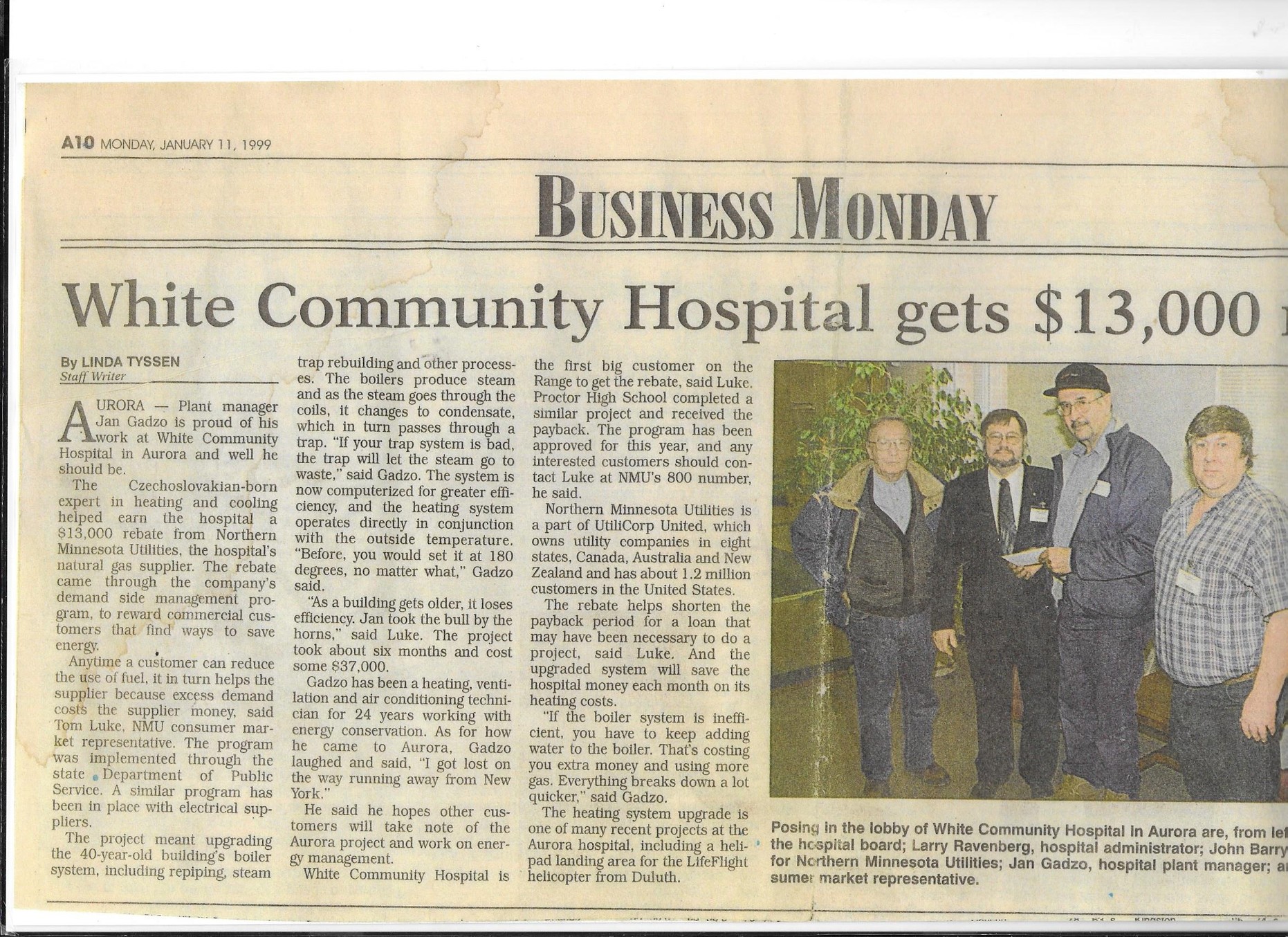
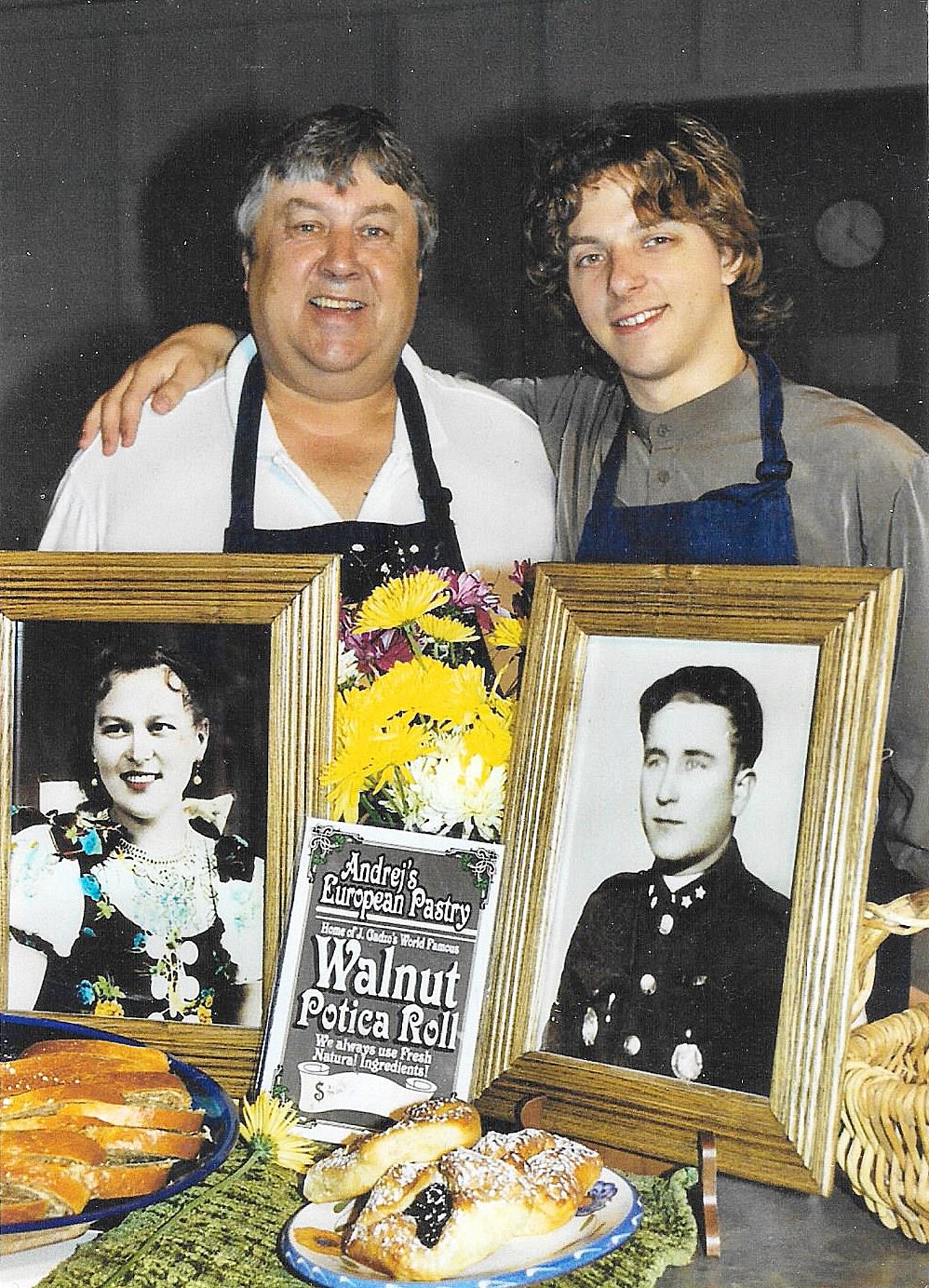
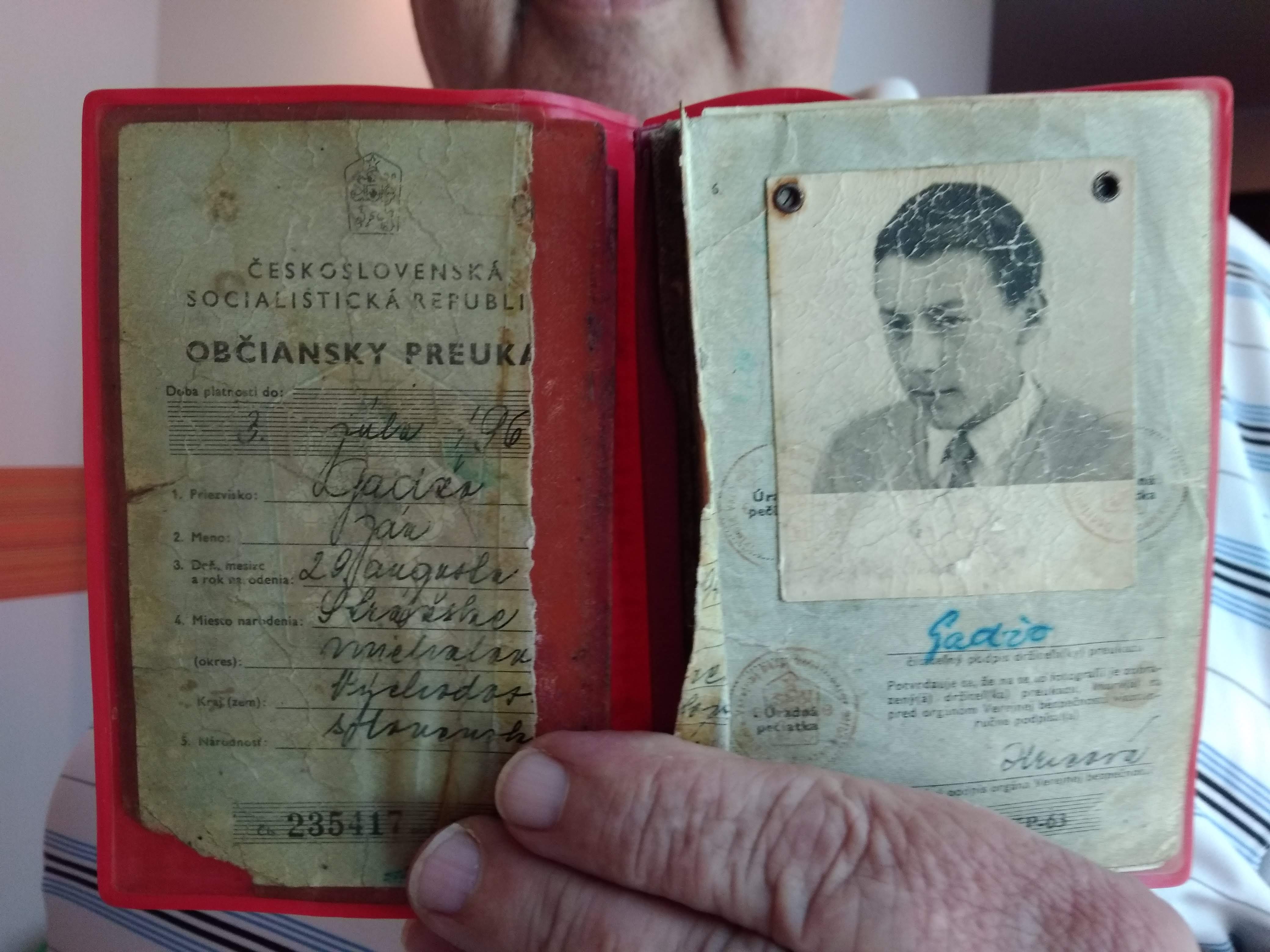
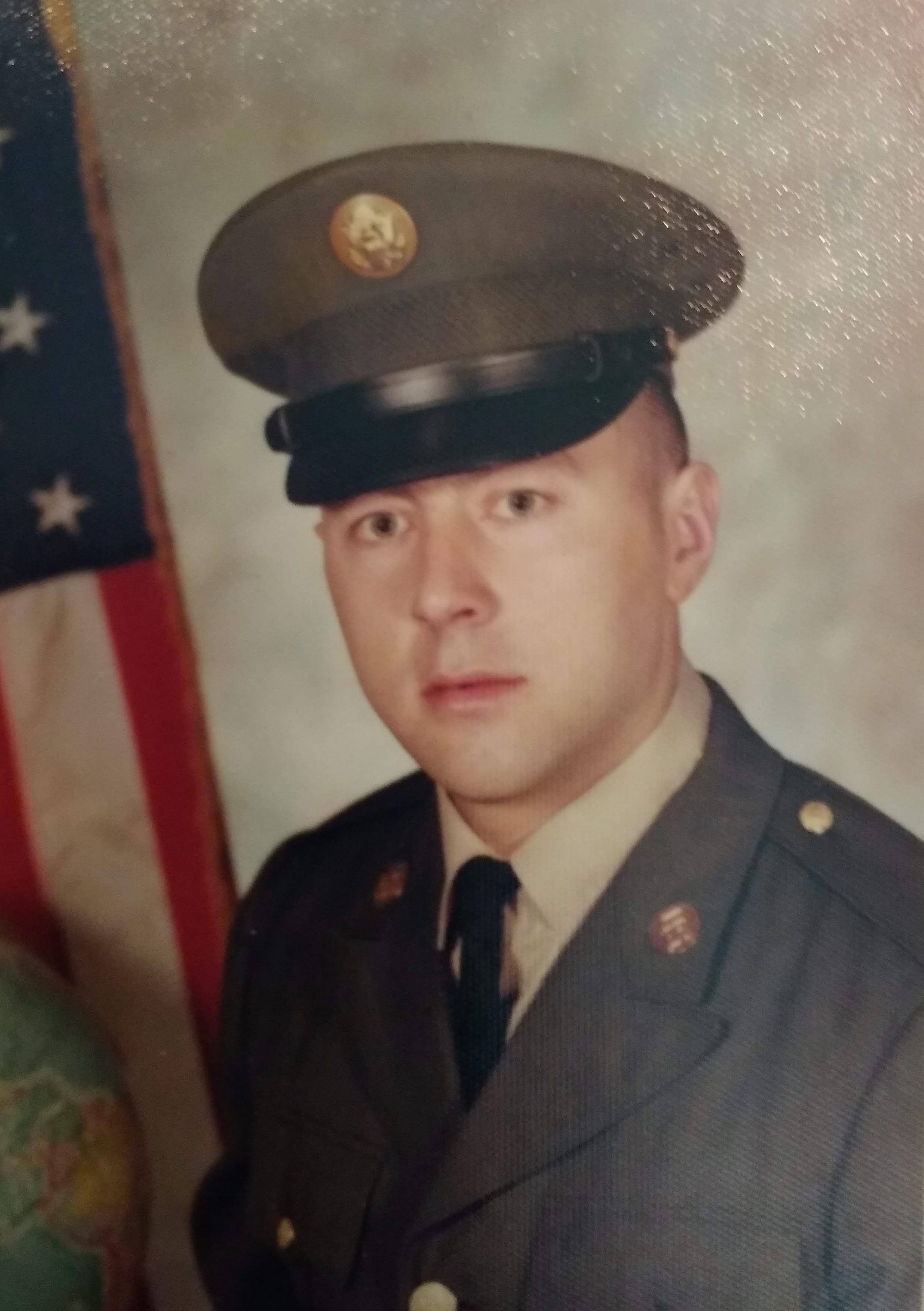
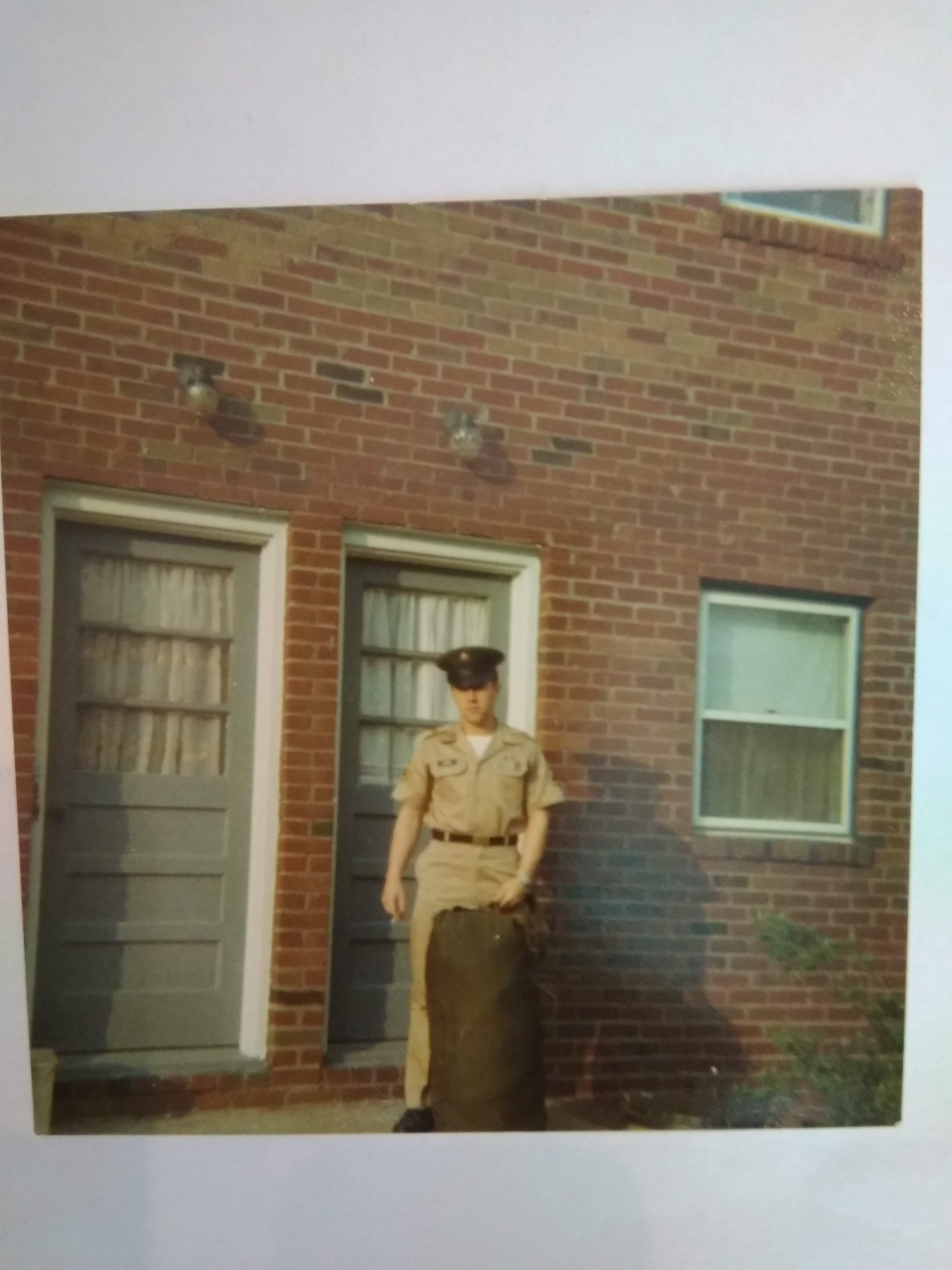
Ján Gadžo was born on August 29, 1949 in Strážske into a family of rich landholders. Since childhood he longed to live in America, where several of his ancestors and relatives lived at the turn of the 19th and 20th century. He tried to cross the borders of communist Czechoslovakia for three times. He managed to emigrate successfully in April 1969 through Yugoslavia, spending five months in the Traiskirchen refugee camp. In August ‚69 he immigrated to New York from there with the help of a Catholic charity. He lived with his uncle Michal and worked in various places. From January 1971 to January 1973 he served in the US Army at Fort Wainwright, Alaska, thus getting the US citizenship. He lived and married in Minnesota and went on business trips all over the USA. He led the family company, Andrej‘s Potica, which produced and distributed walnut strudels according to an old family recipe. He returned to Czechoslovakia in 1990. In spring of 2019 he and his wife Jean moved permanently to Košice.