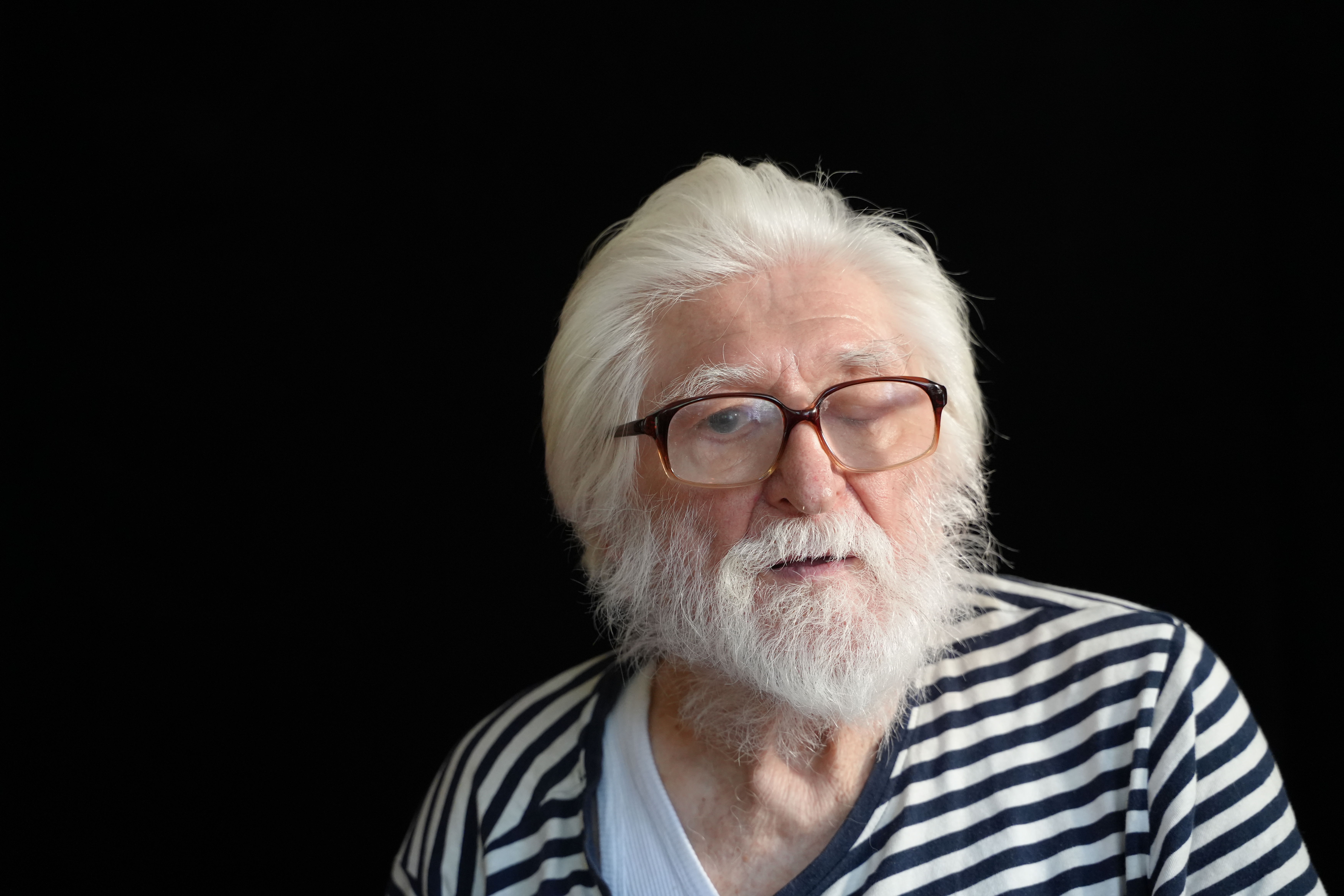
Emil Coplák

* 1937

  • "There was a stream, and fortunately it didn't reach the other side, they burned down this entire left side, from the lower yards, also the Liškovič family, that is. And there was a stream and we had a house there. So my grandmother was there until the befel came that she had to move out on the twenty-third. So beautiful, my little... brother.... Yes, part of it was already burned down, part of the sharp Grúň was burned down, part of Kľak was burned down, because people had already boarded up in that one, but in the end, in the one in Debnár's house they shot, there were sixty-four or so. In total, one hundred and forty-six people were killed in Grúň, in Grúň and in Kľak. I don't know, I don't know how many children there were, and so on, it was a lot."

  • "I remember that because on October 25, the Germans were already pushing into Brezno. Our father, with a tractor and a trailer, climbed into the Brezno barracks, which were already empty, but the doors of the warehouses were ajar. My father was already slowly under fire there, because the Germans were already pushing into Brezno. He took food, fur coats, winter clothing, everything that was needed for the mountains, he took a full trailer of necessary things, even a (field) kitchen. Everything that was there. And then we practically went to Jasenie and from Jasenie to the lumberjack's cabin in Suchá dolina."

  • „Najprv sme nemali lode, vlastne sme ich nikdy nemali dostatok, tých lodí, to bolo všetko len čo nám niekto v tých časoch mohol podarovať, ako sa povie. Nemohol si každý dovoliť kúpiť loď, ako som si kúpil ja. No a tak tú moju loď drali, drali, a bol som taký blbec, že som si furt kupoval lode, lode, pretože bolo tých športov, ktoré sme robili bolo päť. Jazdili sme najprv rýchlostnú, potom sme jazdili zjazdy a slalom, potom sme jazdili maratóny, vodnú turistiku. No, snažili sme sa vždy nájsť to, aby sme obišli ten mechanizmus, ktorý je, že to poleno, keď nám niekto hodil pod nohy, tak sme ho obišli.“

  • "For me, the closest thing was speed canoeing, which is what I started with, I bought the kayak and so on, but after that affair, they slowly pulled me out of speed canoeing. Then I found a loophole, so I started running marathons. Because I knew that no one else would be up to it, because it's so hard, it couldn't be any harder. Because when you consider that in the Olympic race, our athletes finish in 4 minutes, and I did 50 kilometers in four hours, you can imagine who put more effort and skill into it in the end."

  • "That's how it went, I had my stamp made, I made the relevant report to the Ministry of the Interior stating that we were establishing a boating marathon association. So, since it was registered with the Ministry of the Interior, that we made a statute, and so on, that we wanted to organize it competitively, we asked for money from Bratislava. Because we founded a boating marathon association with its headquarters in Žiar nad Hronom and it was the first, the first one that was outside Bratislava. All the sports that exist were based in Bratislava, we were a boating marathon with its headquarters, the Slovak Boating Marathon with its headquarters in Žiar nad Hronom. Extra."

  • "Near Kharkov, in the village of Veseloye on May 14, 1942, during the offensive led by Khrushchev against Kharkov. The Slovak army was saving Kharkov at the time. The village of Veseloye was about fifteen to twenty kilometers from Kharkov, and it happened there that when the Germans retreated, my father was seriously wounded by a German machine gunner, because he mistook him for a mistake. He wounded my father and my father almost remained on the battlefield. His lungs were shot through. One bullet exited near his spine and his left arm was shot through."

  • Celé nahrávky
  • 1

    Bratislava

    (audio)
    délka: 04:45:58
    nahrávka pořízena v rámci projektu Príbehy 20. storočia
Celé nahrávky jsou k dispozici pouze pro přihlášené uživatele.

So that we can understand each other better and not make life on the planet unbearable
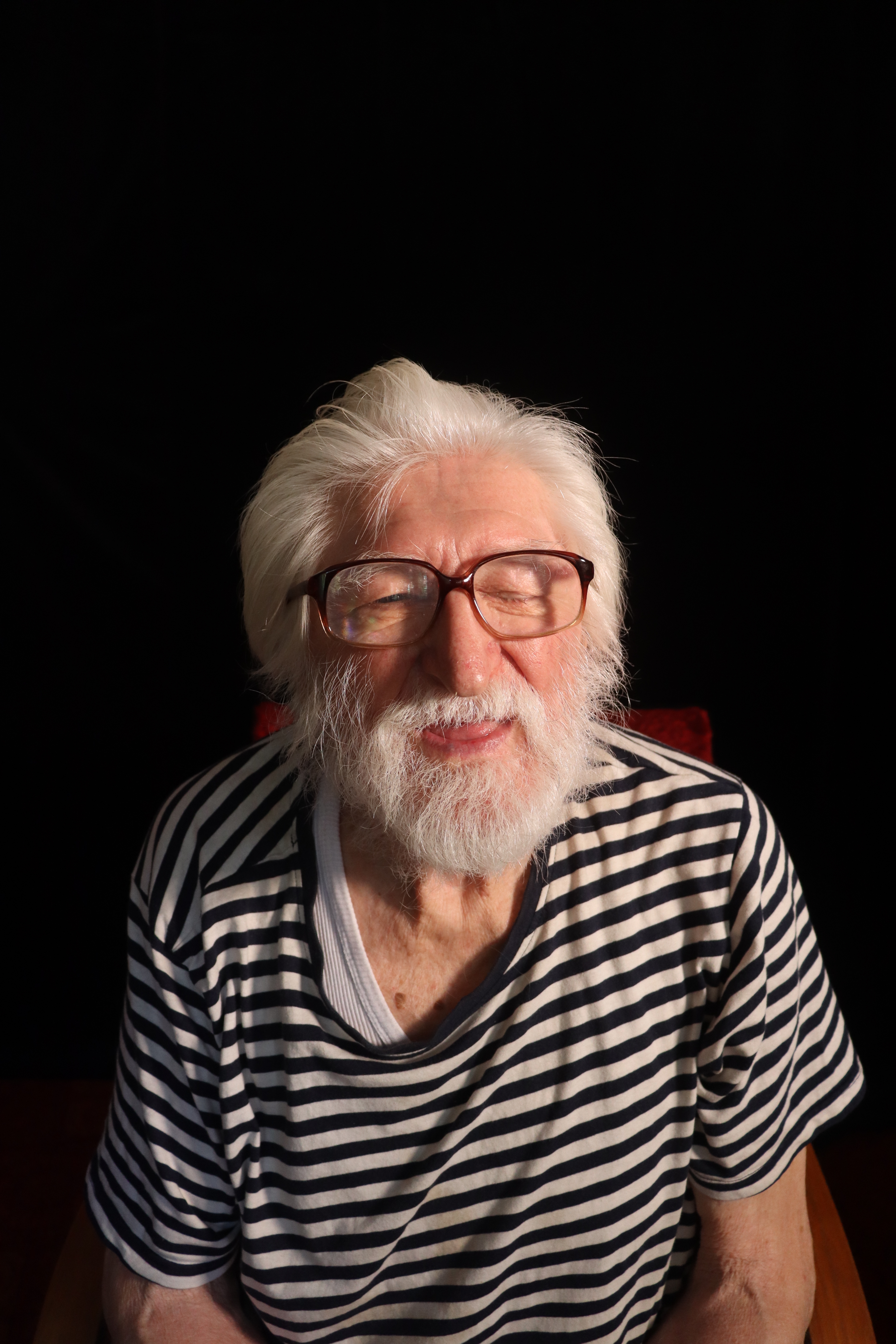
Witness Emil Coplák during recording
zdroj: Photo by Post Bellum SK

Emil Coplák was born on November 29, 1937 in Ostrý Grún. He was the oldest of seven siblings. His father actively participated in the Slovak National Uprising, when he helped Slovak partisans as a quartermaster officer. The family moved frequently due to his military duties. After the war, they lived in the Stráže area near Poprade, where his parents enrolled him in elementary school. In 1946-1947, Emil‘s father became a commander in the Oremláz military camp and significantly participated in the construction of the Military Training Area in Lešt. In 1953, they settled in Štiavnické banie, where Emil finished elementary school. From 1954, he studied at the Mining College in Ostrava. In 1957, after graduating, he returned home and started working for the Banská Štiavnica Ore Mines and the Pezinok Ore Exploration in Vyhnie. From 1957 to 1961 he studied at the Mining College in Banská Štiavnica. After school, he had difficulty finding a job in his field and worked for a while as a laborer and a truck driver. From 1963 he worked as a methodologist and sports officer at the District Committee of Czechoslovak Physical Education and Sports in Žiar nad Hronom. In August 1968 he started working at the District Committee of Czechoslovak Youth. In protest against the invasion of the Warsaw Pact troops, he distributed leaflets against the occupiers, for which he was tried and found guilty in 1969. From 1972 he worked as a district inspector in Nová Bána. When he got married in 1974, he found a job at the Sokolec Quarry near Bzenice, where he worked for 11 years. Emil devoted his entire life to boating. He founded a boating club in Štiavnica Mines. He preferred speed canoeing, in which he has 41 regional champion titles. Later, he focused on the canoe marathon, in which he achieved his greatest successes at home and abroad. In 1991, he founded the Slovak Association of Boating Marathons, based in Žiar nad Hronom. He is now retired, but canoeing, which he has been actively involved in for more than fifty years, is still close to him today.