Our skulls should be used to pave the square in Děčín
Stáhnout obrázek
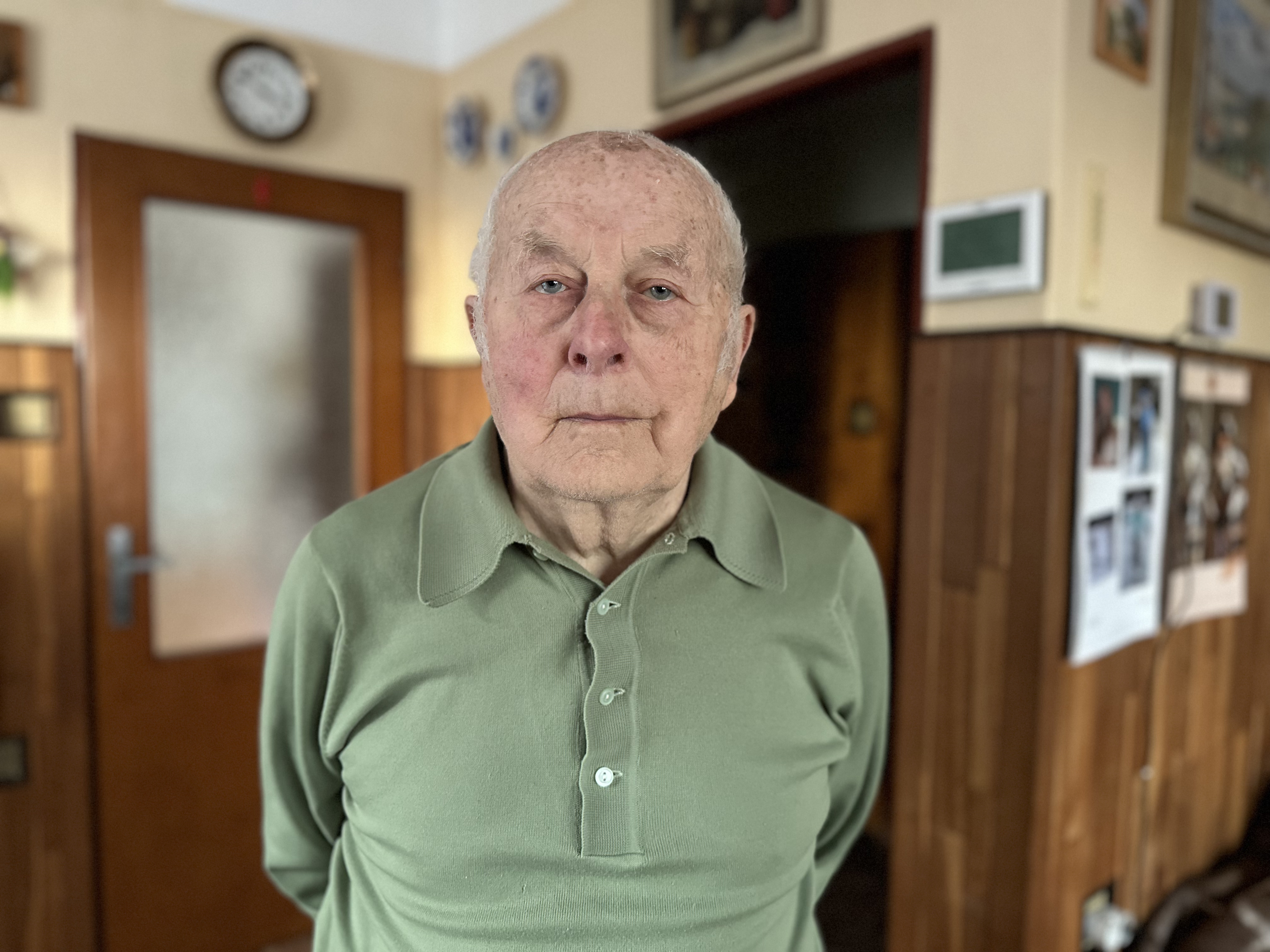
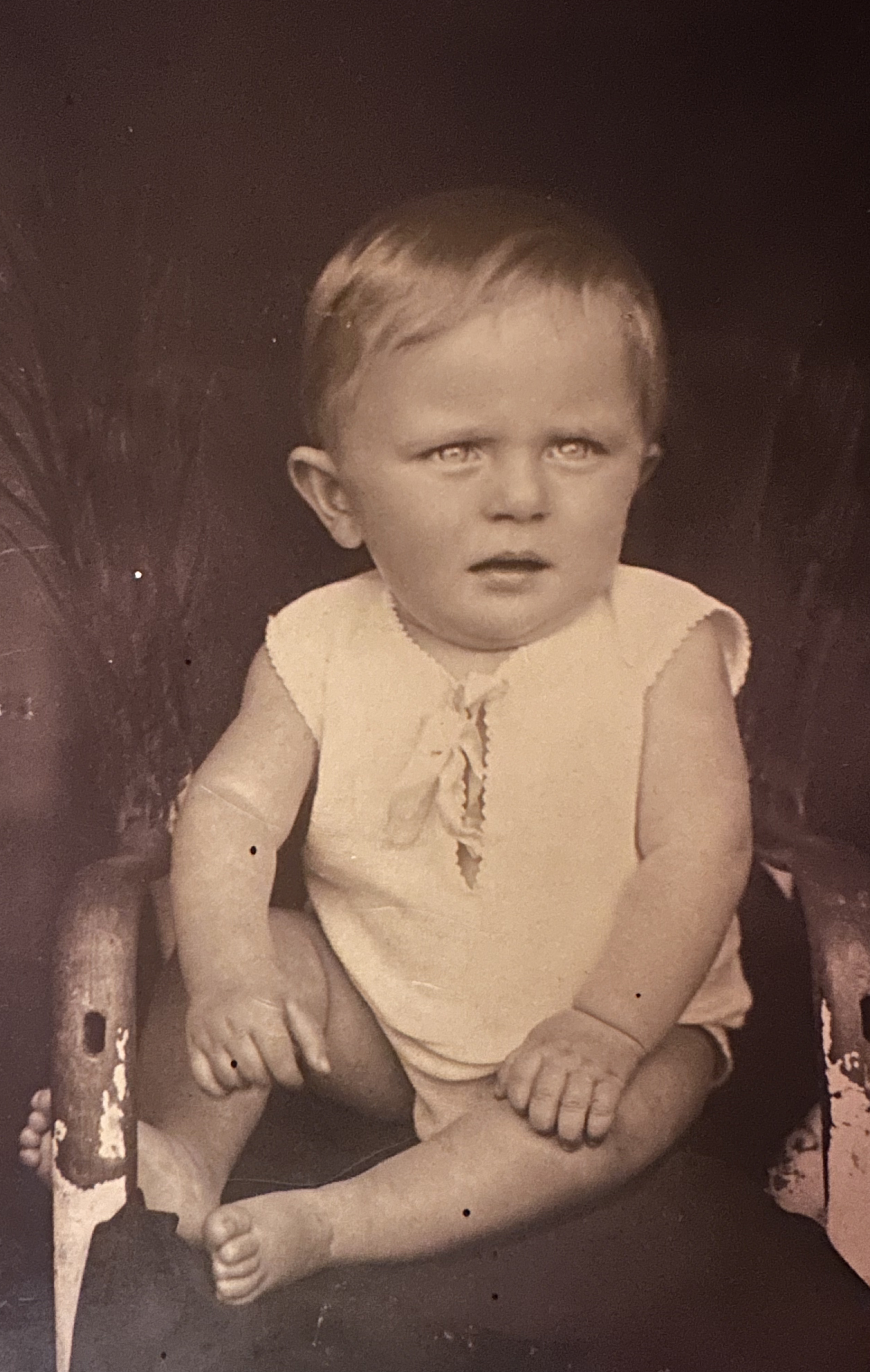
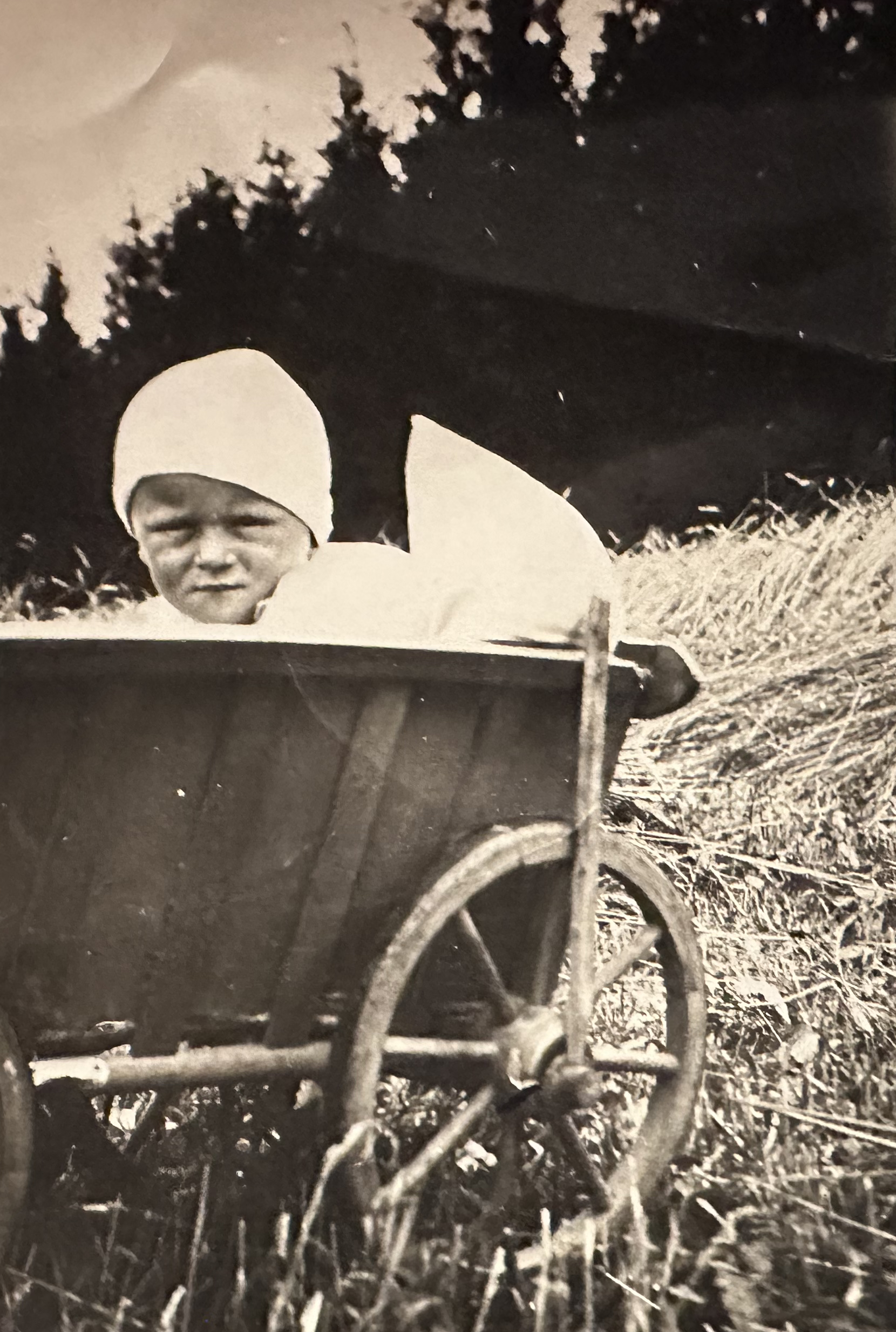
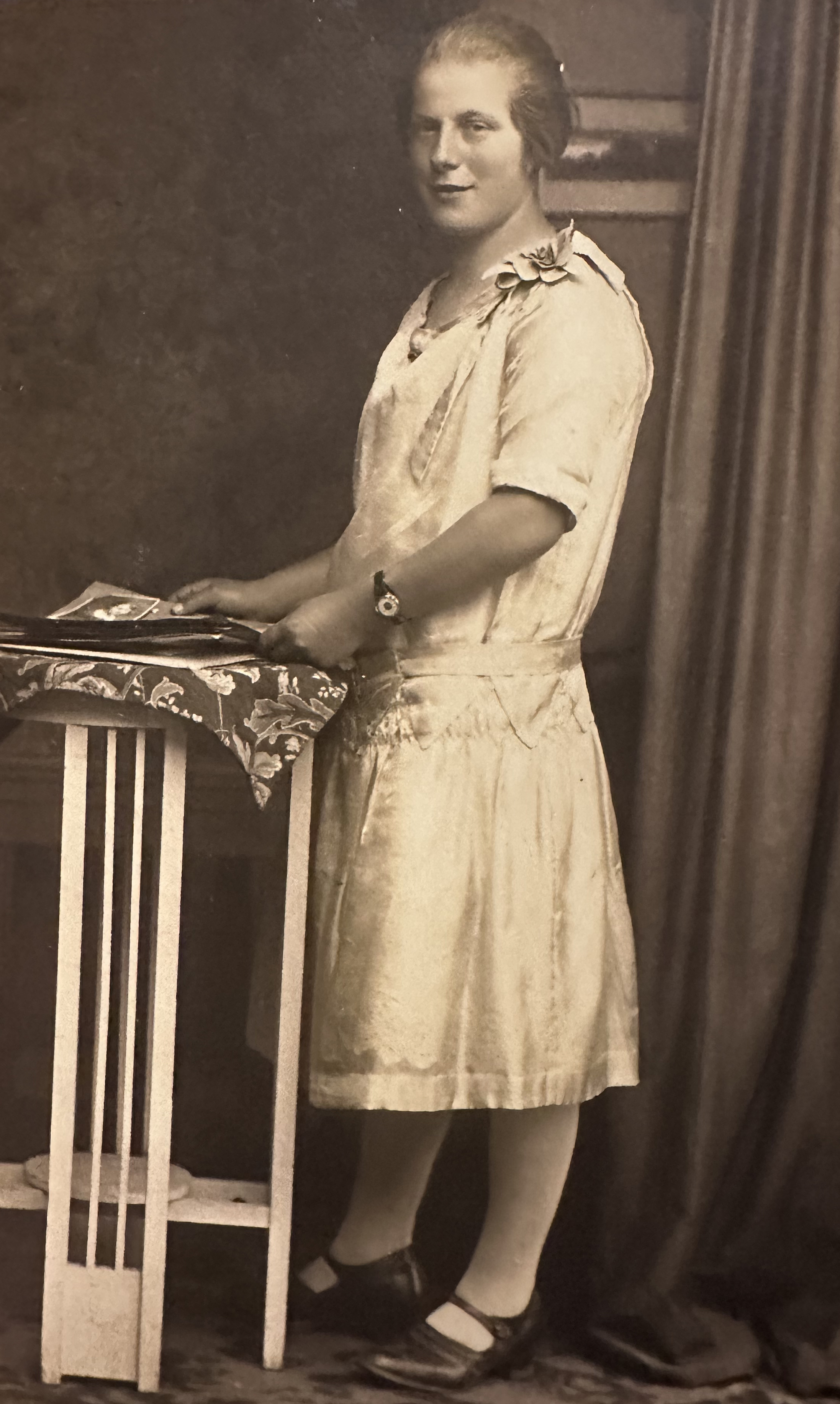
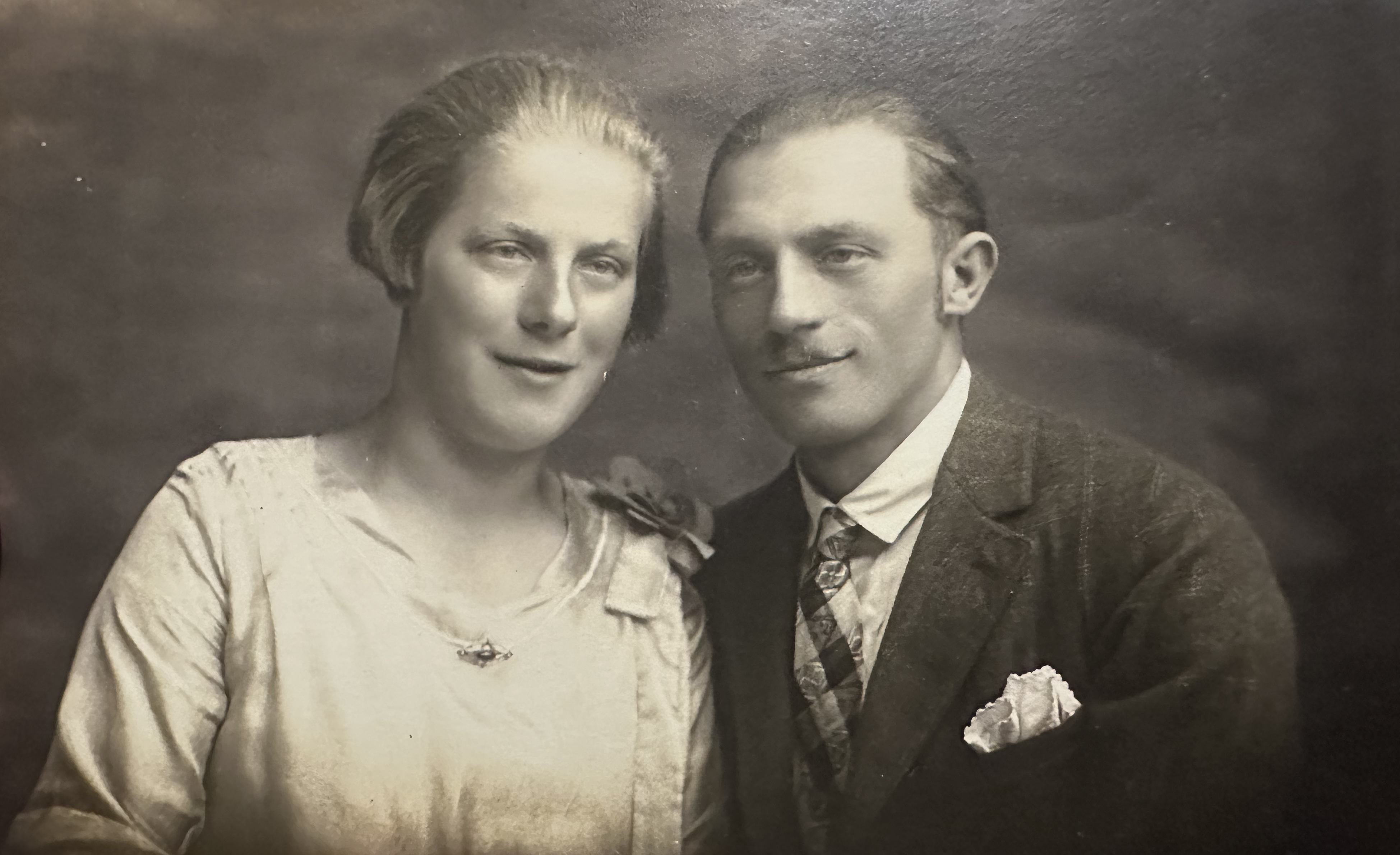
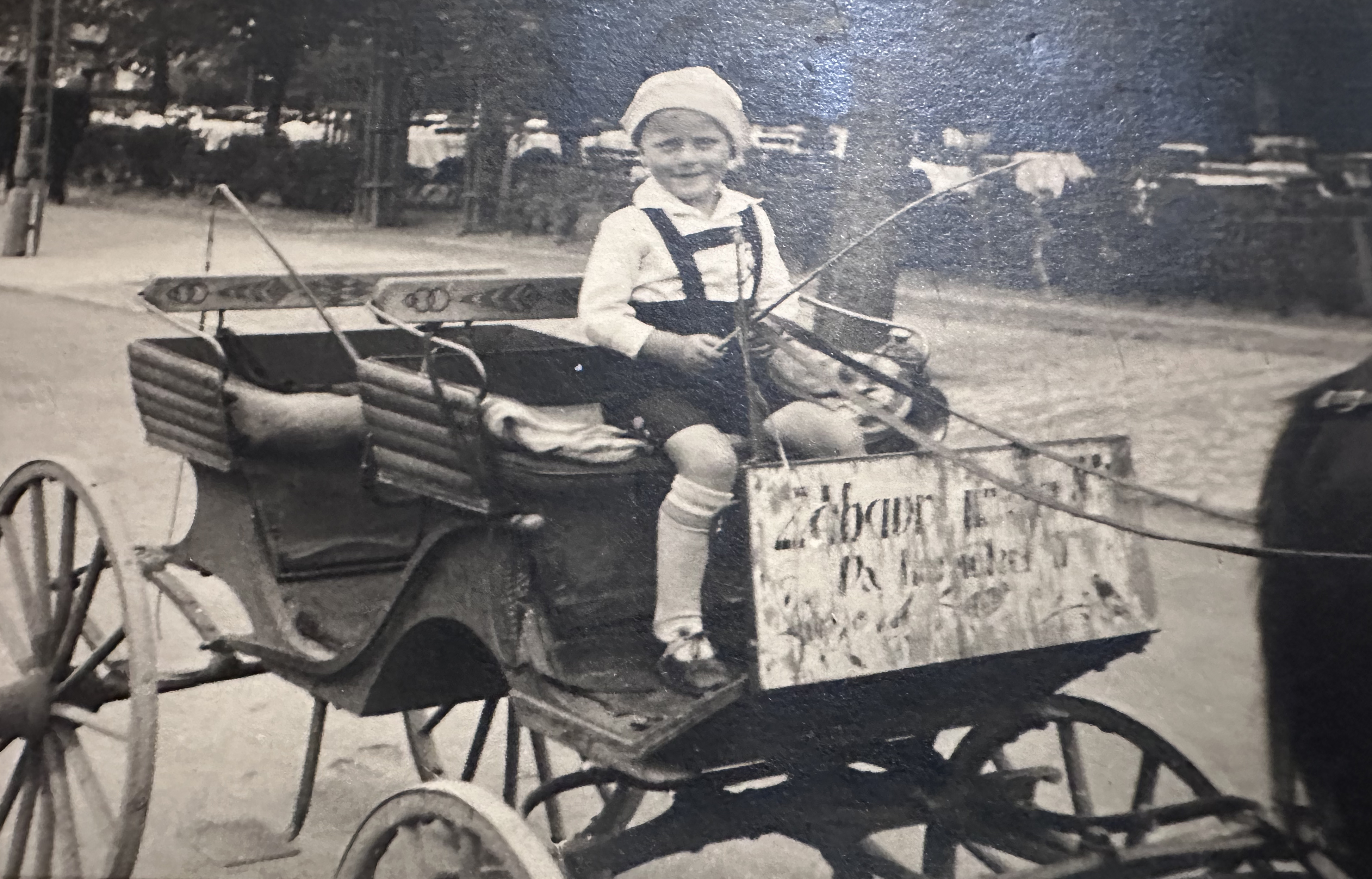
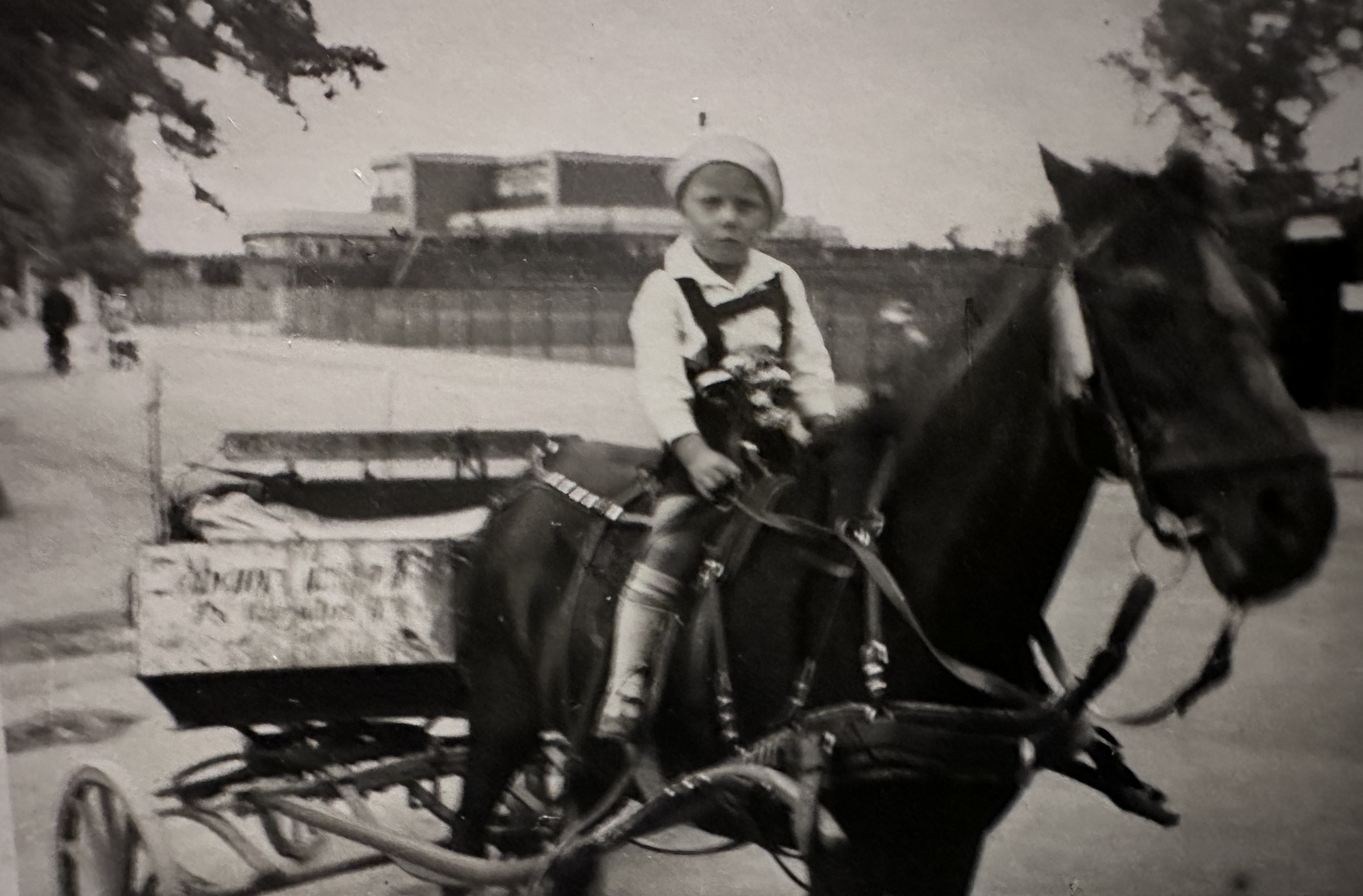
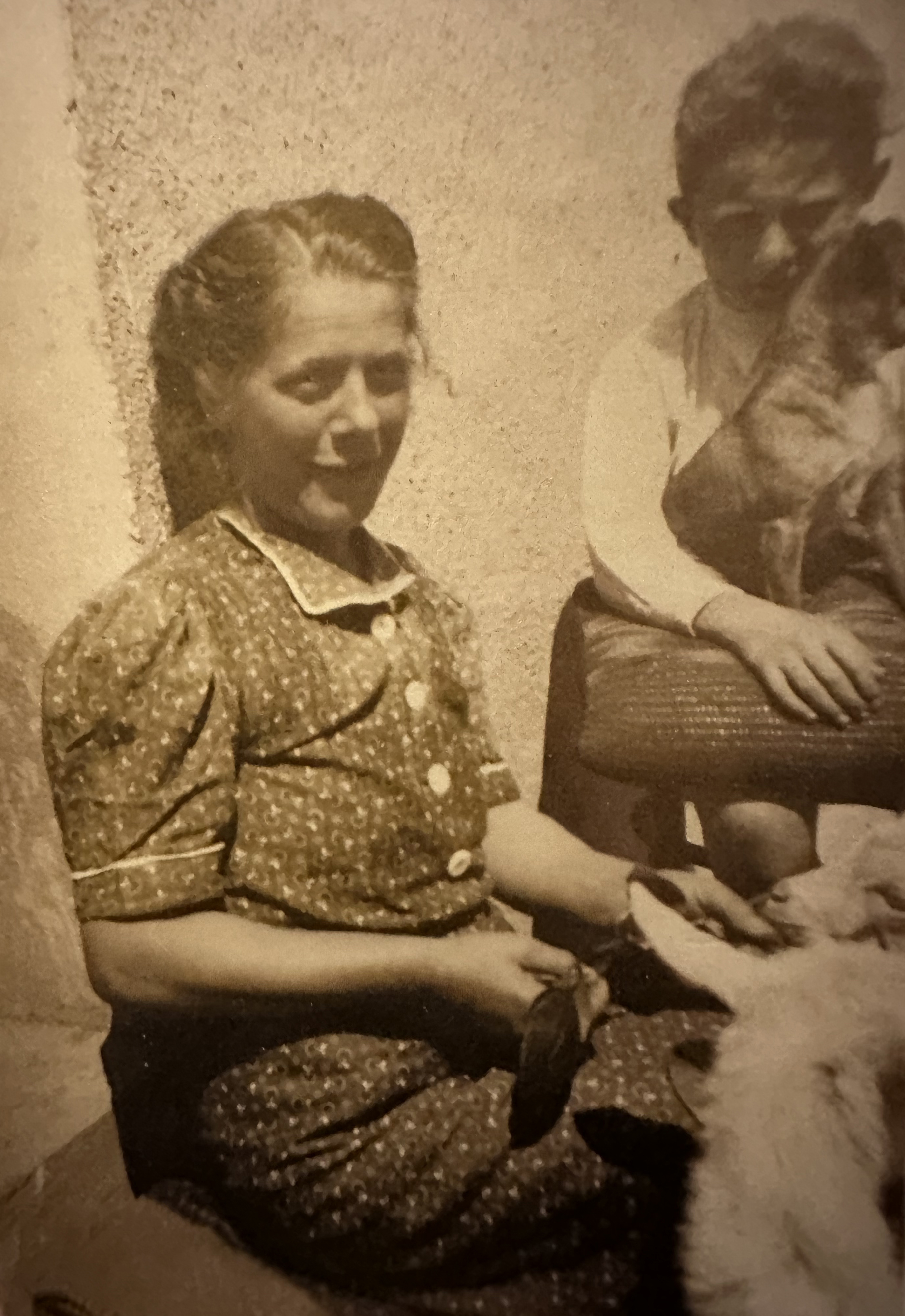
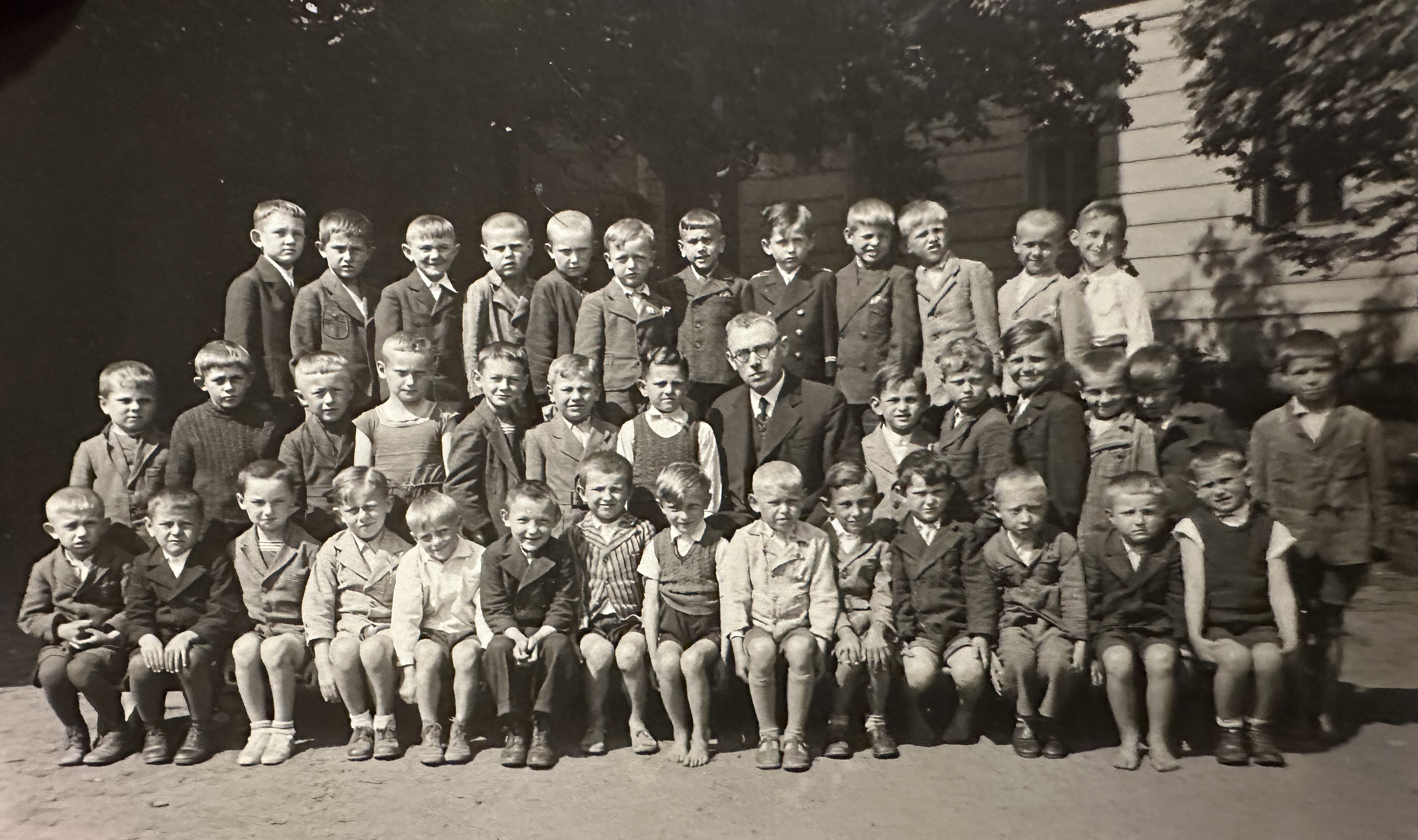
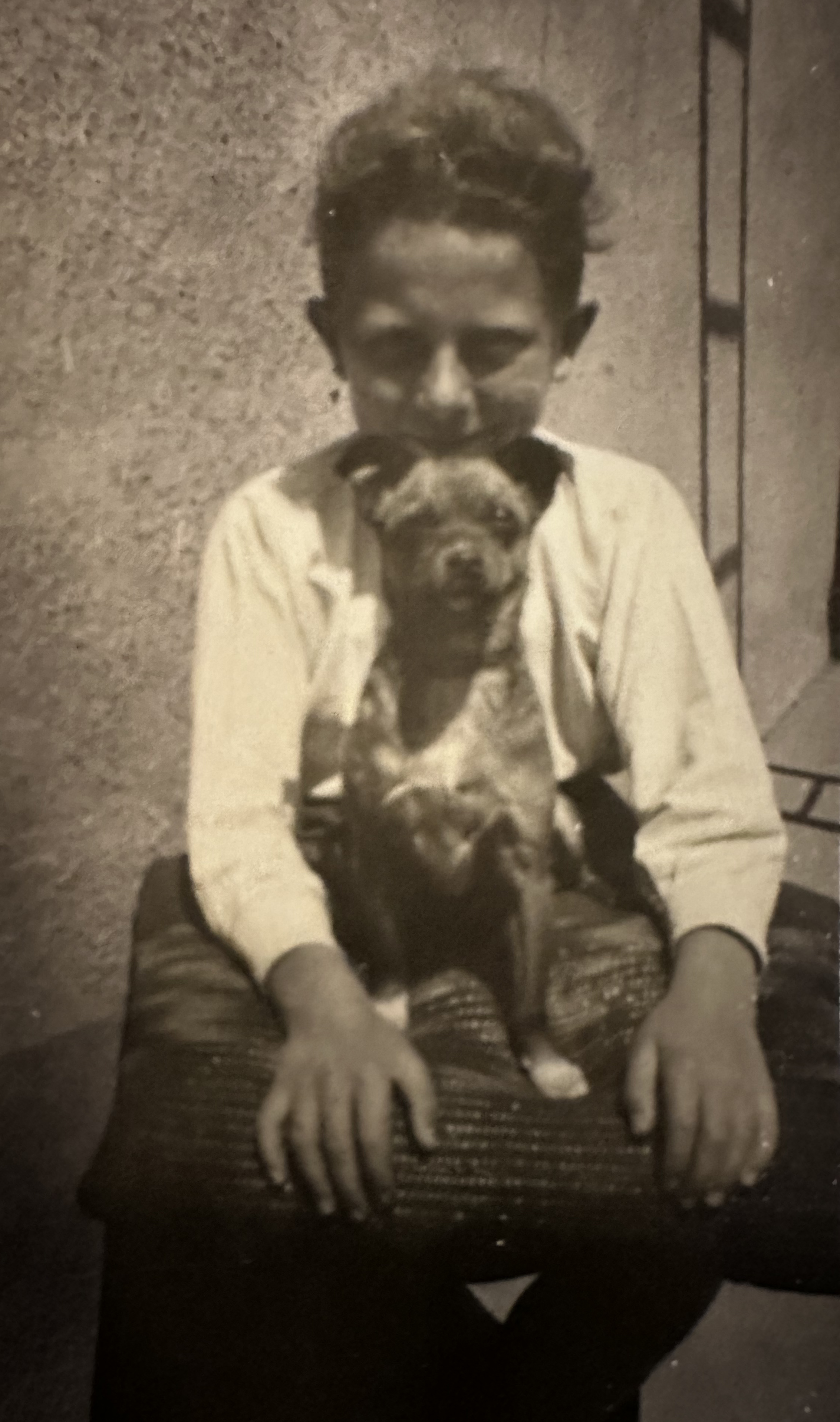
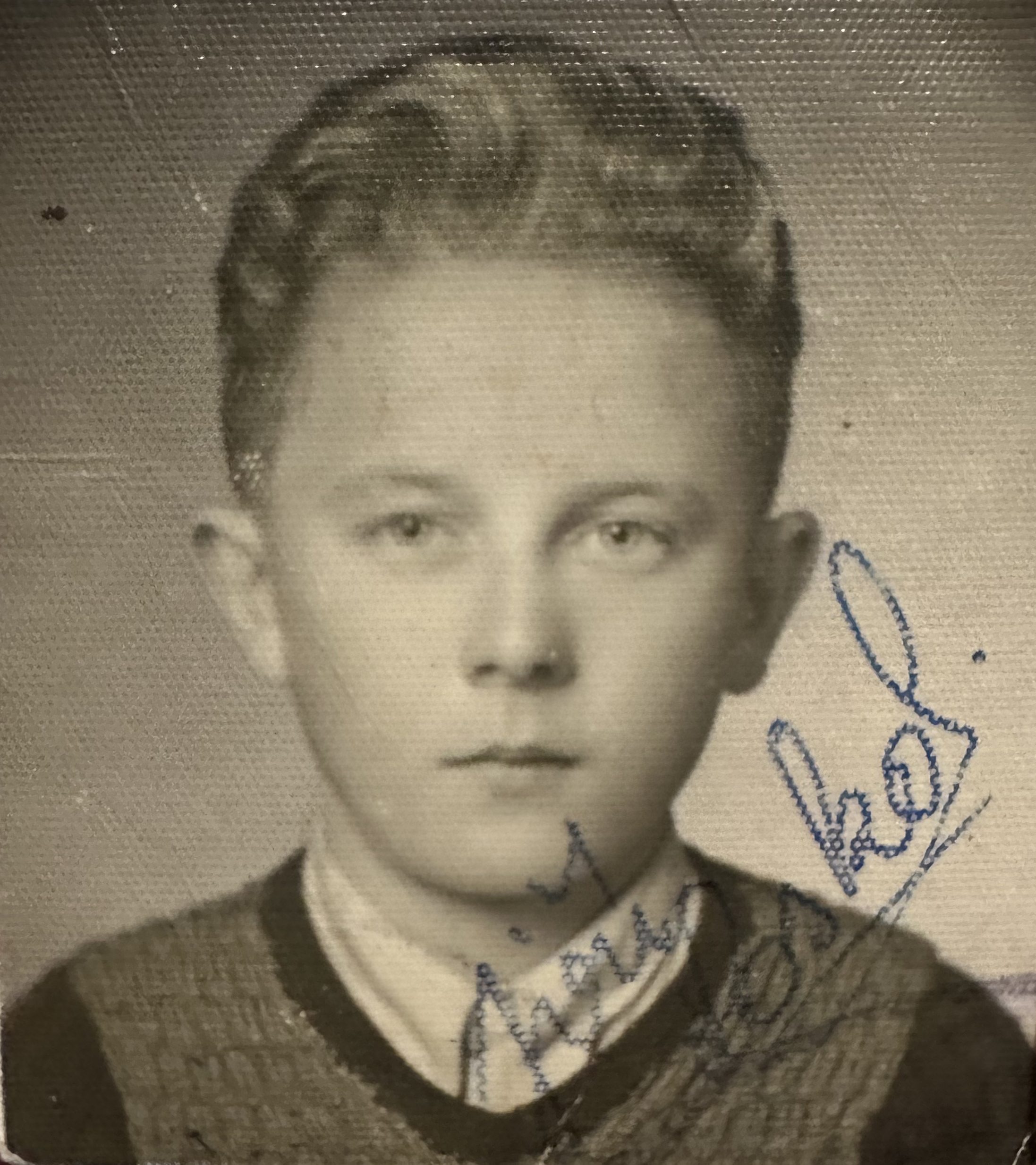
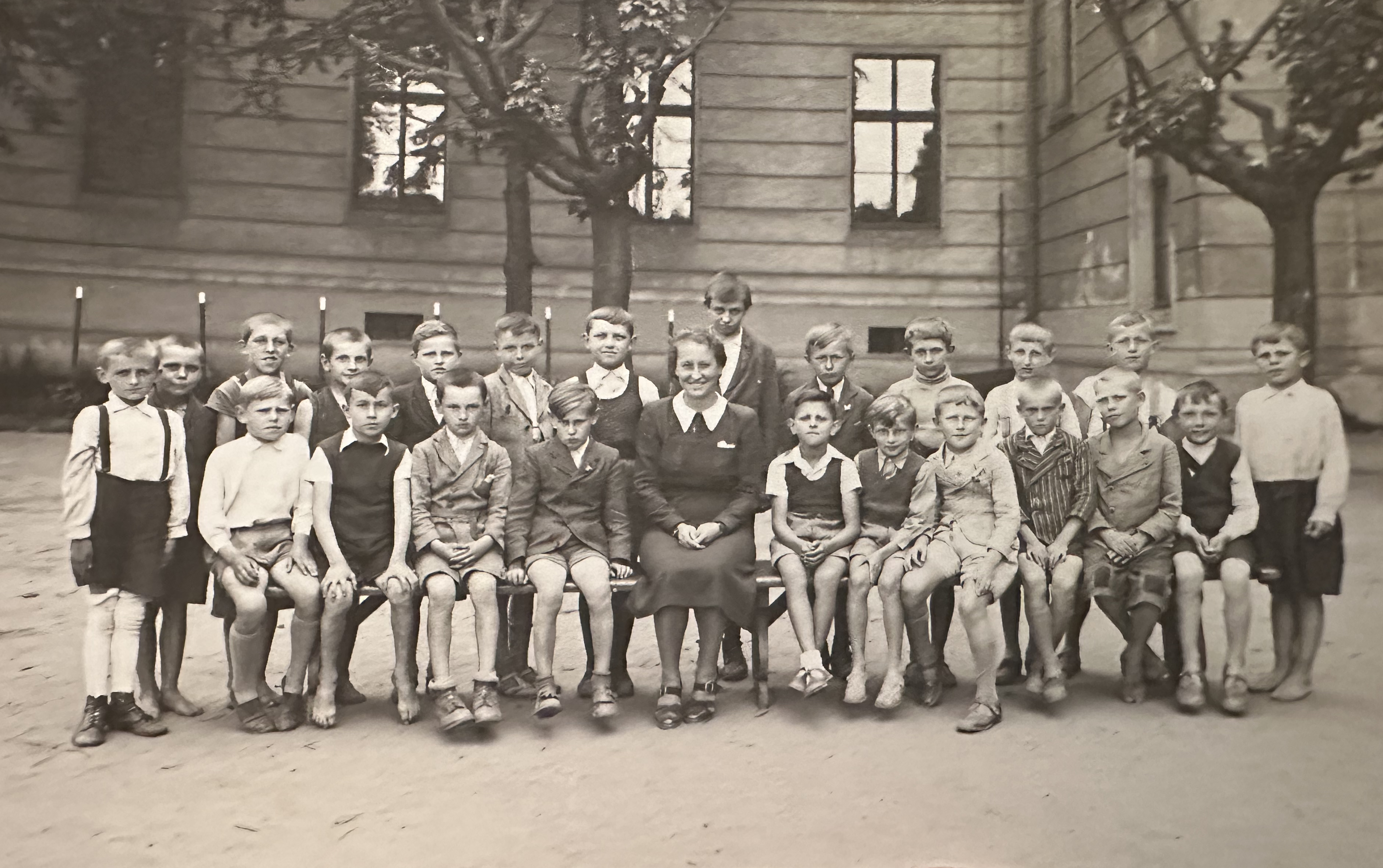
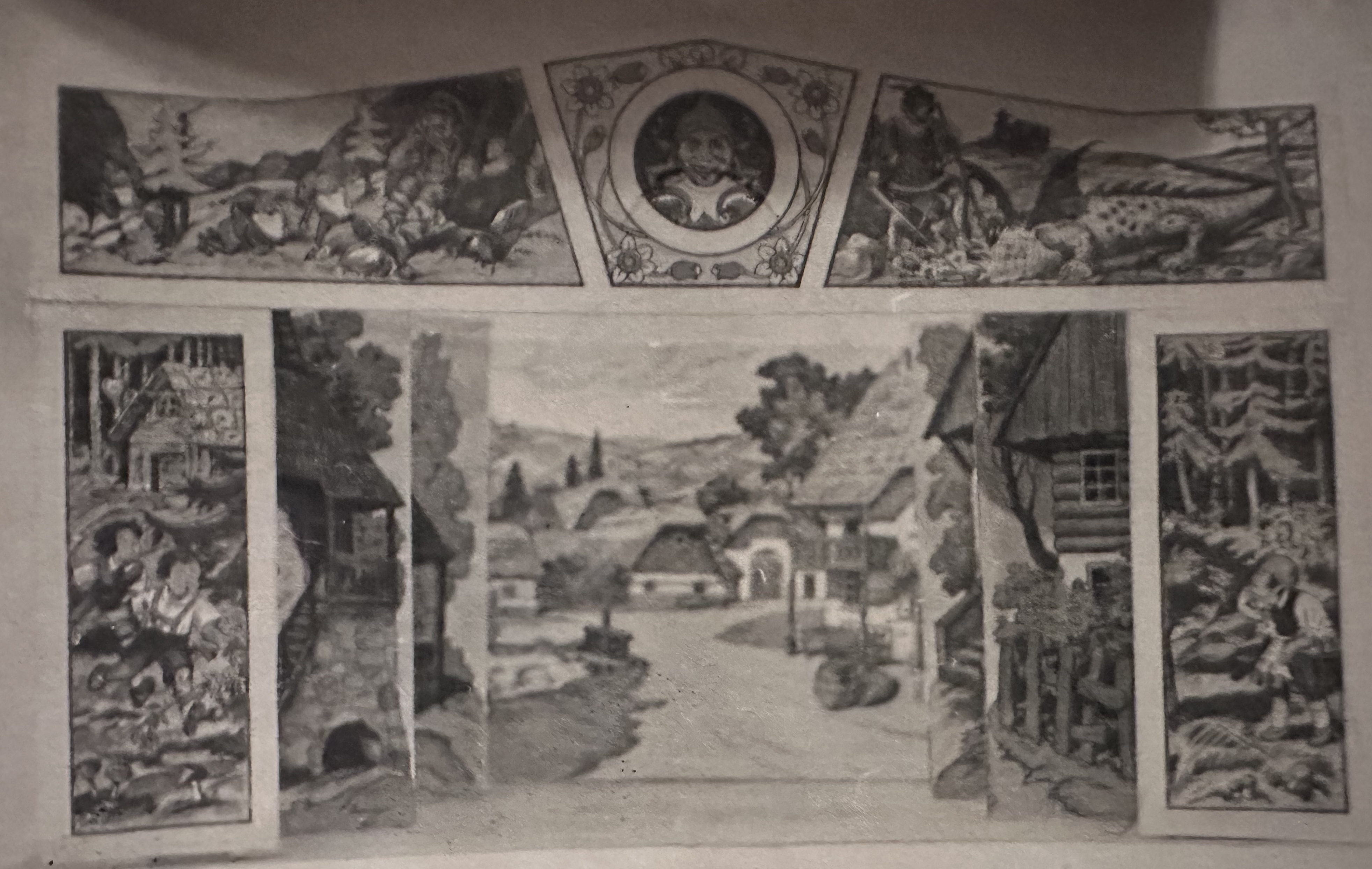
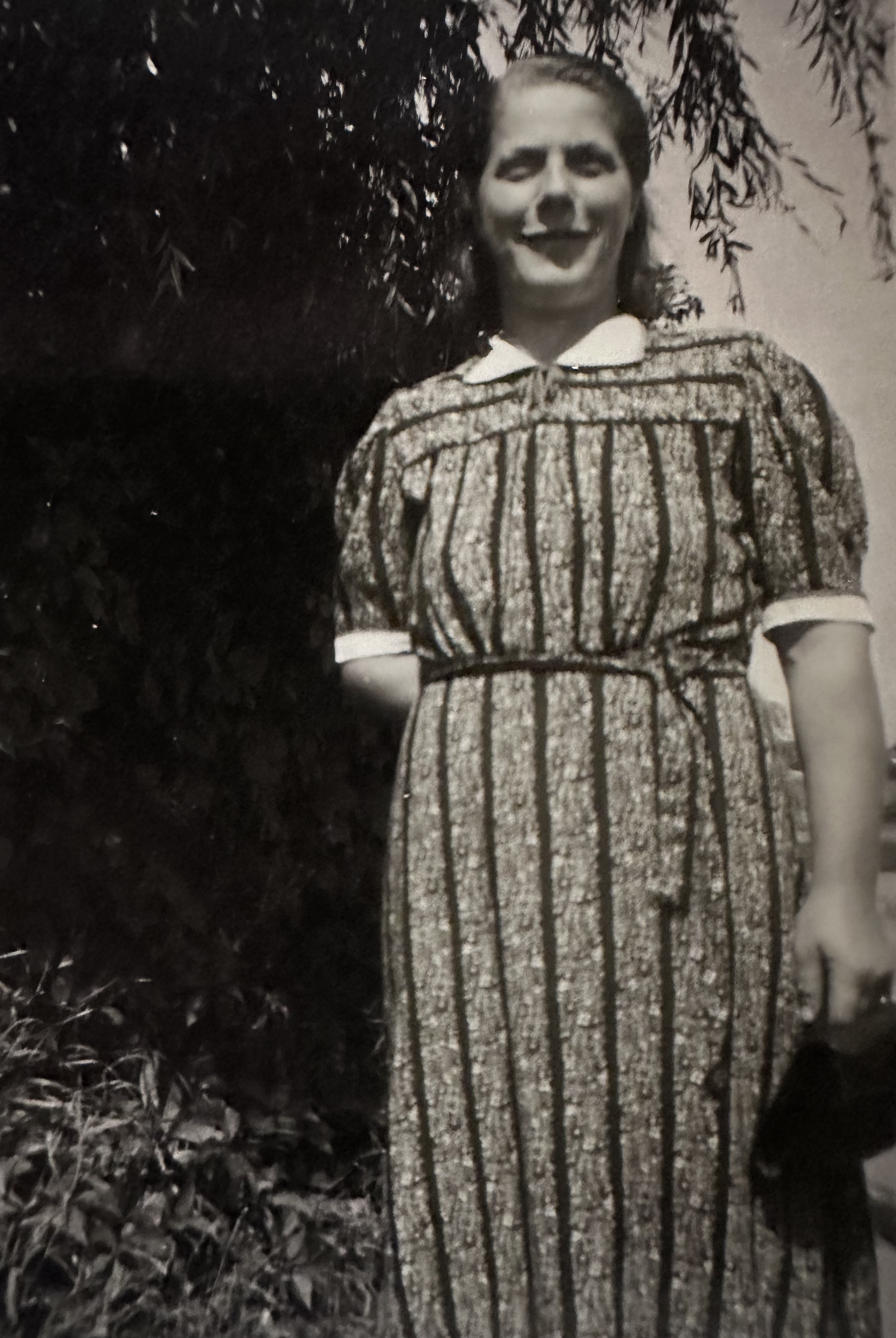
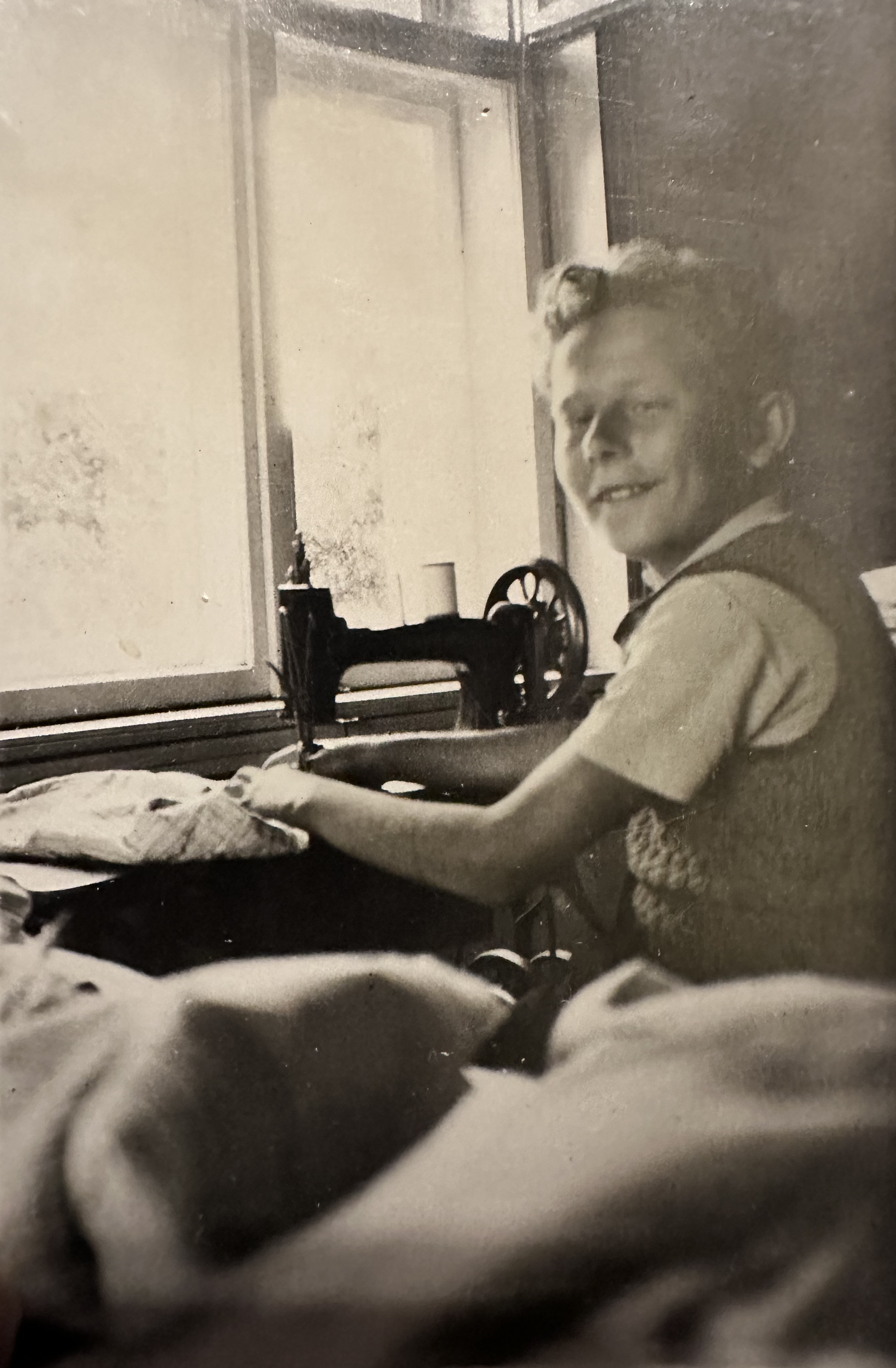
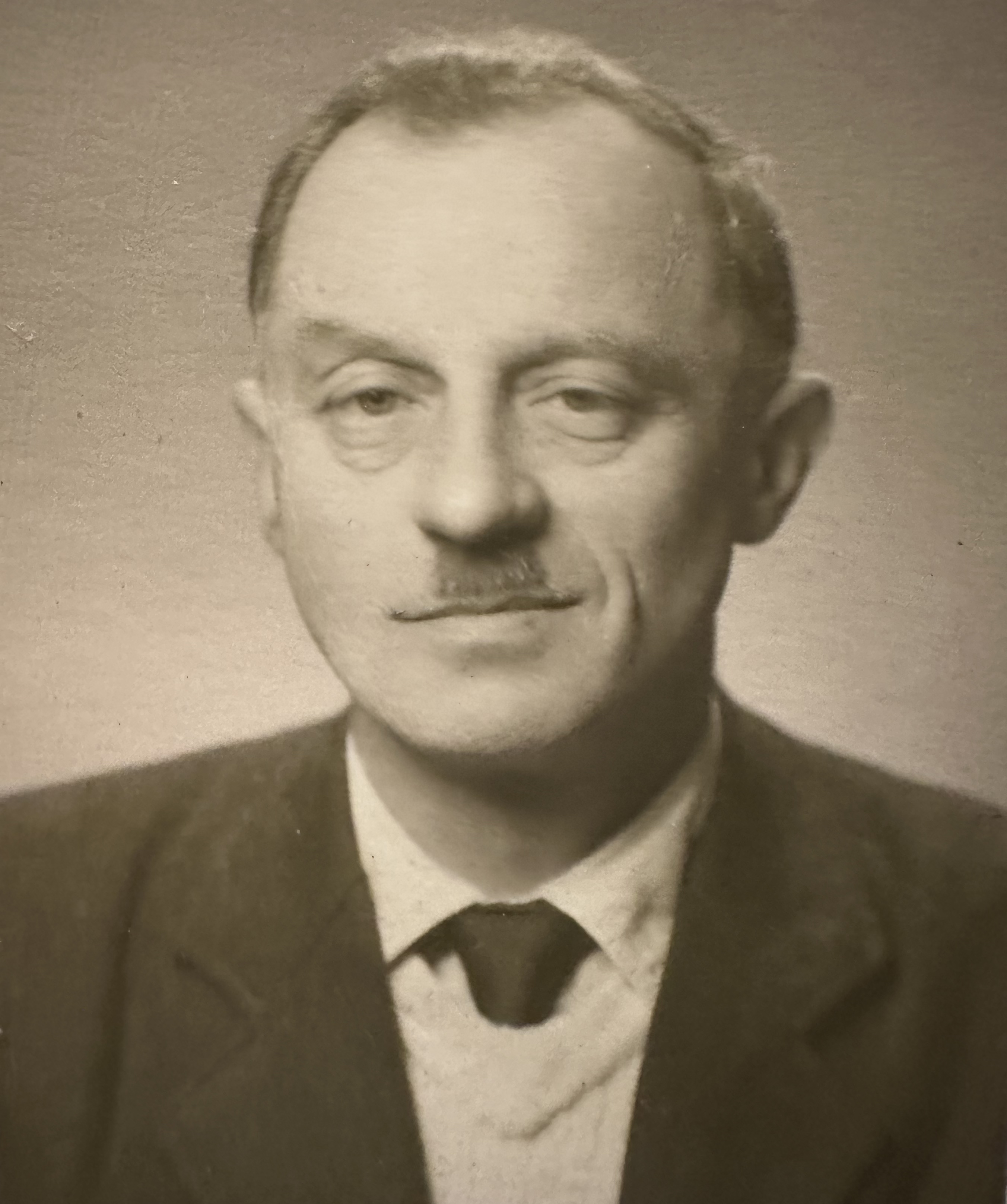
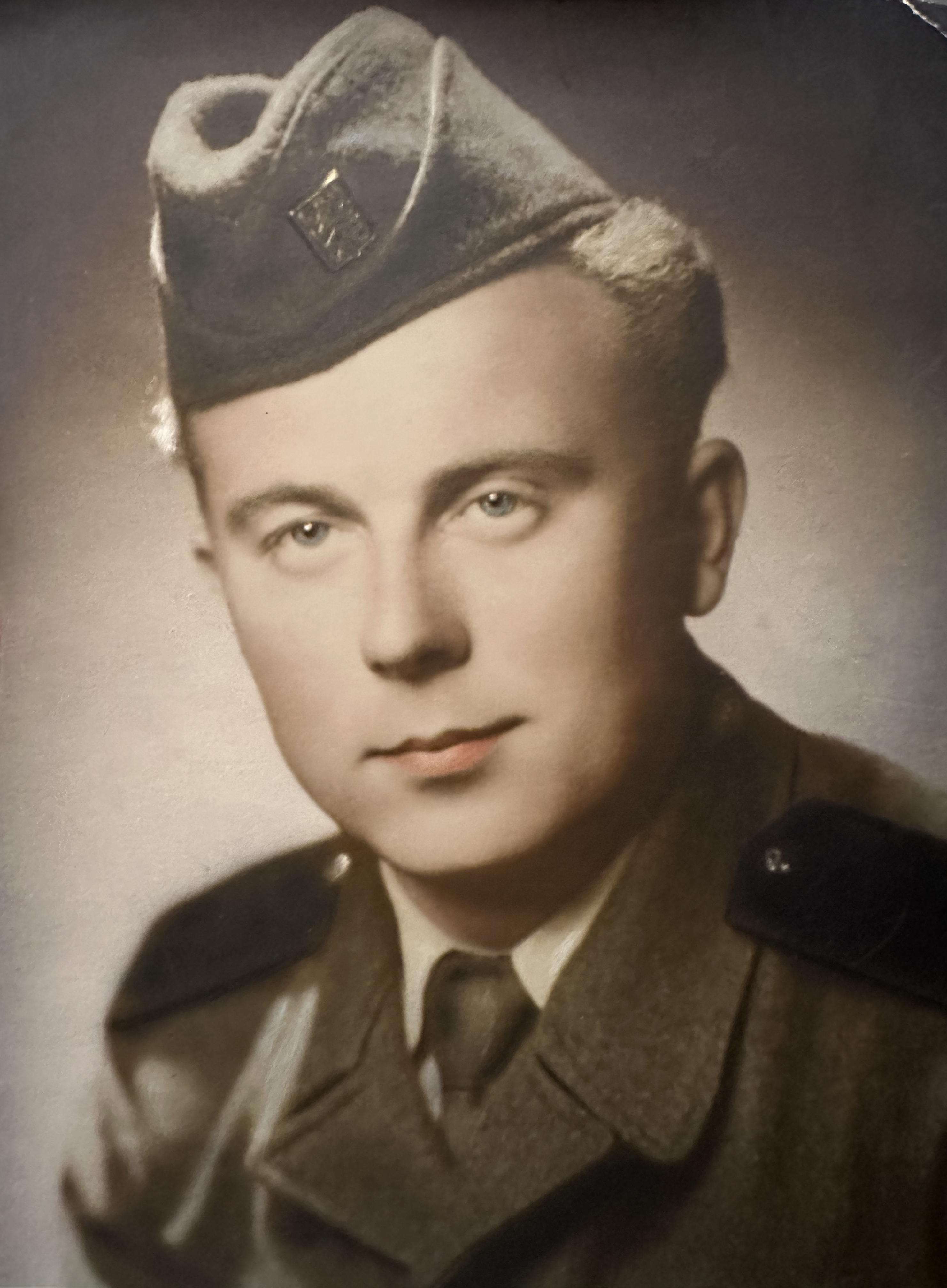
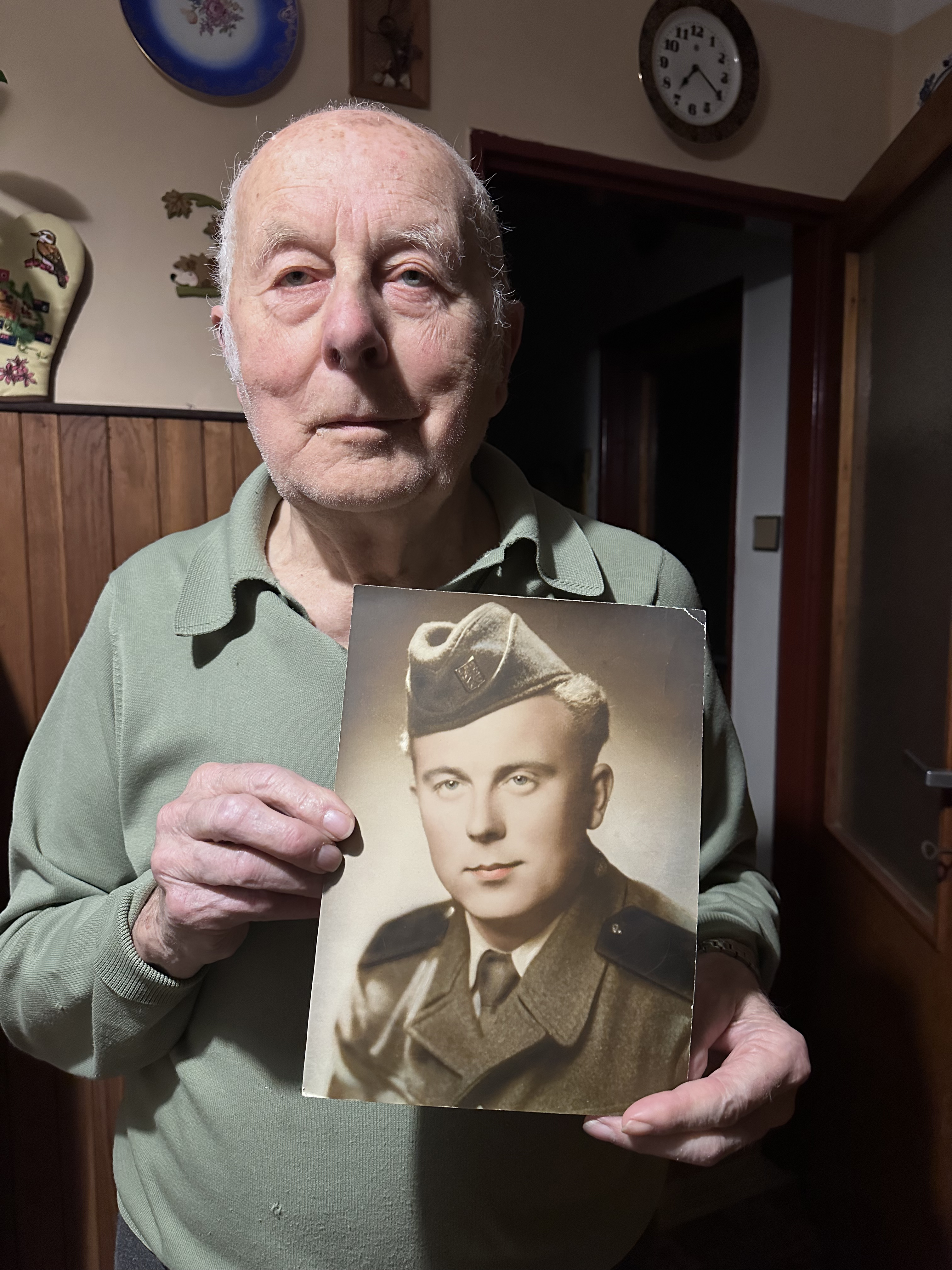
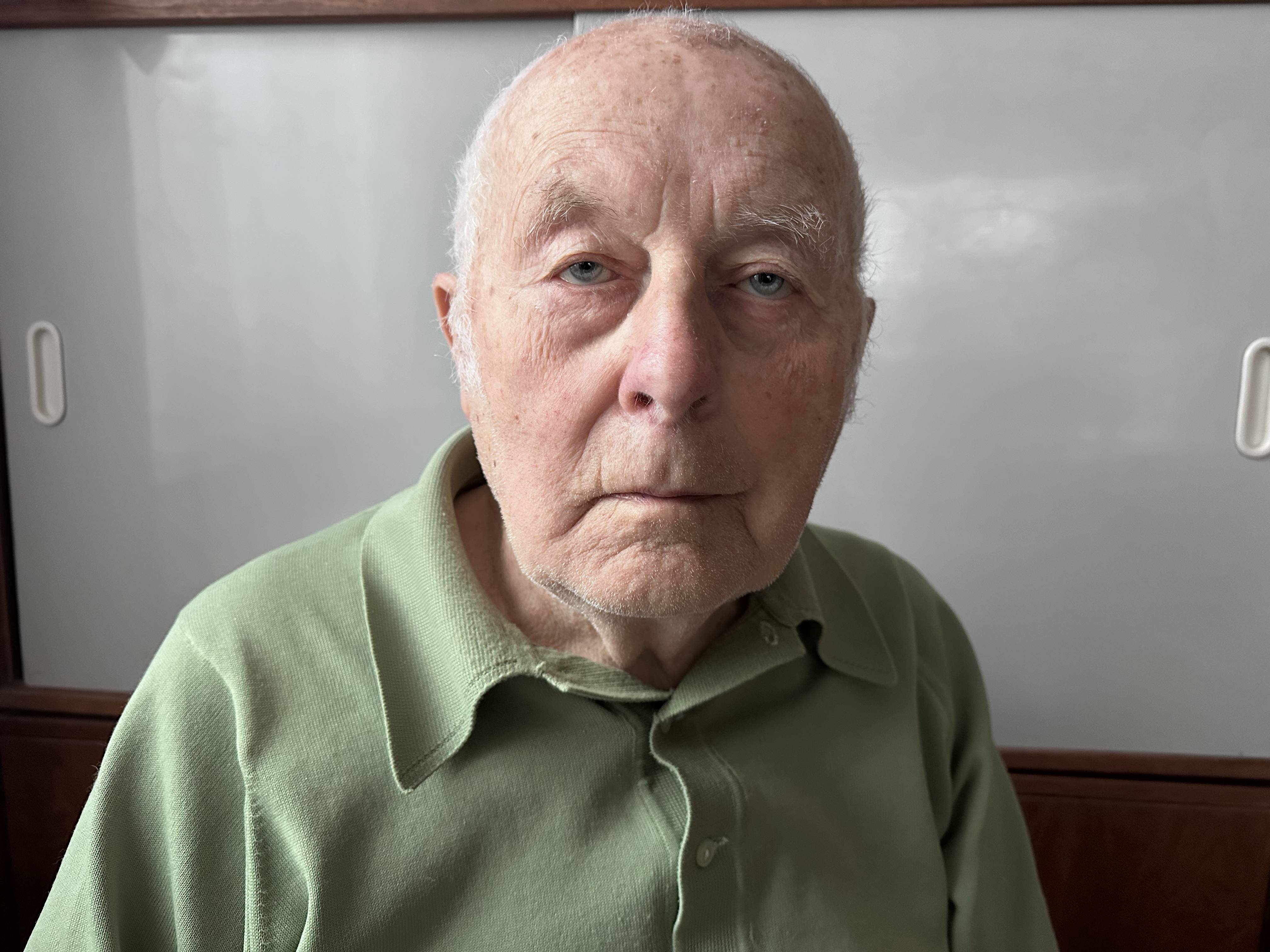
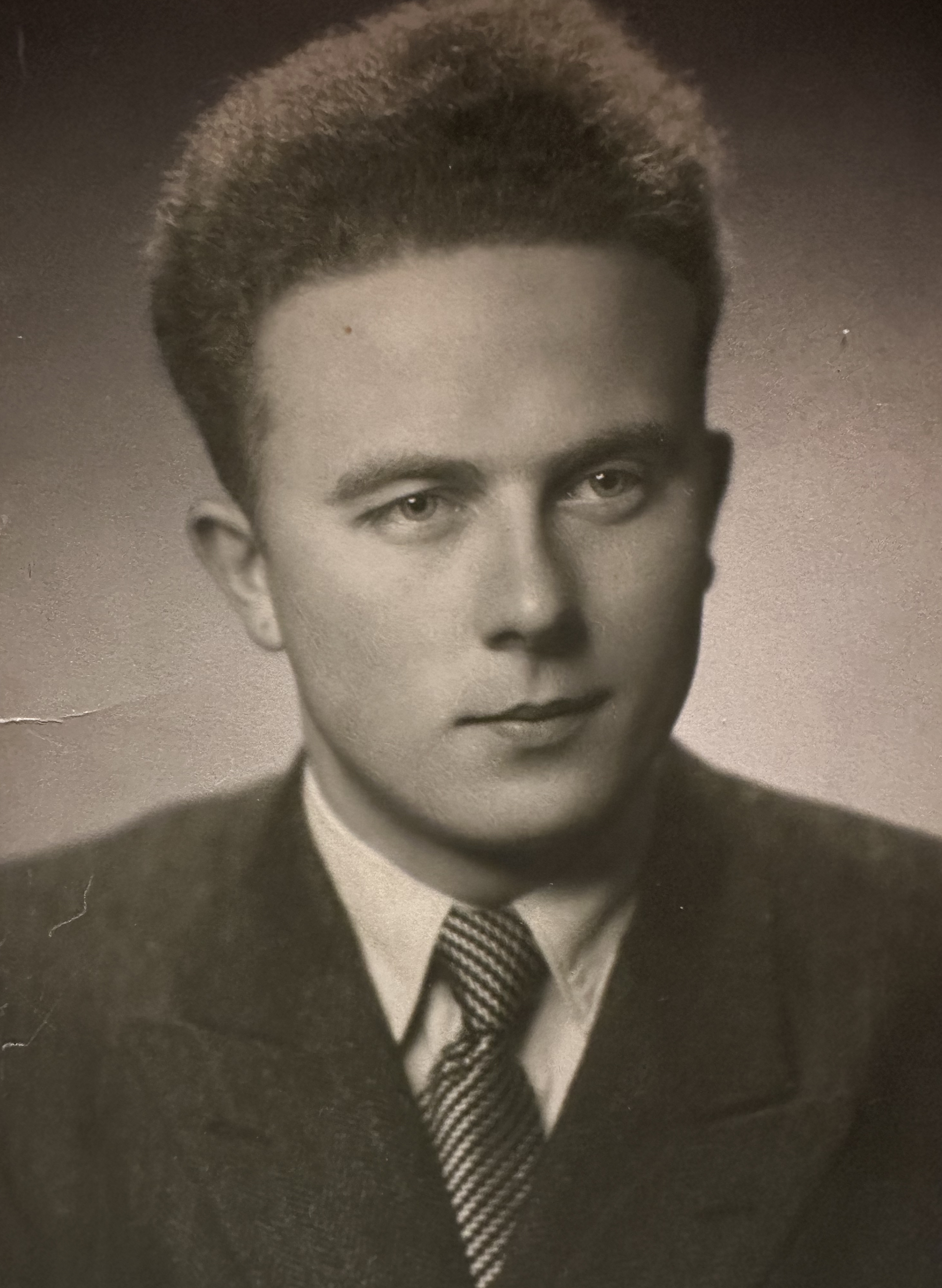
Jiří Loskot was born on 8 January 1931 in Svatý Jan near Sedlčany into the working-class family of Františka and Karel Jindřich Loskot. In 1932 the family moved to Třebestovice near Nymburk in connection with the economic crisis. His father was a trained waiter, but worked mainly as an agricultural and construction worker; later he carried out custom production of paper decorations and nativity scenes on a trade licence. Jiří Loskot entered the municipal school in Sadská in 1937. He experienced the German occupation in March 1939, and remembers the wartime rationing system and a Gestapo house searche. At the end of the war in May 1945, his father was wounded in Třebestovice while fighting with retreating German troops. After the war, Jiří Loskot trained as a cabinetmaker and received his certificate in August 1948. For political reasons, as the son of a tradesman, he was unable to apply to secondary technical school. His mother died in 1949. In 1950, his father‘s trade was closed down and he lost his job as a result of the closure of the private joinery shop where he worked. In 1952 he enlisted in the Auxiliary Engineering Corps (PTP) because of his „class background“. He served in forestry and woodworking operations in Strašice and Mirošov. After returning to civilian life, he married Helena Holousová in 1955. He worked in municipal services and woodworking enterprises. In 1966 he moved to Úvaly, where he had a workplace and a company flat. In August 1968 he experienced the invasion of the Warsaw Pact troops right at his workplace. Although he repeatedly refused to join the Communist Party of Czechoslovakia, he worked as an operations foreman thanks to his expertise. He raised two children with his wife and lived in Úvaly at the time of recording in 2026.