Zbyněk Janovský

* 1932

  • "Brother Vojtíšek worked in the construction industry and had quite an acquaintance, and he lived behind the spa, where there was this abandoned building built for the [Socialist] Youth Union that never saw its purpose. The building was acquired by a lot of other owners, the National Committee sold it to Inova, who then leased it to the Earthworks, who let it to rot because they had a hostel there for their employees. But it was a nice building, it could have been used by the Scouts. So he pushed for it, and after long negotiations, he made the deal with the company. But it needed a roof and heating, it was just too much work. But that was the work of Brother Vojtíšek - Šakal, who gave his all for the cause. And we got our Scout base, which is still there today."

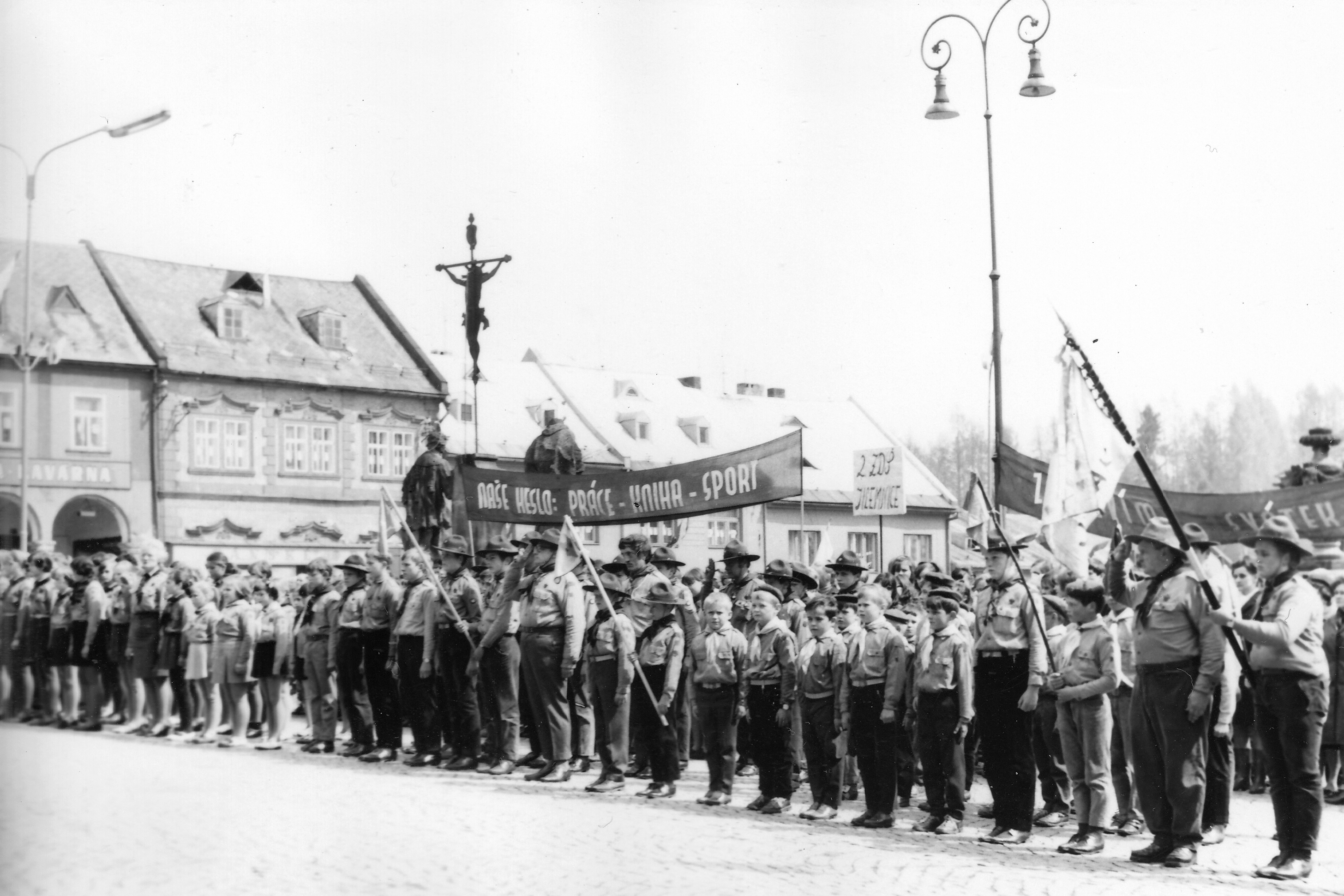
  • "In '68 there was awakening. Brother Emil Stach had a great deal to do with the rebuilding of the centre. He wrote a proclamation in the square to call for all who had been active in Scouting in the past period and wished to continue. To come forward, as new youth leaders were needed. Brother Zemanec, the parish priest and theologian, was very cooperative and Brother Antonín Vojtíšek also signed up."

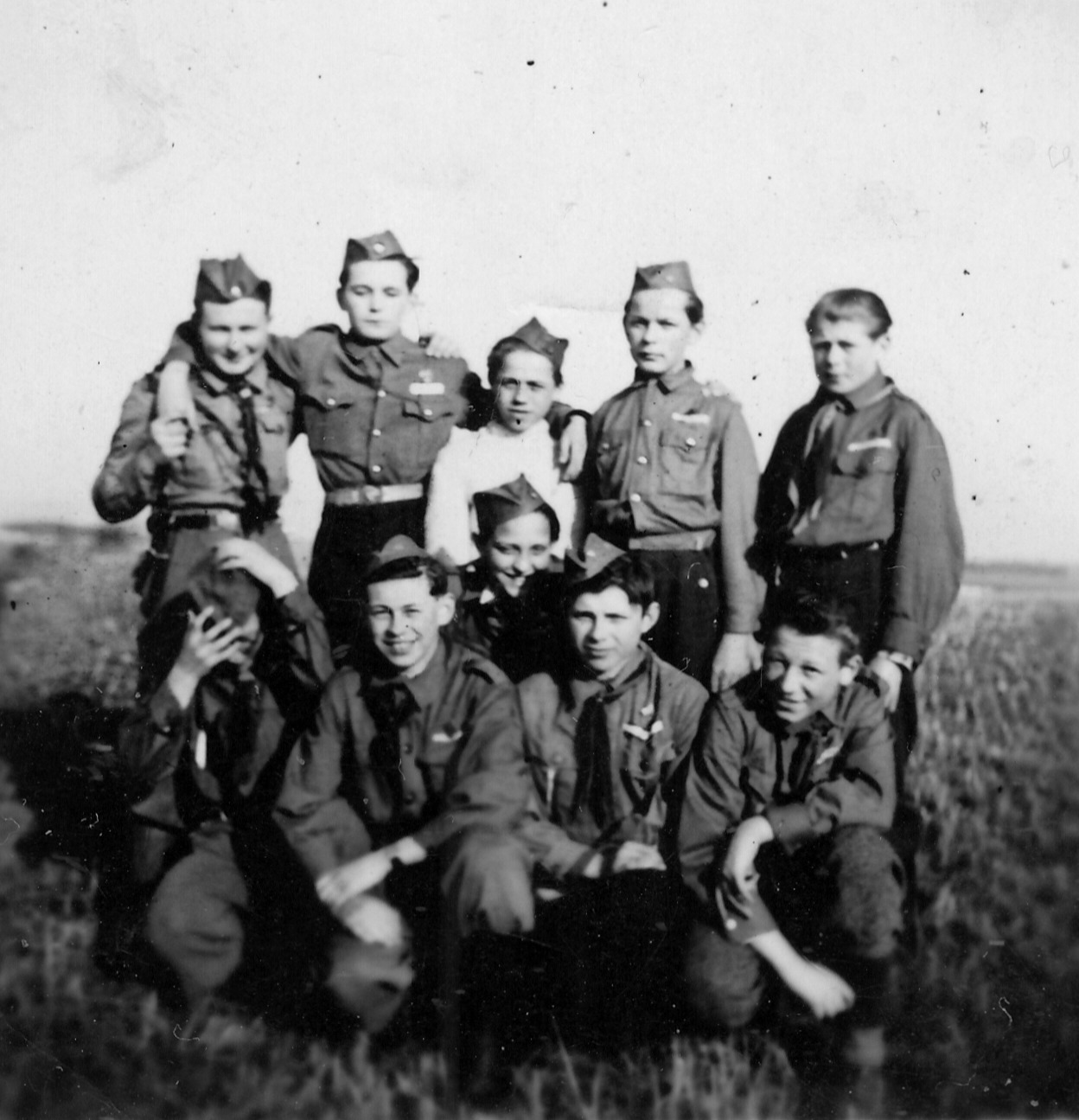
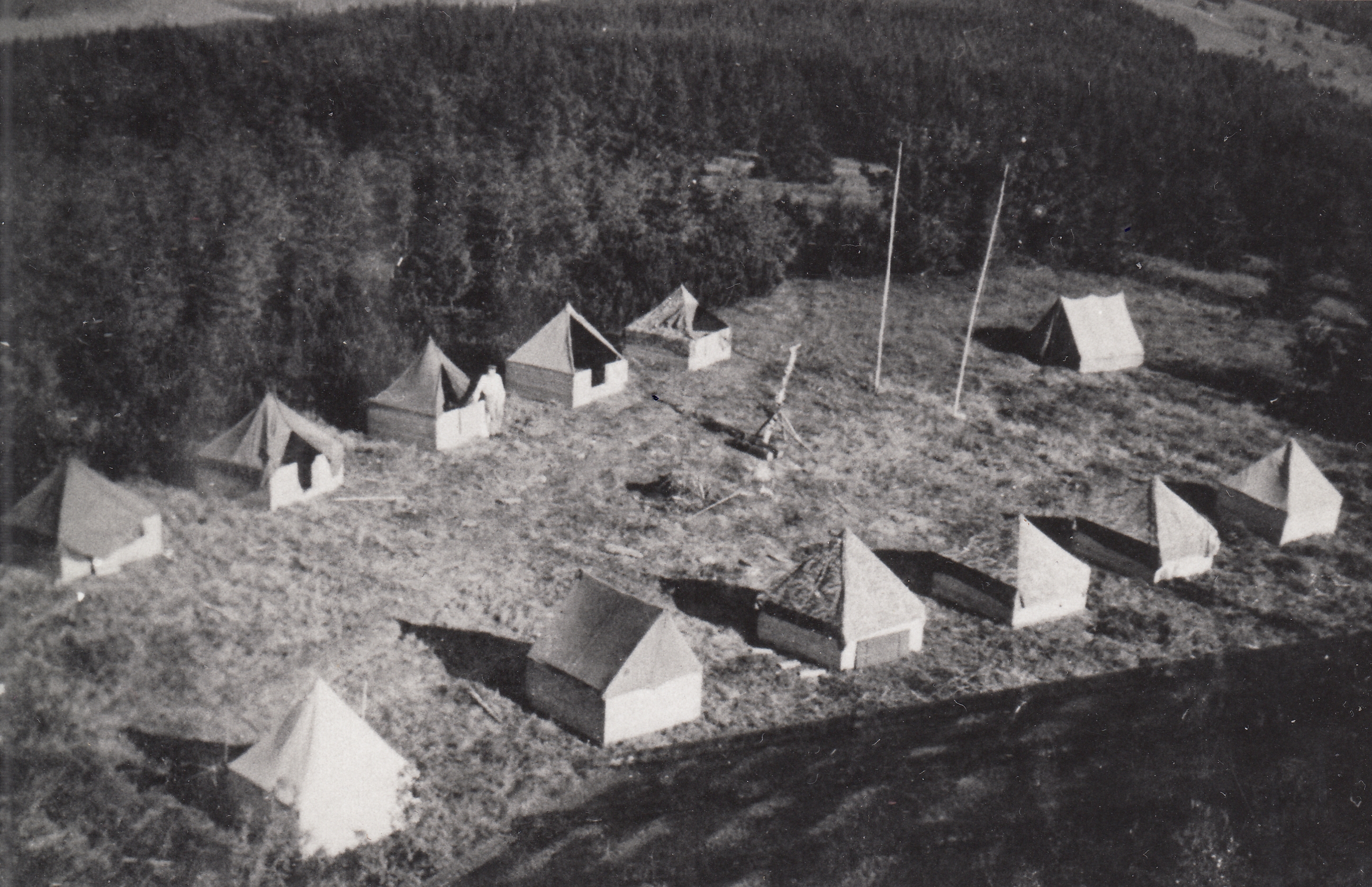
  • "The first camp was a mountain camp in 1946 near Mumlava in Harrachov, where the whole centre camped. But some did not participate. At the same time, a work camp was set up to do harvest work, with the hope of raising some funds for further camps. This one was in Javorník, behind Heřmanovy Seify, today's Rudnik, behind Hostinné on this large estate, where we were to work in the fields during harvest and hay-making. At that time the rationing system was still in place. When we arrived, we didn't get food stamps and had to live on the food we had. We were given milk rations from the farm. Even though there were fifty milk cows in the barn, we got a half a litre of milk a day. But the potatoes that were piled there, we could take as much as we wanted. So that was our all-day diet - potatoes in the morning, at noon and in the evening. Then we could have food, after we got our food stamps, but only after we had been there for a week."

  • "There was a group of partisans here in the vicinity in Mříčná and Víchov. On May the 3rd the uprising started in the region. And things started to fall apart. On the fifth, the radio started playing Sokol marches, Kmoch's songs, so you knew something was happening. And this thing happened, that both the retreating troops and the German inhabitants were passing through the town, advancing towards Mříčná, and there they were ambushed or clashed with a partisan unit, and there was a firefight. And as I remember, it was at the time when my neighbours and I were planting potatoes in the field behind Technolen, and that we could hear the shooting. That's what I remember. And I remember that Jan Hanuš, he was a chimney sweep, and people went with him to Hrabačov, where the German customs house was, and they wanted to ambush the Ordners there to get weapons. There was a clash and Jan Hanus was shot and died. At the same time, some others went to Vrchlabsko to get weapons, and one from Hrabačov was killed in the clash as well."

  • Celé nahrávky
  • 1

    Jilemnice, 18.06.2025

    (audio)
    délka: 01:49:38
Celé nahrávky jsou k dispozici pouze pro přihlášené uživatele.

Obey the law, don‘t procrastinate and do what I shouldn‘t
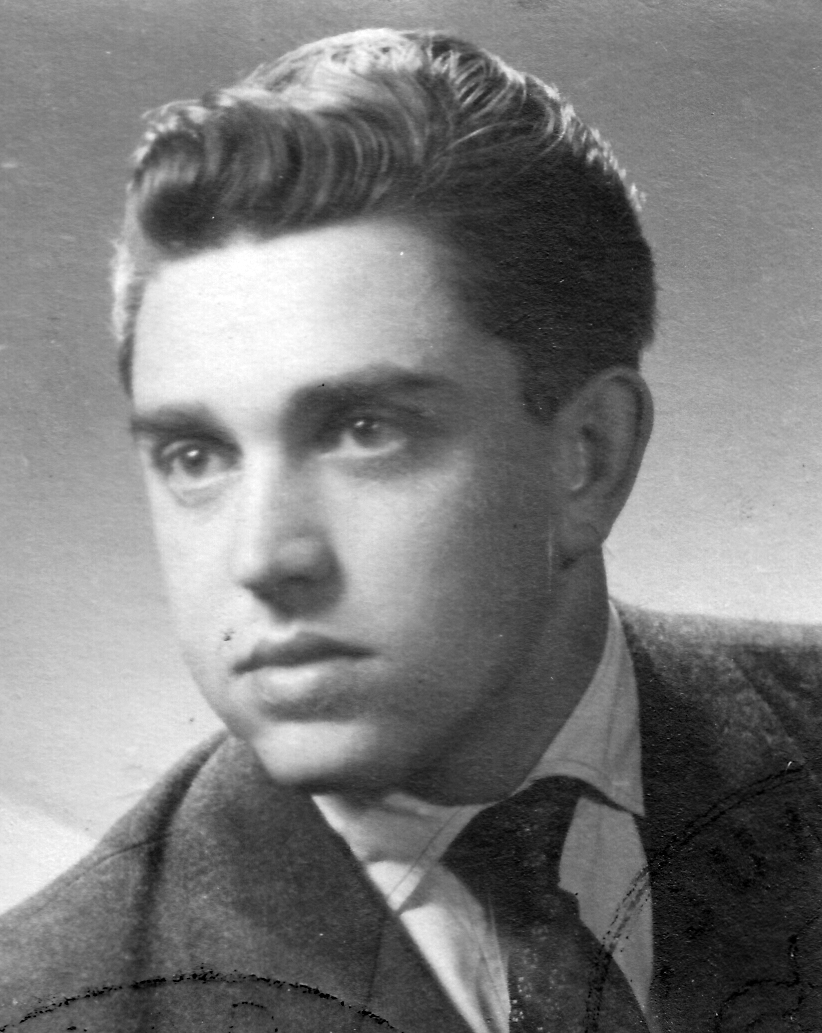
A portrait photo of Zbyněk Janovský from the late 1960s
zdroj: archive of Zbyněk Janovský

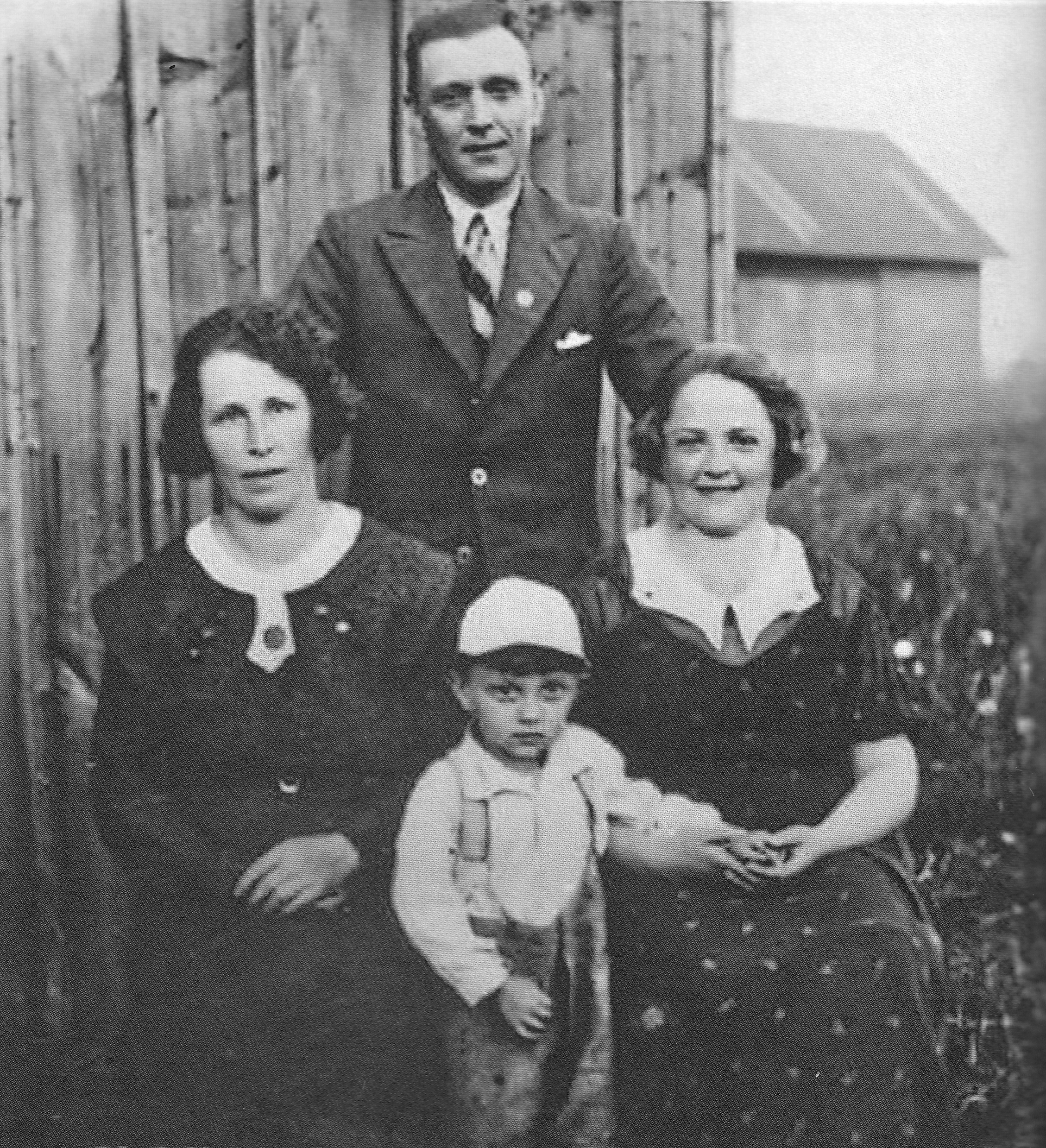
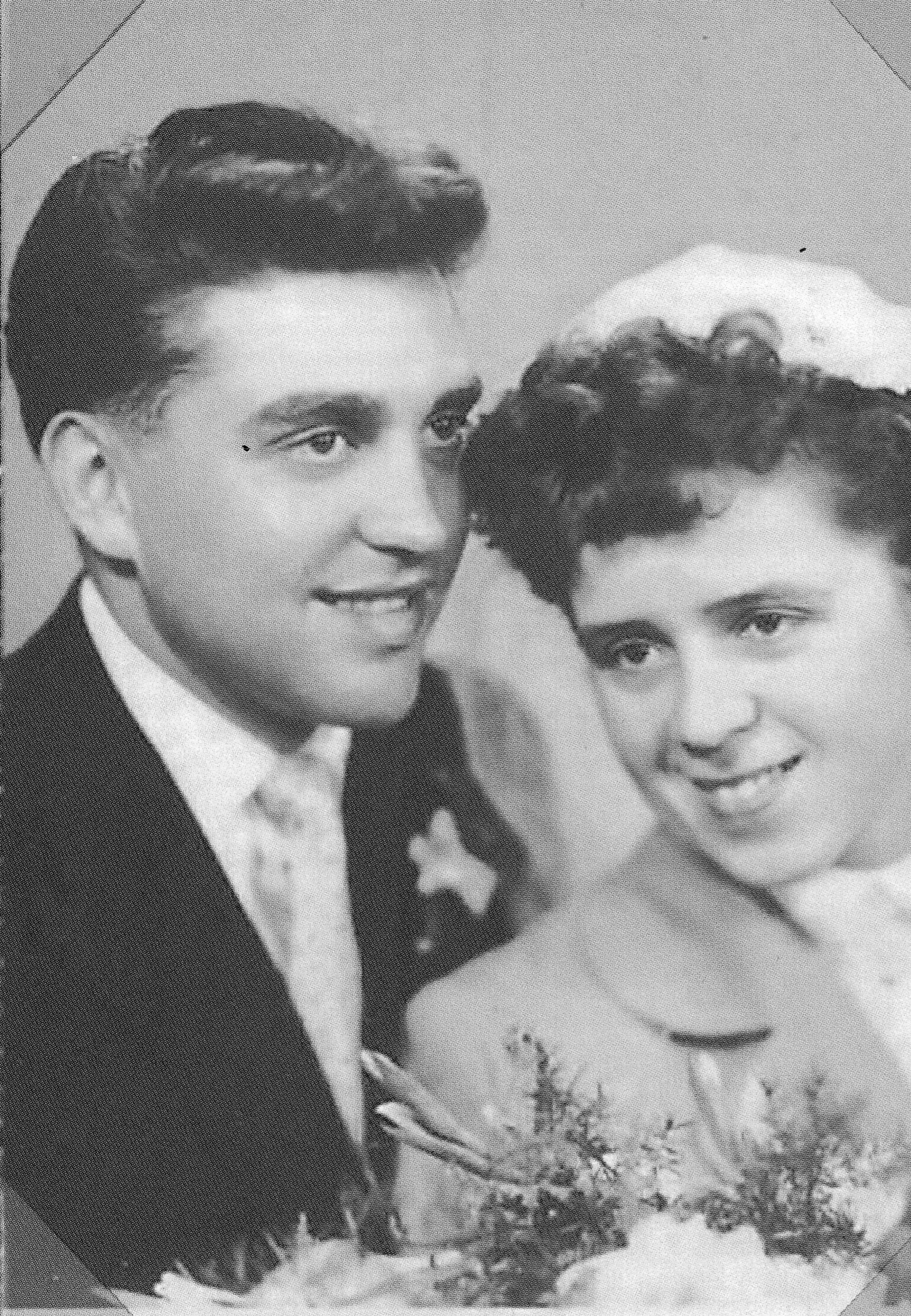
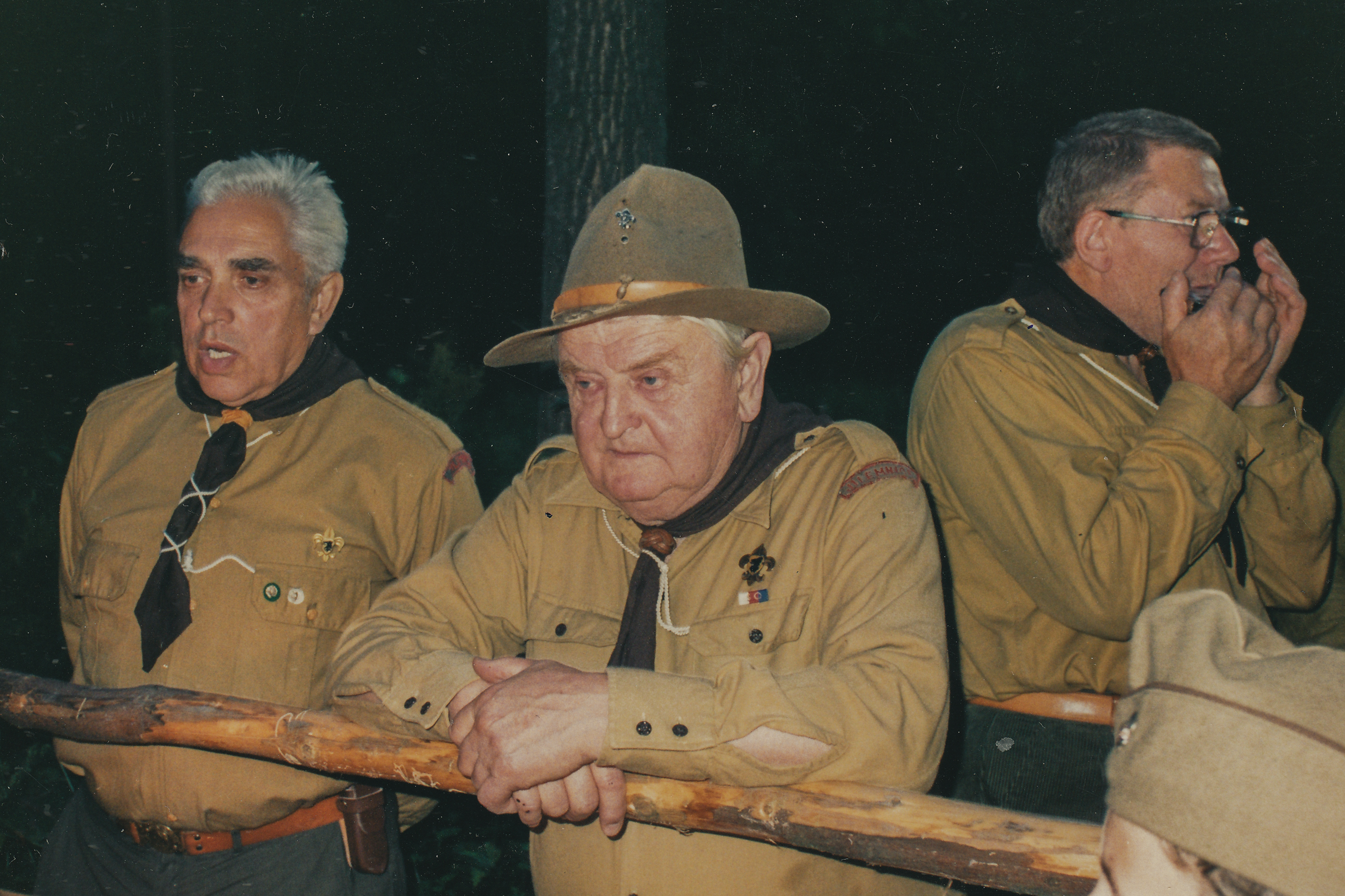
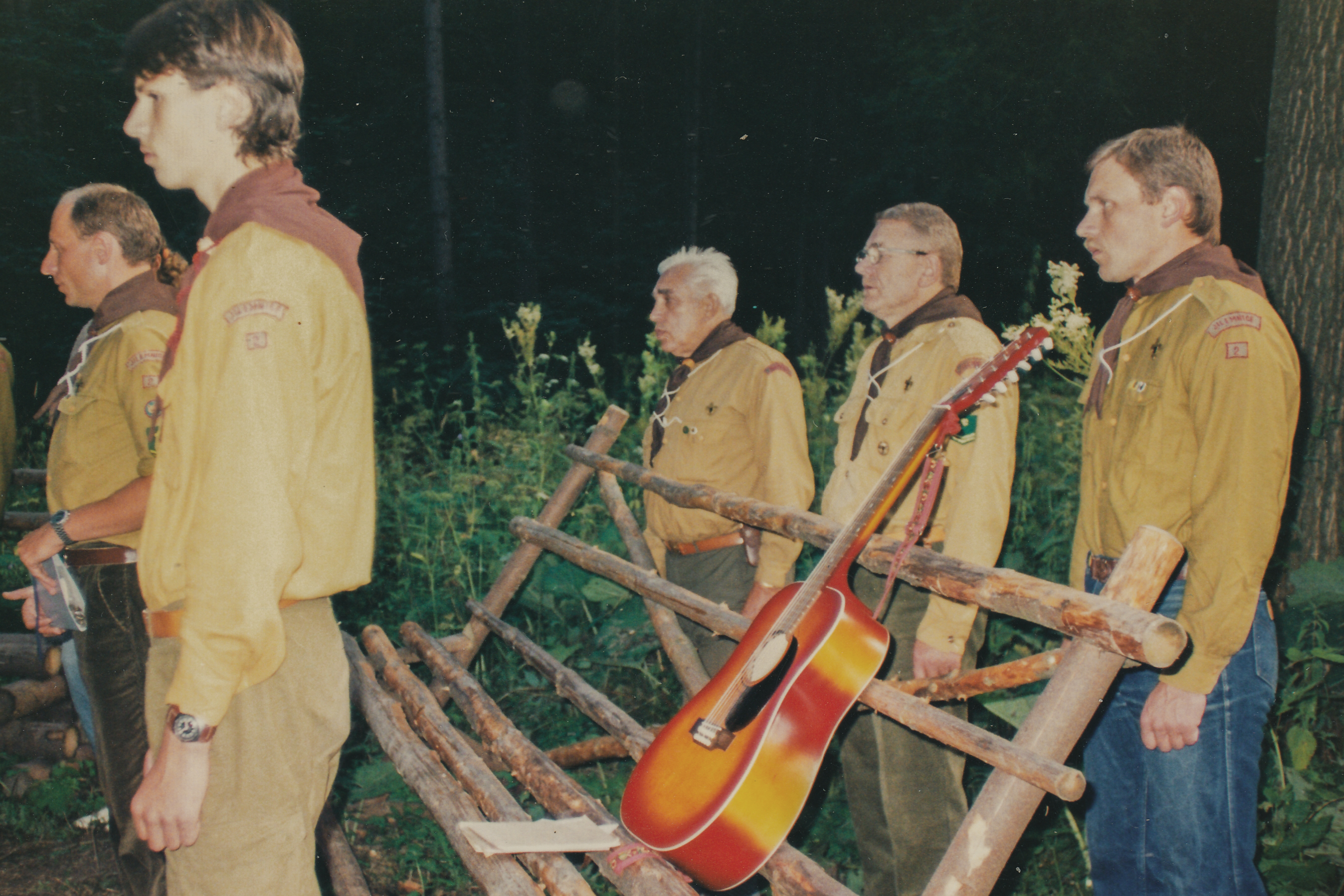
Zbyněk Janovský was born on 27 May 1932 in Horní Kostelc in the Náchod region. His father, Karel Janovský, helped the partisans to get weapons at the end of the war during the uprising in Jilemnice in the Krkonoše region. Two men from Hrabačov died during a clash with the retreating Germans. In 1946, Zbyněk Janovský joined the restored Junák in Jilemnice, was a member of the Psohlavci troop and was nicknamed Raven. After the communist coup in 1948, the Scouts had to stop their activities, they were forced to join the communist-controlled Youth Union. Zbyněk Janovský preferred working out in a Sokol gym. From 1949 to 1951 he studied at the Secondary Industrial Textile School in Jilemnice. After graduation he worked briefly in a textile factory in Slané, then completed two years of basic military service with the anti-aircraft gunners in Opatovice in the Pardubice region. After his military service, he joined the Kapnar plant near Jilemnice as a setter in the preparation room. Eventually he was transferred to a spinning mill in Poniklá, then to the Pramen plant, where he worked as a clerk until 1960. After the reorganisation he moved to the Jednota cooperative, where he stayed until 1992. He joined the Scouts twice more. In 1968, when the Junák in Jilemnice was restored by brother Emil Stach, he served as a treasurer of a scout troop. At the end of 1969 the communists banned scouting again. He joined Junák for the third time in 1990 after the Velvet Revolution. He worked as a treasurer and later as a secretary of the Jilm Scout Centre. Together with his wife Bohumila Janovská, née Dostálová, they raised two daughters. In 2025 he lived in Jilemnice.