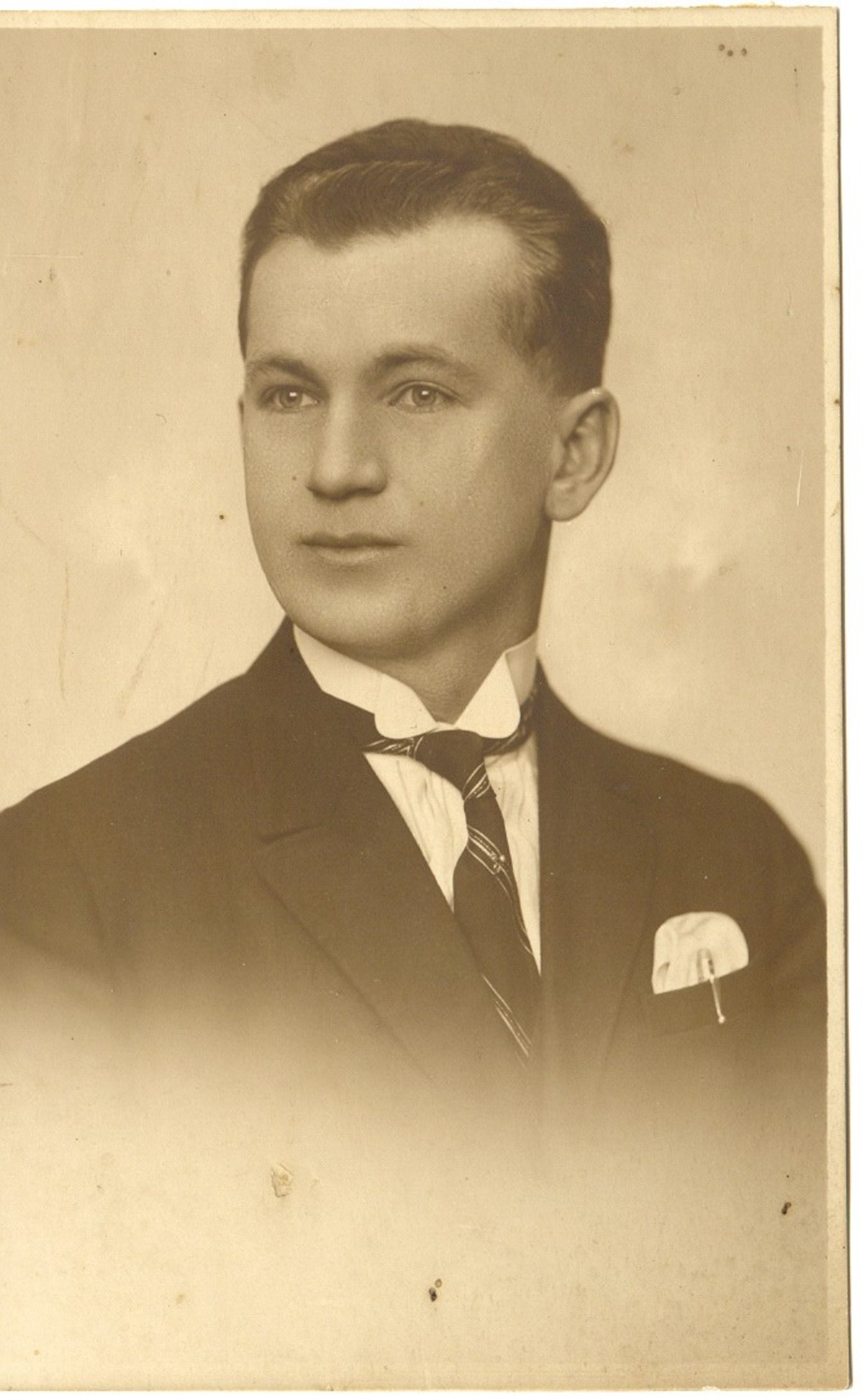
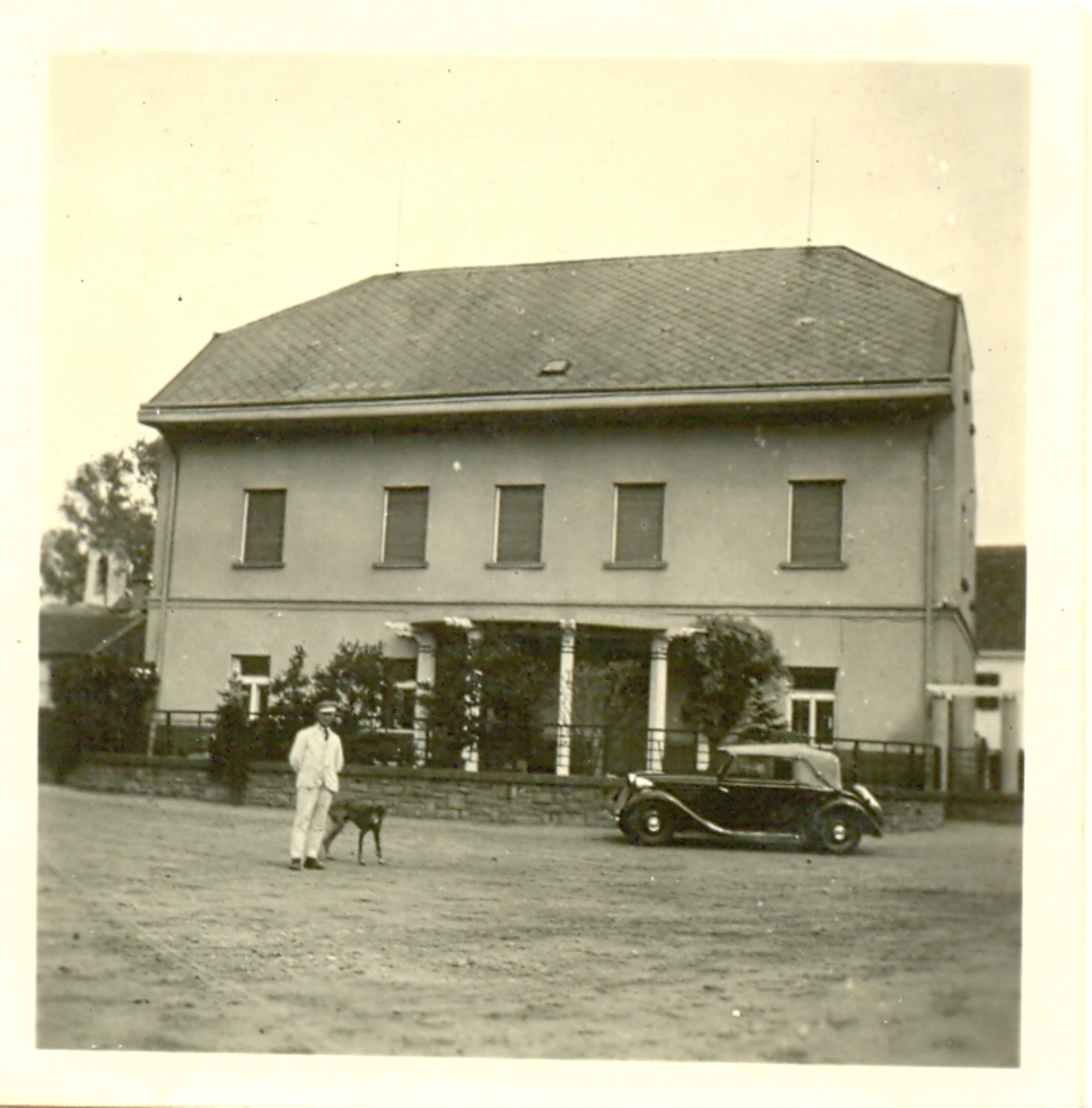
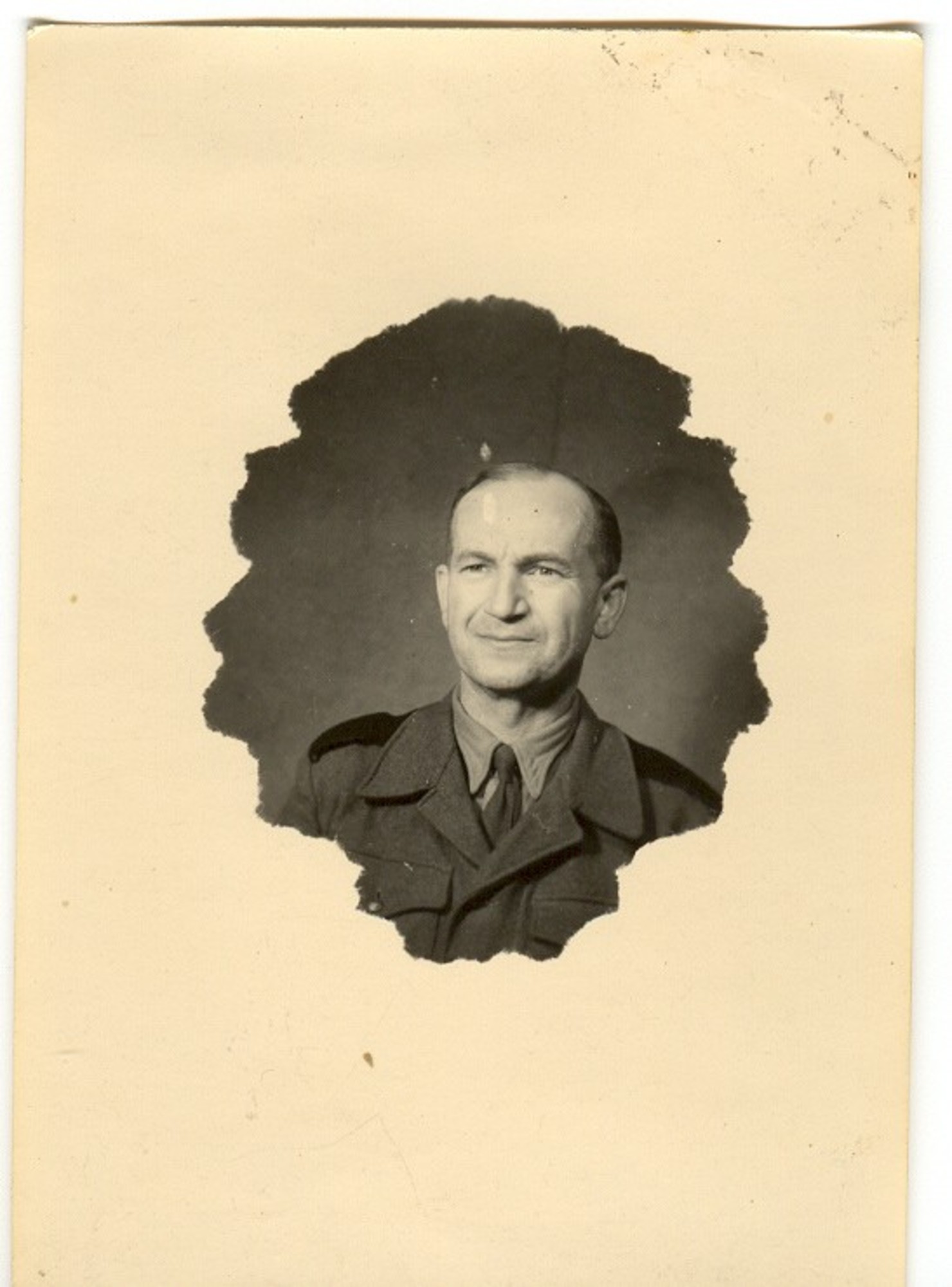
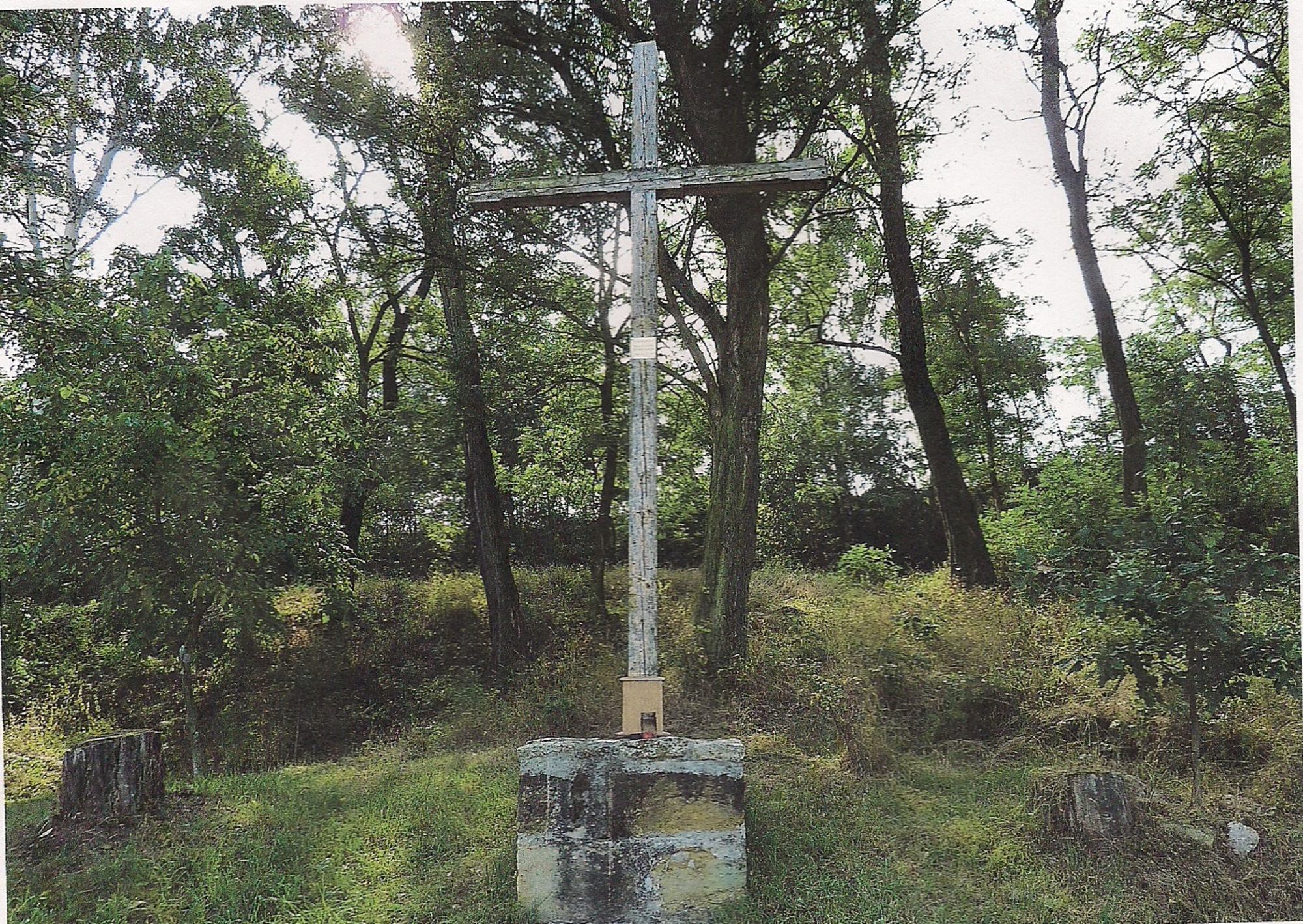
"On that fateful evening, he went with Mr Říha and other men from the theater—they had received tickets to the performance for their good work. Mr Hořejší was knocked down by a truck's front fender and run over by its rear wheel. He suffered fatal injuries and died after being transported to the hospital. The next day, I still saw Mr Hořejší's fingerprints on the dusty front fender as he tried to grab hold. The Stavoindustria truck that hit him was driven at the time of the incident by an underage delivery driver without a driver's license, who had been entrusted with the vehicle by the driver to take it to the garage. At the subsequent trial, an acquittal was handed down. The defense argued that the company had gotten rid of a kulak. The political leadership in Slaný feared that František Hořejší's funeral would turn into a demonstration by farmers against the regime. The fact that this fear was justified is evidenced by the fact that on the day listed on the death notice as the day of the funeral, so many people came to the church in Lidice that they could not all fit in the cemetery, so they stood in front of it. After the time stated on the death notice as the time of the funeral ceremony had passed and the funeral had still not begun, it turned out that the funeral had been postponed. No one, not even the family, knew the reason. It was not until the evening that the family was informed that the coffin with the body had been lost. The next day, it was found at the Slaný train station, allegedly left somewhere in a wagon on a dead-end track. The military funeral took place peacefully the following day. Some people did not learn of the new date, some could not take time off work, and others were already afraid. Accompanied by the sounds of the national anthem played by the Slaný garrison band, the tin coffin containing my father's remains was lowered into the family tomb in Lidice."
"When my father handed over the farm with everything in it, everything was new and in perfect condition. He wrote everything down for them, and they signed it. No one can imagine the terrible state we got it back in. He handed it over to them as if it had nothing to do with him. But when they were taking the horses away from the stable, I saw him crying for the only time in my life. Because the horses could sense... they were all afraid of them, those horses, they were warmbloods, so they were only good for the slaughterhouse, everything went there, all the horses went to the slaughterhouse. Dad saw it, and the horses sensed it too. So that was the first and last time I ever saw him cry. So that's what I wanted to say, about how it was when the farm was handed over."
"Dad was told that he had to hand over the farm with everything in it and that we had to move out within three days. Some people came, loaded everything up and took us to my grandmother's. We stayed there for about six or nine months, and then, under the pretext that we were doing something wrong on the farm, we had to leave that place too. So we went to a pub that had been uninhabited for five years and was deemed unfit for habitation by the health authorities. There were simple windows there, they didn't fit, there were drafts. Then they told us, well, either you move here, or to Blahotice, where another family already lives, about eighty square meters, so they'll be in one corner and you'll be in the other corner. Well, so they decided we'd rather stay in the pub."
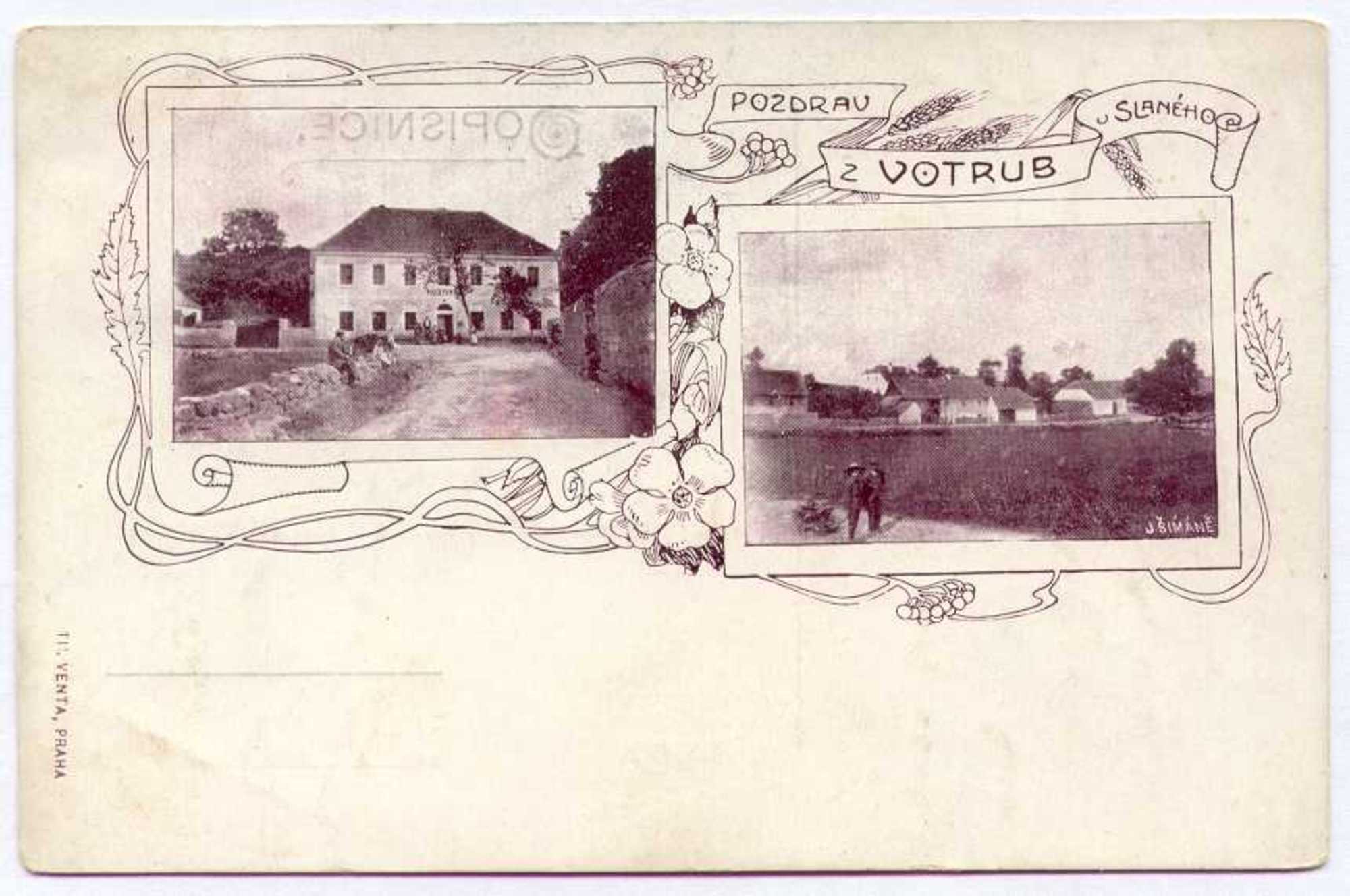
"Sometime in the beginning of June 1942 a truck with armed soldiers arrived at house number 1 in Otruby. It stopped in the middle of the yard. An officer got out of the front - I don't know his rank - and gave a terse question to my father who was mayor at the time. After a few minutes of muffled speech, Dad sent for his mother-in-law, my grandma Božena Durasová, who had studied in Germany for some years back in the 19th century, and so she explained to them in good German that there is no Horák estate in place they arrived at, and that Lidice near Otruby are not the Lidice near Kladno that they were aiming for. But the officer still went to the village hall with my dad and Mr. František Husák - who kept a register of the local inhabitants - and the officer had them show him the list of inhabitants and went through it very carefully. When the officer assured himself that there is no one with the name of Horák on the list, he thanked them, got into the front of the truck and drove off. No one had a clue that these soldiers would play a part in the horrors that took place in Lidice near Buštěhrad."
"My early memories are from the time of the second world war, when the life of our family changed. My father was mayor during the Protectorate, and in March 1939 he was named District Head of the National Trust [a formal grouping of all political parties during the Protectorate - transl.] for Slaný. I remember how my father found out that we would be searched, for the first time. He came home from Slaný (the car spent the whole war on logs - petrol was for military purposes) and started telling Mum something in an angry whisper. Mum gave the serving girl who helped out with the housework the afternoon off. She brought a large egg basket from the hen coop and started picking out books from the library. Her eyes were full of tears. I couldn't understand, why she's throwing out books, I mean she herself told me to respect books. I was afraid to ask her, myself caught with an uneasy dread. I watched her in silence. After a while Mum looked at me thoughtfully, she came up to me and said, slowly and emphatically: 'You mustn't tell anyone about what I'm doing now. It'll be our big secret.' For three night she and Dad burnt books in the central heating boiler. I heard them return from the boiler room. They completed these night activities in time, because soon after they started with the profound searches of the whole estate, checking for weapons, captives in hiding or paratroopers, or forbidden literature in the library. These searches went on until the end of the war, same as the inspection of grain supply and cattle. Such inspections took place on almost every farm. When I later compared the Gestapo searches with those of the Communists, I must say that our people were much worse than them in their ruthlessness and disregard."
"In the autumn of 1942 when the Germans were locking up and executing many innocent people as revenge for the assassination of the protector, an anonymous allegation appeared claiming my mum, Jarmila Hořejší, was of Jewish descent. In November of that year members of the Kladno Gestapo arrived, arrested her and took her to Kladno. I remember the horror and despair that took hold of me as a seven-year-old girl. I knew from hearsay about the suffering and the executions. I ran straight into my parents' room and began praying ever so fast to the holy picture above the bed, that my mum come home safely. I then continued with the prayer 'Angel of God, my guardian dear...' In the meantime, Dad and Grandma didn't wait to react and drove off to Kladno. Dad later told of how after arriving at the Gestapo station, Grandma resolutely demanded to see the commander. She refused to speak with any one else. When talking to the commander, she made mince-meat of the anonymous allegations and expressed wonderment that they did not investigate the matter ahead of time. Dad got a somewhat ambivalent impression from the exchange, as he did not know good German, and at times he feared he would be returning home alone. Especially when the commander raised his voice at Grandma and Grandma answered with even greater force. But when the commander gave Grandma a salute at the end, Dad saw it was all going well. And so our Grandma managed to save Mum thanks to her knowledge of German and most of all thanks to her courage to do what was needed at the right moment. (We then had to produce our family tree to show Mum didn't have any Jewish ancestors.)"
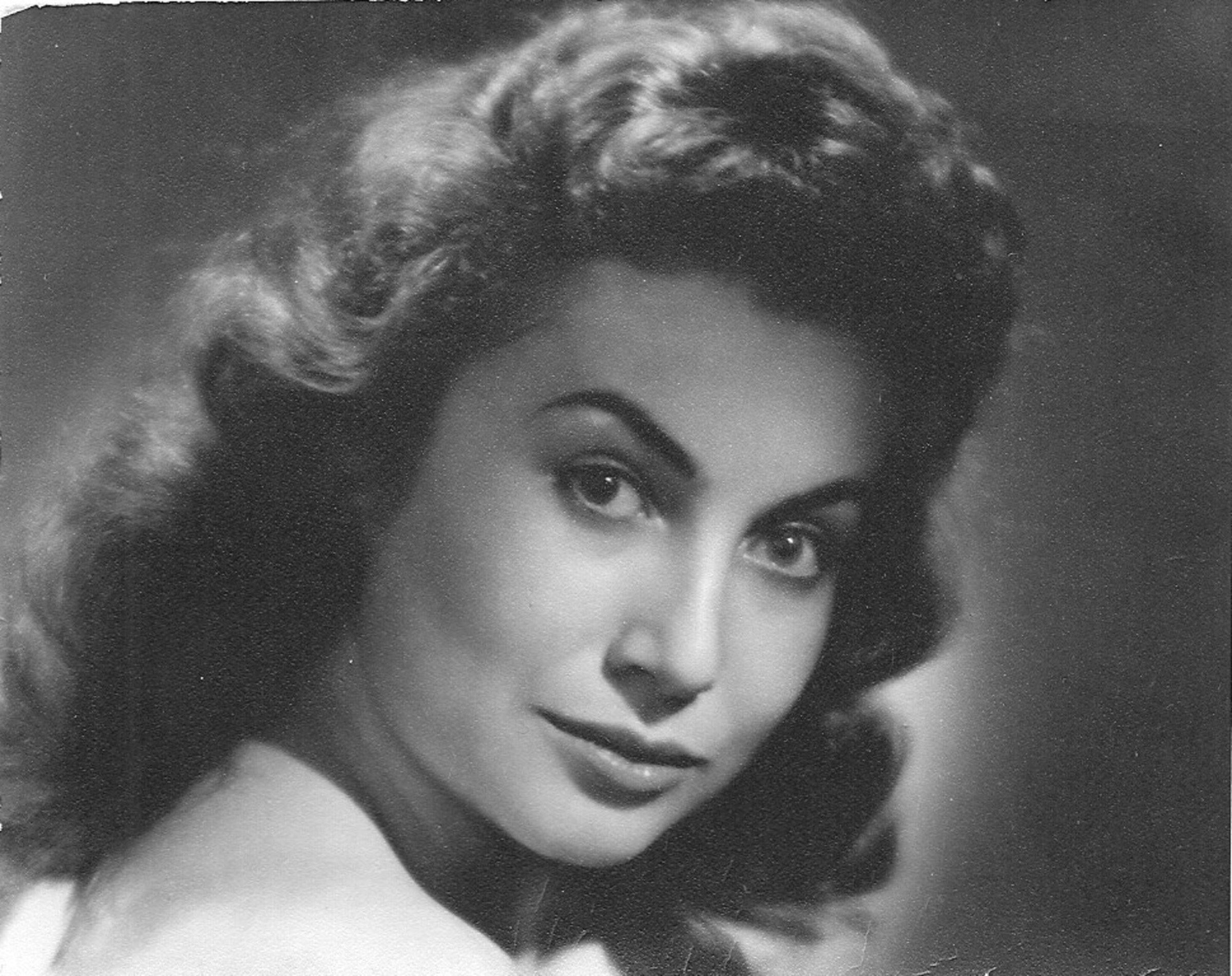
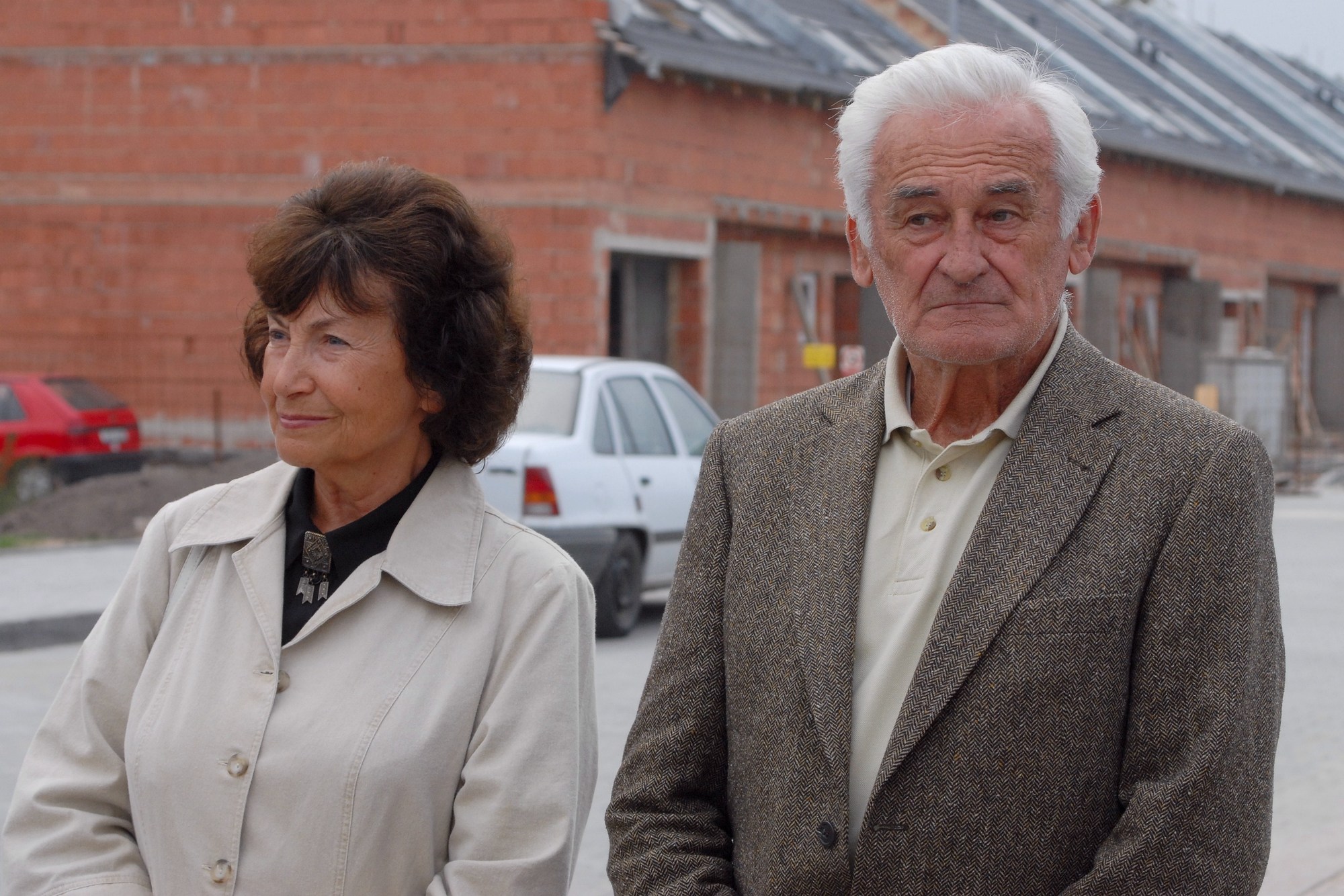
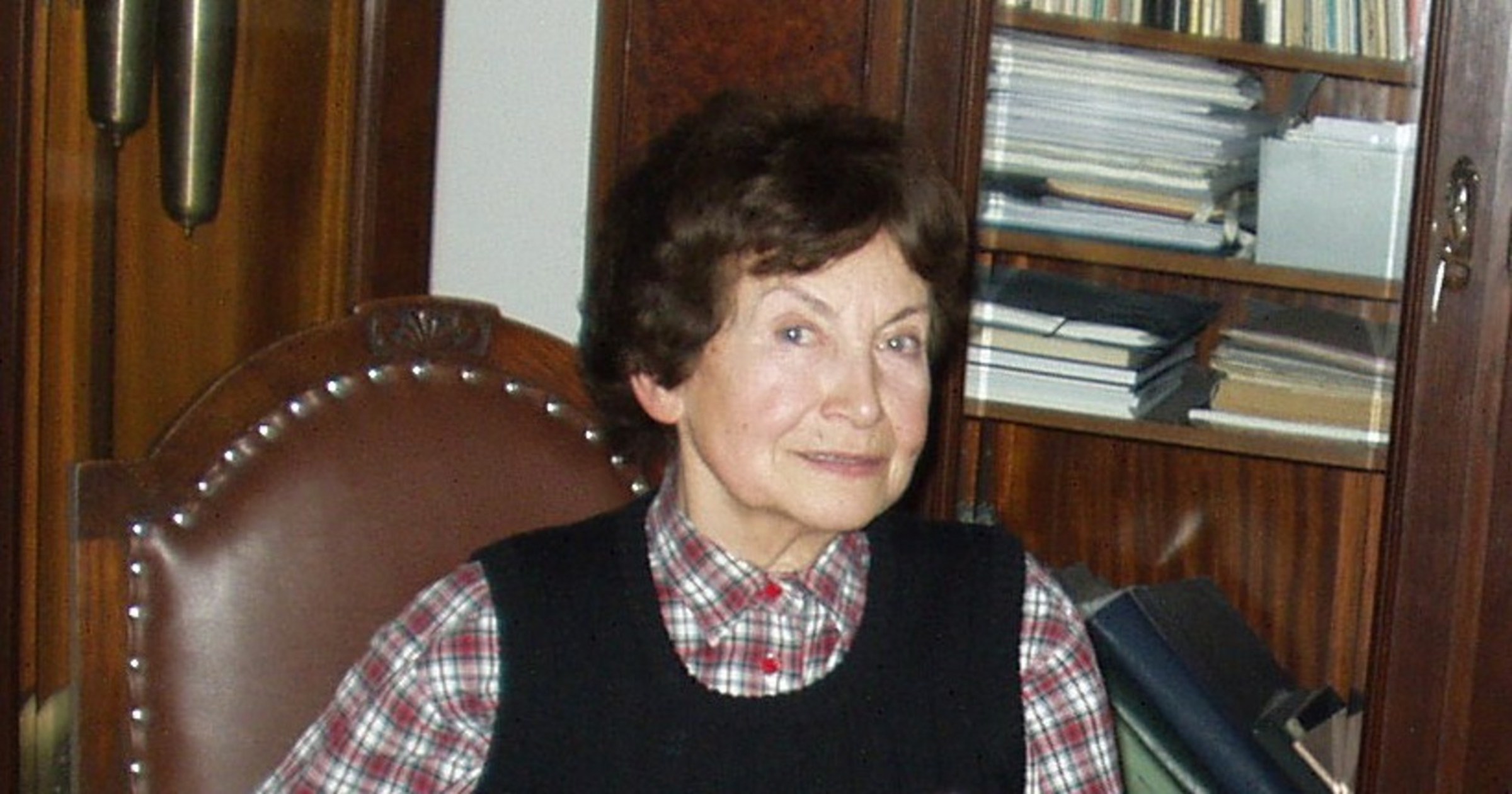
Květuše Thekla Bartoníčková, née Hořejší, was born on February 14, 1935, in Vinařice near Kladno as the middle child of Jarmila and František Hořejší. She spent her childhood on a large family farm in Otruby near Slaný. Her father was a member of the Agrarian Party and served as mayor of the village during the war. During the Protectorate, the family was subjected to frequent house searches. In 1949, the farm was nationalized and incorporated into the Zlonice State Farm. The family had to move into a dilapidated pub in the same village, and her father had to work as a labourer. In 1952, the then 54-year-old František Hořejší was called up for service in the Auxiliary Technical Battalions, where he died in a traffic accident in 1953. Květuše graduated from secondary medical school in Kladno and Prague and unsuccessfully attempted to enroll in medical school. She worked as a nurse in Louny and Prague. She married Josef Bartoníček and they had two sons. In 1992, she regained the farm through restitution and began farming privately again.
Hrdinové 20. století odcházejí. Nesmíme zapomenout. Dokumentujeme a vyprávíme jejich příběhy. Záleží vám na odkazu minulých generací, na občanských postojích, demokracii a vzdělávání? Pomozte nám!