August Masár

* 1942

  • “The conditions were horrible. There were bricks laid on the bare floor, smoothed out a little. Luckily, my mom had hastily packed us one blanket that we as children could sleep underneath. That’s how we endured. My parents slept on the bare floor. Here and there was some straw. When my father returned after the whole day labor, I still wanted to play with him, however, that was not possible. He was so exhausted and so skinny… I didn’t understand what he was going through back then.”

  • “She could have lived much longer. She had rheumatoid arthritis and then she got diabetes. However, in addition to this, she gained some heart disease due to all the stress how they treated us when they took us from Bratislava. She had a heart attack, too. Unfortunately, the last heart attack she didn’t survive.”

  • “The soldiers were surrounding us. Those were still the Slovak soldiers, who were not yet released to civilian life after the war, and they had to guard us. However, when the civil workers came, they didn’t like us talking in German. Back then, we didn’t speak Slovak yet. We lived in Bratislava, my parents spoke Hungarian, since my father studied at Hungarian schools, and German as my mother was Austrian. Thus, together we spoke German and the guards minded it. This gave them reason not just to torture us, but also to disparage us that we didn’t speak any Slovak.”

  • Celé nahrávky
  • 1

    Handlová, 05.07.2018

    ()
    délka: 
    nahrávka pořízena v rámci projektu Príbehy 20. storočia
Celé nahrávky jsou k dispozici pouze pro přihlášené uživatele.

The communists were unable to create anything, to form any values. They just knew how to steal what someone else had built
As a young man
As a young man
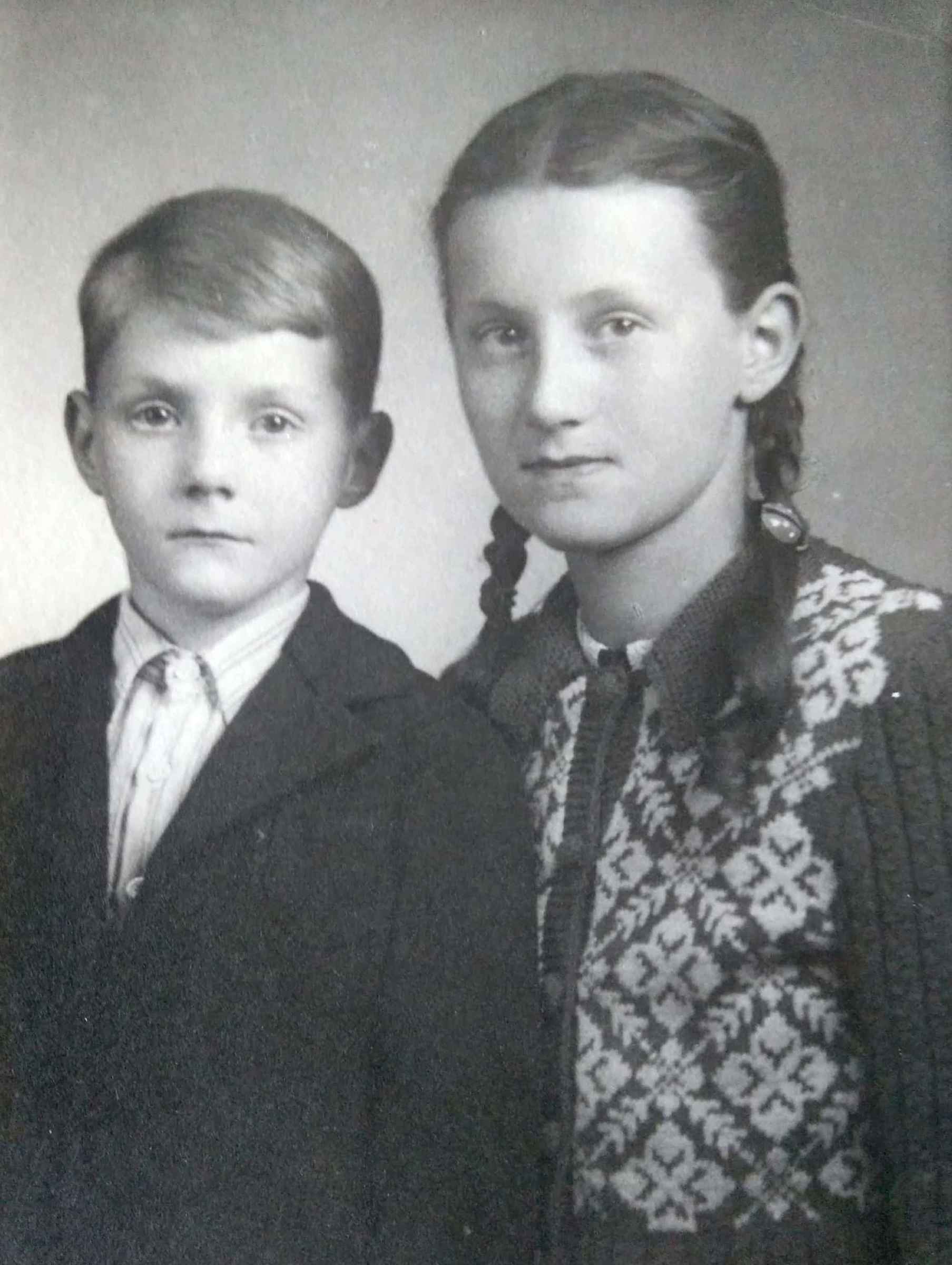
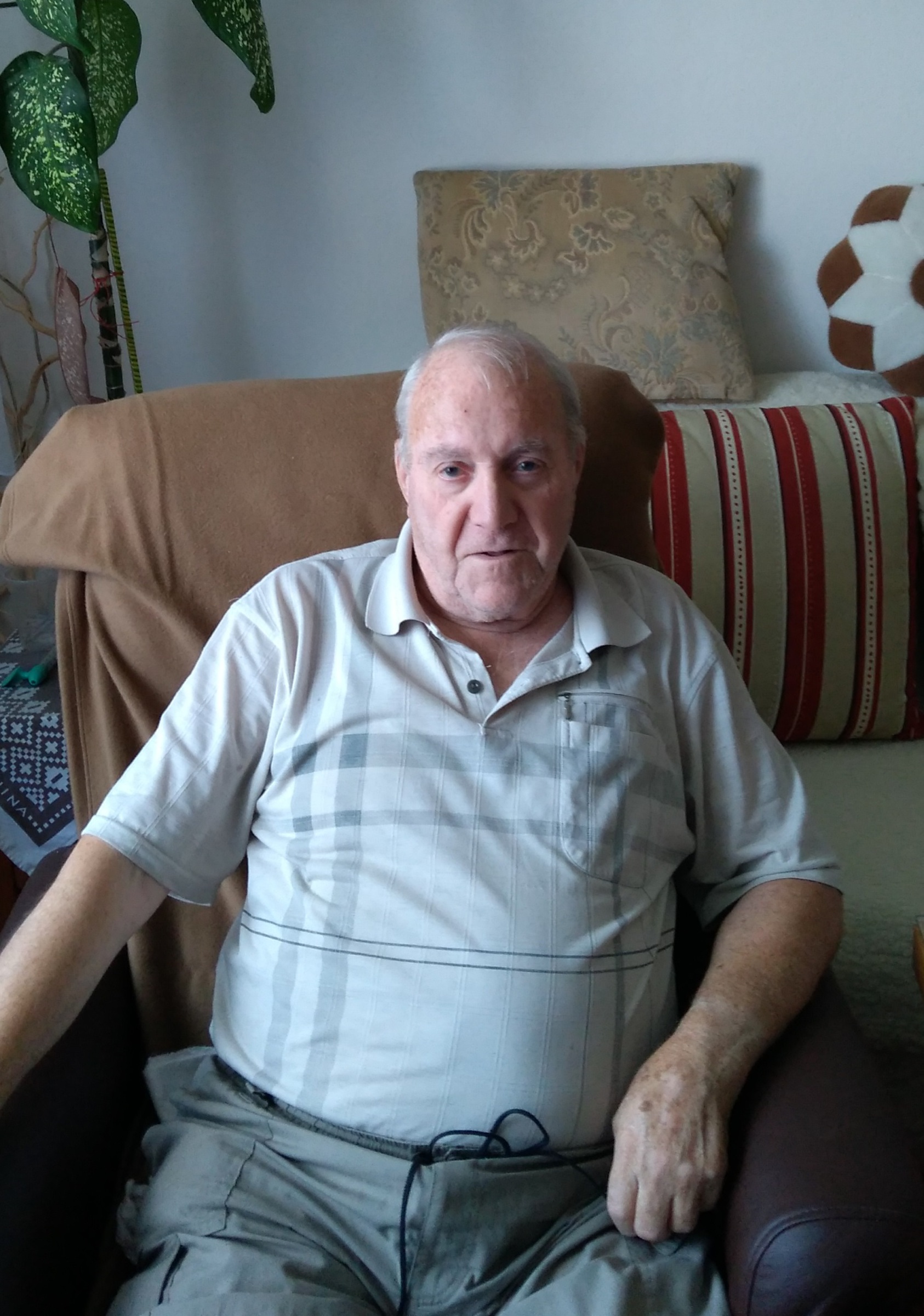
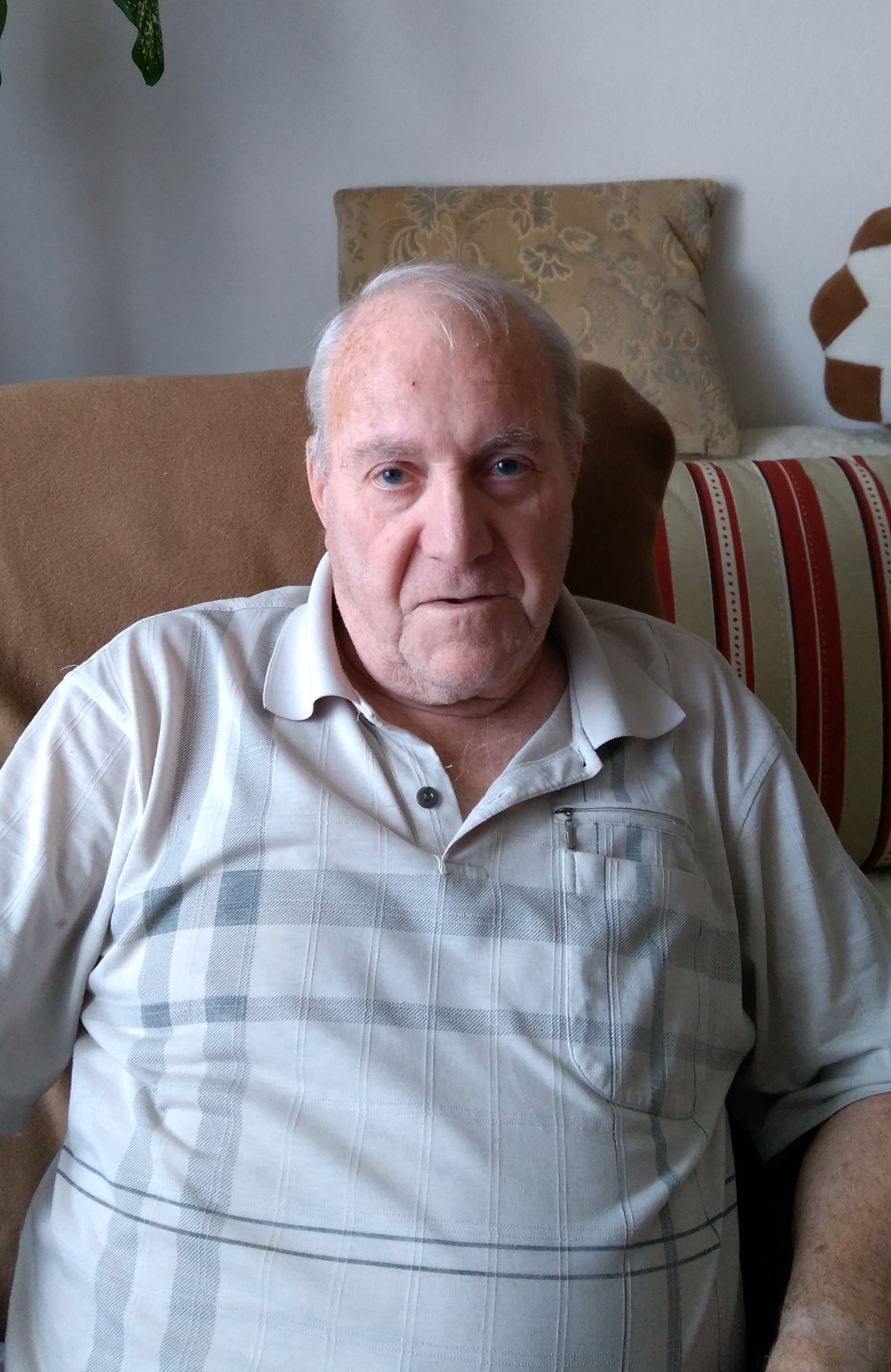
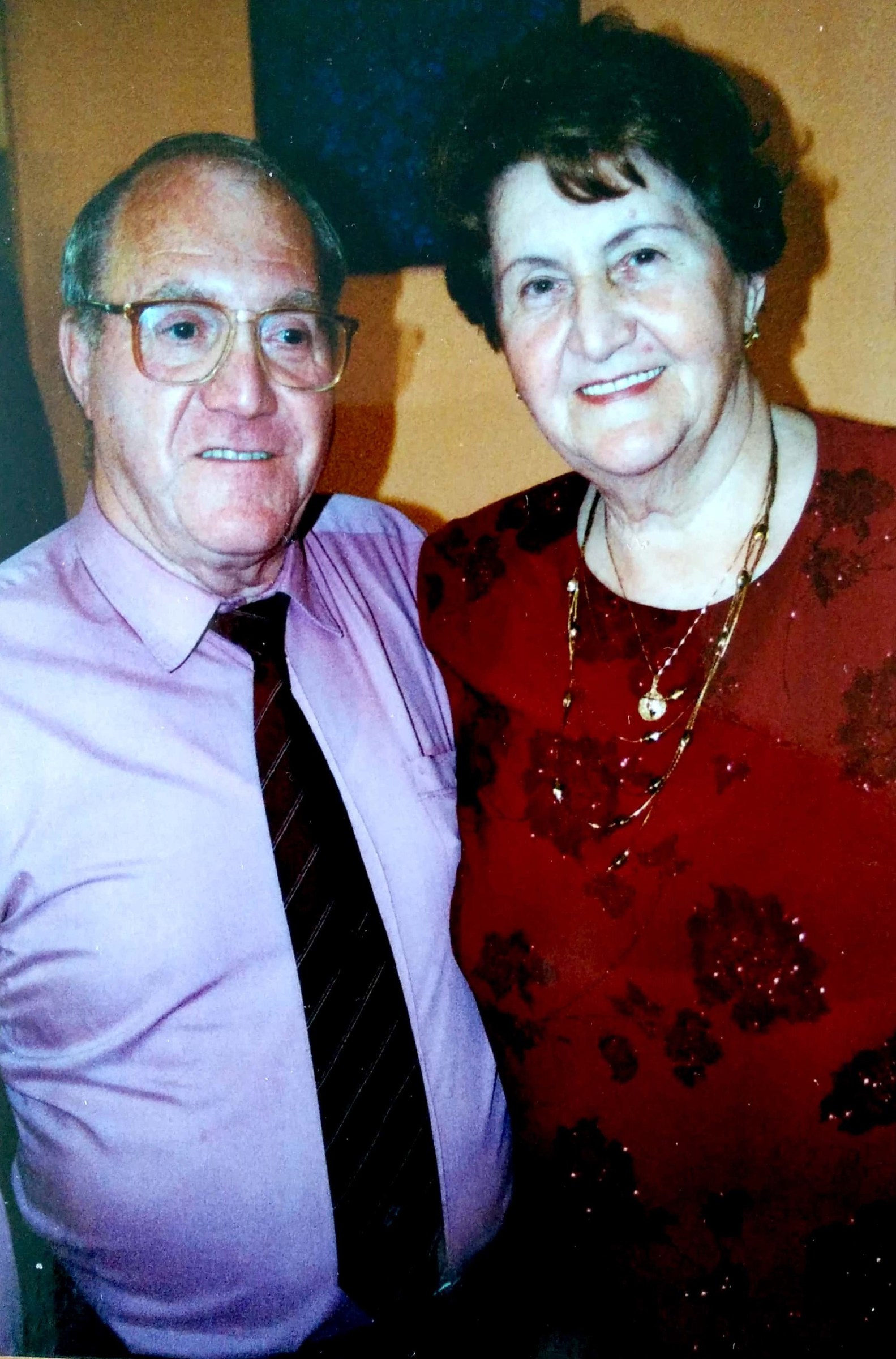
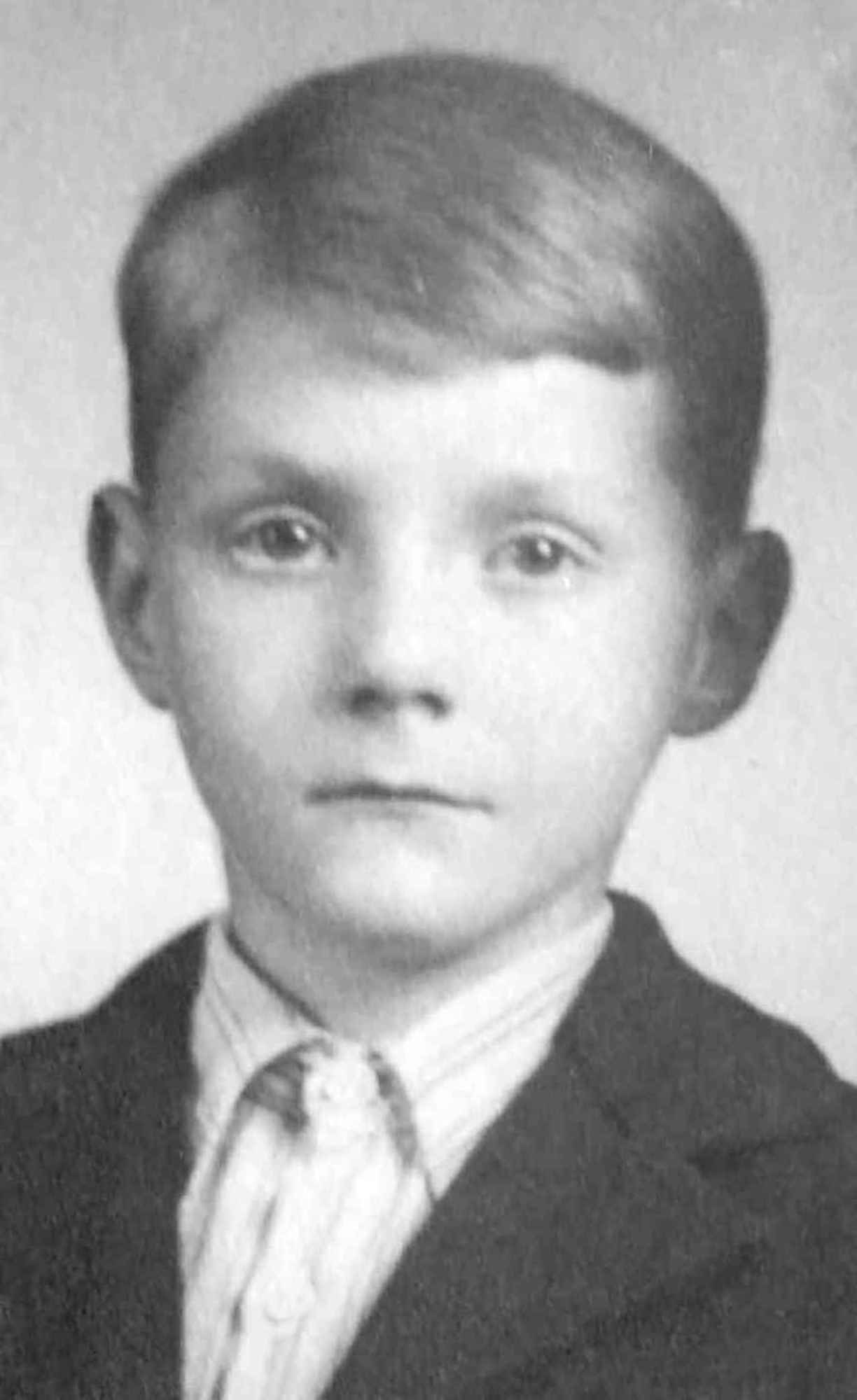
zdroj: Dobová: ako chlapec krátko po návrate z TNP Nováky (1948), Súčasná: z natáčania rozhovoru 5. júla 2018.

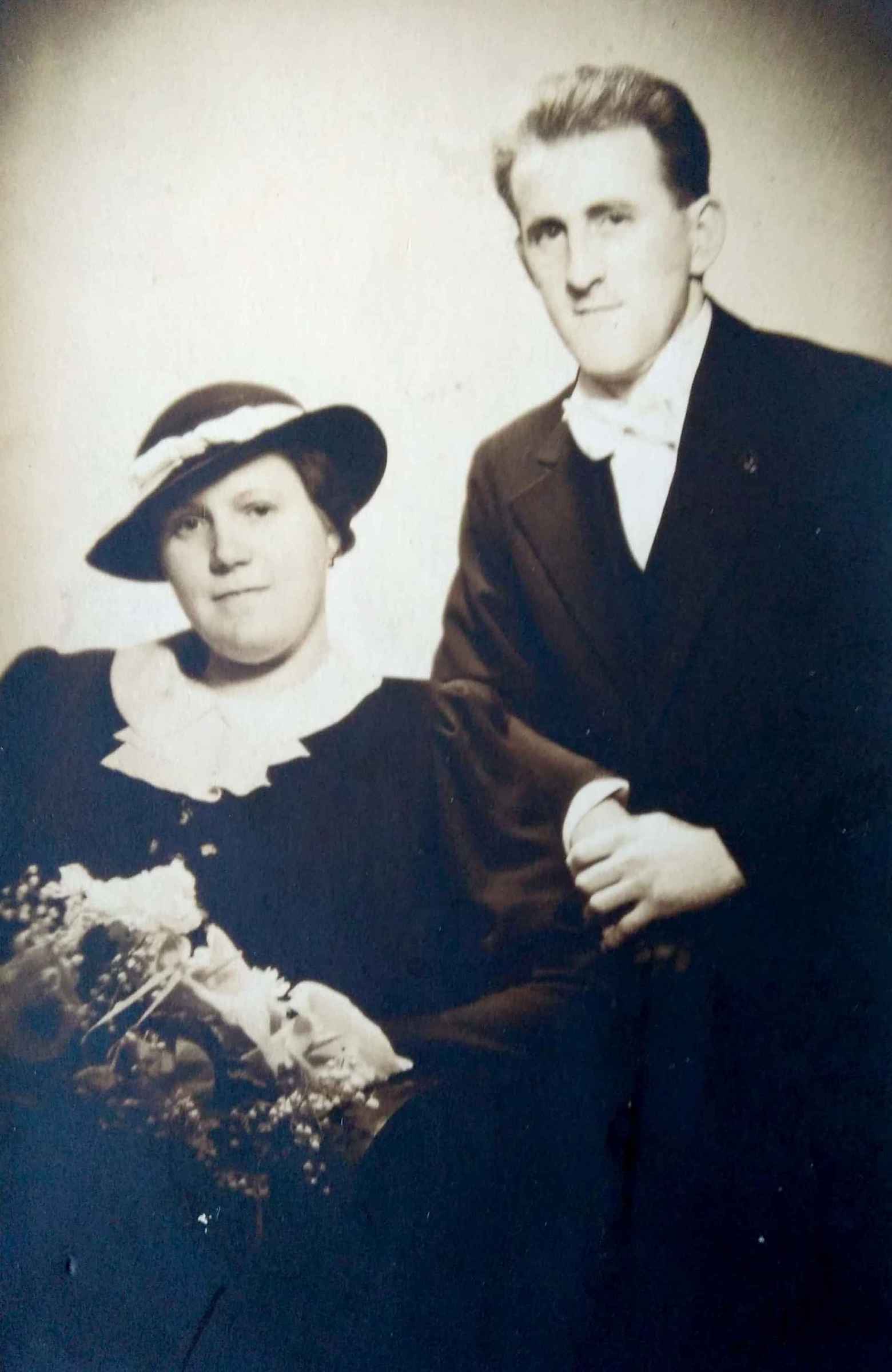
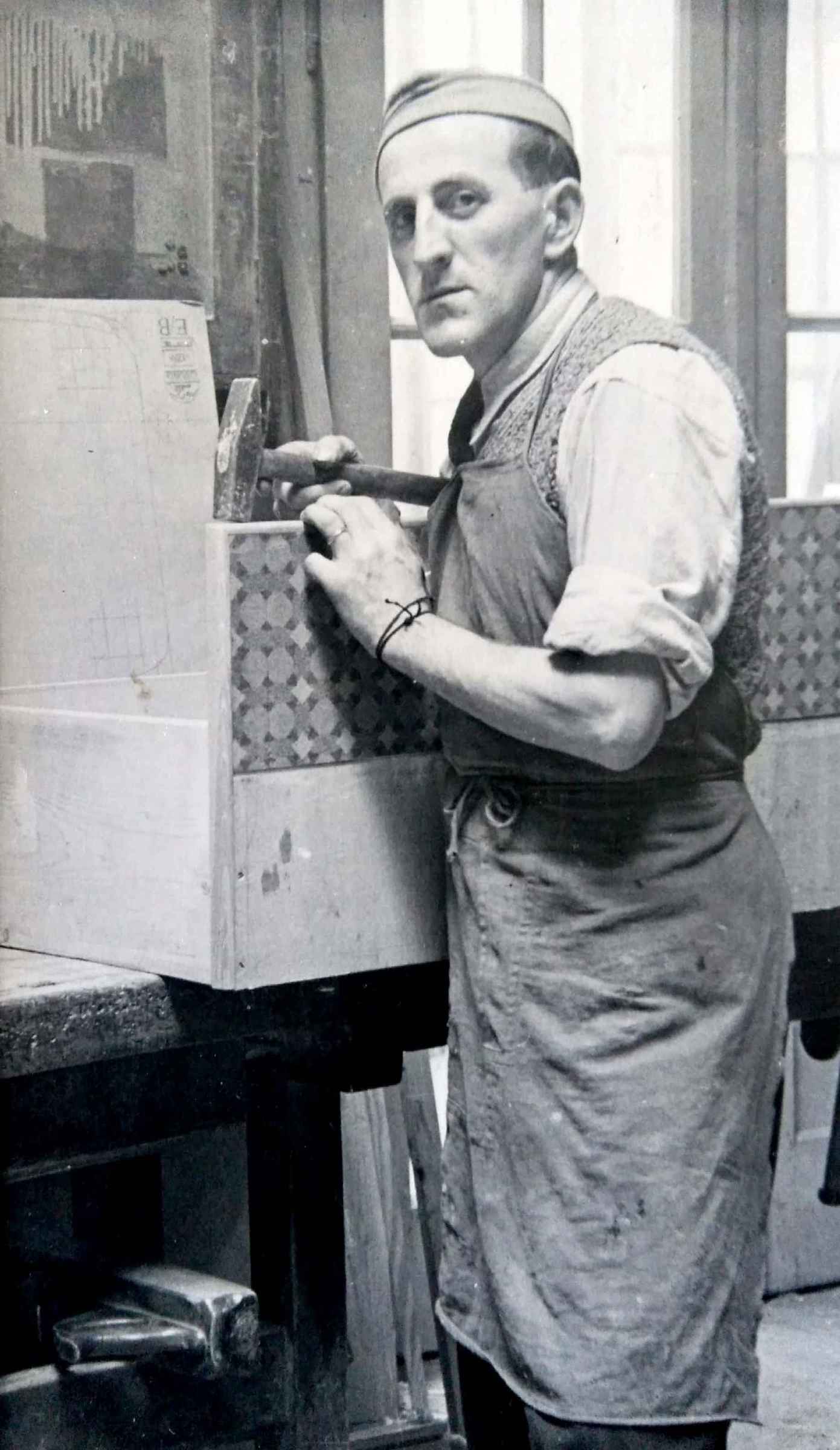
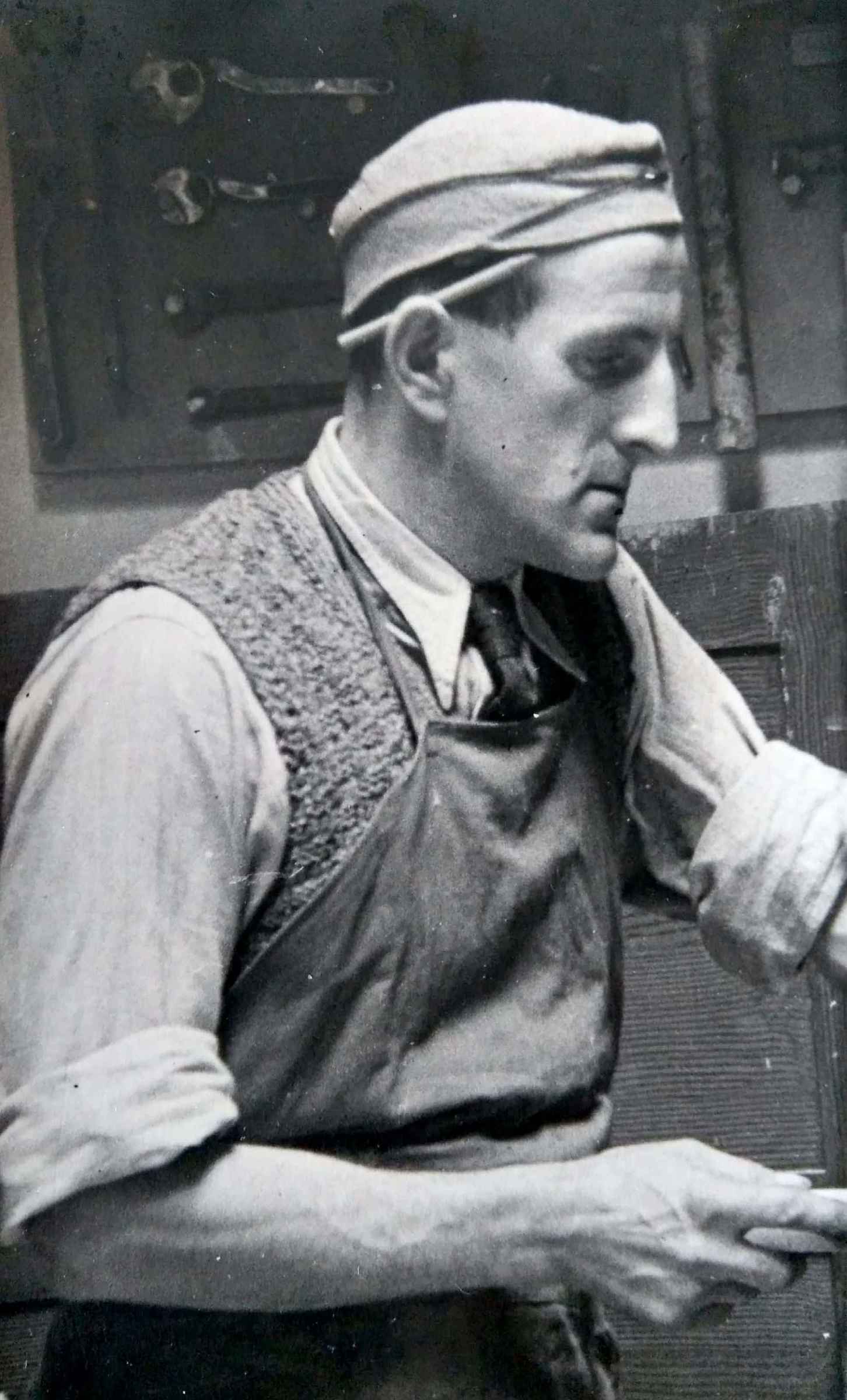
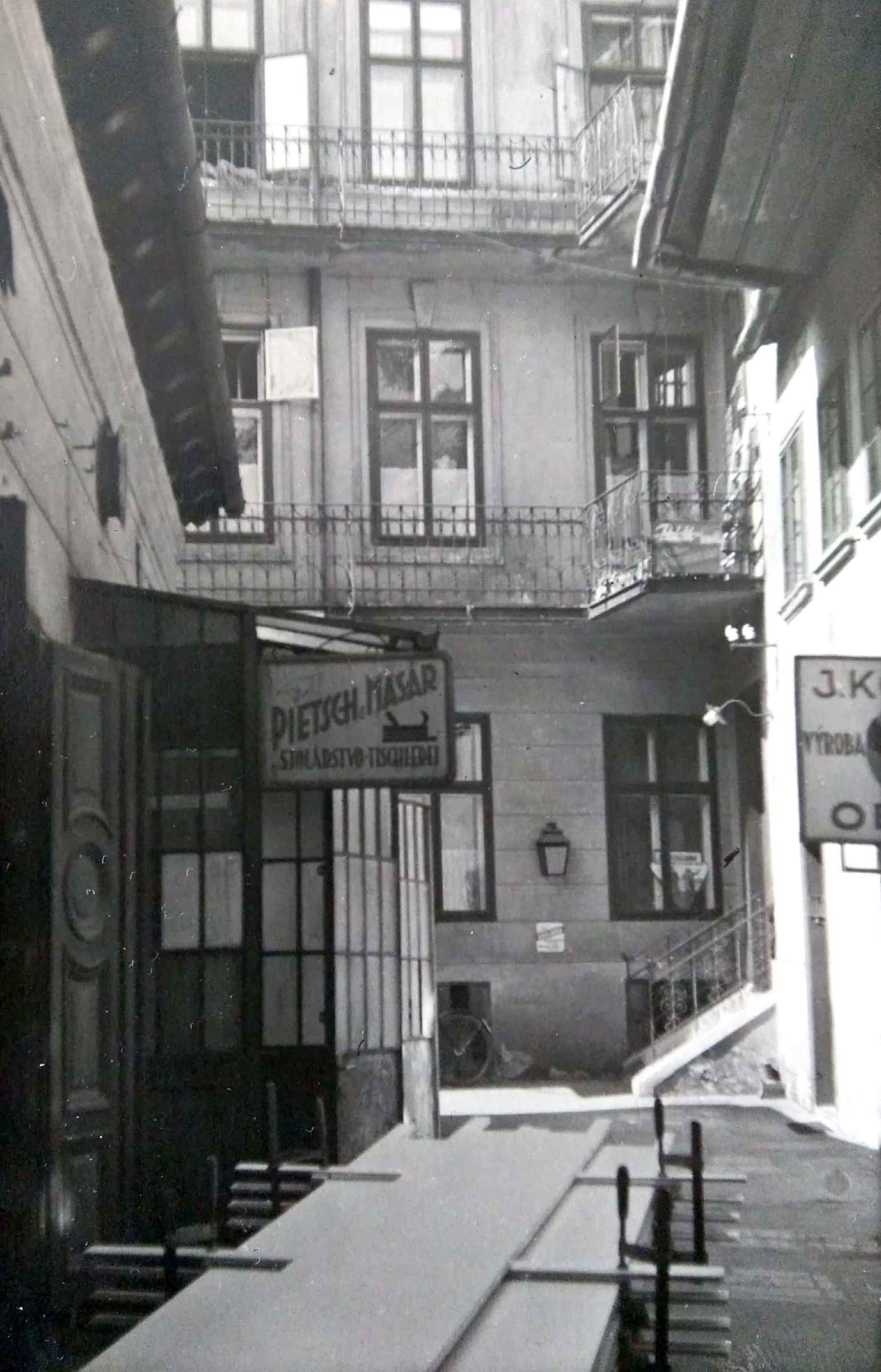
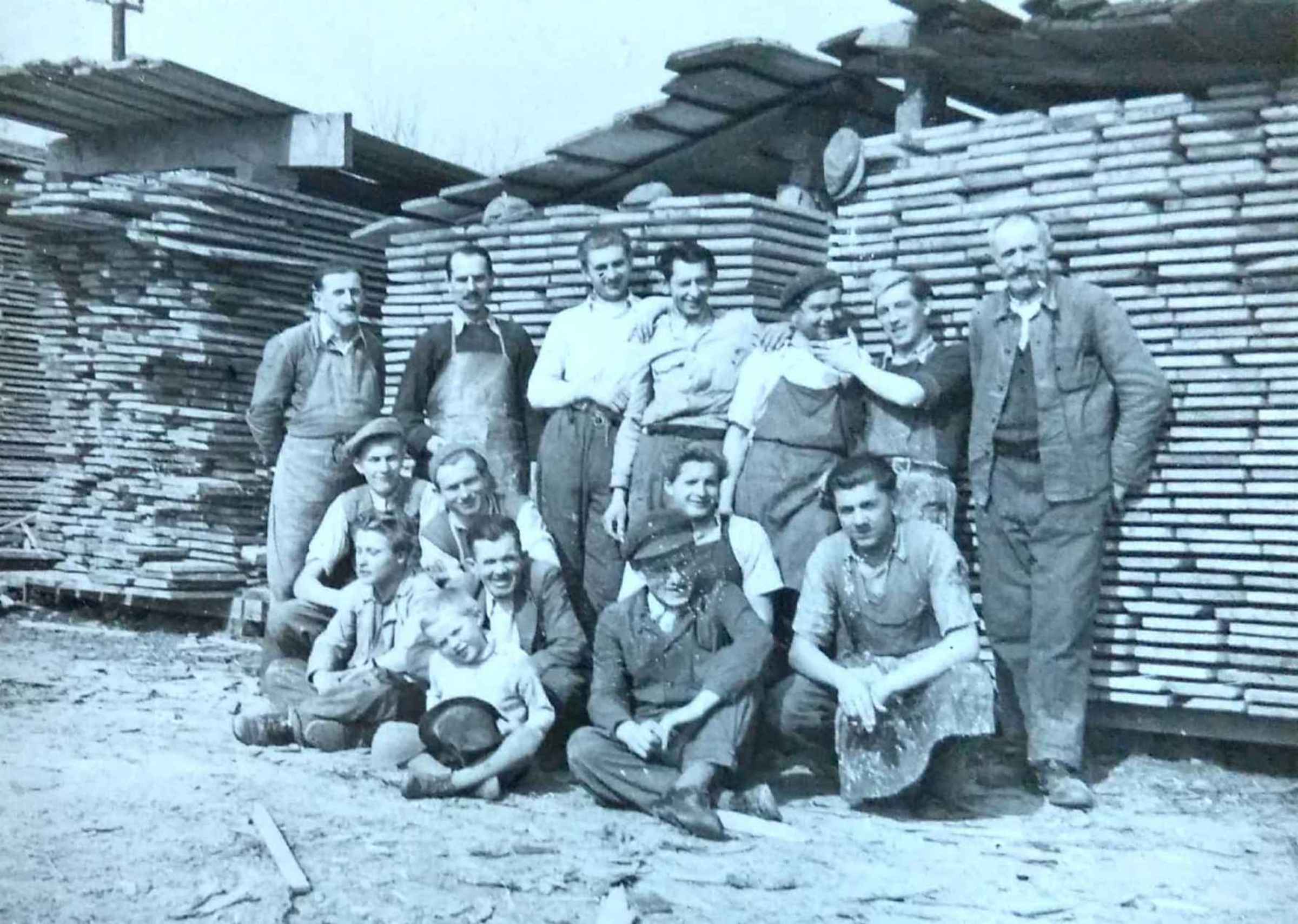
August Masár was born on November 8, 1942 in Bratislava. His parents August and Karolína, née Nittnausová, were of German nationality. His mother was originally from Austria and she had a dressmaker’s shop and a fashion salon. August’s father ran a carpenter’s workshop. As a child August witnessed air raids of the allied troops on Apollo refinery. Due to their German nationality and operation of business, in 1946 August, his sister Alžbeta and their parents were interned in the Nováky labor camp. They spent in the camp’s inhuman conditions two long years. Their property and business were forever confiscated. Later on, August studied to become a plumber. As a member of the politically unreliable family he was obliged to attend the military service without arms in Auxiliary Technical Battalions. After the release to civilian life he employed as a plumber in Brno military construction company, but because of his problematic cadre evaluation he was fired. He got a job in the mine Cígeľ in Prievidza, where he worked on surface at first, and later in the pit as well. After his father’s death he was monitored by the State Security authorities. In 1992 he suffered a serious stroke, what resulted in leaving to untimely invalidity pension. Nowadays he lives in Handlová.