I’ve been lucky to have people in my life who always taught me something and showed me that there’s a different way to live
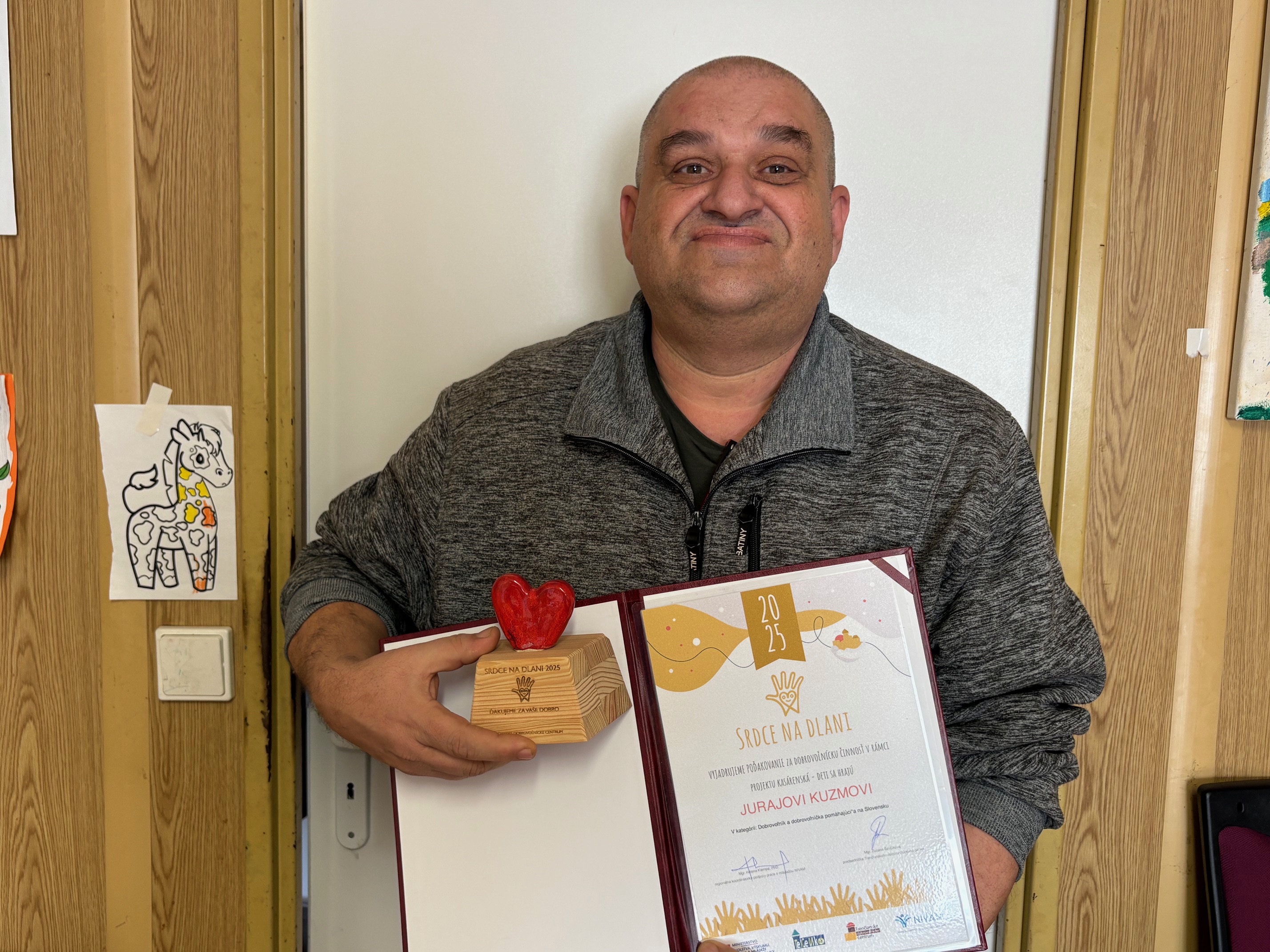
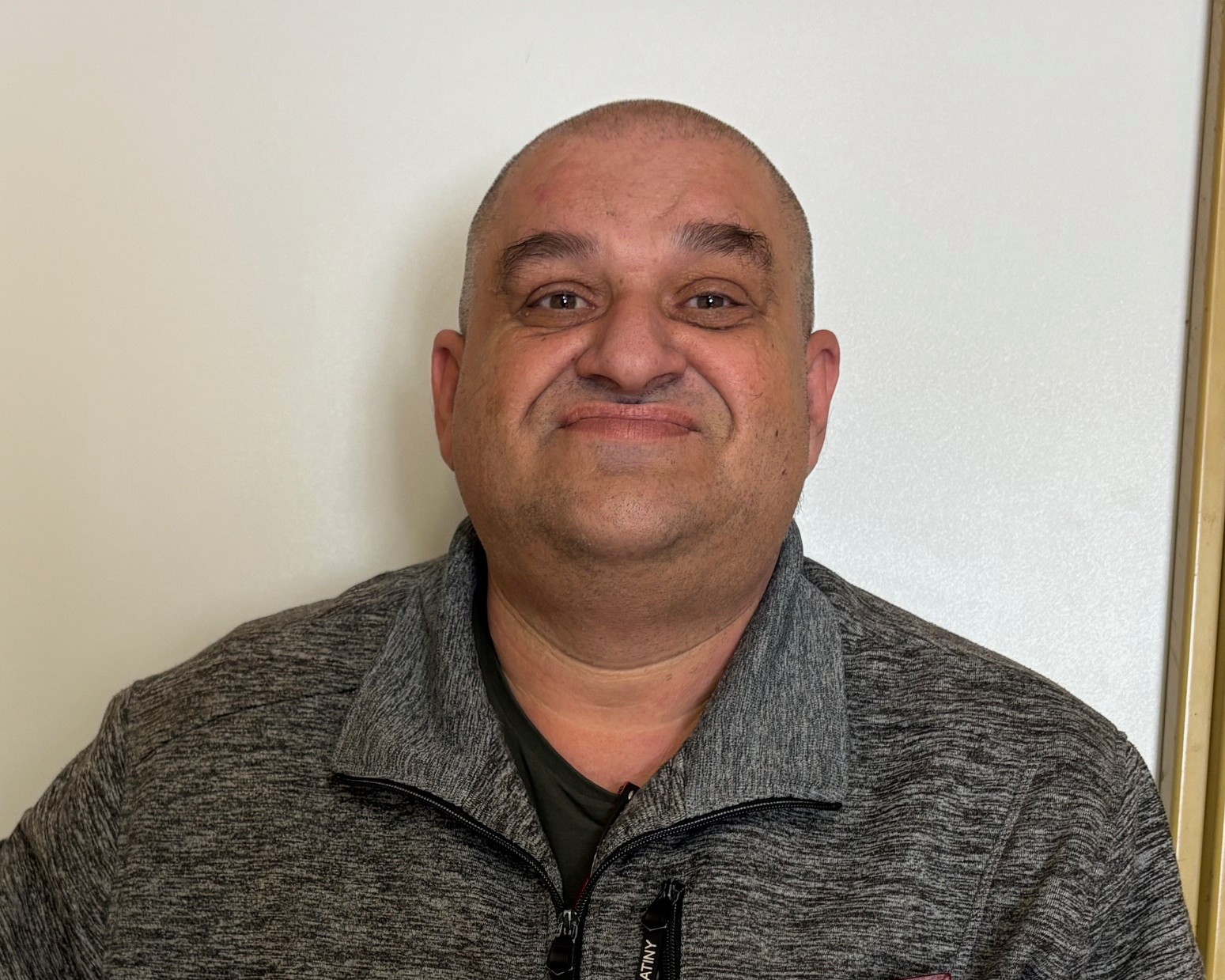
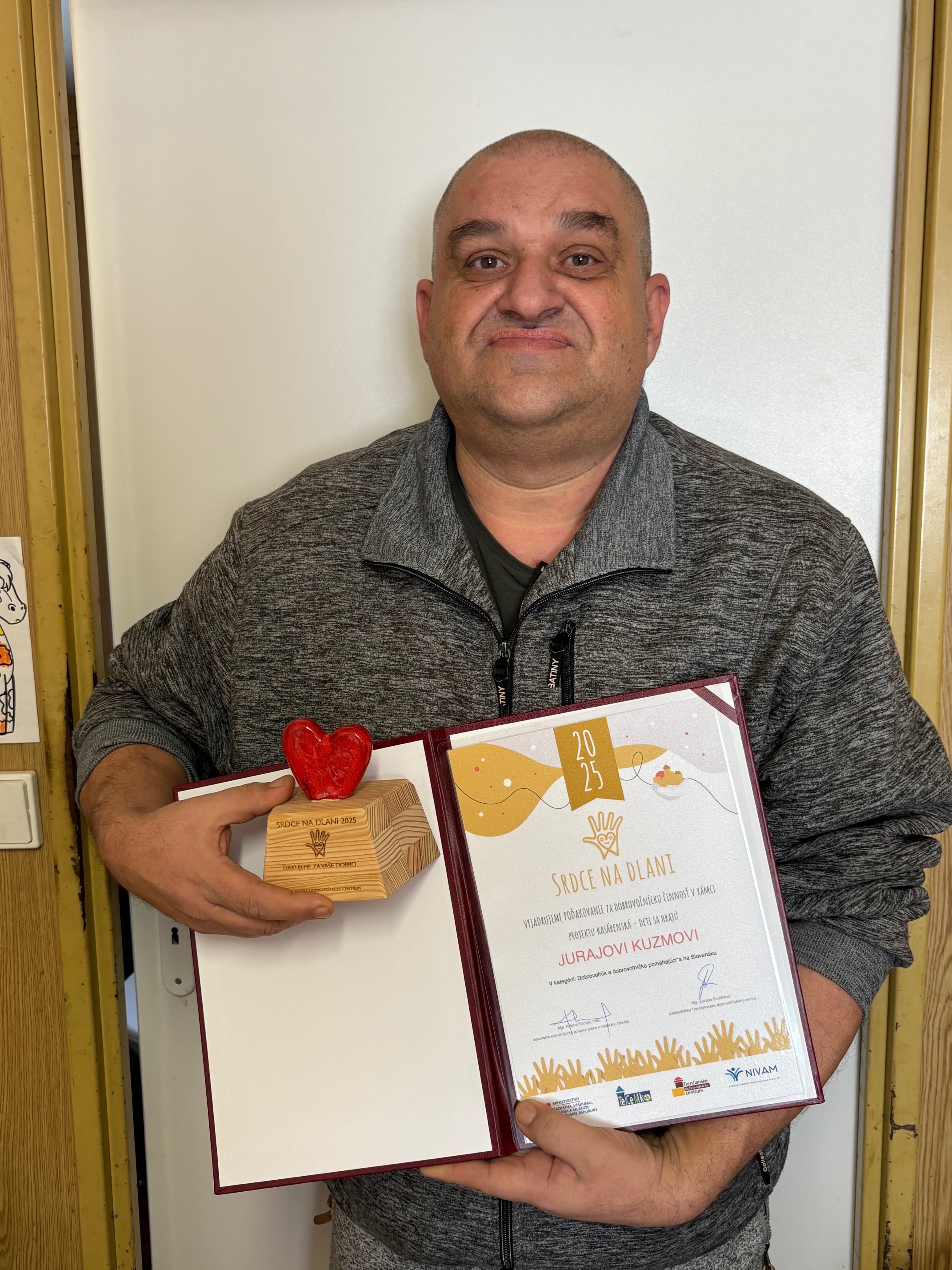
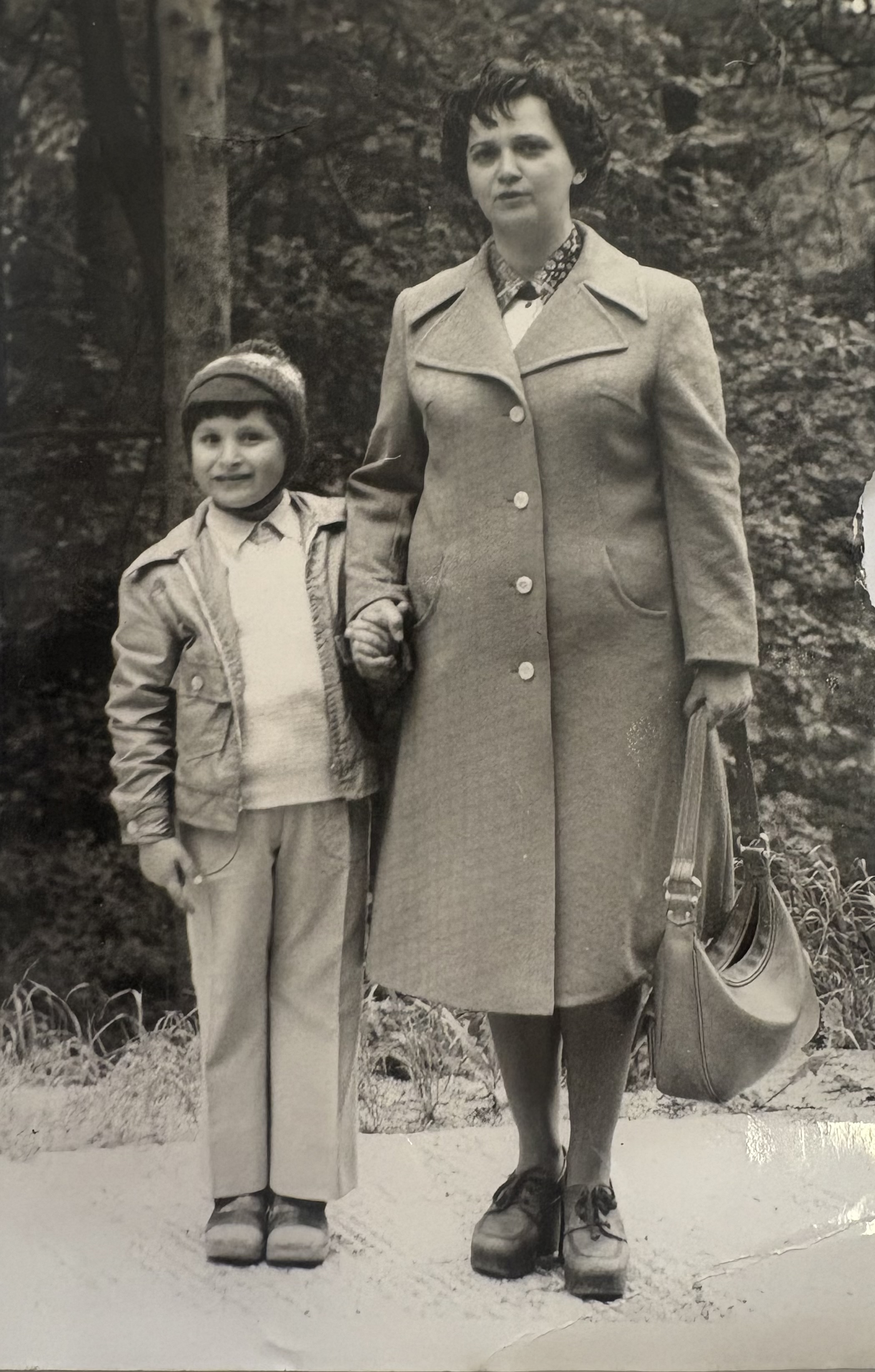
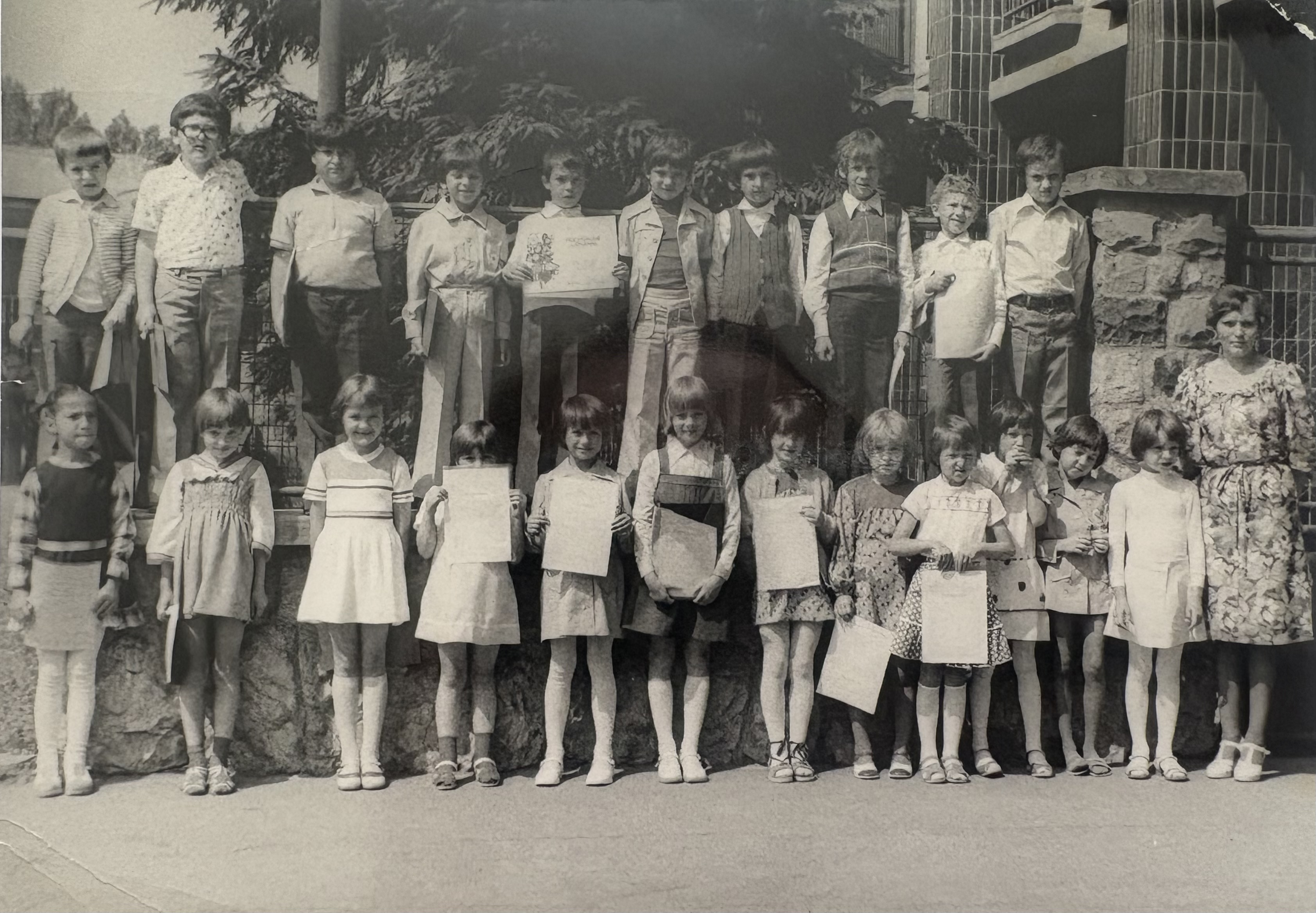
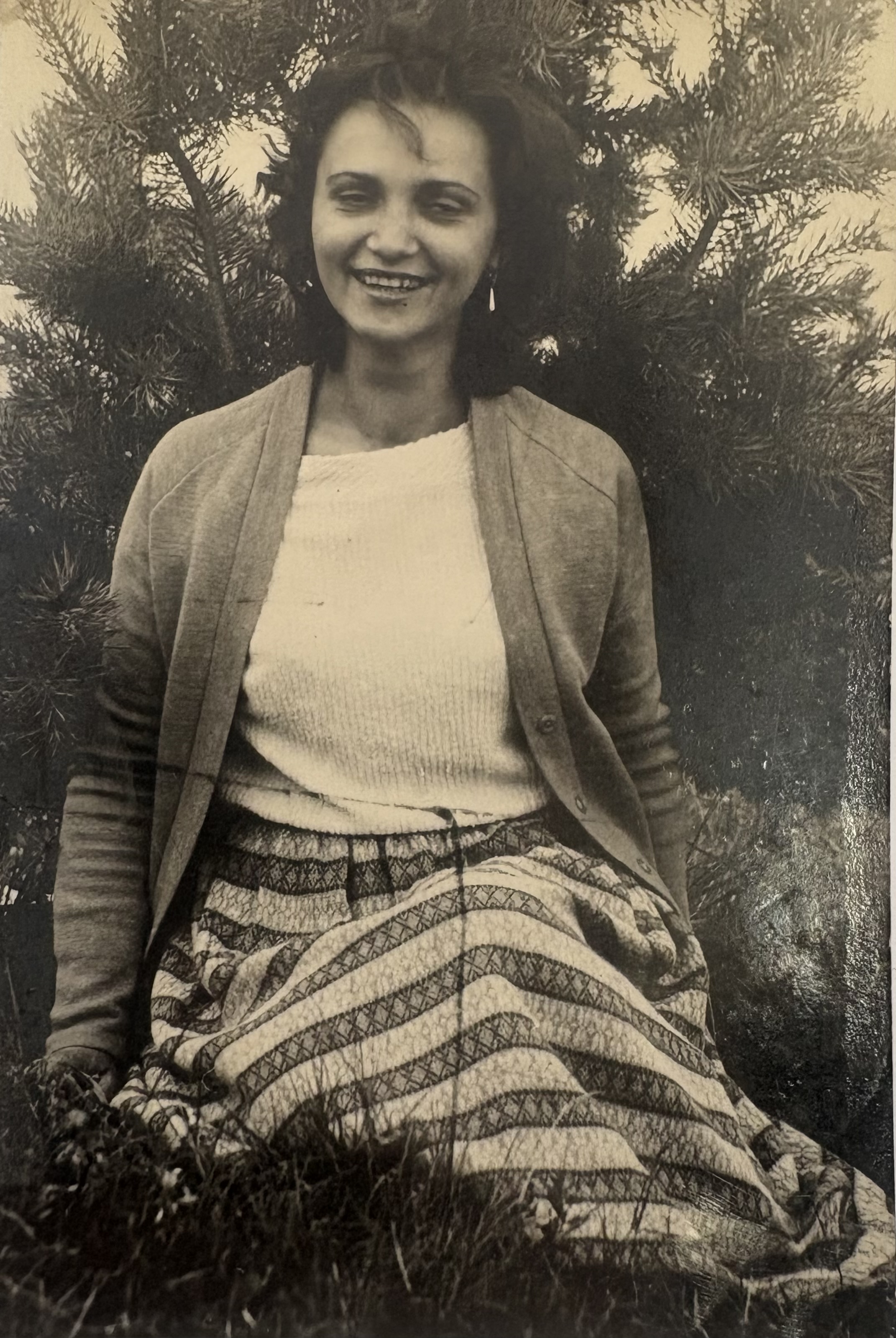
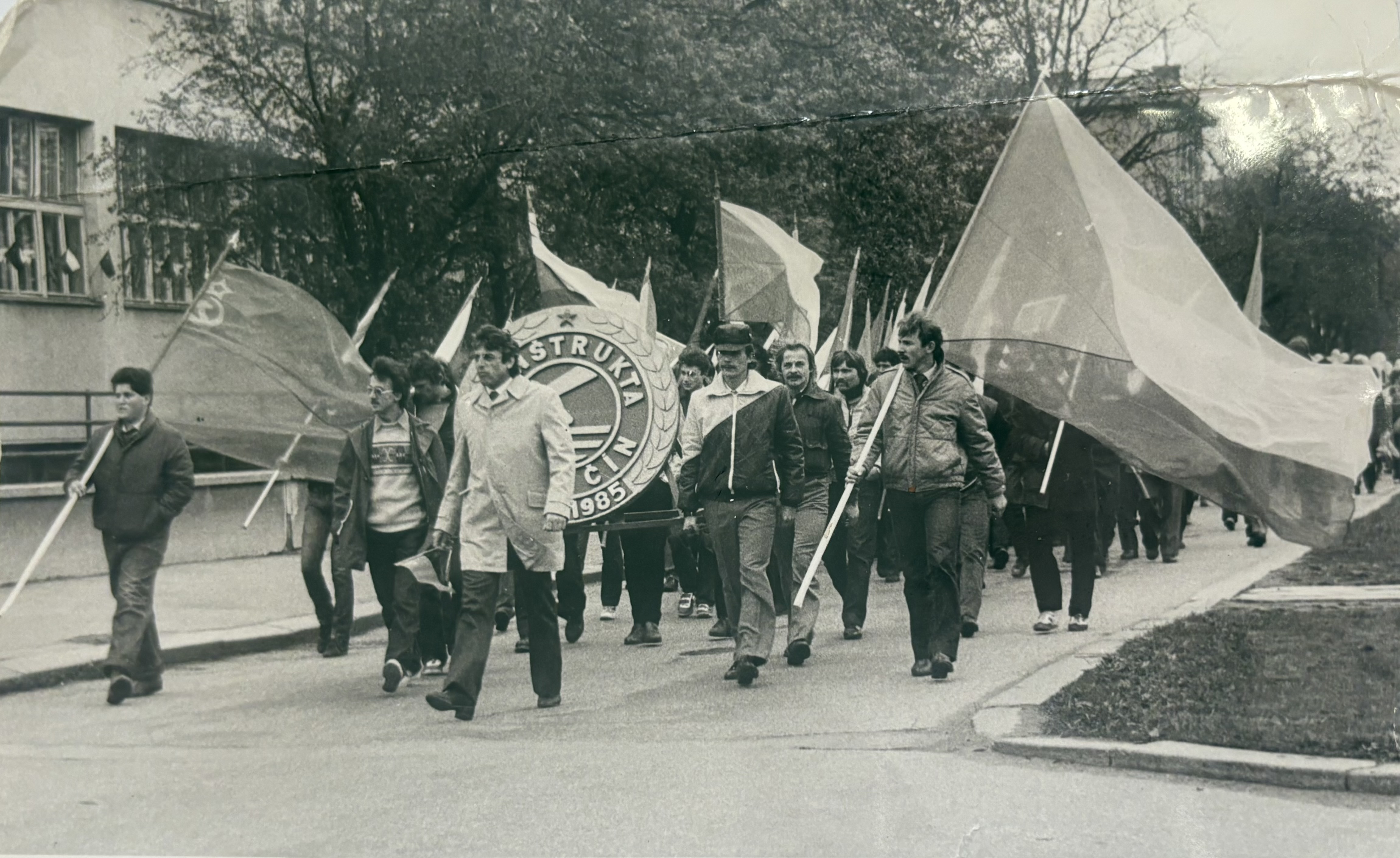
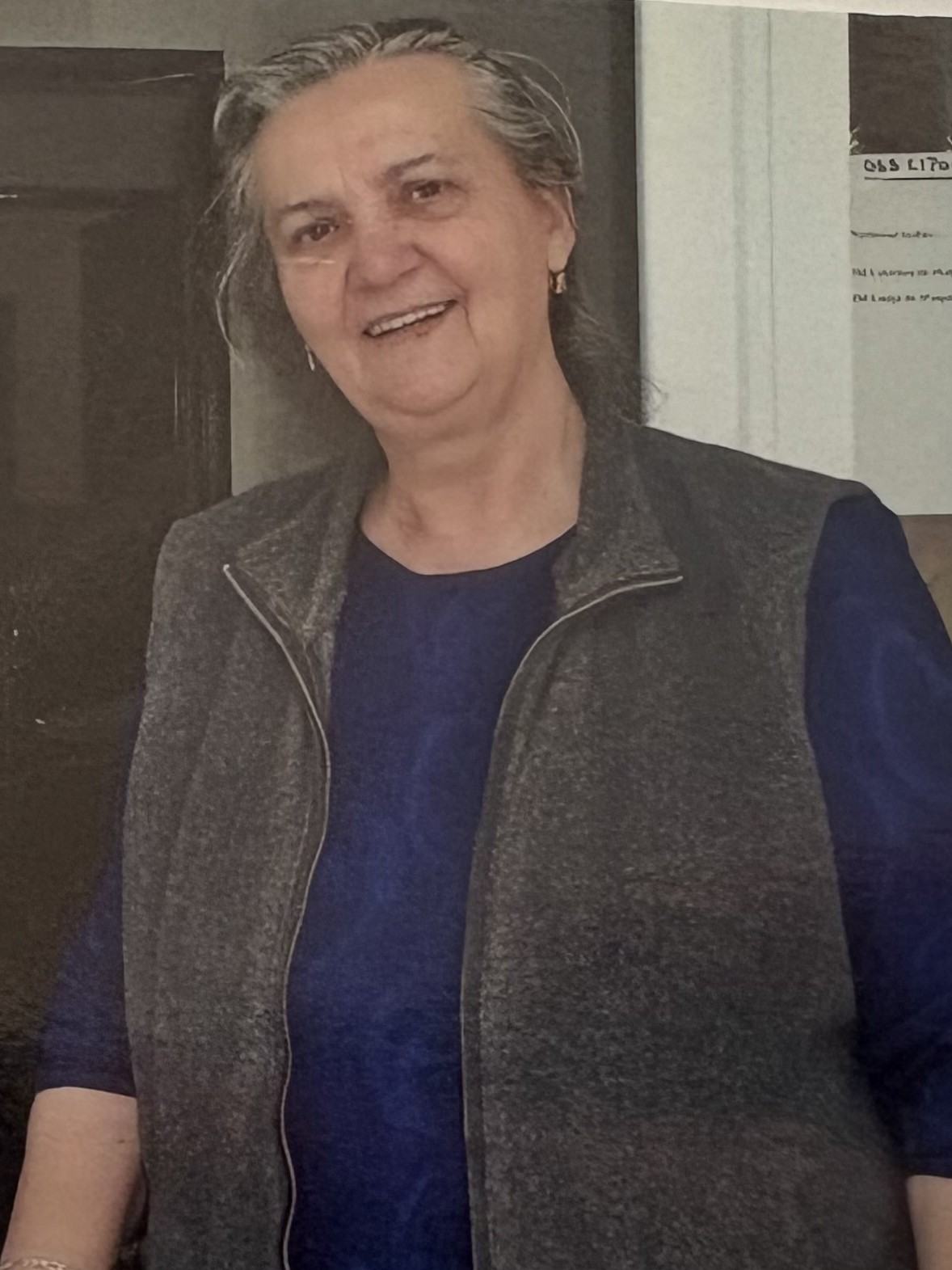
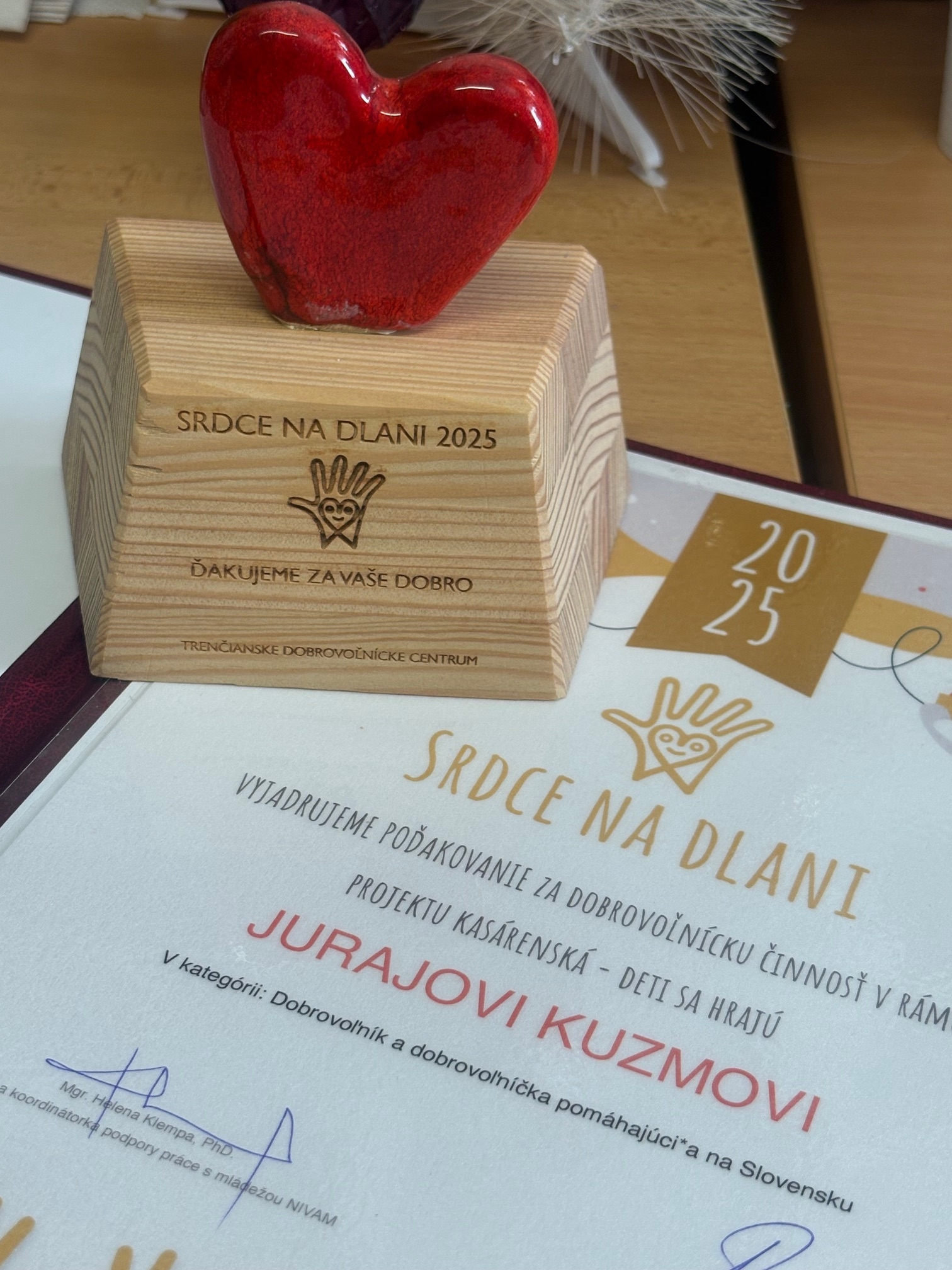
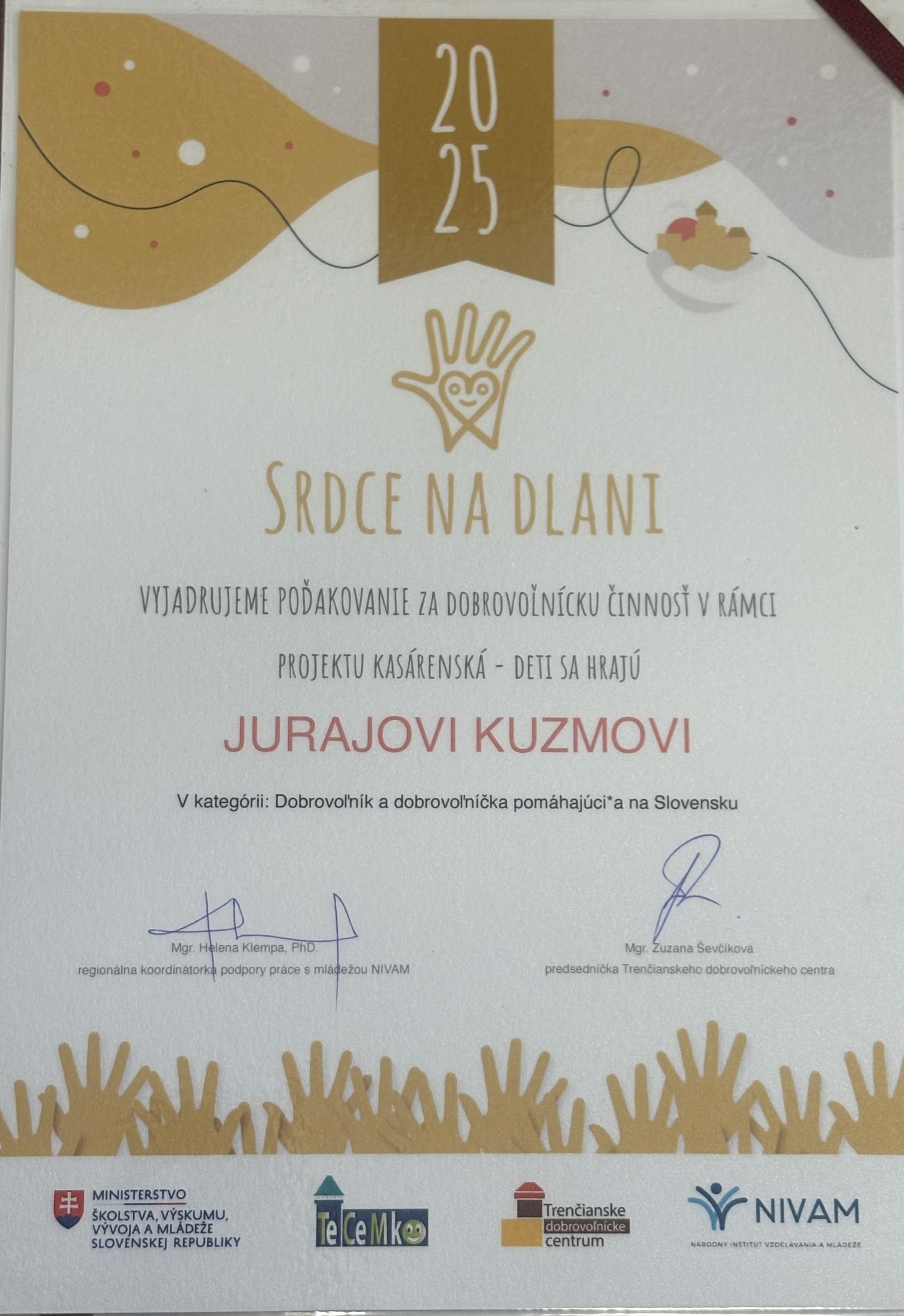
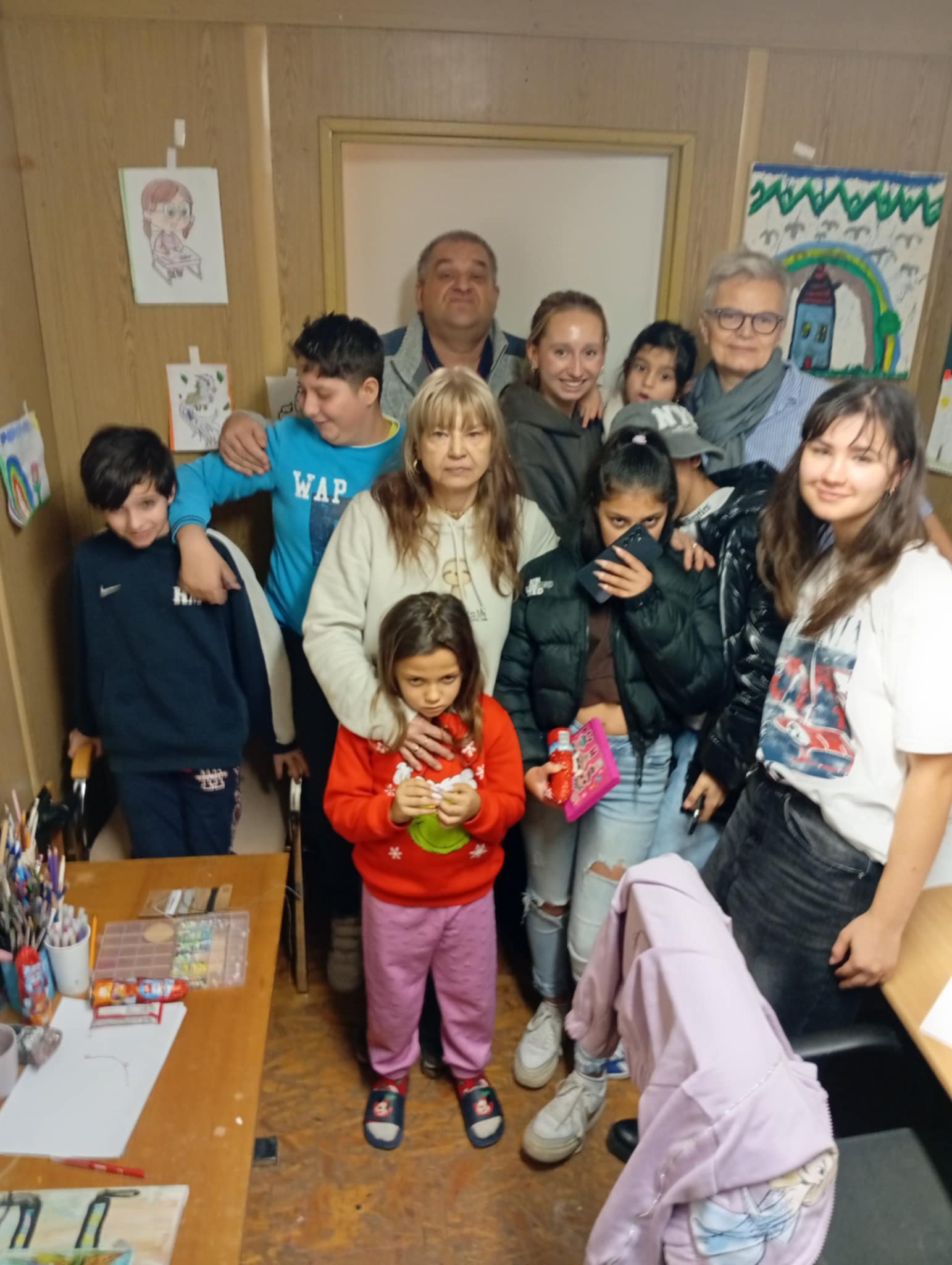
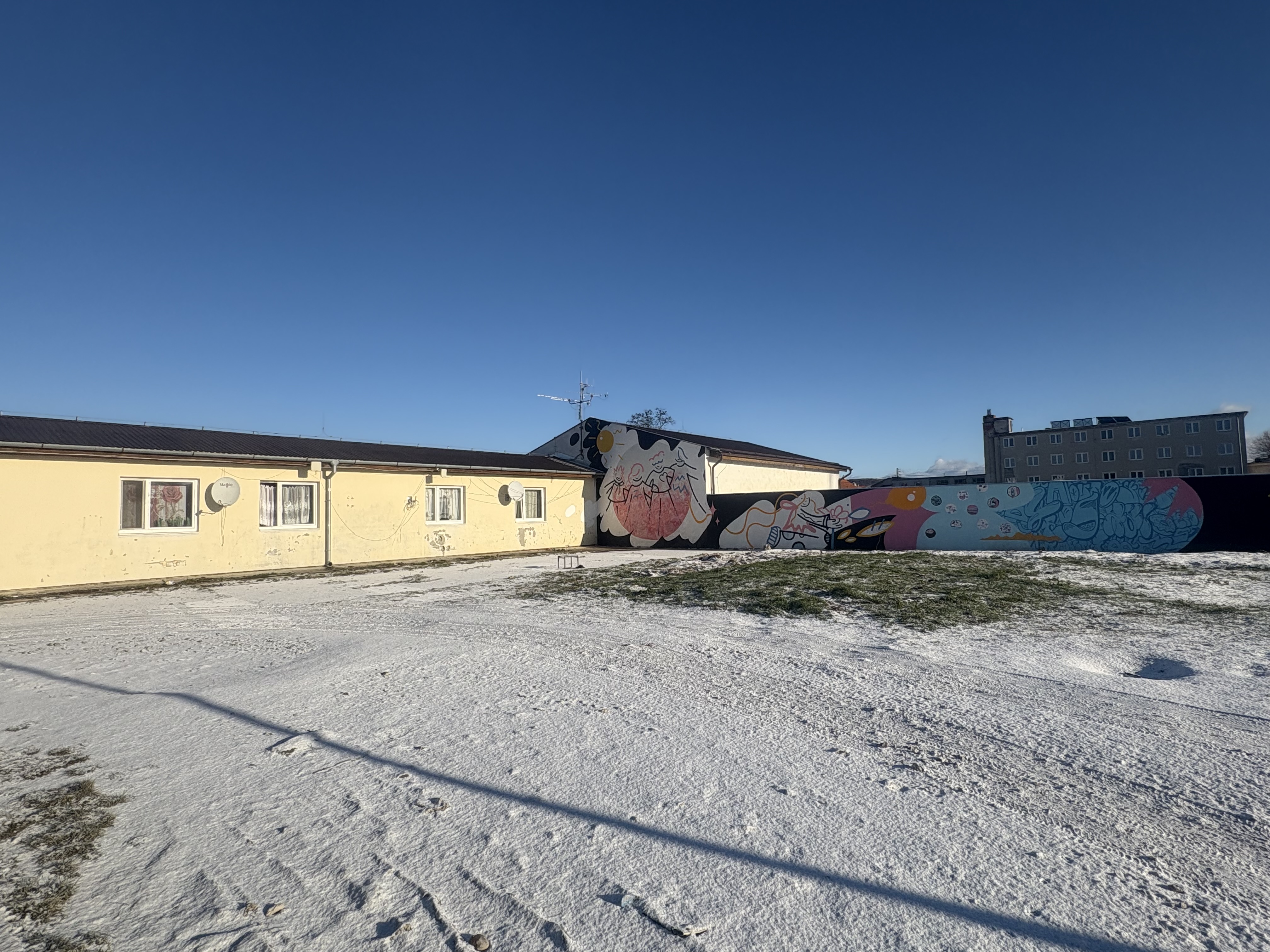
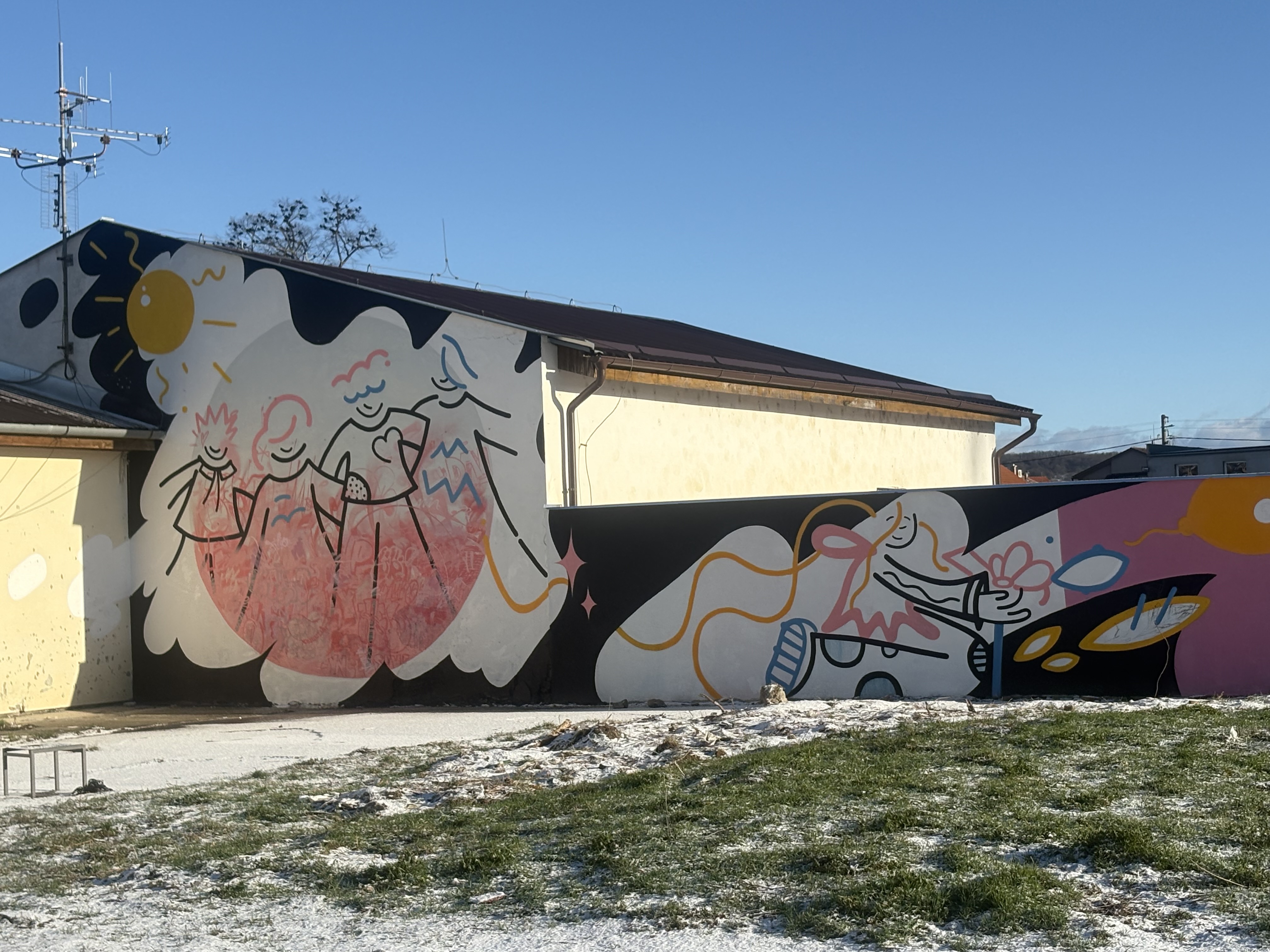
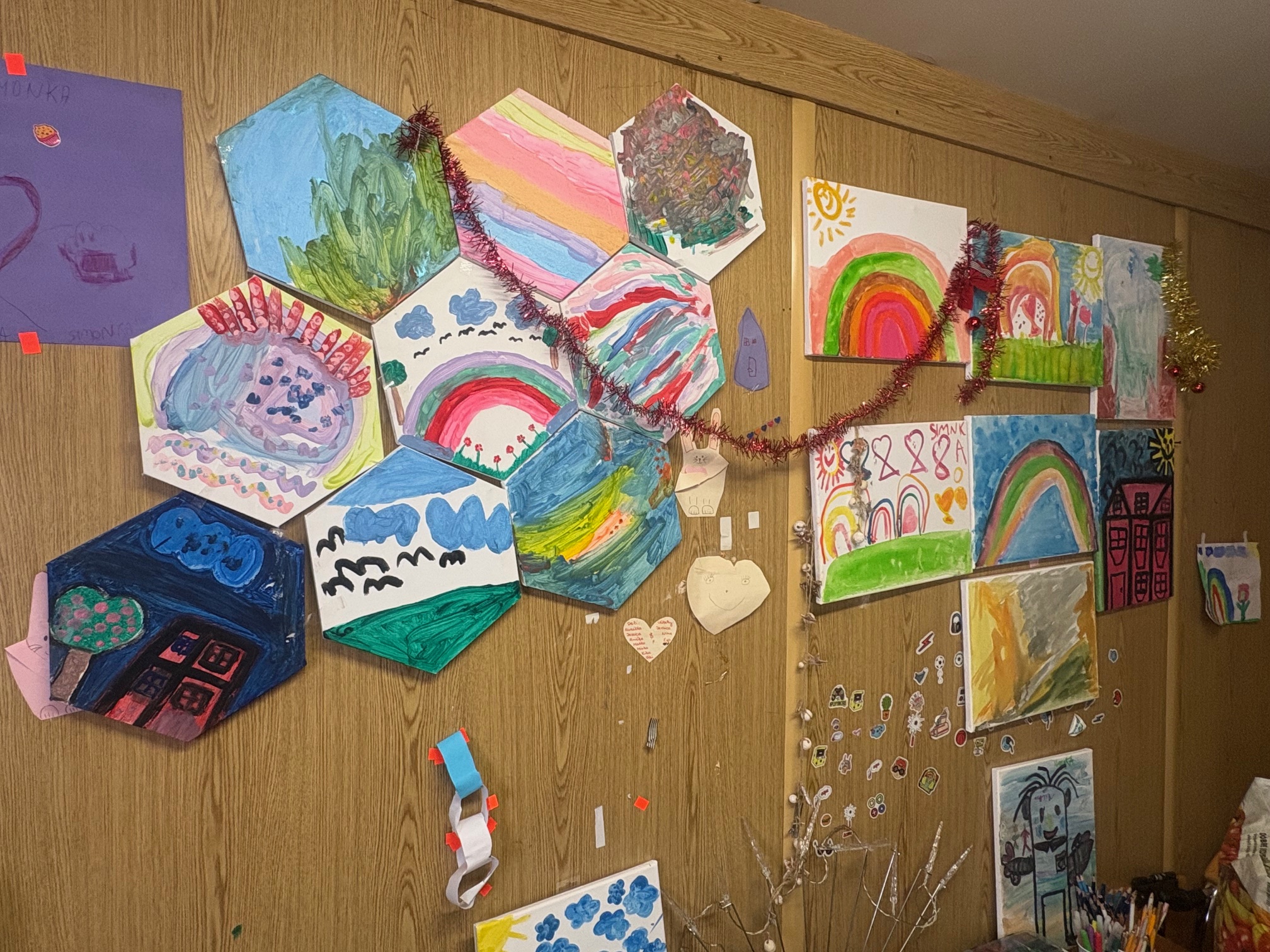
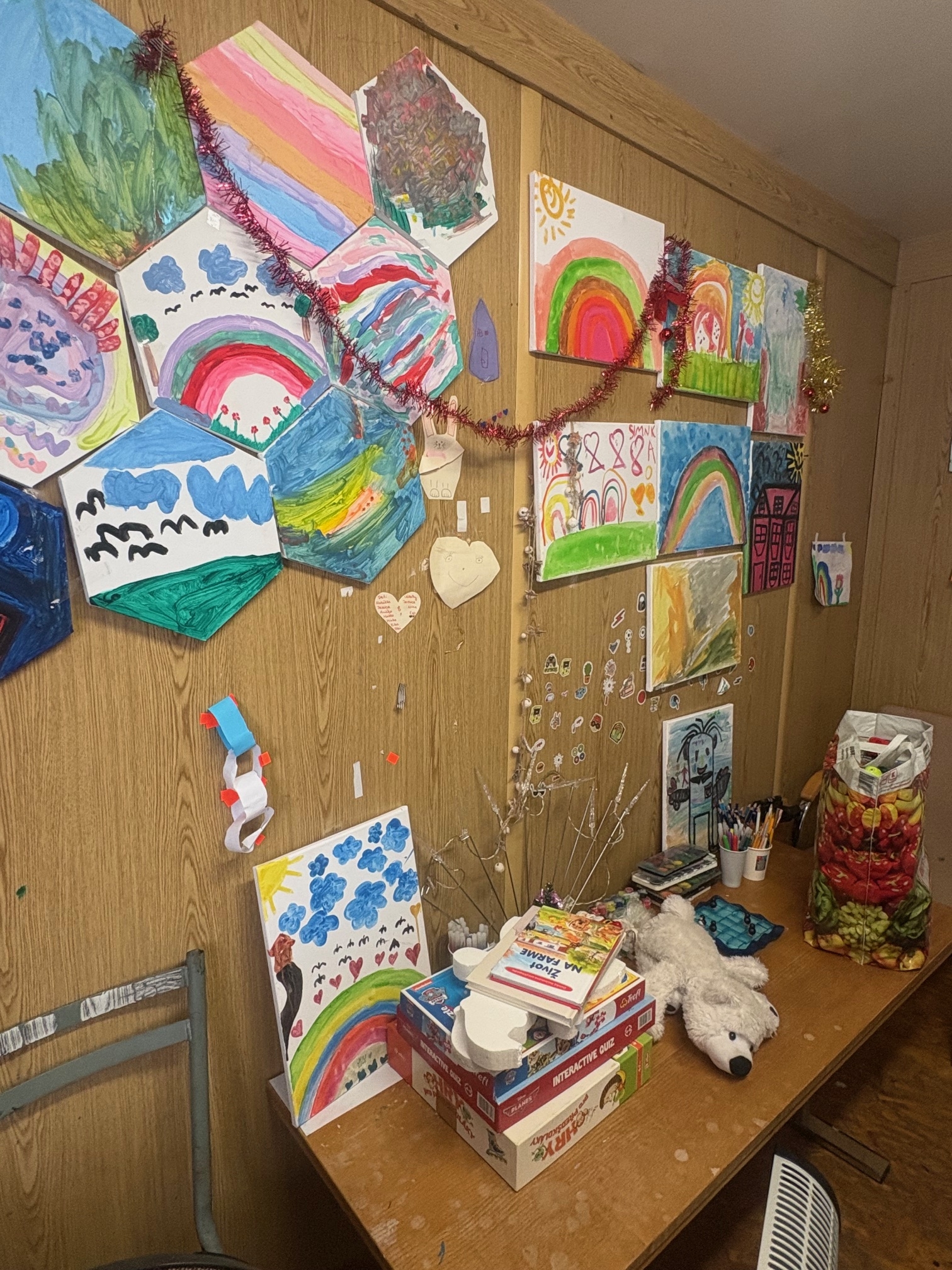
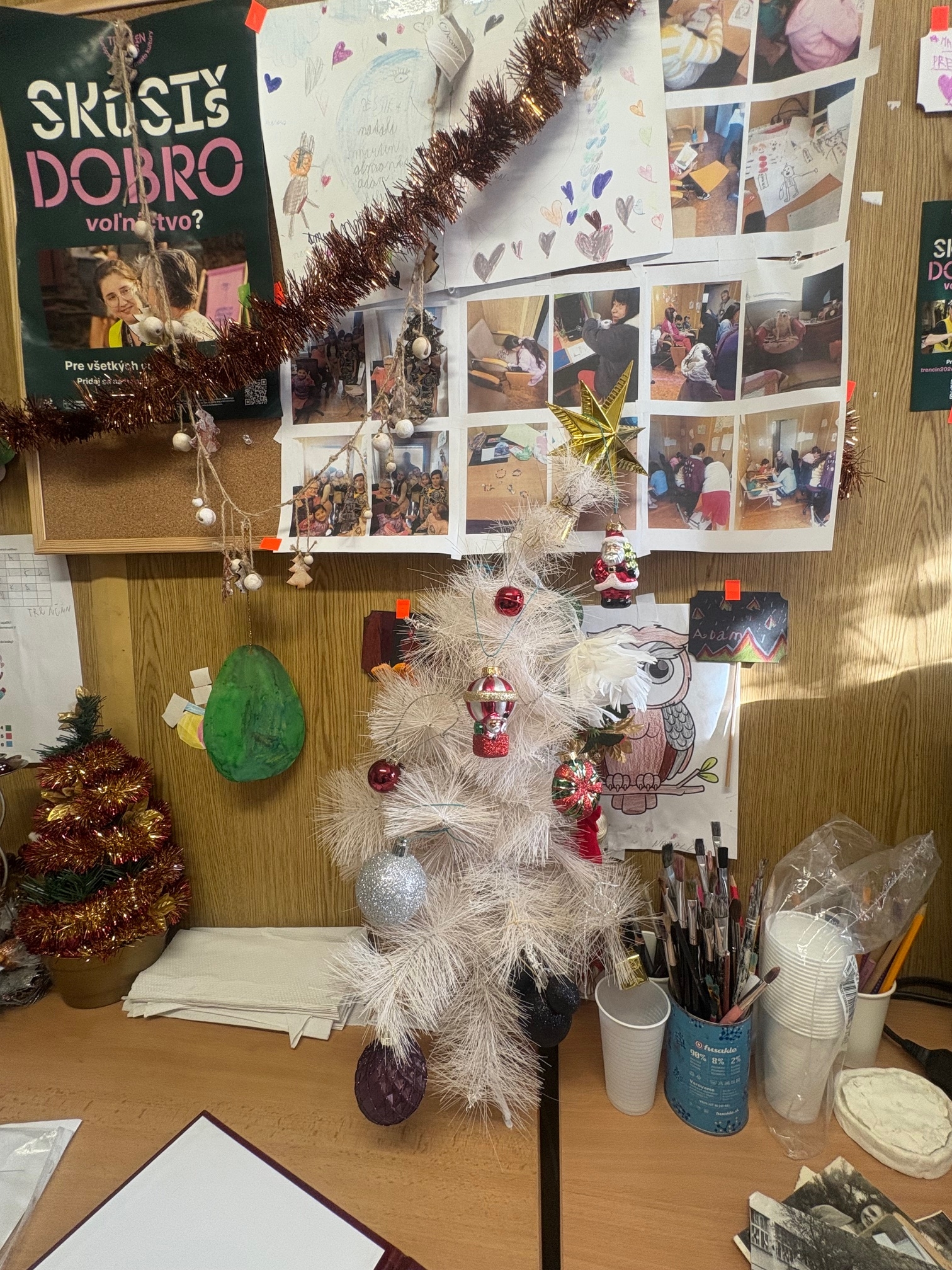
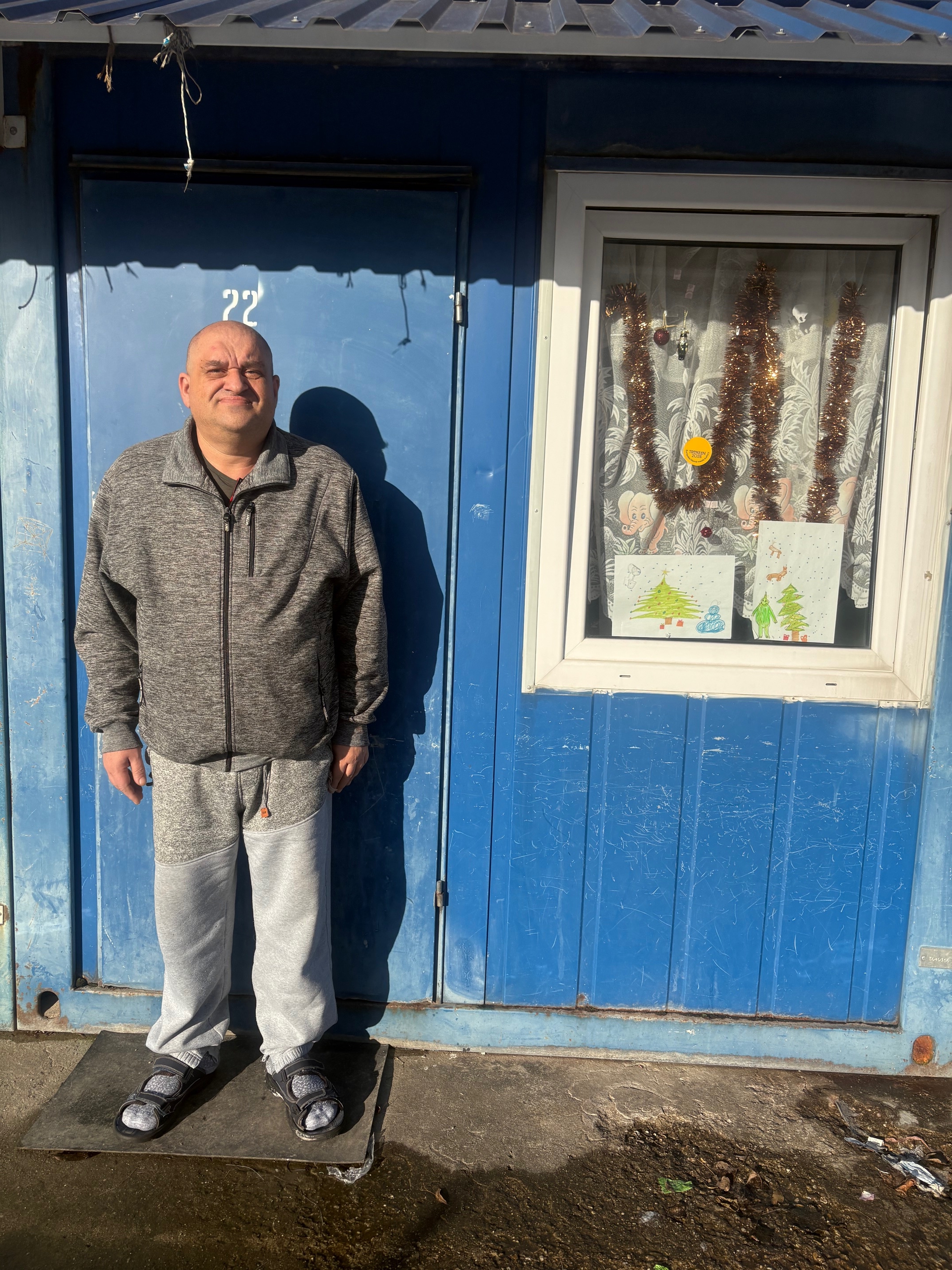
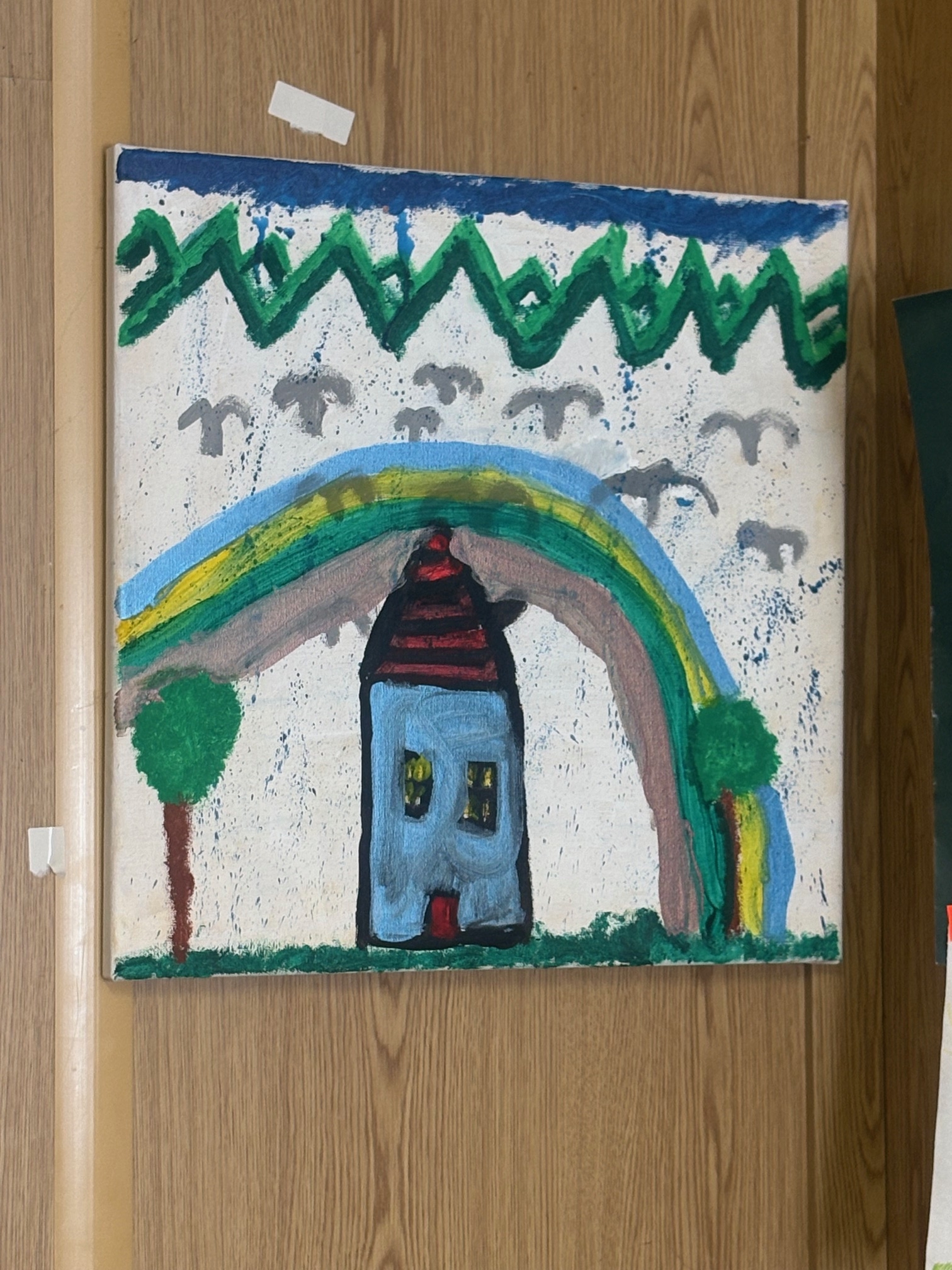
Juraj Kuzma was born on November 13, 1970, in Komárno as Zoltán Lévai. His biological parents were Hungarian Roma. At the age of three, he was adopted by Tomáš Kuzma and Oľga Križanková from Opatová near Trenčín, who changed both his name and his nationality to Slovak. His father came from a family of wealthy landowners who lost significant property during the collectivization of farms. His mother came from a humbler background; her father had trained as a shoemaker at the Baťa company. When Juraj was seven, his parents divorced, and he moved to Trenčín with his mother. She worked as a draftswoman at the Konštrukta company. Juraj attended kindergarten and primary school there, growing up in a modest but stimulating environment surrounded by good neighbors and teachers. At the age of 15, his mother told him about his true origins, though he never managed to find his biological parents or siblings. After finishing primary school, he trained as a worker in a precast concrete plant. He did not complete compulsory military service due to health reasons. After his vocational training, he took a job at Konštrukta. He was pressured to join the Communist Party; he submitted an application under the condition that he be allocated an apartment. Shortly before the Revolution, he noticed the presence of secret police at the plant. While he welcomed the change in the political system, he was dissatisfied with the resulting change in the social situation. Shortly after the transition, he lost his job and went through several different occupations. He got married, but due to declining health, unemployment, and poor decisions, he and his wife lost their apartment. For a time, they lived on the streets, in shelters, and with acquaintances before eventually securing social housing. For several years, he has been working with children from the marginalized community on Kasárenská Street, home to Roma families and socially disadvantaged households. He leads a „classroom“ for approximately 16 children, teaching them how to write, draw, count, and engage in community life. At the end of 2025, he was honored with the „Srdce na dlani“ award for his long-term volunteer work within the project „Kasárenská – deti sa hrajú“. At the time of documentation, he lived in Trenčín as a disability pensioner.