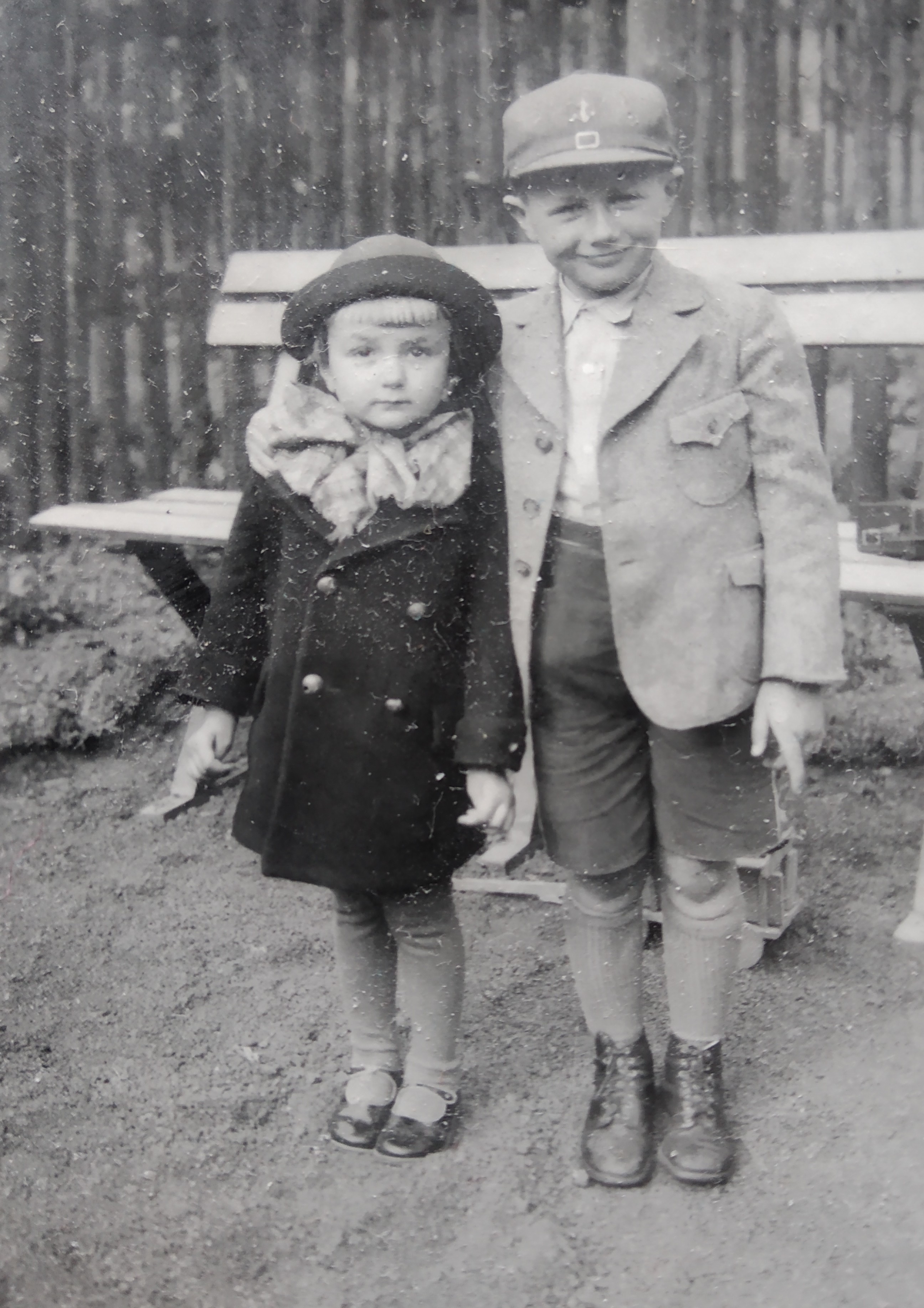
"For example, at the end of the war, when they were already shooting that the war was over, everybody thought it was going on, and they hid in the basement again. And then they came to them and, 'No, it's over, we're just happy that the war is over...' And the fact that they called me a gypsy and my sister a German, didn't I say that? We were in that cellar and the first Russians, when they came there - they were looking for Germans in the cellars - and they went - and I know that my mother was sitting, my sister was here and I was like this - I know I was on the left side. And the sister was blond, curly, and I was dark-haired, kind of darker. And this one Russian, I know, standing there, and he was laughing and saying, 'Oh, it's a German woman,' to my sister. And he just stroked her, because he knew she wasn't German. And now I can see that finger saying, 'And that's a Gypsy,' just like on me. That's how I remember he said about her a German and about me a Gypsy."
"We went from that Tivoli, us as little girls, with our parents. And we walked down Masaryk Street, just to go to the Černovice train station to see if our house hadn´t been bombed. And I can still remember, I can still see the people lying covered... after the fighting on Masaryk - covered dead people. My parents took us to see if we had that little apartment - we only lived in a little apartment like that..."
"I remember that when the war was over - we were actually hidden in Aunt Juli's cellar for the whole war, so I remember that the tanks arrived, the Russians, and now people were welcoming them there in that square, Na Tivoli. And there was a German, as the houses there have these little towers - so he was hiding there - and he banged some... something... well, he just killed, he killed the people who were carrying - they [the soldiers] wanted water, they were thirsty. And so they were carrying drinks to the tanks and so on. And so they were hiding behind that tank, so they, fortunately, they hid..., and those Czechs were killed, yeah..."
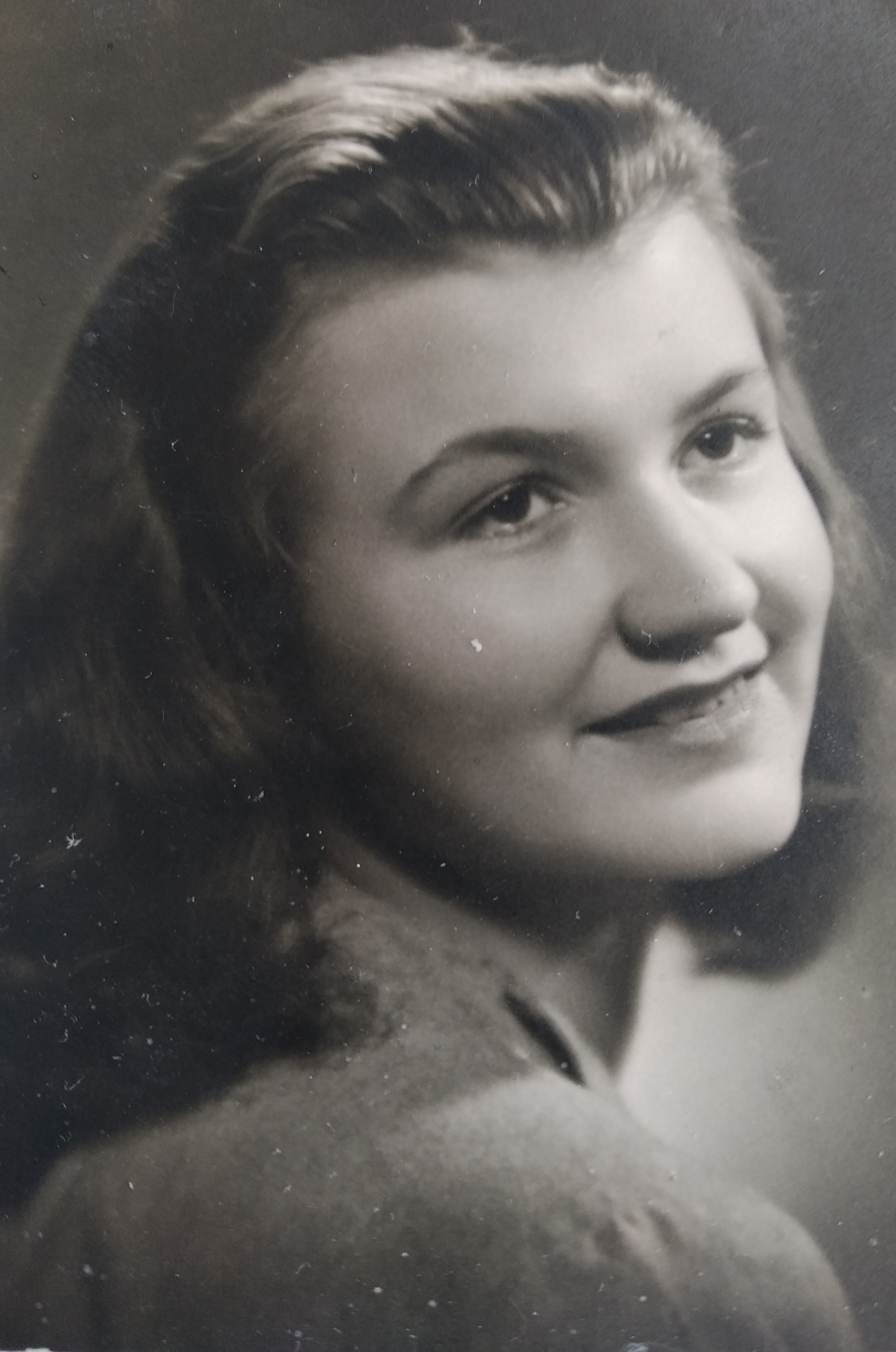
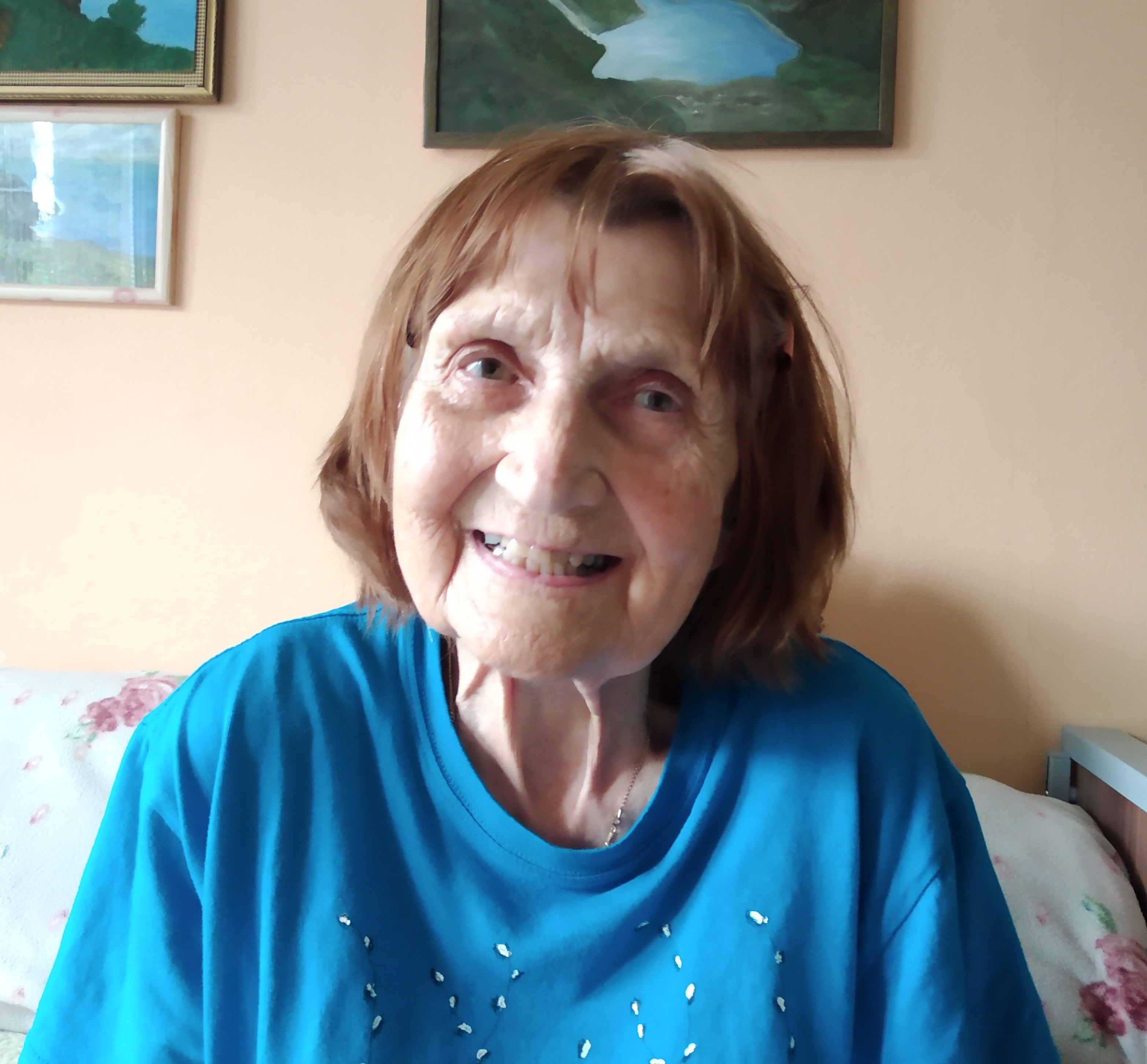
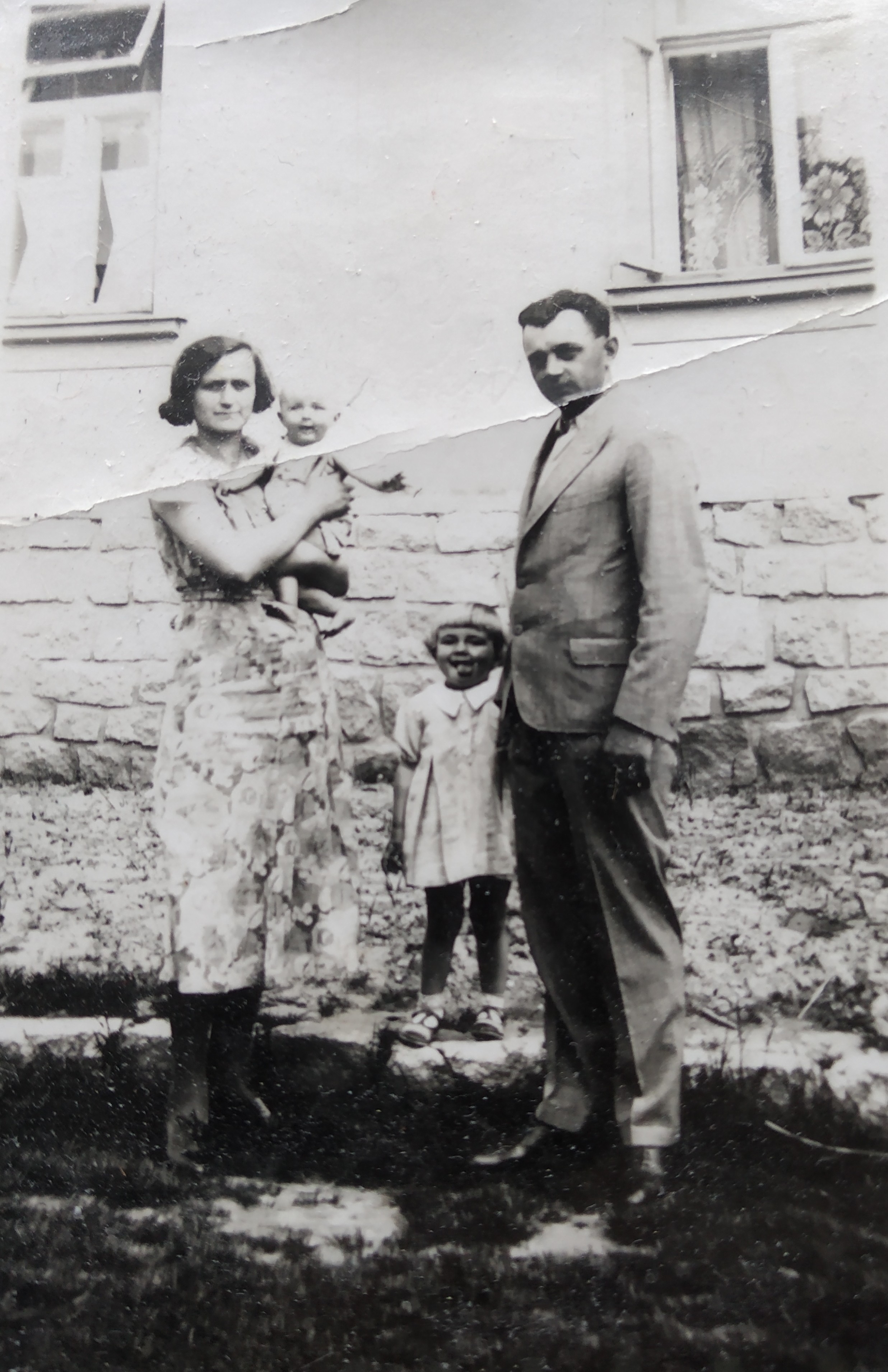
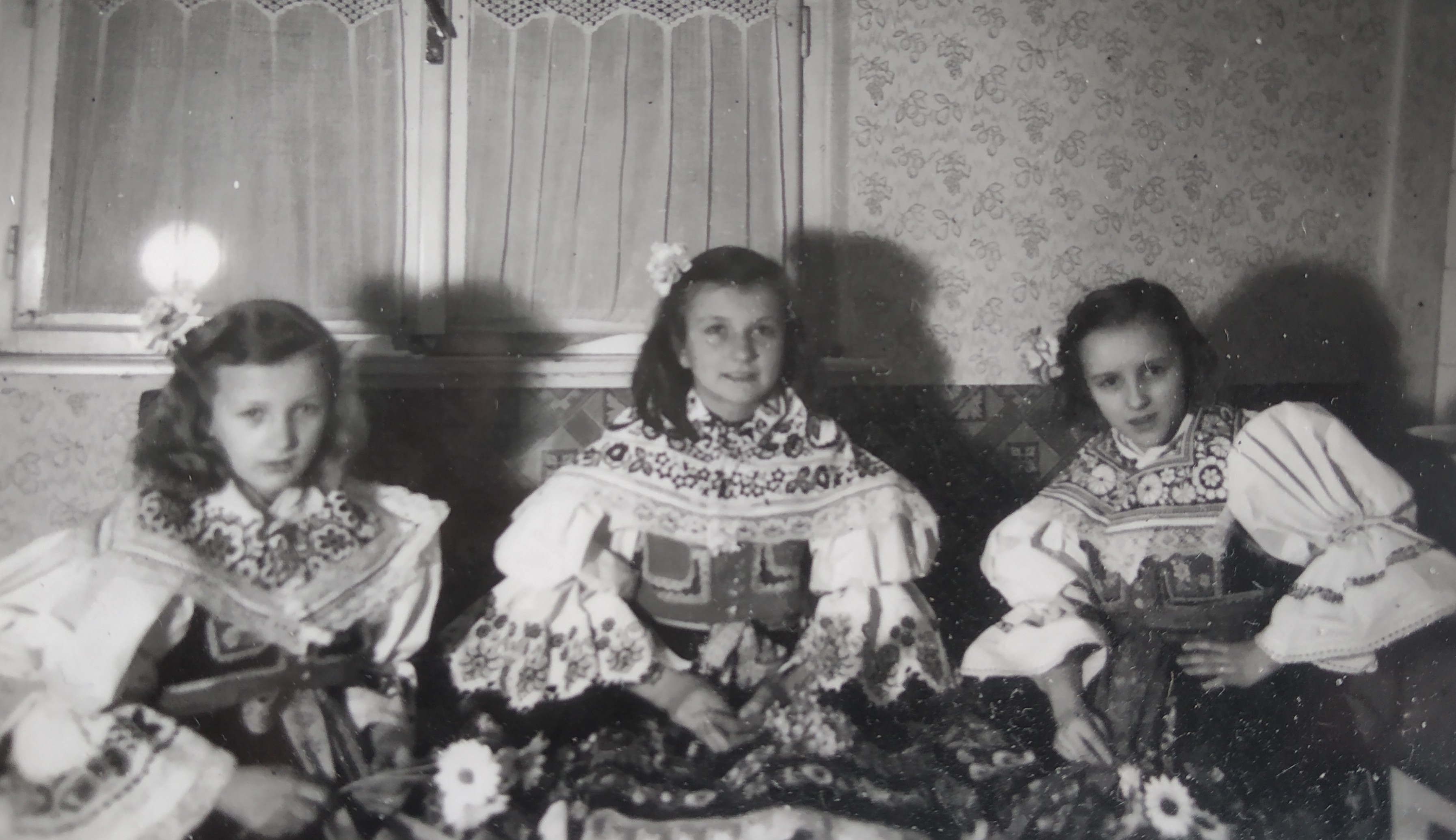
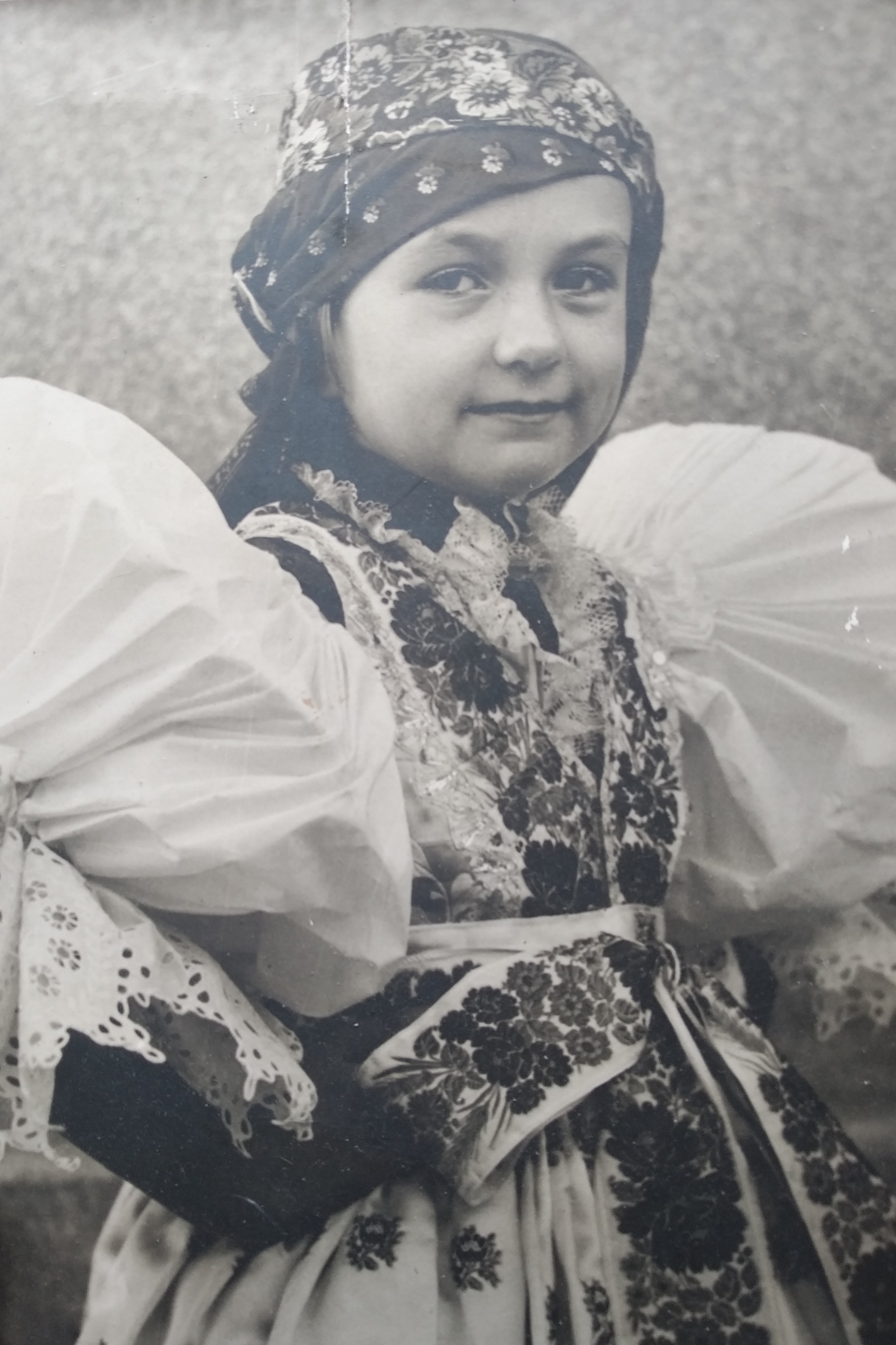
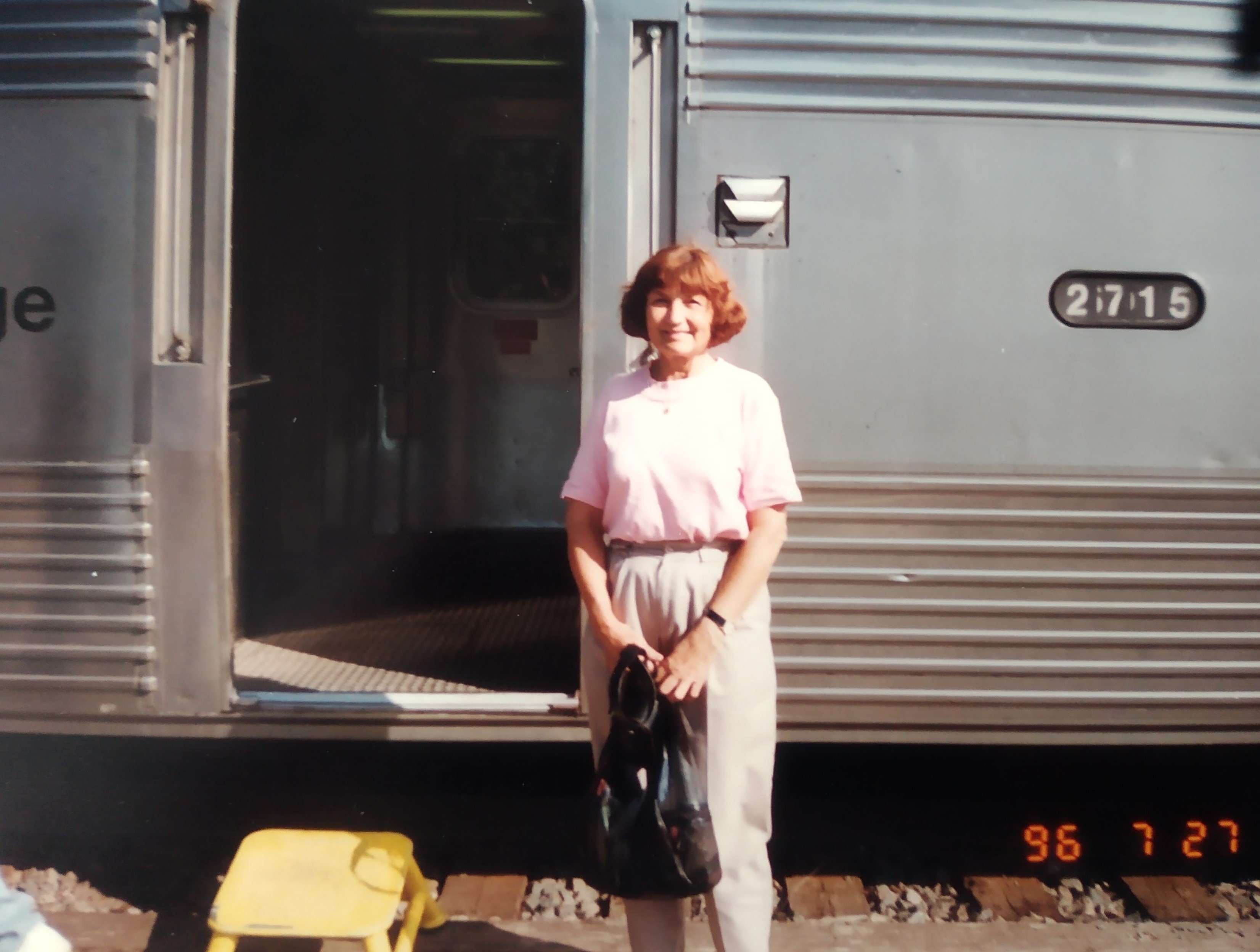
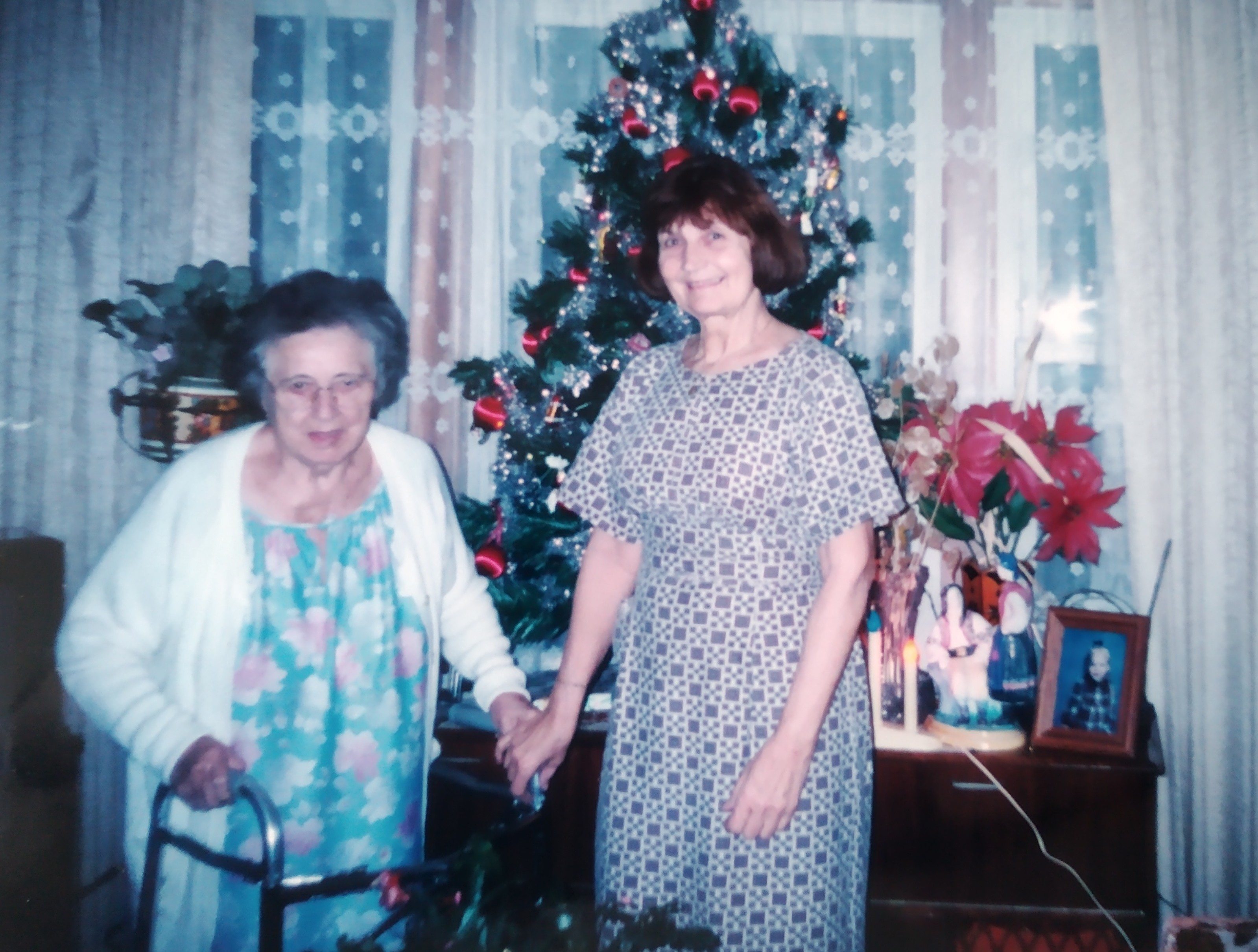
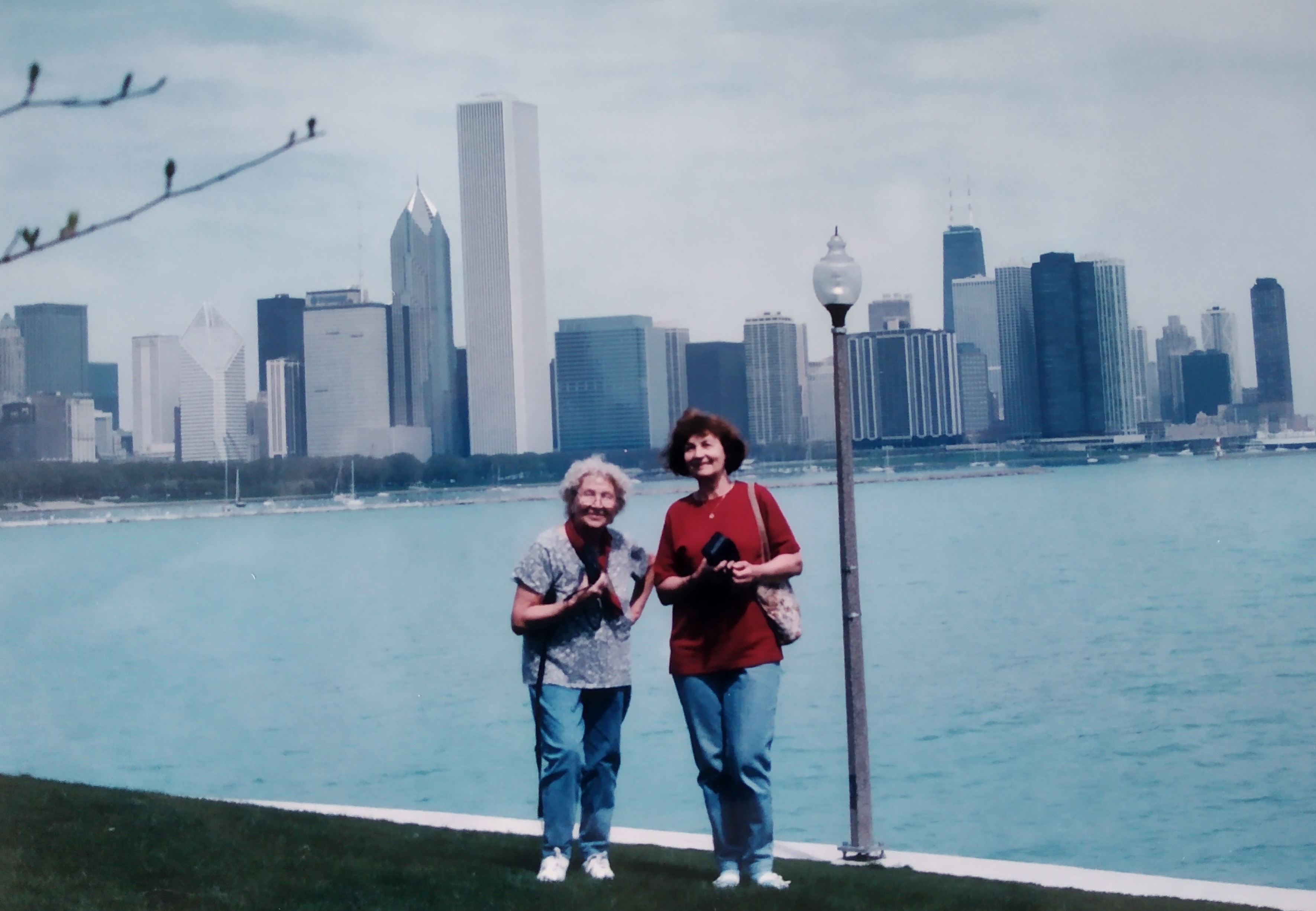
Květoslava Šmídová, née Dufková, was born on 15 February 1933 in Telč. Her father Jakub was Czech, her mother Walburga came from a family of Czech Germans, but claimed Czech citizenship. She also had a sister Maria, one year younger. They lived in Telč for only two years, then the family moved to Břeclav due to the transfer of her father, who worked as a railwayman. After the Protectorate of Bohemia and Moravia was established, they moved again, this time to Brno. Květoslava Šmídová spent the World War II there, experiencing the bombing and the liberation of Brno. After the war, she graduated from a two-year business school and also completed a course of technical minimum, so that later she worked as a technical worker in the Brno Zbrojovka. She got married, with her husband Zdeněk they had two children, a son Pavel and a daughter Daniela. After the Velvet Revolution she travelled a lot, twice she went to the USA for work. In 2023 she was living in Brno.
Hrdinové 20. století odcházejí. Nesmíme zapomenout. Dokumentujeme a vyprávíme jejich příběhy. Záleží vám na odkazu minulých generací, na občanských postojích, demokracii a vzdělávání? Pomozte nám!