Vlasta Pavlíková

* 1934

  • "I don't really believe in his very good behaviour, but they said he was let off early for good behaviour. I don't know; I don't want to believe it. I'd rather say they were scared. See, one time - and I don't know why, he must have been released by then... I took him to the hospital suddenly. I just have these shards of memory. I was at his bedside and we were taking him to the hospital in an ambulance or what, and he was all yellow, really bad. It was like the bile had gone in his blood all over his body, so yellow he was." - "He must have got jaundice." - "Probably."

  • "It was in the morning, terribly early. Suddenly, someone rang the bell, there was a car outside, and they burst in and 'You're coming with us' and that was it. Dad... I don't even remember the reason. We were scared - what is going on, why Daddy...? Well, mum already suspected... she started crying right away... Then people would say our dad was arrested..."

  • "It looked really grim, or maybe I missed an admission deadline, but I didn't really want to study anyway, so I know it must have happened that way or so. There was this gentleman who was likely an acquaintance of my father's, and he needed a waitress. I got to be the first ever waitress in Písek. Can you imagine that? Me, a naive young girl, suddenly putting on an apron and serving people. I started out as a server, then I was the head waiter and I even collected money. I had a good friend who sympathised with me. He knew our family, he knew everything about us, and he helped me an awful lot. But the chief waiter's wife despised me - I wasn't allowed to take her children... to take her children in my arms at all. I wasn't even allowed to pet them. I was just... Because in those days, a waitress equalled a whore. I guess that's the way they saw it." - "Were there no waitresses before that? Did only men do waiter jobs?" - "That's right. She considered me kind of inferior, and I... It only dawned on me later why... she made it clear I wasn't to touch her child. Can you imagine what that means to a person? It's insulting, oppressing. It happened, it really happened..."

  • Celé nahrávky
  • 1

    Stará Boleslav, 27.01.2026

    (audio)
    délka: 02:14:38
    nahrávka pořízena v rámci projektu Stories of 20th Century
Celé nahrávky jsou k dispozici pouze pro přihlášené uživatele.

Politics ruined our family‘s life
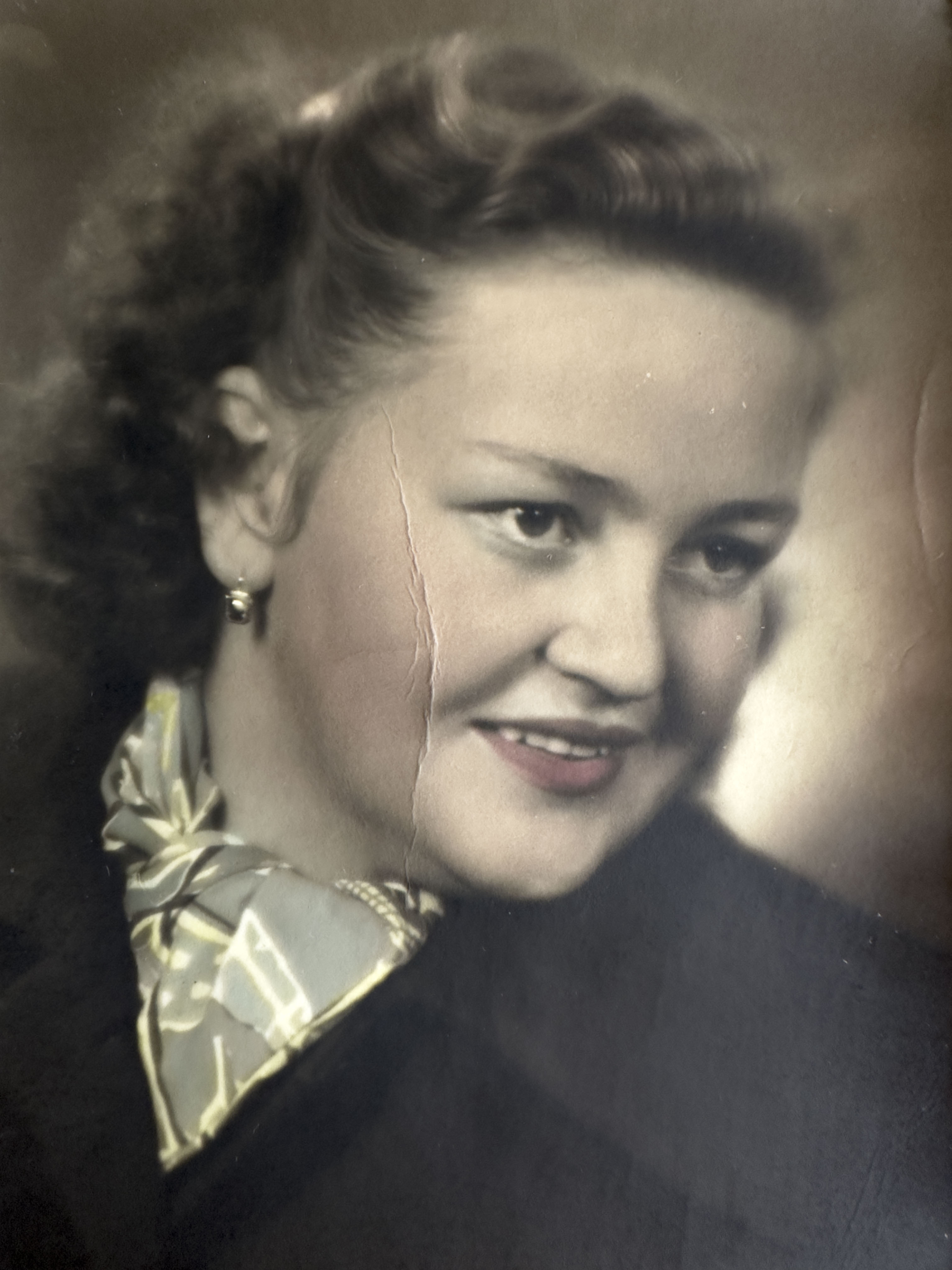
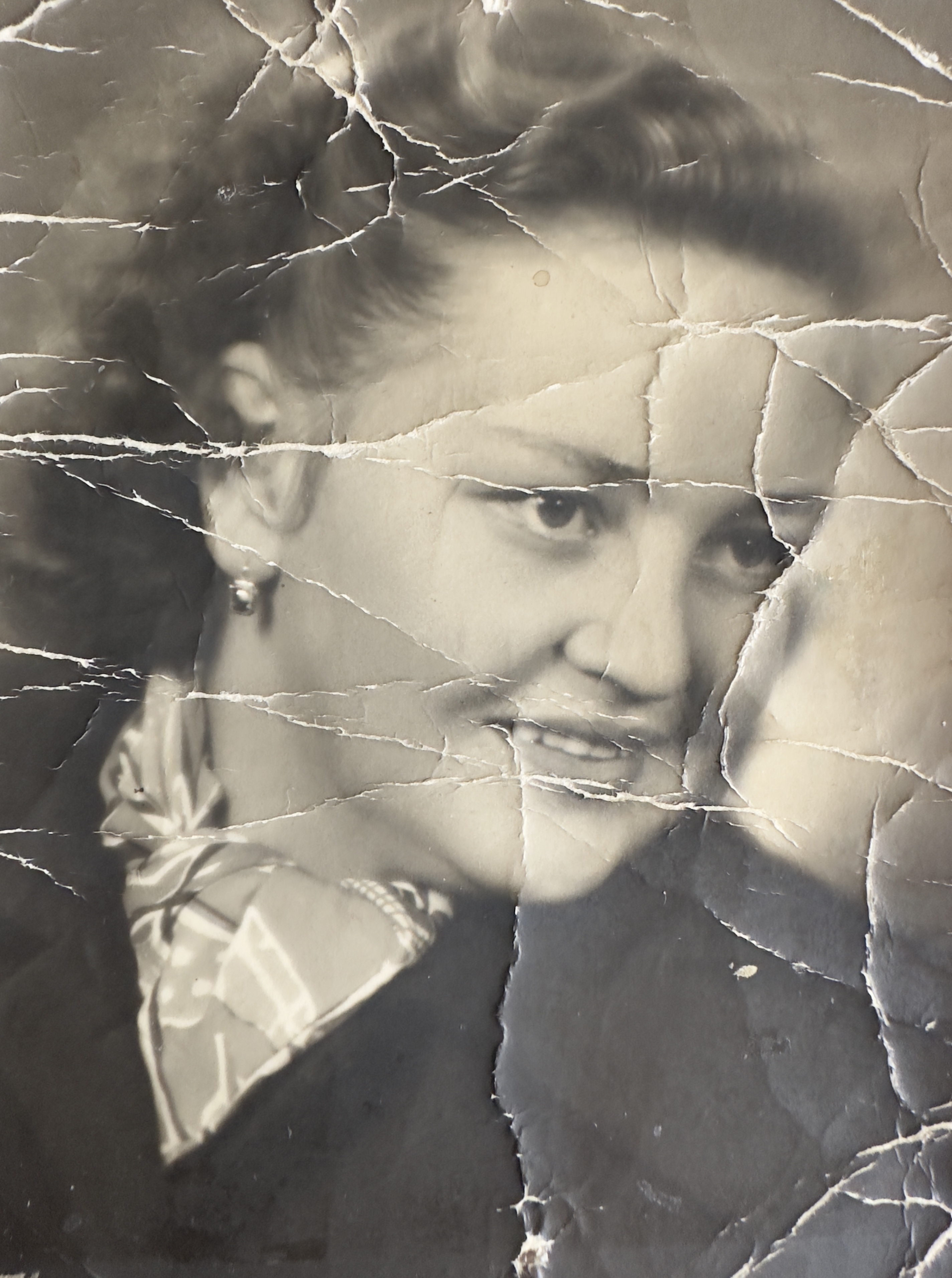
Vlasta Pavlíková, 1954
zdroj: Witness's archive

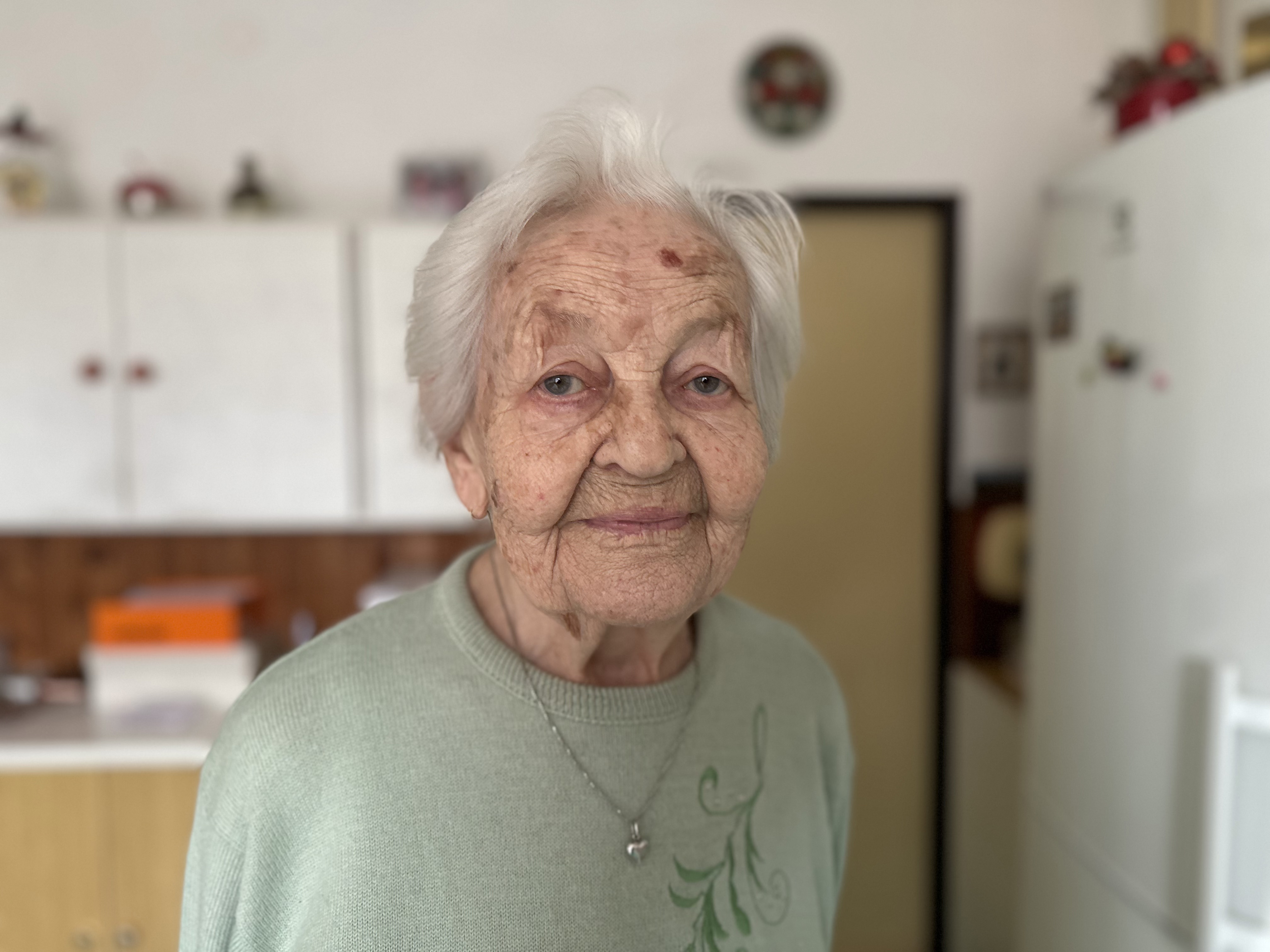
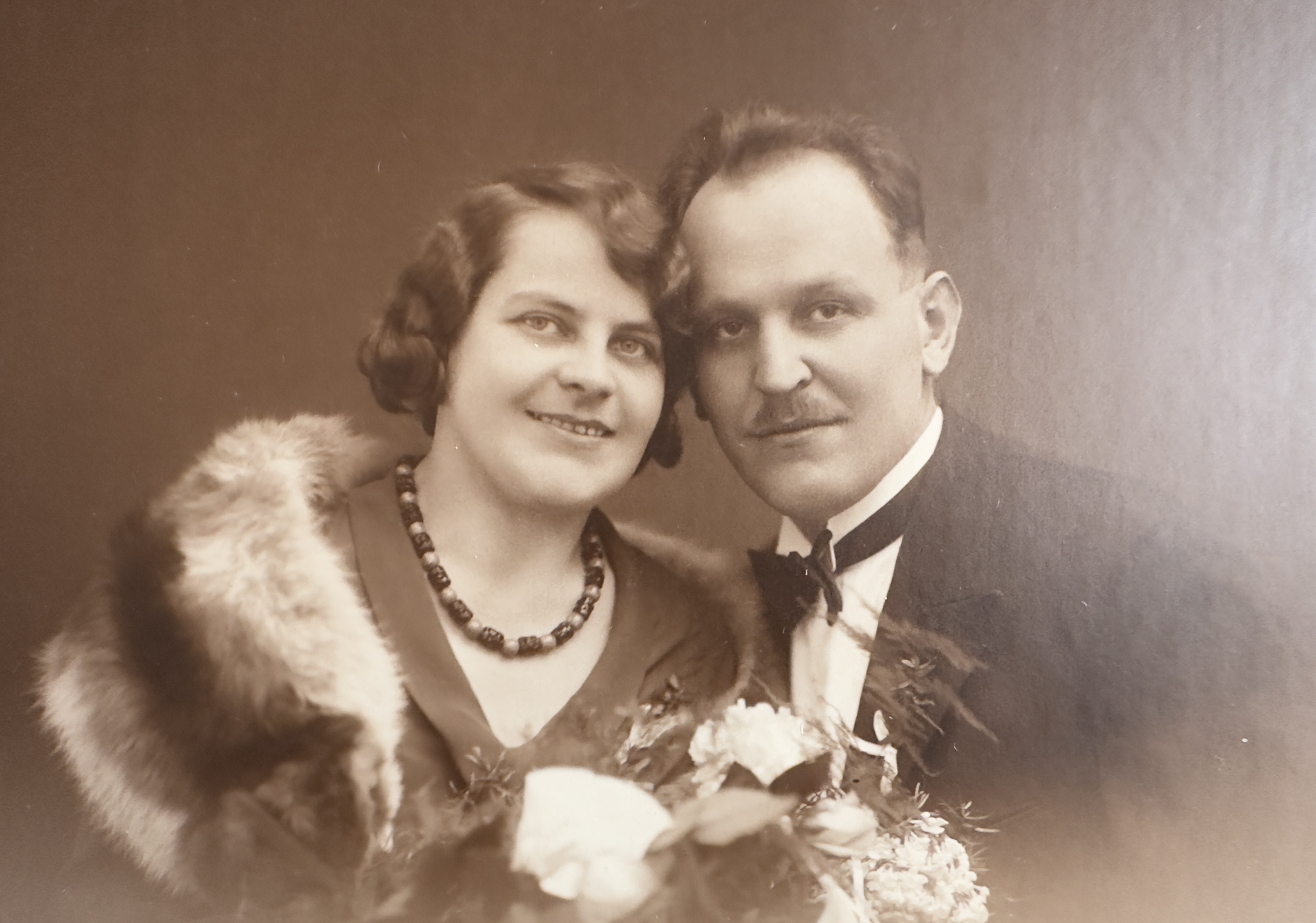
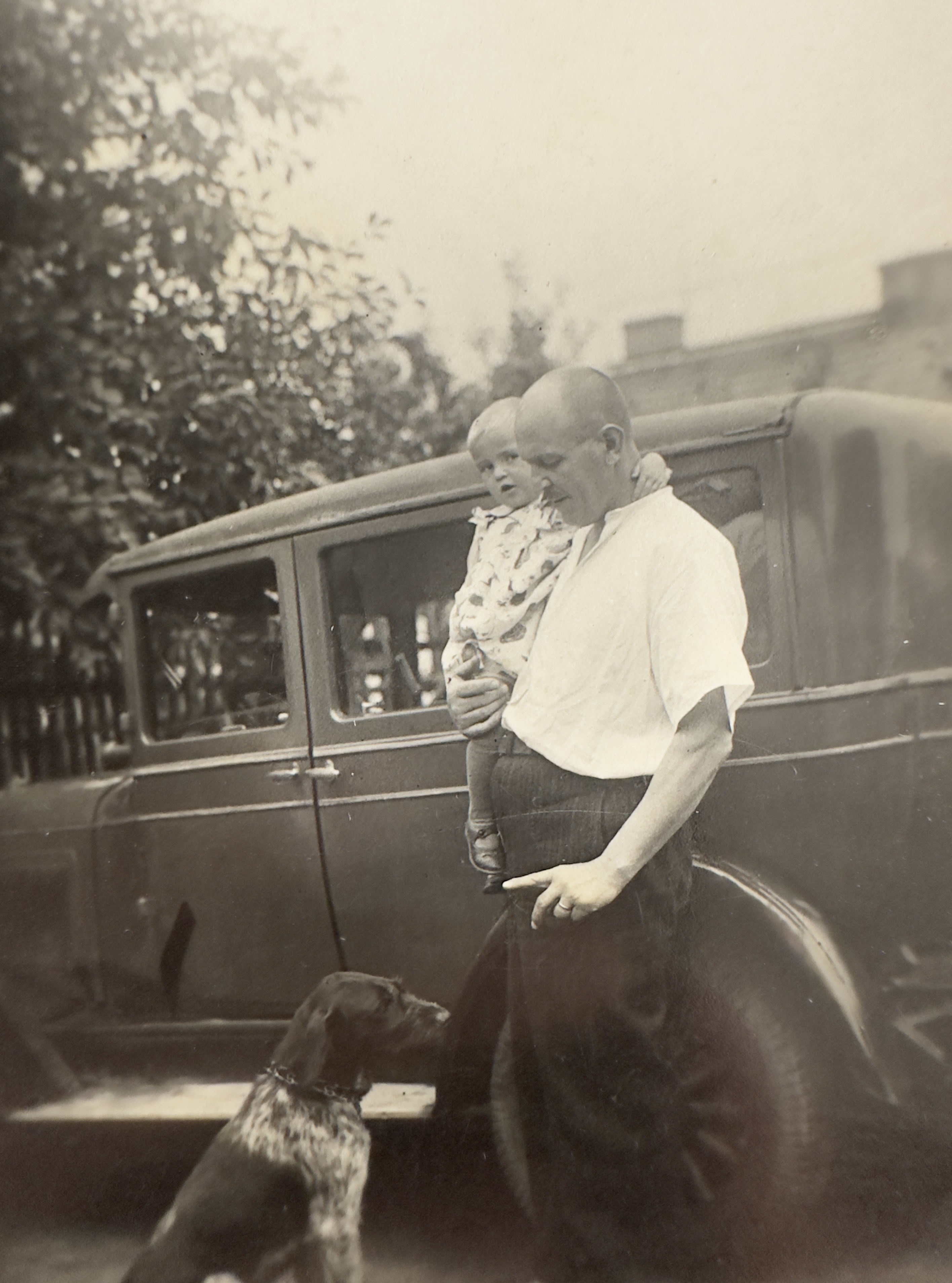
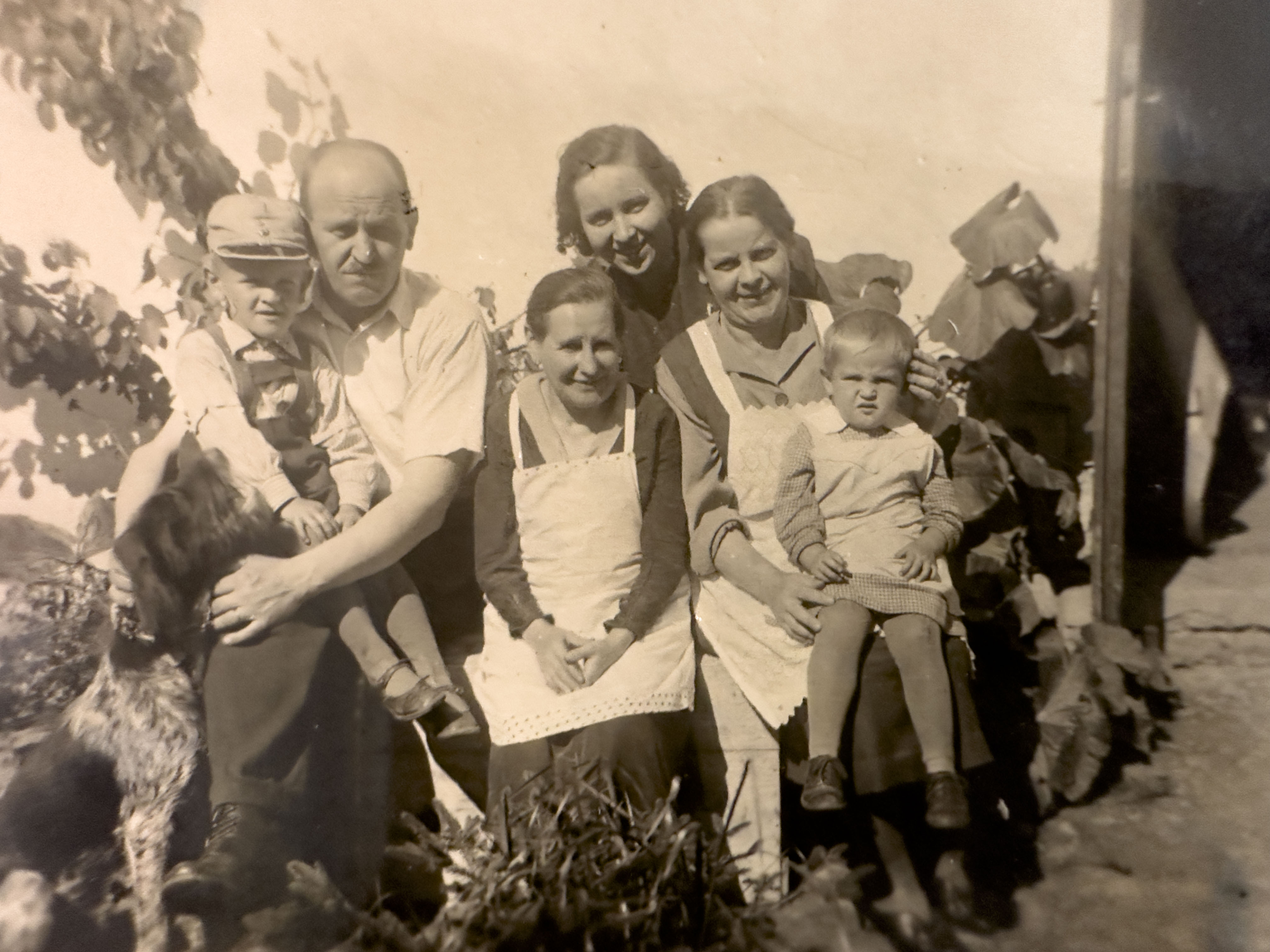
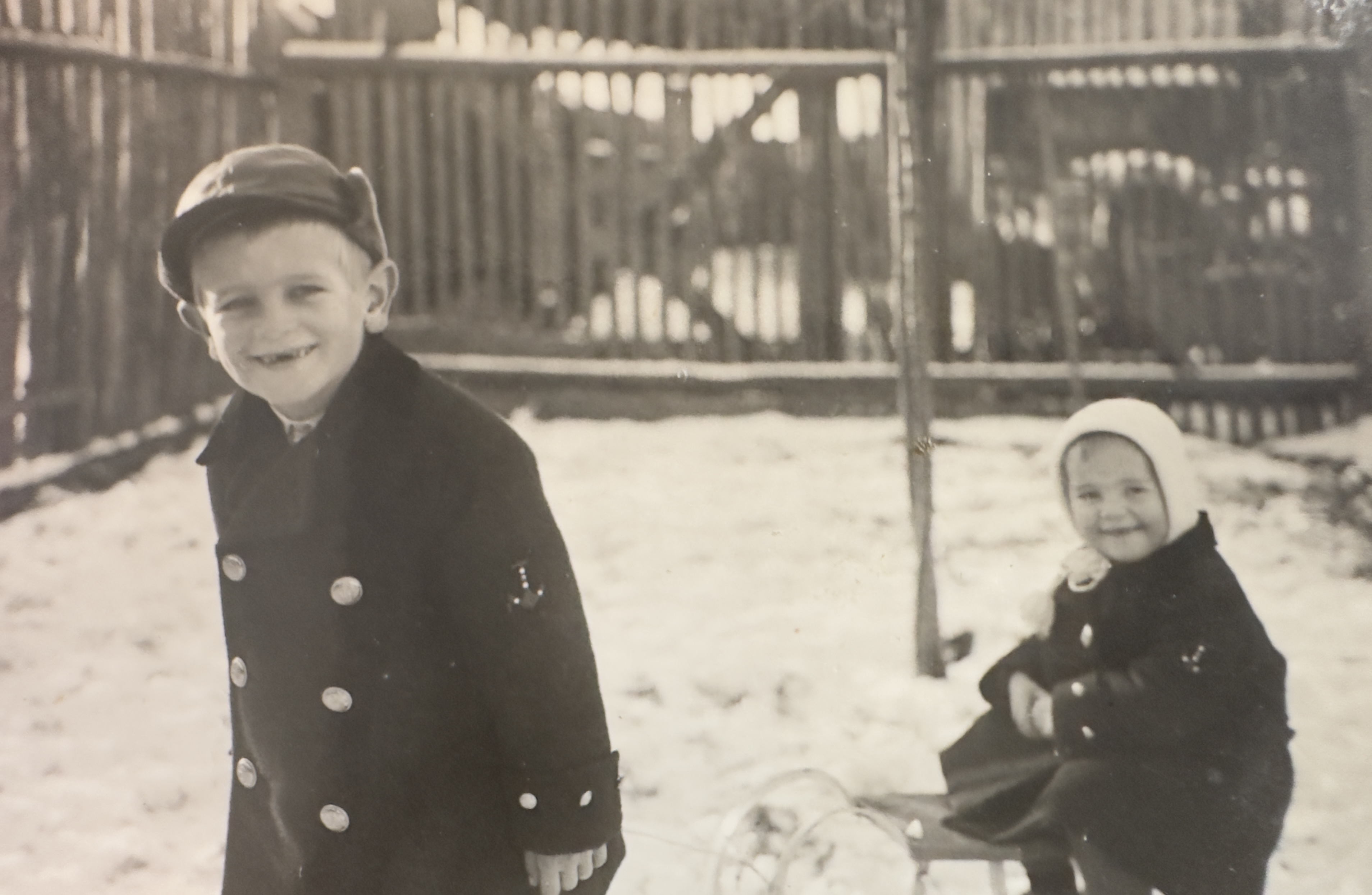
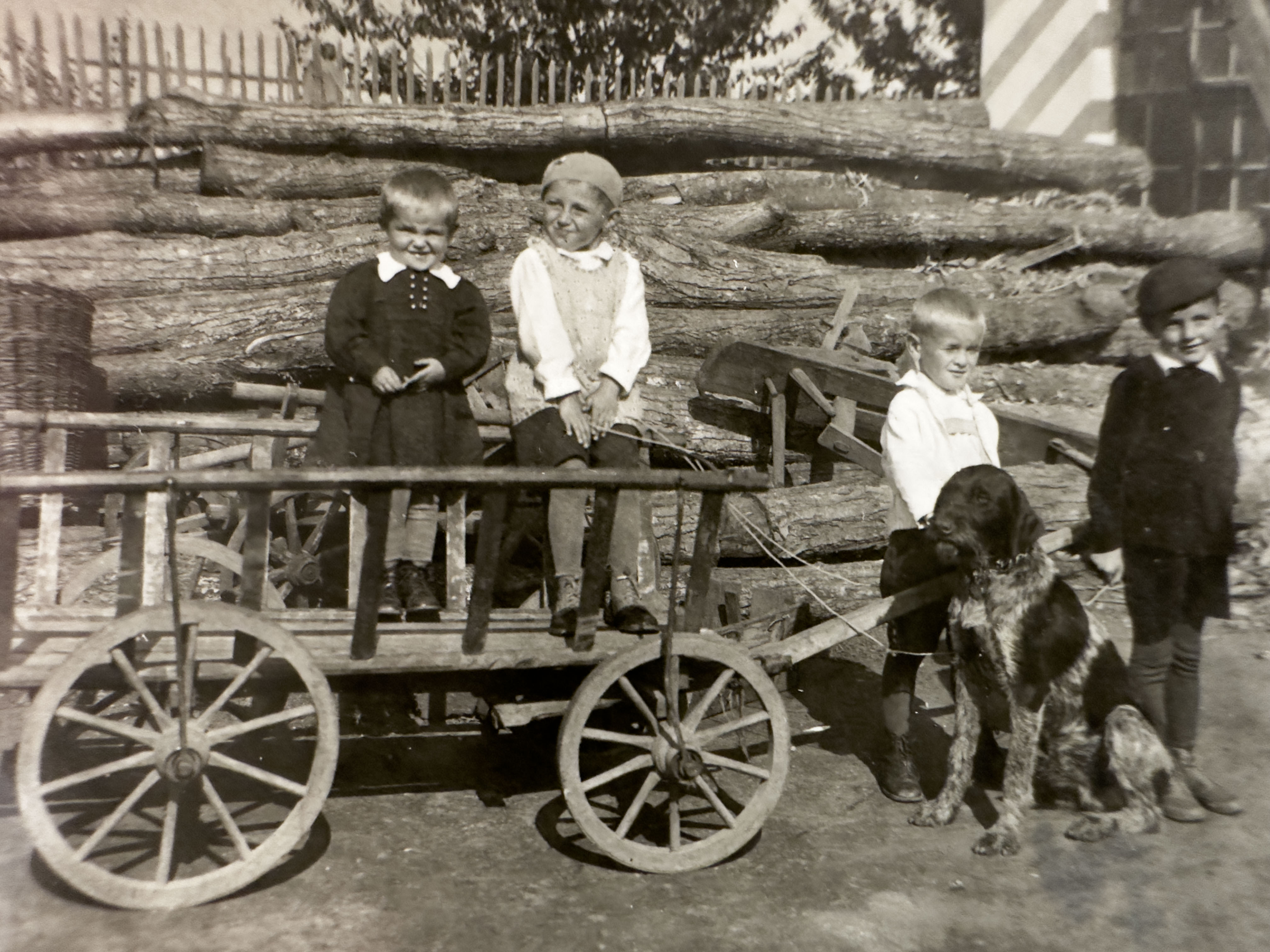
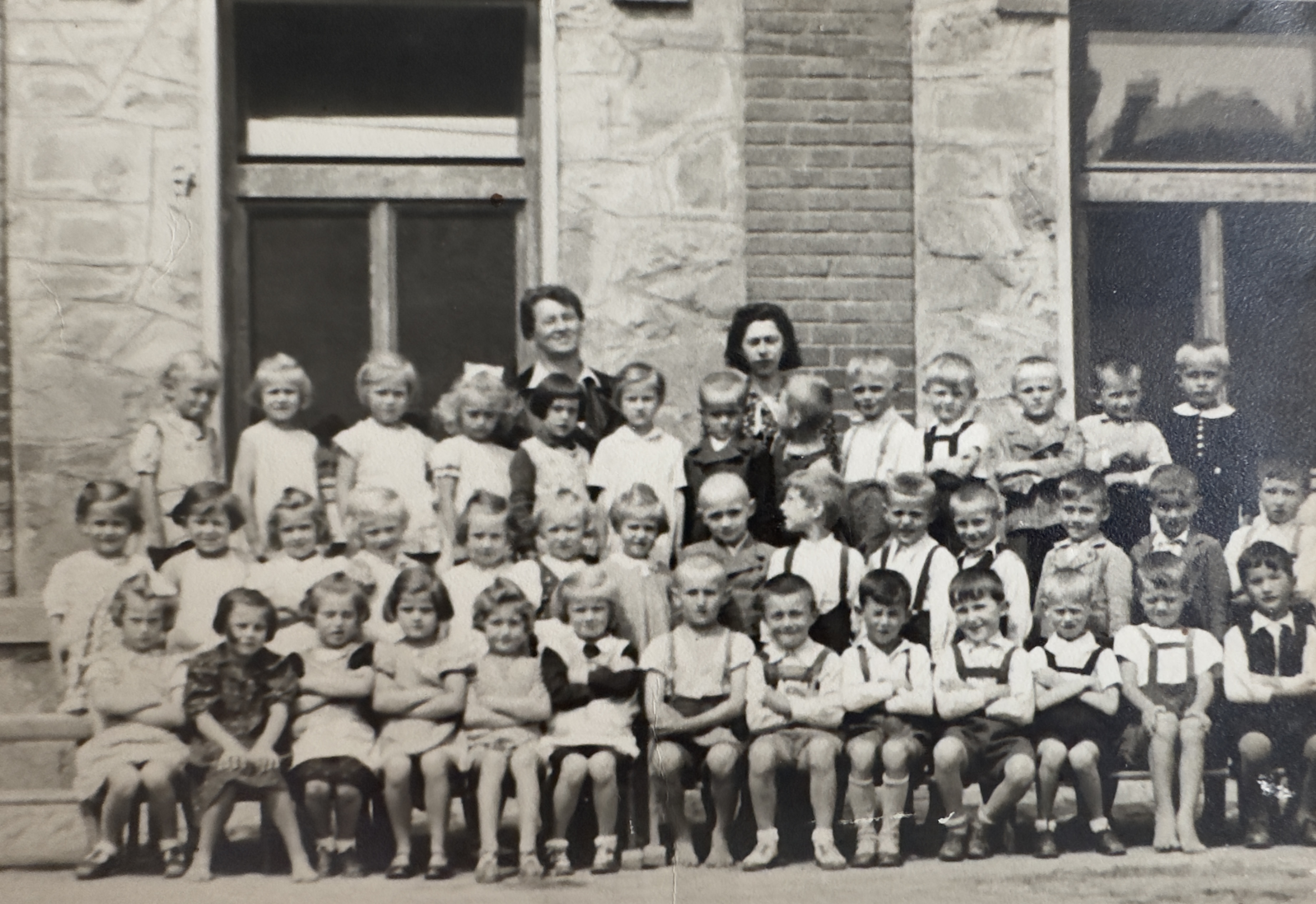
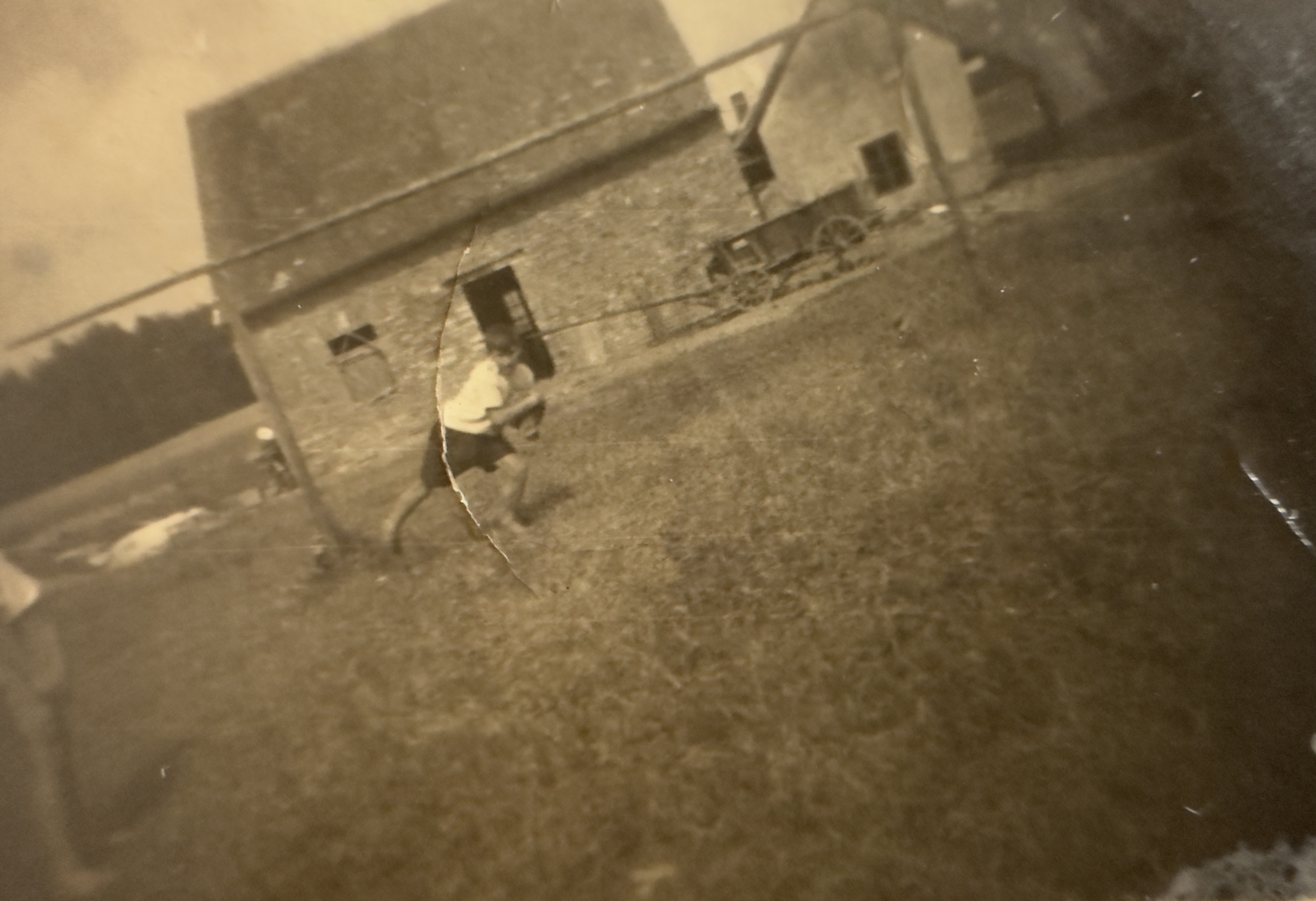
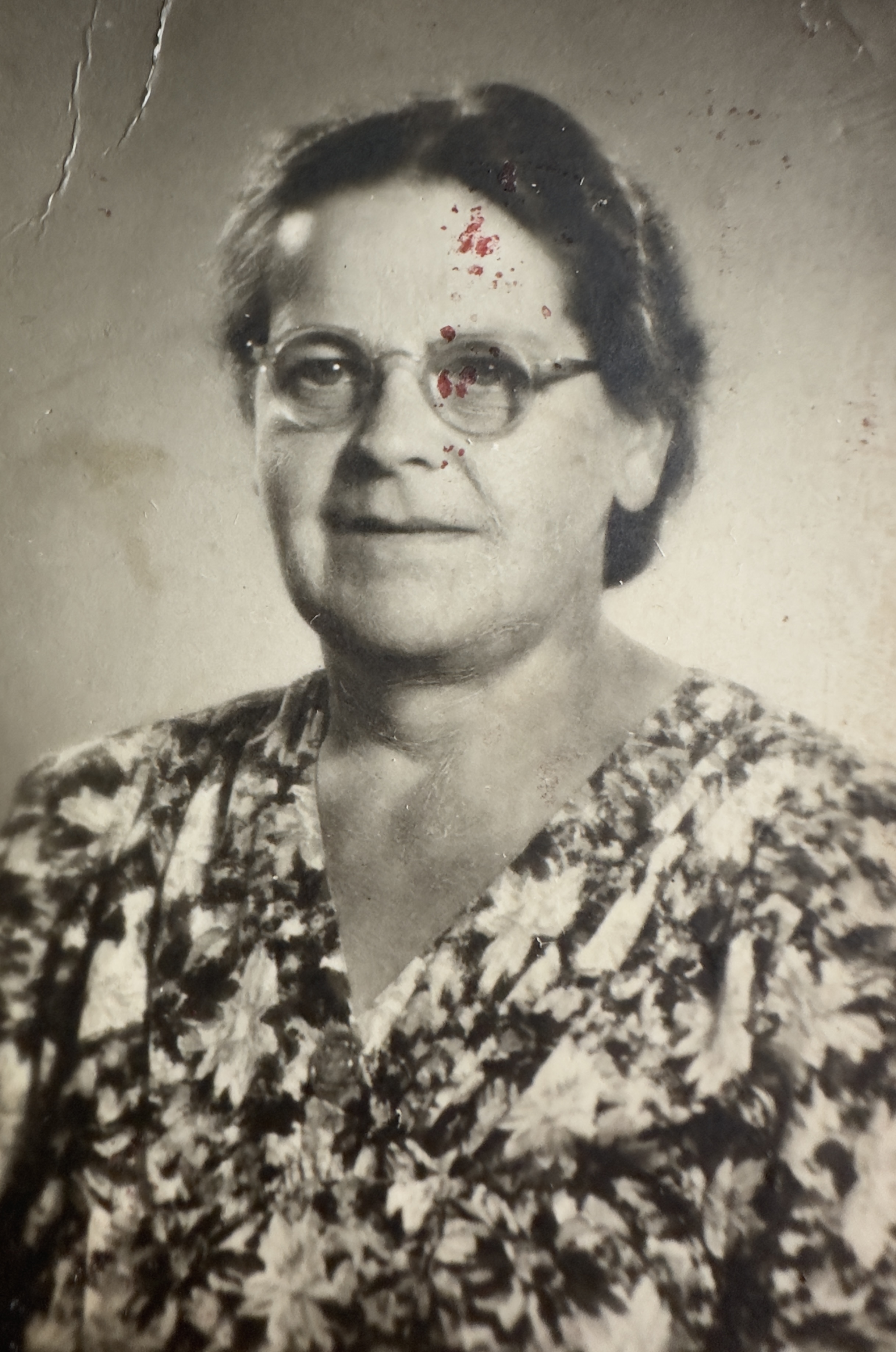
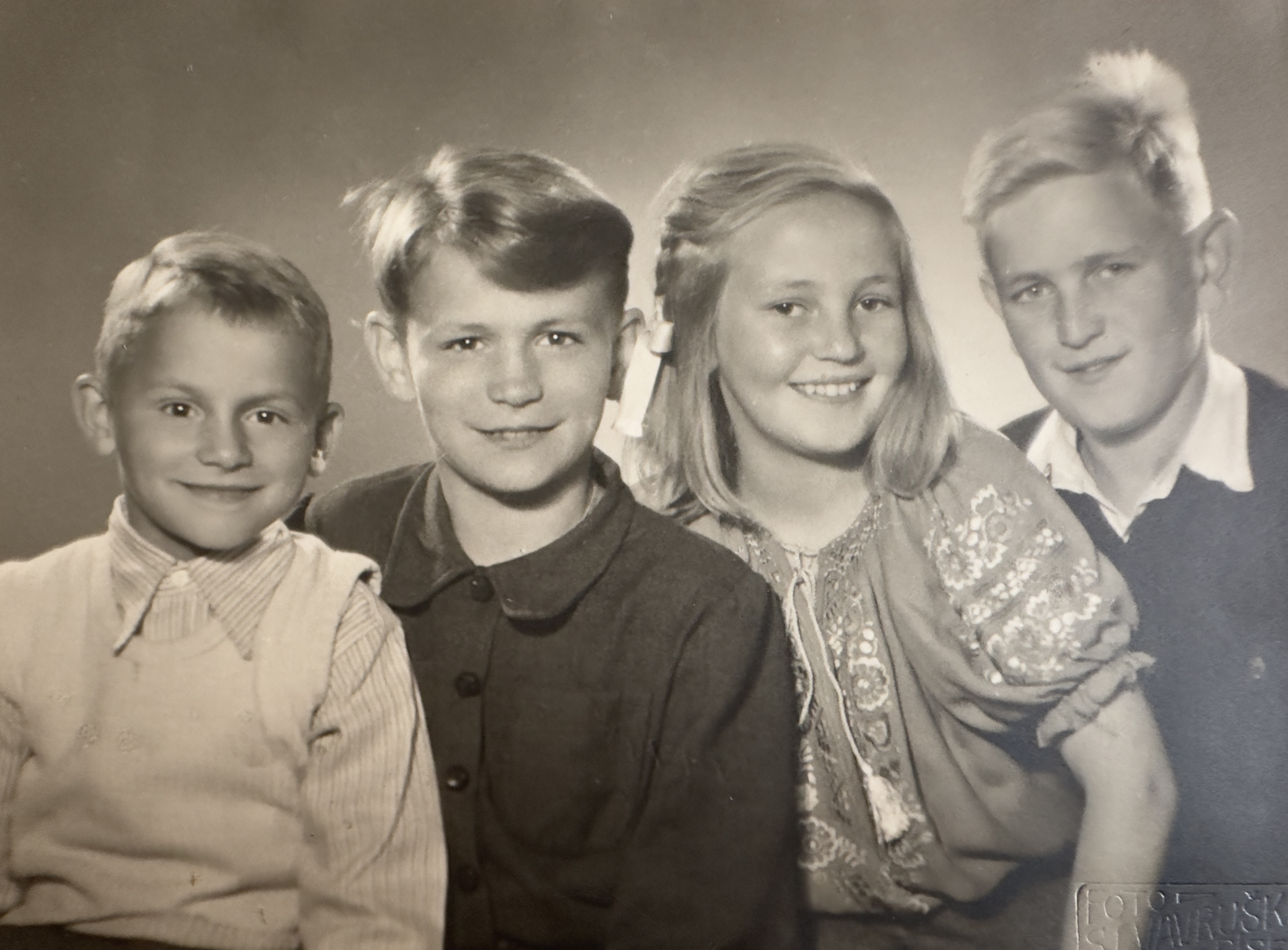
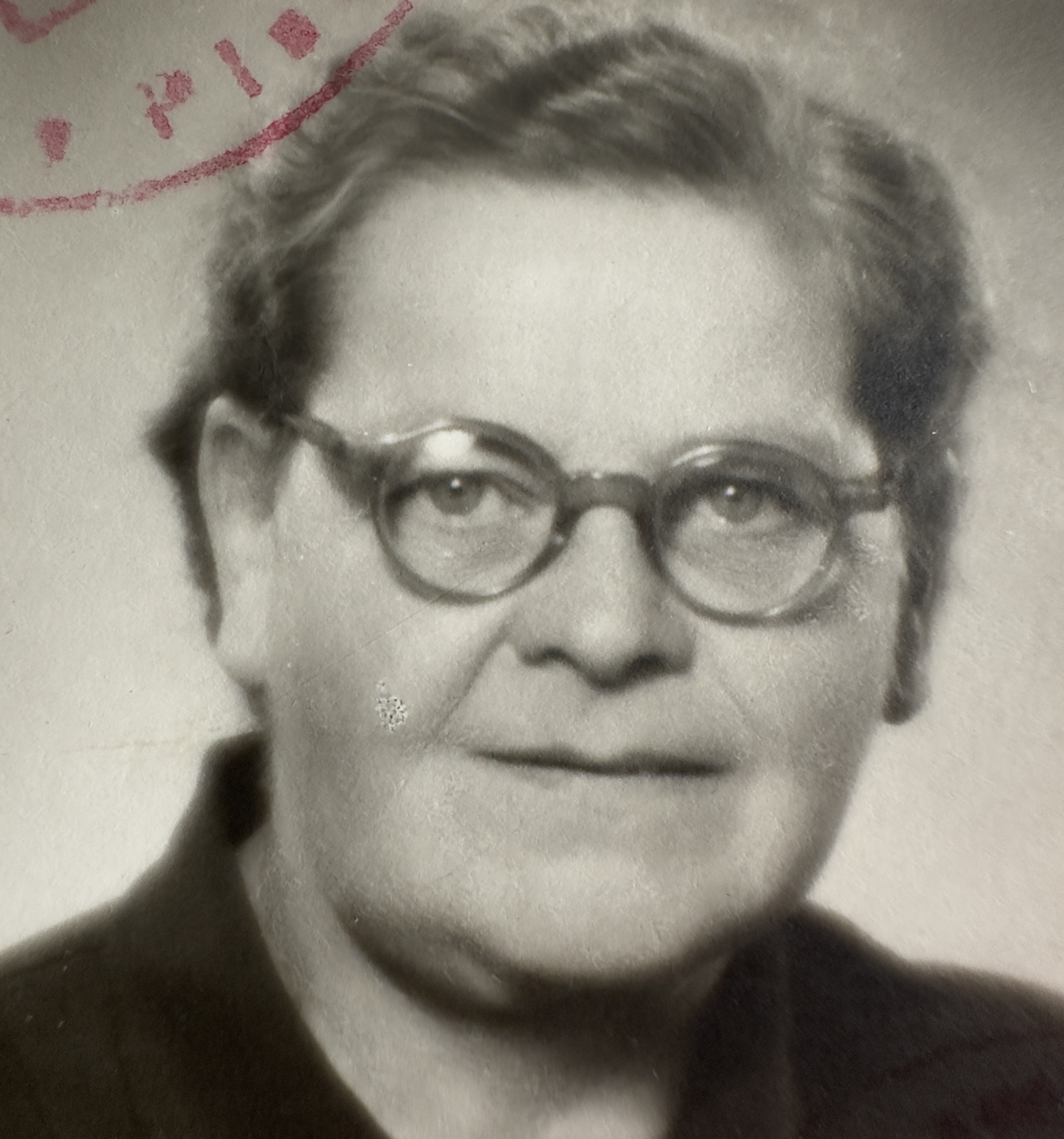
Vlasta Pavlíková, née Mikšovská, was born in Písek on 23 July 1934, the second child of Josef Mikšovský and Anna Mikšovská. Her brother Jiří was two years older. Her father came from a farmer family in Pečky and opened a brush plant after his marriage in Písek at Vinařického 5, employing up to thirty people. He had to close the plant after the German occupation in March 1939. He moved his family to Poříčany and bought a former brickyard farmstead. A Red Army unit took up residence there in May 1945. After the war, the family returned to Písek and the father resumed his business. The Drutěva cooperative took over the brush factory after the February 1948 coup. Brother Jiří was expelled from college after 1948 and the witness was not admitted to any school. In 1949, at age 15, she started working as a waitress at the U Tří korun restaurant in Písek (being the first waitress in Písek at the time). Her father Josef Mikšovský‘s was arrested by the State Security in August 1952 and sentenced to six years in prison for treason in November 1953. He had allegedly collaborated with an illegal group linked to the exiled Christian Democratic Party. The family had all their property confiscated and Vlasta Pavlíková had to support herself and her sick mother. She worked at the brewery accounting office, at Jitex and then at a computer station in Tábor. Her father was released from prison after about four years with failing health. He then worked as a tyre repairer in Čížová near Písek, where he suffered a fatal work accident in 1960. Vlasta Mikšovská married Josef Pavlík in 1971 and moved to Lovosice to join him; they moved to Stará Boleslav later on. She retired in 1989. She avoided political parties, organizations and activities after her family‘s experience with communist persecution. In 2026, she was living in Stara Boleslav.