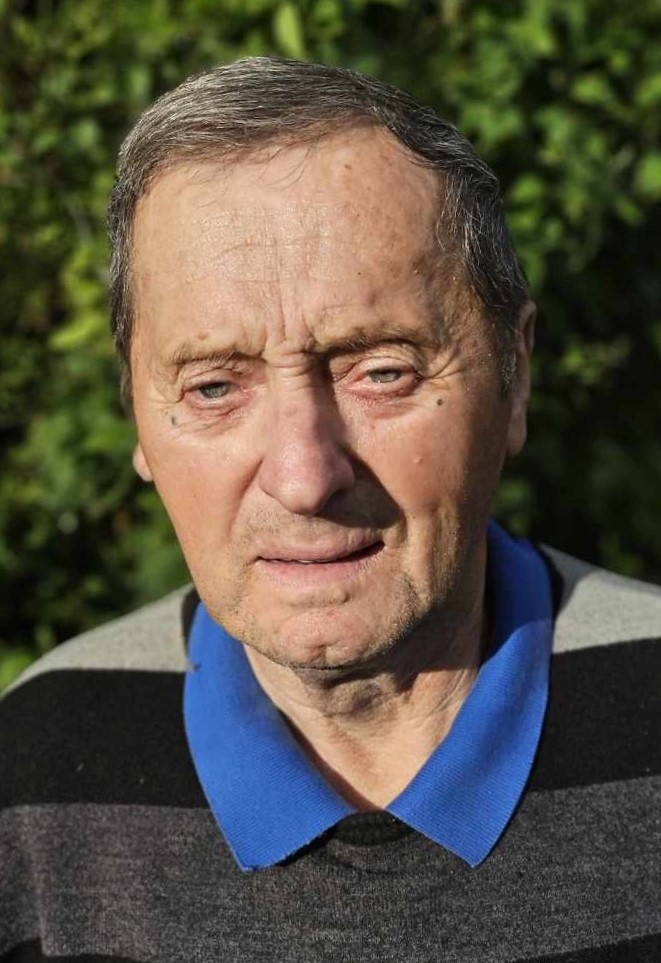
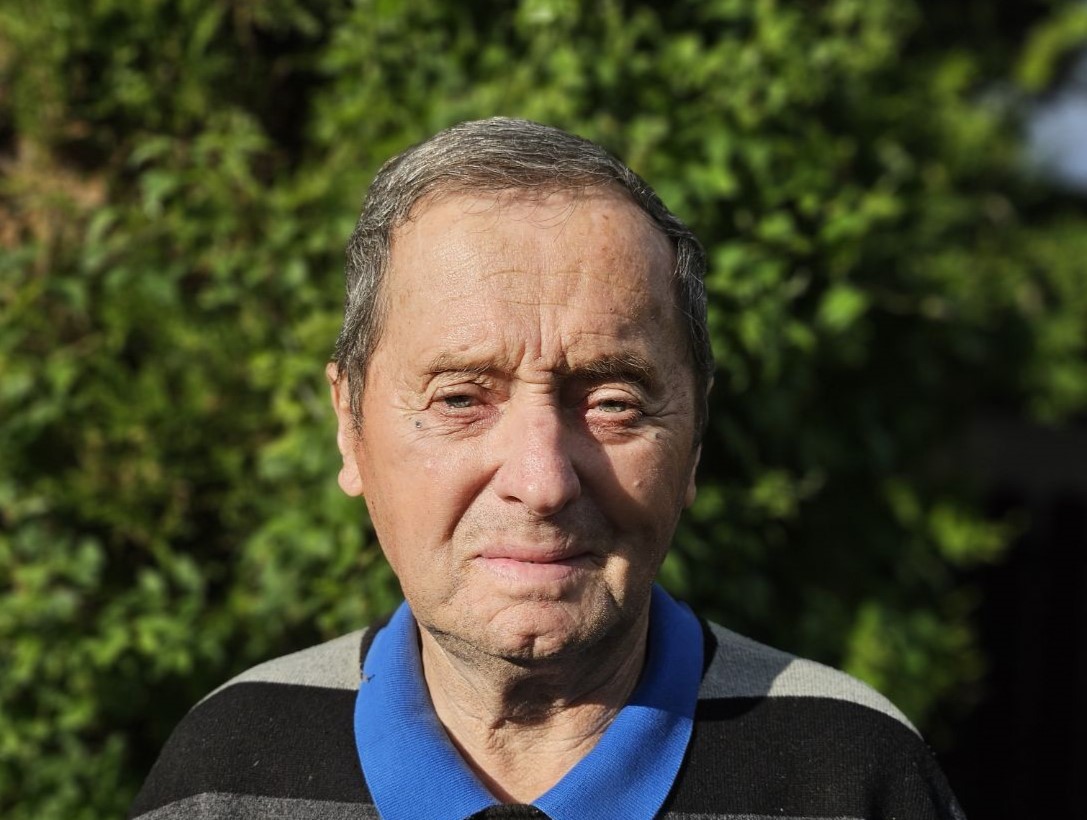
Jozef Múdry

* 1943

  • "Then they escaped to Buzuluk, these soldiers fled. Some, some. Others, too, of course, Slovaks always fled from here to the Russians, you know, because they saw what the Germans were doing. They didn't like it. Some of these Hungarians also escaped, Italian soldiers, because the very first units, my father mentioned, that went, that Hitler had to attack Moscow, were Italian troops and these, these Hungarians. They spared the Germans, of course. You know, and those who were there, of course, they shot like snakes. And then they escaped. My father escaped with about five Hungarians, or six of them, all at once, I don't know how, or overnight, he didn't mention that to me. I was a little boy when he arrived, you know. I didn't listen to it in quite that much detail. And then, when they got to Buzuluk, they locked them up there, they locked them all behind a fence. And then, you know, they asked them. They made many of them stand in line: Slovak? Hungarian? Slovak? Hungarian? The Hungarian will stand, the Slovak will not. Because the Slovaks did not fight against them.”

  • "I owe that to my father. He operated the telephone exchange, he heard there that everything goes for checks, all sorts of people, the ones who repaired it, but he says: 'You know what, wouldn't you go to that communications school there?' And I enjoyed it, that kind of technology, you know, a boy. Then they took me to Vráble, one of them tested me... to see how good I was at mathematics, what I knew: 'Okay, okay, okay, I'll write you, you'll go to Bratislava!' Three of us went from Nitra. At that time it was the Nitra region, three of us went there as signalmen, to Bratislava as signalmen. It was a good job. Easy, you know, there was no chasing. After all, I was in charge of seven villages in Vráble when I finished. I got a company car, it wasn't bad."

  • "There was a telephone exchange, there was a distribution system down in the basement and there you could connect a line here and there, you know, where we connected it, it was there. And he came there and said that like in Čifáry they were in a mansion so that we could set up a line for them there. So, of course we did, we had to. We had to do it. I knew a little Hungarian, so I also spoke to them in Hungarian: 'Why? Why? What actually happened?' They waved their hands, they ignored it. But nothing was done. I mean, he put the machine gun there, he was very afraid that I would take it and shoot at him, I guess. They were forced here. That the Hungarians were normally in robots and that these Russians came there and it didn't matter, no home or anything, just put on their uniforms and be gone. They left right away. That the Russians were also chasing everything. That's how I experienced it. But they weren't making any big fuss here. That's what I can say."

  • Celé nahrávky
  • 1

    Vráble, 20.05.2024

    (audio)
    délka: 01:24:15
    nahrávka pořízena v rámci projektu Stories of the 20th century
Celé nahrávky jsou k dispozici pouze pro přihlášené uživatele.

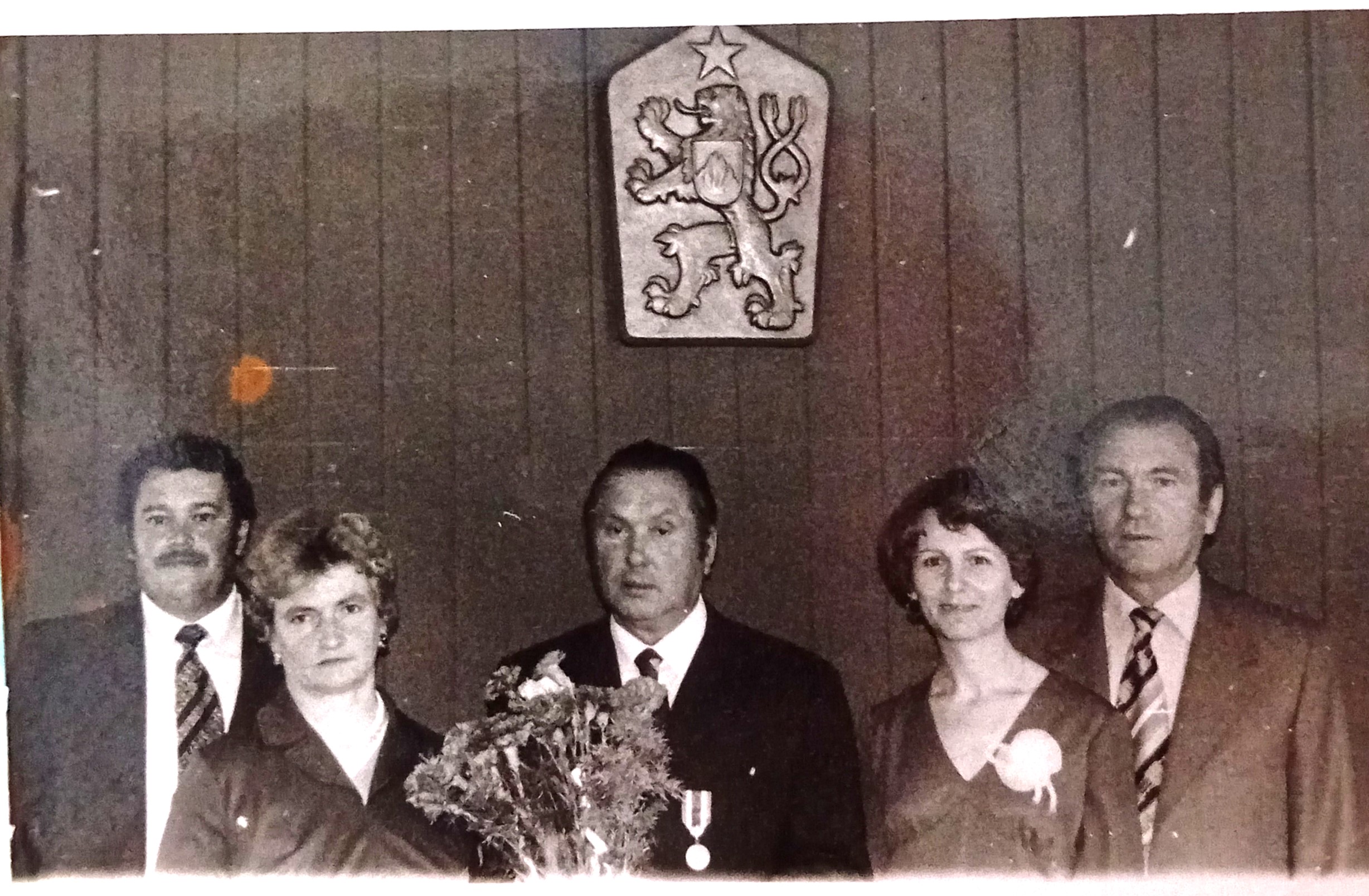
My father participated in the battles for Kiev and the Dukla operation with the First Czechoslovak Army Corps of L. Svoboda
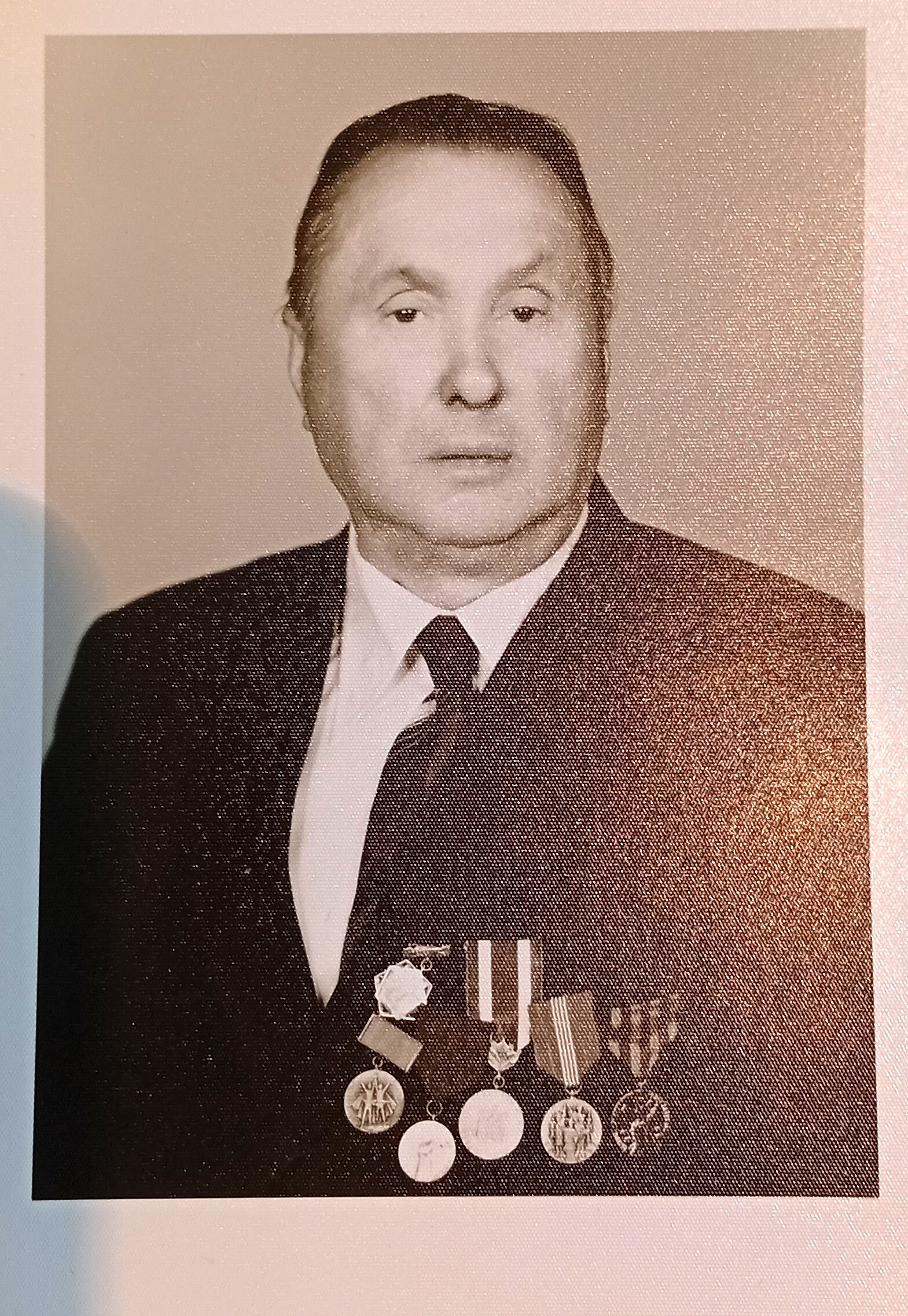
Witness Ján Múdry in 1980
zdroj: Witness archive

Jozef Múdry was born on December 11, 1943 in the village of Paňa, near the town of Vráble in the Nitra Region. During World War II, Jozef‘s father Ján had to enlist in the Hungarian Army at the age of nineteen. After basic training, he went to the Eastern Front, where he fought against the Soviet Union. In 1944, he escaped from the Hungarian Army, was taken prisoner, and then joined the First Czechoslovak Army Corps of Ludvík Svoboda. In 1944, he participated in the battles for Kiev and subsequently in the Carpathian-Dukla Operation. He was seriously wounded in the battles for Liptovský Mikuláš and was treated in Kiev after his leg was amputated. After the war, he worked as a switchboard operator in a telephone exchange and gradually rose to the position of secretary of the Municipal National Committee in Paňa. Despite having a severe health handicap, he was a very popular, cheerful, and sociable person. Jozef attended the primary school in Paňa for the first five years, later continuing in Cetín. After finishing primary school in 1961, he went to study in Bratislava at the Specialized Communications School, where he trained as a signalman in 1964. After completing his apprenticeship in 1964, Jozef entered basic military service and during two years of military service worked as a radio frequency detector, on which foreign armies communicated. After finishing his military service in 1966, he continued his trade and got a job at the Slovak Telecommunications company in Nitra. In 1967, he met his wife Helena, with whom they stayed to live in Vrábld after their marriage. In March 1968, the monument took part in four-week military maneuvers. In the 1970s and 1980s, he worked in telecommunications, from where he retired after forty years. Today he lives with his wife in Vráble.