"You know, I remember not only the Germans, I remember when the Russians came. The Poles were excessively well dressed, they had to have their shoes shined every day. And when the Russians came in with their long dirty coats, unkempt, the scared soldiers from that communist regime... So it was a terrible difference from those smartly dressed Poles to those dirty Soviet soldiers. It wasn't their fault, but it was a terrible contrast. And then, again, when the Germans invaded the USSR, there was, you know, it's... how should I put it, the contrast was terrible again. Because the Germans went and murdered, literally murdered. Because they drove the Russians, even if they maybe captured a whole brigade, they were starving, they didn't give the prisoners food. They drove them, and who couldn't, they shot him. It ended up that even those who were not Soviet-minded, the pro-German ones, then the behavior of the Germans in Volhynia made them run into the forests and become the founders of partisanship."
"He was Polish and everything was done there, right, cleaning... And Jews came there to work. And one day the Jews didn't come. That's when we saw that the Jews from the other side of town were digging some trenches or something, we didn't know exactly either, but it was two hundred, maybe a hundred meters long, two meters wide, two meters deep. When they dug it up - after, I don't know, half a year - one day, I think it was in July, they took them out, and they shot all the 16,000 Jews there in one day."
"As soon as the Soviets came back, everyone automatically signed up for the Czechoslovak army, it was already so prepared, the Blaník and all that... And when most of them went, the others went too. For example, in our village there was a friend who had one eye - once as a little boy he had poked it out, it was not noticeable that one of his eyes was glass. And then when we went to the army and the doctor recognized it, he started crying that he wouldn't be home. And he said, 'What can you do?' 'Well, fix cars.' But he never did it. So they took him and then he worked his way up to be a foreman there. He was glad he could go into the army."
"They were exported to Siberia, I saw that too... And the best people. For example, I'll tell you, we had a woman named Anička Maršová. Her mother died at childbirth, and her father, when she was two years old, actually my grandmother Bernart nursed her. And when her father died, those uncles - she, like her parents, had a hundred hectares - so those uncles took that field and let her study, gave her schools, but she certainly didn't know where all that fields were. She was to get married, somehow she kept - getting married, not getting married - putting it off. And suddenly the Soviets came and she was taken to Siberia as a kulak. And there she ended up badly, she didn't come to the republic anymore."
"What changed in 1939 when the Russians came?" - "What changed? Everything. From the economy to - how should I put it... mainly economic change. And before that, Czech schools were founded. The library, where I used to lend for some time - we had quite a big library, so I used to lend on some days... That all changed because the dictatorship came. You know, once I was supposed to liquidate the library, so the girl who came to liquidate it liquidated rather writers that she didn't know, they might be even pro-socialist. But she also liquidated those who had nothing to do with Stalinism. For example, Verne's books and such, she didn't know that, so she liquidated... Well, the library was destroyed."
"The Germans murdered, whereas the Russians could not farm. Those, if someone had something nice, they labelled him a kulak - you couldn't experience that here anymore... Then we in the republic copied it, we said 'our model'. And it was a model that I was against, so I got seven years of Jáchymov because I didn't want that kind of farming."
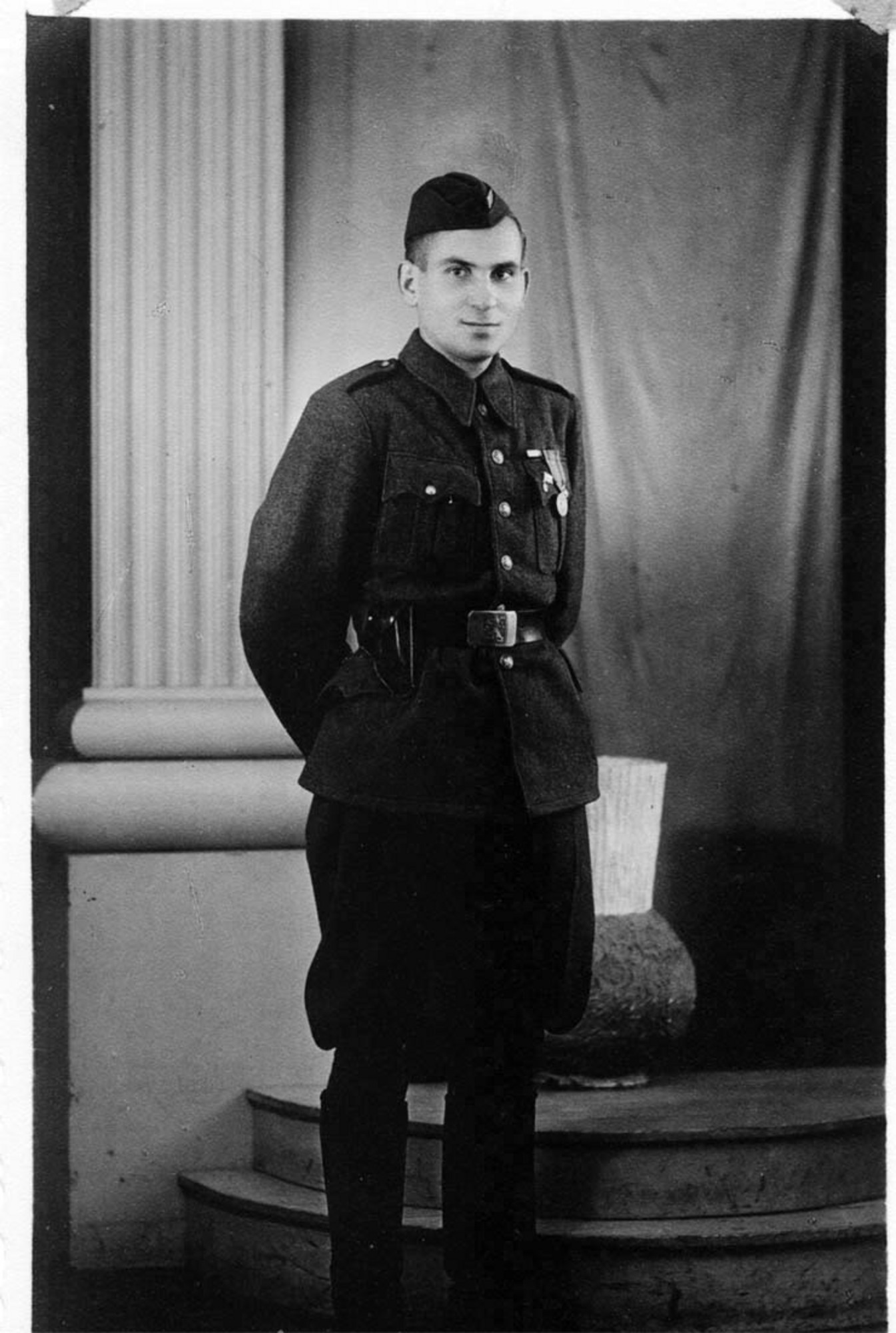
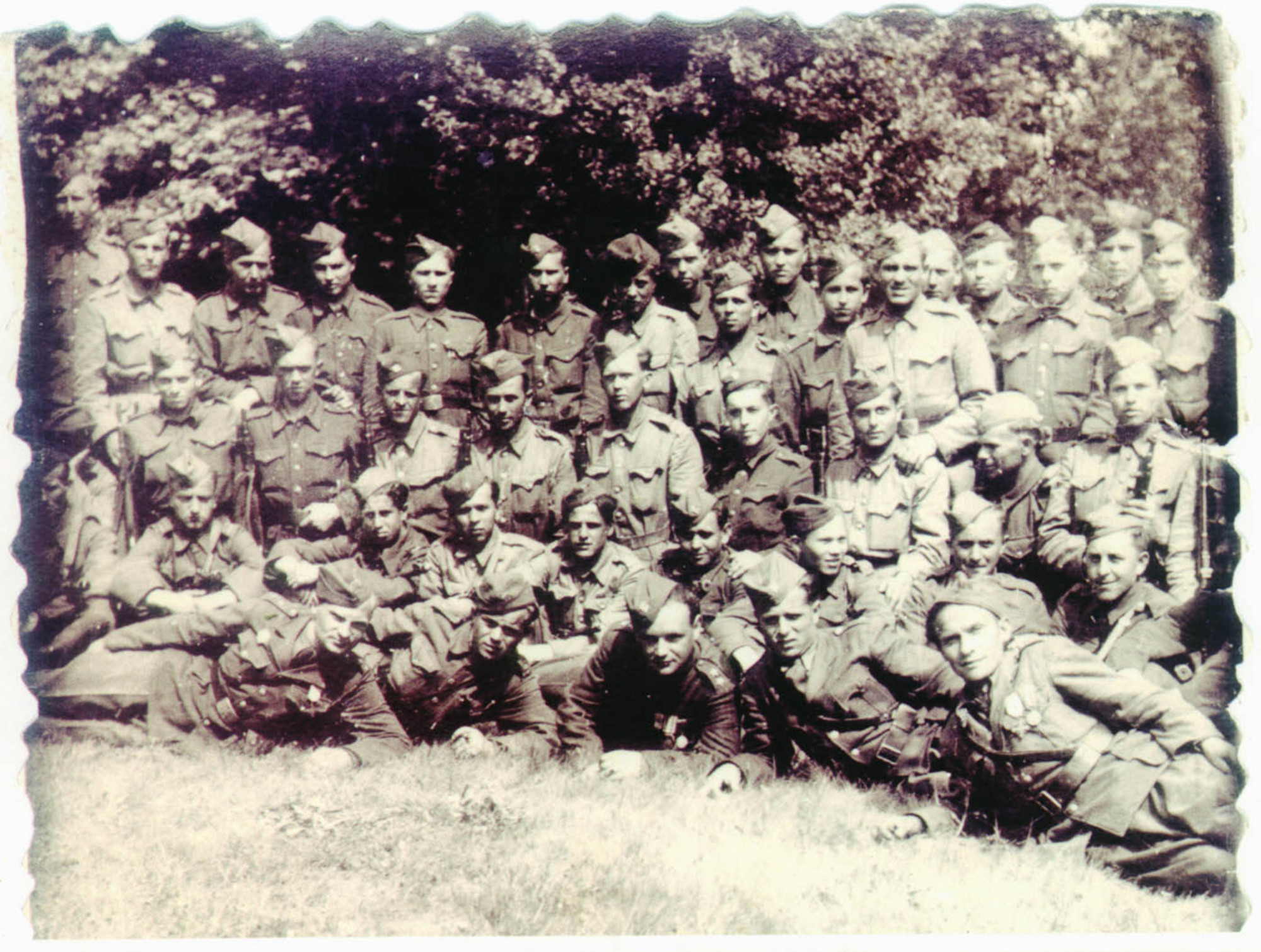
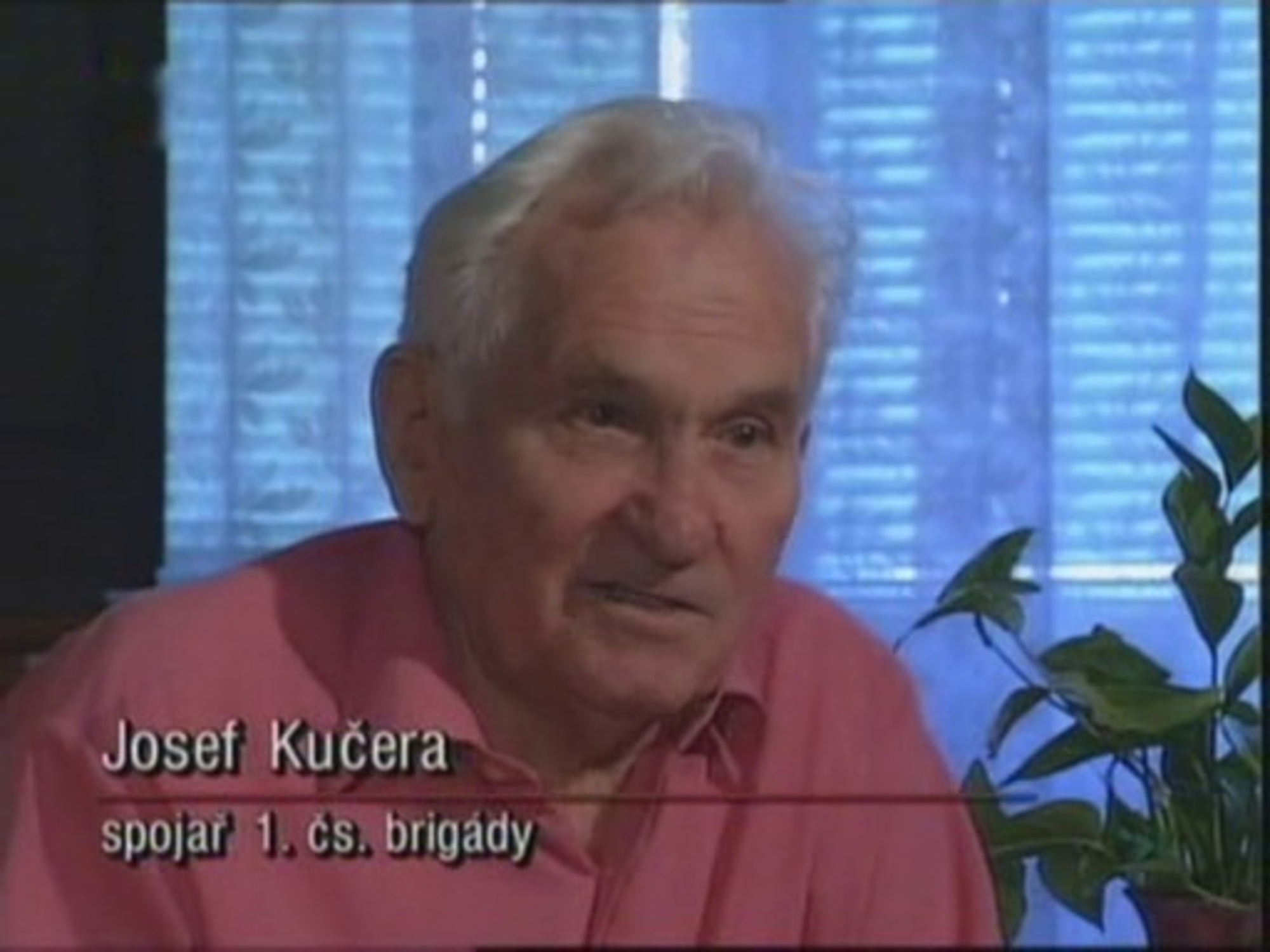
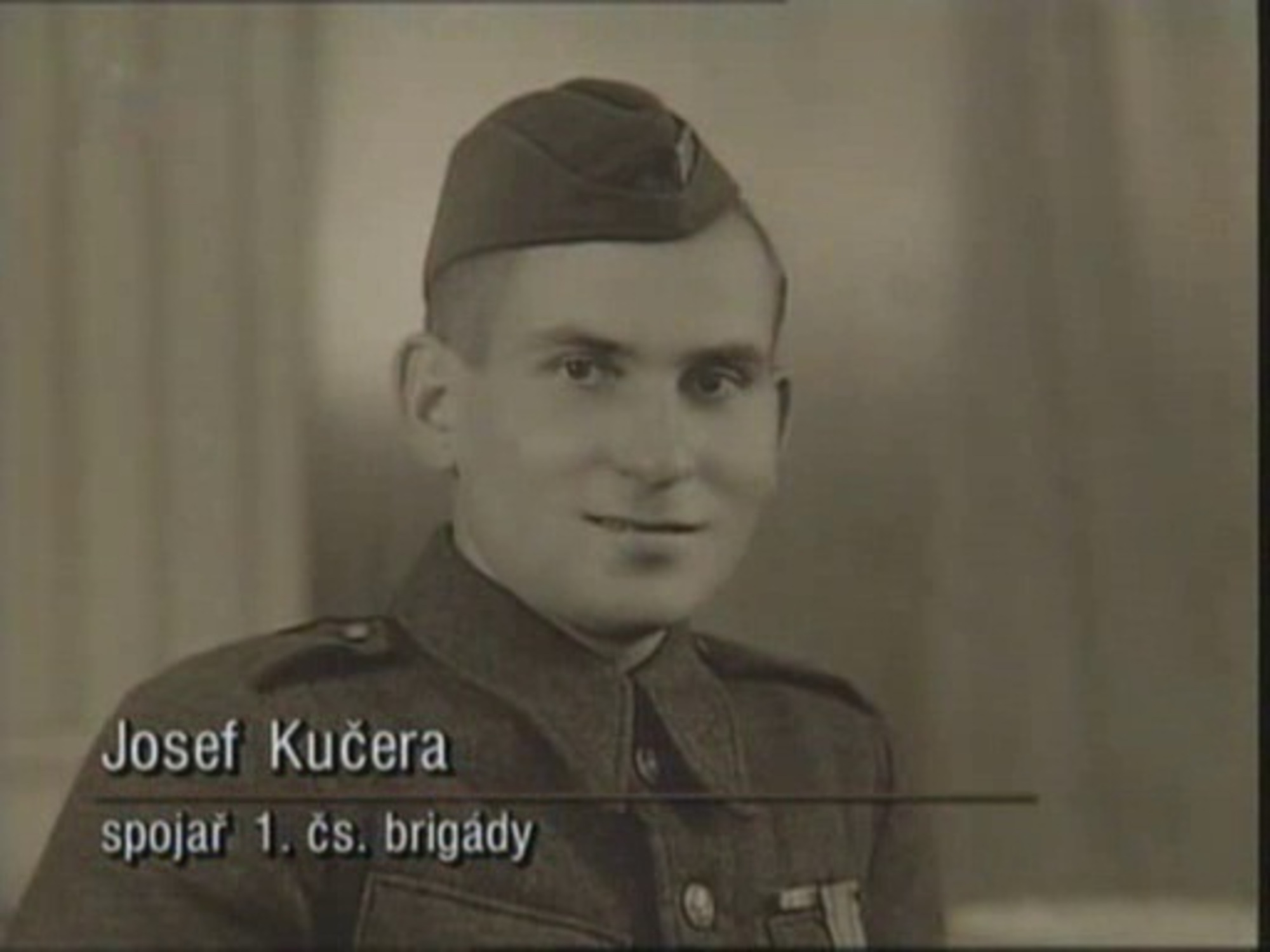
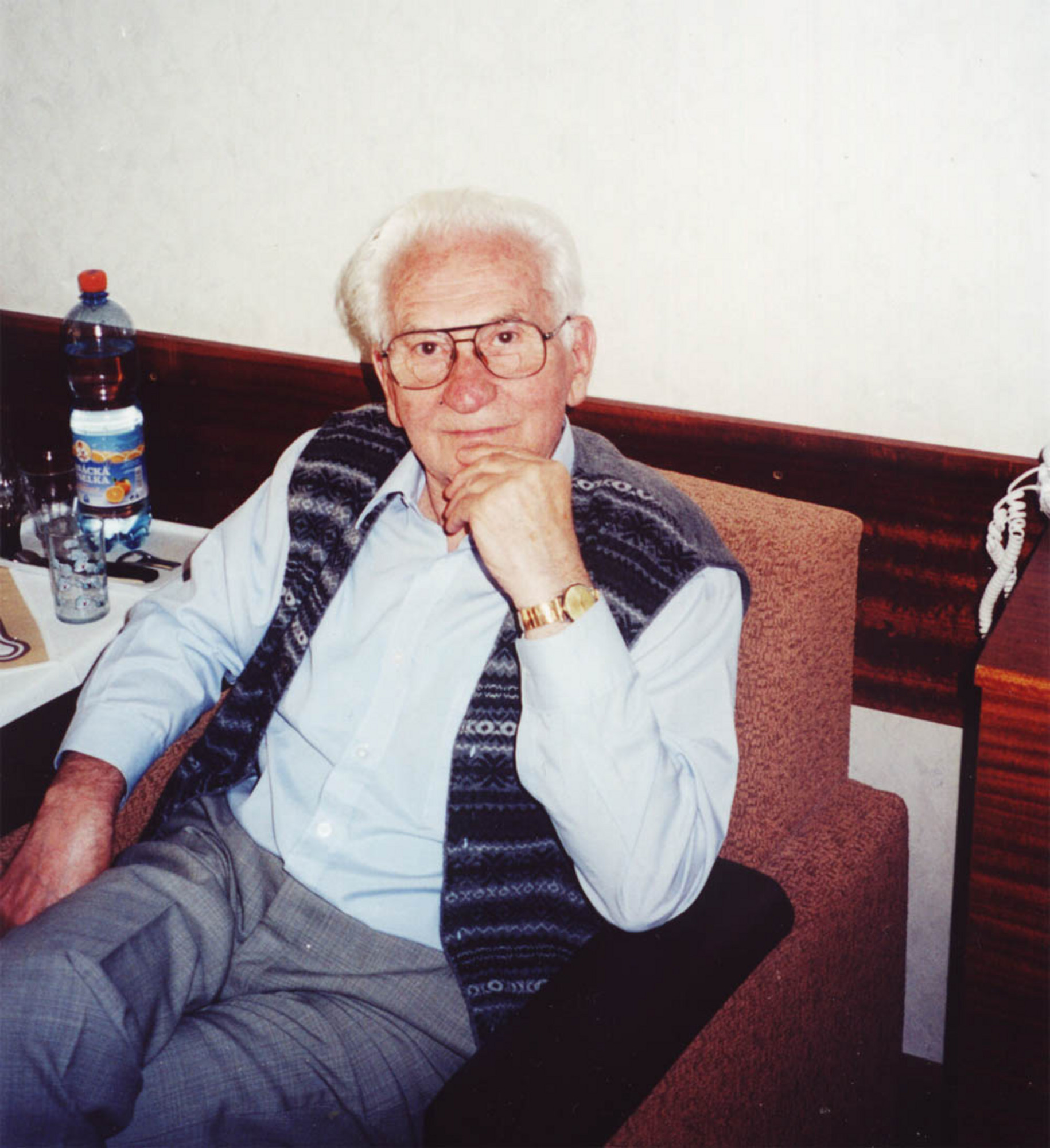
Josef Kučera was born on 22 January 1921 in the Czech village of Teremno in Volhynia in today‘s north-western Ukraine. His grandparents were among the first colonists who came to the area from Bohemia in the 1860s. He went to a Czech school in Teremno and a Polish school in Lutsk, where he also attended a three-year trade school. He experienced and describes the arrival of the Soviets in 1939, the effects of the Soviet administration on the economy and culture, restrictions on movement, and deportation to Siberia. After 1941, during the Nazi occupation, he became involved in the activities of Blaník, an underground organization dedicated to the acquisition and transmission of information. Like 12,000 other Volhynian Czechs, he joined the Czechoslovak army in March 1944 in Rovno. Until the end of the war, he served as a signalman, fighting at Dukla, Liptovský Mikuláš and Žilina. The end of the war found him at Prostějov. After the war he served briefly in Žatec, Počerady and Postoloprty, then demobilized and moved to Brno at the end of 1945. In 1947 he opened the Legion café there, running it first as a temporary national administrator and after its association as its manager. In 1947-1948 he was a member of the National Socialist Party. In the café he met with anti-communist people, and from 1949 he sheltered two agents of the American intelligence service CIC there. In October 1955, he was arrested and later sentenced to five years for aiding treason, espionage and violation of state secrets. He served his sentence in Jáchymov and was released on amnesty in 1960. Later he lived and worked in Brno, from 1967 he ran a café in Velké Bílovice. In 1990, he co-organised the re-establishment of the Czechoslovak Legionary Community and briefly served as its chairman. He died on 9 September 2015.
Hrdinové 20. století odcházejí. Nesmíme zapomenout. Dokumentujeme a vyprávíme jejich příběhy. Záleží vám na odkazu minulých generací, na občanských postojích, demokracii a vzdělávání? Pomozte nám!