"They were staying upstairs in one room and we were sleeping in the other. My father served them salami and all sorts of things. They were probably there for the food. The Russian soldiers outside carried me in their arms when they went to the doctors for transfers. I don't know exactly how many there were, but there were about three hundred Russian soldiers in Kunětice in the year forty-five. Most of them were staying with peasants, and that's where they got their food. There were three doctors with us - I don't know why, probably because of the butcher shop, because my father fed them. They were very polite, behaved well and were nice. Those soldiers carried me, I remember that, I was less than three years old. They even signed outside the house, as we recounted later. It was full of Russian signatures in Cyrillic. They carried me and said they would take me home. When they were translating it, my father said, "Well, that would be something."
"[I don't] know much. He enlisted and wrote home and then after the war he was in Austria in some English prison camp as a German soldier because he had to enlist as a German soldier. At the age of seventeen they took him off to war. He wrote several letters to us in Kunětice and they were all returned. And we lived there. The national committee saw that someone from Austria was writing, so they sent it back."
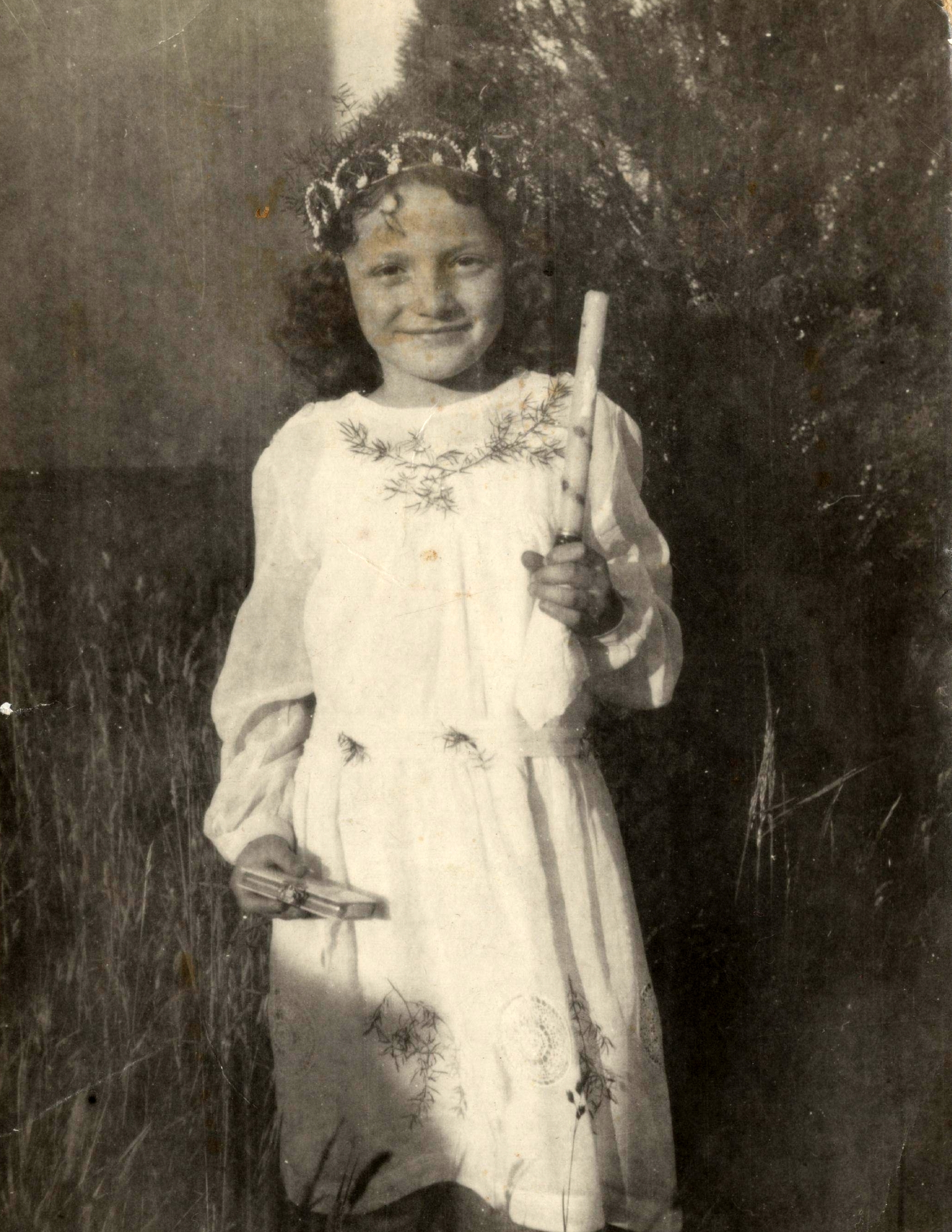
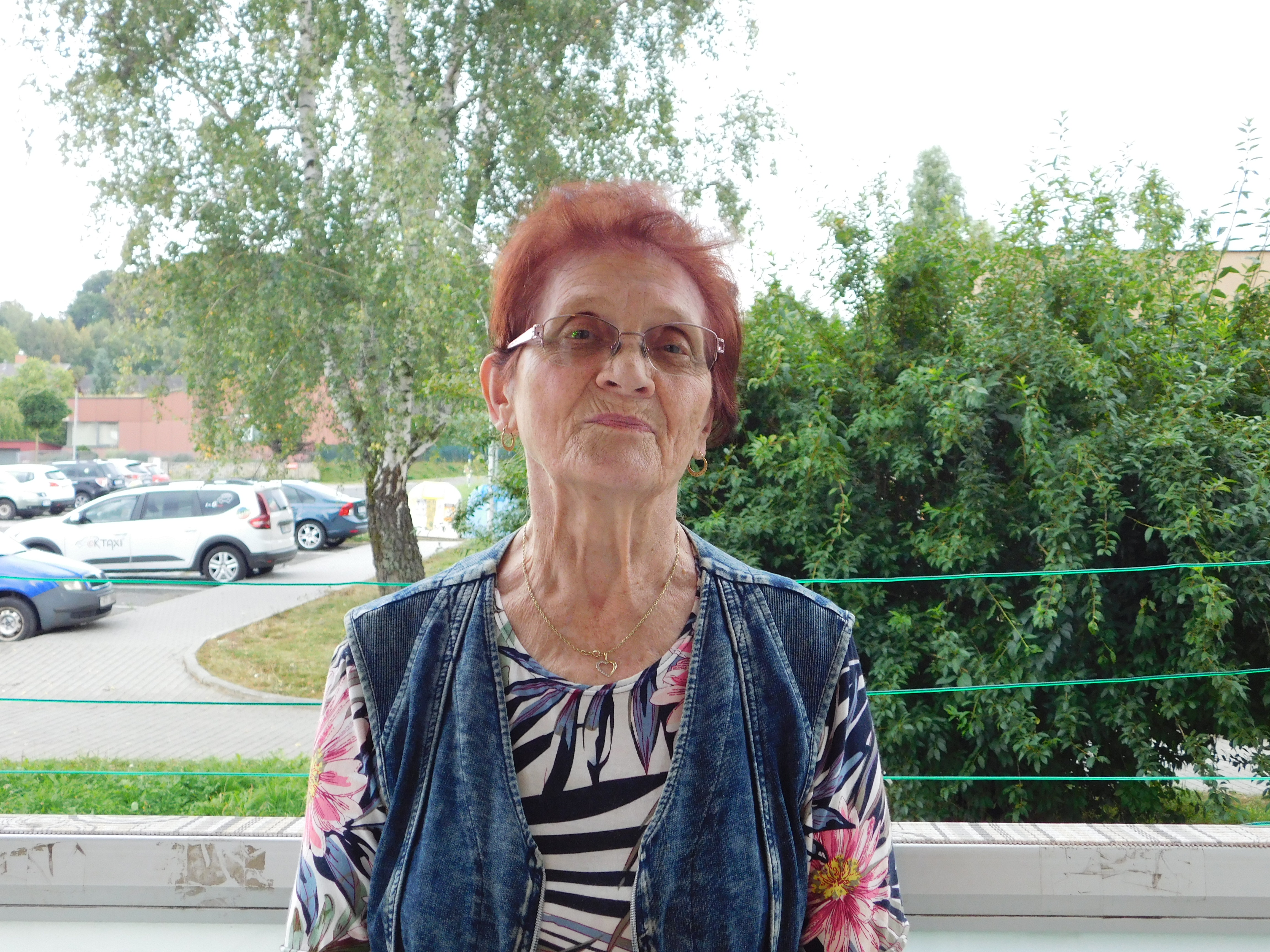
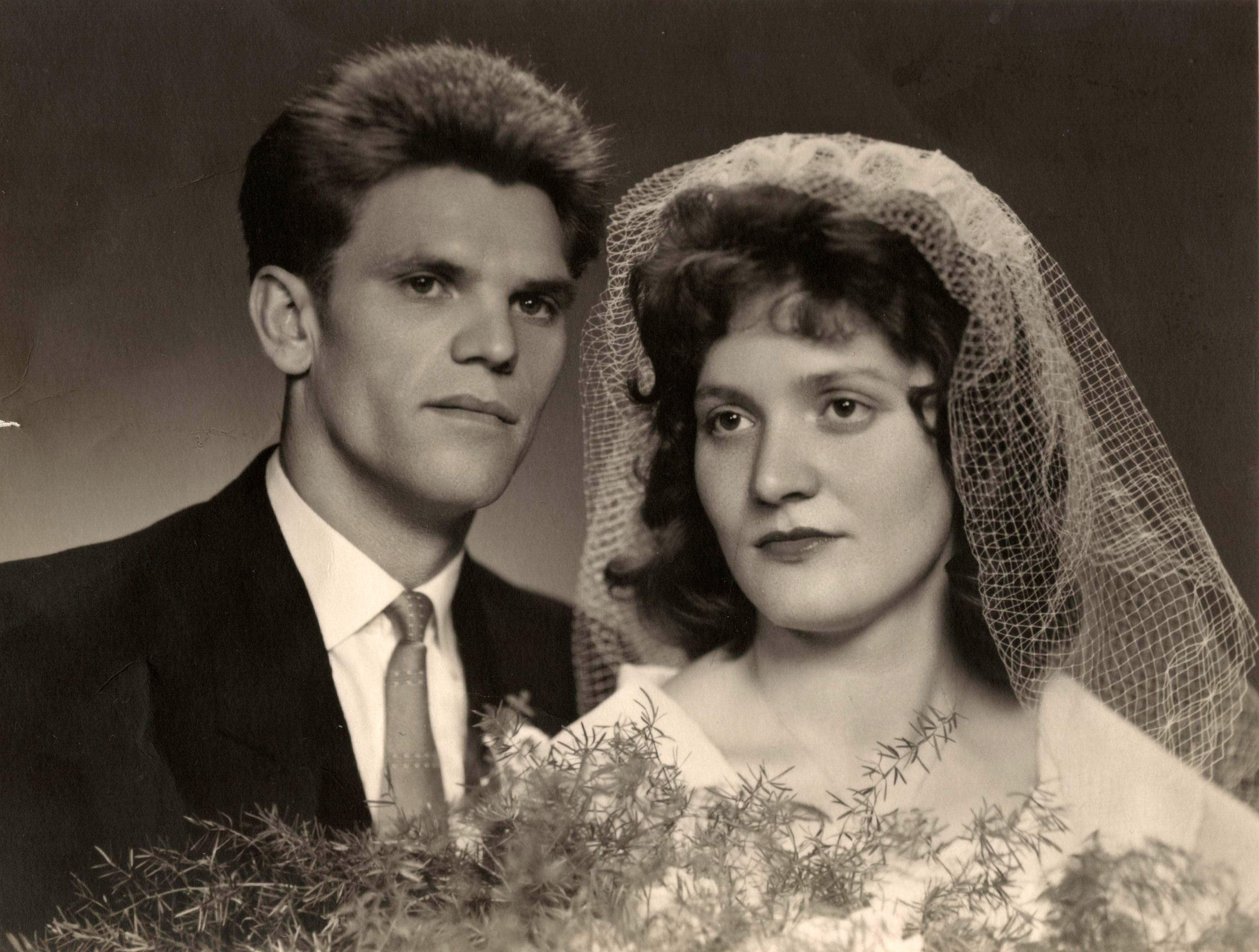
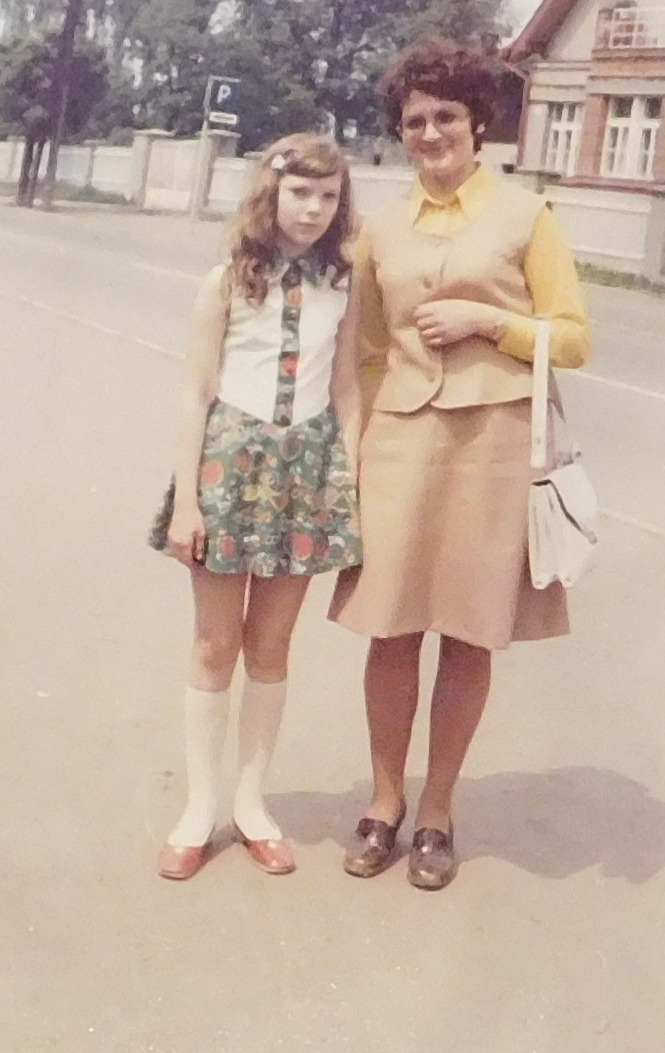
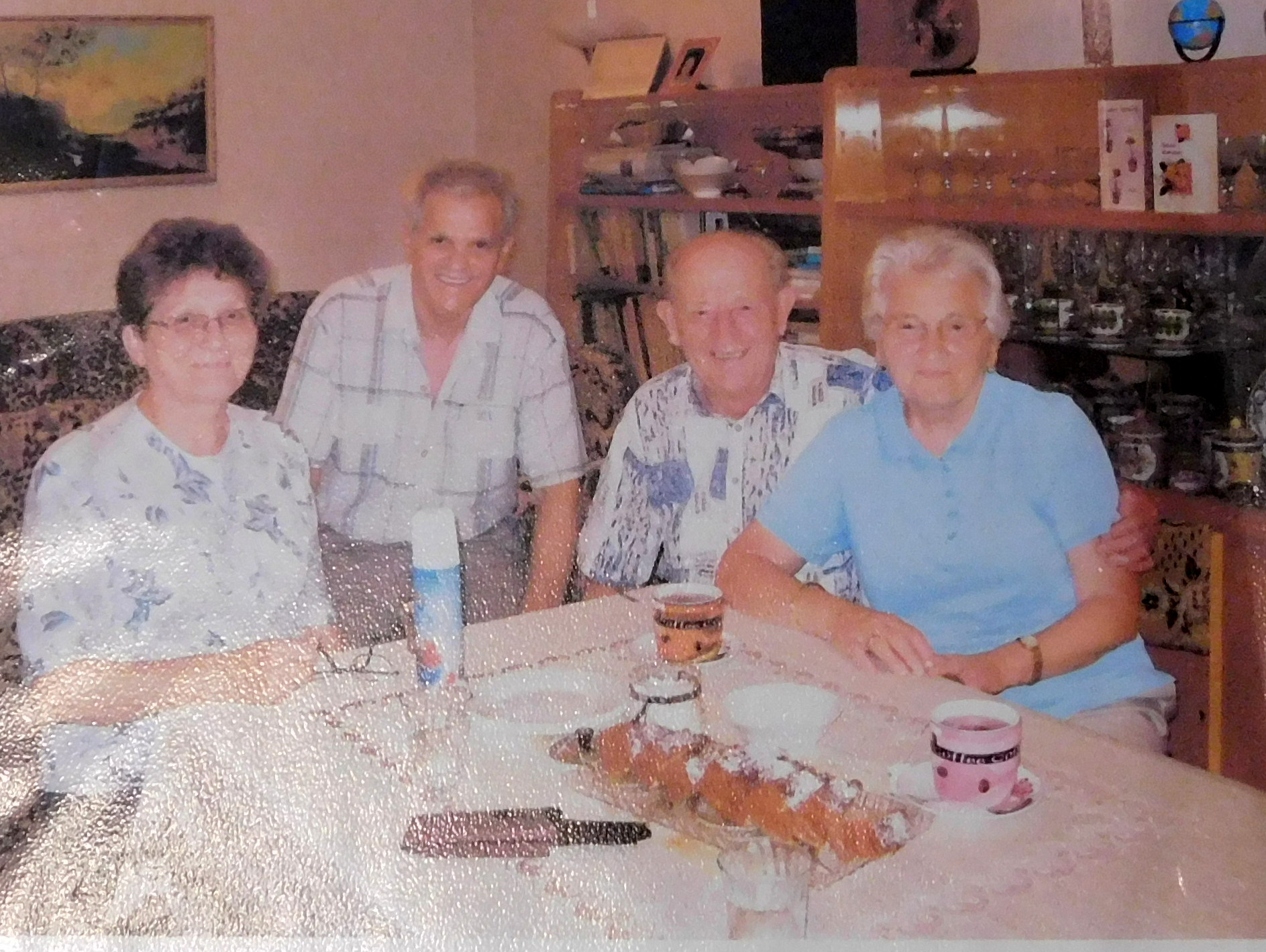
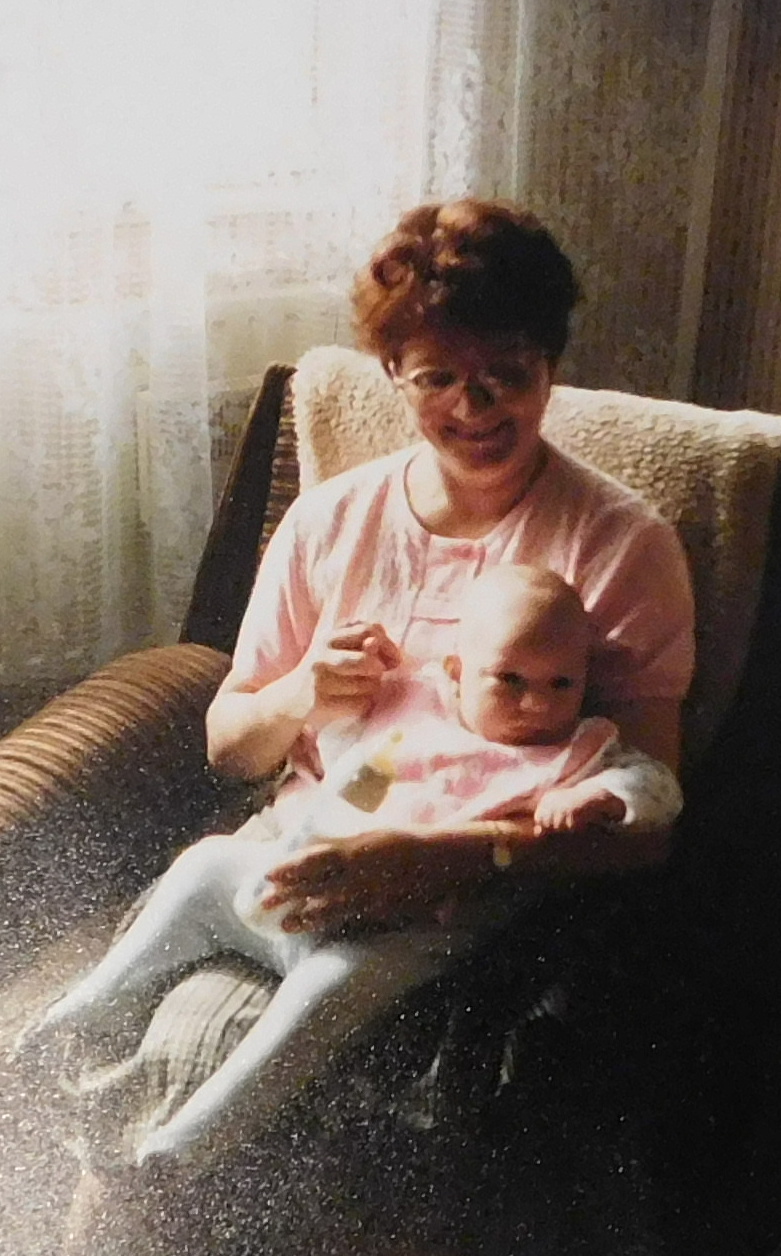
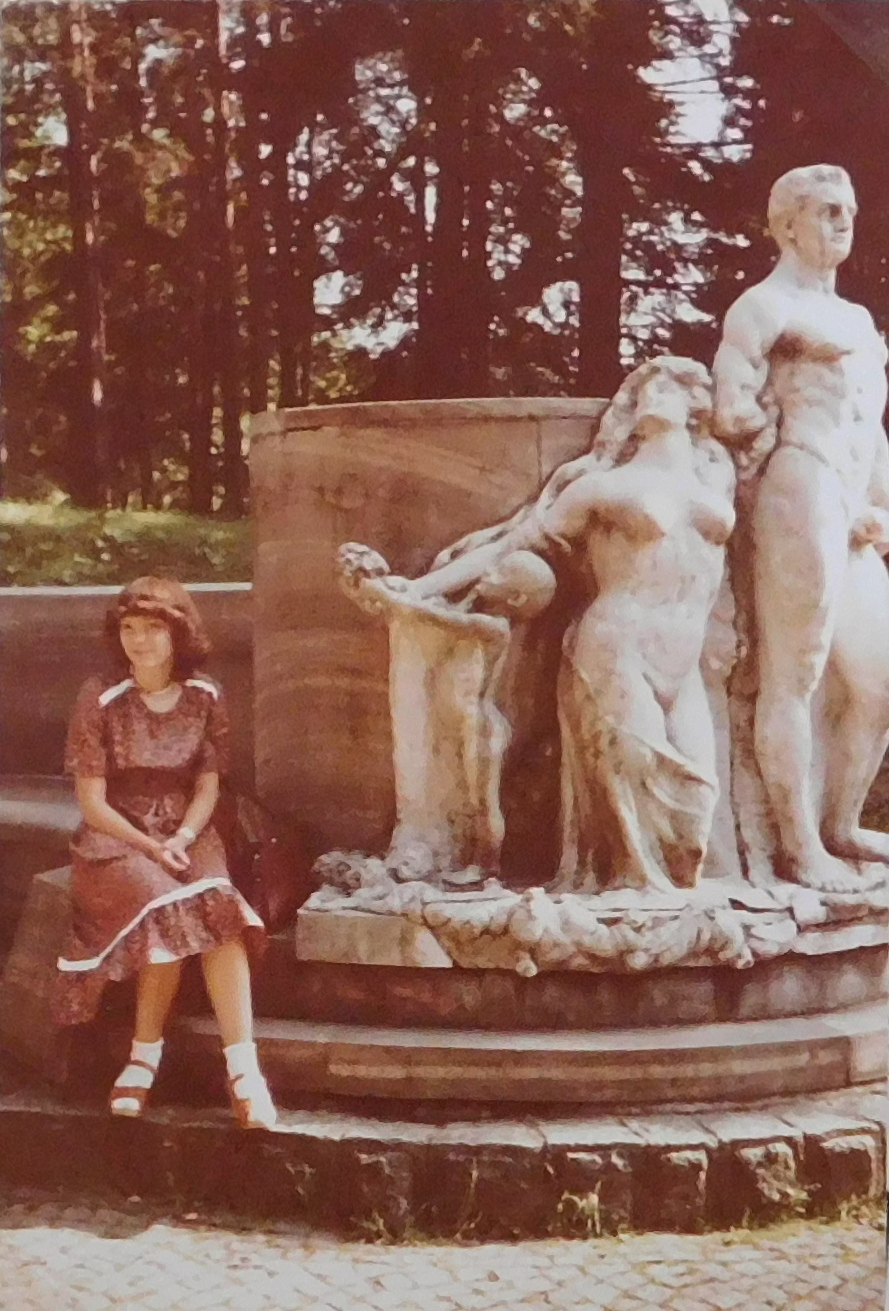
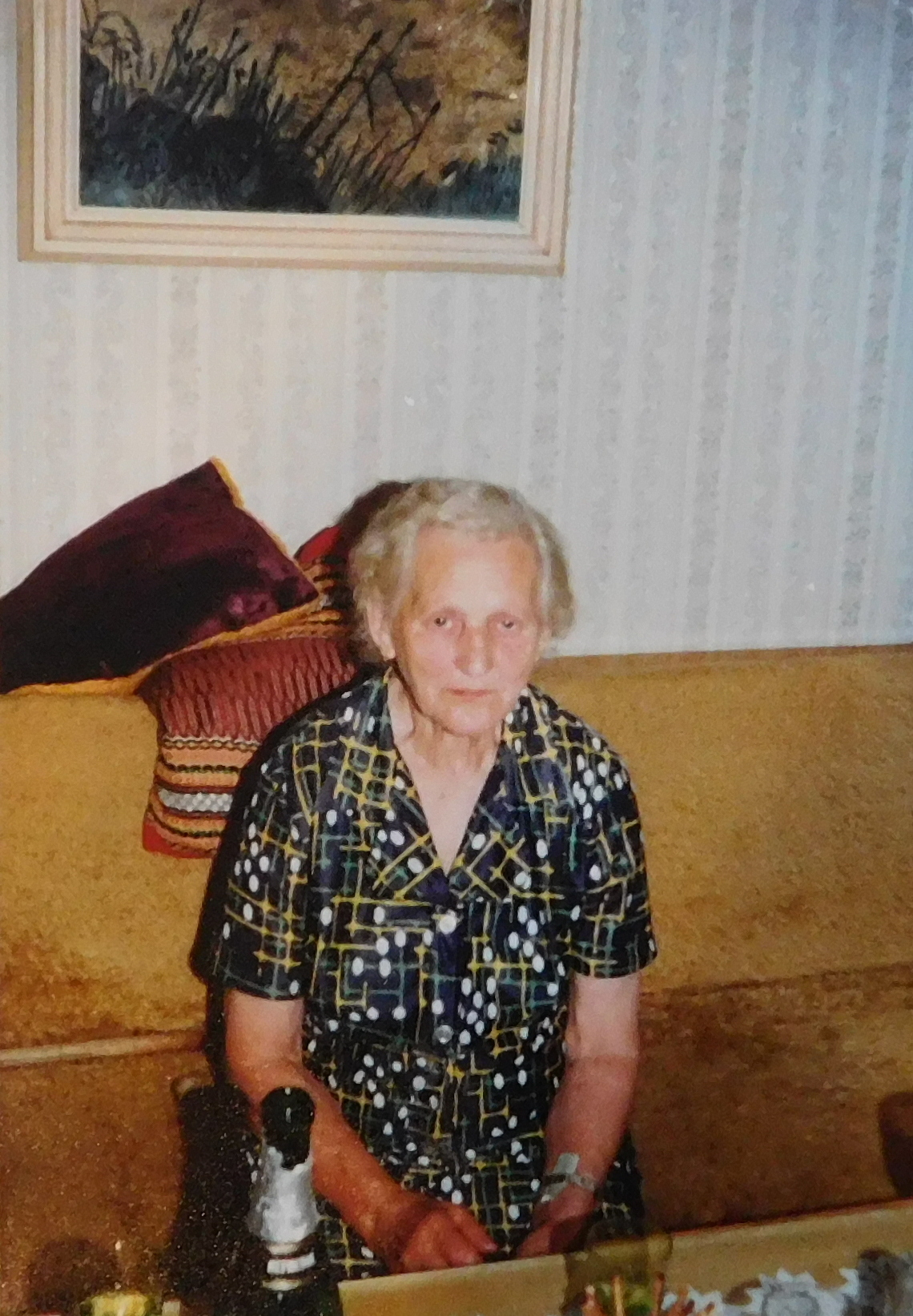
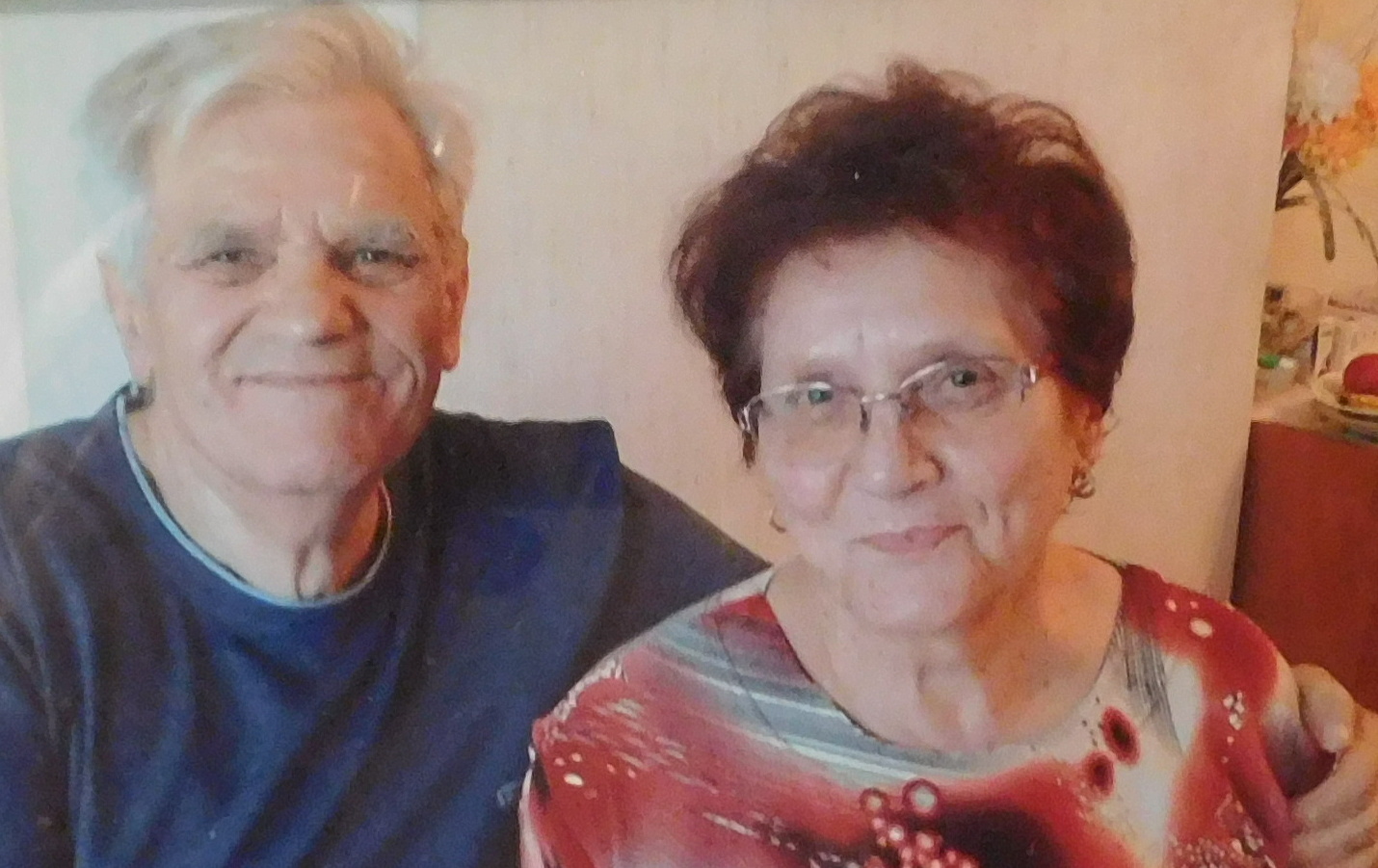
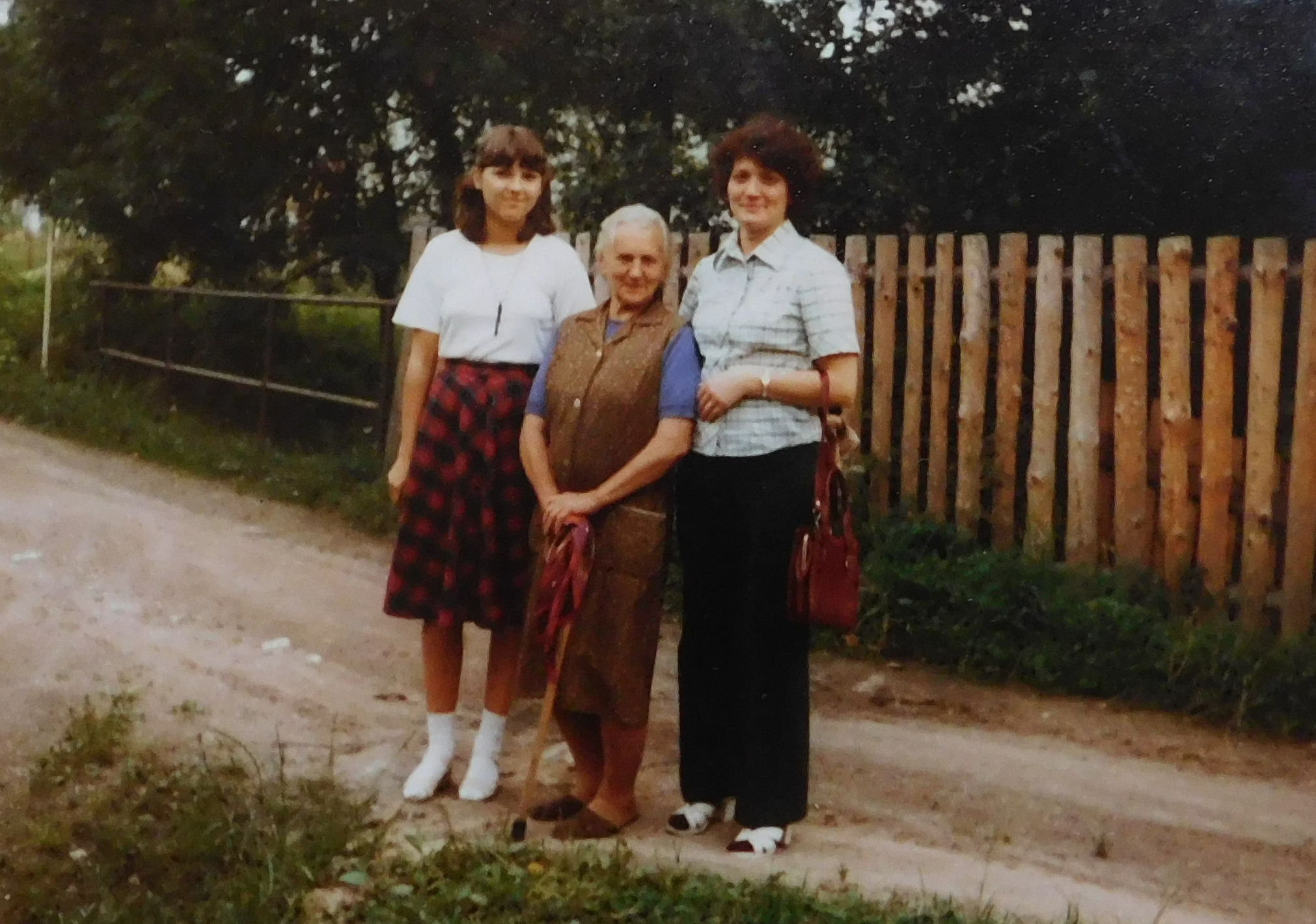
Brunhilda Kalianková was born on July 25, 1942 in Velke Kunětice, Jesenice, to parents of German nationality, Alfred and Maria Spielvogel. Her father, a veteran of World War I, openly rejected Nazism and was friends with Josef Biskup, allegedly the only local Czech. All of their neighbors from Velké Kunětice and relatives living in various places in Jesenik had to join the post-war German removal. Thanks to the intercession of Josef Biskup, the Spielvogel family was able to stay. However, they lost their butcher shop and the father worked as a forestry worker. The family became strangers in their own village. The father therefore applied to go to Germany, but died of an unrecognized tumor in 1949. Six-year-old Brunhilde started school without knowing Czech, but quickly learned it and excelled in her studies. Her mother, who worked as a cleaner, could not afford to further her education, so she trained as a shop assistant and worked in this field. However, she managed to study a teacher‘s training course by distance learning and worked for some time as a master trainer of apprentices. In 1963 she married Štefan Kalianko. His family of Slovak origin came to this region from Romania after the war. Between 1964 and 1966, three daughters were born to them. From 1972 the family lived in Jeseník. She had no problems with the communist regime and did not care about politics. She never visited her relatives in Germany, but kept in touch with her cousin Emma from Bavaria.
Hrdinové 20. století odcházejí. Nesmíme zapomenout. Dokumentujeme a vyprávíme jejich příběhy. Záleží vám na odkazu minulých generací, na občanských postojích, demokracii a vzdělávání? Pomozte nám!