"I remember it was just after the February events, it must have been sometime in early March, because it was still dark early. We were supposed to go to confession at the Old Town Church there, to St. Havel's I think. I confessed, I got absolution - I went secretly - I wasn't allowed to go, but I ran away to fulfill the fact that I was going to be all right at school again - and now I'm saying this Our Father and Hail Mary at the altar and now I hear this voice of my mother, which was very strong and characteristic, scolding the catechist for being a crazy woman who rushes little children to the Old Town to church at this time of the year, and if she doesn't know what's going on. They got into a conflict and I was sign out out of religion classes the next day at school because my mother said I wasn't going to go anymore because of what was going on and that it was completely unnecessary for me to go to religion."
"I could have been about four years old when I was riding down Wenceslas Square on the tram with my mother. I suddenly started saying, 'Vnimanie, vnimanie! Govorit Moskva!' As a little kid I wanted to assert myself, I didn't realize that listening to someone else's radio was punishable by death, which was the tag that had to be on the radio. We jumped off the tram, my mother dragged me into the first house that was there, and there she slapped me hard. That was her relief from the tension of what happens when a child sits in a tram and says to the whole tram, 'Vnimanie, vnimanie! Govorit Moskva!'"
"Madame Curie was remembered as the lady who had her fingers burned. And I even remember my father's assistant because as they worked without protection with the radium, they literally had burned and deformed fingertips. And so did Madame Curie. When I talked to my mother about how they worked, you get chills down your spine. Imagine they were taking in radium emanations through their mouths. They put the radon gas in glass vials - my father learned to blow the vials. When it burst, I asked my mother what they were doing. "Easy - we would just open a window." They started with this in the present-day Institute for Mother and Child in Podolí, where the first radiology department was. Imagine the radiation exposure they were getting. It was no wonder then that my father died of lung cancer at the age of 46. They didn't know all the effects yet."
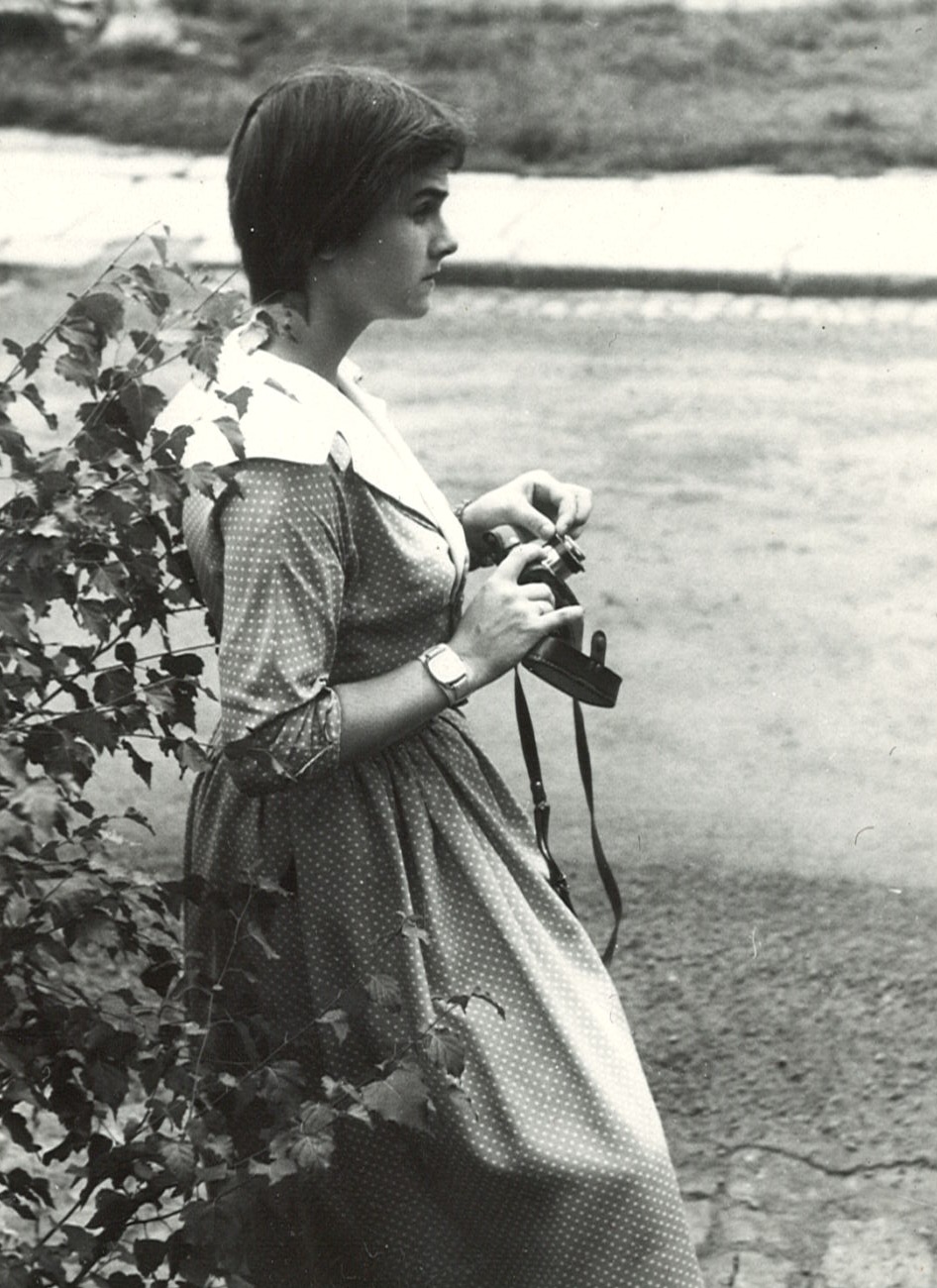
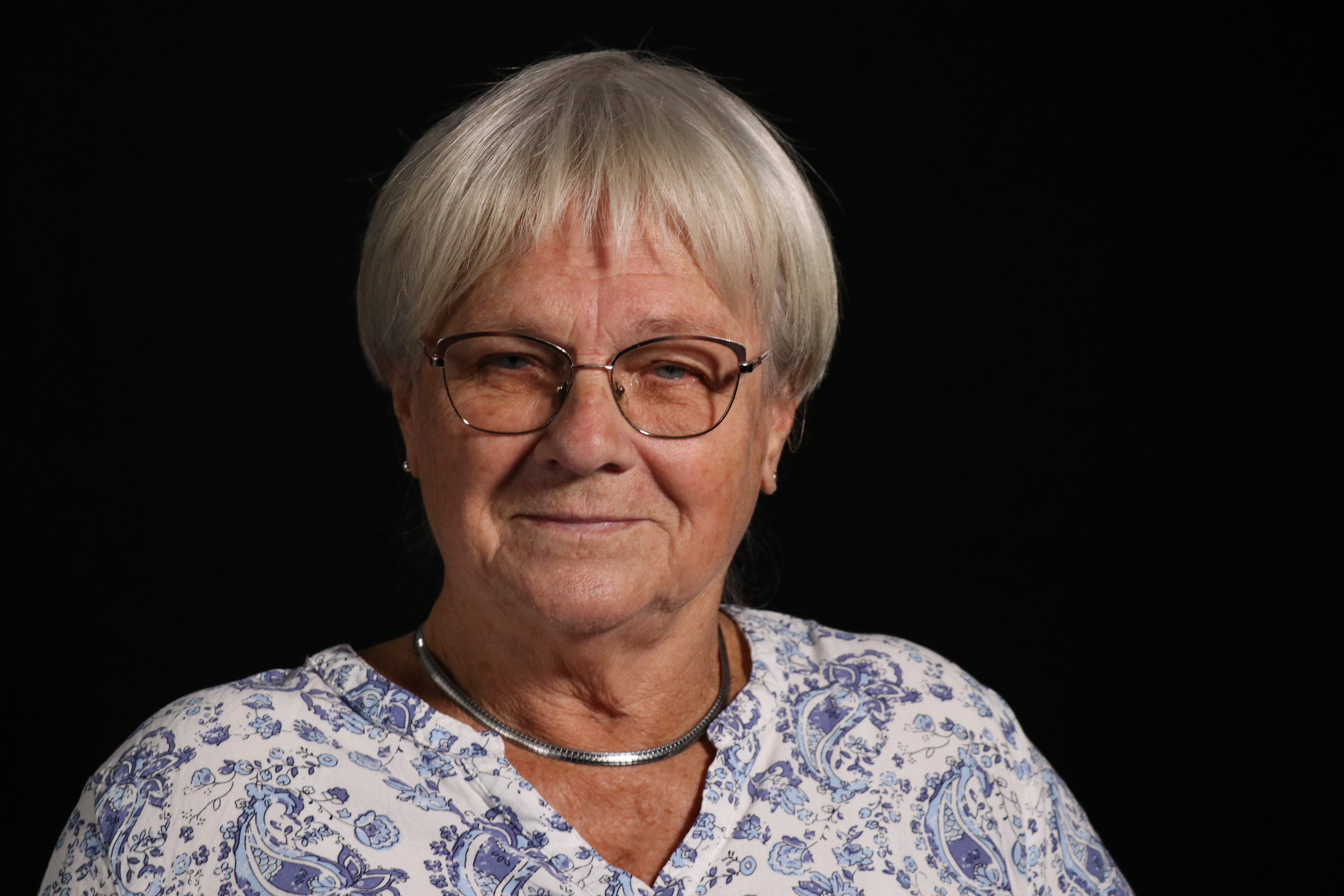
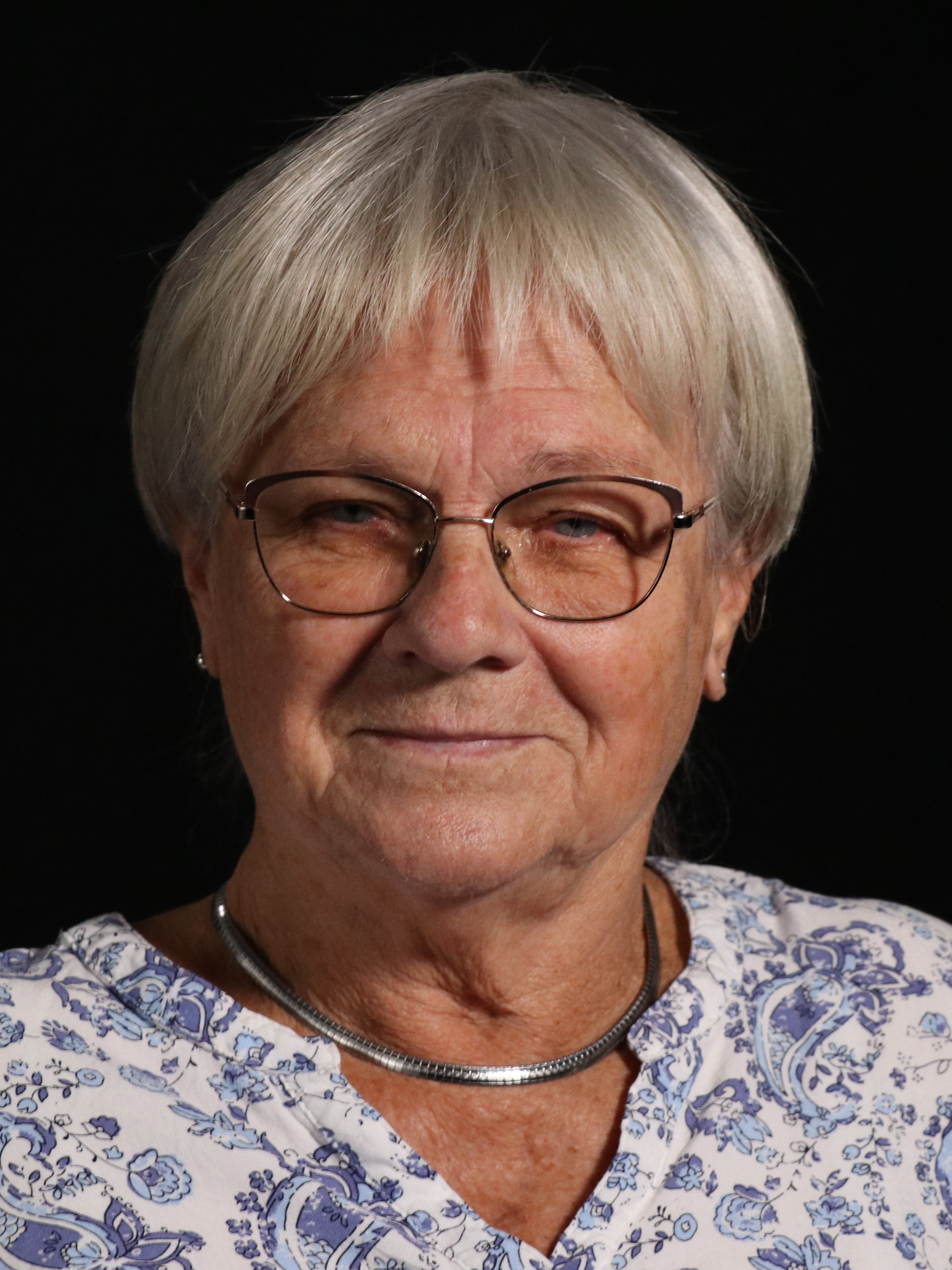
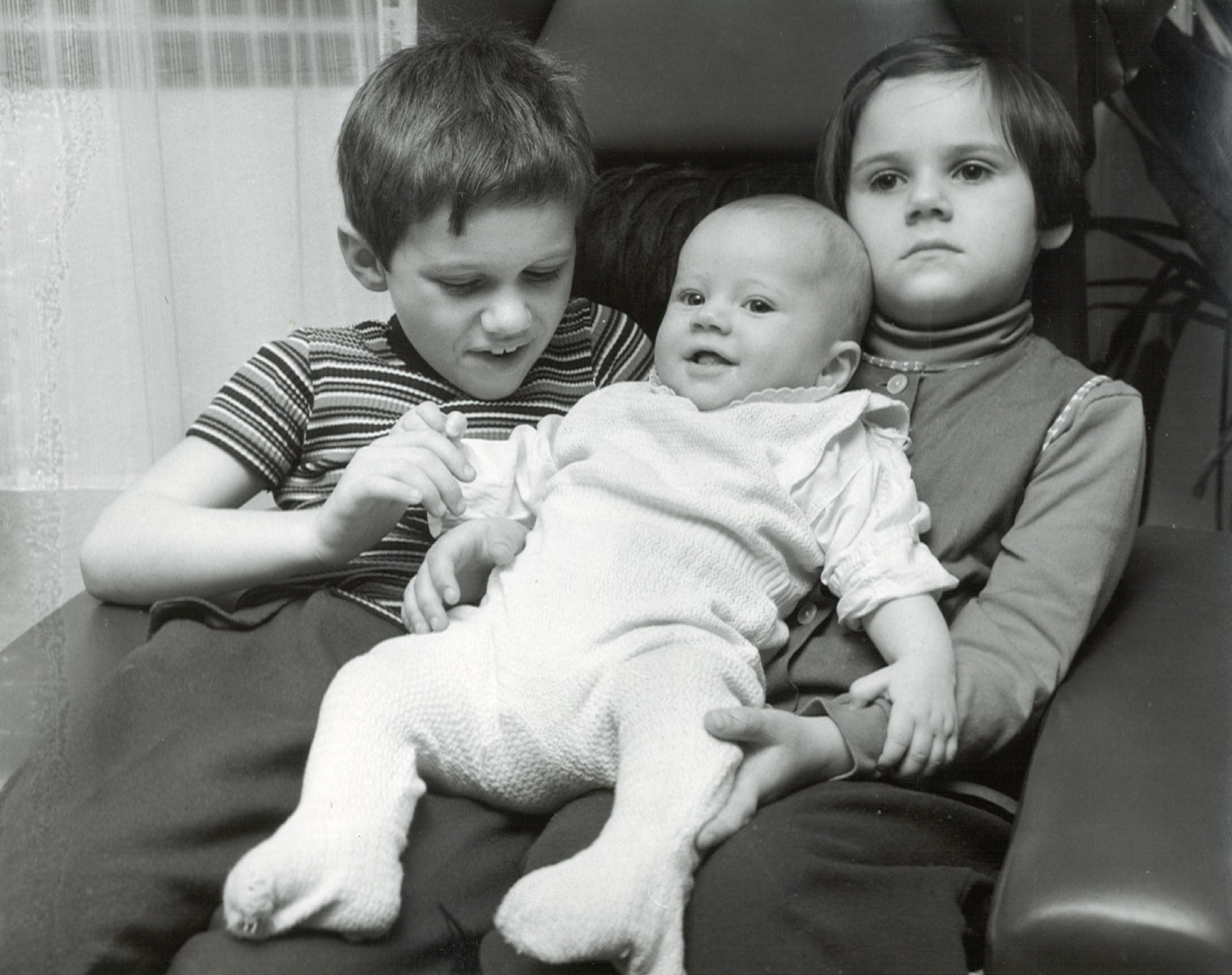
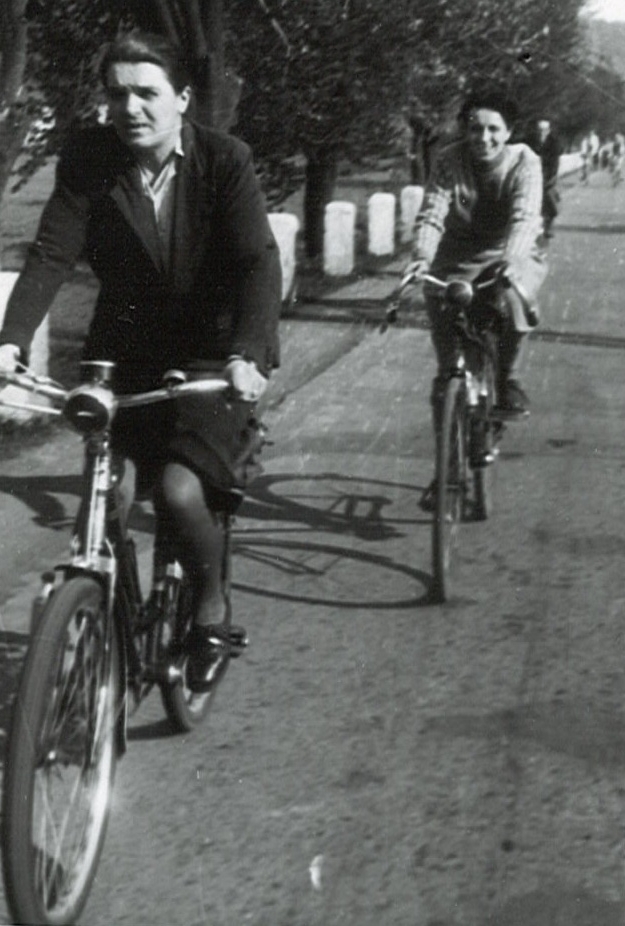
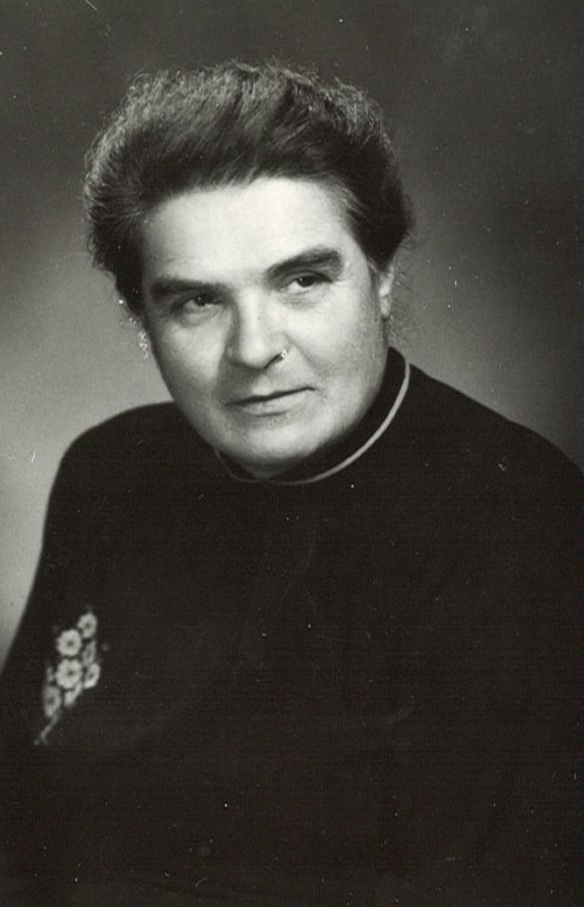
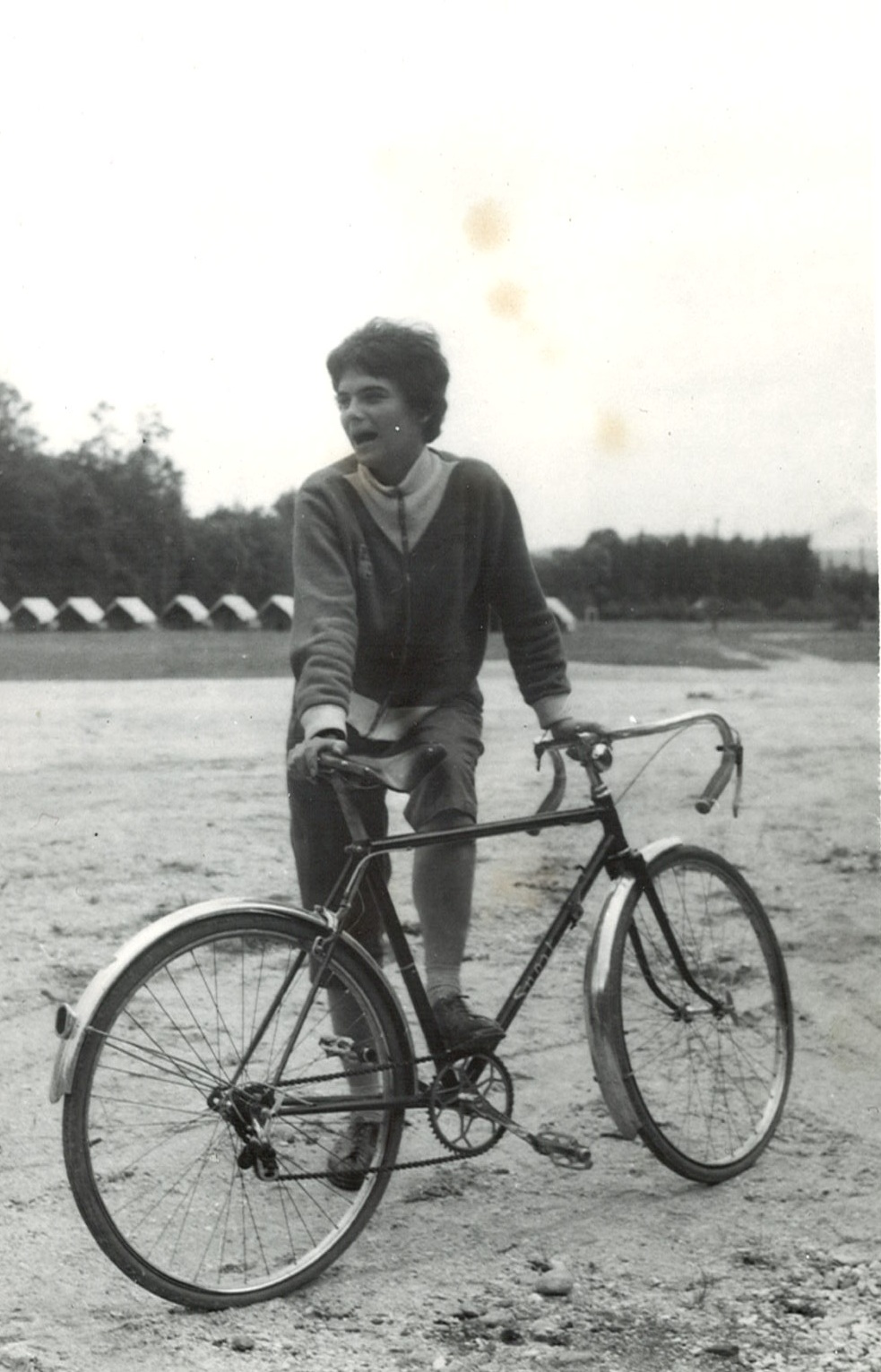
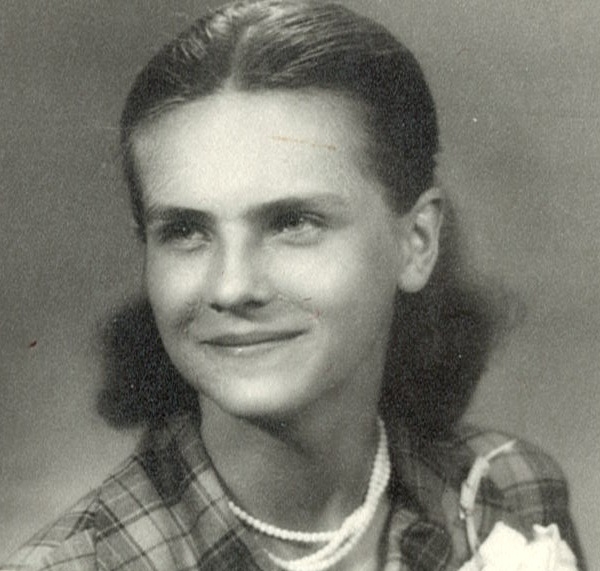
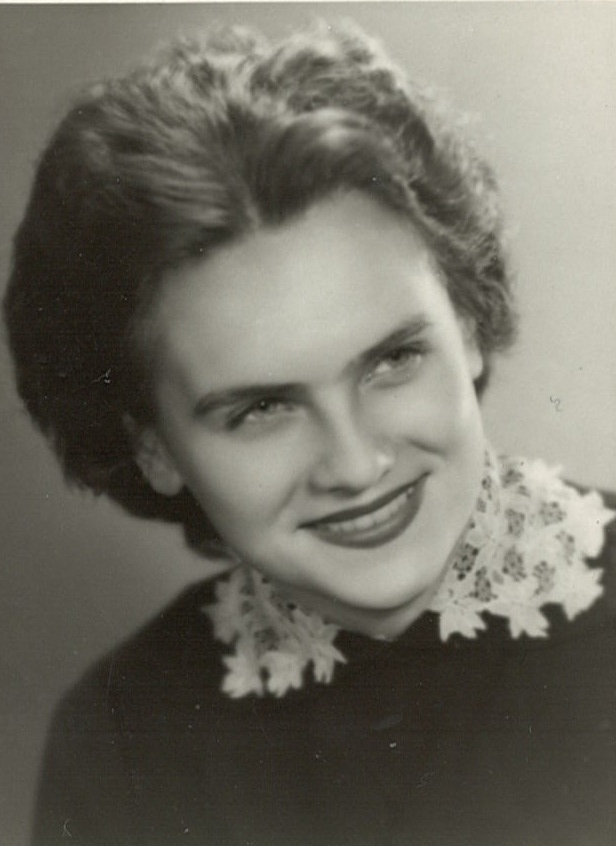
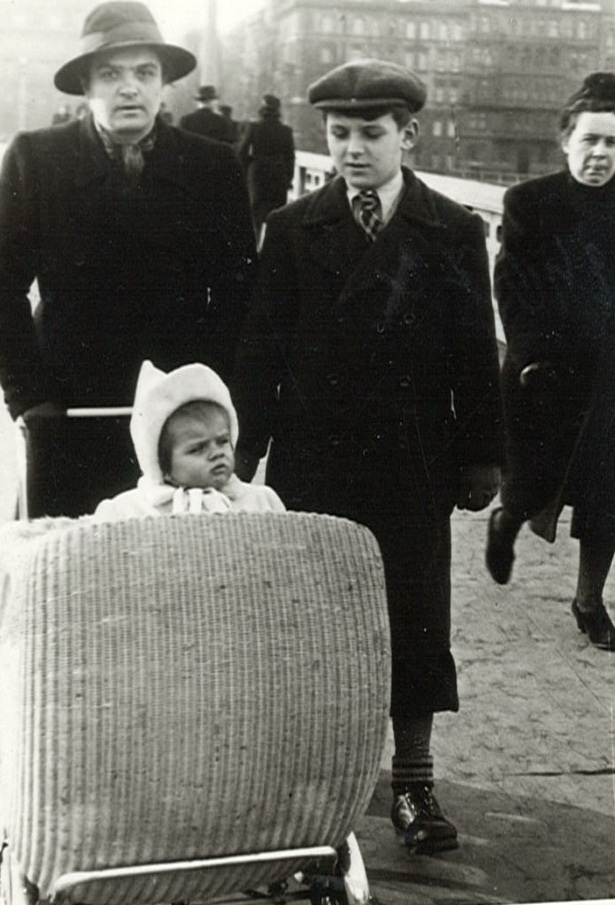
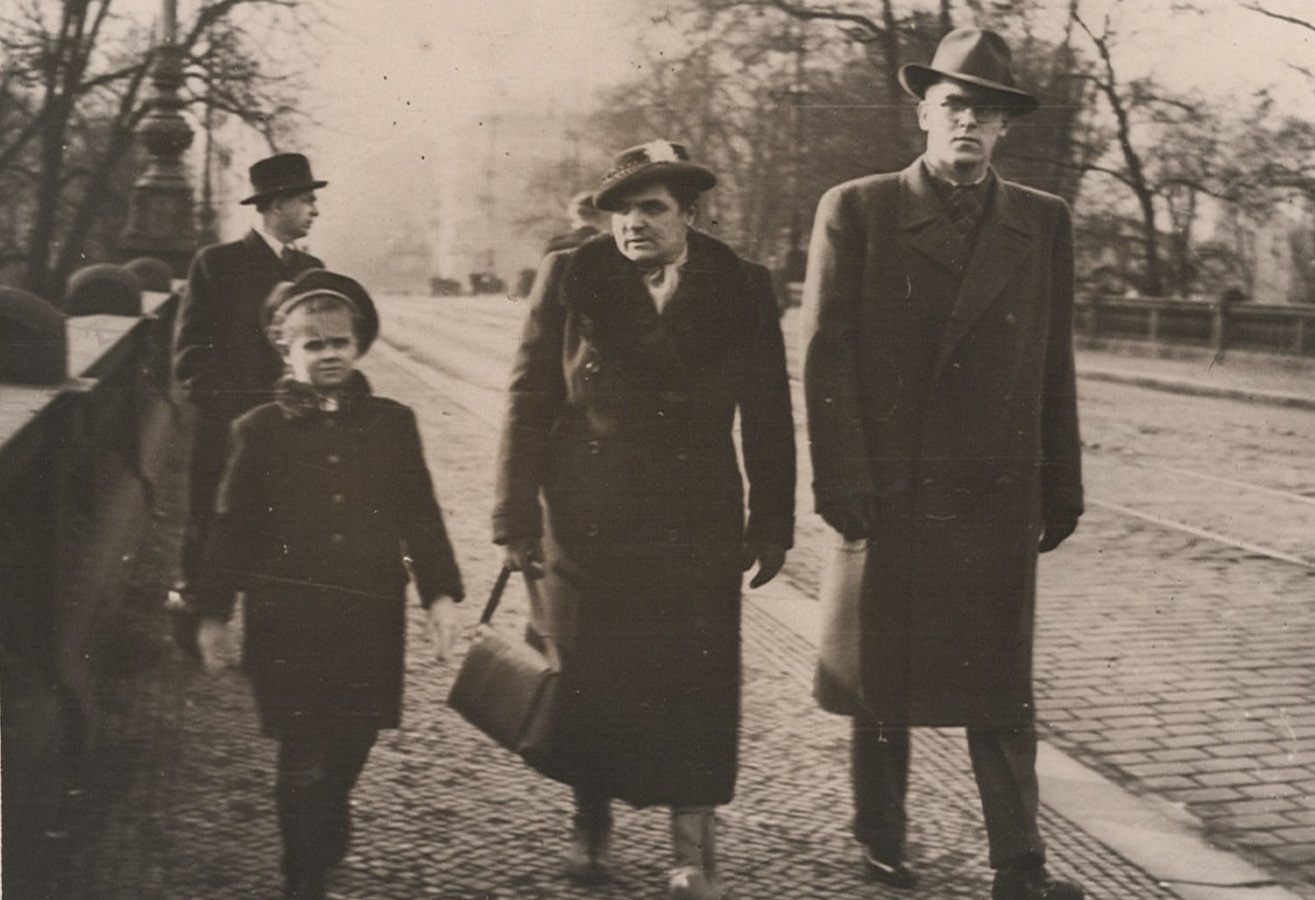
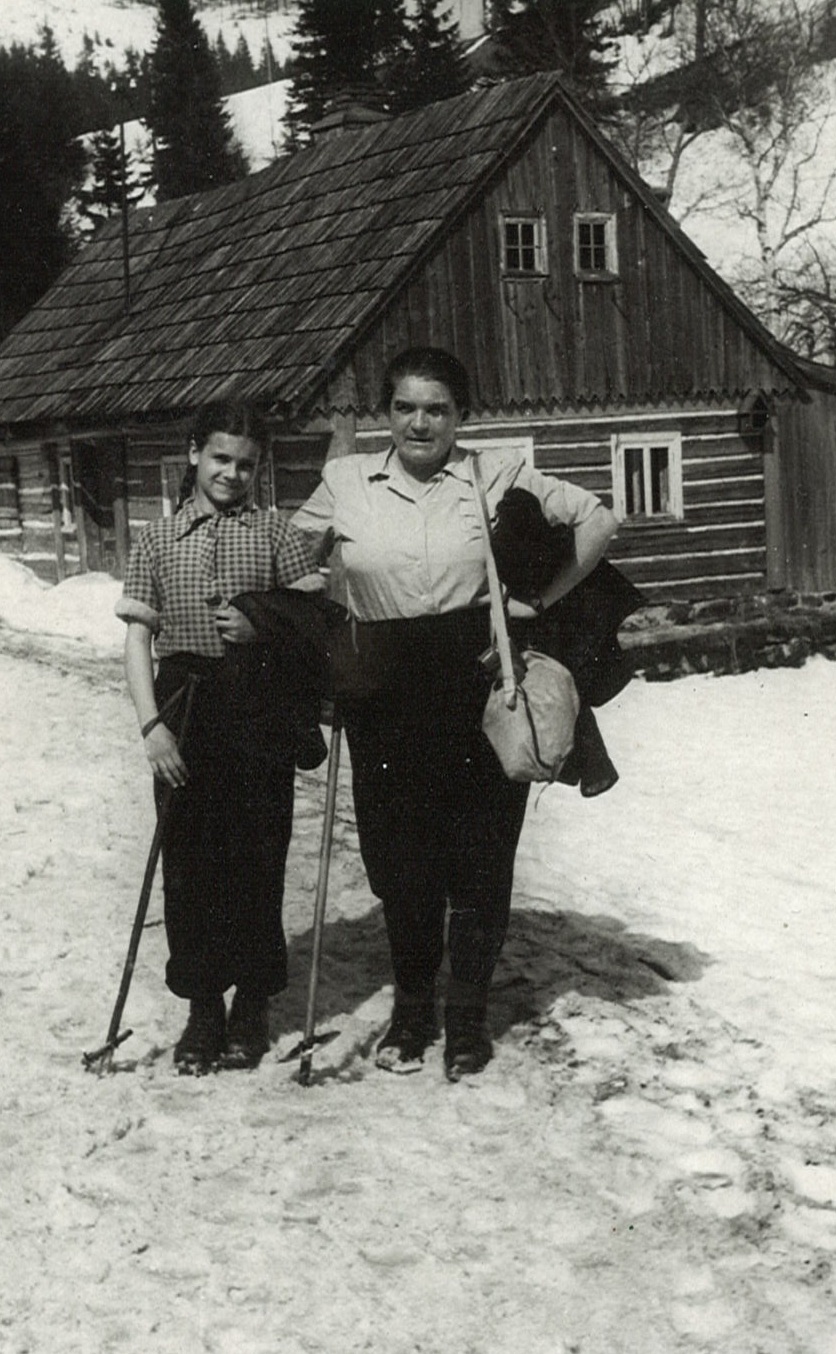
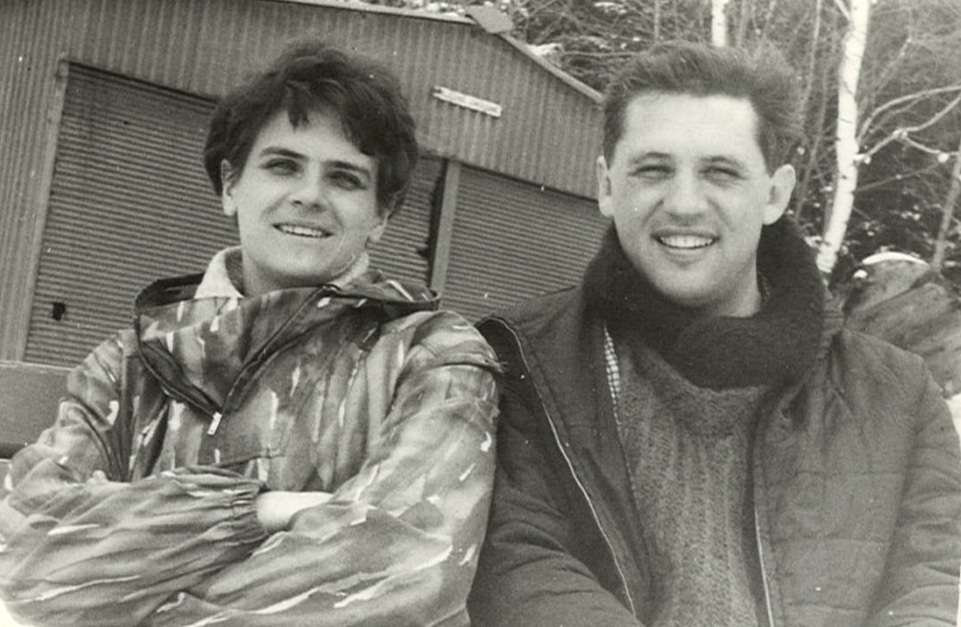
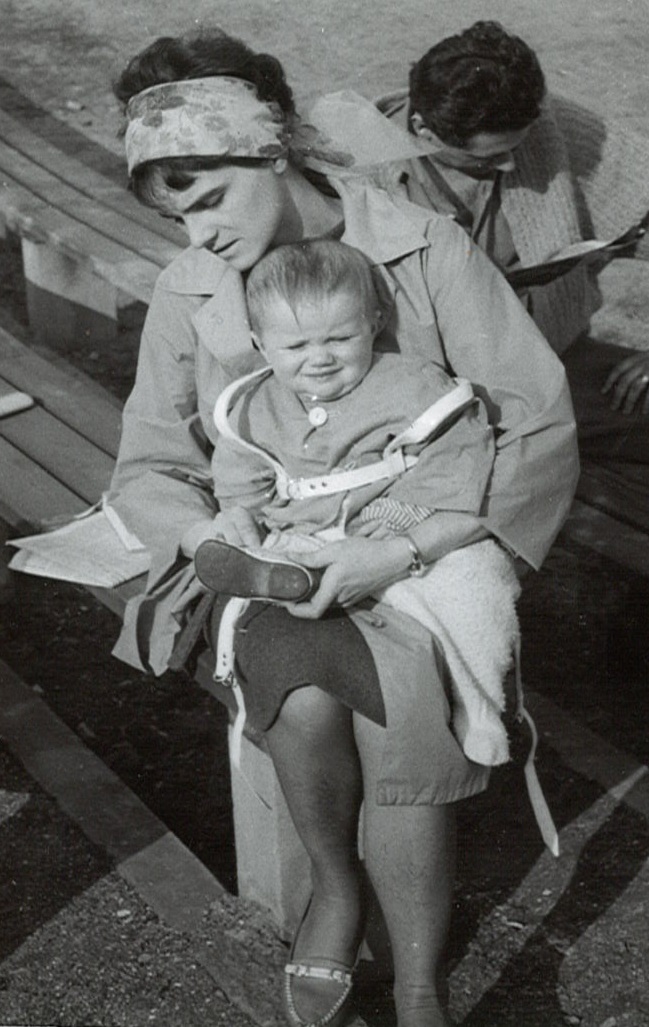
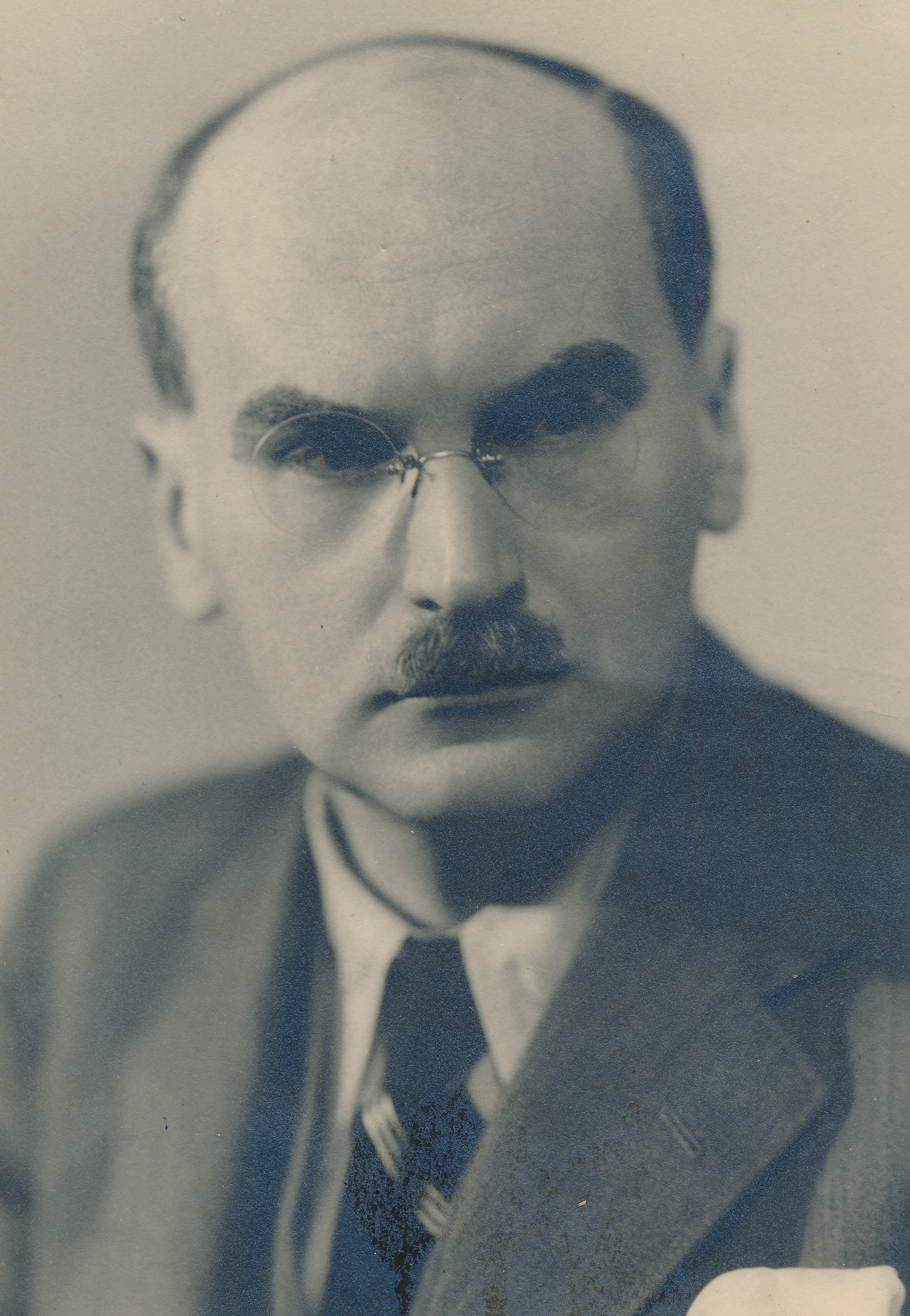
Růžena Hajnová was born on 13 June 1940 into a family of physicians - her father František Vladimír Novák was a co-founder of Czech radiology th Bulovka Hospital, her mother Růžena left the field of radiology and worked as a dermatovenerologist. Her father František died of unprotected work with radioactive elements when Růžena was three months old. Her mother was left alone to care for the newborn Růžena and her ten-year-old brother against the backdrop of the ongoing Second World War. The family agreement was that whoever survived the war would take care of the children. After a moment of euphoria in the post-war period, hard times came after the February 1948 coup - in 1949 the family‘s farm in the Pilsen region was nationalised, and in 1952 the mother and children were expelled from Prague overnight as an undesirable bourgeois element. According to the authorities, a doctor with a long term practice was supposed to go to work in the forest on the Czech-Polish border. Fortunately, her colleagues stood up for her, and the mother and her children moved to Karlovy Vary, where she was given the task of bringing the raging epidemic of venereal disease under control. Růžena graduated from elementary school and high school there, and thanks to the help of her class teacher and a somewhat unclear assessment report, she was accepted to the medical faculty of the Charles University despite her bourgeois origins. She married in 1961 and had sons in 1962, 1965 and 1971. In addition to general medicine, she studied psychiatry and sexology. Together with her colleague Dagmar Bártová, she created sexological care for Moravia, laid the foundations of the system of protective custody treatment of sex offenders in the then Czechoslovakia, and after the 1989 revolution built up the system of work with sex offenders in the Kuřim prison. In 2025 she lived in Prague and continued to work in the field of sexology.
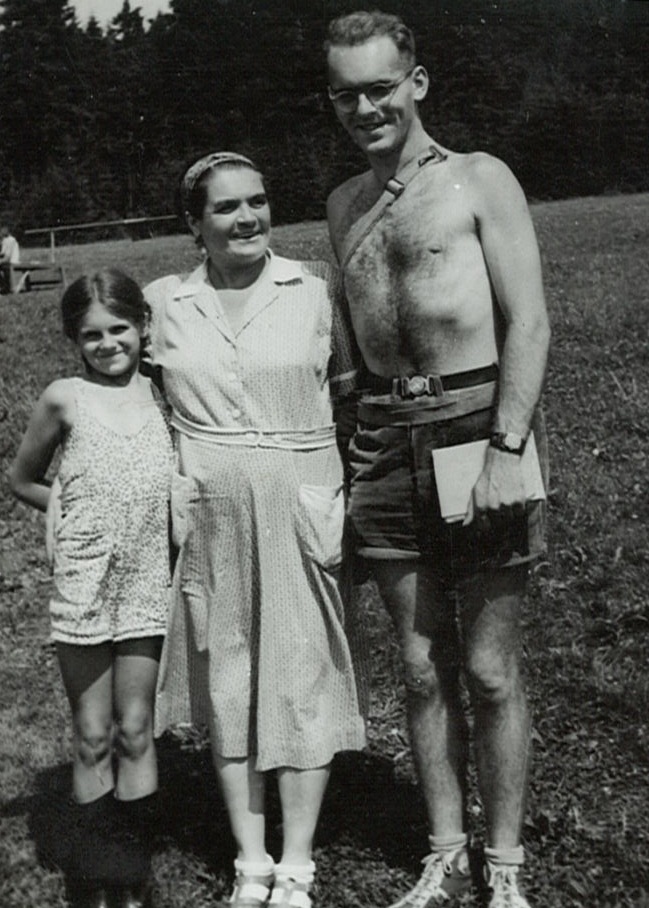
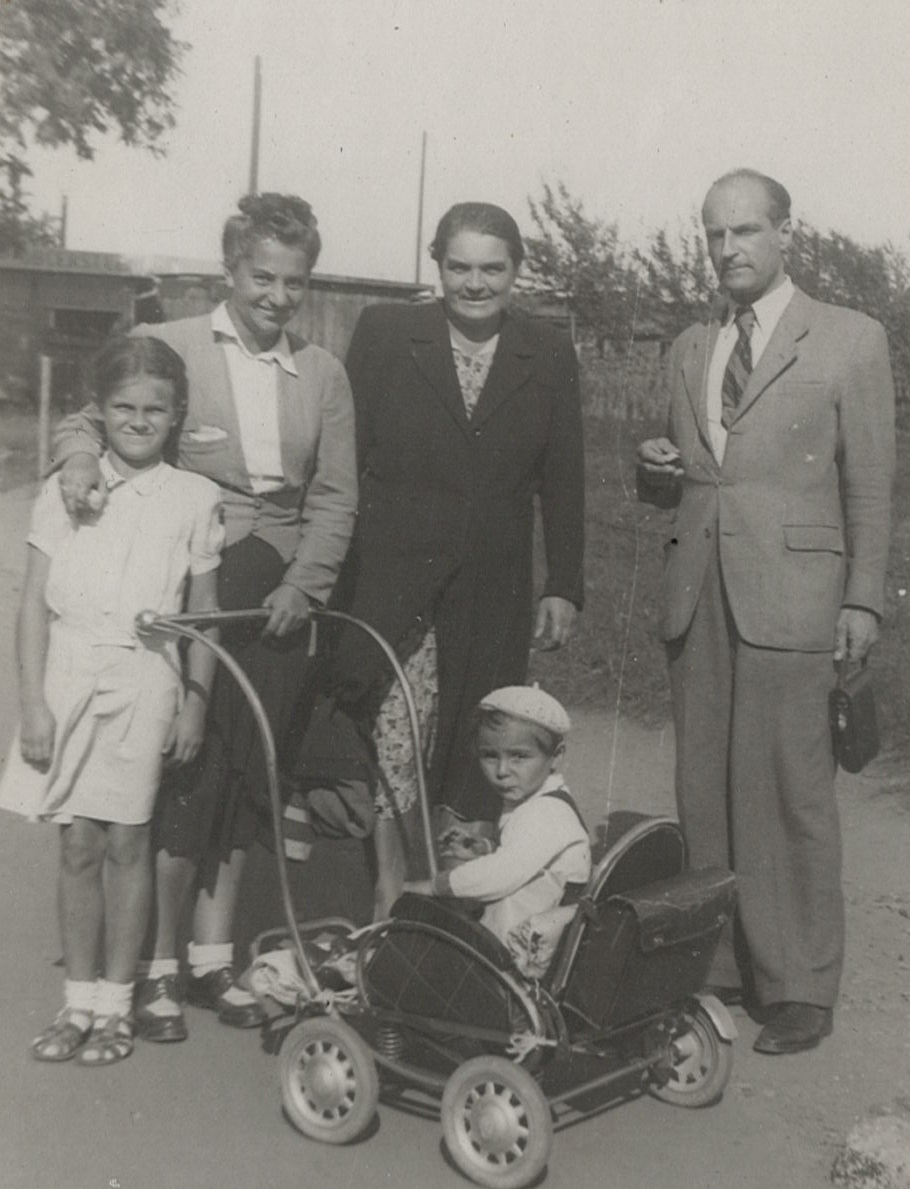
From the left: Růžena Hajnová, her aunt Jirka Košťálková, her mother Růžena, her uncle Jaroslav Košťálek - a week before his arrest on the basis of false accusation by the party official, later sentenced without evidence to the uranium mines, his son, Růžena Hajnová's cousin Jaroslav Košt'álek Jr.
From the left: Růžena Hajnová, her aunt Jirka Košťálková, her mother Růžena, her uncle Jaroslav Košťálek - a week before his arrest on the basis of false accusation by the party official, later sentenced without evidence to the uranium mines, his son, Růžena Hajnová's cousin Jaroslav Košt'álek Jr.
Hrdinové 20. století odcházejí. Nesmíme zapomenout. Dokumentujeme a vyprávíme jejich příběhy. Záleží vám na odkazu minulých generací, na občanských postojích, demokracii a vzdělávání? Pomozte nám!