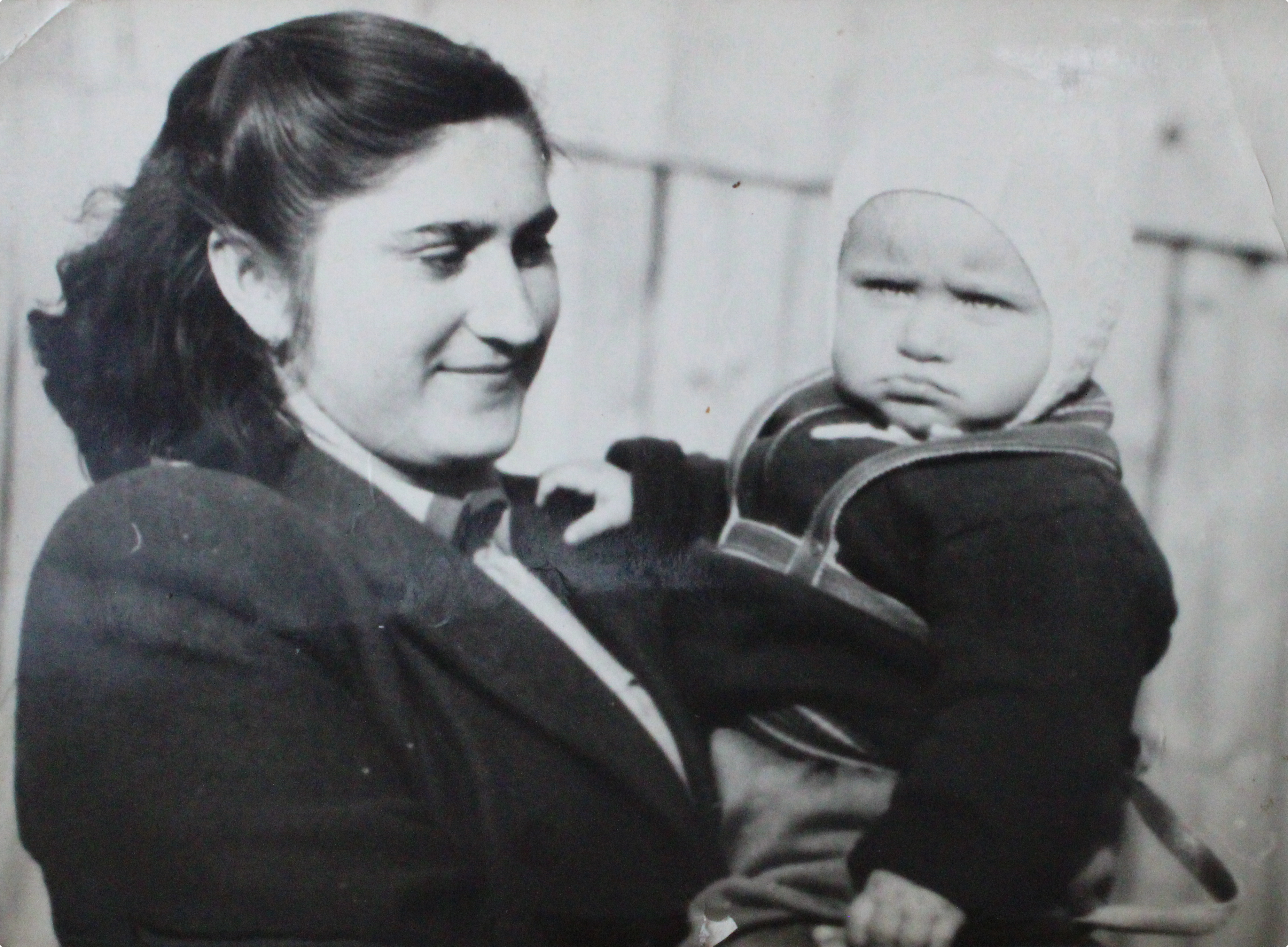
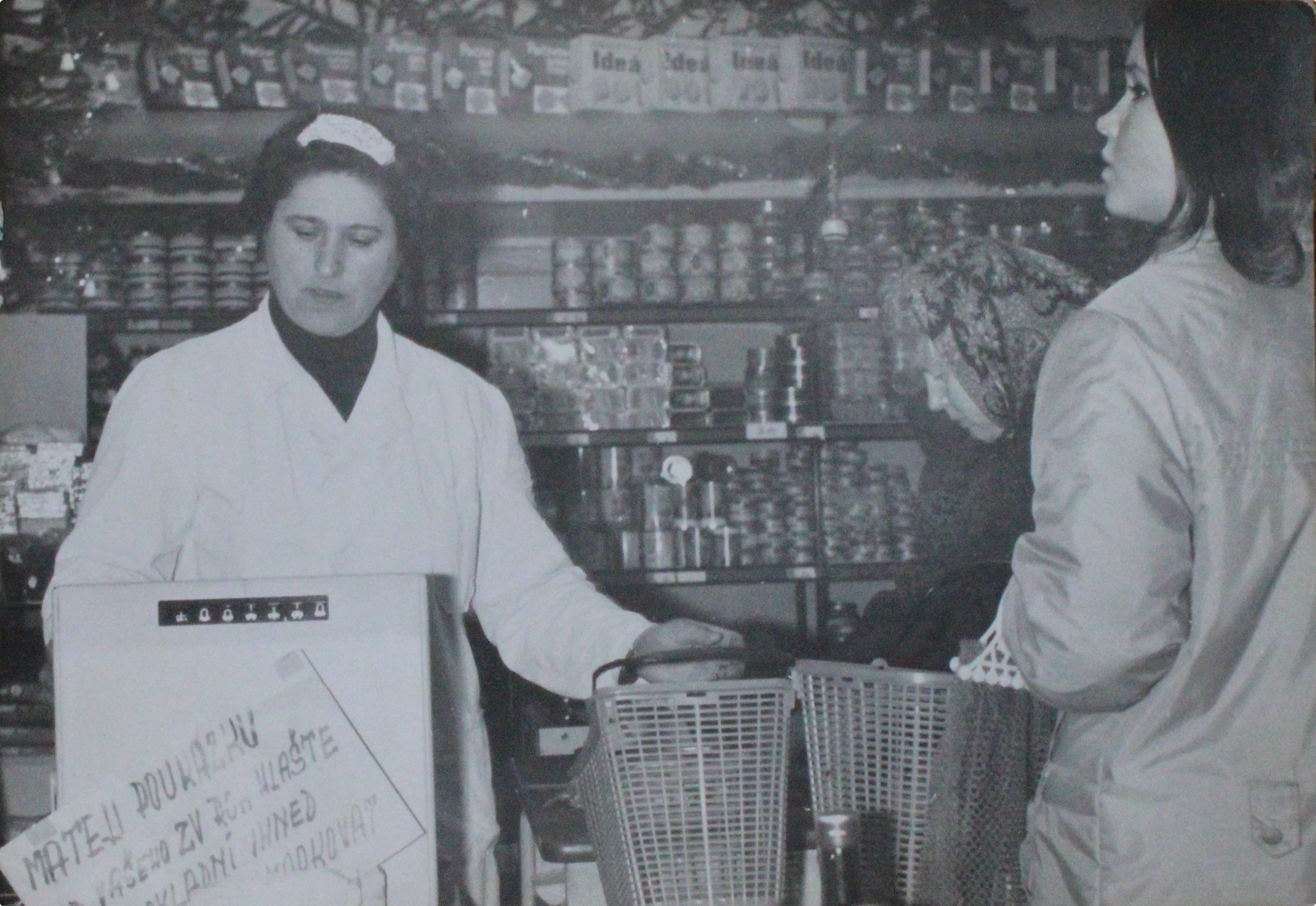
Růžena Dlabalová

* 1932

  • "I was eleven or twelve years old when it exploded in Semovice. And I remember - only my mother - they were threshing at the Marušák's threshing machine, threshing grain. And I was at the window - at the table - doing... I was grating potatoes for dumplings. And suddenly there was a bang, glass started falling out of the windows, doors all open, windows open - Semovice exploded! And it was - they said the windows were broken even in the hospital in Benešov, what a pressure. Because the whole Semovice, all the cottages were loaded with ammunition. It was in these crates, and it was in every one of those cottages, just all over Semovice. And when it exploded, I was watching what was happening, there was a dusting of snow - so there was red snow."

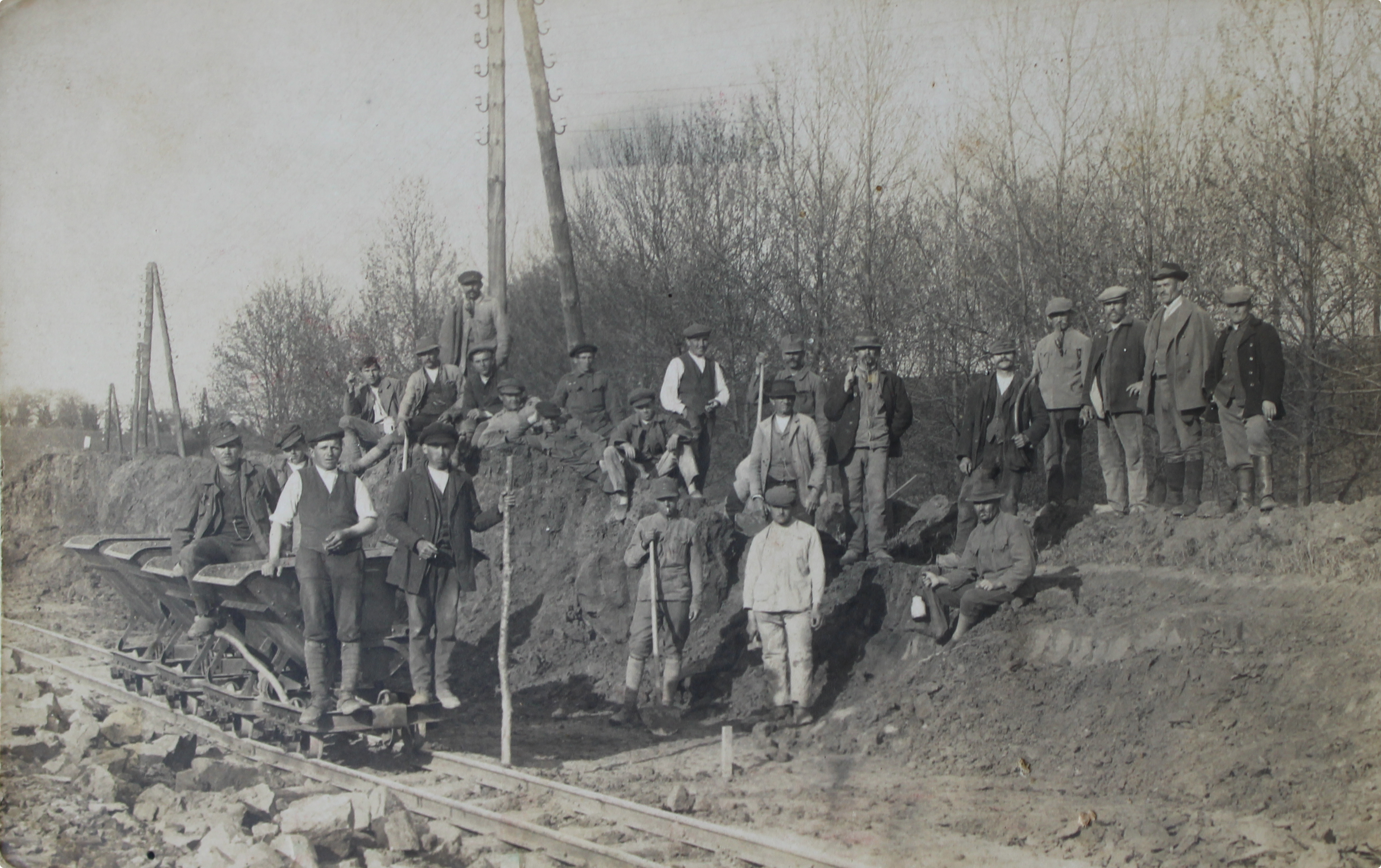
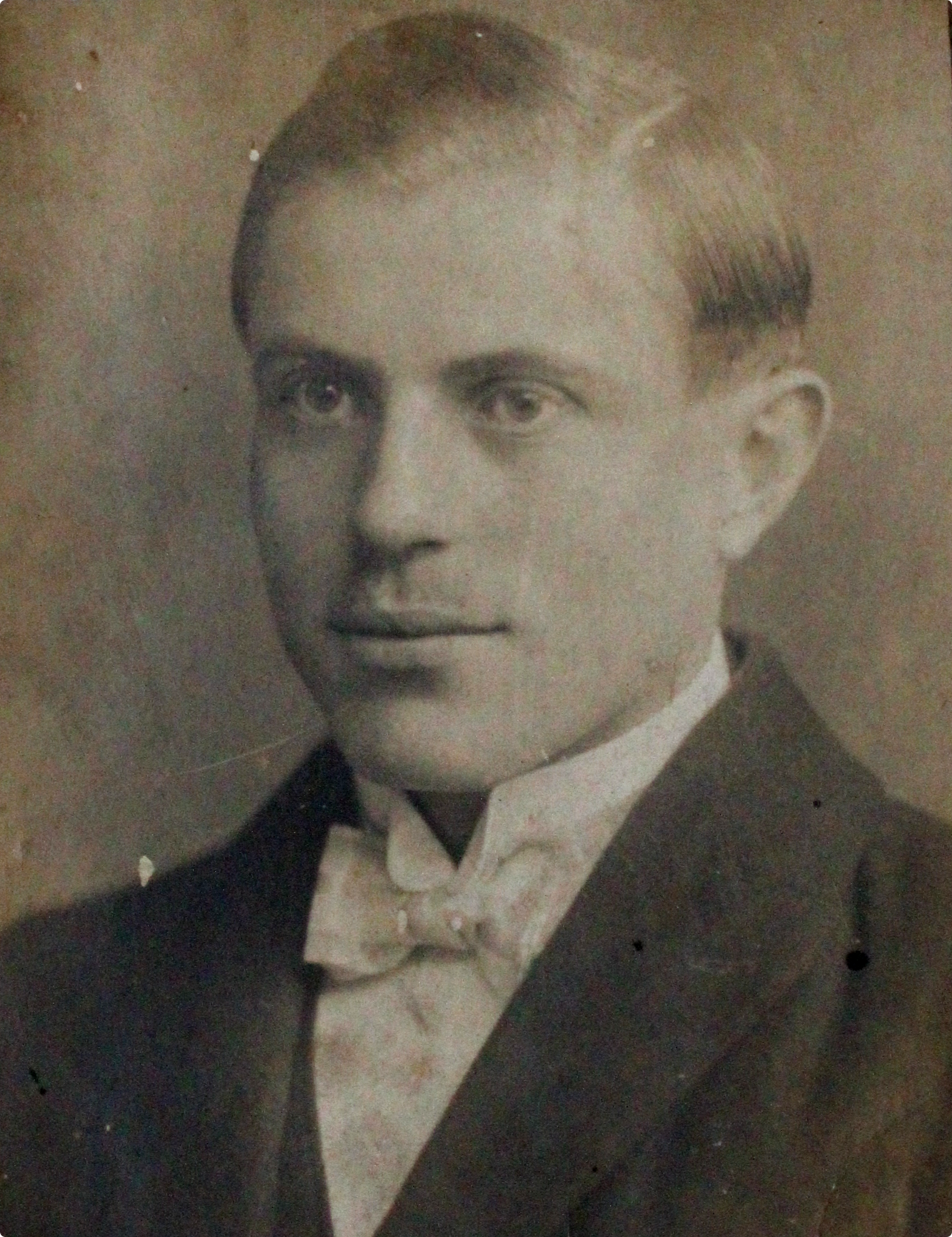
  • "My sister's name was Marie and my brother's name was František. When he was born, my grandmother said, 'If you don't name him František, I won't cradle him.' And then—she was really fond of František—the boys were fifteen or sixteen and had to go into the army. They were in the army and František was a miner, he was in the barracks in Benešov - and when he blew the trumpet, you could hear him all the way here, in Jírovice. My grandmother loved him very much and then they had to go to that war and there in Hungary, in Szolnok, they shot him. He was above them on some... he was in a tree, on guard, and somebody shot him down. And so he died and she, poor thing, had nothing, they were poor, so she had to have a certificate from the mayor and she went to that Szolnok for his funeral. She went to his funeral and she said that she had to have a certificate from the mayor, as I say, and so she went there by train and she said that some officers, I think it was some of the senior officers, they were the ones that led her. And so there he is buried in Hungary, and there's a plaque on the chapel here, František Brabec."

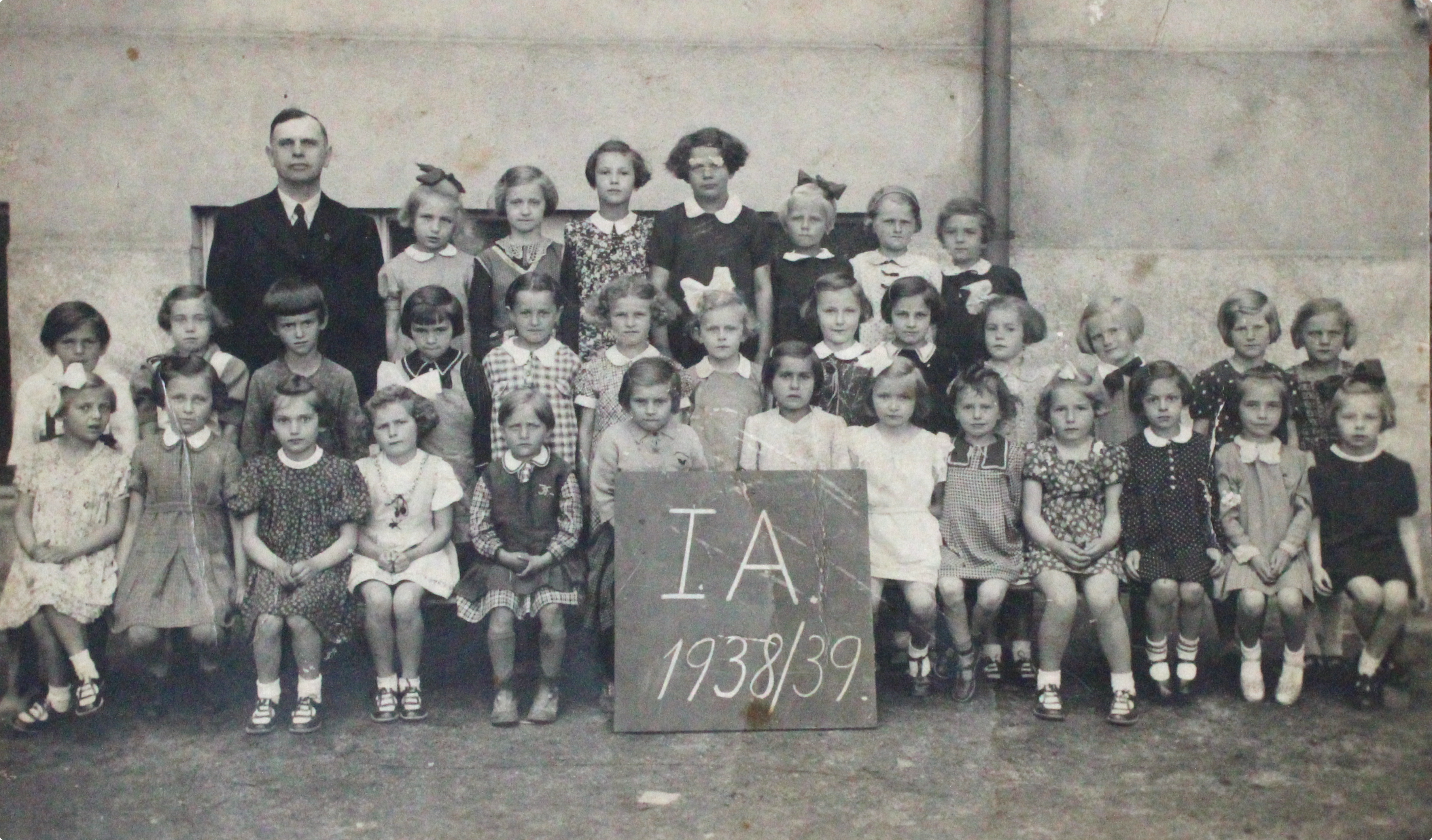
  • "We went to school in 1938 and then the war came. The SS came here in Jírovice, they had a commando at the Chotovinskýs', Ulfik was there and Fromme was there. These were Germans, and we were terribly afraid of them, because if someone took a sheaf from the field or something, they would immediately beat them. Nothing was allowed. We were scared, they went around the houses - how many chickens we had, how many rabbits we had. Everything was hidden as much as possible. It was misery, it was misery. There was no food, there was Sana, Sana instead of butter. Everything was rationed. A kilo of sugar for the whole month. Half a kilo of rice for six months. That was it, even the yeast was on food vouchers. It was a terrible time. We had nothing. There was a baker in Kukačka who baked bread. A three-kilo one. And we, as small farmers, had to use the flour that was milled in Hanzlová. So that's what was given there, we got little vouchers for the three-kilo bread. And we always carried it home, and there was a little lump, and we'd chew it off before we brought it home."

  • Celé nahrávky
  • 1

    Jírovice, 22.07.2025

    (audio)
    délka: 01:14:37
    nahrávka pořízena v rámci projektu Stories of 20th Century
Celé nahrávky jsou k dispozici pouze pro přihlášené uživatele.

The snow has turned red in places
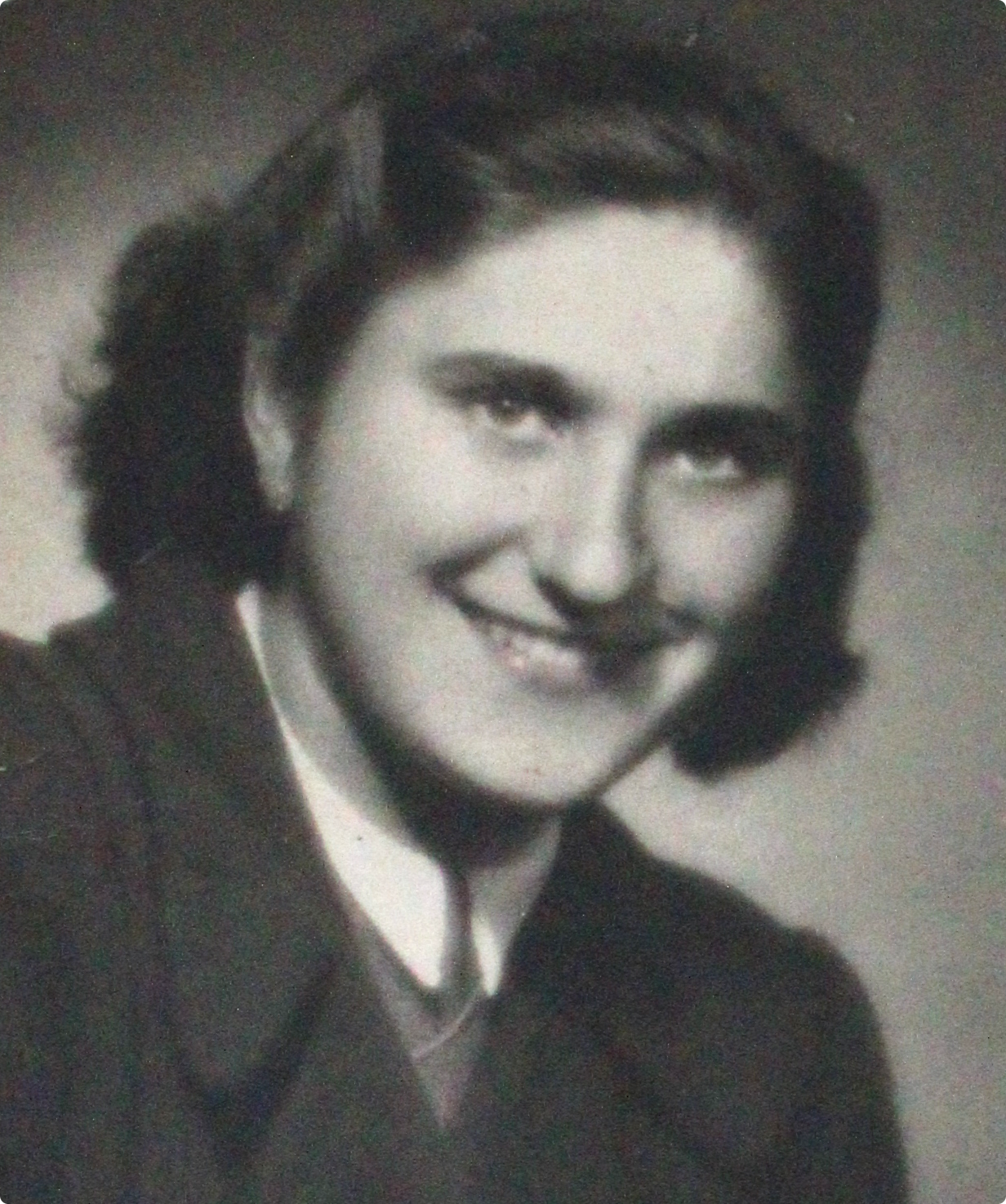
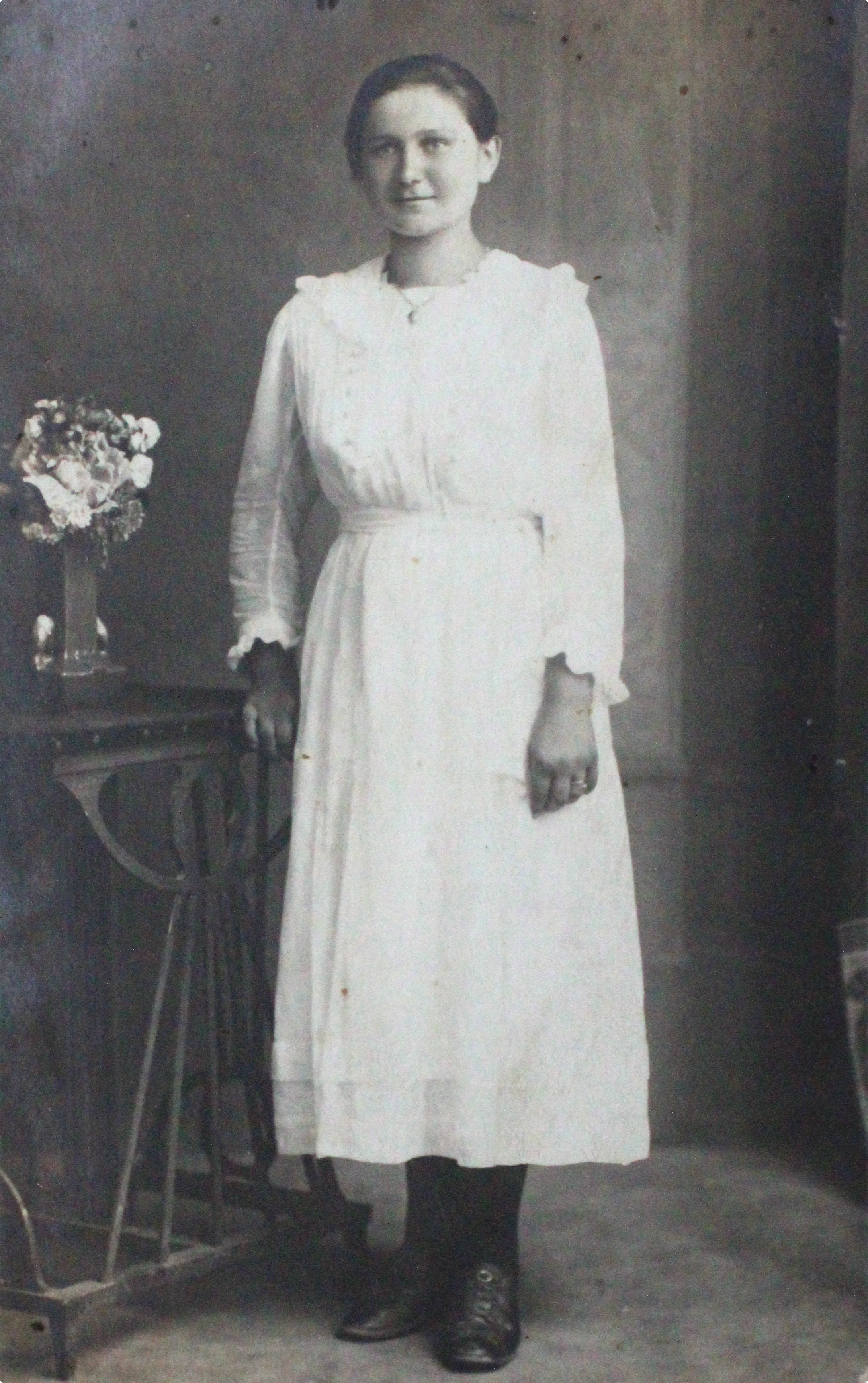
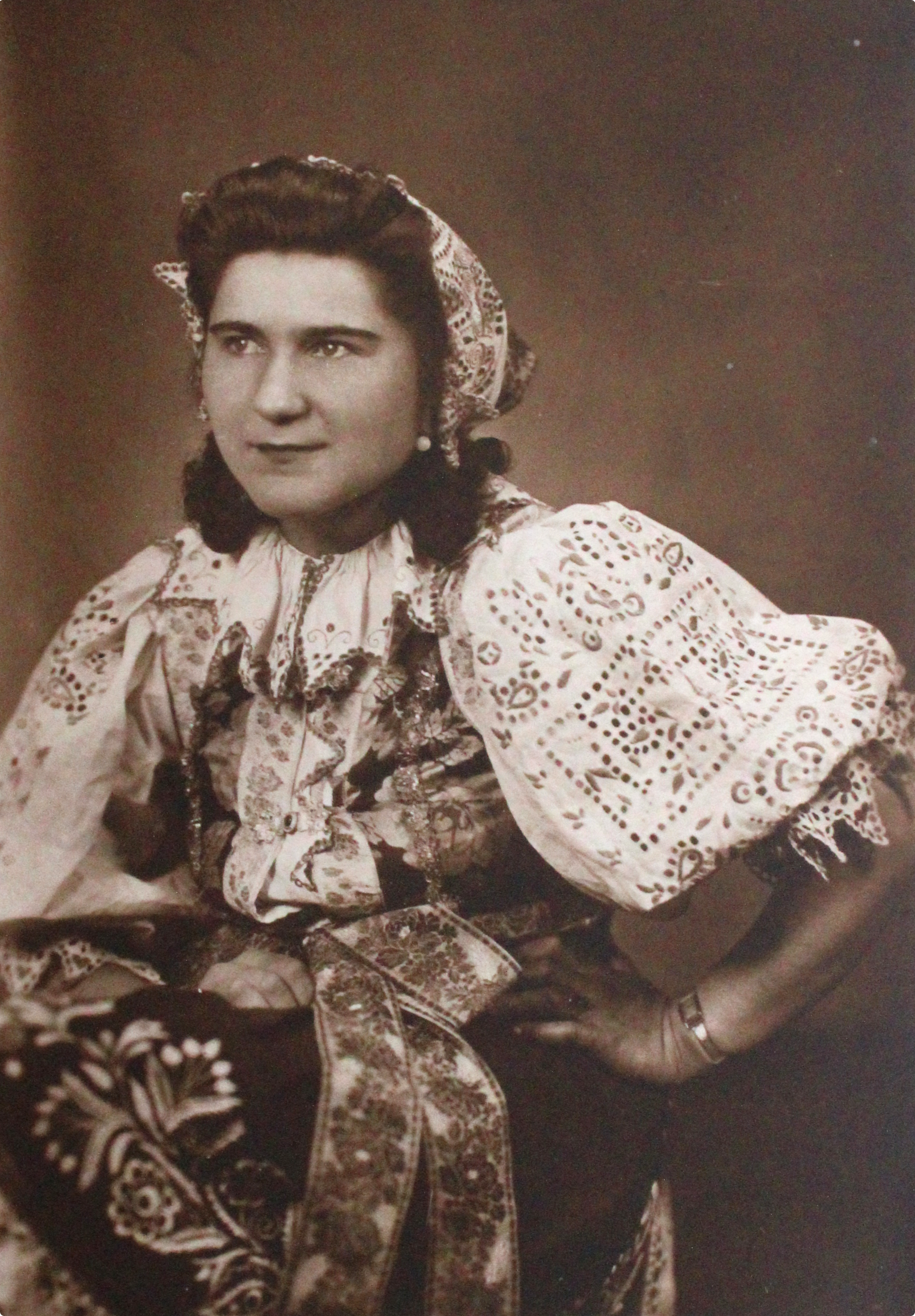
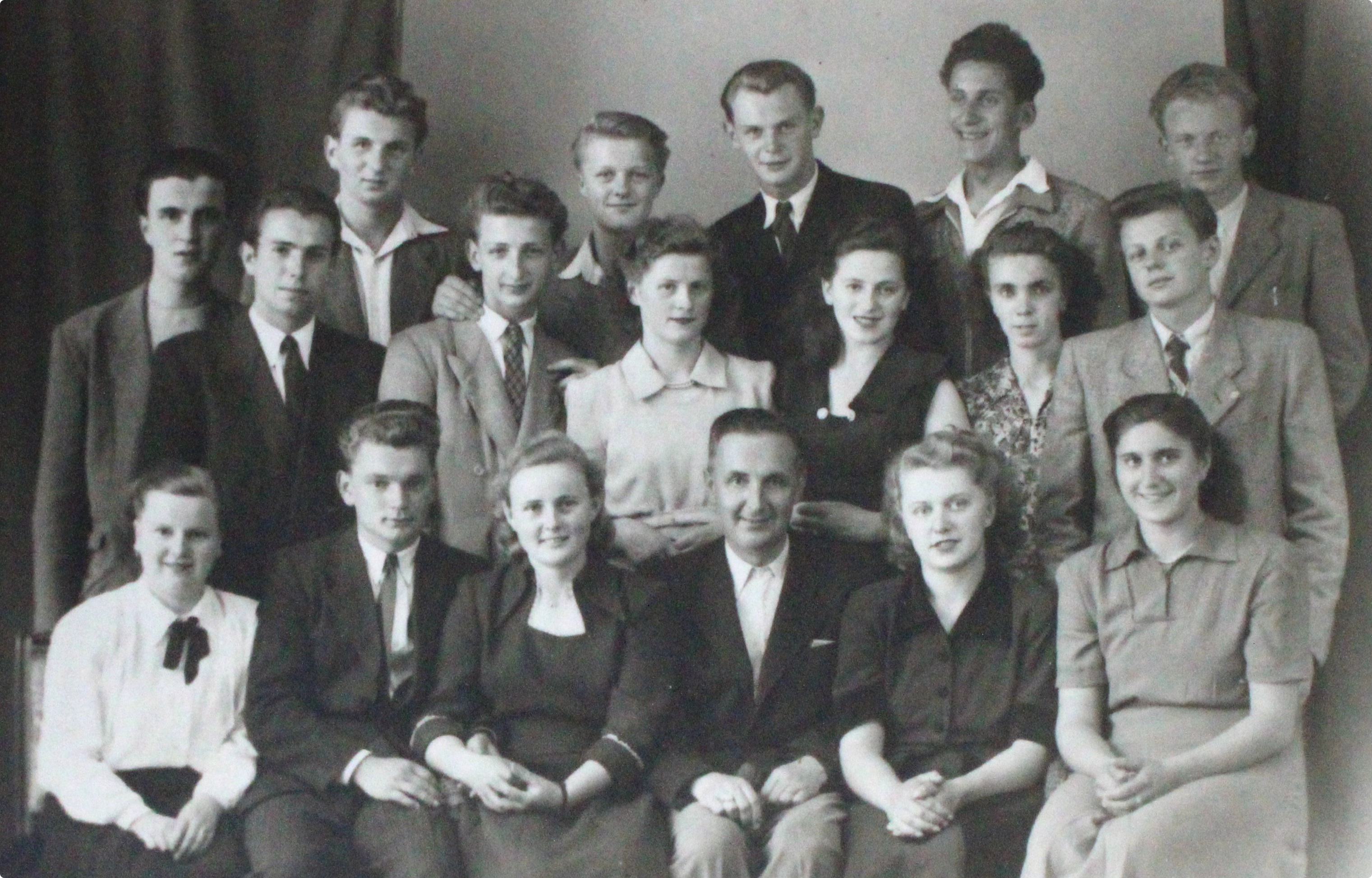
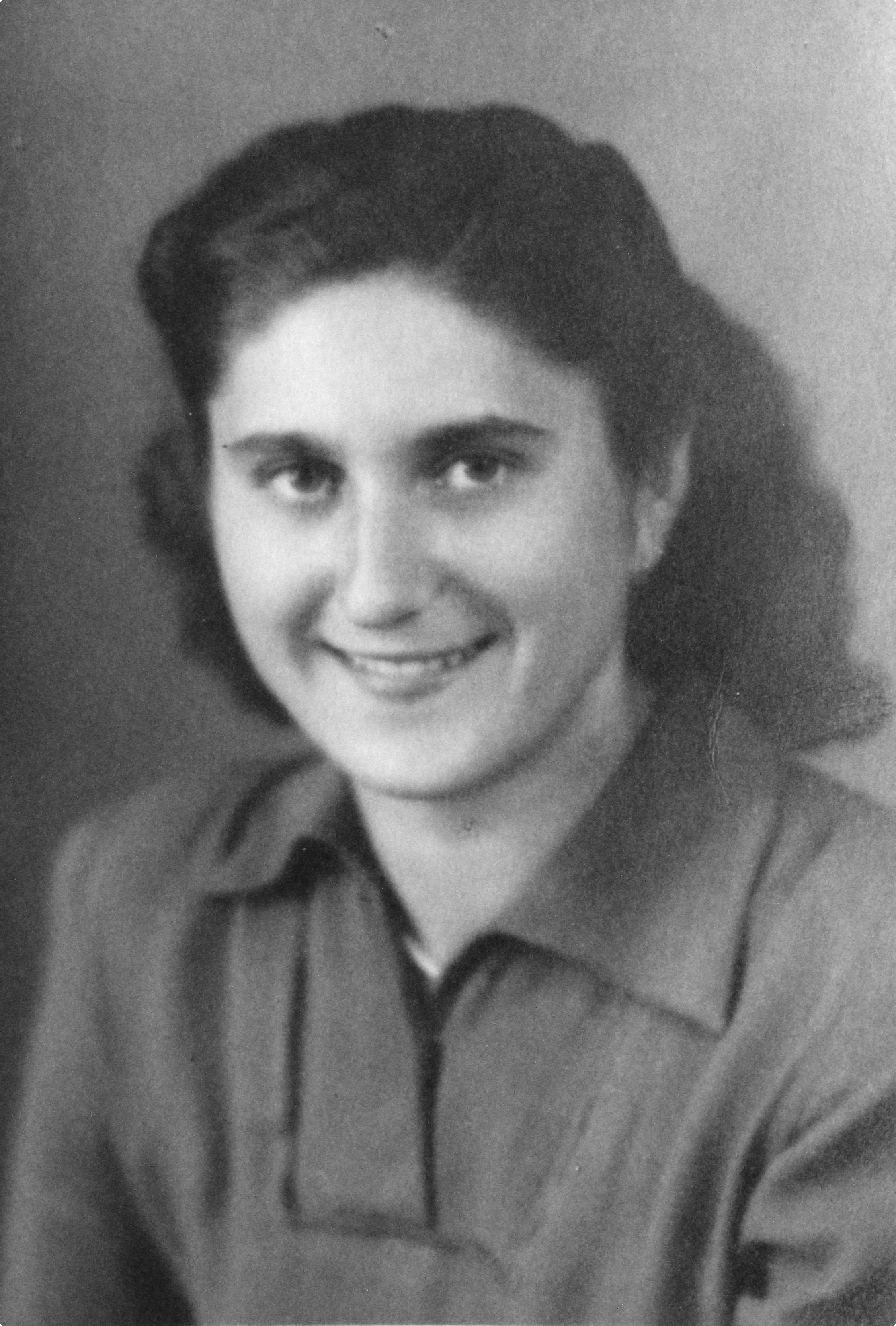
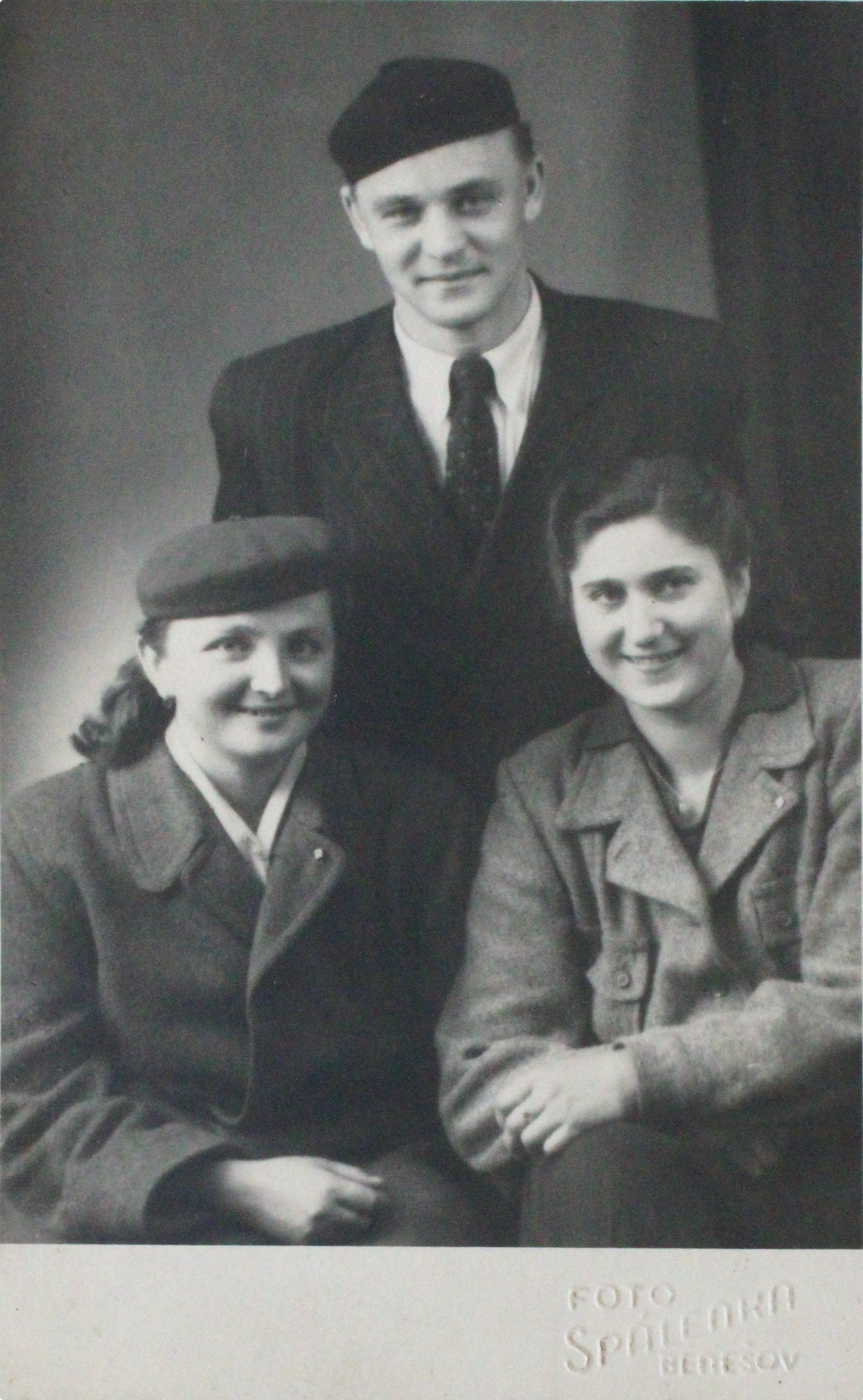
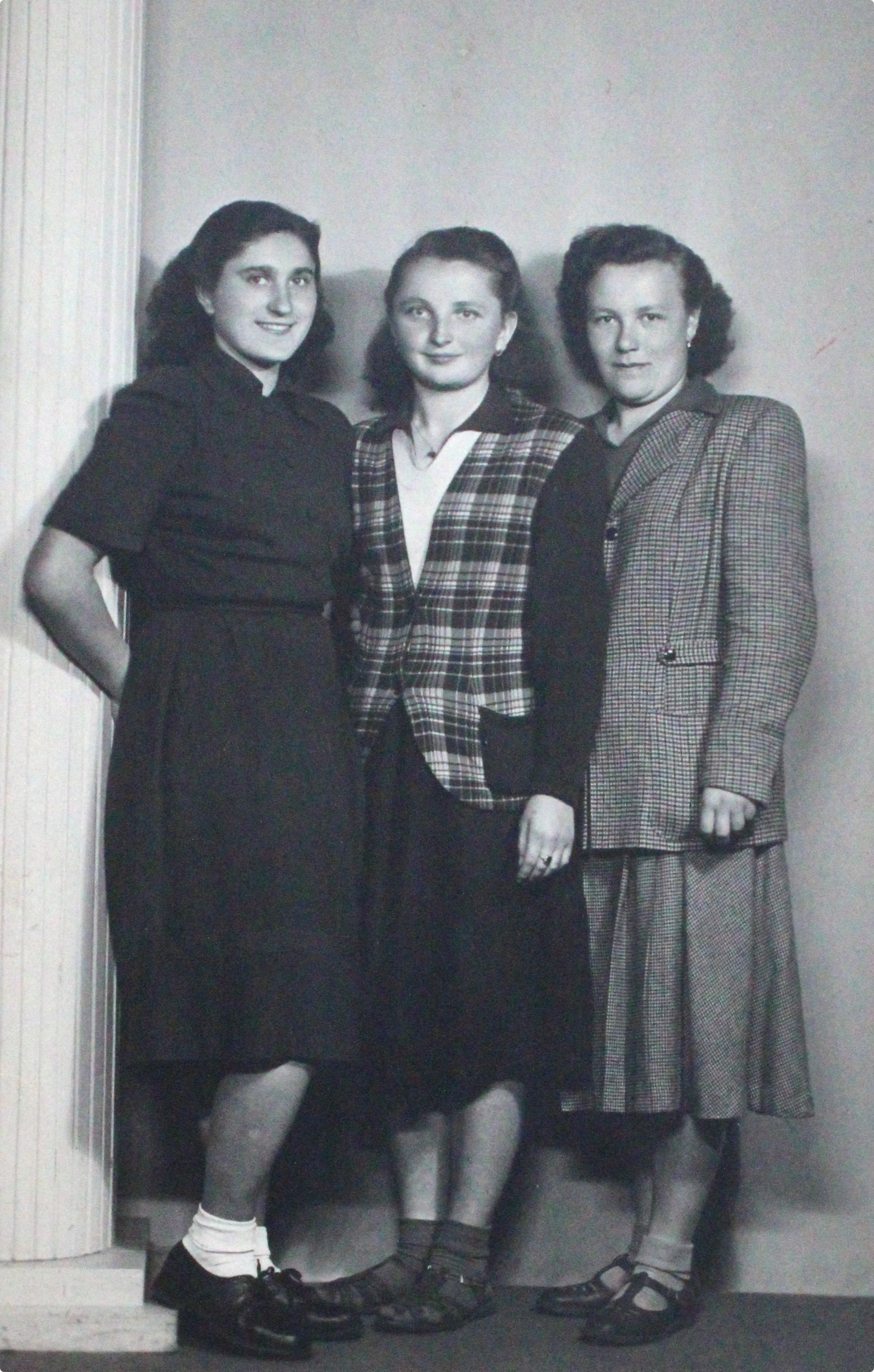
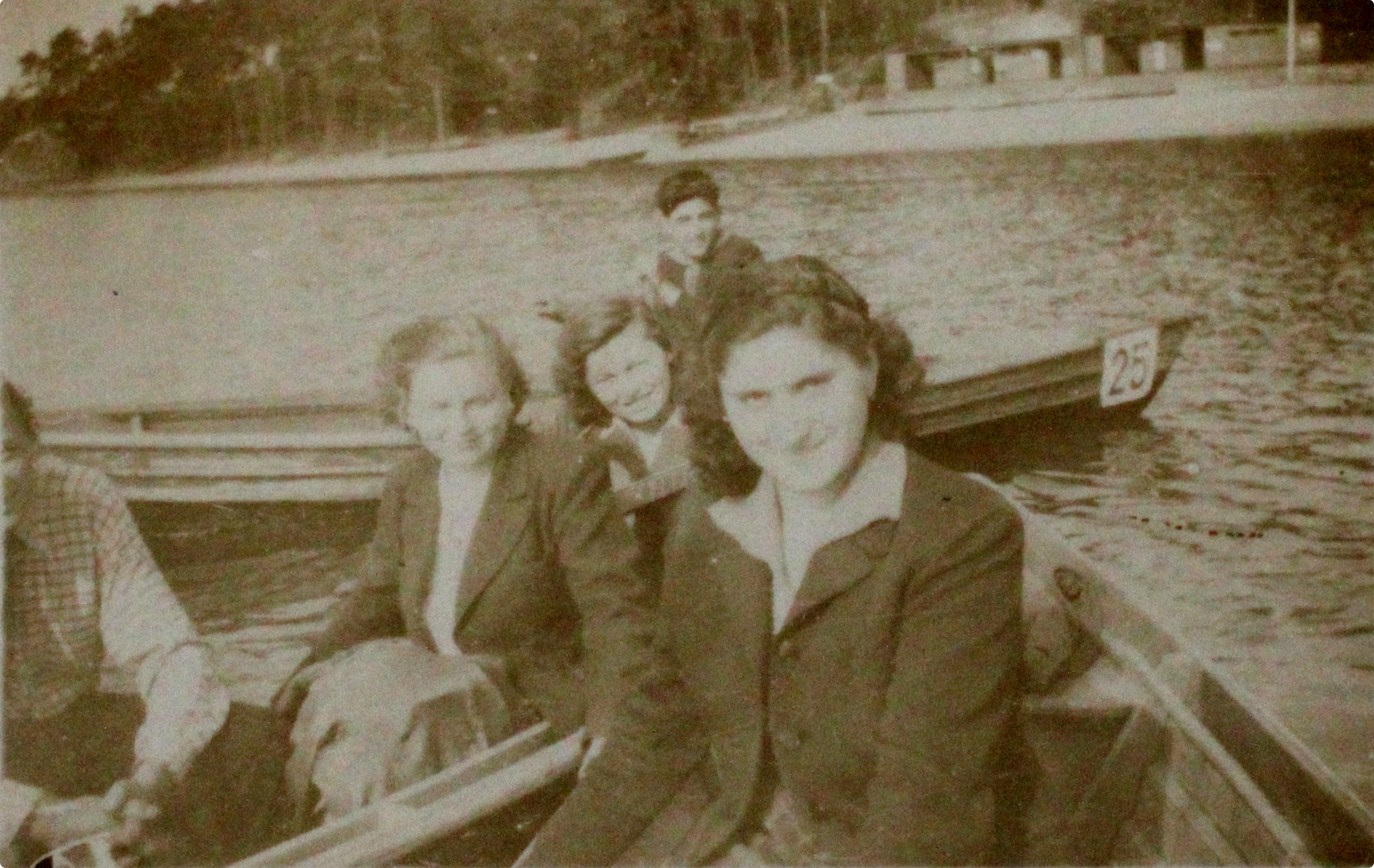
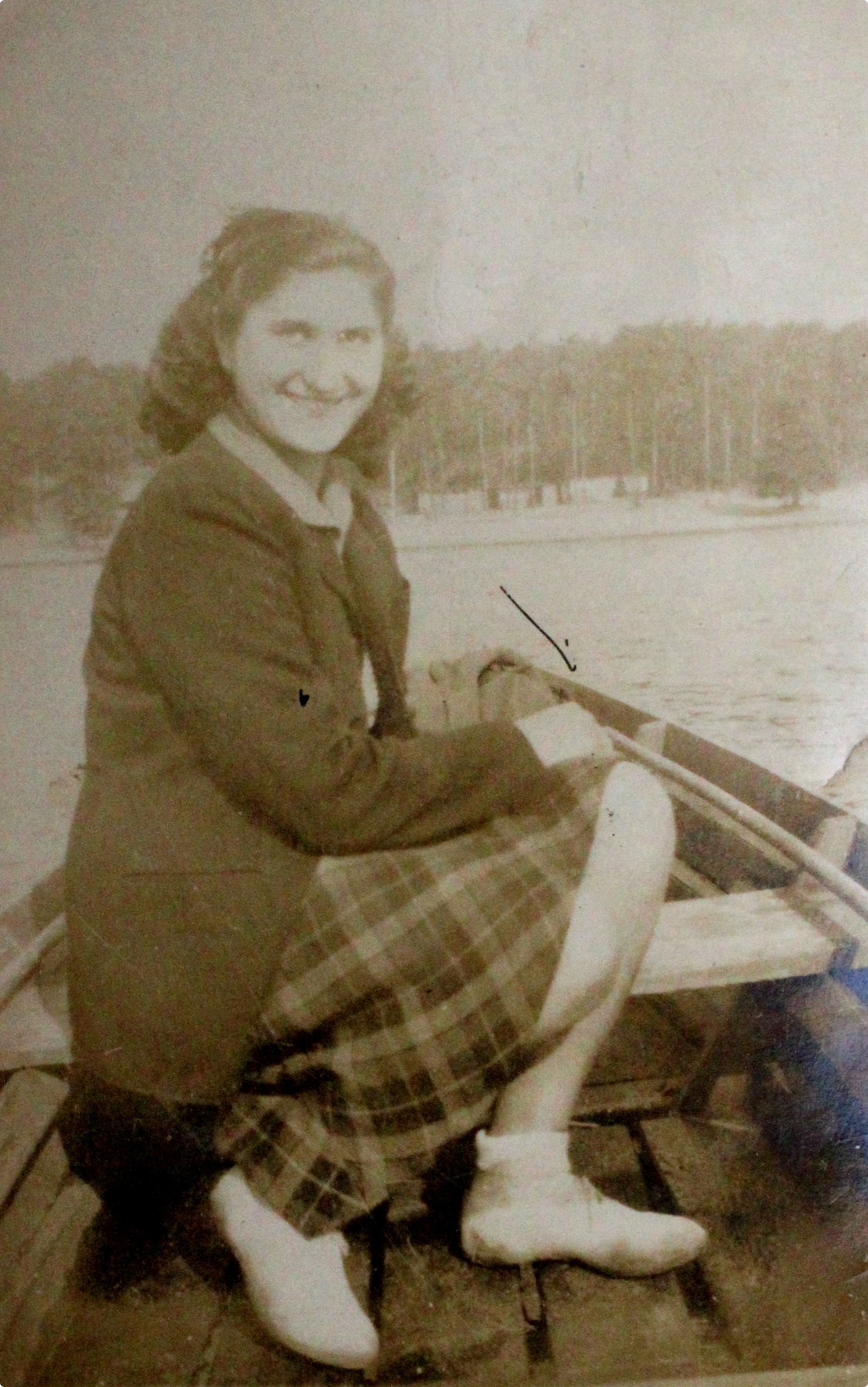
Růžena Dlabalová in the 1950s
zdroj: Witness´s archive

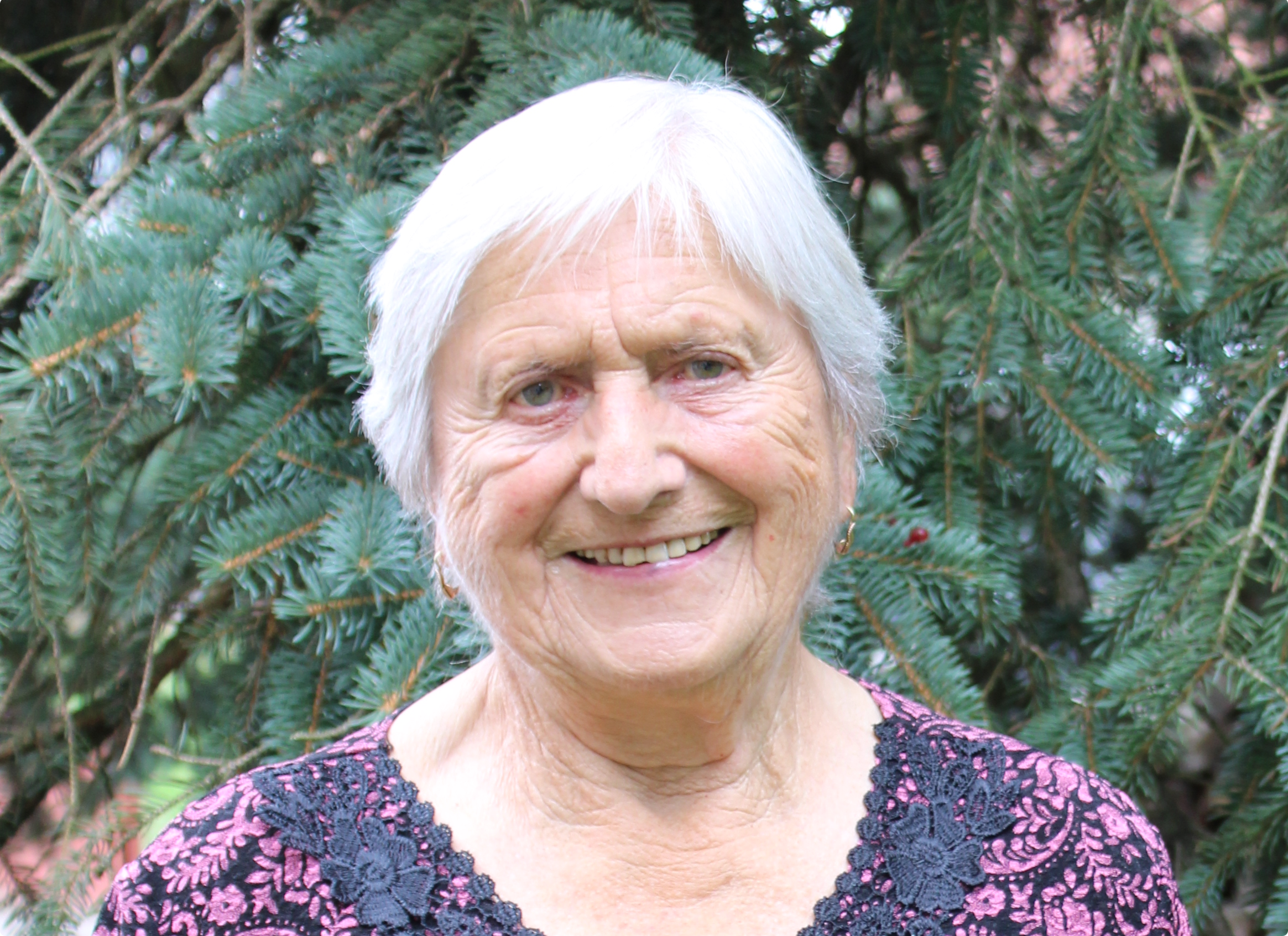
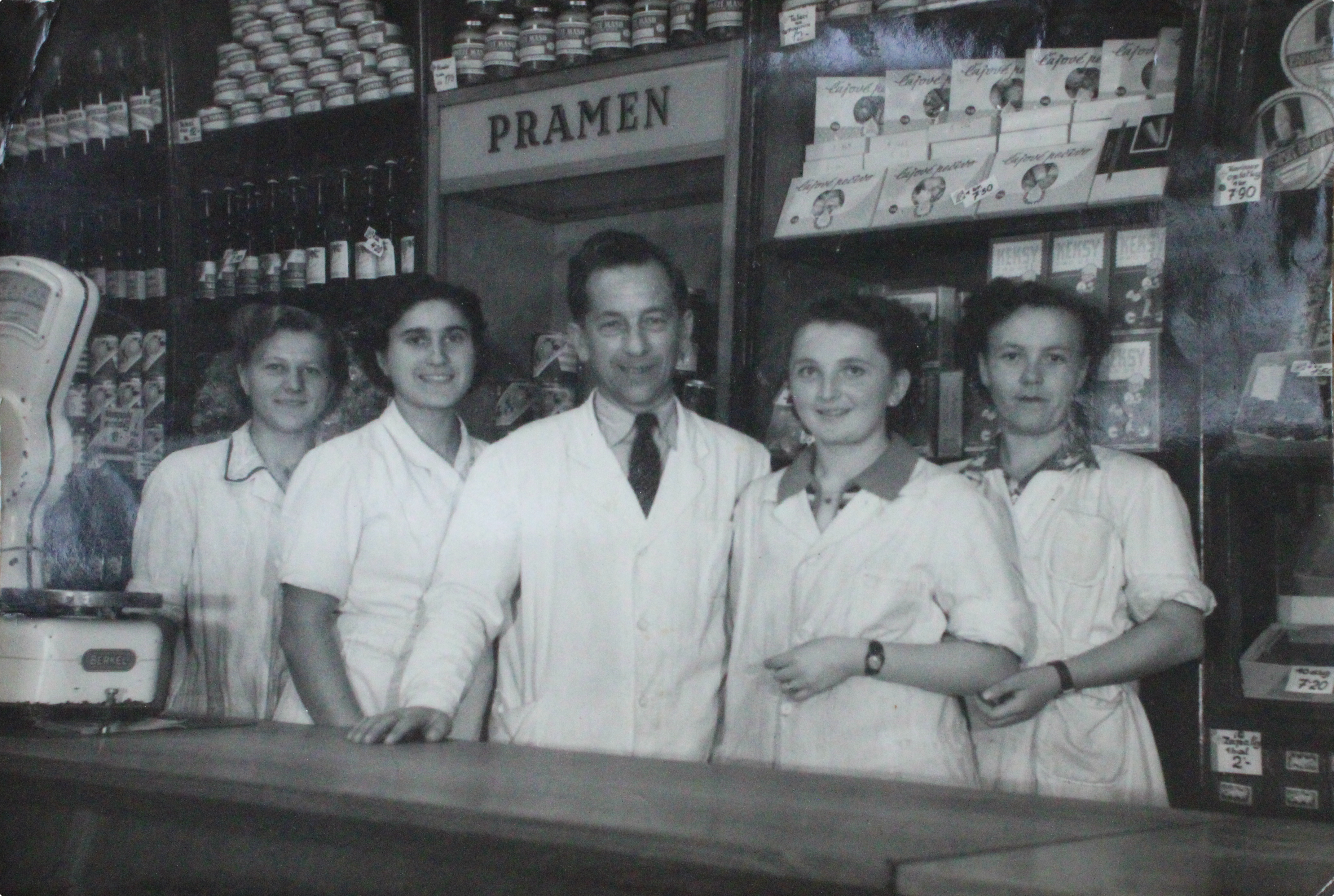
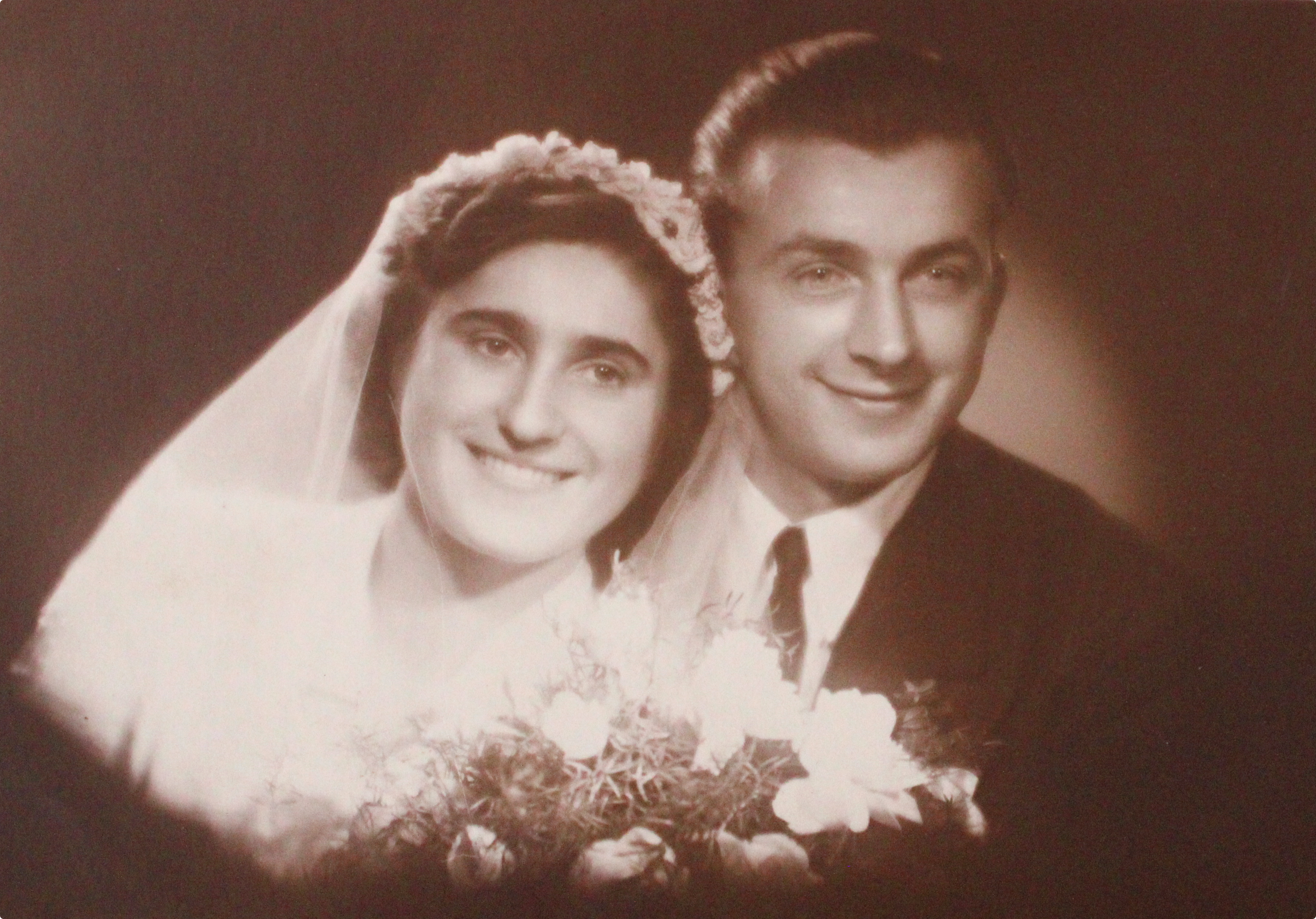
Růžena Dlabalová was born on 10 February 1932 in Jírovice near Benešov. Her parents, Marie and Václav Brabec, were not wealthy, her father worked as a worker in a brickyard and her mother worked for farmers. Her grandmother Františka Brabcová, her father‘s mother, was a municipal messenger. She delivered important documents around the village and little Růžena often accompanied her. During the war, in 1943, eleven-year-old Růžena and her grandmother also visited some of the inhabitants of Jírovice, who had to move out of their homes on the orders of the occupiers. Jírovice fell within the territory of the newly established Waffen SS Benešov training area. She accompanied my grandmother „with her reinforcements“ on her trips to visit the inhabitants of nearby Semovice, from where they were all moving, as the occupiers were setting up an ammunition depot on the site of the village. This depot exploded in 1944. Růžena Dlabalová remembered well the end of the war, the removal of the occupiers and the arrival of the Red Army, whose soldiers took away all the Brabec family‘s valuables. After the war, she trained as a shop assistant and in the early 1950s married Jan Dlabal. In 1954, the Dlabals had a daughter, Jana, and in 1956 a son, Jiří. Růžena Dlabalová moved with her new family to Benešov. With her second husband Antonín Svoboda, however, she returned to Jírovice again, where she lived in 2025.