Nothing is ever completely pure, everybody has some uncle somewhere. That’s why I did not join the antifascists after the war anymore

Stáhnout obrázek
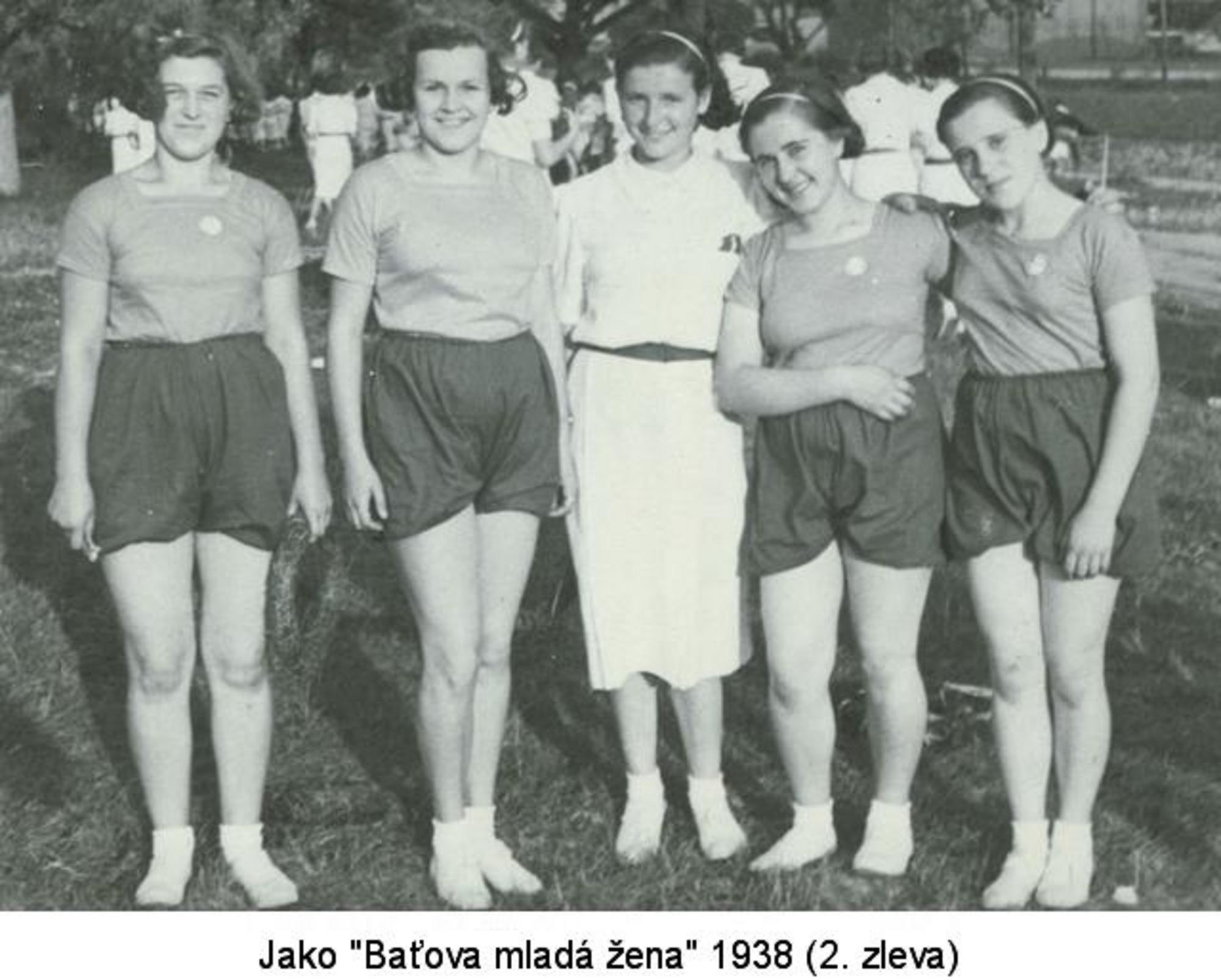
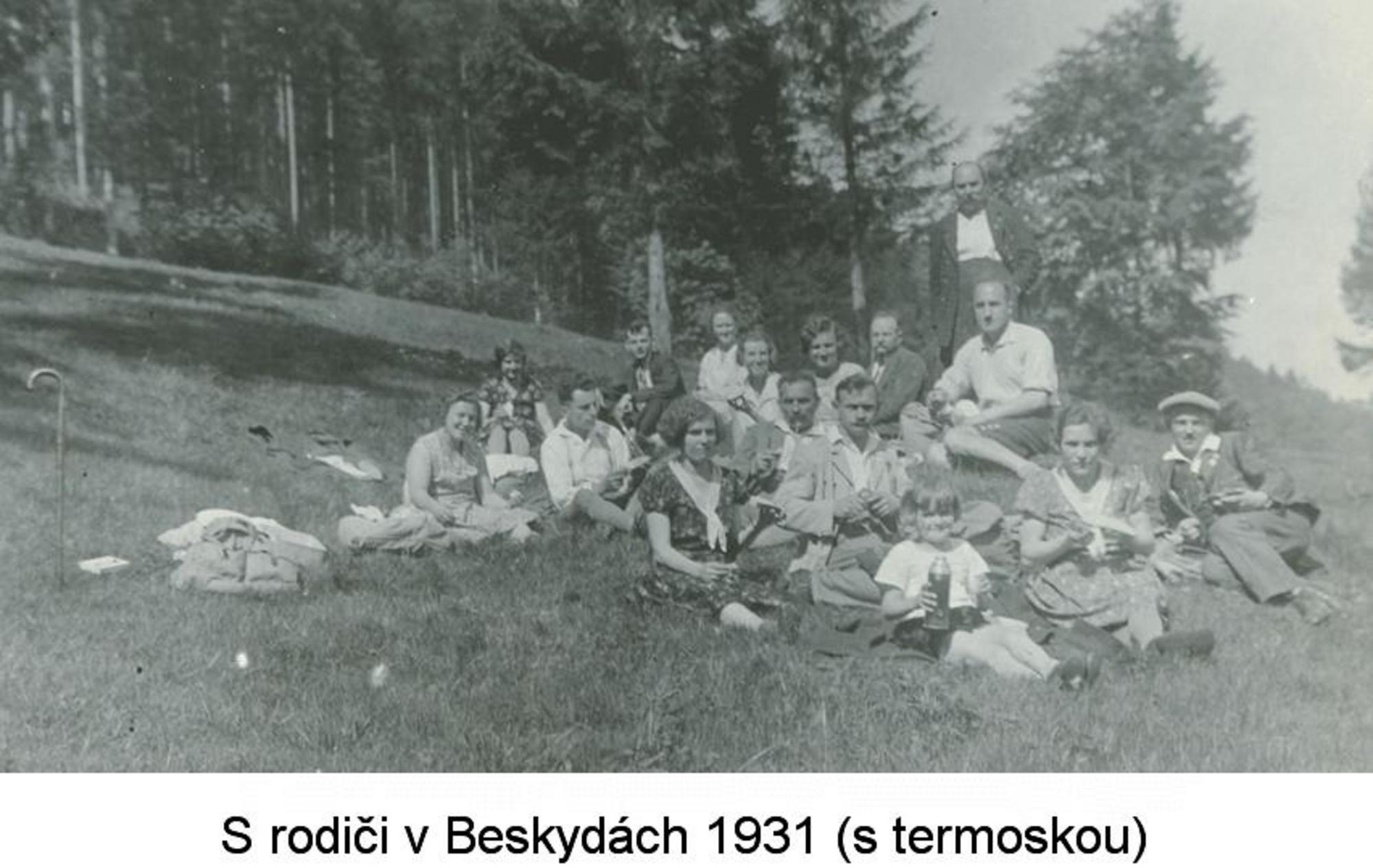
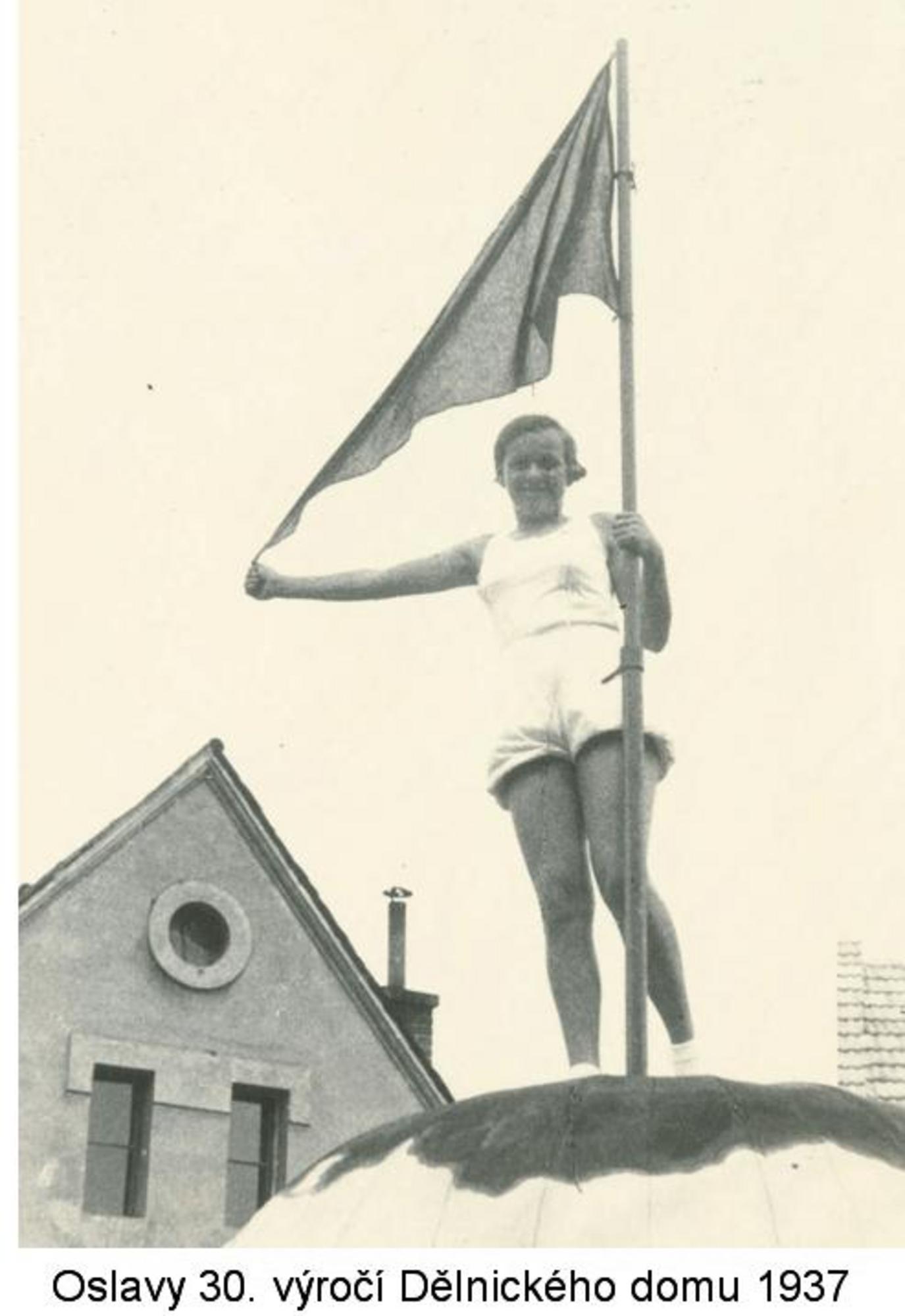
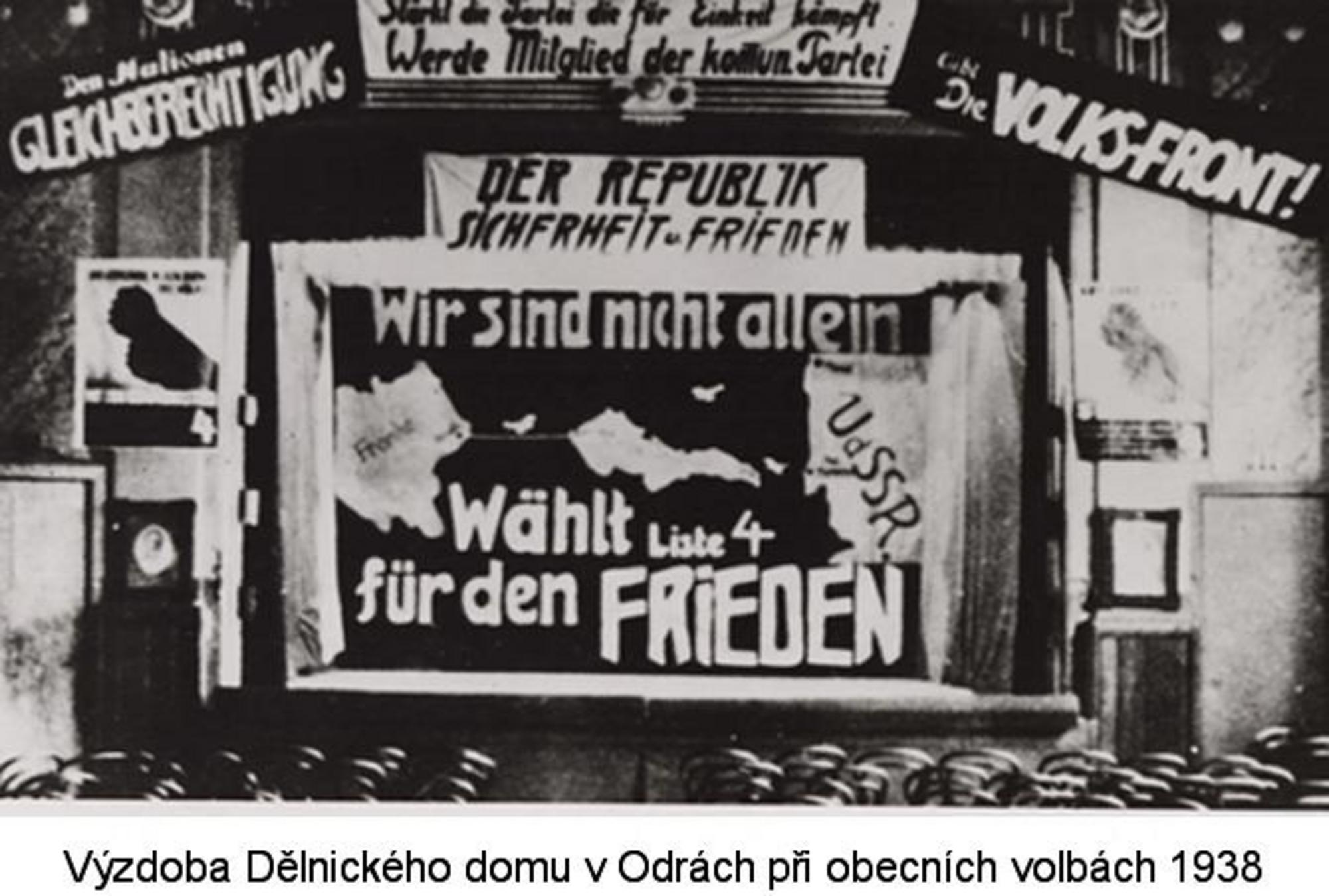
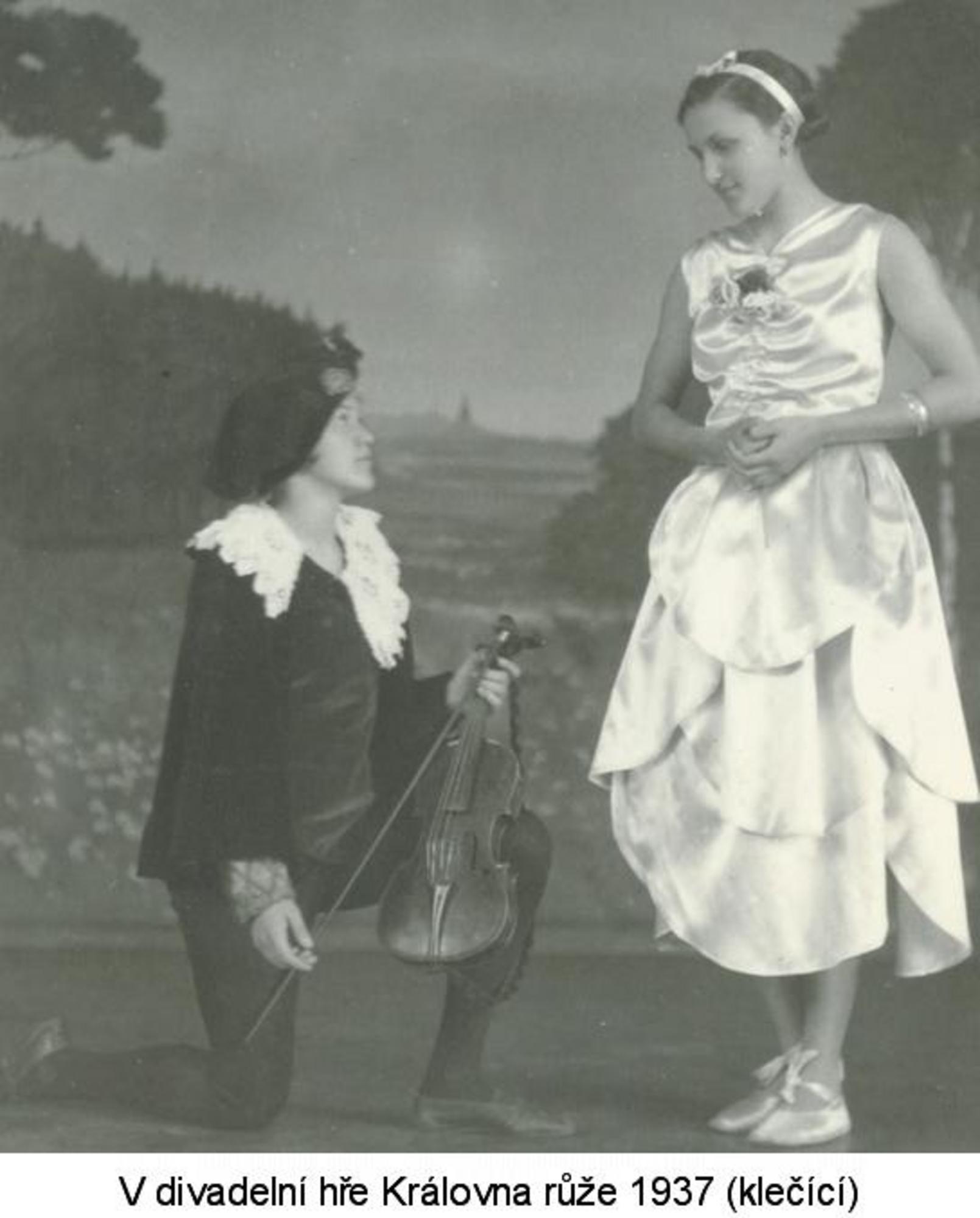
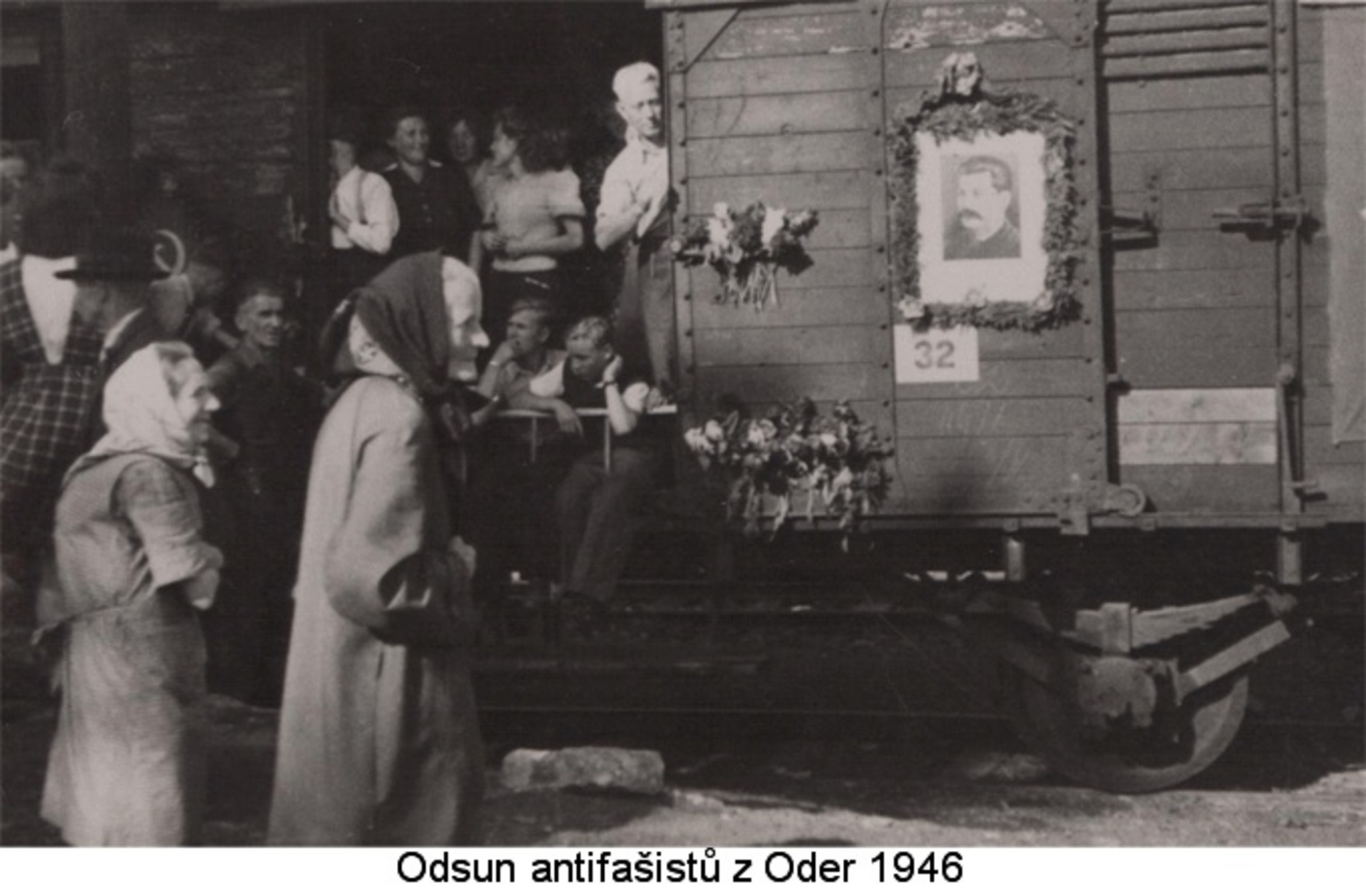
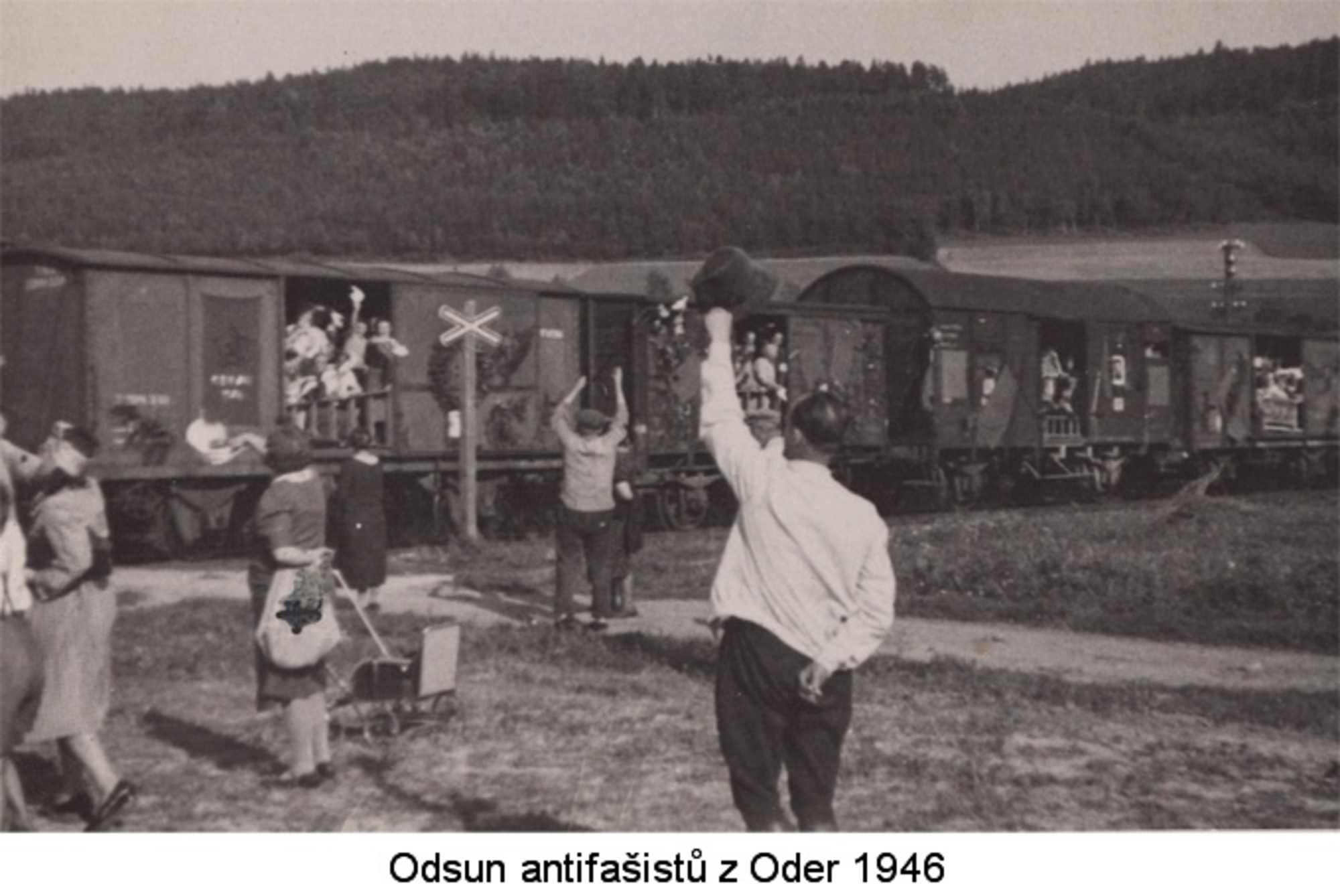
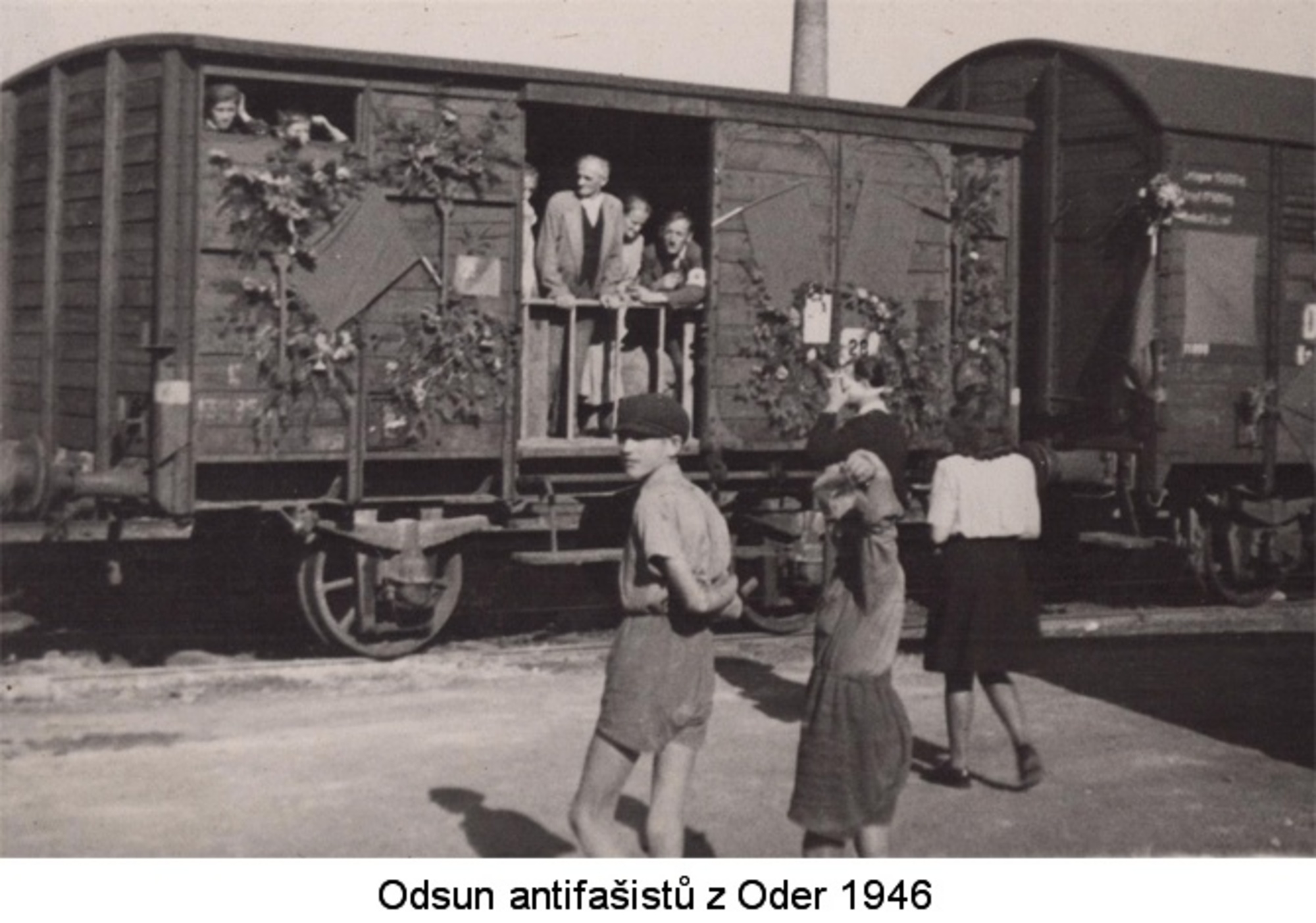
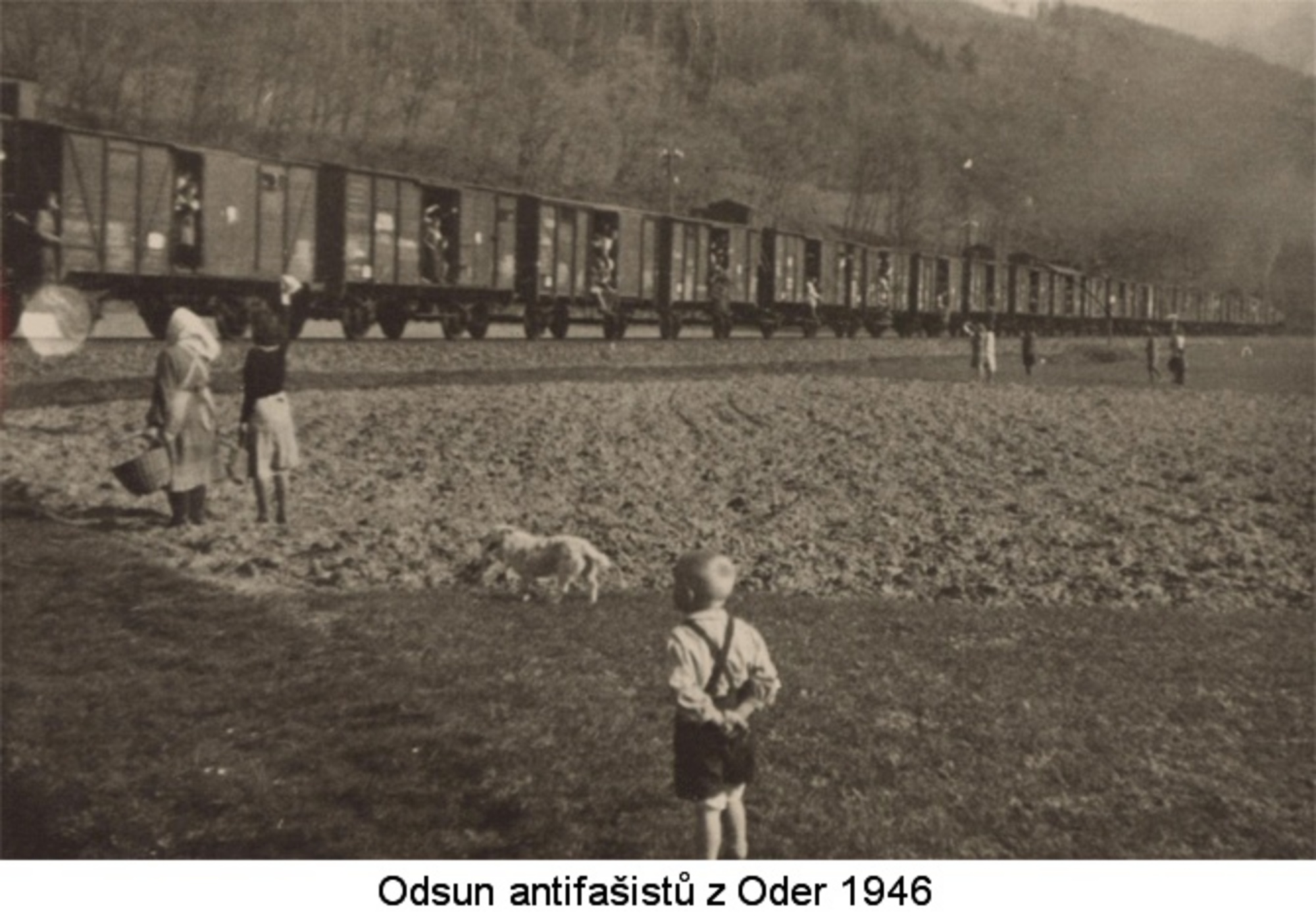
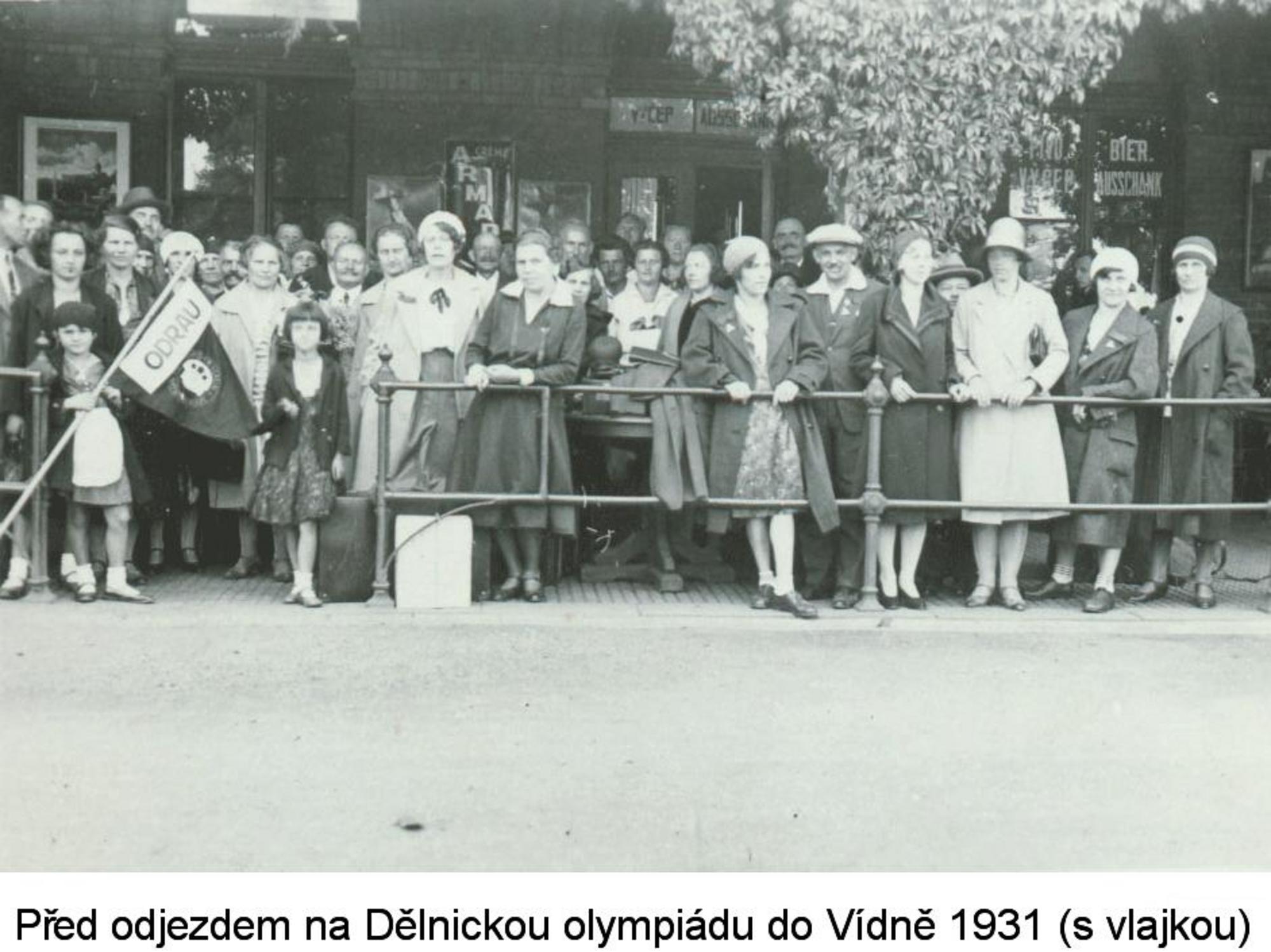
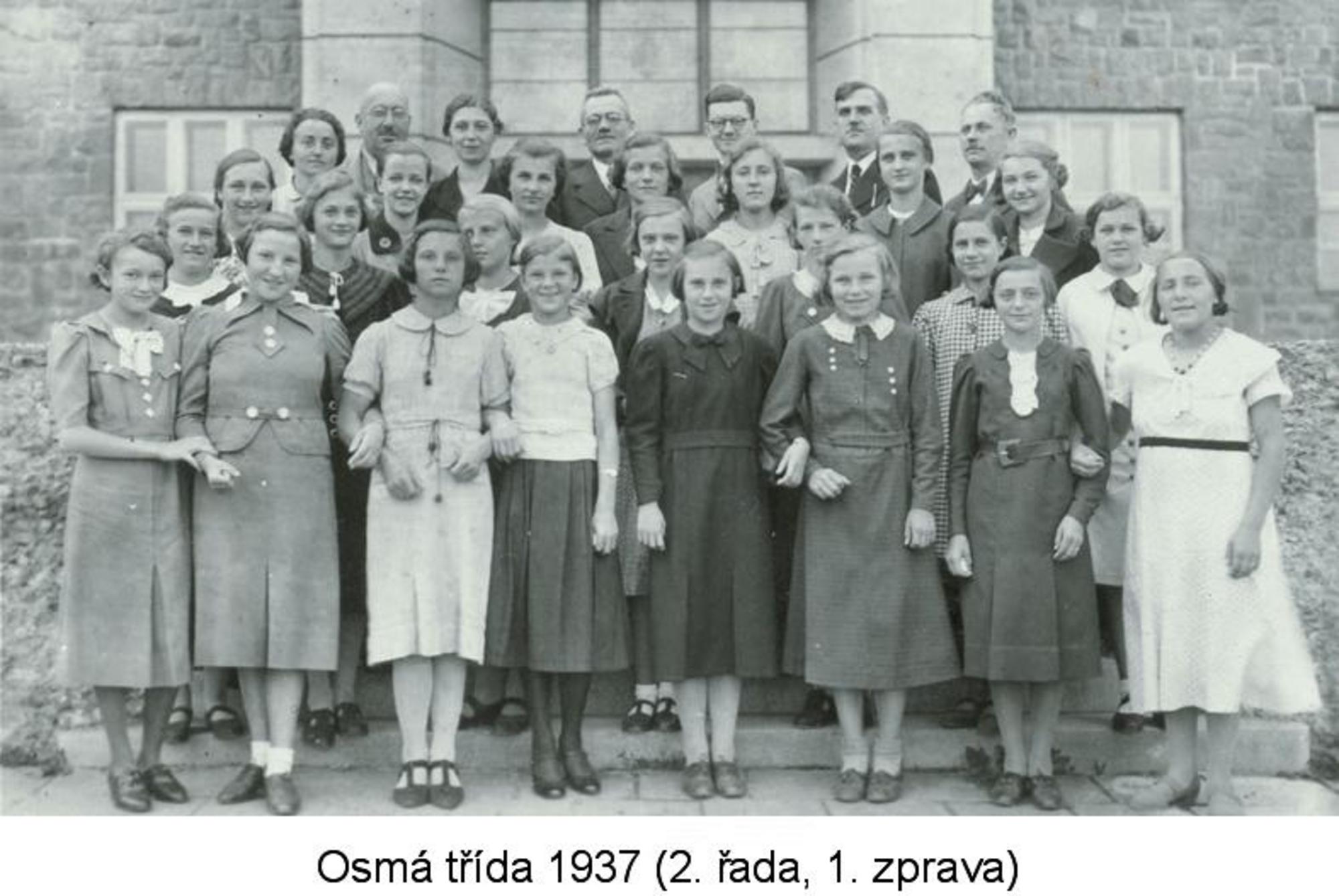
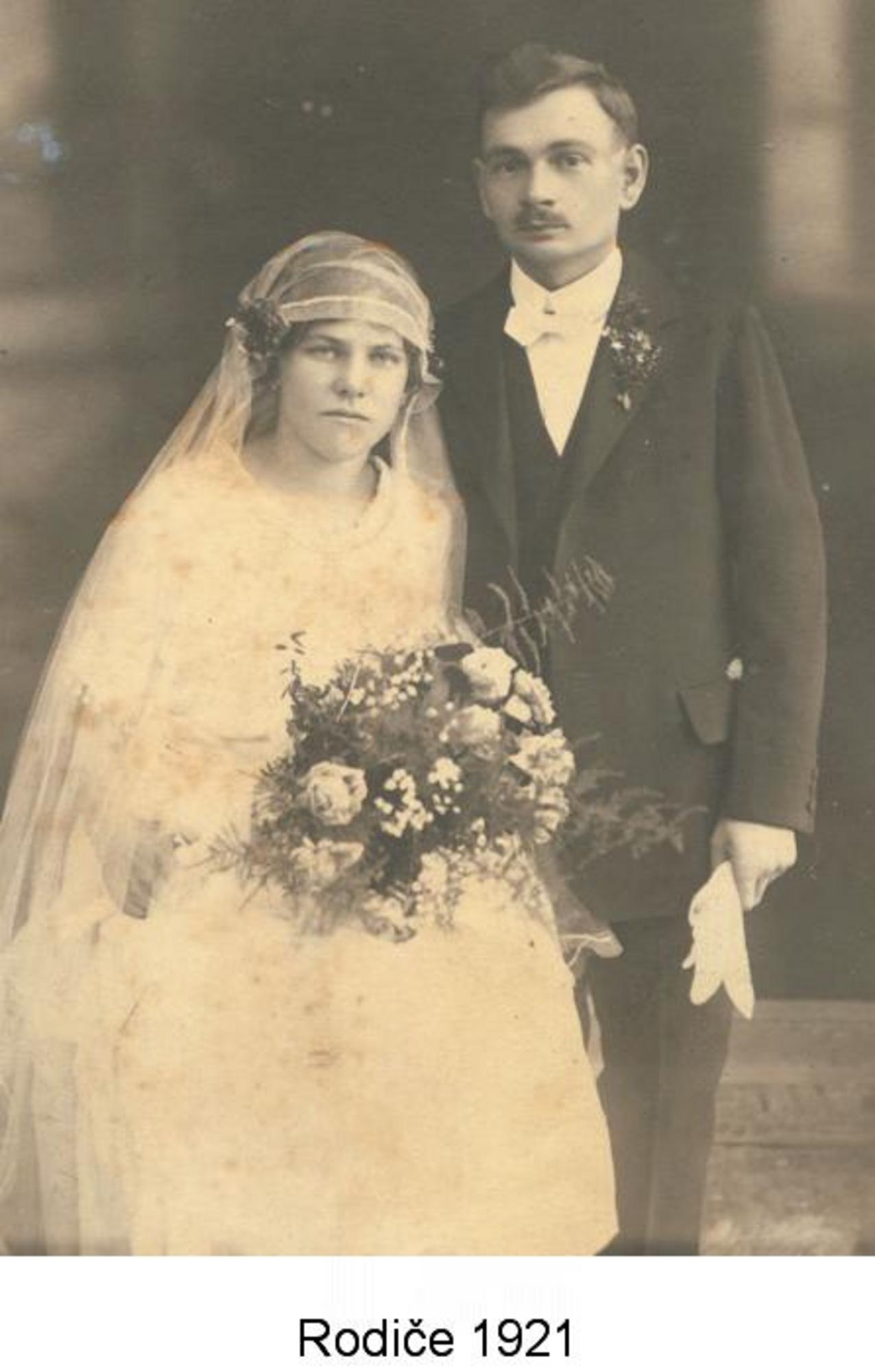
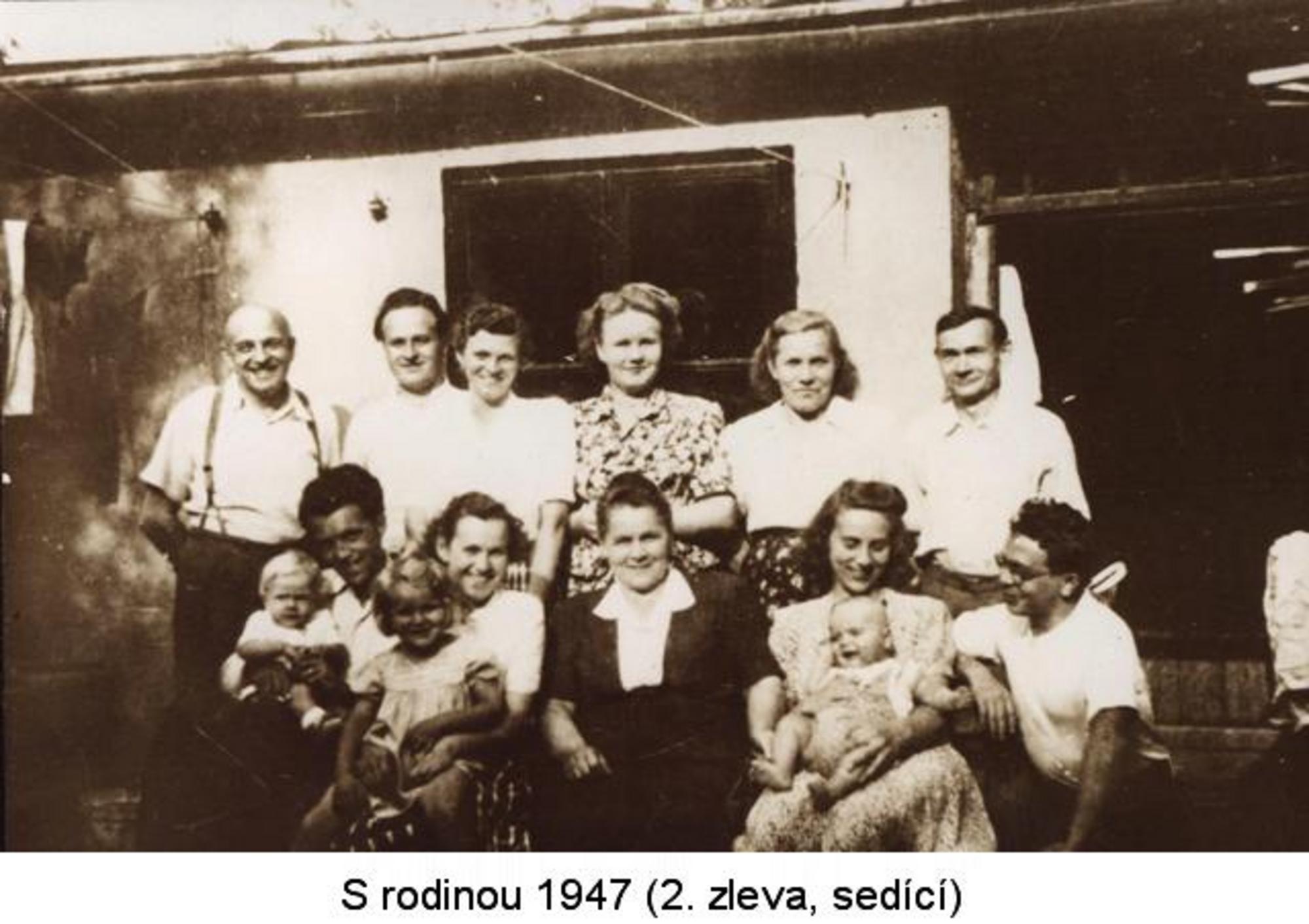
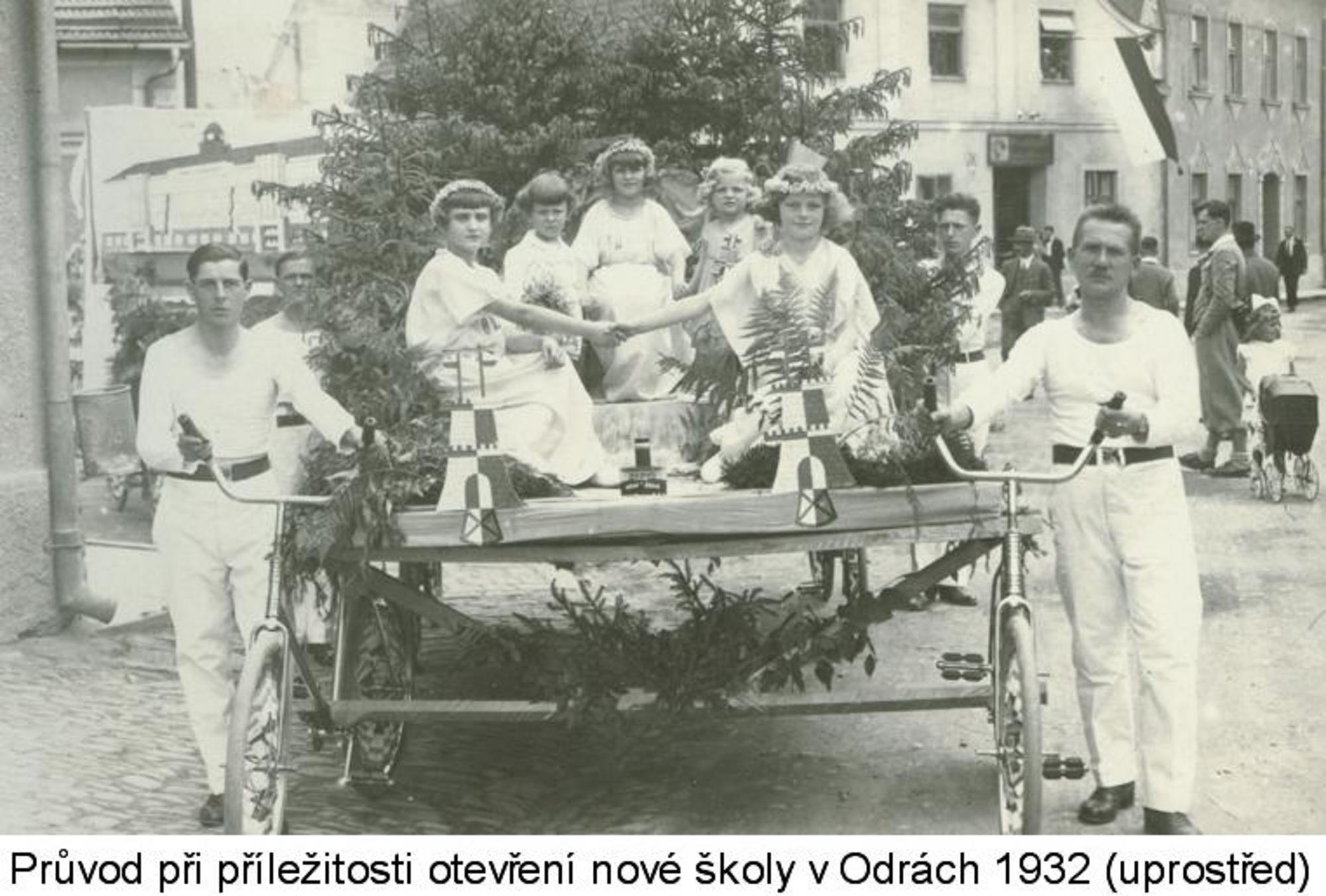
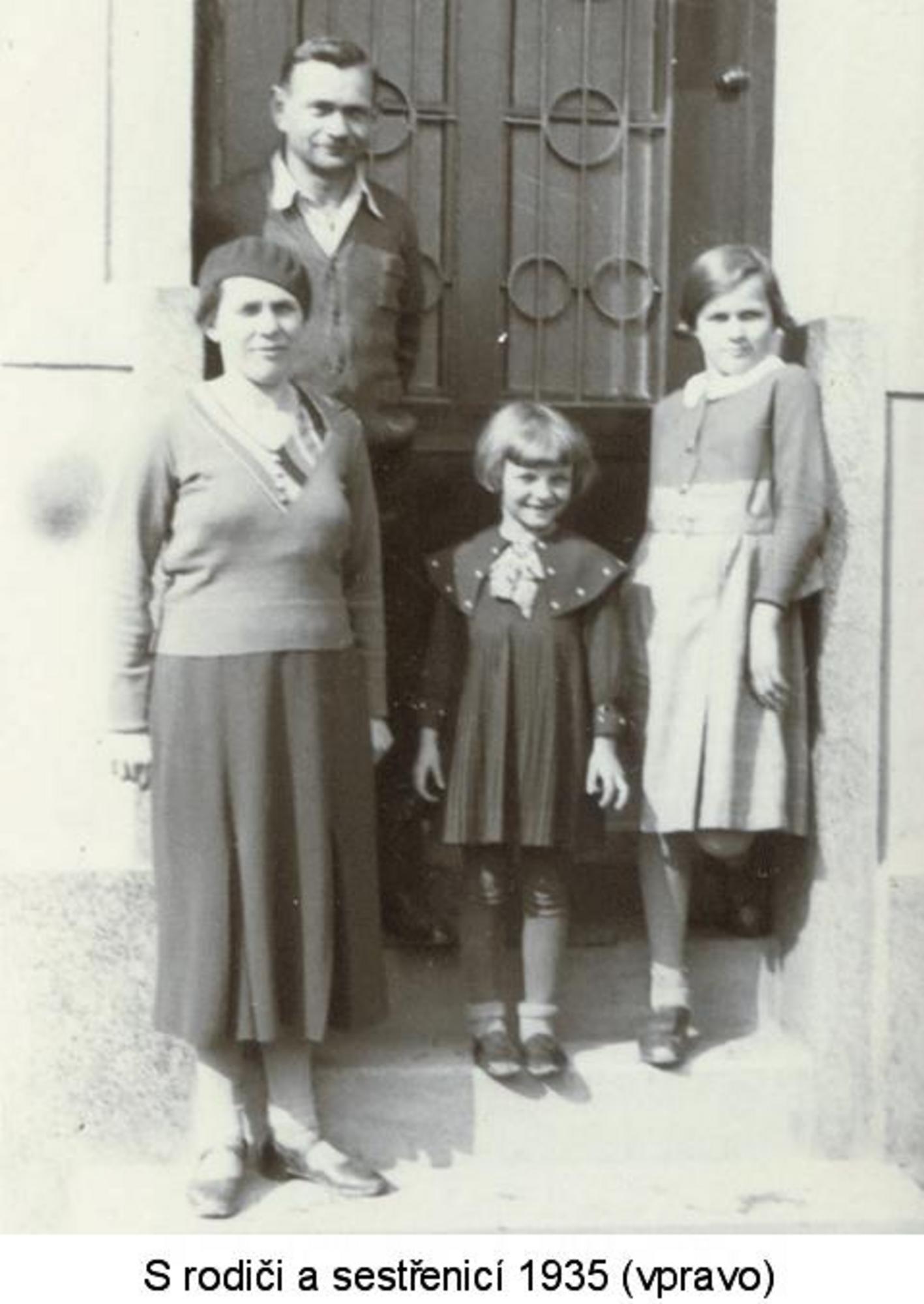
Herta Sedláčková, née Stachová, was born April 21, 1923 in Odry into a German family. Both her parents worked in Baťa‘s rubber factory. Herta‘s father Herman was active in the Communist Party before WWII, and her mother Elsa joined the Party in 1938. After the Munich Agreement in autumn 1938, the Stach family considered relocation to Prague, but eventually they did not move due to economic concerns. They were providing material support for families of imprisoned resistance fighters from Odry and later they also supported Russian escapees from a POW camp. This became fateful for the family, because the Gestapo caught Russian escapees in summer 1944 and one of the captured men confessed who had helped them. The Gestapo imprisoned Herta and her mother in Nový Jičín and their grandmother and aunt were sent to an internment camp. Their father was serving in a naval unit at that time and he had to join the navy in spite of his advanced age of fifty years. Herta‘s mother died in prison while Herta has survived until the liberation. Her grandmother and aunt returned from the internment camp after the war. Her father, who had been captured on the Baltic Sea, returned as late as in spring 1946. Although Herta and her father received the status of antifascists after the war, due to their German nationality they and their relatives were not able to find jobs and they also lost their house.