They told me - if you were in the Communist Party, you should have stayed at home
Stáhnout obrázek
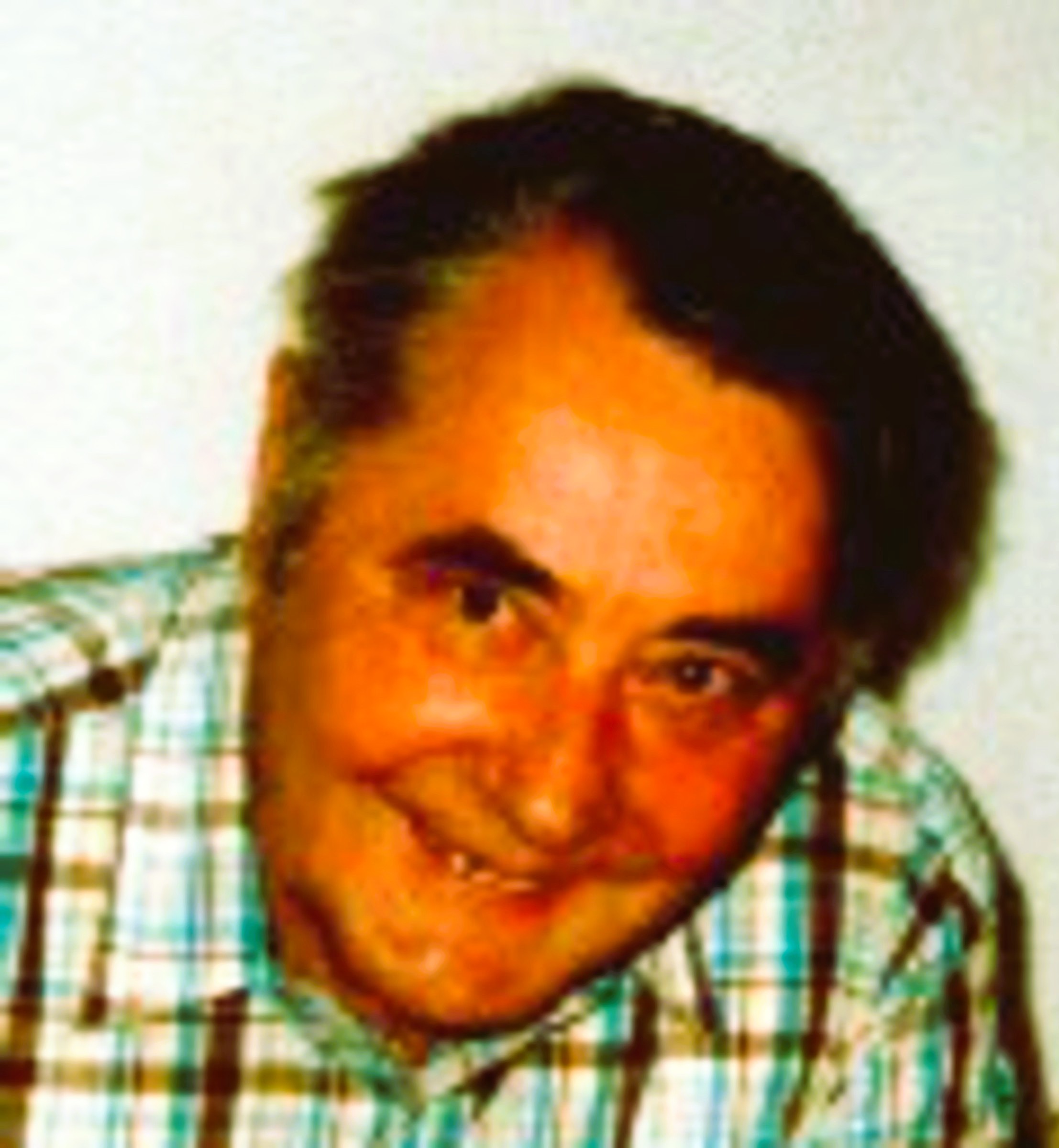
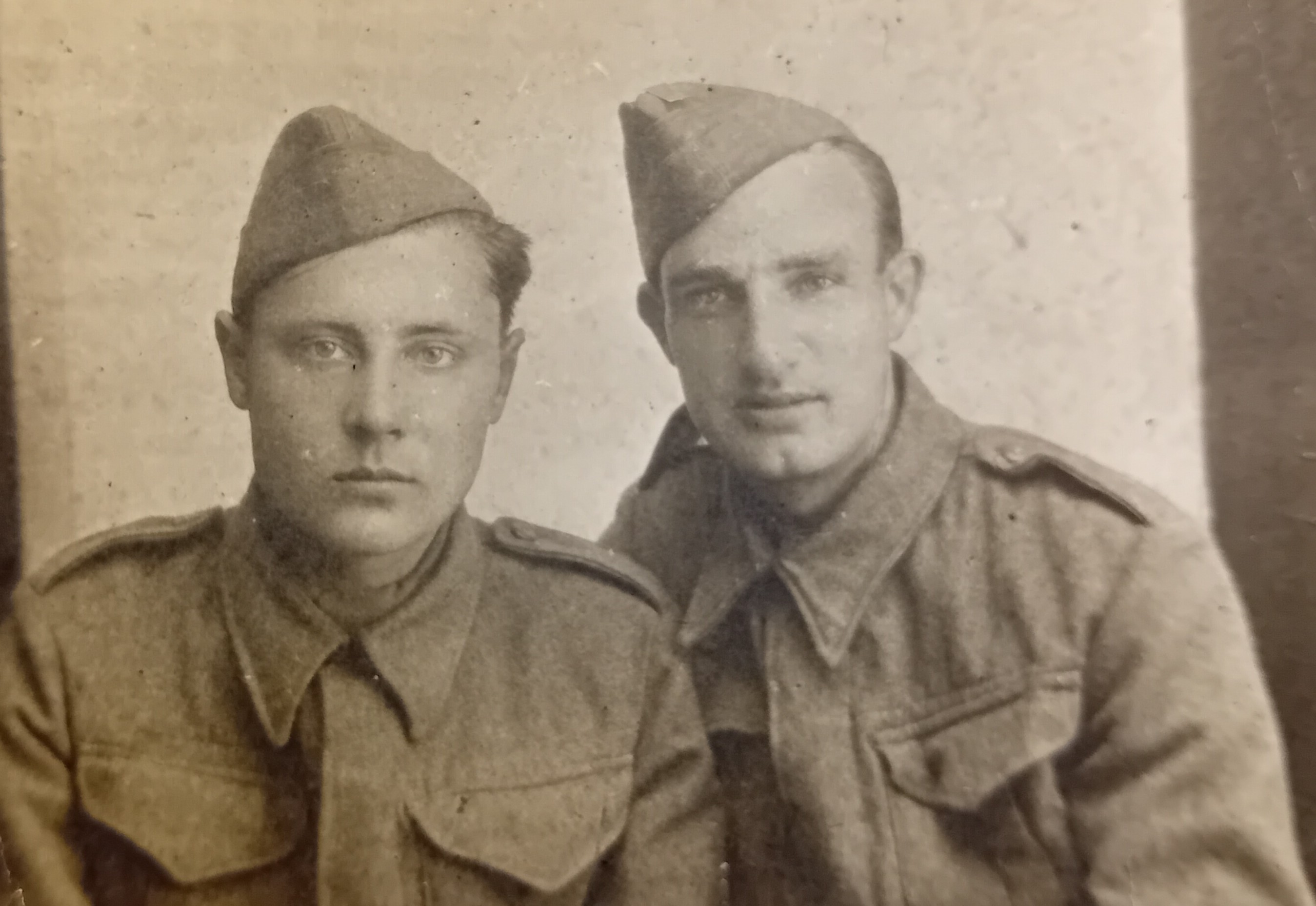
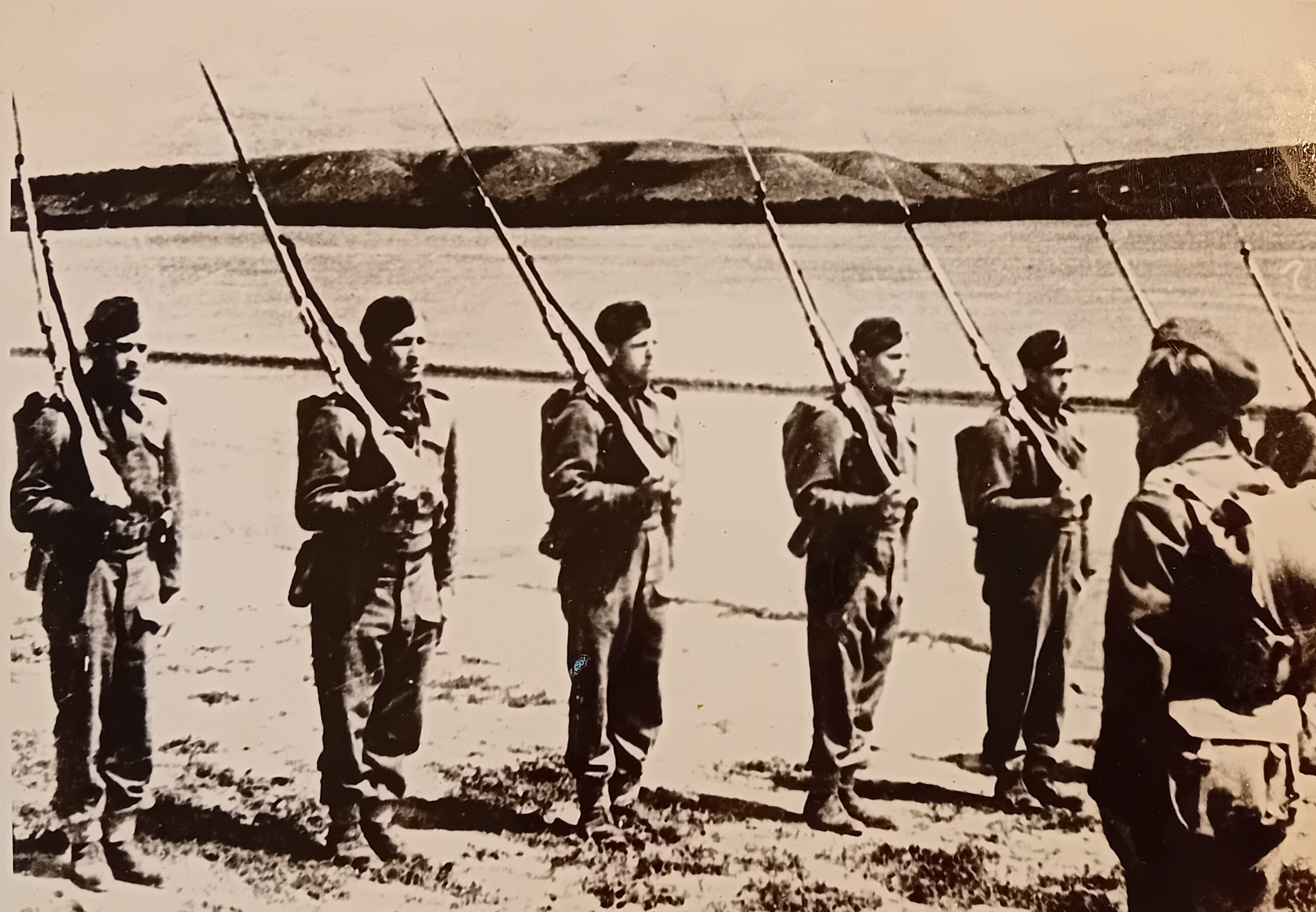
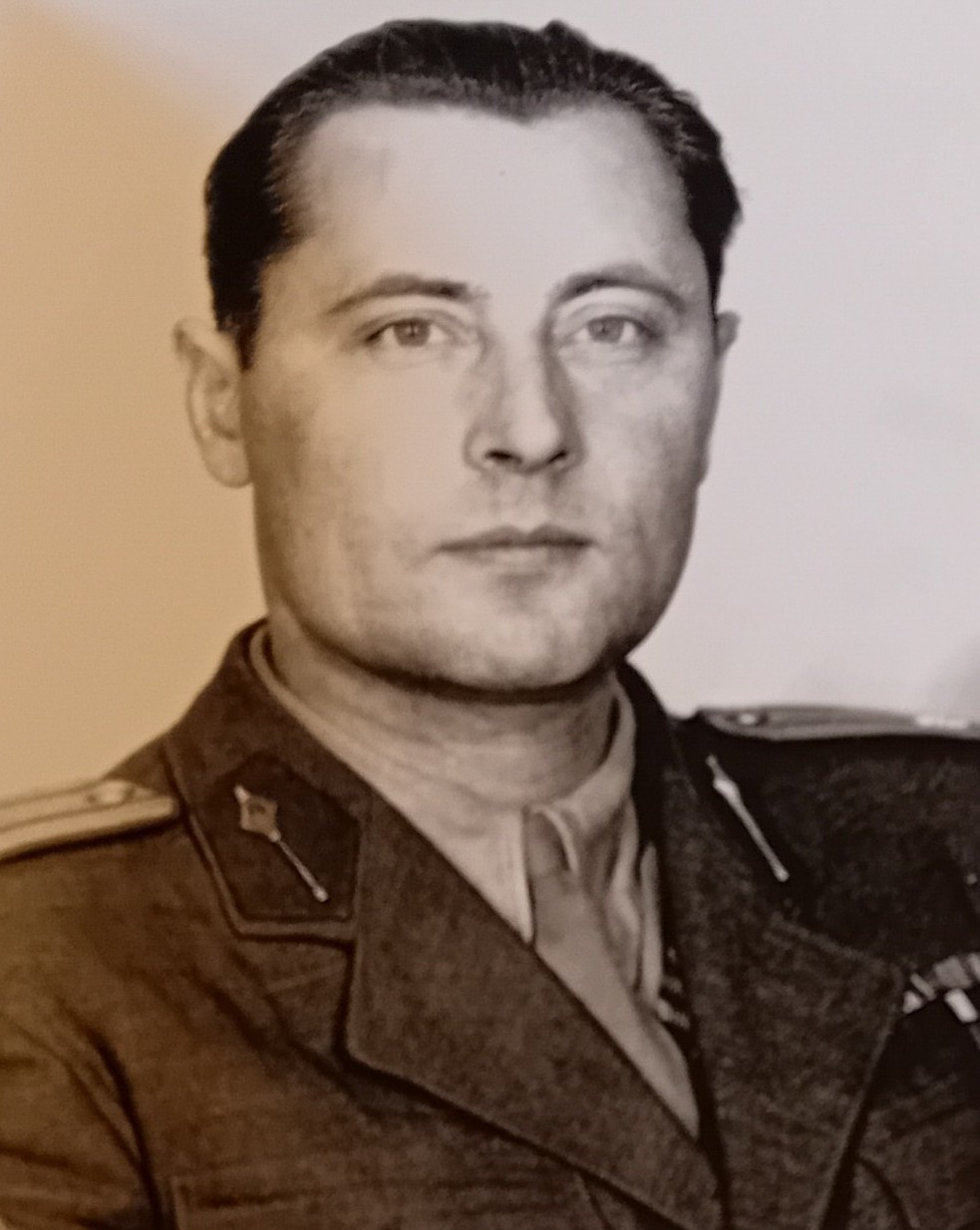
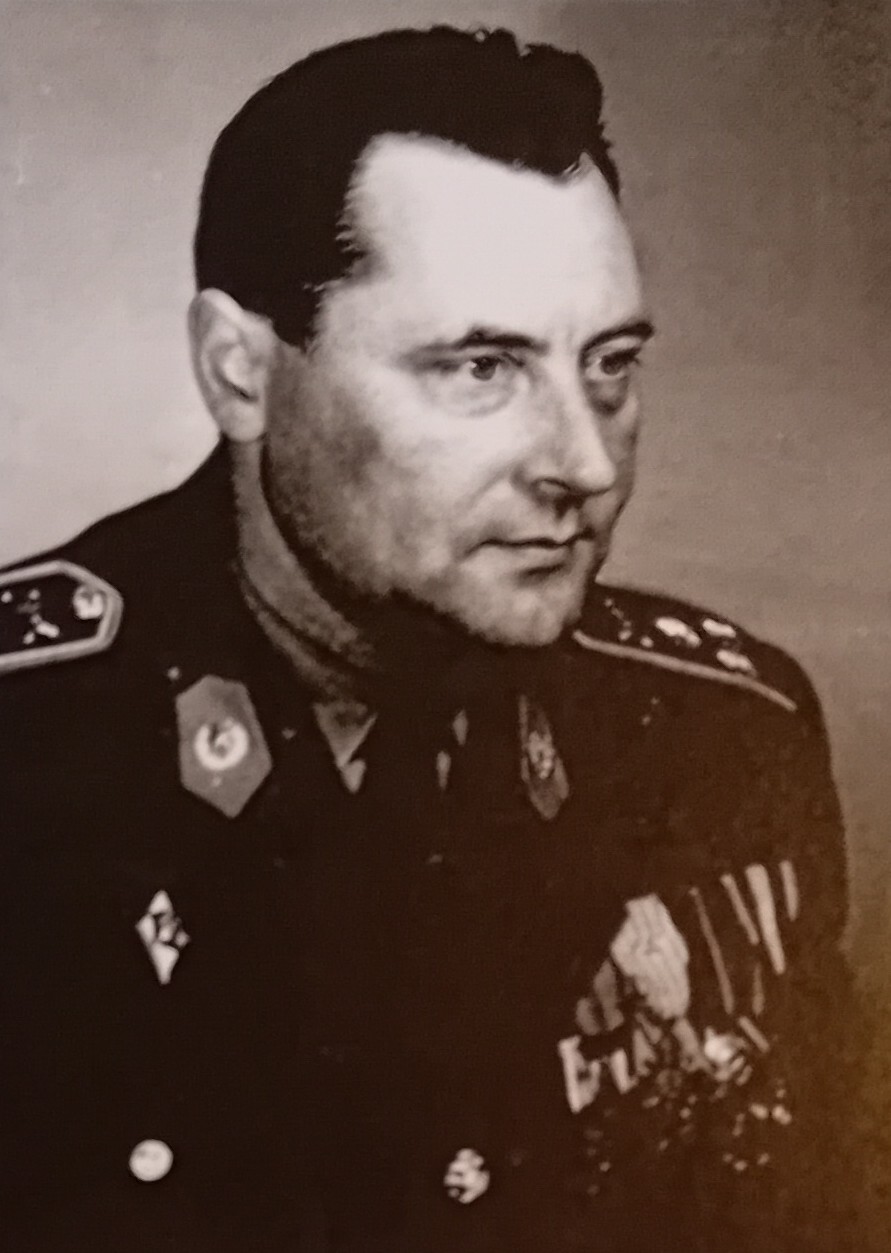
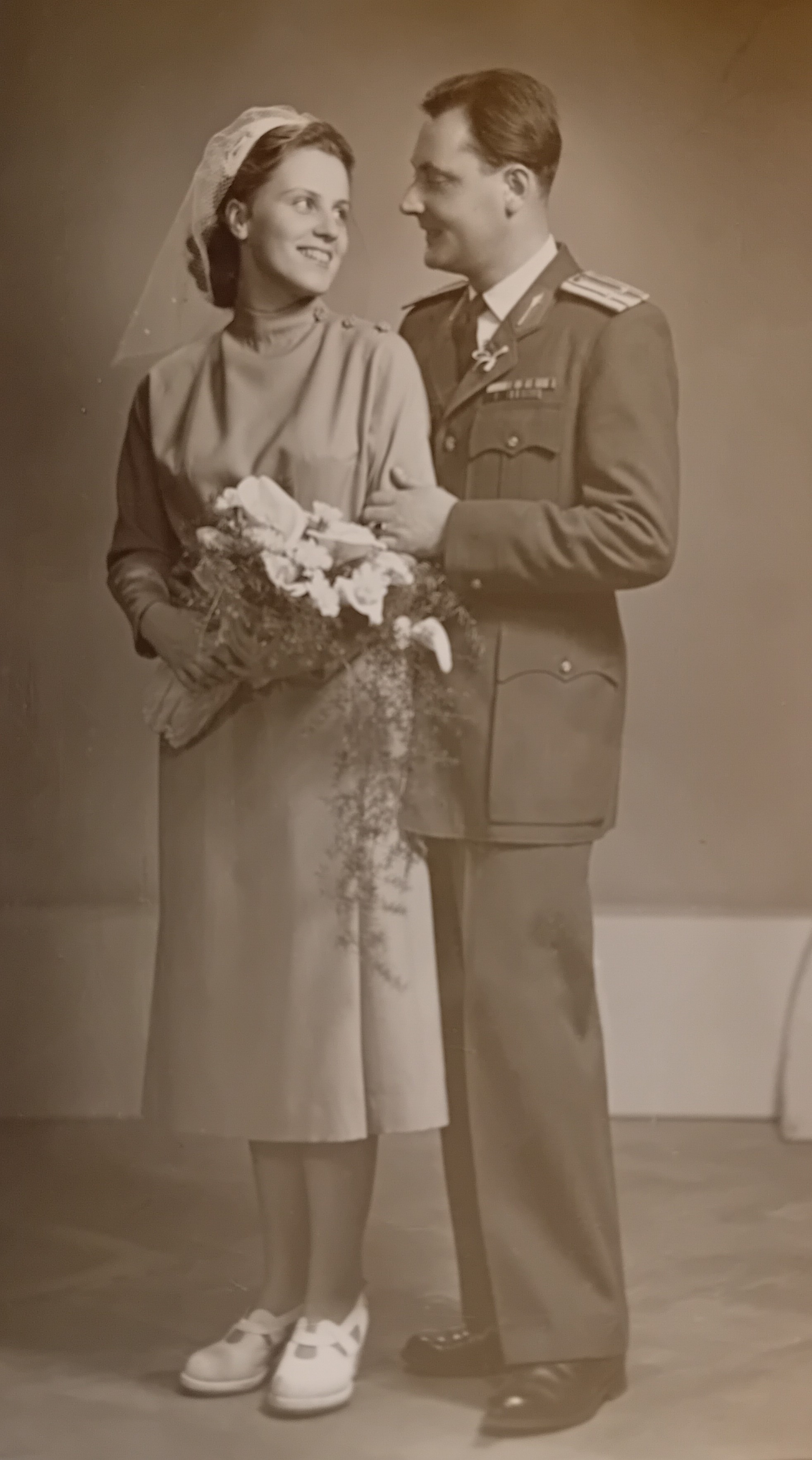
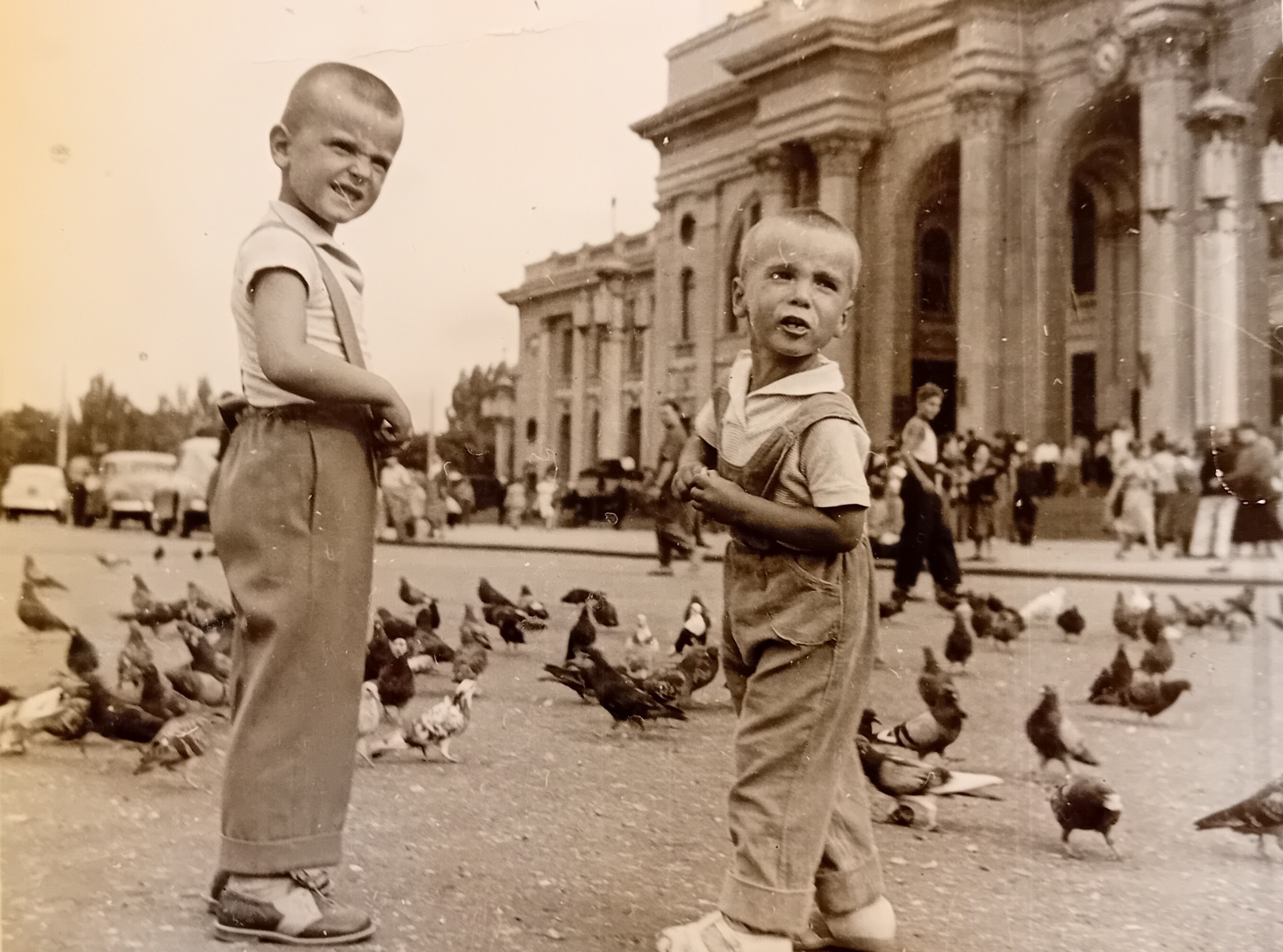
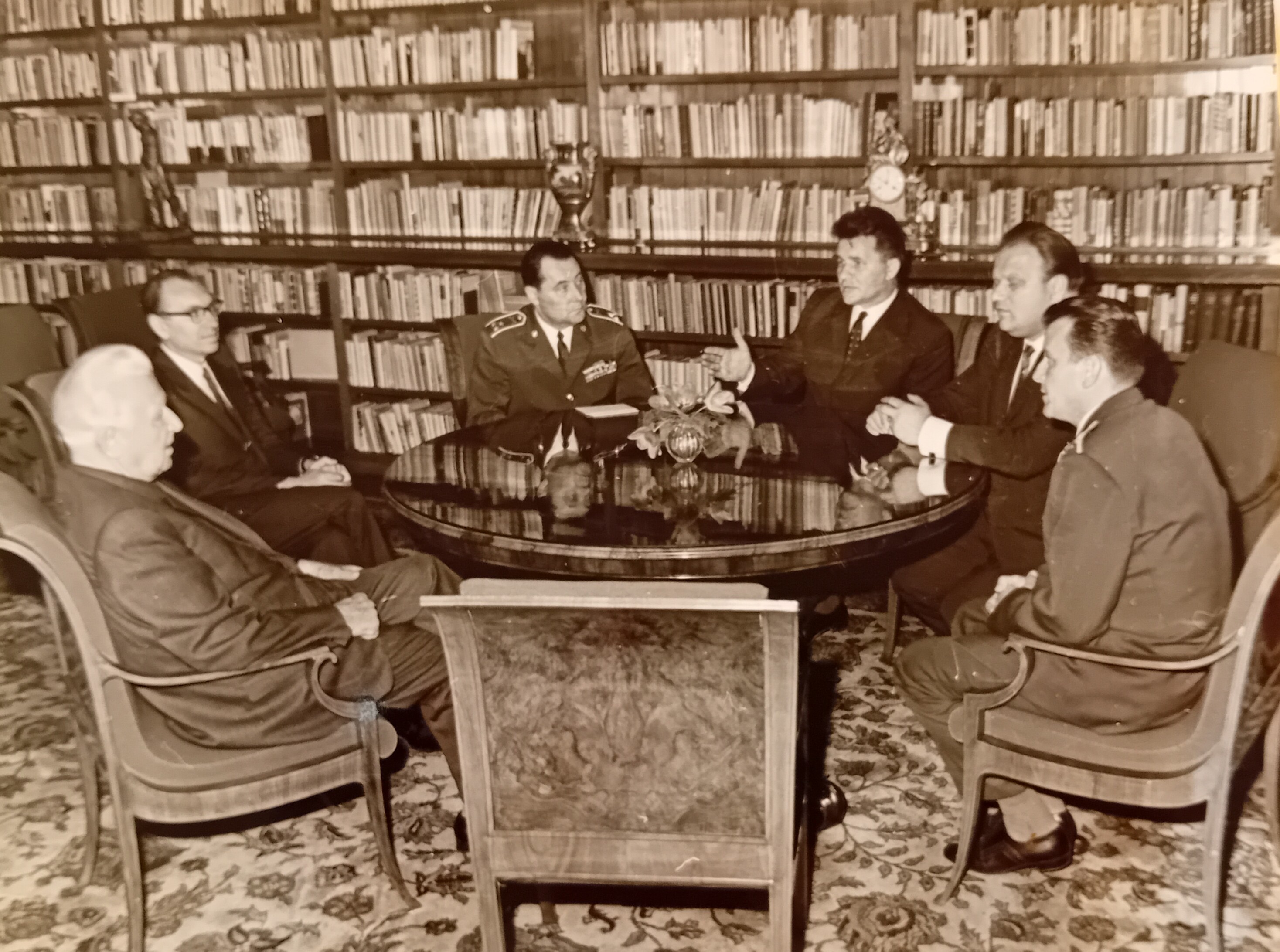
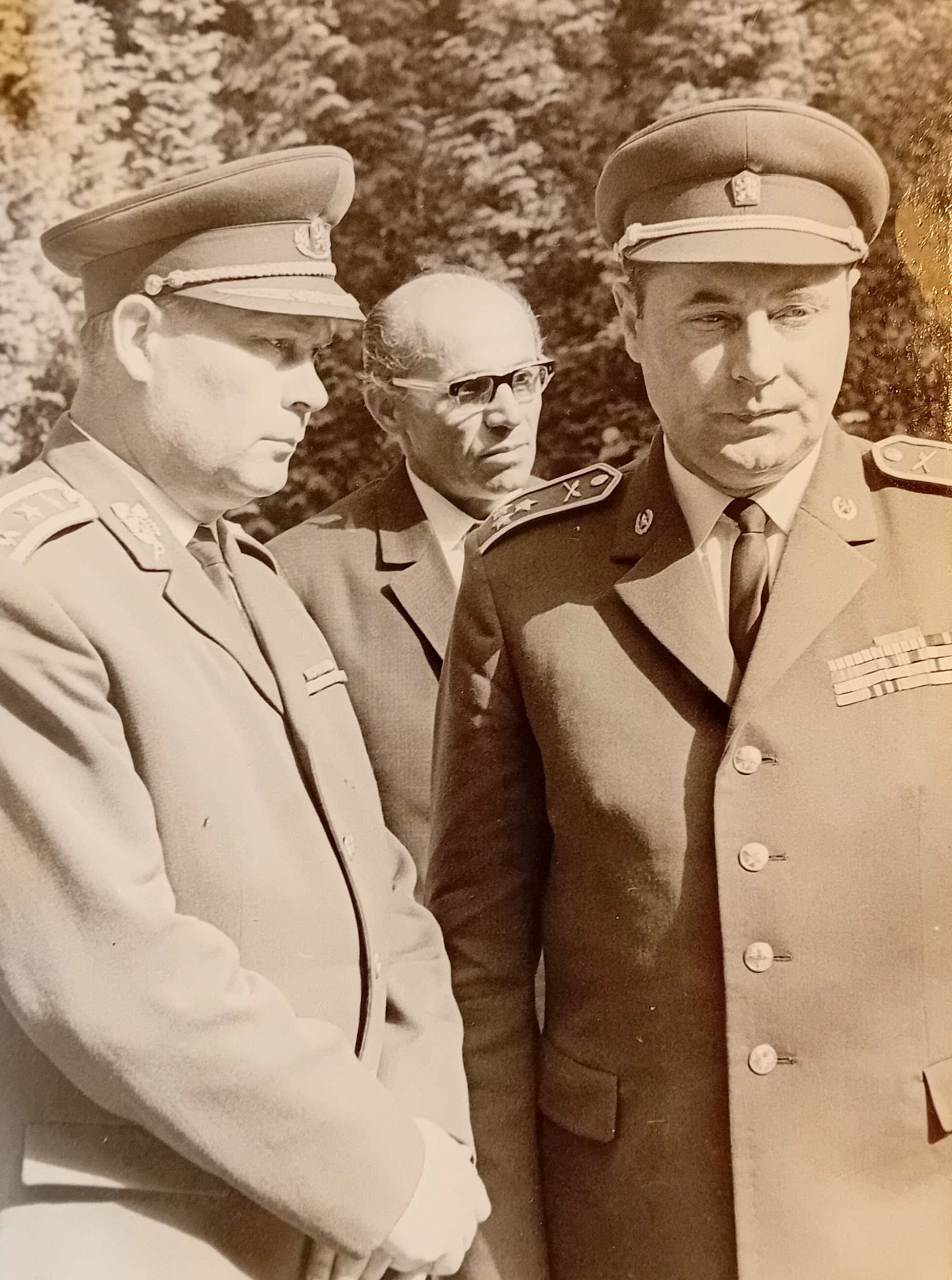
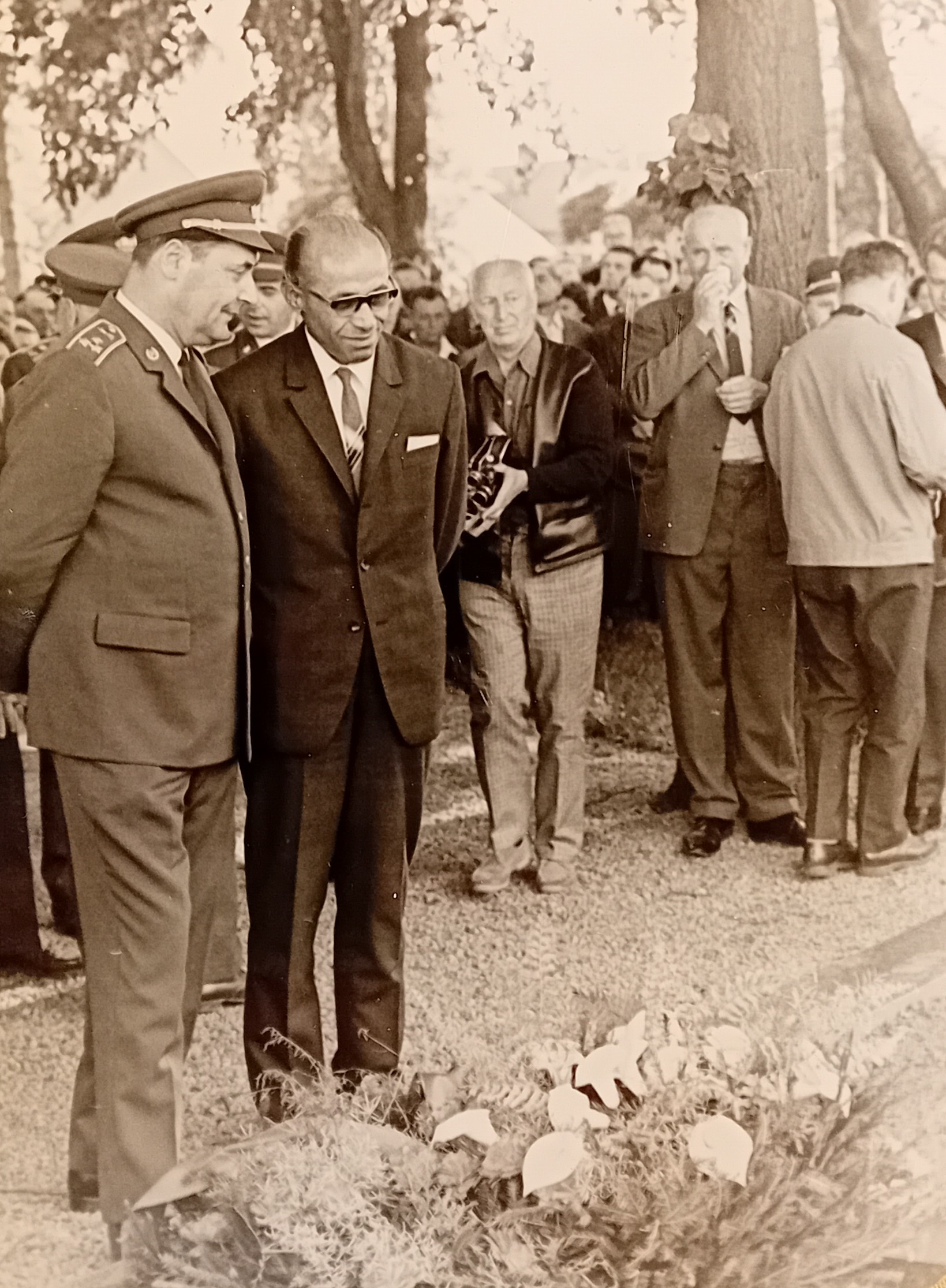
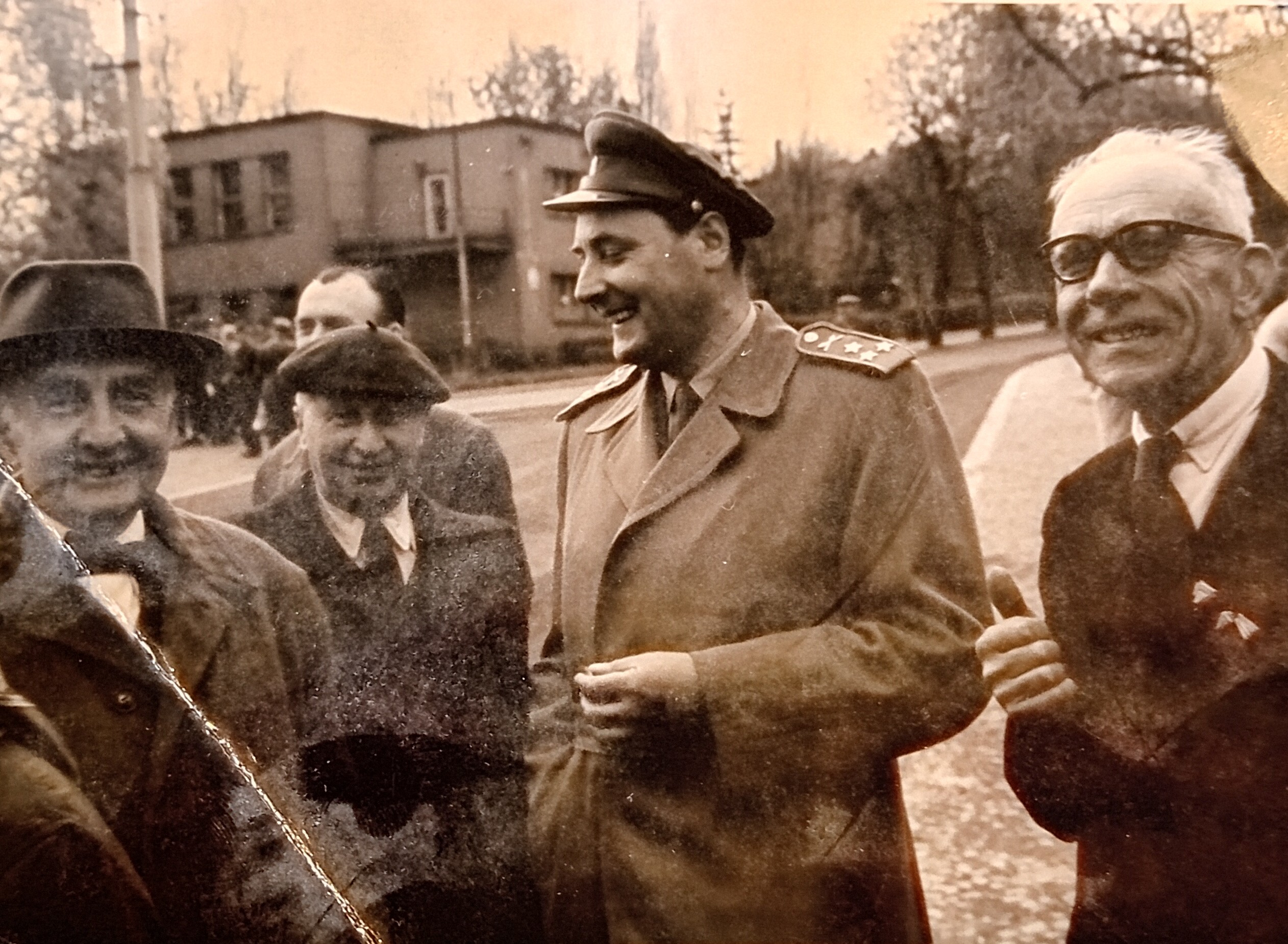
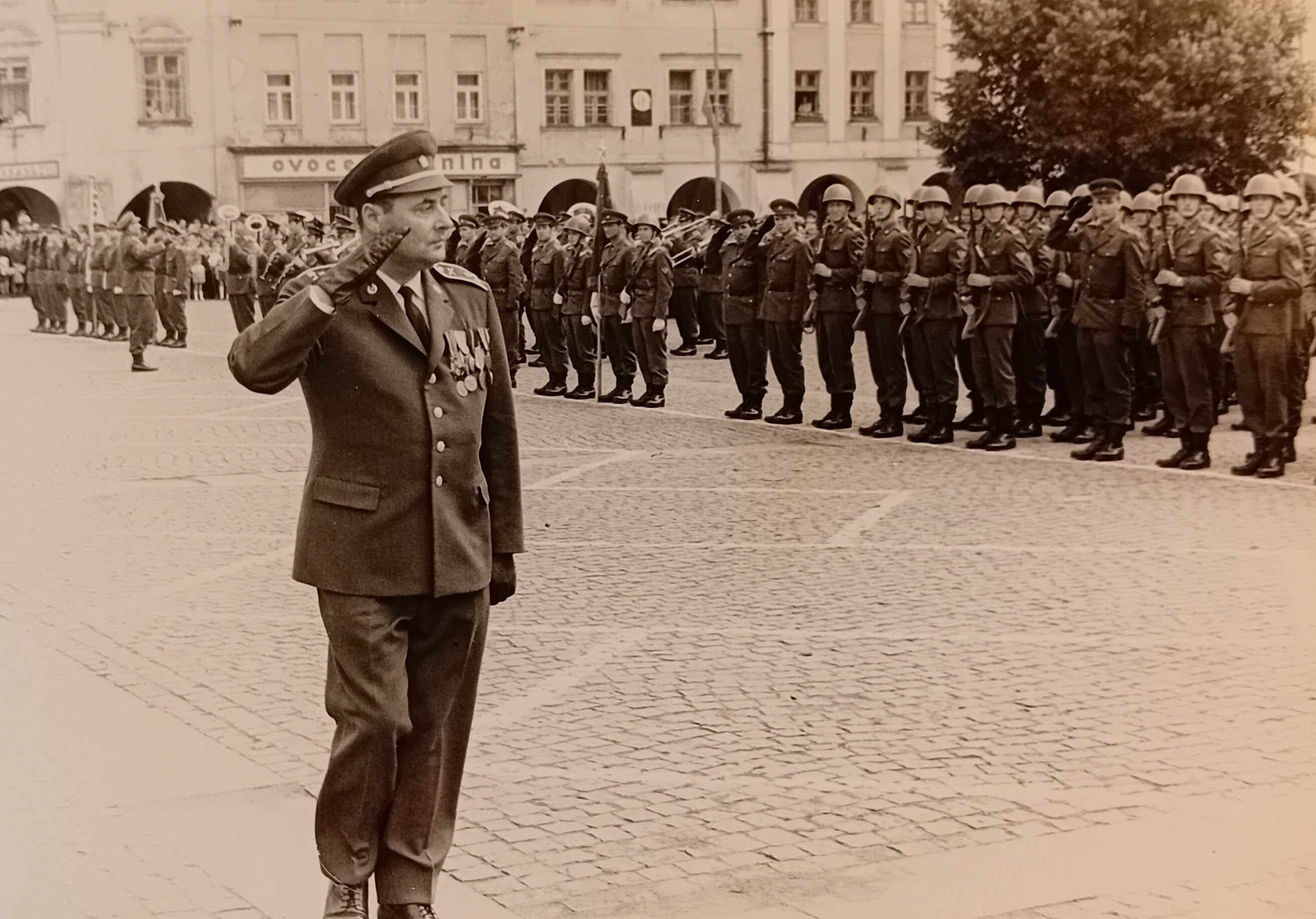
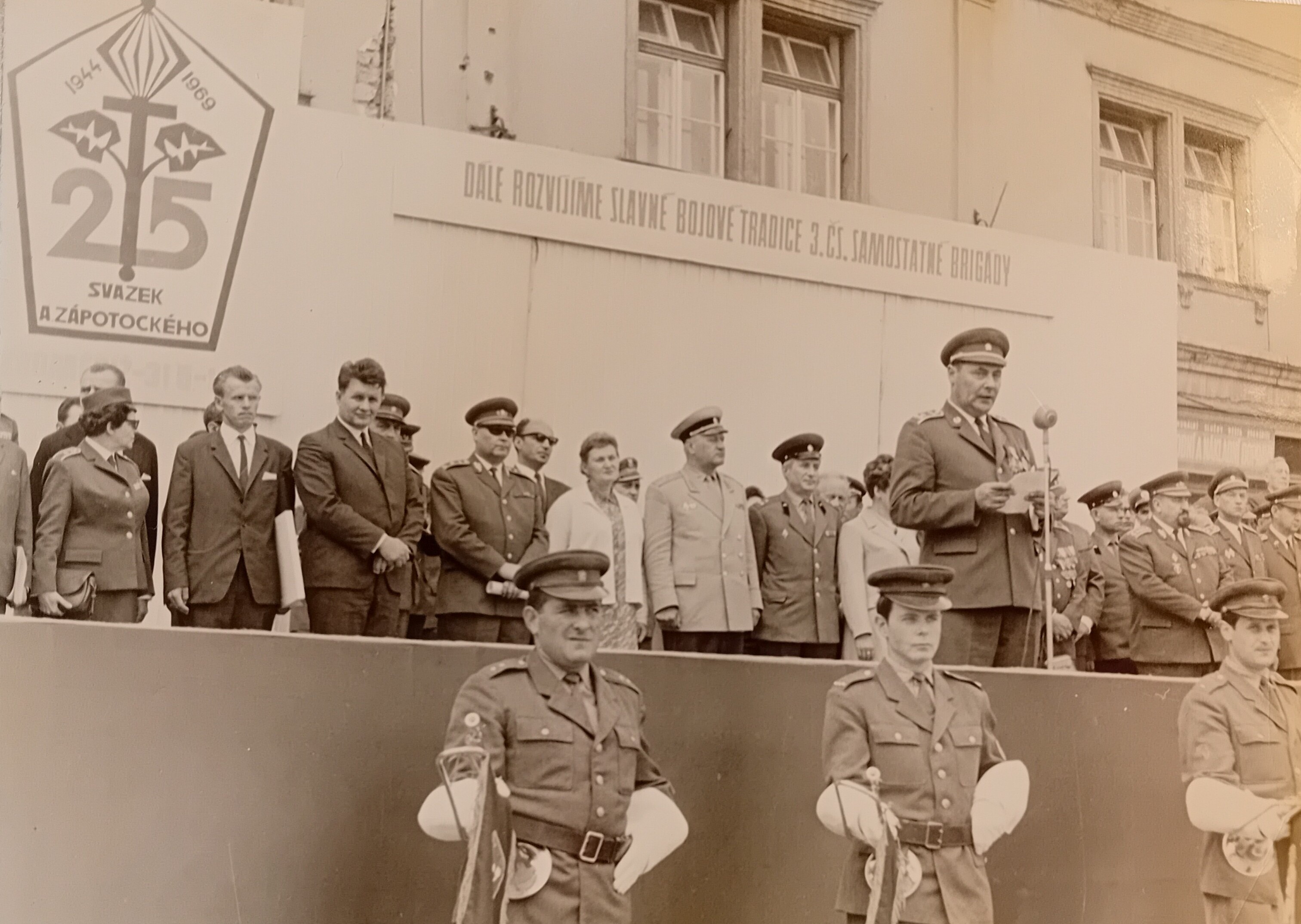
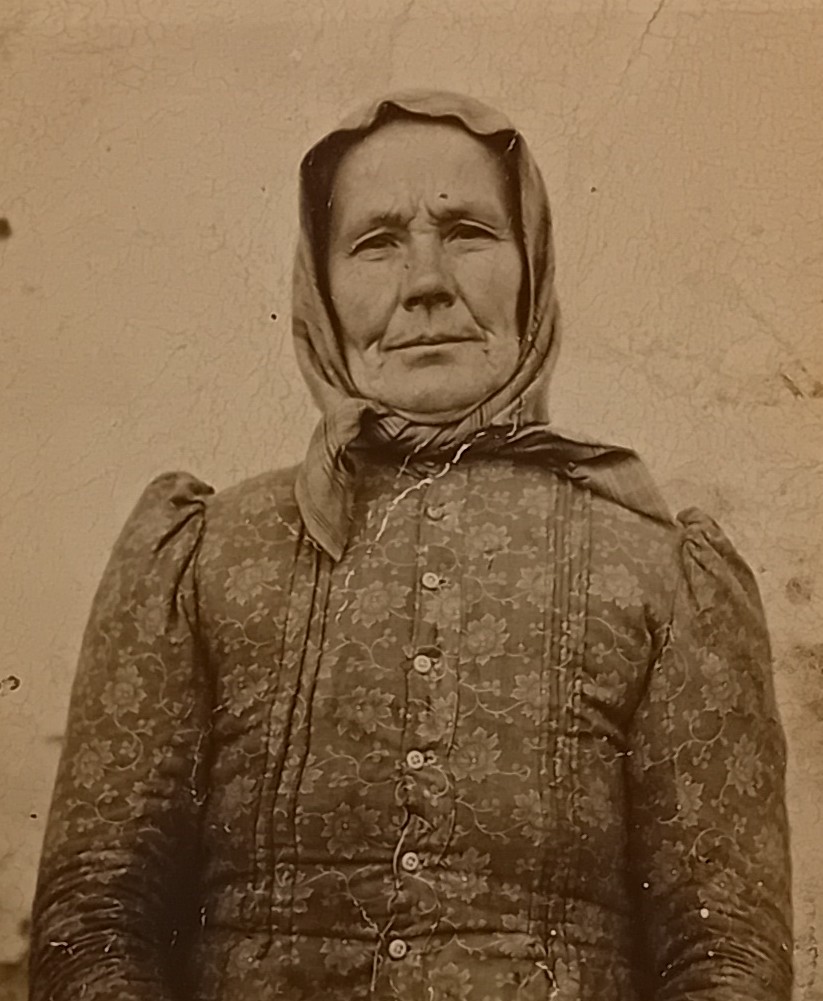
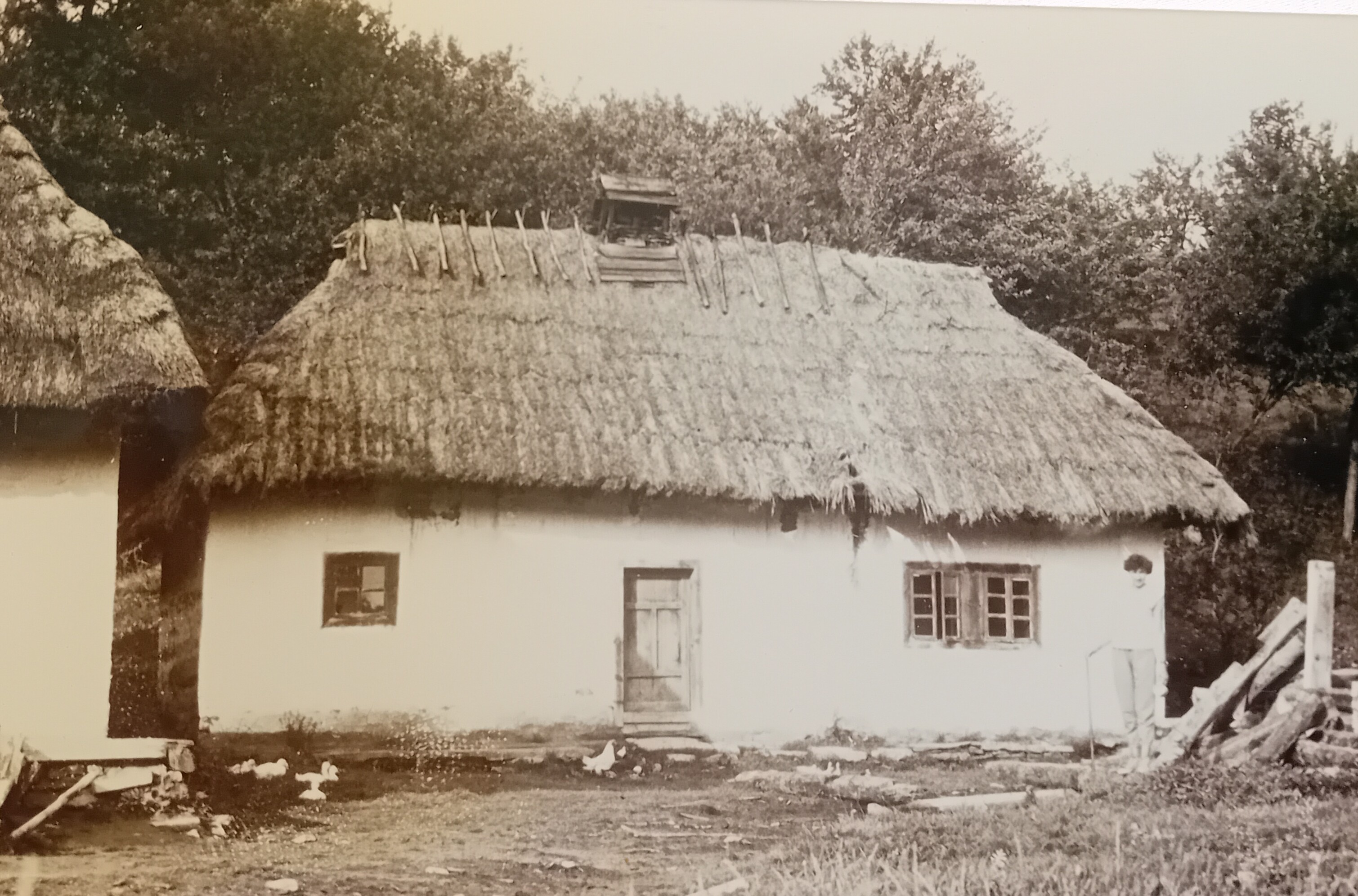
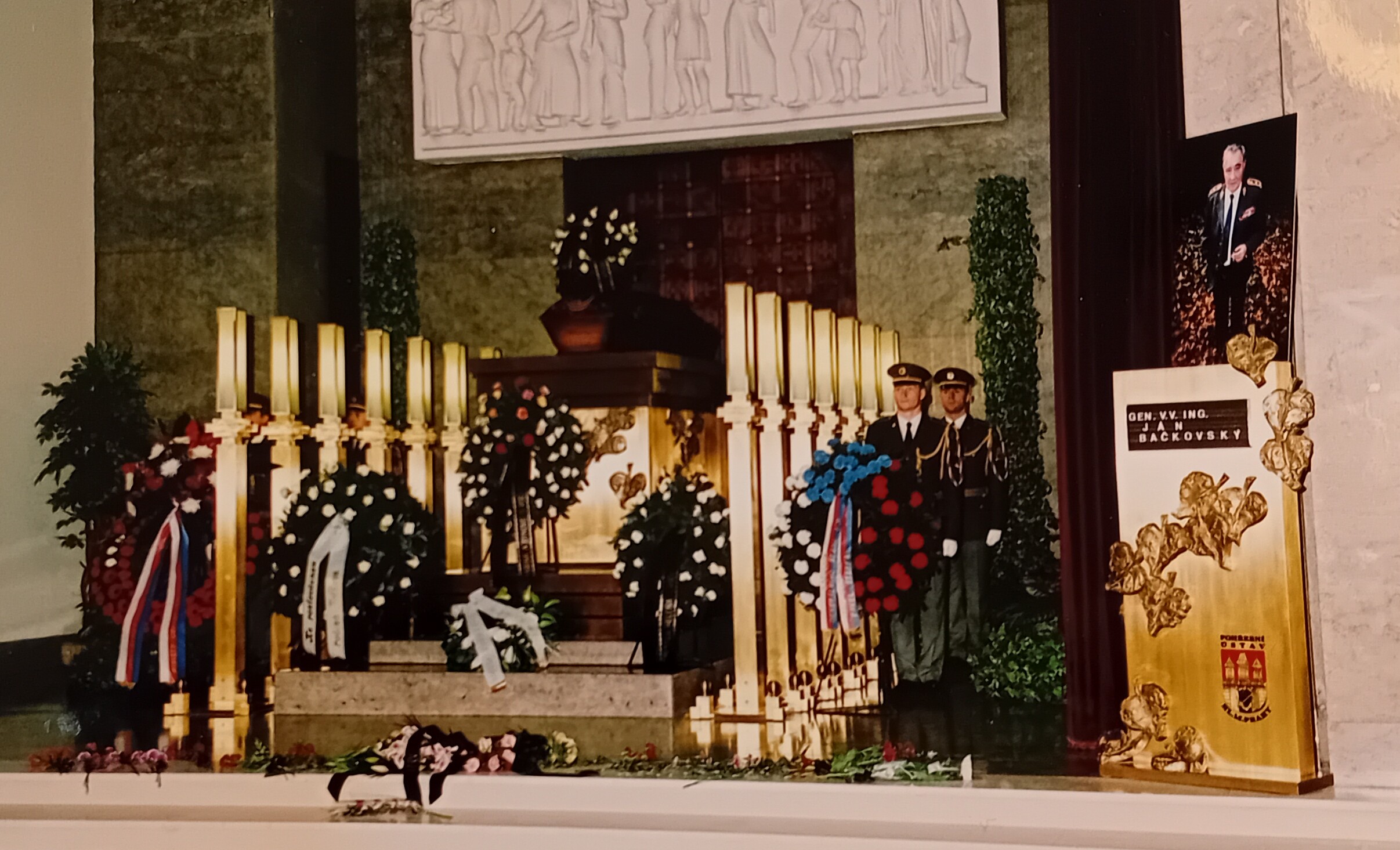
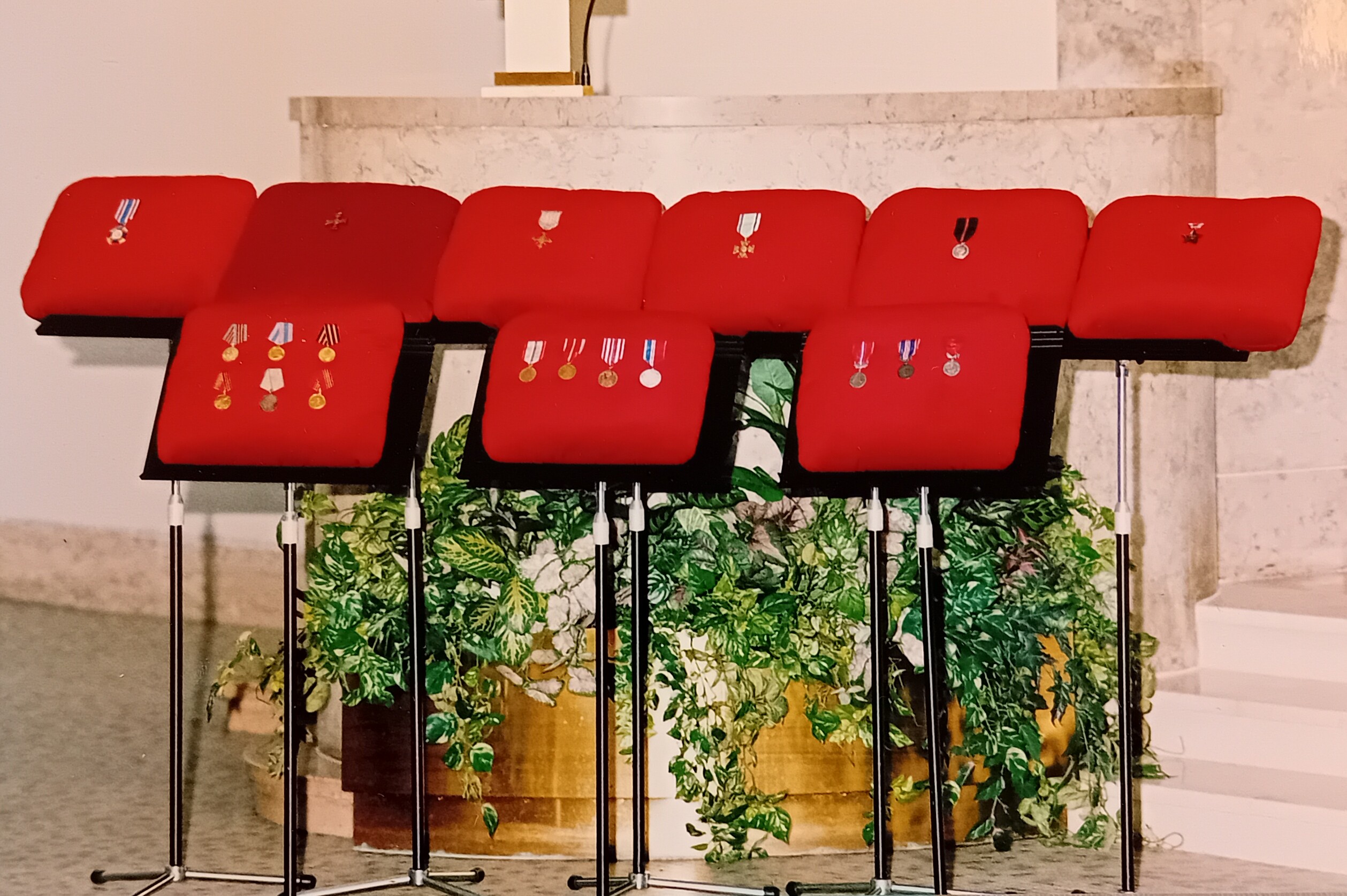
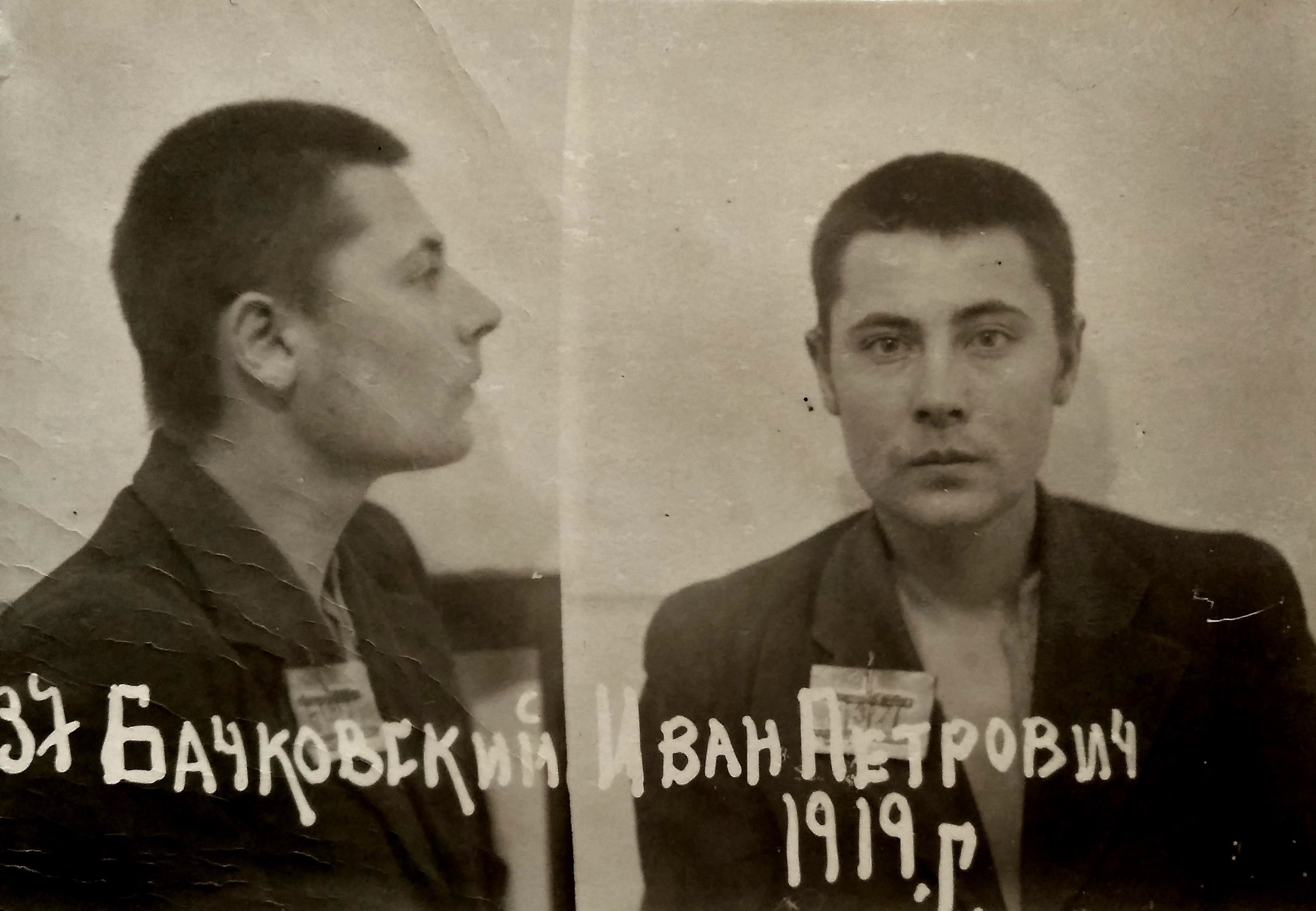
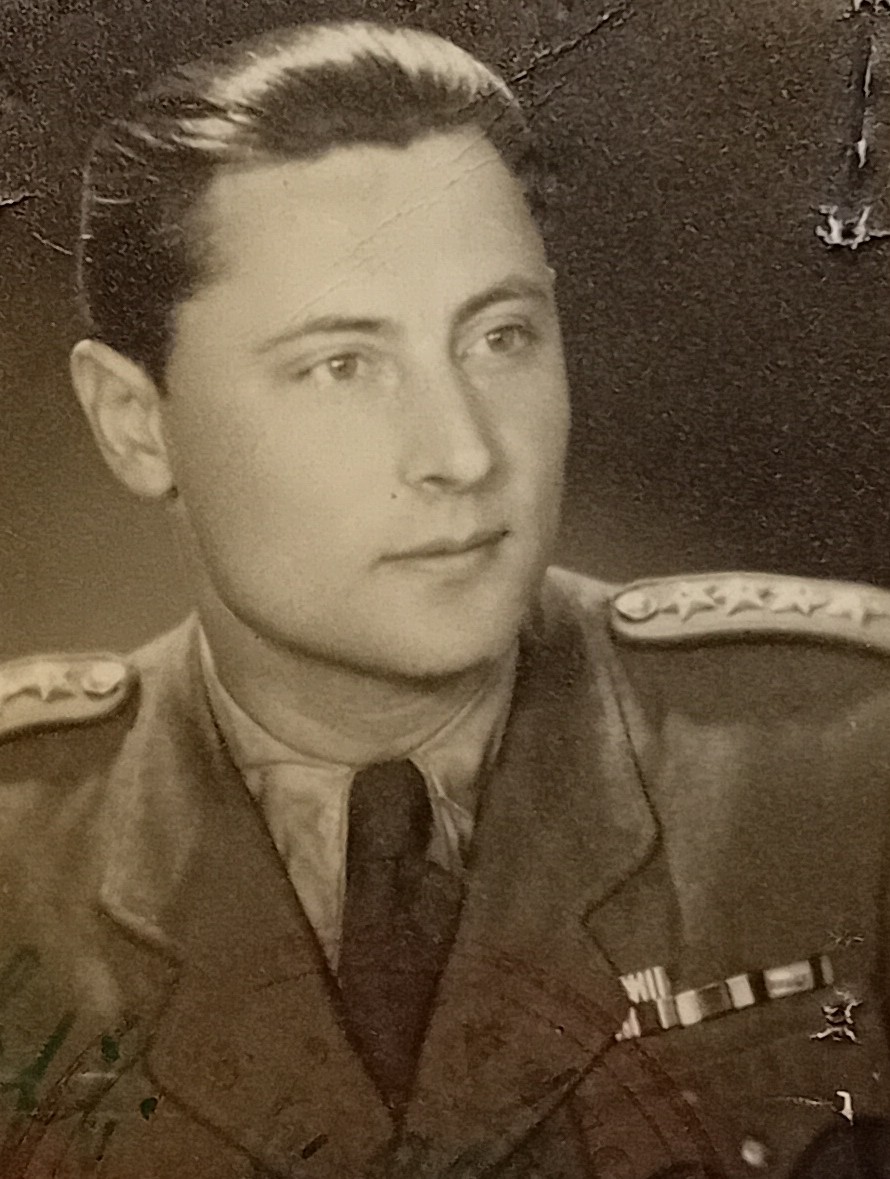
Ján Bačkovský was born in Štefurov in east Slovakia on 24 October 1919. His mother Anna née Hadzimová was born in the USA. His father Peter was Ruthenian and worked as a small farmer. Ján grew up with his four siblings in a modest background. He did not complete his studies at the Greek Catholic Teacher‘s Institute in Prešov. After the change of political situation in Slovakia, left for the Soviet Union (former Poland under Soviet occupation) in his third year on 30 November 1939. He was sentenced to five years in a Gulag labour camp for illegal border crossing. Until January 1942 he worked in Ukhtizhemlag near Ukhta (Komi Republic). Released on amnesty, he joined the emerging separate Czechoslovak corps in the USSR in Buzuluk on 14 February 1942. He fought his way through the battles of Sokolovo, Kiev, Bela Cerekva and Dukla. He served with anti-tank rifles in ranks from private to second lieutenant. He was wounded twice in combat. Having recovered from his Dukla wounds, he moved to a conscription unit and organized mobilization. After the war, he studied at the Military Academy of the General Staff in Warsaw. For political reasons, he was expelled after two years. He worked at the General Staff in Prague and then as the Head of the Department of Military Disciplines at the Military Medical Faculty in Hradec Králové. In 1955 he married Marina, née Krobova. They had two sons, Alexander and Jan. They separated after six years. In 1969, he was dismissed from his division commander position over his disapproval of the Soviet Union invasion. Having joined the Communist Party on 1 February 1938 at the age of 18, he failed the party‘s vetting process in 1971 and was expelled from the party and then from the army in 1974. Until the Velvet Revolution he held working-class positions and lived under the surveillance of the State Security, which kept a ‚person under verification‘ file on him. In the latter 1980s he wrote his memoirs of his time in the Gulag, which have survived in his son Alexander Bačkovský‘s archive. In 1991 was fully pardoned and promoted to major general. Ján Bačkovský received many awards during his lifetime - he was a double recipient of the 1939 Czechoslovak War Cross for the battles of Kiev and Dukla. He also received the Polish War Cross. He died on 8 November 2006 in Prague.