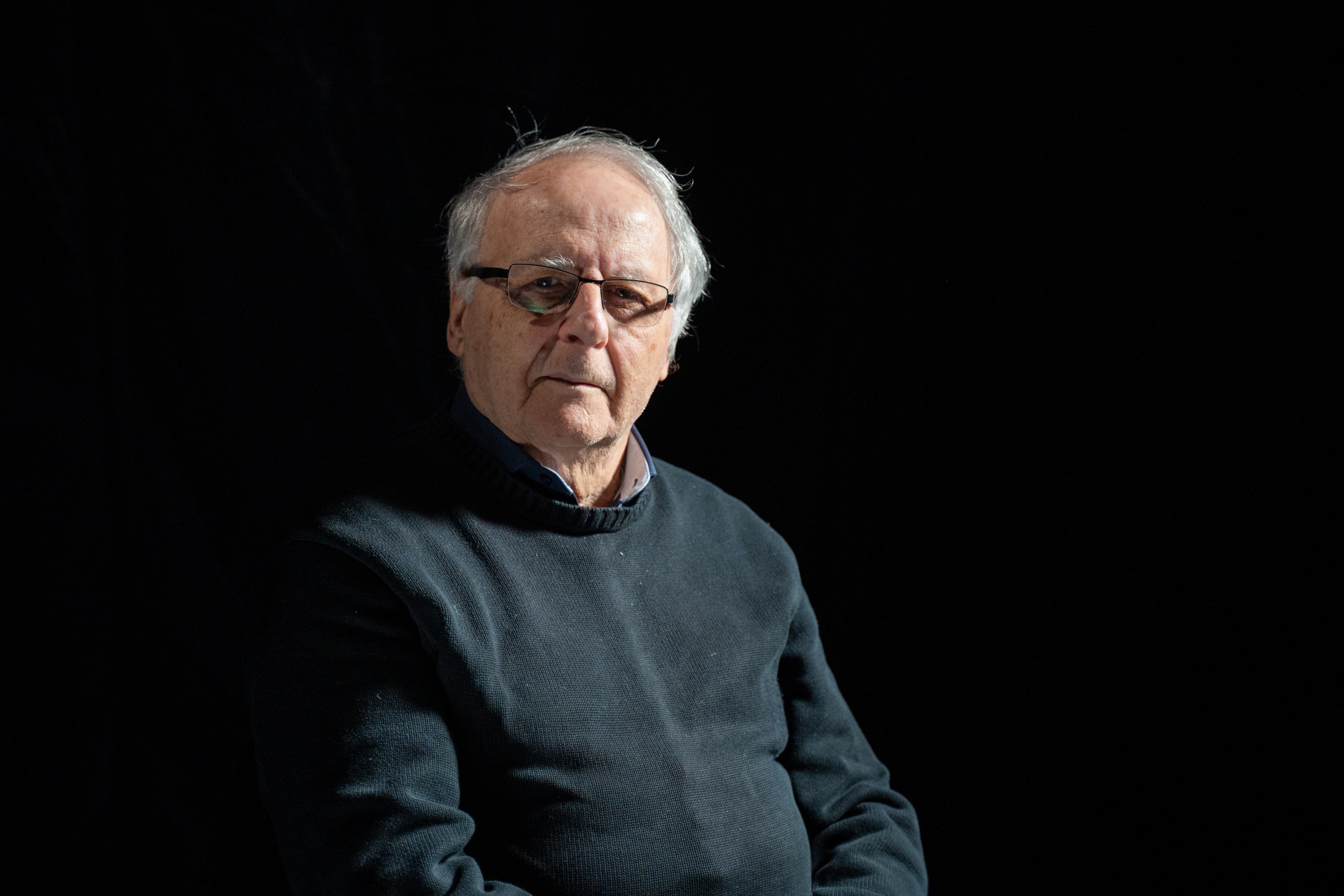
I consider myself a Podbrezová resident and a Horehronie resident, because I spent practically the first 8 years of my life there
Stáhnout obrázek
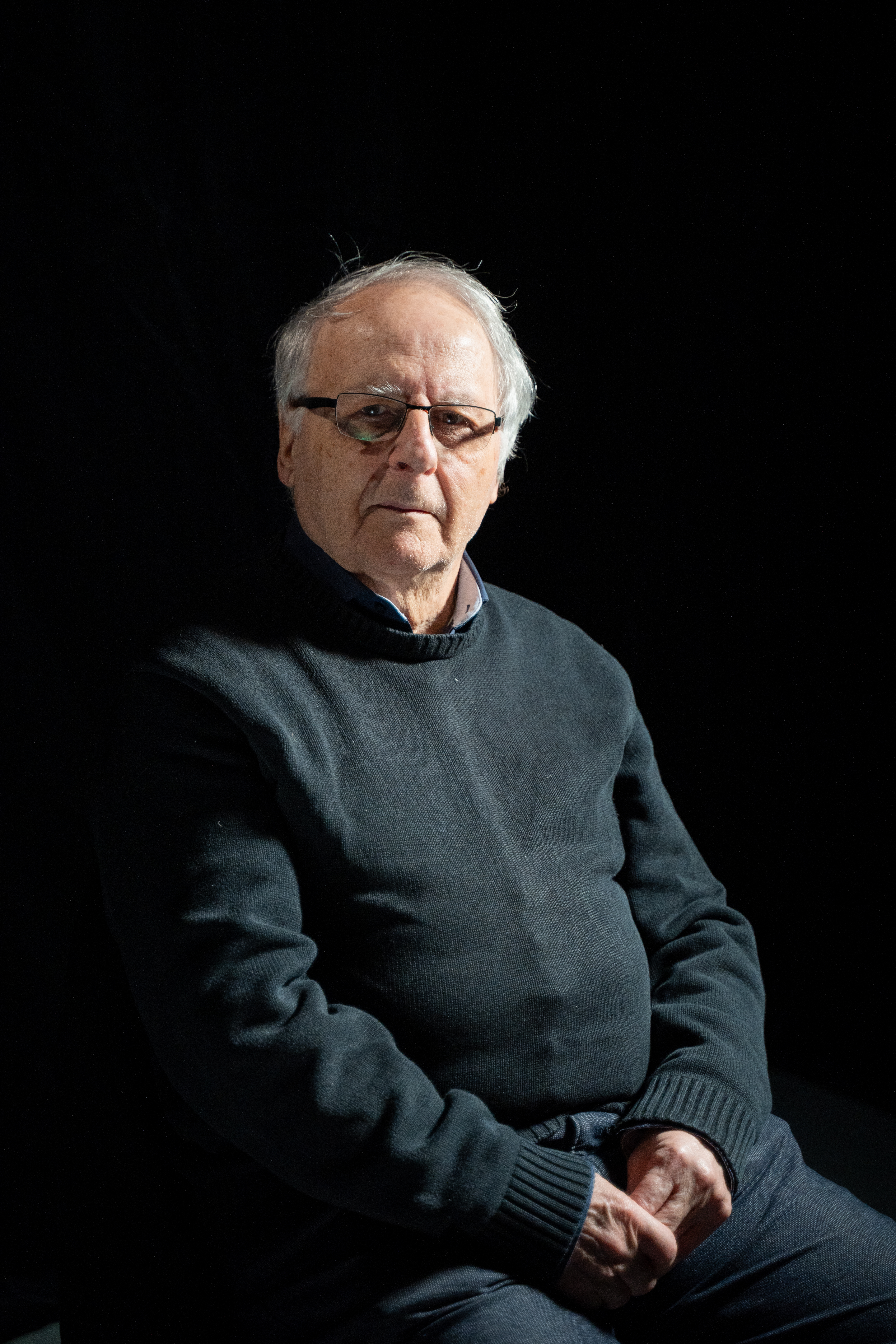
Ivan Marton was born on April 16, 1945 in Bratislava, from where they moved to Podbrezová immediately after his birth, where his father Ivan, a doctor, was given the task of starting the renovation of the hospital in Podbrezová, where he also became the head doctor and director. His father came from a Jewish family. His mother, Margita Martonová, helped his father, was a housewife and later worked at the Čedok travel agency. Because his father was a doctor, he had an exemption during the entire period of the existence of the People‘s Slovak Republic, thanks to which he was able to work. Together with his father, he also participated in the Slovak National Uprising in 1944 and helped wounded partisans in the mountains. After the uprising, the memorial‘s mother hid him. She also hid him together with his family, thus saving them from deportation. They hid in the shelter until April 1945. Ivan‘s mother became pregnant during the Slovak National Uprising. She went to work all the time and, while hiding in a place unknown today, hid her future husband and his family. After the war, Ivan and Margita got married. Ivan spent the first eight years of his life in Podbrezová and also started attending a folk elementary school there. In 1947, Ivan‘s sister Nadežda was born. Years later, the Marton family returned to Bratislava. He finished elementary school in Bratislava. In 1959, he was accepted to the Peter Jilemnický Secondary General Education School, where he graduated in 1962. He then applied to the Faculty of Arts of Comenius University, Department of Musicology, because he was inclined towards music. It fascinated him. So he studied musicology at the university for five years. At the turn of the years 1964/1965, Bratislava journalism students founded the ECHO magazine of Bratislava university students, in which he worked as the editor of the cultural section. He graduated in 1967. He completed postgraduate studies at the Institute of Musicology in Hamburg. On April 1, 1970, he joined the Slovak Philharmonic as a dramaturg. He worked there until 1978. He then worked at the Participating Company – Slovart, where he worked as a specialist in the gramophone department. His task was to sell and buy gramophone records or LP records. From May 1989, he worked in the same position, but worked for a foreign partner, where he still works today. In November 1989, he participated in anti-regime demonstrations. He was on the coordination committee of the Public Against Violence. In January 1990, he was co-opted as a deputy of the National Assembly in Prague. He served as a member of parliament until the end of June 1990. He was also actively involved in the fight against Mečiarism, which took place in 1998. He also helped organize the International Festival of Contemporary Music. He met his wife Beatrix Stariáni at the Philharmonic, where she went to concerts. Together they had two daughters: Xénia and Uršula.