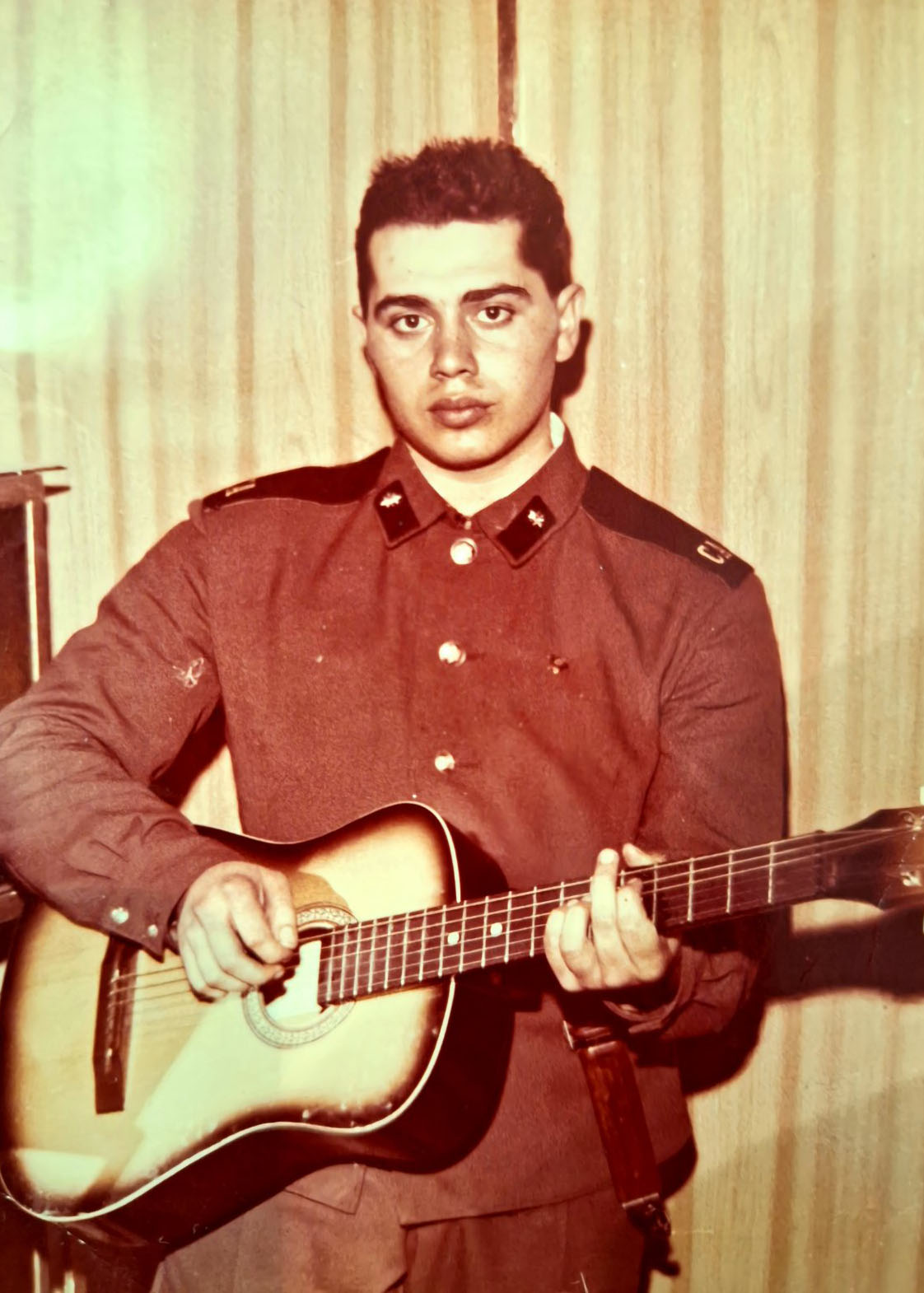
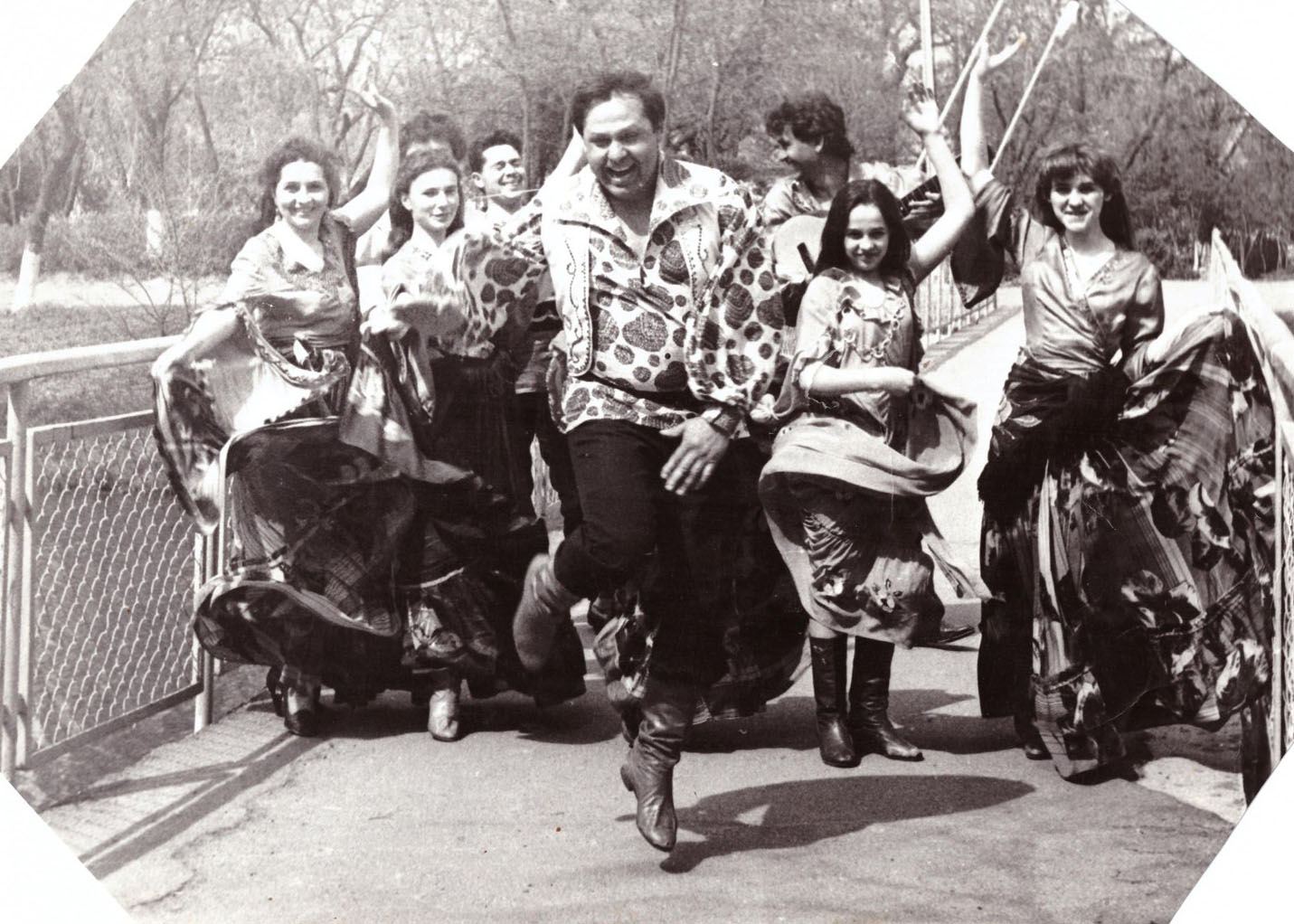
Back then, the issue wasn't so much about independence in a global sense, you know... Very difficult times began, and unemployment essentially started. Although when I returned [from the army], I had a job. I had graduated from a vocational school, so I had a profession as a sailor, and I went to work in Ust-Dunaisk [sea trade port]. It’s called the port auxiliary service fleet. But again, not everyone else had a profession. Even our own father. It so happened that he was out of work for a while, and nobody needed all those so-called "cultural workers" anymore. And the time came when our family was forced to get into trade. Everyone was doing it back then: buying shoes, some sweaters, things like that. We were already living in Izmail at that time. My father and mother had moved with the kids, and when I came back from the army, I returned to Izmail too, and lived with them. And we were trading at the bazaar. There was a period like that, until we started our community work and later opened a community center in the city. But there was such a [period]. The whole country was in that state. It was very tough.
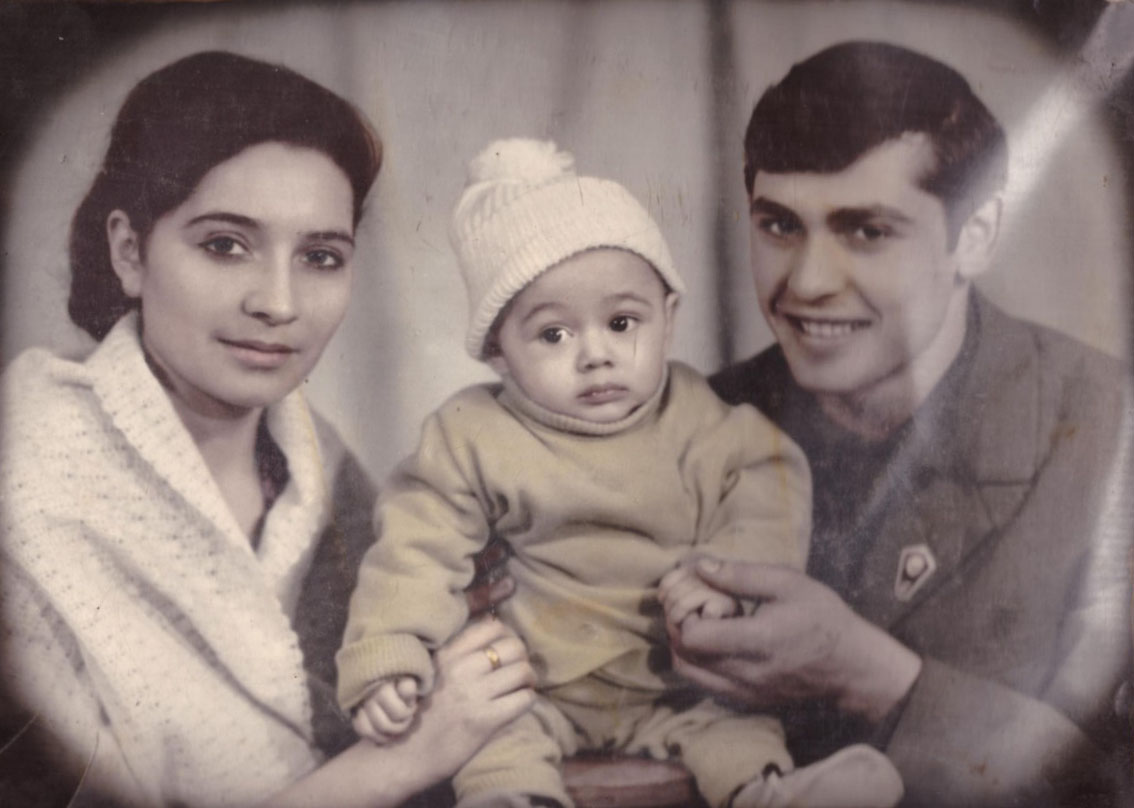
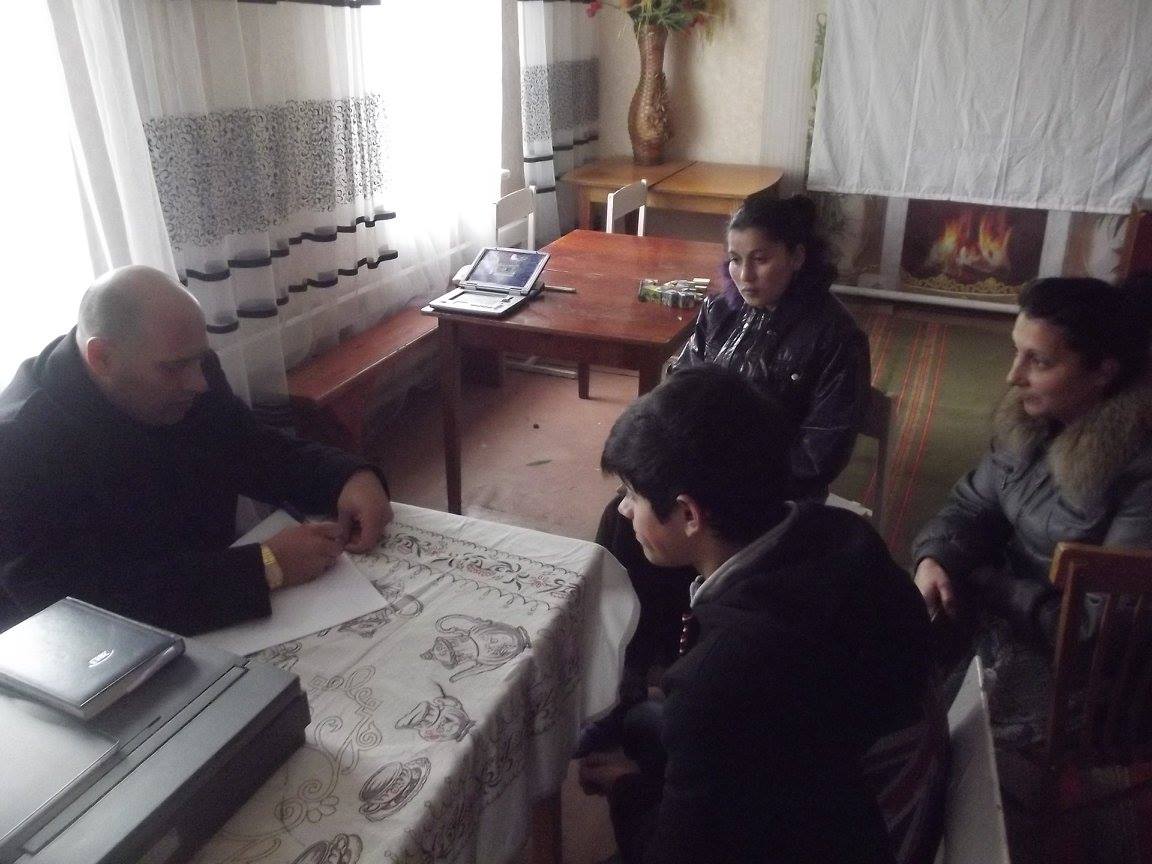
Our mother — who was pregnant with little Yulian at the time — went to Kyiv on some business, to meet with some acquaintances about... something she needed. And on the bus from Izmail to Kyiv, she met someone, I don't even remember who she was talking to... A man told her that the government had now allowed national minorities to open these kinds of organizations that could develop cultural traditions, culture, and all their other needs. For her, it was, you know, like a sign, something from above. She became fired up with this idea. She came back home and told us about it. At first, we didn't understand what it was. What was it for? Because our father was already helping everyone who came to him. He helped with problems with the police (it was [called] the “militsiya” back then), if someone was illegally detained, or got into a fight, or something else. I mean, this was constant... And we couldn't understand what this organization was for, anyway. We didn't even understand the name of the organization... But still, without understanding, we started doing it anyway. Mom, she had... The idea, her persistence. And we opened it, created a charter. We got help to draft the charter, write it, and register the organization. For the first two or three years, we were basically looking for information on how this works, how to move forward with it. At that time, a similar organization had also opened in the Zakarpattia region. There wasn't much communication yet between [Roma organizations], that kind of community didn't exist yet.
For some reason, a lot of violations against Roma people started to happen, you know, on a day-to-day level, but it grew into a larger scale. At that time, it was 2002, I remember, in Petrivka, when people were driven out of the village — this is in the Odesa region, by the way — and their houses were burned down. And it all started because a guy in a café was with a girl or something… A Roma [guy] with a girl of another ethnicity, and then it all kicked off... And we really understood, I came to recognize that I had to become a lawyer. Why specifically, what was the problem? If you went to court, they would let lawyers in, but you still needed some kind of permission from an organization, it was a complicated process, and you had to become a lawyer to be able to go and directly represent and defend people. I want to tell you that until about [19]98, [19]99, 2000, things were kind of, you know, just getting established. When it came to the Roma civic movement, the issue of human rights protection didn't really come up. But from the 2000s, some violations started, you know, and some changes began in the country — society had different needs, people started talking more about rights. Maybe it was the influence of there being a bit more public information. We already had international partner organizations, and they started talking to us about this. And we began to look at these things differently.
Our work on documentation began. At that moment — especially in the Odesa region — many people had a problem with passports. A lot of them [had no passports.] At all! People just... When I say "didn't have them," I need to clarify. They had old USSR passports that they had either lost, or many hadn't made the transition to get Ukrainian citizenship and a Ukrainian passport. And this transition, it had to be restored, and we had to work with the people. It's a complicated process. Various authorities are involved: the migration service, the justice department, the police, and so on, and so on... — How did people explain why they didn't have passports when they reached out to you? — First, there were many people in the Odesa region who lived in Moldova during the USSR. There were those who lived in Georgia. And from Russia itself. At the moment they arrived here, the [USSR] collapsed, and they were left living here. Some already had families here for many years and simply had no way to go back and get something from an archive. Someone else hadn't registered properly. They were a child when they came here, their parents remained there, and they stayed here with an aunt or someone else, with their grandmother. It was already a problem to go there and get something. Every story is different. But, unfortunately, there were very many such cases. At that time, we counted up to about 20,000 people who had no documents.
How ready could one be? I wouldn't say I was ready to see what was happening. The war caught us here in Odesa, and hearing those missiles, the gunfire, it was truly terrifying. By the second day, we had to get the women out. We drove to Kiliia, where we have family, our relatives. From there, I sent my wife and mother-in-law to my daughter. They went to Spain, they were there, and I stayed here. It was scary. Even if you understand that something is coming, really, you understand that it's a disaster, and anything can happen. But you had to be here... From the very first days, we started helping our Roma who were in the territories where the occupation began. They needed to be evacuated. Many didn't have the money to get out. We made arrangements for them to be picked up by car. Really, there was no time to sit there and be afraid. We started... We understood we had to work. We united. Plus, as a lawyer, groups started forming online: lawyers, human rights defenders, various discussions, groups. At that time, we came together. Something had to be done. I'm not a soldier. As a human rights activist, I started doing my own work, something I know how to do.
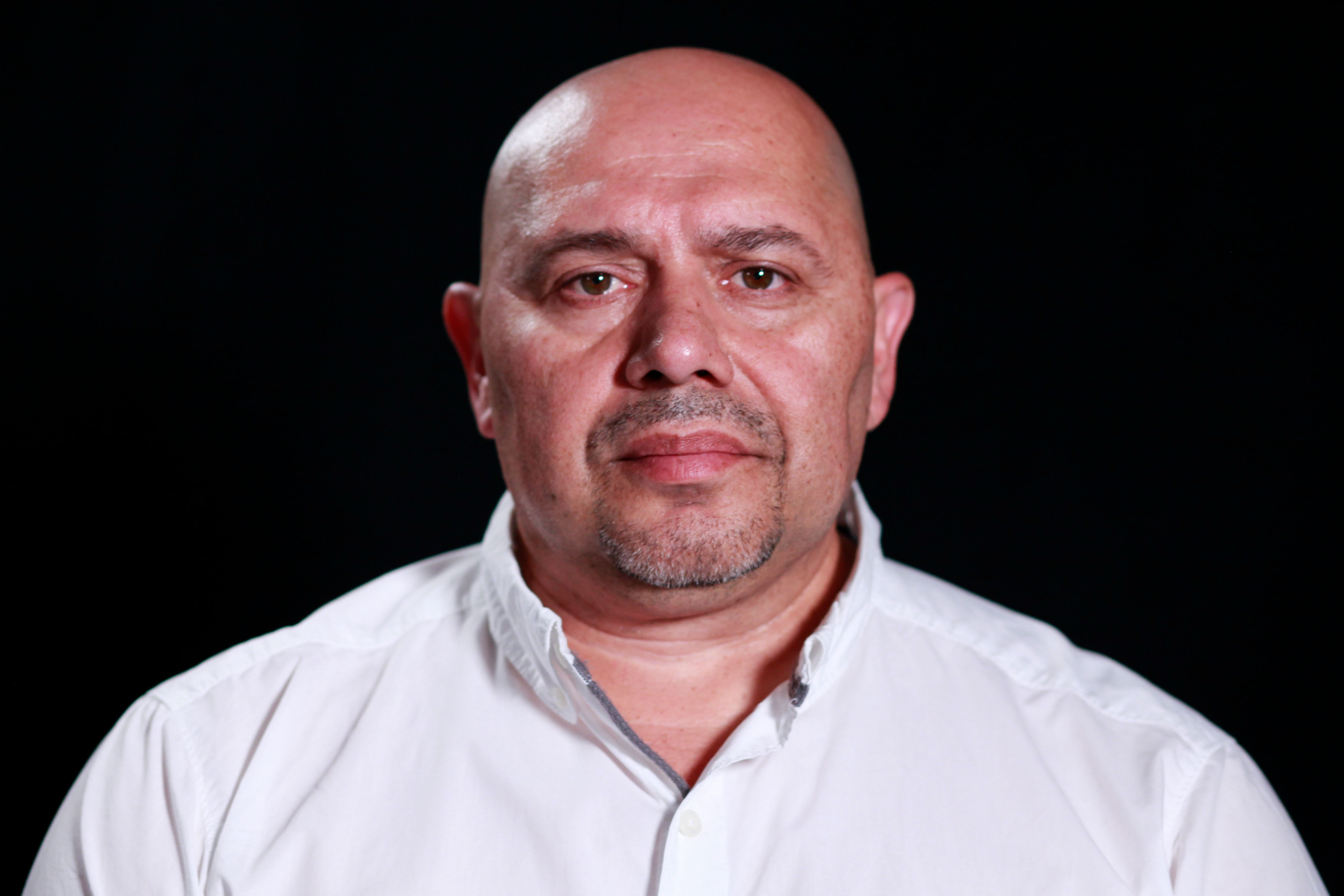
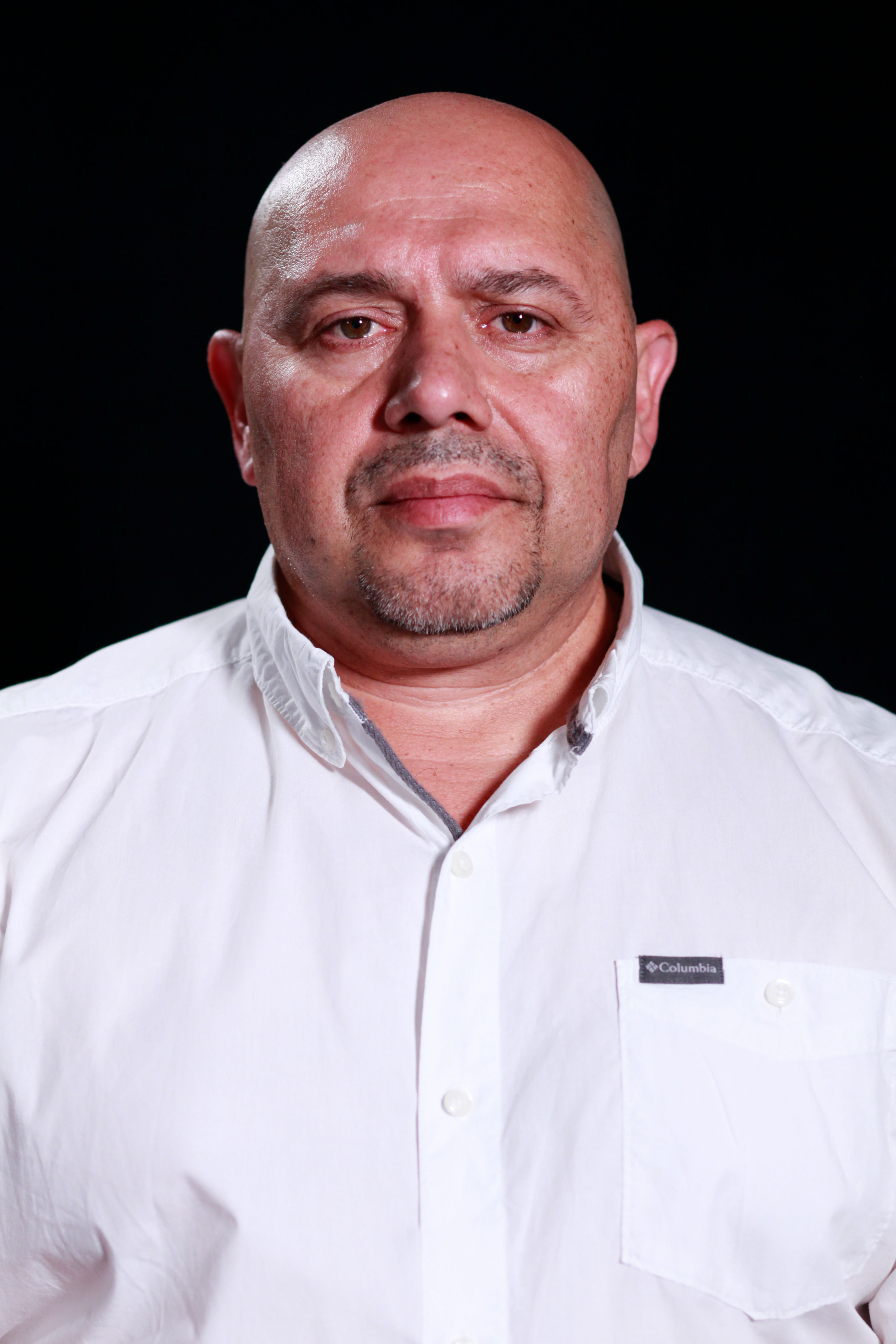
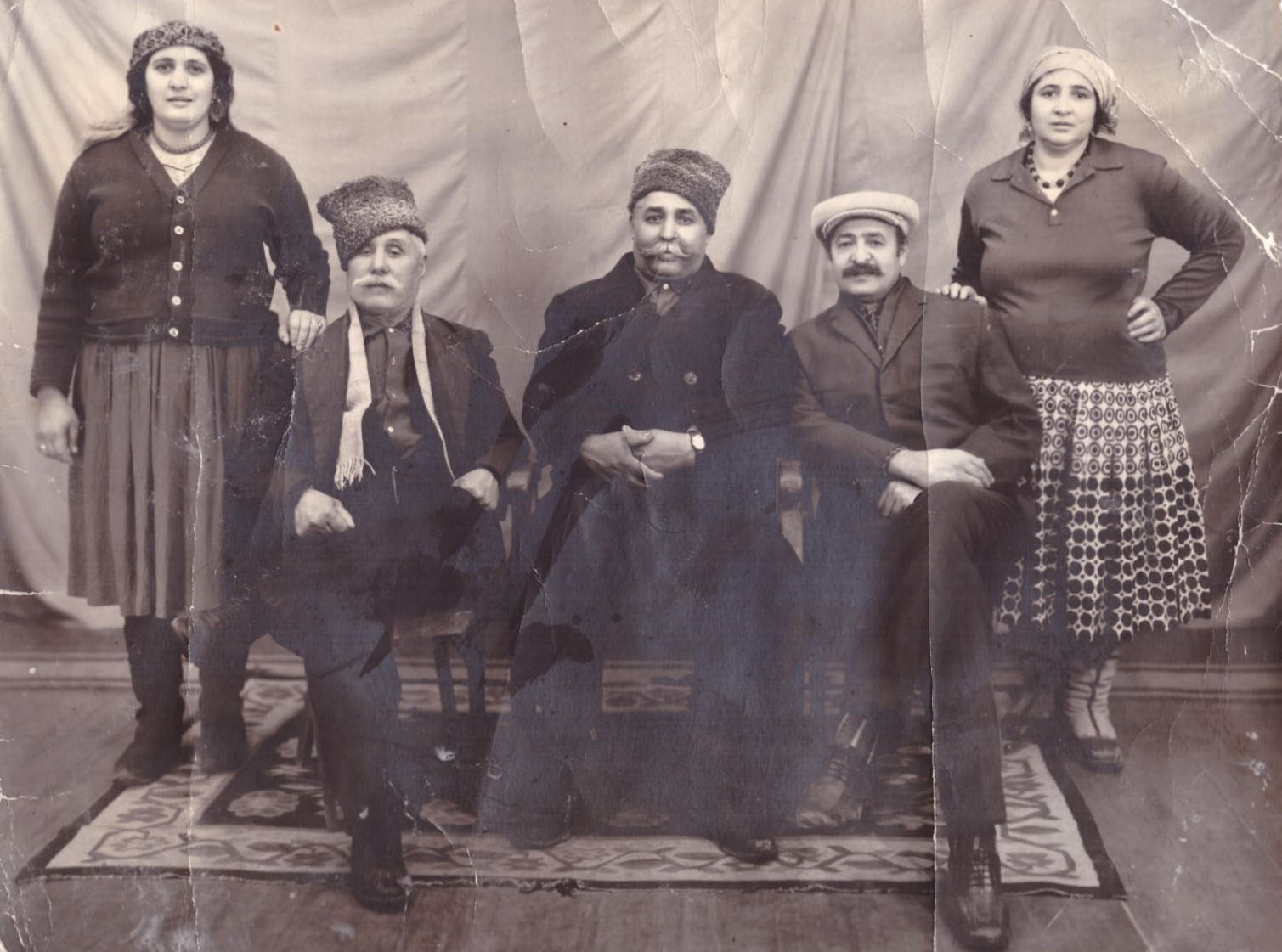
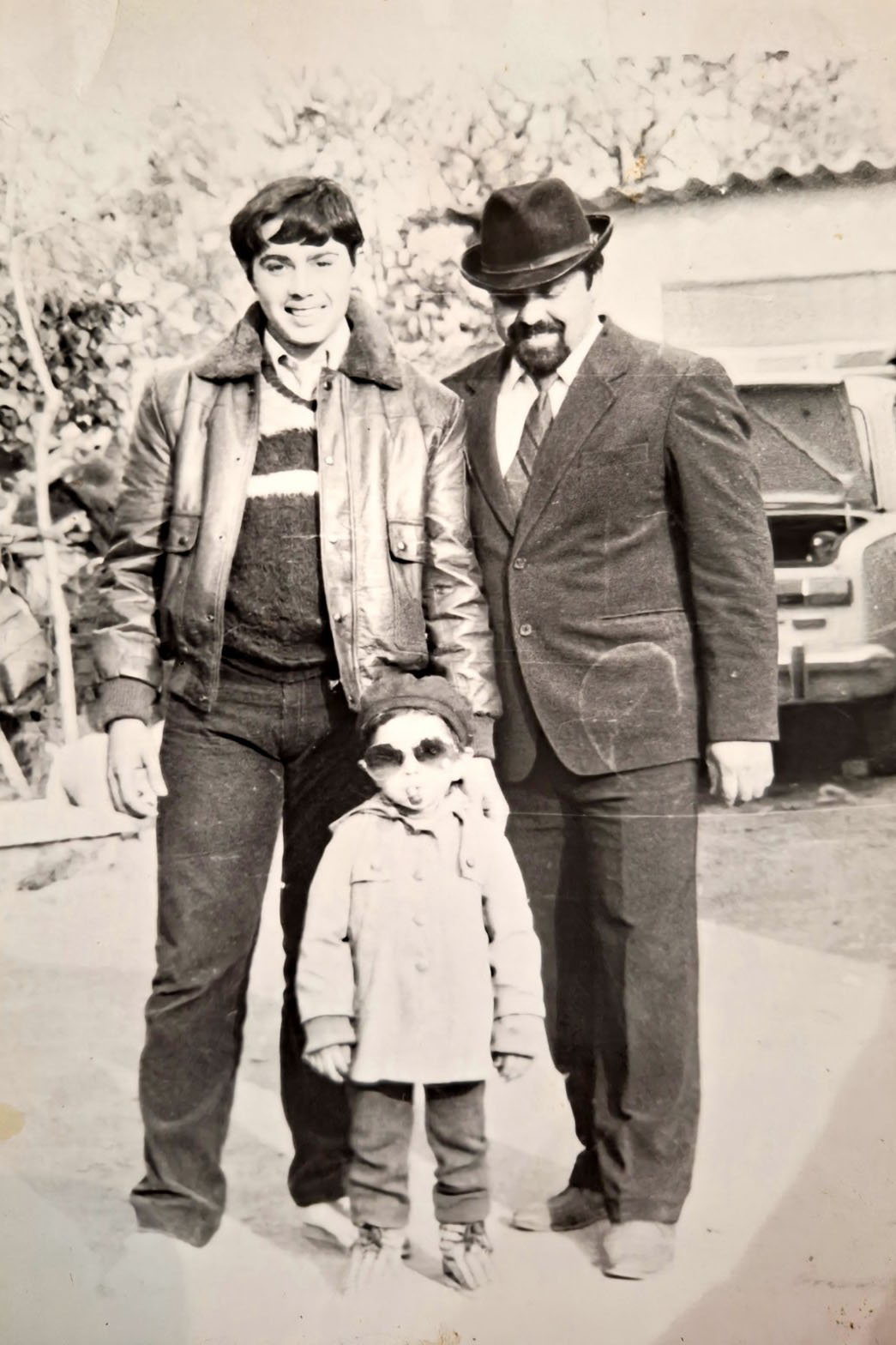
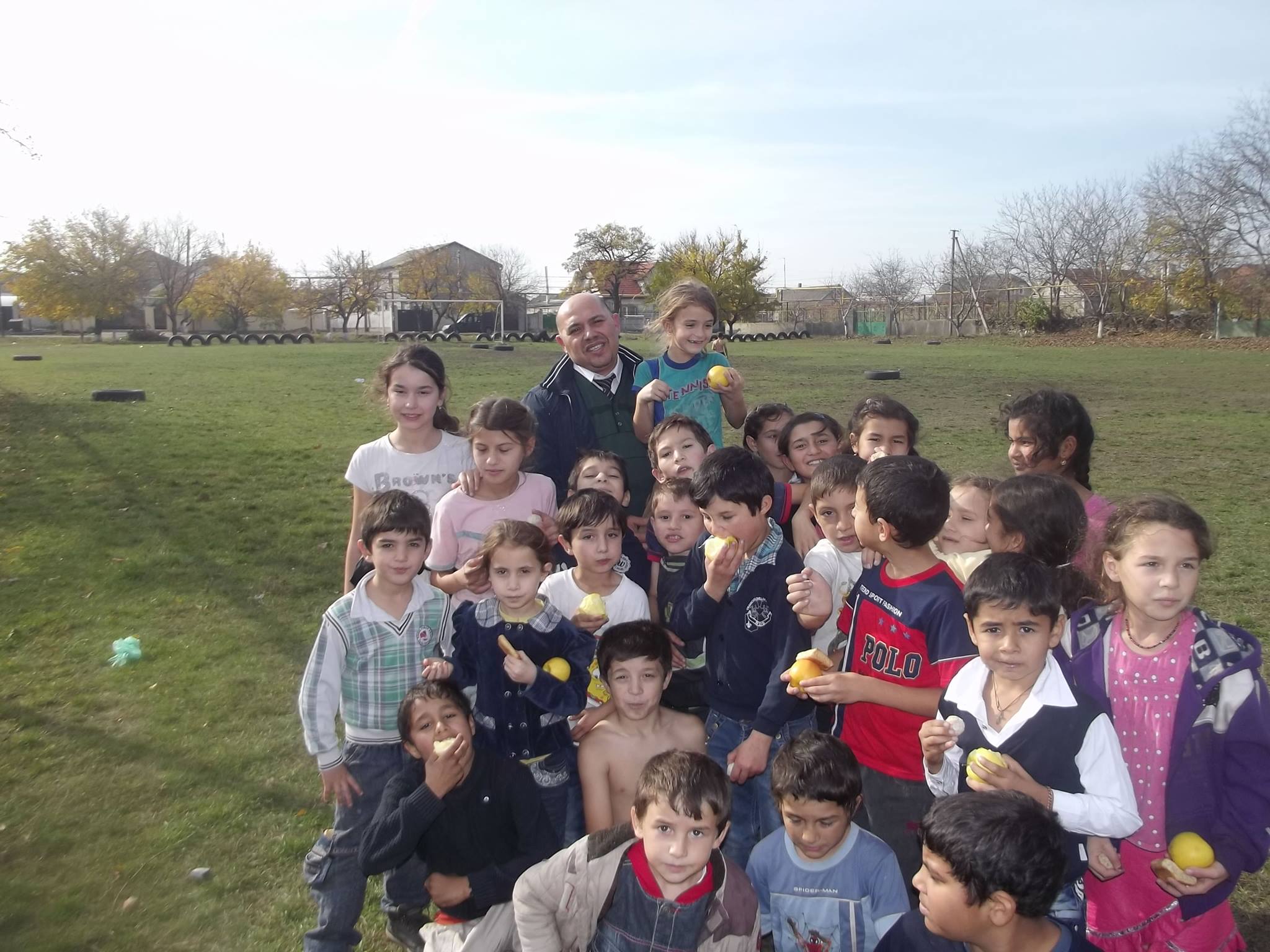
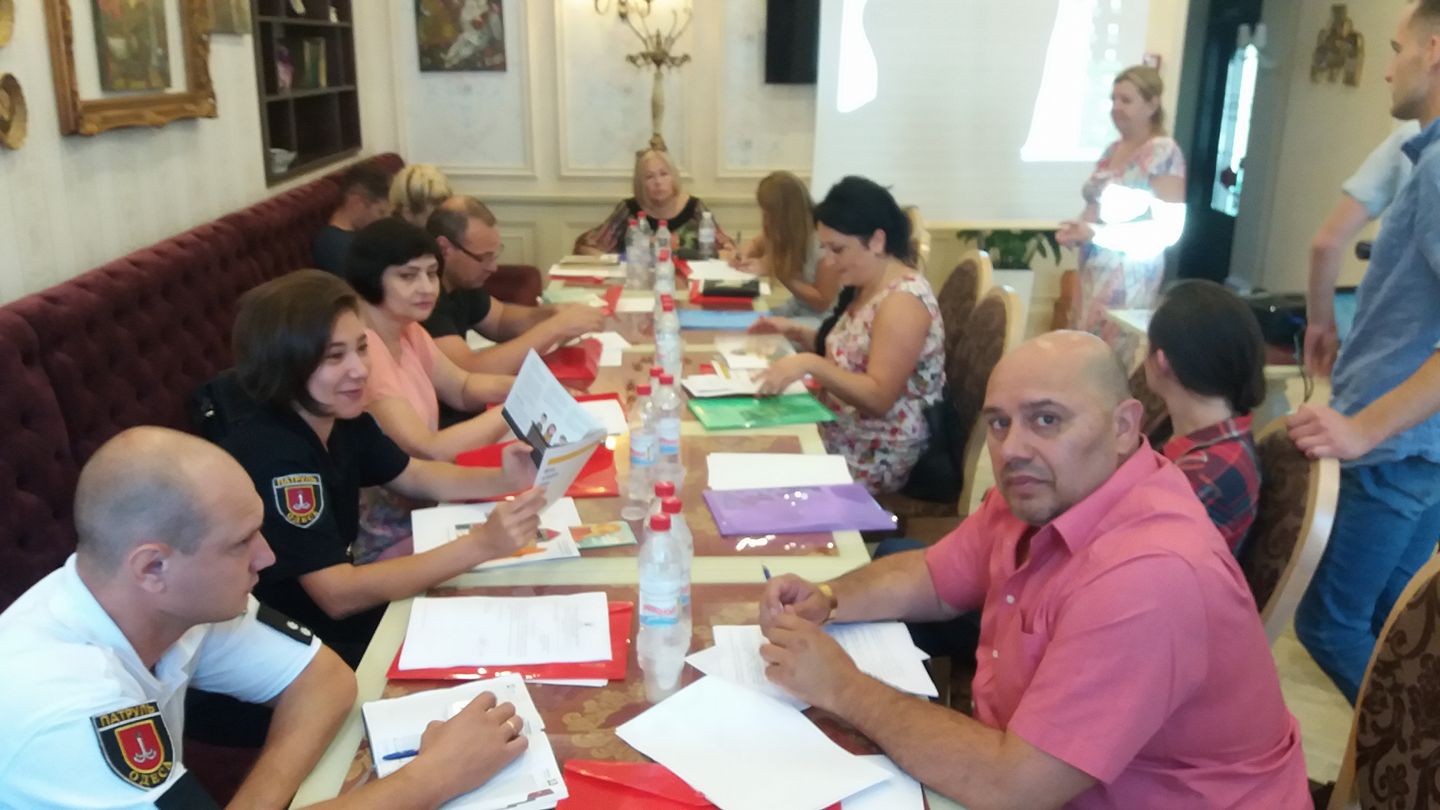
Volodymyr Kondur is a human rights defender of Roma descent. He was born on July 14, 1970, in Kiliia, Odesa region, to a family of Kalderash Roma originating from Romania. He trained as a ship‘s electrical fitter. He served in special-purpose radio intelligence troops and could have pursued a career in the special services, but after returning from the military, he chose to work in his field at the Ust-Dunaisk port auxiliary service fleet. In the 1990s, due to the economic crisis of the early years of independence, he engaged in trade. Starting in 1996, he assisted his parents, Anatoliy and Yuliia Kondur, with the Izmail Roma Association — one of the first Roma community organizations in Ukraine. He obtained a law degree and became a lawyer to defend the rights of the Roma community. In 2014, he founded and became the head of the Human Rights Roma Center human rights organization that promotes the social integration of Roma people. Since 2022, he has been working in the Ombudsman‘s Office, where he heads the department for the rights of national minorities, indigenous peoples, and religious views.
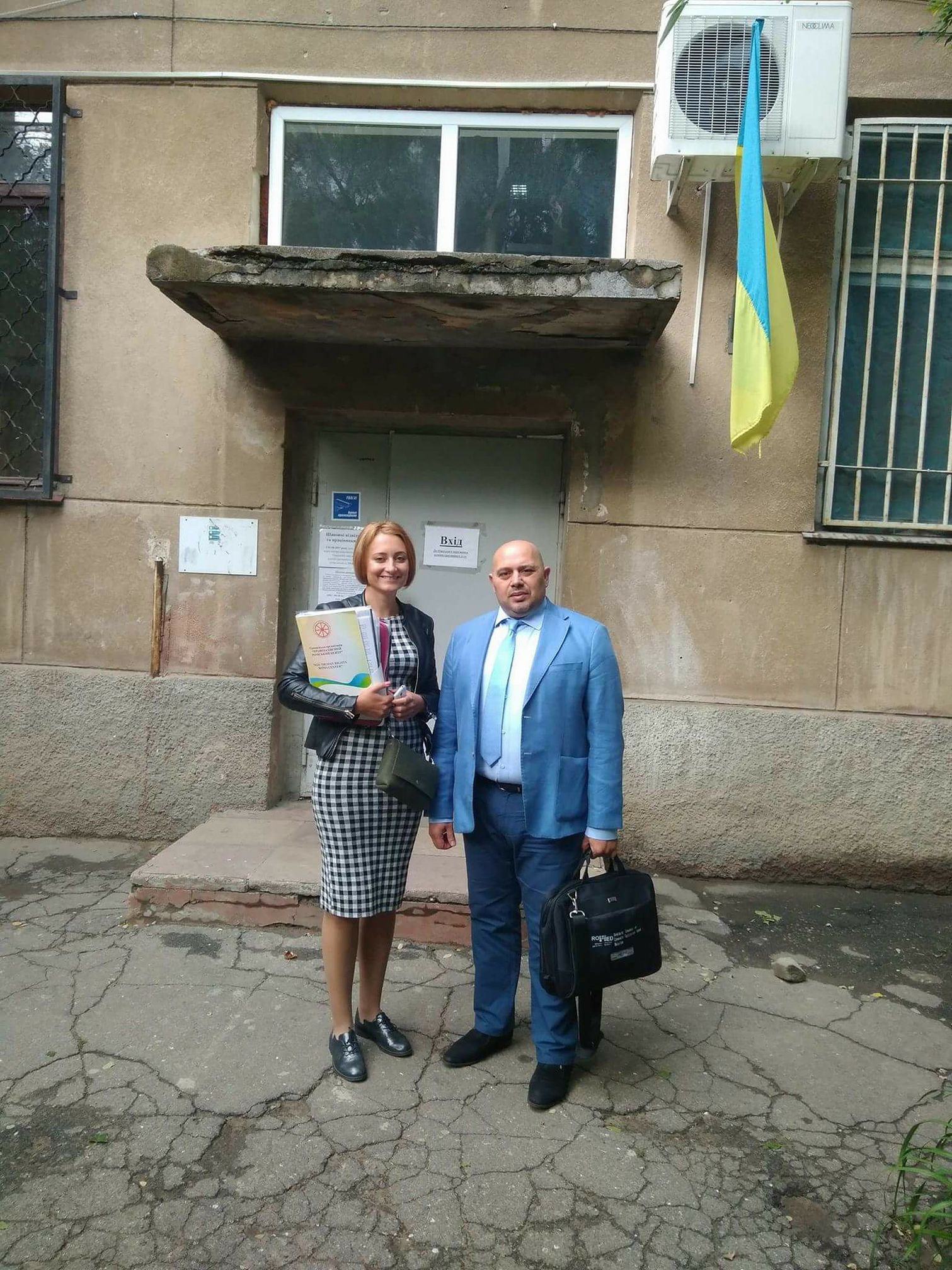
Volodymyr Kondur and Yulia Lisova captured before a court hearing on a lawsuit filed by Roma families affected by the pogroms in the Loshchynivka village. Odesa, 2017
Volodymyr Kondur and Yulia Lisova captured before a court hearing on a lawsuit filed by Roma families affected by the pogroms in the Loshchynivka village. Odesa, 2017
Hrdinové 20. století odcházejí. Nesmíme zapomenout. Dokumentujeme a vyprávíme jejich příběhy. Záleží vám na odkazu minulých generací, na občanských postojích, demokracii a vzdělávání? Pomozte nám!