Martin Zálešák

* 1959

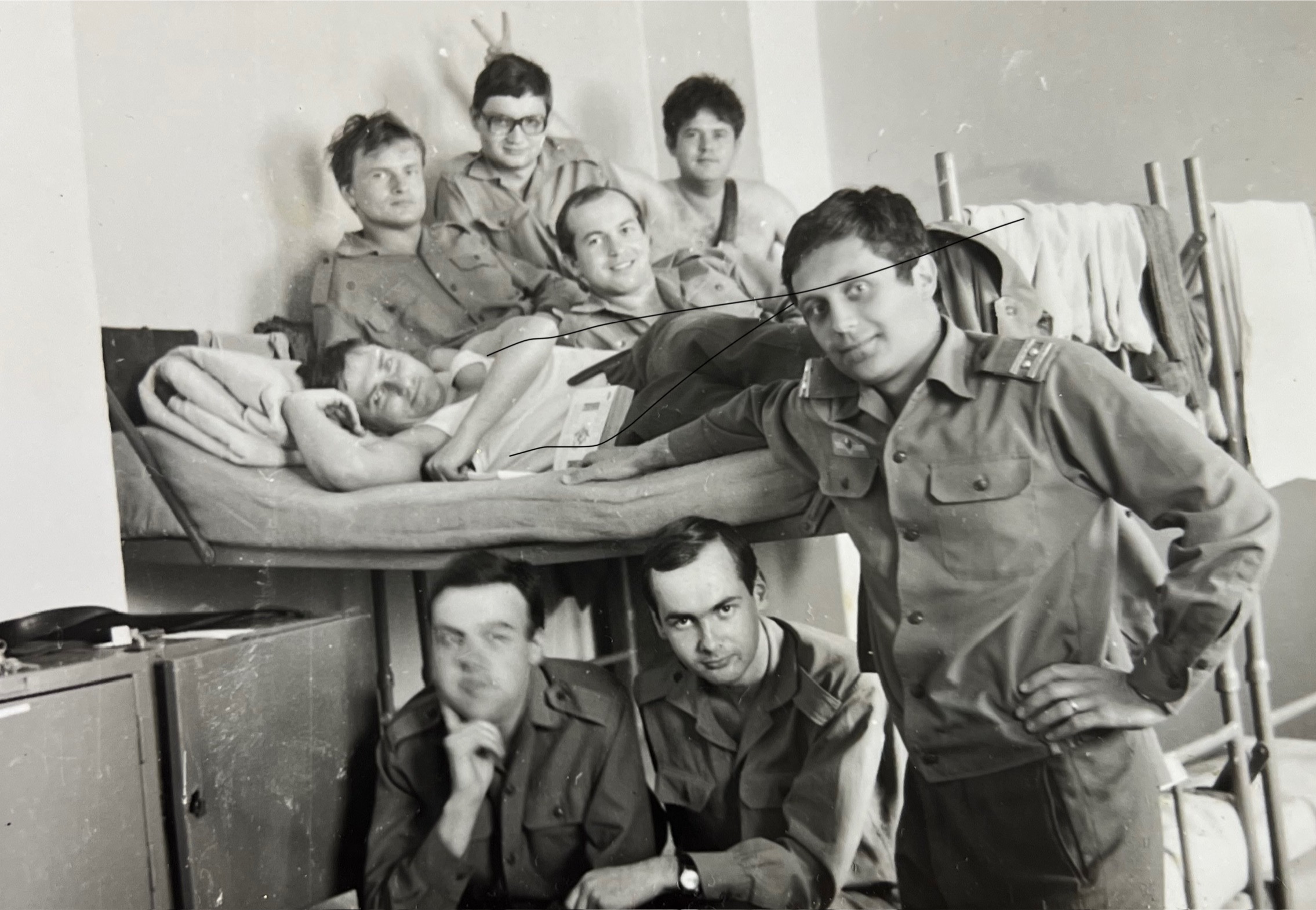
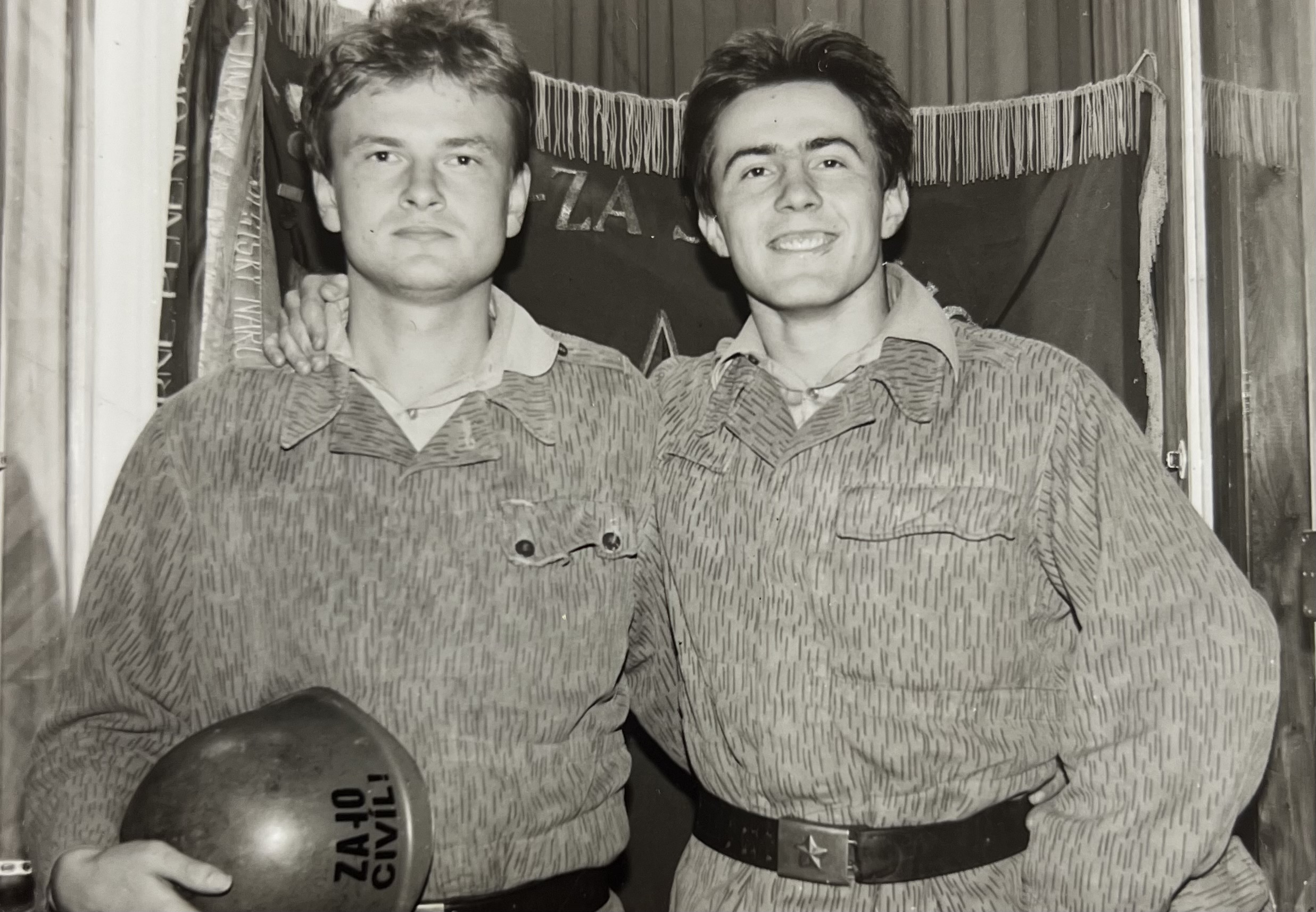
  • "That's where I got on that staff and drew the maps. I had a top secret clearance, there were these maps around the Bohemian Forest up to Germany. I love it, I studied it, what trees were there, you can just find everything in the map. But the bad luck was that I was always going on exercises, not only with the regiment, but also on so-called staff exercises. I was always near Doupov or somewhere. So it was bad. But otherwise, if you were in the barracks, you were doing well. I also happened to get up to Doupov for a Warsaw Pact exercise, it was called Shield. There I even drew those maps for General Špitálník, and I had been in the army for a short time. And then he gave me an extraordinary promotion for that exercise, which gave me peace of mind after that, even though I was a low-ranking soldier, they couldn't get at me anymore because I was already a lance corporal. He doesn't do clean-ups anymore, he's got an hour more walking time and stuff like that. So somehow we survived there, but otherwise the military service was pretty tough, there were a lot of dead ones too. The soldier who shot Kadrnožka even slept above me, then he wanted to escape to Germany. We had a hunt for him there. It was not pleasant. And I also experienced there the situations that were in Poland. It was called Action Krkonoše. We were writing those orders and we knew about those alarms when they were going to be, which were done as a training exercise, I always knew in advance. When the alarm was to be given in the morning, I was already lying in bed in full field and I was waiting for the whistle to blow. But all of a sudden the alarm came, we left those barracks, but we didn't go where we were used to, but we went to the station, we started to get on the wagons, the wagon crew. I always had this big backpack stuffed with paper as a dummy, so I had one pair of shorts and one pair of socks, I remember that. Well, that's how we went out on those Poles. We got to another training area at Mácha's Lake, and we were stuck there for about three months. So me with one sock, and we were waiting to see what would happen."

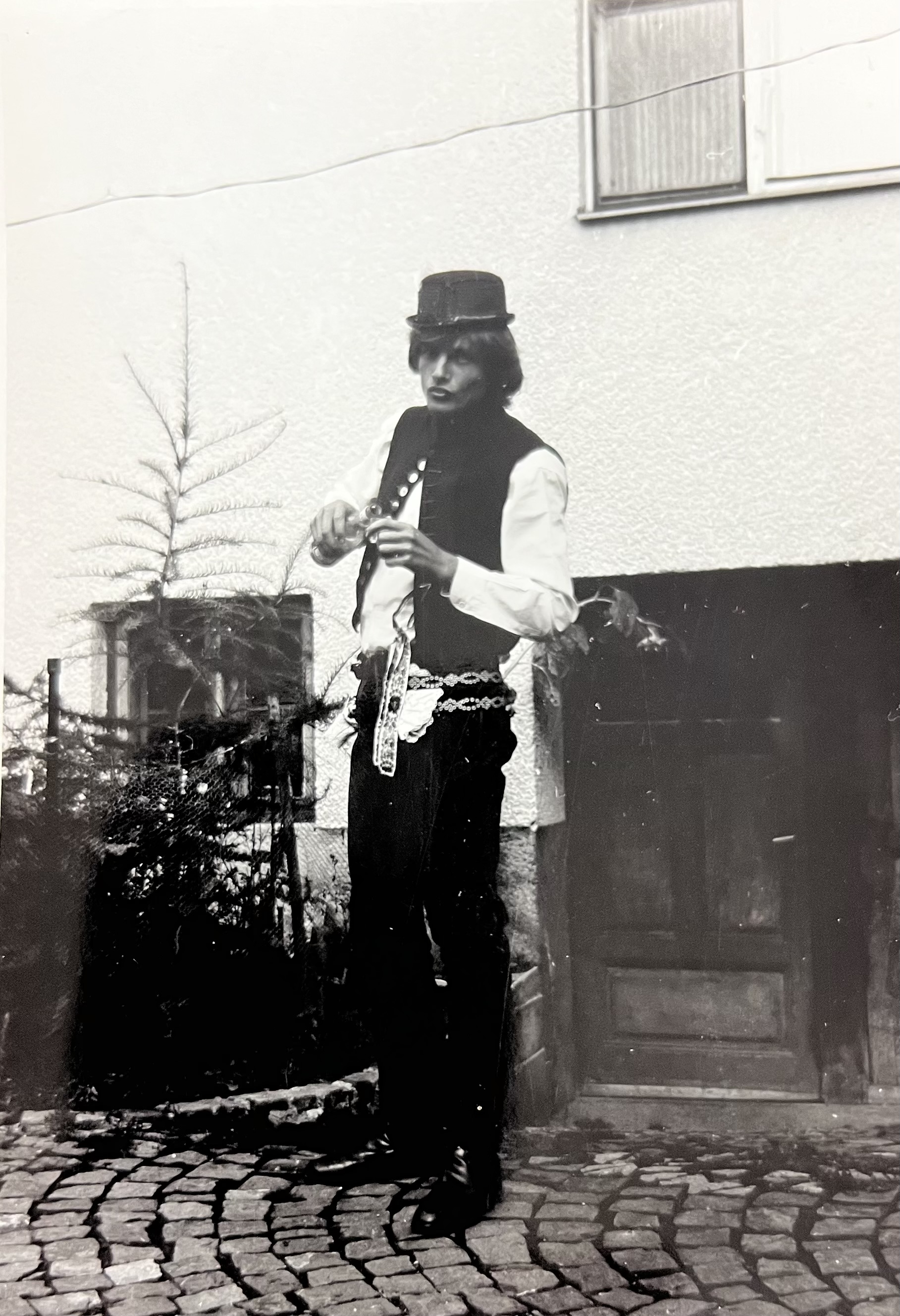
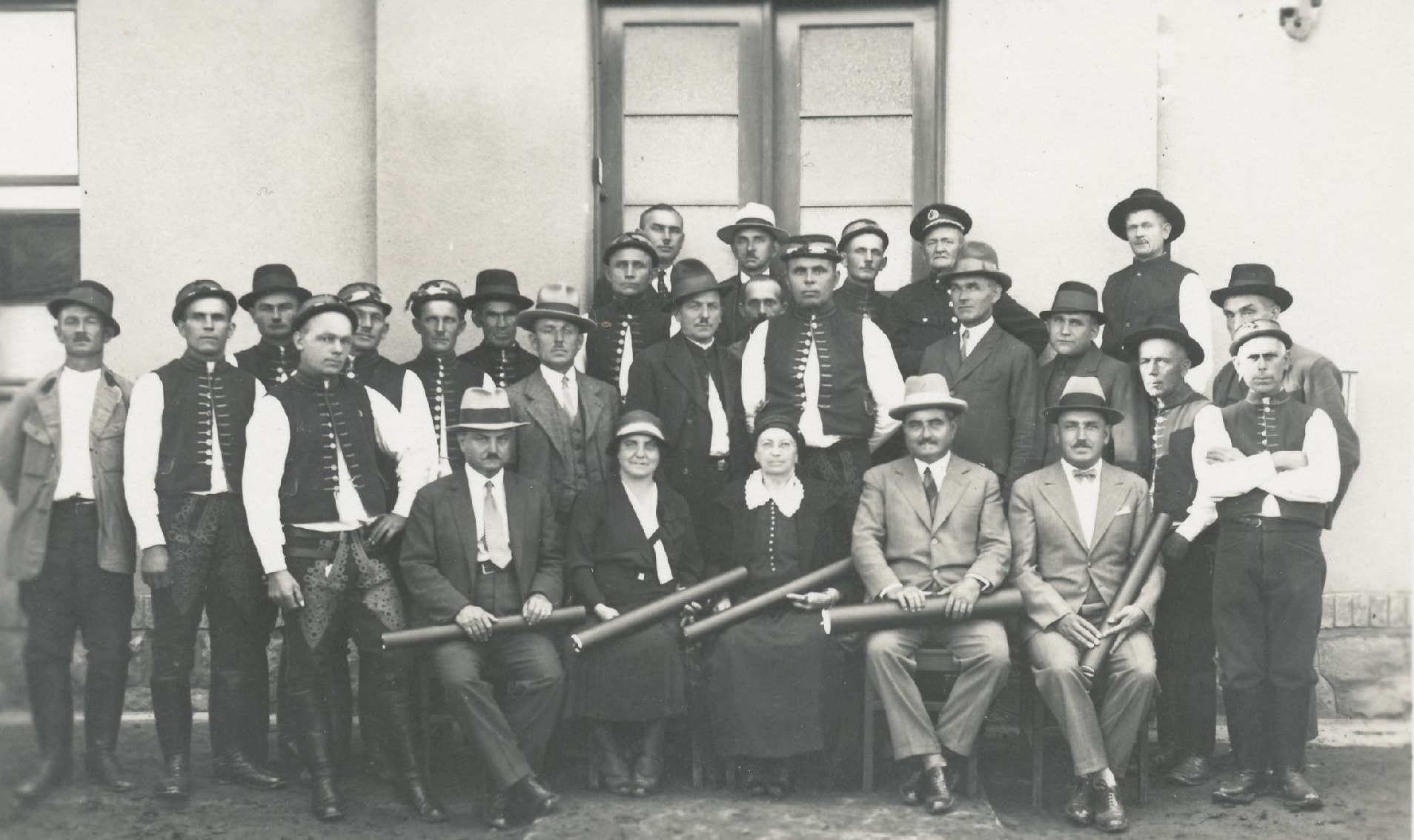
  • "We were altar boys. My grandfather's brother was a Catholic priest, his name was František Borák. He also took an active part in the assassination of Heydrich. He was a chaplain in Valašské Klobouky. Valčík confessed to him and wanted to turn himself in to the German authorities, it was already mentally unbearable for him. But the priest told him he had to carry out the mission. He also gave him a pendant with the Virgin Mary, which they found in Resslova Street in Prague. Fortunately, it wasn´t revealed, but Valčík turned out badly, the whole family was eventually killed, they ended up in the execution ground. And it's also interesting that Bublík was also from Bánov, and he also died in that church. Luckily they didn't find out, otherwise I wouldn't be here anymore. They would have killed us, our village, father, mother... Fortunately, that didn't happen. Otherwise, the interesting thing is that all the assassins were Moravians. One was Slovak, from the other side of the border. The paradox is that only Čurda actually betrayed them there... Well, I don't blame him, because then the families in Prague who helped them were badly affected. My grandfather's brother, the priest, was not found by the Nazis, but then, of course, he was arrested by the Bolsheviks. Now the State Security records are coming to light, where it is written that Father Borák is the absolute worst, that he does not respond to them at all, and that he tells them that his commander is Christ. That's what it says in those files. Well, his brother was a churchman in Bánov, so we were already serving as altar boys from the age of six. Which for a kid like that, when you consider that the first mass was at six o'clock, the second one at six-thirty, you had to get up, for the morning mass, in the winter, it wasn't so easy. Not only did we have to help at home, but we went to the church. We were threatened that we wouldn't get anywhere because we weren't in the Pioneer or the (Youth) Union."

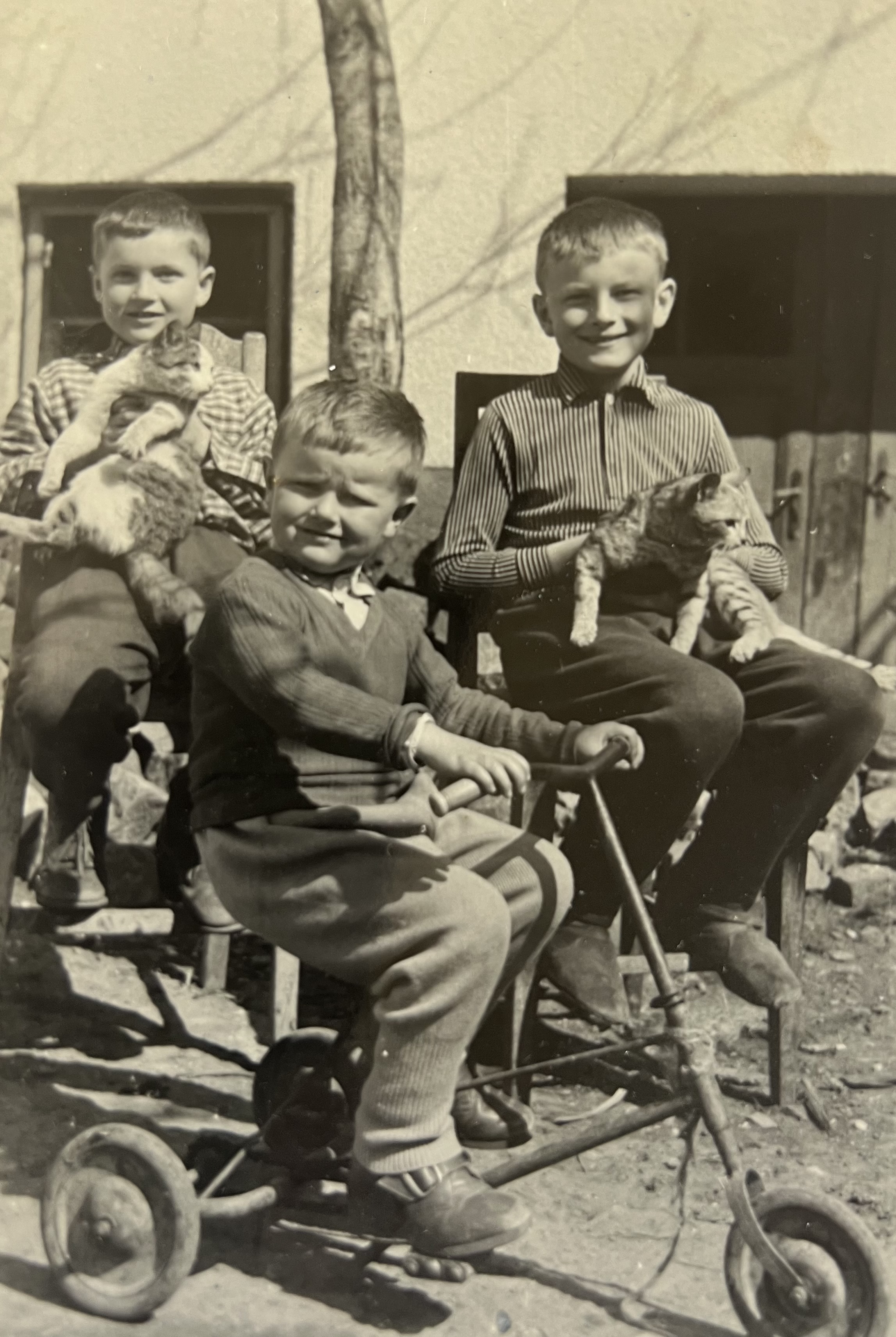
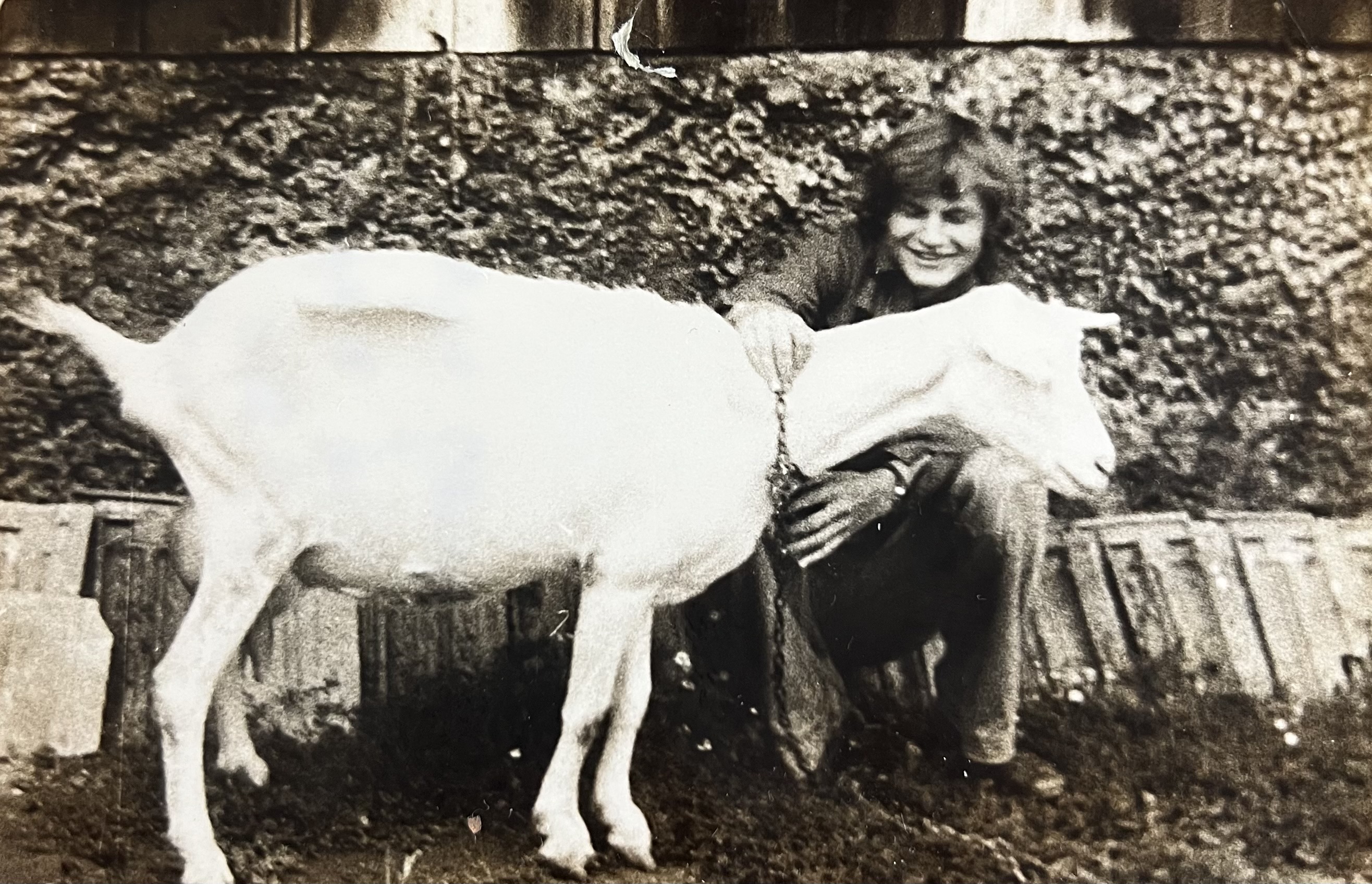
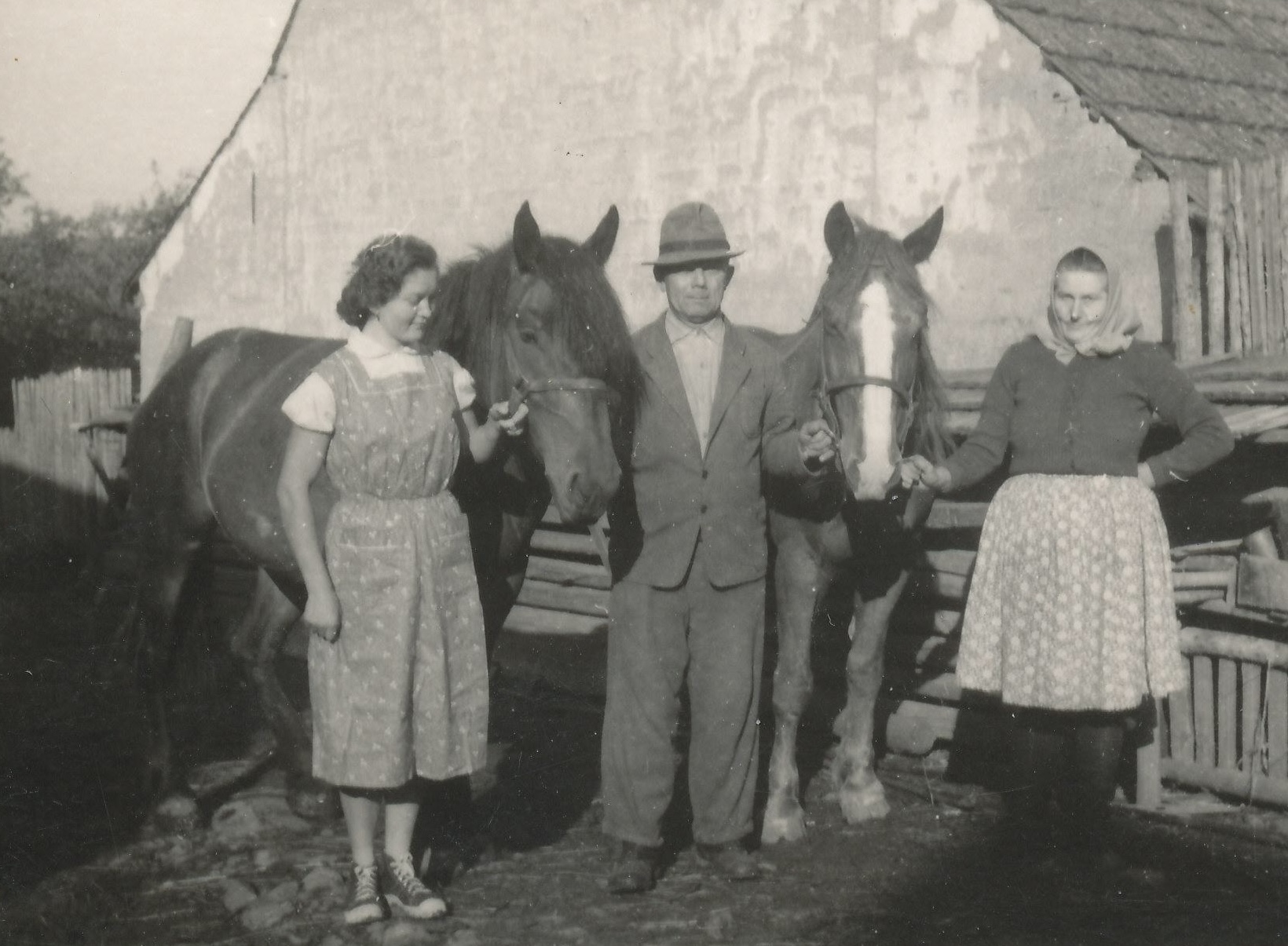
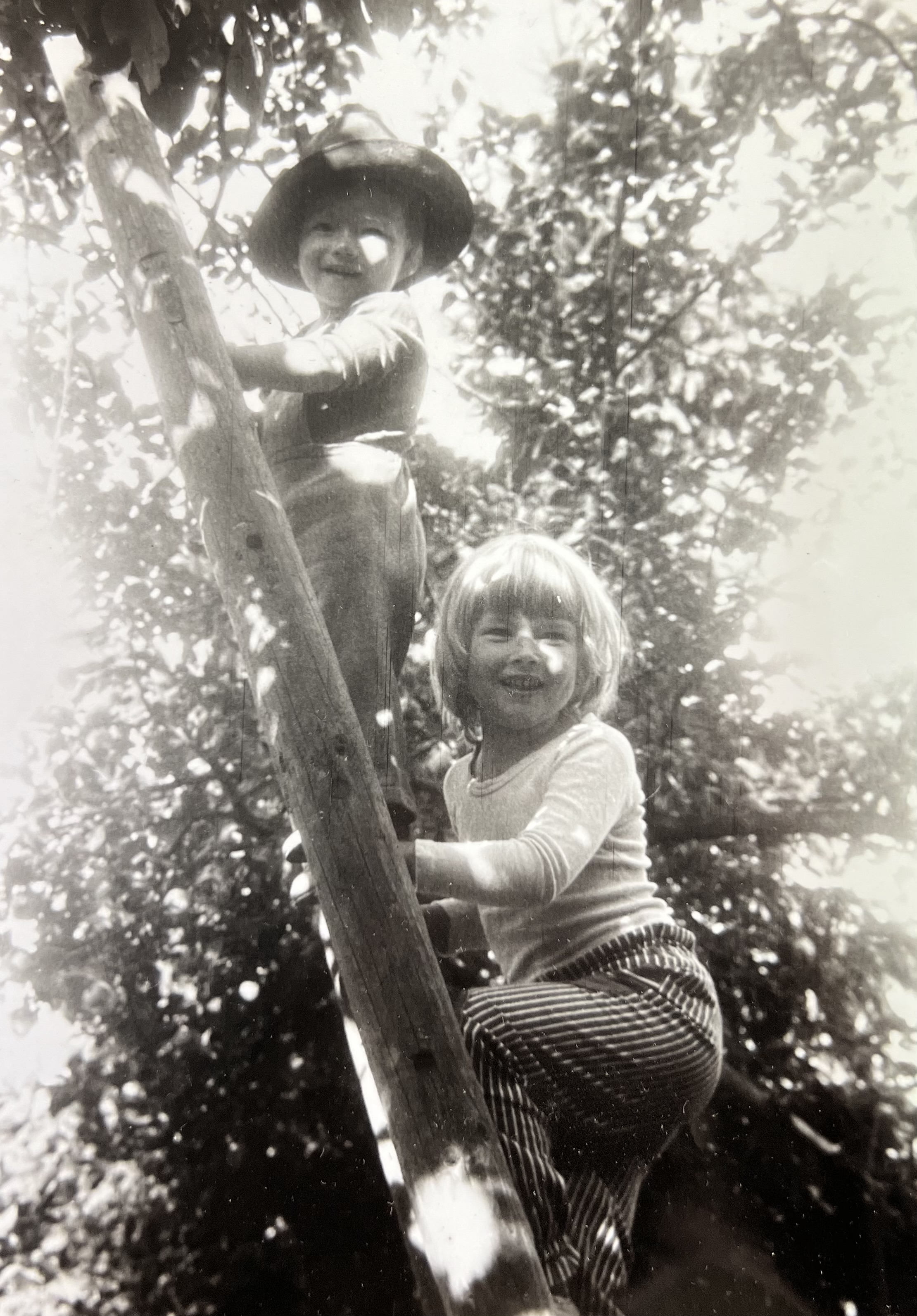
  • "For example, I was at a party, I came in the morning and he didn't pay any attention to it, he woke us up and we went along one row there for half a day and another row we went back for half a day. You were thirsty. Well, you didn't want to be in a field somewhere. And on the other hand, the cooperative farm used the kids to dig up the garlic. The kids who could do it were there from seven to three. It was always very hot because you dig garlic right when the holidays start. And it was interesting that the wagon measured the row, and that's where you put the box that had the snack in it. The horses came and they picked it up and the kids did it and got paid for it. I guess it would be handy today. Those kids learned to work, to hold on there. There was more money then, because it was around '68 when farming got a little 'boosted'. I remember there were always these horrible mosquitoes coming in with the horses, and of course they'd come at you. Another interesting thing, my grandfather told me that he encountered those mosquitoes when they were herding cows, they were there too. They used to catch them and stick straws up the mosquitoes' asses and release them like little airplanes. Such fun in the village. Otherwise, we stayed outside all the time. We'd come home from school and have to go and pick potato beetles. Although some of the so-called progressive ones sprinkled DDT on it, it was called dinocide. It was like putting sugar on the buns, so they were sprinkling it, the potatoes here, with this horrible poison. We didn't do it here, we had to pick it up. We kept picking and picking. Our pigs ate the kosher potatoes. Then we had to kill the potato beetles, it kept coming out of the cans, so we made like mash on a rock. And then other methods of pouring gasoline in there and burning my brother's face... We were always just outdoors."

  • Celé nahrávky
  • 1

    Dvorska, 05.09.2025

    (audio)
    délka: 01:59:39
    nahrávka pořízena v rámci projektu Stories of 20th Century
Celé nahrávky jsou k dispozici pouze pro přihlášené uživatele.

Everything I did, I wanted to do honestly - and that was also true for painting
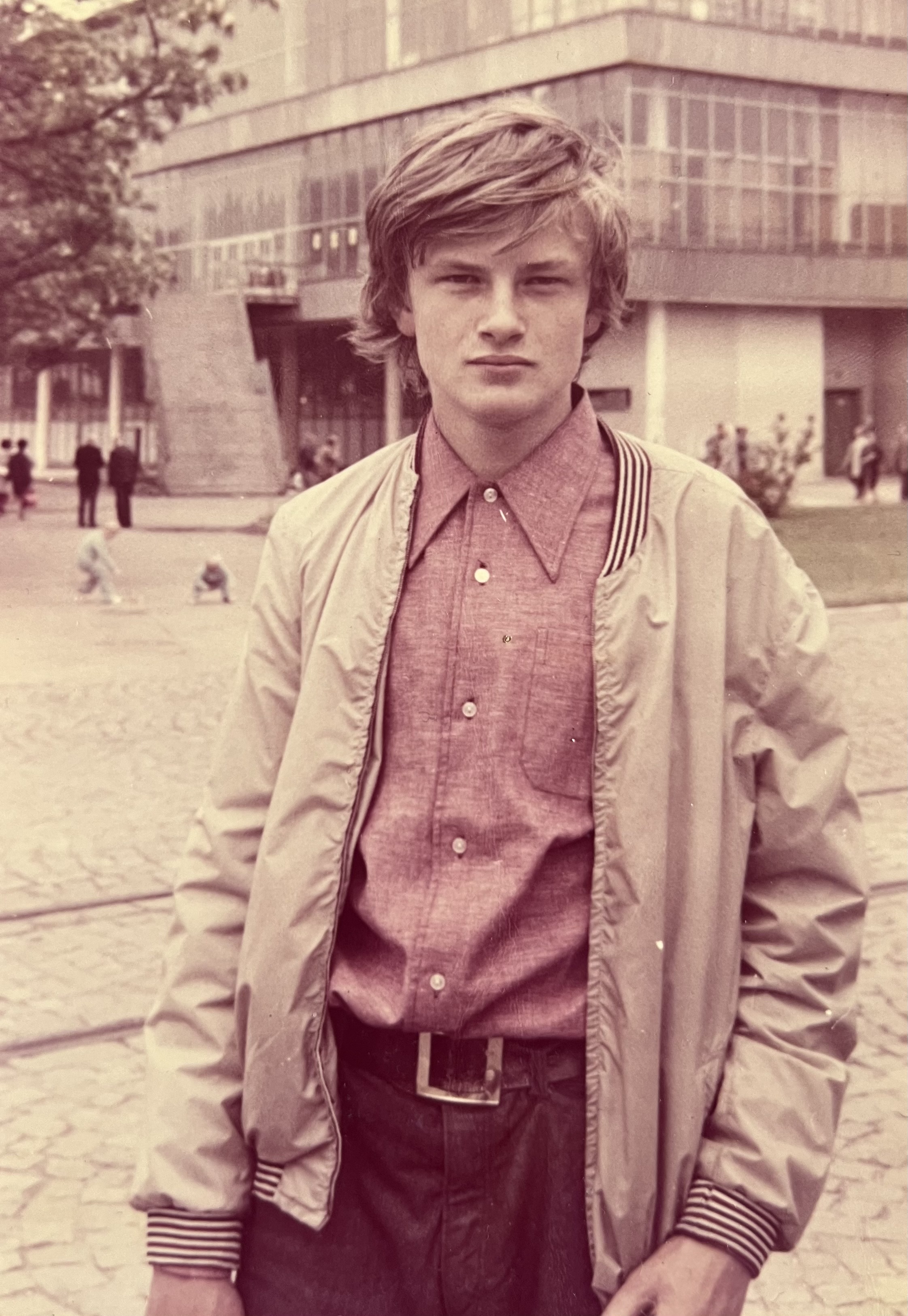
Martin Zálešák after secondary school, Brno Exhibition Centre
zdroj: witness´s archive

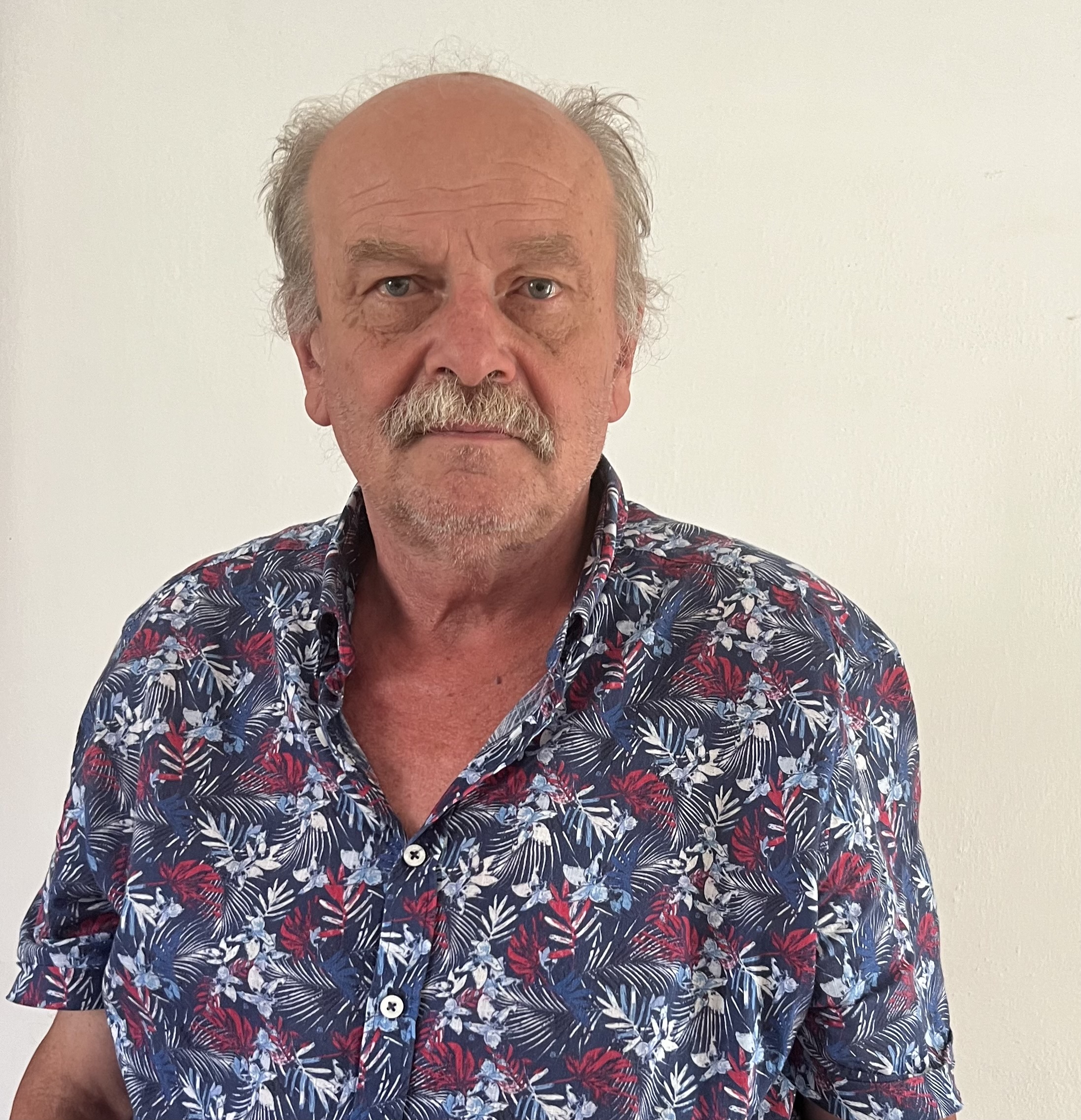
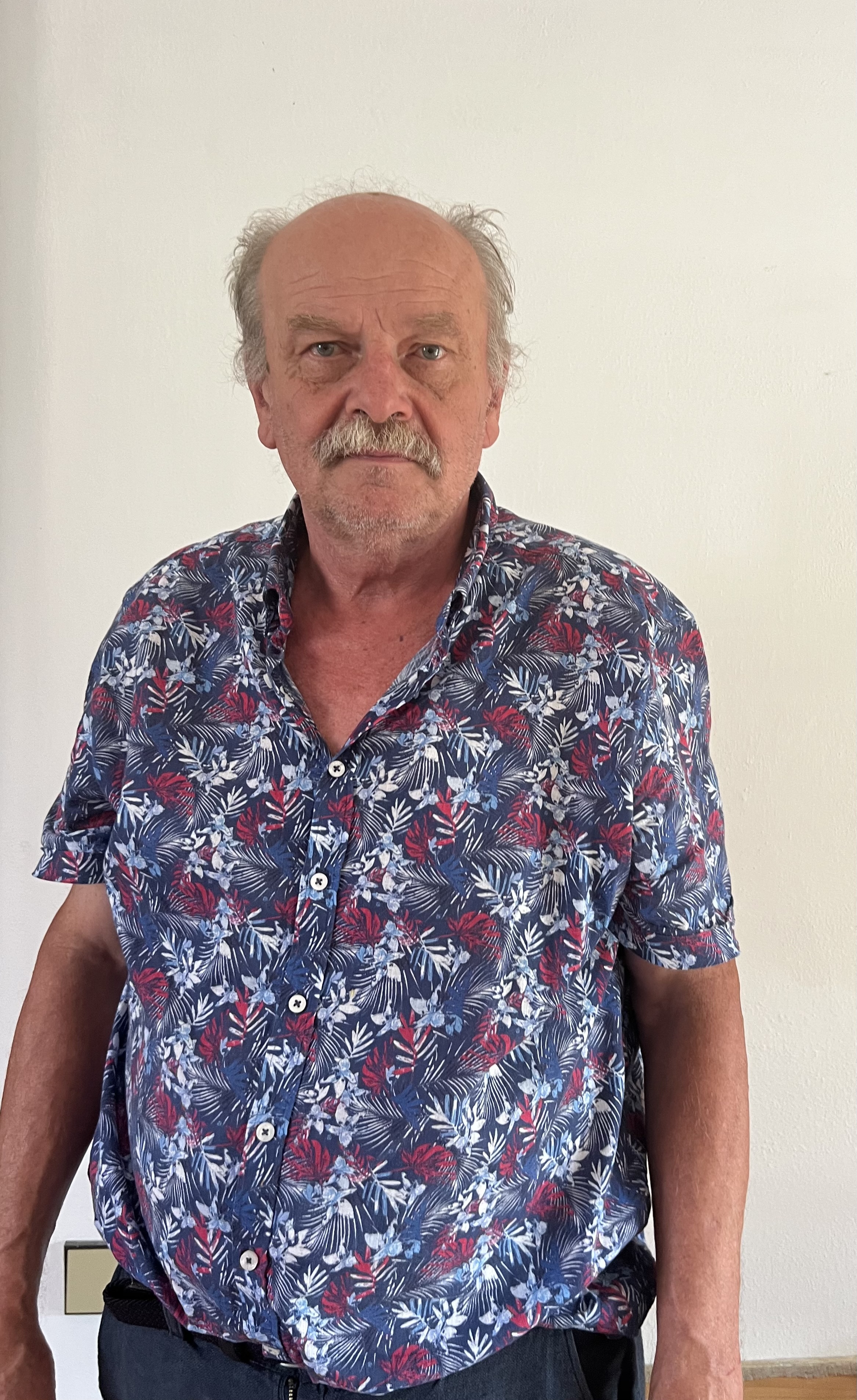
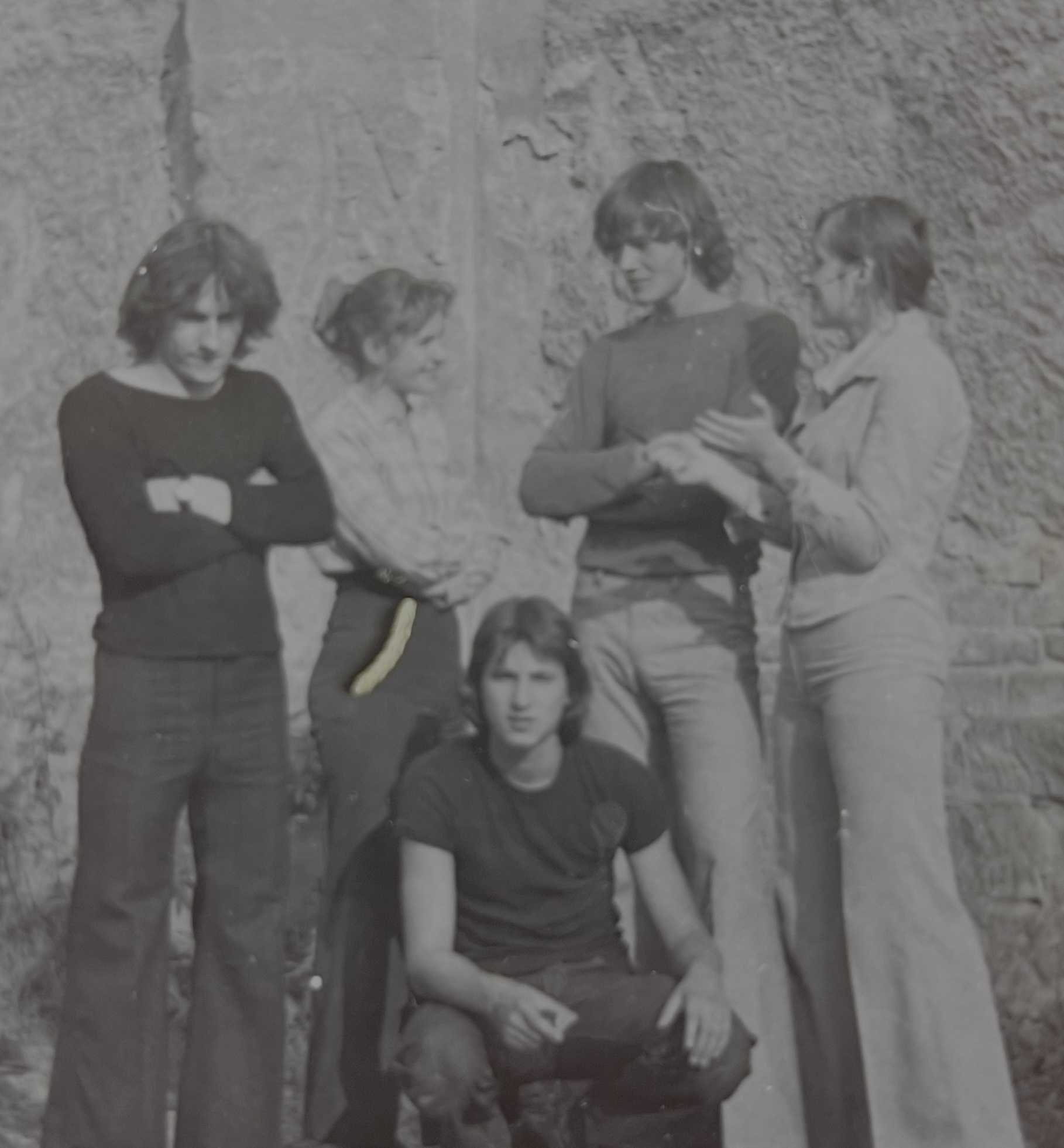
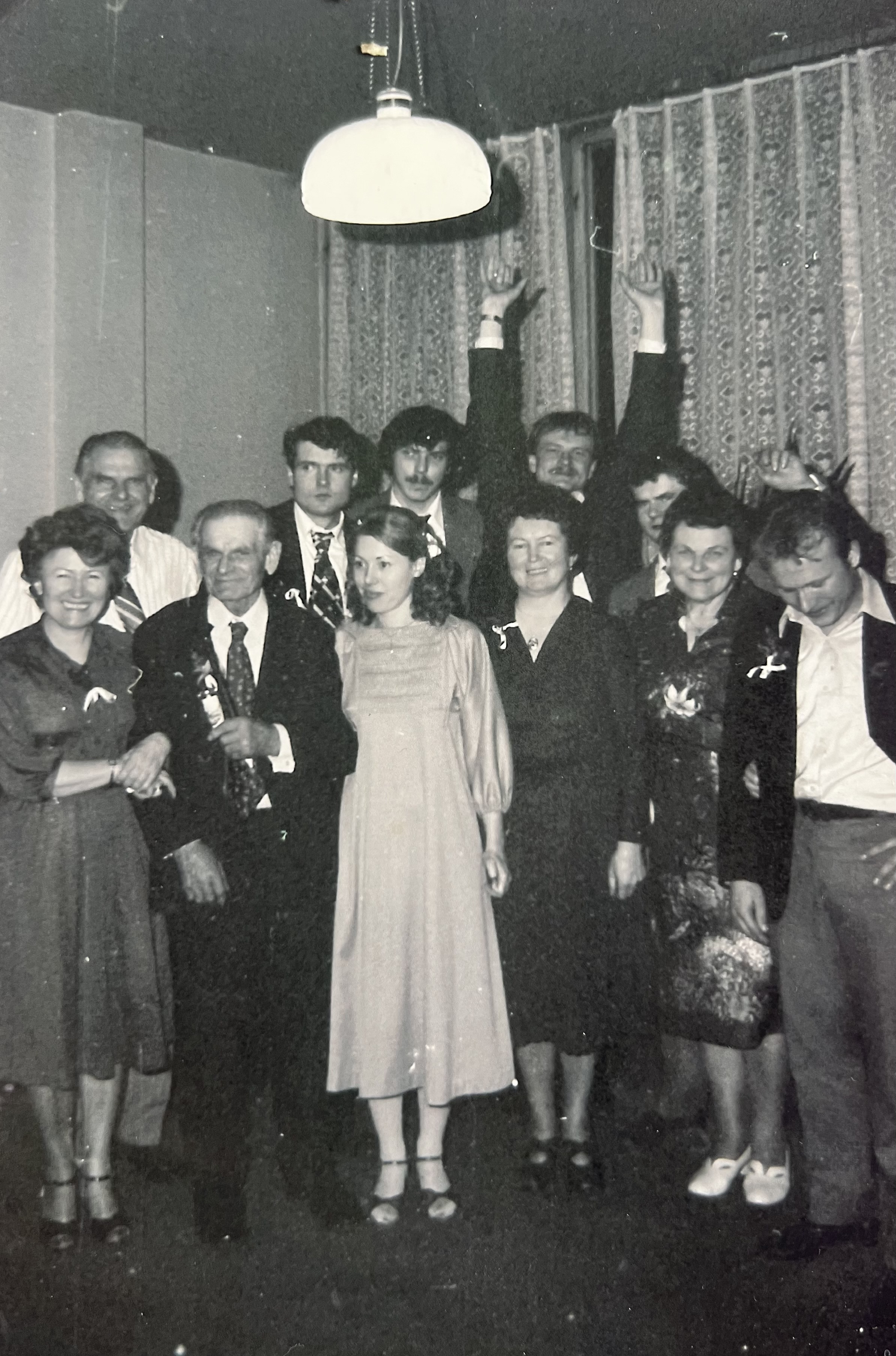
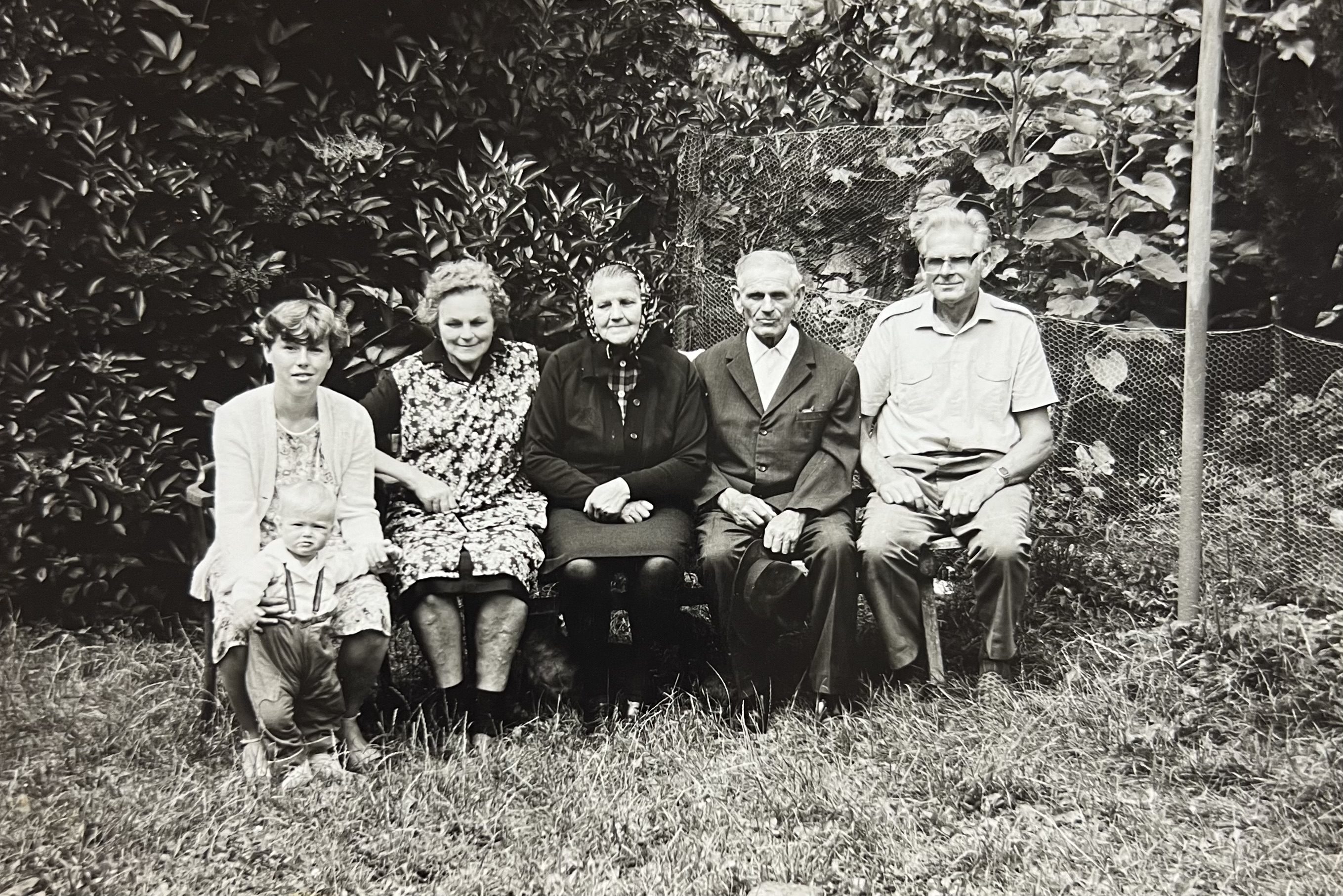
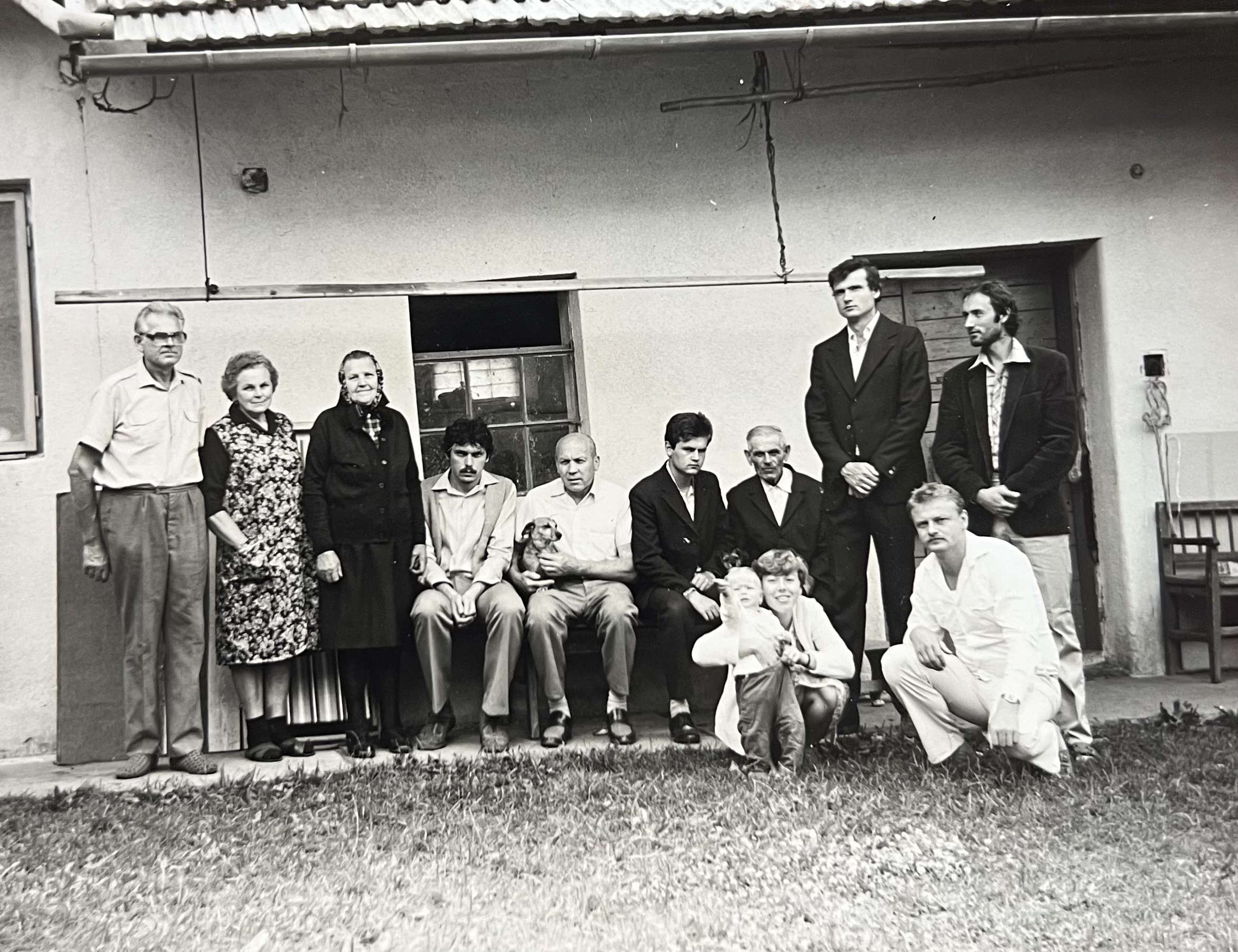
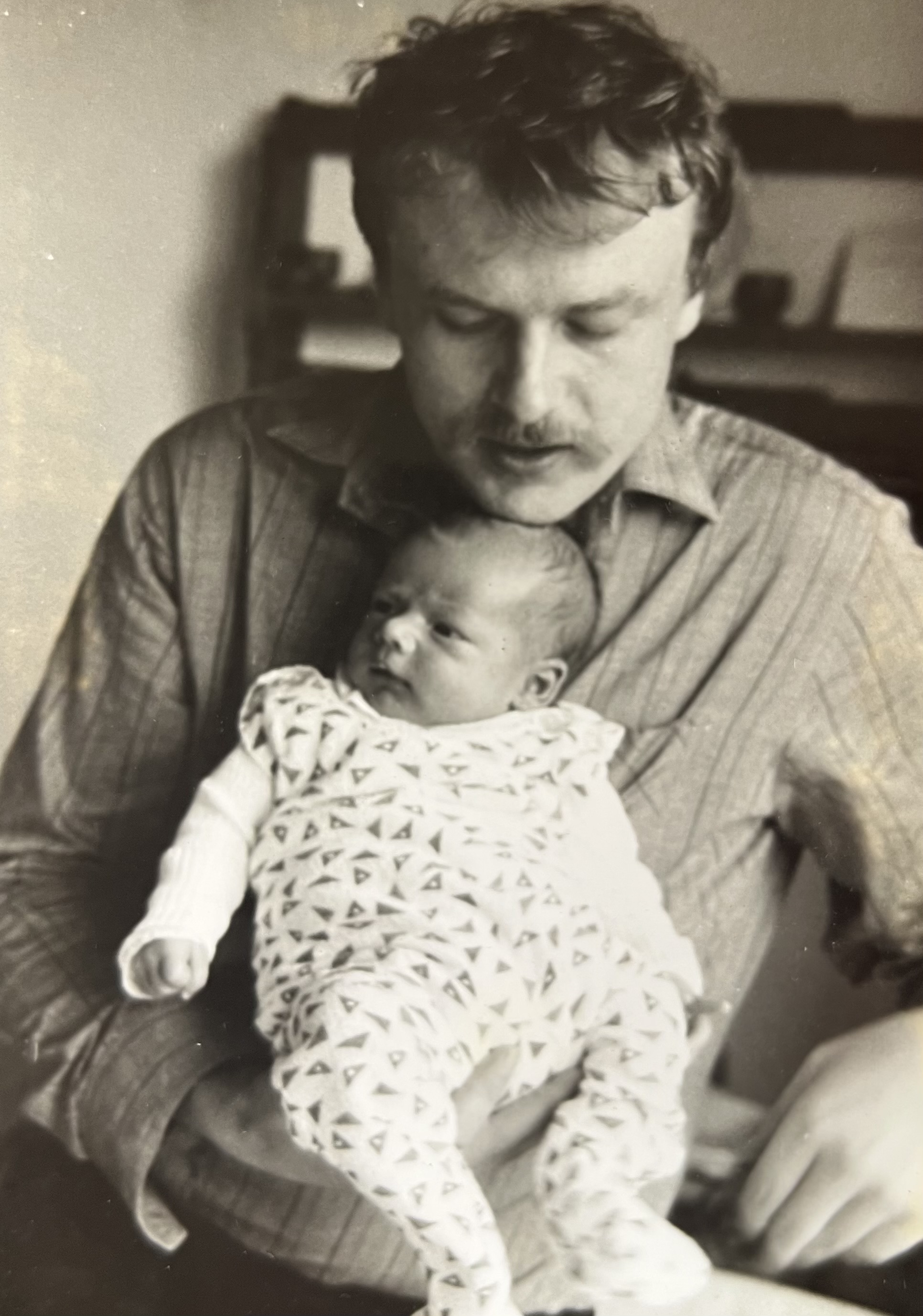
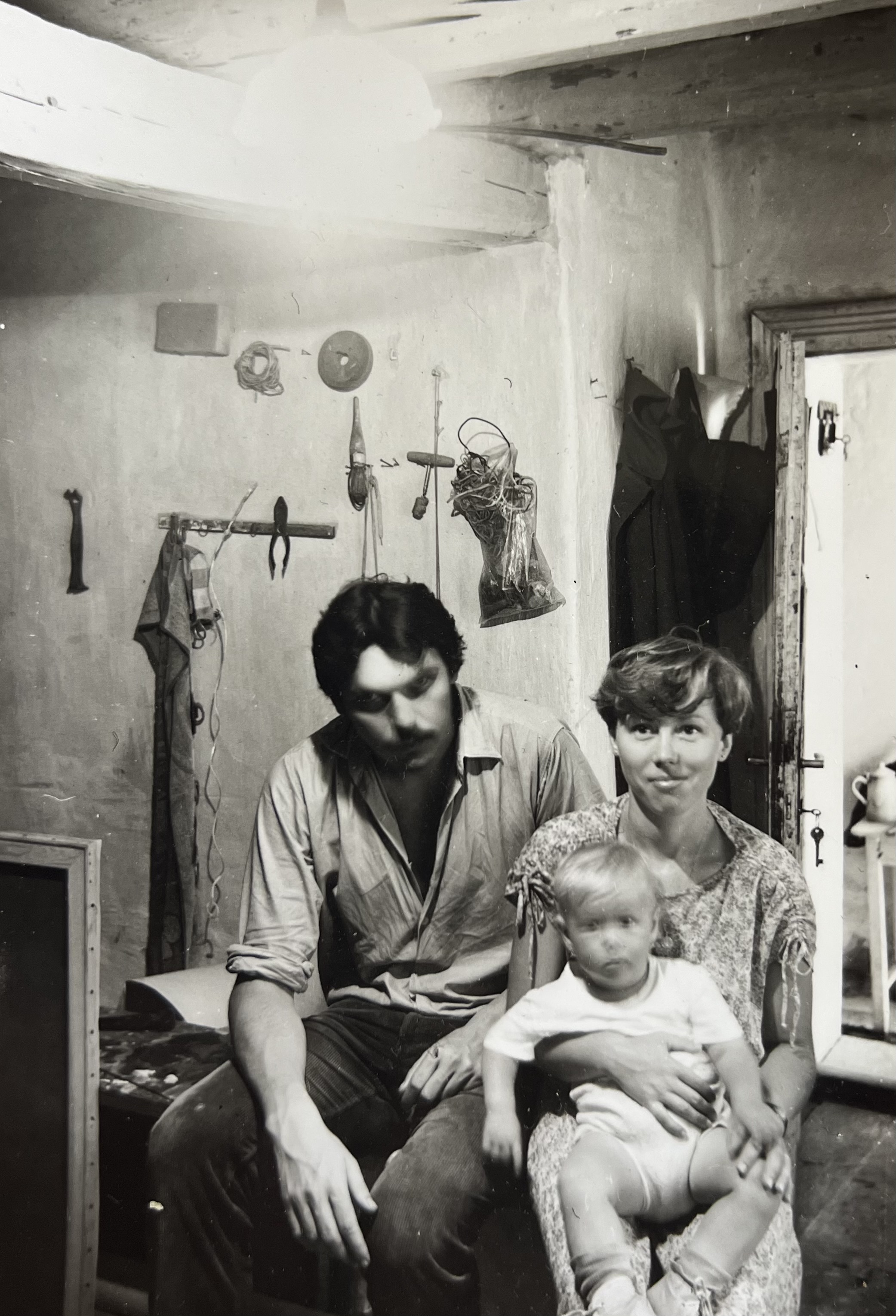
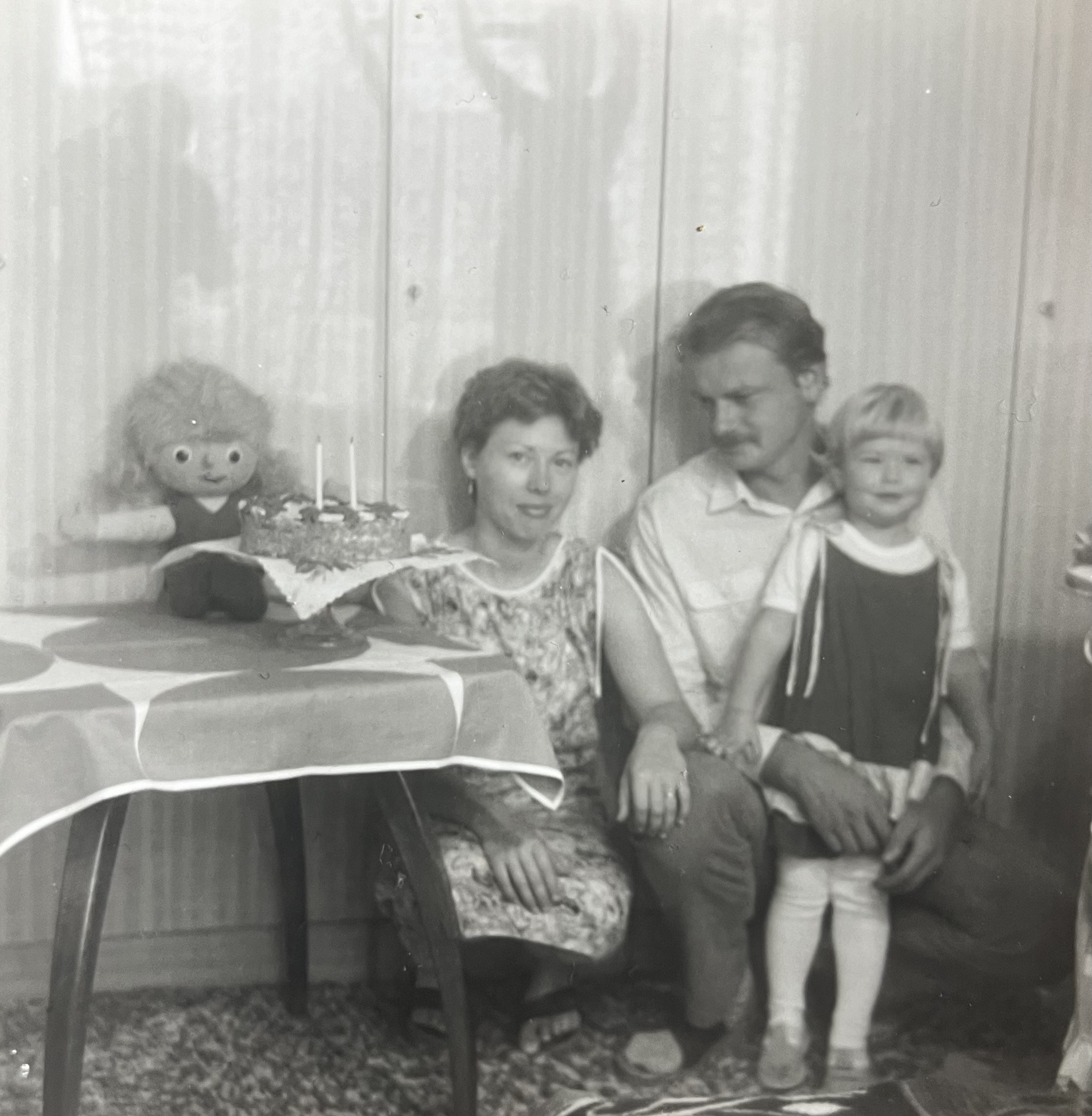
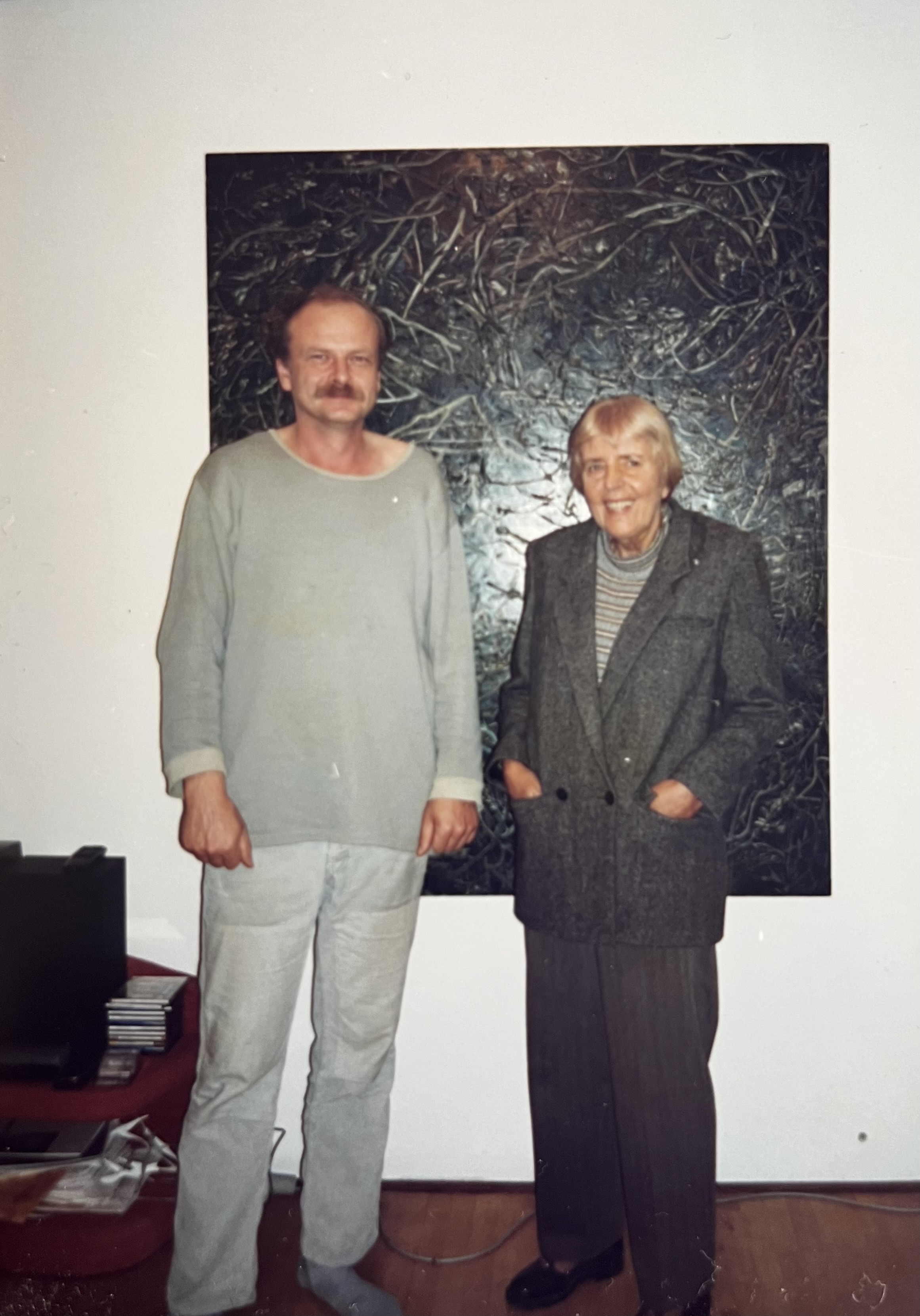
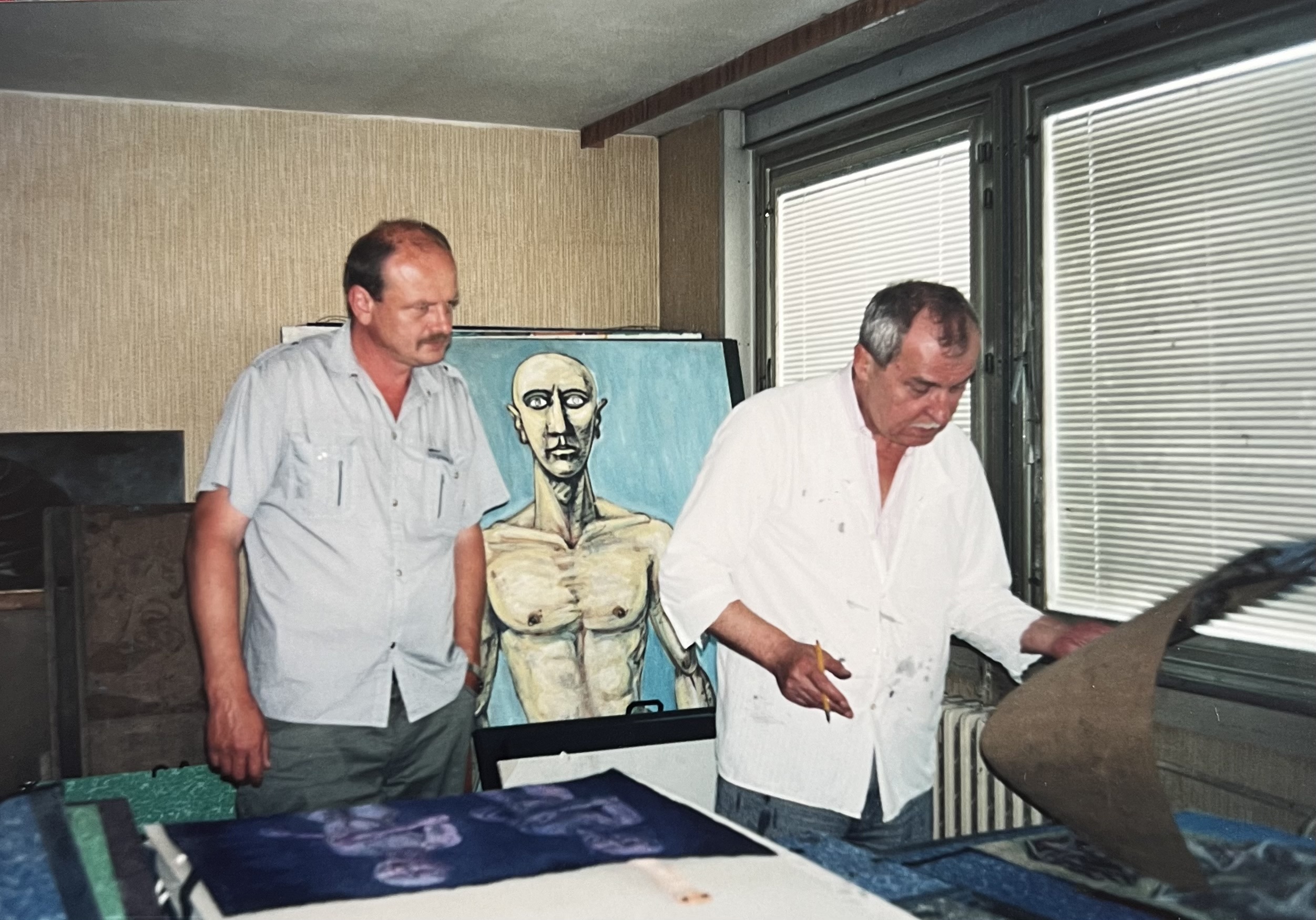
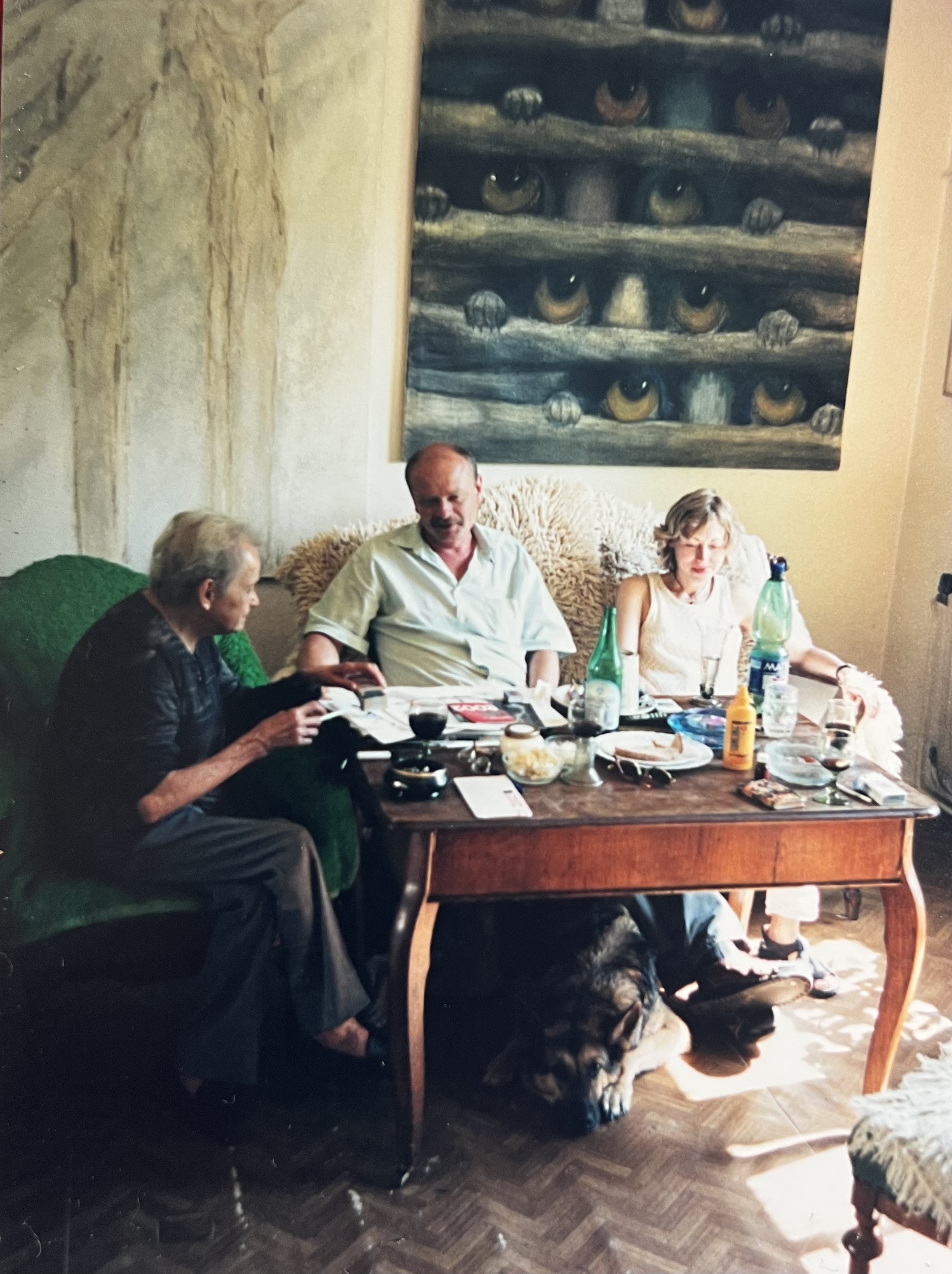
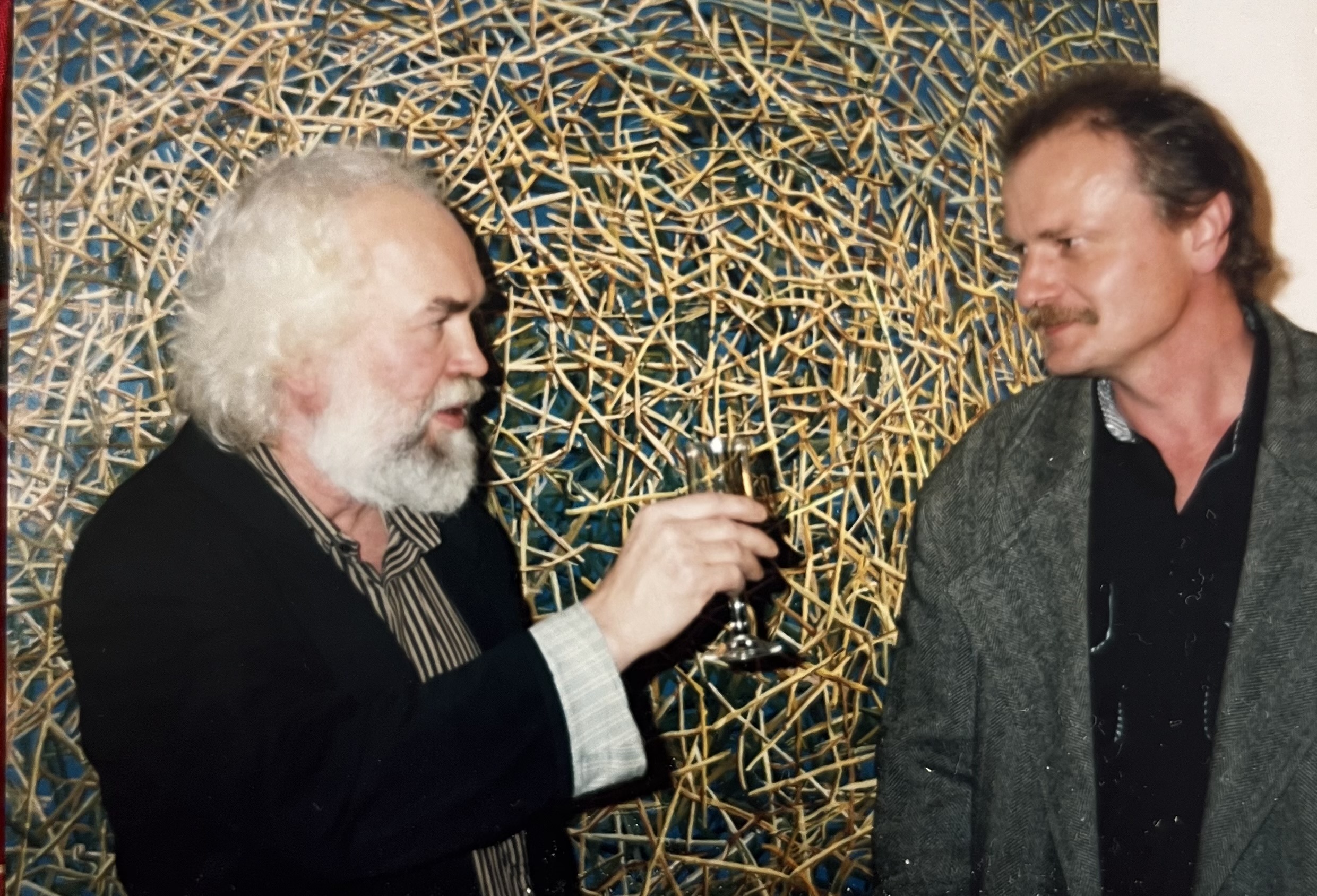
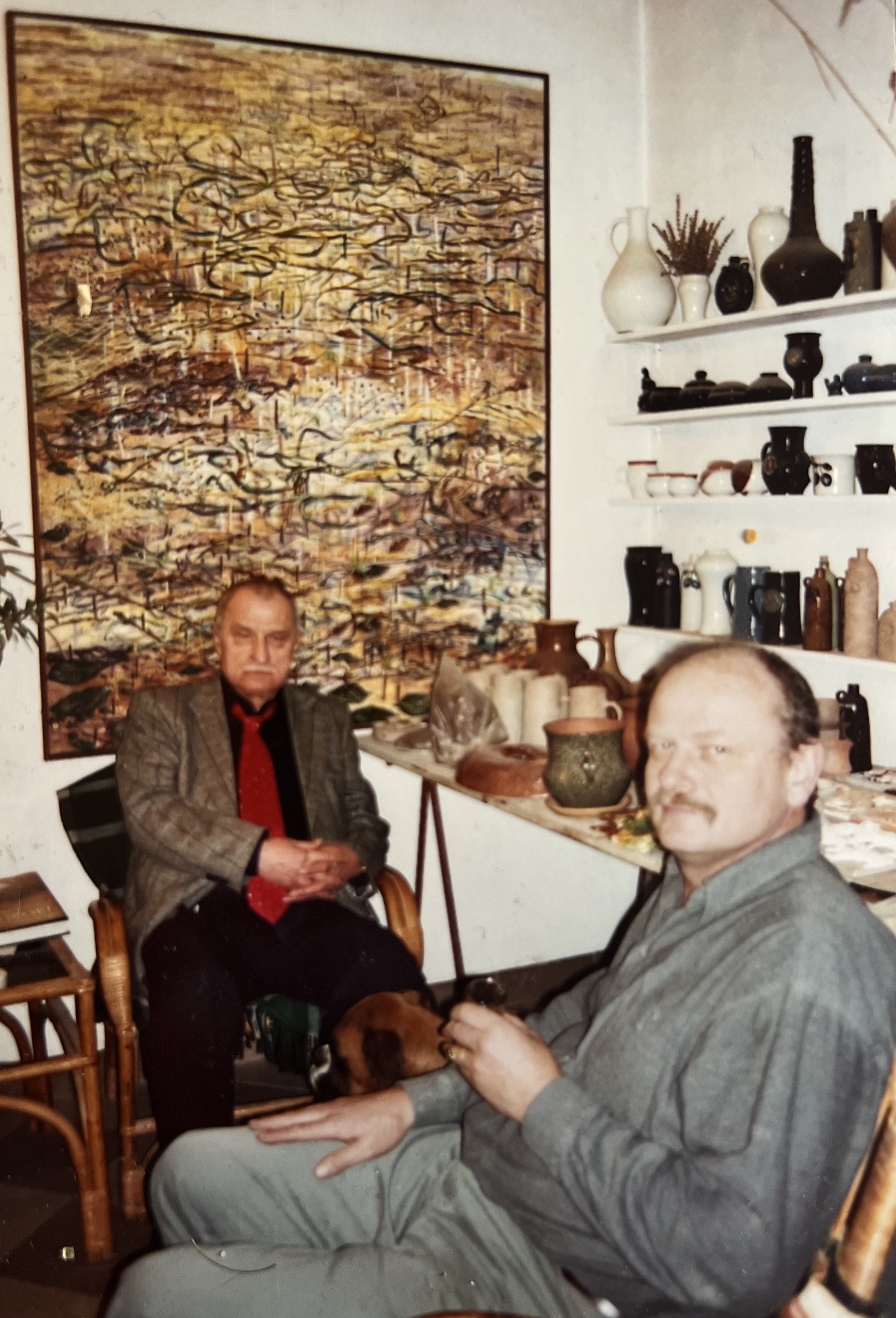
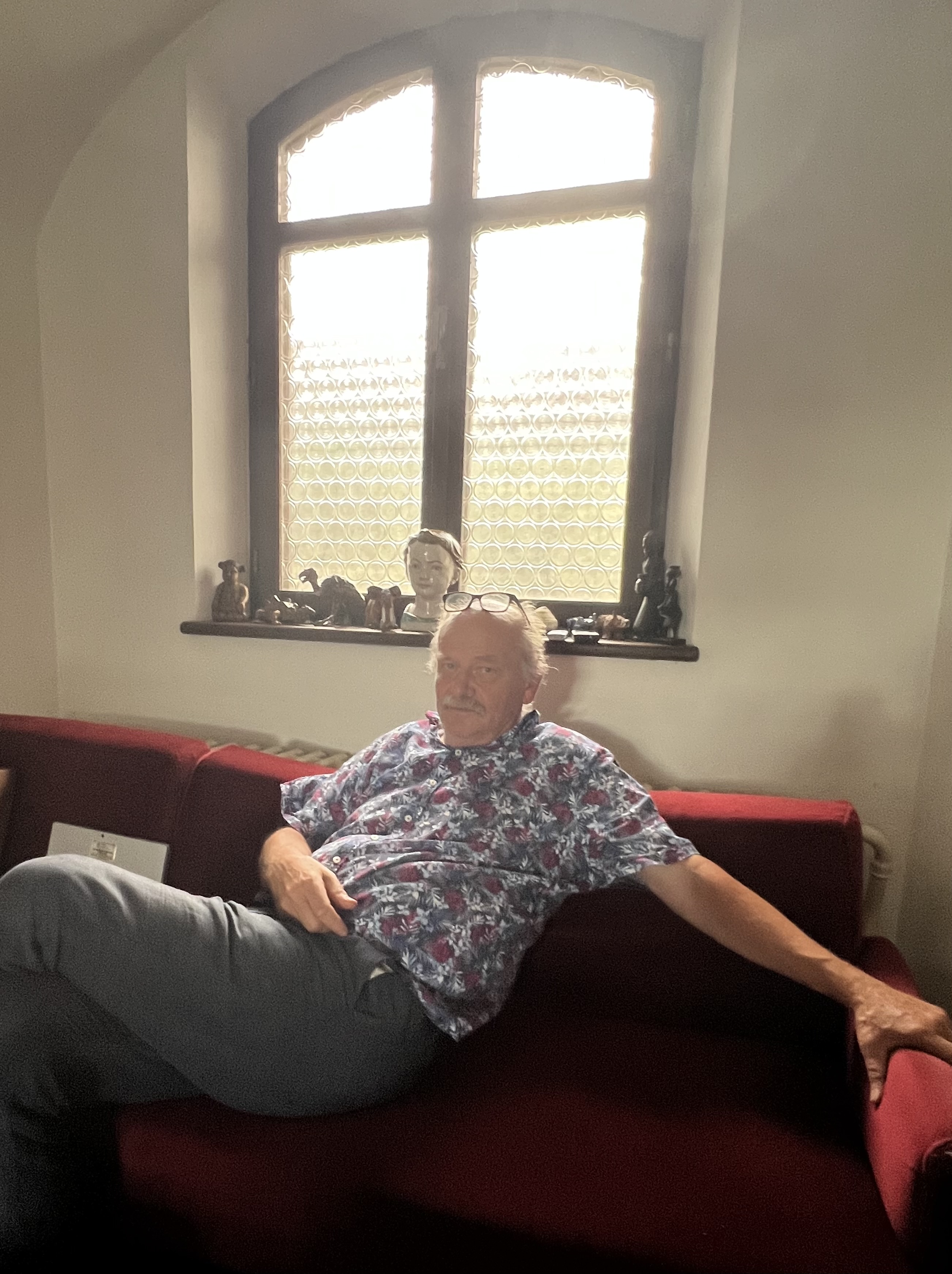
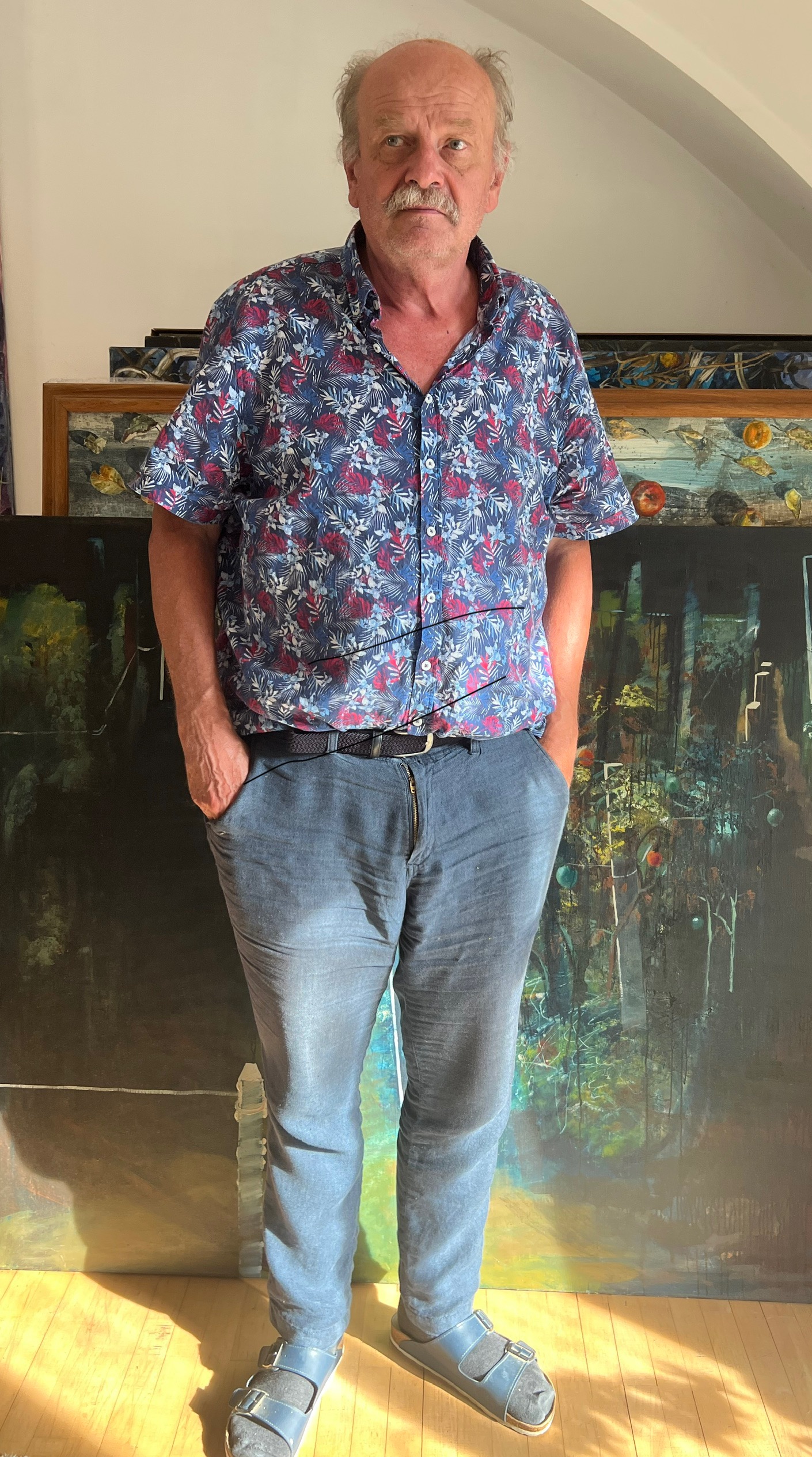
Painter Martin Zálešák was born in Uherské Hradiště on 2 August 1959. He spent his childhood in Bánov near Uherský Brod, where both his parents grew up on land that both families lost during collectivization. In his life story, he recalls his youth in a Catholic village, his studies at an arts and crafts school and the war on the western border. He was not admitted to the Academy of Fine Arts (AVU) in Prague until the fifth time. He lived through the upheaval of 1989 with his classmates at school as a fourth-year student at the Academy. His perseverance and diligence led him to painting, which became his lifelong path. In addition to painting and restoration, he taught at the Faculty of Fine Arts of the Technical University of Technology (FaVU VUT) and the Secondary School of Arts and Crafts in Brno. At the time of the recording in September 2025, he was living with his wife, ceramist Jarmila, in their house in the village of Dvorska near Brno.