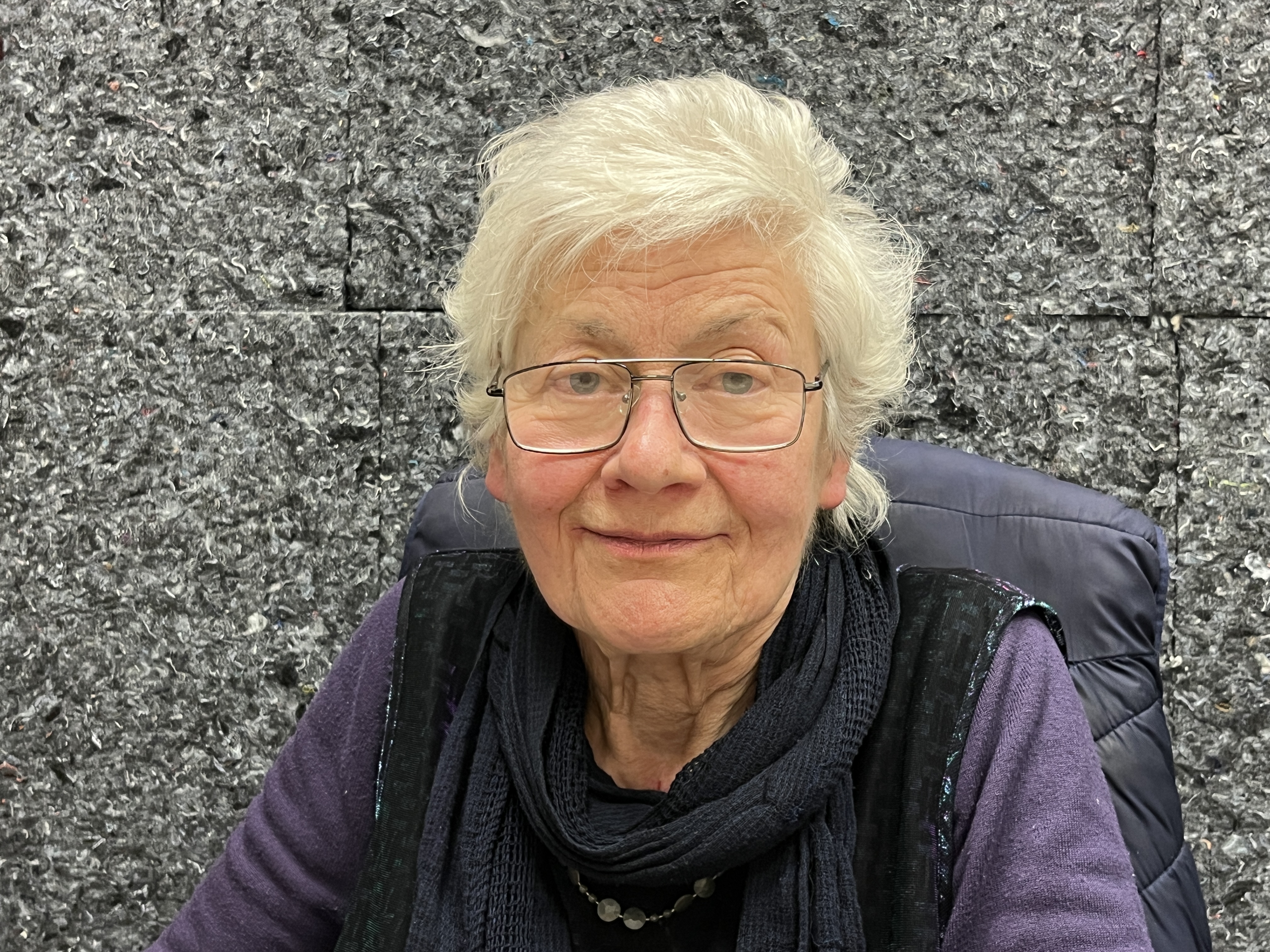
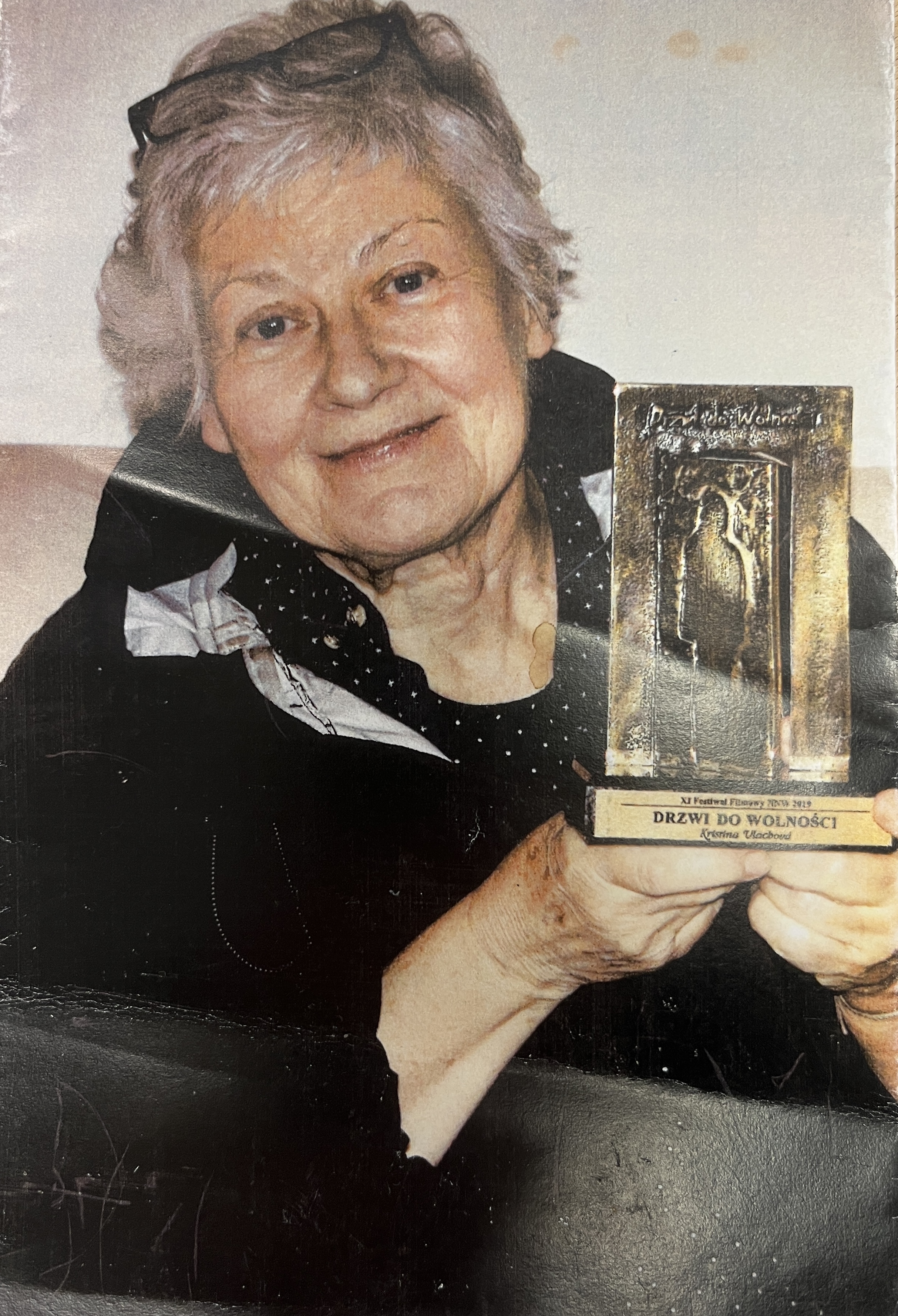
I kept thinking things would change. You couldn‘t believe that the horror would last so many years
Stáhnout obrázek
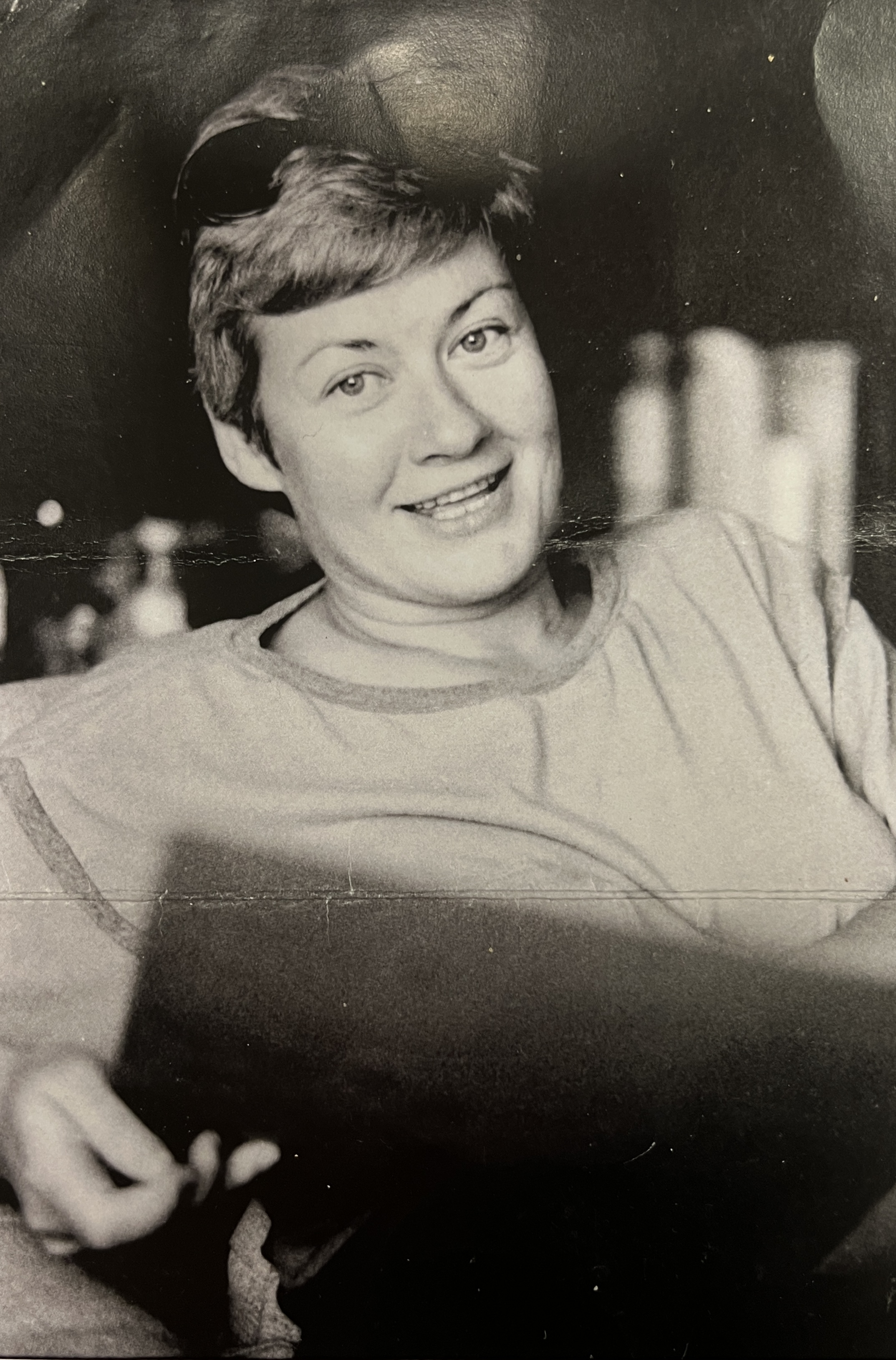
The screenwriter and dramaturge Kristina Vlachová, born in Prague on 4 May 1943 as Jana Slánská, began using the pseudonym soon after her graduation from secondary school in 1960 because people often associated her with Rudolf Slánský. In 1965 she graduated from the Faculty of Electrical Engineering and joined Czechoslovak Television as a picture engineer. In August 1968, her interview with Václav Havel was supposed to be published, but due to the occupation it never happened. After the invasion, she left television and began studying at FAMU in Milan Kundera‘s class. After the purges at the school, when Kundera and the dean František Daniel were expelled, she interrupted her studies. In 1975, she completed her studies by distance learning, but declined an offer from Barrandov. Her screenplay, the first draft of „Dear Jan“ (Drahý Jan), was made into a film under the title „So Long“ (Tak ahoj), but due to the interference of the dramaturge Ludvík Toman, she distanced herself from the film. In 1976, her next screenplay was „The Apple Game“ (Hra o jablko), directed by Věra Chytilová, with whom she broke up after 1977 because she refused to sign the Antichart. Until 1986, Kristina Vlachová secretly coordinated the work of „cover artists“ at Orbis, who published texts by banned authors under her own name. After being denounced, she left the editorial office and supported herself by helping the elderly, including Hana Wichterlová. Until 1990, she worked as a doorkeeper at the Faculty of Science, and later joined the Czechoslovak TV News Service. After 1989, she worked briefly as a dramaturge at Barrandov, where, due to changes in the organisation, only the script „Black Barons“ (Černí baroni) was realised. In 1993 she finished the award-winning film „You Said No to the Devil!“ (Řekl jsi ďáblovi ne!) and became a member of the Czech Television Council. The 2000 documentary „Report on the King of Šumava“ (Zpráva o králi Šumavy) caused a dispute with Petr Uhl, which led to her expulsion from CTV. Between 2004 and 2006 she made four documentaries for the Institute of Memory of Nations under the direction of Ján Langoš. After his death, she completed „The Case of Uherské Hradiště“ (Kauzu Uherské Hradiště) about the trial of Alois Grebeníček. In 2008, the film „The Message of Jan Palach“ (Poselství Jana Palacha) was made, for which she was sued by its participants, but won the case at the High Court. In 2025, the witness was living in Prague and still working on documenting the crimes of communism. Her work has been awarded the Golden Lime of the Ministry of Defence (2011), the State Prize of the Ministry of Culture (2014) and last but not least, she was awarded for the so-called Third Resistance against Communism.