Oldřiška Šťávová

* 1947

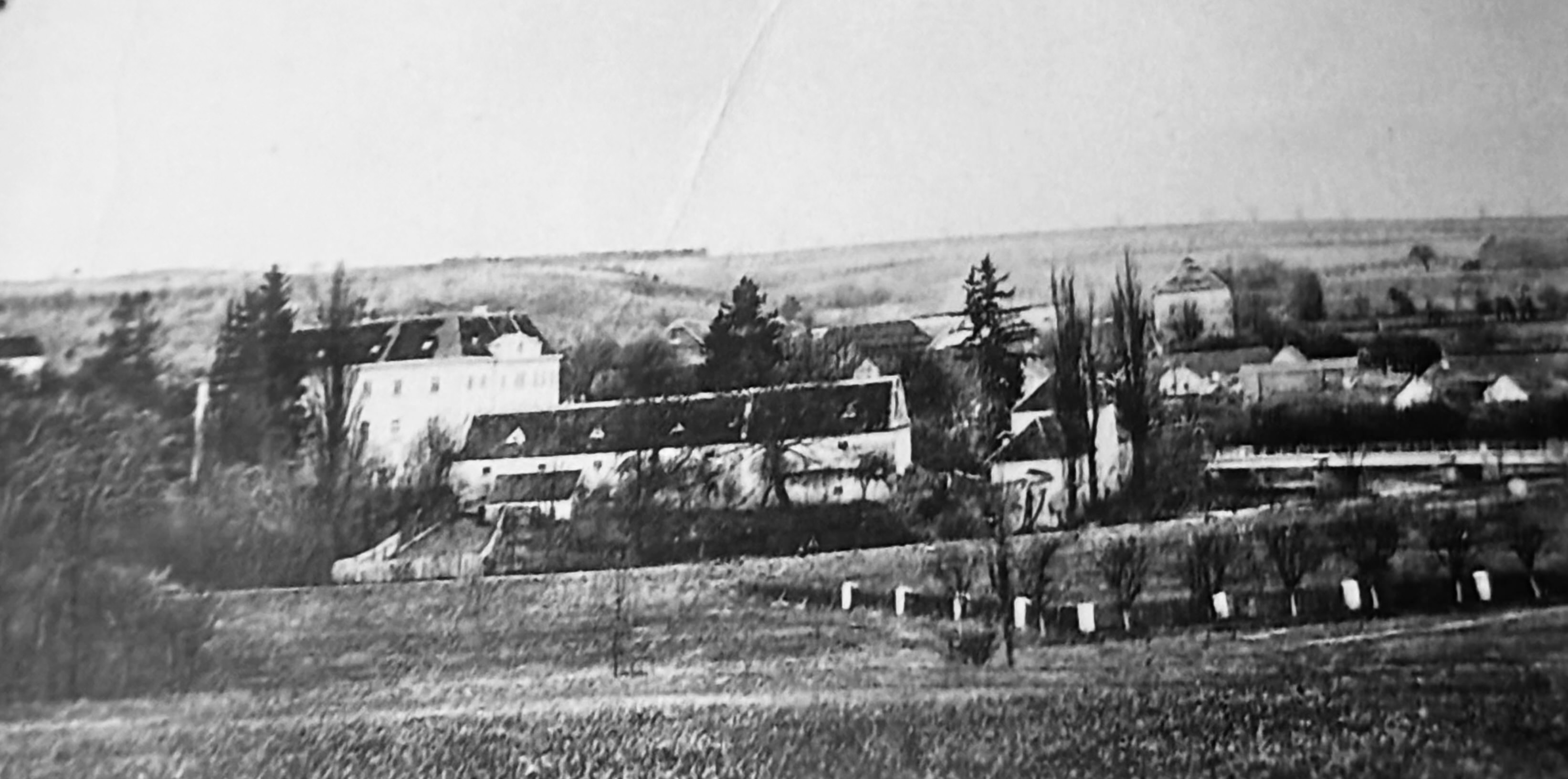
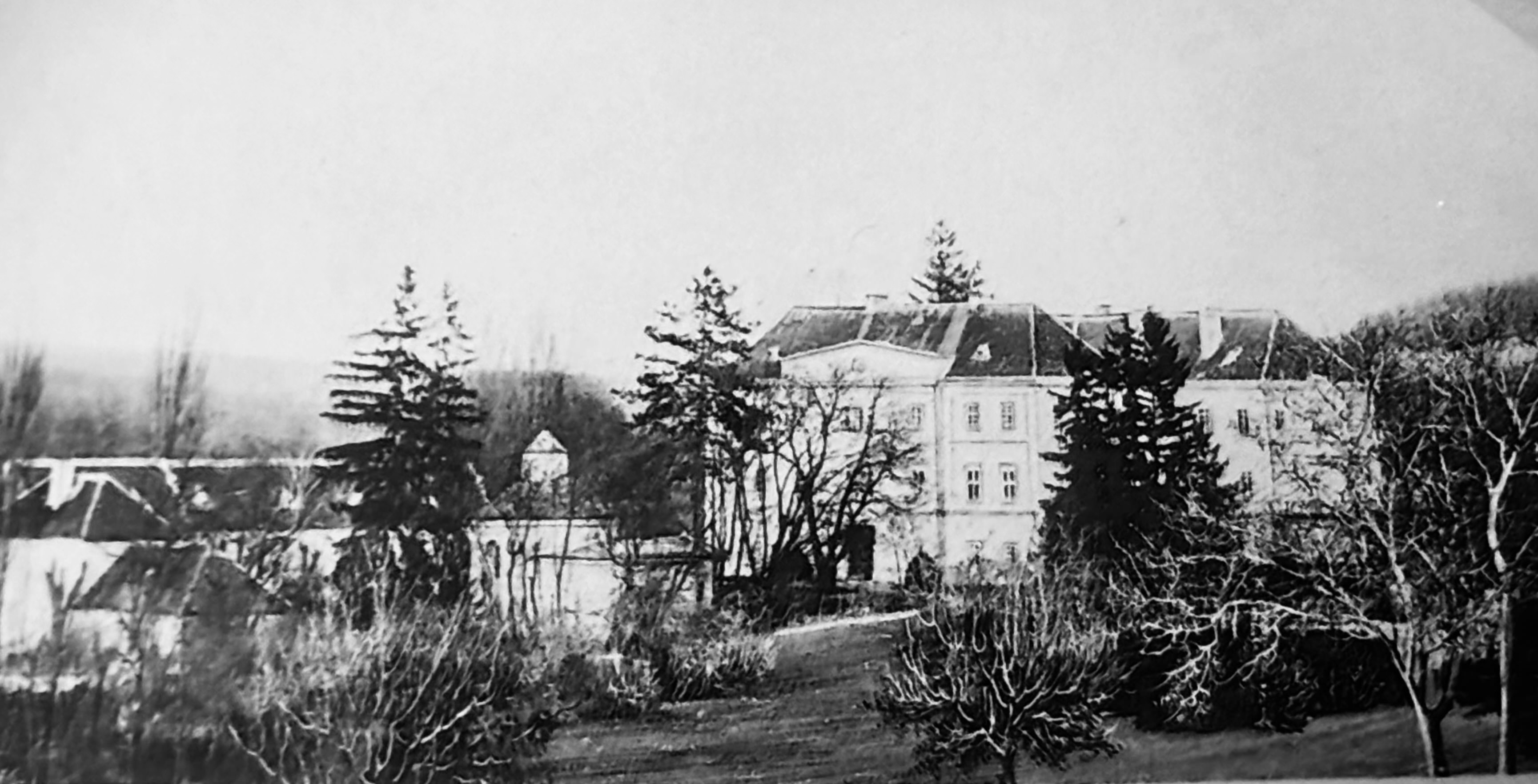
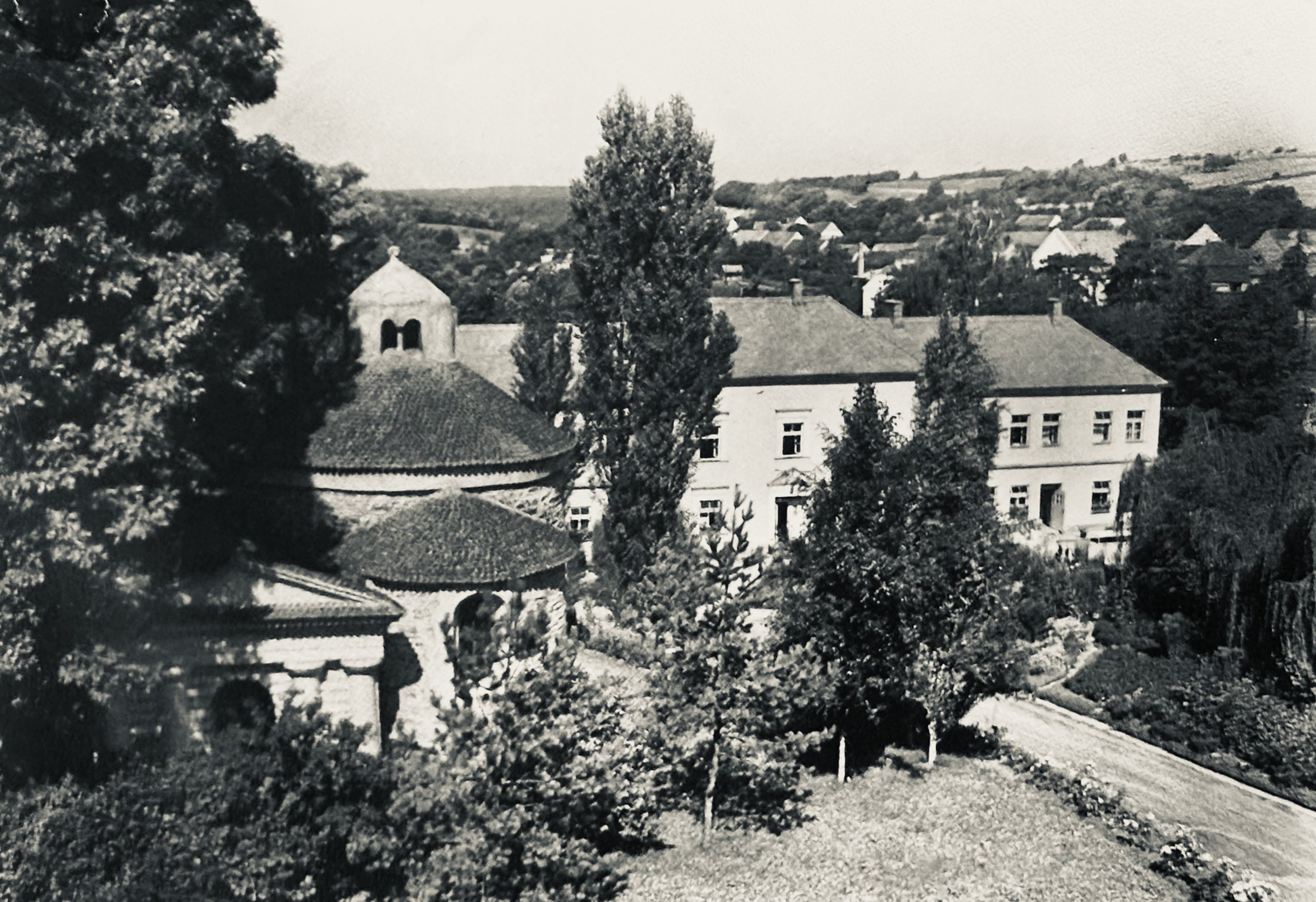
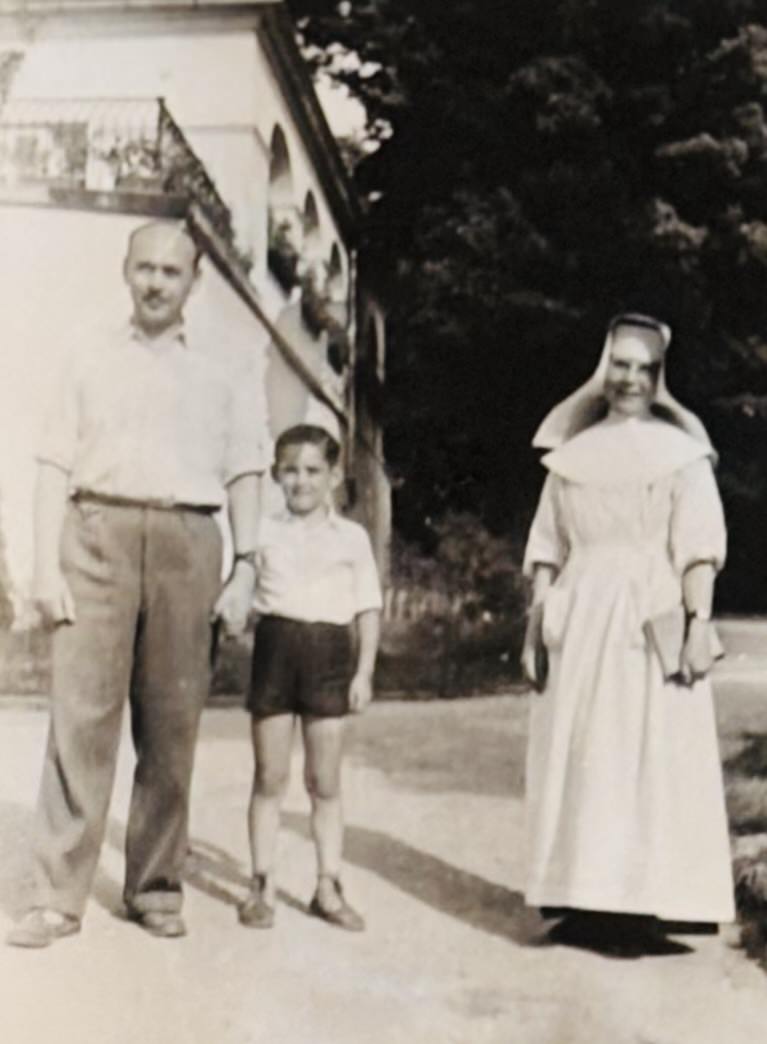
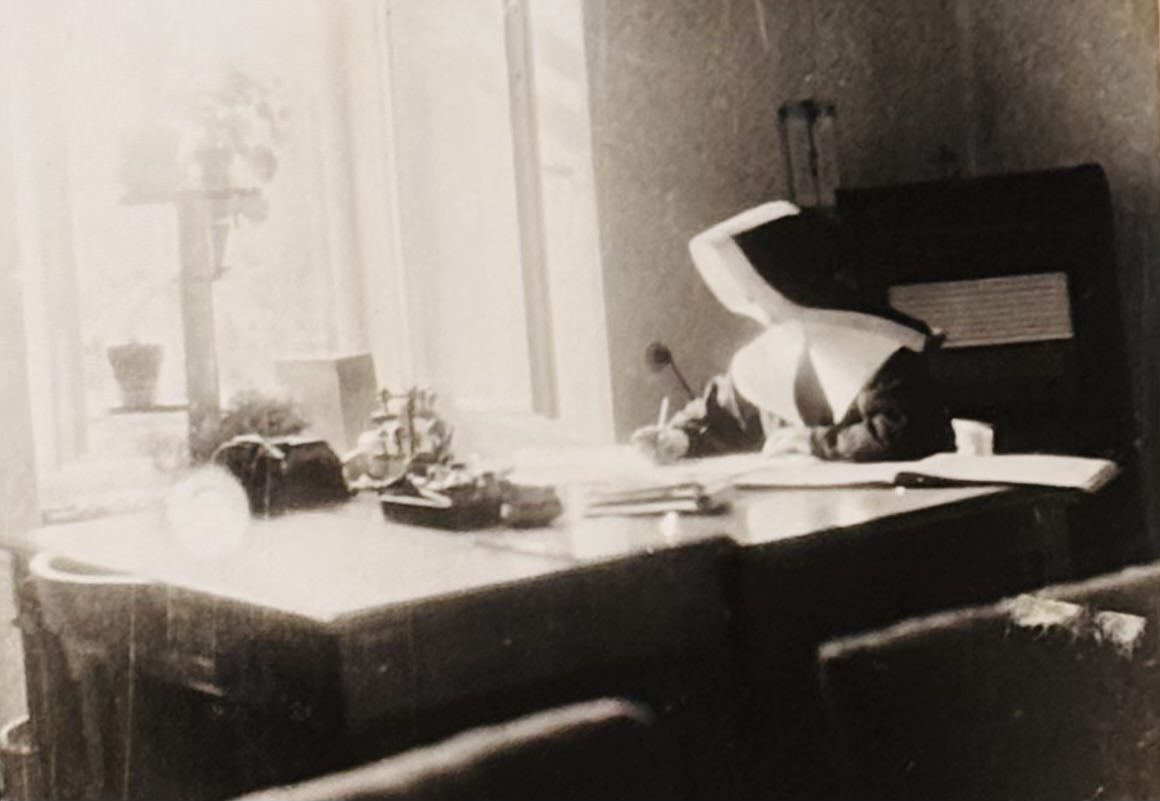
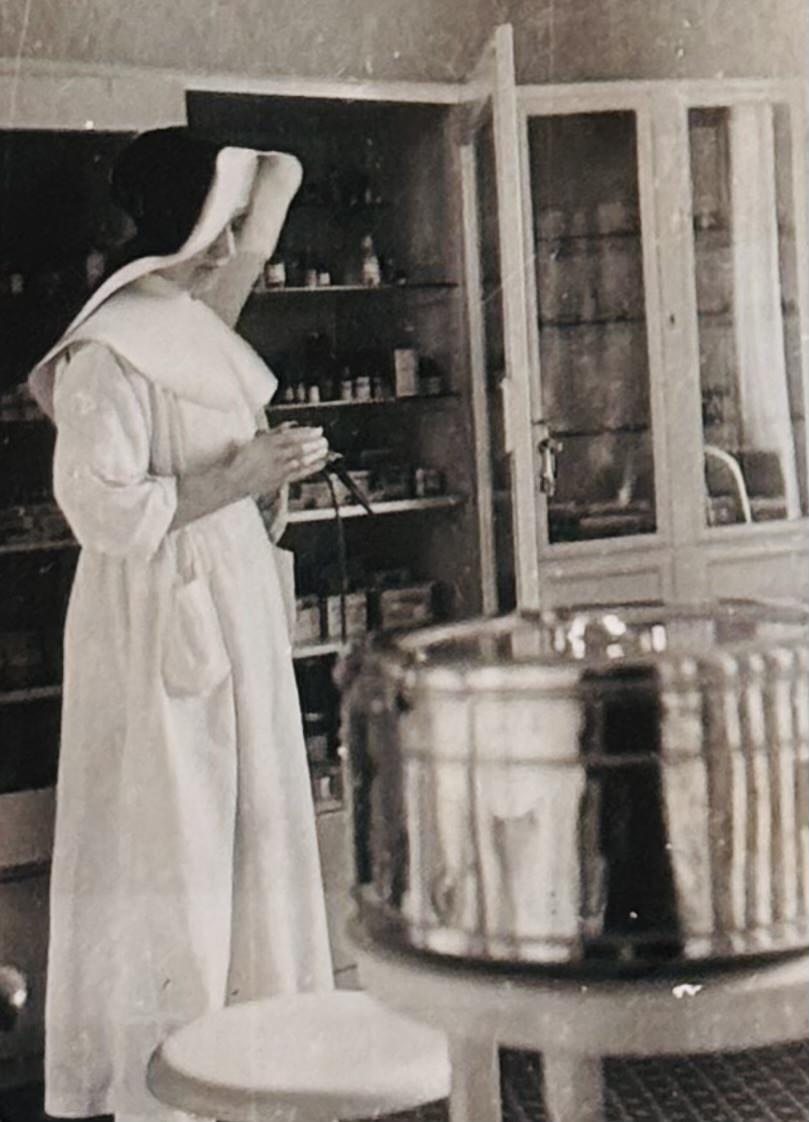
  • “She was honored five times, but once it was a big celebration, with all the top officials there — and then they put a stop to it, saying they certainly wouldn’t celebrate a nun. And people started coming from Brno and I don’t know where else, even from abroad. Everyone came to see the château, how it was the best château, the best institution in Plaveč. So she received the award publicly once, but otherwise it was handed over quietly and in secret. Within ten years it had become the best institution in the region. And then after twenty years — I’m not sure if it was in 1970 or exactly when — they had to hand it over. They took it away from the Charity and it came under the National Committee in Znojmo. And after that it got worse — there were constant bans and regulations and all sorts of restrictions. Elsewhere, where there were nuns, they had already started removing them around 1970. And here she was still serving as the head nun. But eventually it caught up with her here as well — they wanted to dismiss her, so they forced her into retirement. Whether she actually qualified for retirement or not, I don’t know, but in short, she had to go, and they put a civilian in charge. They removed her sometime in May or June, something like that, and in the autumn she would have celebrated twenty years of the institution’s existence. They didn’t even allow her that — apparently there wasn’t even a proper farewell. In the night, or early in the morning, they took her away. To Hradiště near Znojmo.”

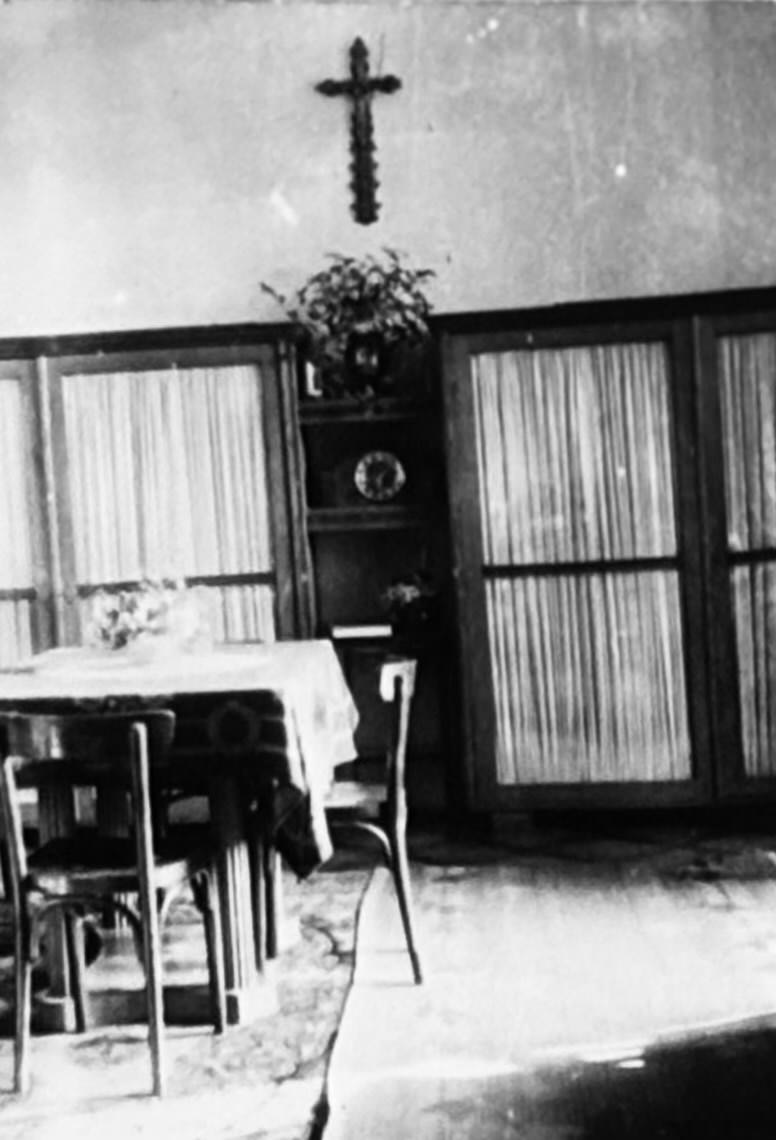
  • "People from Plaveč started to help them so much that by morning they found a bag of flour, a bag of beans by the gate, or a bag of potatoes, and that kind of thing. And then our dad started working there right after that week or so. Well, now they were putting it all together there, so they were lighting kerosene lamps, electricity was later. First was water, coal. They used to bring the coal from the people from Plaveč so that they could heat it. There in that one big dining room, which they called a dining room, but it was a hall on the ground floor, so that was the only way to go, it was cold upstairs. Everybody was there, even the nuns. It wasn't good for them to have to sleep there with everybody. That night was so bad, they slept for a couple of hours. And dad started helping them up there a lot."

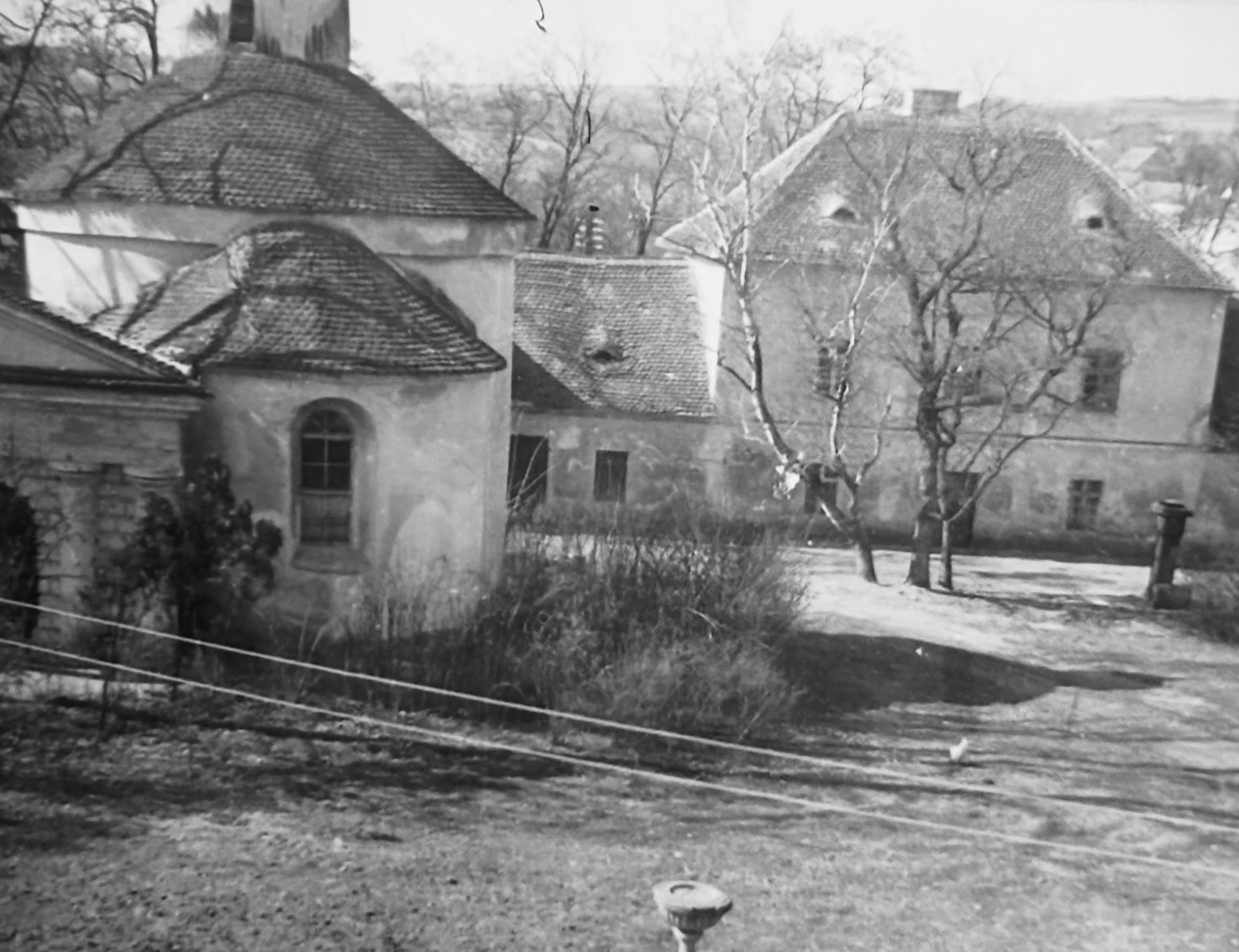
  • "I was three years old when the nurses came there. At that time two of them came and stopped at the village square looking for help because they came to a broken castle. Well, they came into the pub and the landlady there nearly chased them out because the robes must have been a fright in the fifties. They begged at least for some food, because soon a car and ambulances came and brought them fifty people. The sisters had a broken lock, broken windows, they had nothing to sleep on in the kitchen, there was no light, the electricity didn't work, so they used kerosene lamps. So they went to the pub to ask the men if someone would come and help them. And I don't know. Dad must have been among them, because they came there, they were preparing something for sleeping. They all slept in one room, so they brought them blankets and pillows that they had picked up at home. The food - eventually the innkeeper came, she said it was dark, but she brought tea on a cart and smoked soup and smoked meat with mashed potatoes. So if she got it from those people, I don't know if they each brought it home. Well, they were happy in the castle."

  • Celé nahrávky
  • 1

    Znojmo , 22.09.2025

    (audio)
    délka: 01:56:02
    nahrávka pořízena v rámci projektu Stories of 20th Century
Celé nahrávky jsou k dispozici pouze pro přihlášené uživatele.

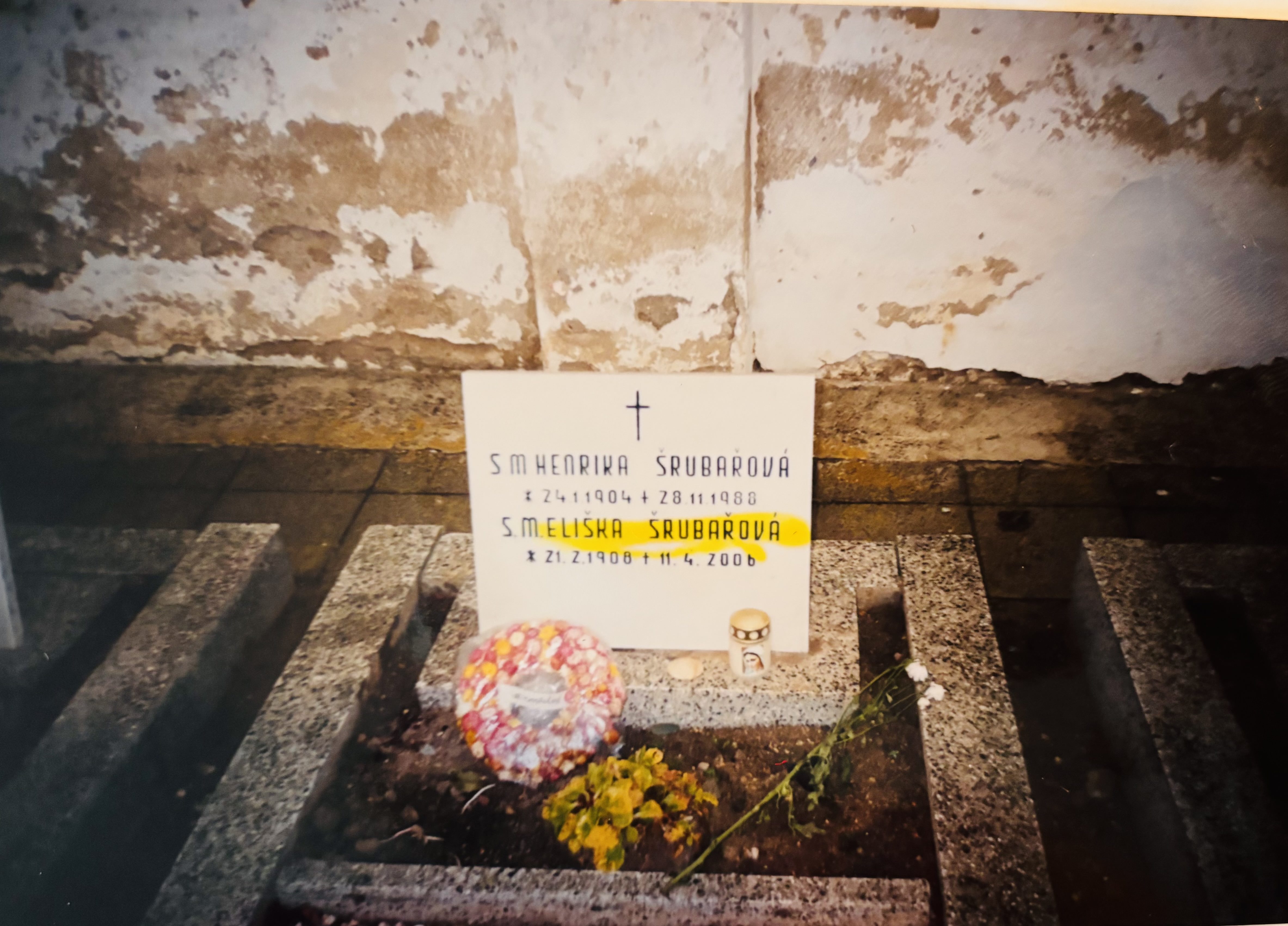
Borromean Sister Eliška Šrubařová was my lifelong inspiration and role model
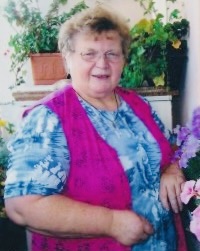
Oldřiška Šťávová around 2000
zdroj: archive of the witness

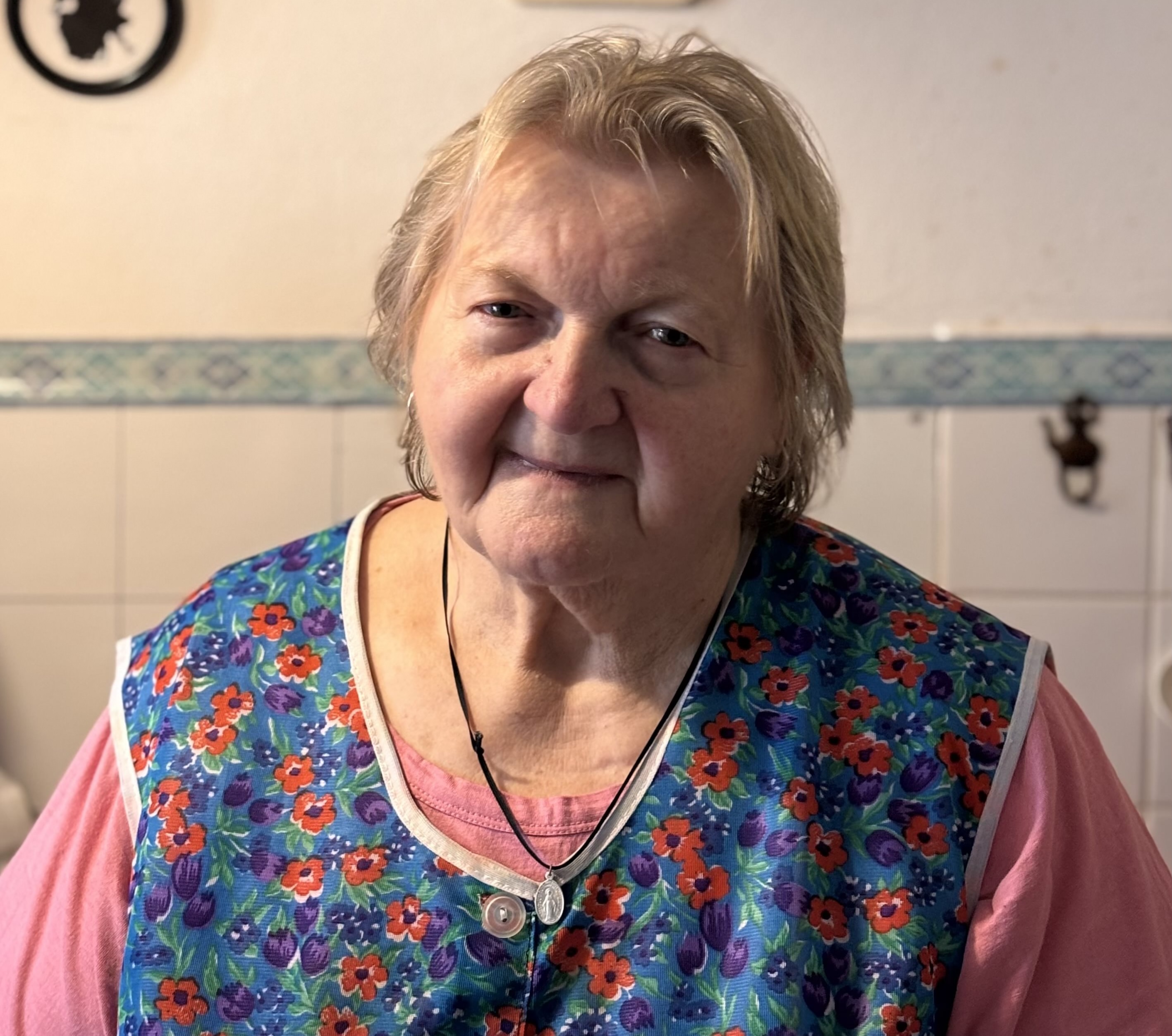
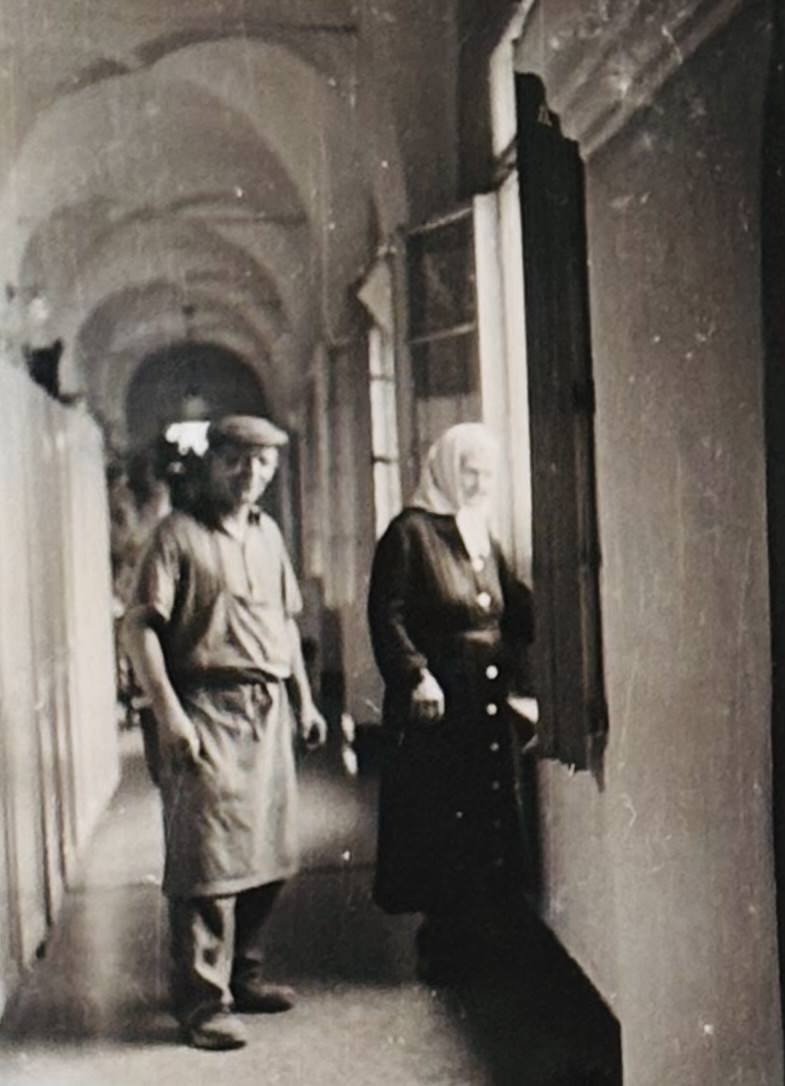
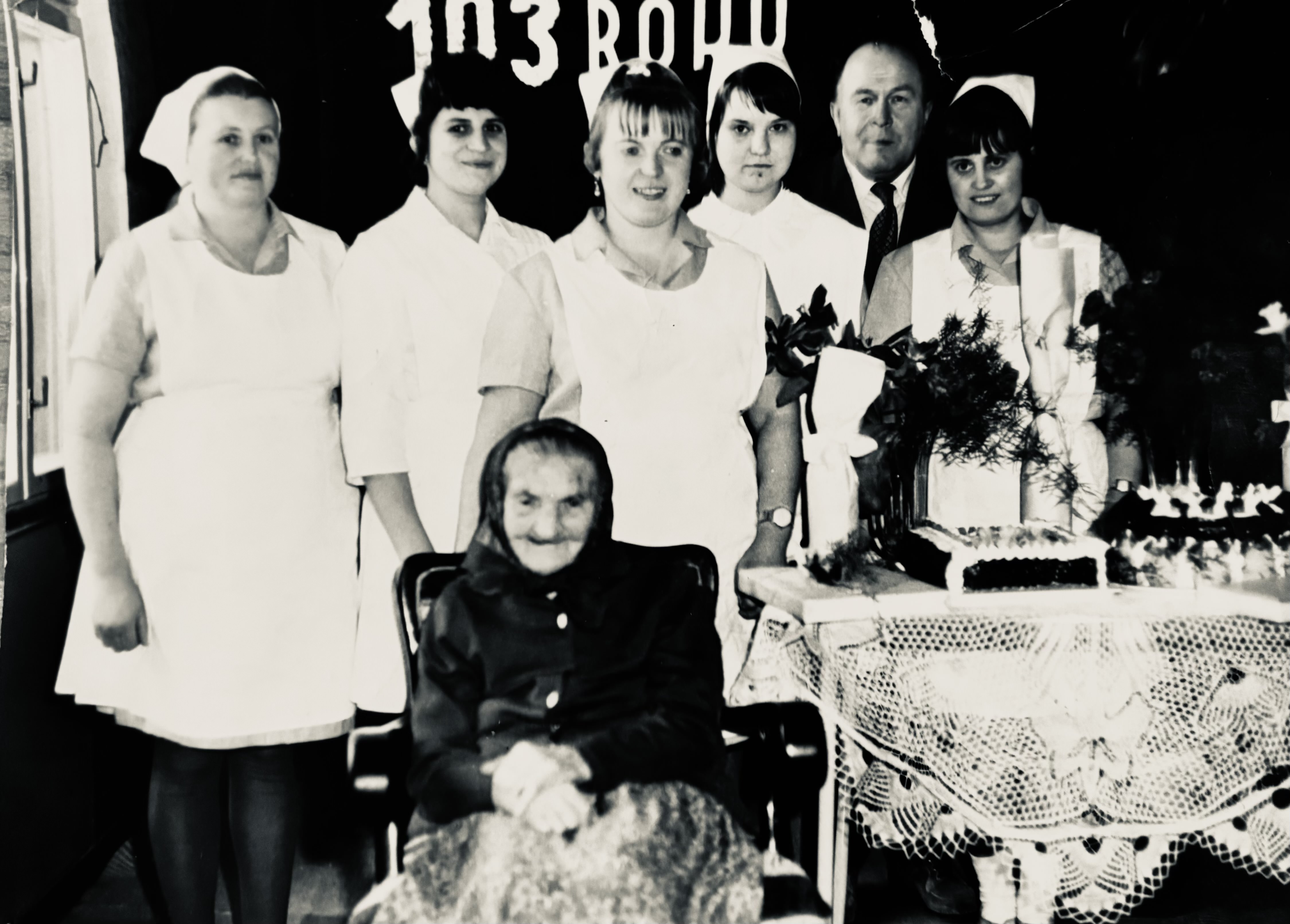
Oldřiška Šťávová, née Vyklická, was born on 25 July 1947 in Plaveč near Znojmo as the fourth of five siblings. She grew up in modest circumstances. Her mother was a homemaker, and her father worked as a blacksmith, later as a maintenance worker and repairman at the château in Plaveč. In the autumn of 1950, the Sisters of Charity of St. Charles Borromeo (the Borromean Sisters) came to the Plaveč château and established a retirement home there. Its director became Sister Eliška Šrubařová. The originally dilapidated building gradually developed into a well-functioning institution, which also became a center of social life in the village. Sister Eliška Šrubařová had a profound influence on the witness. Oldřiška Šťávová regularly went to the château and gained a great deal of practical experience there. After completing primary school, she began working at Gala Znojmo, where she was employed in shoe production. At the age of sixteen, she met her future husband, and together they began building a house. She married at nineteen, and at twenty her first daughter was born. After the birth of her first child, she started working as a nursing orderly at the retirement home in the Plaveč château. She worked at the institution for approximately ten years, during which time three more children were born to her. Due to deteriorating health, she went on disability pension around 1977. She remained in contact with Sister Eliška Šrubařová even after the latter was forced, due to the political situation, to step down as director of the retirement home and move from Plaveč to Hradiště near Znojmo. In 2025, Oldřiška Šťávová was living in Znojmo.