Irma Rubaciová

* 1938

  • "We were not allowed to slaughter any animals. I know it looked like the war wasn't going to last much longer and there was still a pig in the pigsty. They said, let's slaughter it. It was all roasted and boiled and preserved in jars. They buried it somewhere so [the soldiers] could not find it. They would eat it all. When we came here, we still had some of our food."

  • "There were coupons for everything until 1953. There were coupons for food, clothes, everything. When I was graduating in 1953, there was a currency reform and the coupons ended. Then aunt sold her cows, somebody bought the three cows from her, and we had money at home. Mum said to me afterwards, 'They say there's going to be a currency reform. Here's the money for the cows; it doesn't belong to us - it belongs to the state.' She sent me to the local branch of the Agrarian Bank to deposit the money. Less than three weeks later, the currency reform was announced. The ratio was was one to five; who knows how she would be able to pay. It was one to five, and one to fifty from a certain amount up. It was rated based on how much money people had."

  • "We didn't use the shelter, we didn't. As far as I know, we just went into a shelter once; the house was still standing. My mum couldn't walk, so they took her there. There was also a Pole who was on total deployment at that time. He came and said: 'Are you alive?' We were in the cellar, and he said it wasn't very smart: 'If it burned to the ground, you could burn in there as well.'

  • Celé nahrávky
  • 1

    Mariánské Lázně, 09.04.2025

    (audio)
    délka: 01:36:38
    nahrávka pořízena v rámci projektu Living Memory of the Borderlands
Celé nahrávky jsou k dispozici pouze pro přihlášené uživatele.

We moved to Czechia with a few blankets. We bought a house left after the Germans
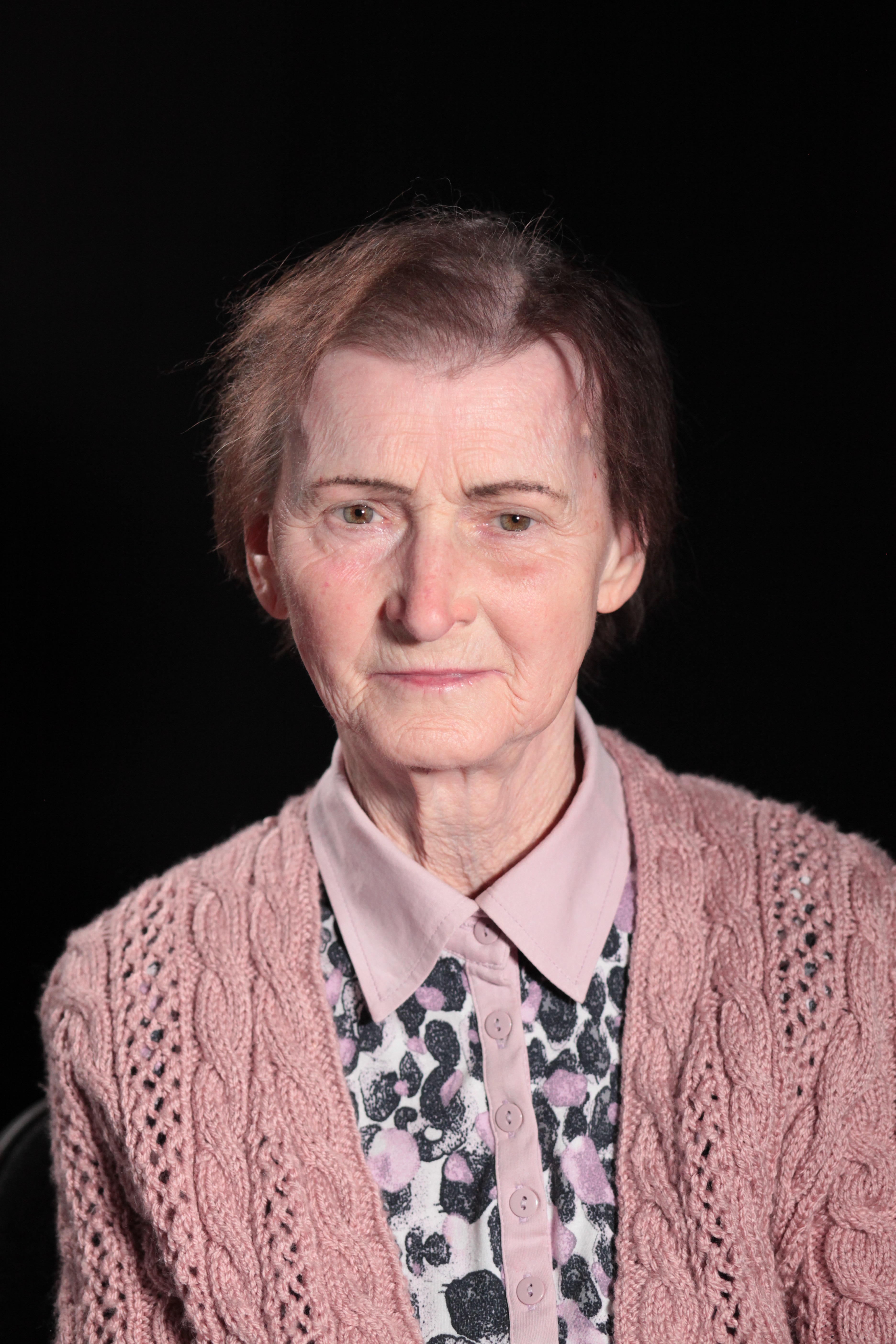
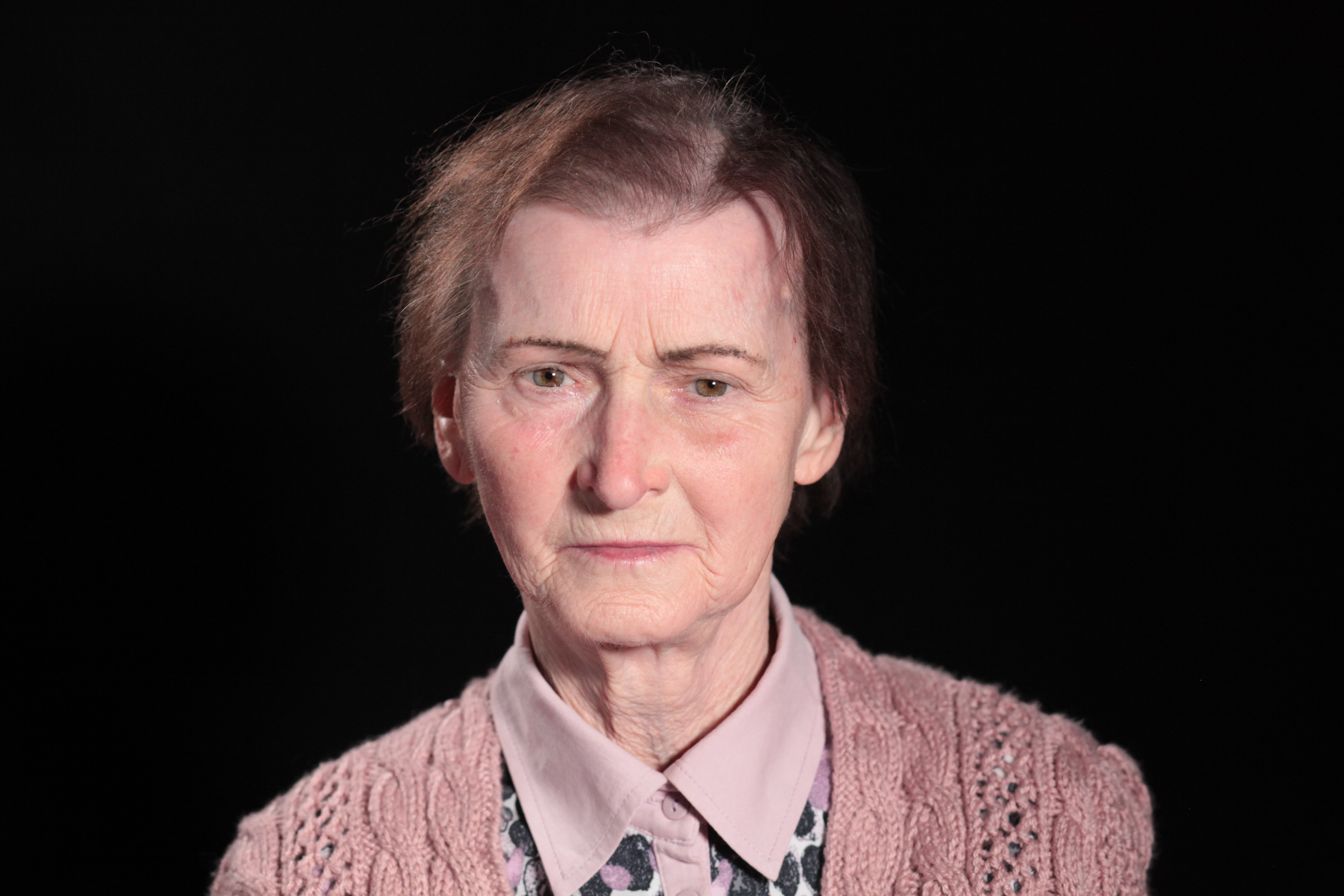
Irma Rubaciová in 2025
zdroj: Memory of Nation

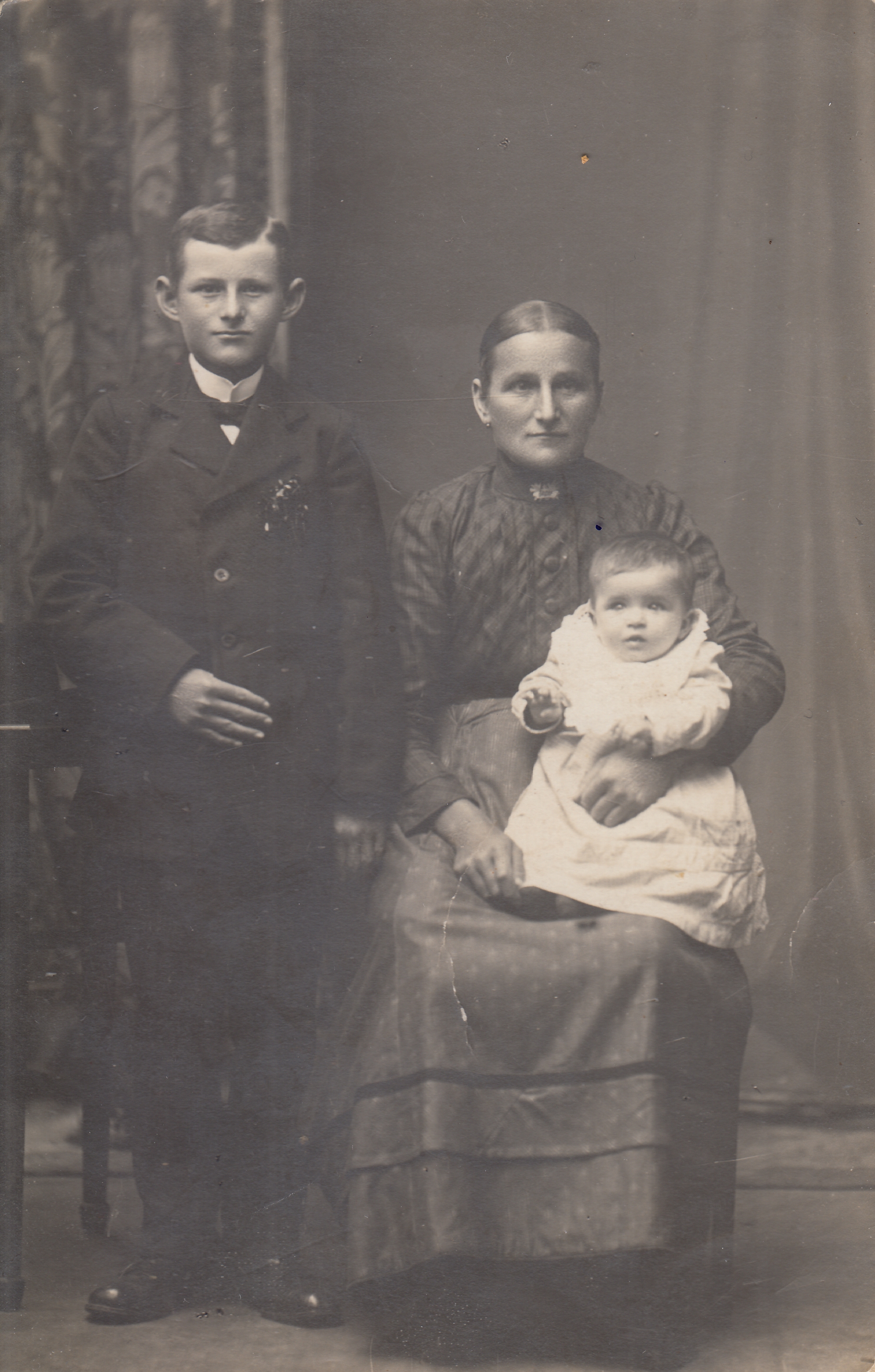
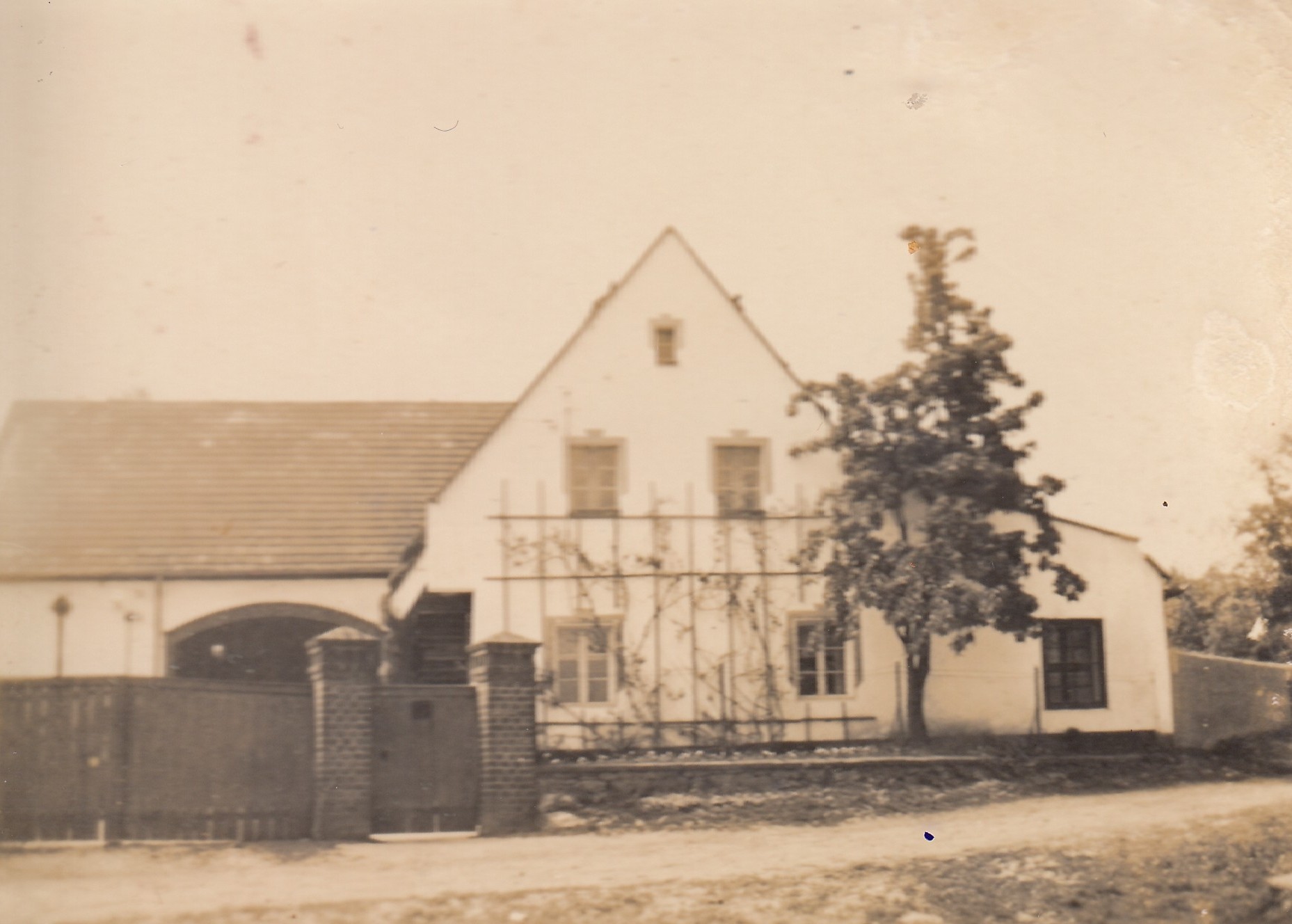
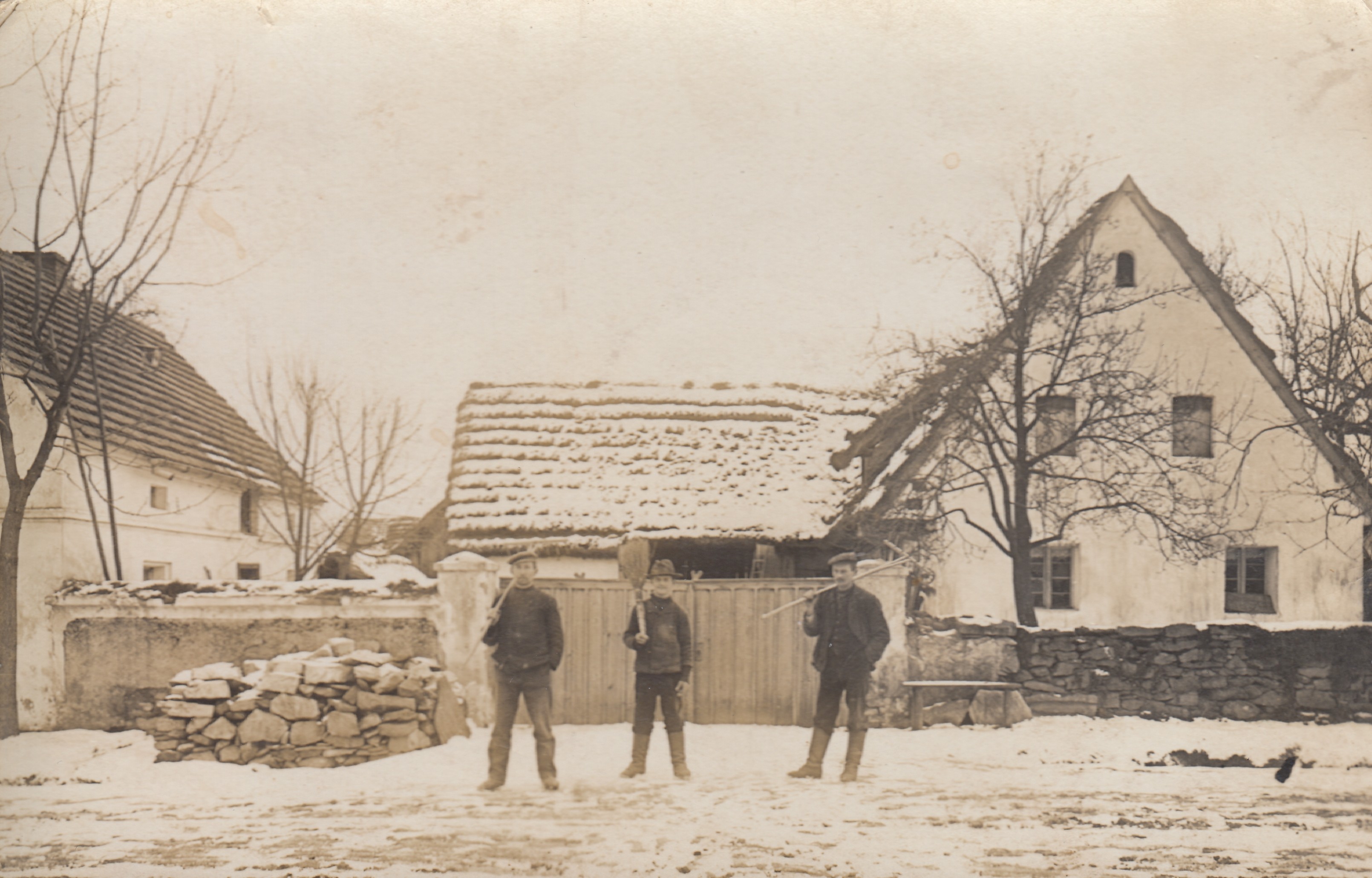
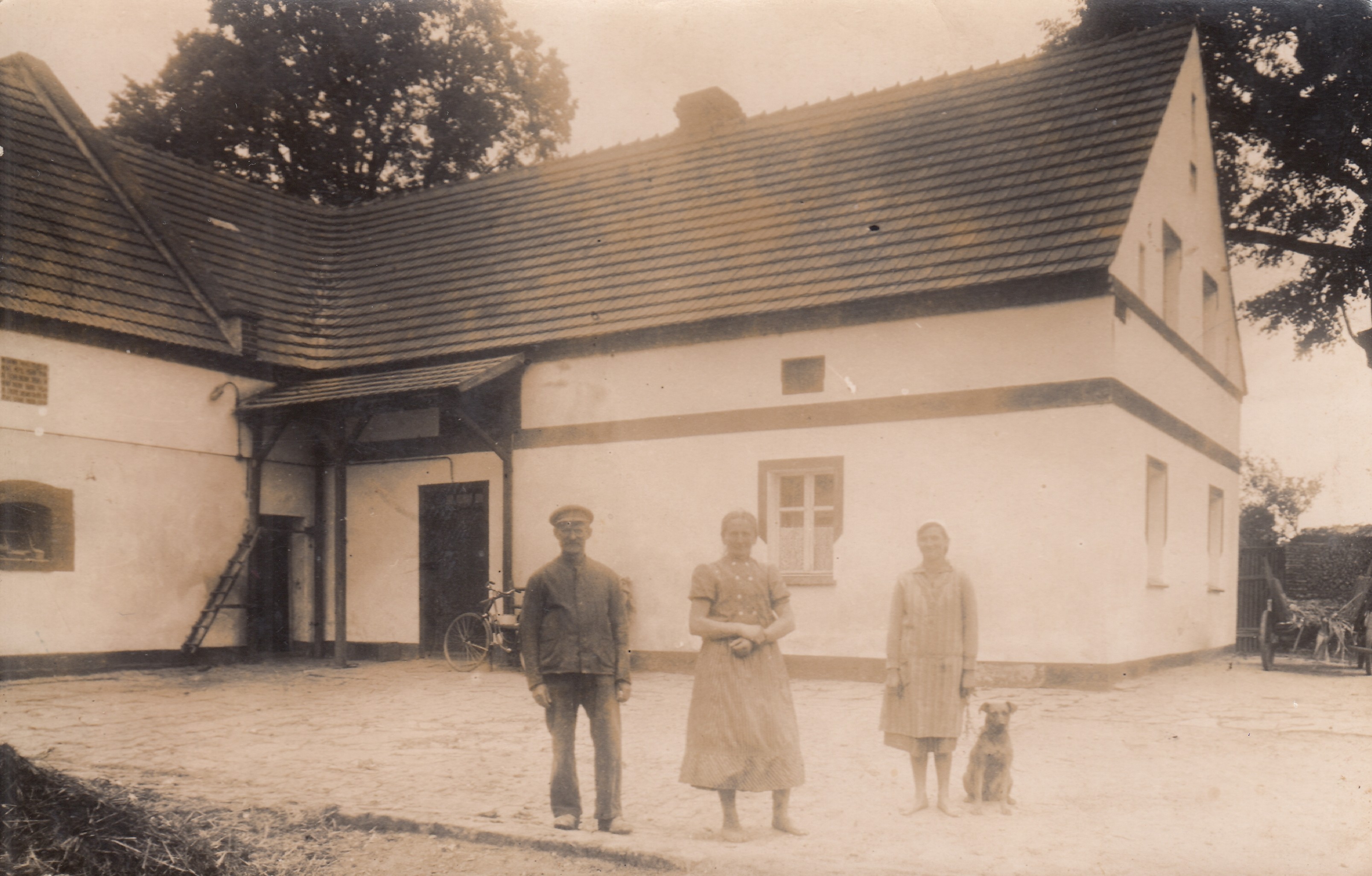
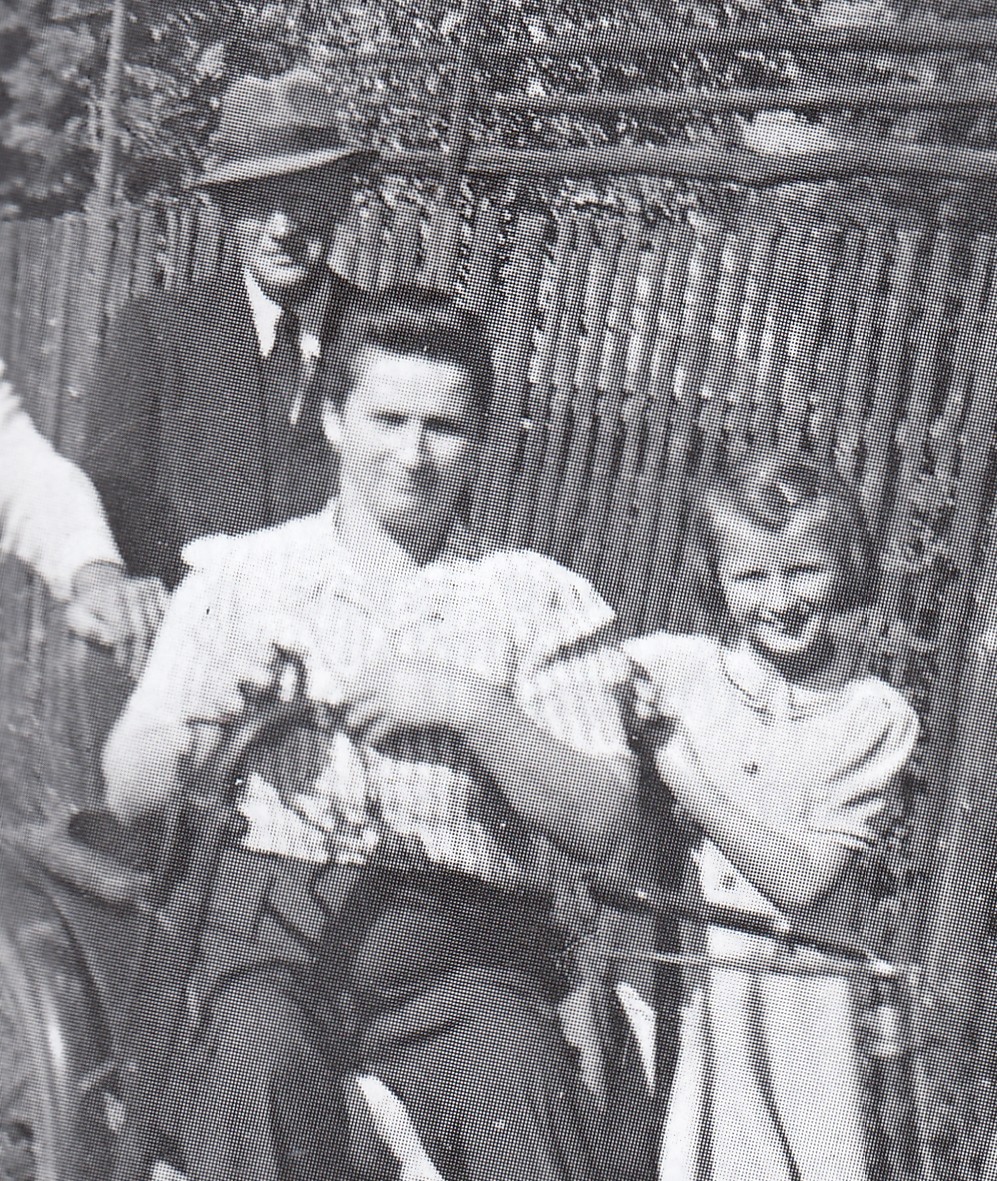
Irma Rubaciová was born in Wroclaw, Poland on 5 September 1938 to Berta and Alfréd Jirmans. Her parents were members of the Czech minority that had lived on the Polish territory since the 18th century. Irma Rubaciová spent World War II in the Polish village of Horní Poděbrady. Alfréd Jirman had to enlistin 1944 and was killed just before the end of the war. The witness was left alone with her mother and they were deported from Poland to Czechoslovakia in the autumn of 1945. They settled in the village of Tři Sekery in Šumava. Irma Rubaciová completed the local primary school and then joined the Sekery factory where she spent her whole life. She married in 1957 for the first time and in 1962 for the second. She spent 62 years with her second husband. After 1989, they ran a general store together. The witness lived in Tři Sekery in 2025.