Alena Pechová

* 1947

  • "We were on holiday in Hungary in 1968, the whole family in a tent by the Lake Balaton. The tour was organised by the factory and everything was fine. Then one morning, as we went to make breakfast, dad says: 'I was listening to the radio at night (it was, by coincidence, a Russian-made Orbit transistor unit), and it said that we were invaded by Russians or something.' We stayed in Hungary for ten more days. There was no way to get here. I know they paid us some money to get food. I wasn't here in Hodonín; none of us was, back in 1968. We were there."

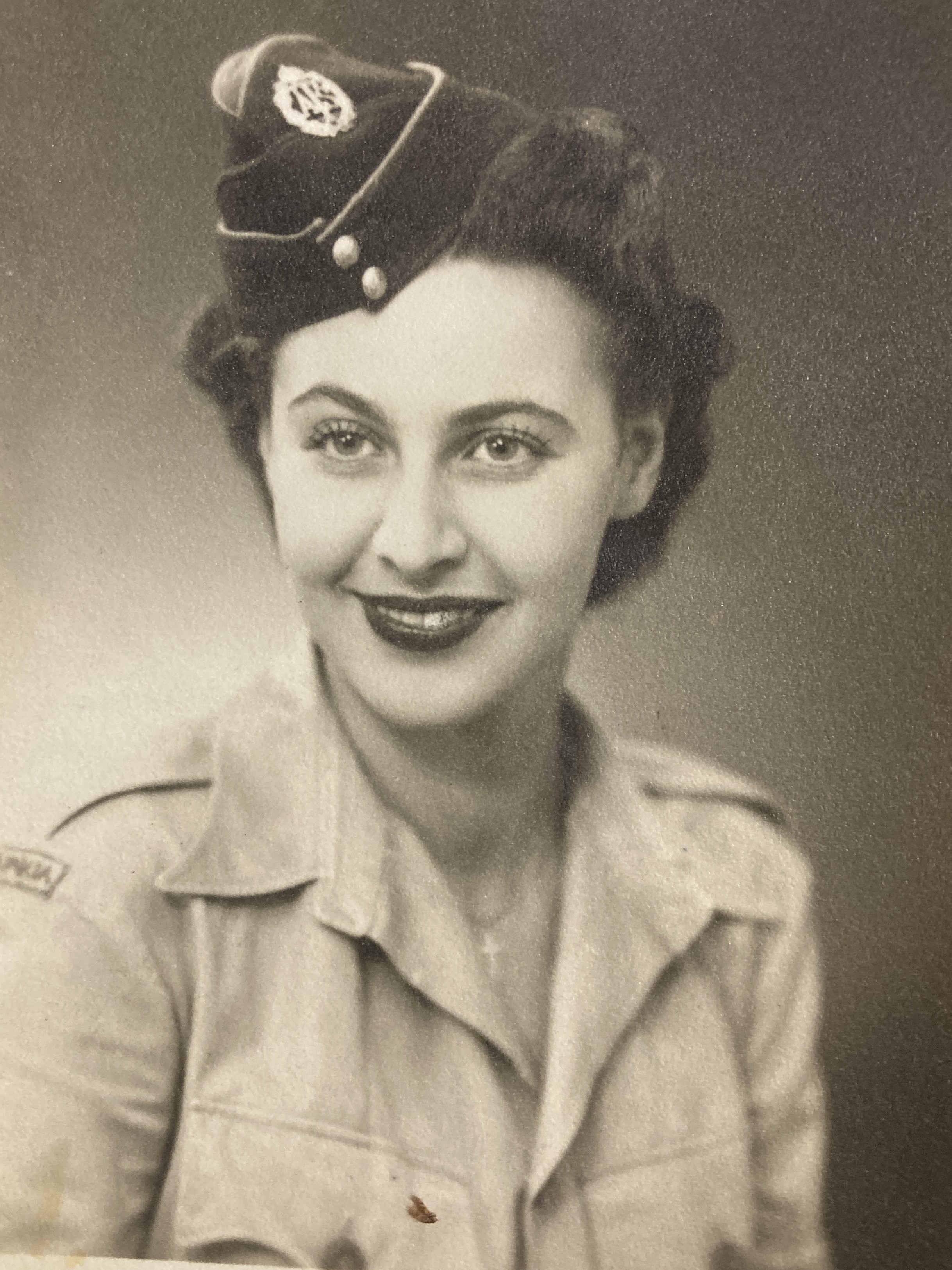
  • "My mum left Czechoslovakia less than eighteen years old under quite interesting circumstances. She was in the theatre with her fiancé, and she was approached by someone during the intermission (some sources say it was a woman, some say it was a man) who asked her to come to Vinohrady after the show. She was given the exact address. Her father was waiting for her there. He explained that times were bad and she had to emigrate. He brought her clothes to the restaurant, her shoes and her passport. One version says she accompanied a blind Czechoslovak military officer. The other version actually involves a marriage, as I saw in the documents we found in the archives. I don't know, and I will never know. We did not ask a lot of questions. After a harrowing journey, she made it all the way to Egypt via Palestine. She was interned in Palestine, it was terrible..."

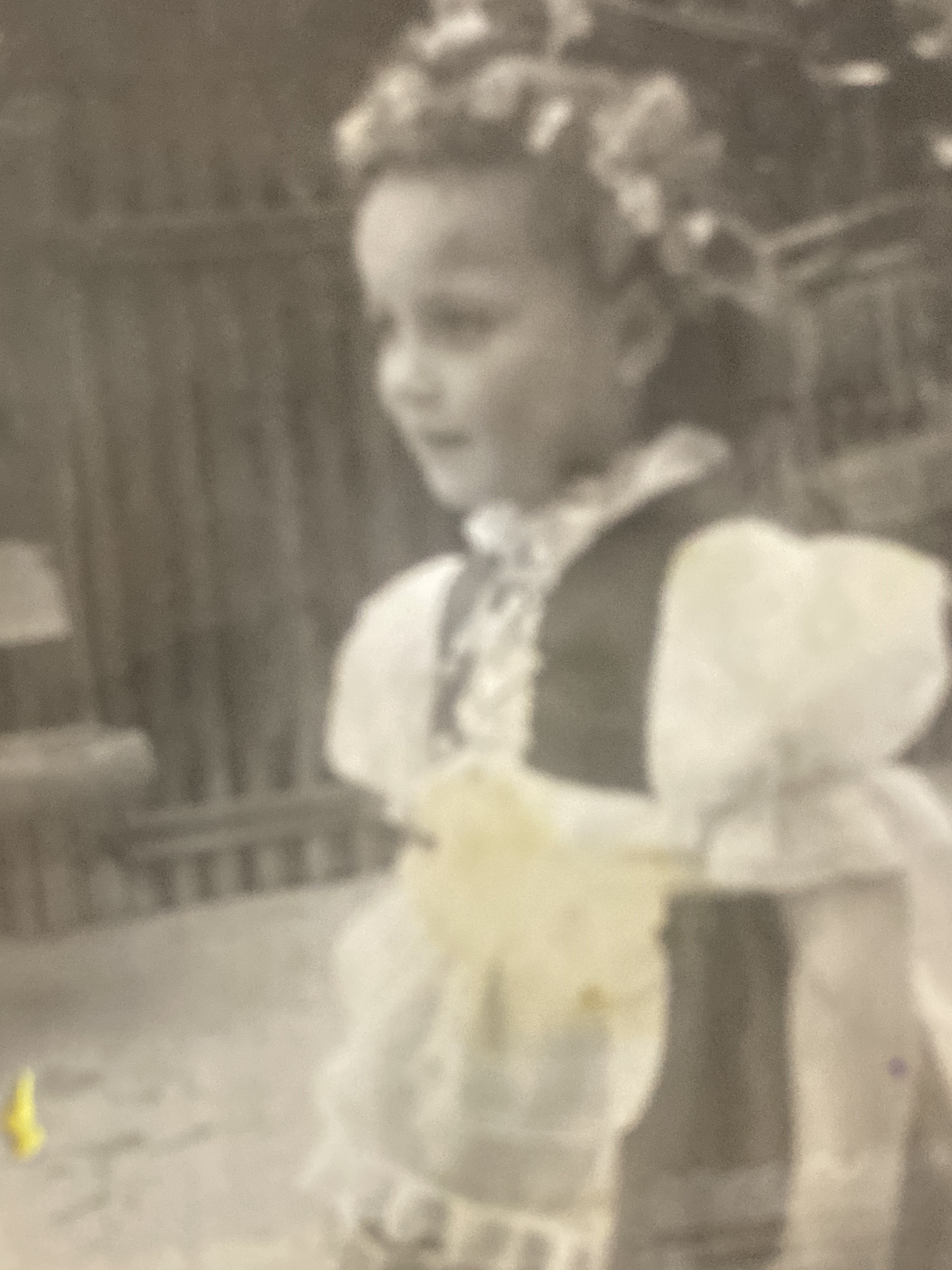
  • "I completed kindergarten in Prague. I fell ill with severe scarlatina and then with hepatitis within a year of that. My parents contracted it from me since there was no penicillin then, and they were on a strict diet. Then my parents went to hospital in Karlovy Vary for treatment, and since there was no one to take care of me, they put me in Hodonín with my grandparents. My uncle, my father's brother, was a pediatrician, and they took care of me and I did very well. Then the show trials started in the 1950s, and since my parents had served with the Czechoslovak unit abroad and the British Army, my mother took a resolute action when they started arresting my dad's friends and placing their English wives in asylums and their children in shelters. Within less than a month, we found ourselves in Hodonín through a triple apartment swap."

  • Celé nahrávky
  • 1

    Hodonín, 29.01.2026

    (audio)
    délka: 01:04:31
    nahrávka pořízena v rámci projektu Stories of 20th Century
Celé nahrávky jsou k dispozici pouze pro přihlášené uživatele.

I couldn‘t watch war movies; they always gave me a fever
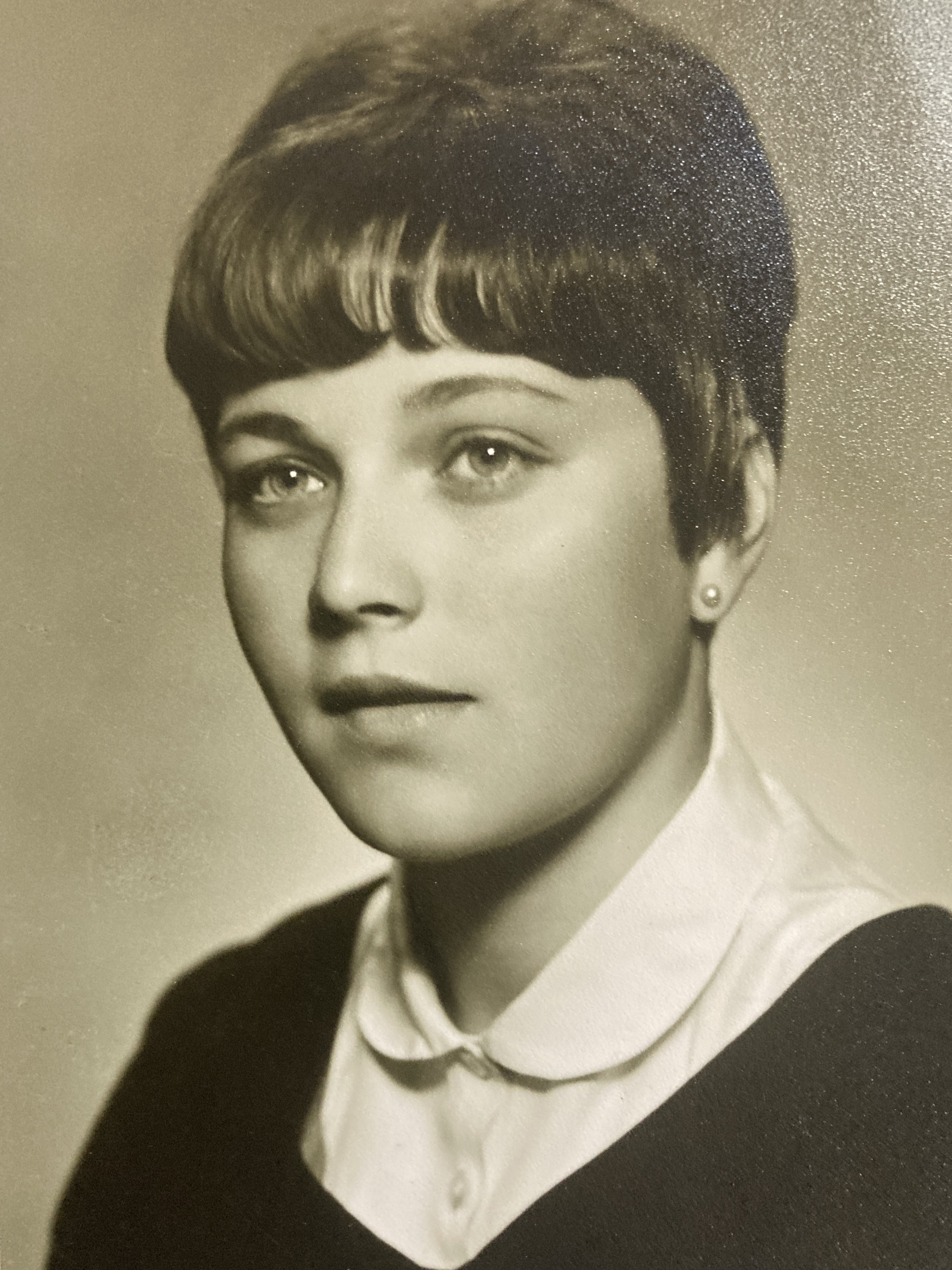
Alena Pechová's high school graduation photo
zdroj: Witness's archive

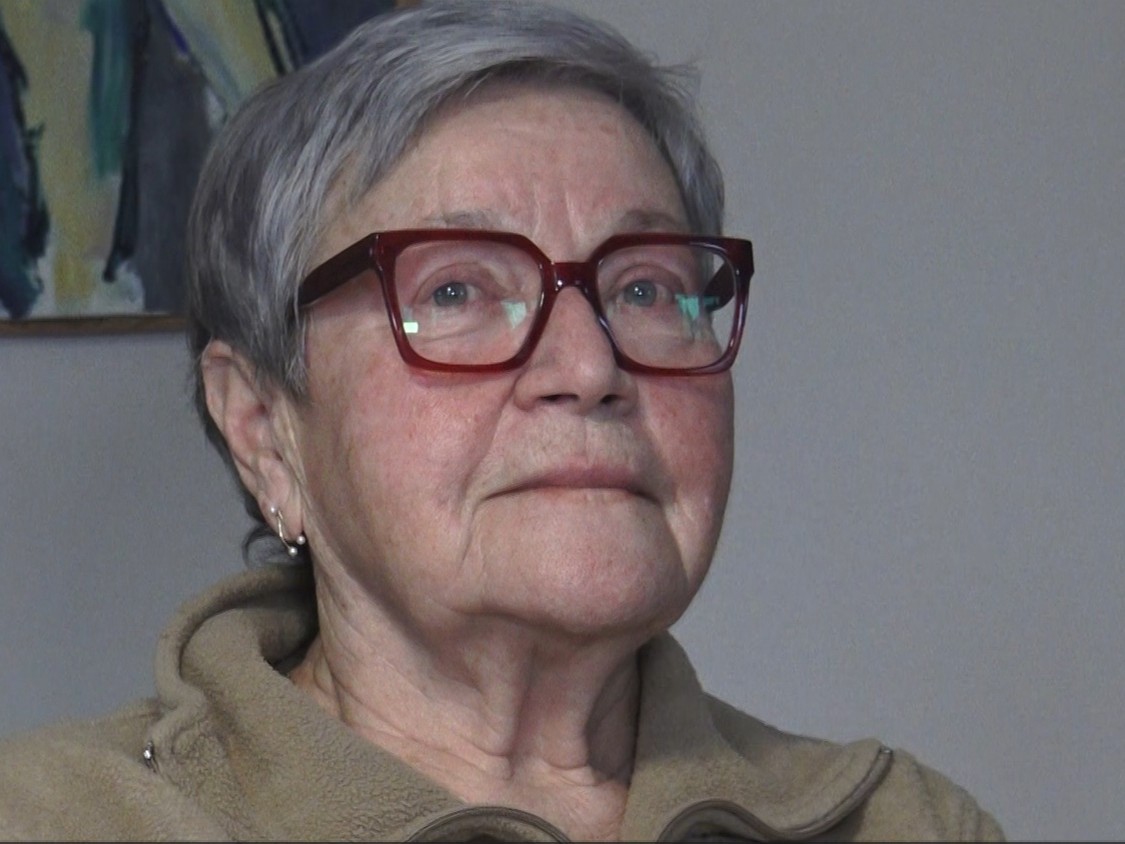
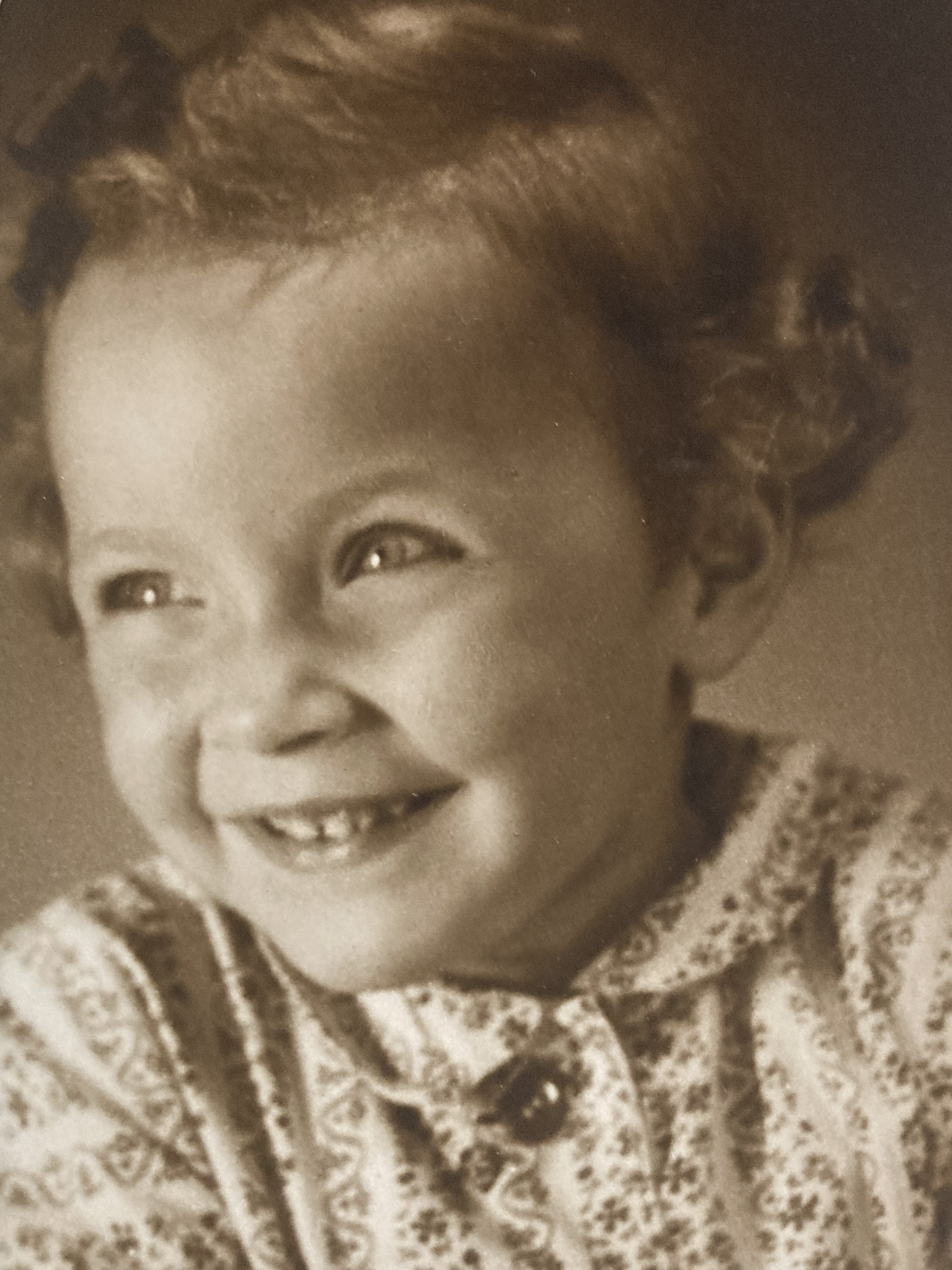
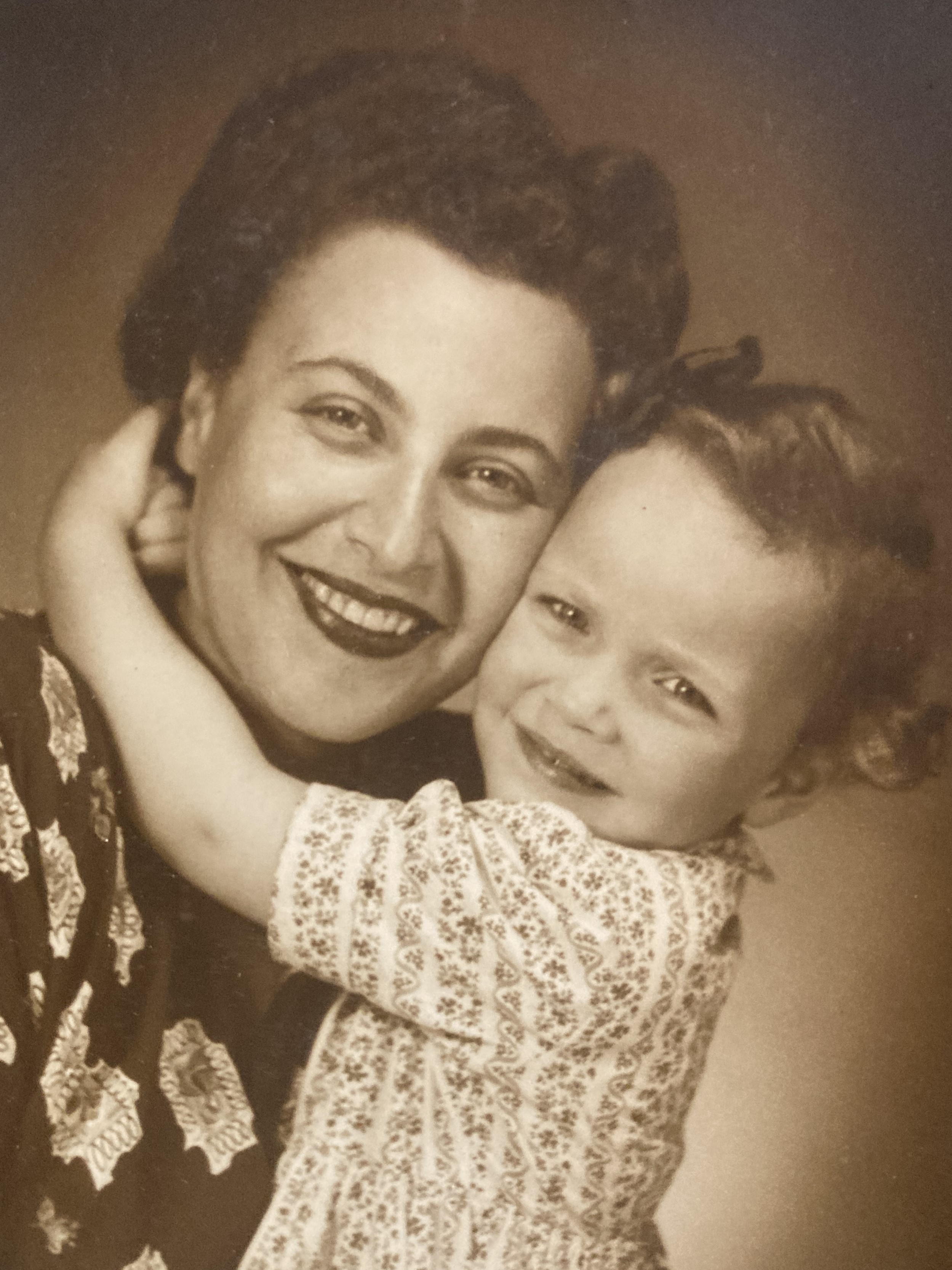
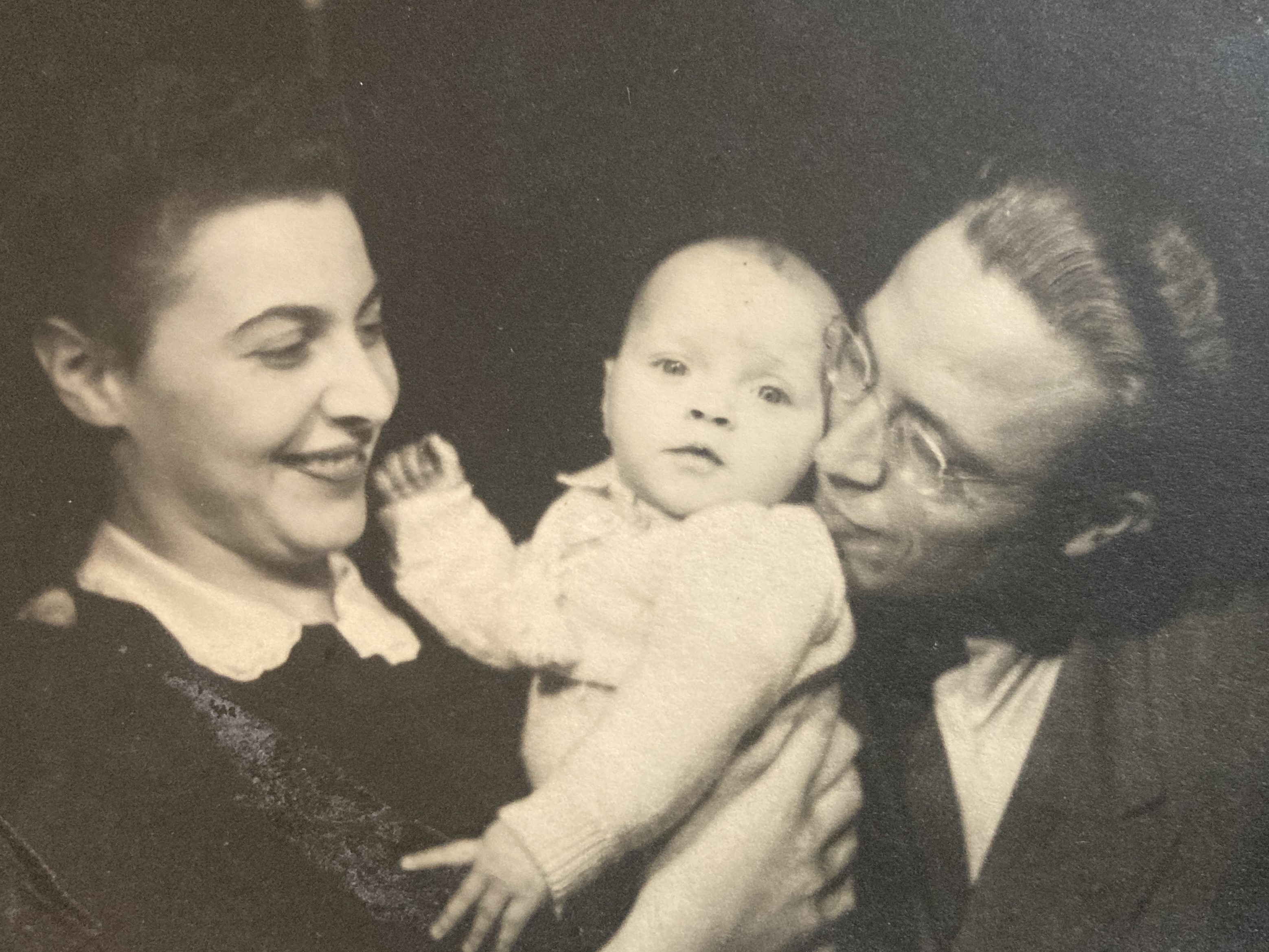
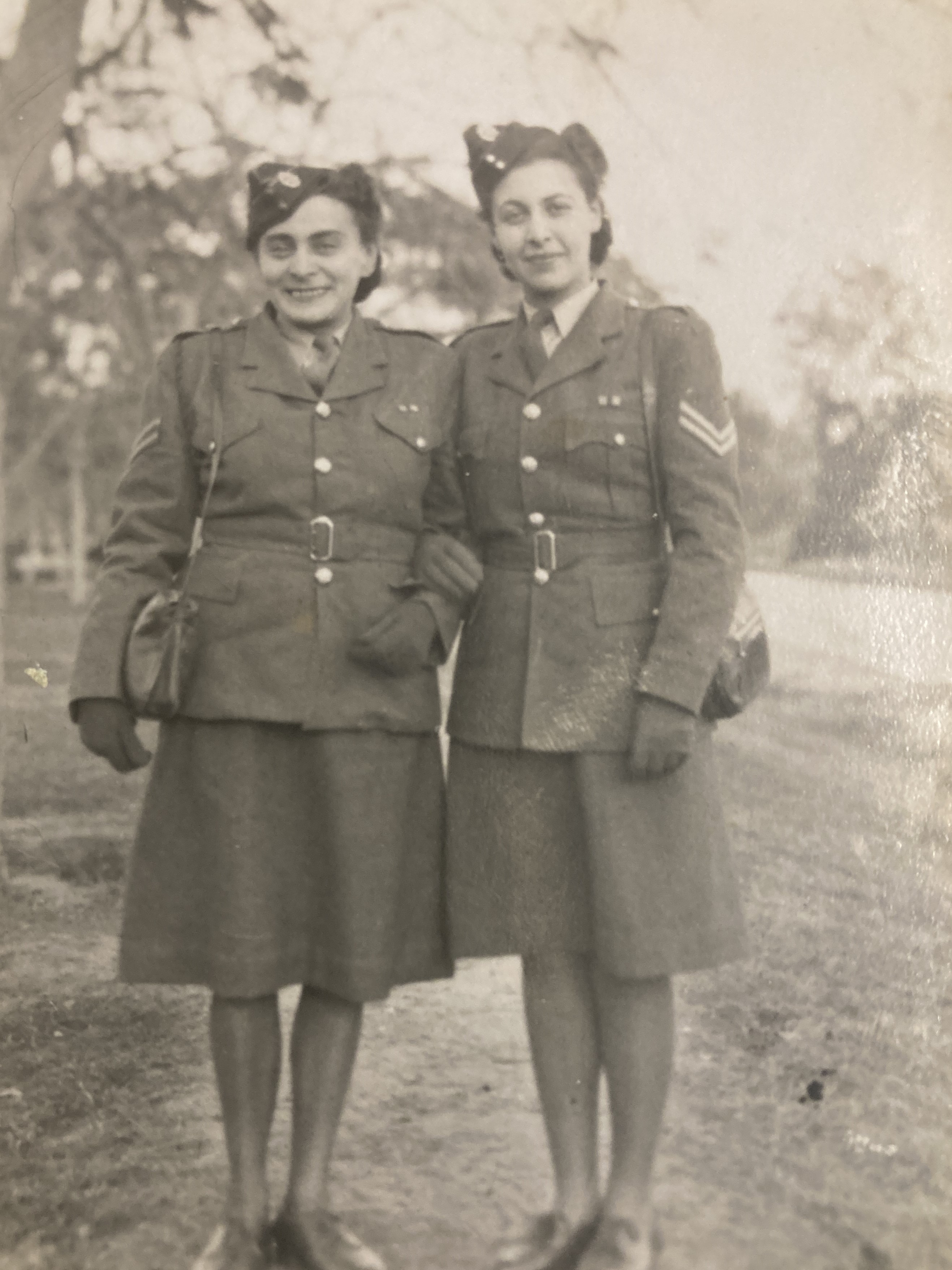
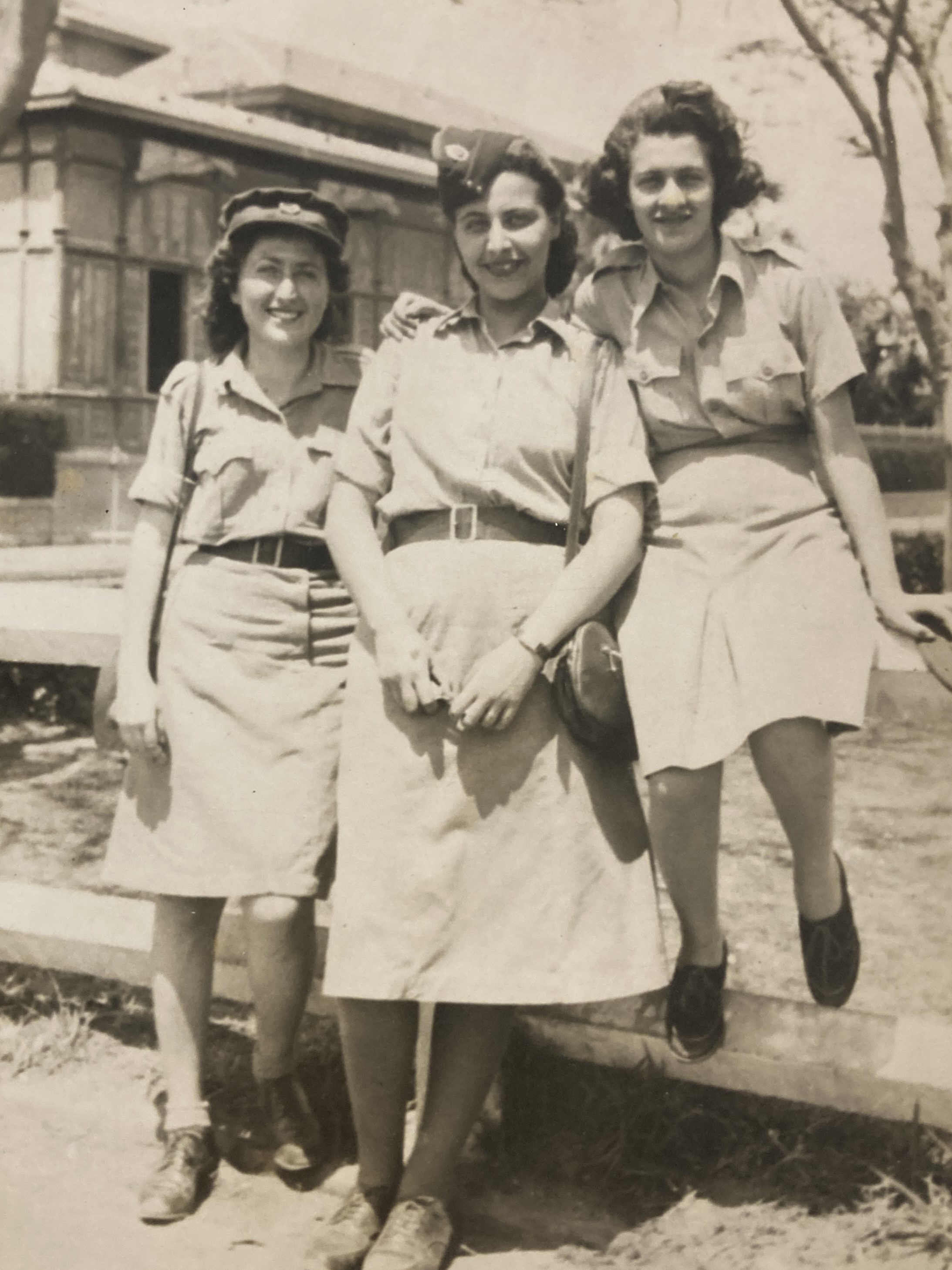
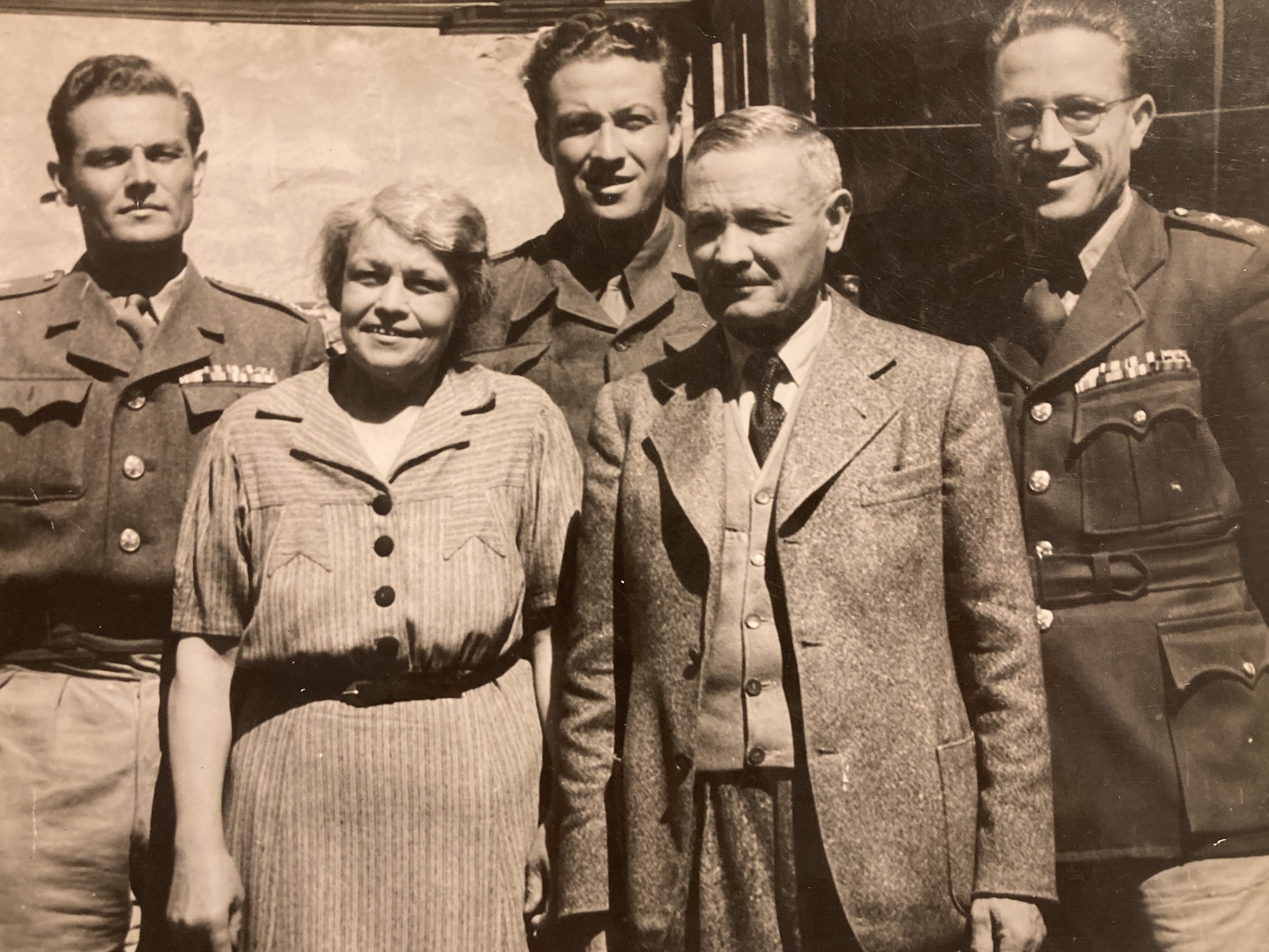
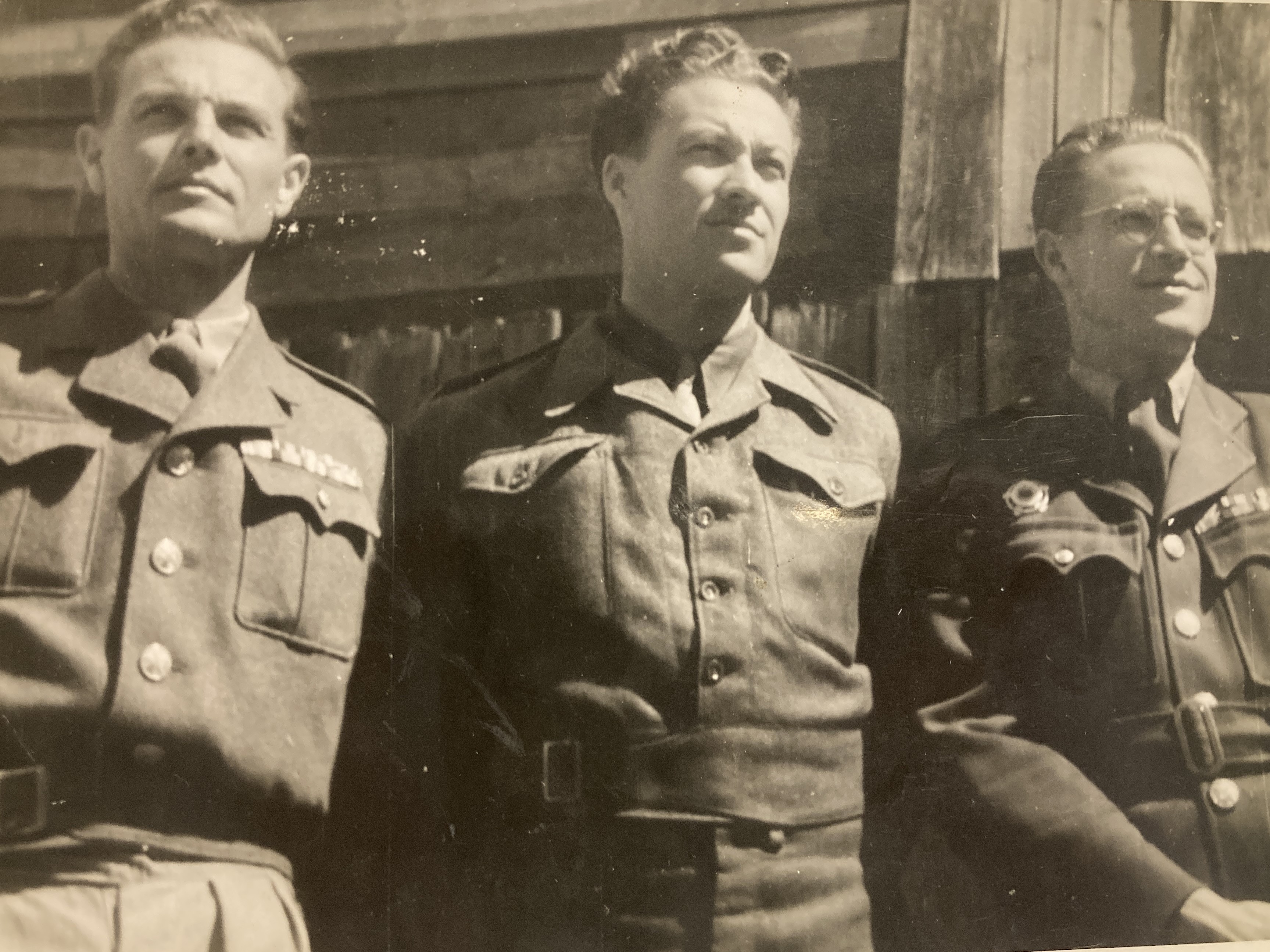
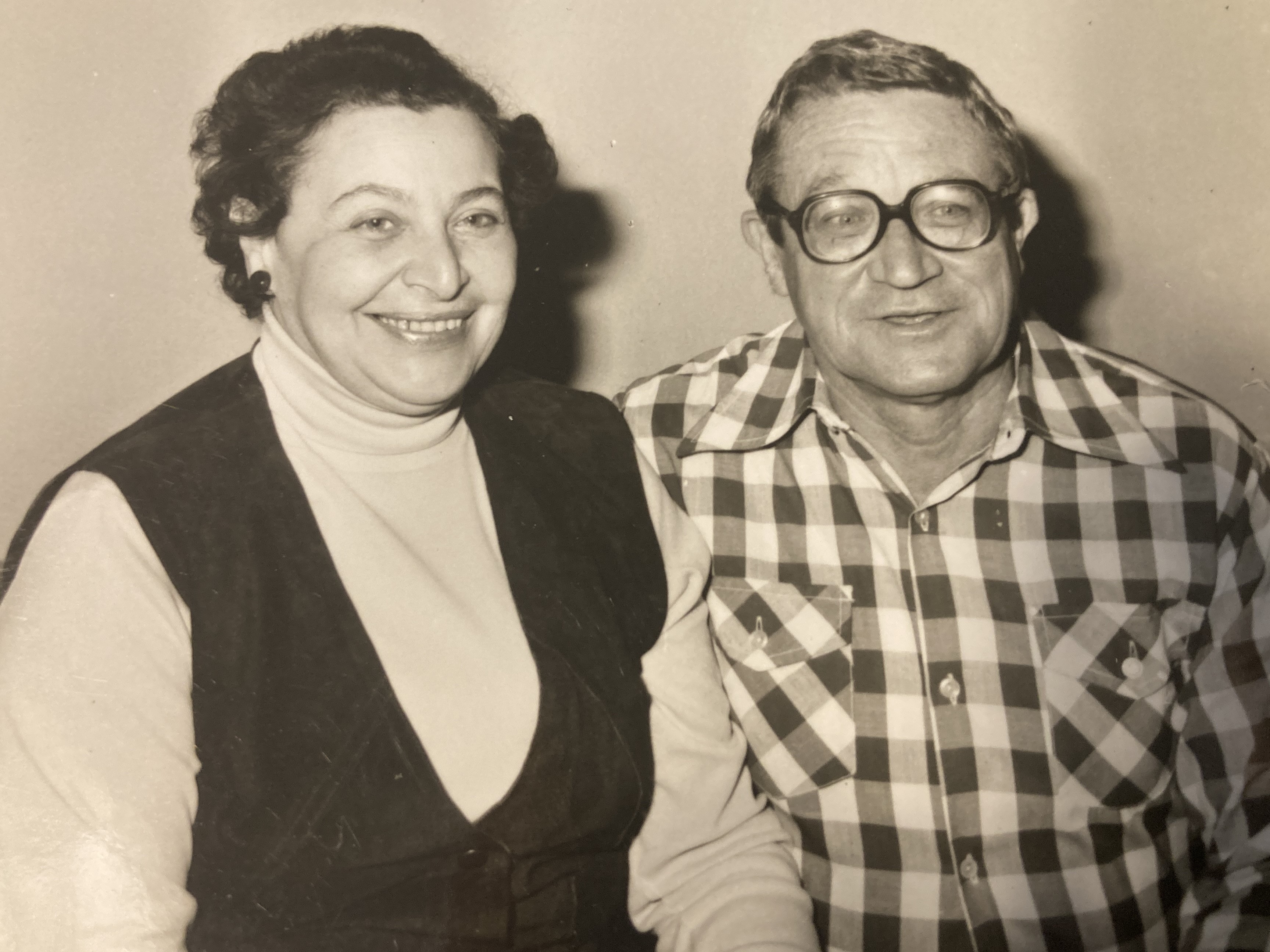
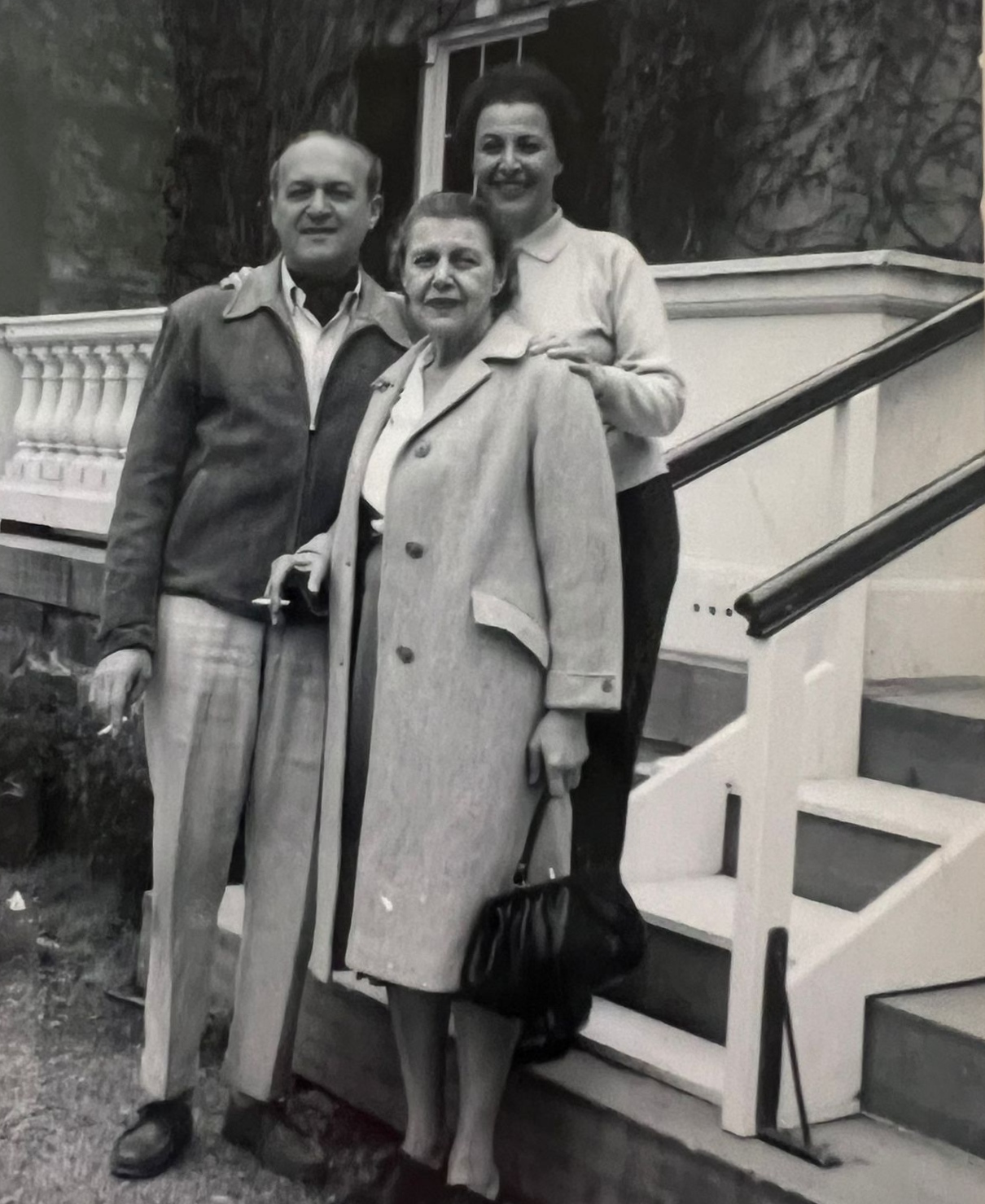
Alena Pechová was born in Prague on 12 May 1947. Her parents fought in the army abroad during World War II: mother Hana Filipovičová served with the Women‘s Corps of the British Army in Egypt and father Miroslav Filipovič joined the Czechoslovak international troops and fought at Dunkirk. The parents first met in Egypt, then in Prague after the war in 1946 where they settled. The mother came from a wealthy Prague Jewish family, the Kleins. They all perished in the concentration camps, only her mother survived and emigrated to America with her second husband. At the time of the show trials, the family left Prague for Hodonín. The mother working a lathe and the father joined a power plant. Then they both worked in the power plant. The family was under State Security surveillance, and they wanted the mother to sign for collaboration. She resisted the pressure. They censored their letters and tapped their phones. The family did not talk much about the war at home, but the witness was traumatised by the war films they went to see with school. Alena Pechová is only now finding out many details. As of 2026, she is living with her daughter in Hodonín and with her grandson she is searching for details of her parents‘ destinies.