Miloš Lehečka

* 1951

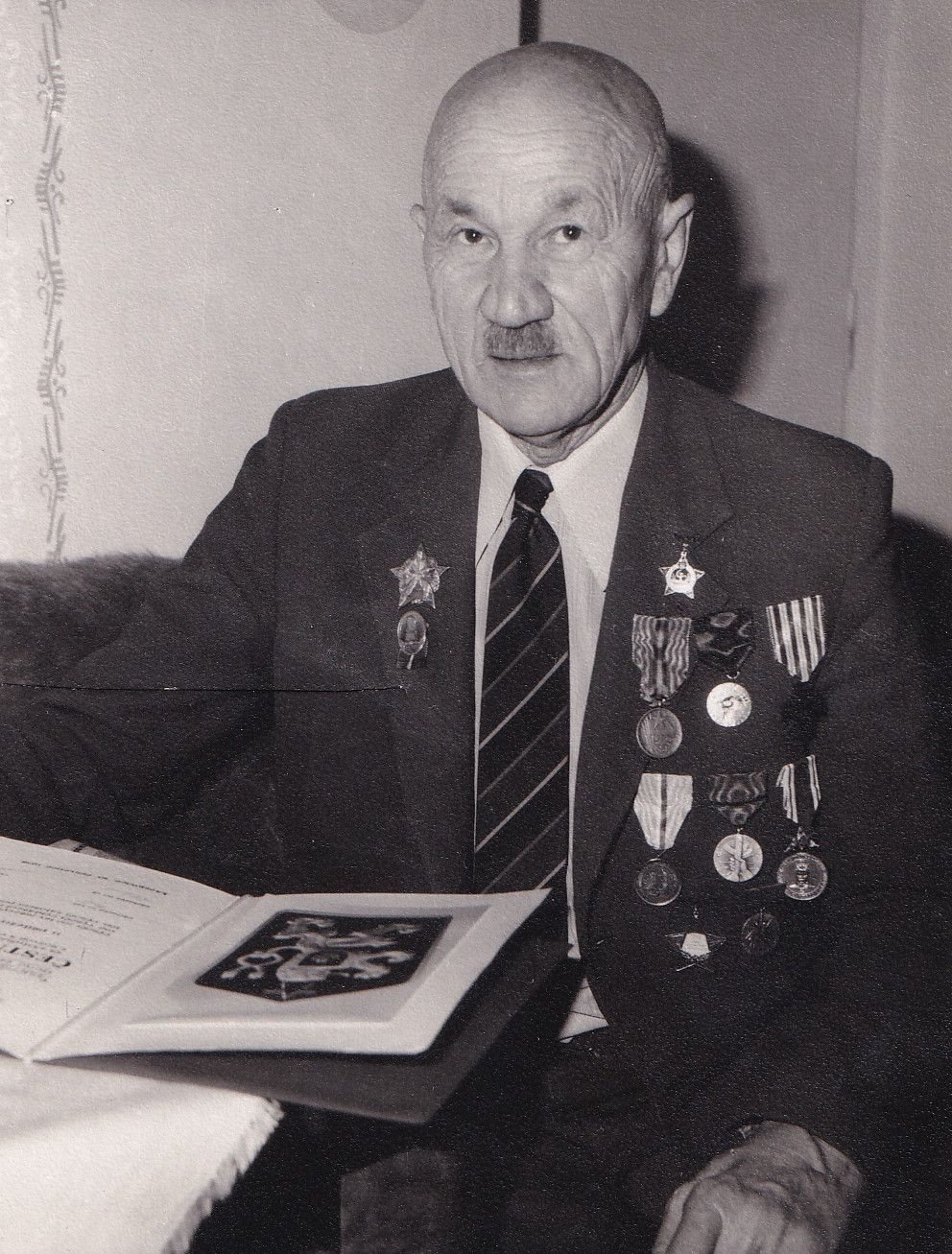
  • "He visited me twice, that František Dušek. Once he came to my father's funeral. I was surprised because he couldn't walk anymore, he was an elderly man. So he had himself brought here from Moravia. And he sat behind us in the row when the funeral was. Now, the one at the cremation had the speech, then somebody from the community always gave the speech. And he must have arranged that he wanted to give a speech too, but he didn't go to the place where [the others were speaking], but he stood behind us in the row that he was sitting in, and now he gave that speech. Today, if I had it on film, I'd be in tears... How did he... I just remembered it now..." - "That it was very moving, that he was very grateful that he saved him?" - "Yes. He thanked him for saving his life. Then he still came here... No, he didn't, then he told [me] to come there. I was there for about ten days on his account. I didn't want to, but I had to. So he kind of wanted to pay me back."

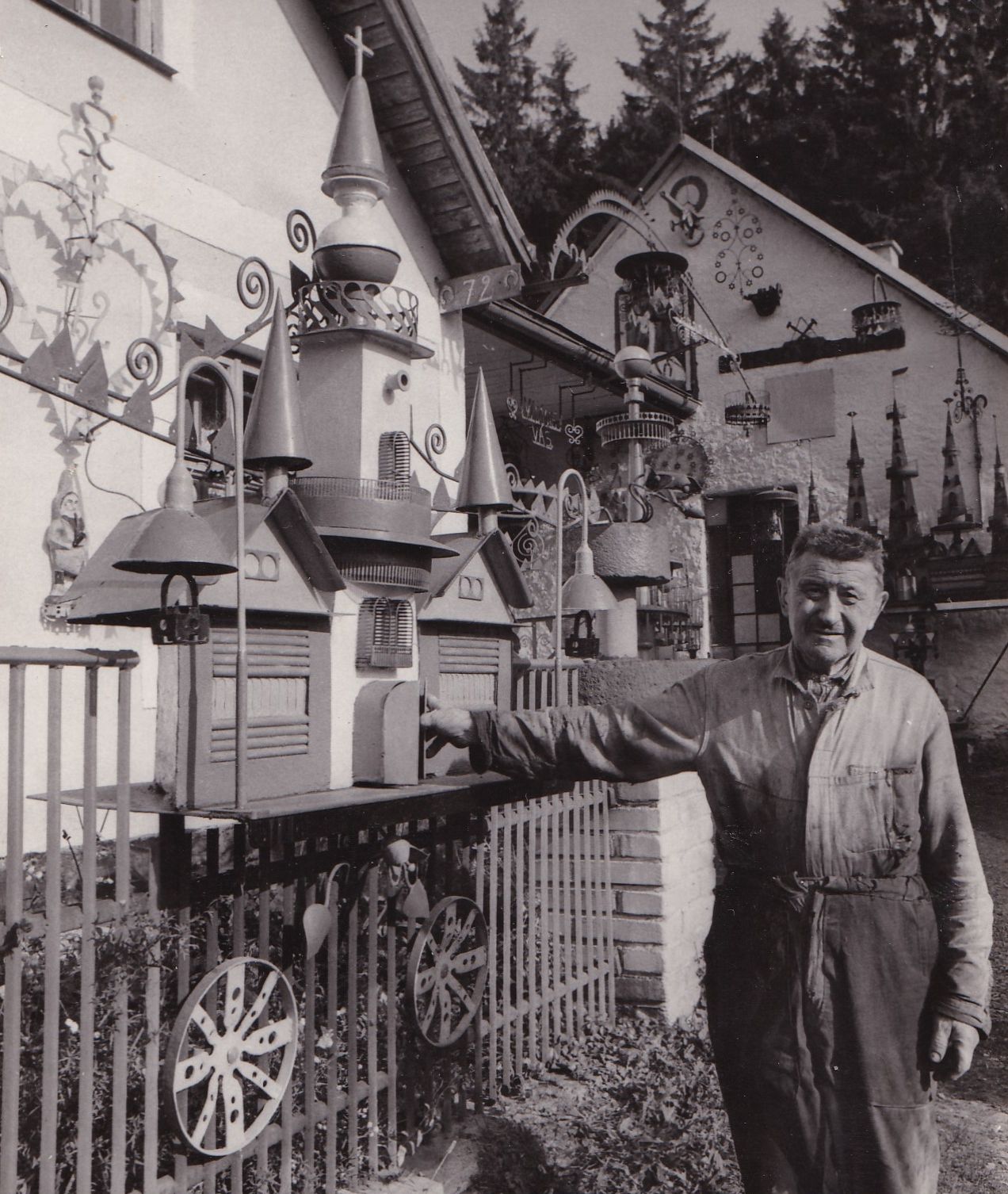
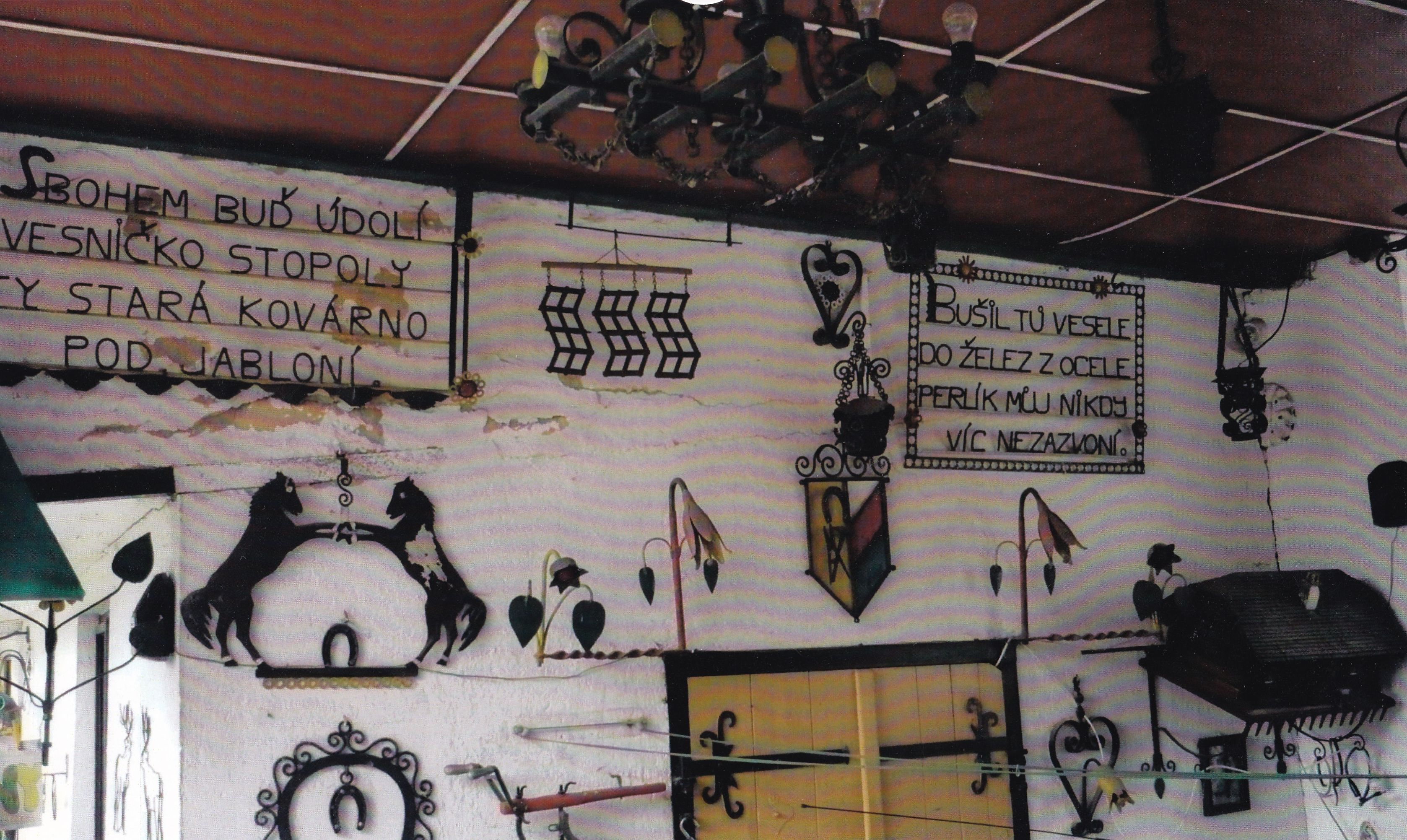
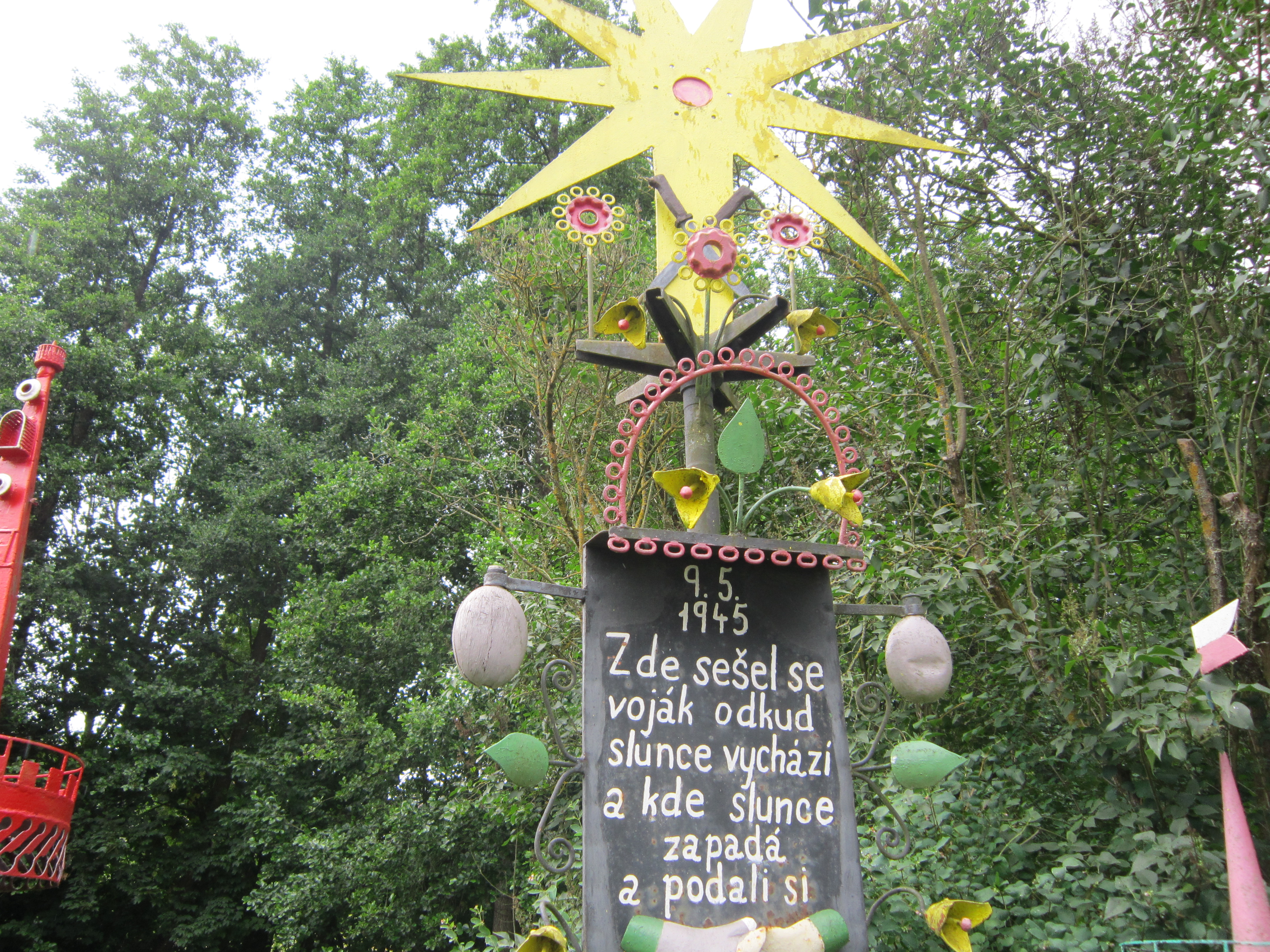
  • "[Partisan František Dušek] left here only when it was known that the war was over. Then he founded the trade unions here - or as they said after the war, how to take care of things here. That's what the book Eighty Years of the Liberation of Lnaře Region is about, because this is where the demarcation line was. And that's why my dad made a memorial to them here. He made [an inscription] for them here: 'Here a soldier met [from the land] where the sun rises,' that means from the East, '[and from the land] where the sun sets,' [that means] from the West, 'and they shook hands.' That means that the Russians and the Americans shook hands here, that they ended the war here. He made a memorial to them here, which is pictured on the back of the book."

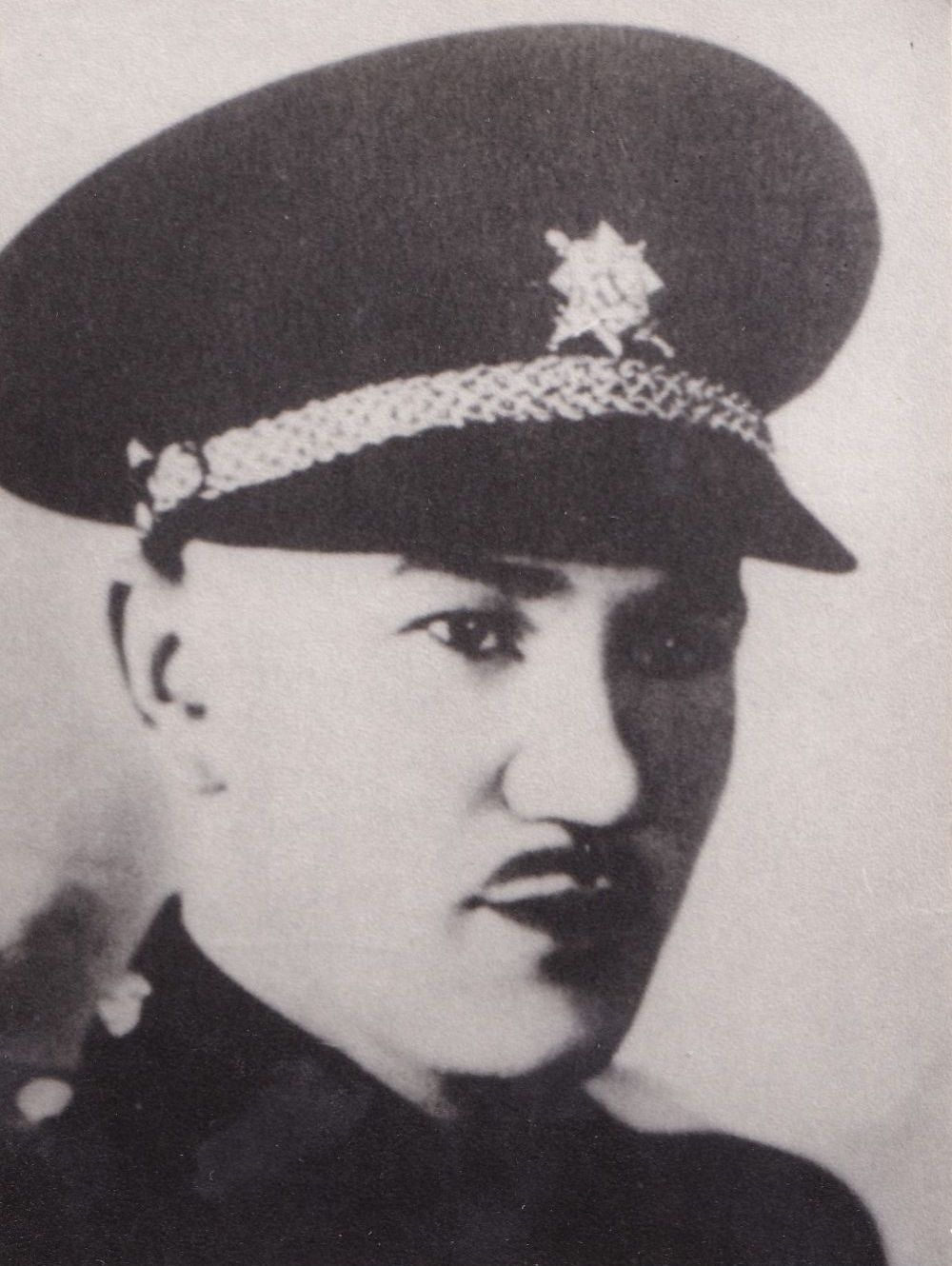
  • "I got my hands on a file that [my father] wrote, and this is a time that he had just lived through six months before the end of the war, when a partisan visited him here. Supposedly he was the commander of the partisans in the Podbrdské lesy, one František Dušek, who came here to hide because the Gestapo was chasing him. He came at once, [but] they had known each other before the war, because he had worked here for about half a year or a year... he was here as a teacher, then I don't know where it took him, and finally he came here to hide from the Gestapo. My father was hiding him here for half a year and he required him to bring him some detailed reports that he heard from the radio. But since we didn't have any radio, he would go to the neighbours and always retell it to him or make some notes, which he then... I don't know, he supposedly had some big map here, on which he marked the progress as it was happening there, because he couldn't go anywhere to the Podbrdské lesy that six months before the end of the war [he couldn't] - it was occupied by the Germans."

  • Celé nahrávky
  • 1

    Hradiště, 27.06.2025

    (audio)
    délka: 01:55:04
    nahrávka pořízena v rámci projektu Stories of 20th Century
Celé nahrávky jsou k dispozici pouze pro přihlášené uživatele.

A partisan, whom my father was hiding during the war, gave a beautiful speech at his funeral.
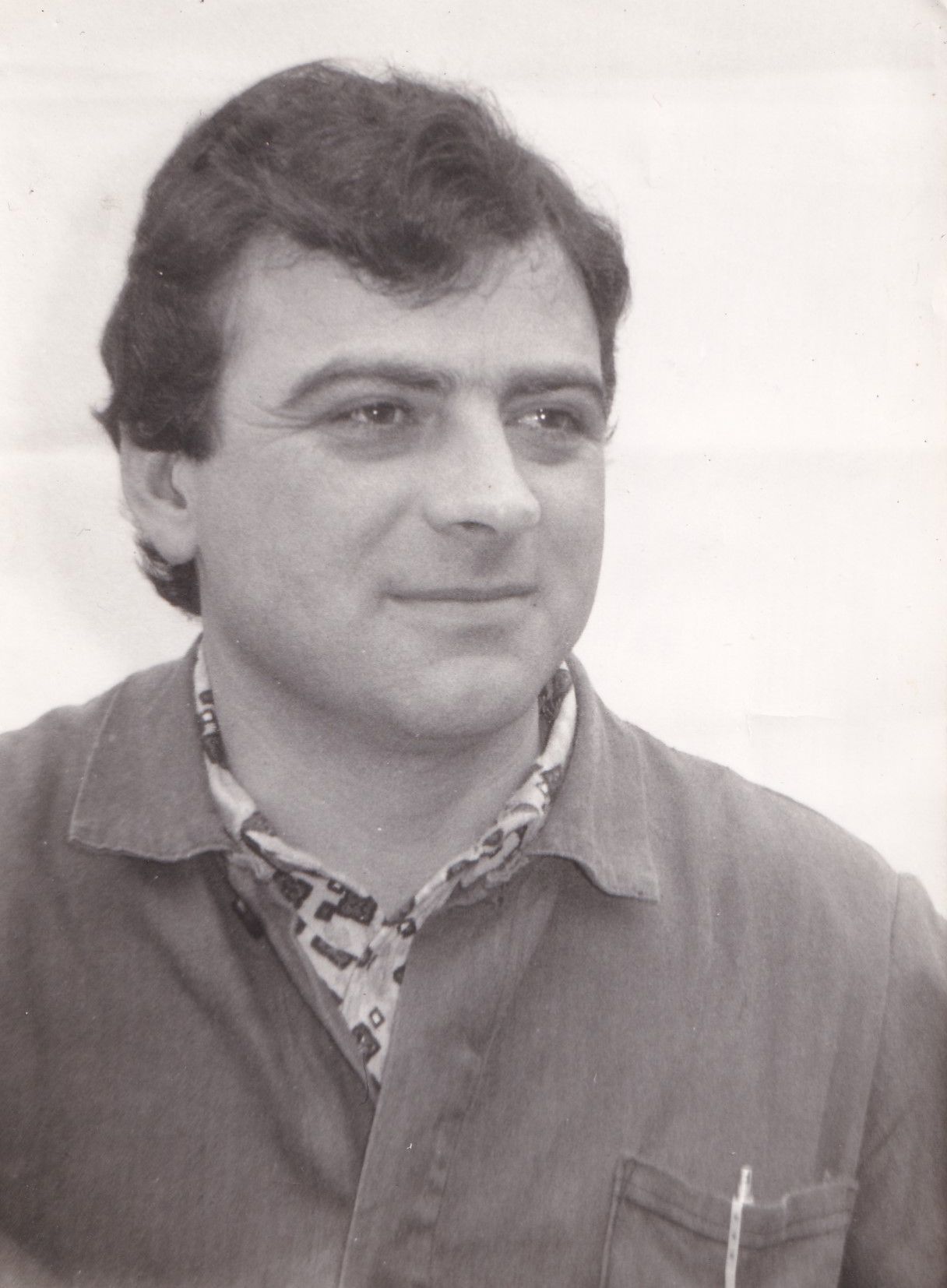
Miloš Lehečka
Miloš Lehečka
zdroj: Witness´s archive

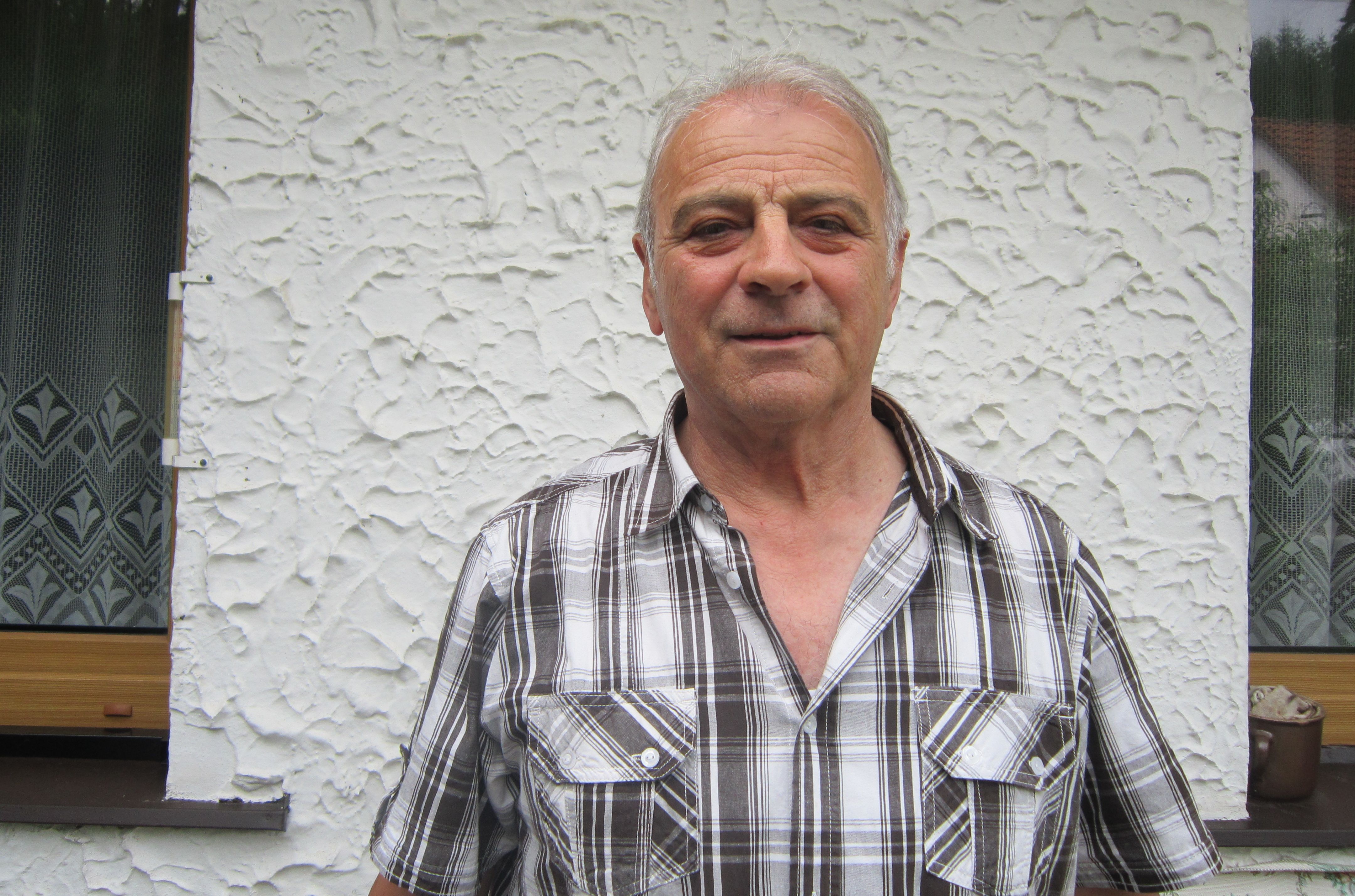
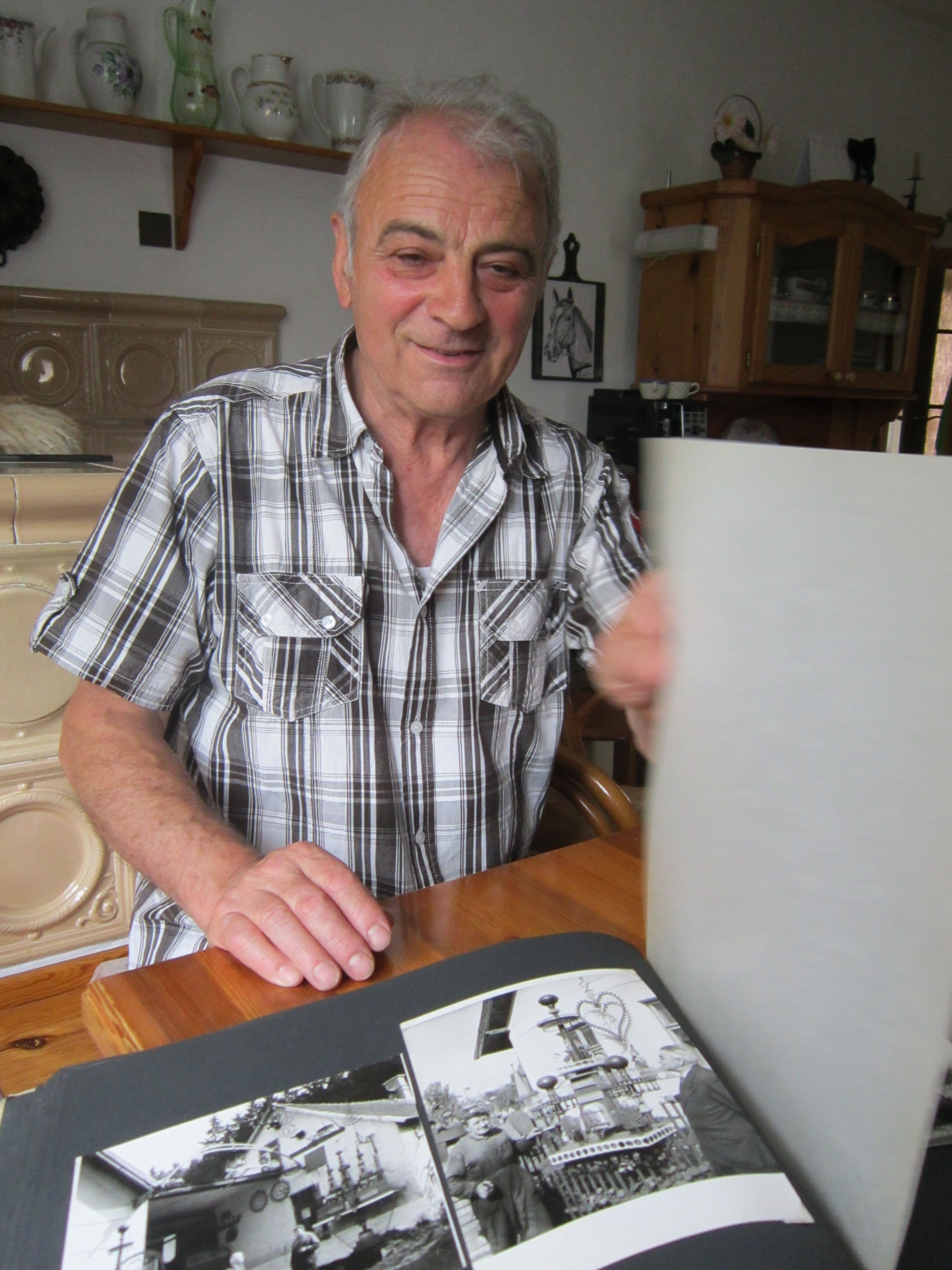
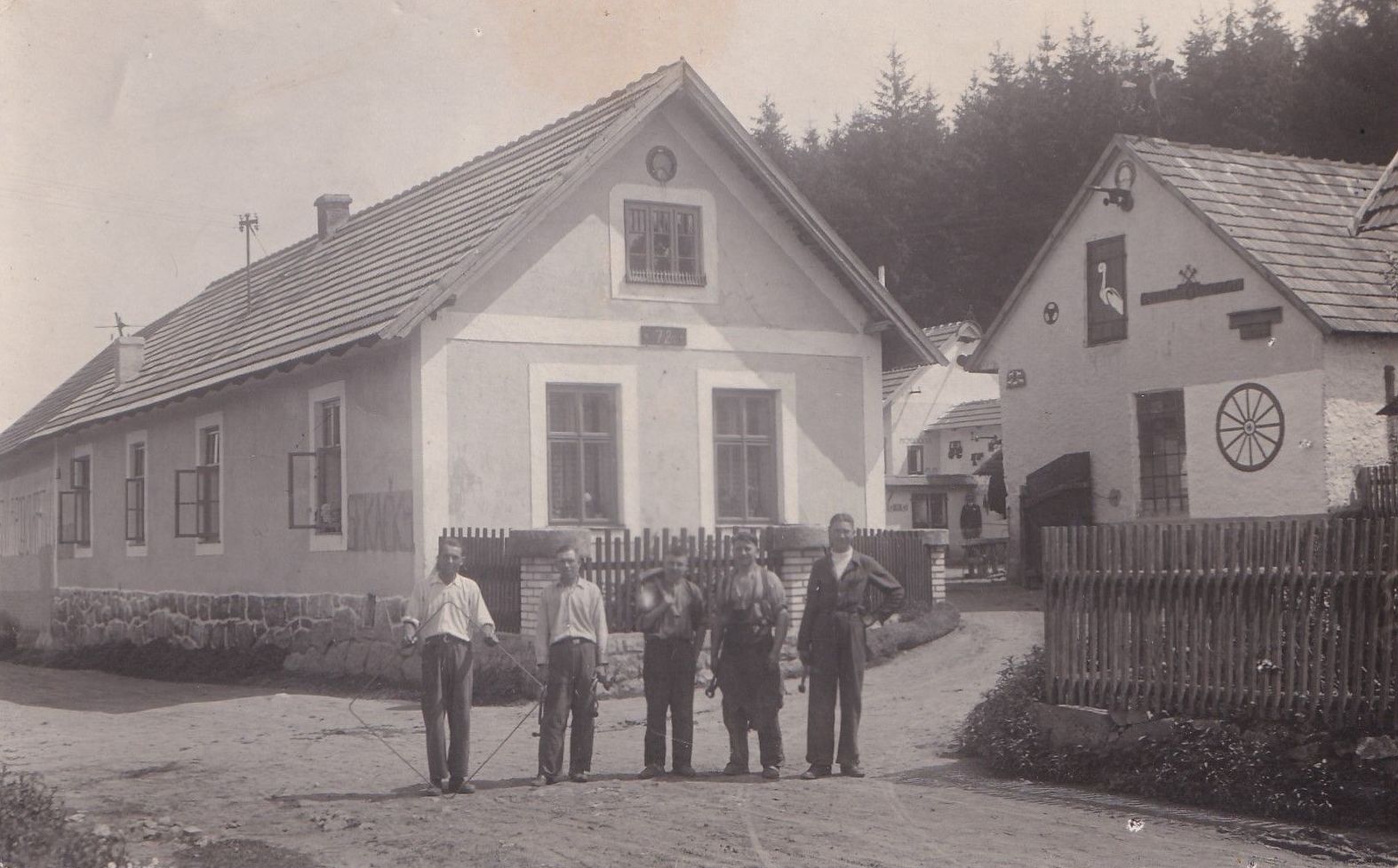
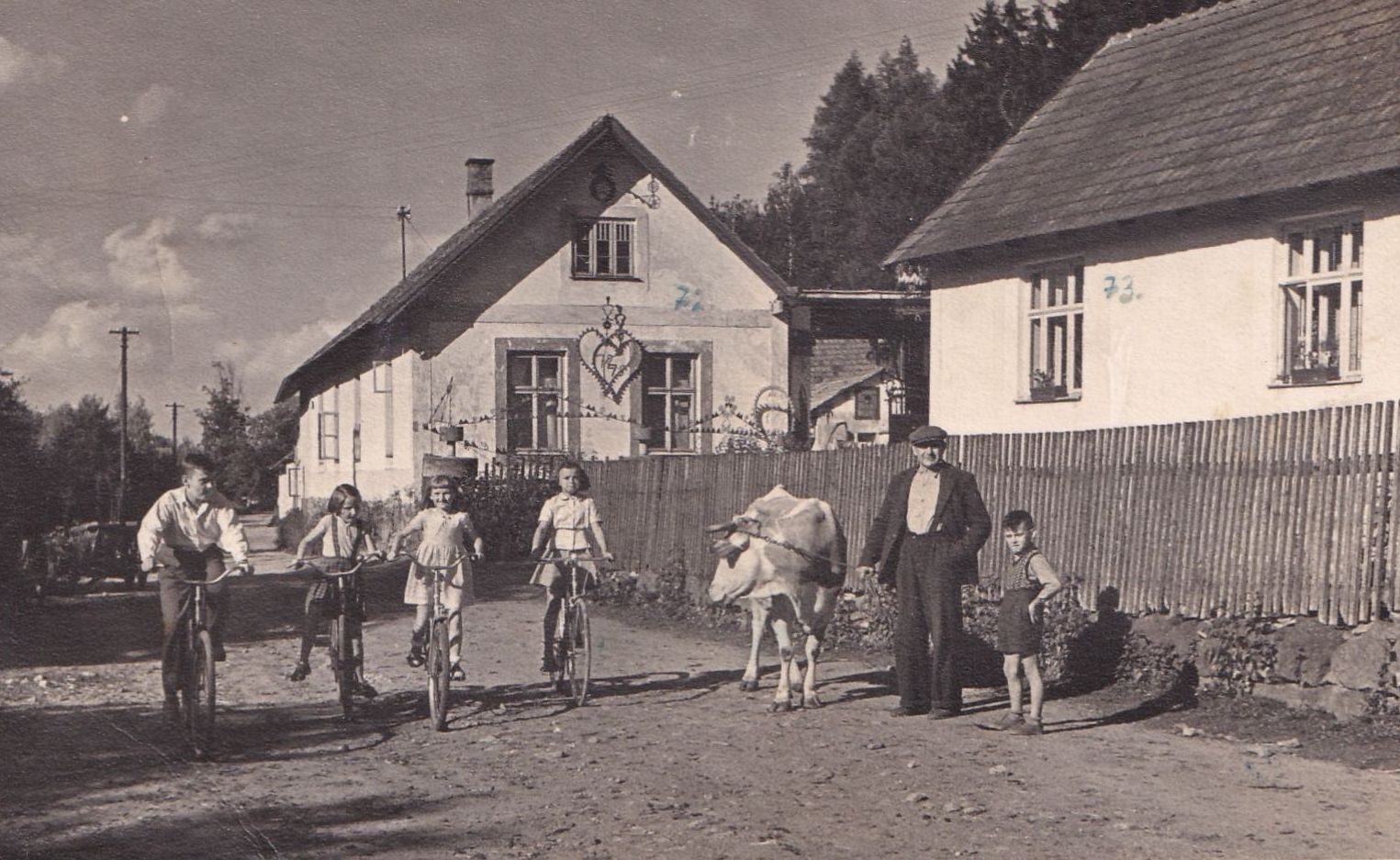
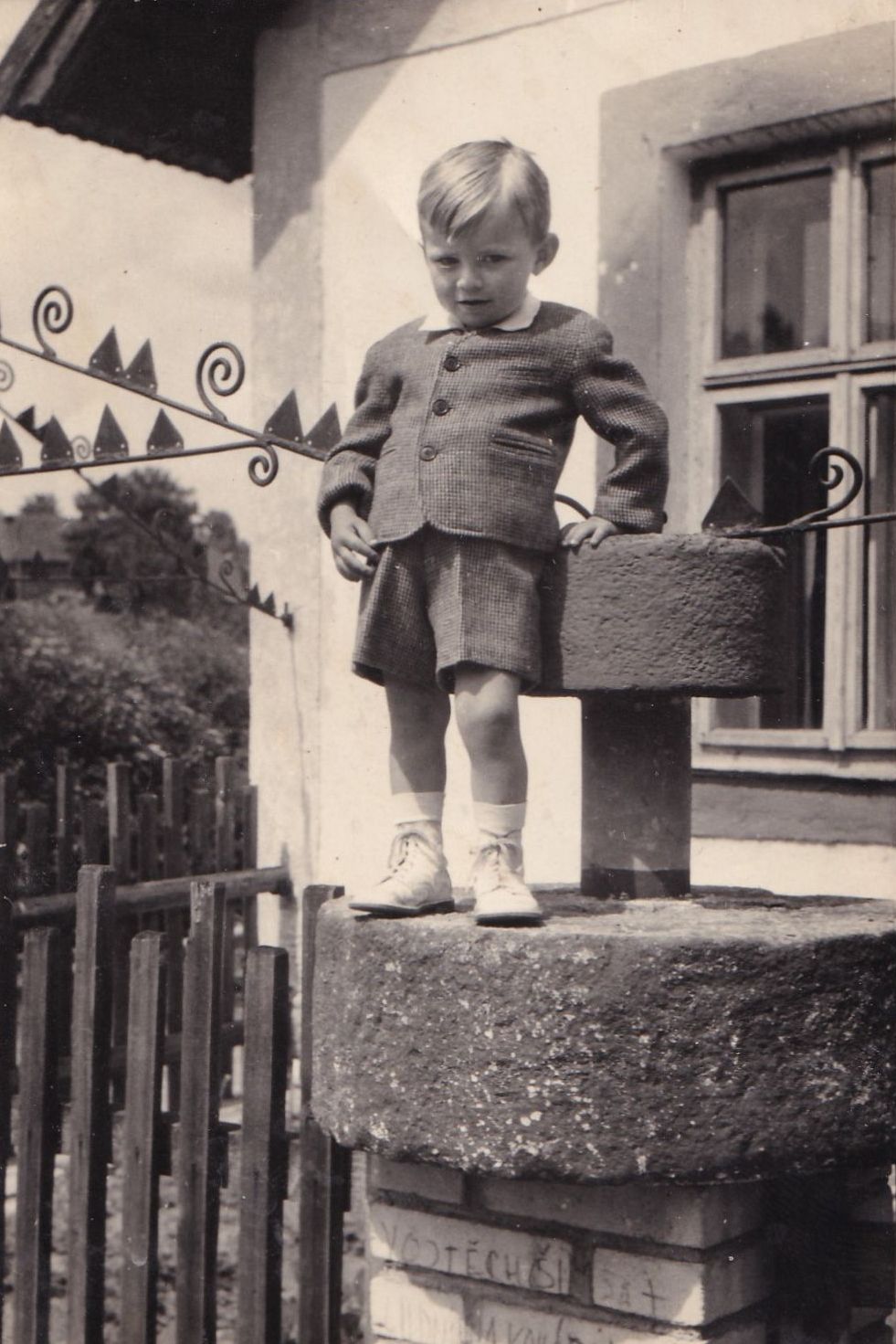
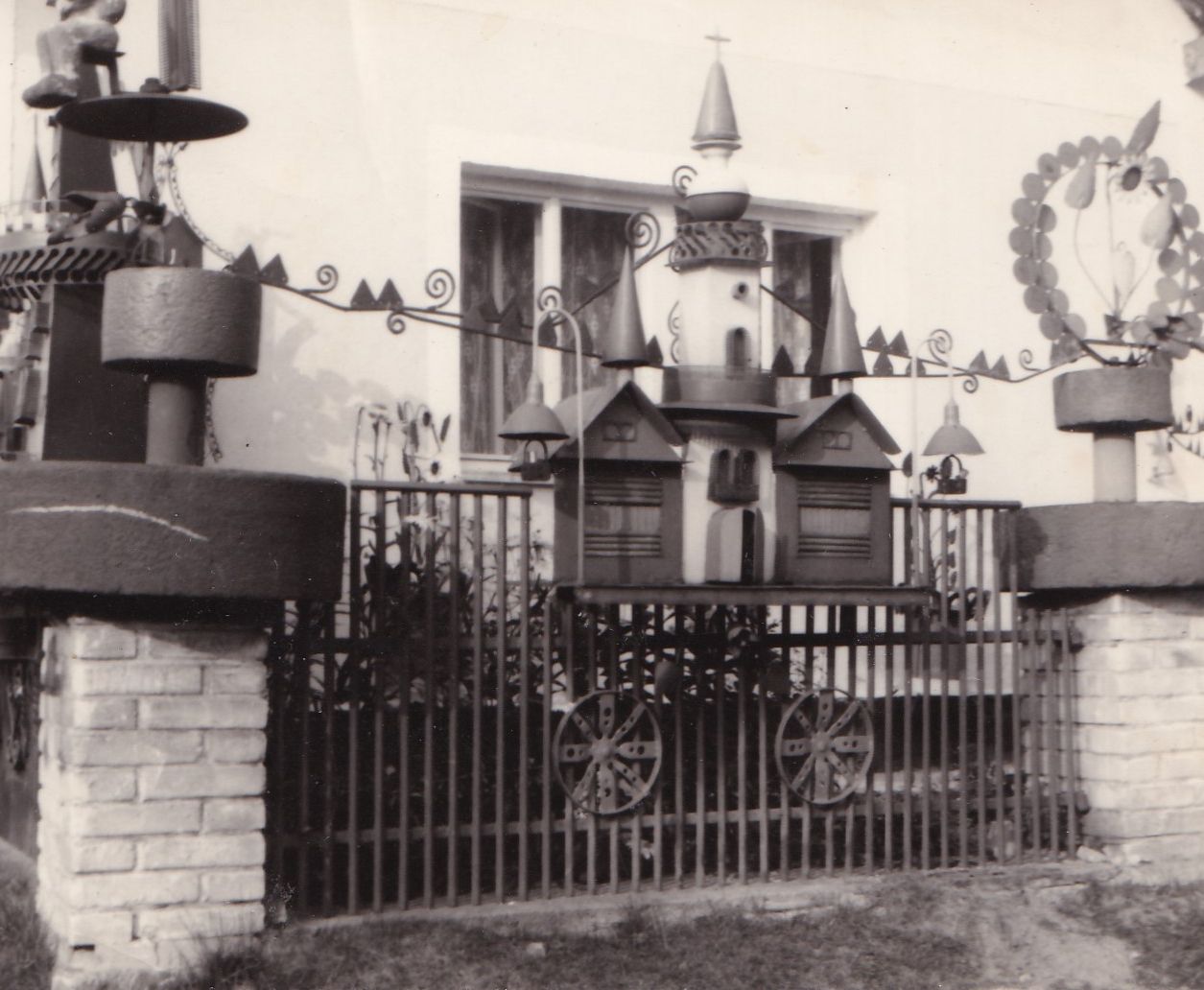
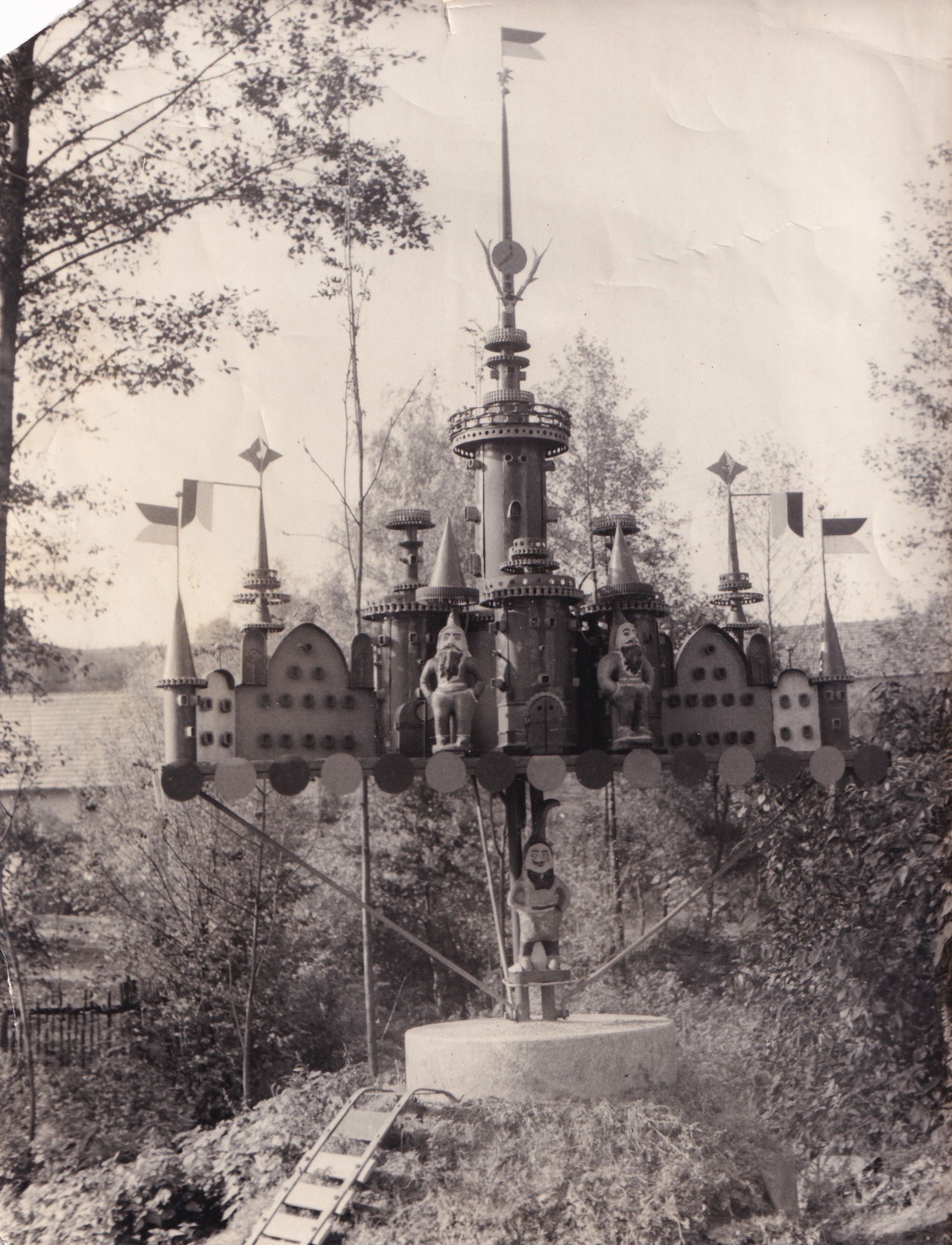
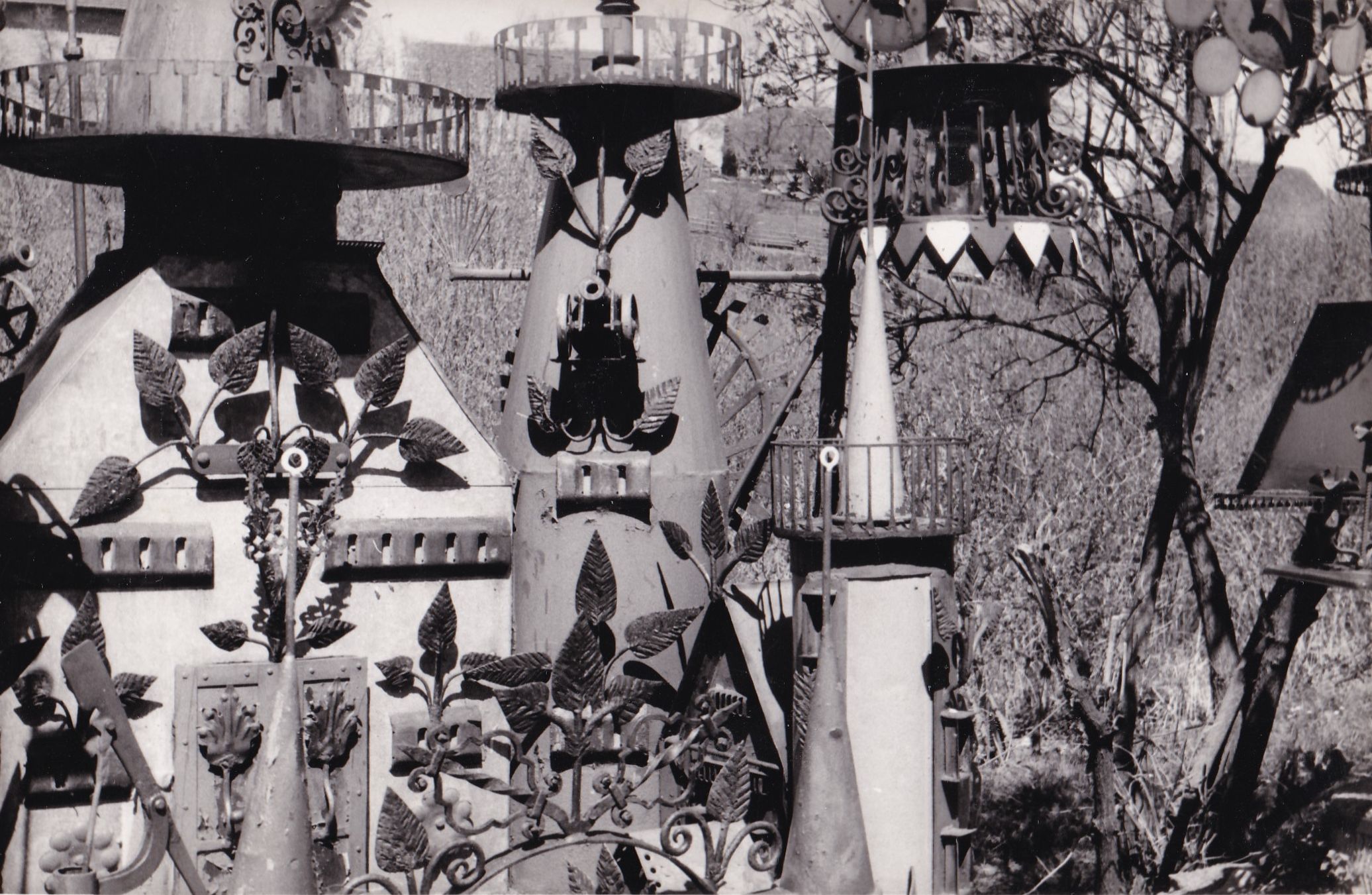
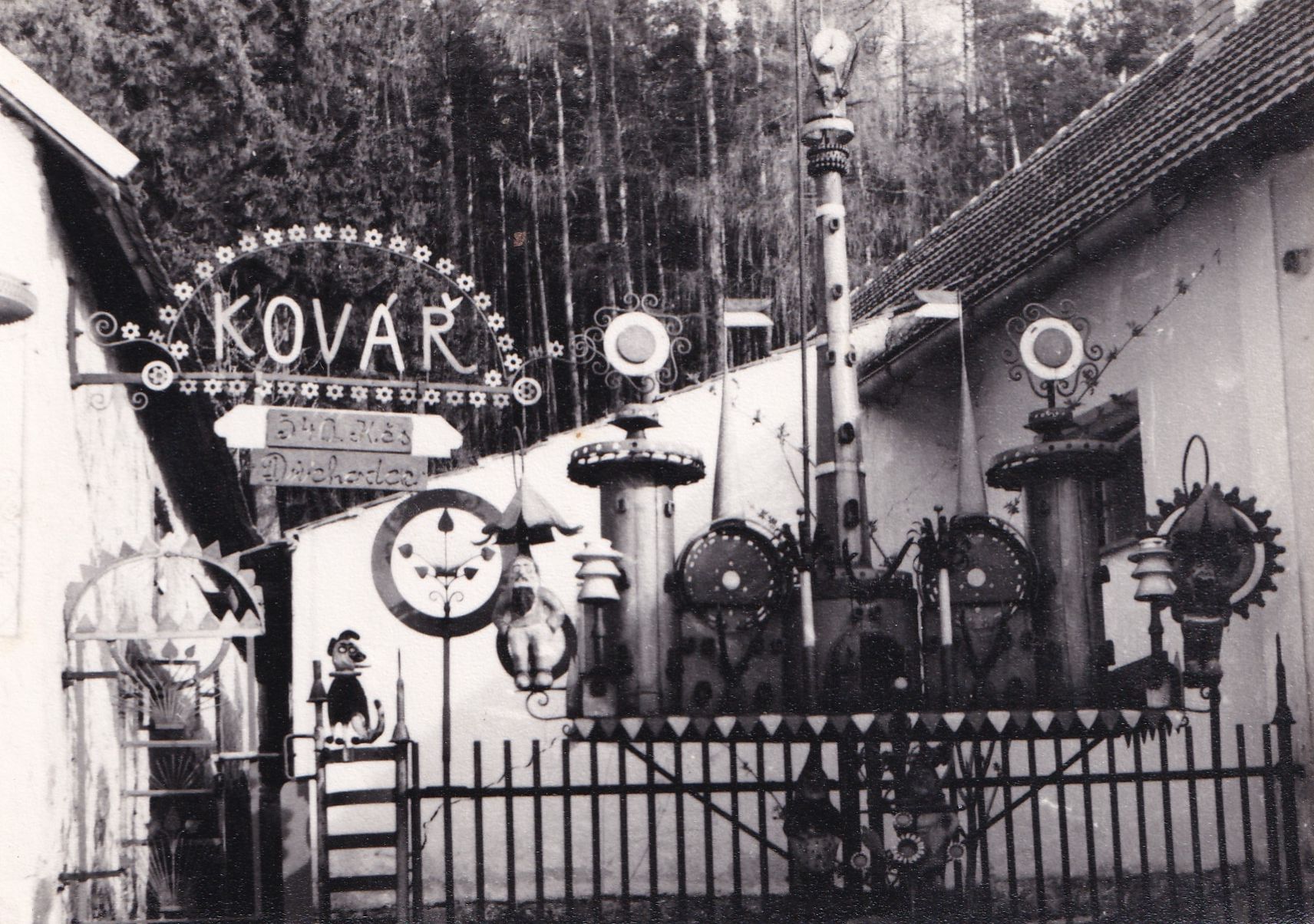
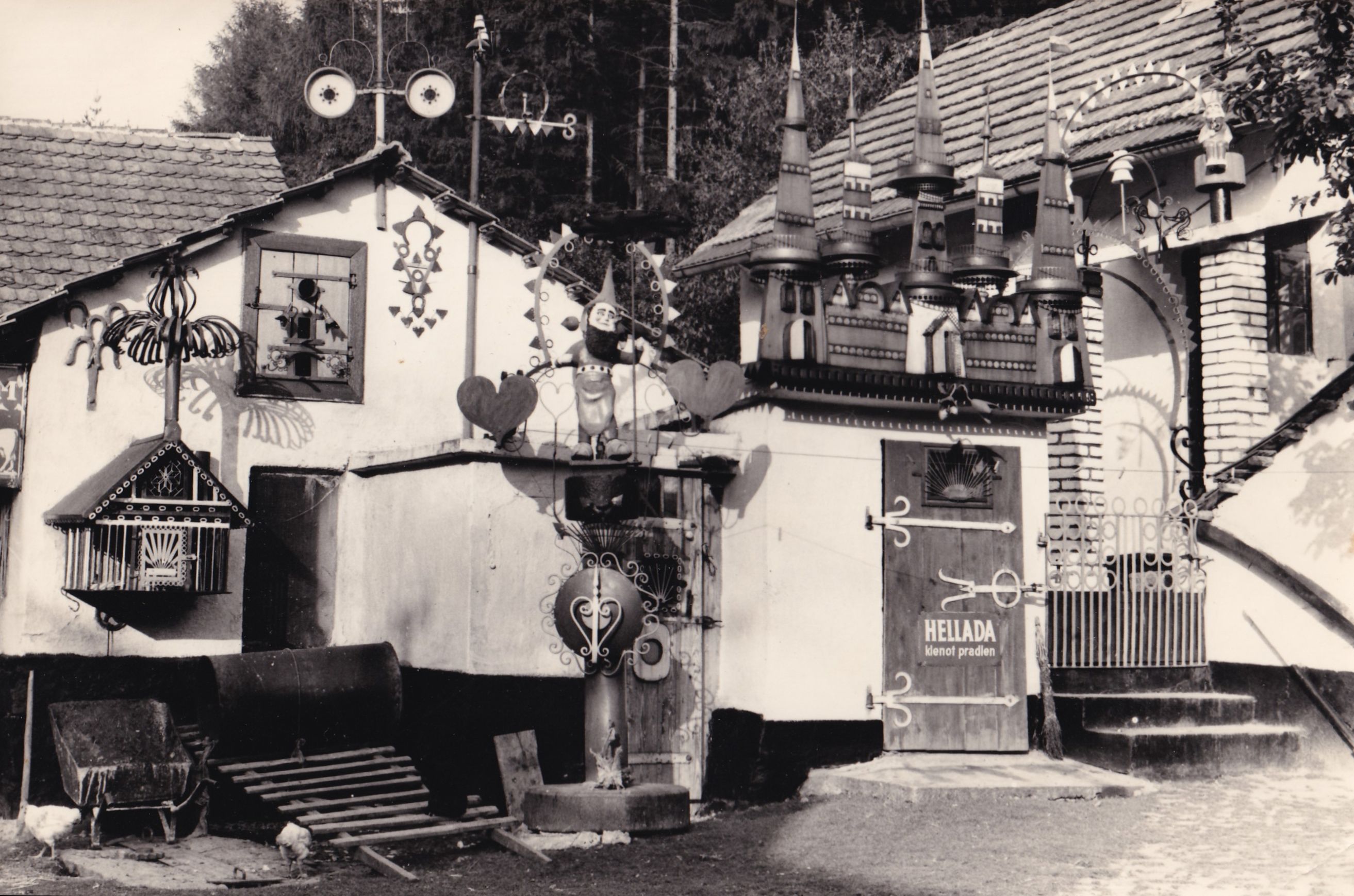
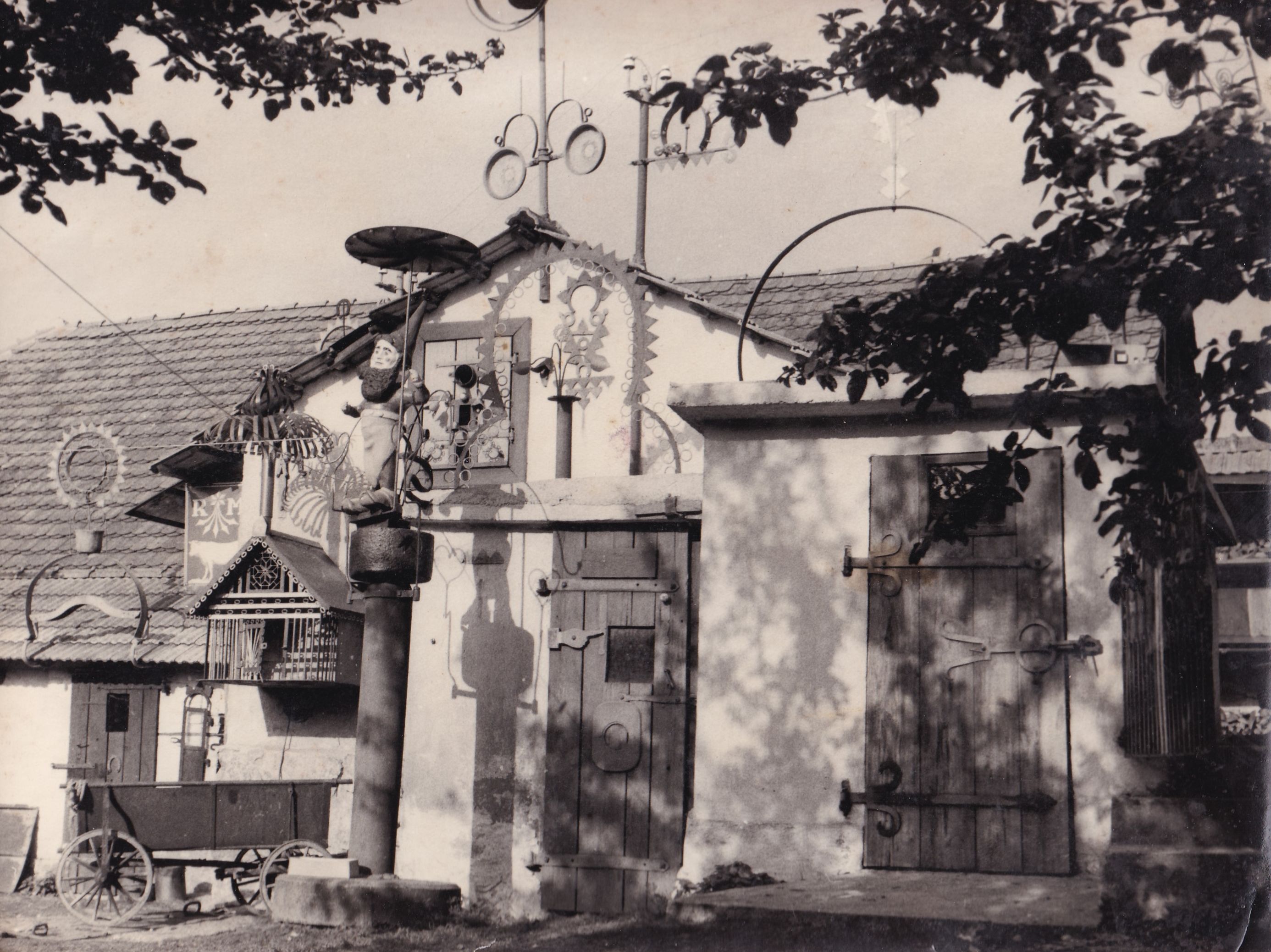
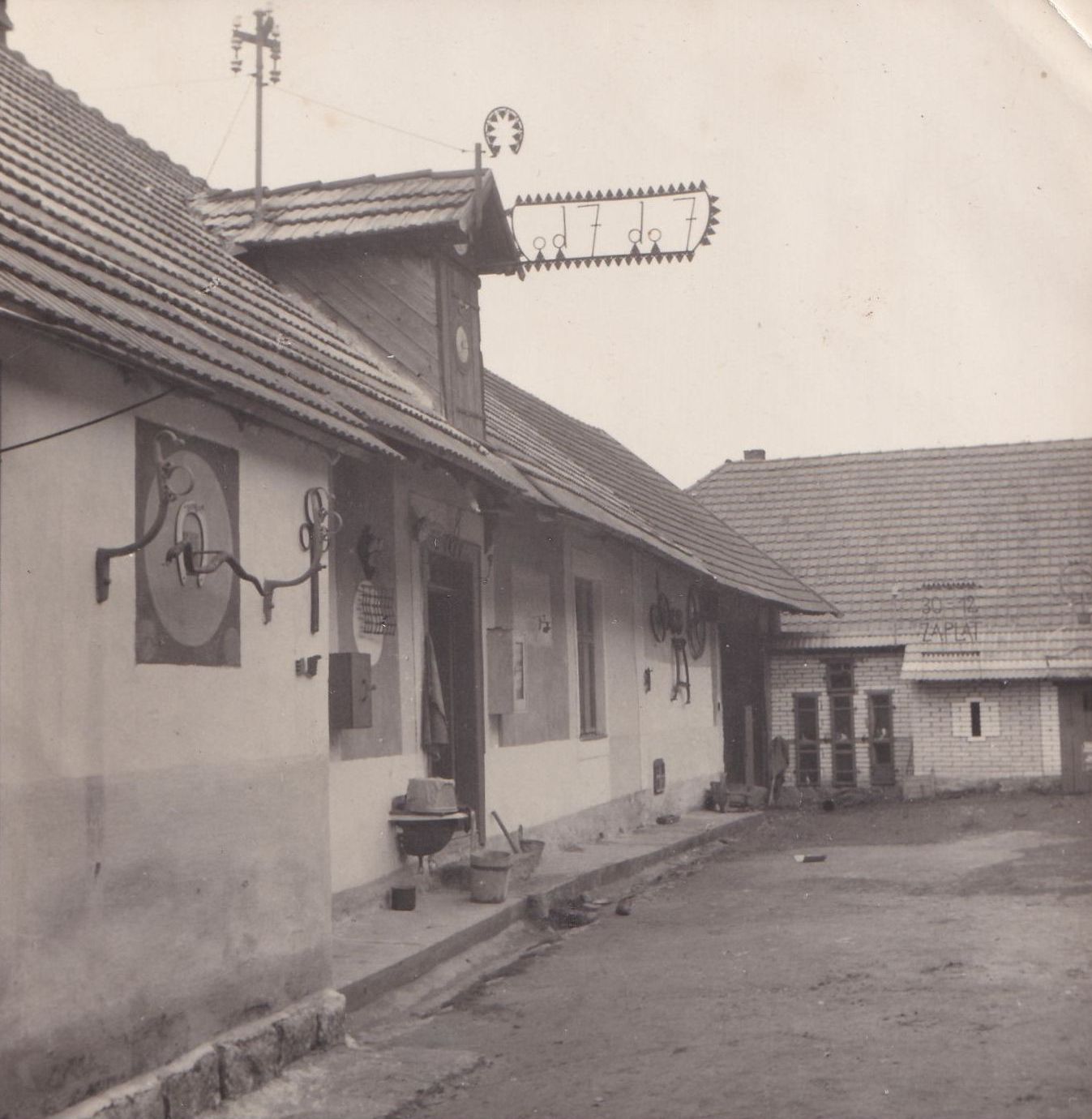
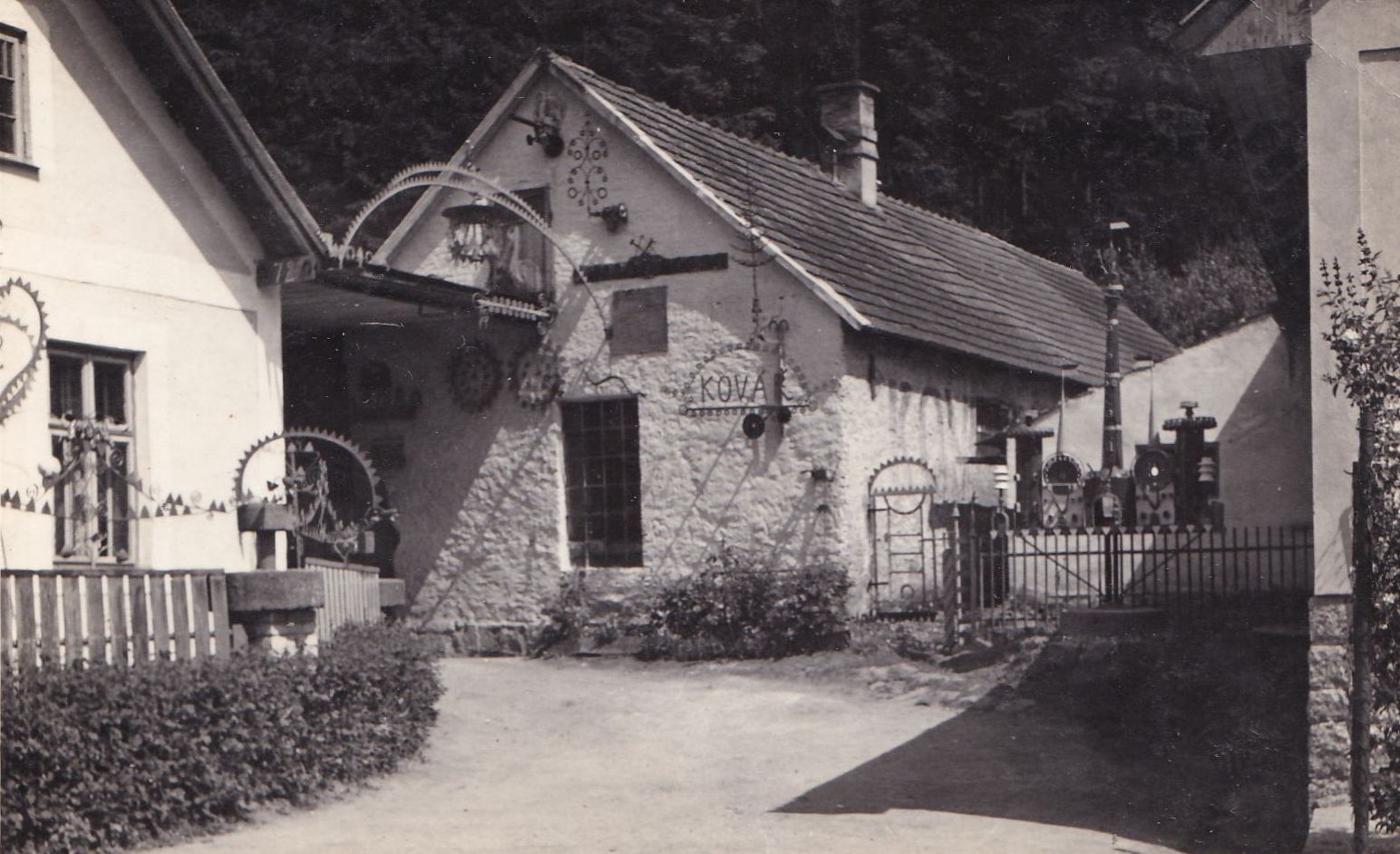
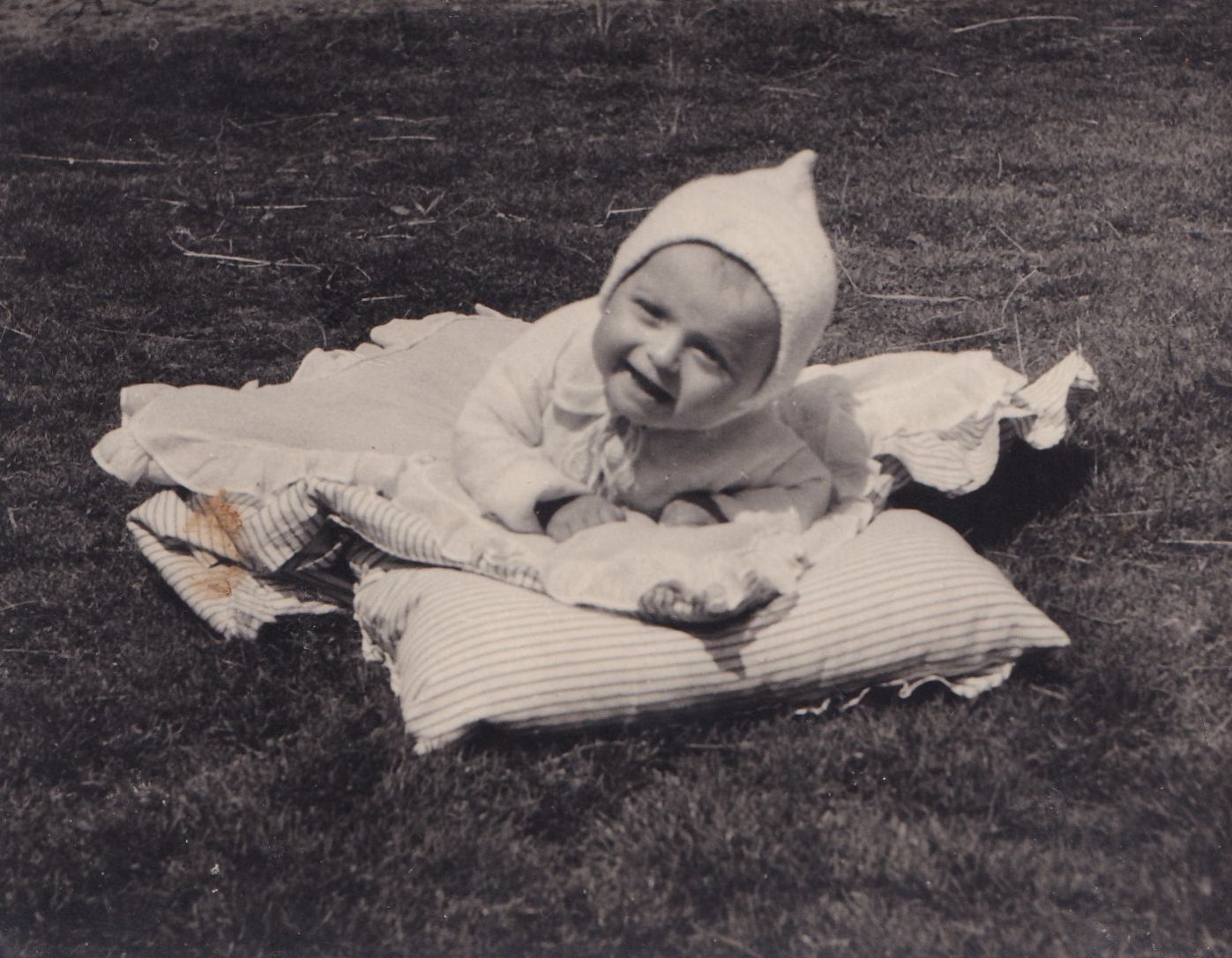
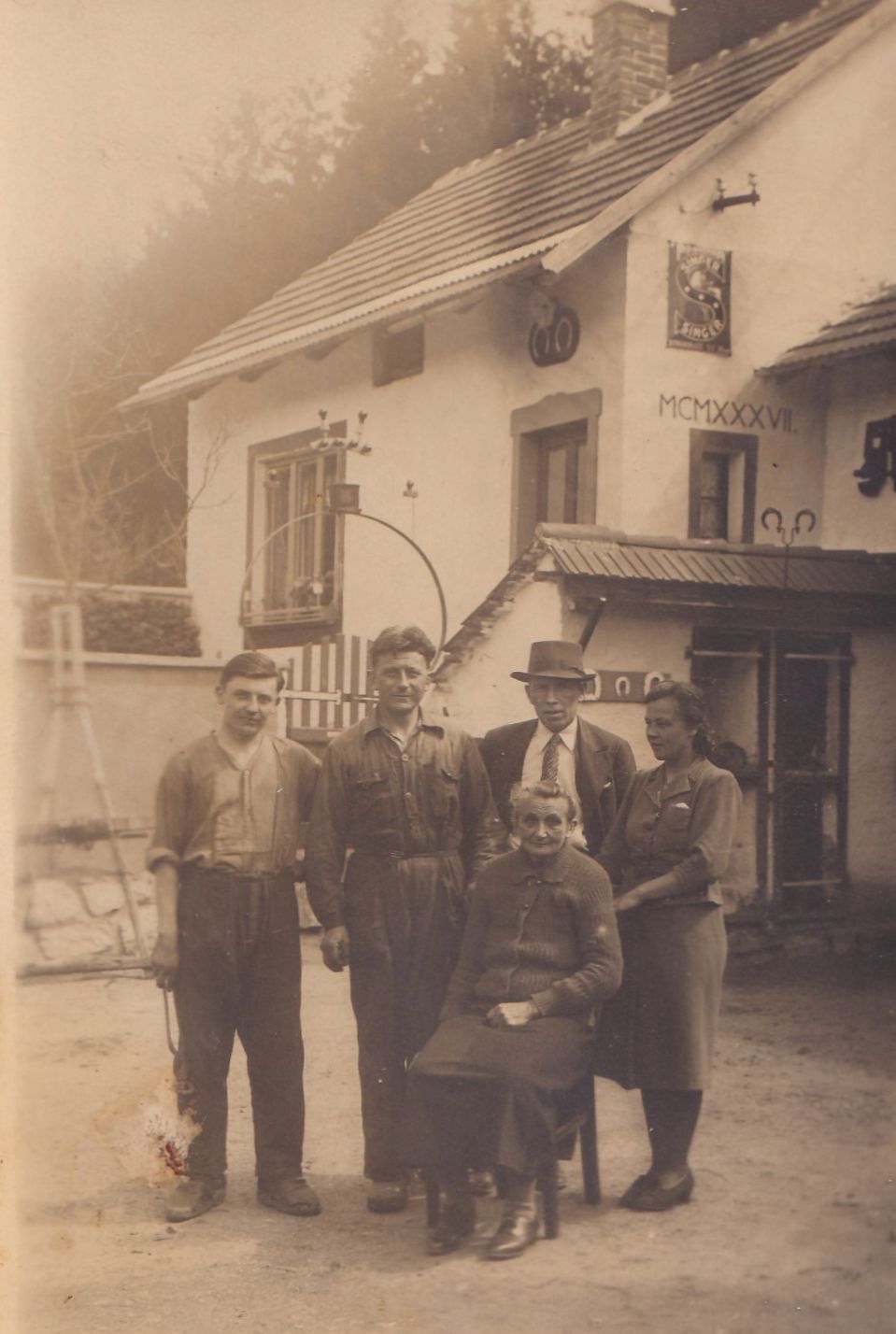
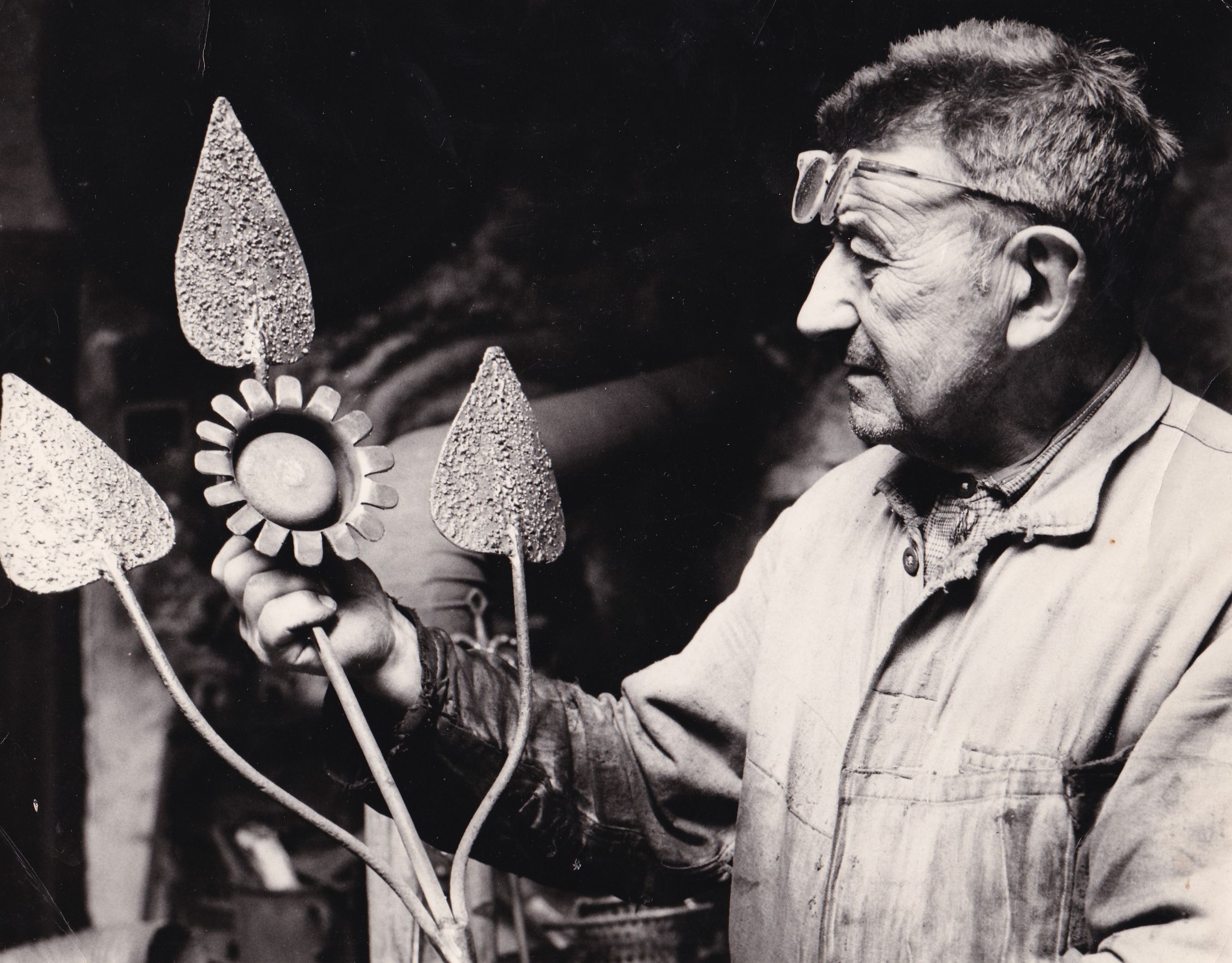
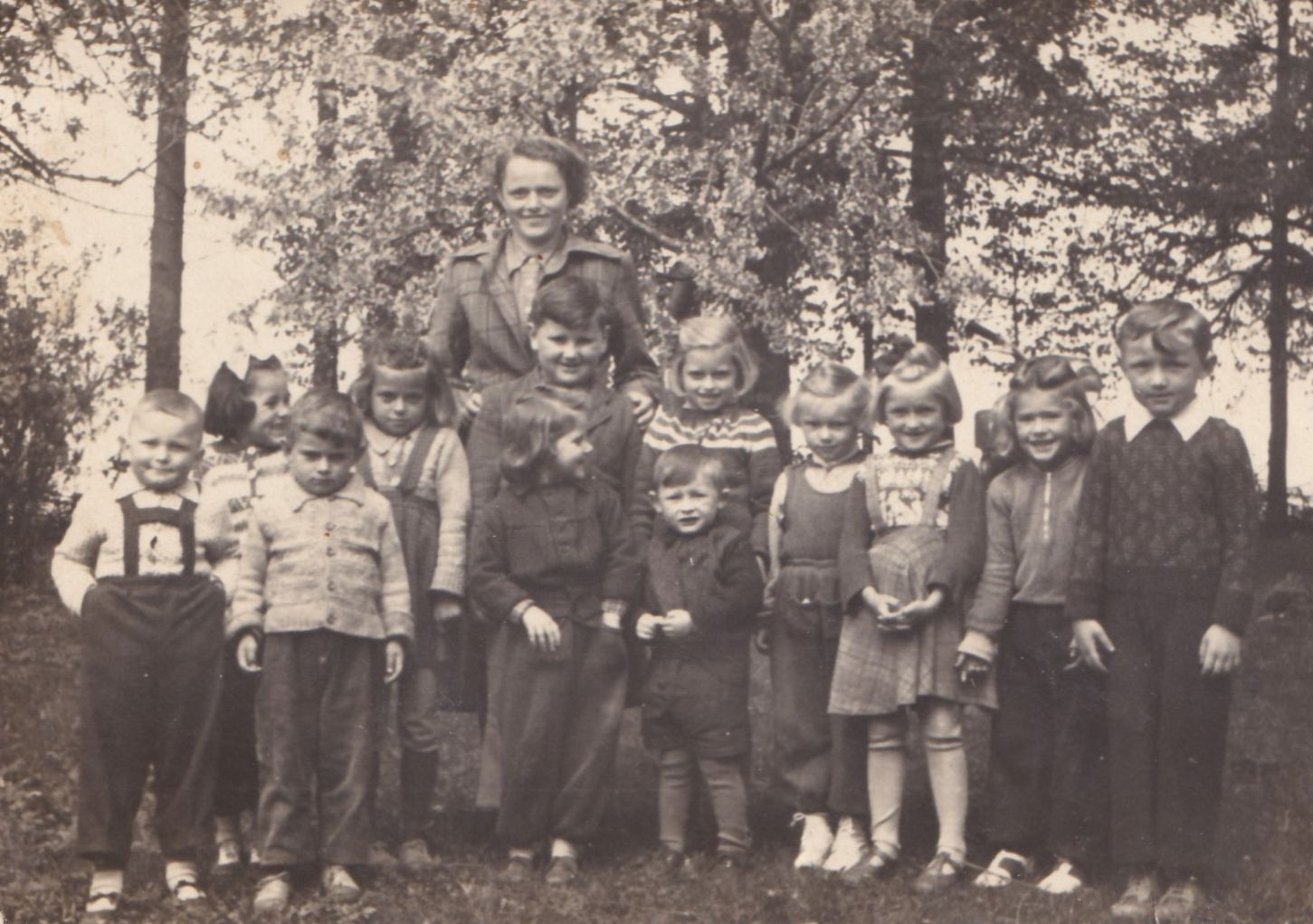
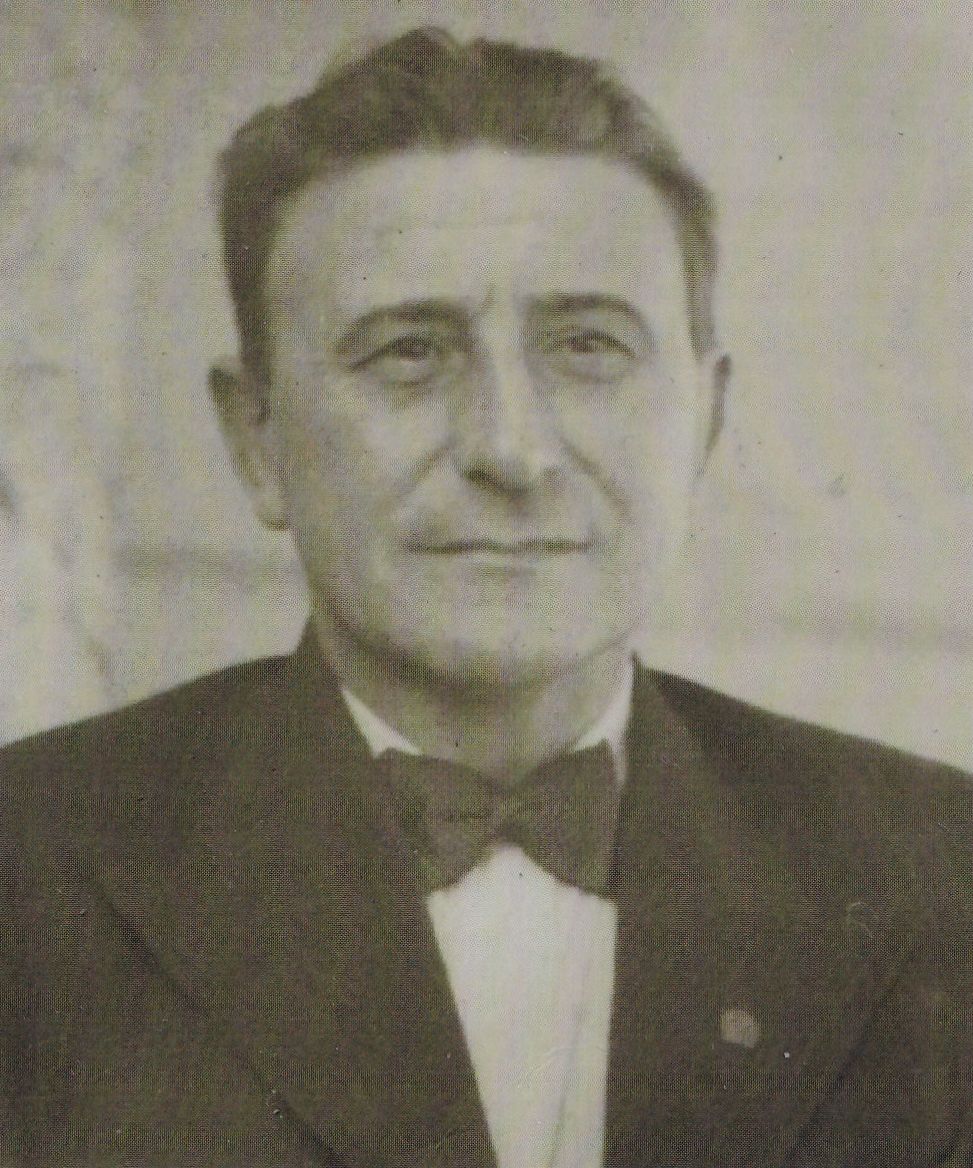
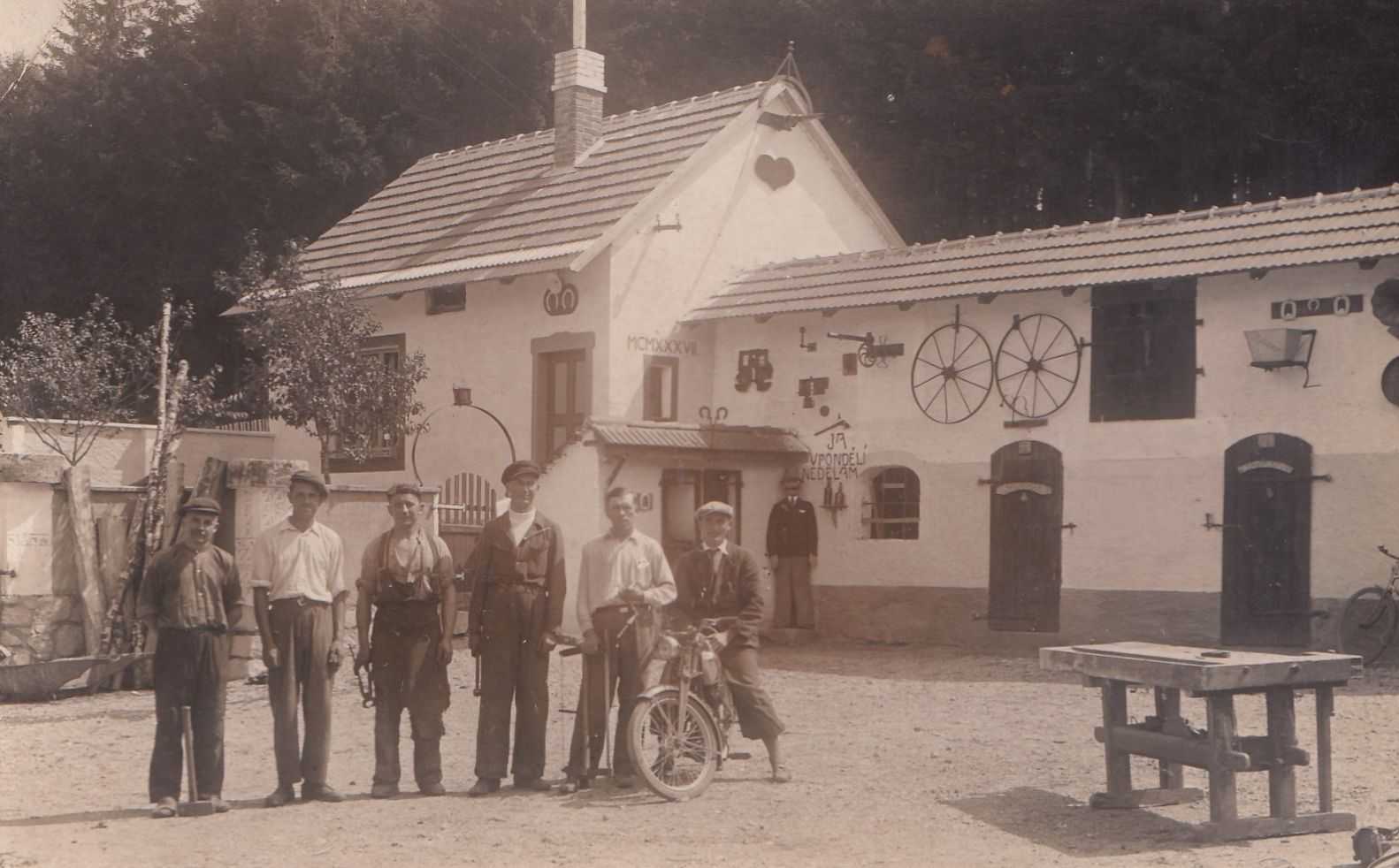
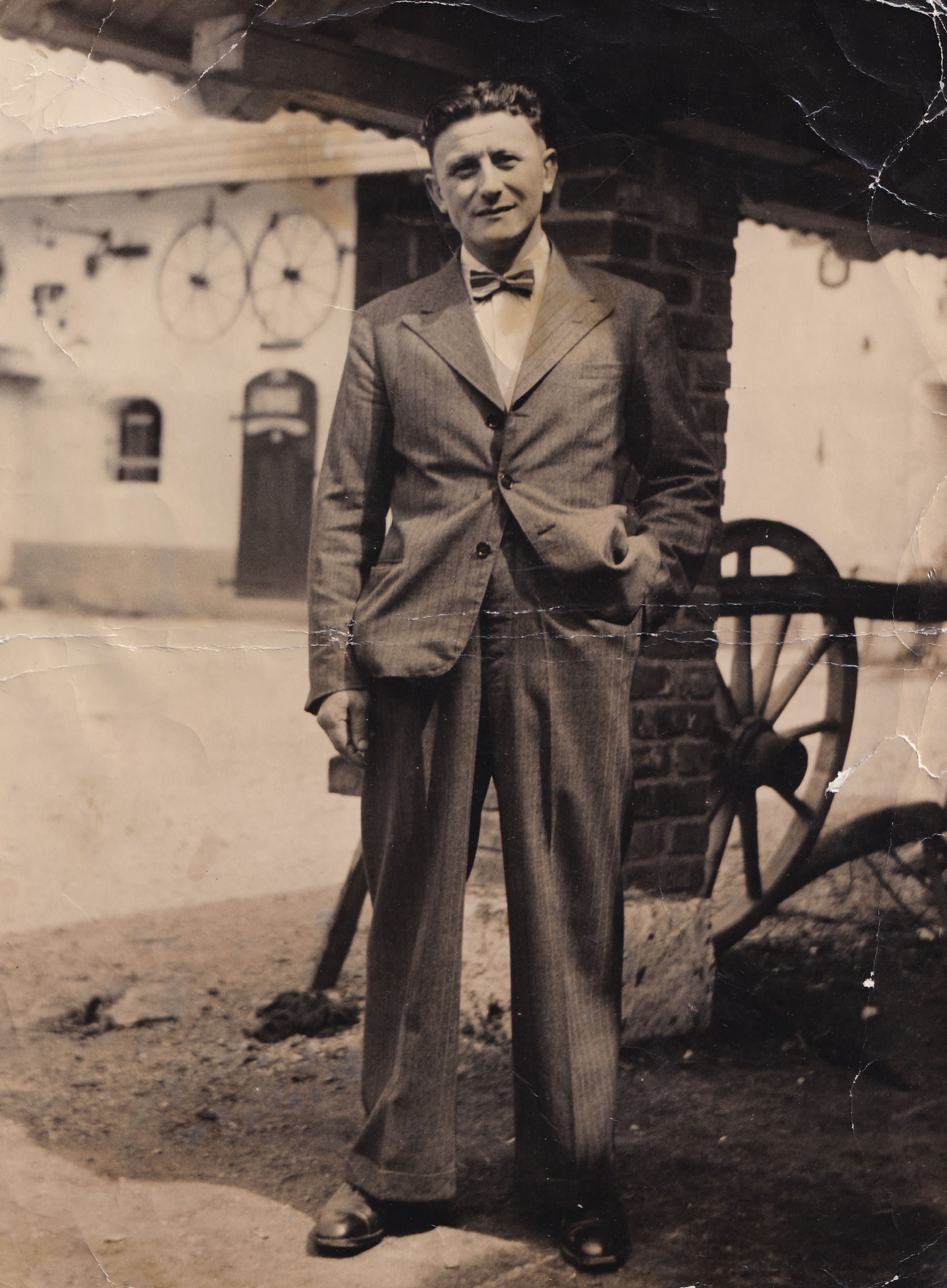
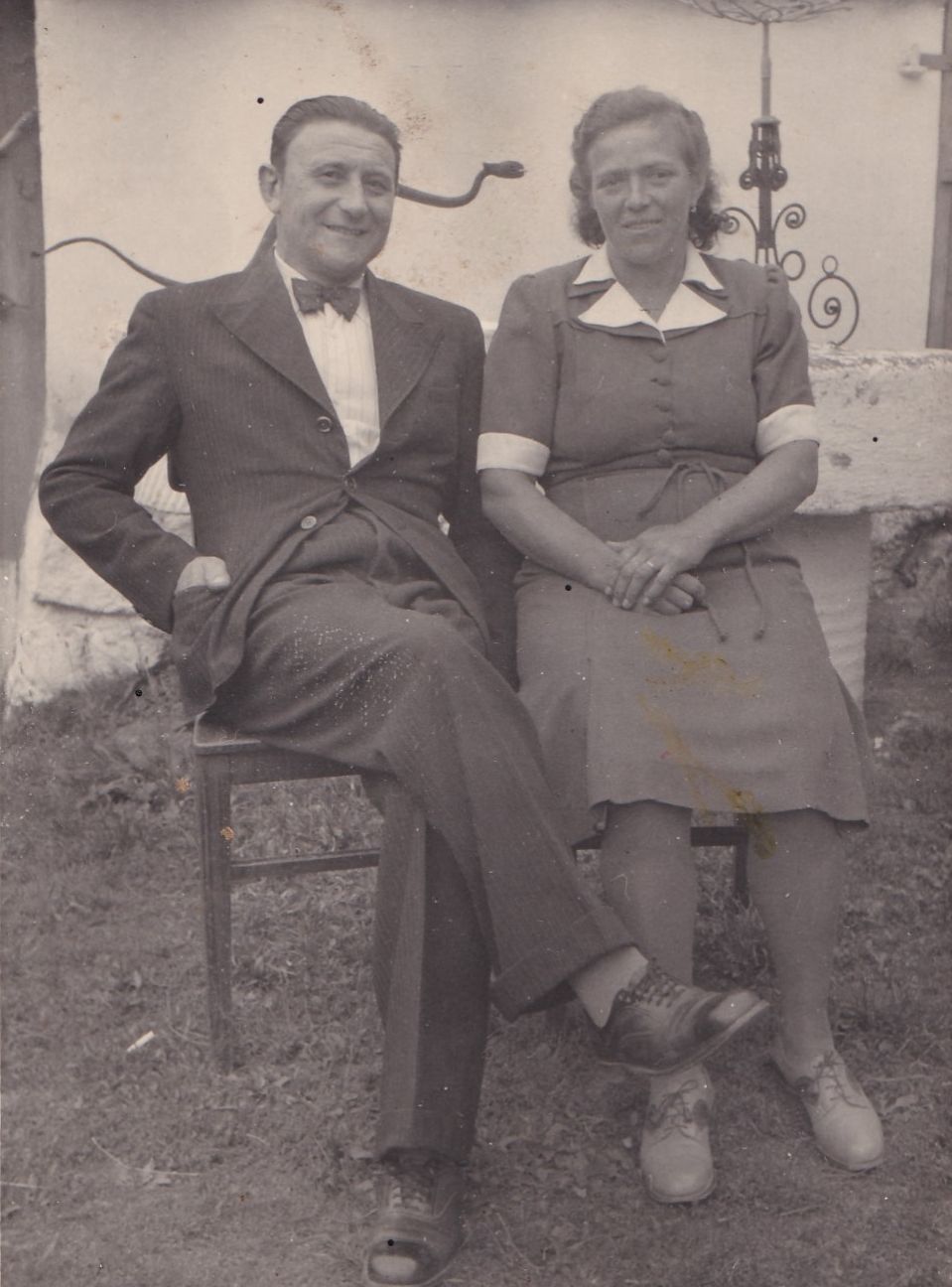
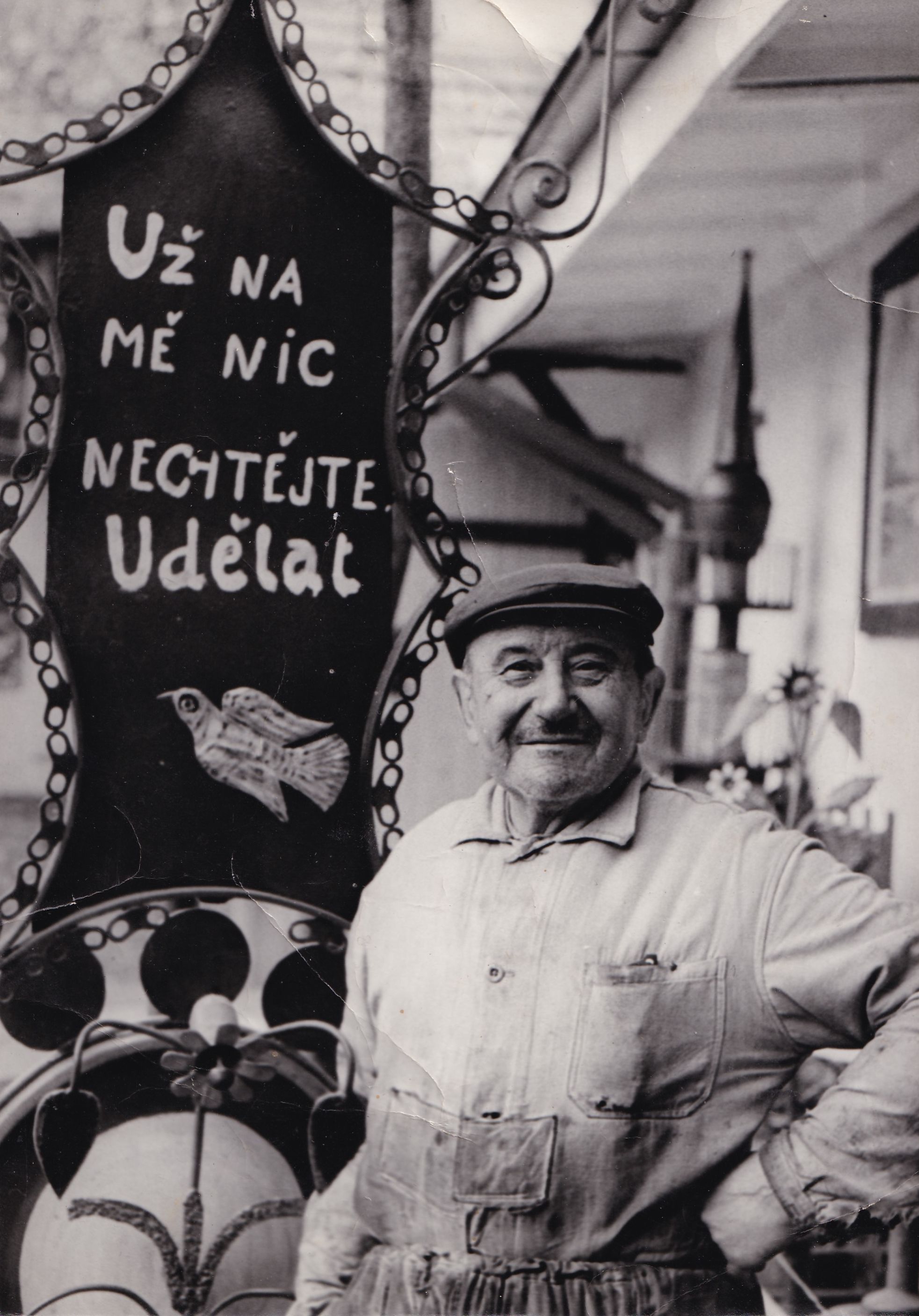
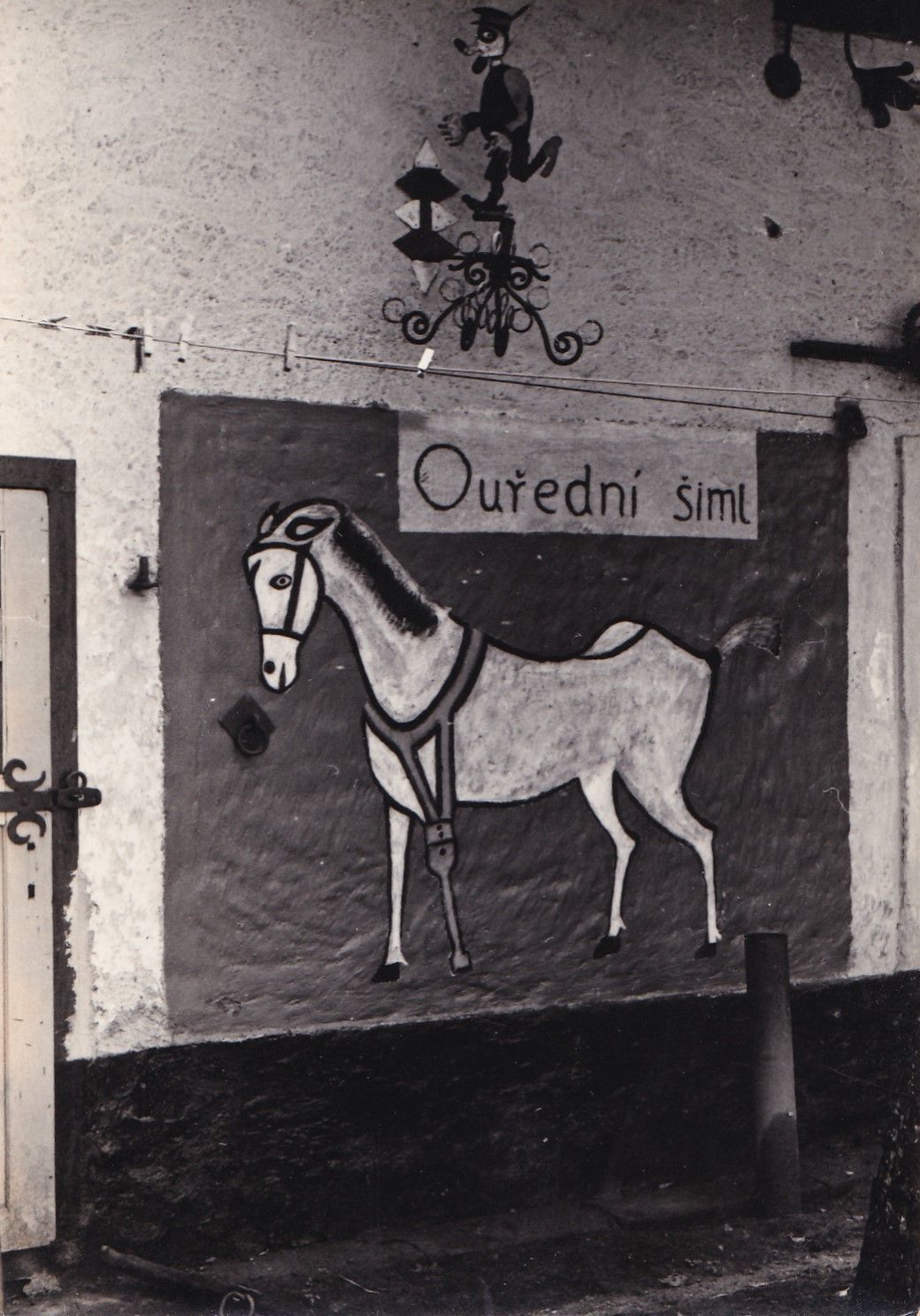
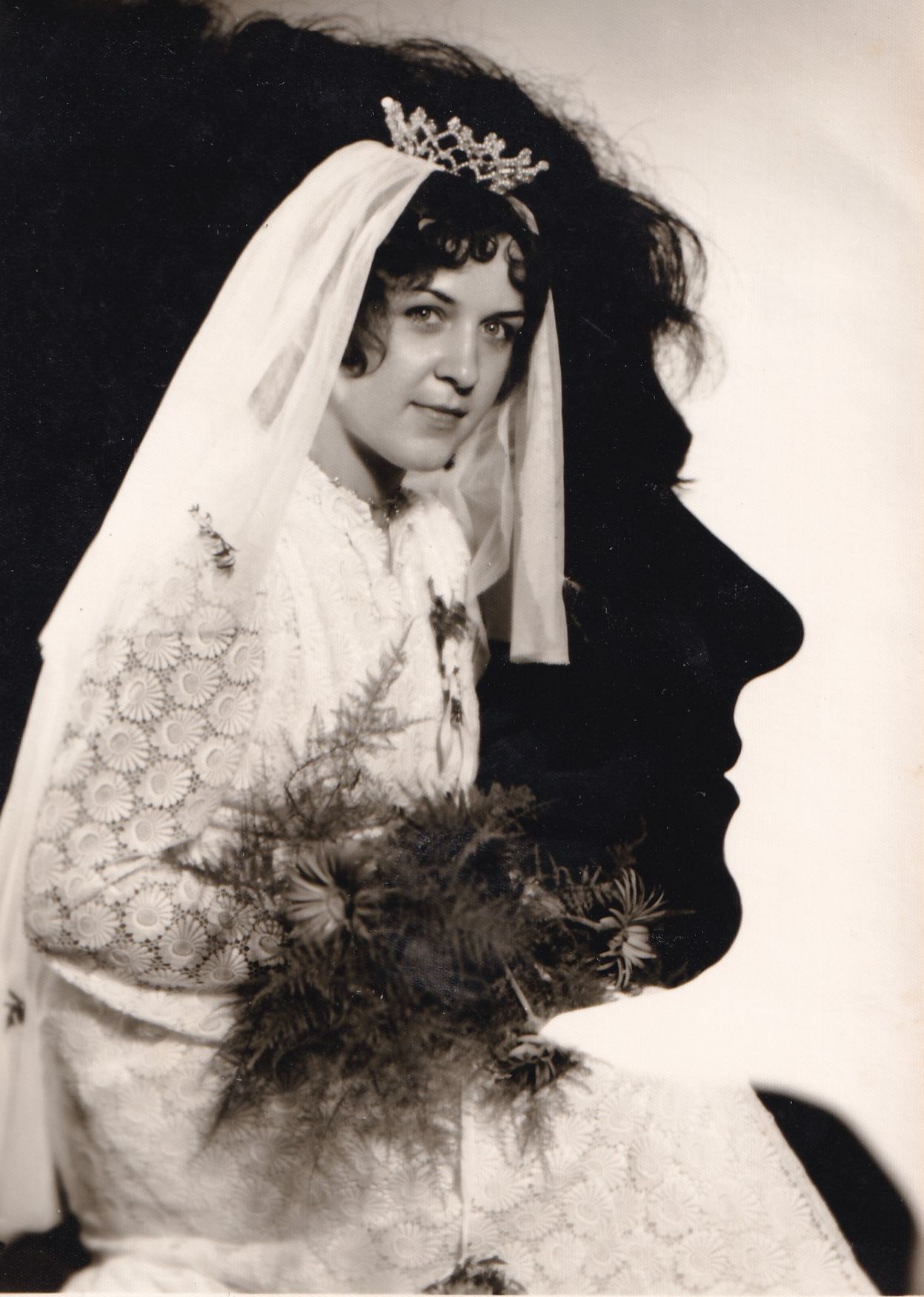
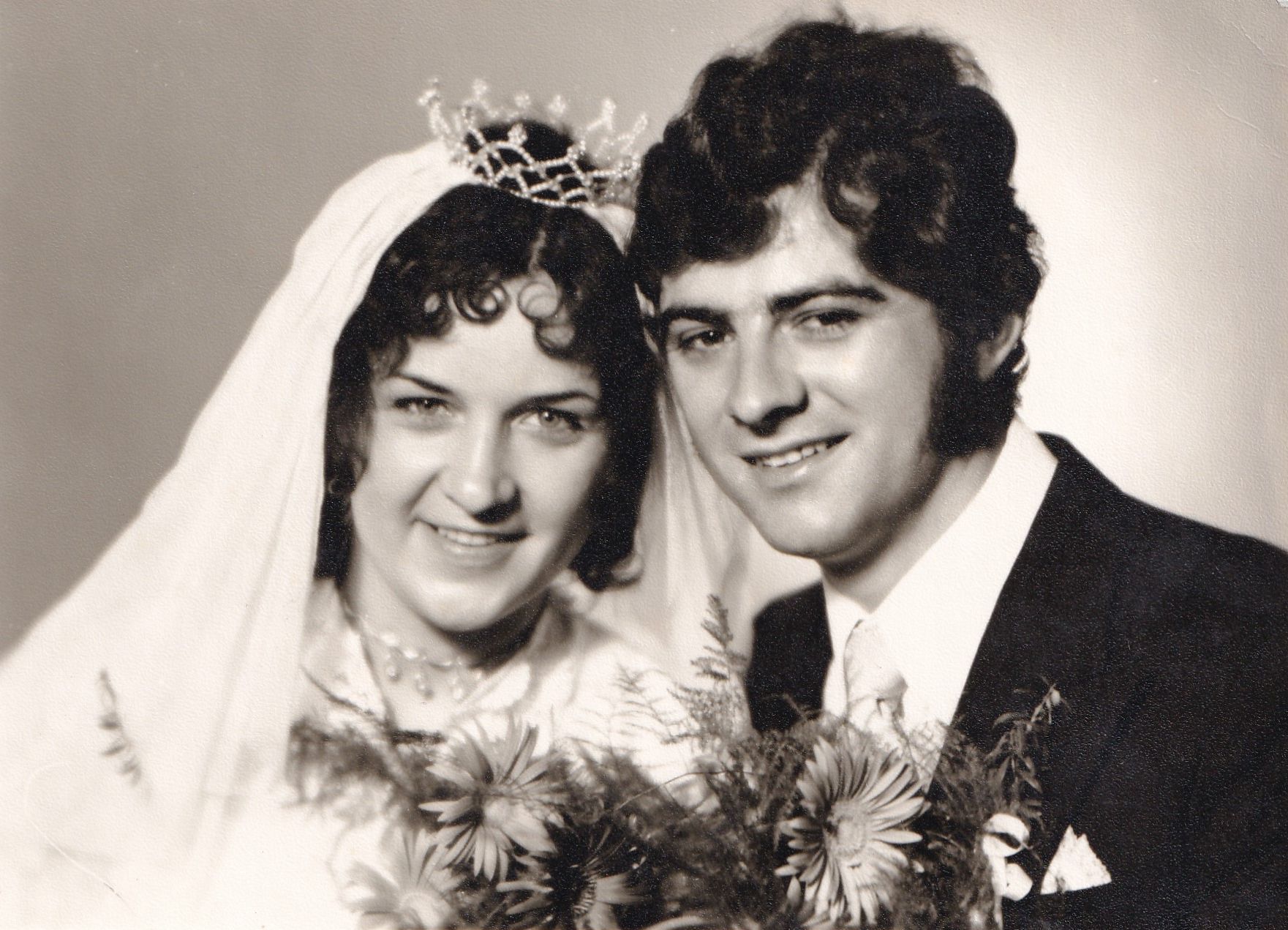
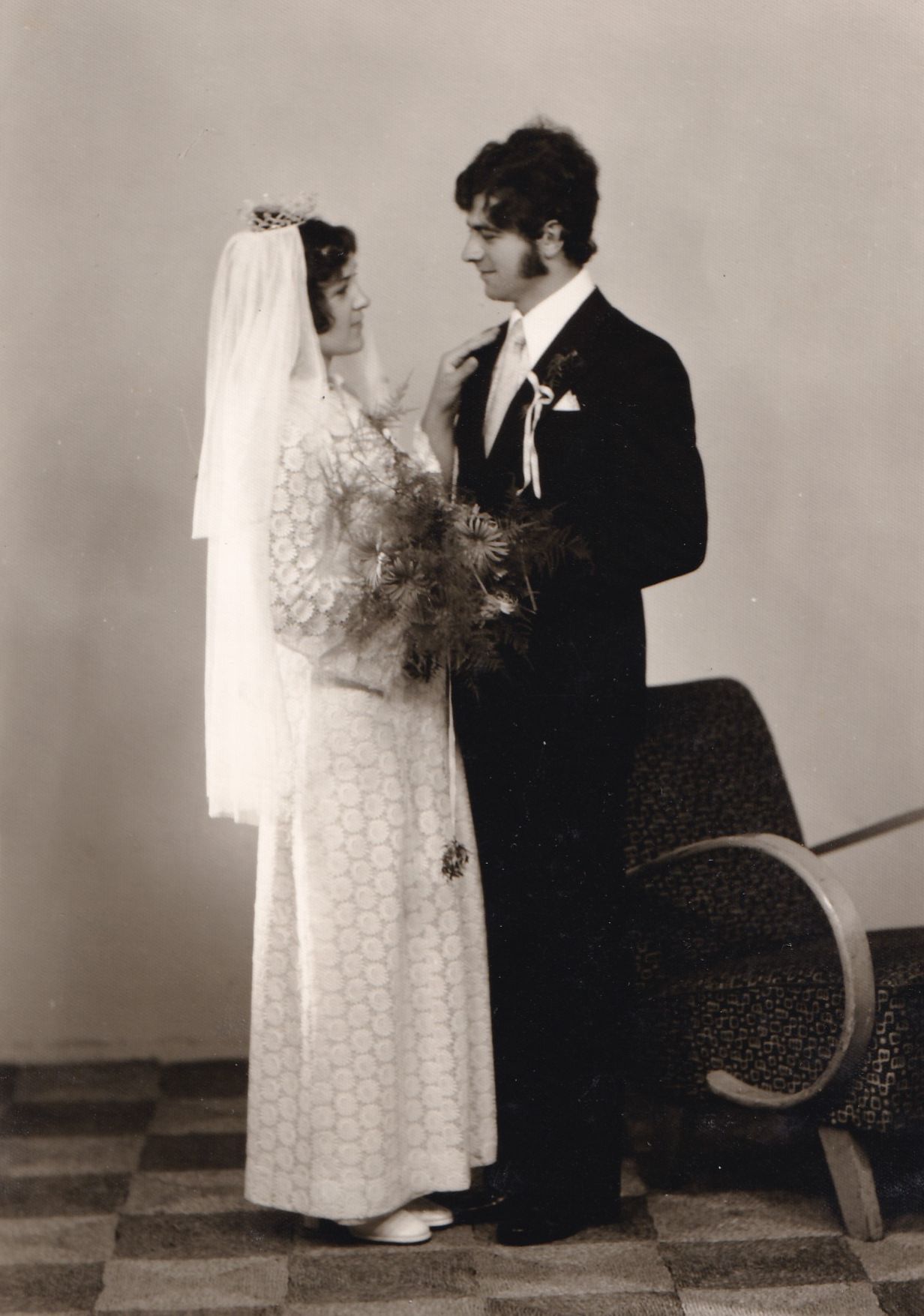
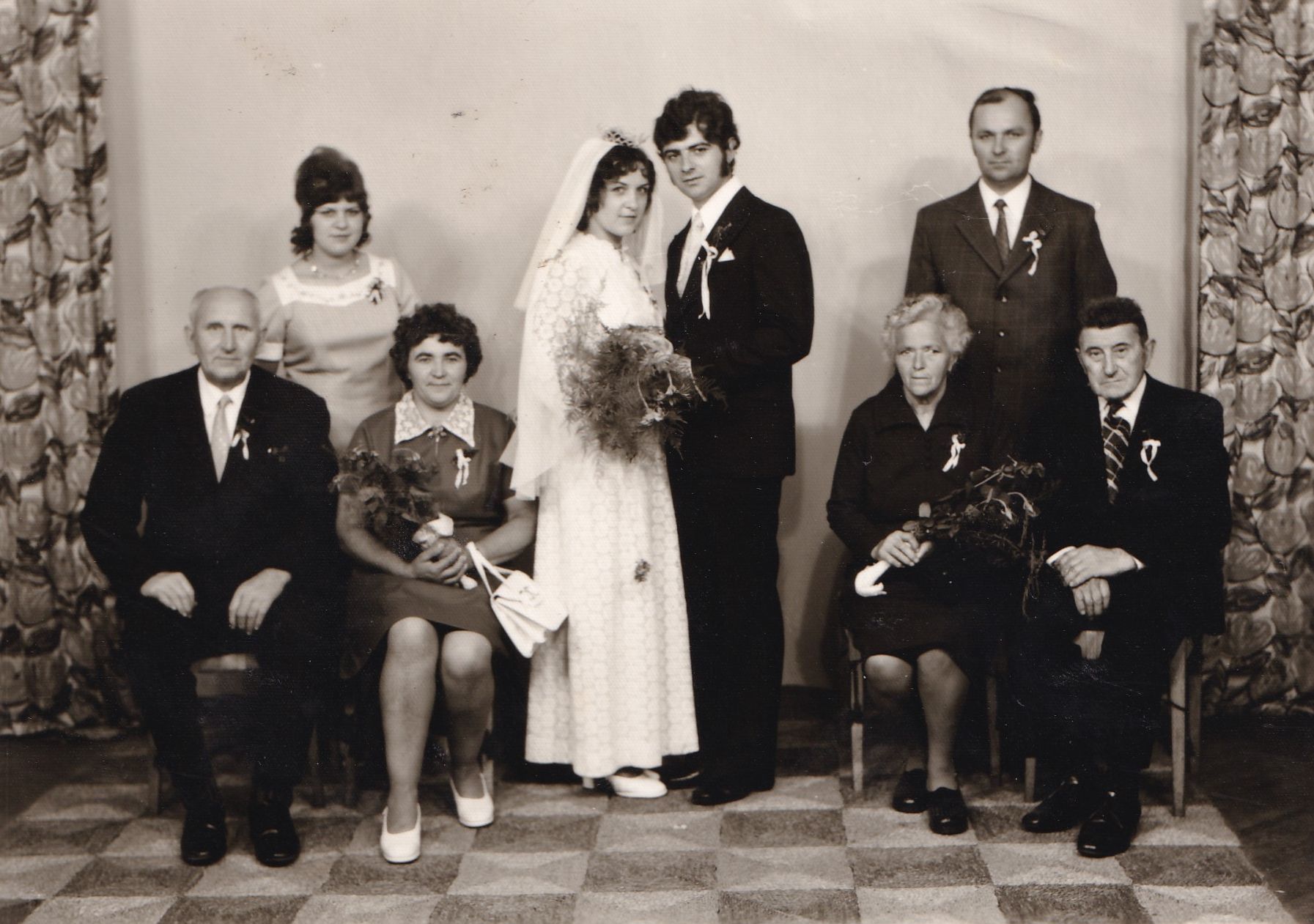
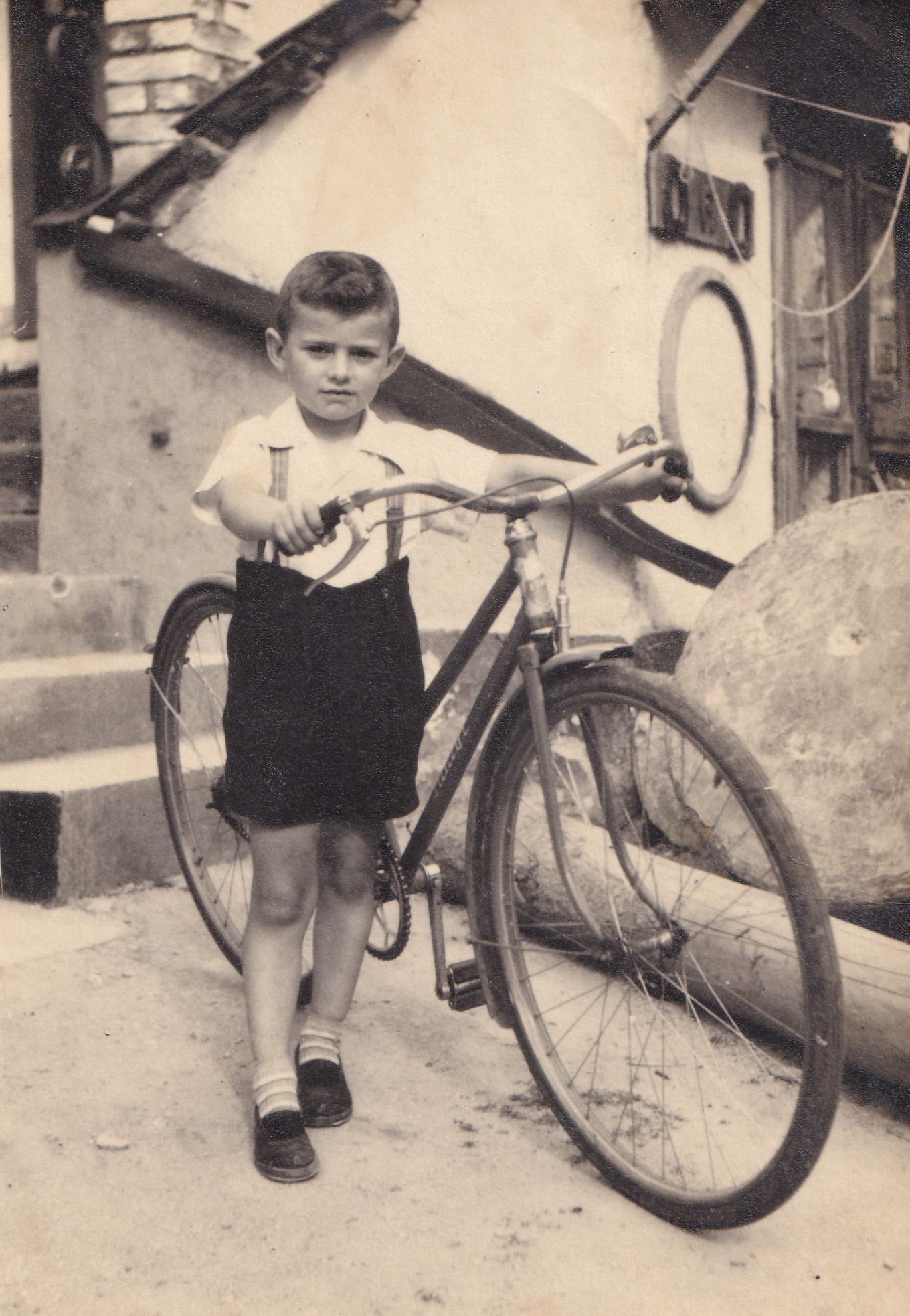
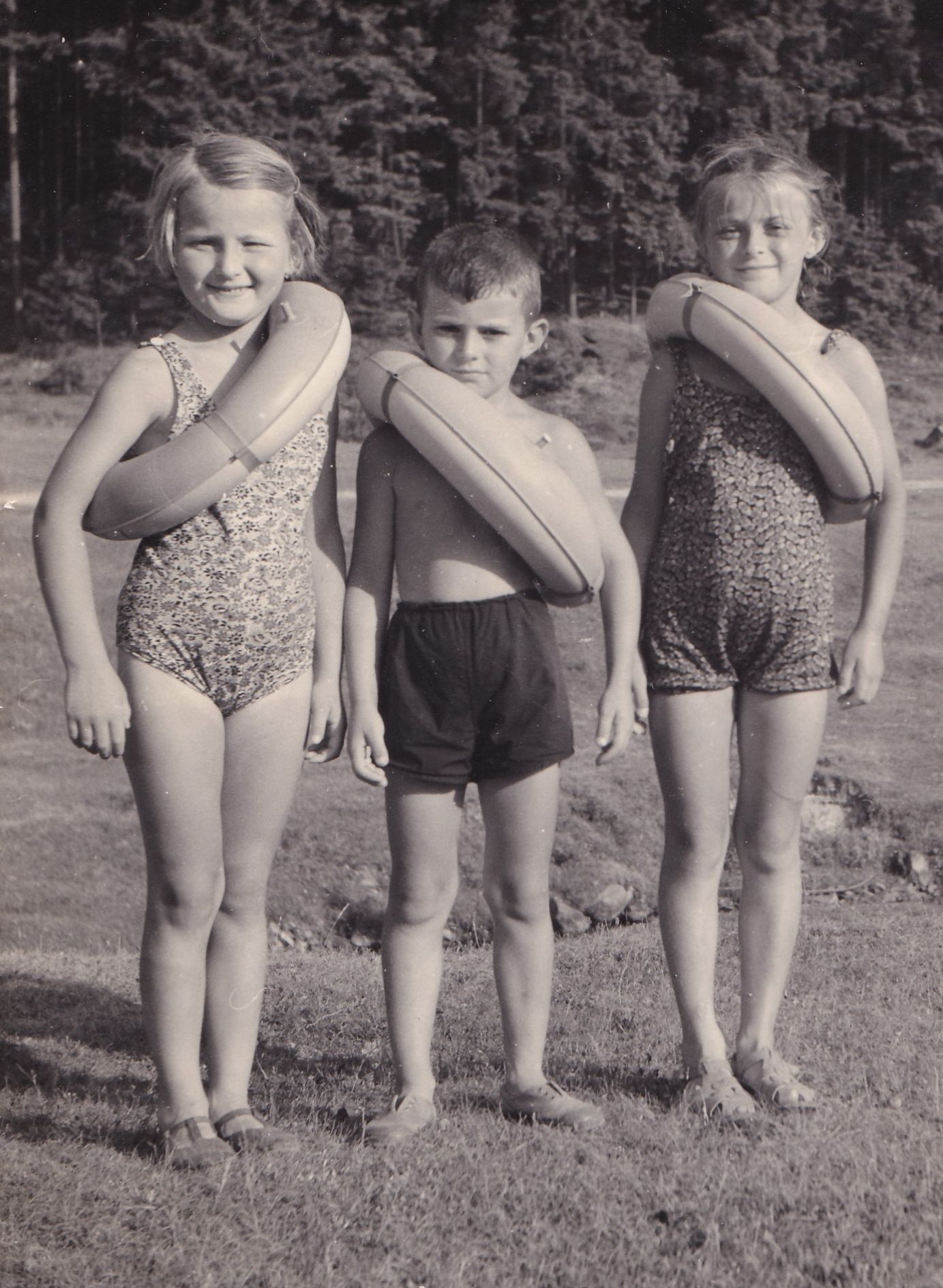
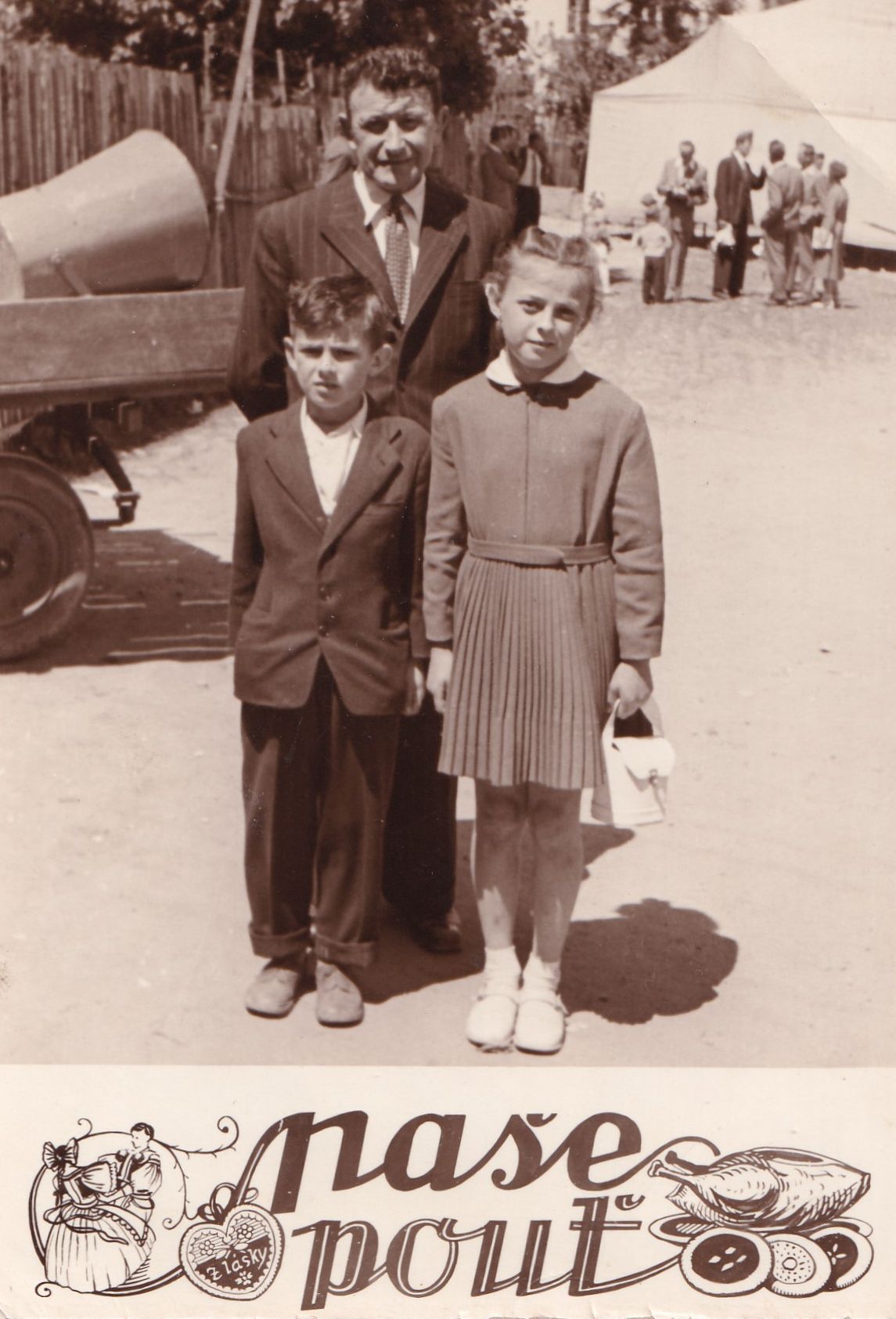
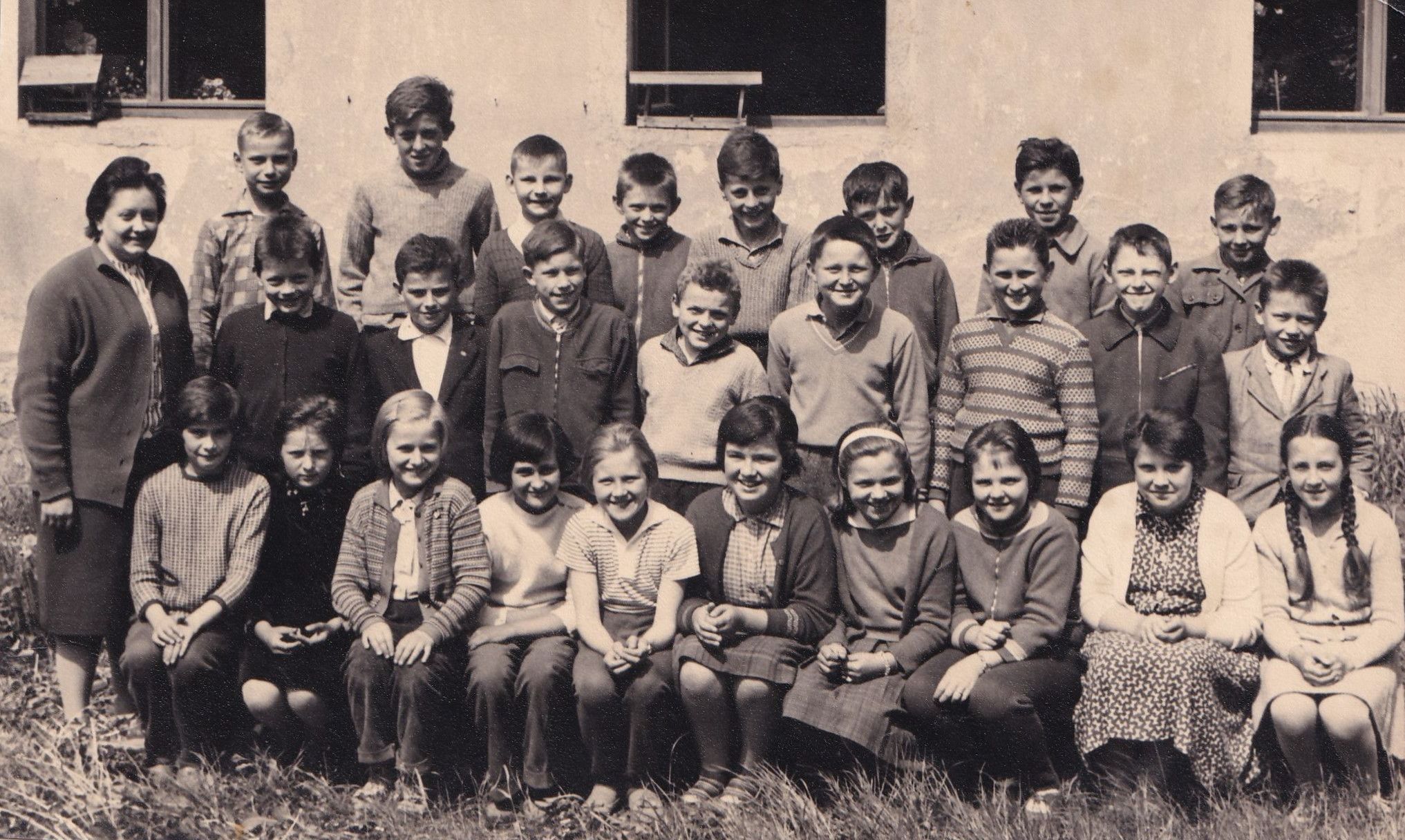
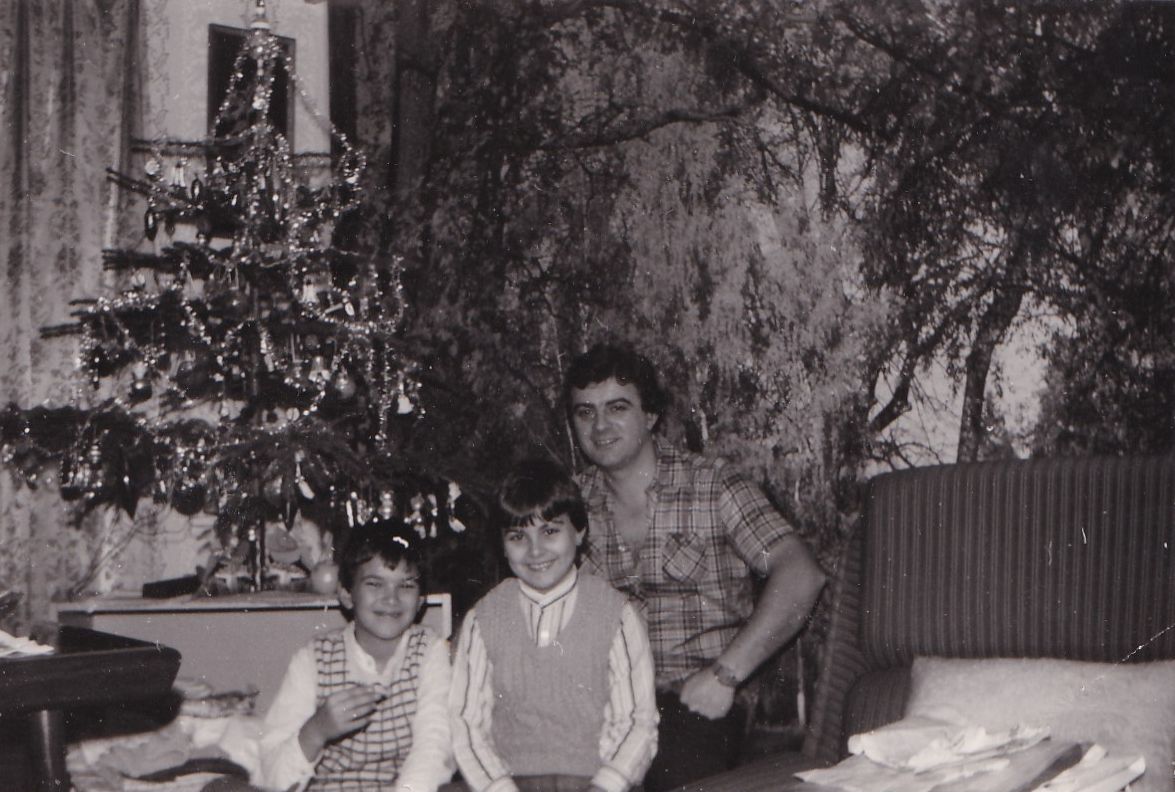
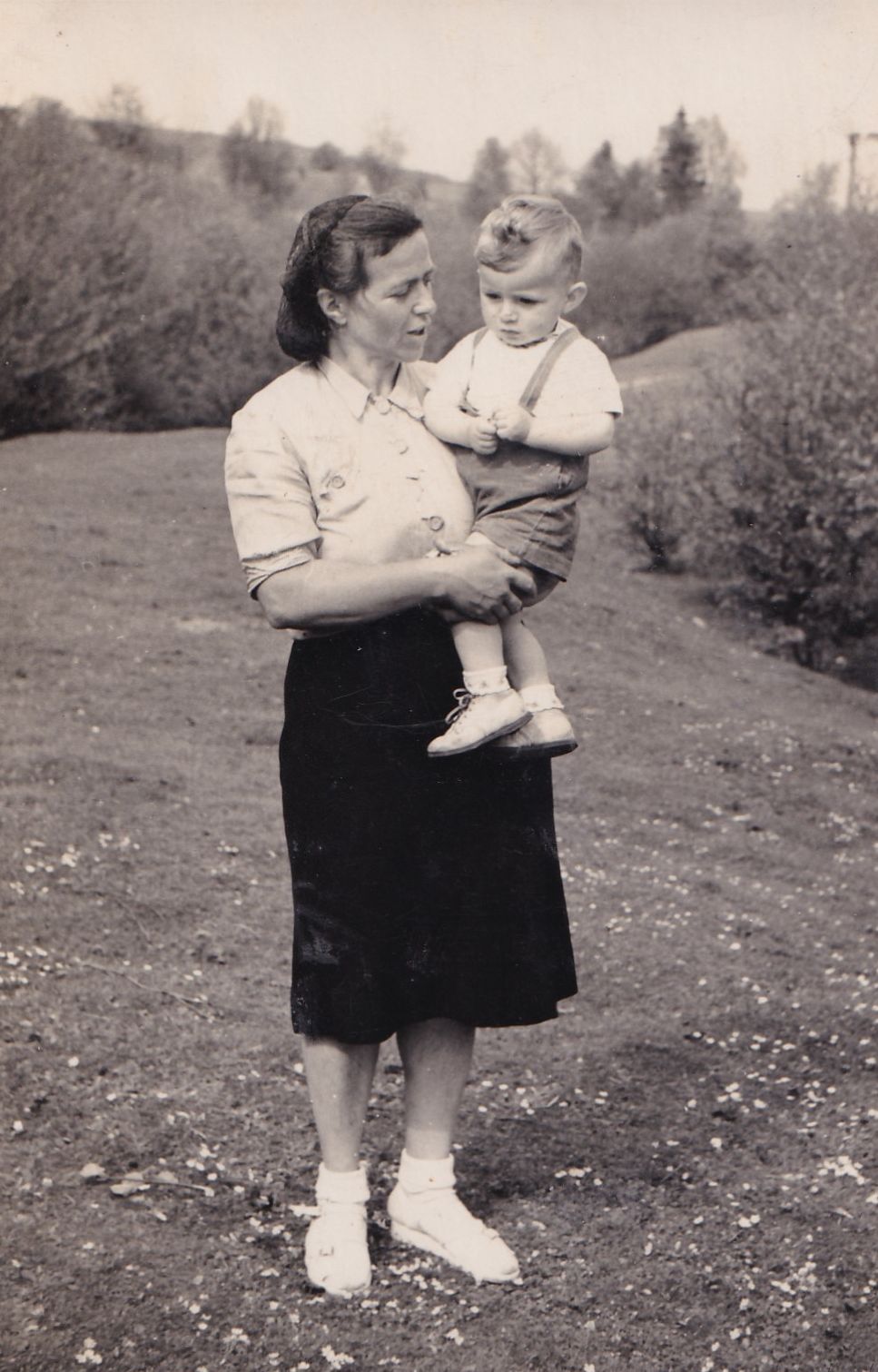
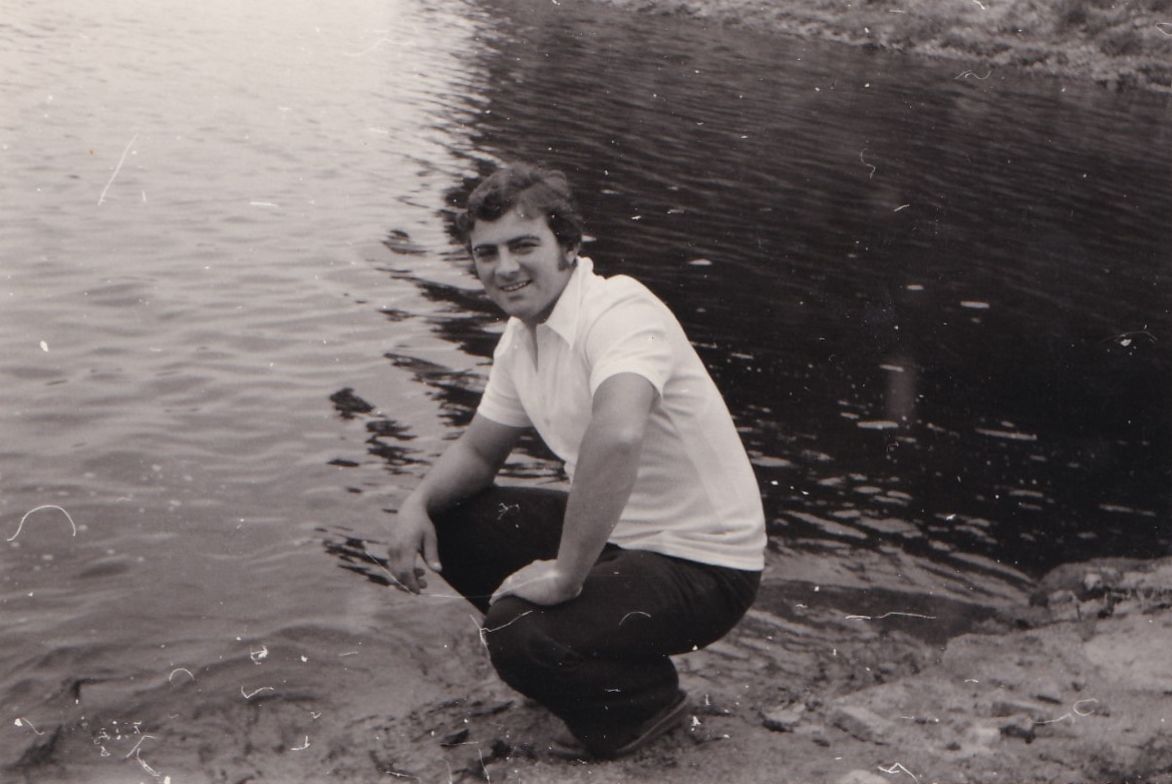
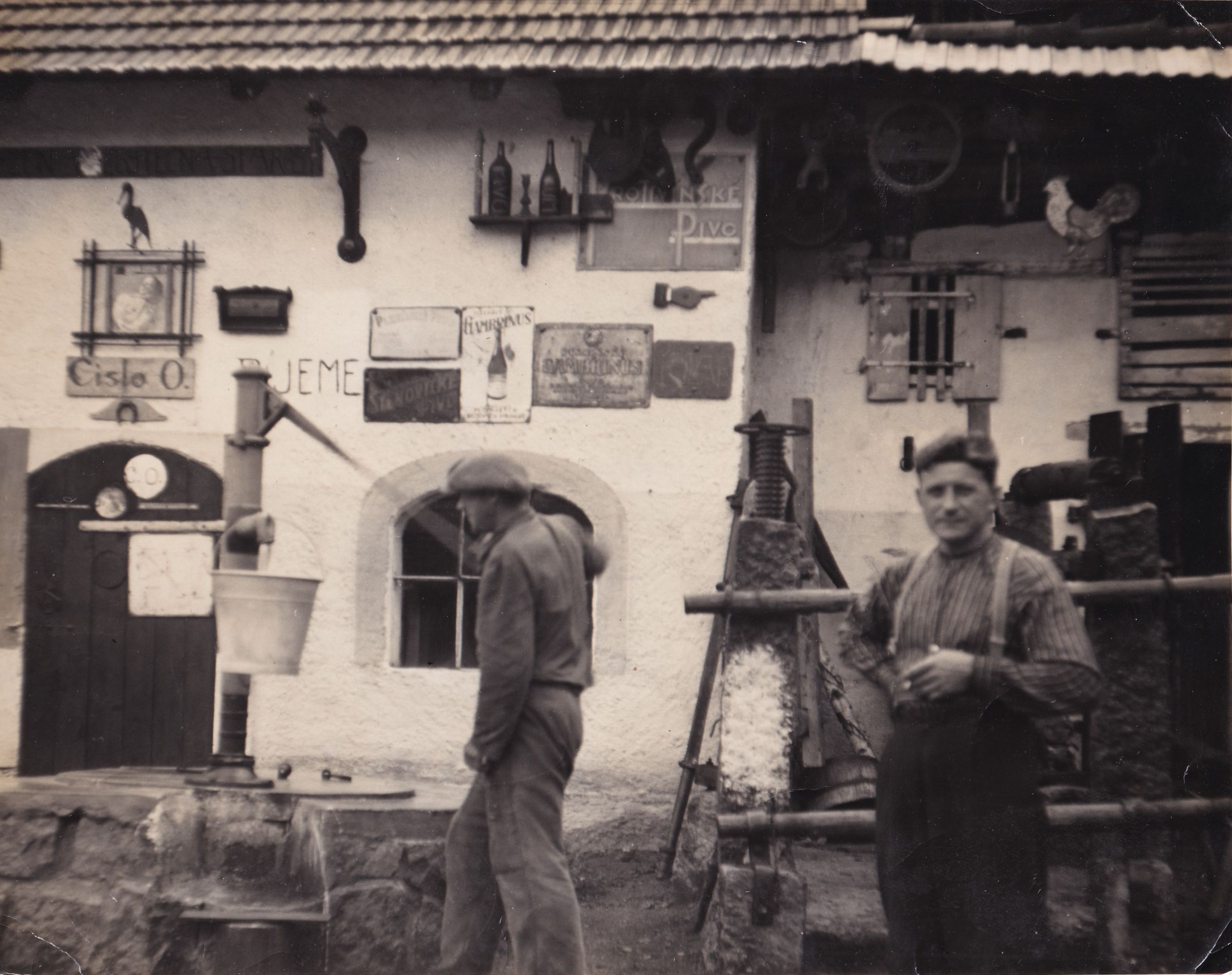
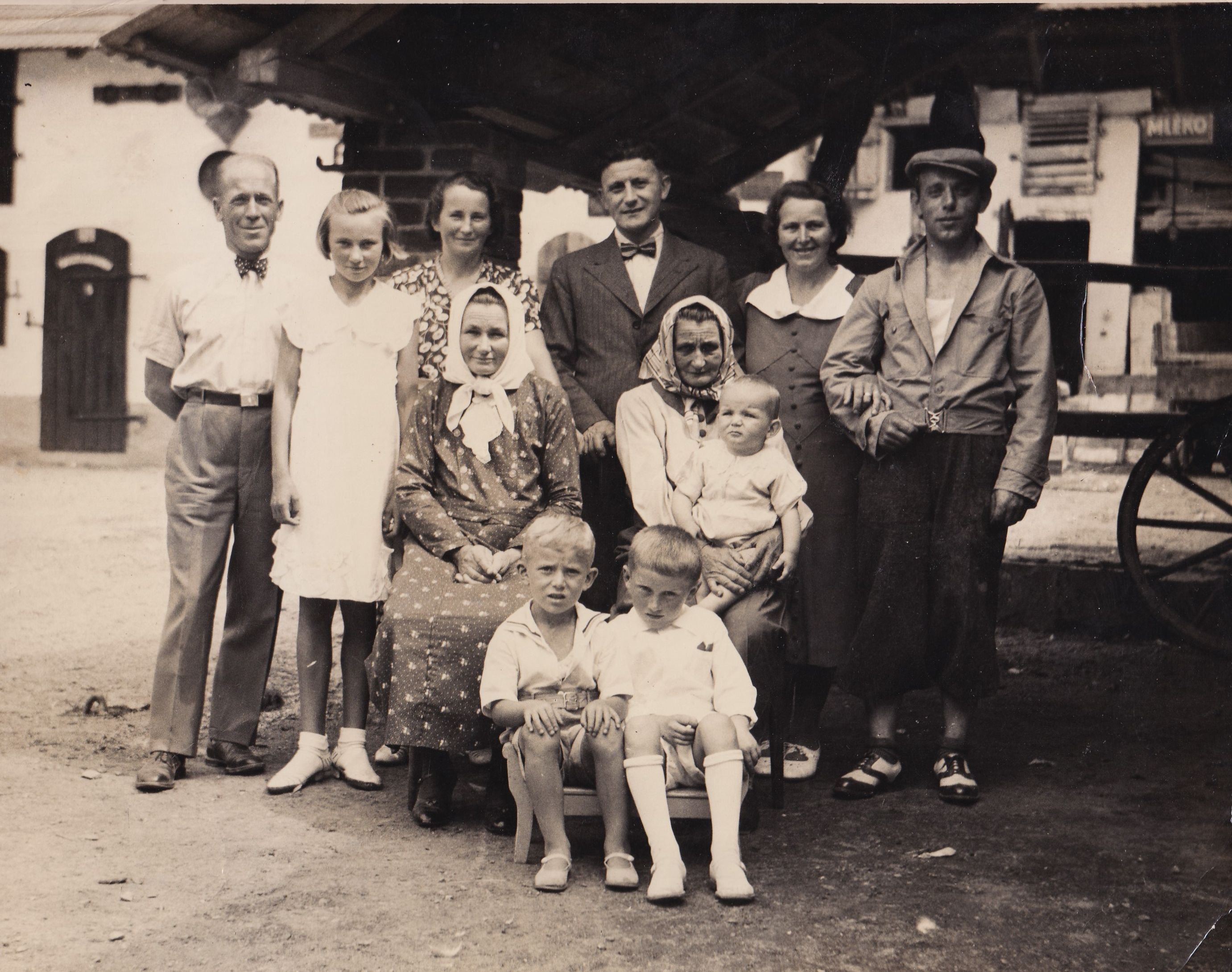
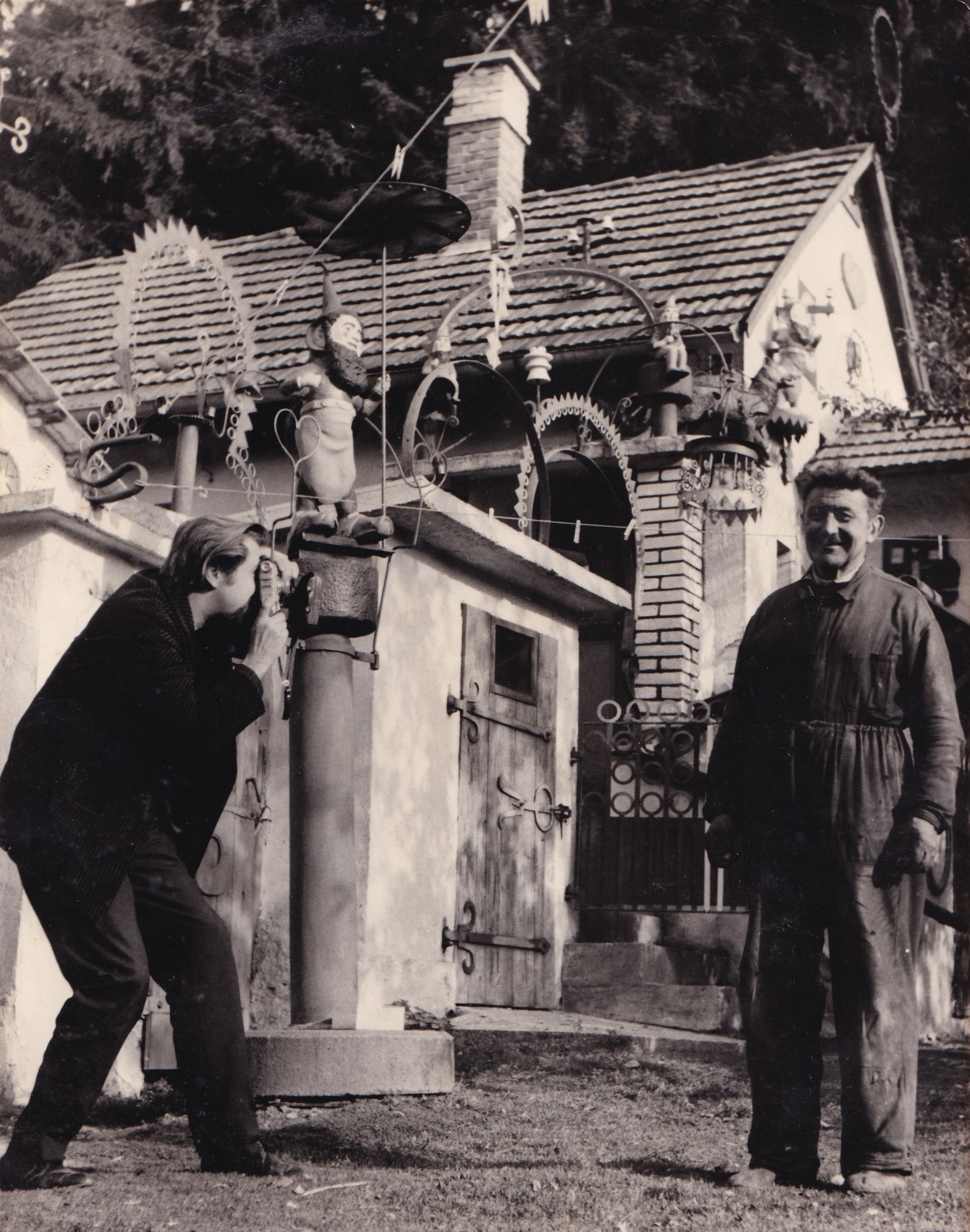
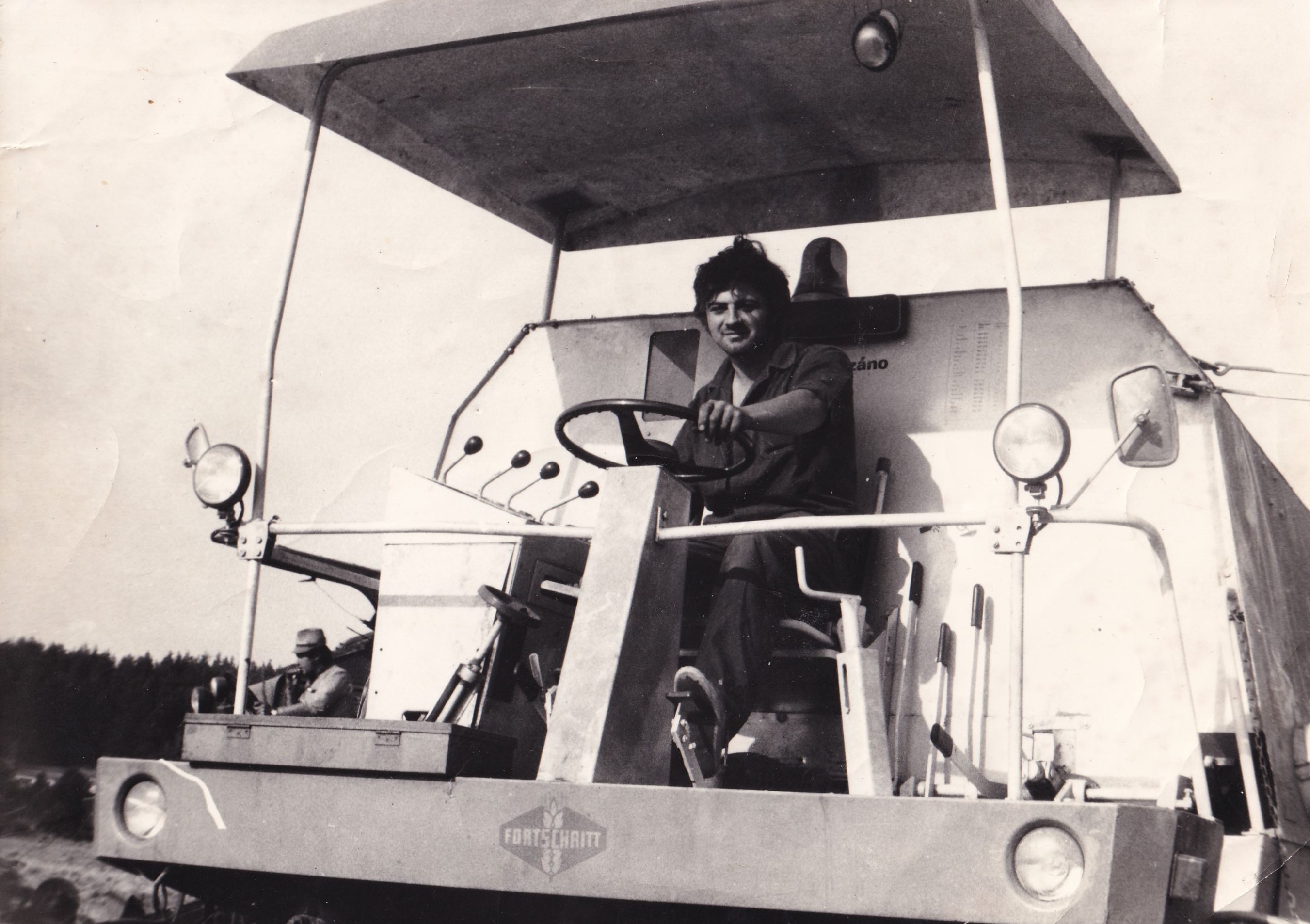
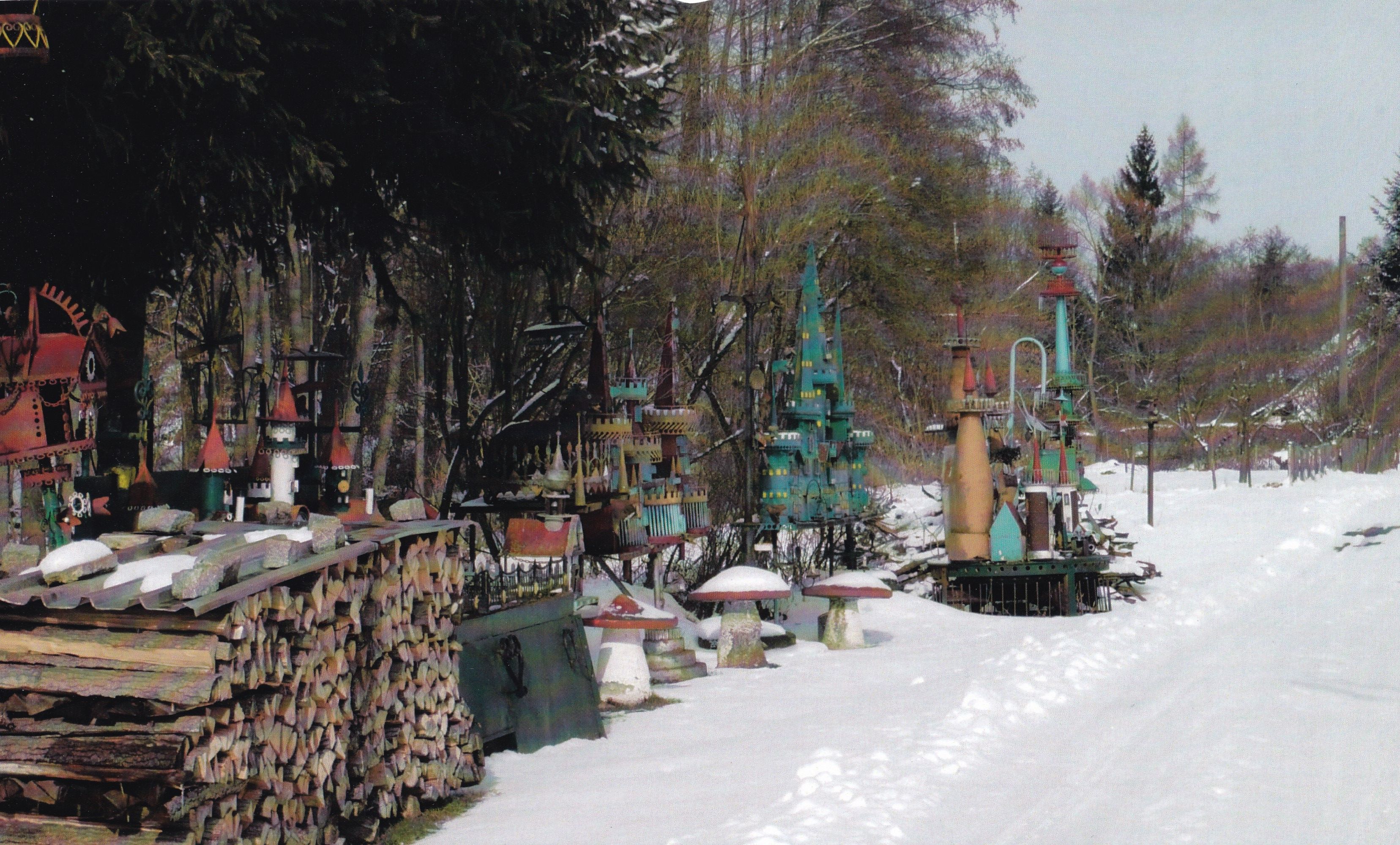
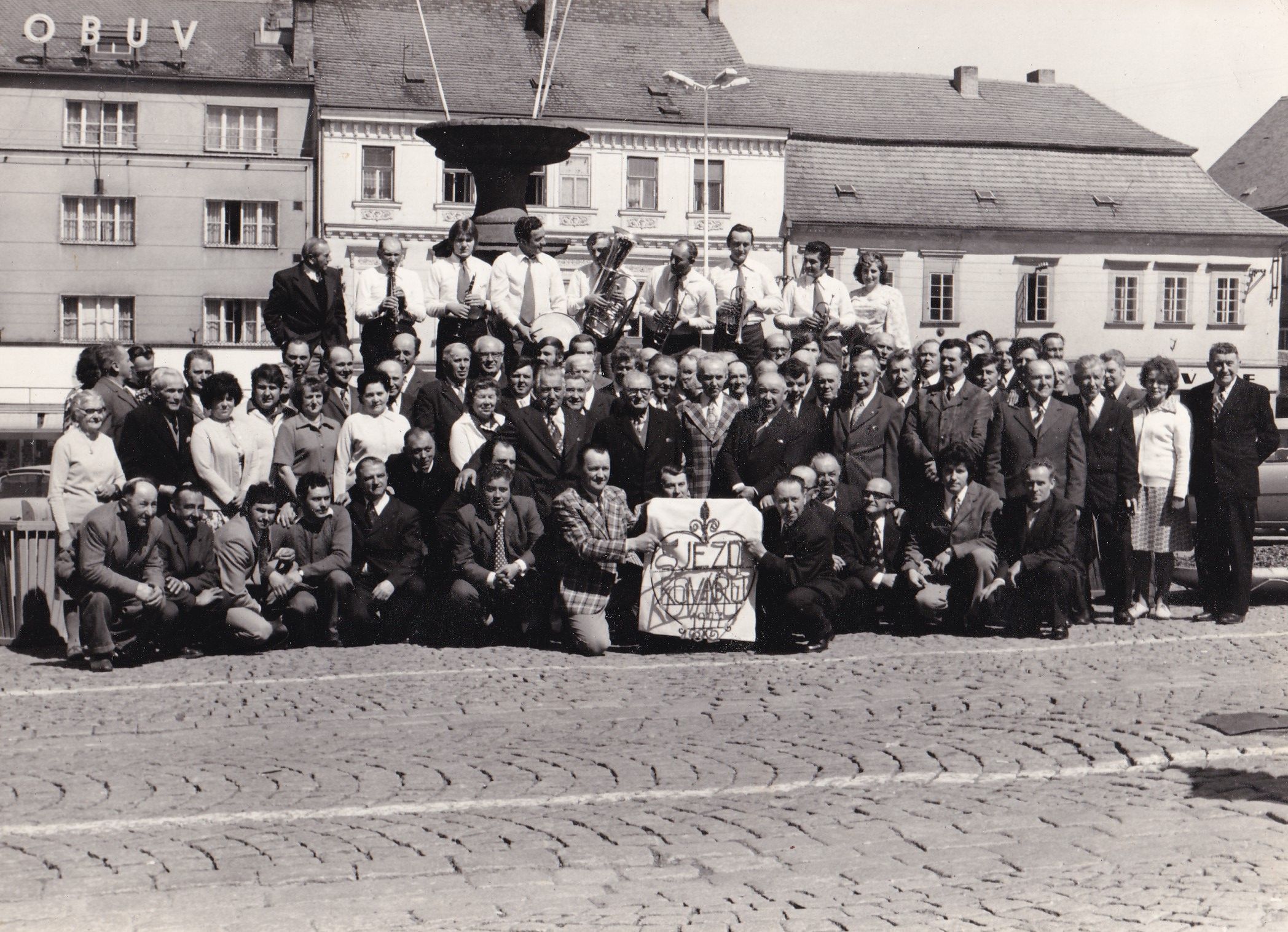
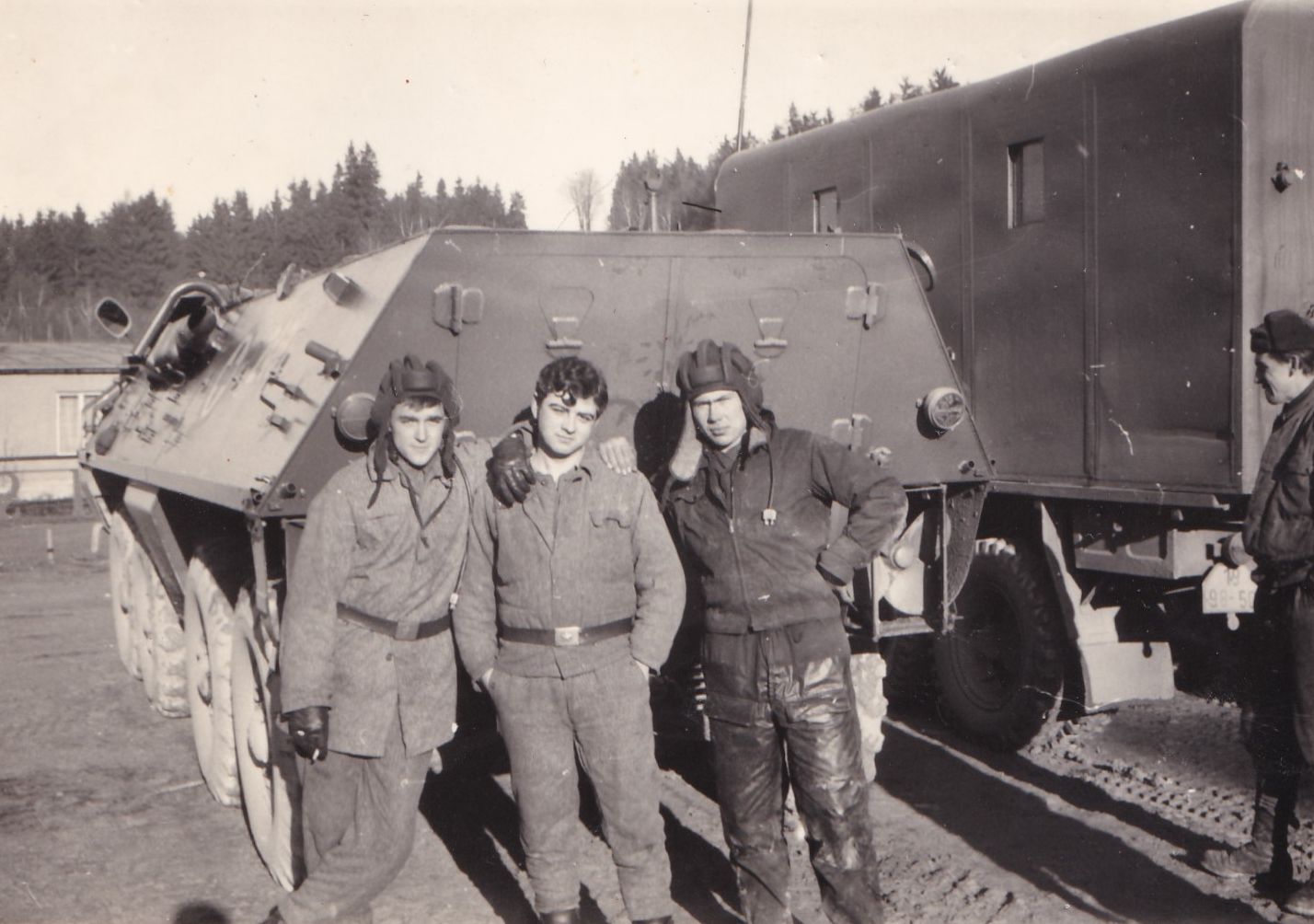
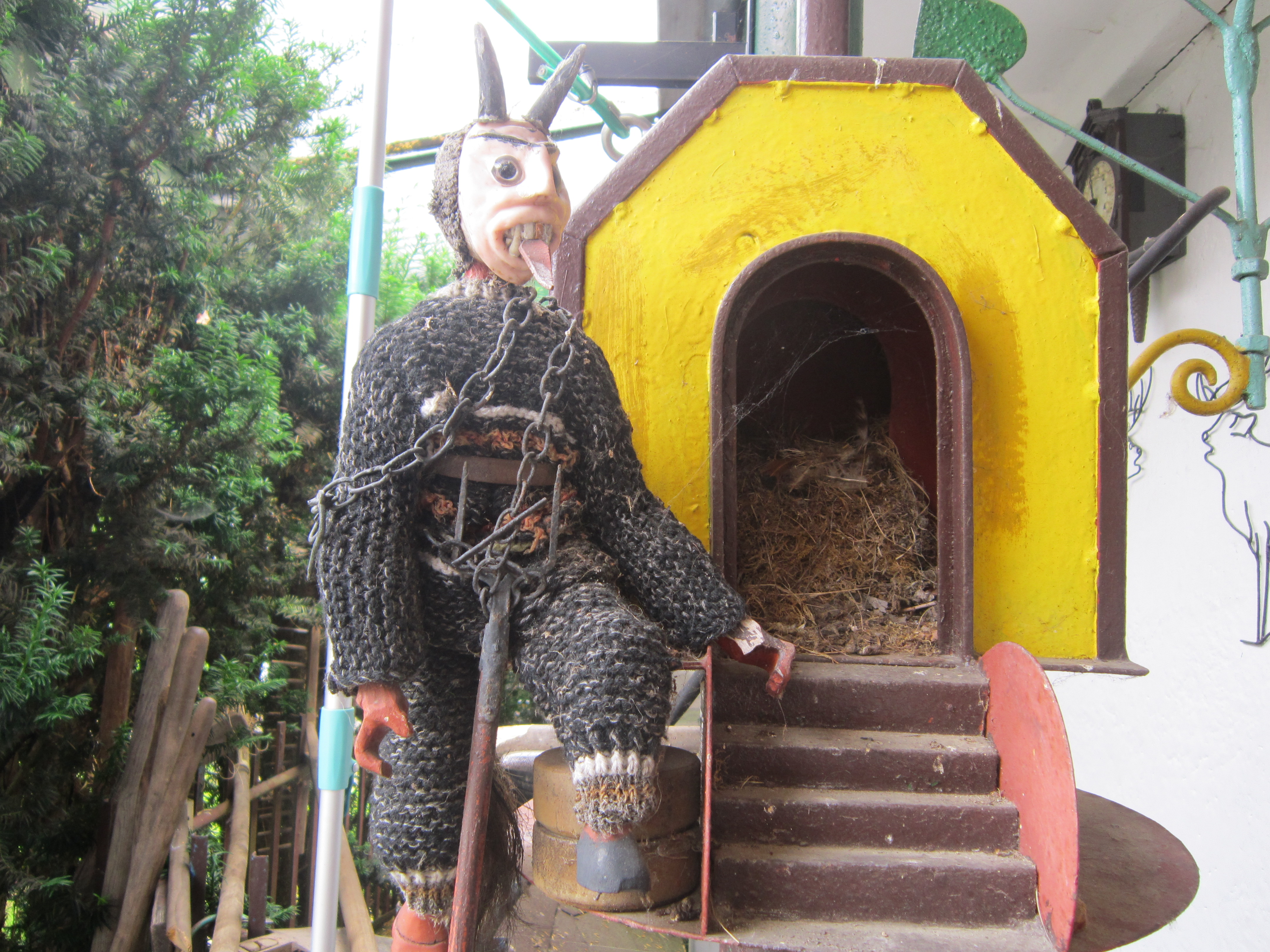
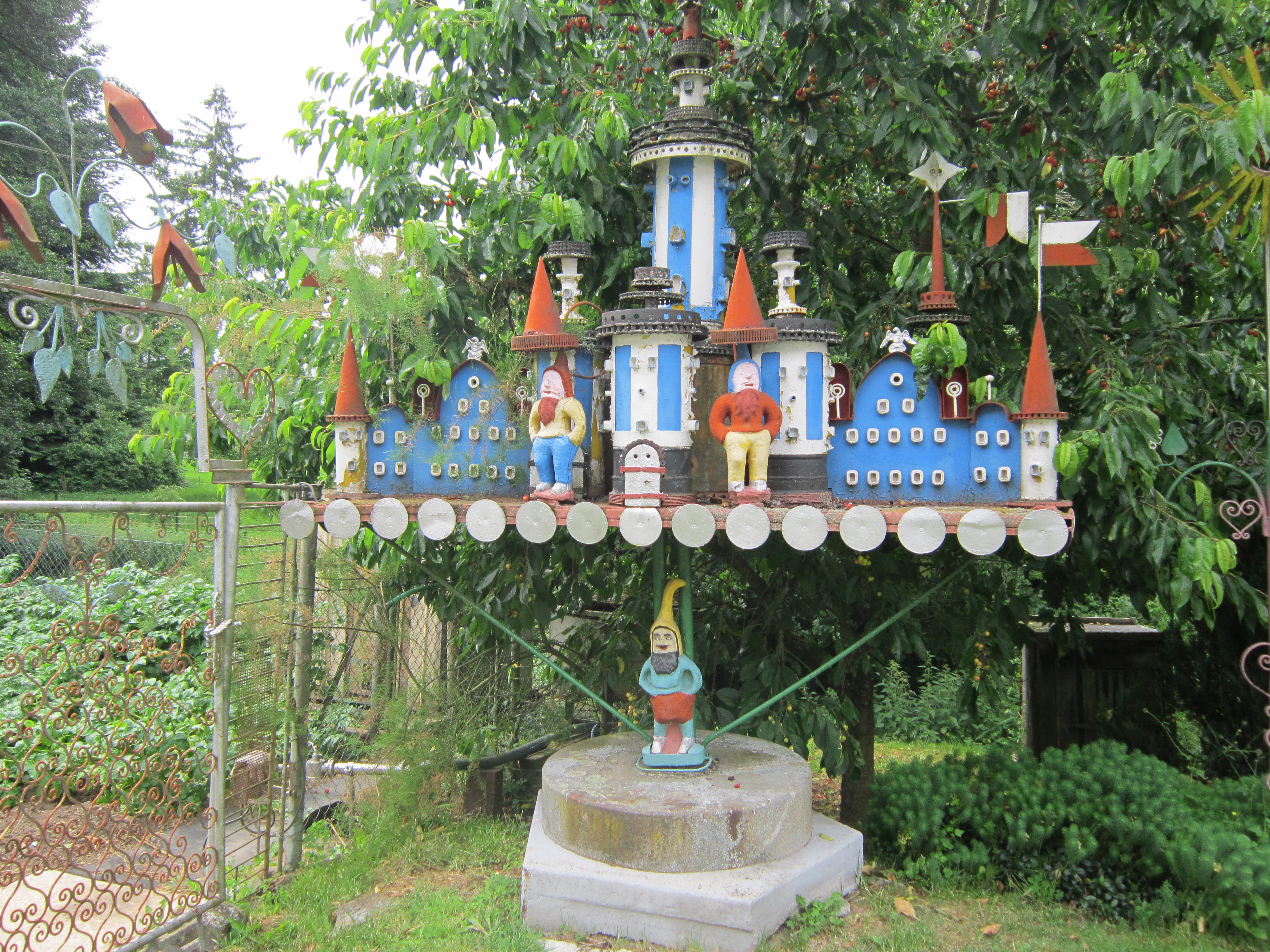
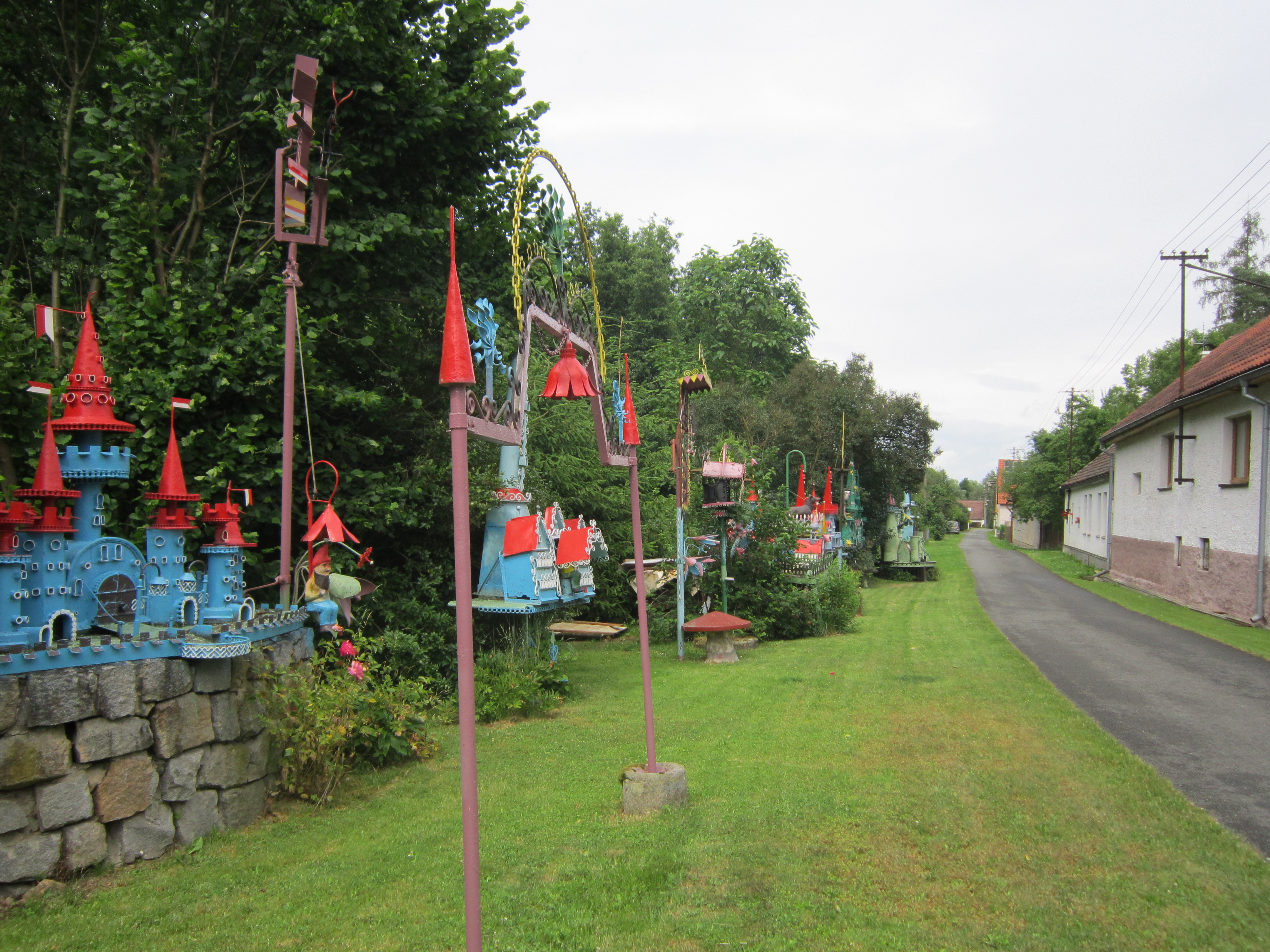
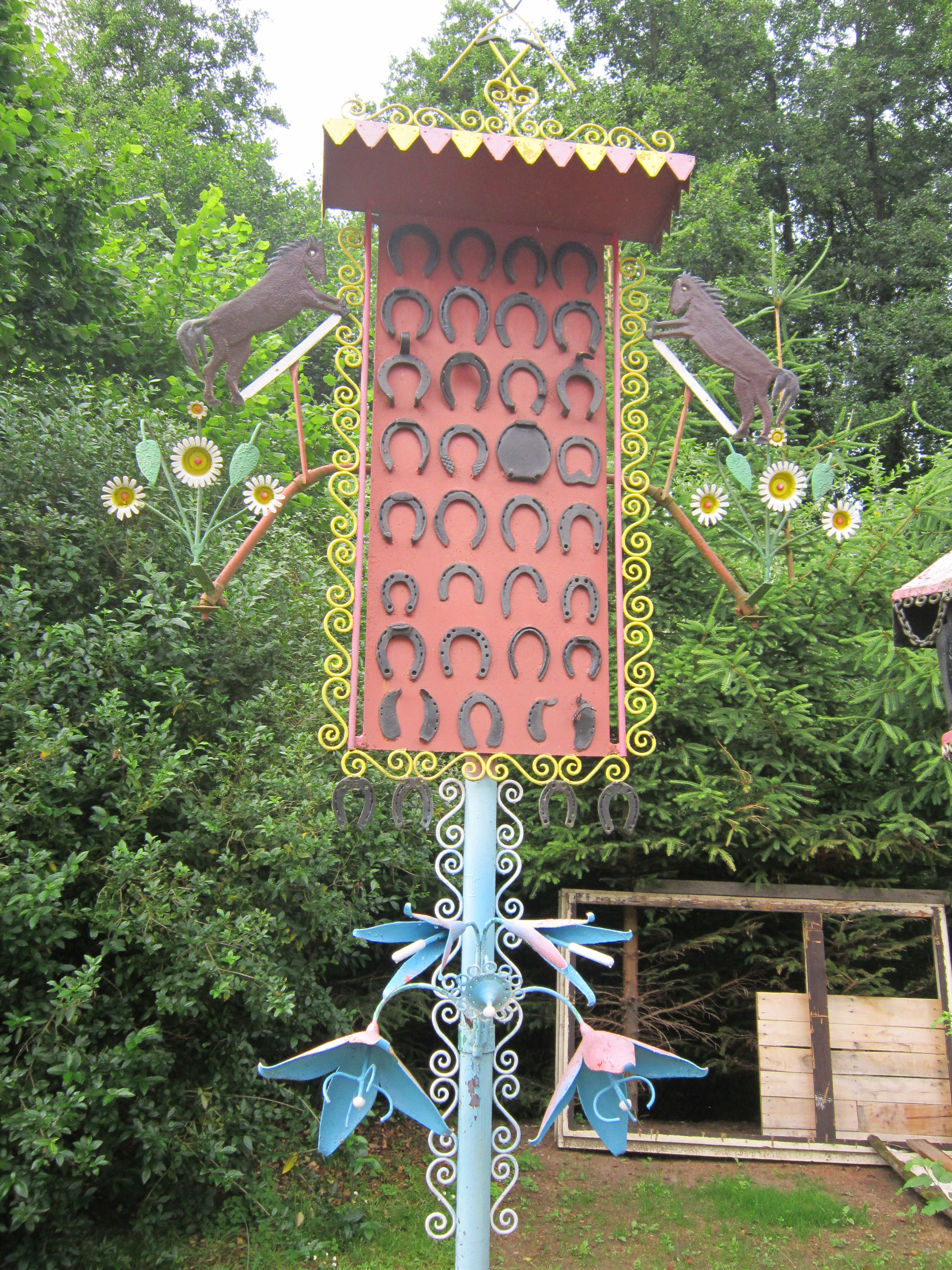
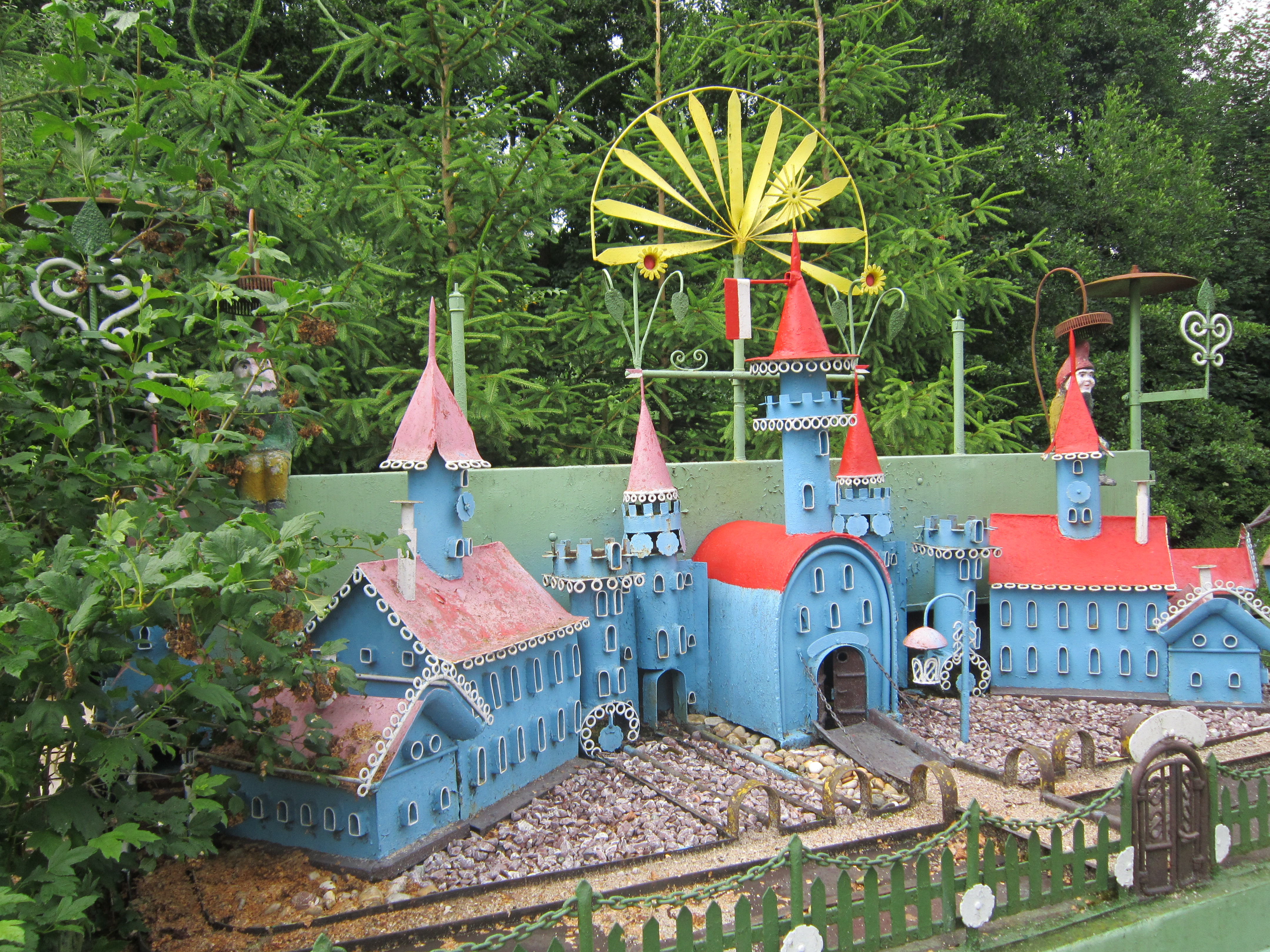
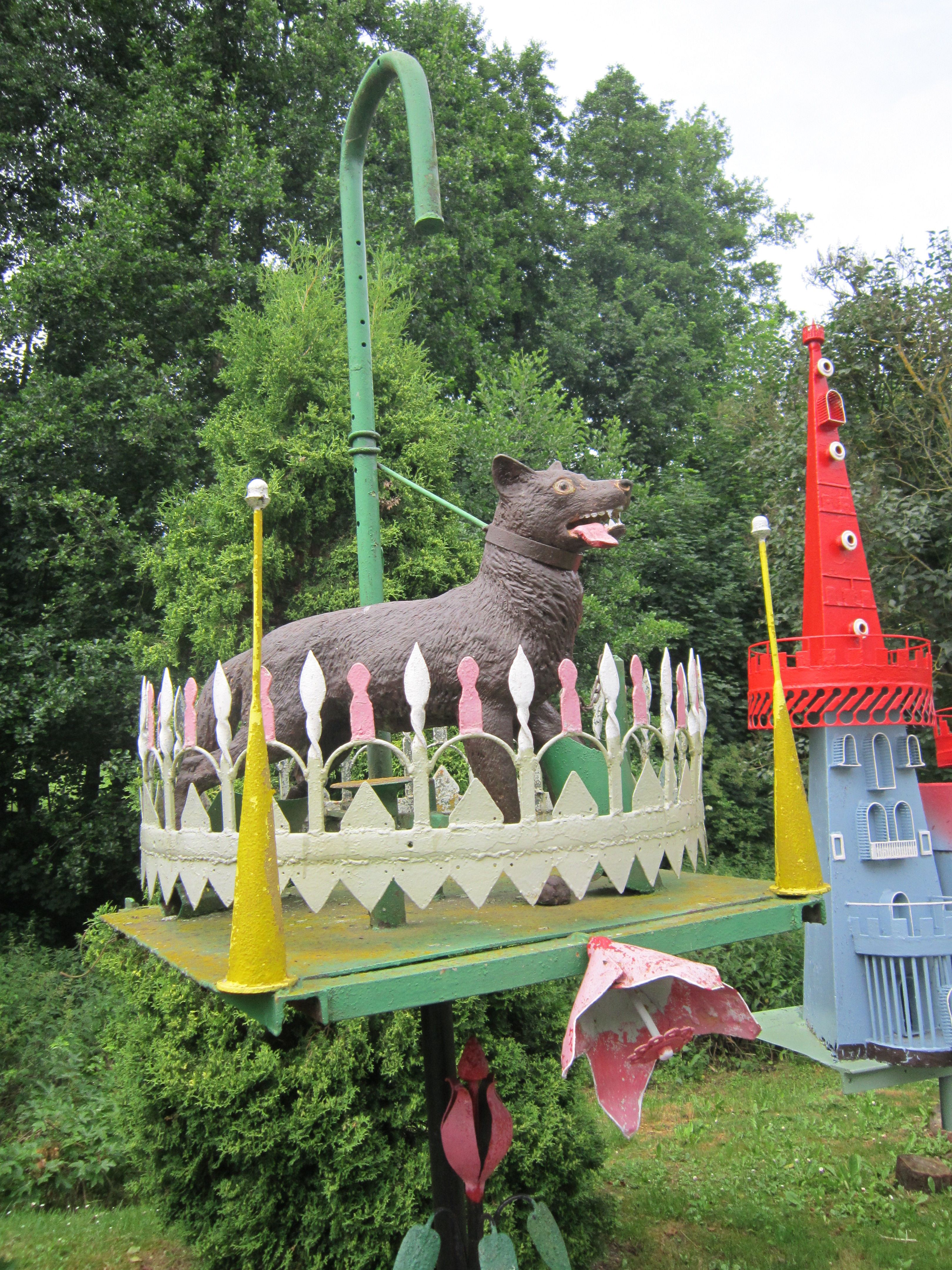
Miloš Lehečka was born on 27 February 1951 in Hradiště near Kasejovic to Ludmila Lehečková, née Mašíková, and Antonín Lehečka. The latter was an artistic blacksmith and shoemaker. Outside of his work, he created a fairy-tale Iron Kingdom out of scrap. Half a year before the end of the war, when he was still unmarried and childless, he hid a partisan, František Dušek, who was persecuted by the Gestapo, in his home. When the war ended, a Soviet army officer and an American army officer met at his father‘s (Antonít Lehečka) blacksmith´s workshop, and shook hands. To commemorate this meeting, a decorative inscription was created under the hands of Antonín Lehečka. Probably in 1956, as part of the collectivization, his father‘s trade was confiscated and he was one of the last to join the cooperative farm (JZD). In 1968 Miloš Lehečka trained as a repairer of agricultural machinery in the Tractor Centre in Blatná. In 1969 he served his military service in Pilsen, then in Tachov. On 26 July 1975 he married Anna Beranová and they raised two children together. He needed to improve his finances, so for thirty years he delivered milk in cowsheds. He never joined the Communist Party and was not interested in politics. At the time of recording, in 2025, he was still living in his family home in Hradiště near Kasejovice, where he continues to look after his father‘s Iron Kingdom.