"Those of us who stayed here [not expelled] got the least amount of food tickets. And we had to [compulsorily] go to the cinema to see films that [showed the horrors of] the concentration camps. But it wasn't our fault! We were young. But we had to watch it all. And we had to hand in our ticket [from the cinema] to get a food ticket. And whoever didn't go to the cinema had nothing to eat! And that was cruel."
"We were the worst people, the worst. The Germans, they were the worst people. It wasn't good. We couldn't afford anything, nothing, everything was forbidden. We were not allowed to speak German, we could not speak Czech. We just [whispered among ourselves...] so nobody would hear. If there was something, me and the girls wanted to go dancing, it was only in the afternoon, so we went to Tolštejn one day. There was a big hall there. We wanted to dance. Suddenly someone came and said: 'Guys, run, the SNB (National Security Corps) are coming.' SNB, that was the name then. 'They'll take you!' We ran, we ran, we always ran. We were young, we didn't think about it then, but it was cruel. It was cruel..."
"My mother was worried about us, so she hid us. I had an aunt nearby, and we were there for about three or four days. It was hot and we were in the attic on hay. We couldn't show ourselves, we were scared. There were girls from our family and from the neighbours. My mother brought us food there, we had nothing. She cooked and brought it, but every day she went a different way so that [the soldiers] wouldn't know where she was going. There was an officer who was living with us and he told my mother, 'I know where the girls are. Bring them home. [I promise] that nothing will happen to them. It's no use...' Well, she came and got us and brought us home. We were worried about her, too."
"Then the order came that we girls had to write letters to soldiers. We didn't know them, but we had to write them one letter every week. For them to get something..." - "What soldiers did you write to?" - Ordinary soldiers, not officers. The ones who went from Studánka. A lot of those who went to school with me. And then, it was interesting, some of the letters, I didn't even know [they thought] she was a pretty girl. They liked me. They wrote to me all the time."
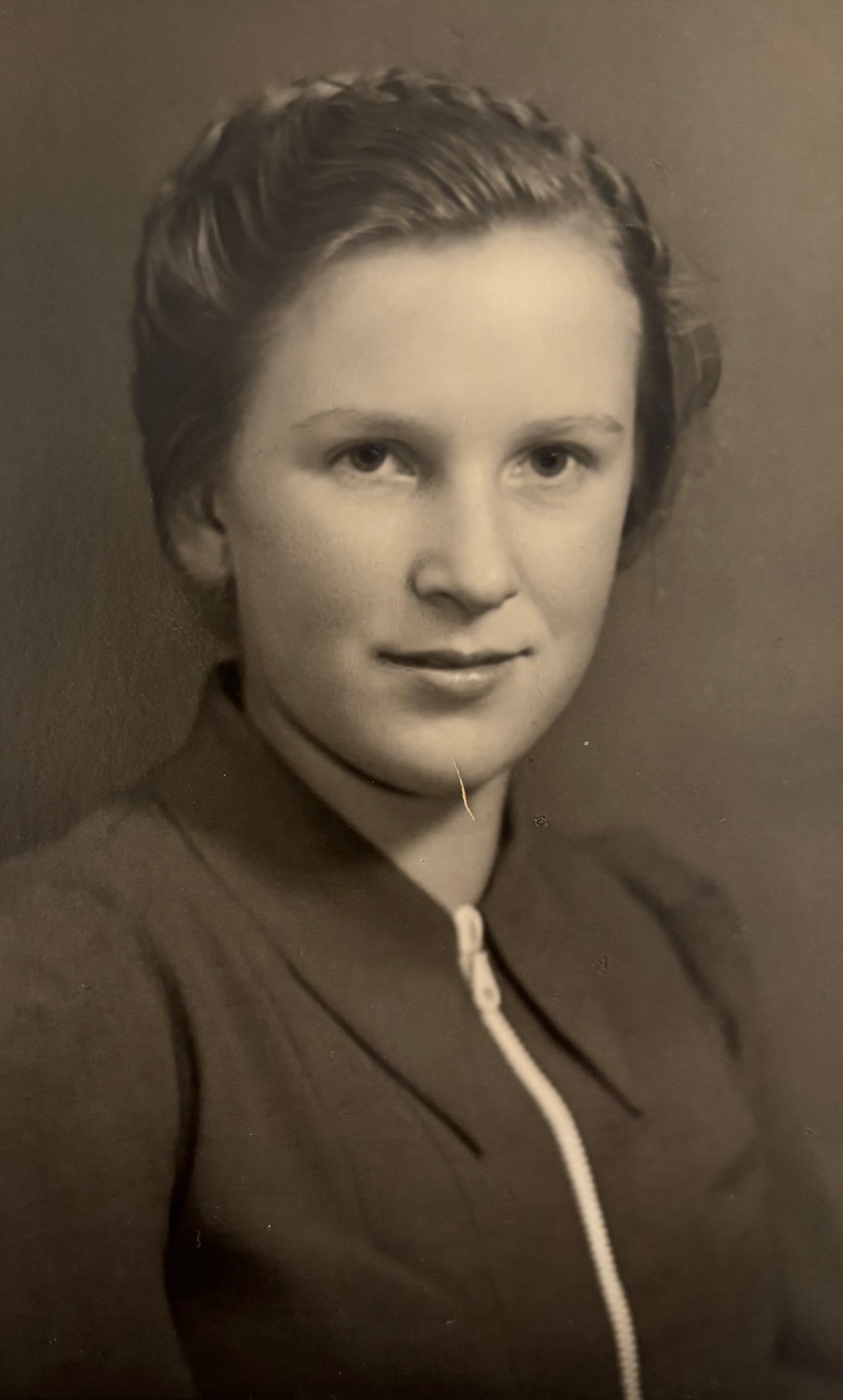
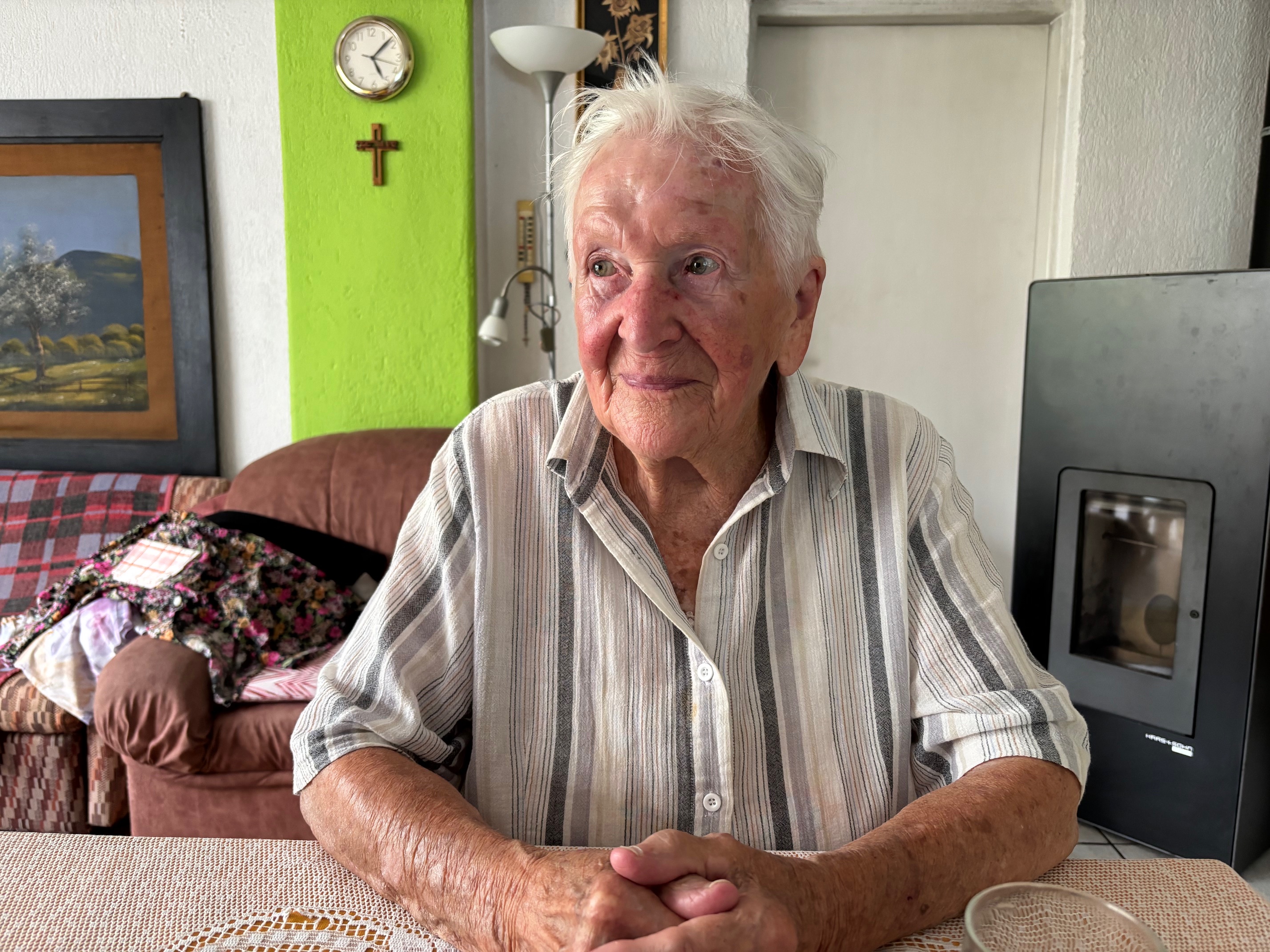
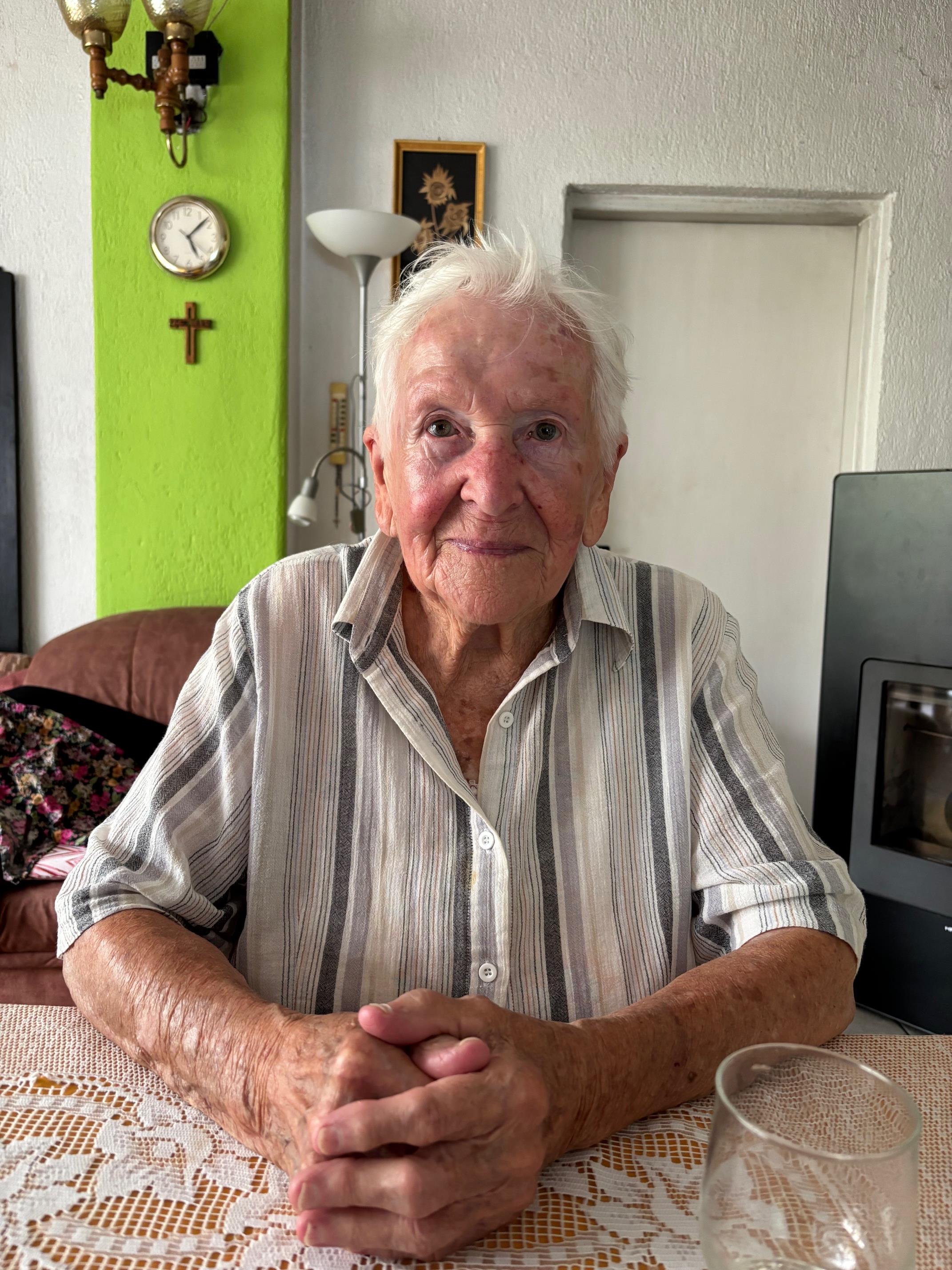
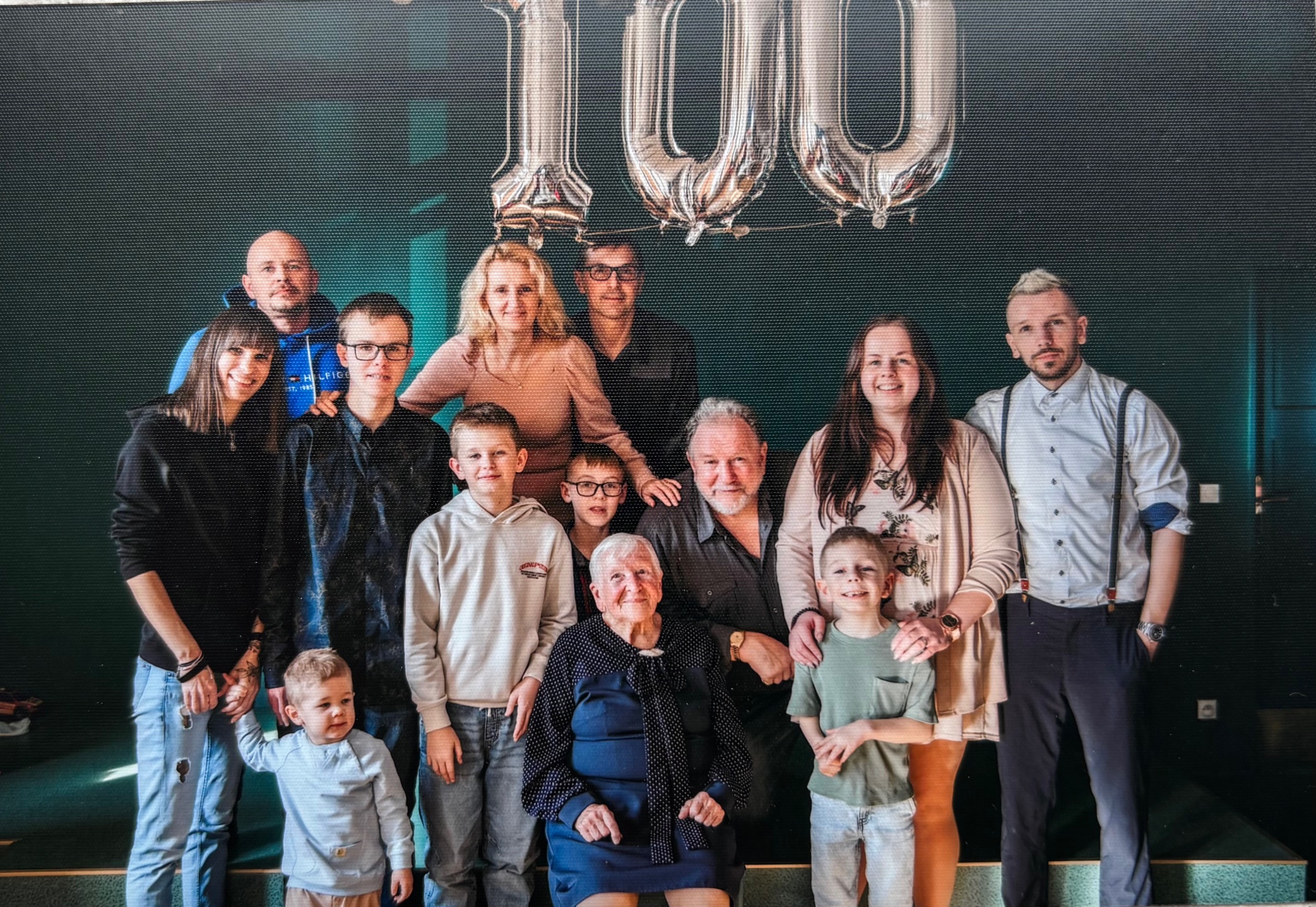
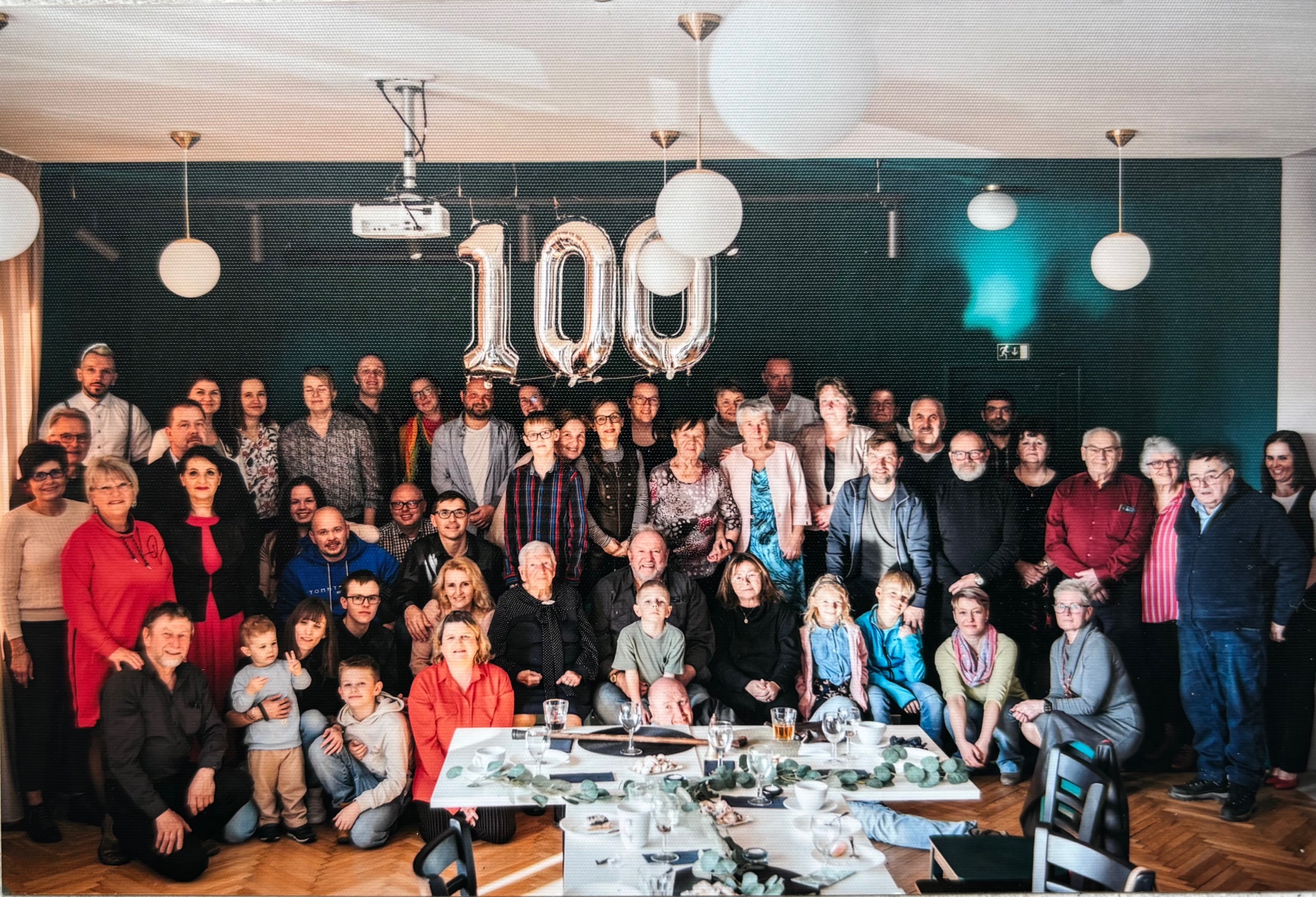
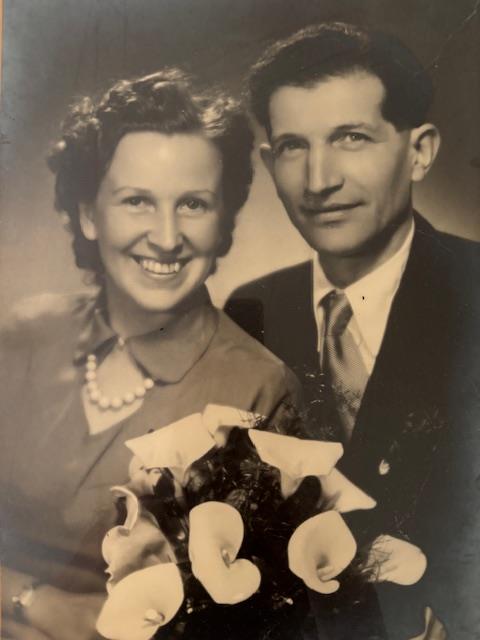
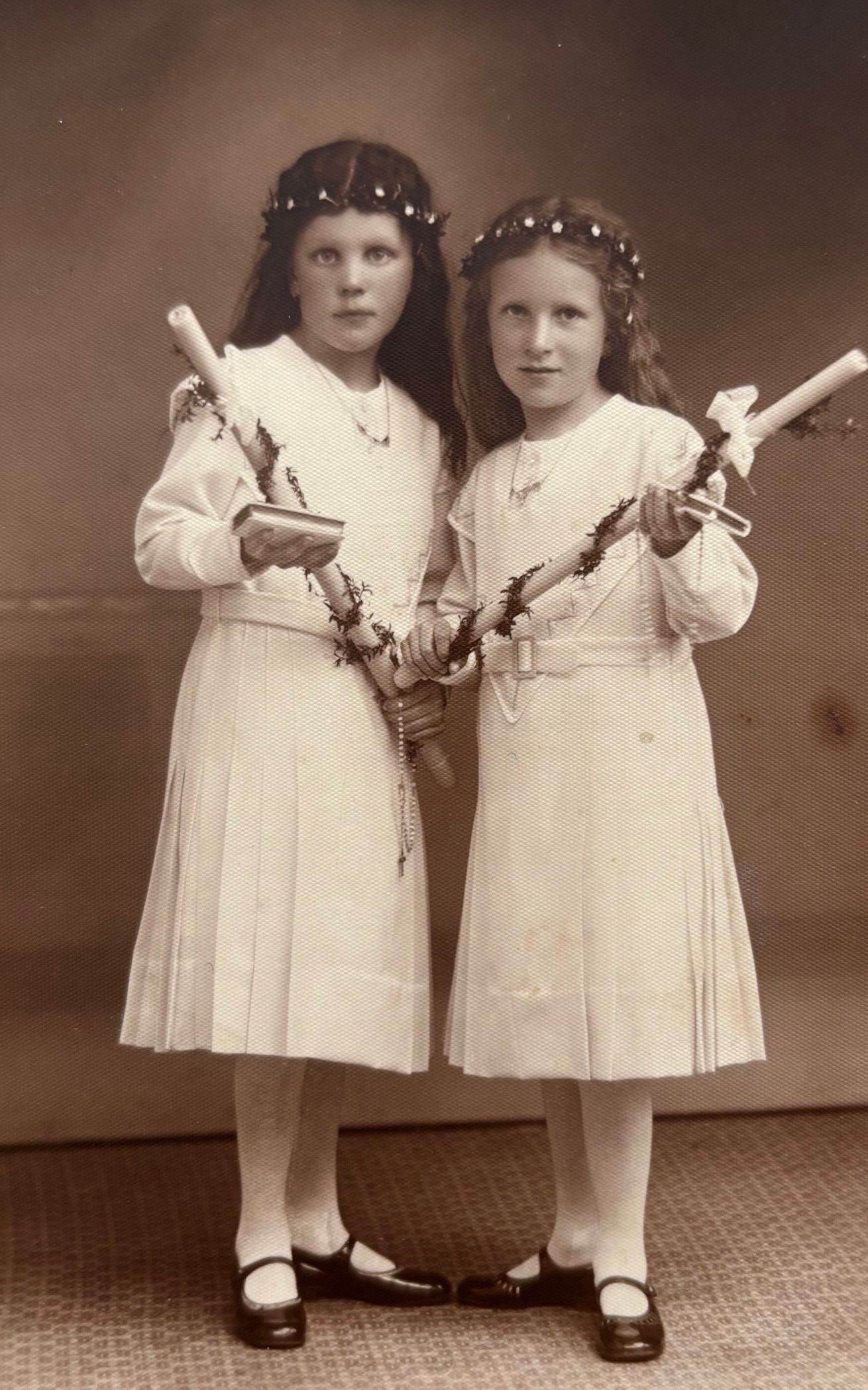
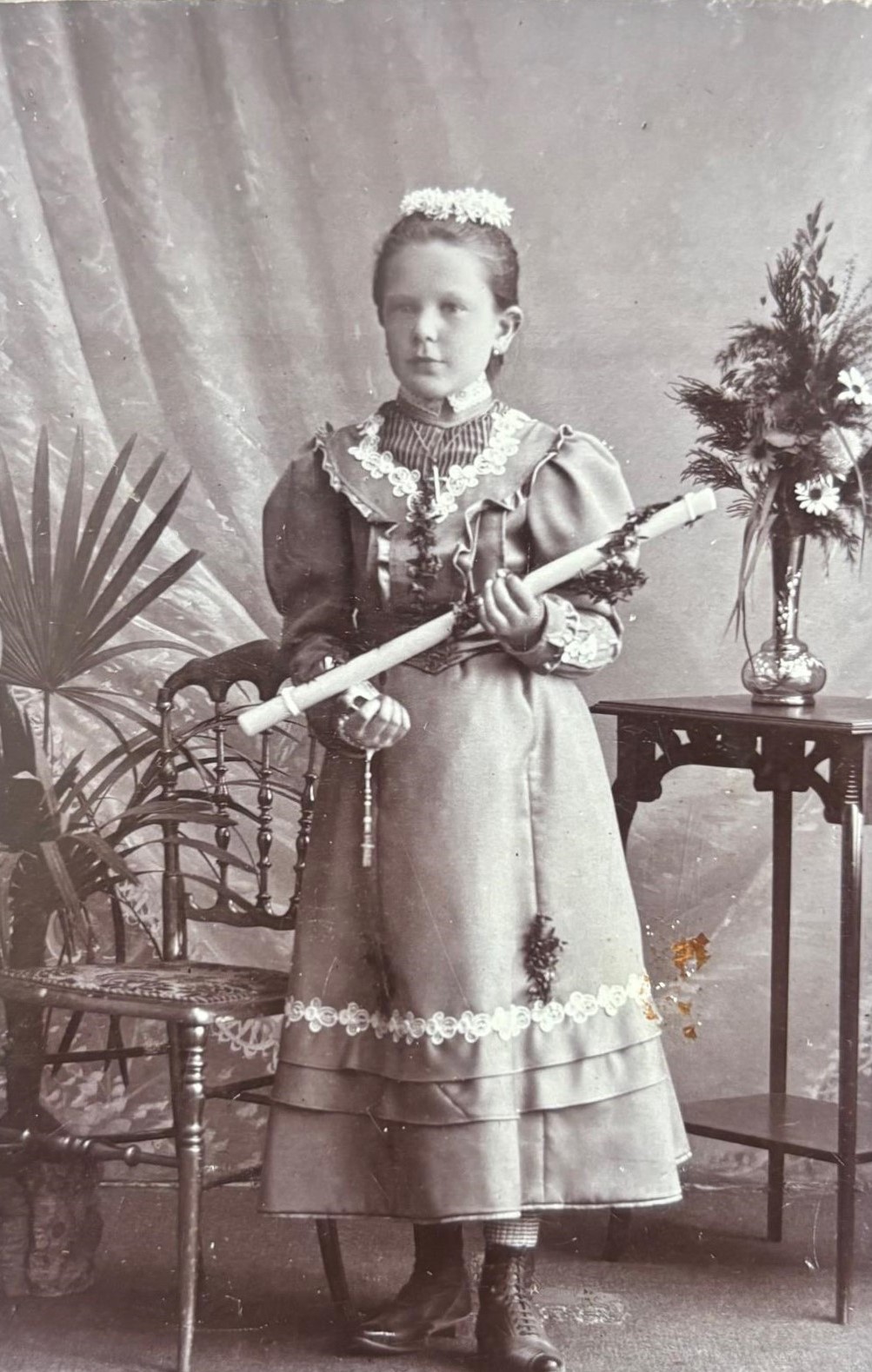
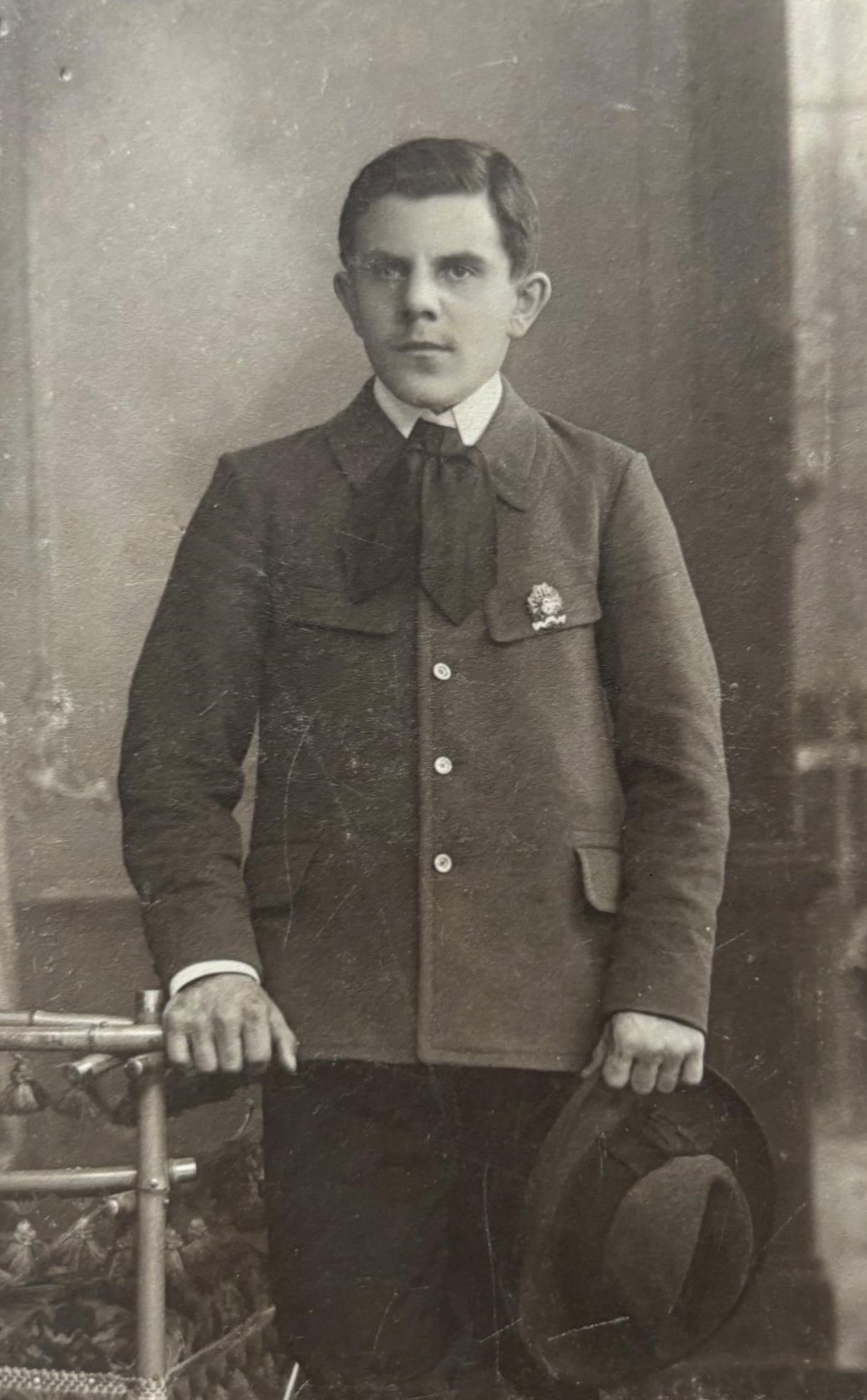
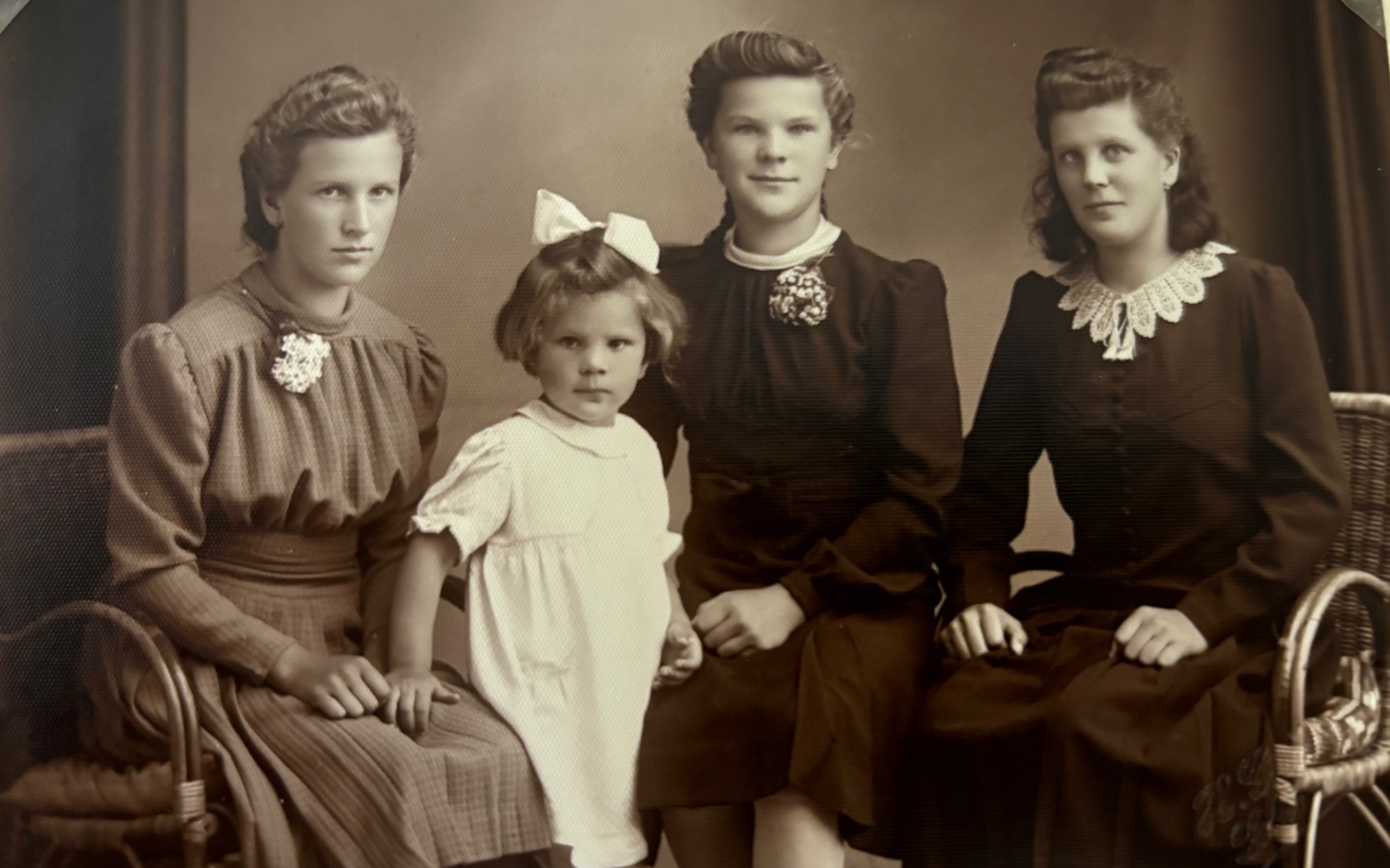
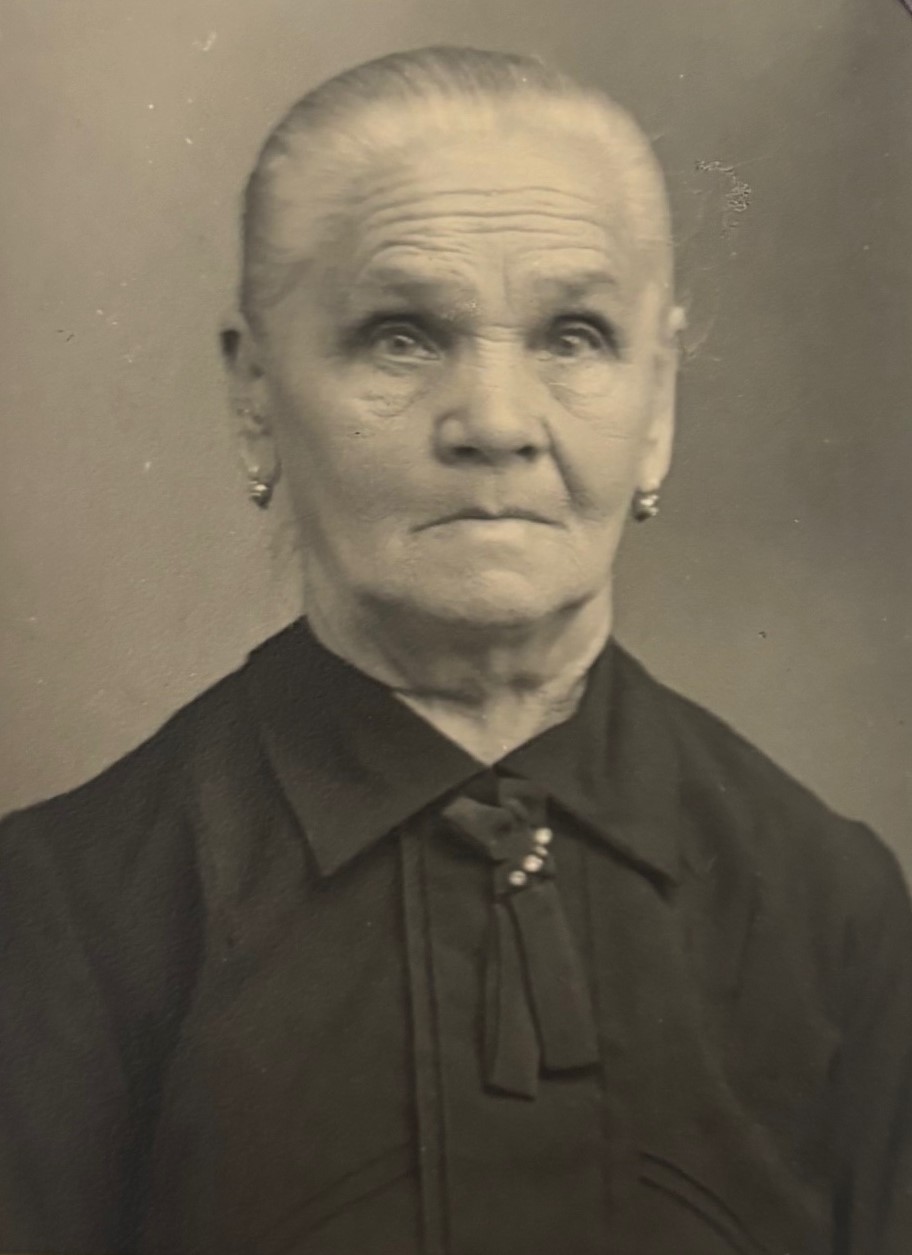
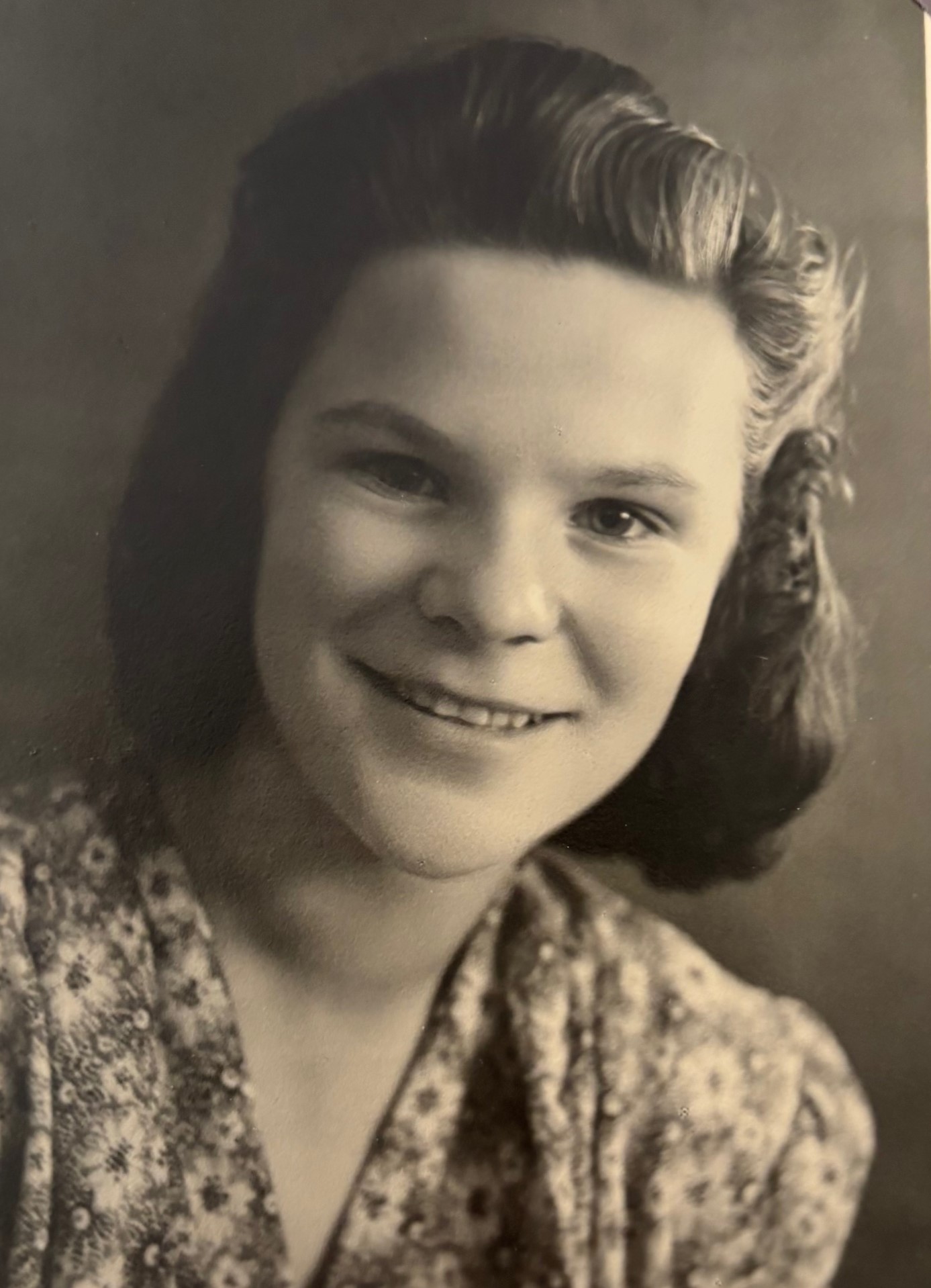
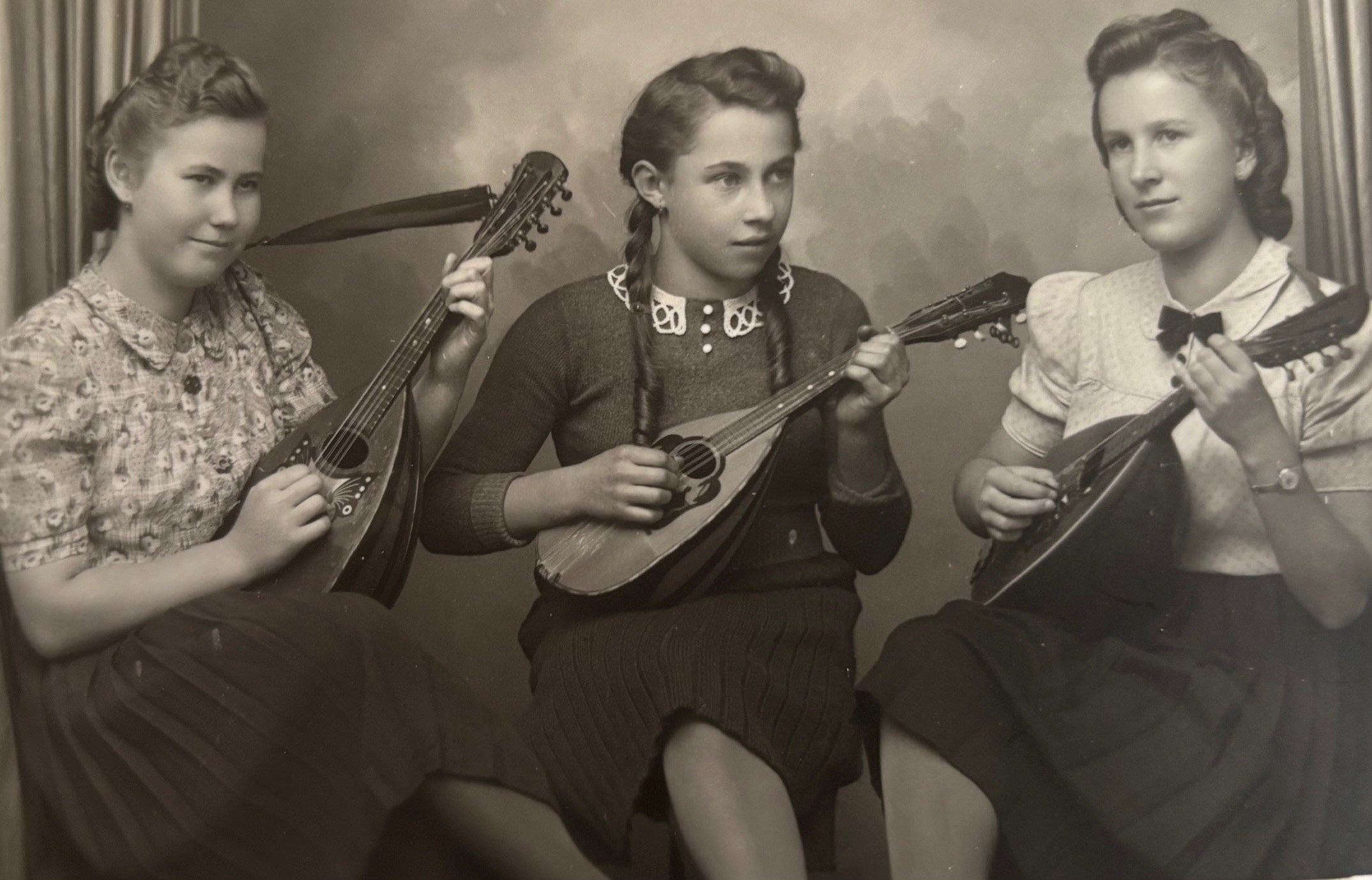
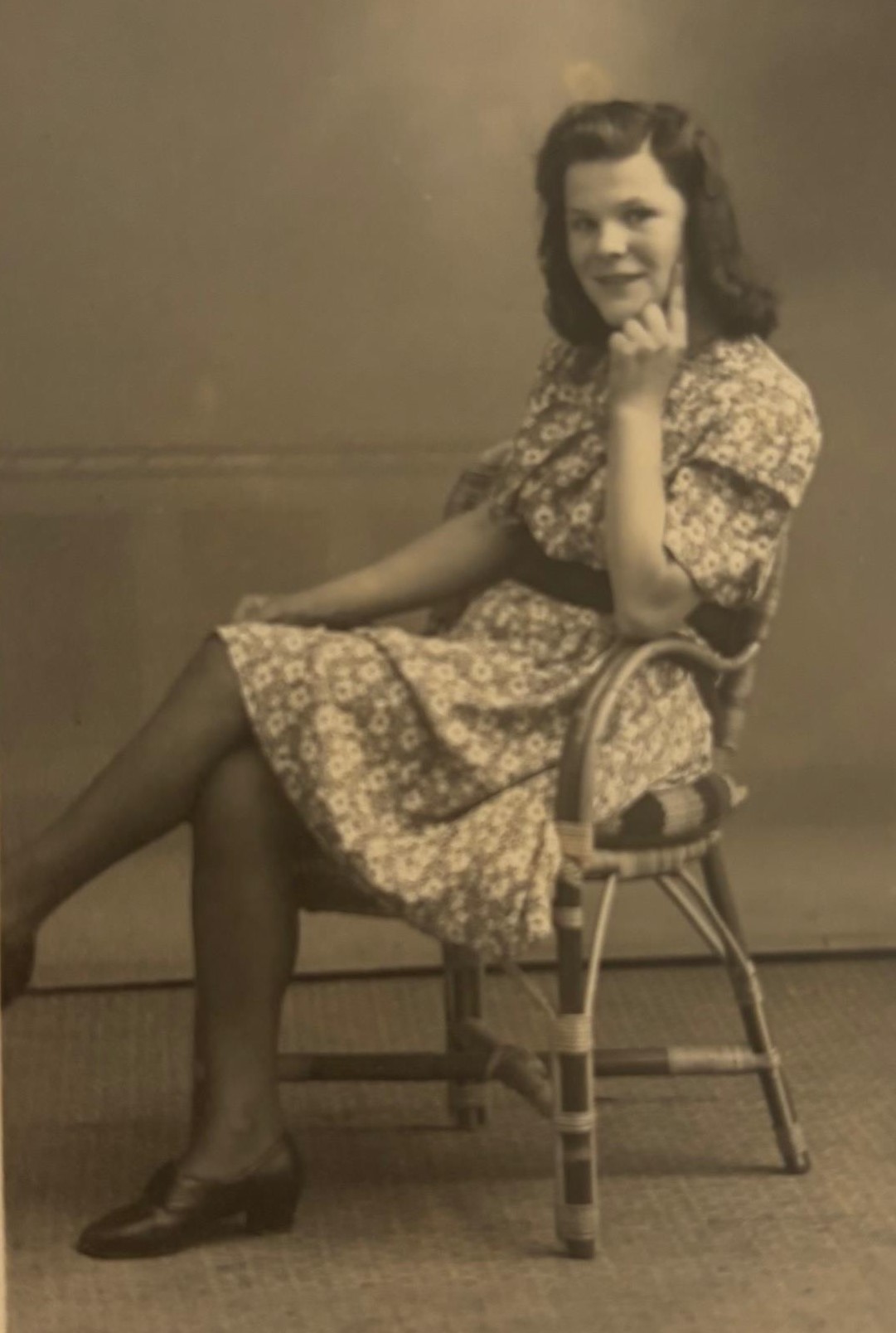
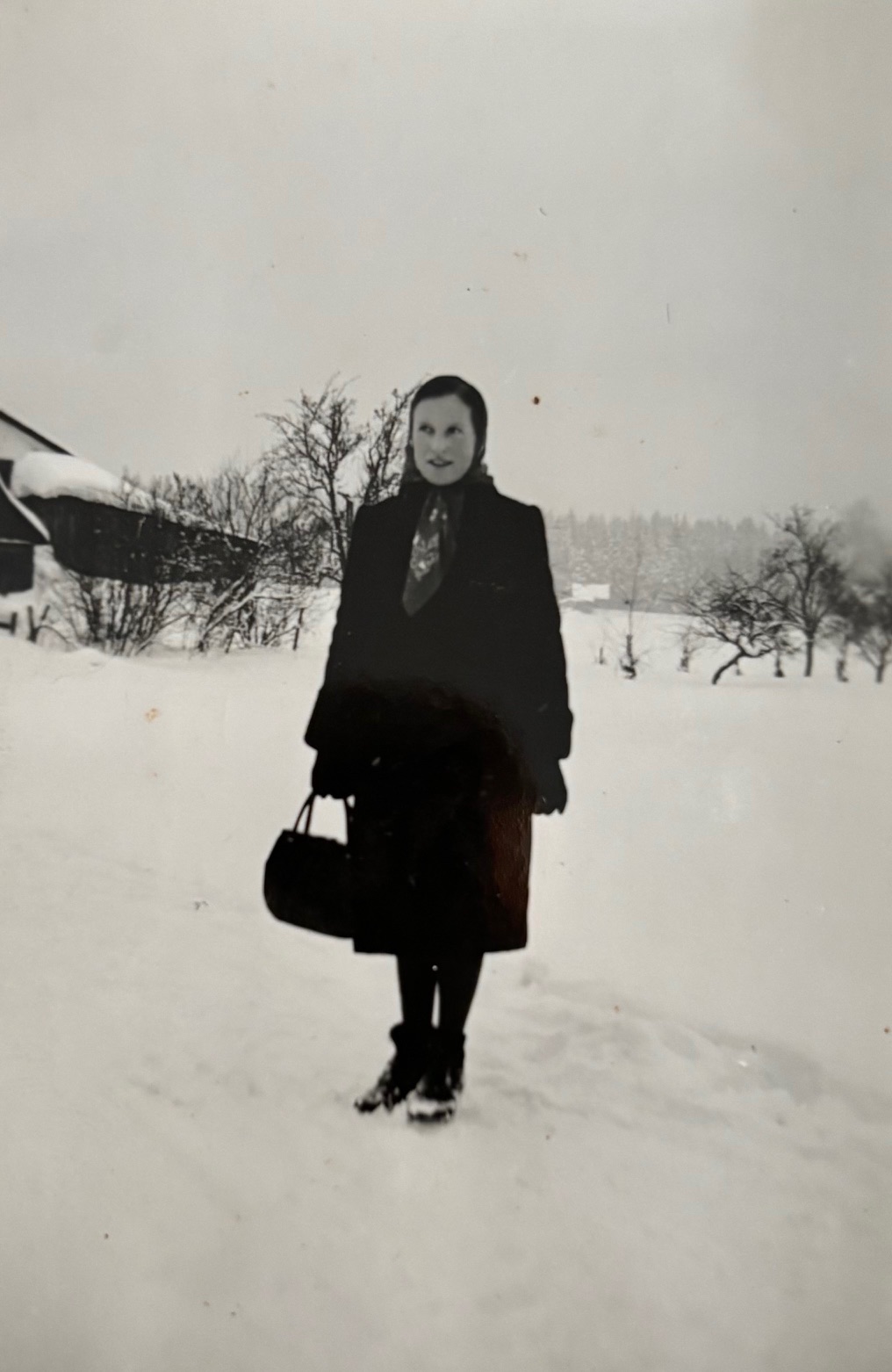
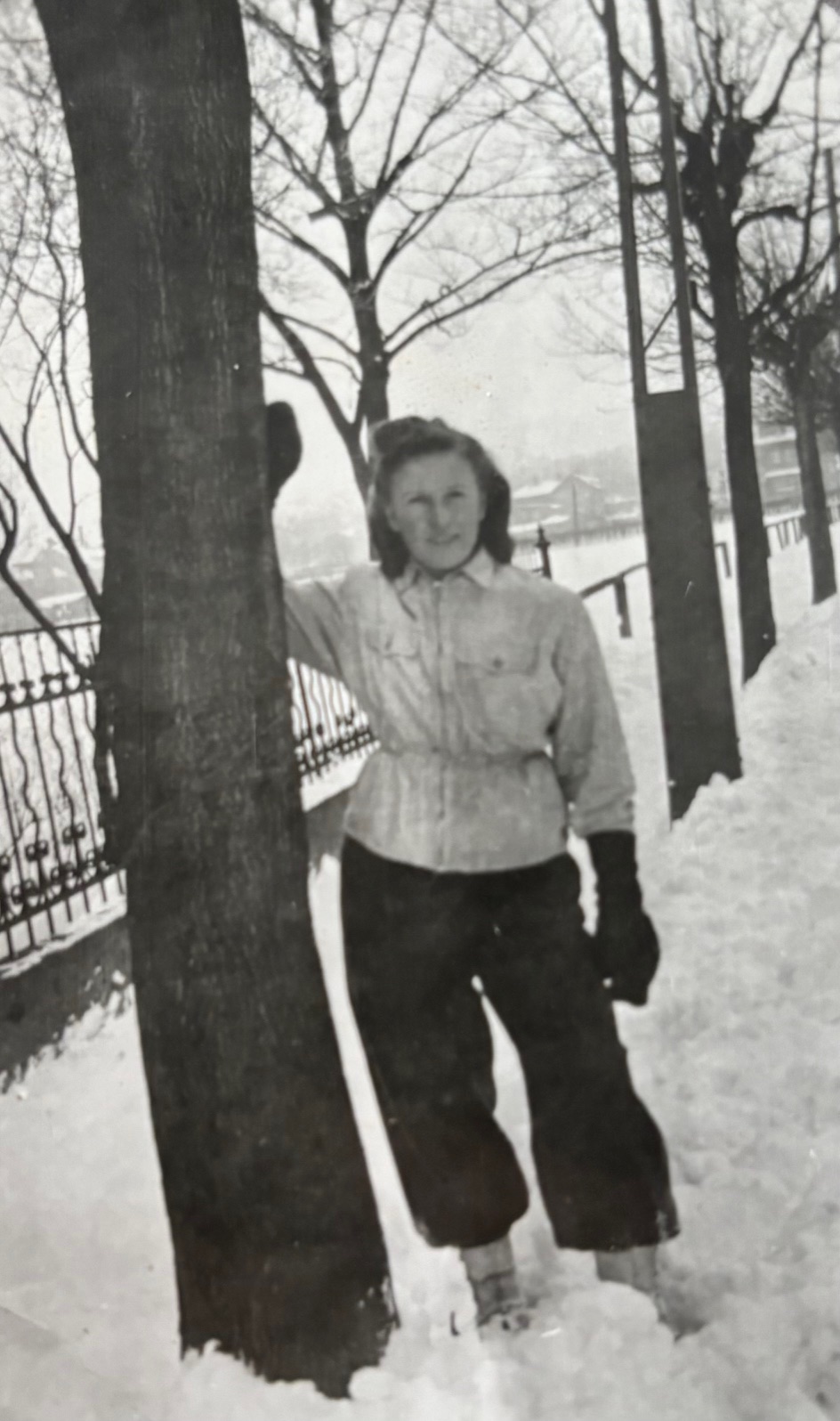
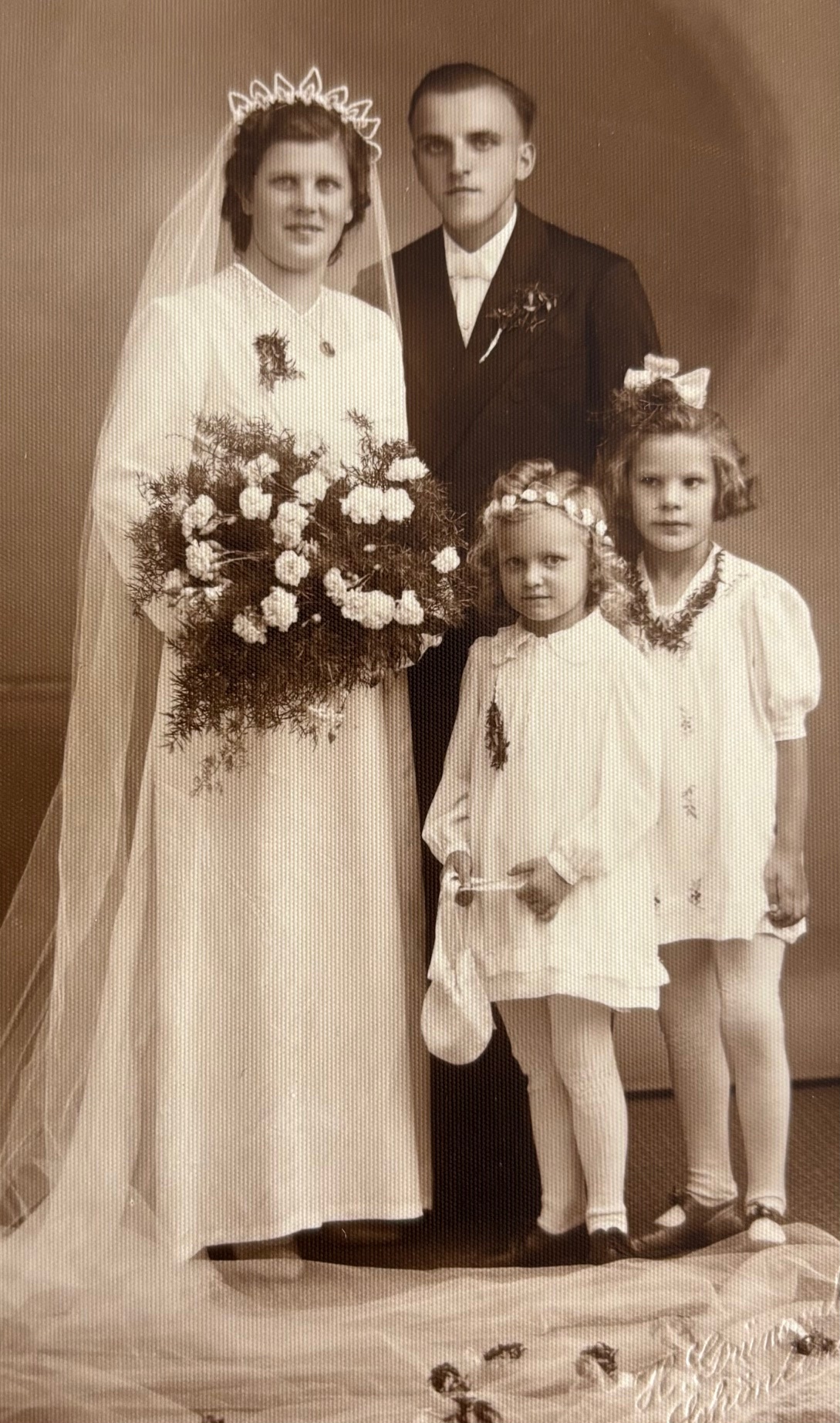
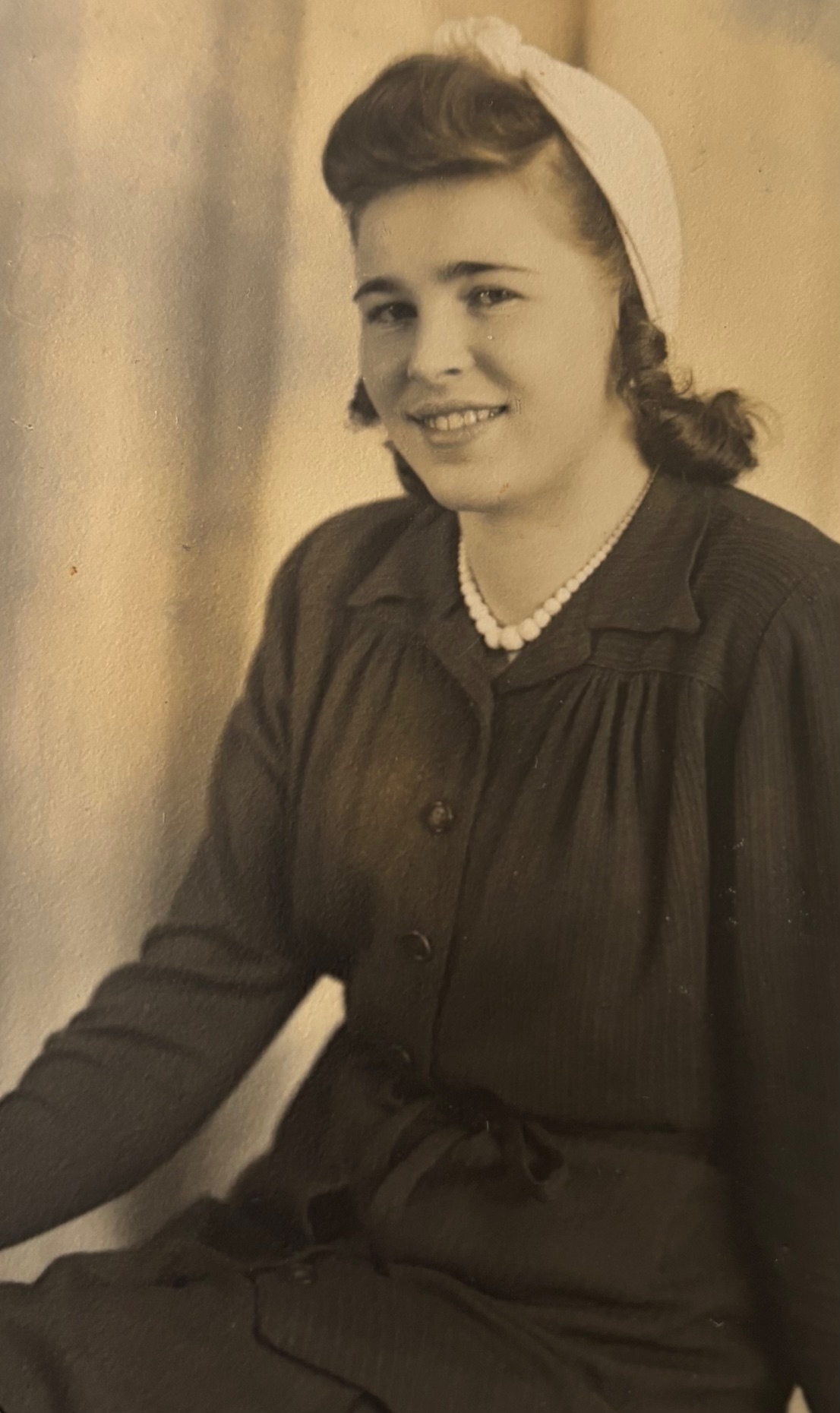
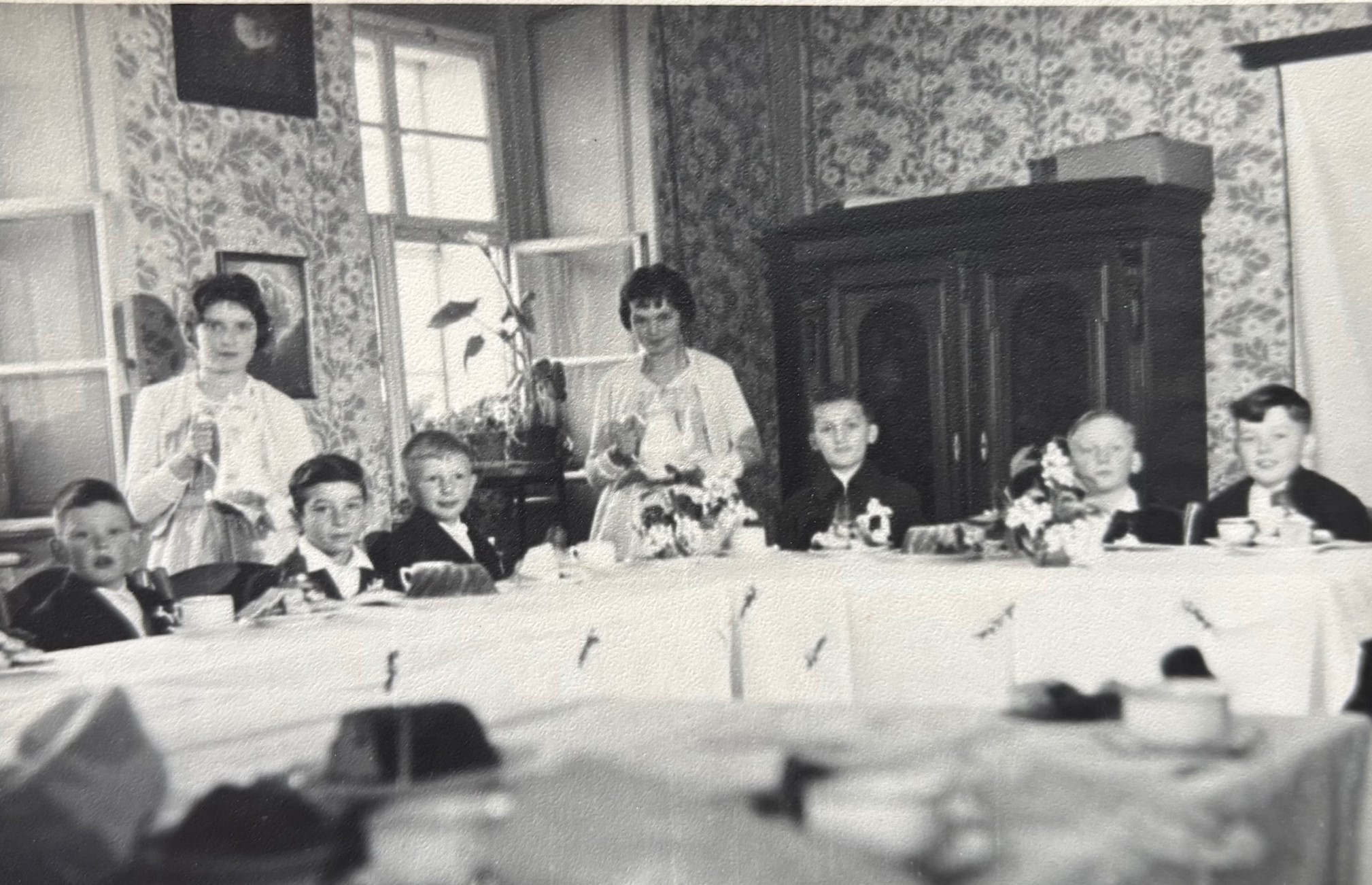
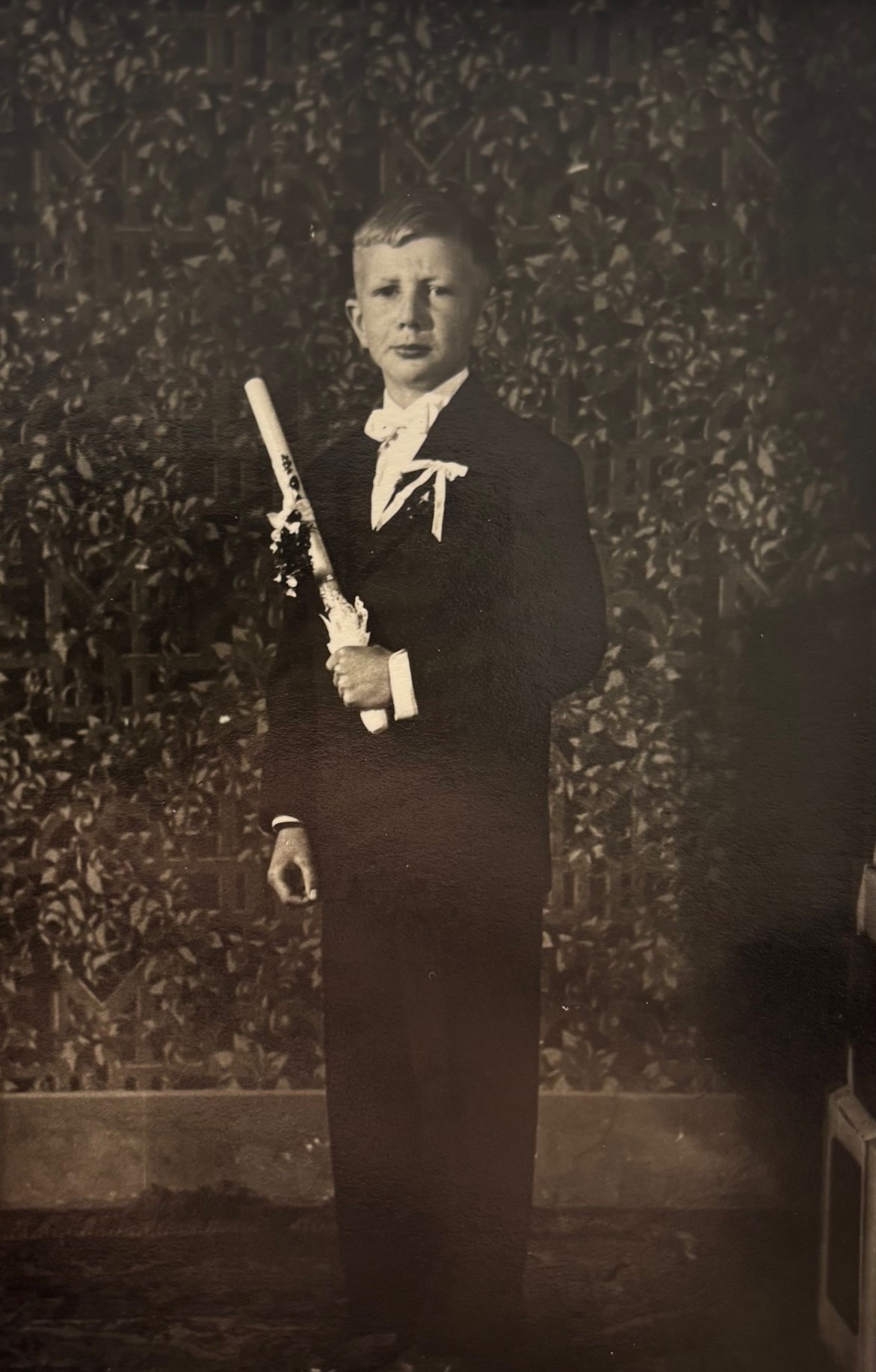
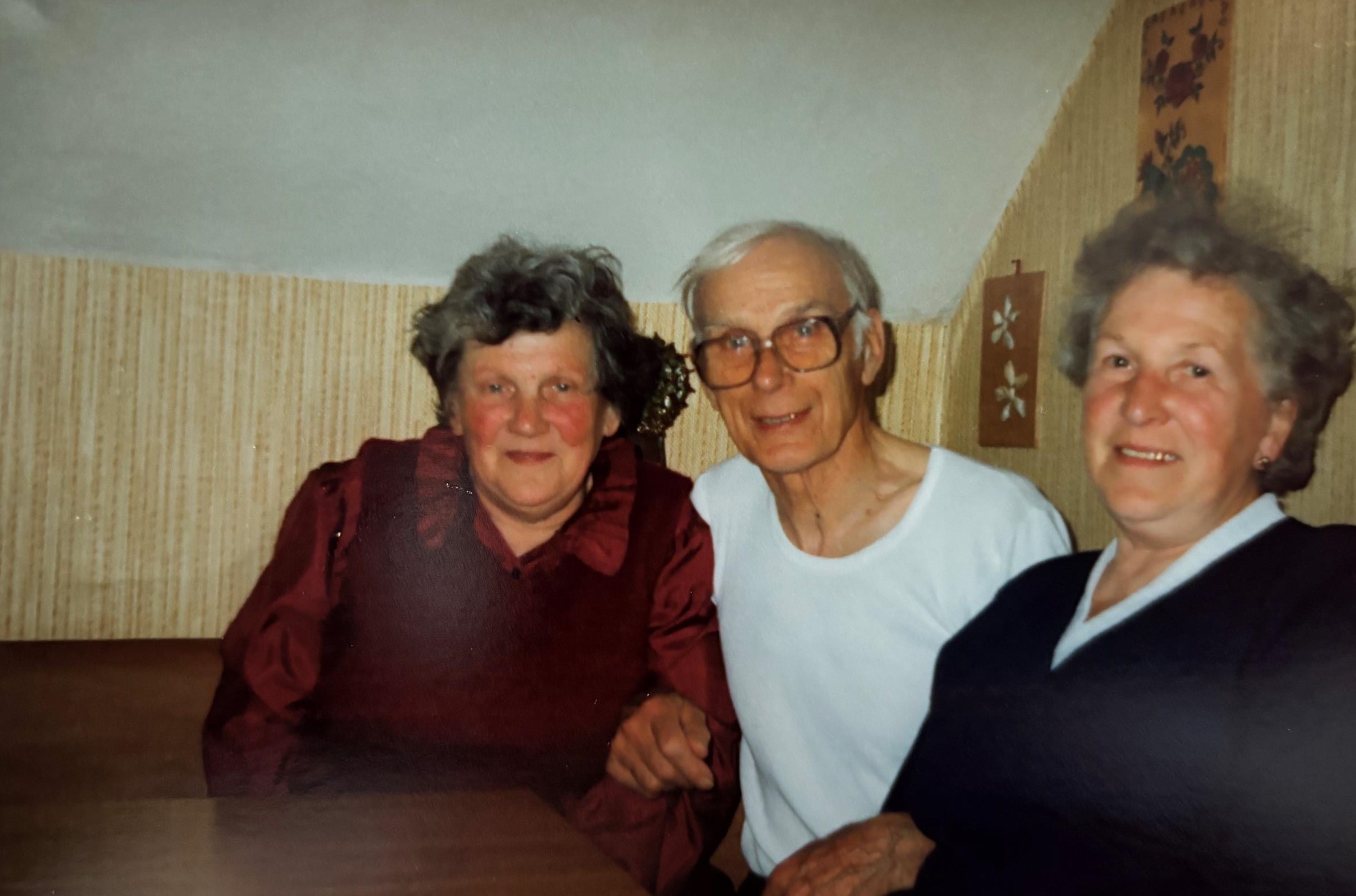
Marie Elfriede Kunze-Concewitz, or „Frídl“, was born on March 10, 1925 in Studánka near Varnsdorf into the German Eger family as the second oldest of four sisters. Her father Andreas worked in the dye house of a textile company in Varnsdorf and her mother Marie ruled the household with a firm hand. The family had a small farm and two goats, just enough to keep them from starving. She remembers her childhood fondly. She had to work hard, but there was time to play with the children from Studánka. She happily remembers the First Republic, when a relaxed atmosphere prevailed and there were often parties and various festivities in the area. As Catholics, they would go with their parents, sisters and relatives to various processions, for example to the Basilica in Filipov. However, their carefree childhood took a turn when the Second World War began. Marie Elfriede Kunze-Concewitz does not like to recall the war years and adds in explanation that she would not have wanted anyone to experience such a terrible time. Even the end of the war brought with it dramatic moments, when she hid with the girls from Studánka in her aunt‘s hayloft for several days for fear of the Soviet soldiers. Just after the war, the Germans, who had lived in the Czechoslovak border area for centuries, had to face enormous hatred. Her family members, except for her sister, were not expelled - her father was needed in the textile industry. In 1950, the witness married Siegfried Kunz-Concewitz, twenty years her senior, whom she remembers as a wonderful man and father, and went with him to Dolní Podluží. They raised a son, Lothar, who was born two years after their wedding. Marie Elfriede Kunze-Concewitz worked hard all her life in the working professions. She became a widow in 1972 and retired eight years later. In 2025, the witness was living in Dolní Podluží.
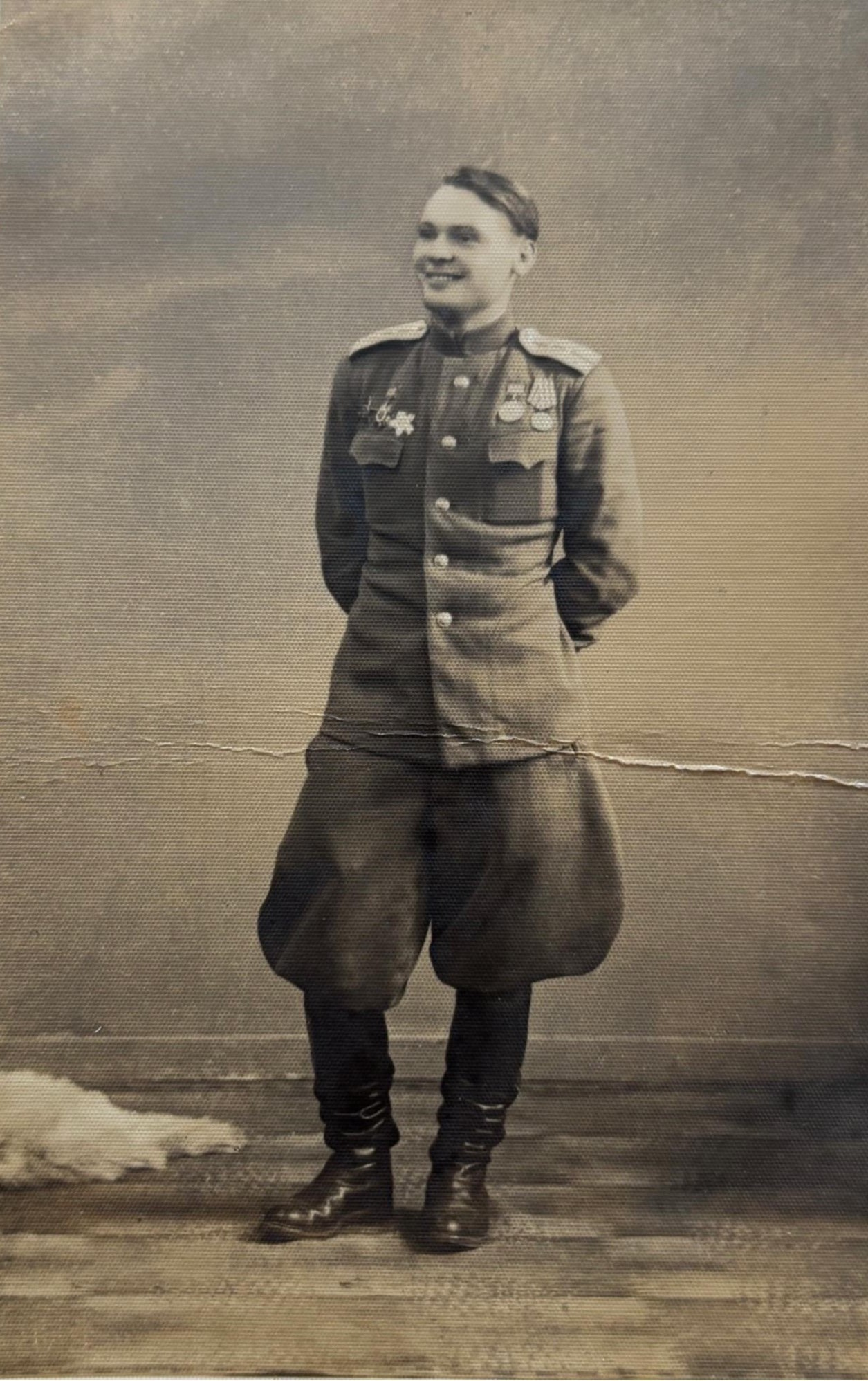
Soviet officer Karl Filaretow, who guaranteed the mother of the witness that nothing would happen to the girls and they could stop hiding in the hayfield from the liberating army. He was from Moscow and spoke German, 1945.
Soviet officer Karl Filaretow, who guaranteed the mother of the witness that nothing would happen to the girls and they could stop hiding in the hayfield from the liberating army. He was from Moscow and spoke German, 1945.
Hrdinové 20. století odcházejí. Nesmíme zapomenout. Dokumentujeme a vyprávíme jejich příběhy. Záleží vám na odkazu minulých generací, na občanských postojích, demokracii a vzdělávání? Pomozte nám!