Leonid Křížek

* 1947

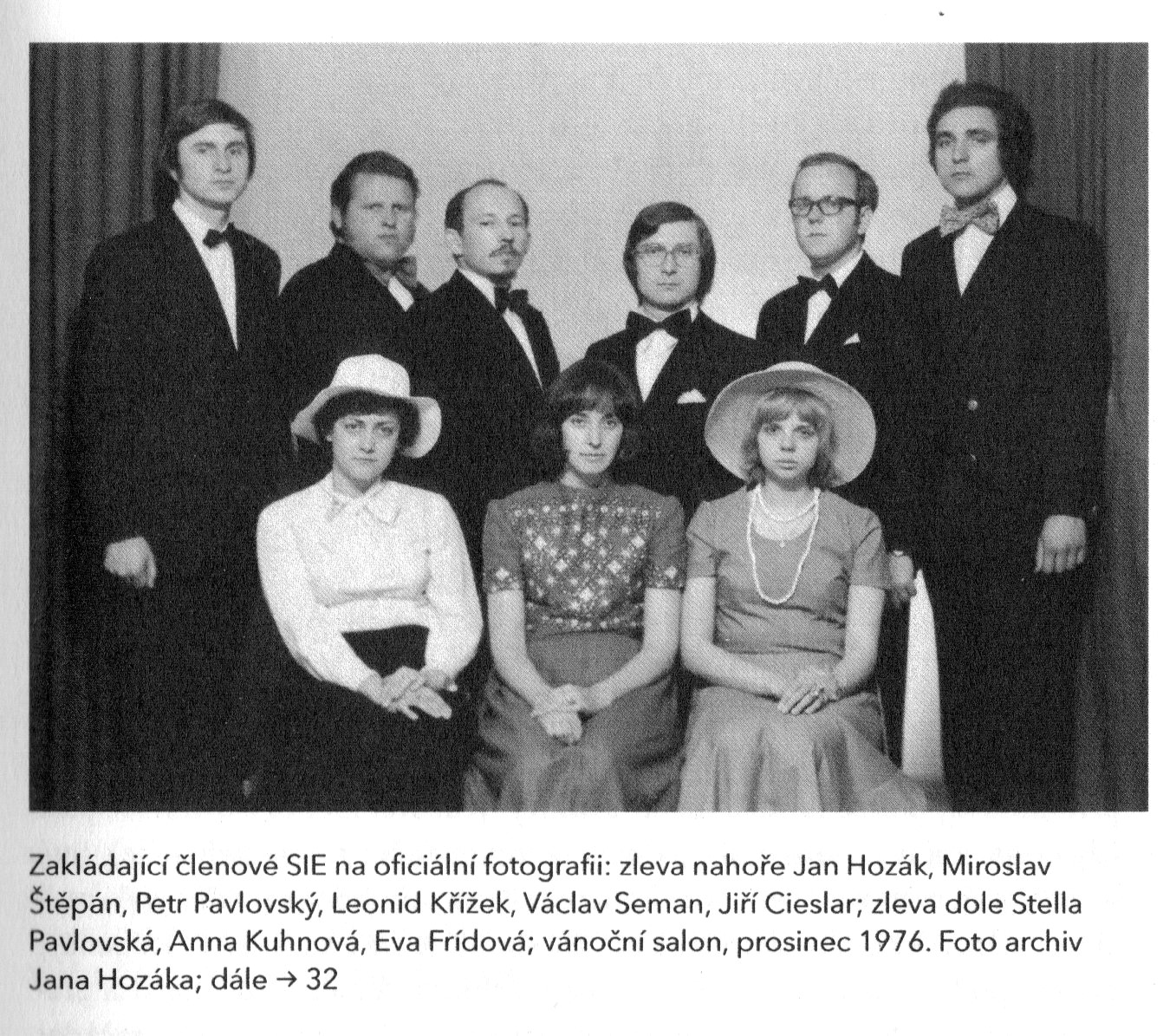
  • "So we reestablished the Societas incognitorum eruditorum in terris Austria as 'societas secunda' and we started to meet every second Friday, when we held so-called salons in the apartments of individual members, usually at the Pavlovský's or my place, and there was always a lecture on the agenda. We really established it officially in the sense that it was a bit like a game, that we went to Olomouc in 1976 and there, at the place where the Societas first - prima - was established, we established the Societas secunda, and we officially considered ourselves as the learned society. And every second Friday there was this salon, as we called it, with a lecture. Usually the original founding members, and then the guests, usually gave their theses there, that they just didn't have a subject right away. And then, as it became more profiled and as we each had differentiated interests, the lectures were conceived specifically for that society of unknown scholars, and on the basis of that, so that it wouldn't die out, we started a journal, a monthly journal, which we called Acta incognitorum. And the way it was done was that everybody wrote their paper in ten copies and then once a month that journal, that compendium of those papers, was bound, well, and those ten copies were distributed among the members, which was just about right, like there were about ten of us, or it could be lent out to vetted friends and acquaintances and peers and so on. Well, and we did that ten times a year, for ten months, and there was sort of a break during the holidays."

  • "And we said on the wiretap during the separation, why should we listen to the Americans when the Soviet Union invades us. So we protested quite spontaneously. And surprisingly the officers said, 'Well, okay, you're right, so we'll listen to the Warsaw Pact.' So we changed the frequency, we were listening to the Soviet troops, because most of us knew Russian, the Poles, or the guys from Silesia, said they knew Polish, the guys from the Sudetenland said they knew German, so they listened to the Germans, and the Gypsies - the patriots, so they listened to the Hungarians. So we had all those armies under control for about a fortnight before someone thought we were committing treason or something. So it was abolished, and the officers who ordered it or allowed it, they arrested some of them, threw the others out of the army, and told us, 'You were here doing resistance against the Warsaw Pact, you will go on exercises when you turn black.' Which they did, I was on military exercises about eight times. So don't forget comrades, and strike back, strike back mercilessly."

  • "This uncle of mine was a scoutmaster until 1949. So I got a lot of magazines from him - Junák, Český skaut, Forward, Mladý hlasatel and Rychlé šípy, so at the right age I came across this phenomenon, Rychlé šípy and scouting. And I kept asking my parents and uncles why Scout didn't exist anymore, so they weren't able to explain it to me, I made them nervous. So I got a whiff of that anti-communist ideology there, because by the end, in that year 1948 to 1949, you could already see in those magazines that something was happening, that it was all going to end, that they were making scams, that the organization was probably going to be abolished. So I got this impression of the situation that those parents never wanted to talk about. Either because they were afraid or because they thought I was too young. So one day at home, during some discussion, I said that the communists had abolished scouting and that they were putting people in dungeons and that they were bastards, and my parents were absolutely horrified as to where a ten-year-old kid was getting that from, so they just begged me not to say it at school. I survived that time unscathed."

  • Celé nahrávky
  • 1

    Praha, 03.07.2025

    (audio)
    délka: 01:51:22
    nahrávka pořízena v rámci projektu Stories of the 20th Century TV
Celé nahrávky jsou k dispozici pouze pro přihlášené uživatele.

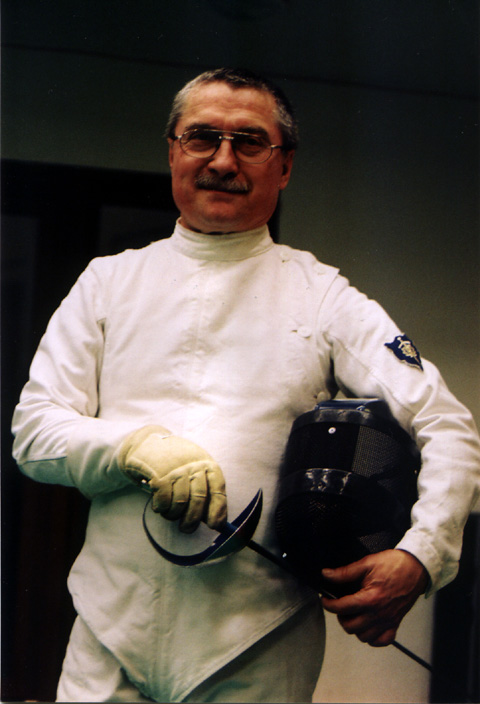
Fencing, it‘s a technique, you have to fence with your head

Leonid Křížek (1965)
zdroj: Archive of the witness

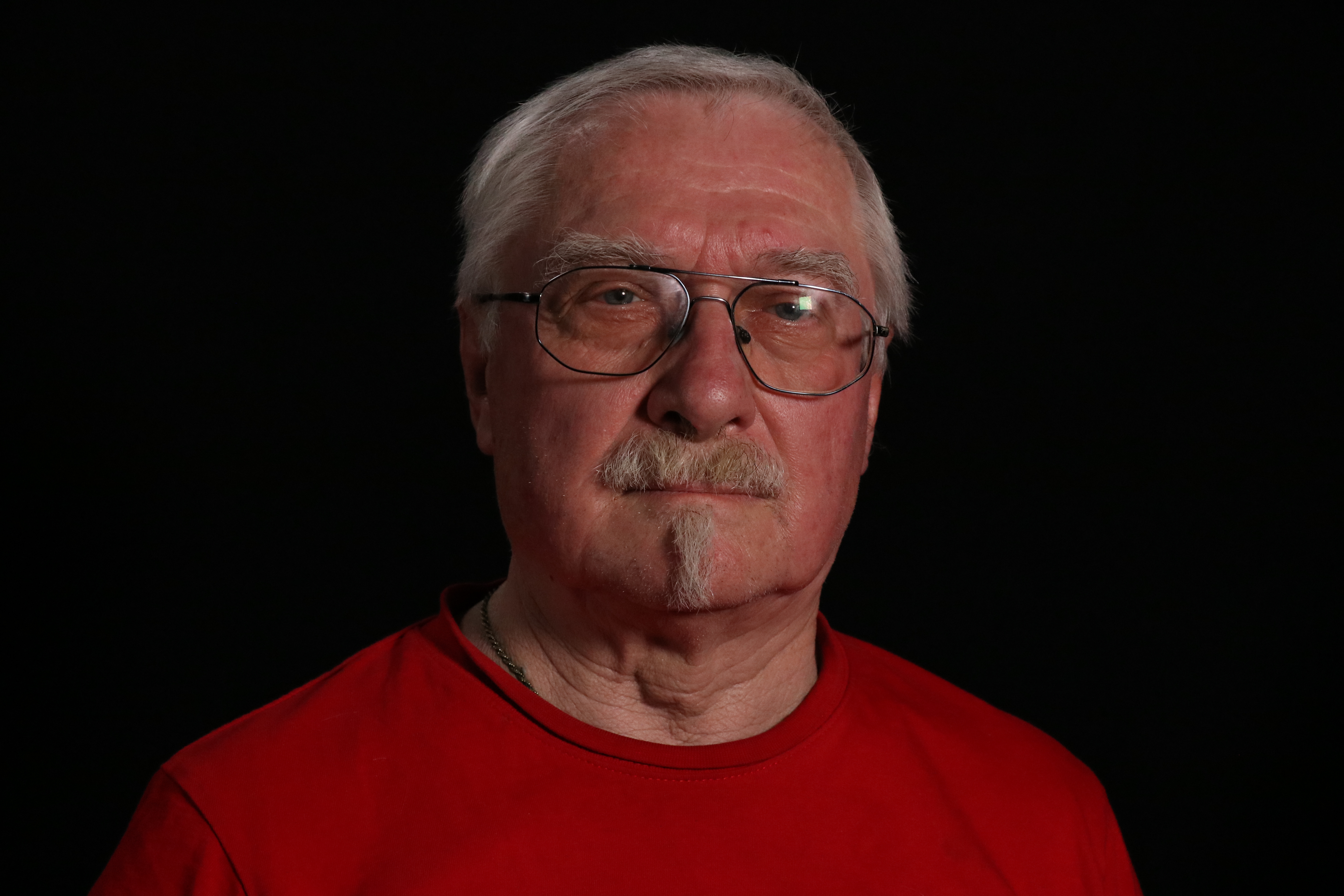
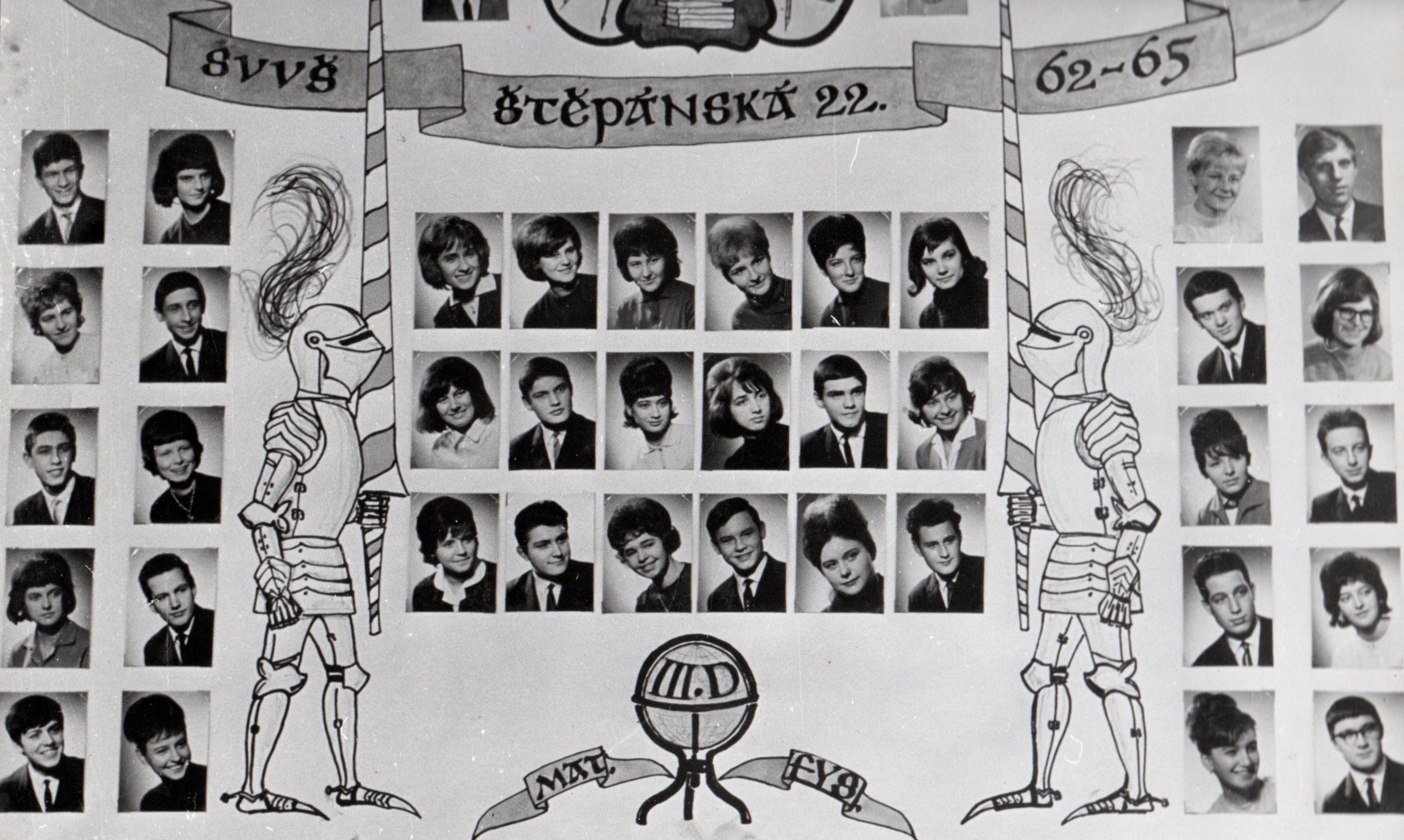
Leonid Křížek was born on August 18, 1947 in Prague and comes from a family marked by the Russian Bolshevik Revolution. From his youth he was interested in history and the world around him. At the age of thirteen he joined a fencing club and the sport became his lifelong passion. After graduating from the grammar school in Štěpánská, he trained as a typesetter, which opened the way for his later work in printing and publishing. His interest in history and militaria was manifested in 1965 when he founded the Military History Club. After his military service, he worked as a typesetter, first at the Peace 06 printing plant and later at the Digiset photo typesetting technology centre. During the normalisation period he was a founding member of the independent group Societas incognitorum eruditorum II, which sought a free exchange of ideas in an unfree society. From 1977 he worked professionally as a technical editor at the Orbis Press Agency, where he became involved in the activities of the Civic Forum in 1989. After the Velvet Revolution he worked as a private publisher, translator and publicist. In 2020, he received a certificate from the Ministry of Defence for his participation in the resistance to totalitarianism. In 2025 he lived and worked in Prague.