Jiří Junek

* 1933

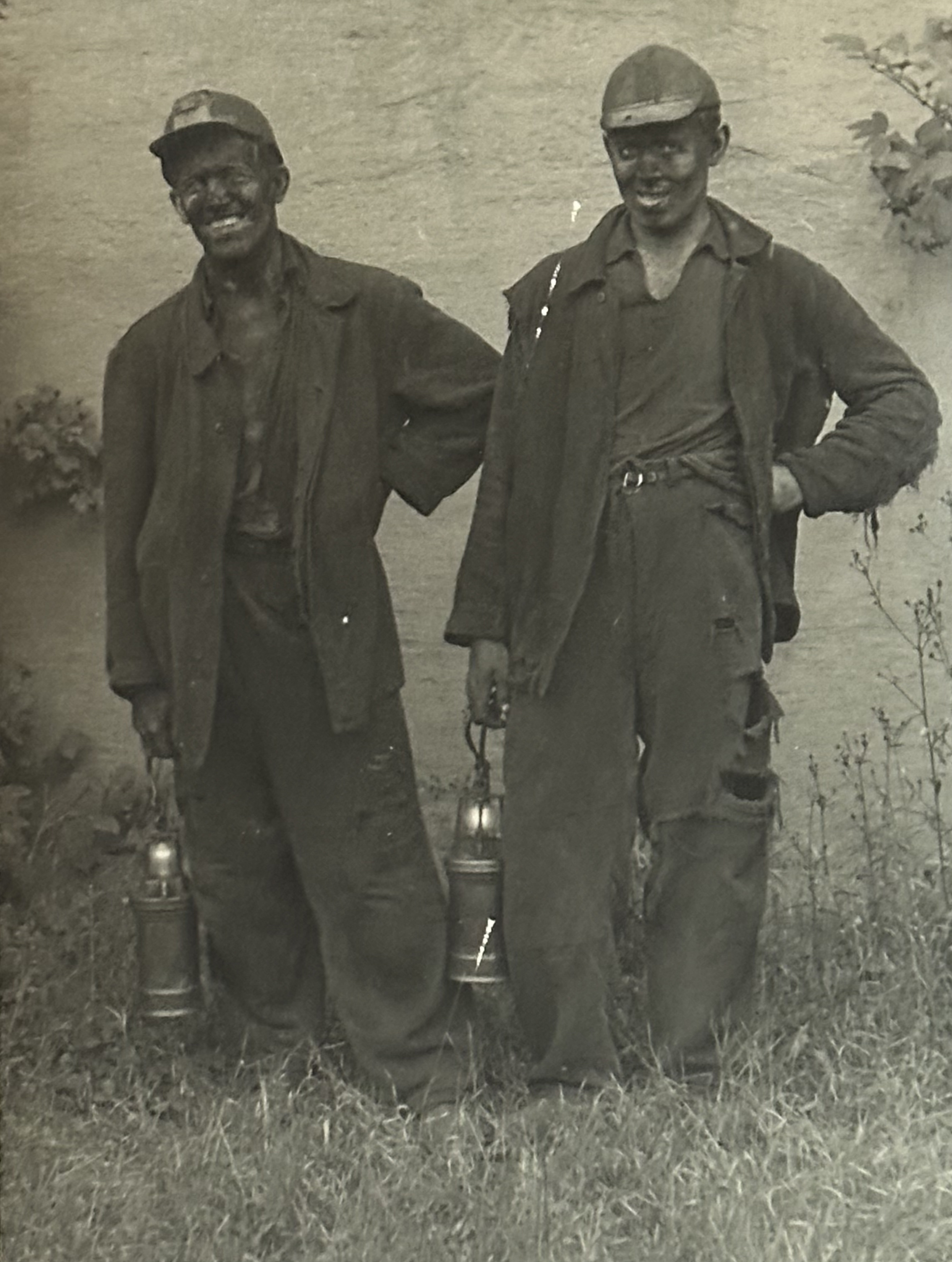
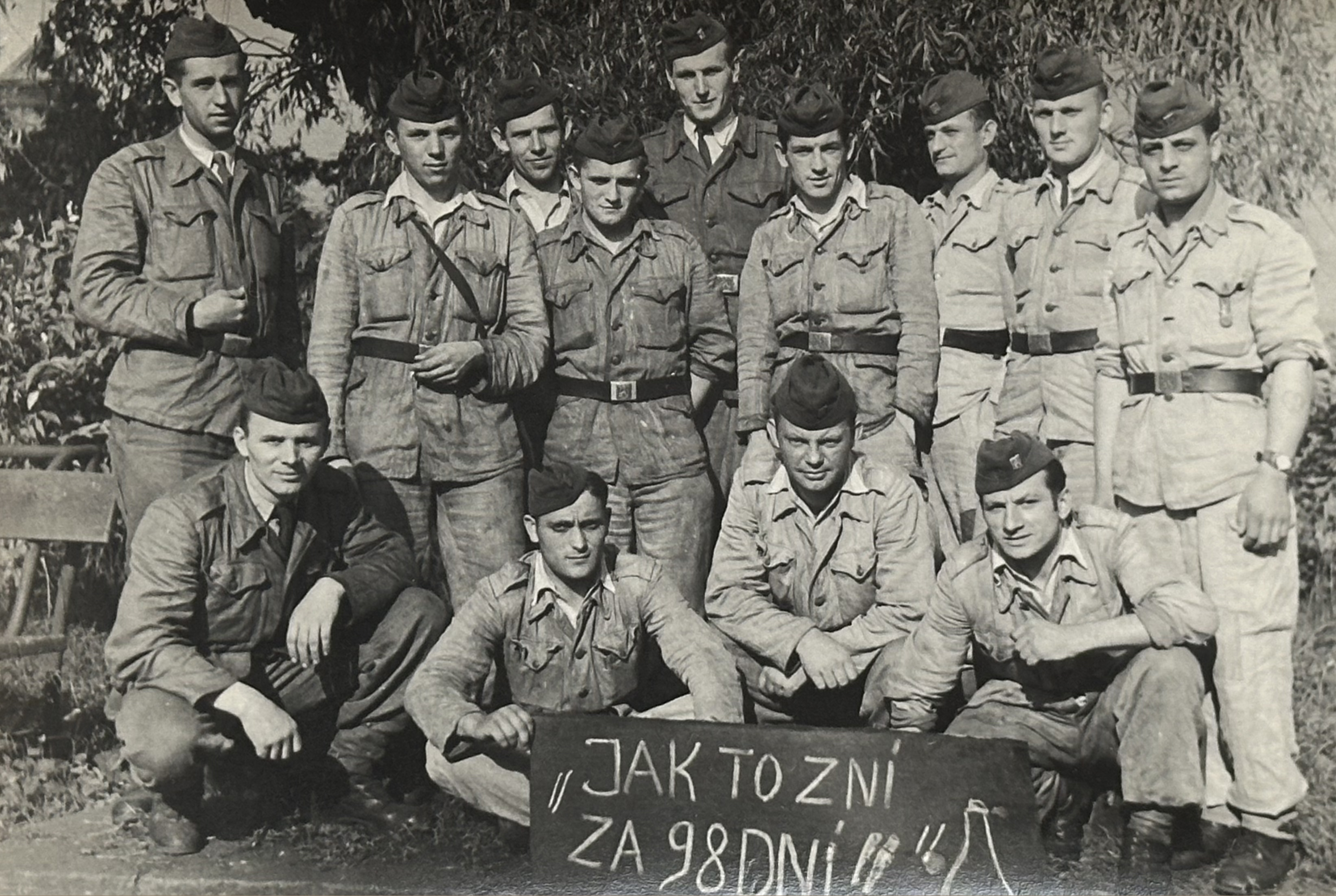
  • "The hardest were probably the low seams, where you had to be on your knees. We had knee protection, but thje coal got under them anyway, the coal grit. Well, we had bloody knees and the salt water was seeping in everywhere. Above us, it was called the sea eye - that was when the Earth was formed in the Paleozoic times, so there was this bubble of sea water packed in - it was salty, it smelled fishy and it leaked, it ran down. And as it was salty and our knees were all chapped, it brought tears to our eyes, how it burned. Those were the low seams, I hated that."

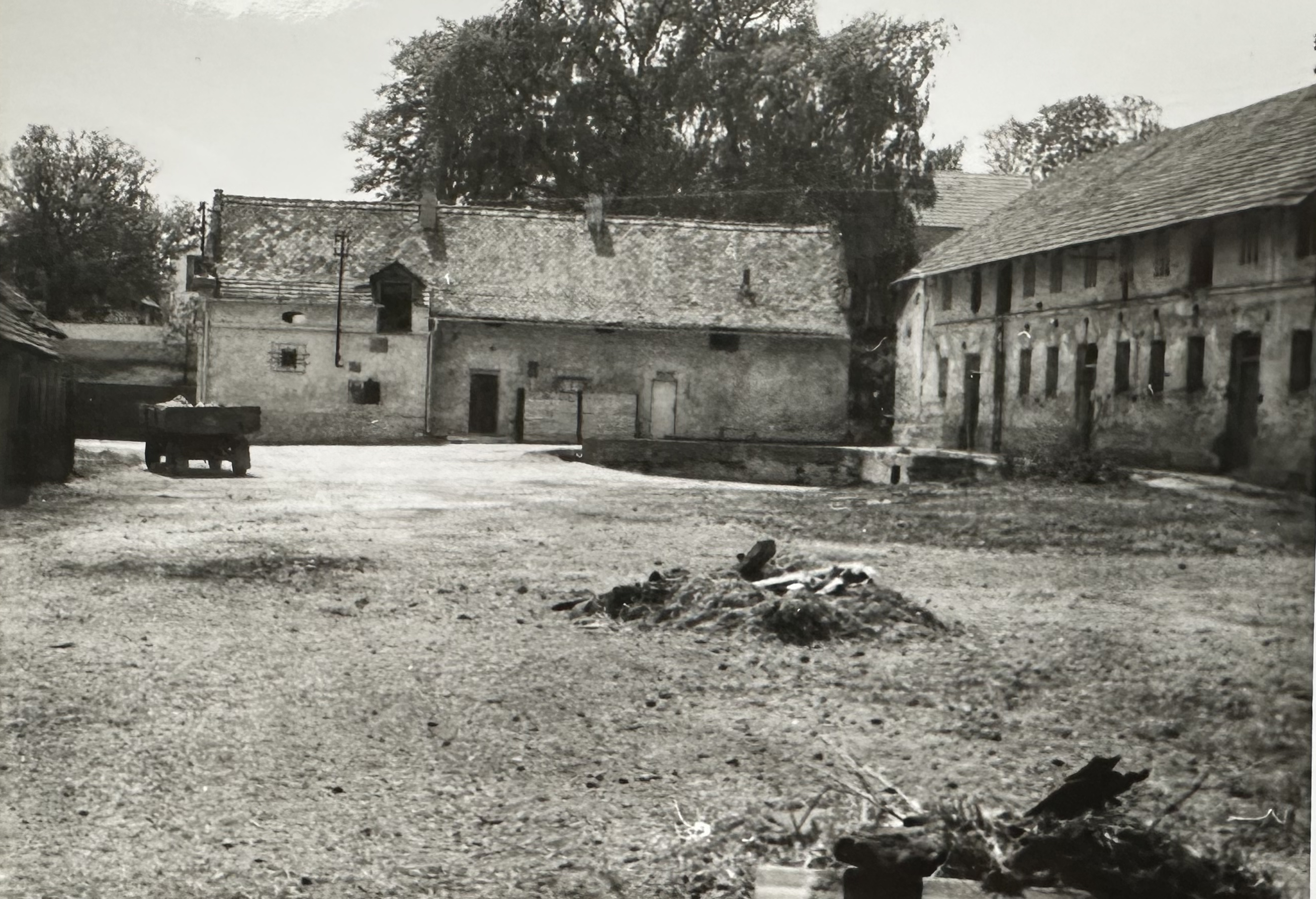
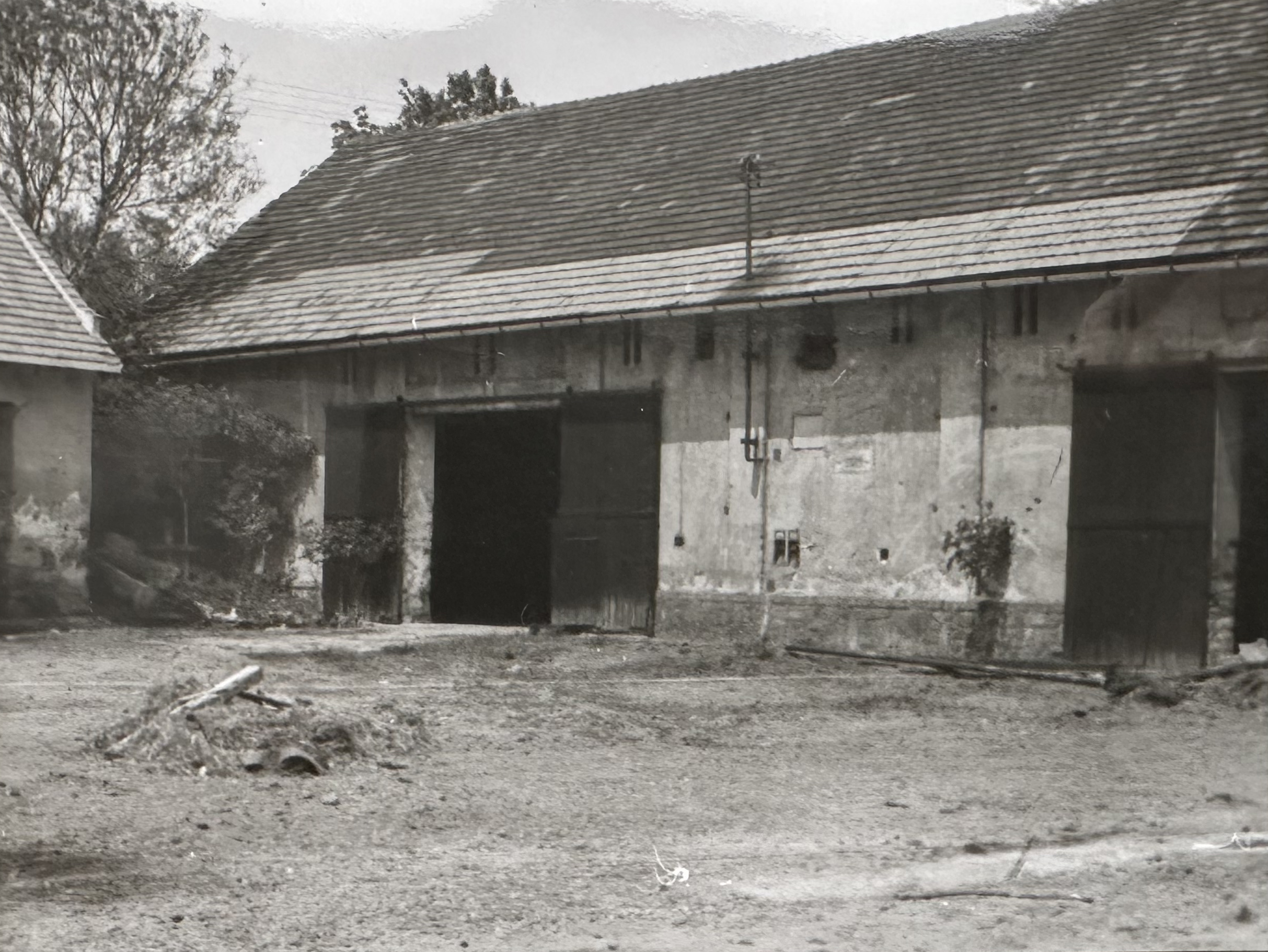
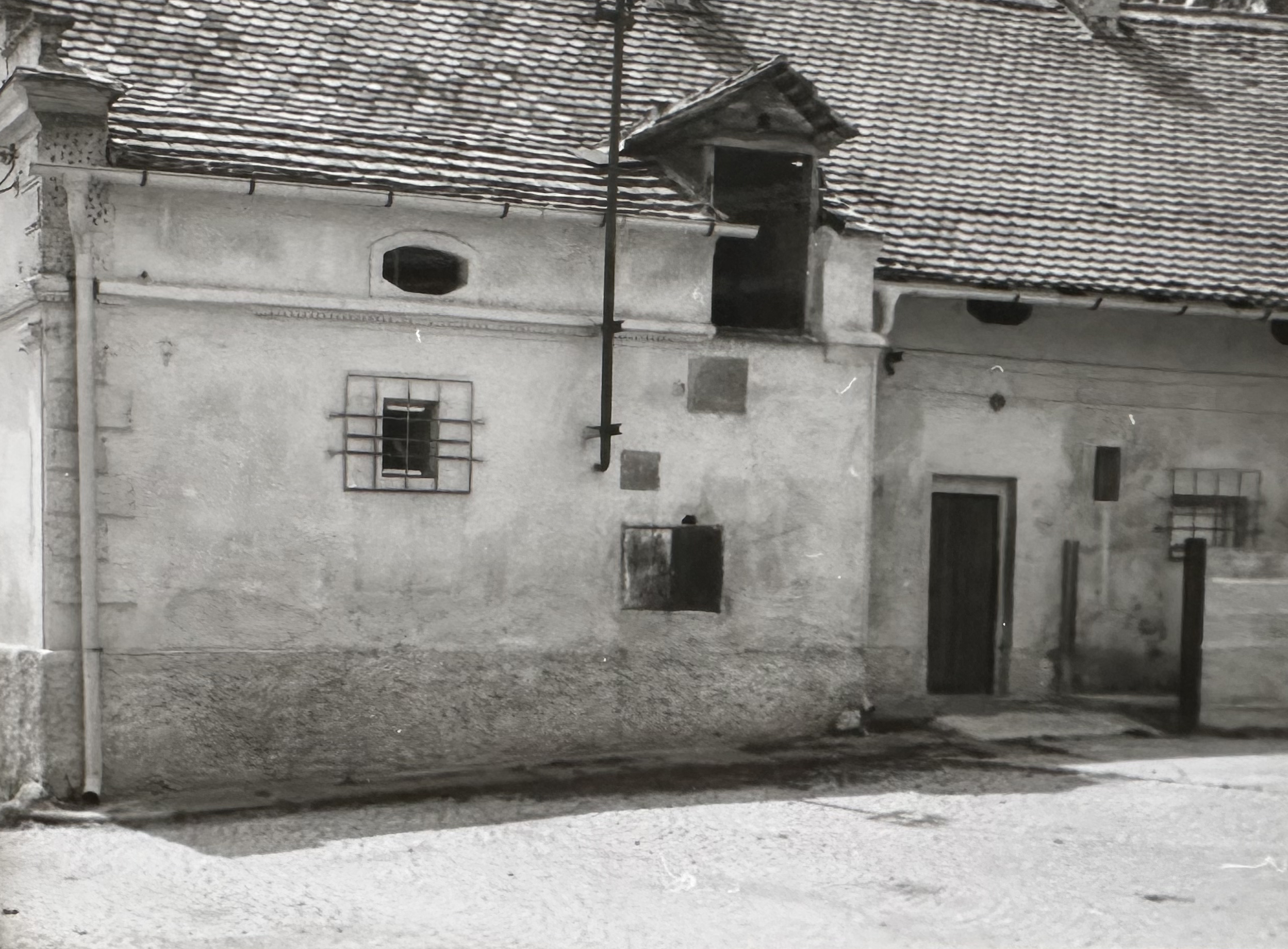
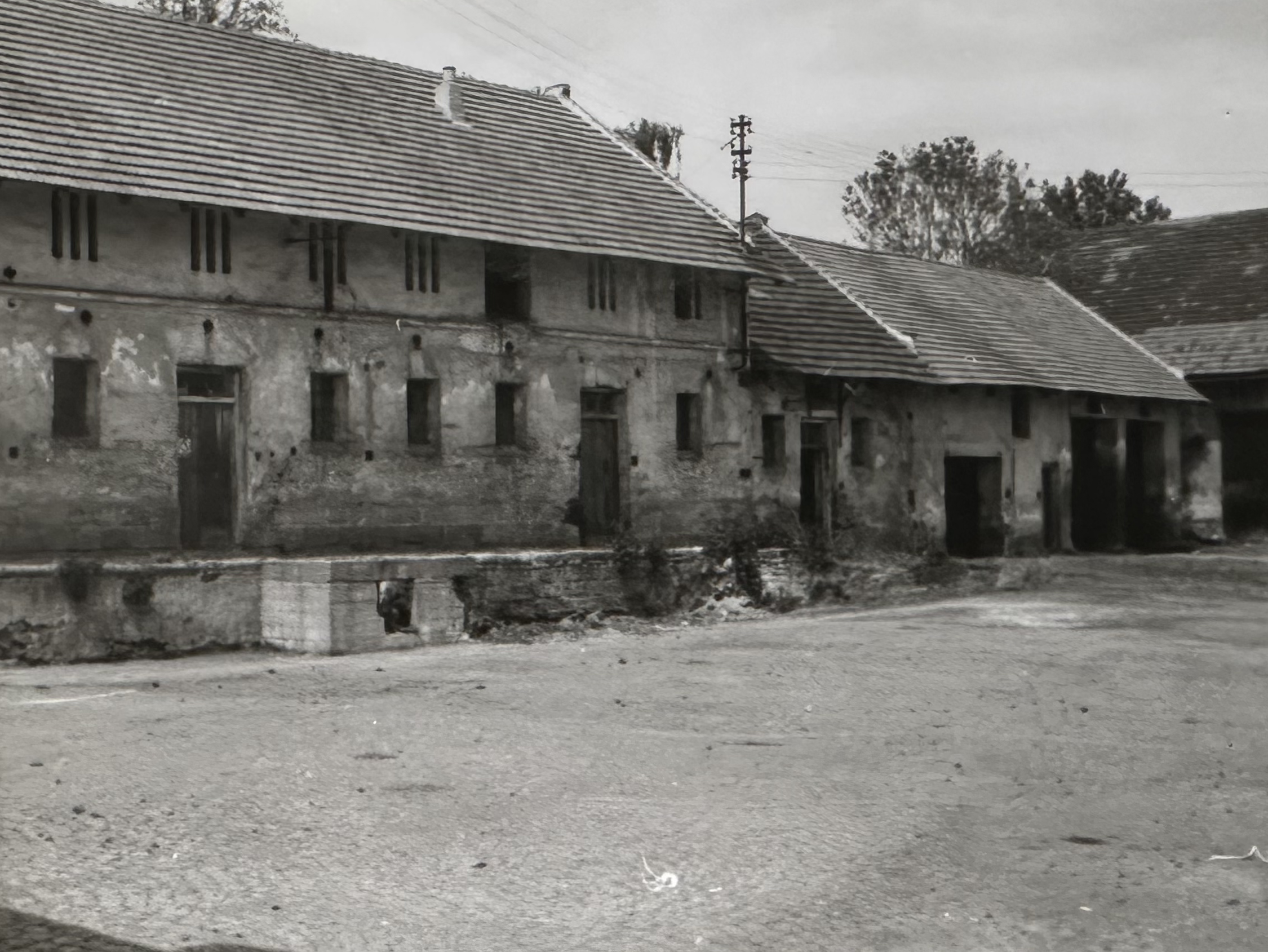
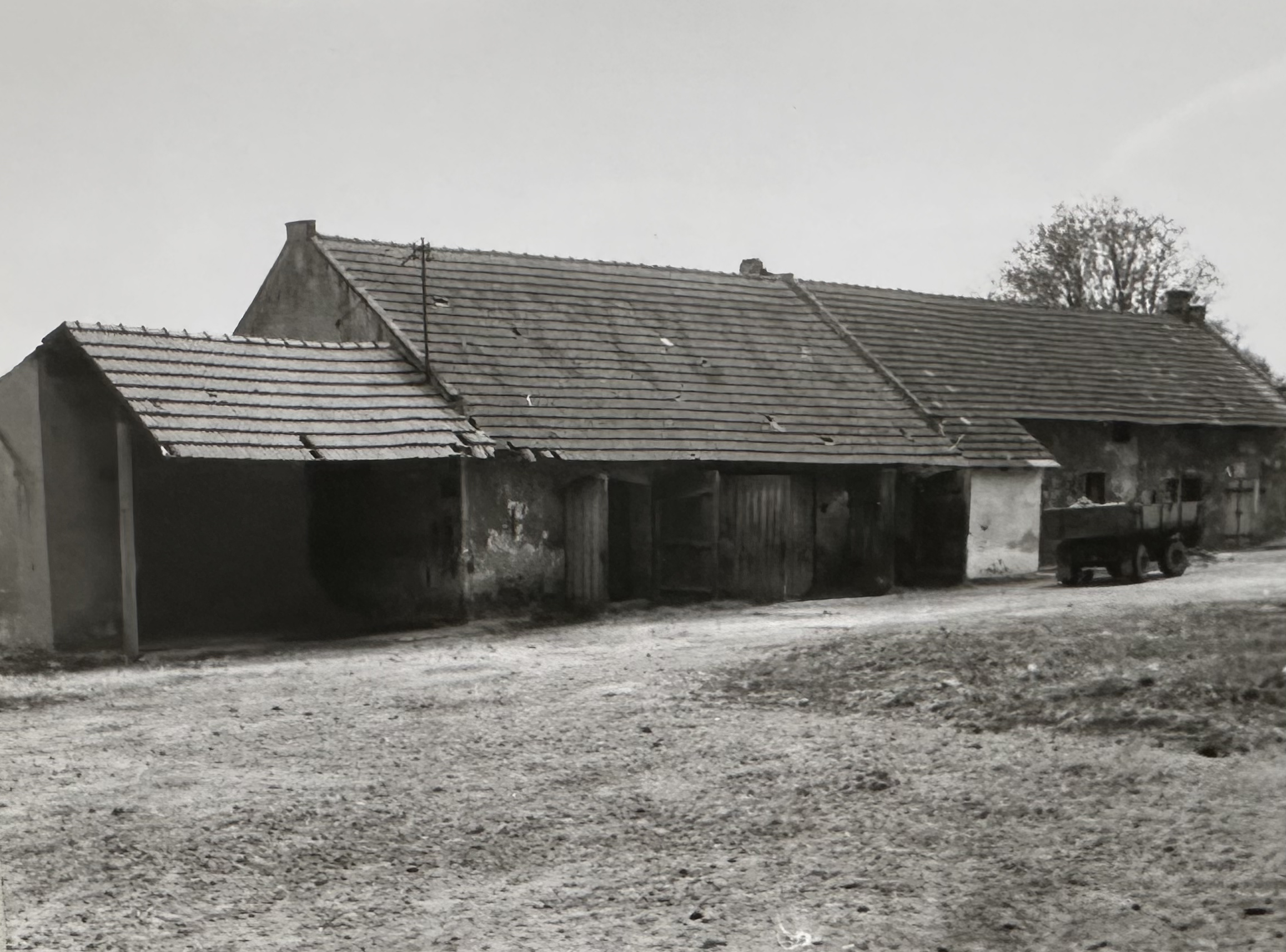
  • "My father went to Prague to do some things and never came back, [or rather] he only already returned with policemen and they just brought him so that he could take his things to prison. So, my father was arrested." - "But for what?" - "Well, nobody knew - and it was simply [to] form the cooperative farm. They summoned a meeting that very evening and they thought it was big enough, like [enough] of a deterrent, but the cooperative farem wasn´t founded anyway. The next day, when [the farm] didn't form, they made a kind of a trick on those citizens, you could say, because people came from somewhere in the district, wrote everything down and handed [our farm] over to the local national committee to take care of it with the care of a proper farmer. Well, the national committee was the municipality. And [the people from the village] were trapped because they would have to take care of it the same way they did under the forced labour or [similarly], so they formed the cooperative farm, that is, the next day."

  • "Prague was calling for help, so we'll go again. There was milk everywhere, plenty of it, but no cans. And someone found out that there were enough cans in Mochov, but how to bring them when Mochov was surrounded by Germans? And someone said I could drive there with dogs. Maybe he didn't mean it, but I caught on to it because I had dogs as sled dogs, which was common in those days during the war. Cars didn't go, horses were requisitioned. And I had our two big dogs harnessed up, too. And so, at the time, somebody thought I could drive up there and get the cans. And I got a little 'wild' and I drove over here. And there were barricades, there were barricades in front of all the villages around Prague. And when I went to Mochov, there were a lot of Germans sitting on those barricades with machine guns, set up and ready to level Mochov. And when they saw a boy with a dog, they let me go through. Well, I loaded the cans on the village square in front of the collection point, and when I went back they stopped me. They opened the cans, looked in them to see if there was anything. When there was nothing in there, they let me go. With some more joking or... they had fun or something. So I was driving, and until I got over the hill so I couldn't see, I kept waiting to see if they were gonna shoot at me. I brought the cans, so it was a great glory. There were canisters, but then I got hit by my mother and wasn't allowed out at all."

  • Celé nahrávky
  • 1

    Brandýs nad Labem, 08.01.2026

    (audio)
    délka: 05:19:41
    nahrávka pořízena v rámci projektu Stories of 20th Century
Celé nahrávky jsou k dispozici pouze pro přihlášené uživatele.

Salt stung the open wounds so much that it brought tears to our eyes
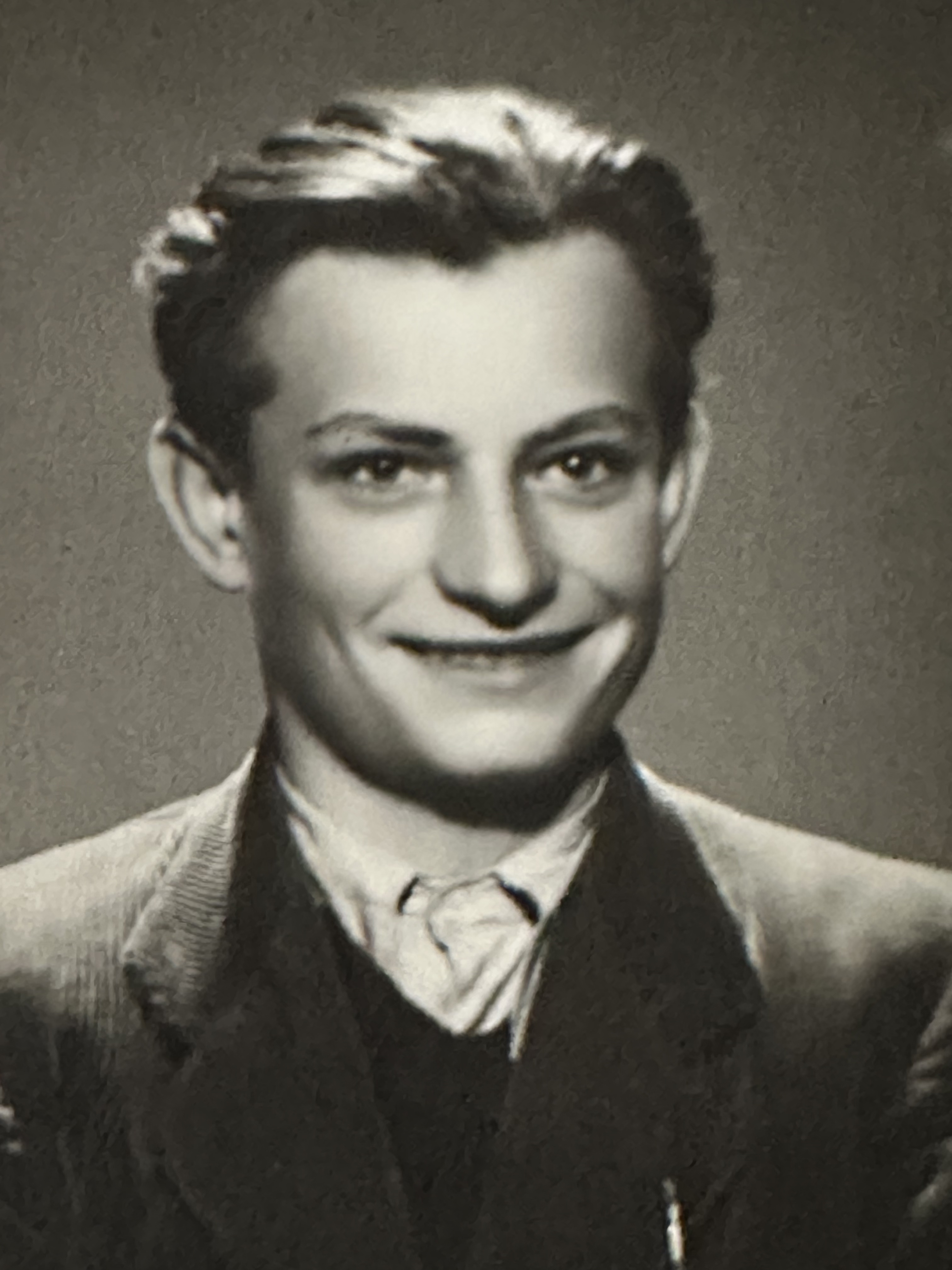
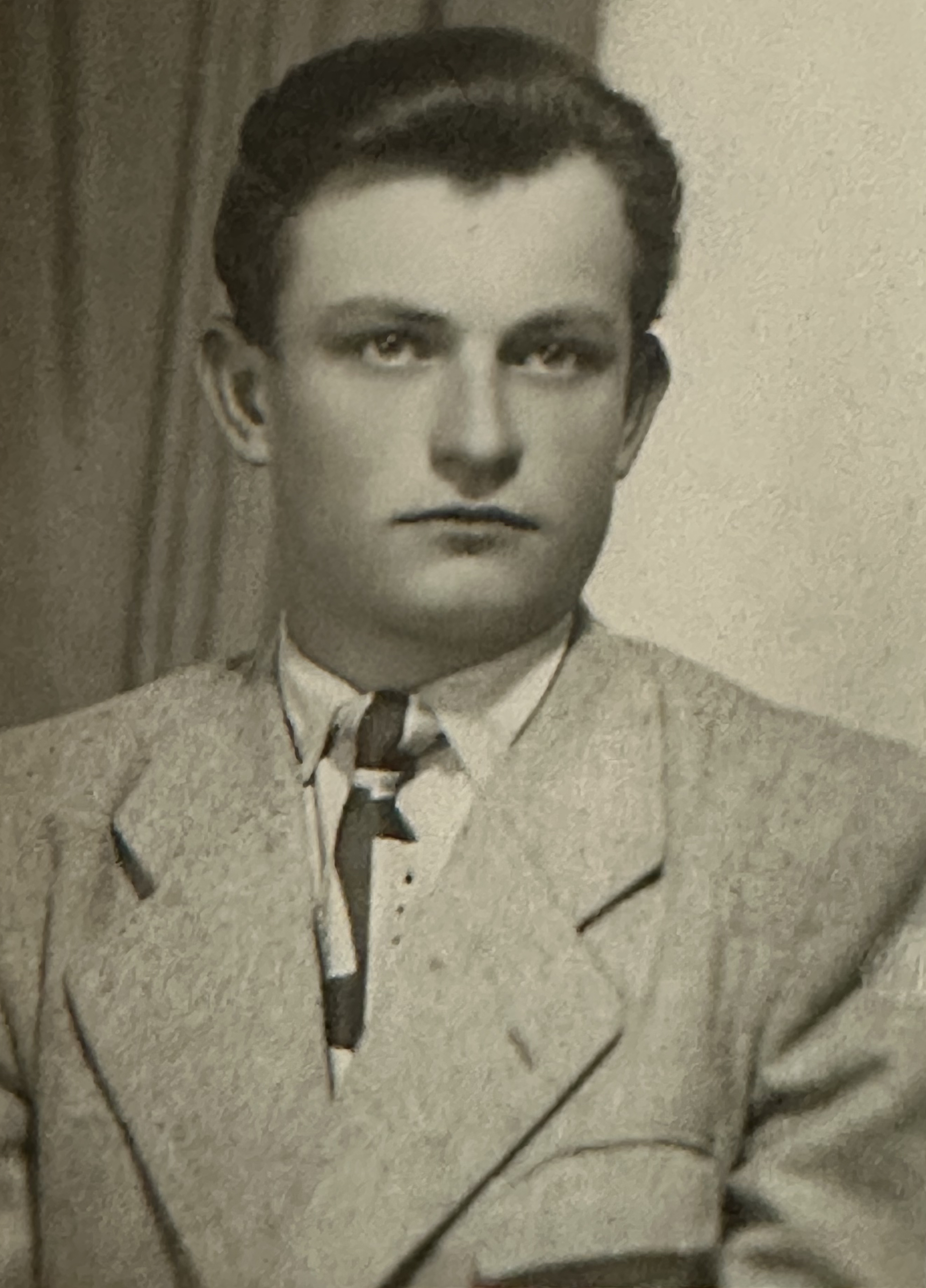
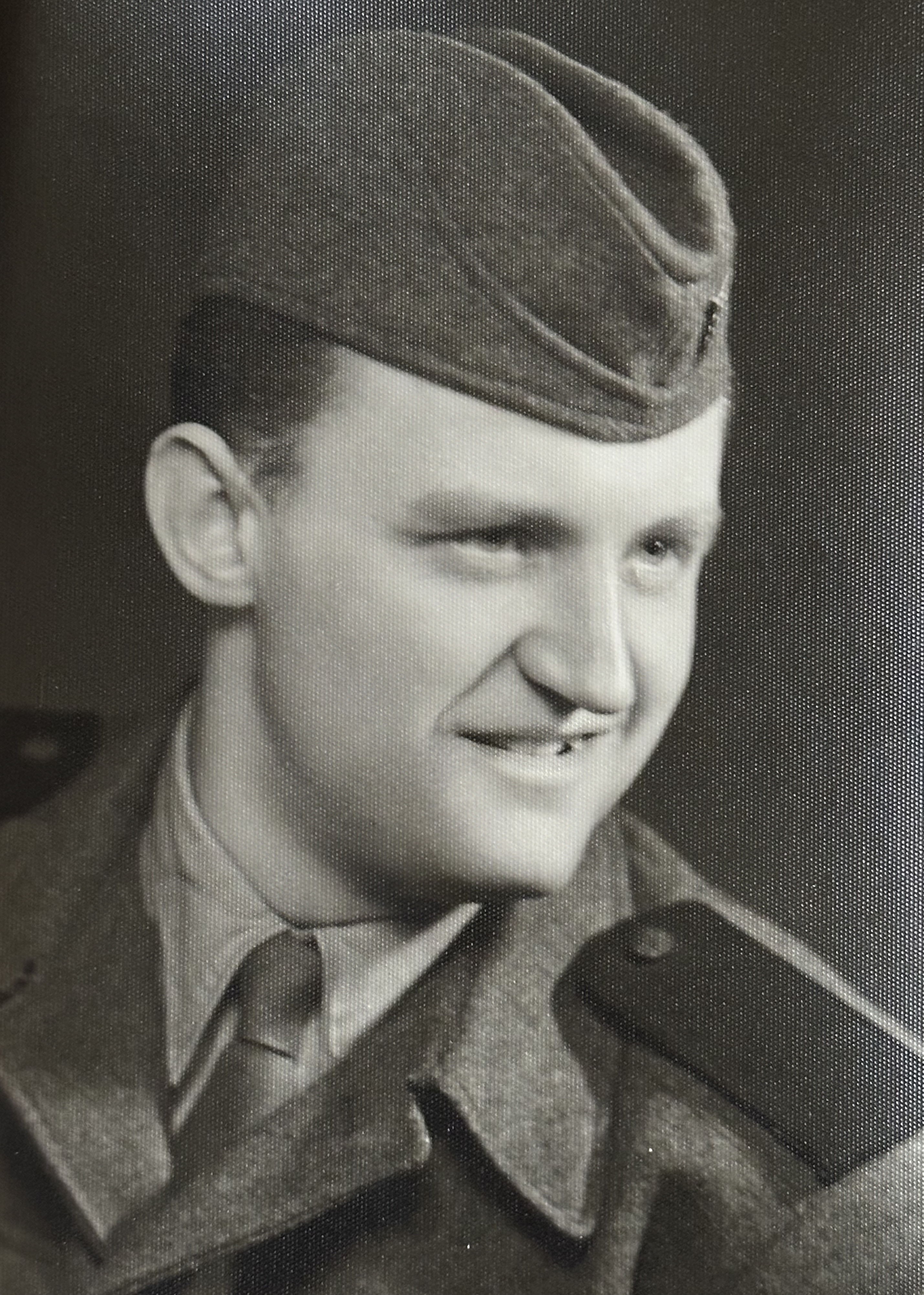
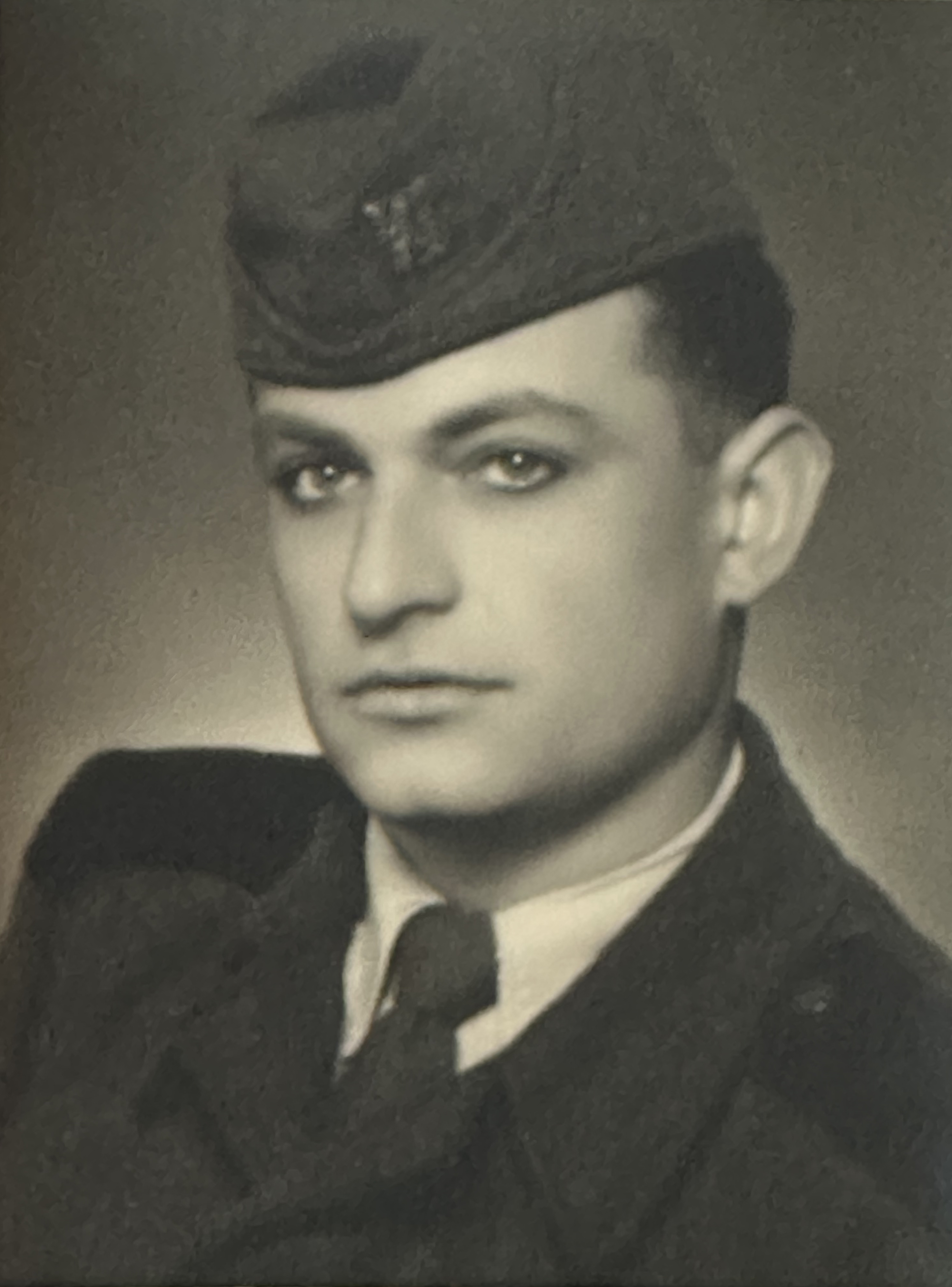
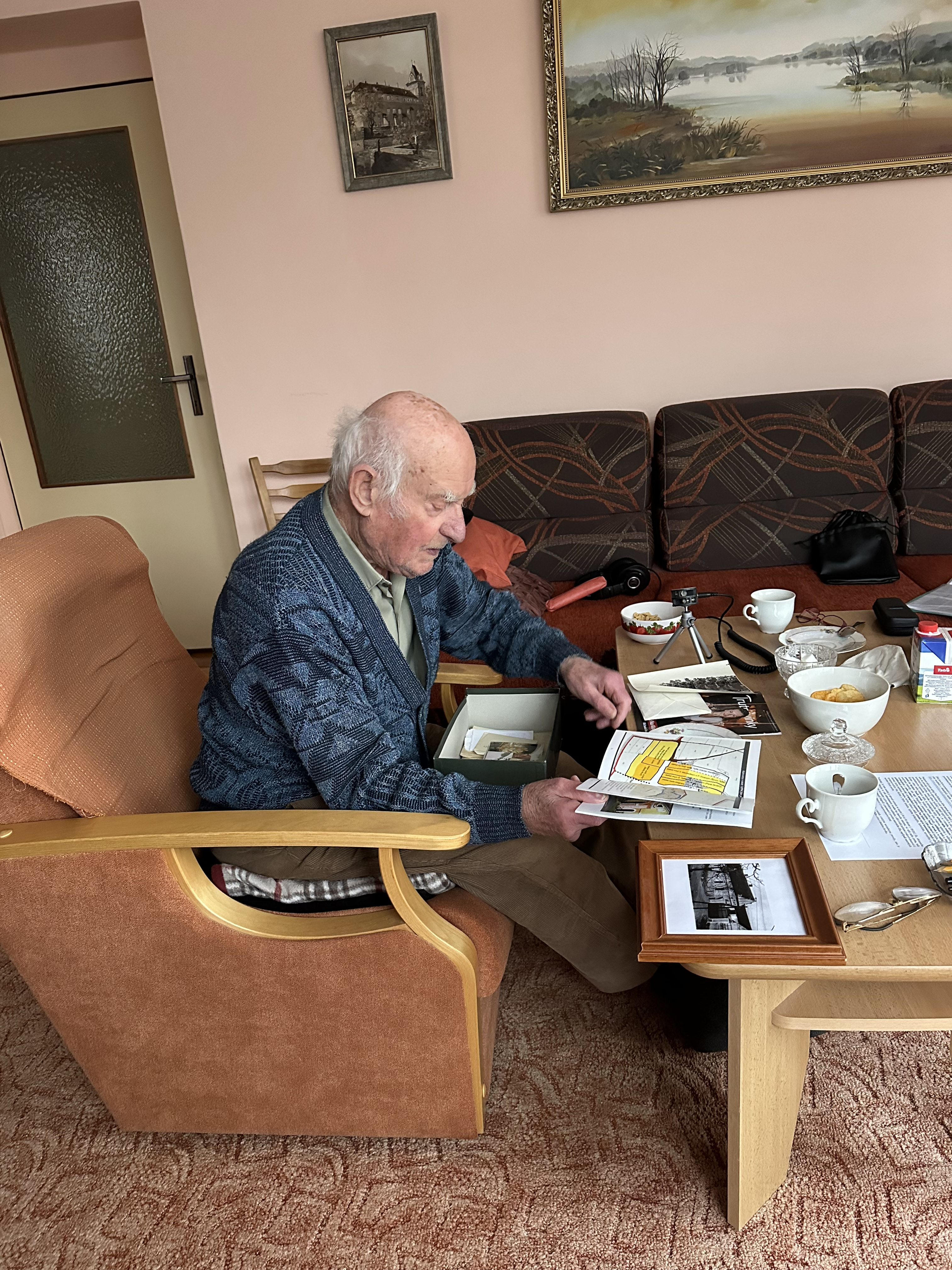
Jiří Junek, circa 1948
zdroj: witness´s archive

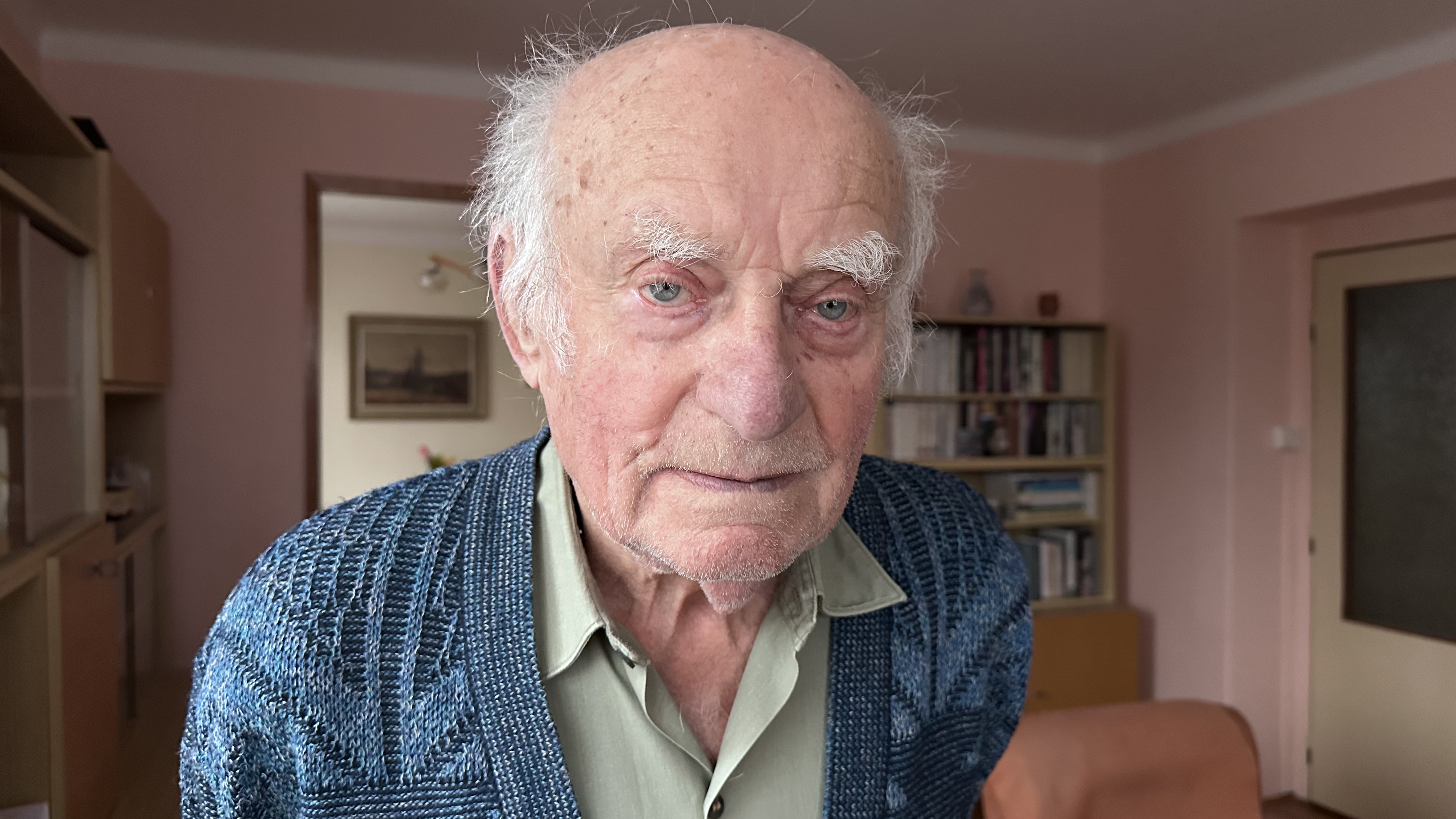
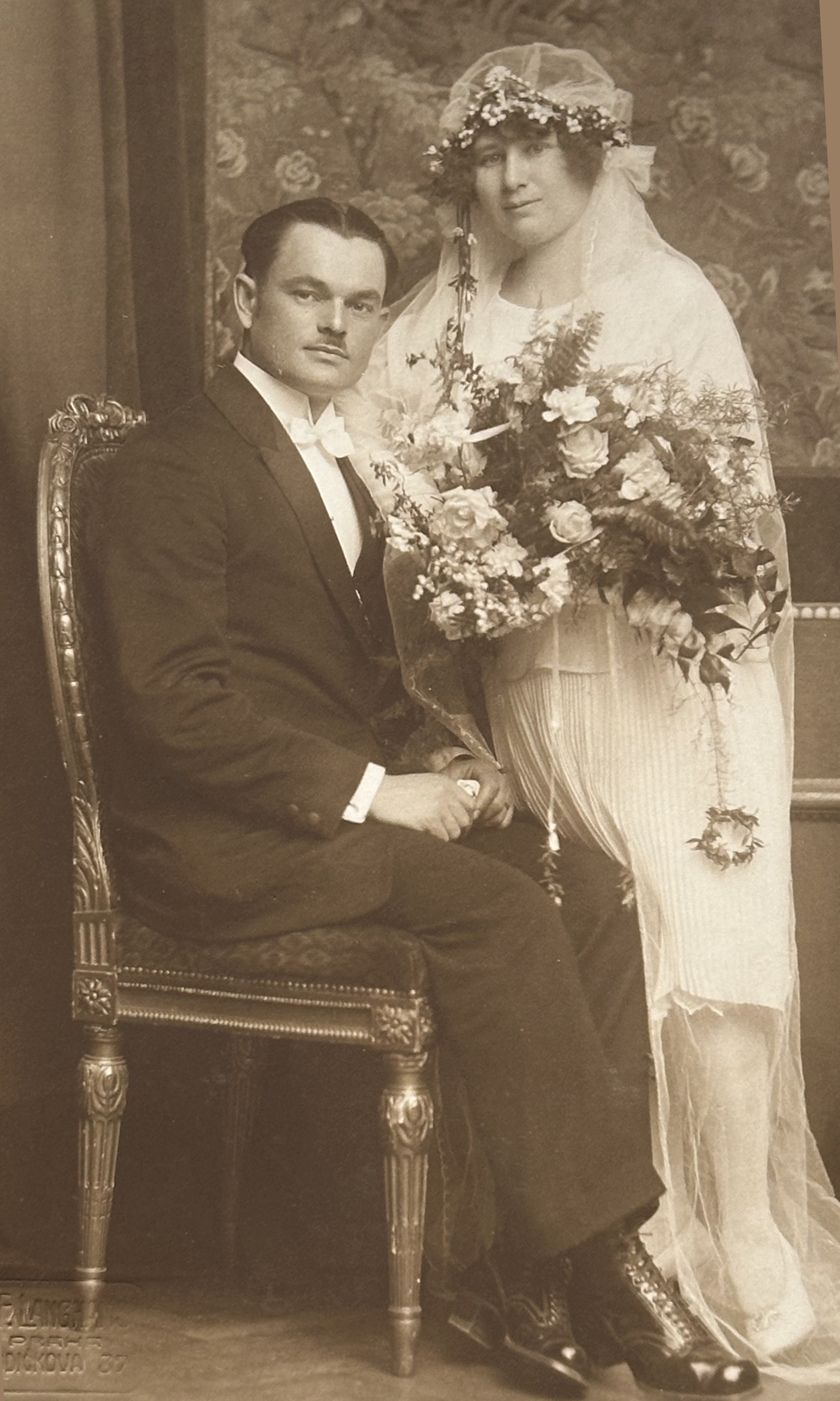
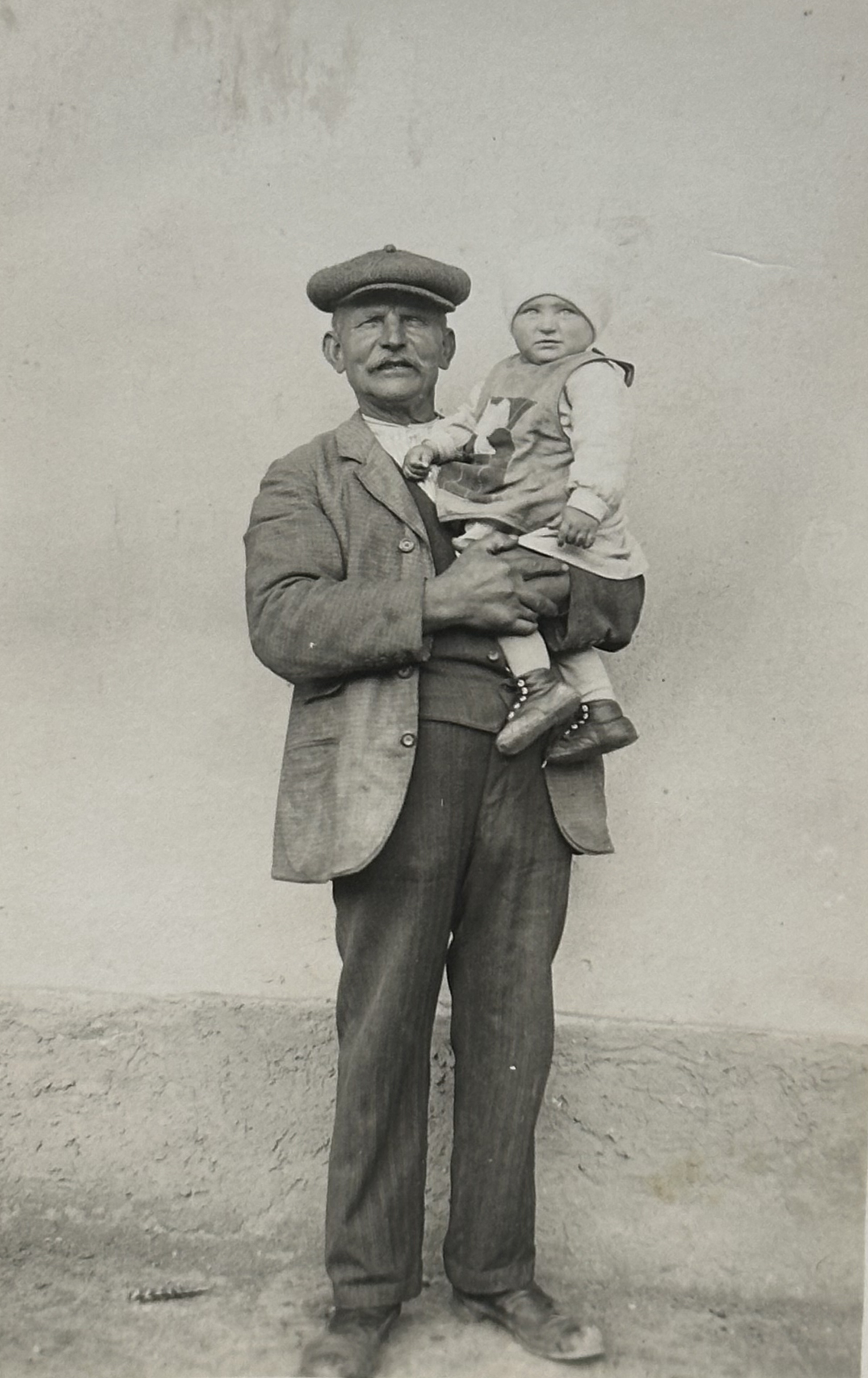
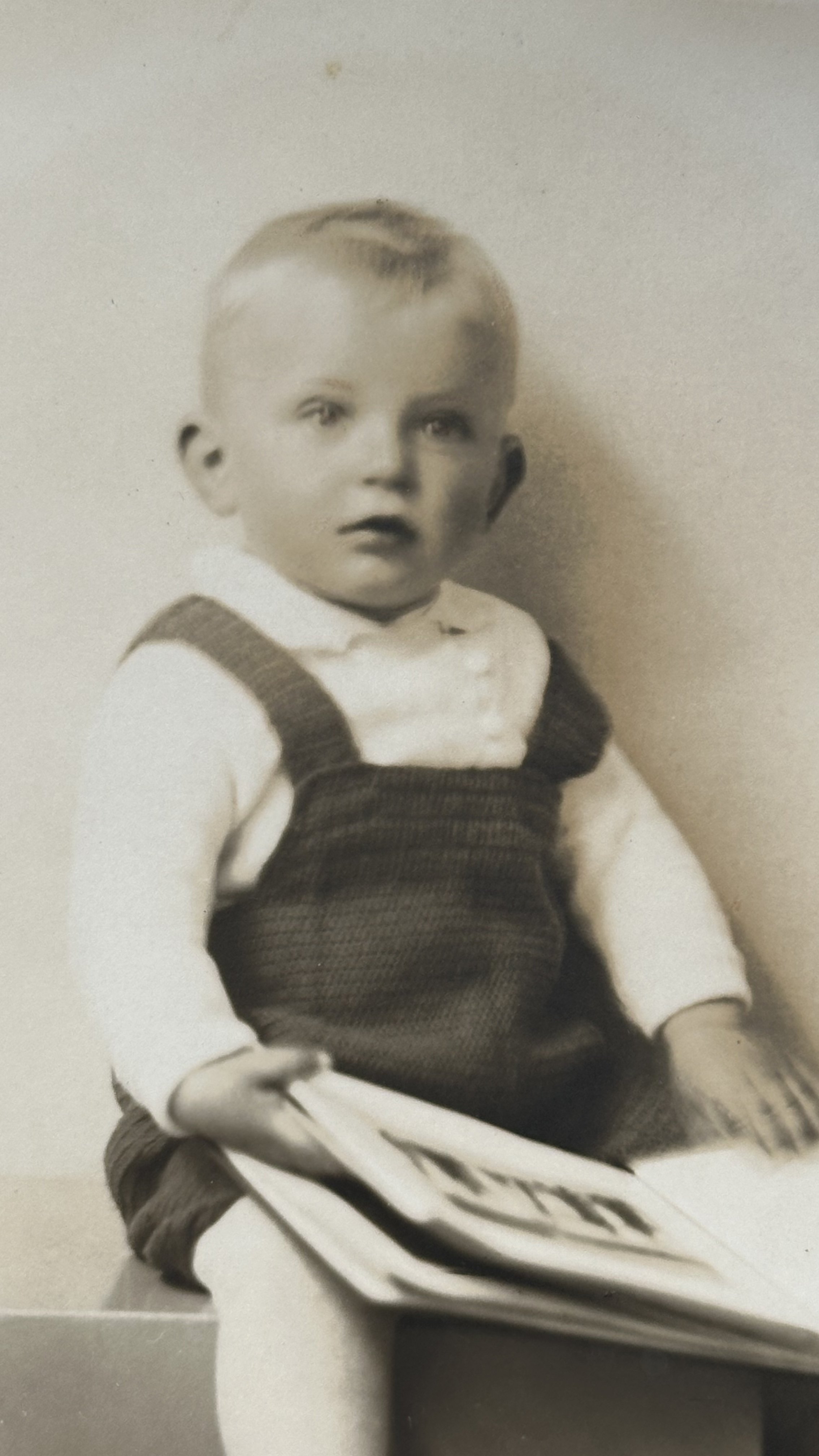
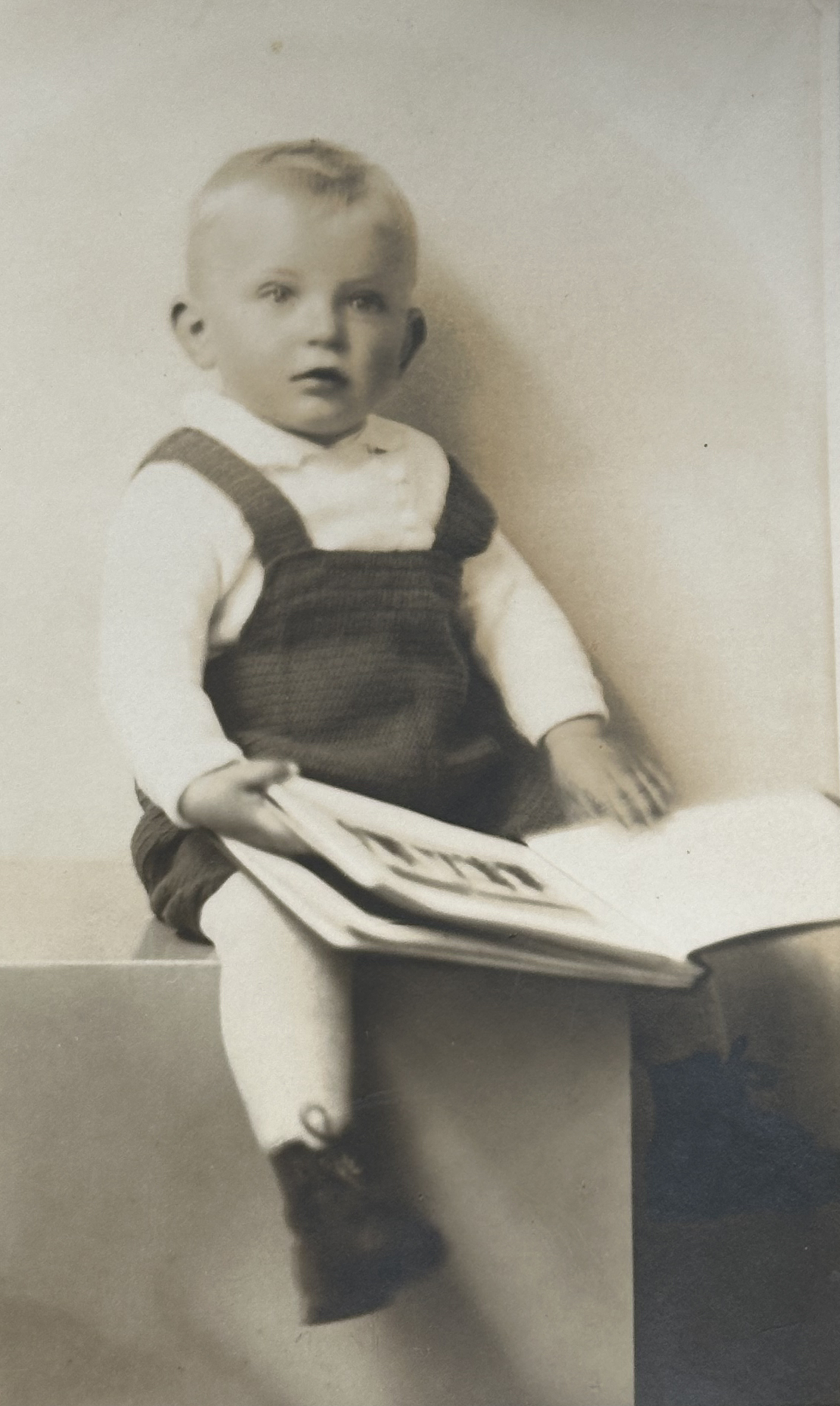
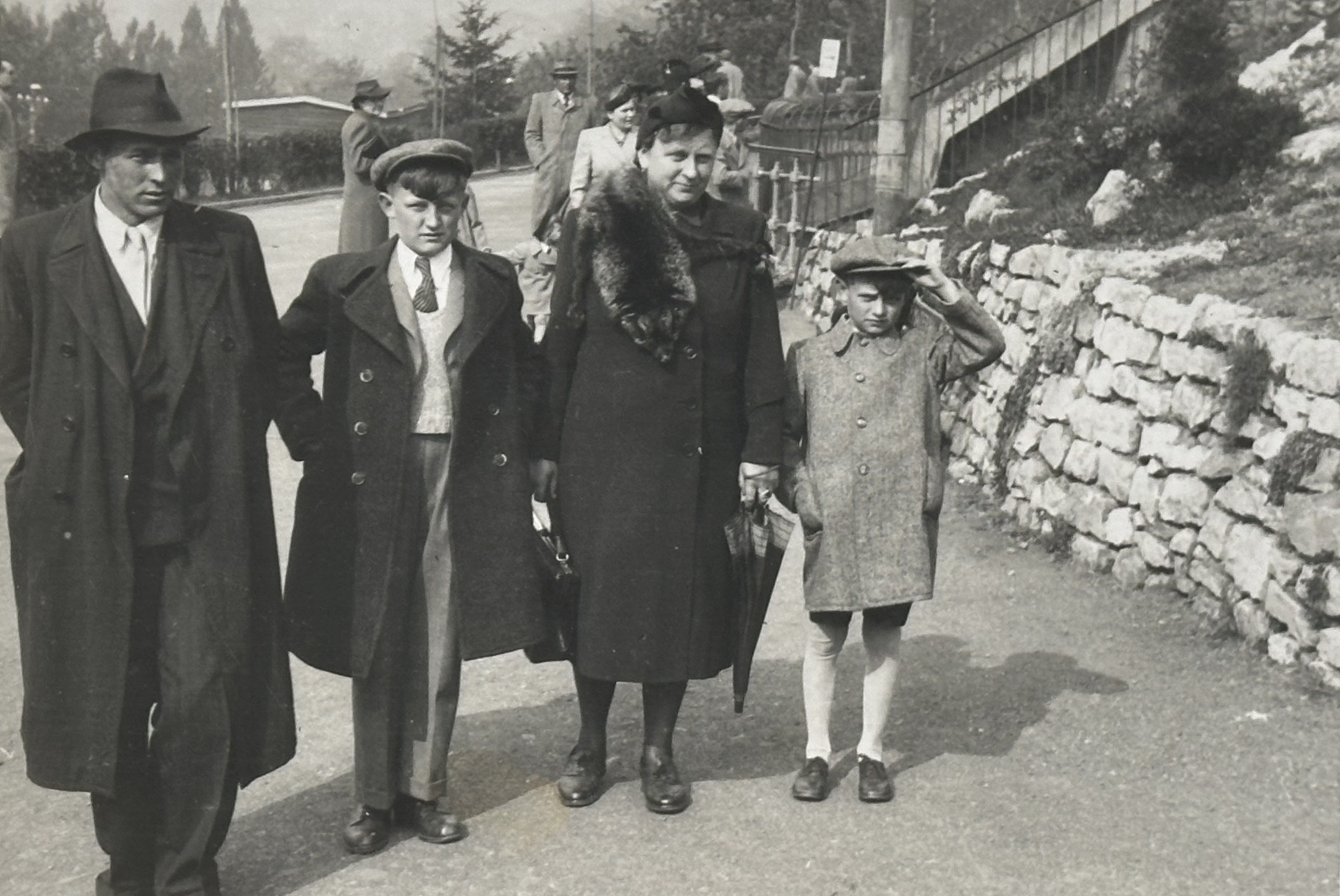
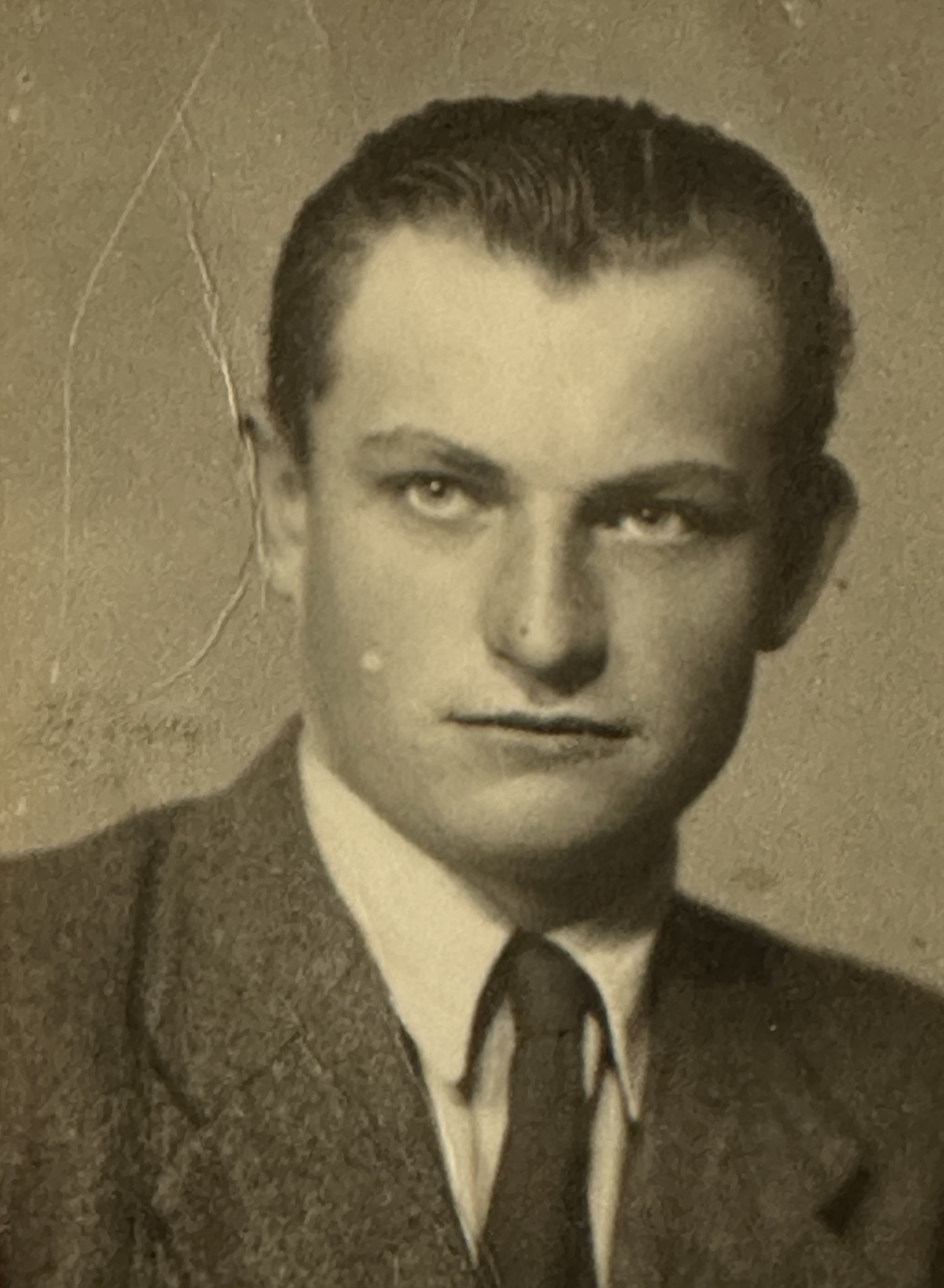
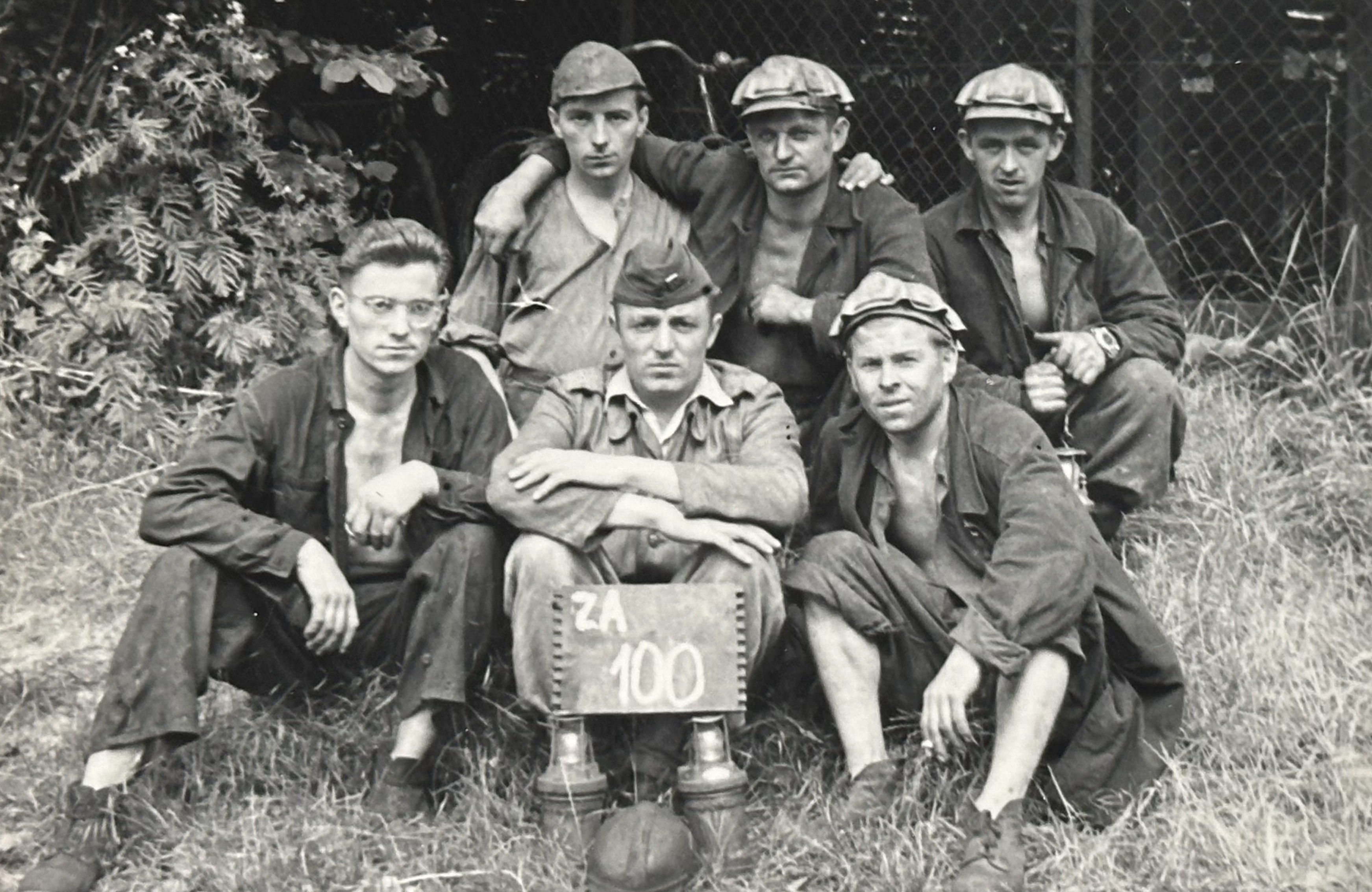
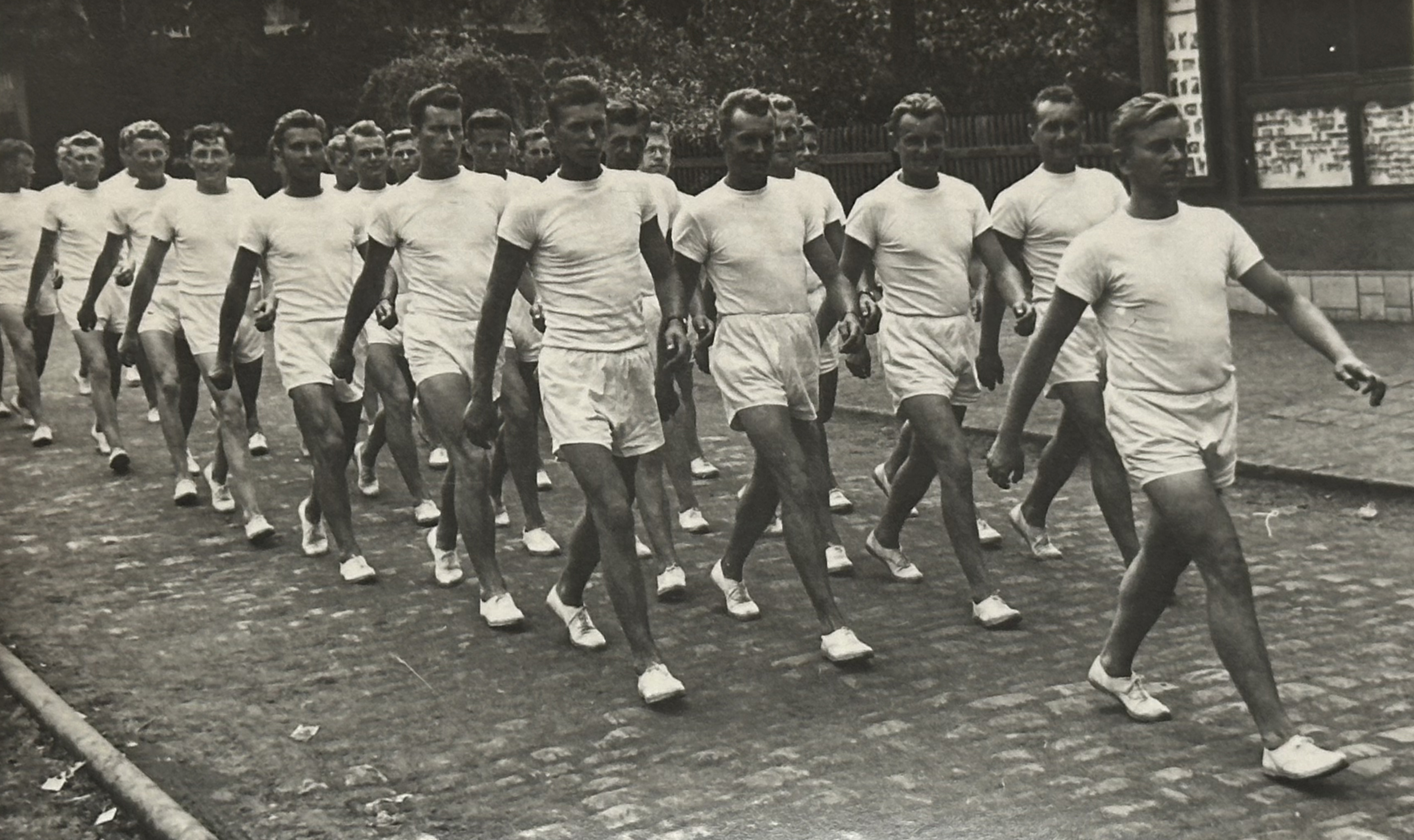
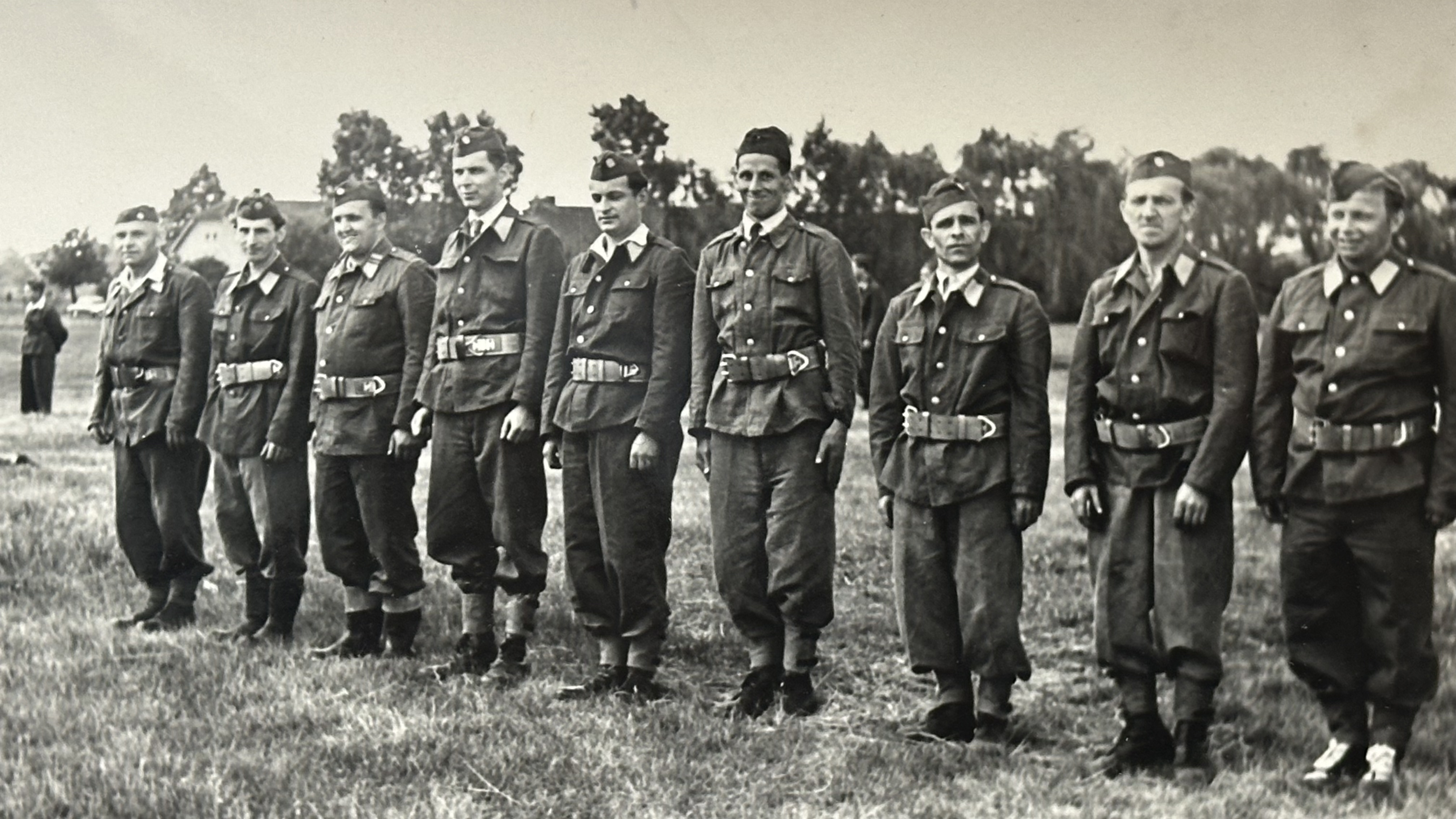
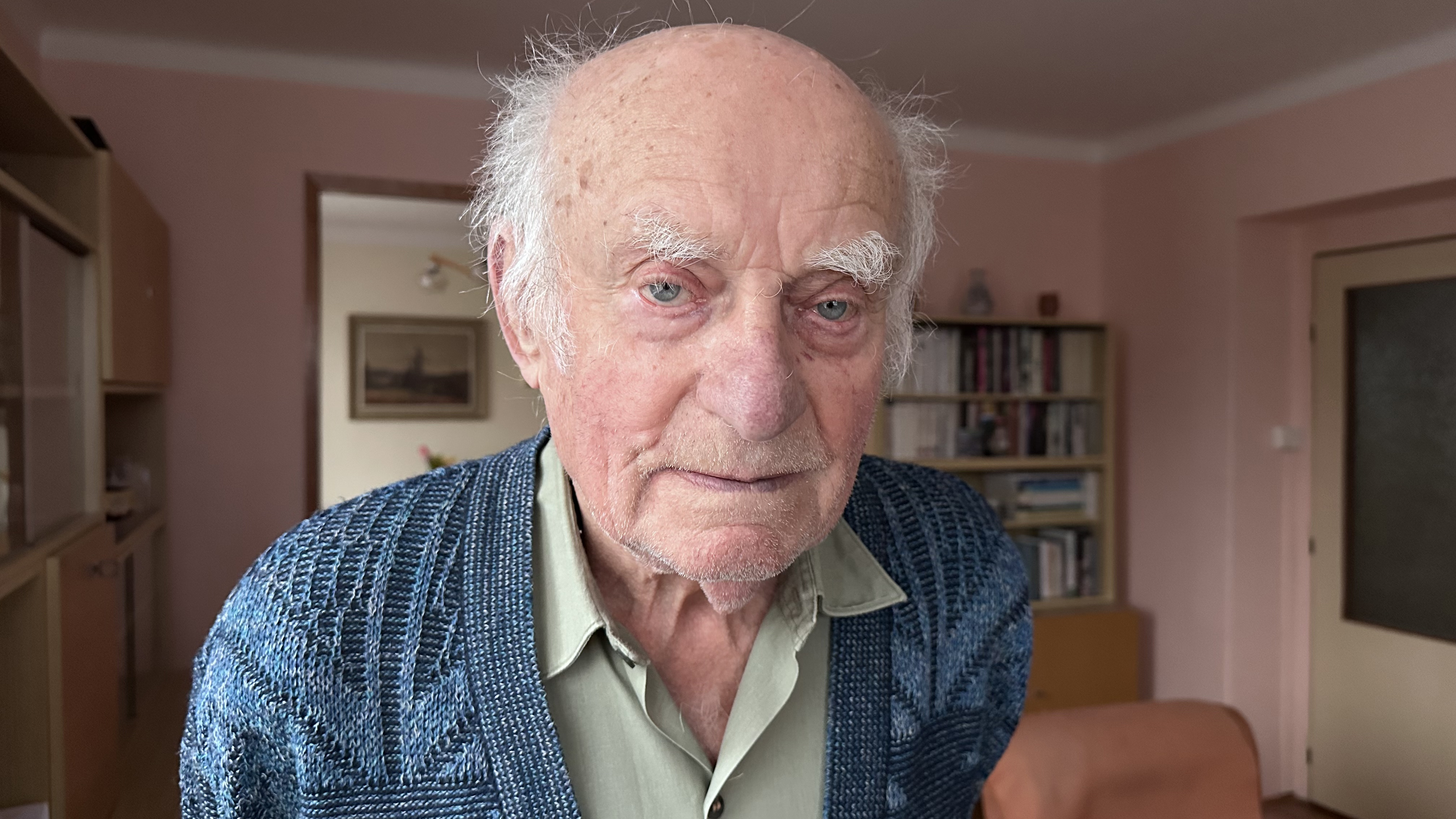
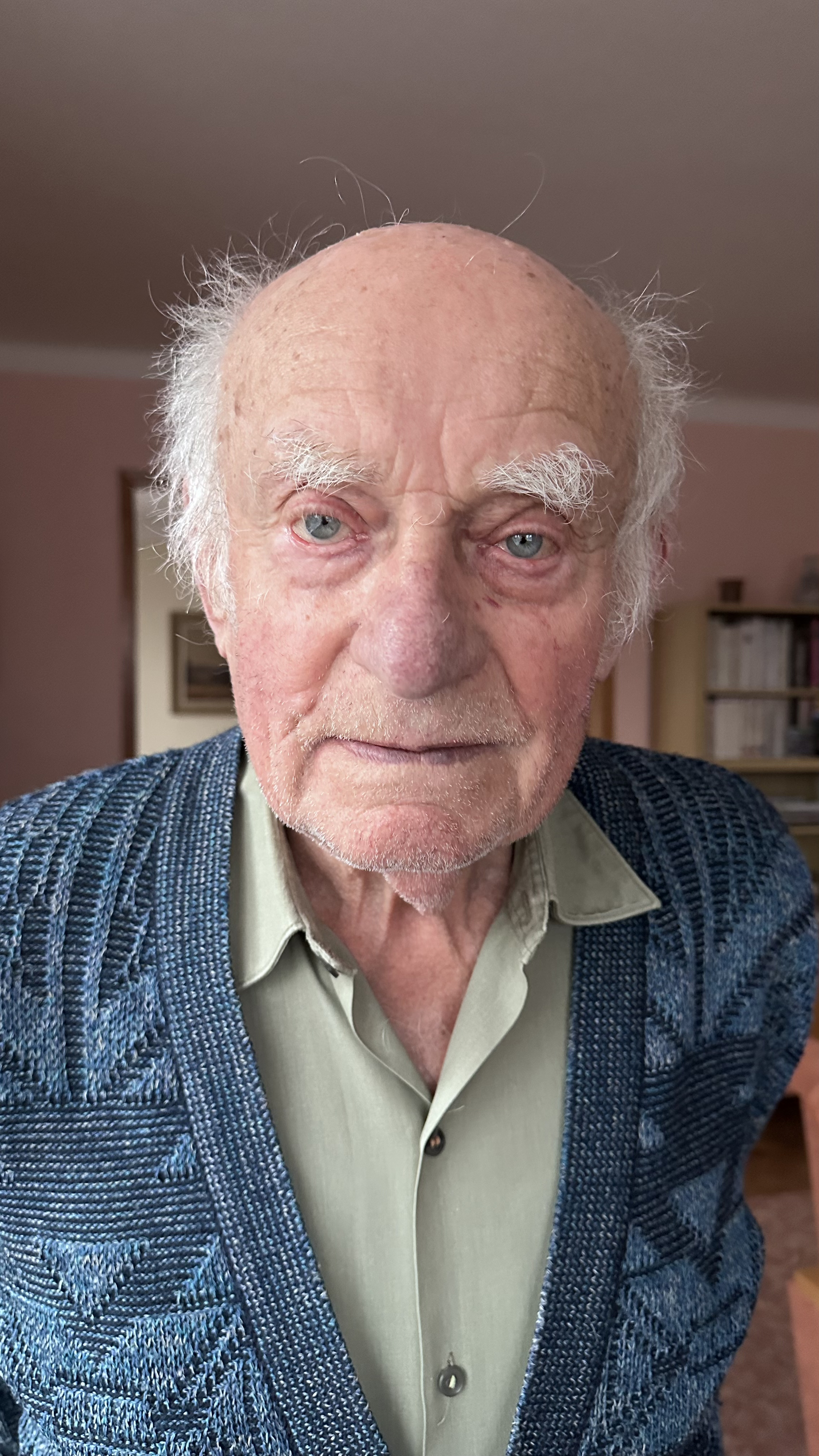
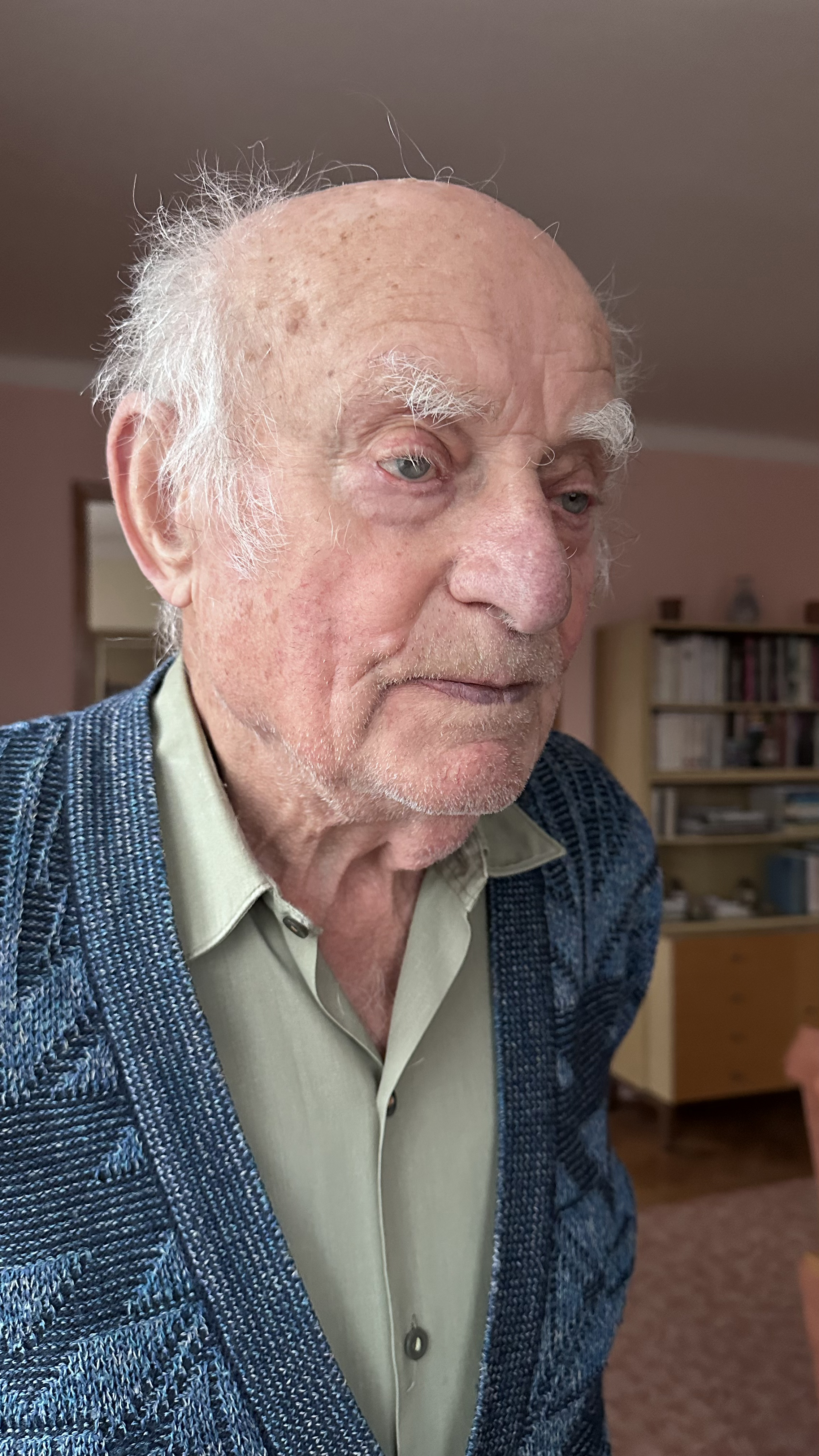
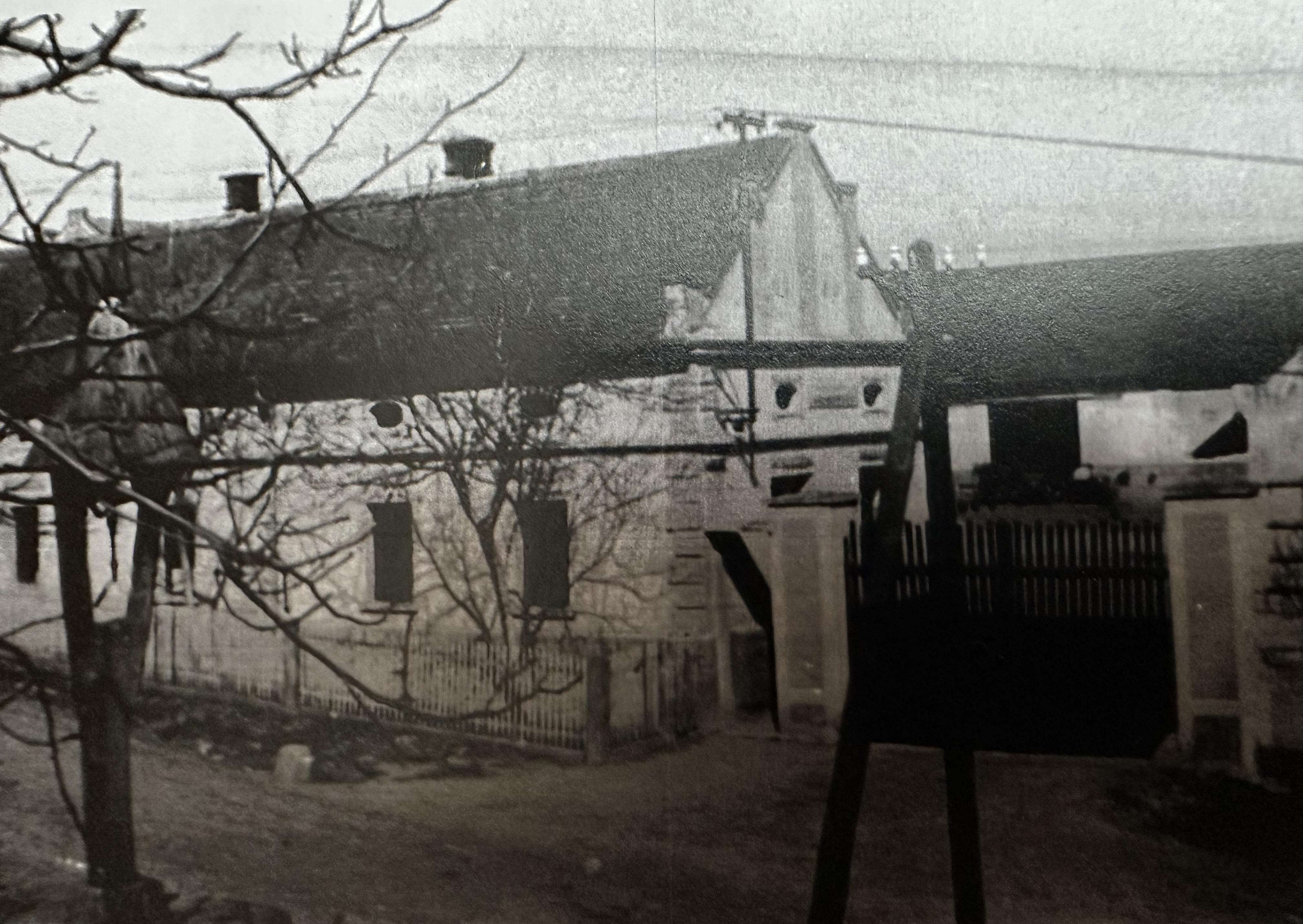
Jiří Junek was born on 21 December 1933 in Prague into the farming family of Václav Junek from Kozovazy and Emilie Junkova, née Škvorová, from Mochov. He grew up in Kozovazy on the family farm. He worked hard from childhood. In Kozovazy he lived through the war, the inspections, and witnessed the actions of German and Soviet soldiers. After the war, German civilian prisoners worked there. The forced collectivisation of agriculture affected the family‘s fate. In 1952, as the father refused to join a cooperative farm, he was labelled a kulak and arrested. The farm was handed over to the municipality, which established the cooperative farm, and the family was evicted. Jiří Junek worked in the Metalworks in Čelákovice, where the family moved to a former cement workshop. In 1953 he joined the military service of the Auxiliary Engineerring Corps (PTP) - he worked in the mines in Ostrava, especially at the Pokrok mine in Radvanice. He returned to civilian life in 1955. In his search for employment in the 1950s, he was repeatedly limited by unfavourable cadre assessments. Eventually, he found a position in a construction company as a driver and later as a transport dispatcher. He remained there for 36 years, retiring in 1993. After 1989 he was involved in the transformation of the former cooperative farm into a joint stock company and served as its chairman for three years. He was married twice, has two children and is a widower. He lives in Brandýs nad Labem.