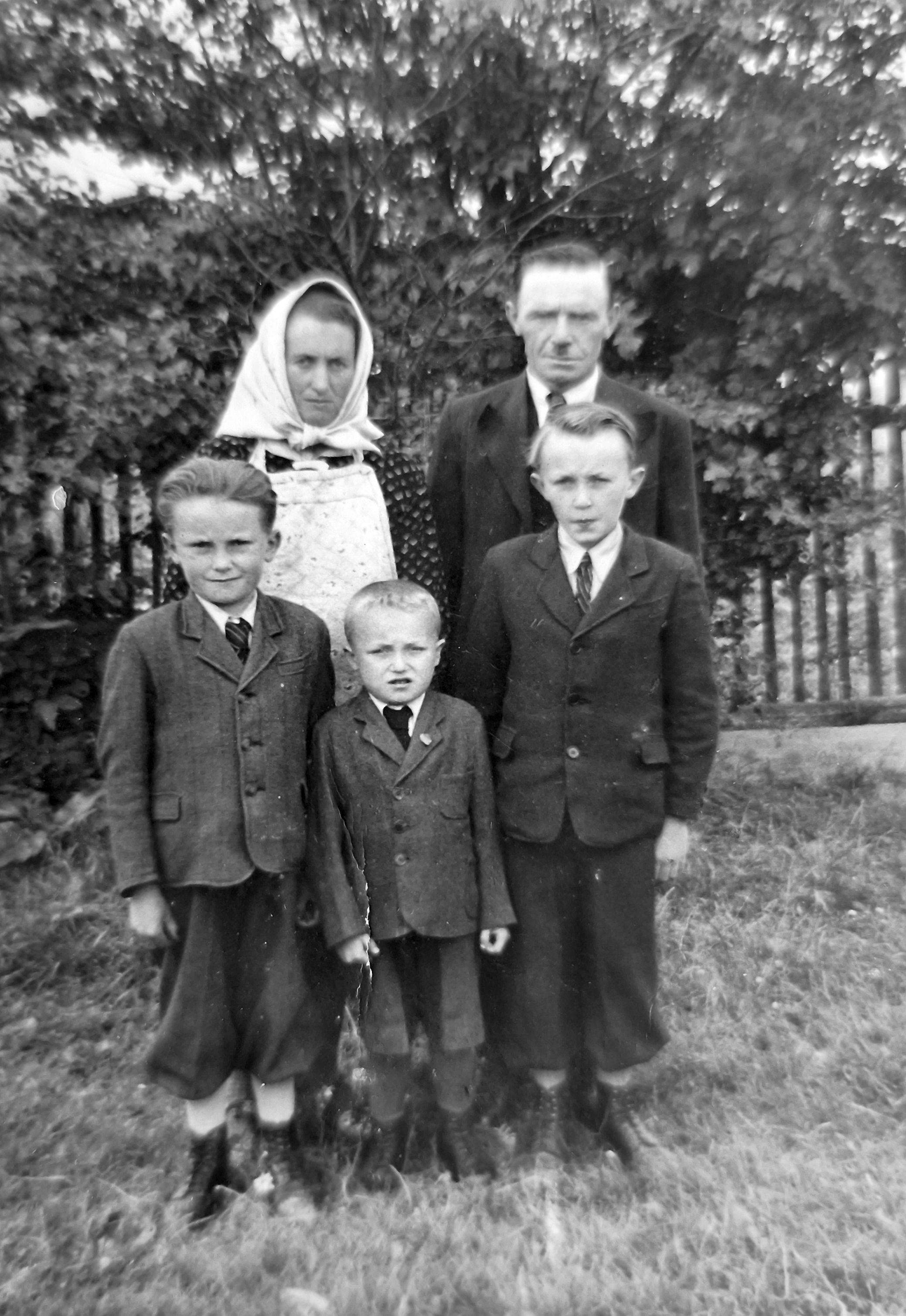
My father didn‘t want to join a cooperative farm, but they waited until my brother and I were at the military service, and then they forced him to join
Stáhnout obrázek
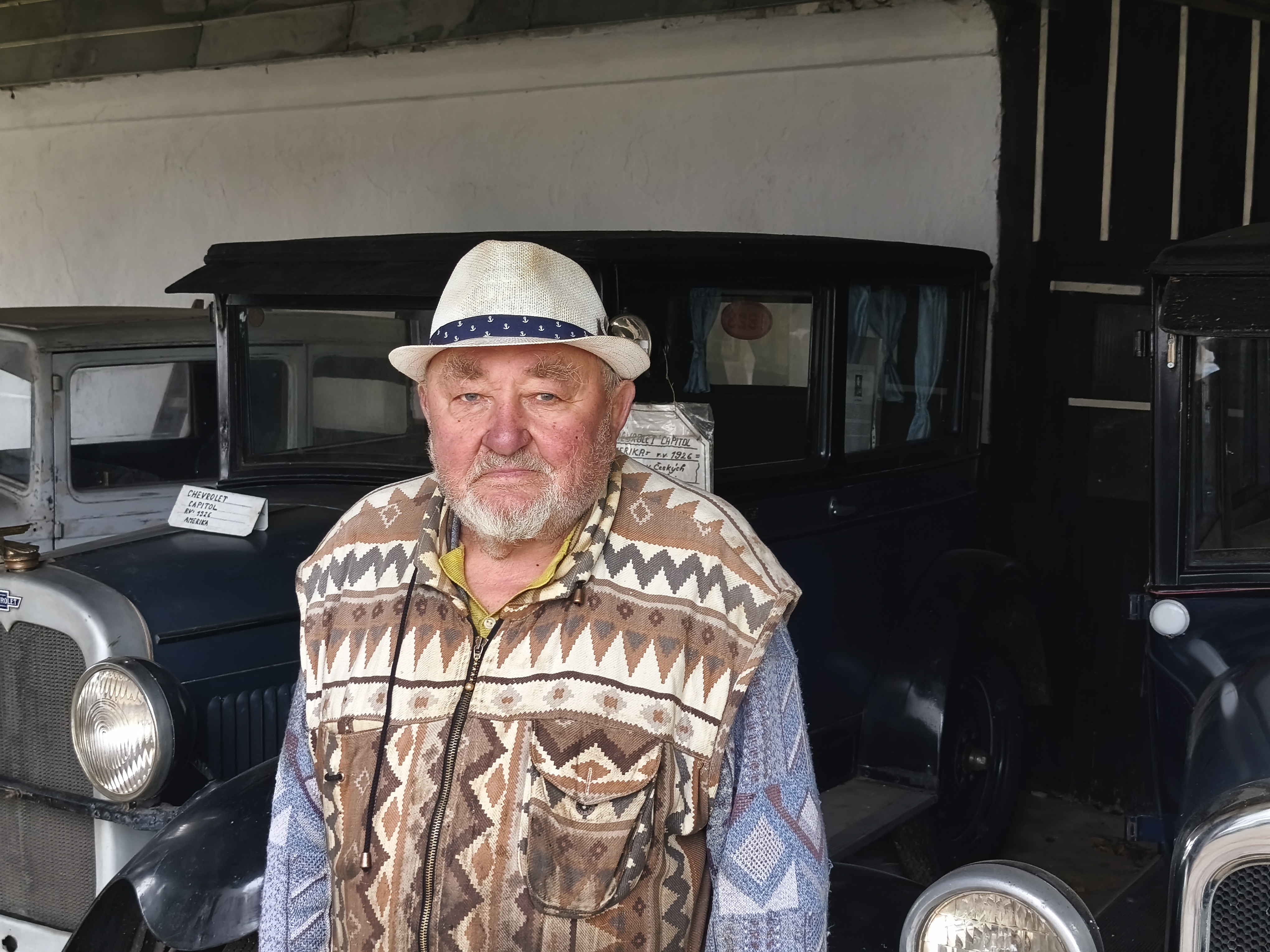
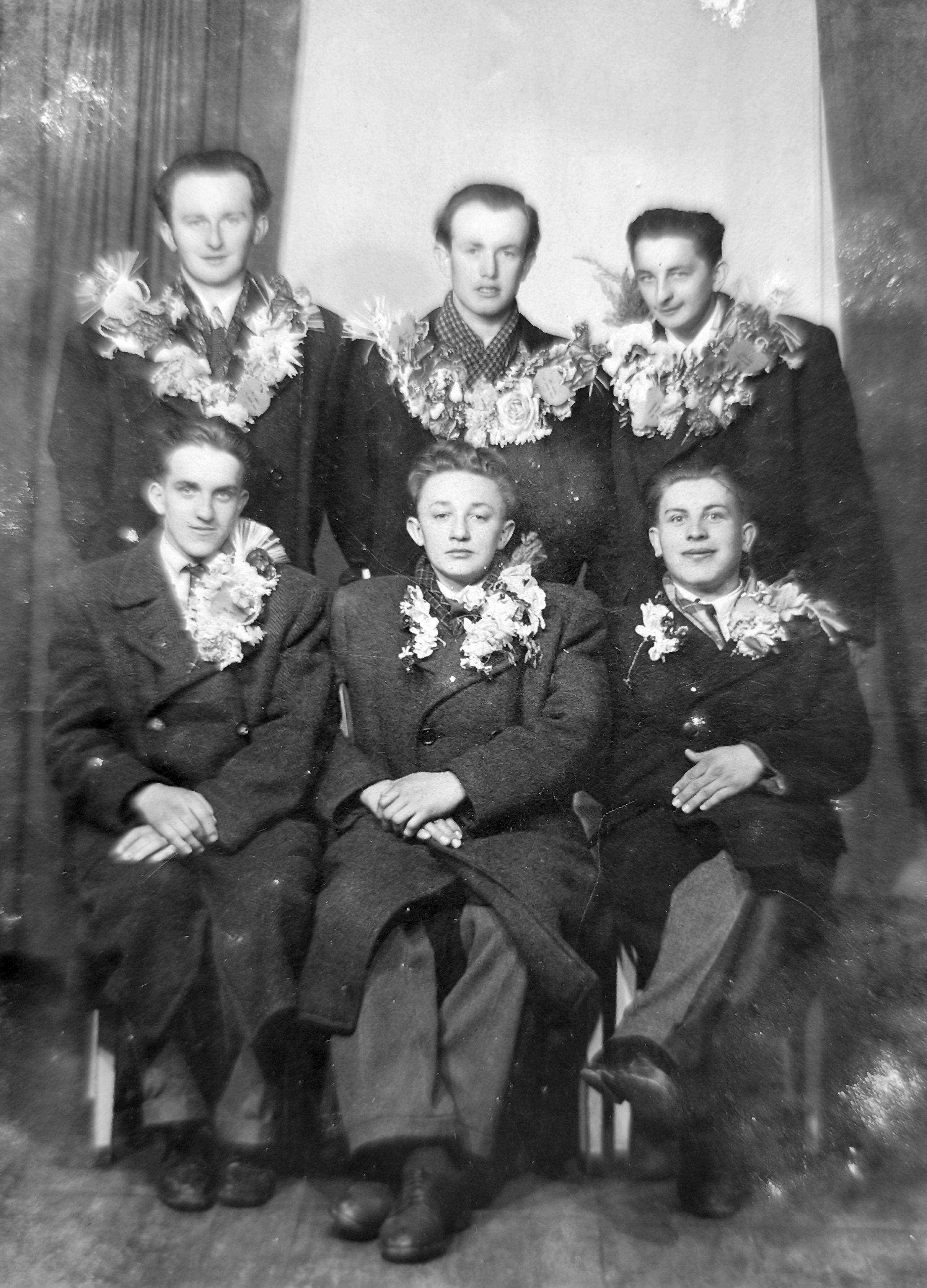
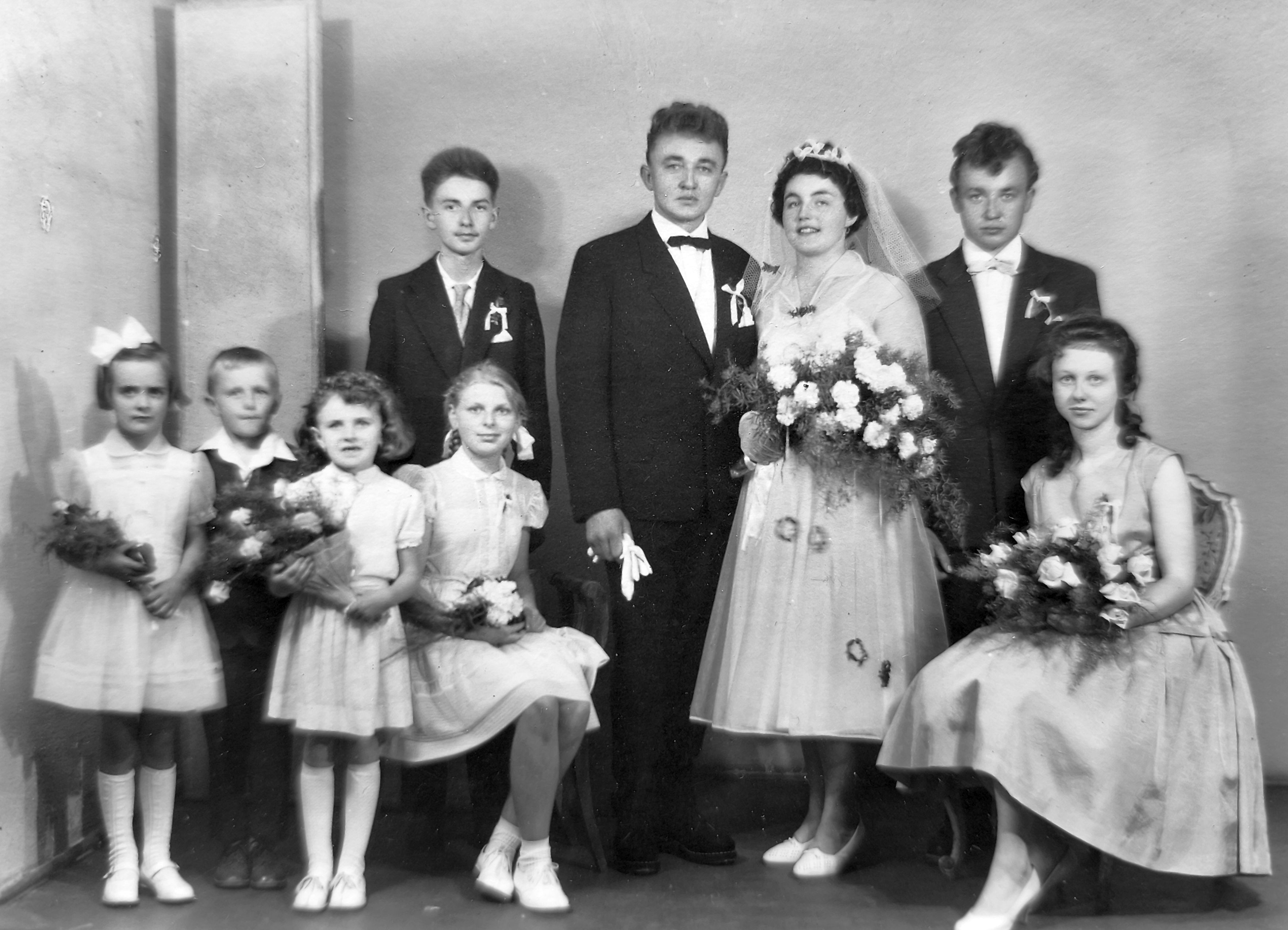
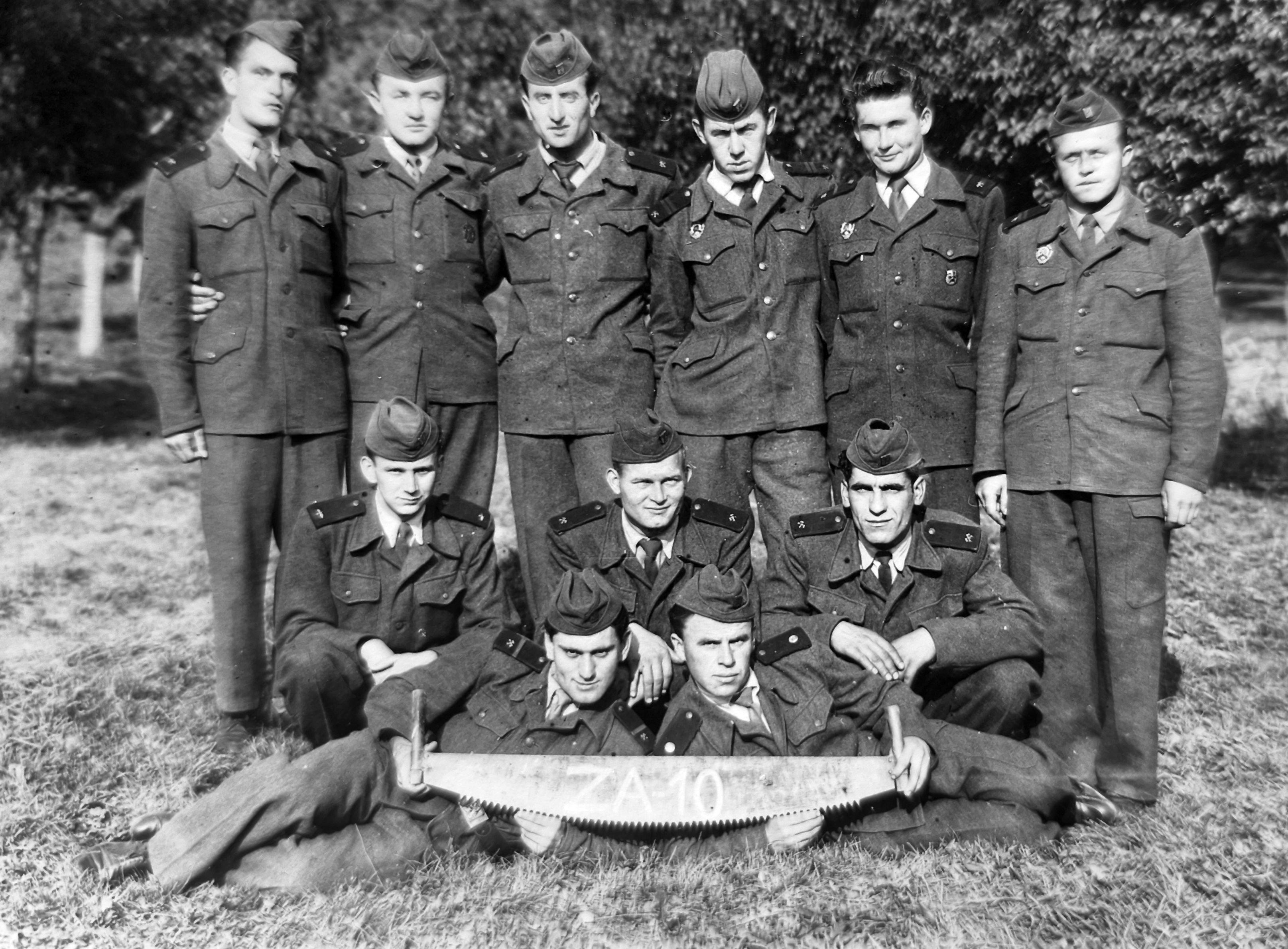
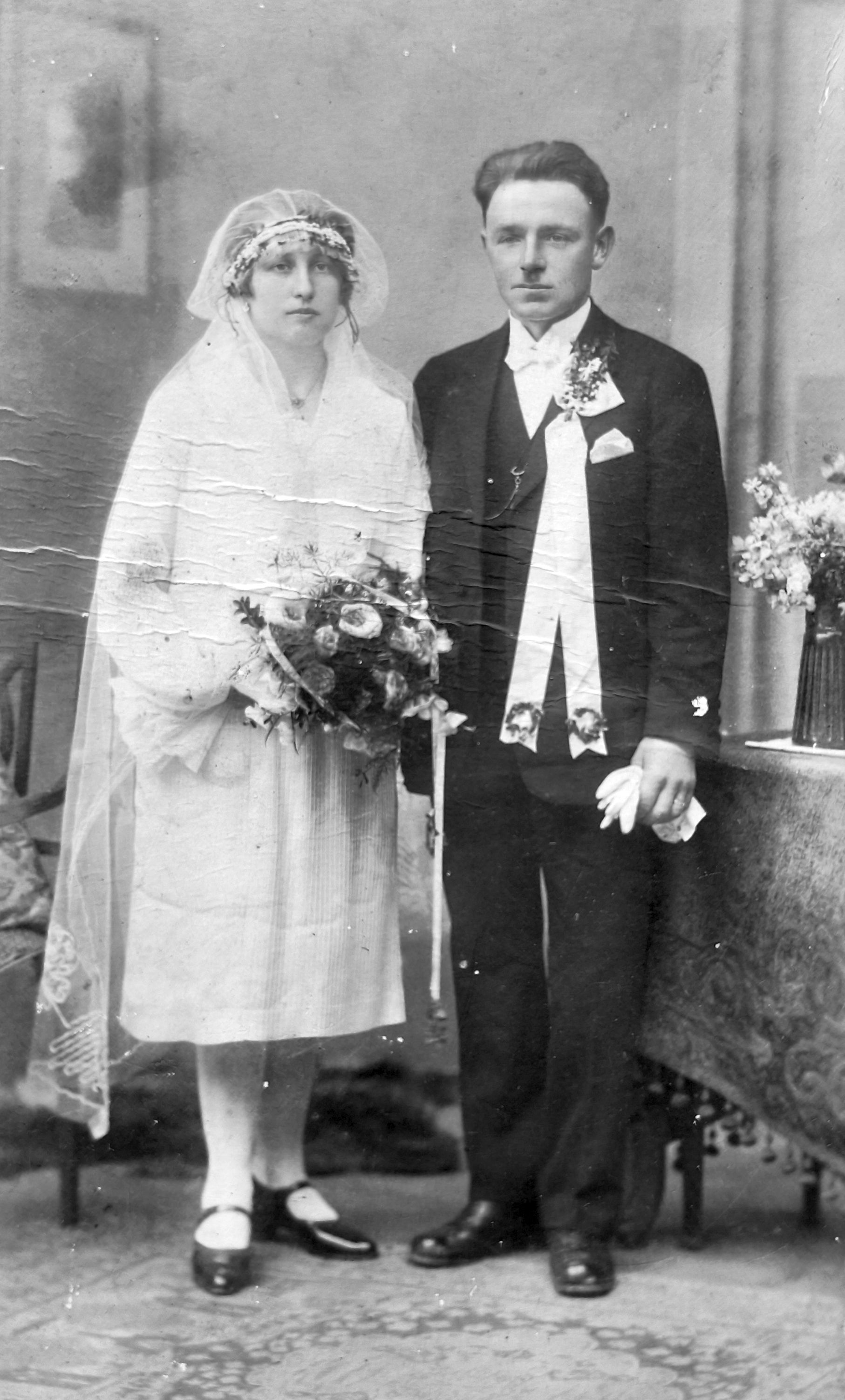
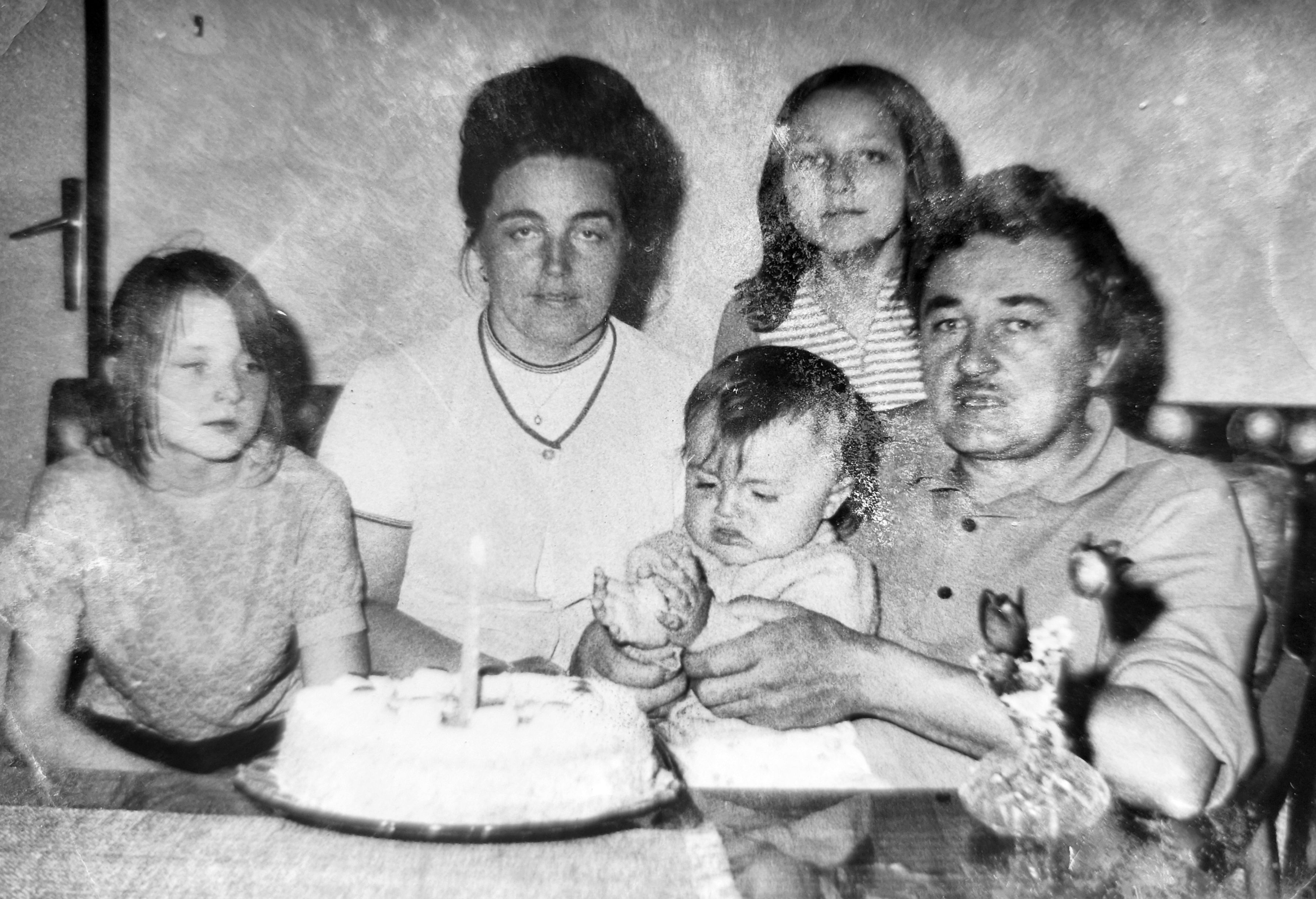
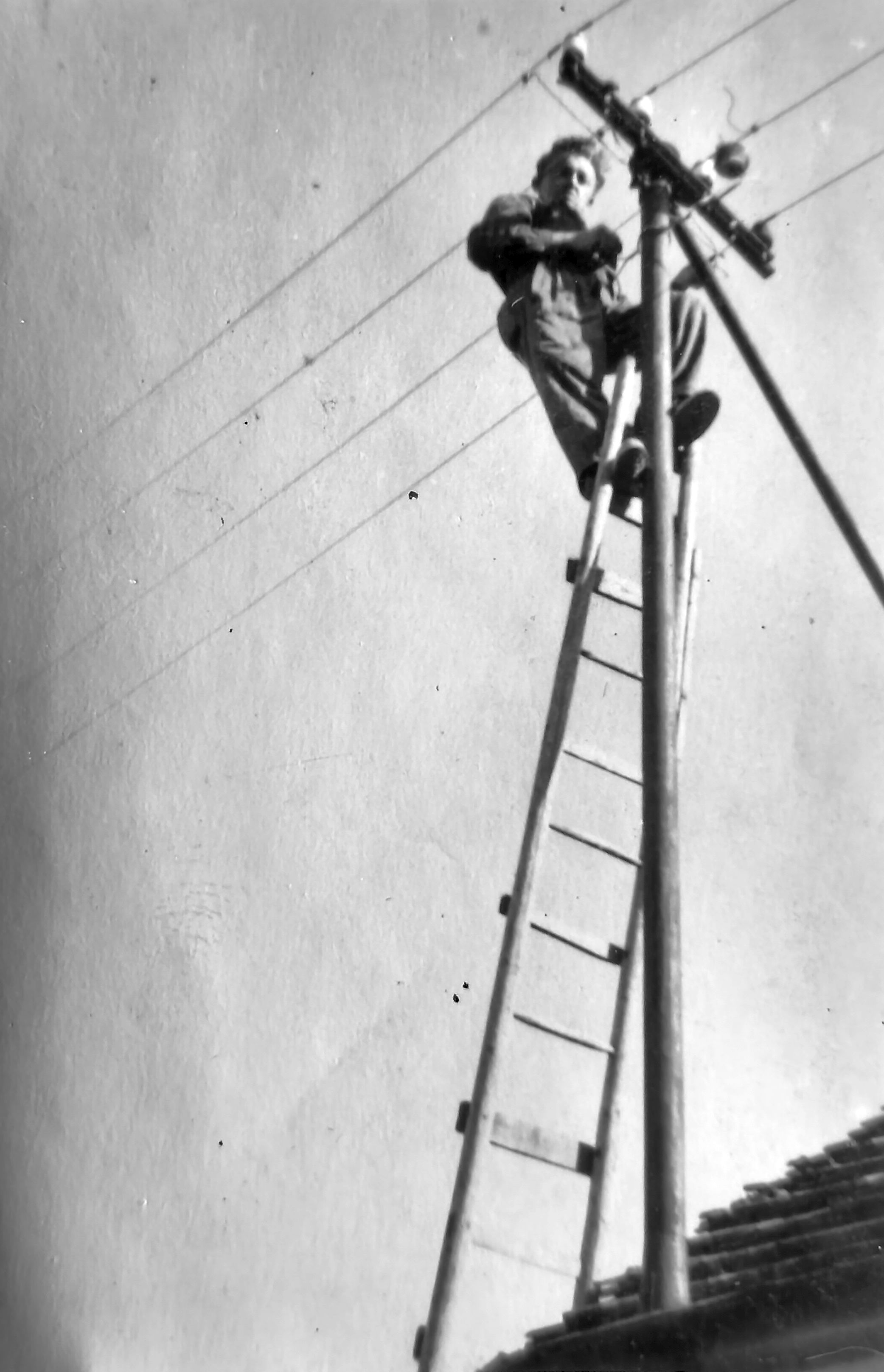
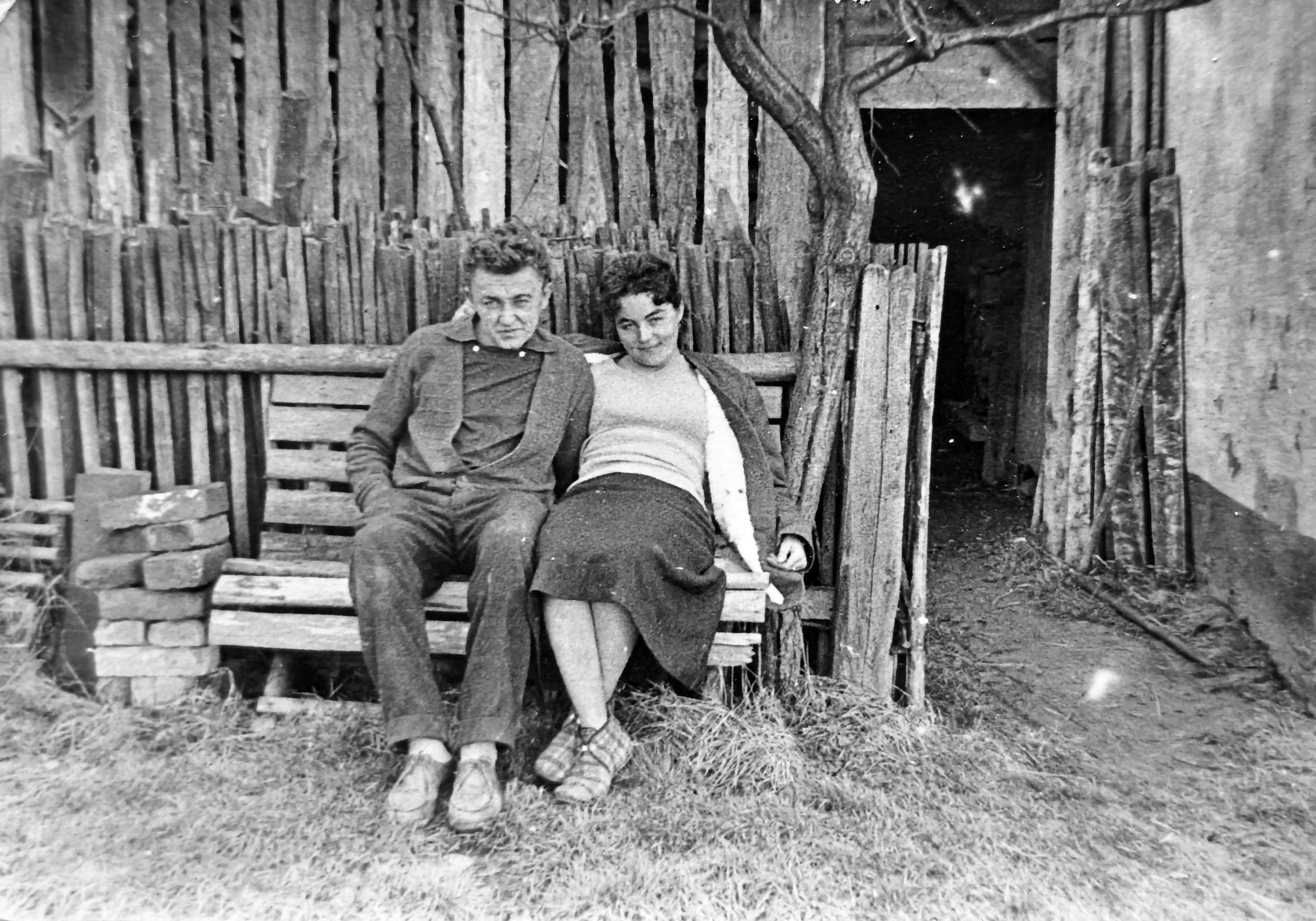
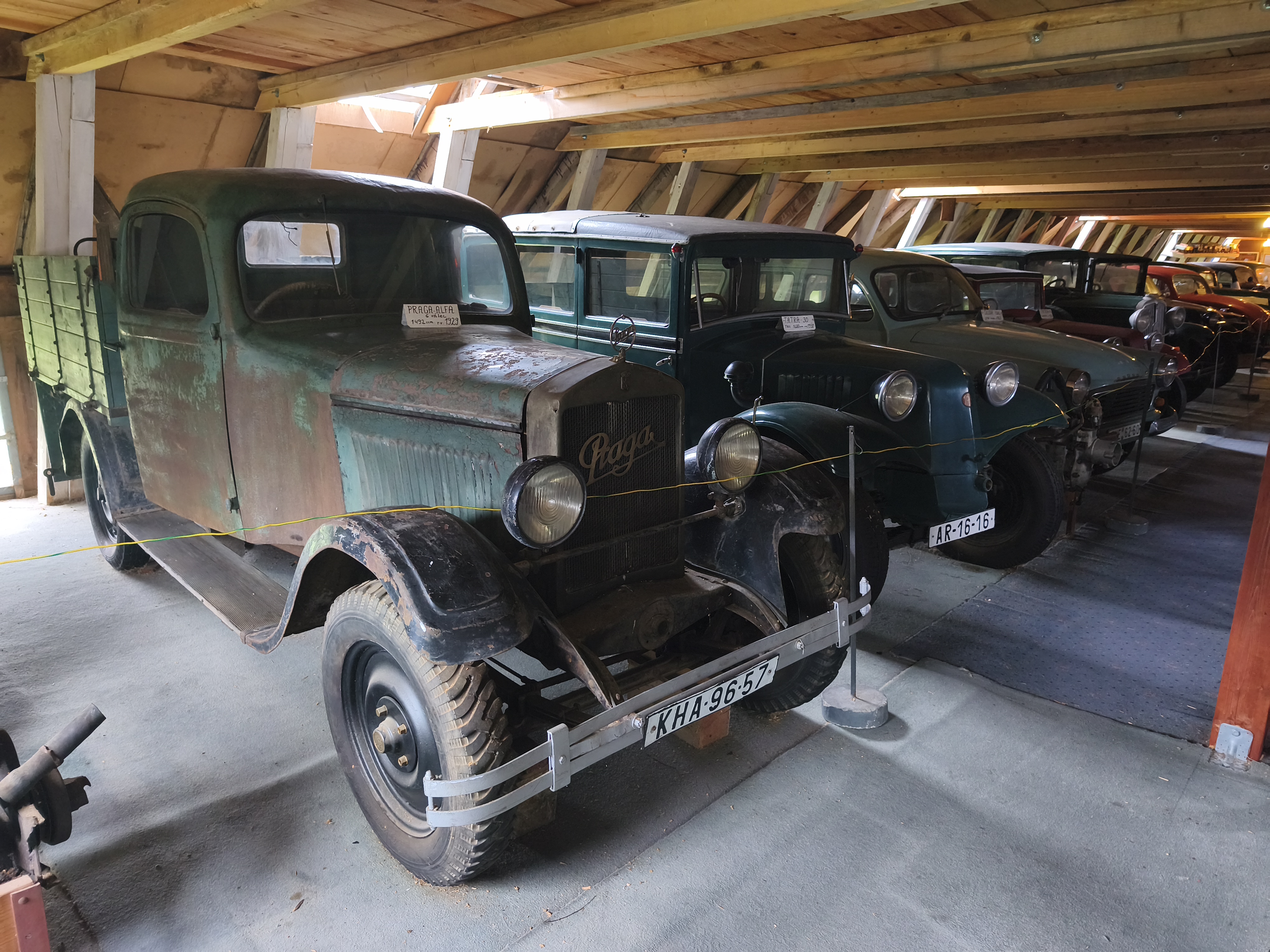
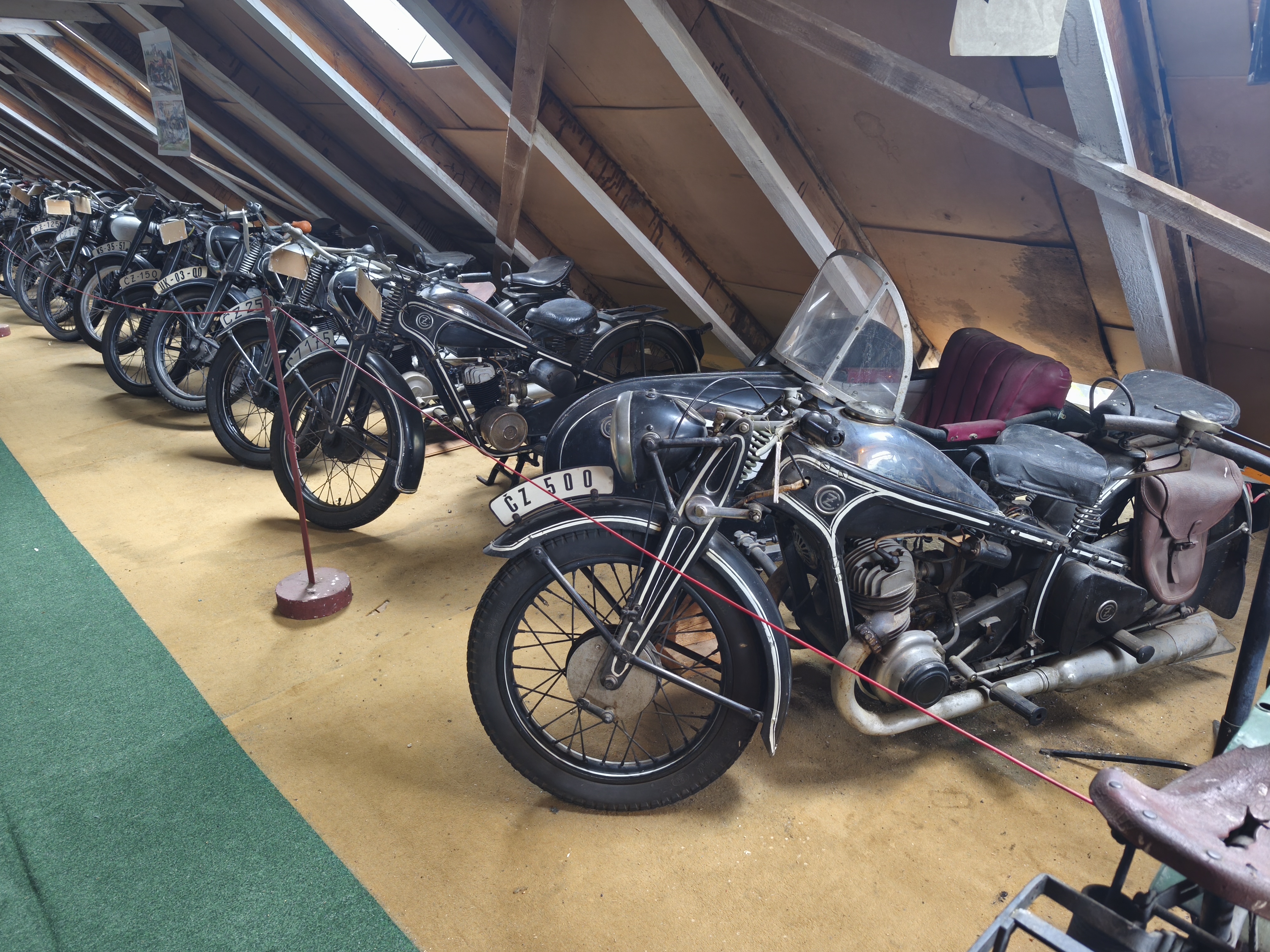
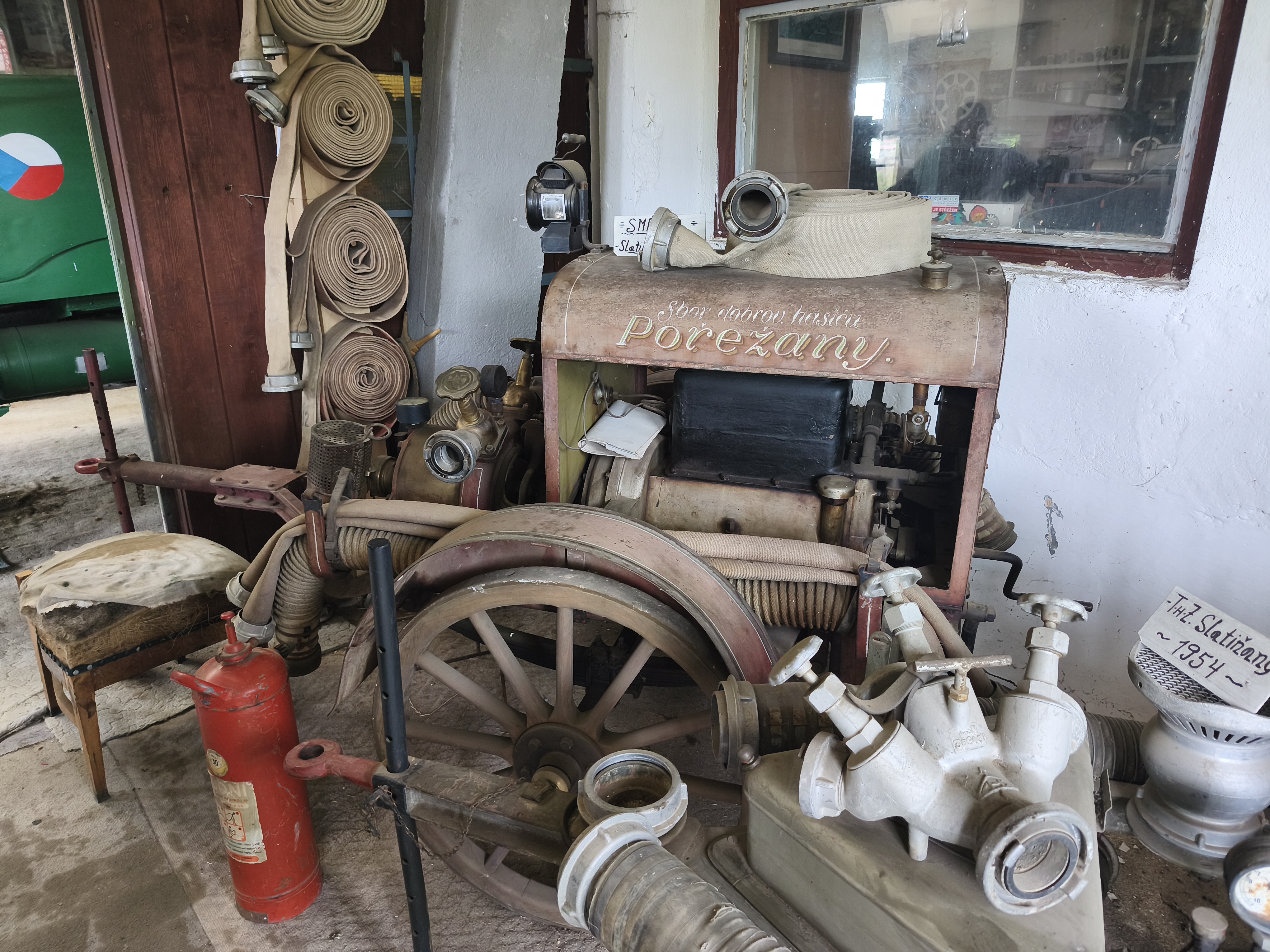
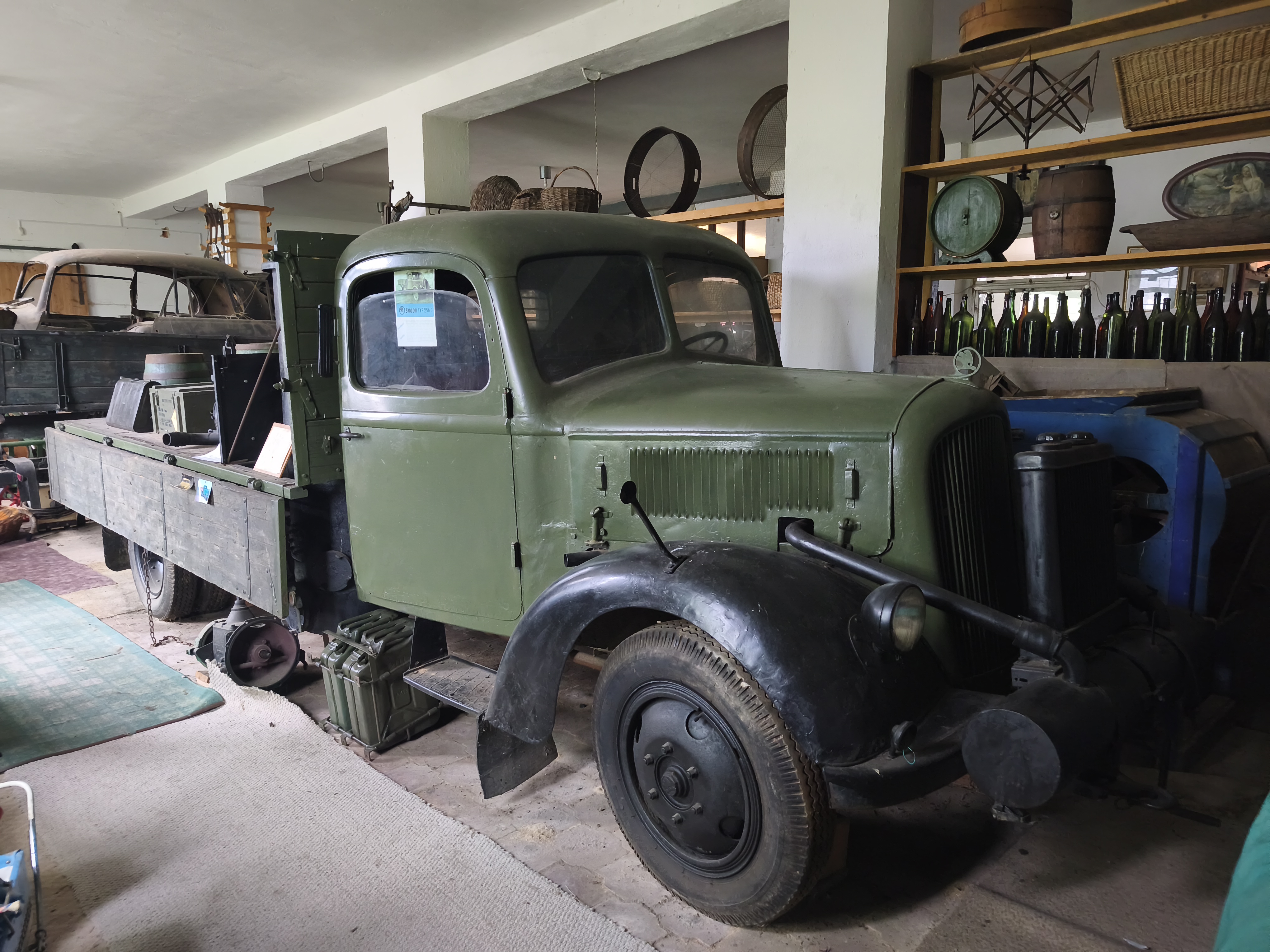
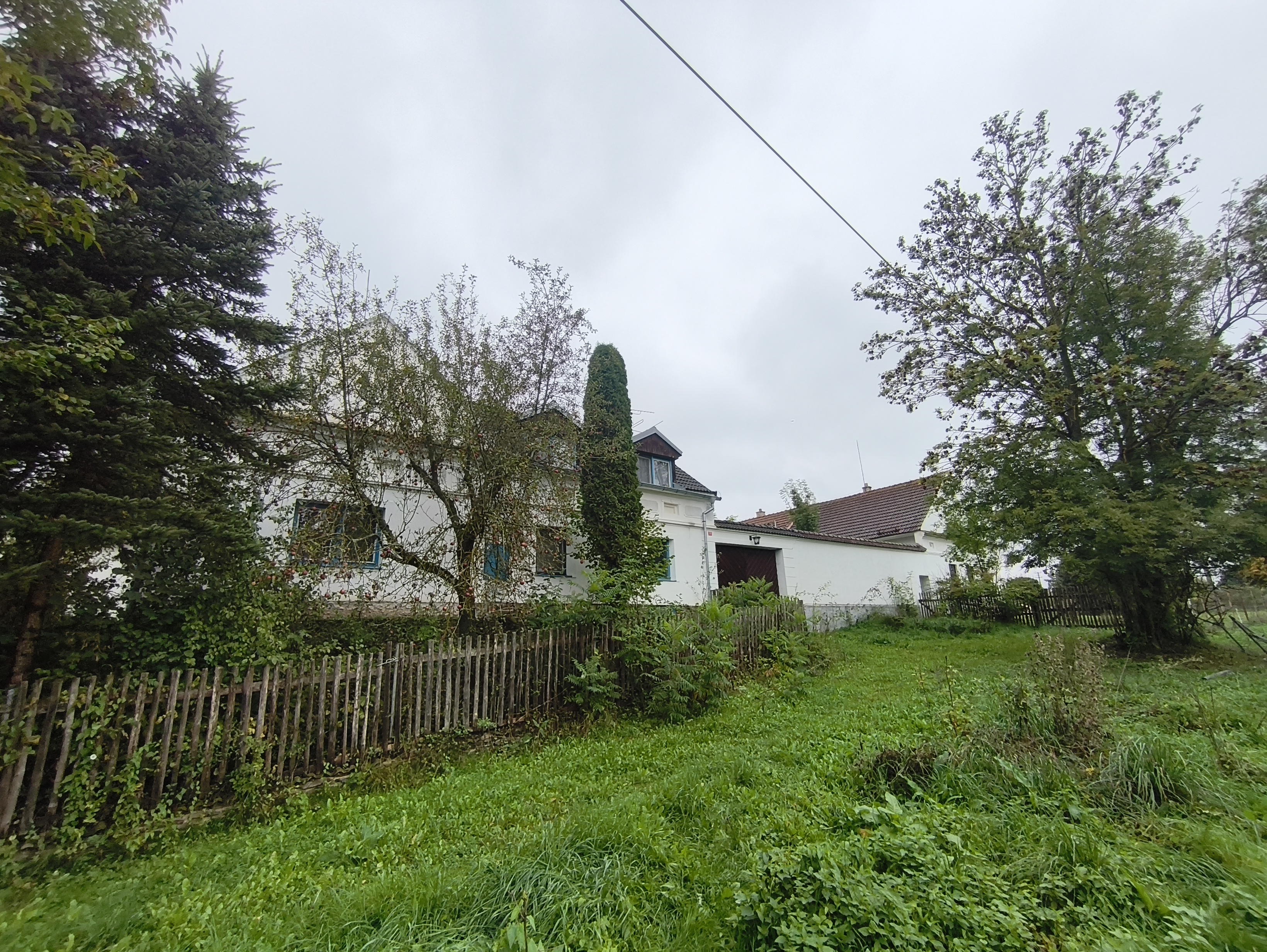
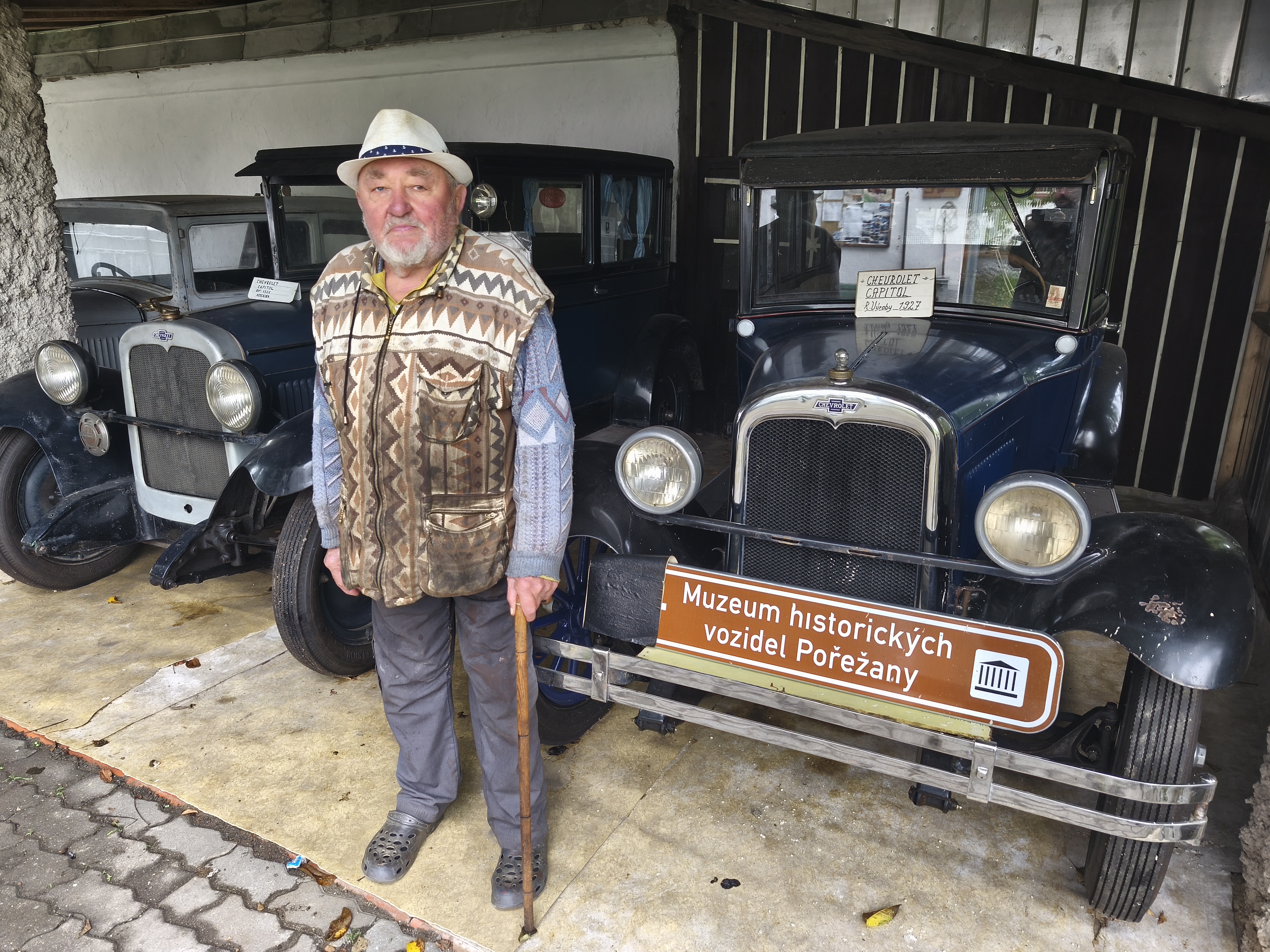
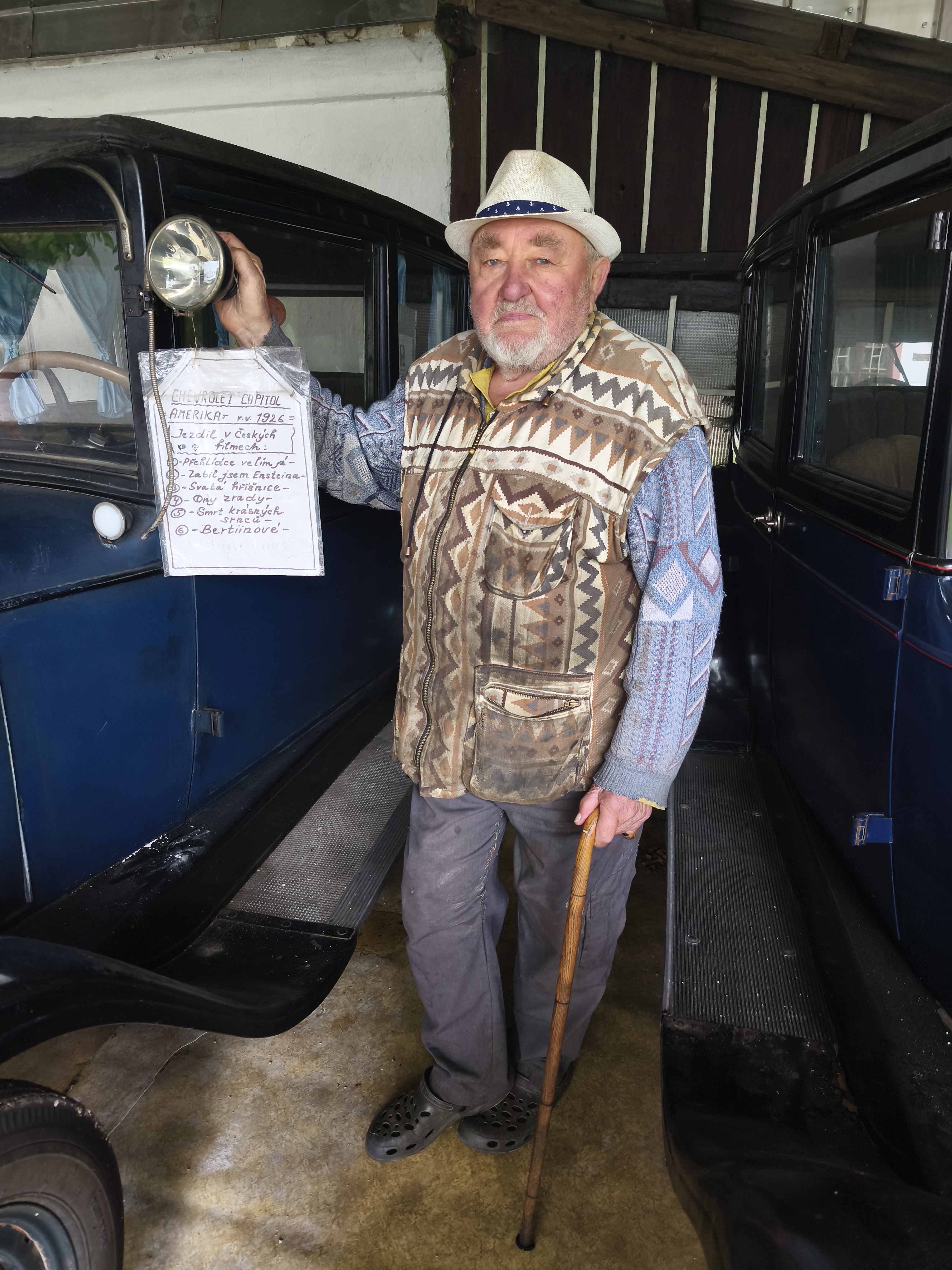
František Jiříček was born on 24 August 1931 in Pořežany near Týn nad Vltavou. He came from farmers family and from an early age he helped on his family farm. He witnessed the construction of fortifications in the Vltava valley in 1938 and the arrival of the occupants the following year. His school years were marked by the Nazi regime. A distant relative, the miller Vojtěch Rada, declared to belong to German nationality, for which his son paid with his life as a German soldier; the miller himself died tragically in May 1945. The witness saw an incident between Hungarian soldiers and SS men at the end of the war and the subsequent arrival of the Red Army. After 1948, he refused to join the Socialist Union of Youth and his departure for military service in 1952 was used by the local communists to pressure his father František Jiříček Sr. to join the cooperative farm (JZD). After returning from the war, František Jiříček ran a travelling cinema and after graduating from the evening secondary technical school, he joined the South Bohemian Hydroelectric Power Plants. During the completion of the Orlice Dam he worked on the dismantling of small hydroelectric power plants in old mills and managed to save the Křižík power plant in Písek as a technical monument. His wife‘s father, Arnold Haudrych, was a high-ranking police officer and was imprisoned as a political prisoner in the 1950s. Throughout his life František Jiříček collected historical machines and vehicles, but the regime did not allow him to store his collections on his own family farm, where a pigsty and cowshed were built by the regime; the farm itself was plundered until the Velvet Revolution. Due to disputes over the preservation of other technical monuments, he left the power plants company in 1987 and retired in 1990, but worked as an external power engineer for several Budějovice companies until he was 91. Immediately after the revolution, he took over the rescue of his family farm, where he also moved his collections and, together with his son, officially opened the Museum of Historical Vehicles Pořežany in 2004, which they still run.