"He joined the party at about 16, signed it but wasn't interested in politics at all. He was into airplanes and sports, and he was in the party. So, and this is true and I said this later when we were suffering: he paid for his benefits as a party member. He went to school, graduated, and got into college in Ostrava. He didn't care about politics at all, but he was the head of a metallurgy plant, and when 1968 and the tanks came, he handed back his party ID. Quietly, no fuss, he just gave his ID back. He told me the punishment for walking away was being struck out. Since he was the head of a department and his two junior employees were very much involved in 1968, they were also supposed to be terminated and my husband was supposed to sign it, and he refused to. He said he wouldn't fire them. When the committee met, they said he was the leader yet he refused to sign it, so he would not be struck out but expulsed from the party, and they labeled him as a 'typical right-wing opportunist, politically dangerous'. I had to laugh. With that, he was removed from office. Expelled from the party, suspended, and the two... then someone else was put in his place. And the two gentlemen... their resignation letters got signed. They had to leave anyway. Then they worked as construction workders because nobody else would hire them."
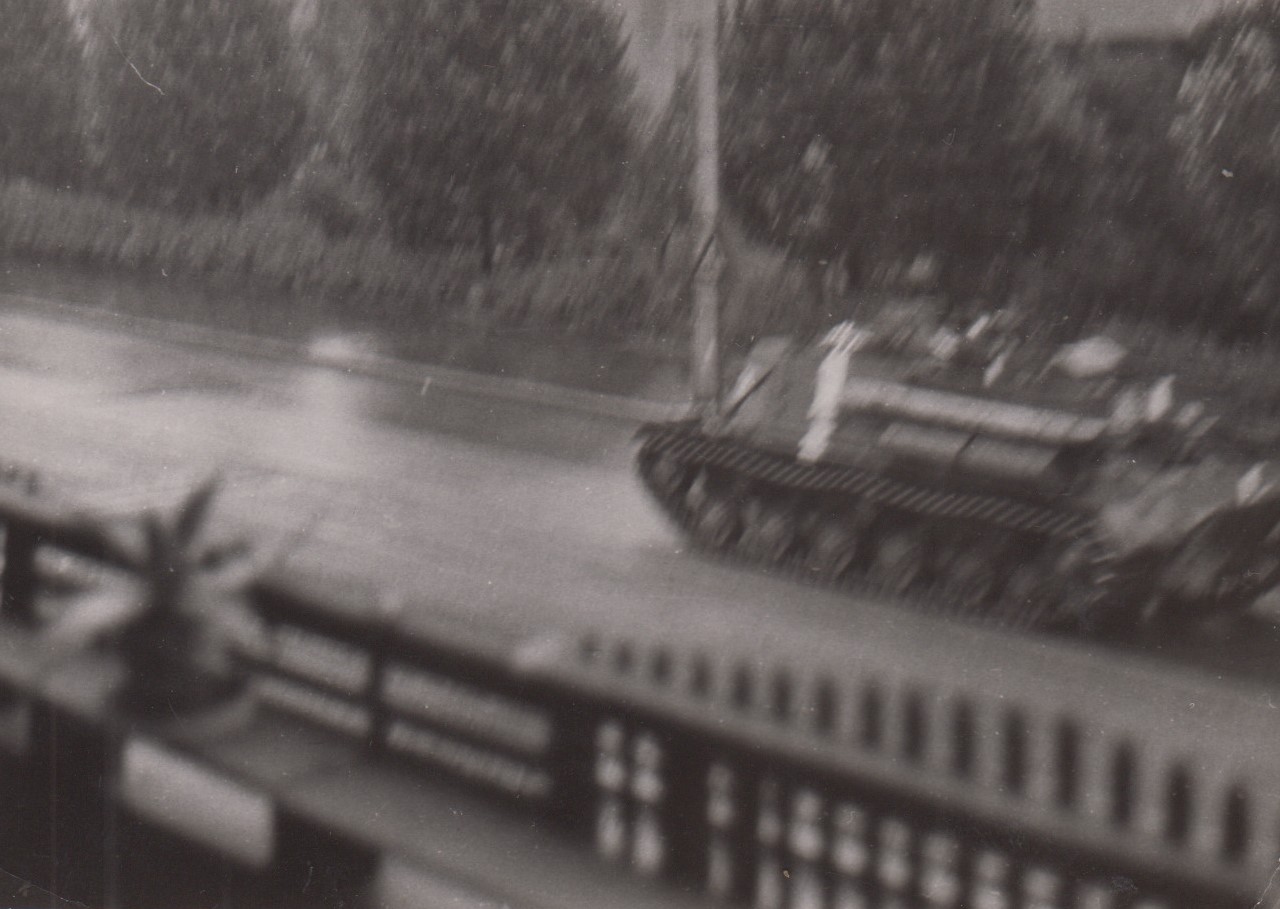
"On 21 August at about five o'clock, they called my husband from the factory; it was a bit off to the side. They asked what was wrong. We were still asleep. 'We are occupied by the Russians!' They woke us up and there were tanks rolling past our windows in Černokostelecká Street. My husband got dressed quickly and walked to the plant; there was no other way. I worked in the inner city, so I got dressed too. What was I supposed to do? I went to work. There were tanks rolling down the main street, and we all walked because there wre no trams or anything, they couldn't work. Some of the men were cursing, some women were crying. I walked, walked, walked down Černokostelecká, then Vinohradská until we came to the radio building and it was on fire. There was a big mess. When you walk from Strašnice, the radio is on the left side, and we walked on the right side where we lived. We saw the burning radio building and a huge mess and tanks and an awful lot of people. We didn't know what was going on at all. Then one tank turned and drove into Italská where we were piled up. People started running down Italská and hiding in the houses. I was running and hiding in the house too. We thought they were going to shoot us because nobody knew any better."
"Everything came after that; things just happened. I graduated the 1948 rally, that was good, but it was getting worse. Dad retired at 55 and mum didn't work. What could he do at 55? He went to work as a labourer with Baraba... He worked there until... He did what he could to make some money. Not only that. When dad was employed with Baraba, we rented the ground floor of a villa, quite a big nice flat with amenities and a little garden. One fine day, this little police officer came in and said our flat was confiscated and we had to get out. My mother started crying and said, 'Where are you going to put us? We're four adults, the girl is grown up, the boy is grown up, they can't sleep in one bed, we can't even have a small apartment, we're four grown people.' I was sitting on a little stool and he looked at me; I can't forget it to this day, he said, 'We'll find a cot for the those two.' I was 18 years old. That hurt, but it didn't matter. They actually evicted us to the next village to one room and a kitchen with a slanted roof with no fixtures or fittings."
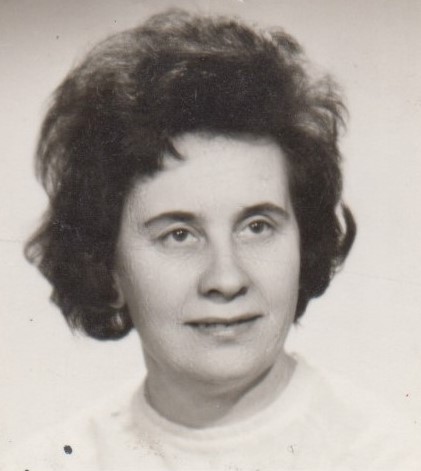
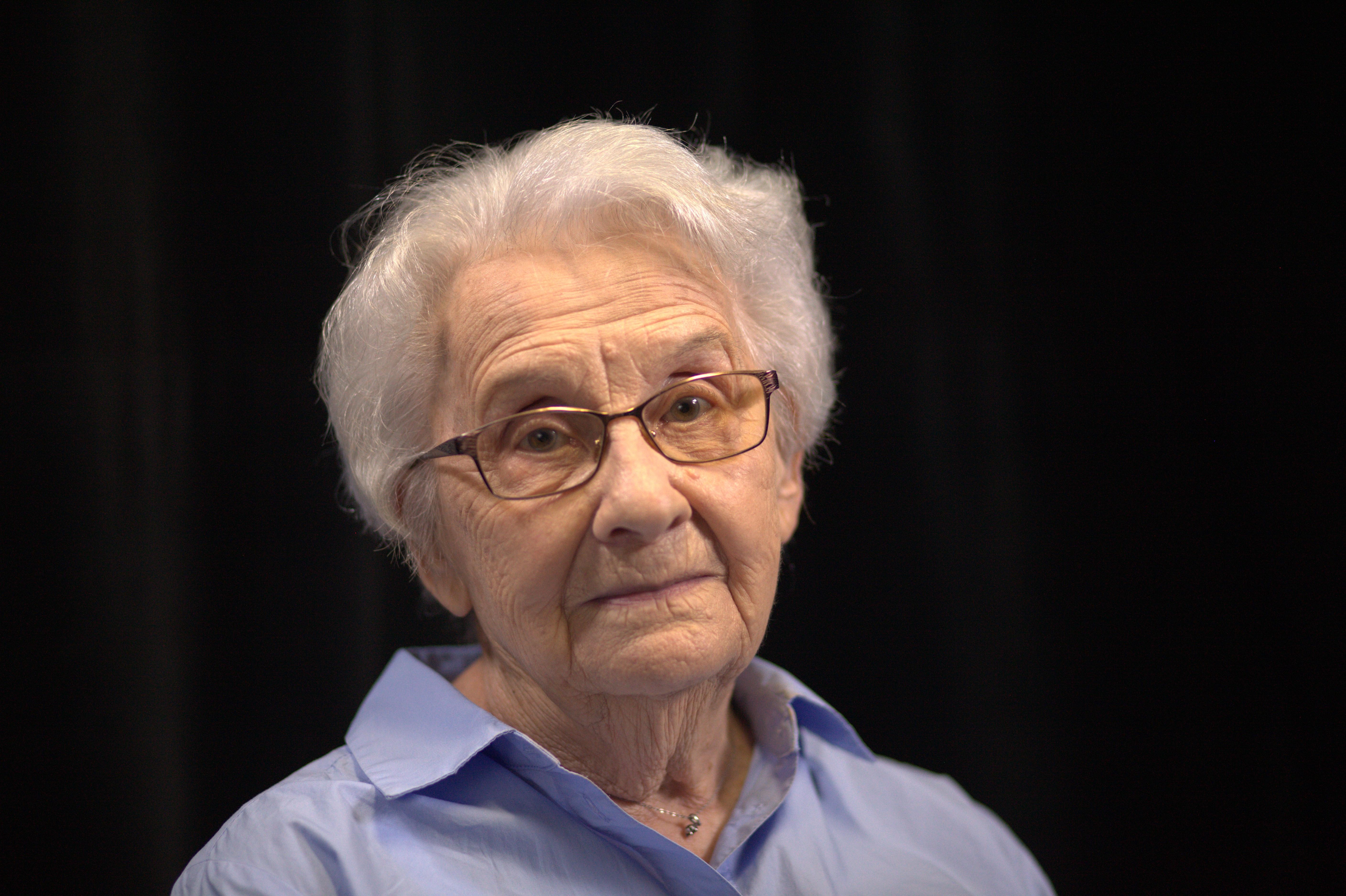
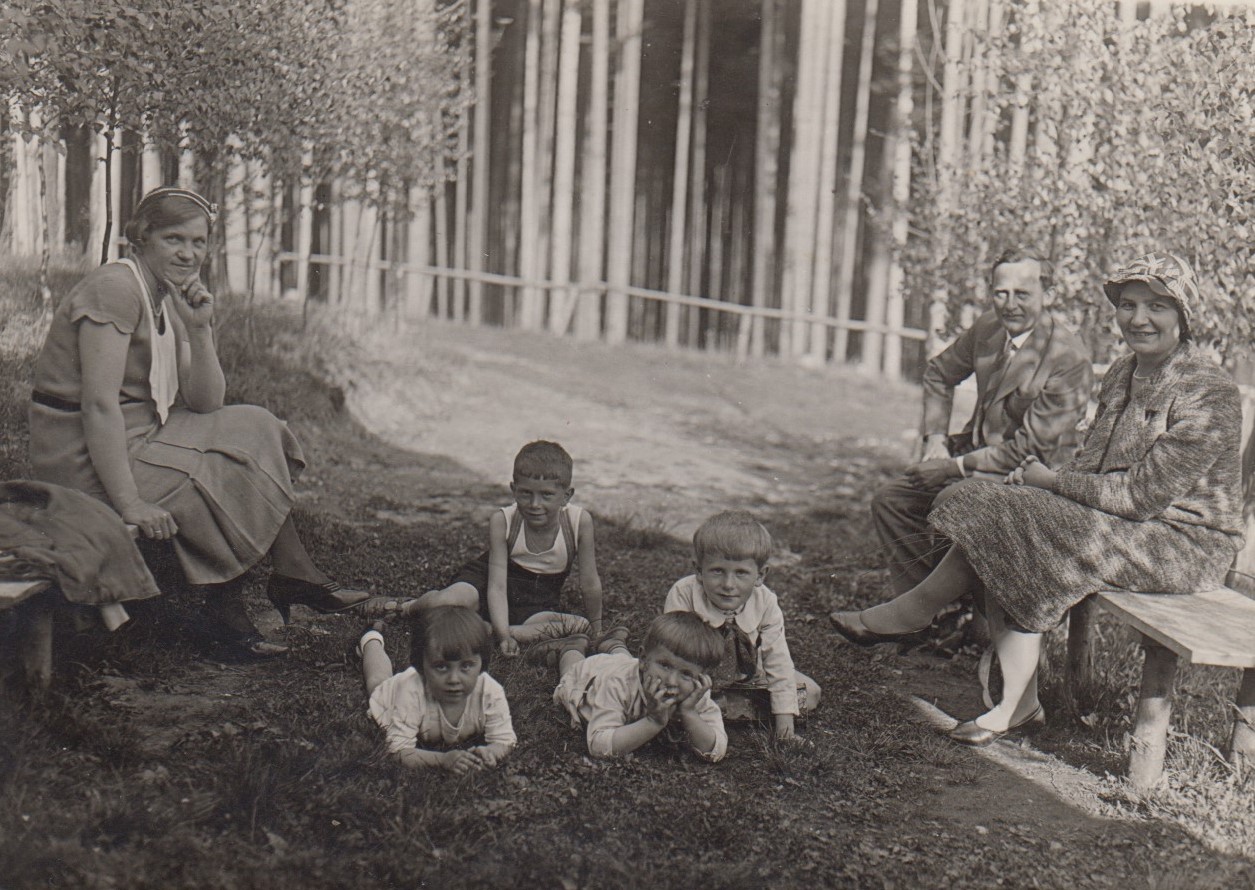
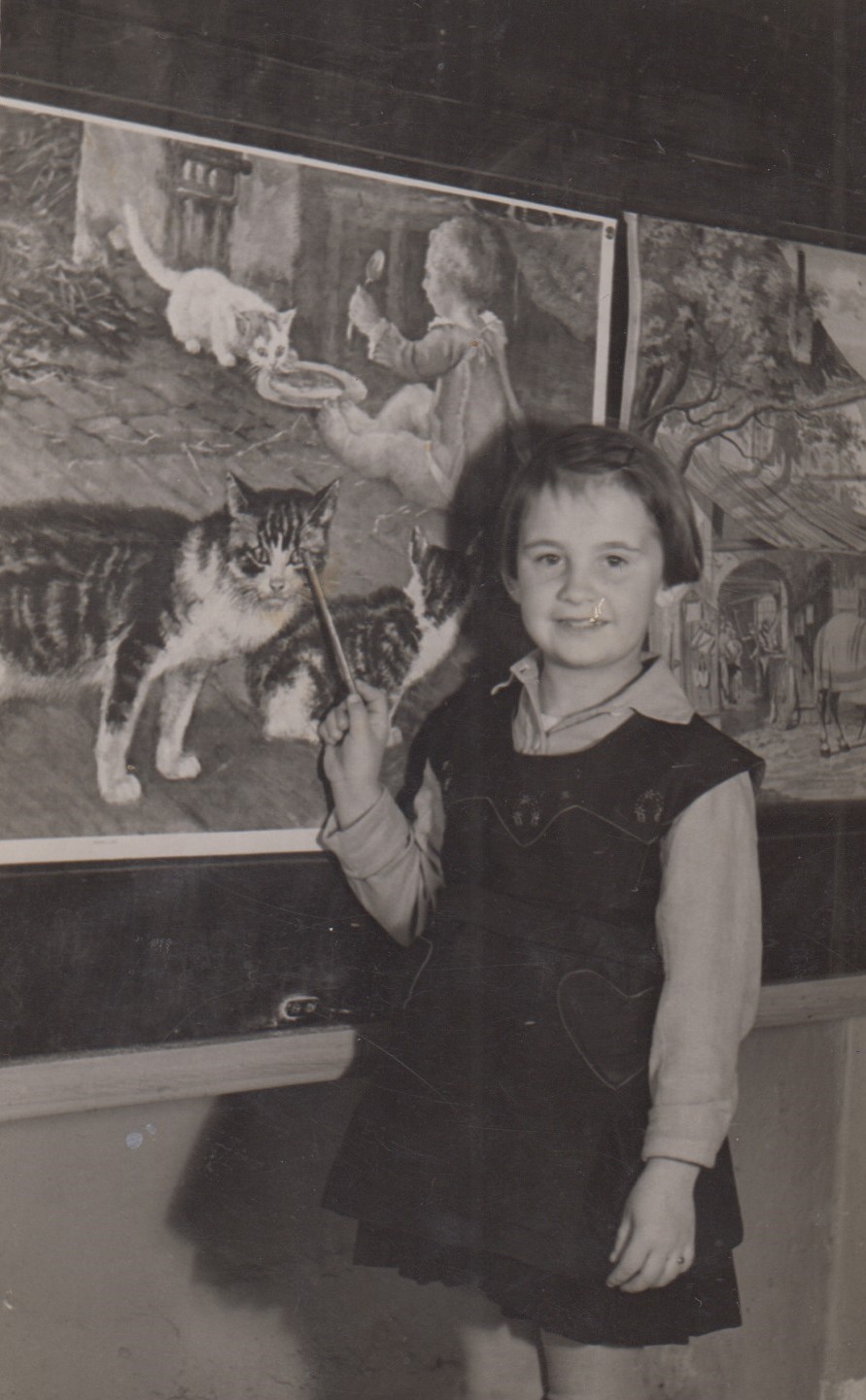
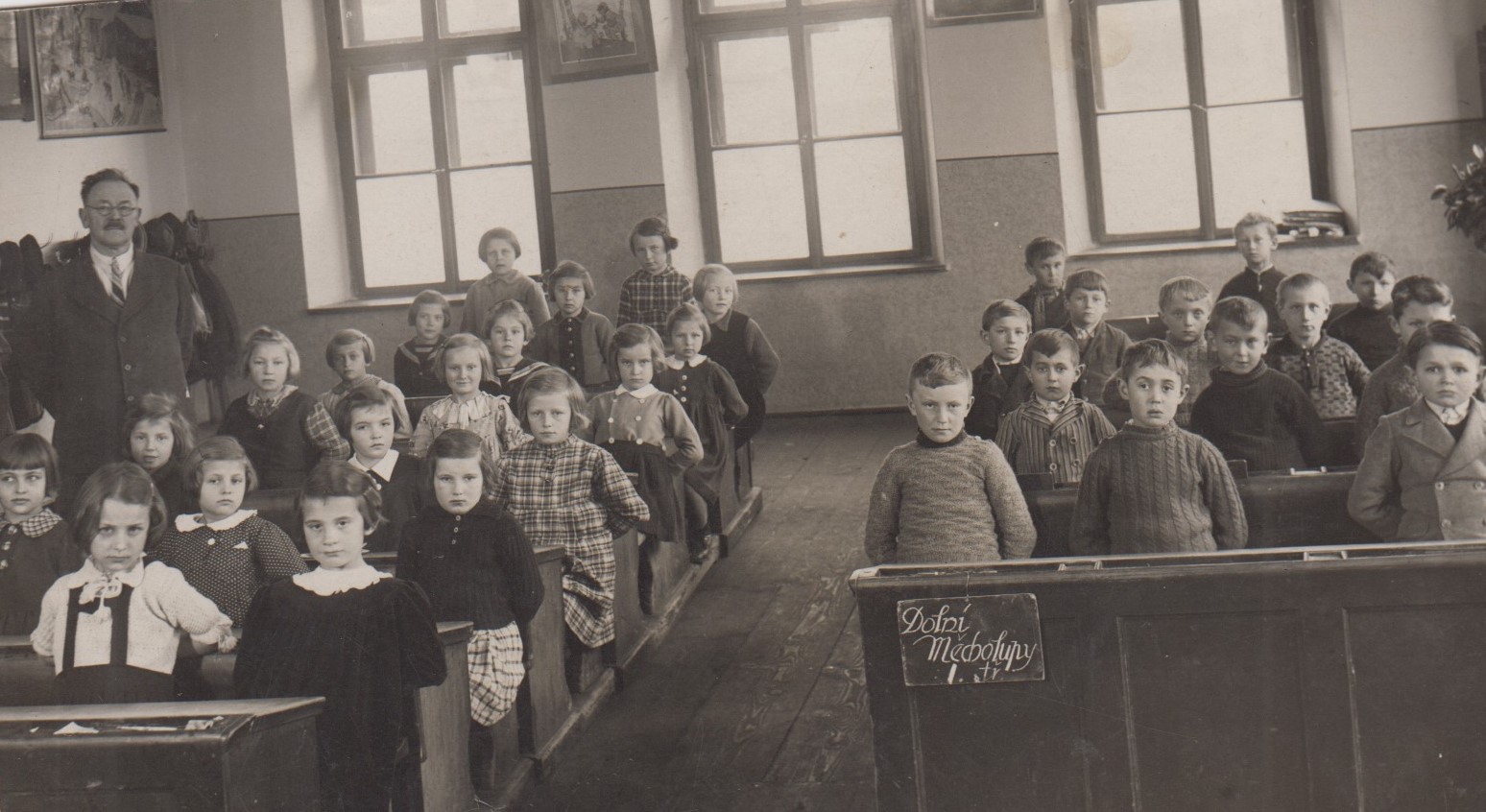
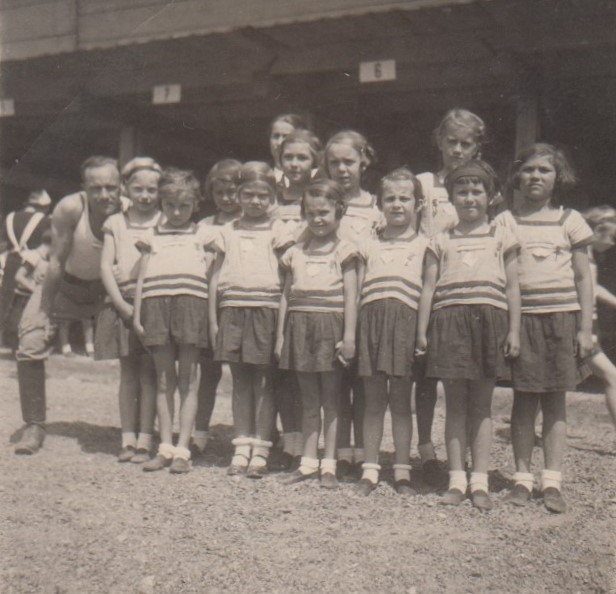
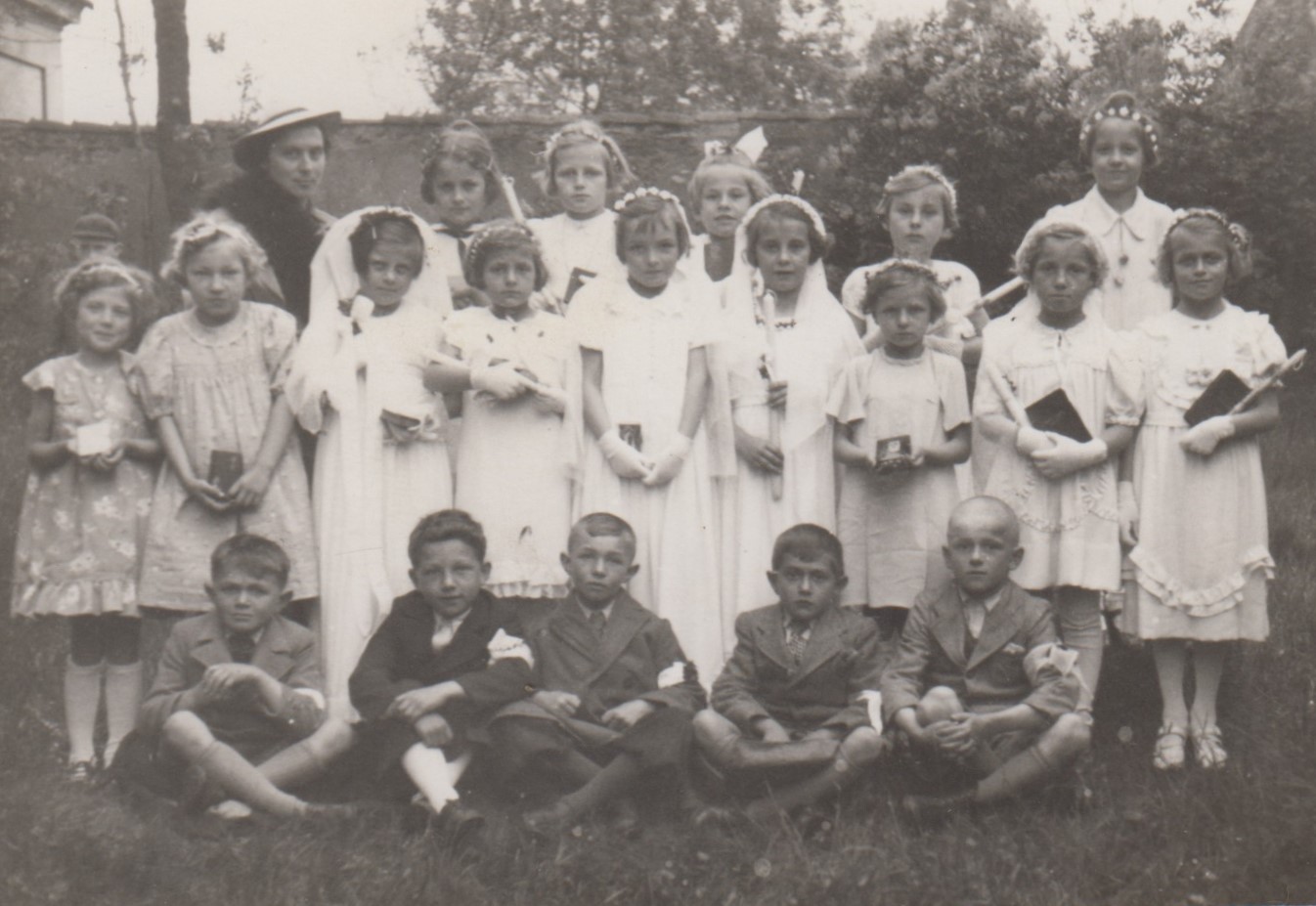
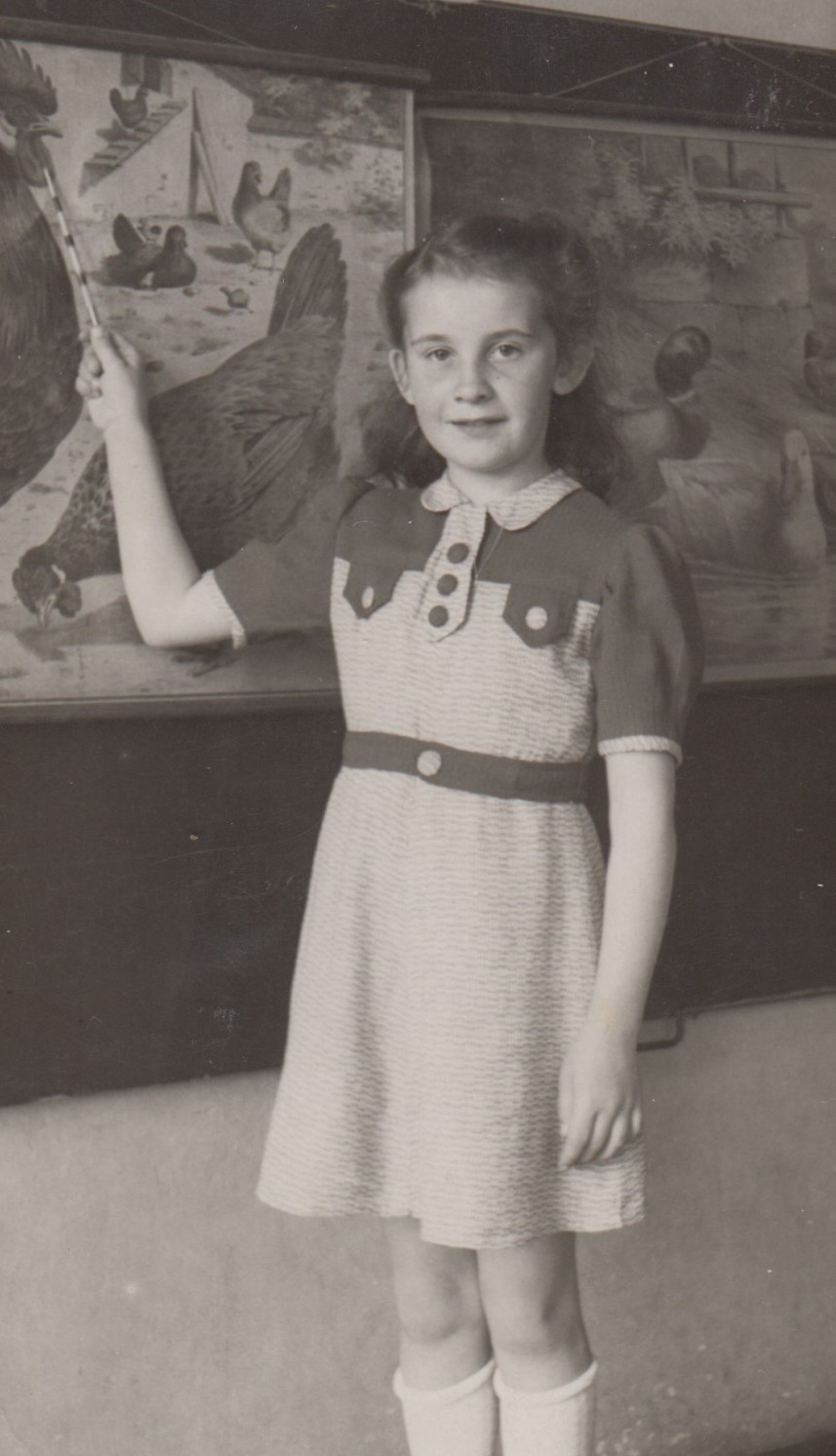
Jaroslava Červenková was born on 27 April 1931 as the second child in the family of Chief Constable František Toman and his wife Anežka in Oselce, West Bohemia. At her age six the family moved to Dolní Měcholupy. Their father took part in combat during the Prague Uprising as a Protectorate gendarme. In 1948, Chief Constable Toman refused to join the Communist Party of Czechoslovakia (KSČ) and was subsequently retired early. In 1950 they were forcibly evicted from their apartment and had to move to a neighbouring village where four adults shared a single small room. In 1953, the witness married Jiří Červenka and they had two daughters. Her husband was a long-time member of the Communist Party, but he left the party in 1968 after the invasion of the Warsaw Pact troops. As a manager, he refused to sign dismissals for his colleagues who were involved in the Prague Spring. He was demoted from a senior position to an assistant technical officer. Due to his political stance, their daughter had issues with employment. Jaroslava Červenková worked as an accountant all her life. She lived in České Budějovice in 2025.
Hrdinové 20. století odcházejí. Nesmíme zapomenout. Dokumentujeme a vyprávíme jejich příběhy. Záleží vám na odkazu minulých generací, na občanských postojích, demokracii a vzdělávání? Pomozte nám!