"The end of the war. As I said, dad had the flags sewn, and he took one of them and went to the station. When a train was approaching, they would lower the barriers. He gave it to Mr. Nekvinda, but he said, 'Josef, I'm scared. Let's not put it up; the trains running now are with German soldiers.' They didn't even hoist it, and and a German train came by and started firing. Dad left the flag there and went home, and then they put it there. The war went quite well here. We were used to the Germans, nothing special happened. But then the Red Army came. They moved in, took stuff out of the bedrooms and moved in. They would lean their rifles against the cupboards. They destroyed everything."
"He bought the radio and listened to Free Europe night after night. He always said, 'People will come in, don't make a mess!' We were girls, then we were three, and the way it is with kids, when somebody comes, the kids assert themselves. We were so many times... He caught us, he put Marie in the attic, me in the pantry, it was like a closet. Believe it or not, they used to give people a kilo of candy per child per year. It arrived before Christmas, and my mum put it in the pantry, and she always gave us one candy each. Now that they locked me up, I didn't mind. I'd stand on the sauerkraut barrel, and I'd climb up and get my candy. I always took some, but I also gave some to Marie in the attic."
"Now I remember: he went to the military in Uzhhorod and Mukachevo. That was part of our country, and he served there for two and a half years. Then when the mobilization came in 1938, when I went to school, they were drafted to Uzhhorod and Mukachevo for mobilization. Then he came home. Somehow President Beneš had agreed that it was no use, that they wouldn't be able to do anything anyway. So they sent them home."
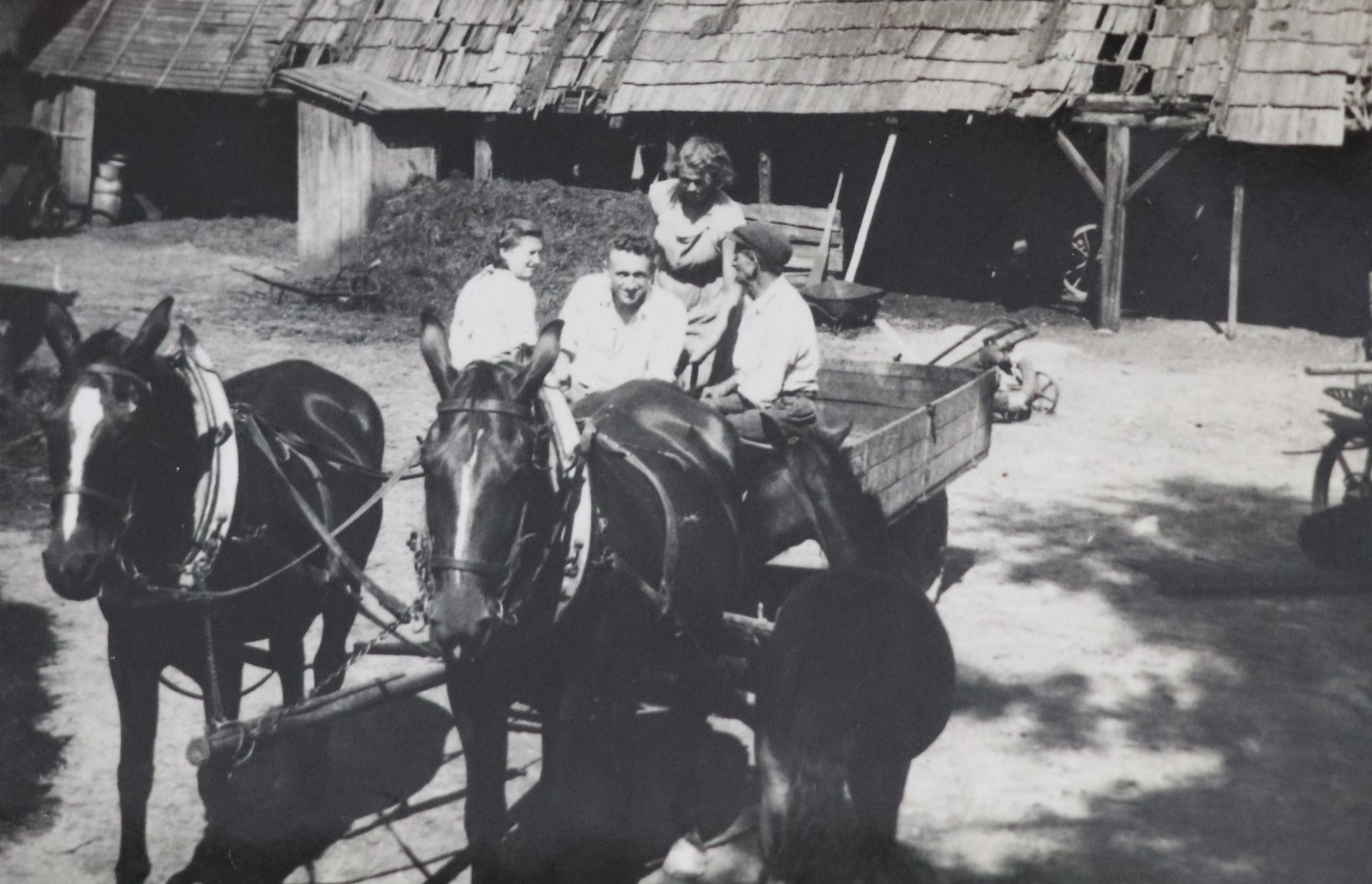
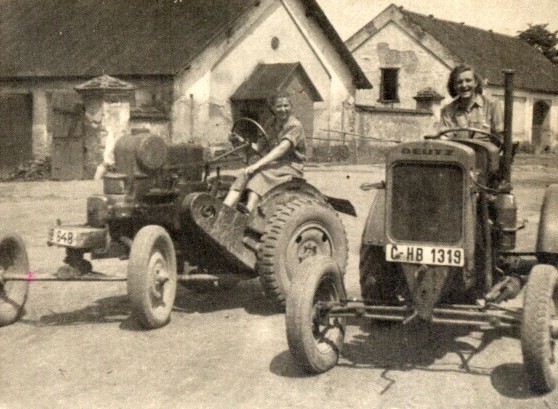
"They set up the cooperative. Those who fared well got out of it and those few sowed crops together and it was rolling. They were required to supply much more grain, meat, milk, eggs. It was impossible to deliver. Mum got a goat, so she'd have maybe... milk for the pigs and piglets we had, and she'd give us the milk and put it in coffee. I hate the smell of goat milk and mutton ever since. She bought eggs so she could deliver, so that we could kill one pig a year. Imagine so many kids and so many bread slices to grease, it was just the lard."
"Then one of the Germans came. He used to warn my dad. It was half past five, and he said, 'Josef, get dressed. Heroltice folks want to drag you away somewhere.' Then he came back and said, 'You know what, they wanted to shoot you all at the Ždírec forest.' Our Germans were kind, we didn't have any problems with them the whole war, only as children we fought or the girls pulled each other's hair because they were German and we were Czech. The German said, 'You were lucky, we didn't want such a massacre here.' That was 15 March, and that's where it all started."
"Then I went to school, the school was closed. Mr. Vítů the headmaster's apartment was on the other side, and the Germans took him away. They were going past the pub, and I slowly followed them and I saw it... There were stairs. On each step, he was supposed to raise his right arm and say 'Heil Hitler!' He didn't, so they spat on him, slapped him... I came home just... I was stuttering and what not, and women tried to make me speak. Then one of them thought, 'You know what? Let's get them food.' I said, 'What?' - 'Look, we're going to make potato soup, put it in a big can for you, and you'll bring it in, spoons and bowls.' I said, 'If they let me in.' I don't know, but they did let me in, after lunch, at noon."
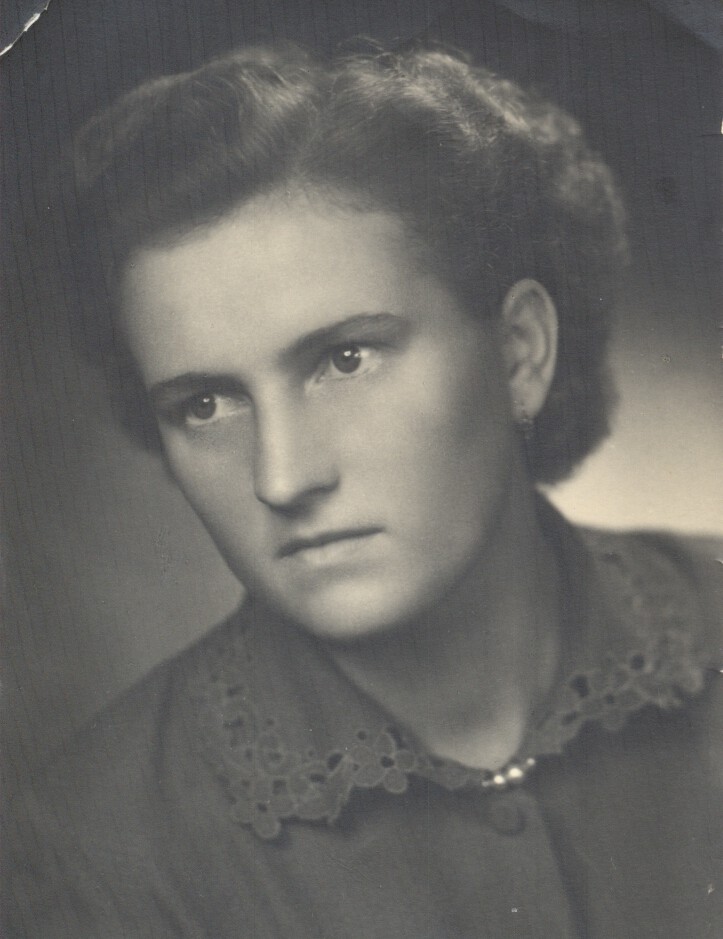
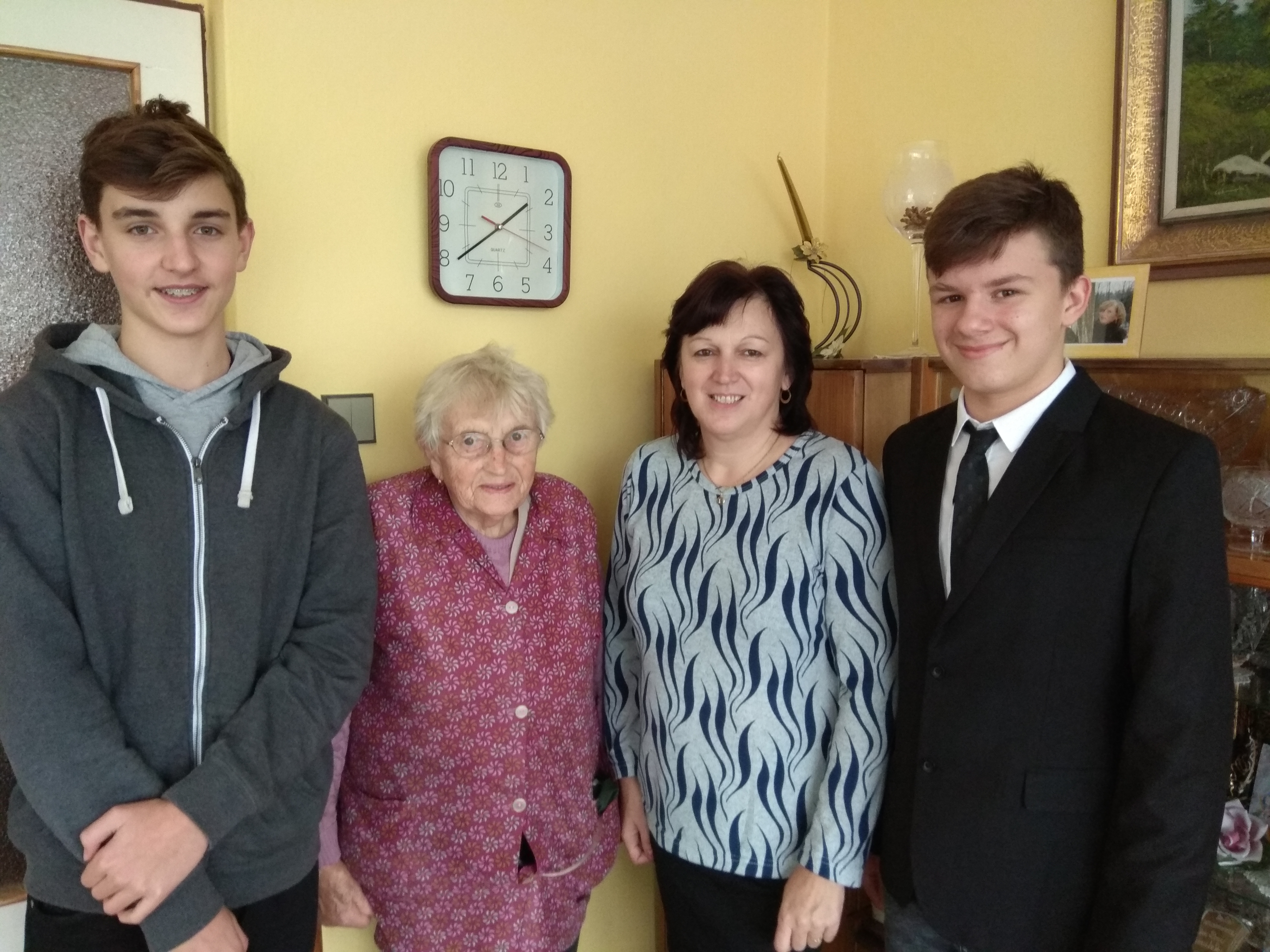
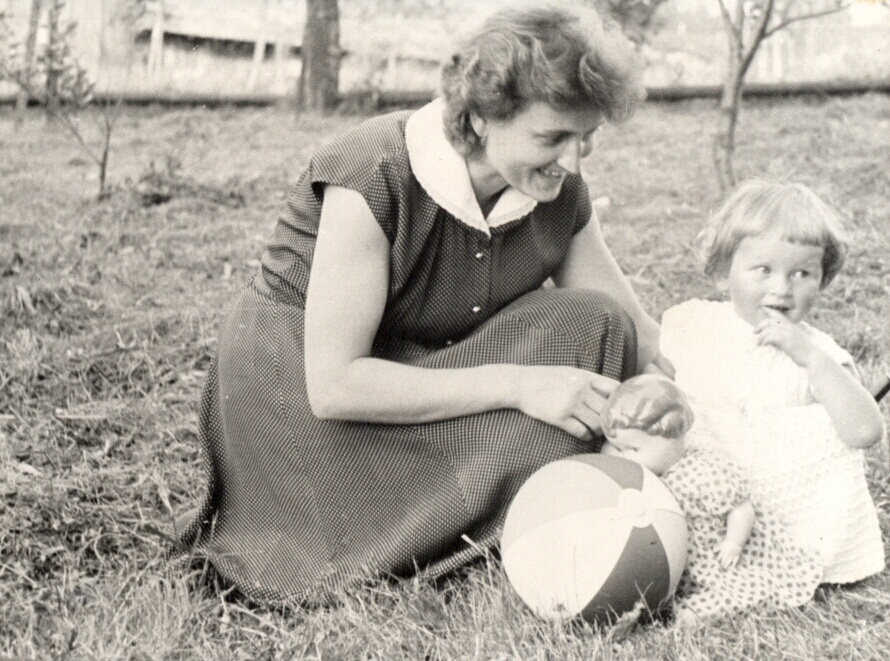
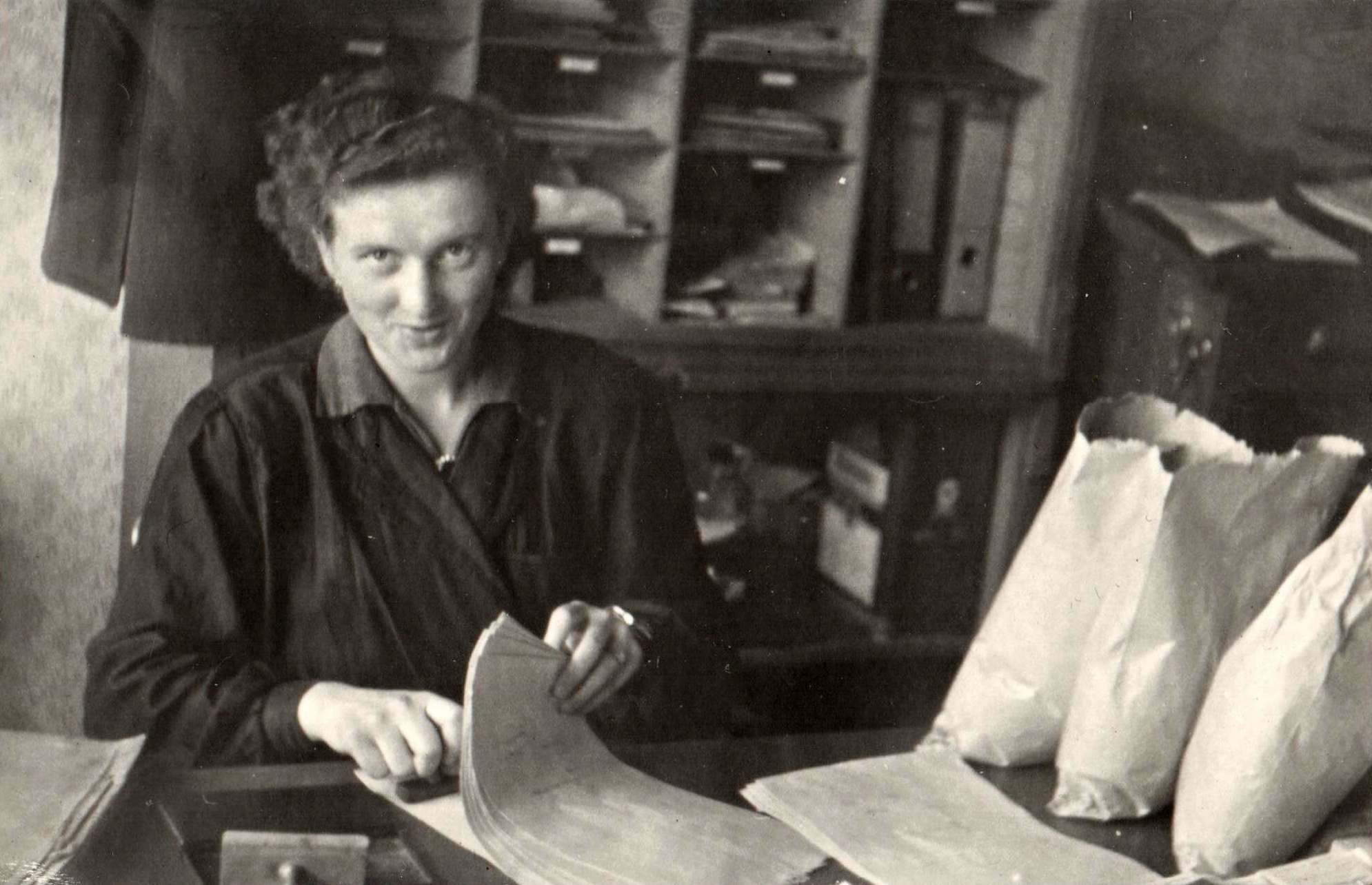
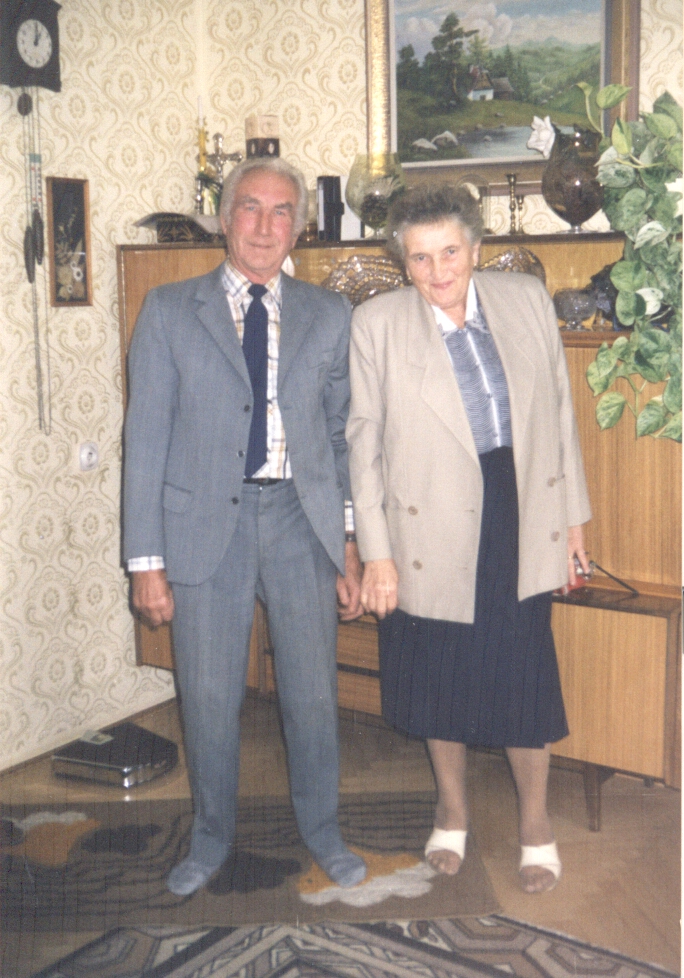
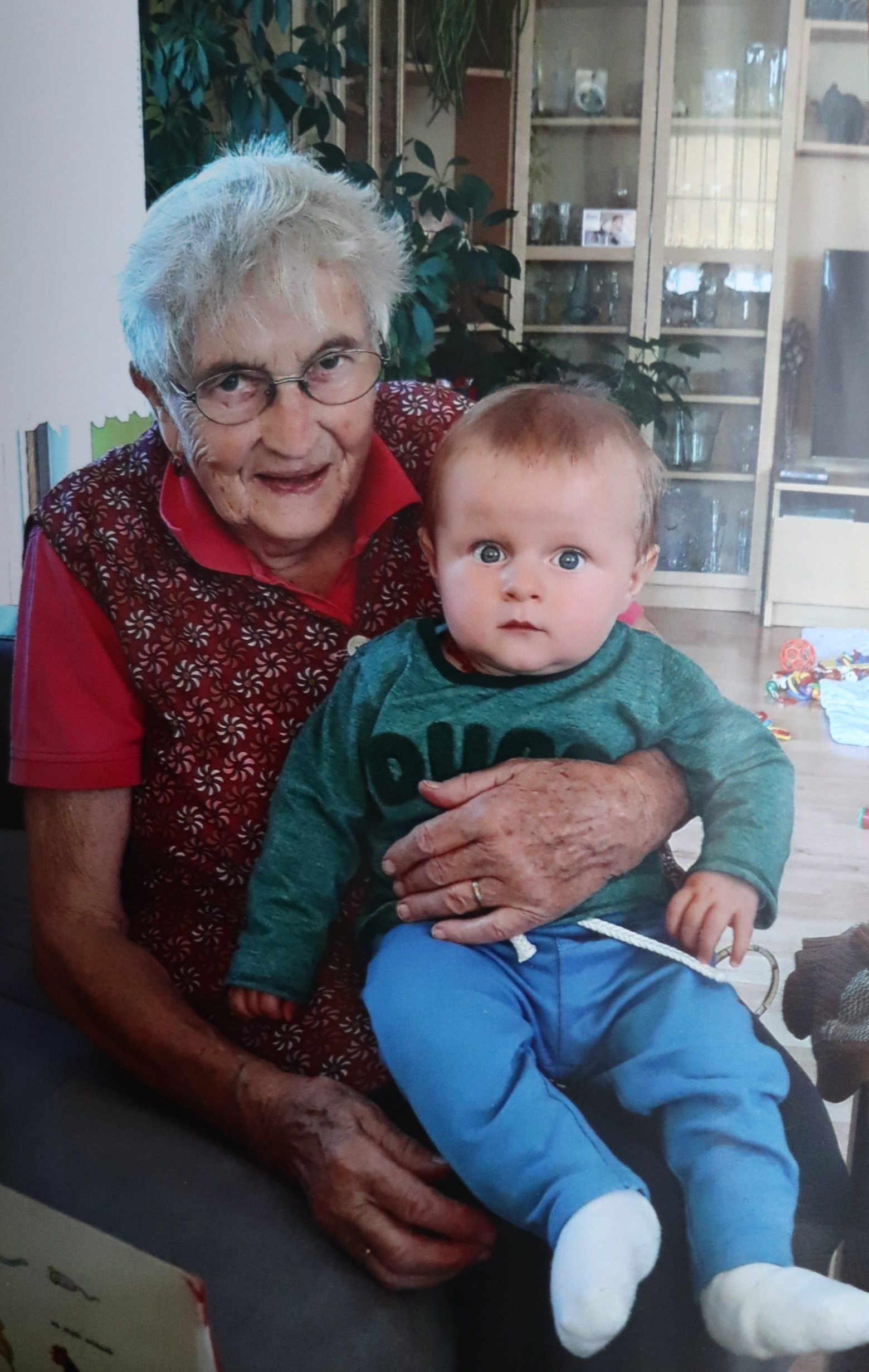
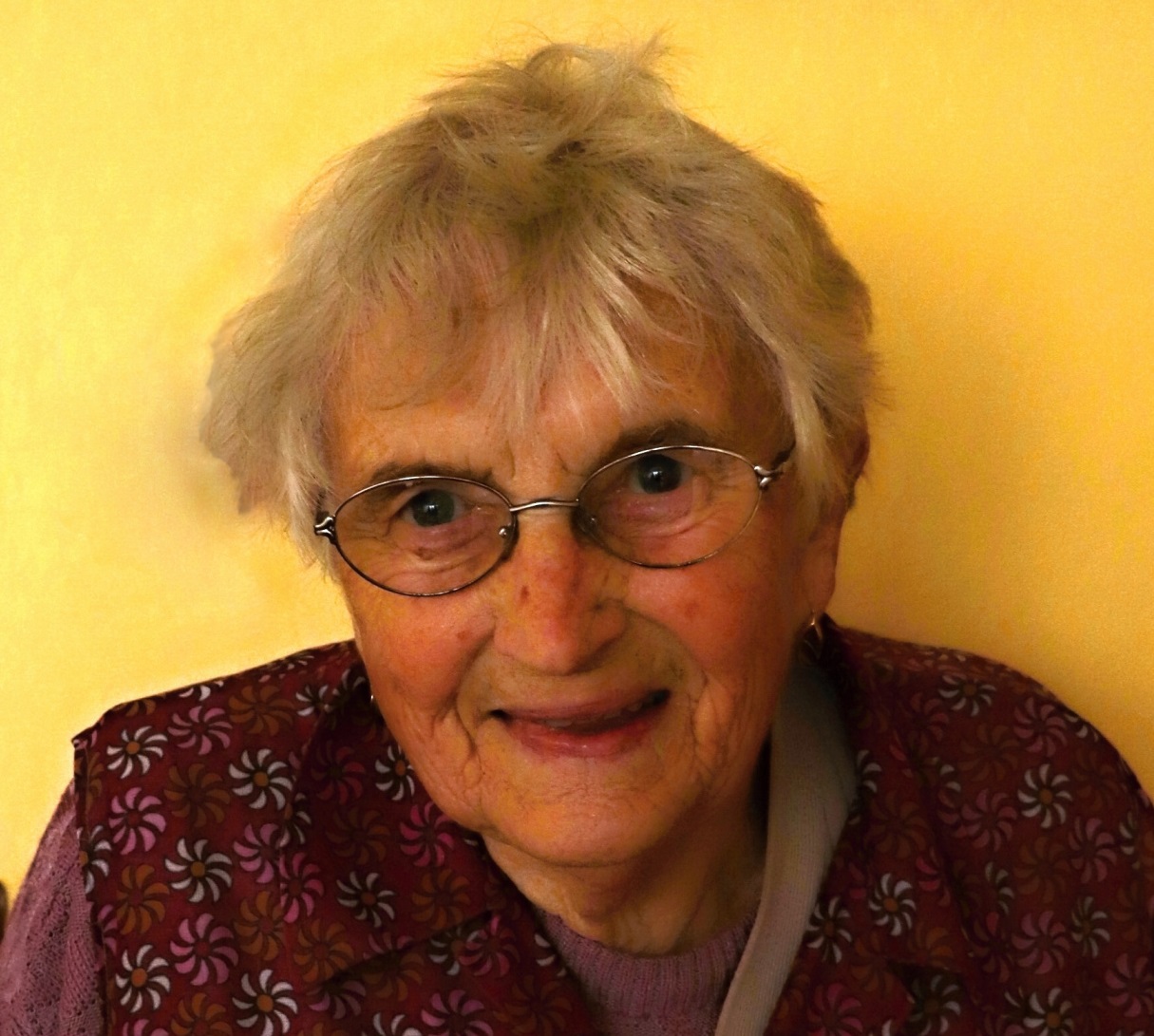
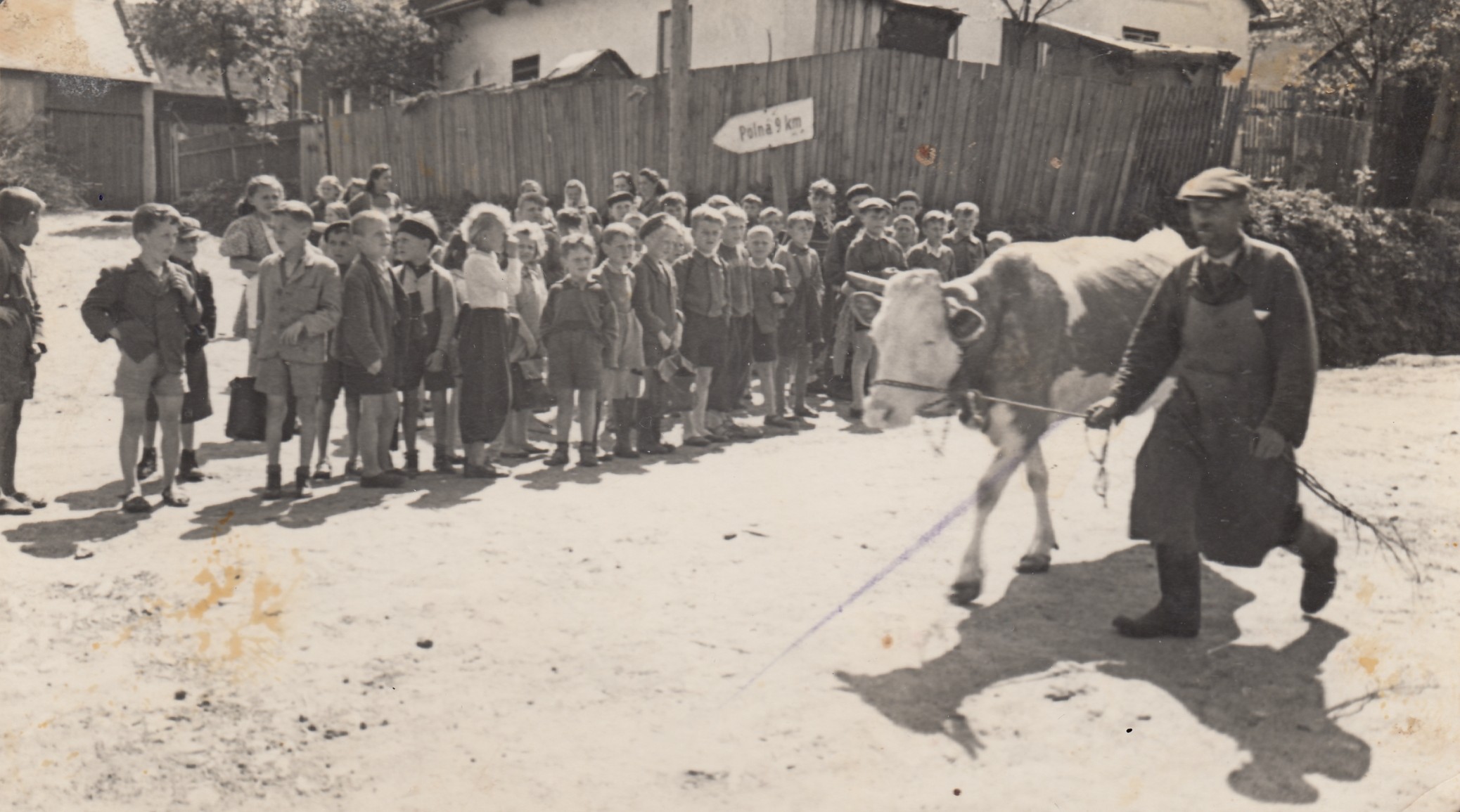
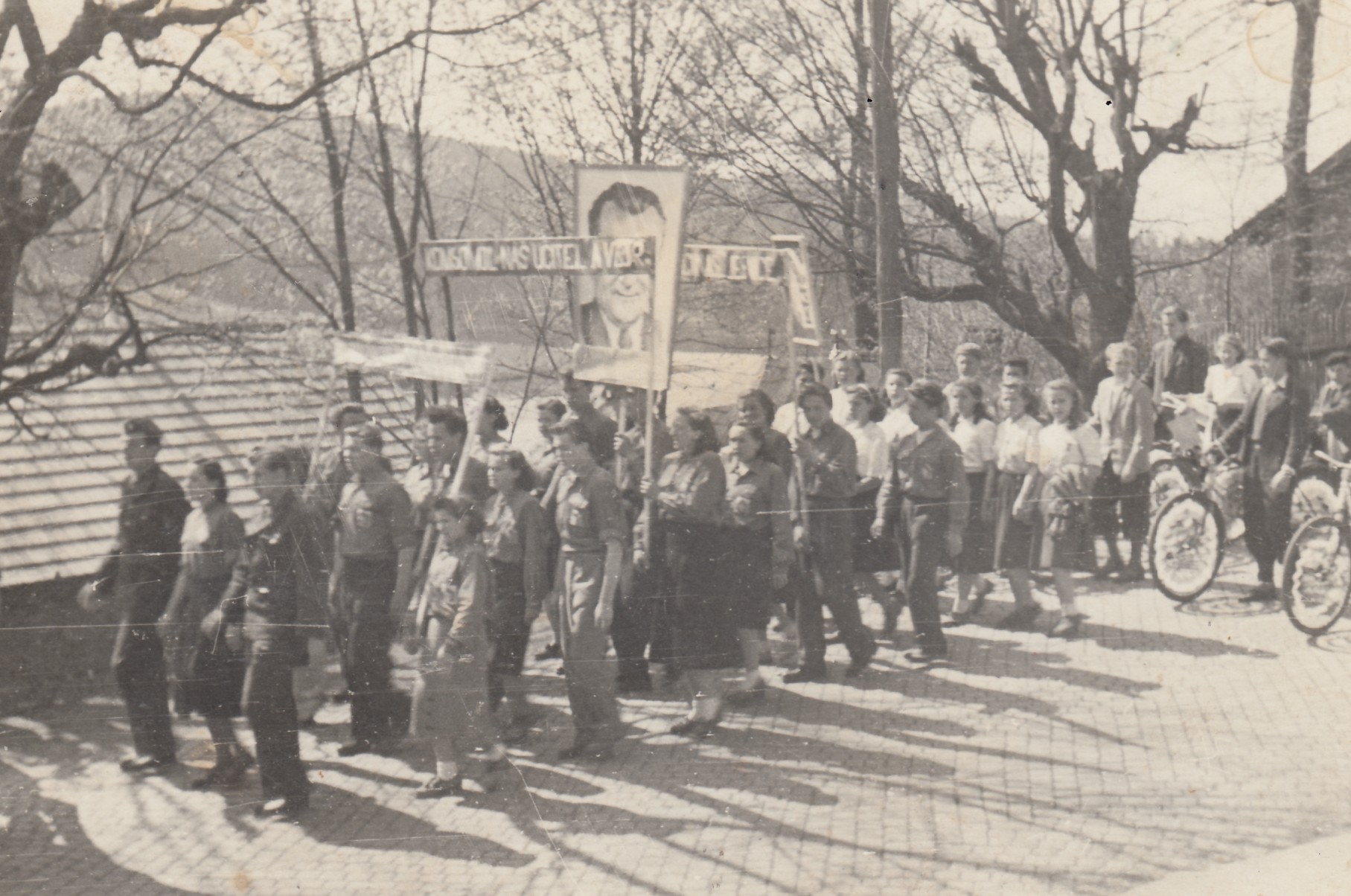
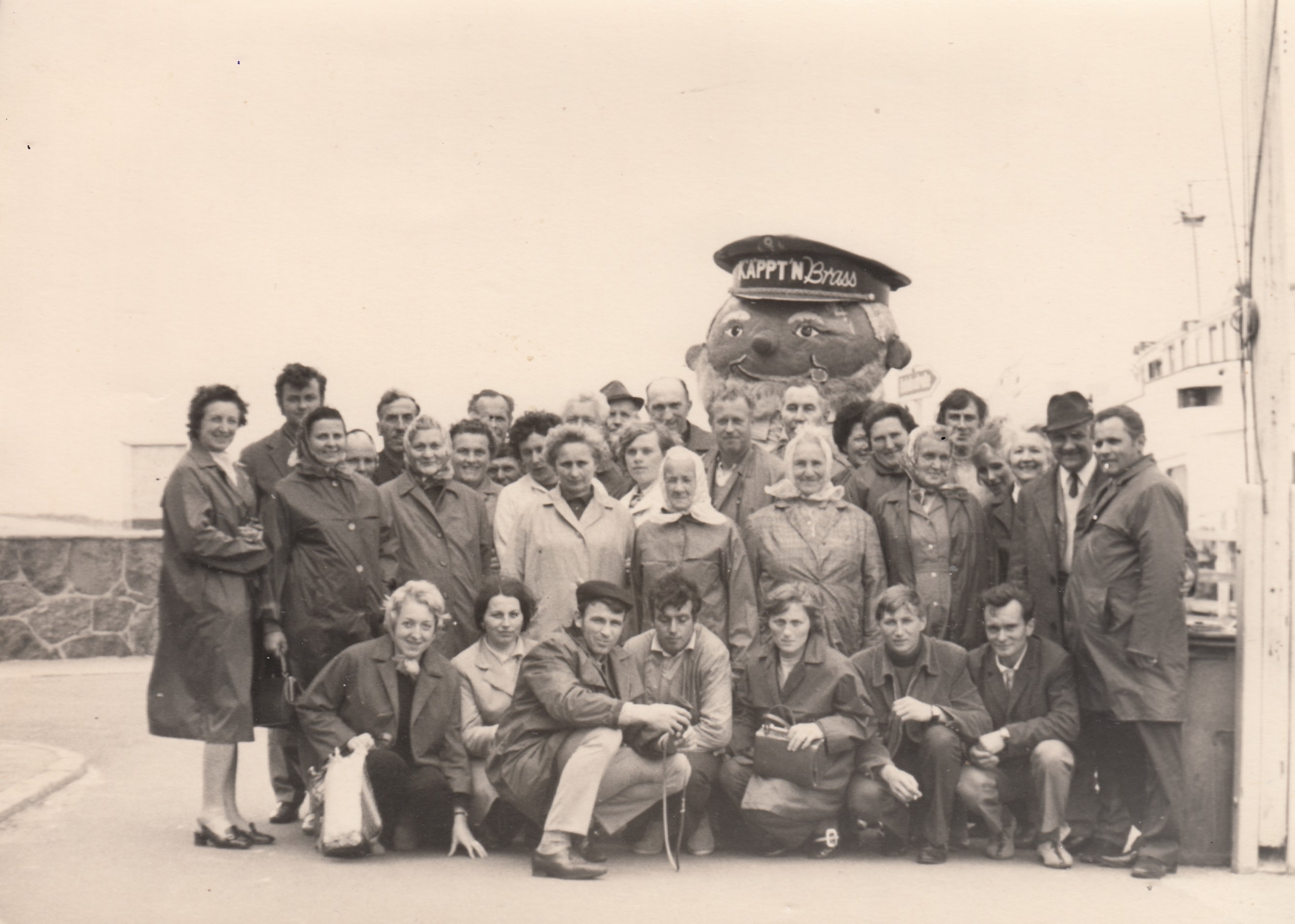
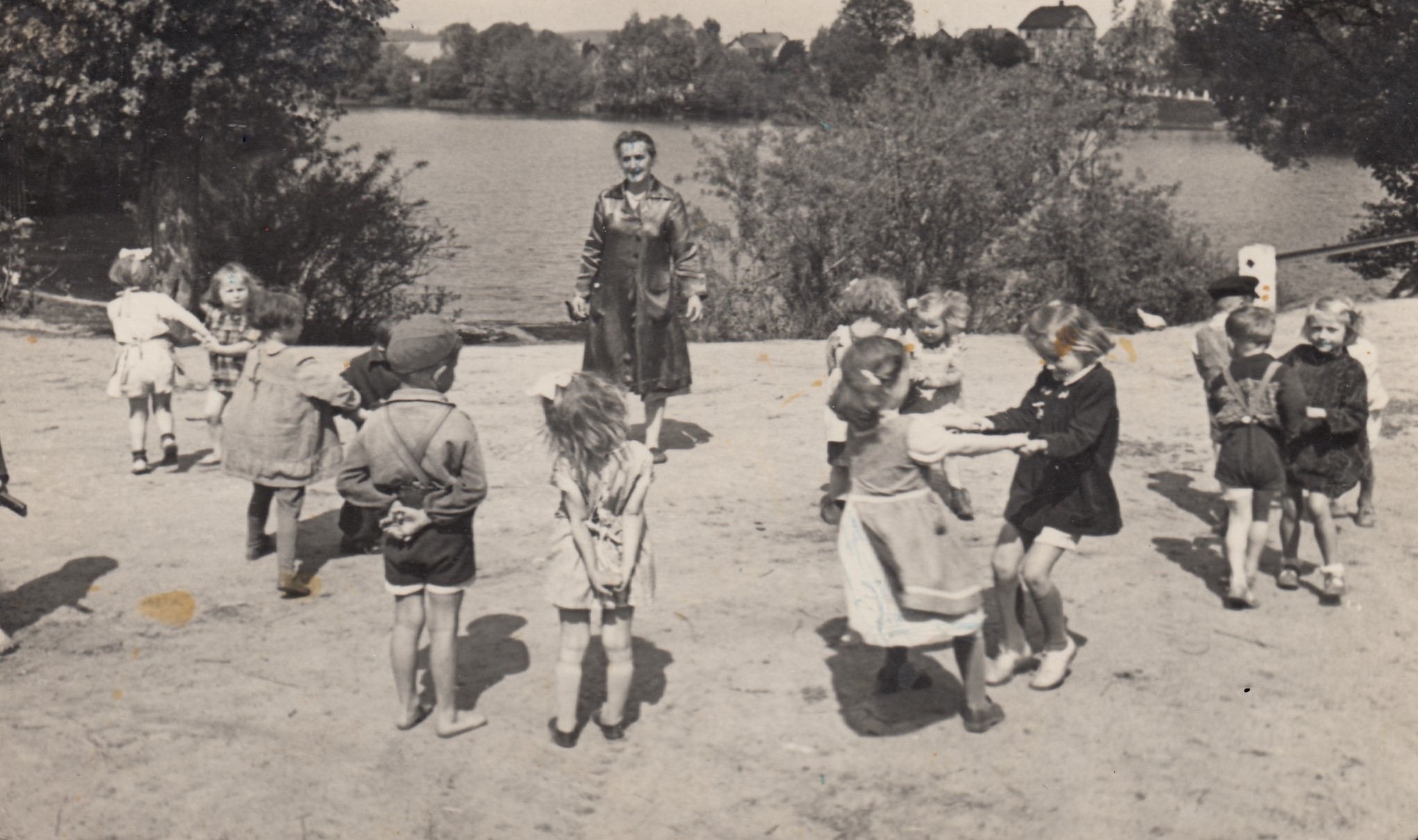
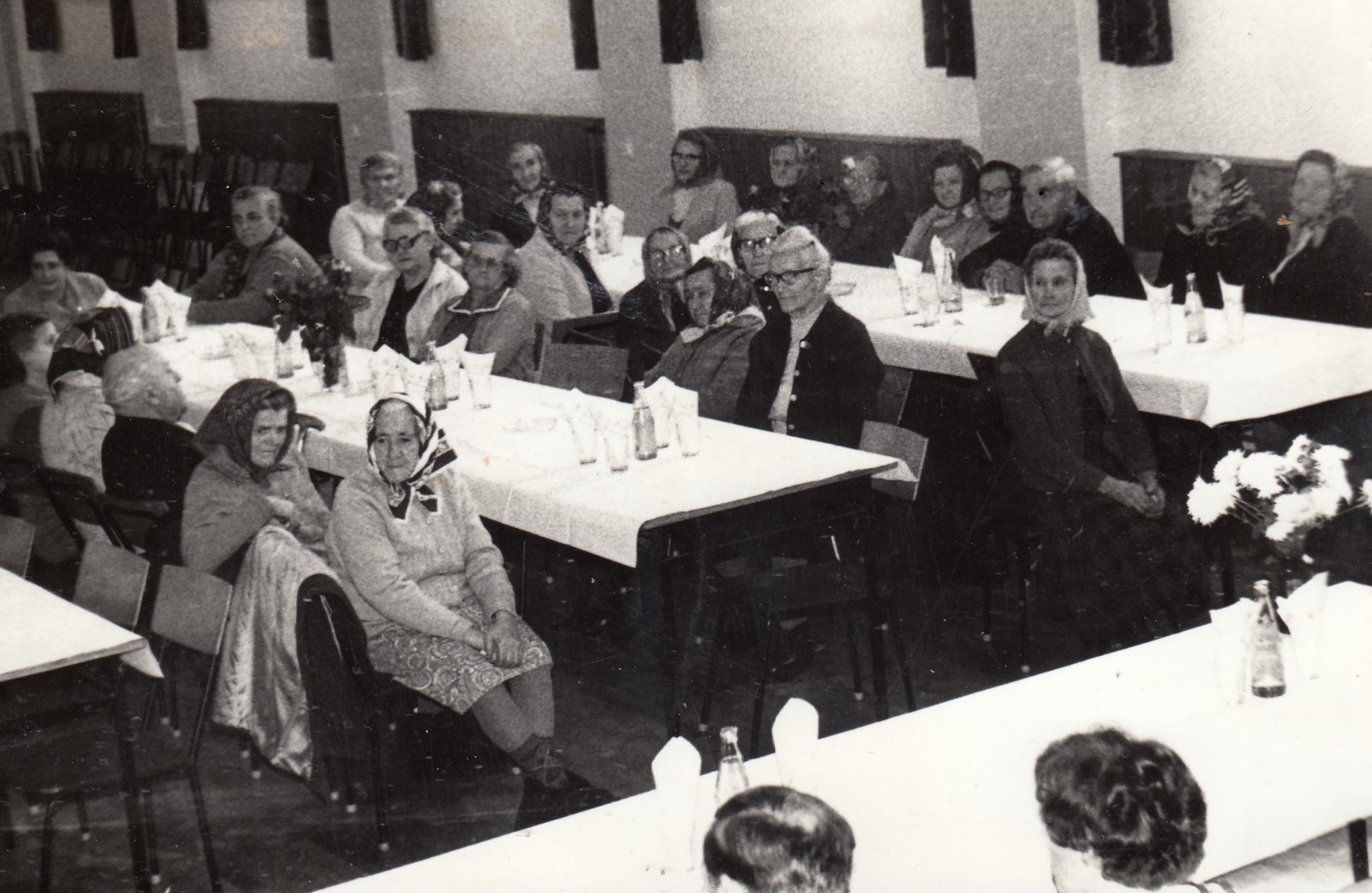
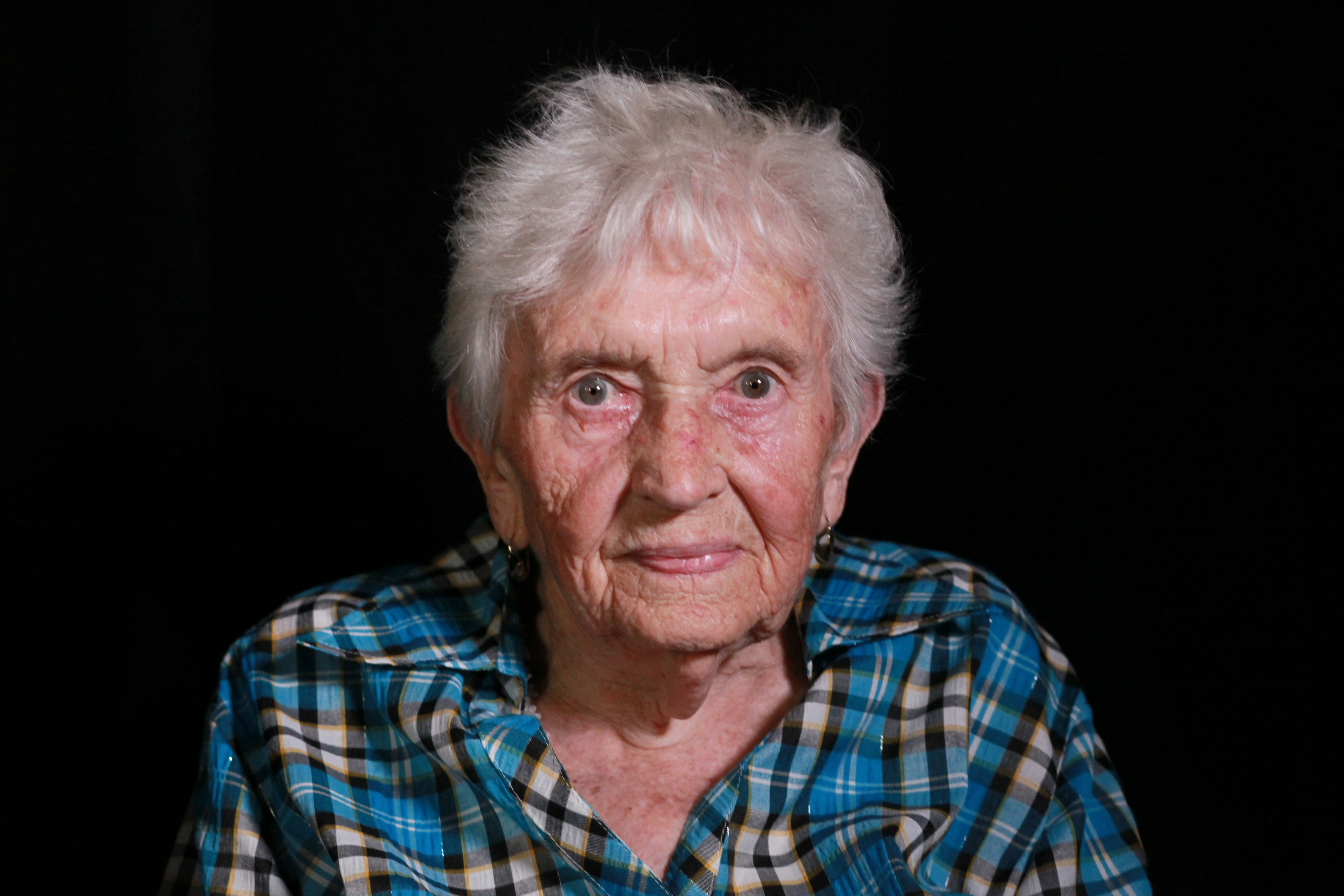
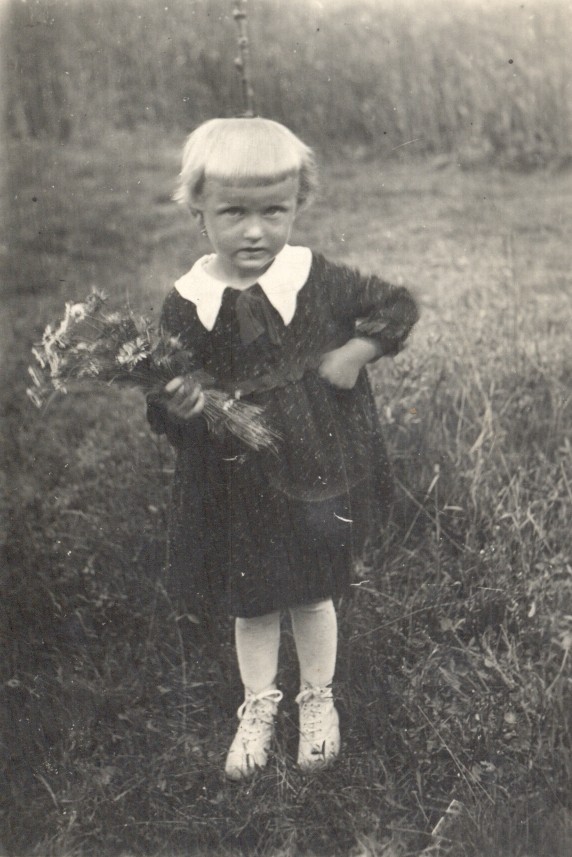
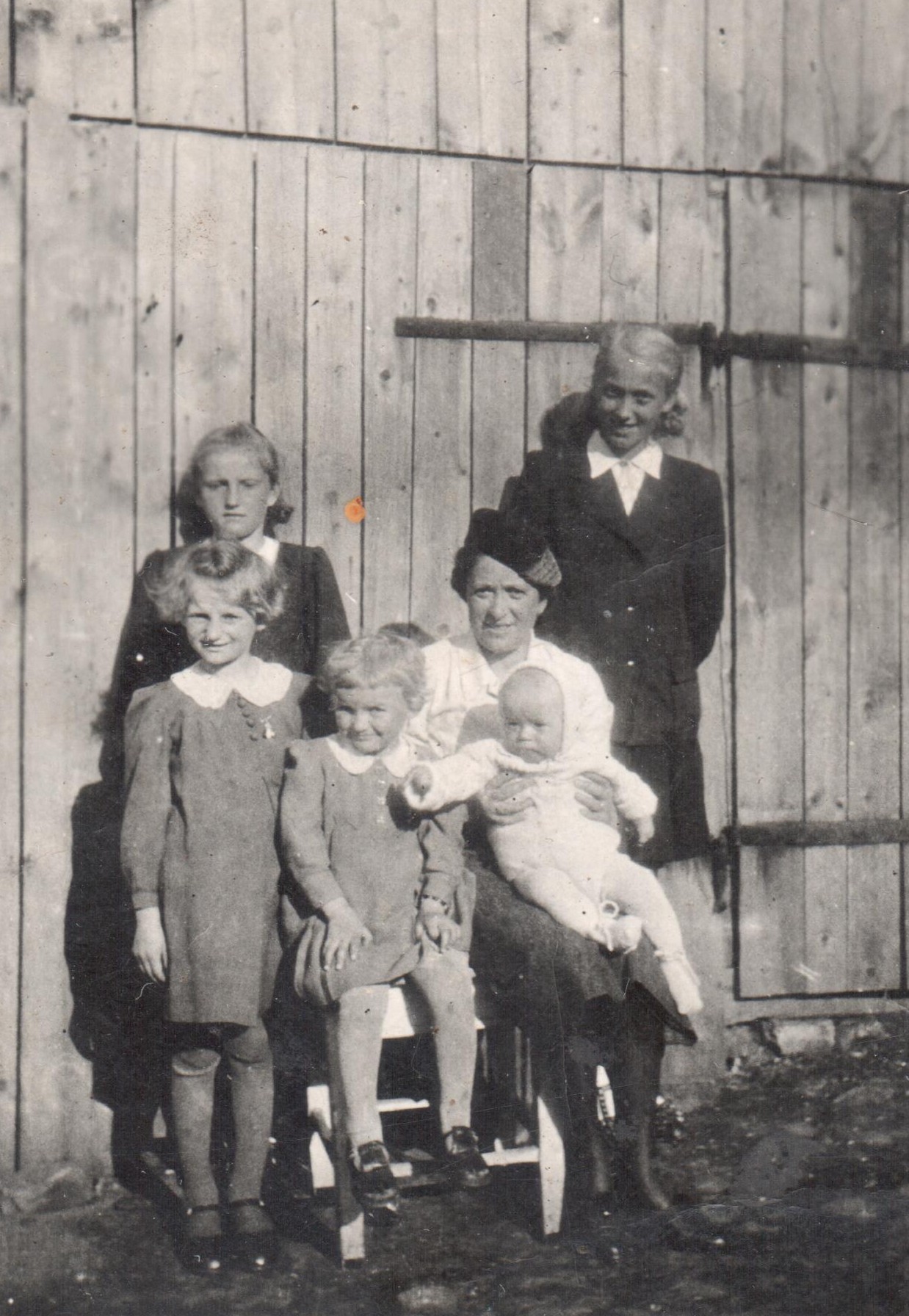
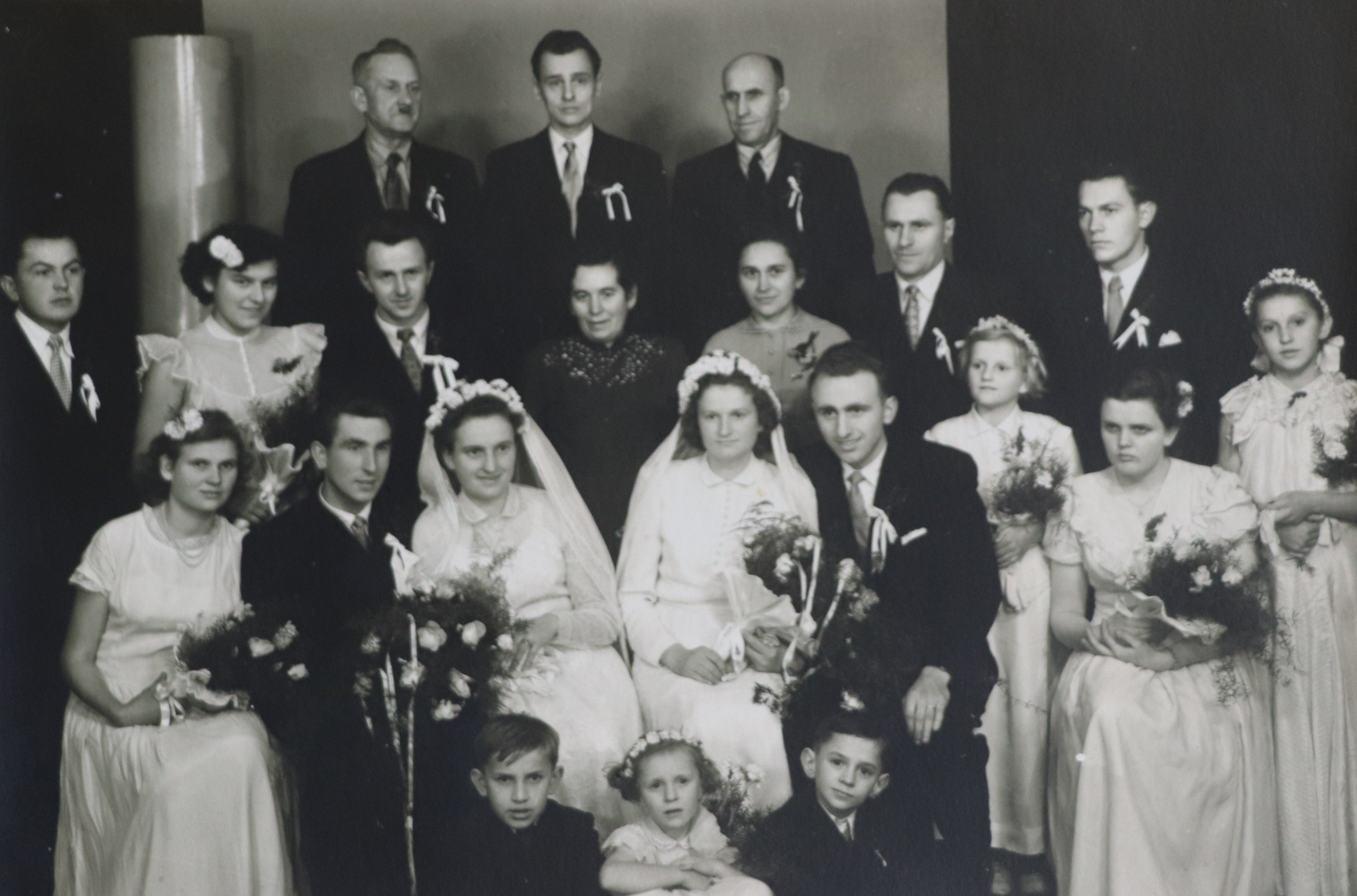
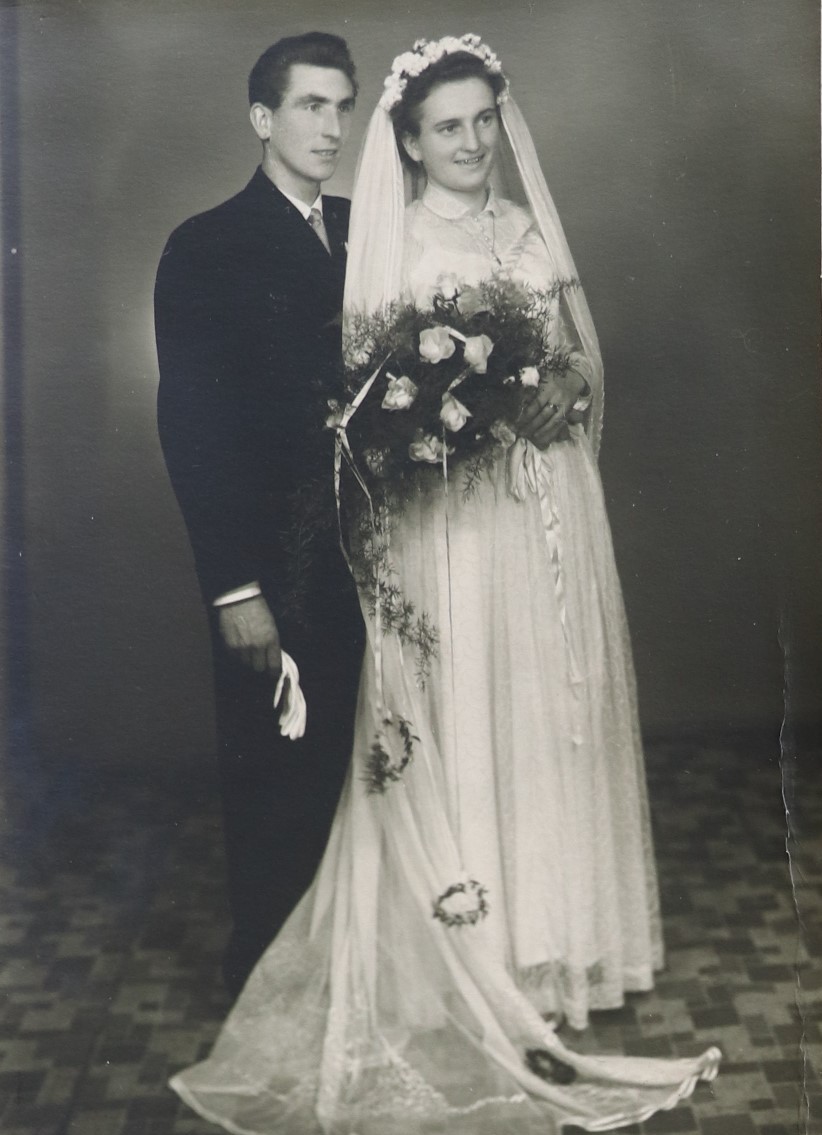
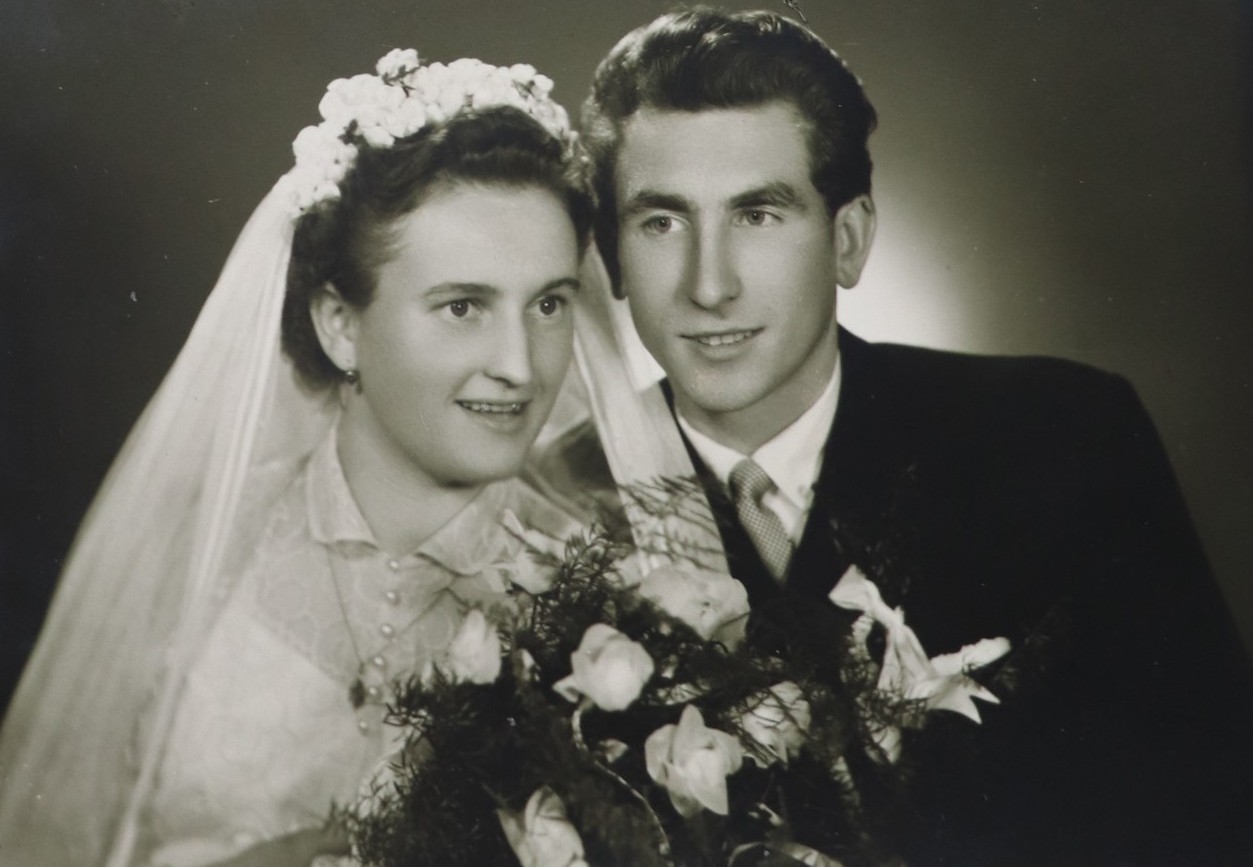
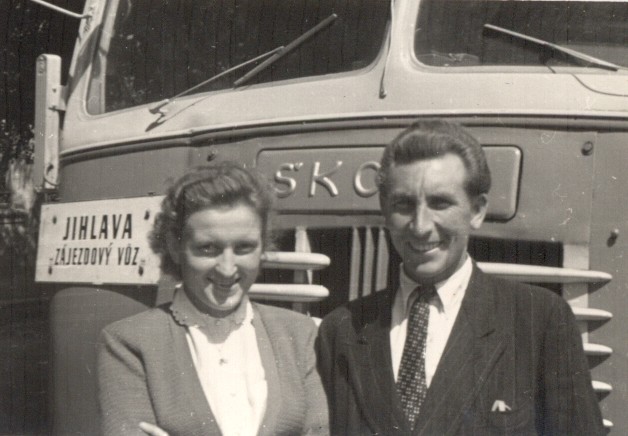
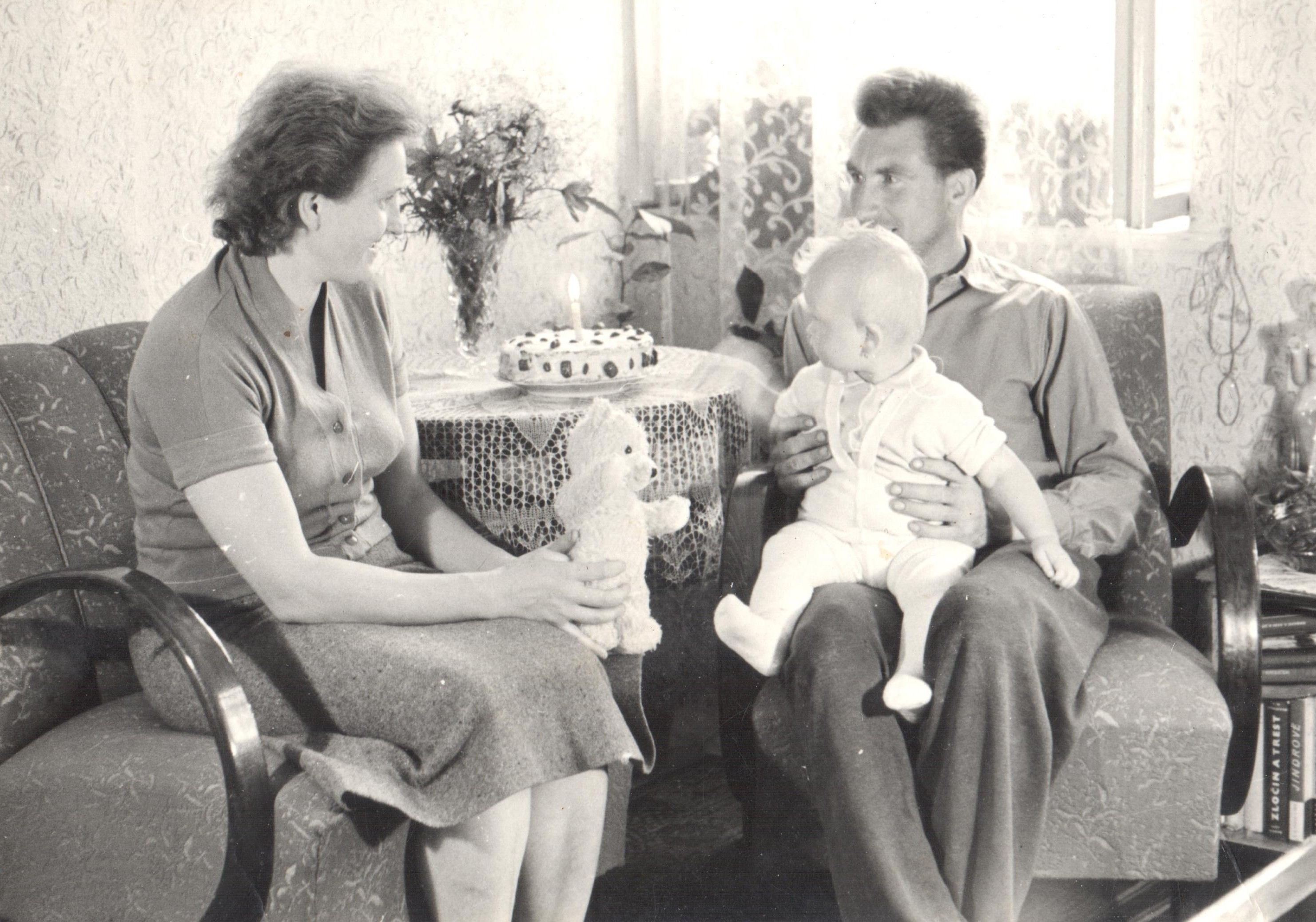
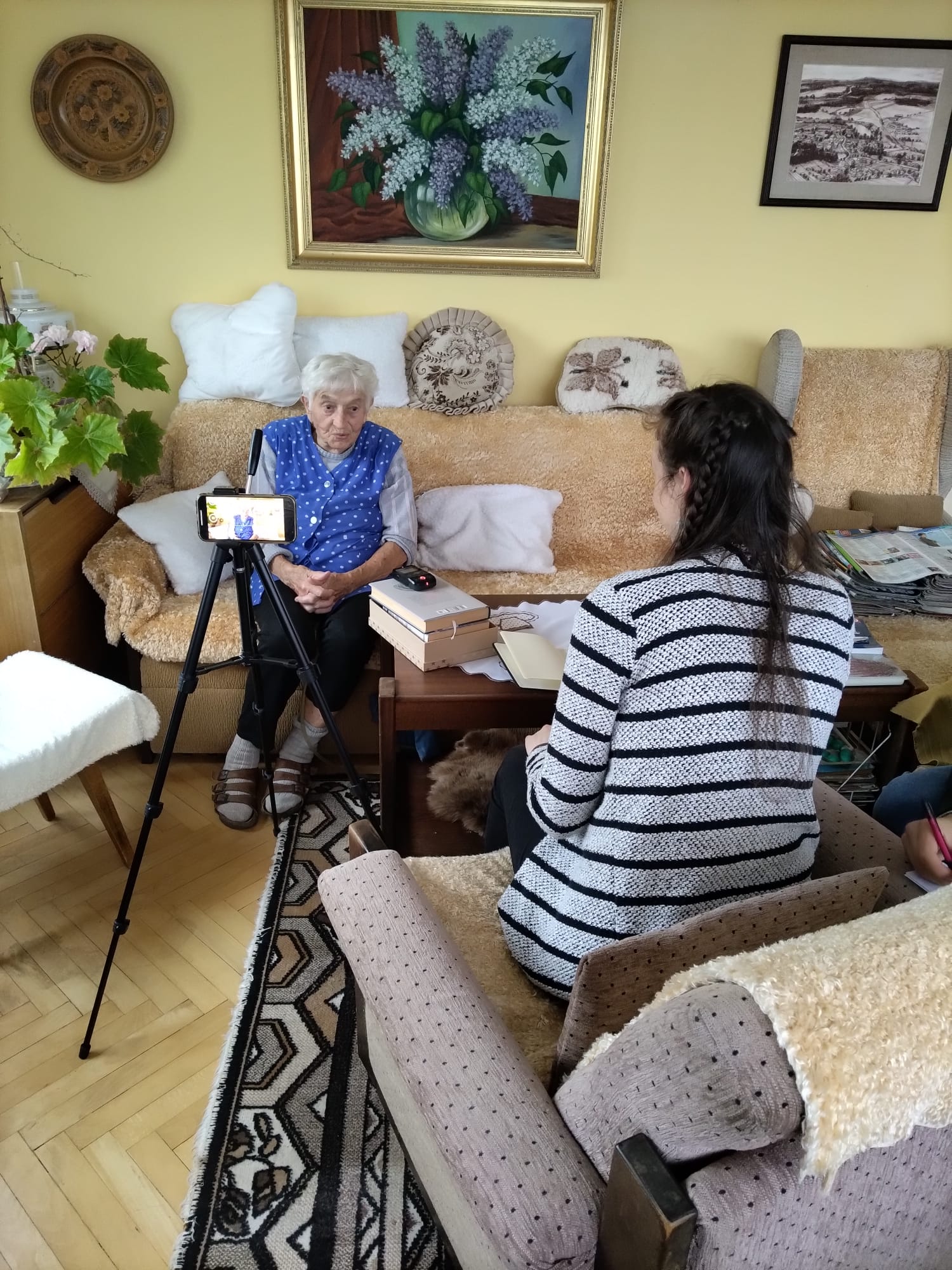
Květoslava Čaloudová, née Sedmíková, was born in Střítež near Jihlava on 27 April 1932 into a strongly religious farmer family. In March 1939, Střítež was occupied by the Nazi army and local men were interned at the municipal office. On her way to school at the time, Květoslava witnessed a local Jewish merchant hanging himself. Czech children were bullied by the Germans in school. After the war, some of the witness‘s relatives were deported to Germany. During the collectivization, the Sedmík family‘s farm was confiscated and Květoslava was not admitted into medical school for political reasons. She studied economics at the agricultural school in Havlíčkův Brod. She then worked in Oseva in Havlíčkův Brod. Her parents were forced to join the coop. She married in 1955 and had two children with her husband. She then worked as a mail carrier and a cleaner in a kindergarten. She was only reunited with her relatives deported after the war in 1987. Because of her cadre profile, even her children had problems with their studies. Květoslava Čaloudová lived in Střítež in 2025.
Hrdinové 20. století odcházejí. Nesmíme zapomenout. Dokumentujeme a vyprávíme jejich příběhy. Záleží vám na odkazu minulých generací, na občanských postojích, demokracii a vzdělávání? Pomozte nám!