"They found that a house had become available in the middle of Colchester and that was a whole different level. It was in that row of houses, but you could open the windows, although there were these cracks, again no heating, but it was in a terrible state. And I happened to be there - they said, 'Meet us there,' I don't know, 'at eleven o'clock, we've got the keys and we'll get it together somehow!' And I got there and they organised help, there must have been nine women there to help me literally delouse it, to muck it out. It was in a terrible state, everything. And that's where the English are wonderful! When I was in that first house, I say, it was brand new, kind of austere, unpleasant, but next door, when you went in, there was this pile of some rubble in the yard next door that nobody had taken out. And a lady found out about me and came over for tea and a chat. She was this terribly serious, I think she was a doctor of history, and she had two children about my age. And then she invited us - people kept inviting us to lunch to feed us - to lunch in this beautiful big house in some village, and then suddenly she turned up with sacks and two pairs of rubber gloves and she said to me, 'I've been thinking about the best way to help you. And I think I would help you most if we removed this!' That's how they think."
"I was in England, so I was in a family there, several families. And there I met my future husband, who was there as a radio correspondent. And we decided to go to Czechia for a holiday. And we went, it was such a beautiful romantic trip through Europe, and at every border they said to us, 'What are you doing, where are you going? You're going to be occupied by the Russians!' And we arrived on the 20th of August. And then Jiří got completely lost when it happened, and I couldn't find him anywhere. And poor Vera Št'ovíčková, as if she didn't have enough to worry about, was looking for Frodl. And then, sometime in the afternoon, she called me and told me that he had been sent back immediately. He was in Germany for a while and then they sent him to cover it from Britain. So that's how we came into the occupation. I only stayed for a week because there was nobody home but my mother, and she said, 'Look, you've got to stay home, I'm going on TV,' and from then on she would sometimes tell me to get out of the house, that there was something going on, and so on, and then she would send me a message to get up and leave immediately."
"I was very - completely - like my former life didn't exist, and it was hard, very hard, because I didn't see a spark there at all. And then somehow, gradually, it all changed. And I was so grateful that I lived to see it, because I had seen so many people there, those emigrants from forty-eight, who were so eager to go home, and who didn't live to see it. Even there, when I arrived, many people asked me if I had that dream of trams? And I didn't understand! And they said, 'You obviously don't have it!' And I said, 'How about trams?' And it turned out that they had a dream about these old Prague trams, and they were riding in them and they couldn't jump off, they couldn't run away. And that was fascinating. Almost everybody had that, even if they weren't from Prague!"
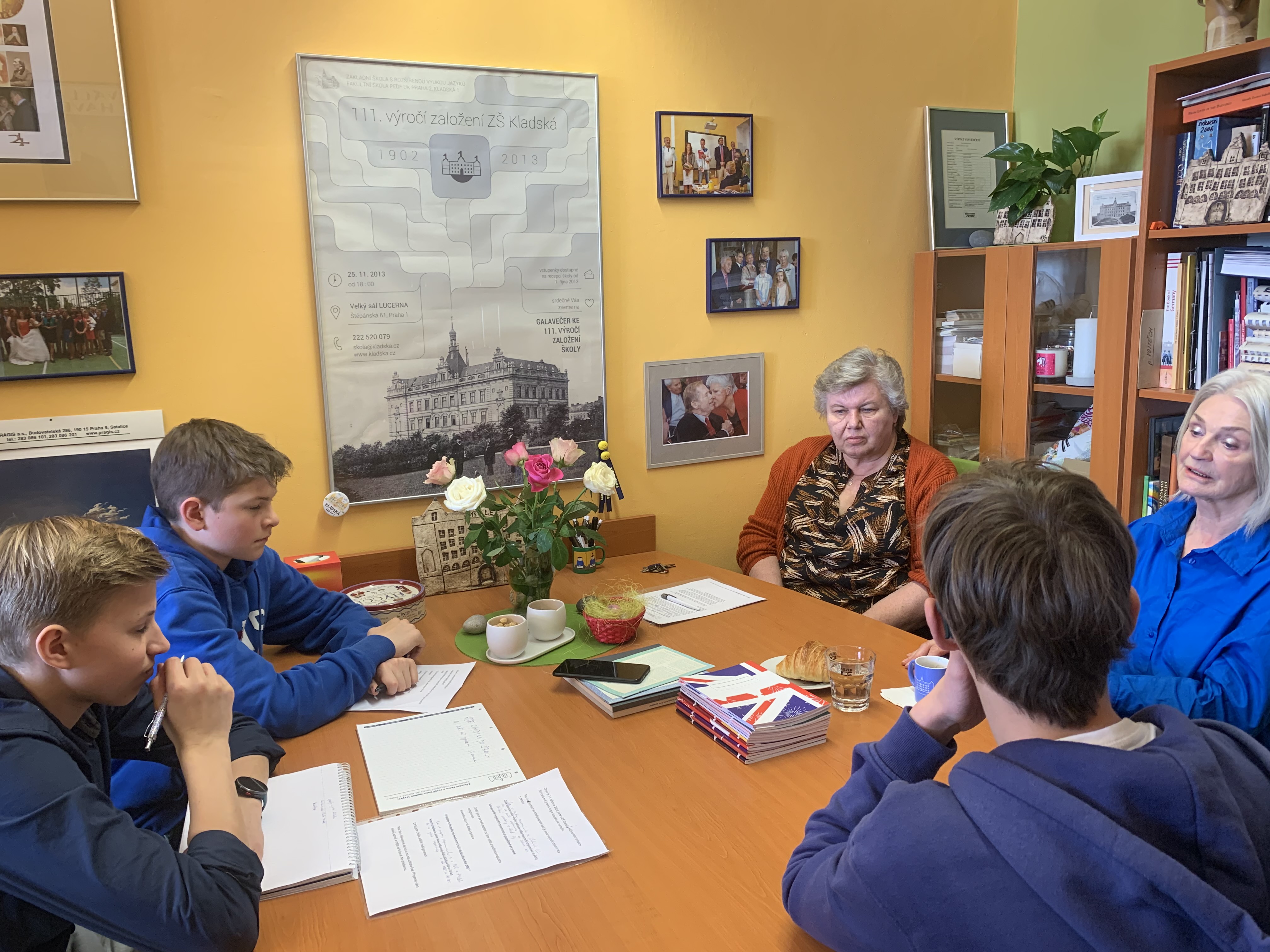
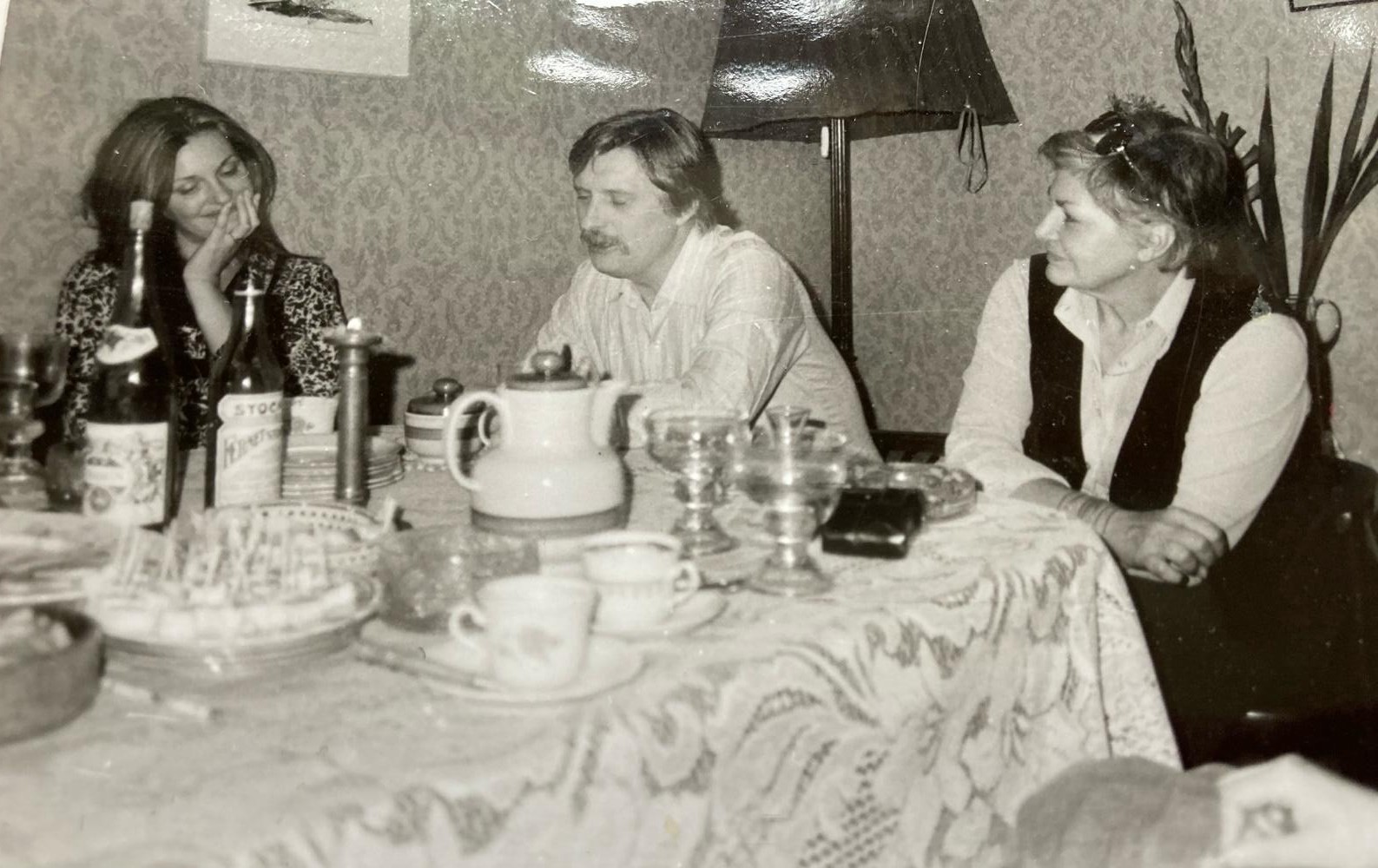
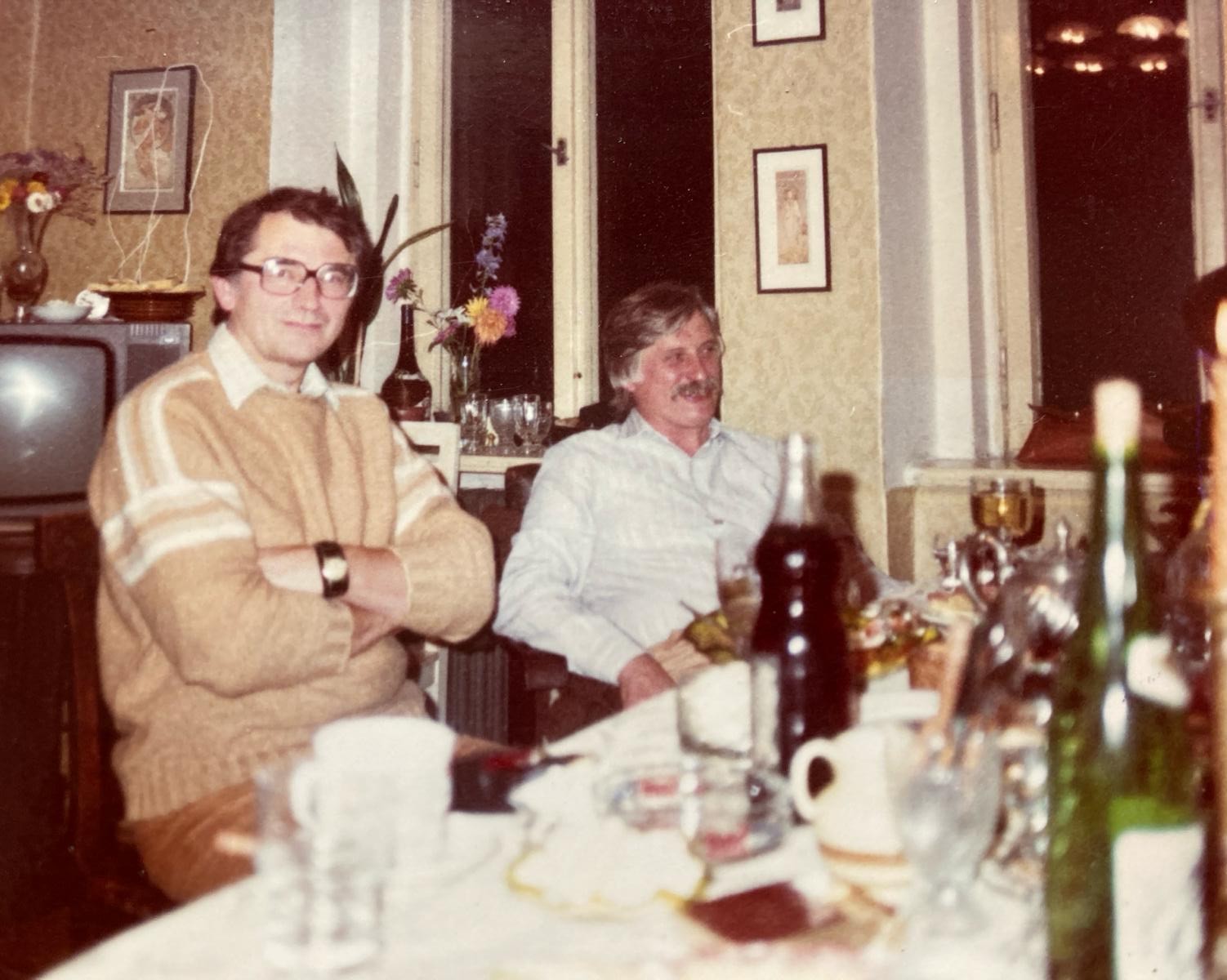
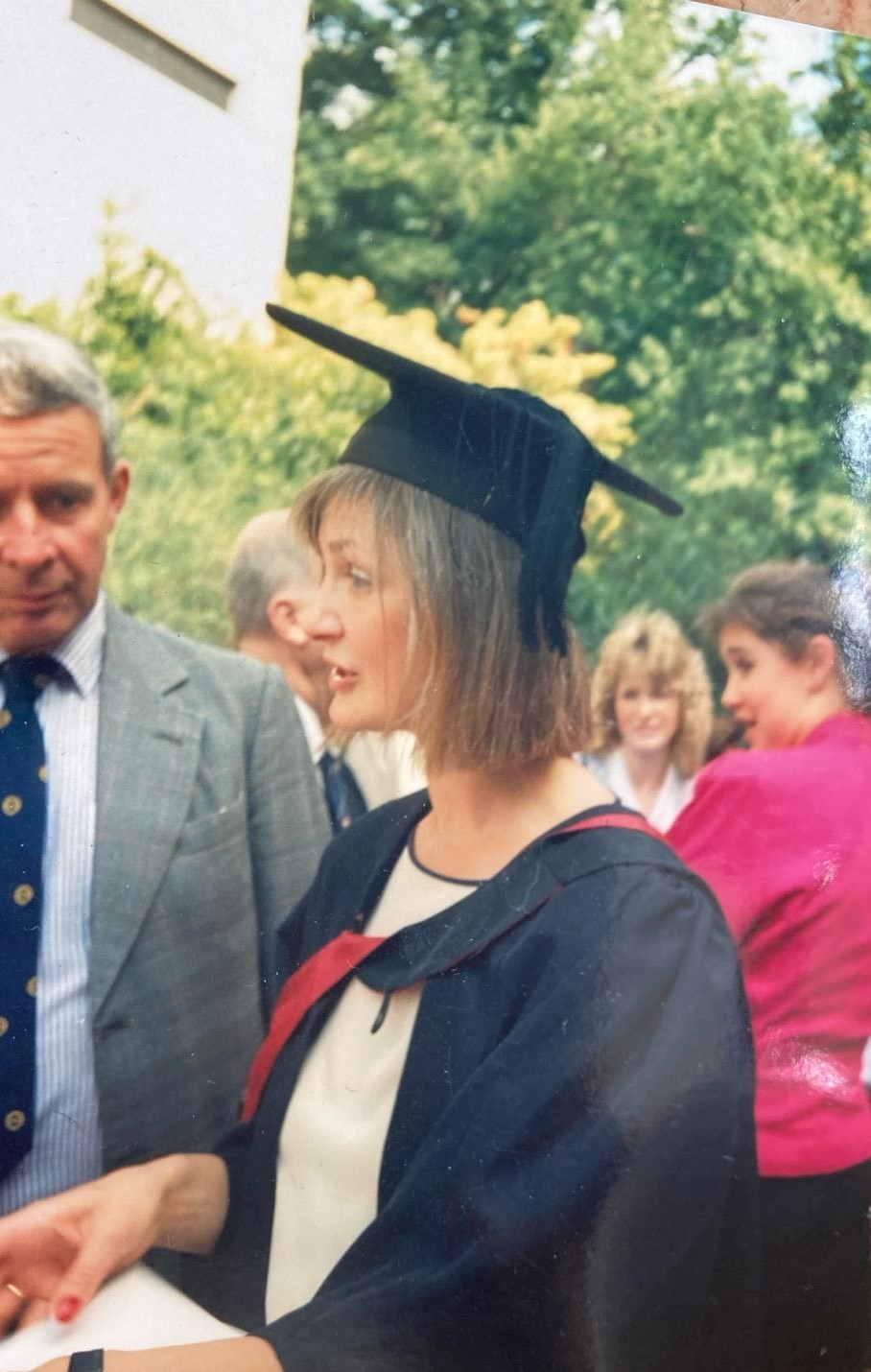
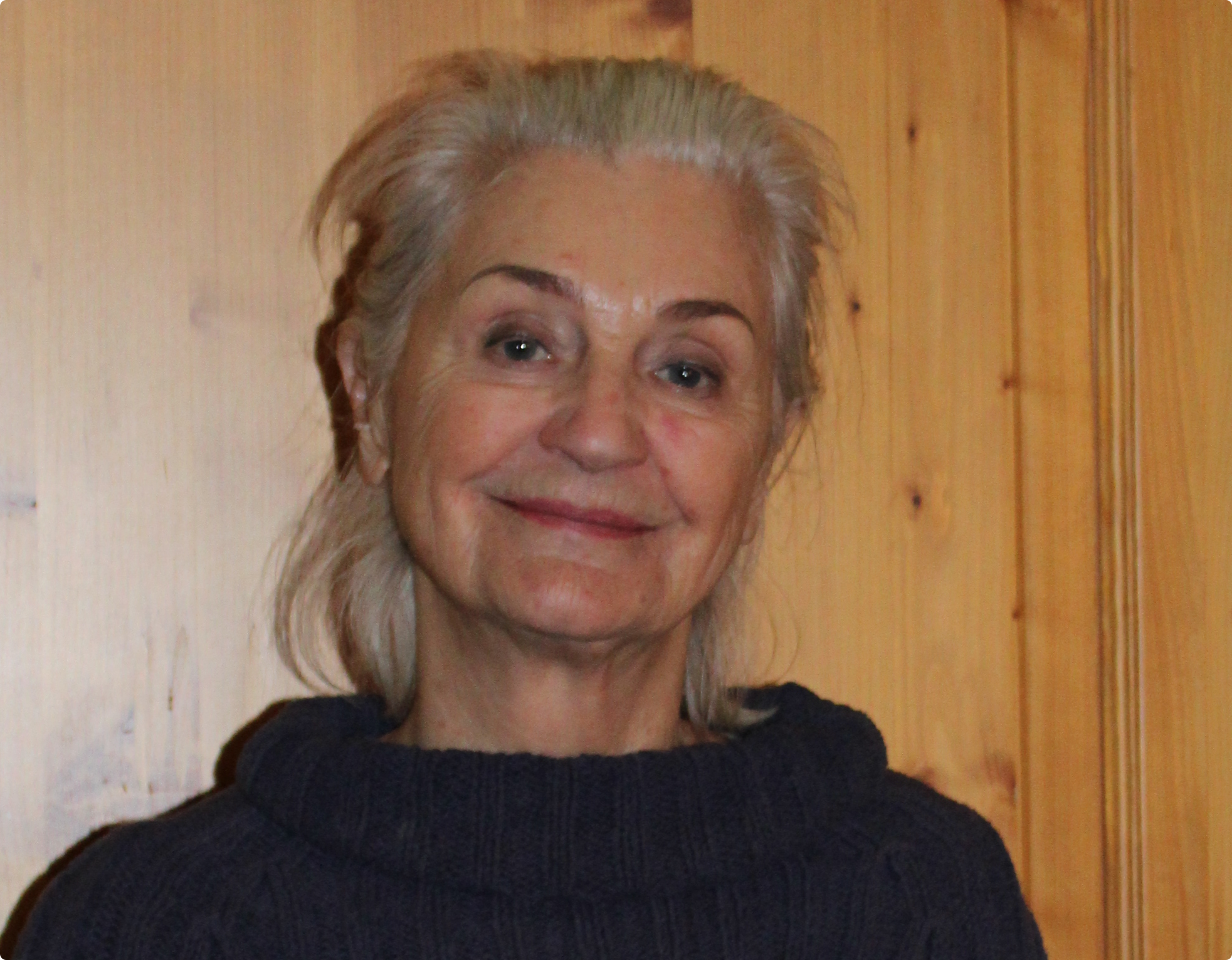
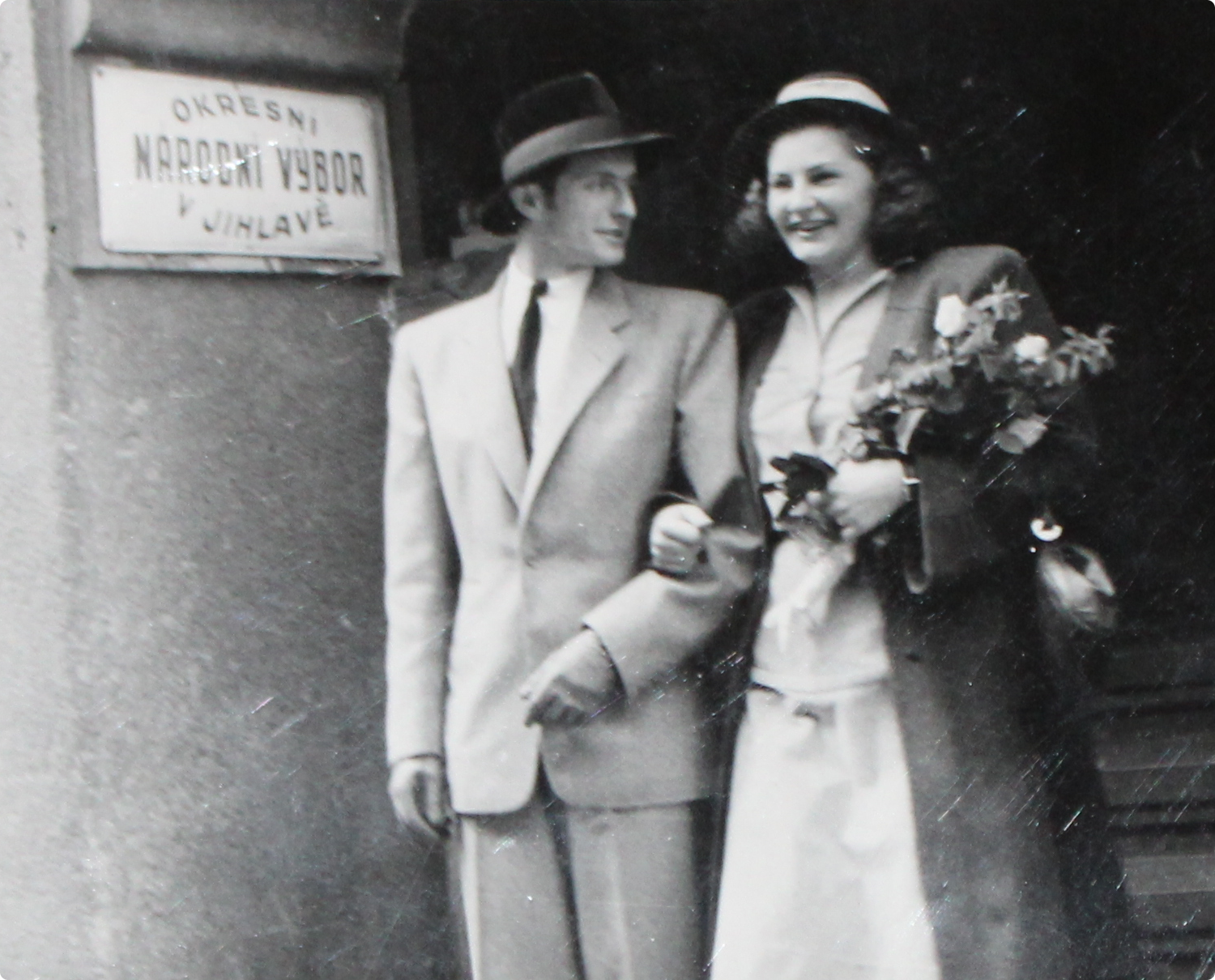
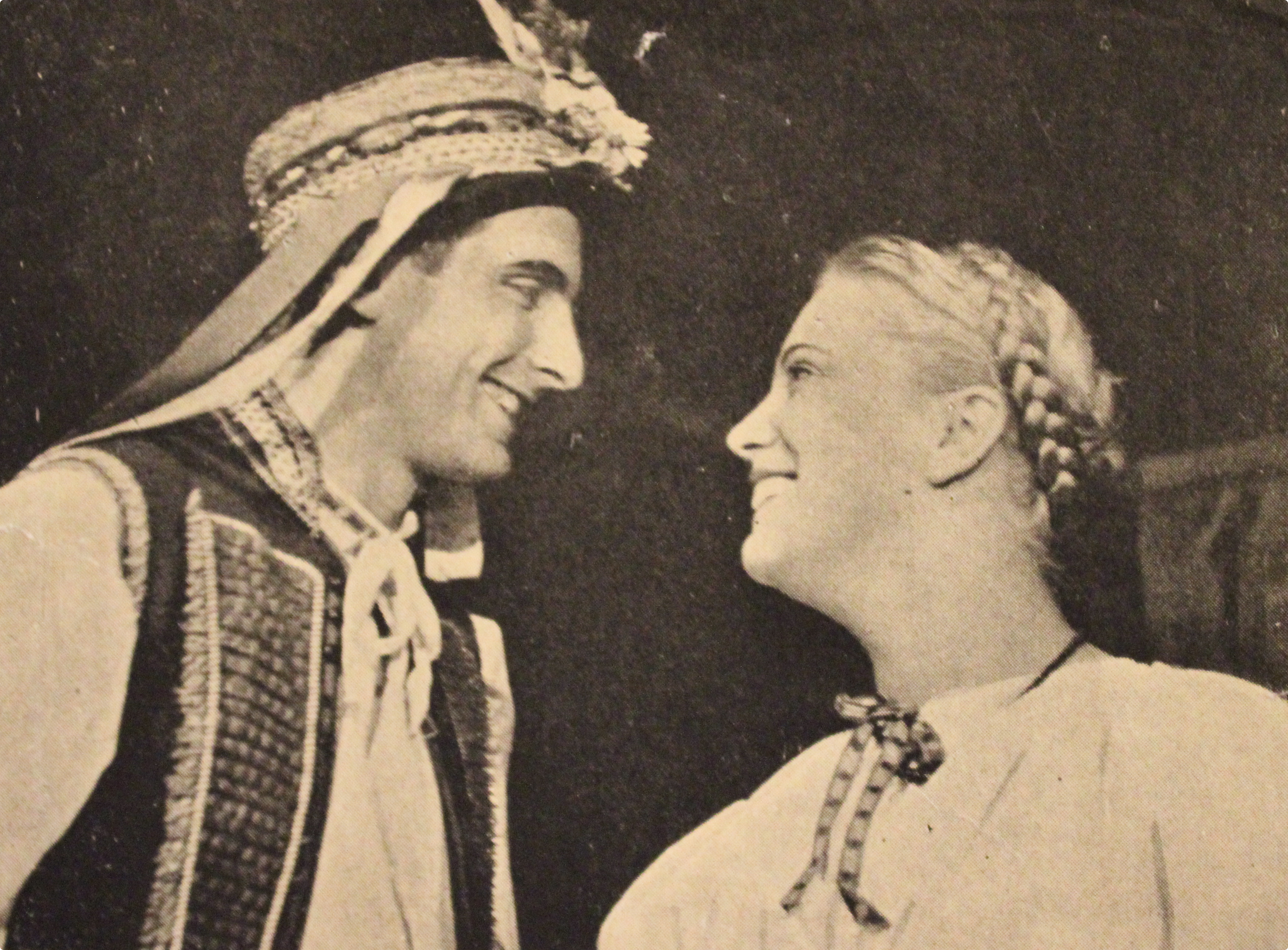
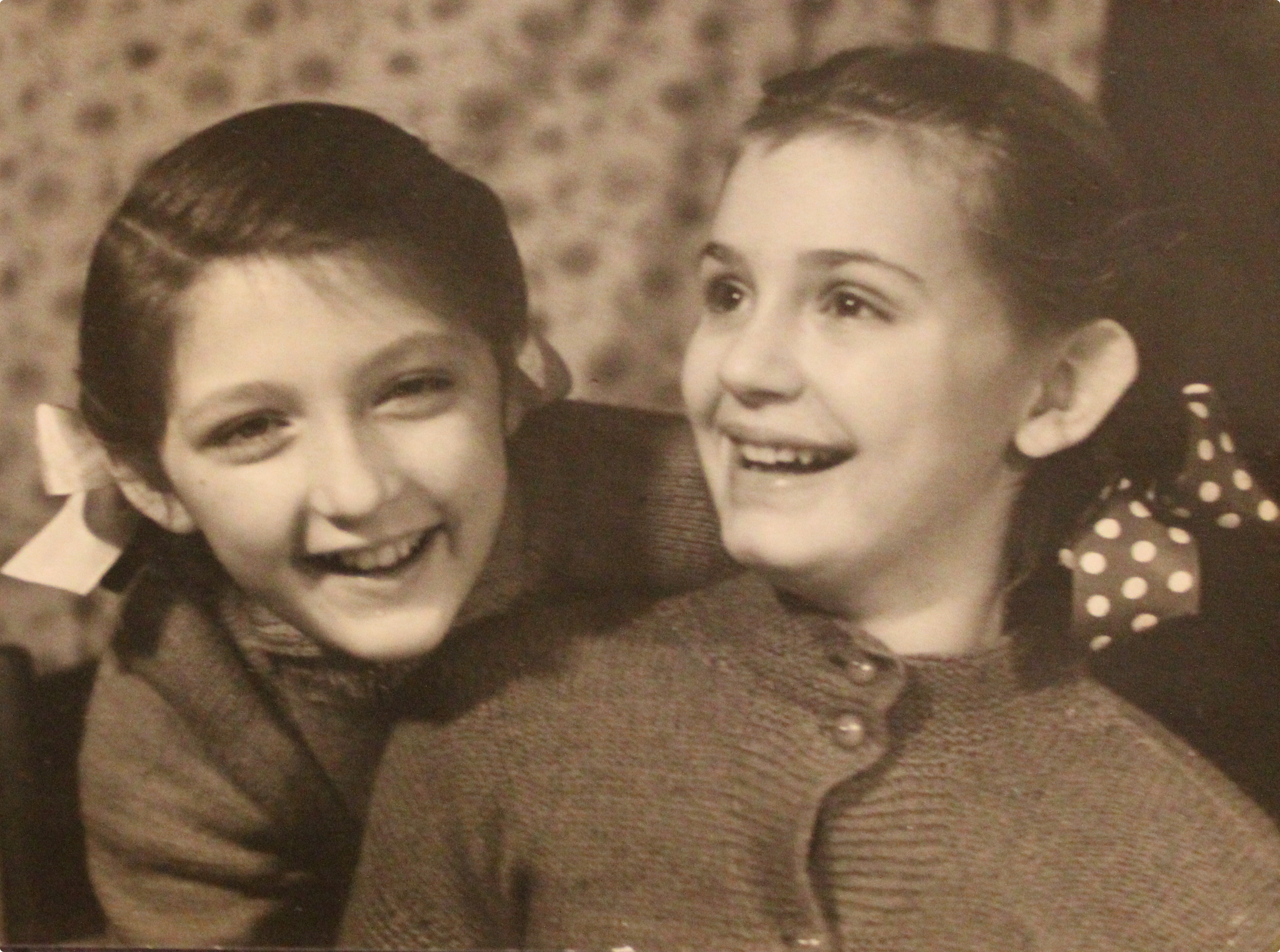
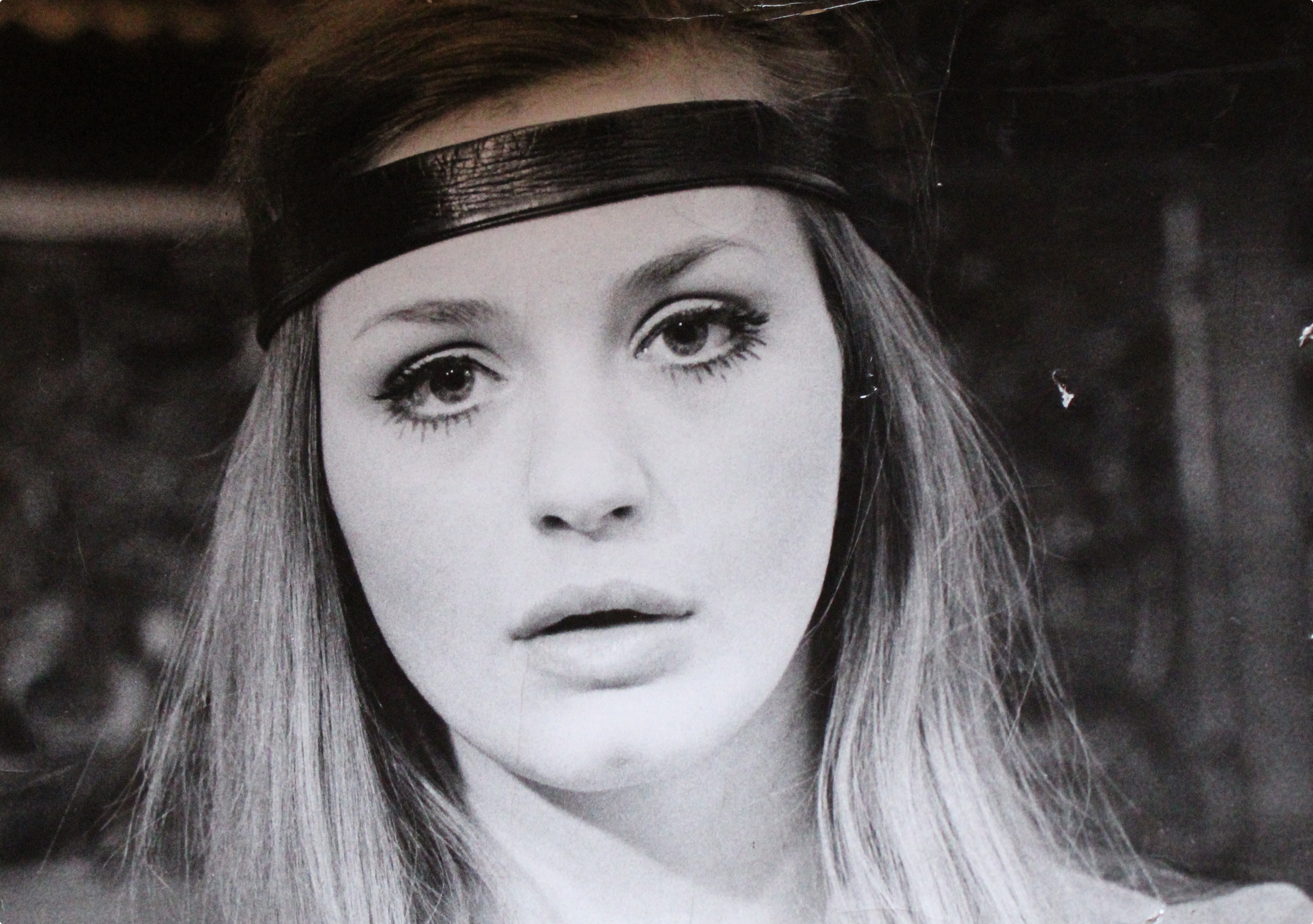
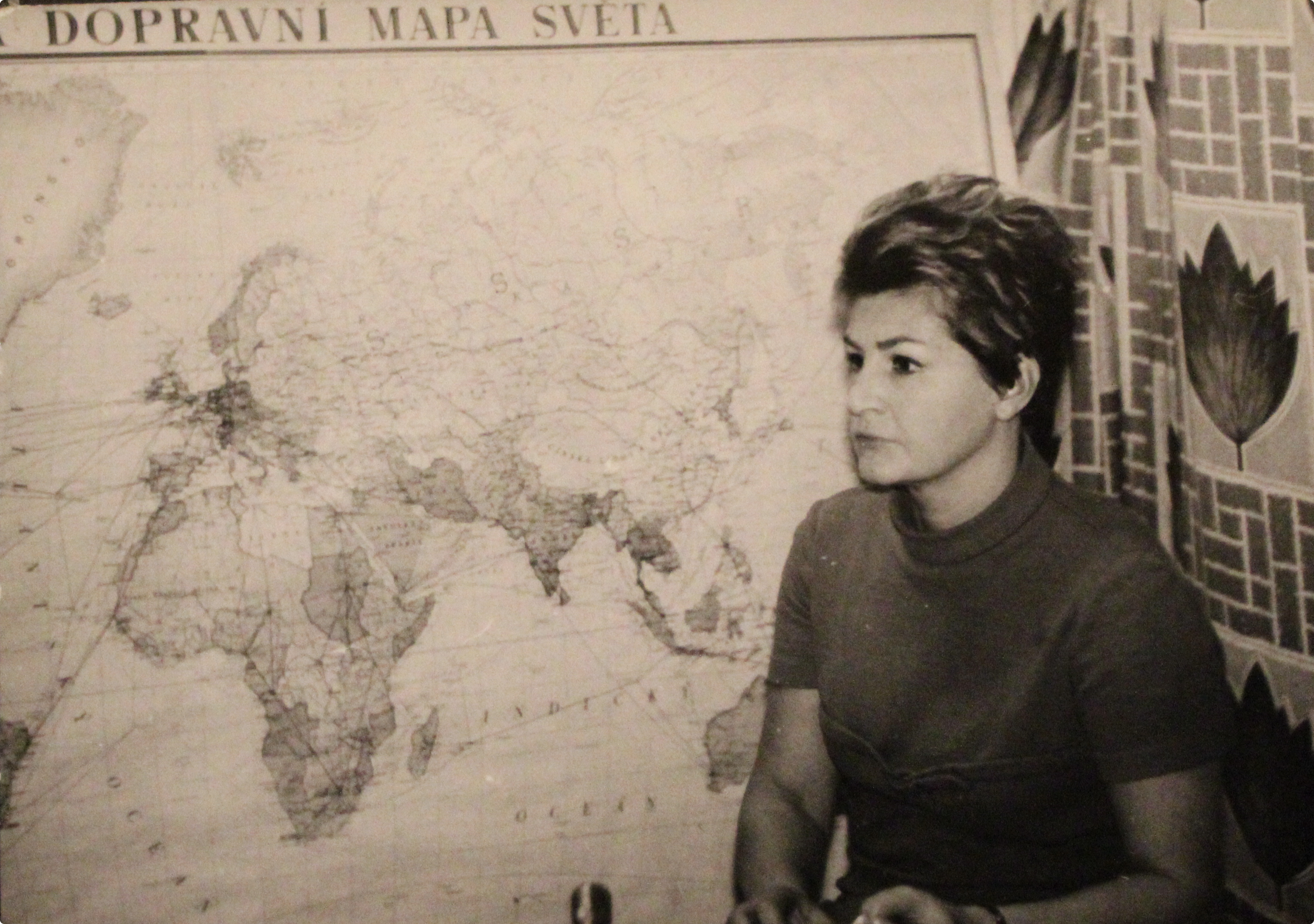
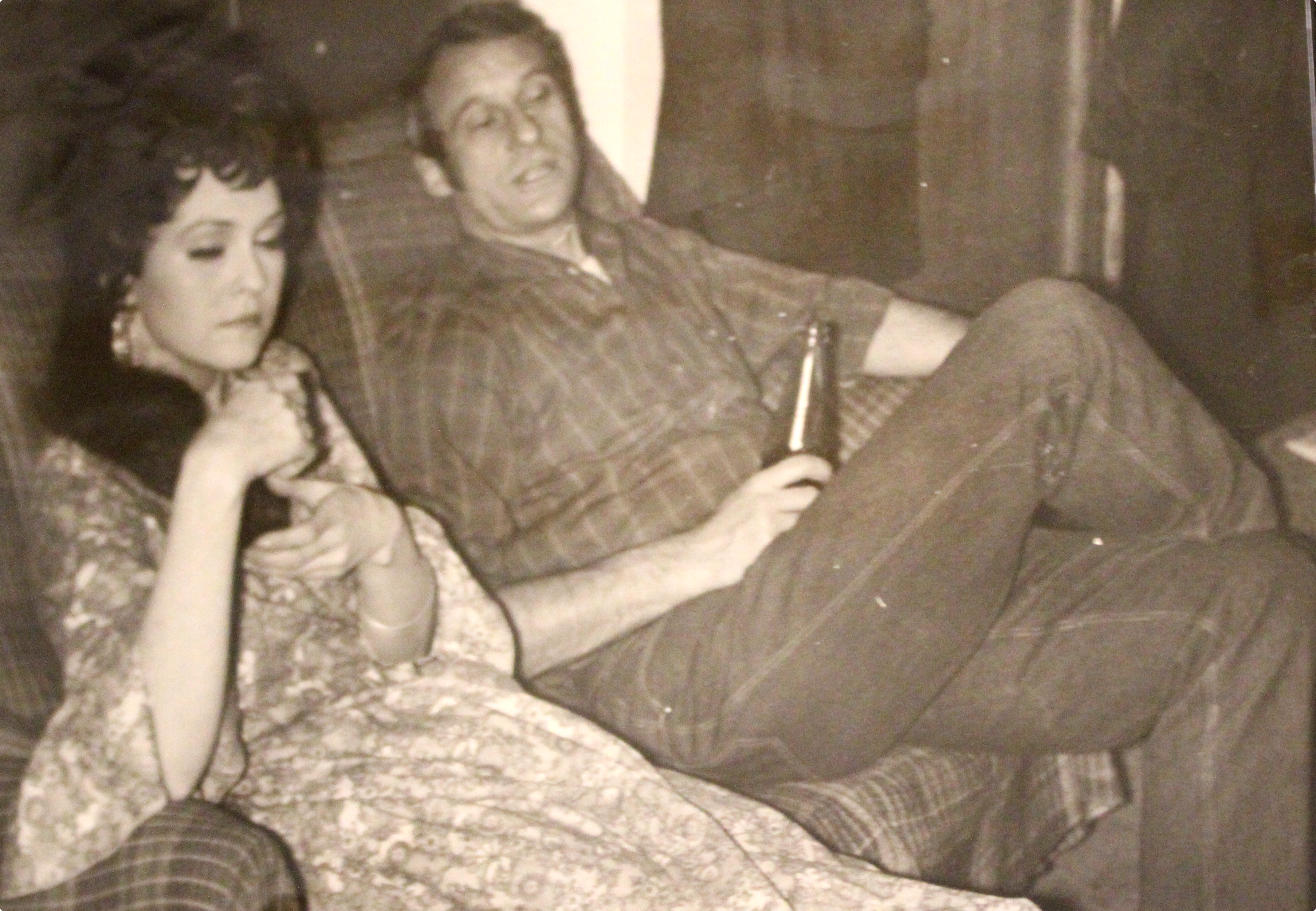
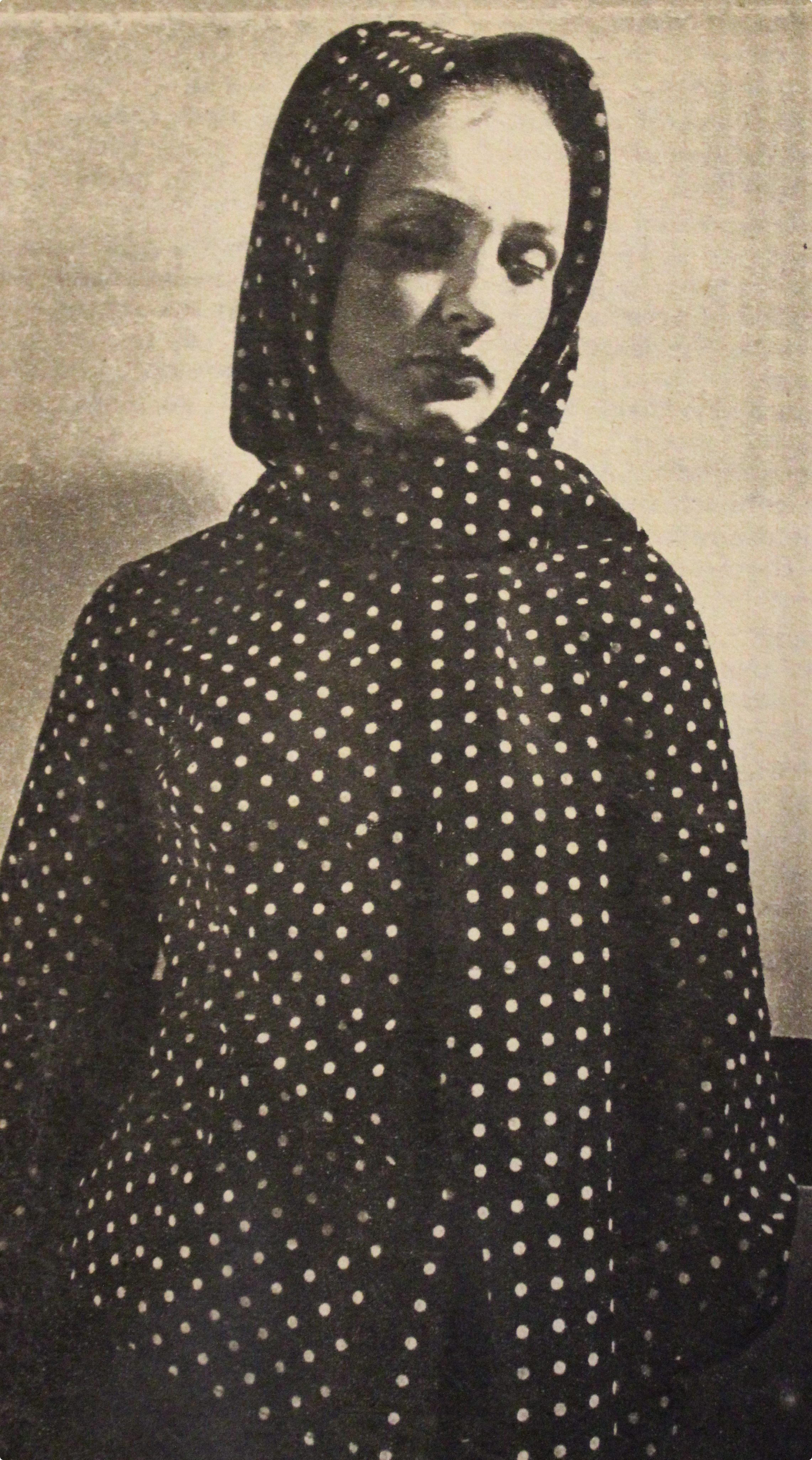
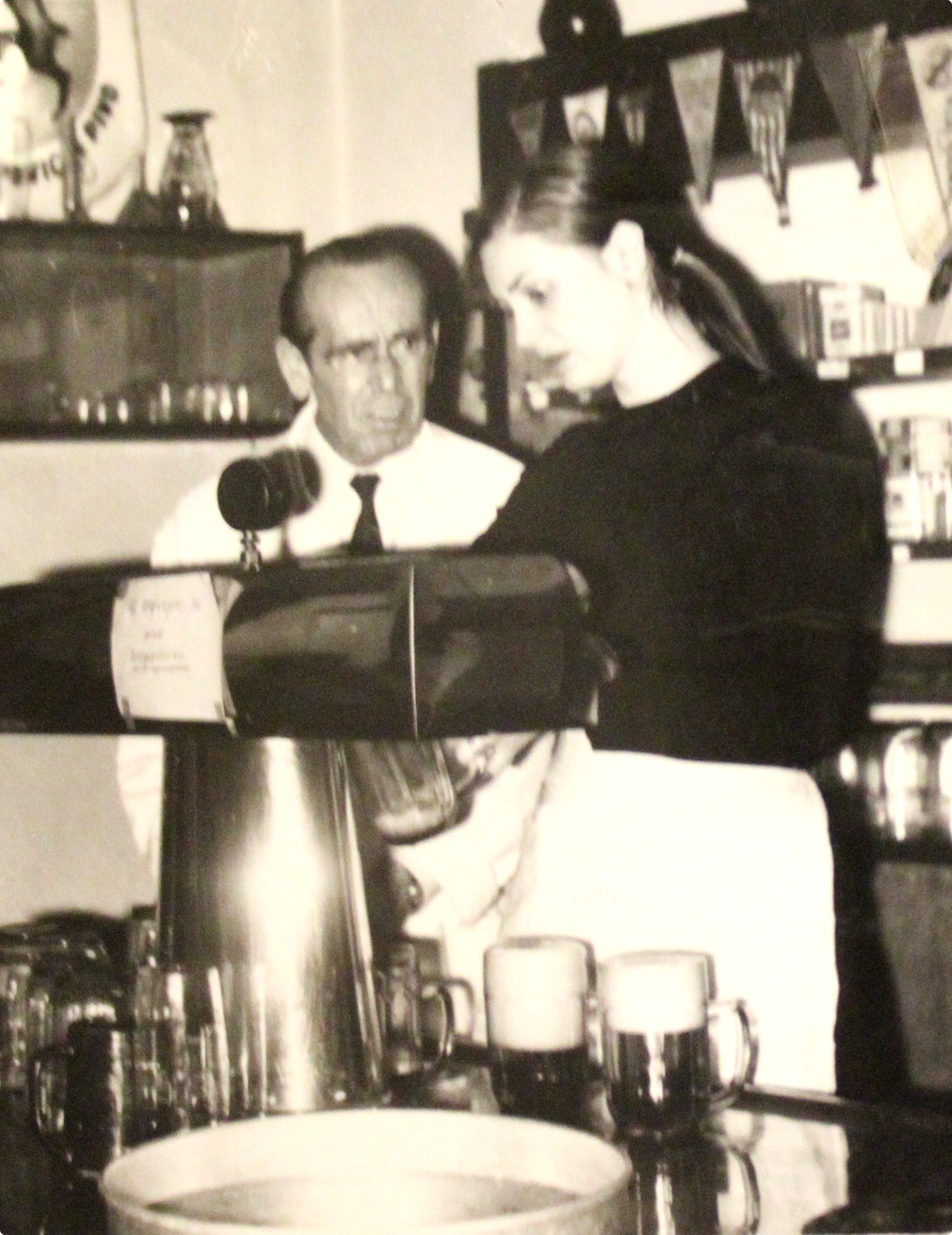
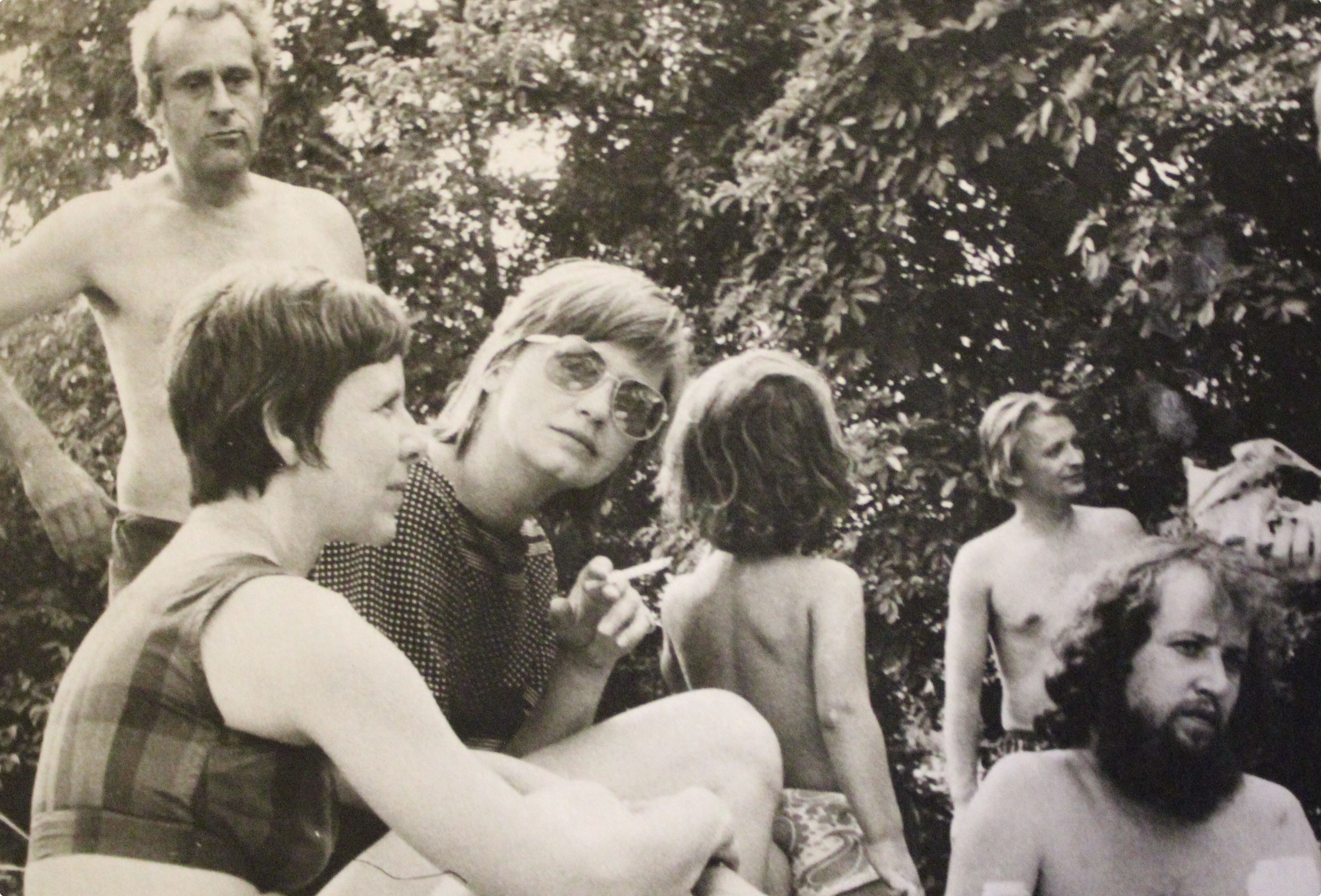
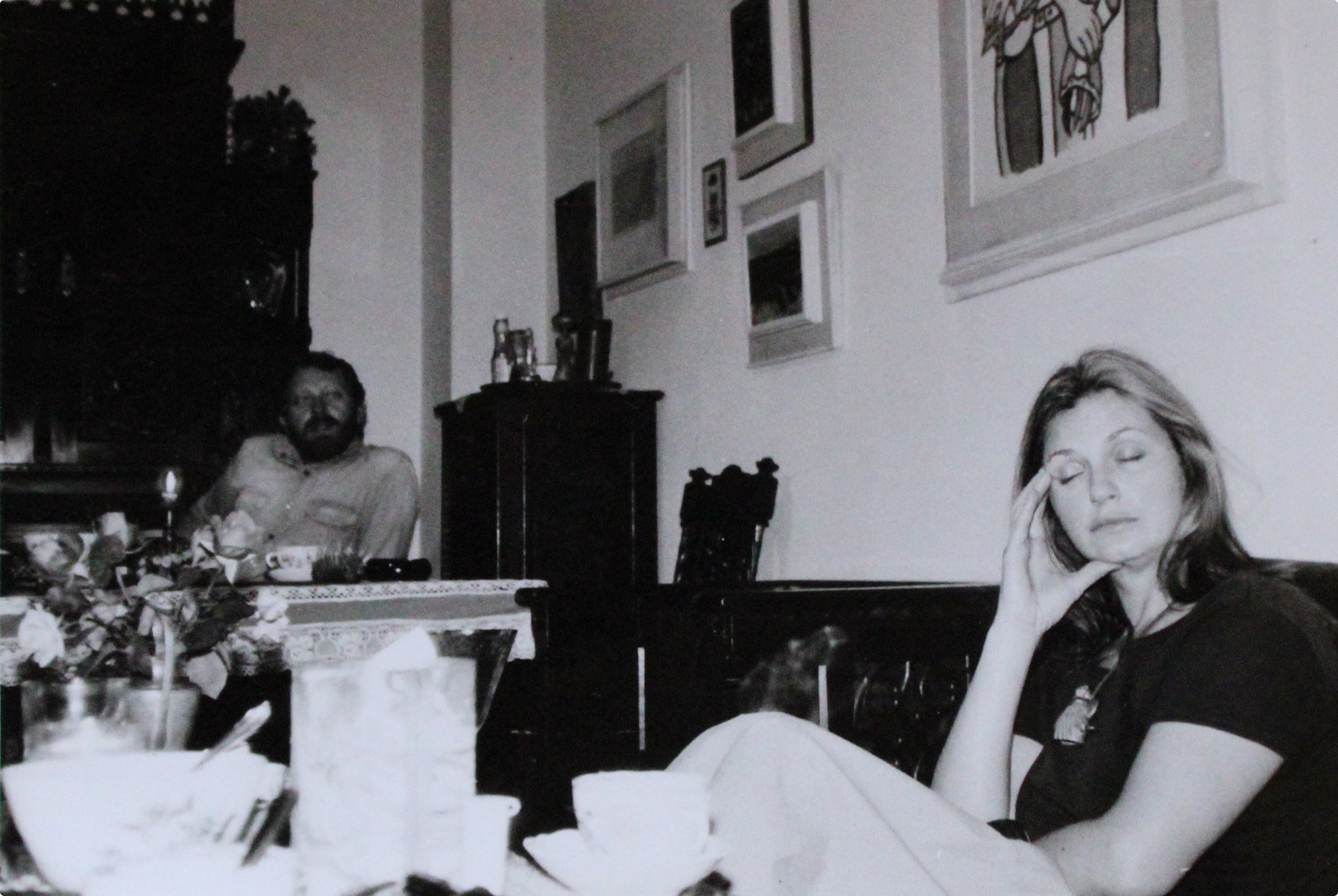
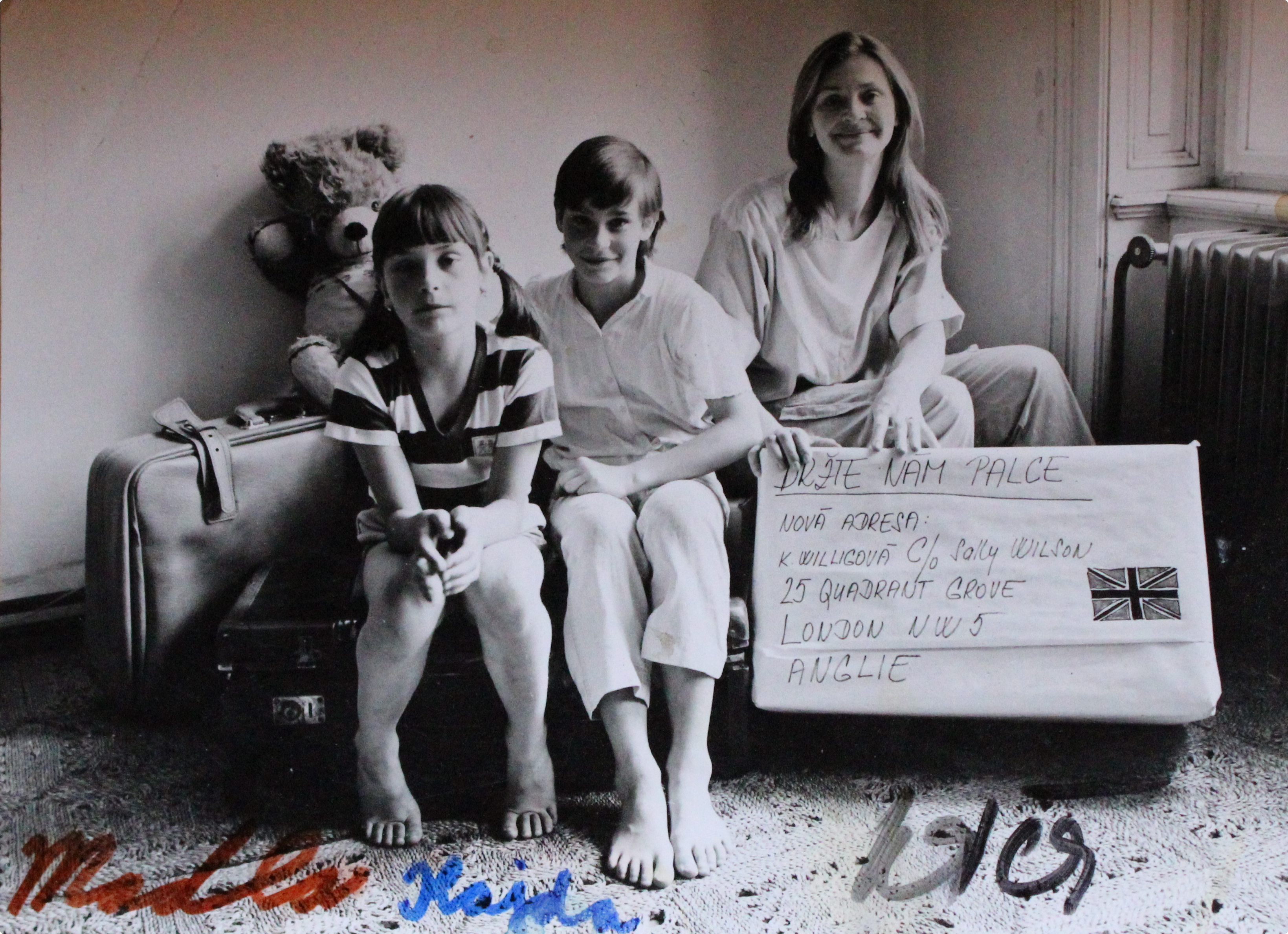
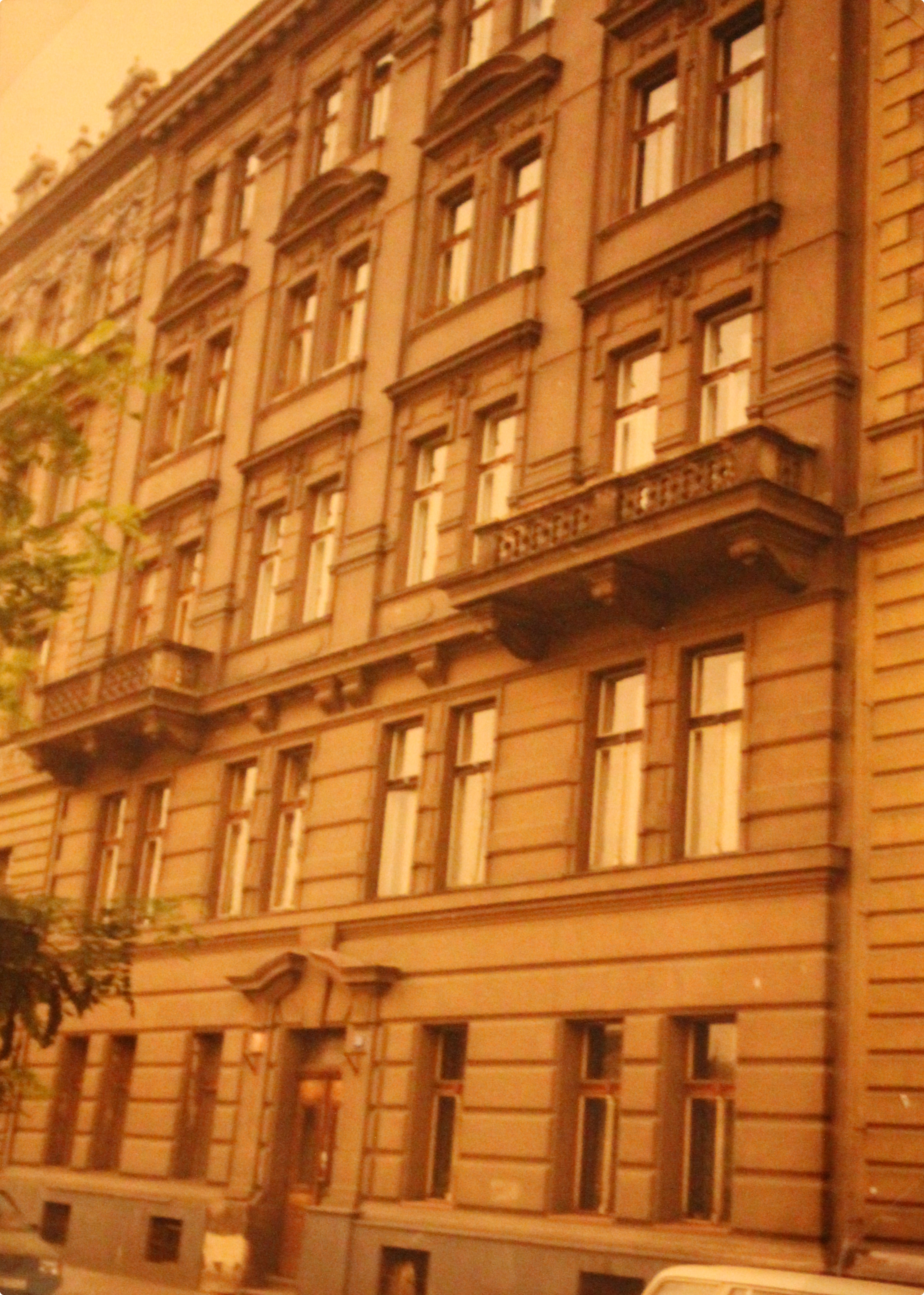
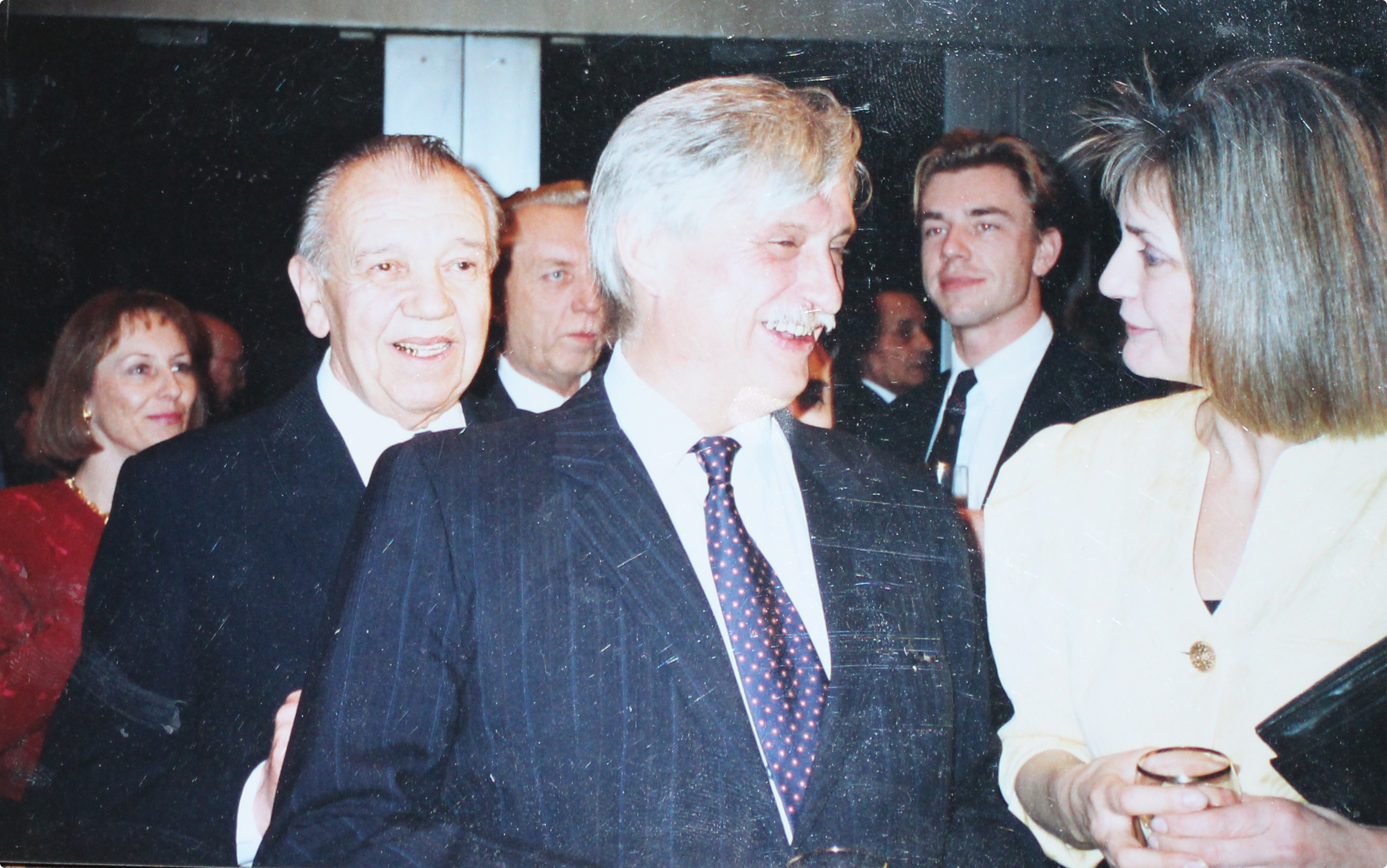
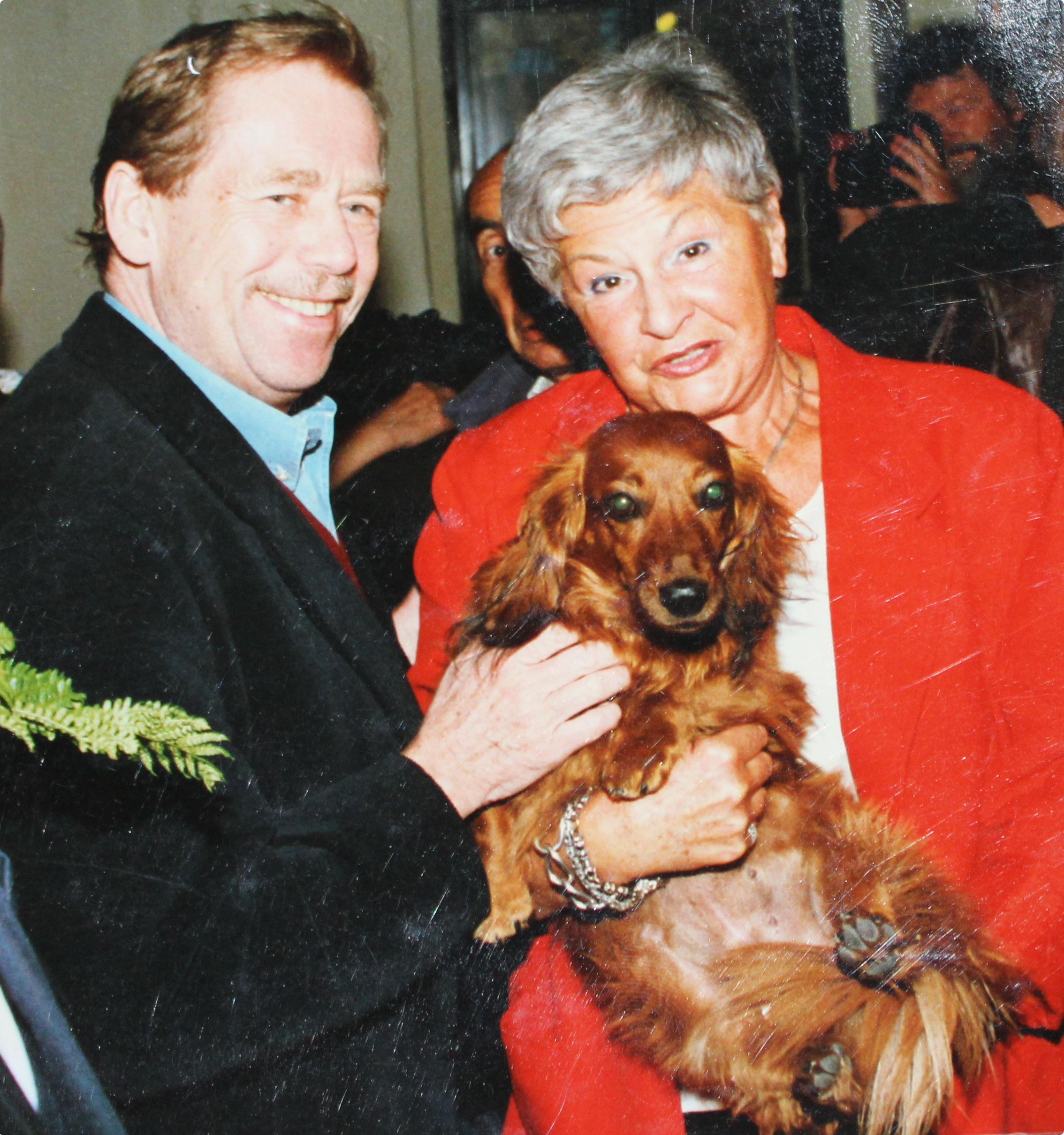
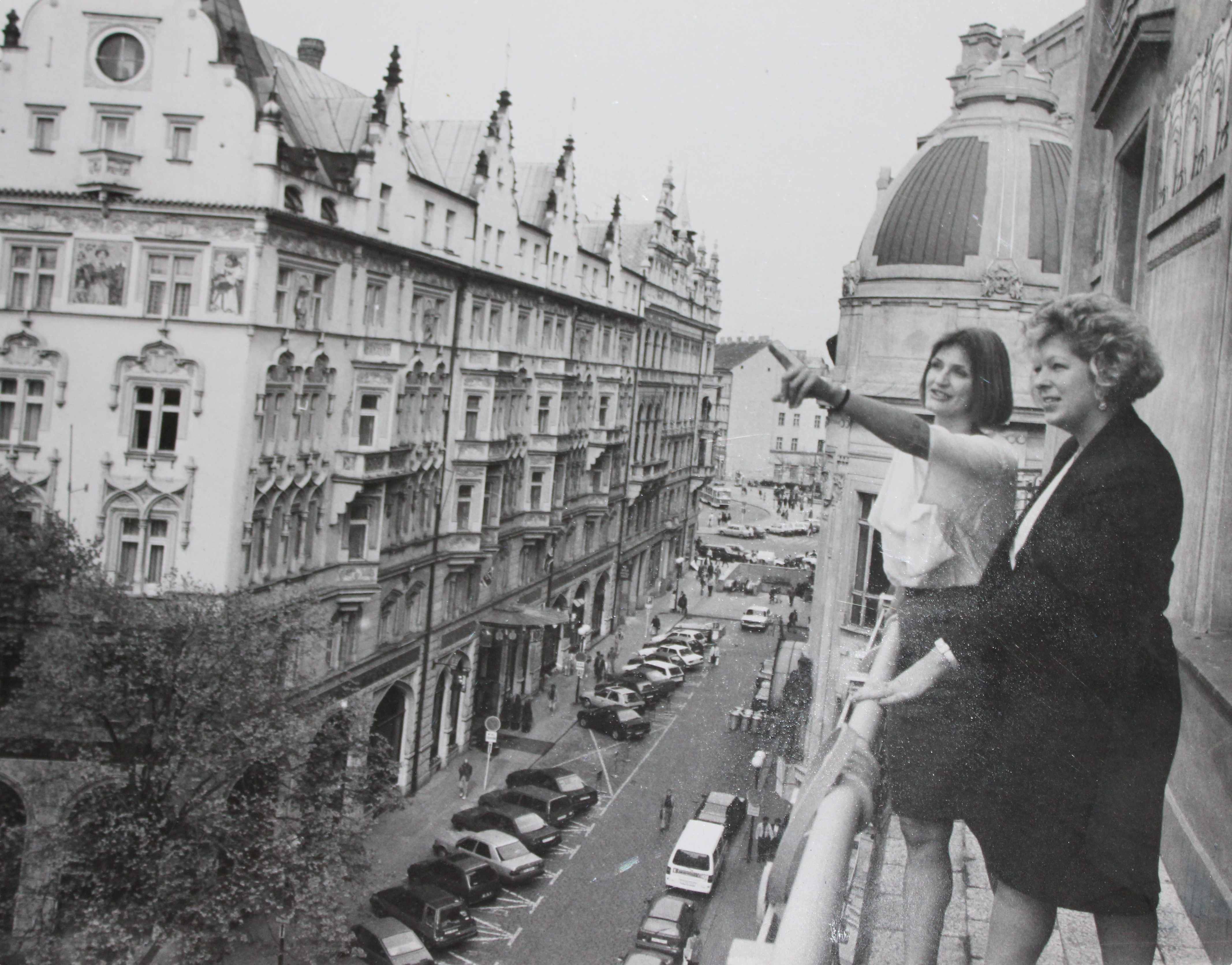
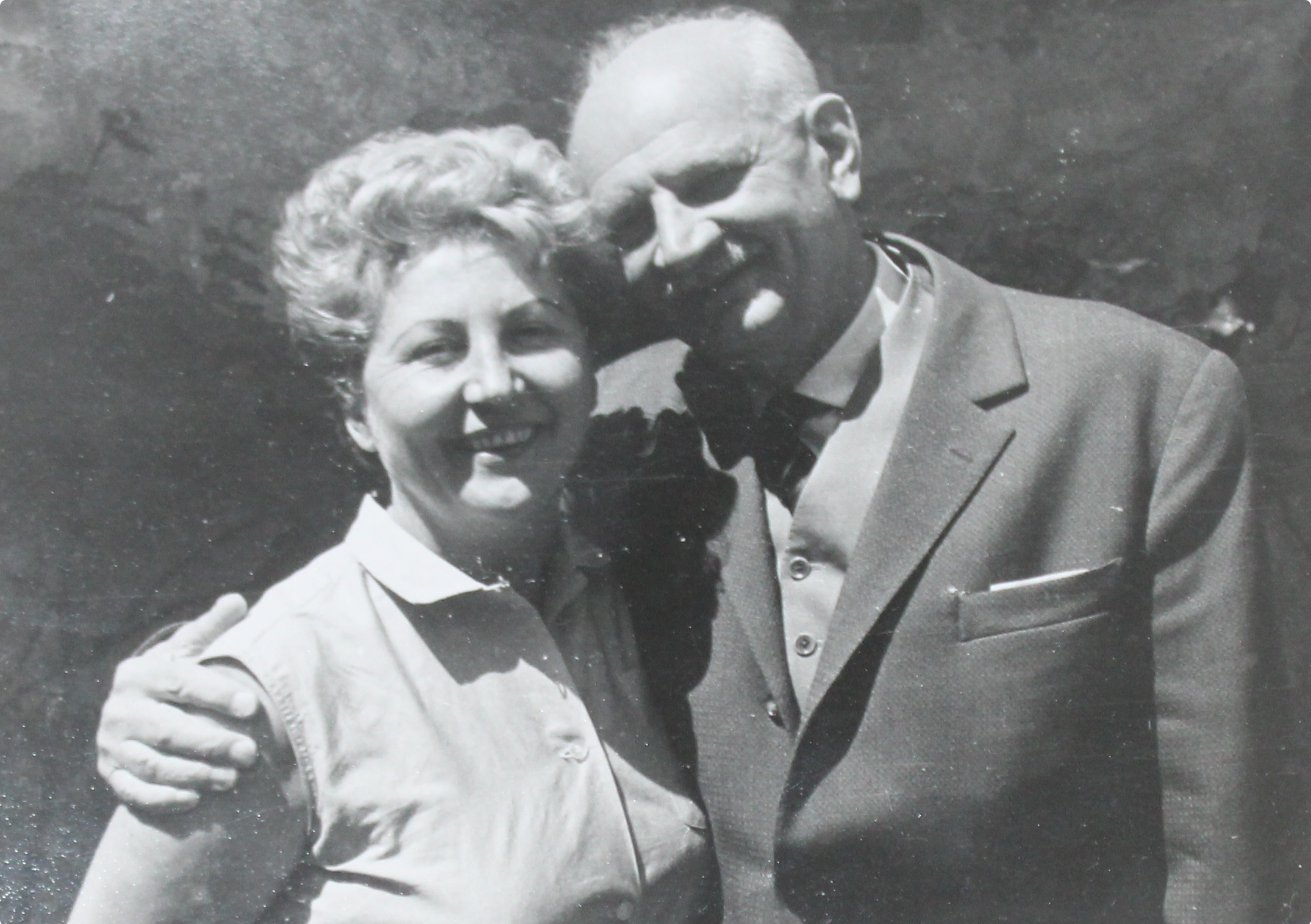
Kateřina Willigová was born on 12 May 1948 in Jihlava. Her young mother Kamila Willigová (later Moučková) was an actress and since the 1950s also a well-known TV presenter. Her father, Miloš Willig, was a theatre and film actor who starred in dozens of Czechoslovak films and television series. Kateřina Willigová grew up in Prague, but she also had a solid background in Jihlava with her paternal grandparents. She had a penchant for books and therefore graduated from the secondary library school. After graduating, she went to London as an au pair in 1966, where she met her future husband Jiří Frodl. He worked as a correspondent for Czechoslovak Radio in London, but was later dismissed from the radio and expelled from the Communist Party of Czechoslovakia for his attitude towards the events of 1968. Kamila Moučková, the mother of Kateřina Willigová, who was broadcasting from the television studio at the time of the invasion of Czechoslovakia by the occupiers, was also expelled from the Communist Party and dismissed from Czechoslovak Television. The Frodls had two daughters, Karolína and Magdalena, in the mid-1970s. Both spouses were signatories of Charter 77 and meetings of the Czech dissent took place in their flat. After the death of her husband in 1983 and the subsequent indiscriminate pressure from members of the regime, Kateřina Frodlová and her two young daughters had to leave the Czechoslovak Republic in 1984 and were stripped of their citizenship. She moved to the UK, where she found work with considerable difficulty. Nevertheless, not only her daughters, but also she herself managed to study in the UK - in 1989 she received a Master‘s degree from the University of Essex. While working for the law firm Lovell White Durrant, she returned to Czechoslovakia in the 1990s. In 2025 she was still living in the Czech Republic with her new partner Christopher Smith.
Hrdinové 20. století odcházejí. Nesmíme zapomenout. Dokumentujeme a vyprávíme jejich příběhy. Záleží vám na odkazu minulých generací, na občanských postojích, demokracii a vzdělávání? Pomozte nám!