František Vlček

* 1943

  • "The other Babčák, the neighbour at the back, was the brother of Fanuša Babčáková. He lived next door to us, her brother. He was also in Světlana. I remember it was in the summer. My mum sent me to pick strawberries. There were strawberries behind Babčák's house, like a hundred meters away. There was a cliff where they got the rocks to build our new stables, so I knew the place well, I quite liked going there. There was a pasture where there were a lot of strawberries. All of a sudden I see about ten, fifteen guys in green uniforms - and, 'Boy, do you know anyone named Ptáček?' I remember that very well. I said, 'You mean Uncle Babčák?' - 'Yes, go to him and tell him there are Banderites waiting for him.' I went while saying the word to myself because I didn't know what it was - Banderites. Aunt Babčáková was outside. I said, 'Aunt, there are some hunters here in green uniforms saying uncle should go behind the house and Banderites are waiting for him.' She shouted, 'Franta, run away!' Apparently he had already packed such a rucksack, and he ran down to the stream around the alders, and he got lost. It was quite the experience for me - the gendarmes, I don't know what kind of unit it was, but it was some kind of military or police unit. They were looking for the other neighbour. So then they were both hiding. The place is called the Kříb - Na Kříbě. That's where Tymoshenko's dugout was, and Babčák had a dugout up in the trees, like a waiting place for deer and wild boar. That's what his sons - he had two sons, older than me, about fifteen or twenty years old - made for him. He went on to sleep there in the branches. He had a bed made upstairs and he slept there. Aunt Babčáková, next to us, brought him food, and Fanuša from the other side brought food to another place like every two or three days. I don't know exactly how it happened, how they were arrested. I know that afterwards there was a trial - Tymoshenko got the death penalty, and our next door neighbour Babčák got 15 years. Tymoshenko's Fanusha went to Prague to see Marta Gottwald. She had a goose - it used to be like that - in a basket and she handed a letter of plea to Martha Gottwald. Gottwald then pardoned him for life. Then he was locked up in Hradiště prison I think. When the sixties came, the thaw, he was released. He came back but he couldn't find his way. He'd lost track of who he was, where he was. They put him in a mental hospital in Kroměříž and he spent the rest of his life in Kroměříž."

  • "My parents, of course, heard the shooting from the clearings. Being a Ploština girl, my mum was obviously worried hearing the shooting and shouting. The people were screaming. They chained them up - 24, 25, 27 men - then drove them into a barn, doused it with petrol and set it on fire. 24 people burned alive and three who tried to escape were shot on the run. Of course you could hear it, it's about three and a half kilometres. When it all died down - it's not visible from here - there was no more Ploština to see. When the shooting had stopped, they took our youngest sister to the neighbors and ne, a two-and-a-half-year-old boy, went with my parents over two hills to Ploština. My parents were still trying to save something and I as a boy was running around. When a rafter fell off one of the buildings, it landed on me - on my head. It pinned me to the ground and the burning truss burned me here. When my parents found me, I had terrible burns on my head - I have scars here. The problem was also that there was nothing to treat it properly with, and it got infected. Then I lay on my belly for three months and cried - I only know this from stories, the entire Ploština story."

  • "I'm a war victim, so to speak, because I have deep scars from that time here on my head. See, when the Germans were retreating at the end of the war, they still wanted to take as much revenge as possible on those who had helped the partisans. There were also two traitors in the Ploština unit - Baťa and Machů, executed after the war, who had told the Gestapo in Vsetín what was going on. So on 19 April 1945, the Germans marched on Ploština in three direction. The Gestapo from Zlín came from Újezd, the SS unit - I think it was a special one from Vizovice that stayed at the castle - came from Pozděchov, and the Wehrschutz from Slavičín and Vrbětice came here from Tichov. But since they were the closest and the Gestapo had got delayed in Újezd (they questioned and then shot a family and lost time), and the SS from Pozděchov lost their way once again, a guard unit from Zbrojovka in Vrbětice was the first to arrive. Fortunately for our family, there was one among them, probably from the Sudetenland, I don't know, who spoke a little broken Czech. Our family - the Rumans - were planting potatoes like three hundred metres from the house where they couldn't see Ploština directly. At 11 pr 12 o'clock, they went home for lunch. As they were finishing their lunch, a Wehrschutz man in uniform burst in and yelled, 'Pack up immediately and run! It's all going to be burned here!' Of course they saw it was bad and they ran. My grandfather still wanted to save something, so he jumped into the attic, put a sack of grain over his shoulder - and the Wehrschutz guy kicked him in the ass, pardon my language. As grandpa he fell, he shouted at him: 'Du alter Narr! Willst du hier wegen eines Sacks Getreide umkommen?!' So grandpa survived. It was fortunate that the Wehrschutz man was already a bit... he wasn't just an SS man, so he saved our family."

  • Celé nahrávky
  • 1

    Olomouc, 01.02.2025

    (audio)
    délka: 02:01:36
    nahrávka pořízena v rámci projektu Stories of the region - Central Moravia
  • 2

    Olomouc, 02.02.2025

    (audio)
    délka: 01:25:46
    nahrávka pořízena v rámci projektu Stories of the region - Central Moravia
  • 3

    Olomouc, 07.02.2025

    (audio)
    délka: 01:54:10
    nahrávka pořízena v rámci projektu Stories of the region - Central Moravia
  • 4

    Zlín, 01.03.2025

    (audio)
    délka: 02:03:50
    nahrávka pořízena v rámci projektu Stories of the region - Central Moravia
Celé nahrávky jsou k dispozici pouze pro přihlášené uživatele.

Freedom begins where fear ends
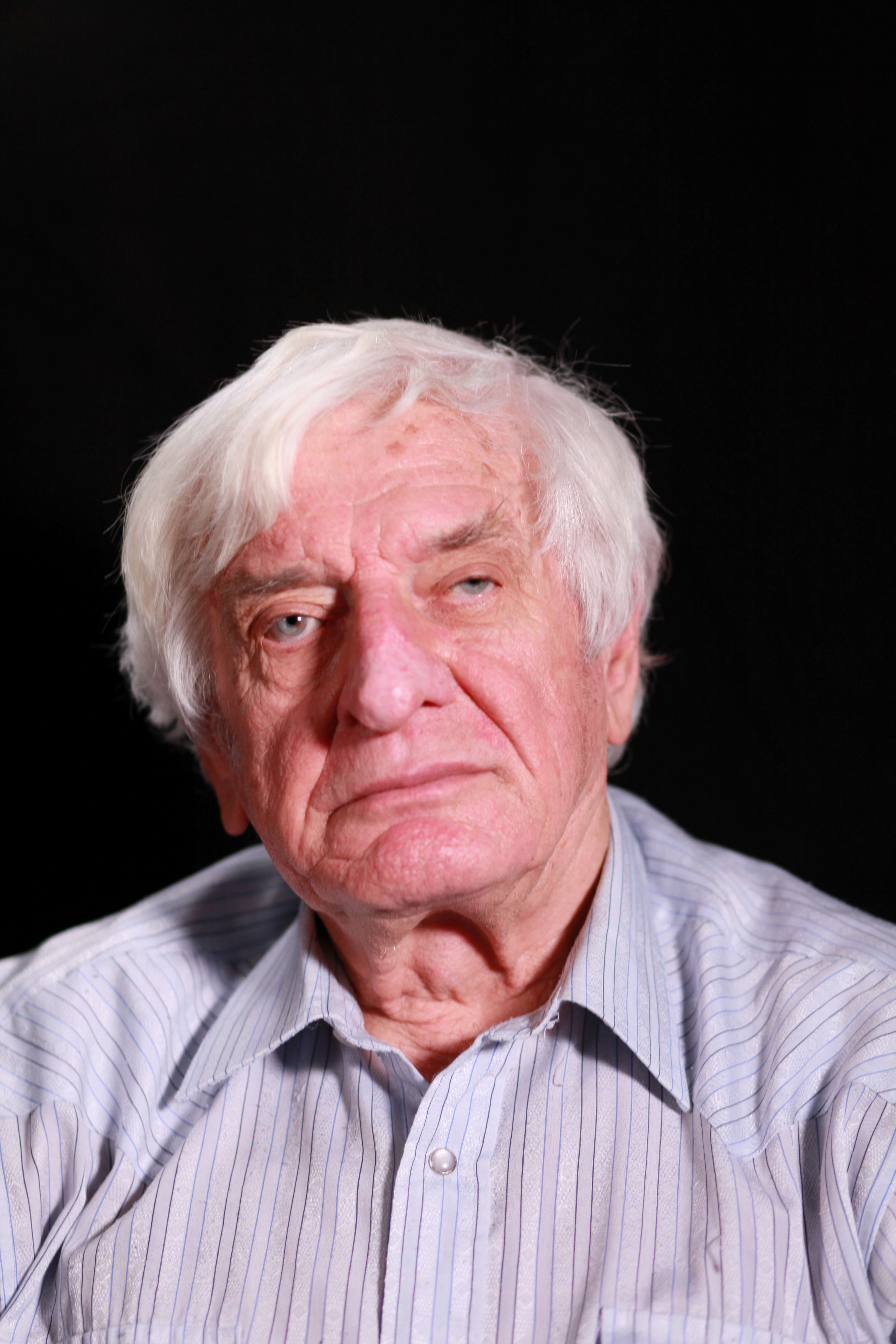
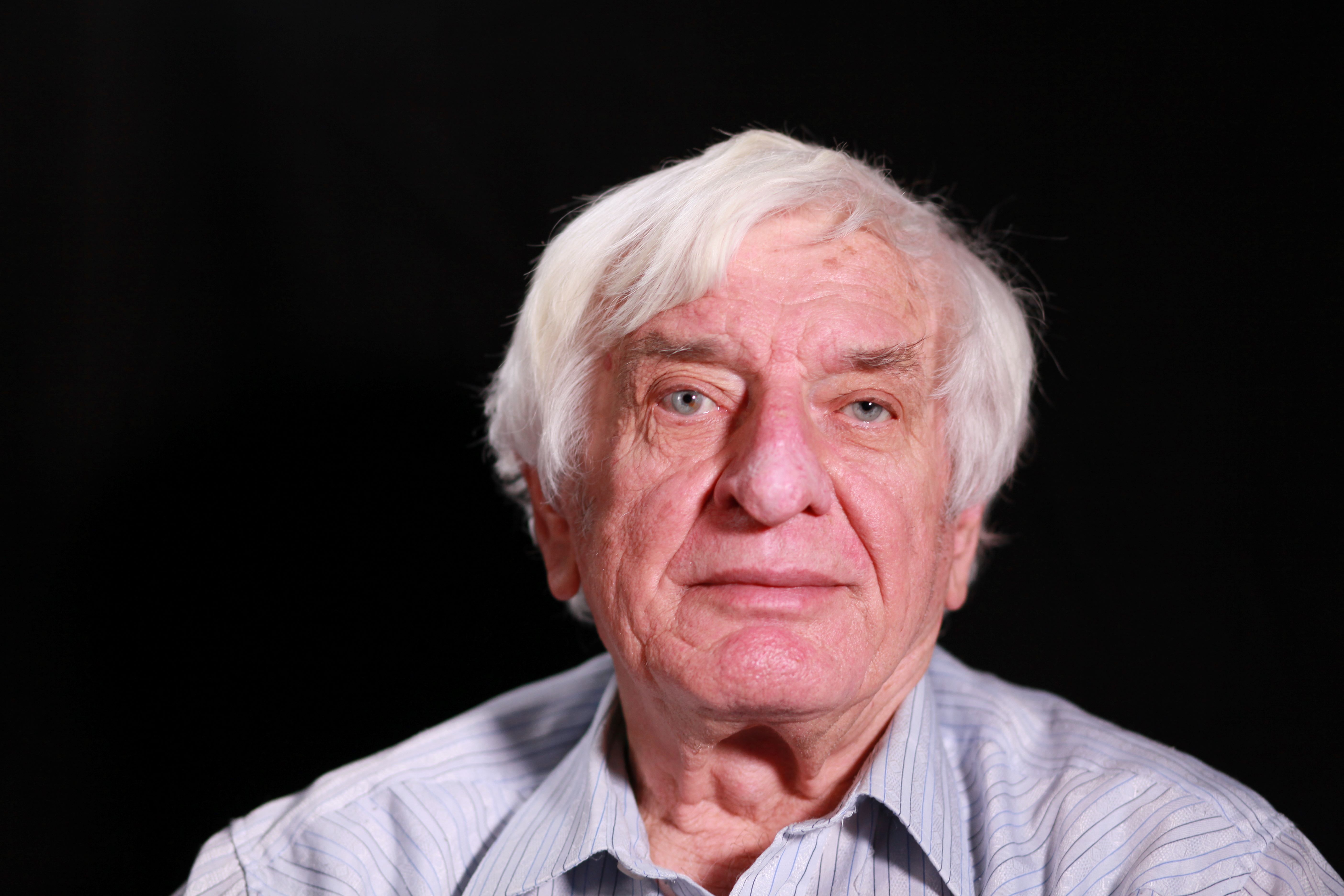
František Vlček filming with Memory of Nation, Olomouc, 2025
zdroj: Memory of Nation

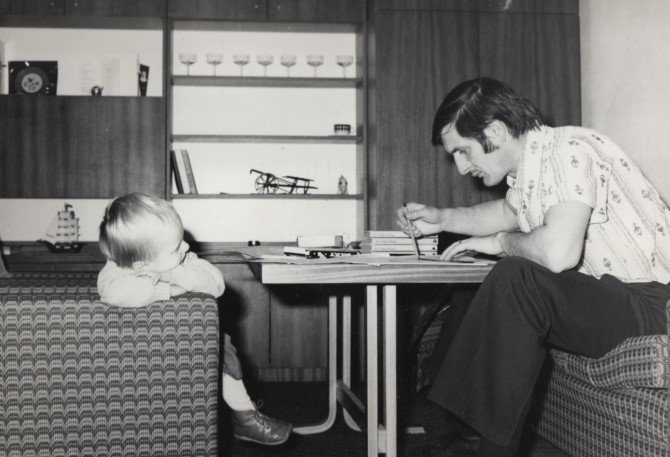
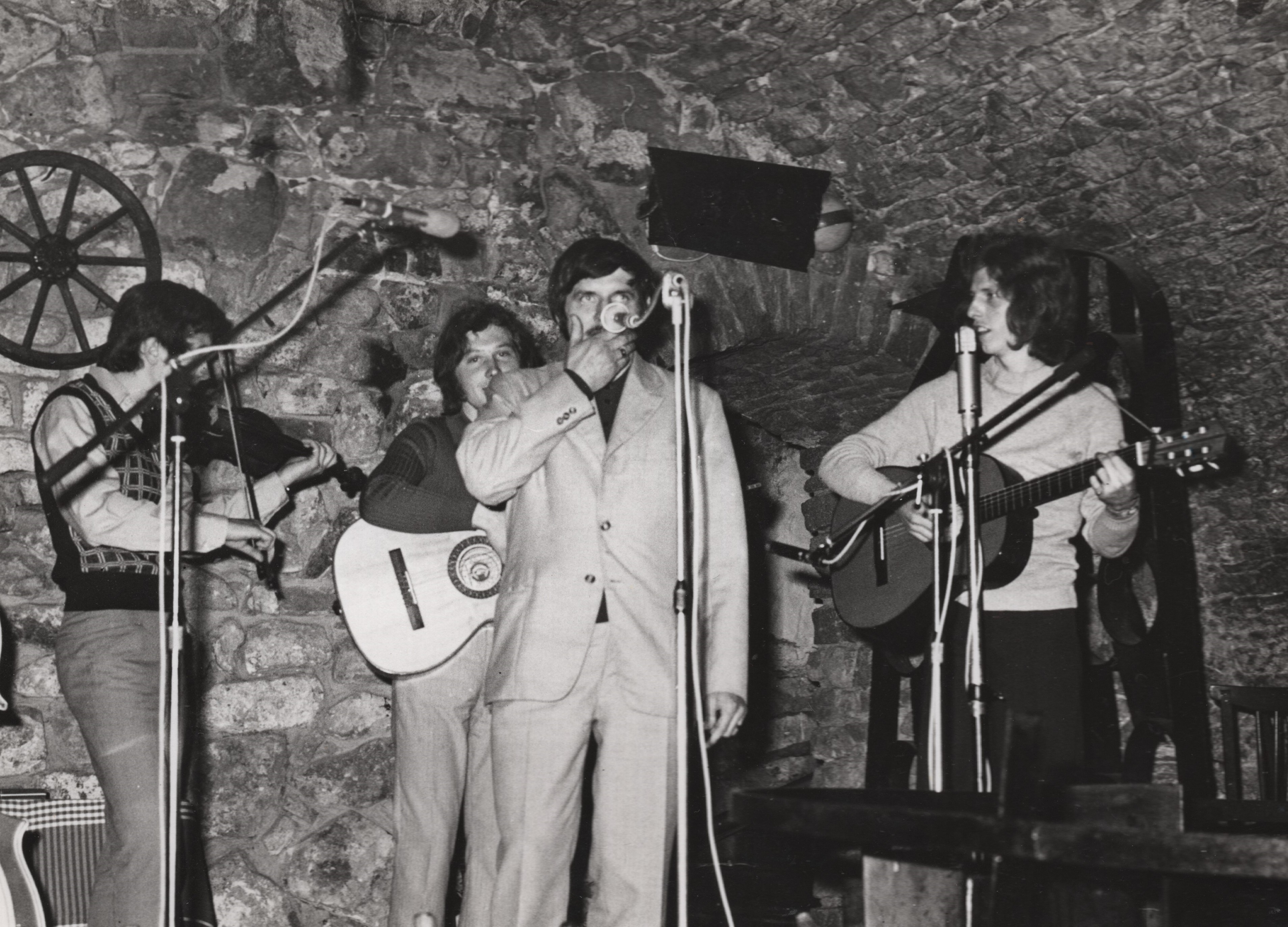
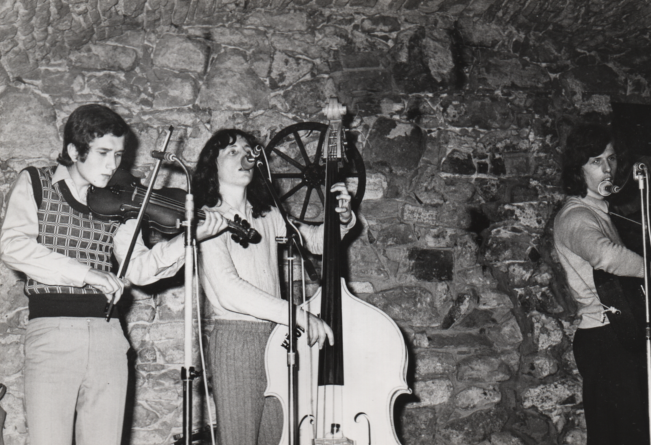
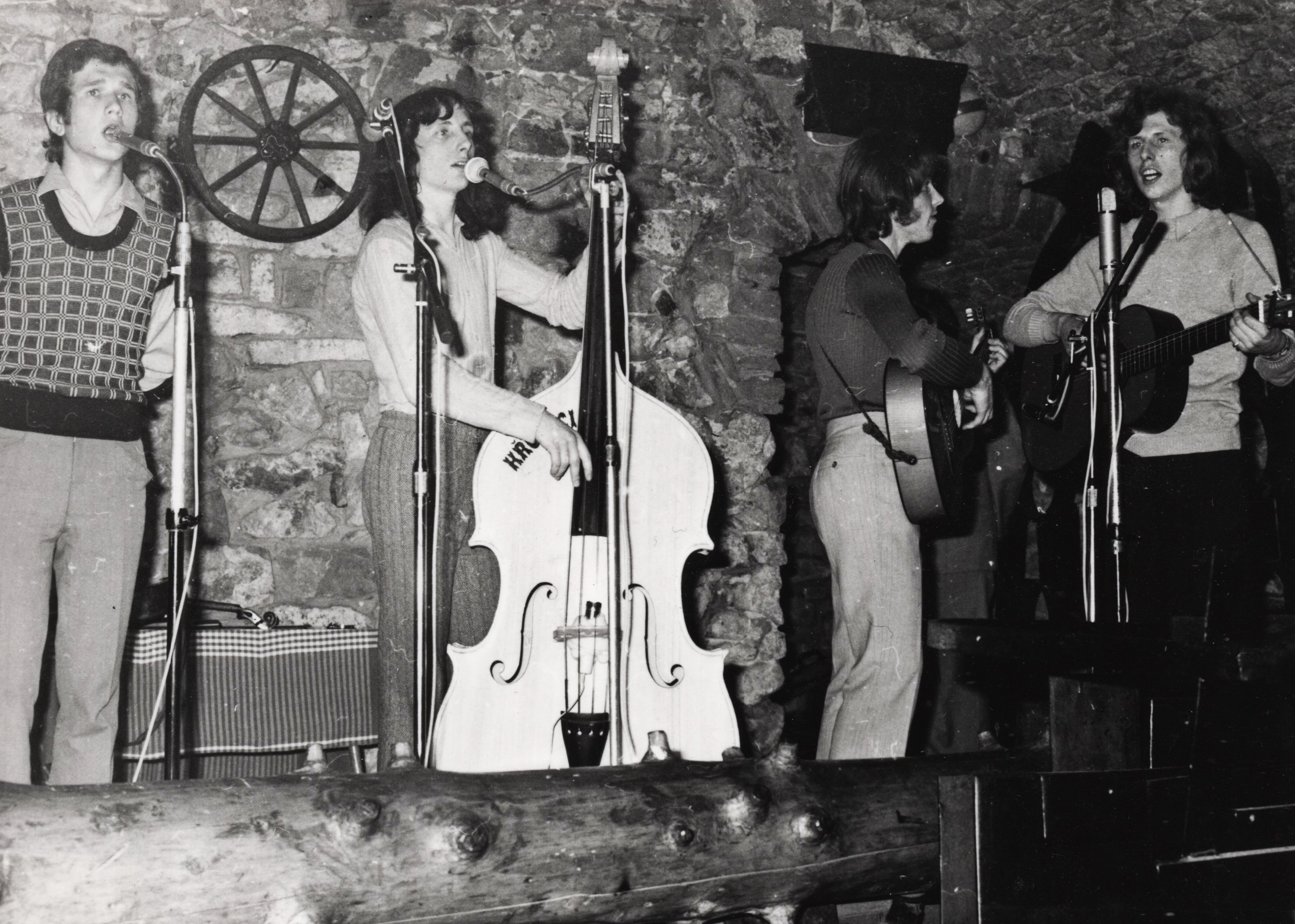
František Vlček was born in a cottage near Tichov in Valašsko on 3 January 1943. His parents farmed almost 10 hectares. His father earned living playing music, distilling slivovitz and weaving wire mesh fences. During the war, the family helped the partisans, and two-year-old František was injured in a fire in Ploština that the Nazis burned down. At the end of the war, the retreating Germans shelled the Vlček house. In the 1950s, he witnessed an attempt to arrest neighbour František Ptáček, nicknamed Babčák, for being a member of the Světlana resistance organisation. After 1948, the family faced problems. The father refused to join the farming coop (JZD), giving in and signing only to allow his daughter to study. František refused to join the communist party during military service. In the 1970s, he led the country band Křováci (later Gde-Gdo) whose songs were aired on the Czech Radio. He trained as a mechanic at Igla in Valašské Klobouky and finished a technical evening high school. He married Marie Vlčková in 1965. He worked in factories, as a driver in Libya, and as a technician in ZNZZ Valašské Meziříčí, then at the Youth Club in Vsetín and as a machinist on the ZPEU river coal barge. From 1980 he was under StB surveillance over his contacts with foreign countries and his work in the Semafor Theatre‘s Soul Mates Club. He emigrated to Germany via Yugoslavia in 1984, helping his girlfriend and her children to emigrate in 1985. Since the 1990s he has been square dancing. Since 1993, he has German as well as Czech citizenships. In 2025 he lived alternately in Offenbach am Main and Kopřivnice. He has son Pavel (1966) and daughter Milena (1968) with his first wife Marie; they divorced in 1980 and he remarried later on.