"The faculty was supervised by a member of that particular department of state police. When I was dean, he came on 1 September or at the beginning of the school year and informed me about the security and political situation in Brno and our region. That was a certain training that I had to go through. It was written down that it was training. Well, that we'd be in touch. I said, if you need me, come. I don't think I'll be coming to see you much. And that's what happened, he was such a young boy. And one day I walk out of my office into the corridor and I see him standing in a group of students discussing something. I said, "Are you coming to see me? Come on! No, no, no. Well, what are you doing here? Spinning a web. I said, "Well, that's it....I've never seen an idiot like that before."
"I was once approached that two students were found to have attended some sort of concert, semi-illegal. That kind of music - du du du du. What do you call it?" - "Big beat?" - "Yes, bigbeat or heavy metal, and that it's not appropriate for a future lawyer. I say, well, not that it's áppropriate, maybe, maybe not, he should rather be educated in some other fields, but if they're into it, so what. So I say to him, to this comrade, please, have they committed any crime? No. Did they commit any offence, shouting or disturbing the peace? No. I said, well, there's nothing I can do about it. They even wanted me to expel them from the studies. I said, "No way, I'm a lawyer, right?"
"The worker, when he applied, they accepted it immediately. Whereas in the social science sphere it was that it had to be offered. One couldn't, because if someone, as we were in the faculty, at that final stage of that year, if someone applied themselves that they wanted to be a member of the Communist Party, they wouldn't be admitted. So that membership was offered. There were a few of us who were leaving the faculty as so-called candidates of the party, which was a two-year period before membership. We were there - Pithart first, he was such a guru... if there were five of us out of a class of 150."
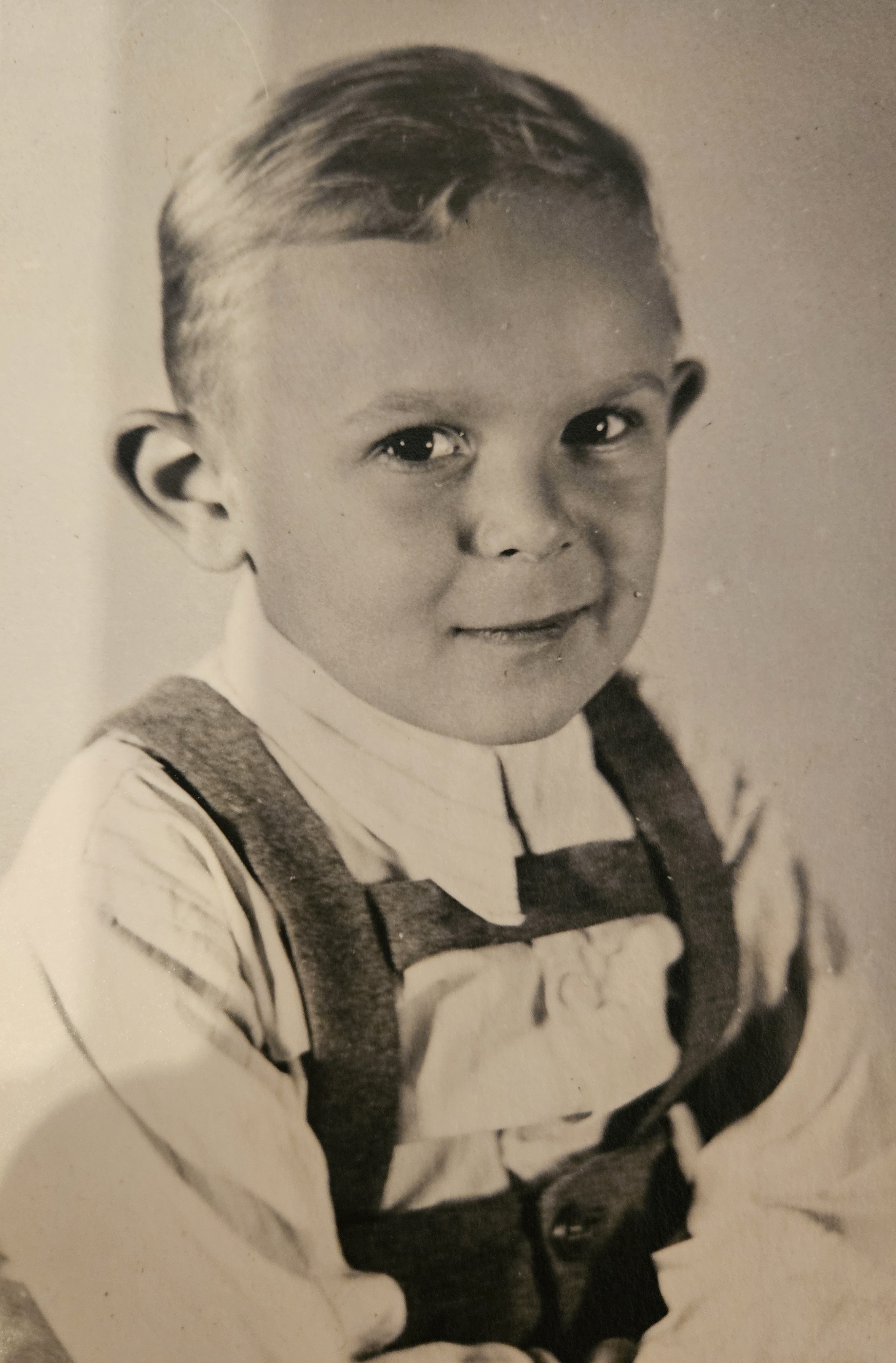
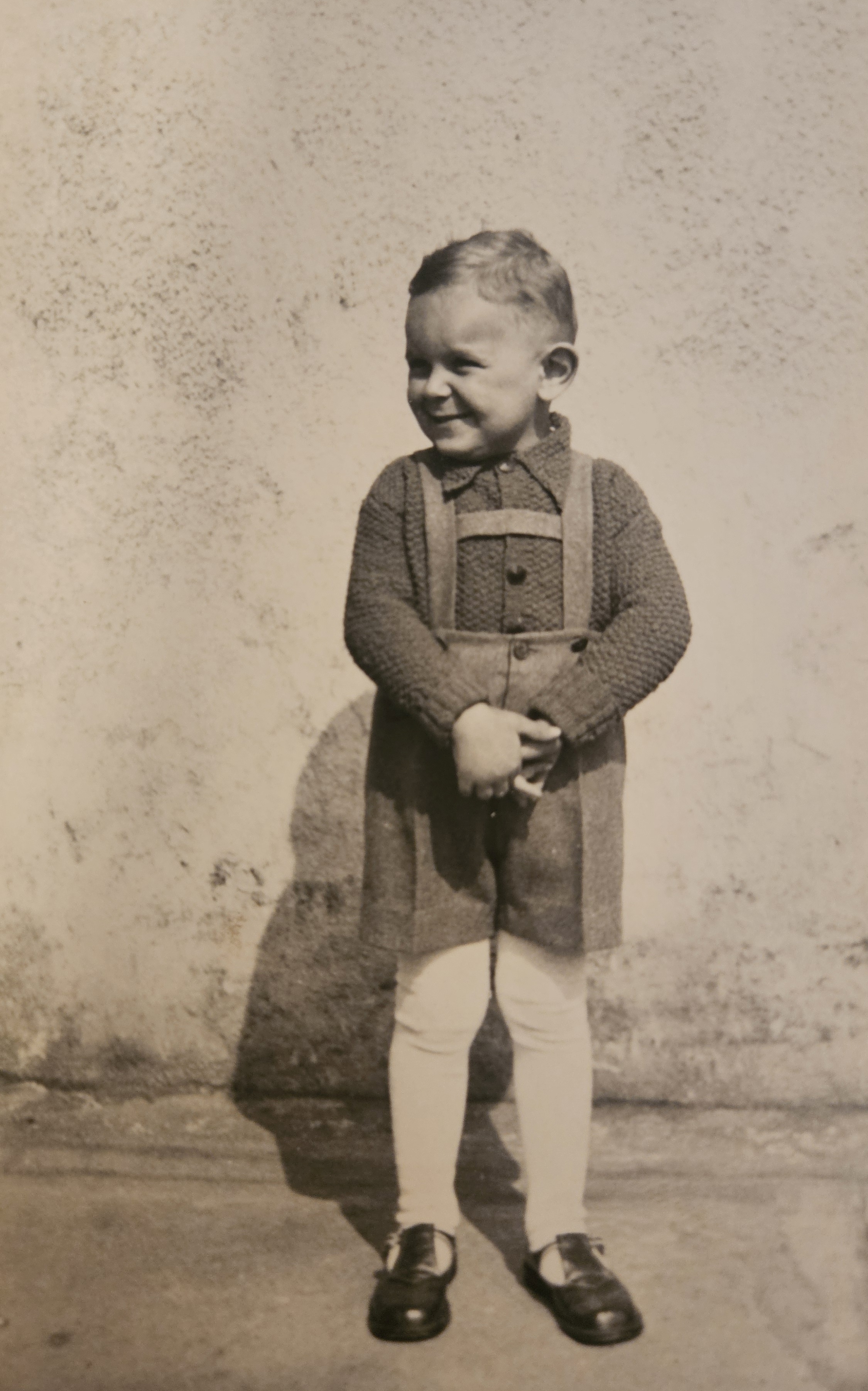
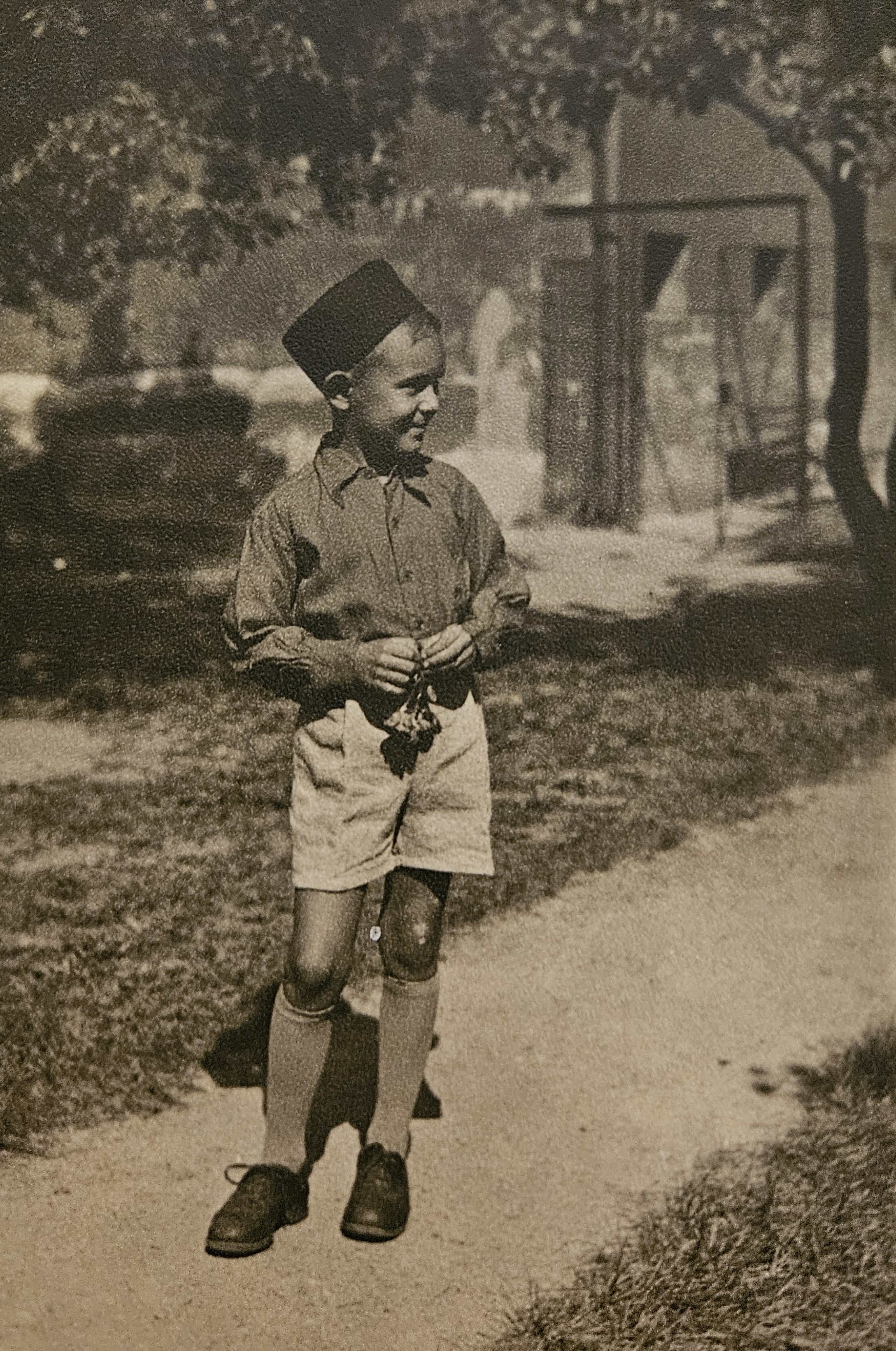
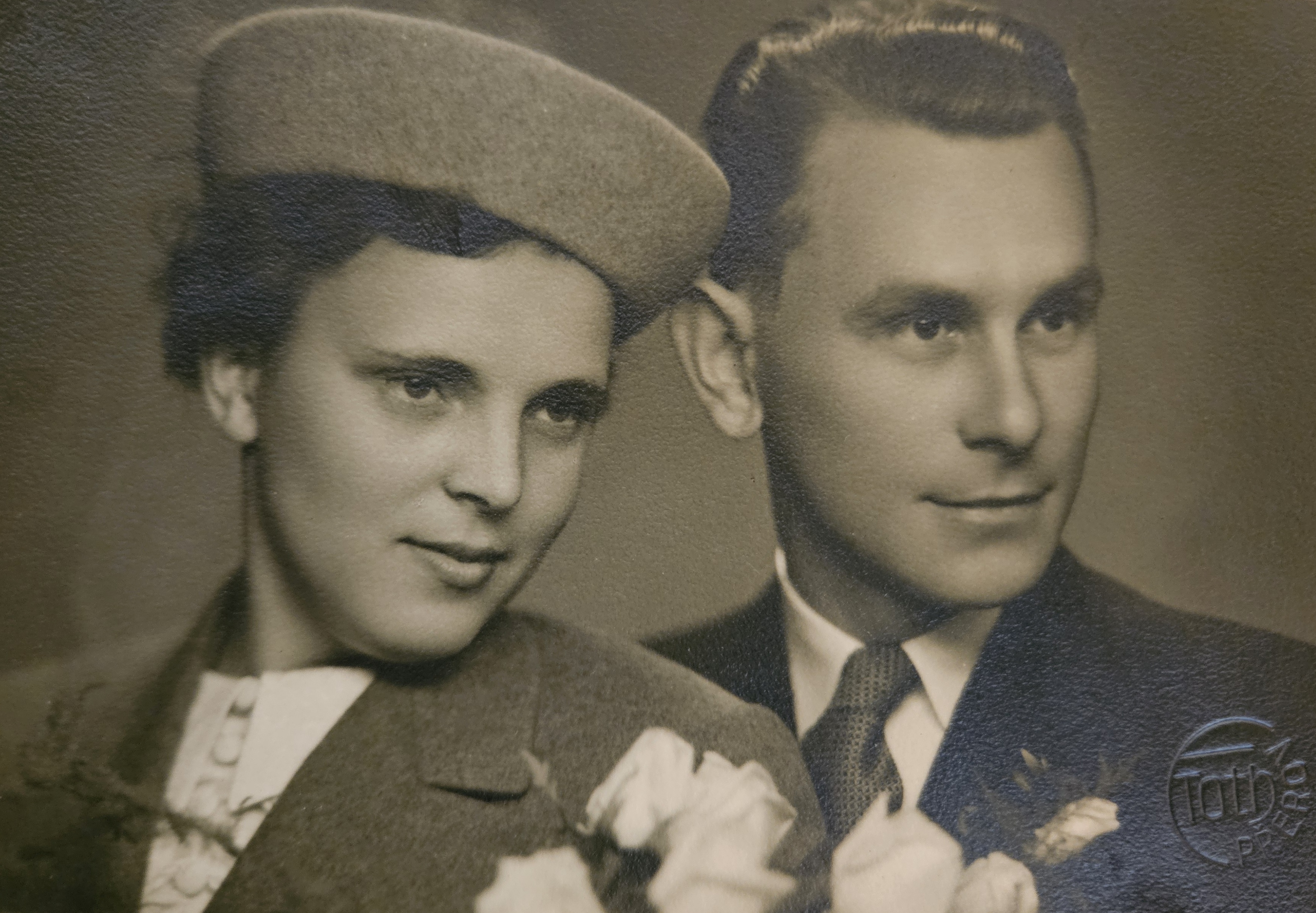
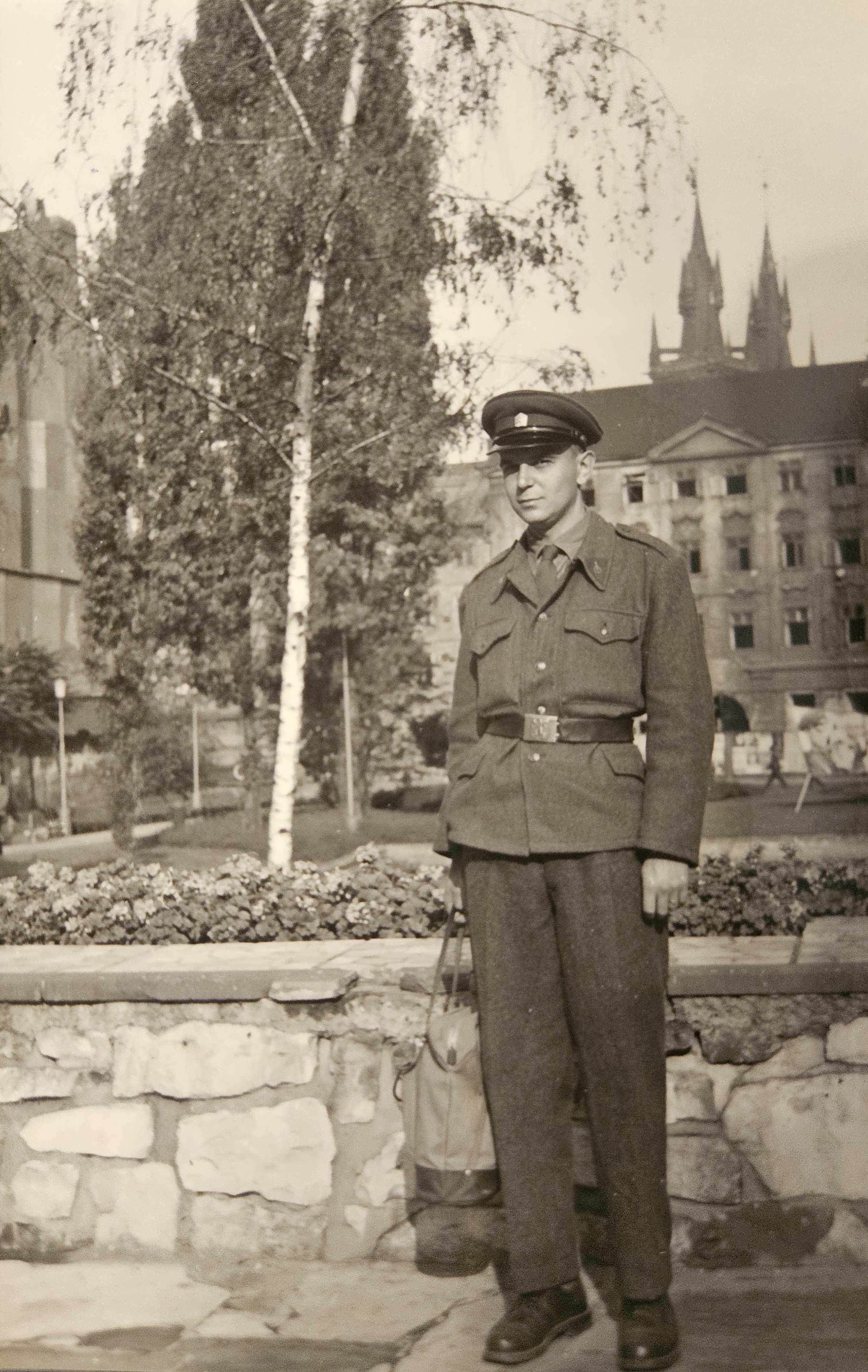
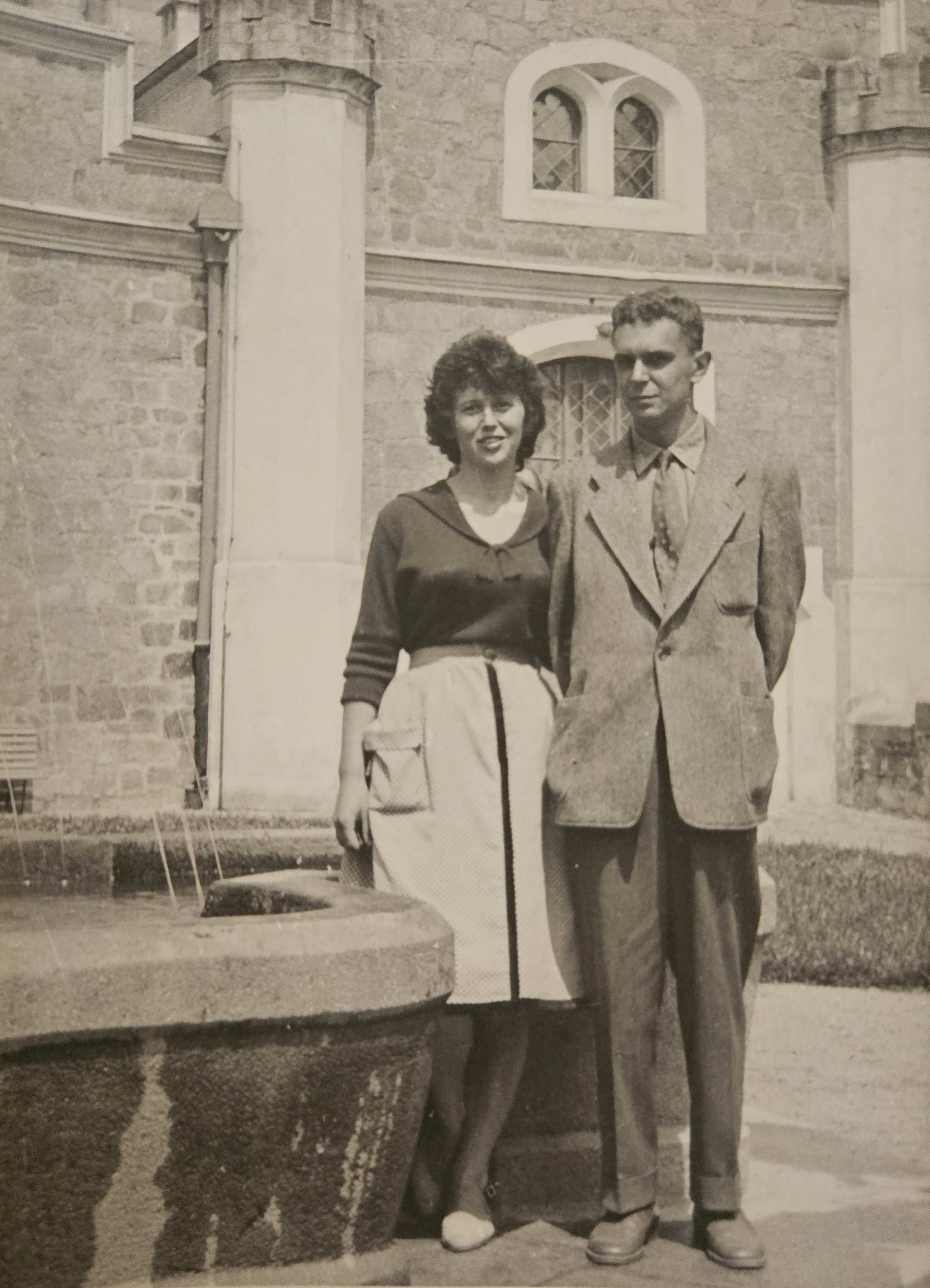
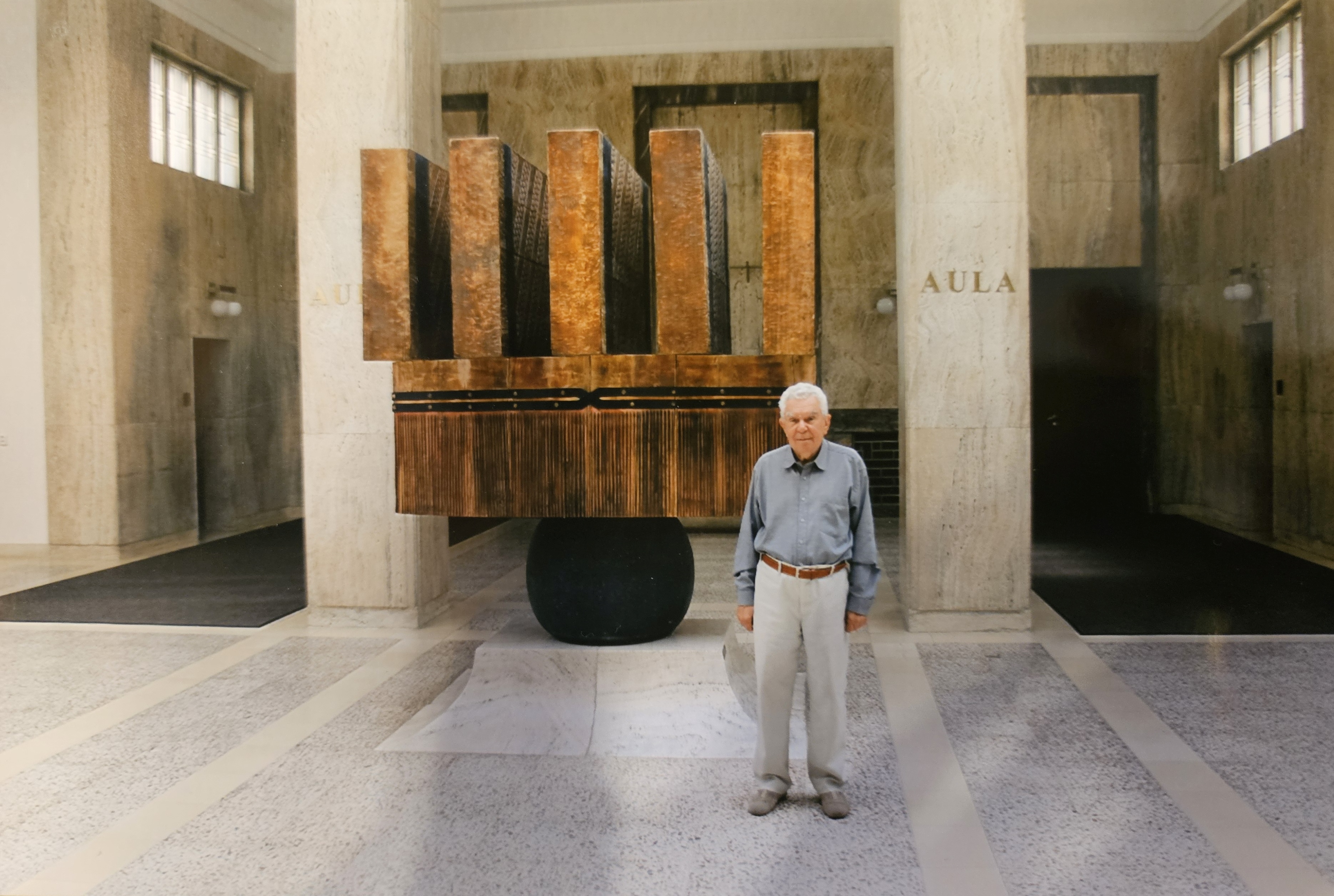
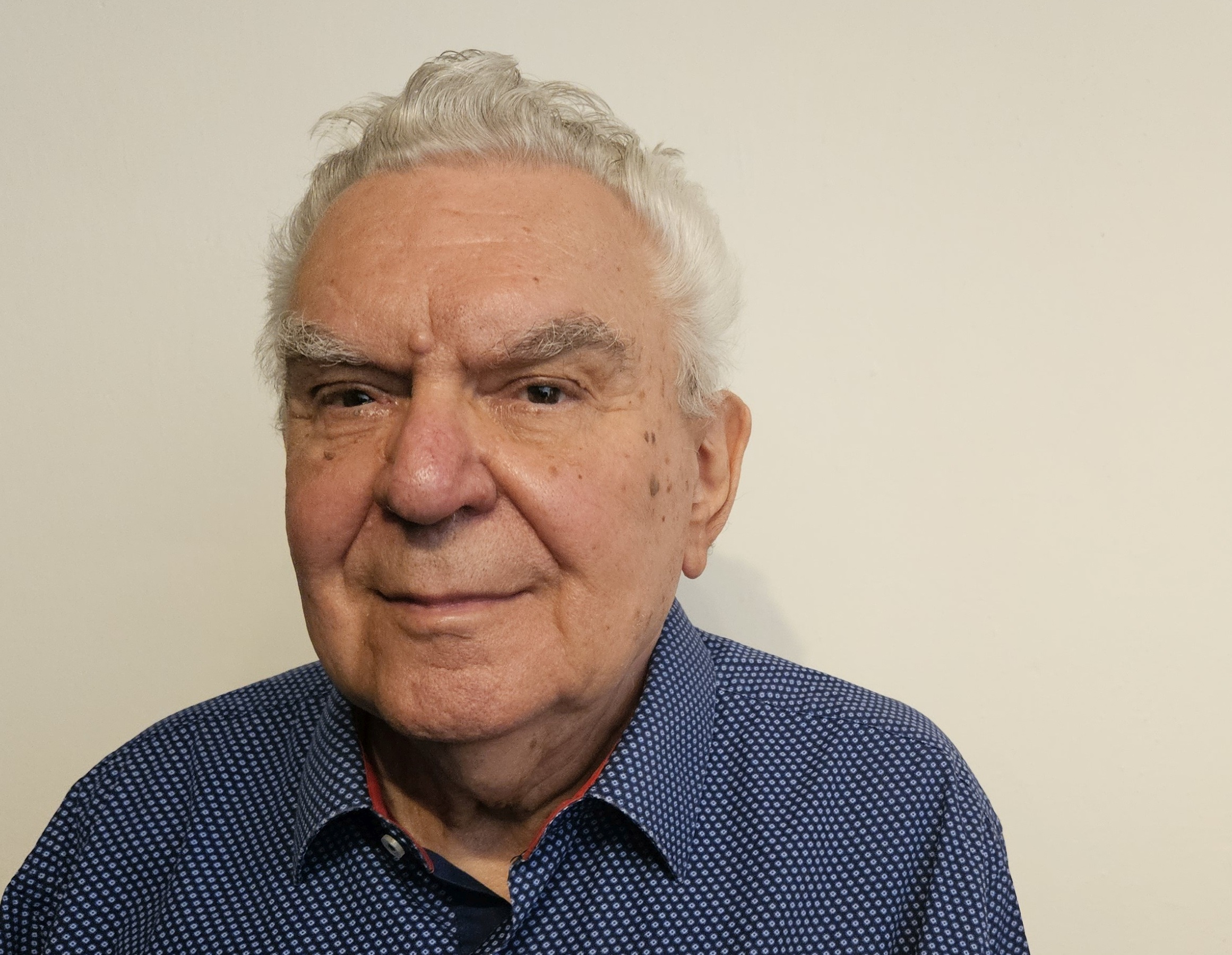
Eduard Vlček was born on 26 February 1940 in Přerov and spent his childhood and youth there. His father Eduard and mother Božena, née Zemanová, worked in the local power plant. In 1957-1962 he graduated from the Faculty of Law of Charles University in Prague, specializing in international law. He worked as a university teacher all his life - he started right after the war in 1964 at his alma mater and in 1970 moved to the reopened Law Faculty in Brno. From 1971 he headed the Department of History of State and Law, which he remained the head of with minor interruptions until 2008. He was appointed associate professor in 1973 and professor in 1986. In the 1970s and 1980s he participated in the management of the faculty, first as vice-dean and then as dean. However, a successful academic career could not have taken place without his membership in the Communist Party of Czechoslovakia. This also opened the door for him to become a member of the House of Peoples of the Federal Assembly in 1986, a position he held until 1990. He taught law in Brno until the age of 70 and then worked for ten years at the law faculty in Olomouc. He participated in the creation of several textbooks on legal history. In 2025 he was living in Brno.
Hrdinové 20. století odcházejí. Nesmíme zapomenout. Dokumentujeme a vyprávíme jejich příběhy. Záleží vám na odkazu minulých generací, na občanských postojích, demokracii a vzdělávání? Pomozte nám!