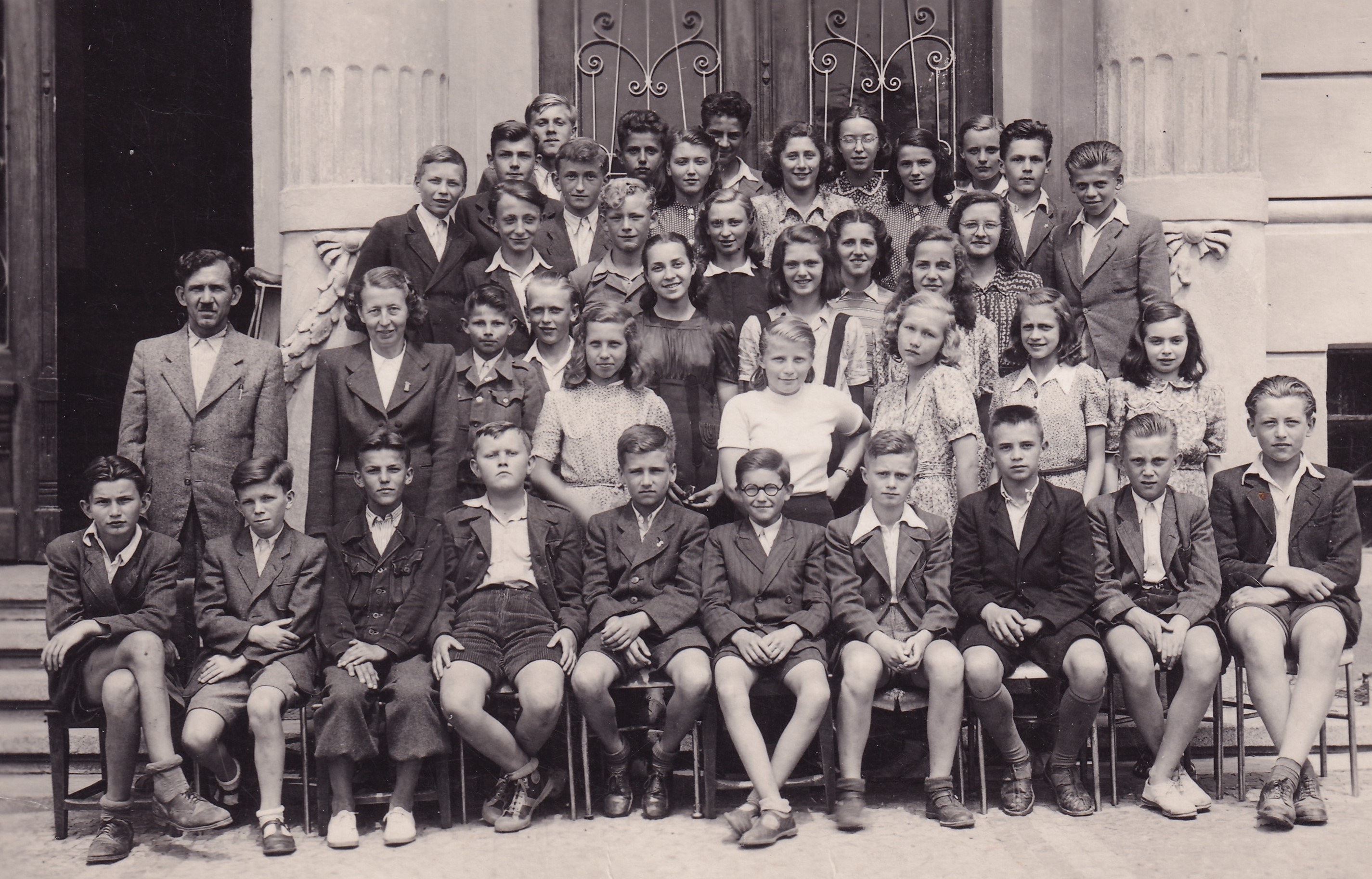
"There were sitting there, I don't know how many, four or six, I saw the unhappy father and I went there so angry. It sounds ridiculous today that they were determining whether I was going to be recommended for college. I know to this day what they asked me. Their first question was, 'What does your father say about the current political situation?' And I'm going, 'And why are you asking me that? You all know that he was liquidated two years ago as a capitalist, but he is a reasonable man.' The second question was, 'What books do you have in your big library?' Again, I remember, 'Yes, we have Čapek's Talks with TGM, but we also have Zapotocký's The New Fighters Rise and The Red Glow over Kladno, and I live next door, and if you want them, I'll bring them to you.' And I know it took them an awfully long time to decide, and they finally gave me that recommendation."
"One fine day, gentlemen in leather coats came in, took all the books. We didn't see my father all day, he was with them in the shop, there is no record of that. There was a search at our house, which I experienced, and I must say it's a terribly unpleasant business when strange men throw out your cupboards. They were looking for I don't know what, and what we had - it's ridiculous nowadays, we had a wholesale business and they confiscated, I don't know, eight mugs, sixteen bottles of wine and so on. I remember one moment from that, when my father came back, they brought him back from the store, and there was still my father writing something on the typewriter on our table. He turned to me and said, 'Jiřátka,' so he said, 'please go to the cellar and get me a bottle of wine.'
“We had his (General Klapálek’s) aide staying with us—Koťátko or Maťátko, something like that—and he was here for several days. My father, thrilled that the war was over, grabbed an axe and started chopping the boards off the windows. But the aide came up to him and said, ‘Mr. Dvořák, the Russian army is coming behind us, front-line soldiers. You’ll be glad your windows are still boarded up. And if you opened your doors to them like we did—because at our place there was cooking, celebrating—if you did that for the Russian army coming straight from the front, you’d be in tears.’”
"We were in the cellar, I still don't understand it, my aunt and her two daughters were there with us, and there was a big bucket for rainwater, but we were really hidden in the cellar. The house is low, so my father had it boarded up with wooden slats because of the bombing. I remember my brother and I had to sleep when the war was over and we were still in the flat where we had the piano, it had an iron board, so my mother used to plough under it. We were in that cellar for, I don't know how long, probably not very long. And I know after that, all of a sudden, my aunt was all upset, my father was shouting, calling us, 'Come on, everybody!' He was sitting on the steps and he was laughing terribly, 'Now look how the famous German army is falling apart!' And it was really after that Sokolska - horses, motorbikes, Germans running away."
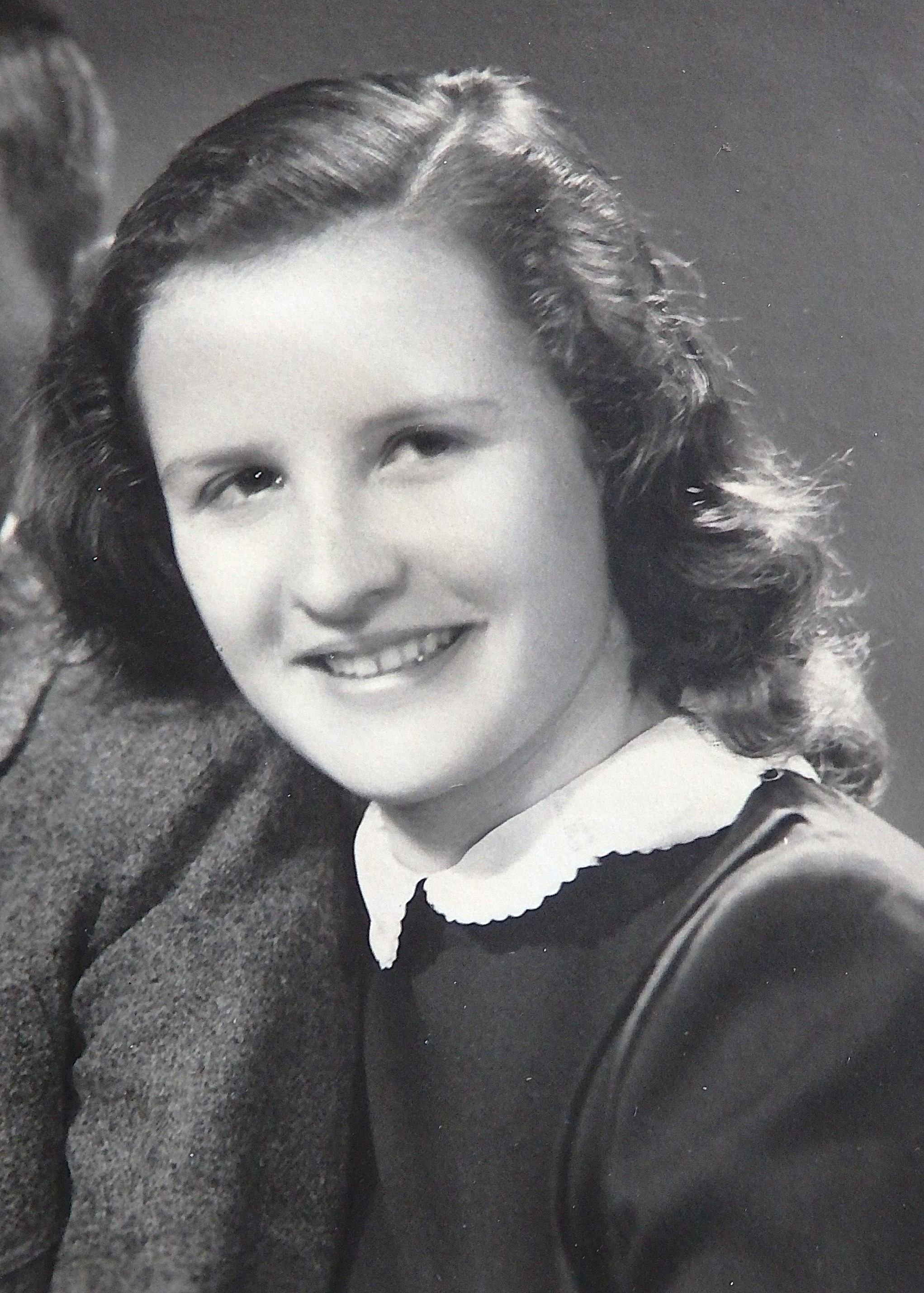
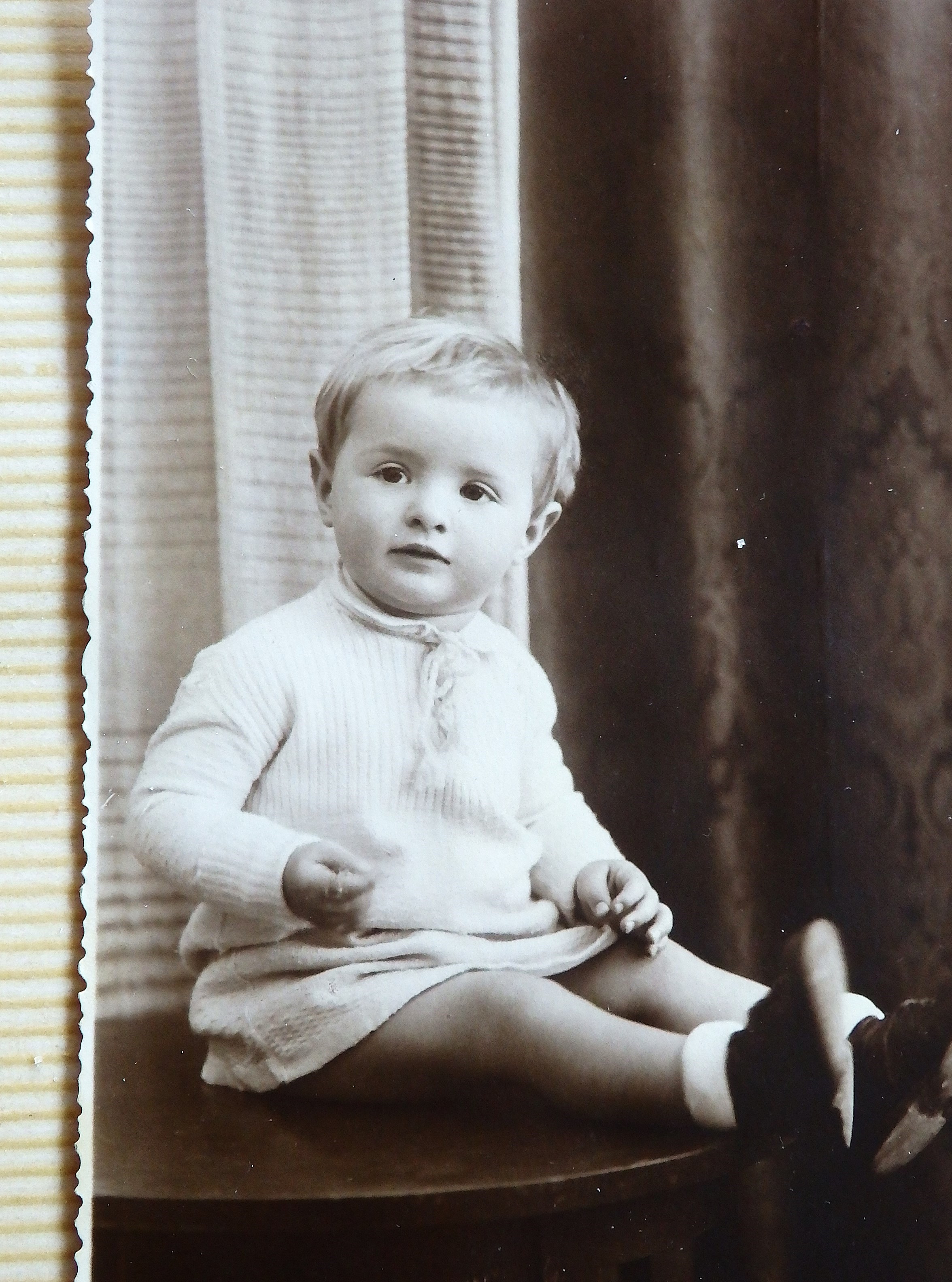
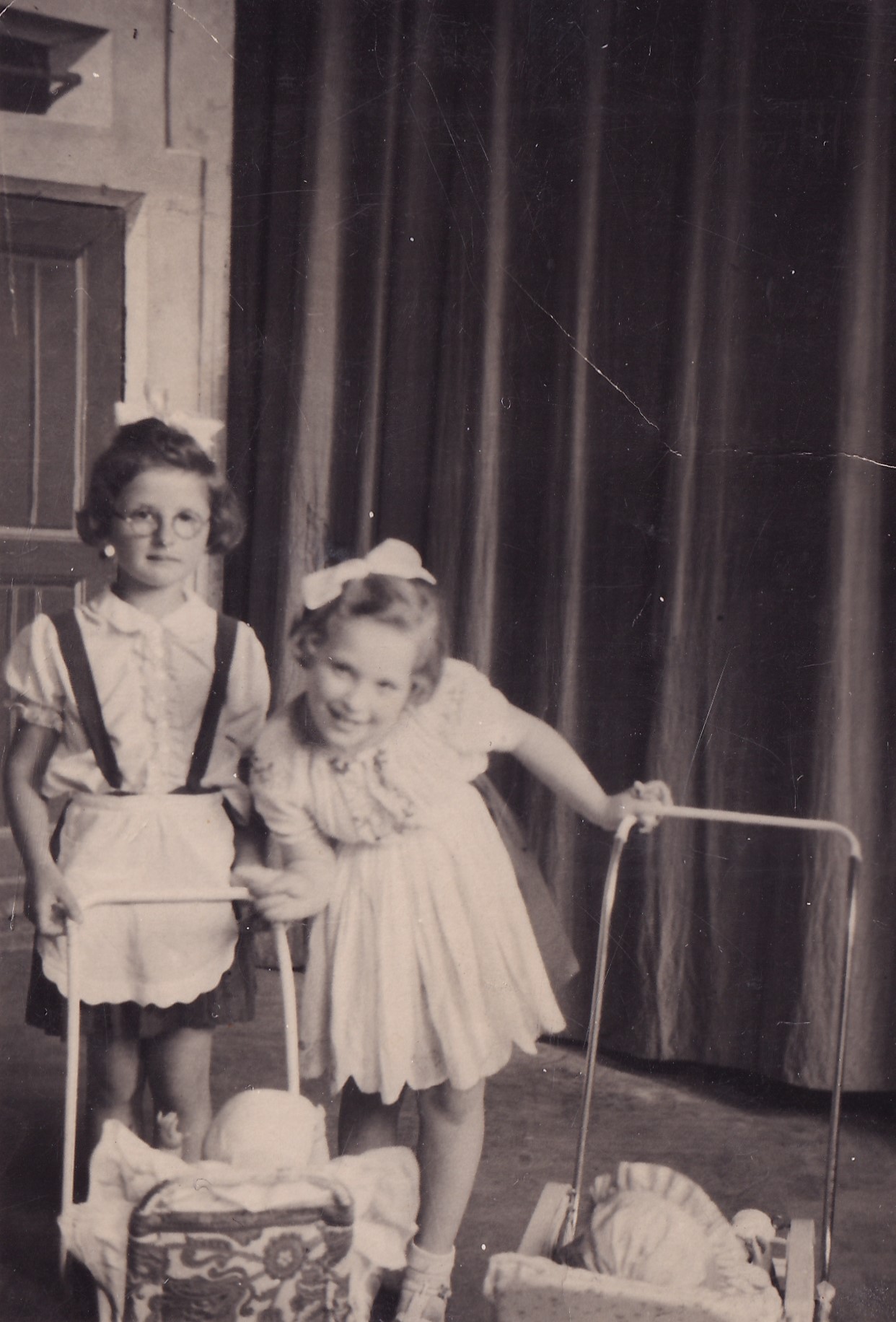
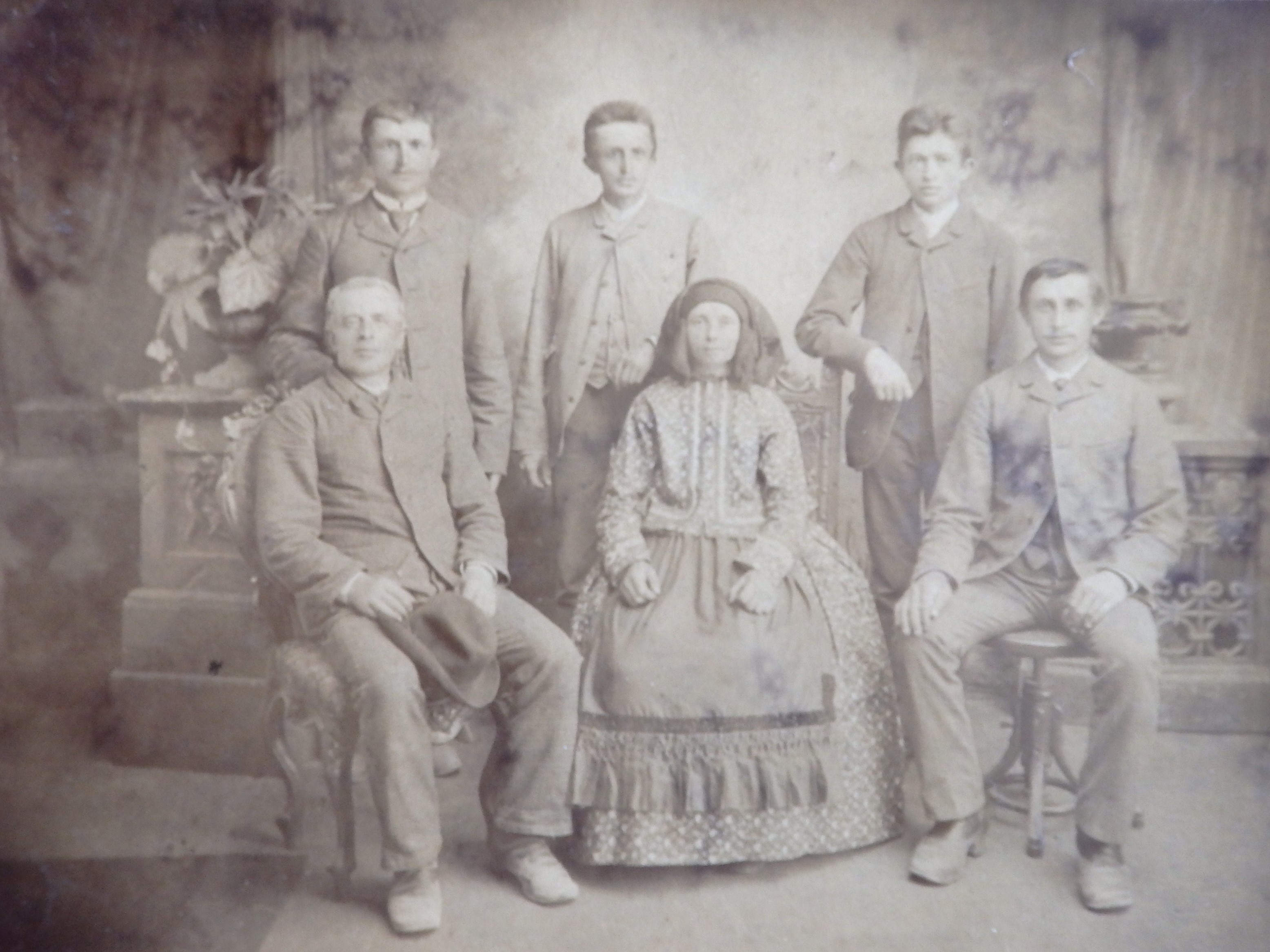
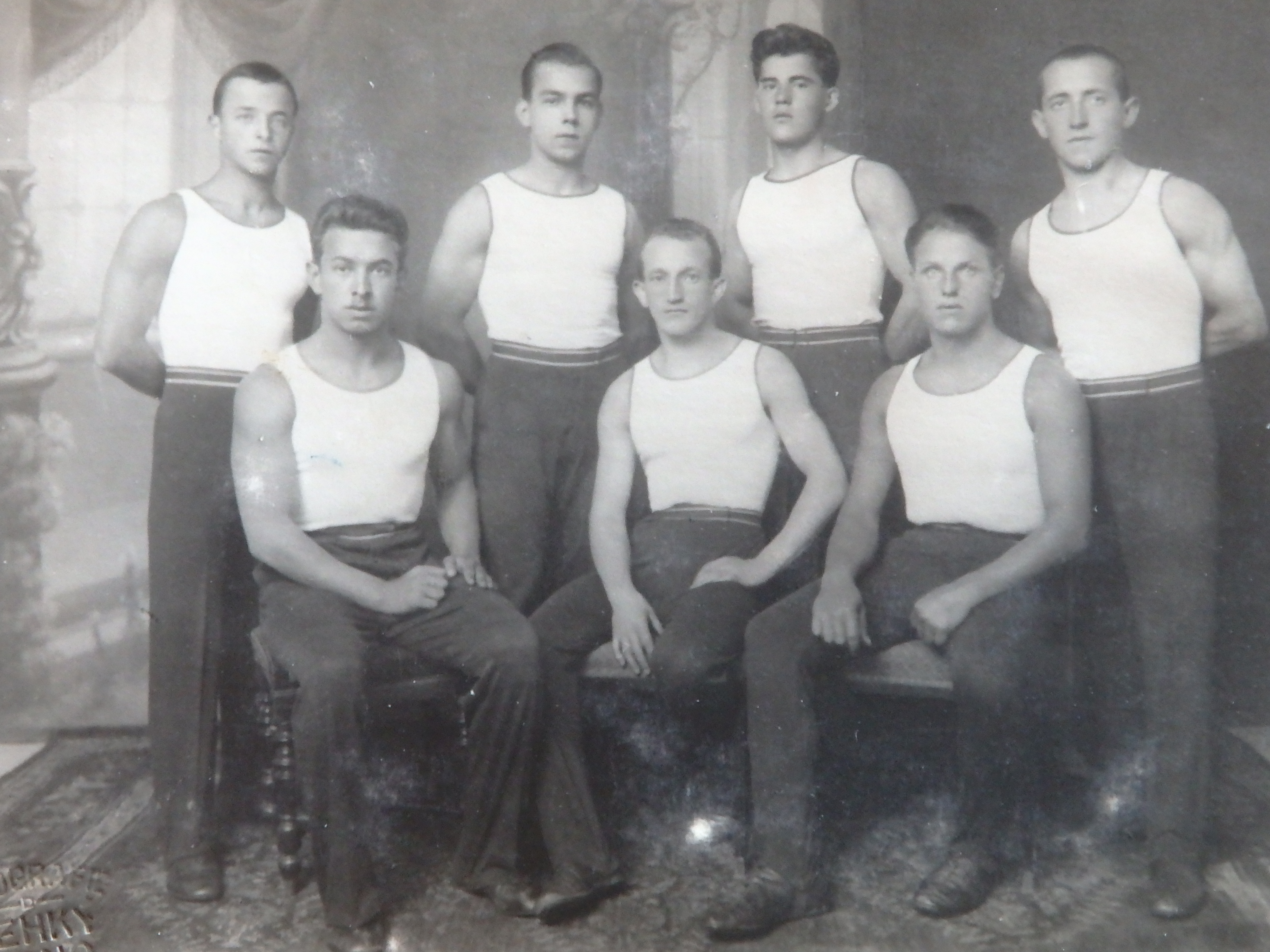
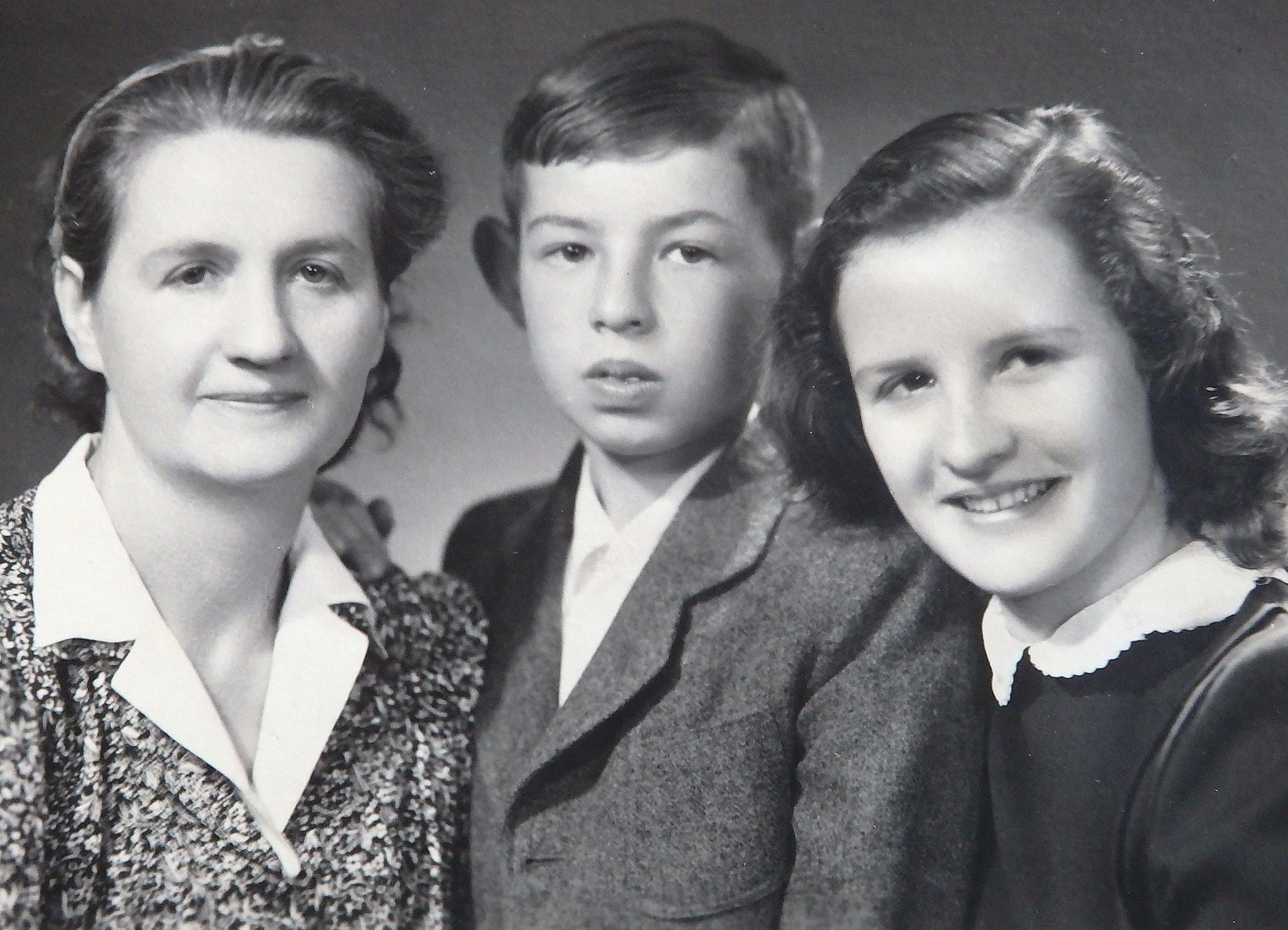
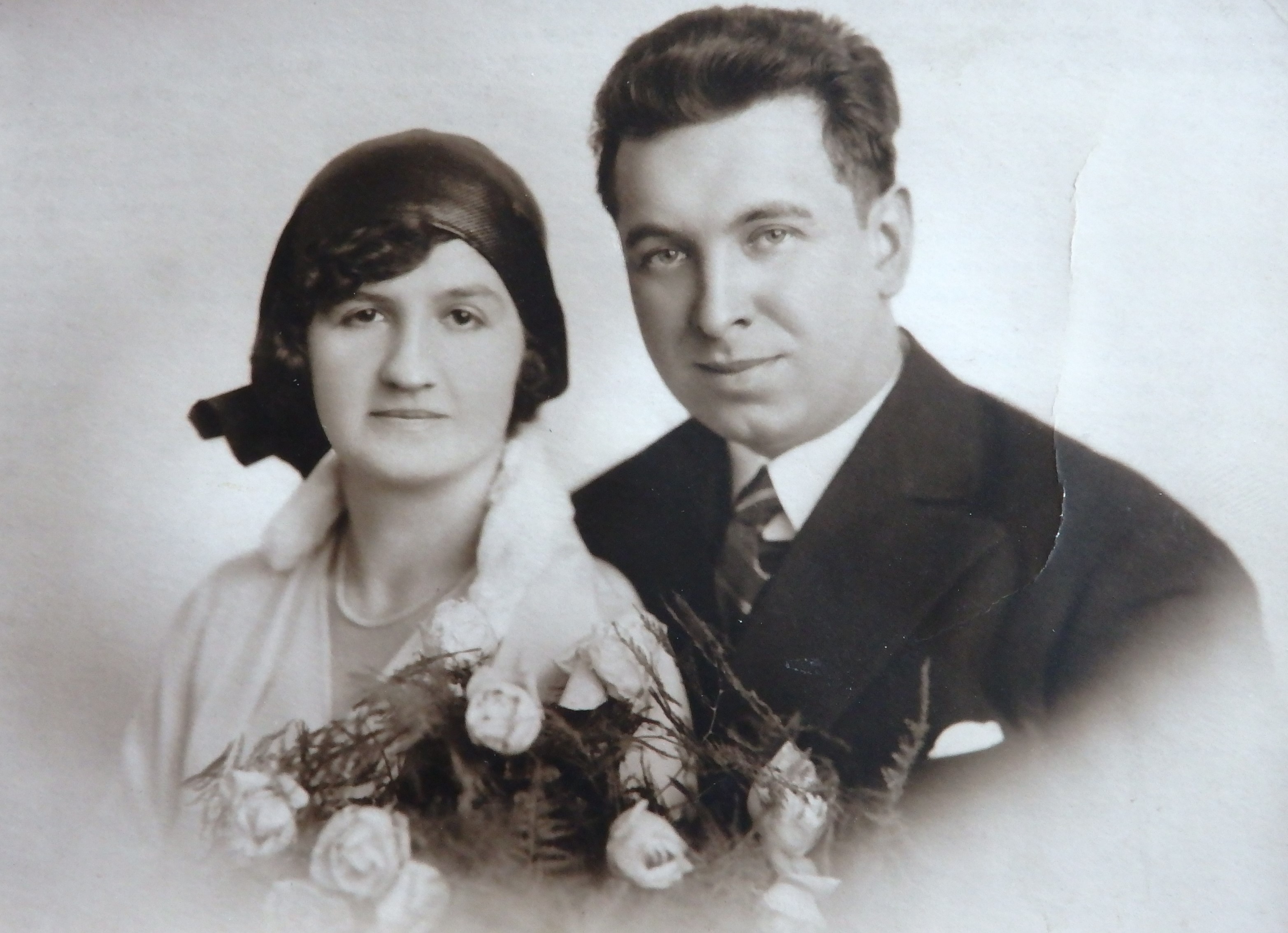
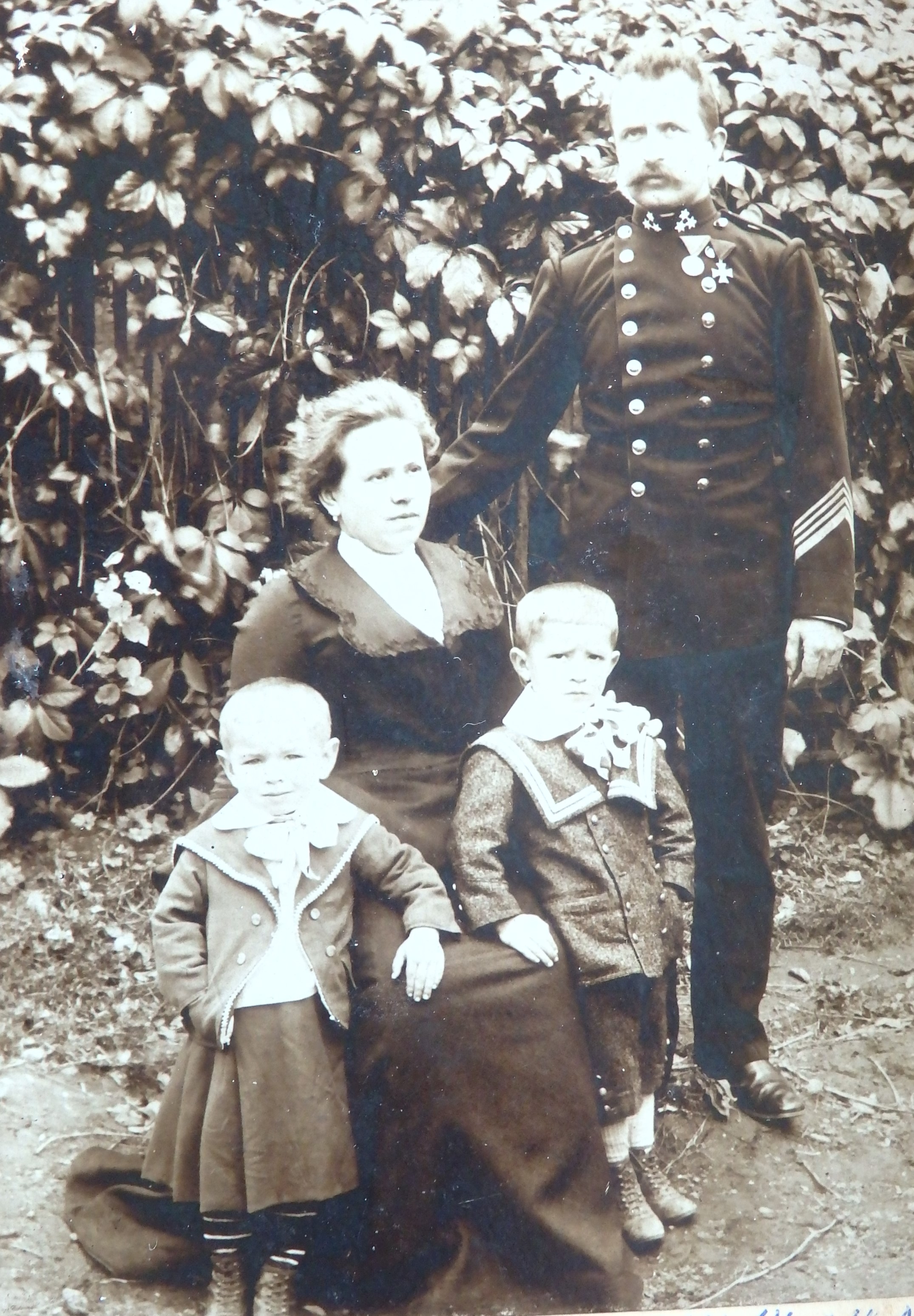
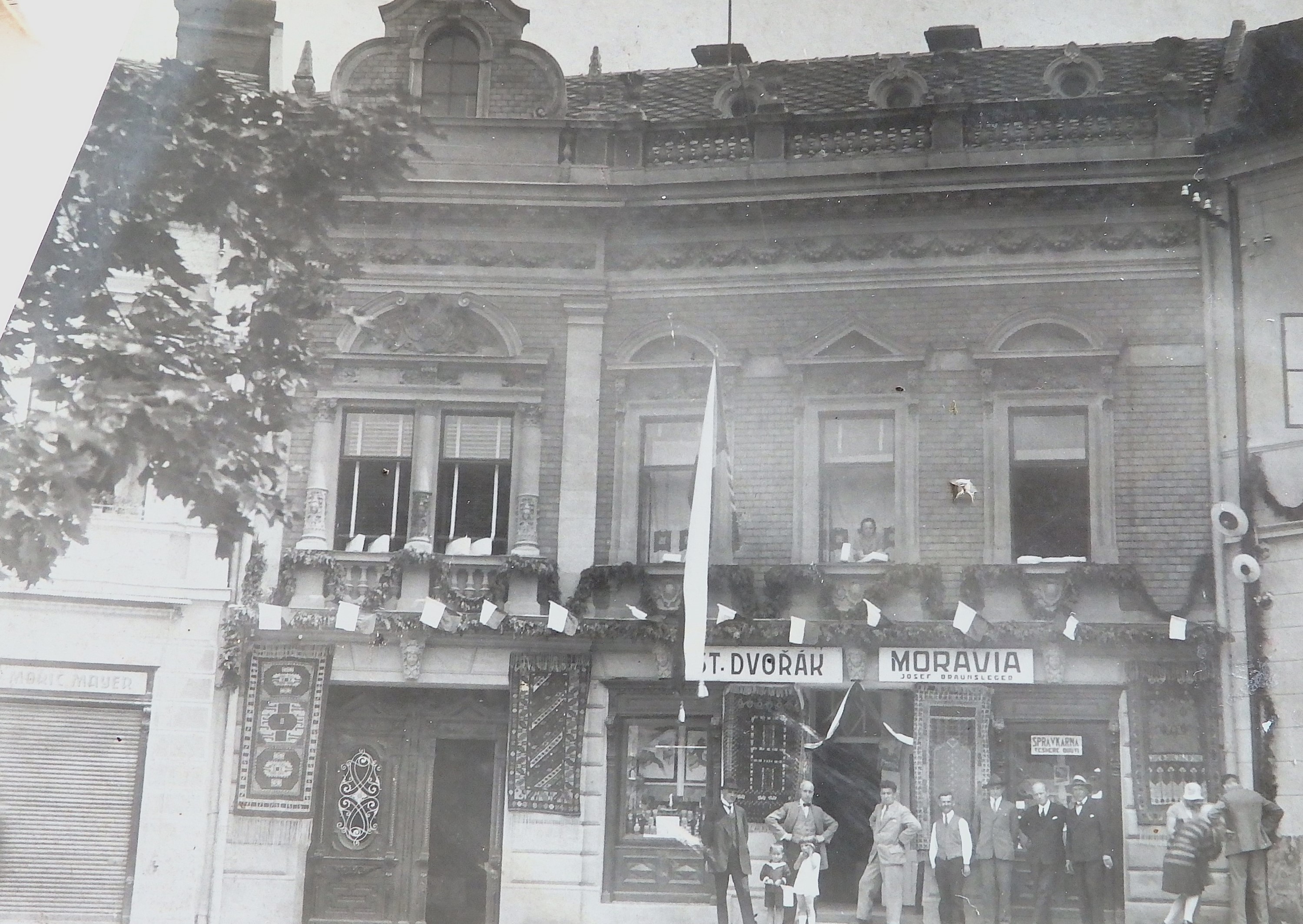
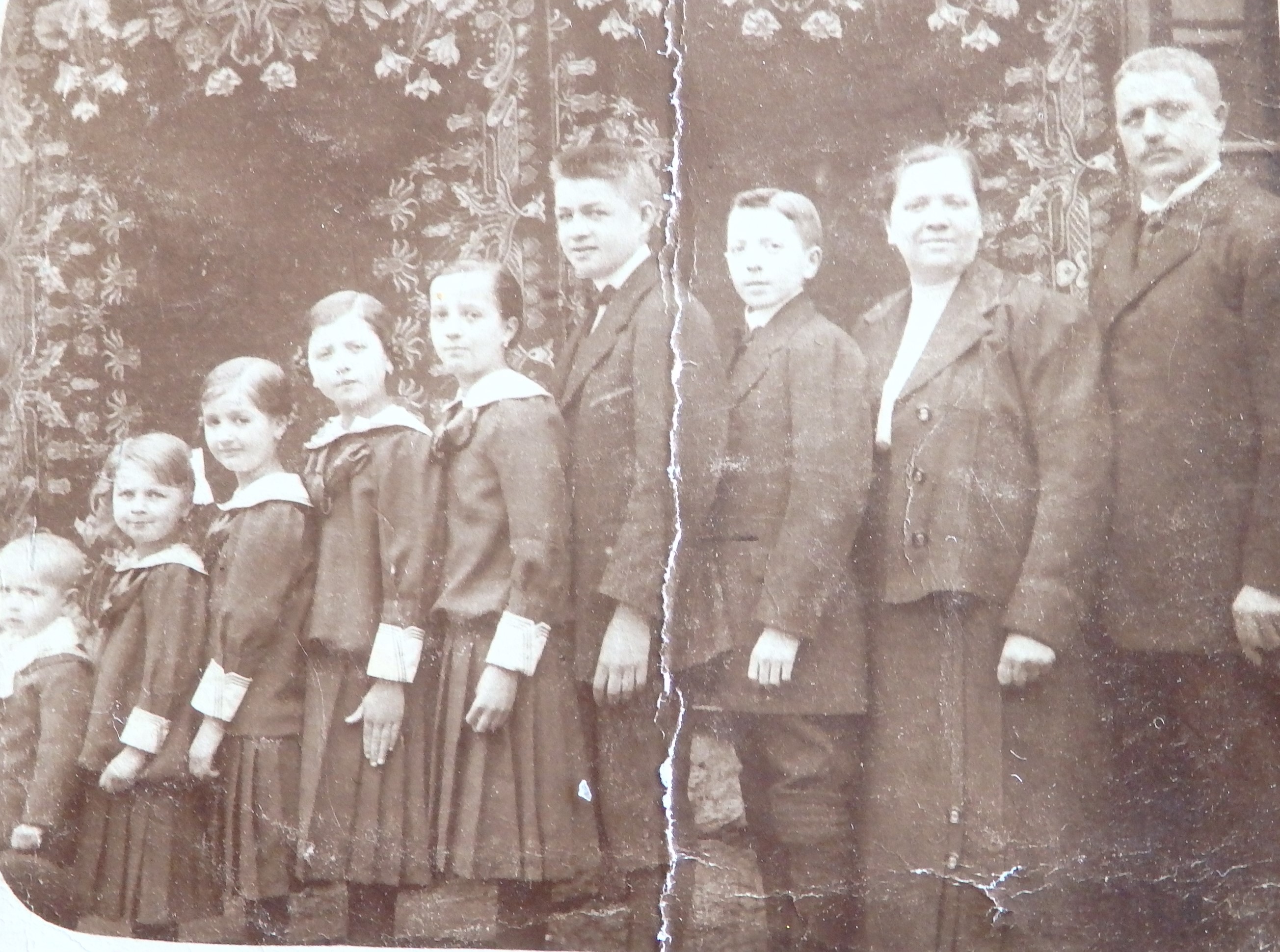
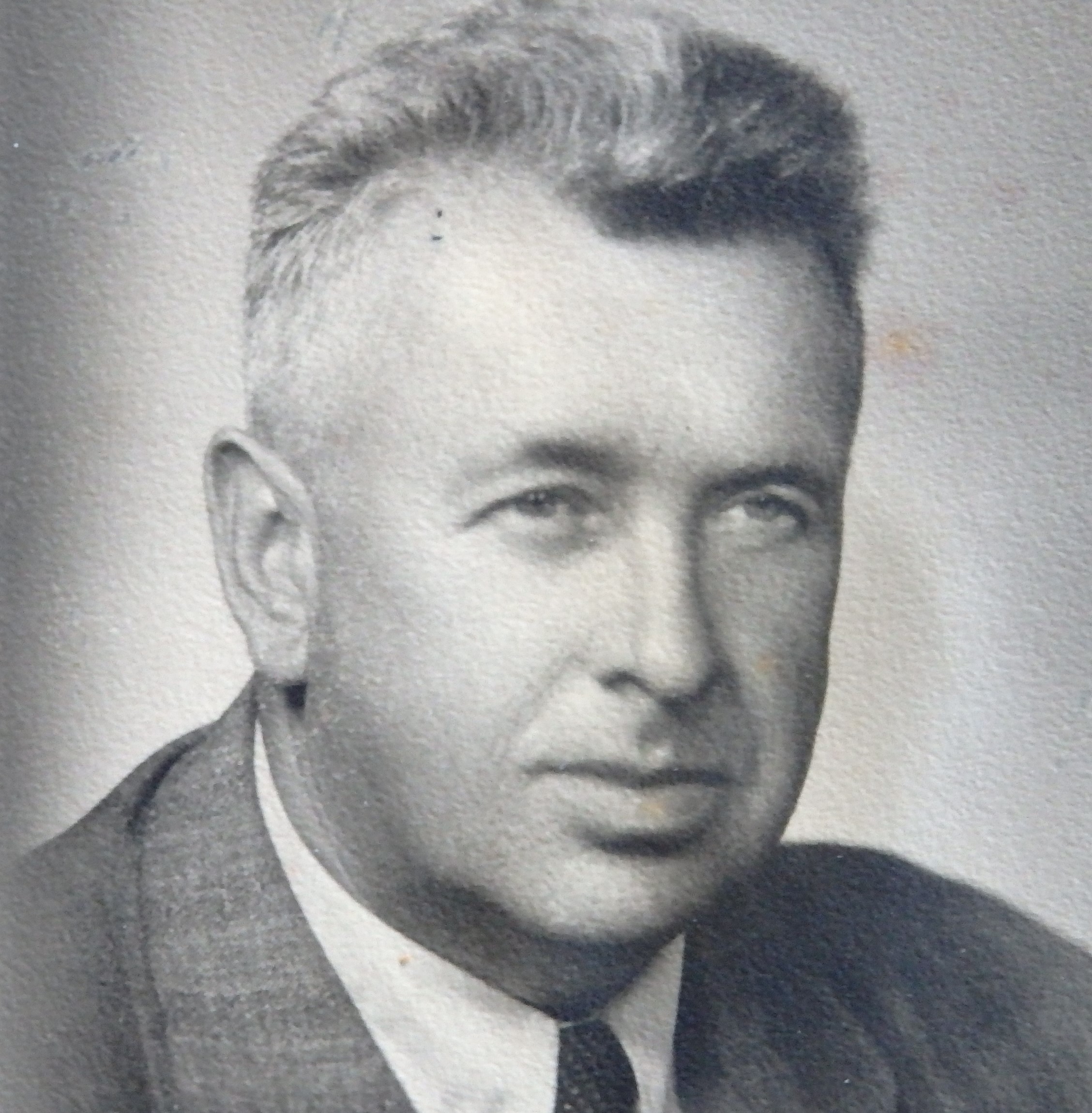
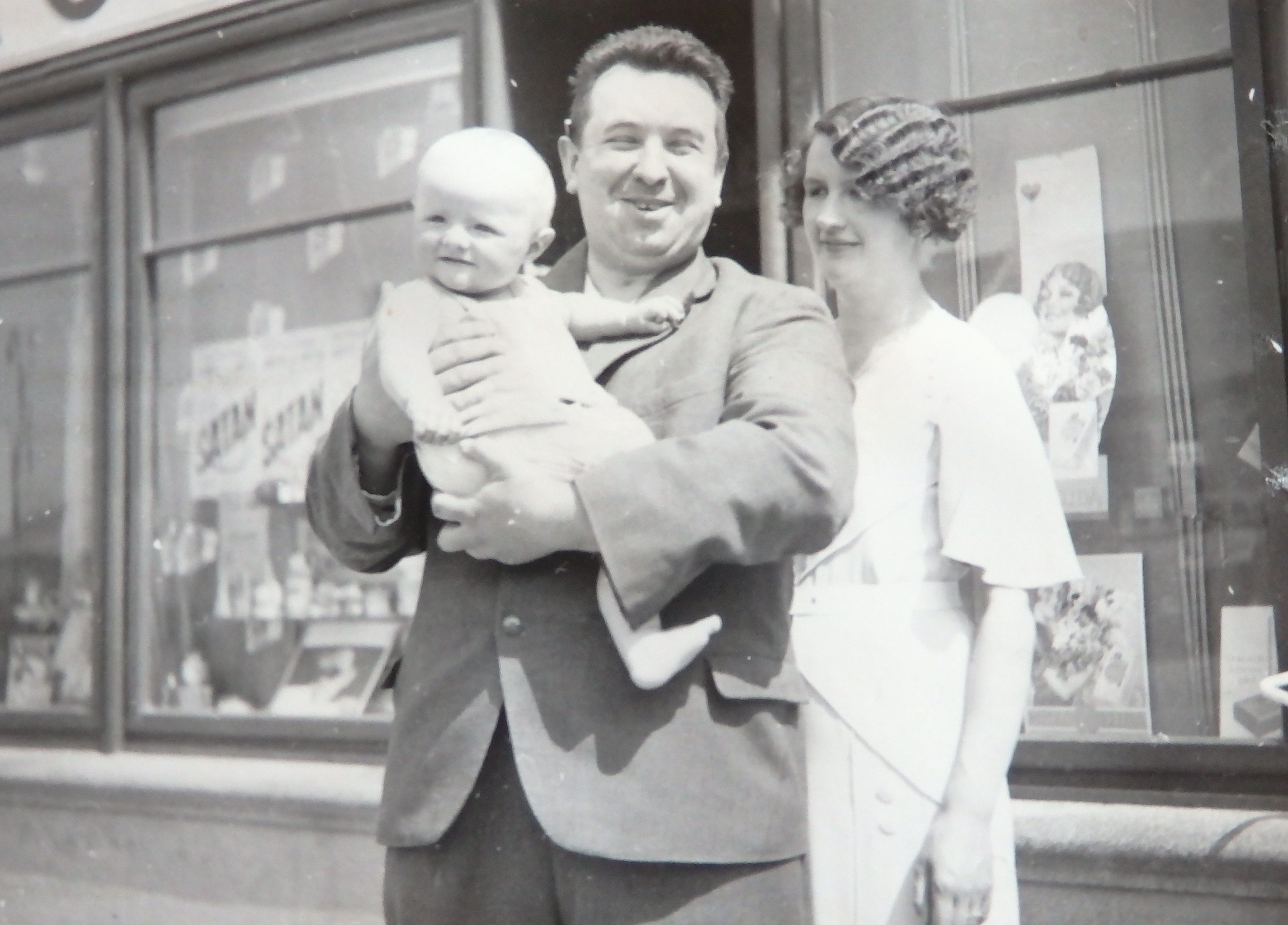
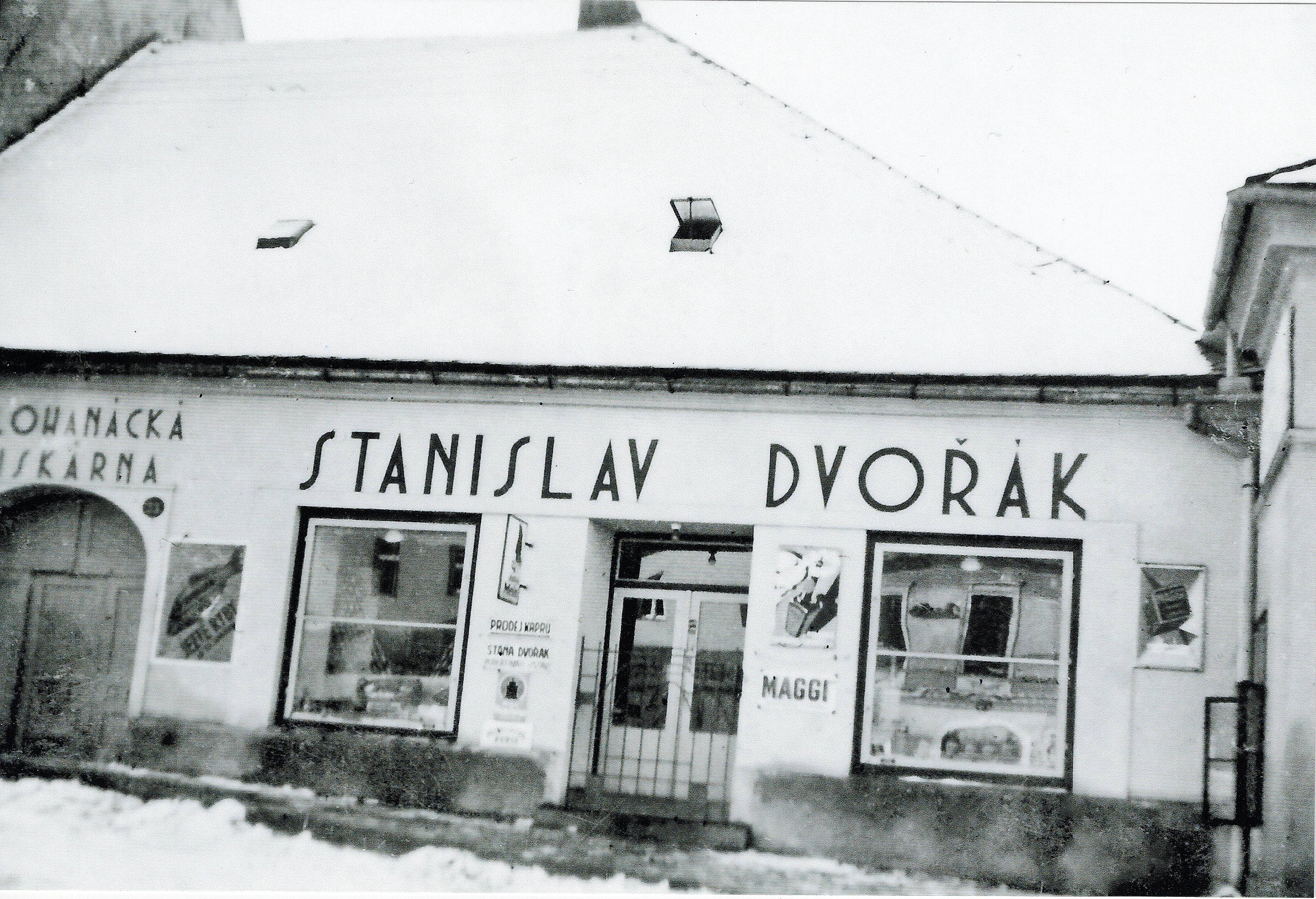
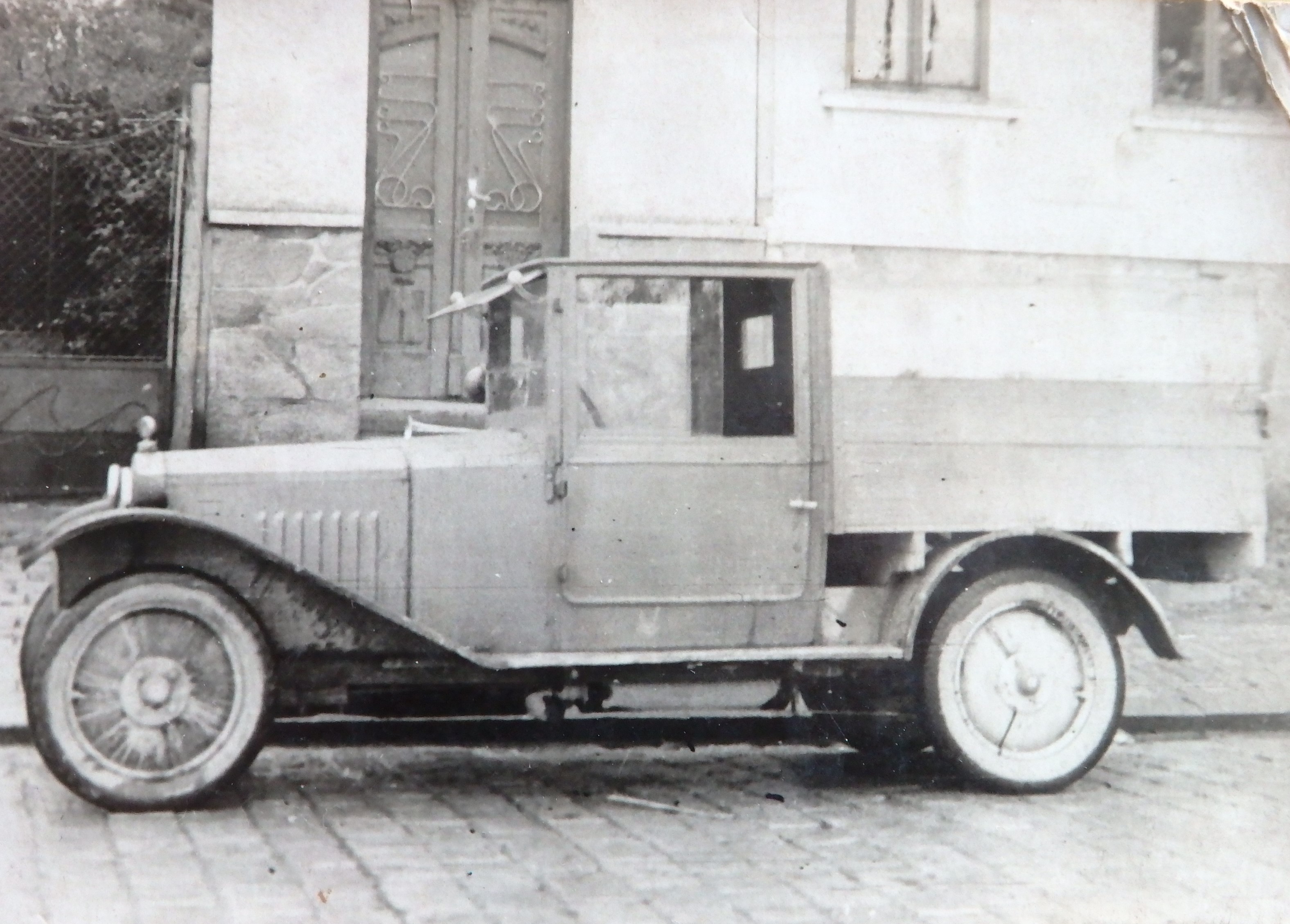
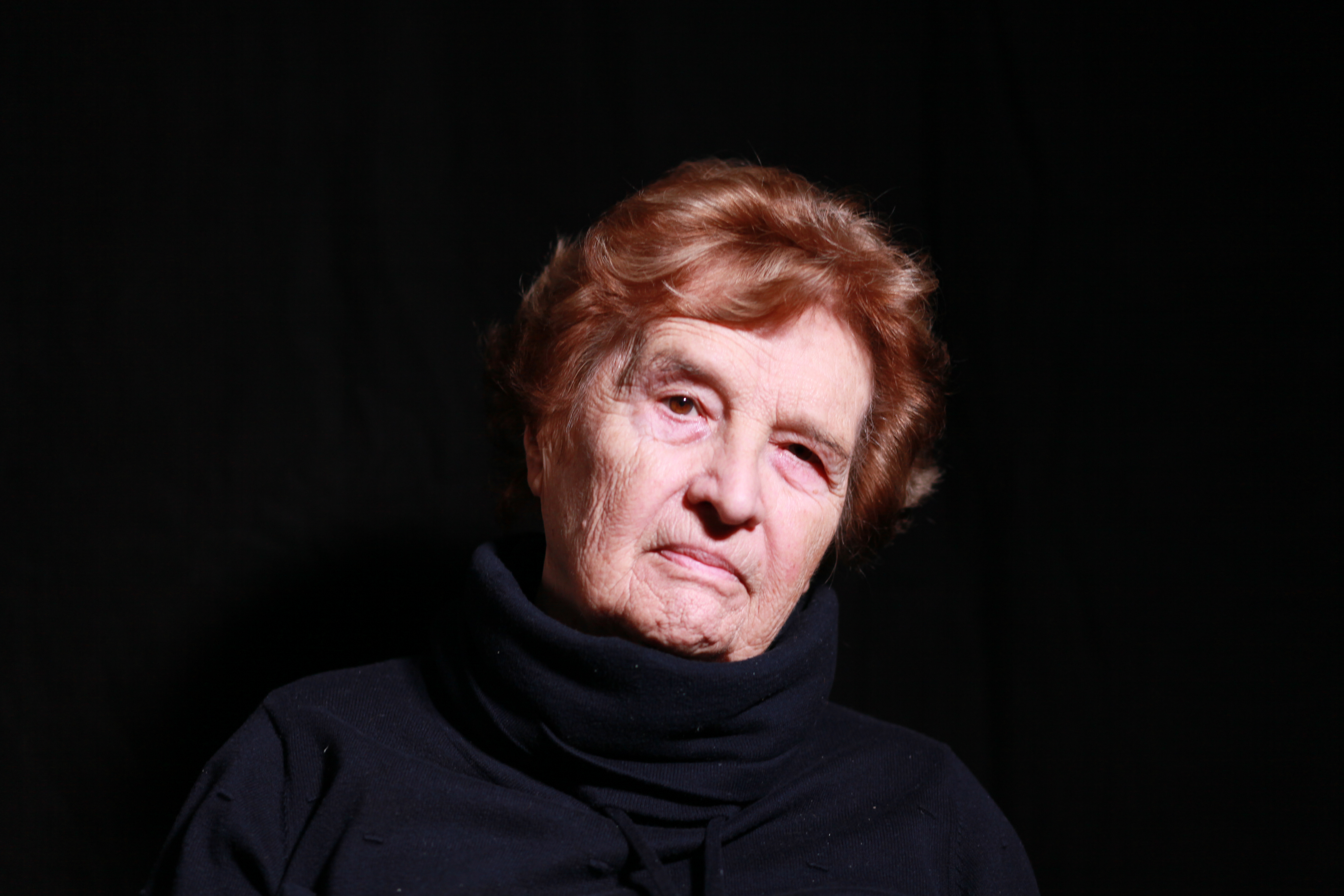
Jiřina Vítková was born on September 12, 1933 in Brno to parents Hedvice and Stanislav Dvořák. His father was a talented businessman, he built a wholesale grocery store and ran a mixed goods shop in Boskovice on the square. He cooperated with the Resistance and built a cellar under the family house, where the family hid at the end of the war. They all watched the confused disintegration of the German army and the arrival of the liberators. Lieutenant Václav Mátko, an aide to General Karel Klapálek, stayed with the Dvořák family for several days. After the war, Jiřina entered the Boskovice Gymnasium and successfully graduated in 1952. In the period after 1948, her father had to close his business, was fined heavily and had all his goods confiscated. The whole family witnessed a humiliating search. In 1951, Jiřina‘s half-brother Hynek was sentenced to ten years without parole for treason. In 1956, her mother died and her father was on disability pension. In spite of all the family problems, she managed to study medicine and in 1958 she married her classmate Karel Vitek. Together, they went to the North Moravian town of Vitkov, where they worked as district doctors for most of their lives. They had two children, a daughter Irena (1960) and a son Jiří (1961). In 1994, after retiring, she and her husband returned to her family home in Boskovice, where she lived after his death and at the time of filming, in 2025.
Hrdinové 20. století odcházejí. Nesmíme zapomenout. Dokumentujeme a vyprávíme jejich příběhy. Záleží vám na odkazu minulých generací, na občanských postojích, demokracii a vzdělávání? Pomozte nám!