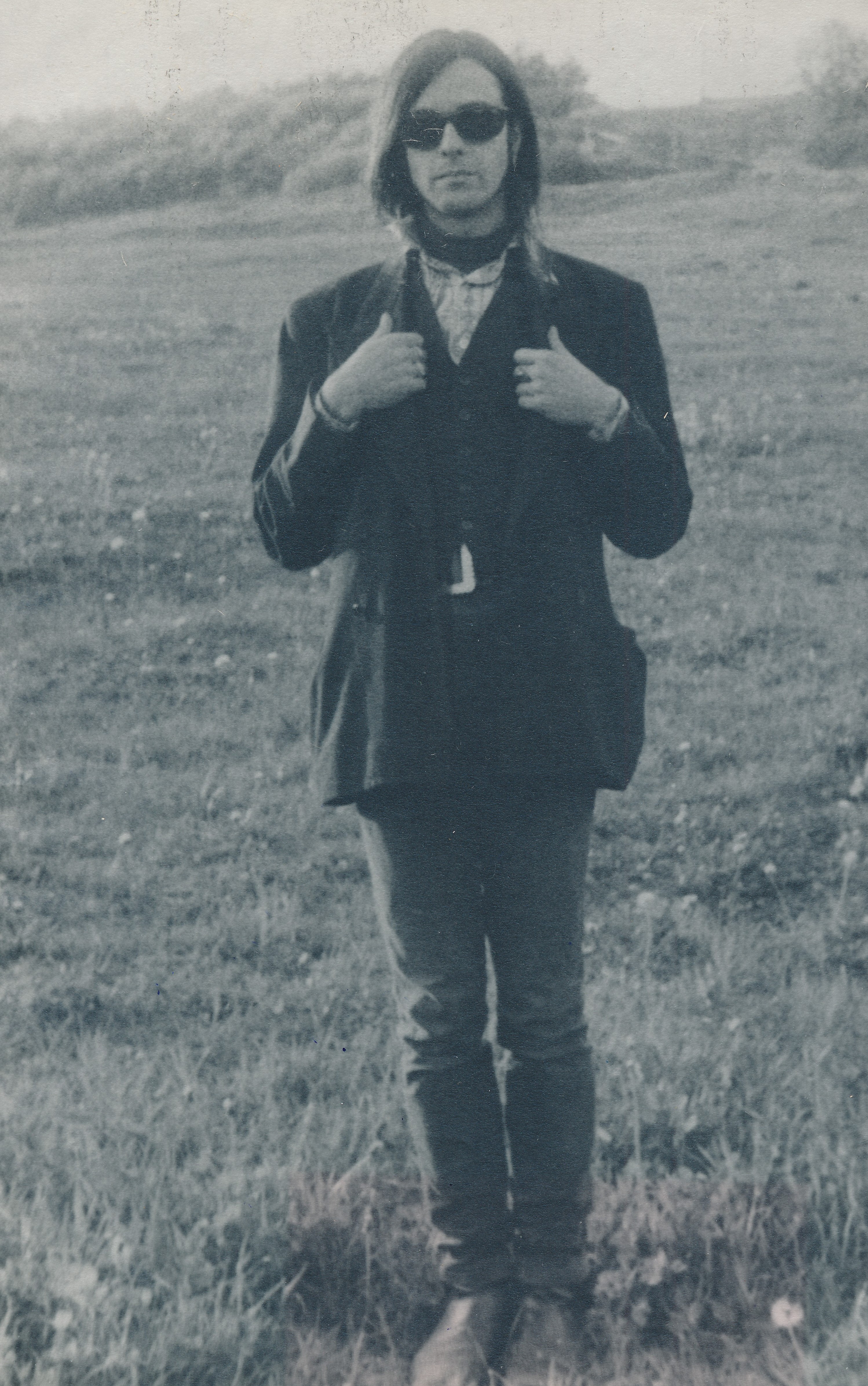
Pavel Veselý

* 1961

  • "Then we were going home at midnight or before midnight, and by then we had heard on the radio that something terrible had happened there, that there had been a terrible massacre. At that time I was living in the house at Zámečnice with the Hradileks, so Tereza Hradilkova and I took a taxi at night to Národní Street. There was such... they were already cleaning it, they were already sprinkling it, there were these bloody walls, things thrown everywhere. We didn't know then that something revolutionary like that was starting. We didn't know what was going to happen. Actually, it was the first massacre. Before that we had been beaten up, we had been sprayed with cannons, we had been thrown tear gas, but to shut down and beat up people so brutally had never happened before. That they were beating people, pulling people out of the crowd, arresting people, throwing them into police vans... And there it was really such that they actually closed it from all sides. And even the red berets, which later turned out to be the riot police, or the ones with the white helmets. We had only seen that before on Wenceslas Square, and they were always going and pushing people in front of them. This way, that they were going to beat it into one pile, it was actually unknown until then."

  • "In 1982, I think, I got a job in Orchards, Forests and Horticulture. That was in September, which was also quite interesting, because it was in Vojanovy sady. And I went there, it was like this in September, this time I went there and there was Vojanovy sady, the high wall, the gate. You go in there and under the tree there are guys with long hair picking fruit. It was like paradise all suddenly, I thought. So I went over there and I said, 'Hey, I'm looking for a job, isn't there something here for me?' And he said, 'Go over there to that house and the boss is sitting there and he'll tell you.' So I went over there and I said, 'Hello, I'm looking for a job.' And he said he had a job there, so he'd take me. And now he introduced me, there was a gentleman sitting next to him, and he introduced him to me and he said, 'This is Jiří Hanzelka.' So we started talking to Hanzelka about things that were going on. We found out that we had some acquaintances, and they employed me there. Of course, I soon found out that it wasn't quite such a paradise, because it was winter, and we were just sanding the paths on Petřín hill in the freezing cold, standing on a multi-car and throwing sand and urea behind me... Because it was mixed with salt or with urea. The urea was from some higher temperature that was bellow zero, because the salt was freezing at -15. That was more than -15 then. So it wasn't so great. We weren't exactly getting along with some of these people either. Besides, if I haven't already told you about this Hanzelka, that Hanzelka simply chose me to take over from him, he was pruning trees on Petřín hill. But I wasn't quite up to it, it wasn't exactly my life's mission to be an employee of the Orchards, Forests and Horticulture, so I wasn't one who would have enjoyed it, so I disappointed him a little."

  • "That's also an interesting story, how I signed the Charter 77, because I was registered in Sedlice near Blatná permanently. In addition to that, I signed the Charter in 1981, I think sometime in February, and by then the [action] Asanace was already underway. And now what happened was that I, I mean, with a few other people, signed it at Dienstbier's flat. I think Vašek Malý was there, but mainly the one I signed it with was Petr Pospíchal, then he was the ambassador I think somewhere. And we agreed that he would take it somewhere, to some archive. And then what happened was that they called me, I think Petruška Šustrová called me, and they said, 'Hey, are you from some small town?' I said, 'Well, I'm from...' [She] said, 'Look, they're going to destroy you there, we're not going to publish it yet. We're going to leave it be for now.' Because the guys I signed with immediately went to file for leaving the country, which was terrible. They signed it to get abroad. And I didn't want that. They said, 'You want abroad?' I said, 'No, I don't.'"

  • Celé nahrávky
  • 1

    Praha, 19.05.2025

    (audio)
    délka: 01:42:38
    nahrávka pořízena v rámci projektu Stories of the 20th Century TV
  • 2

    Praha, 02.09.2025

    (audio)
    délka: 01:40:56
    nahrávka pořízena v rámci projektu Stories of the 20th Century TV
  • 3

    Praha, 06.10.2025

    (audio)
    délka: 01:25:10
    nahrávka pořízena v rámci projektu Stories of the 20th Century TV
Celé nahrávky jsou k dispozici pouze pro přihlášené uživatele.

For me, it was important to move freely in a world dear to me
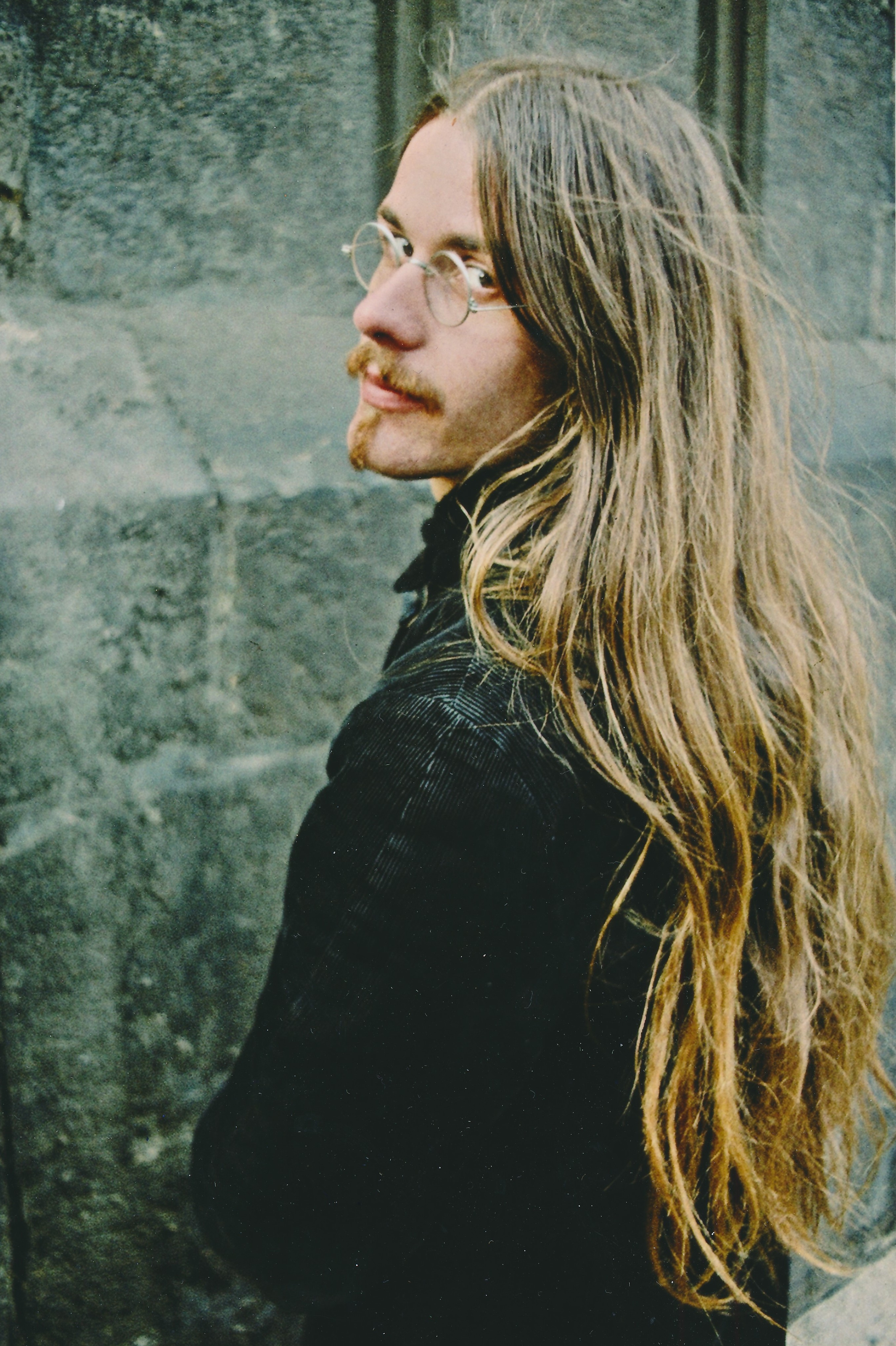
Pavel Veselý, 1988
Pavel Veselý, 1988
zdroj: Witness´s archive

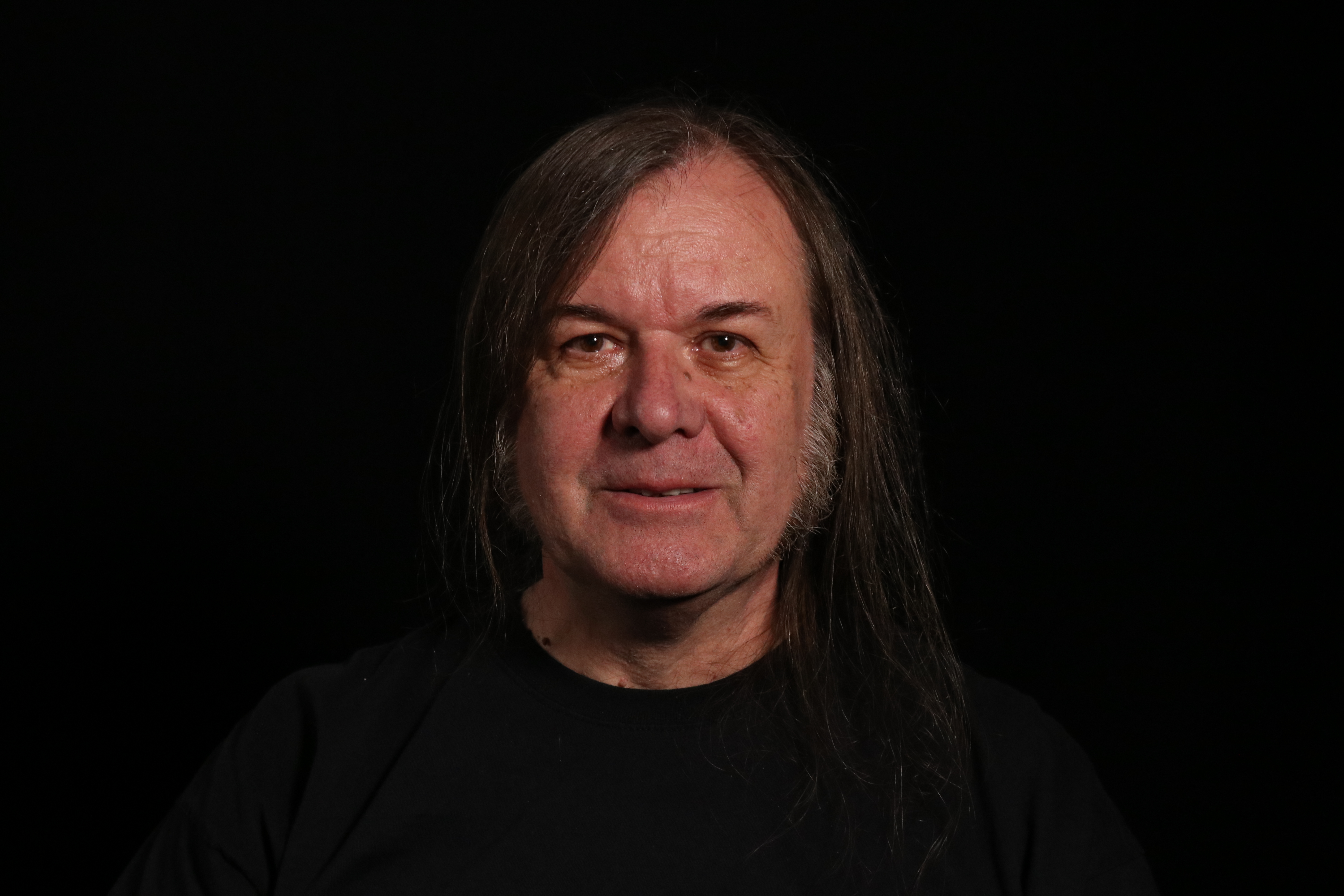
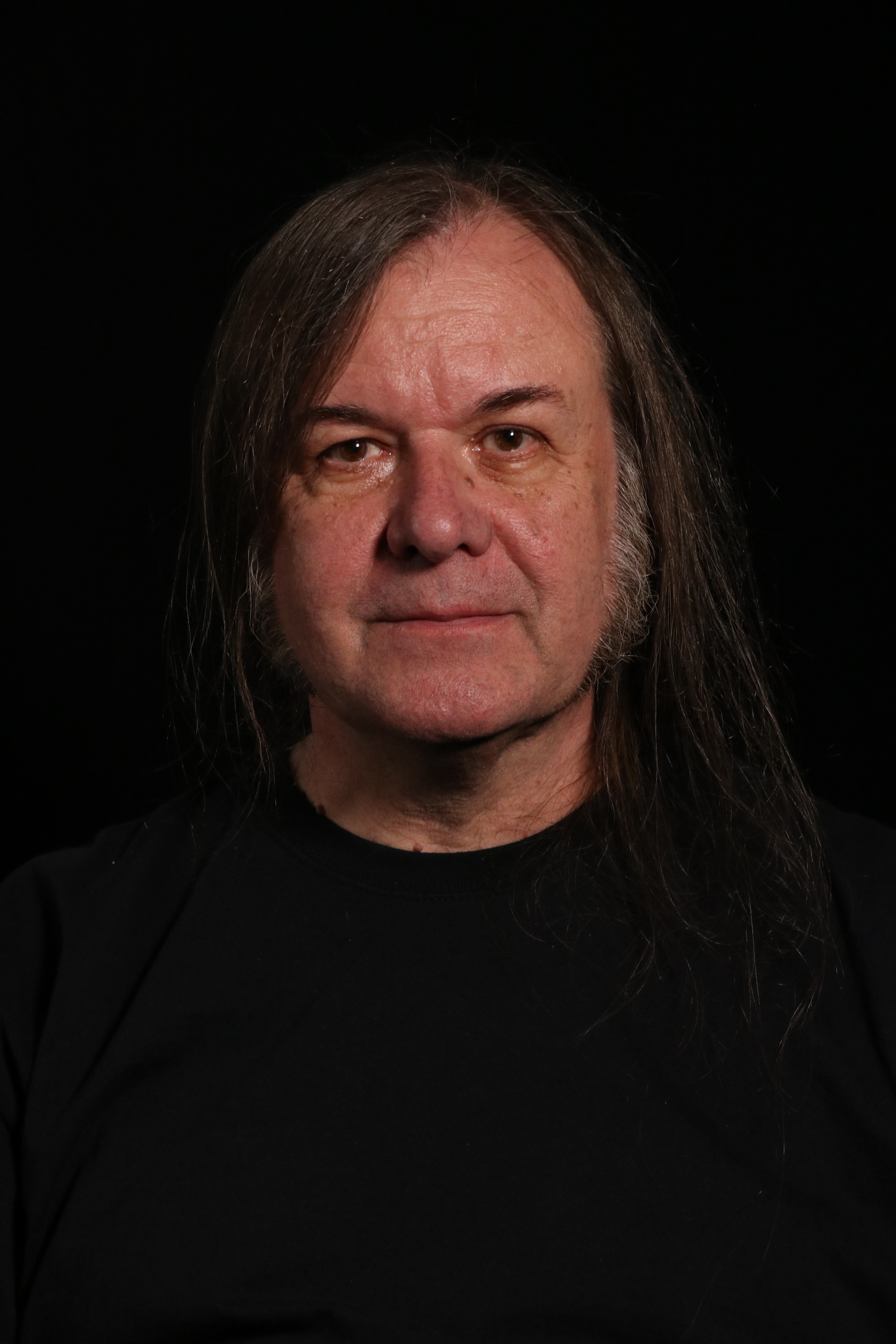
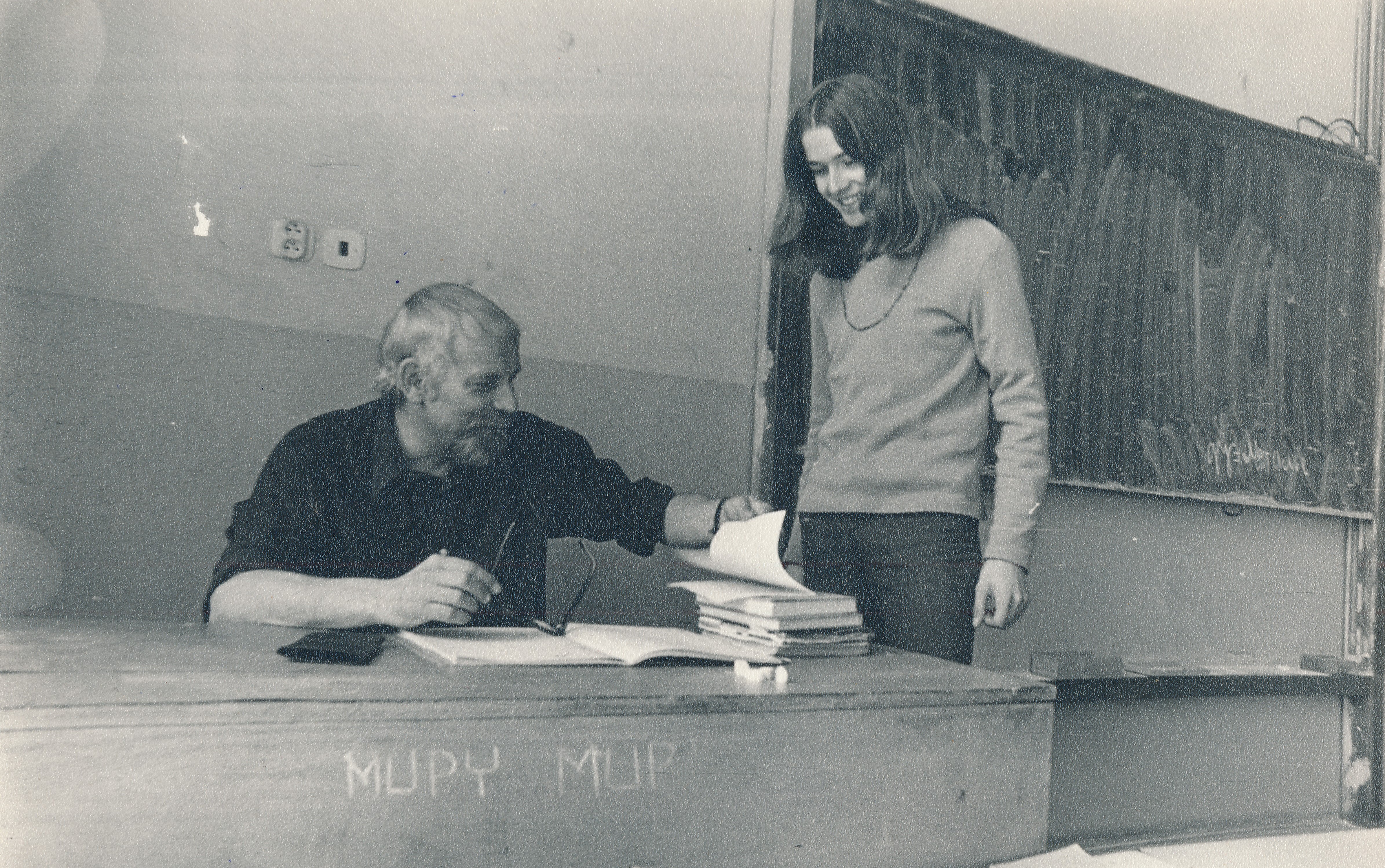
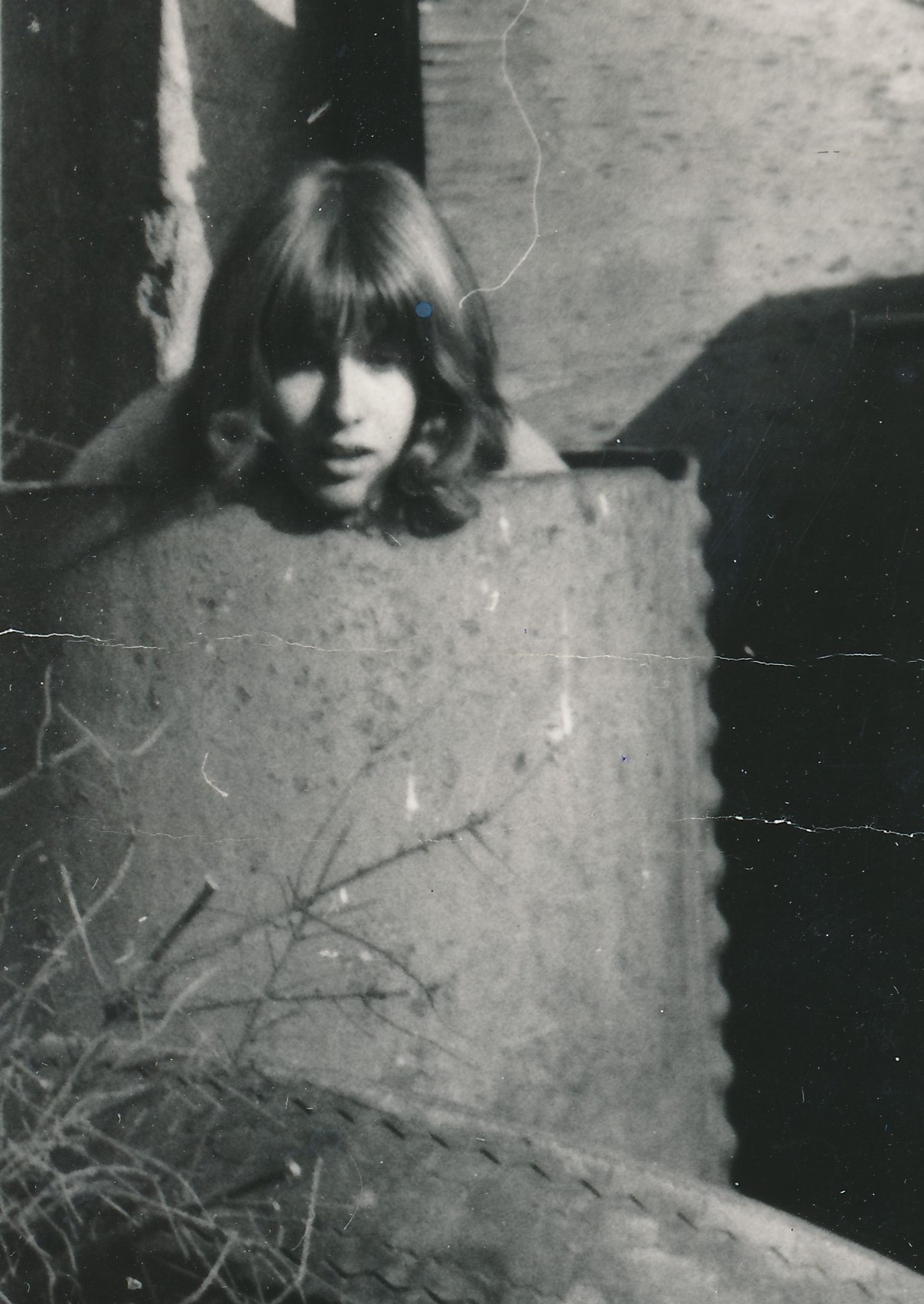
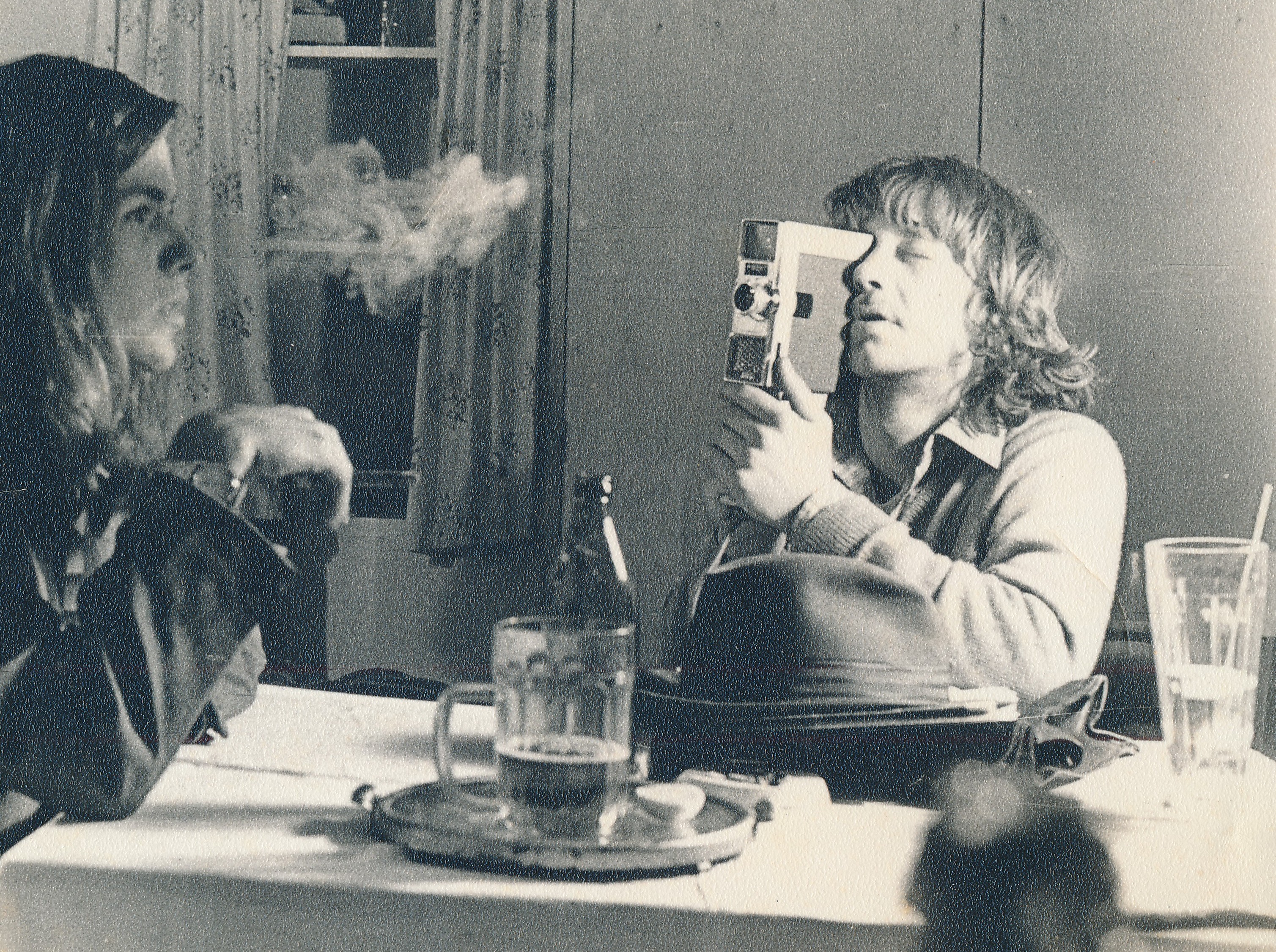
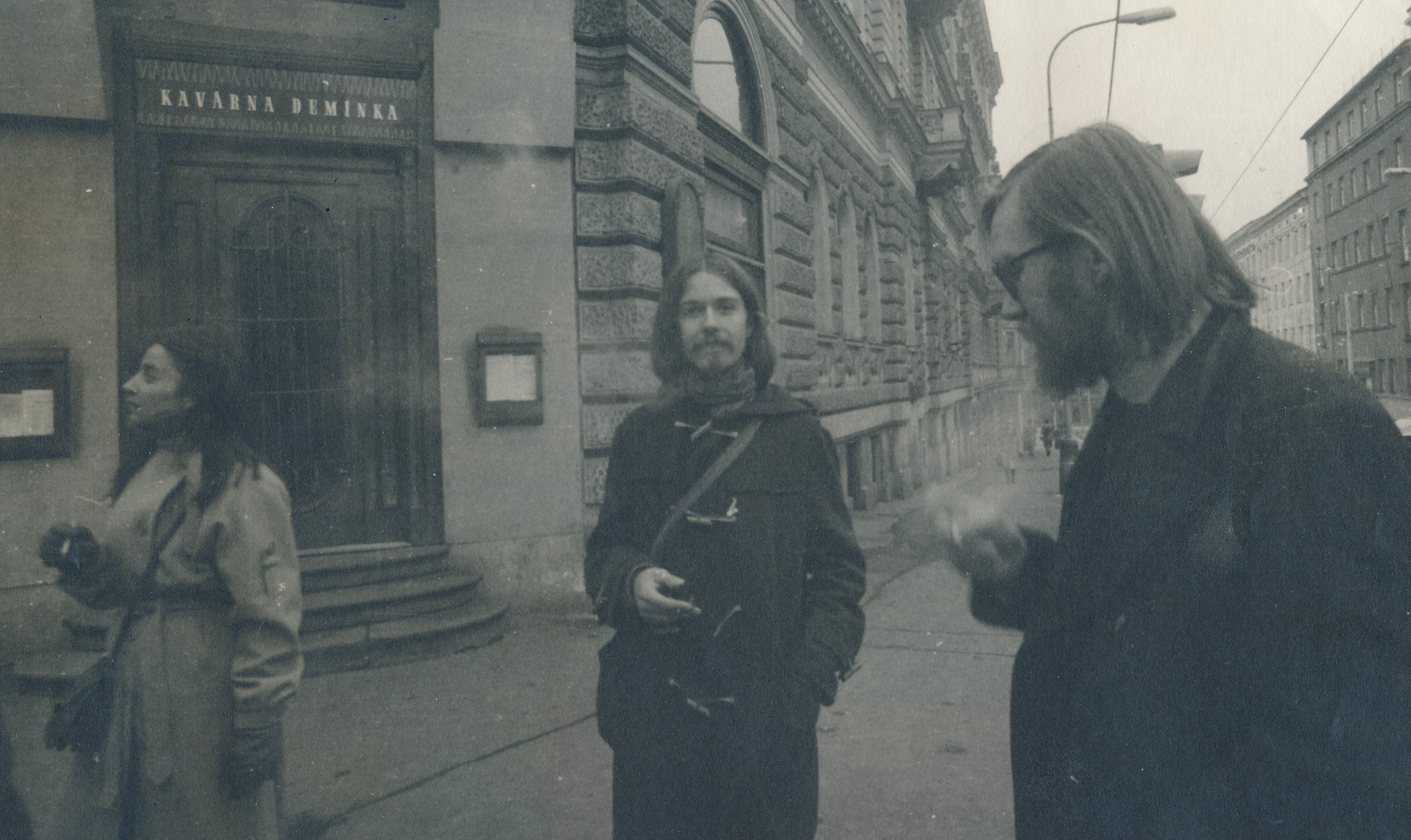
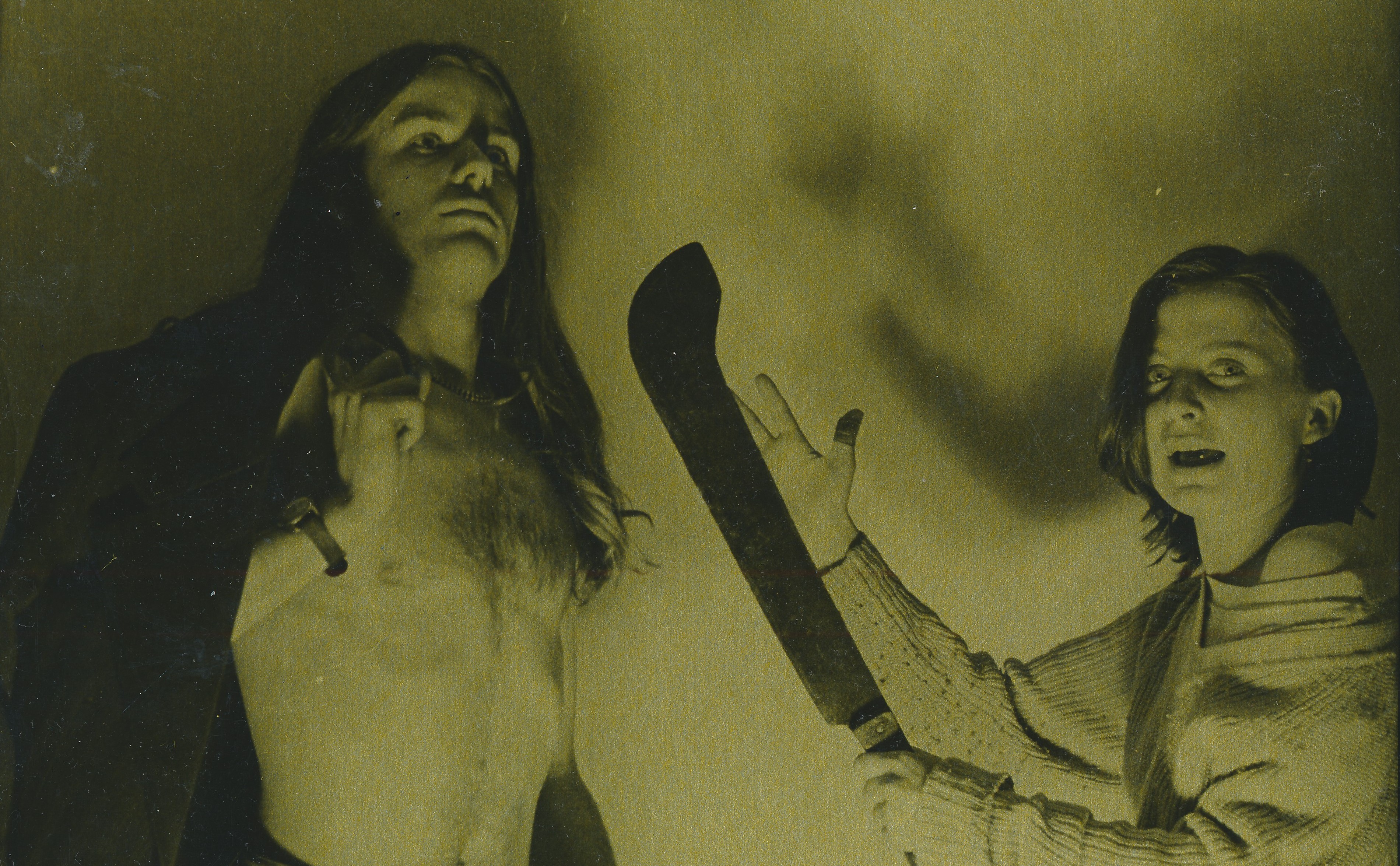
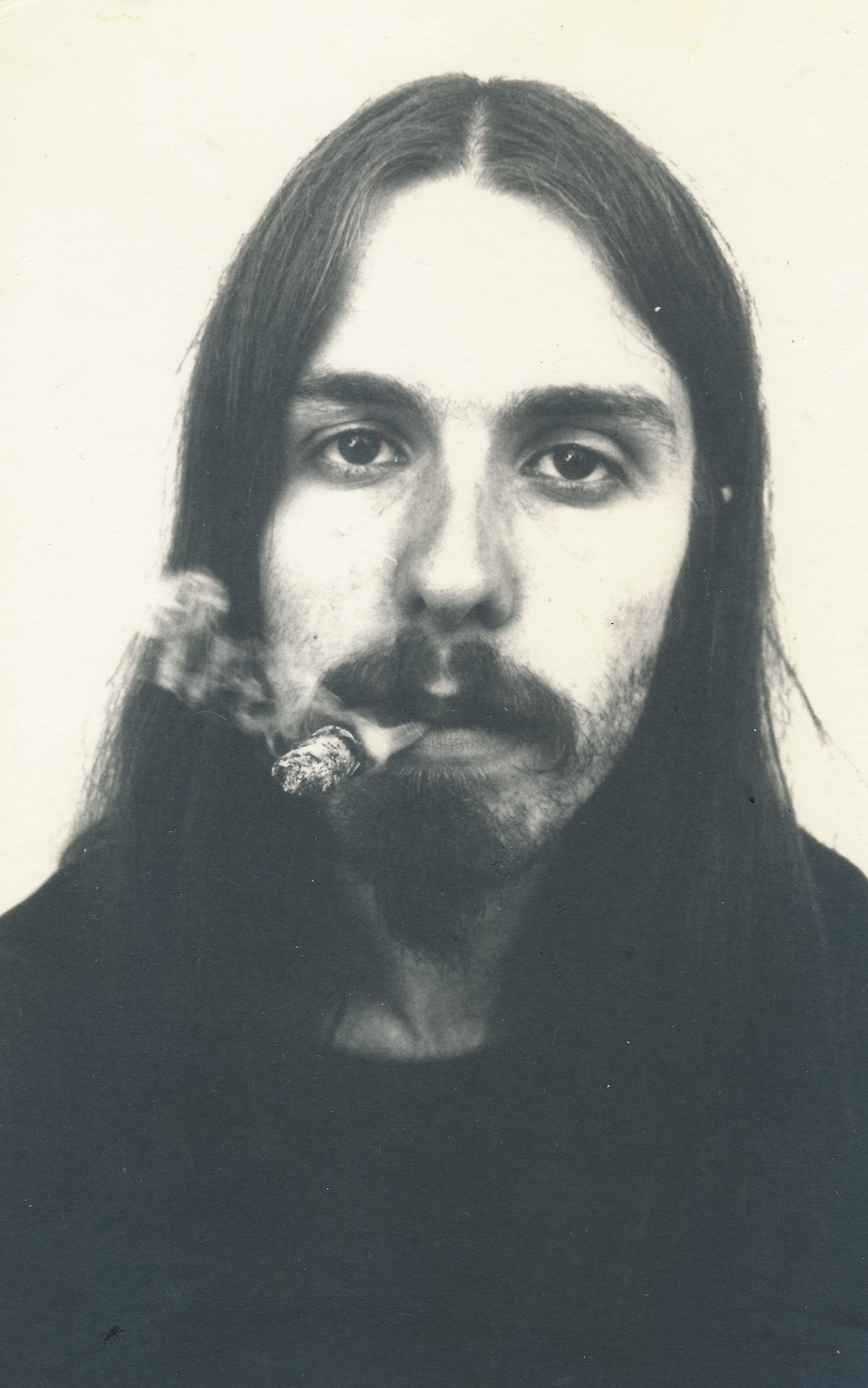
Pavel Veselý, known under the pseudonym Pablo de Sax, is a filmmaker, photographer, writer and restorer. He was born on 12 April 1961 in Strakonice, and spent his childhood in Sedlice near Blatná. His father, Jan Veselý, worked as a tractor driver in a cooperative farm (JZD), his mother, Jana Veselá, née Rešová, was a postal clerk. His childhood was strongly shaped by the upbringing and faith of his great-grandmother and his supportive parents. In 1976 he went to Prague to study at the Secondary School of Arts and Crafts, majoring in metal, where he made important friendships and became involved in the unofficial cultural scene. Together with his friends, especially the artist, filmmaker and writer Lubomír Drožď (The Wizard), he devoted himself to documentary film, music, photography and the creation of samizdat magazines. In 1981, he signed Charter 77 and was interrogated by State Security (StB) over a leaflet calling for support for the imprisoned chartist Jiří Gruntorád. After graduating from secondary school in 1981, he worked in manual professions, including as a night watchman and a worker at the Sady, lesy a zahradnictví (Orchards, Forests and Horticulture) company, where he met the well-known traveller Jiří Hanzelka. Later he found a job at the State Technical Library in Klementinum, where he stayed until the Velvet Revolution. On 17 November 1989, he took part in a demonstration on Národní Street and later helped in the press centre of the Civic Forum (OF). After 1990 he worked in the Oriental collection of the National Gallery in Zbraslav and since 1992 he has been working as a metal restorer at the Jewish Museum in Prague. He has long been involved in the phenomenon of so-called domestic art, of which he collects examples, and in literary work. In 2025 he lived in Prague.