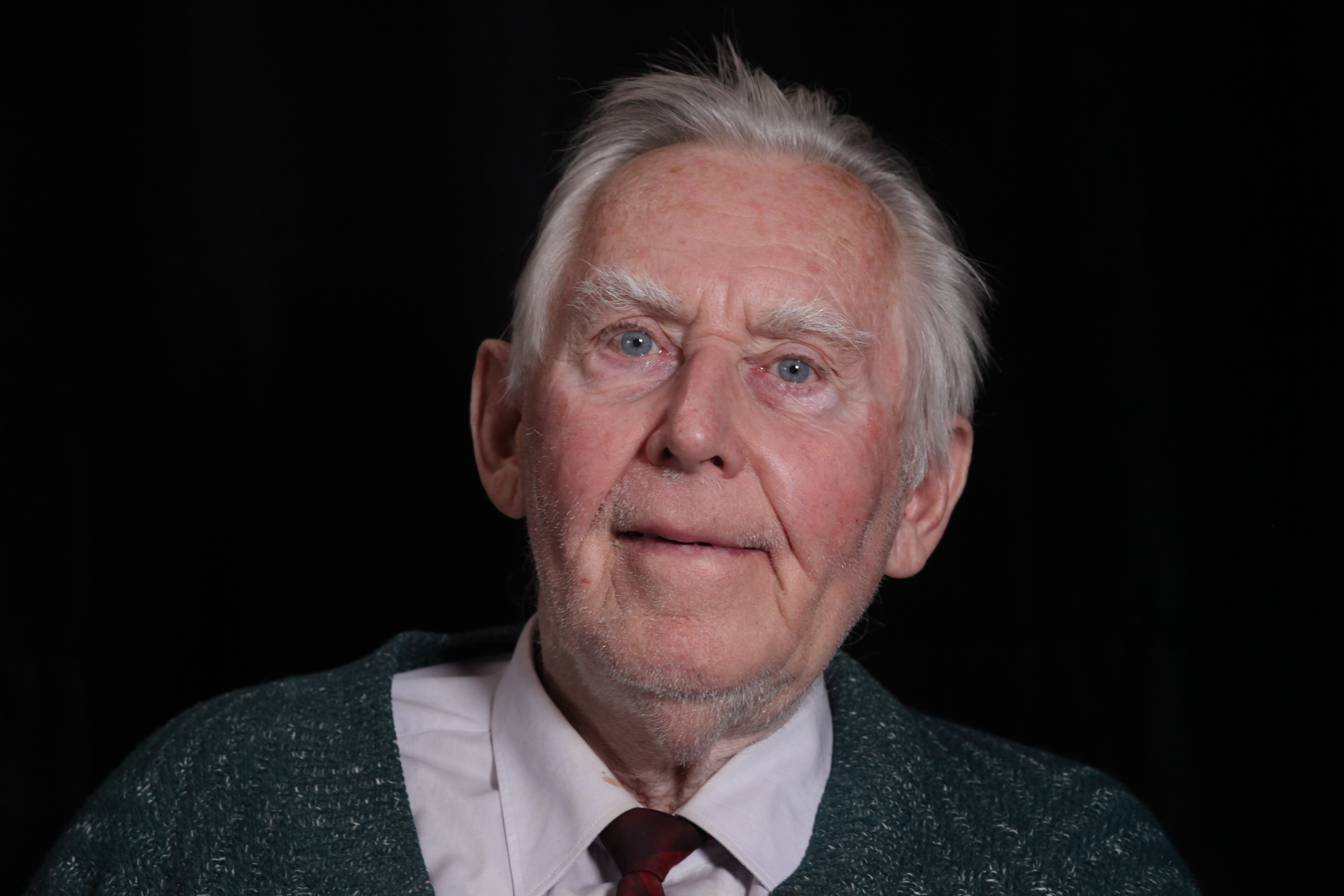
PhDr. Jiří Uhlíř

* 1937

  • "We went to the square with the students, whoever wanted to, we didn't force anyone, it was completely up to free will. I remember there were only two of us, but there were a lot of people there, it was a demonstration and we really participated. Then on my return, and I fully welcomed it, there was no doubt about it, the fall of communism. But I was still aware as a teacher that I had signed a commitment, if you understand me, it was a conscience conflict, that I had committed myself to something. But I recognized that I had to stand on the side of goodness, truth and rightness, even political truth, and not serve totalitarianism any longer. Because we as teachers, unfortunately we have to admit, if we are a little bit capable of self-reflection, that we as secondary school, primary school and university teachers have been under the influence of communist ideology."

  • "There was an agreement made sometime in the middle of 1968, but I'm sure I mention that somewhere in my memoirs. Unfortunately, August came and under the cover of night this Mr. Květenský, the director, came to tell me that the regional committee of the Communist Party of Czechoslovakia demanded that in the bibliography Božena Němcová As an Inspiration for Art I should strike out, exclude and delete all the names of communists, writers, in short, names of those who had been excluded, crossed out or emigrated or otherwise inconvenient to the communist regime. Of course, I could not agree to this because it would mean a gross distortion of the image of Božena Němcová in art, in literature, in poetry, prose, drama and so on. I didn't agree to it, so the publication was cancelled."

  • "At that time, the State Security officers, or whether it was military counter-intelligence, I don't know exactly, suspected me, absolutely absurdly, that the students who studied at our school were from several regions of Bohemia and Moravia, perhaps even Silesia, because there were three forestry schools, as I said, in Hranice na Moravě, in Písek and in Trutnov and later in Žlutice. They assumed that I was following the movements of the armies of the Warsaw Pact, which was stupid, because I wouldn't have thought of it. I just wanted to know. Then I destroyed the works in fear or they took it back. I don't have even one of them, which is a bit of a shame."

  • Celé nahrávky
  • 1

    Pardubice, 29.09.2021

    (audio)
    délka: 02:33:17
    nahrávka pořízena v rámci projektu Příběhy regionu - HRK REG ED
Celé nahrávky jsou k dispozici pouze pro přihlášené uživatele.

He assigned students an essay on the occupation, then faced suspicion of espionage
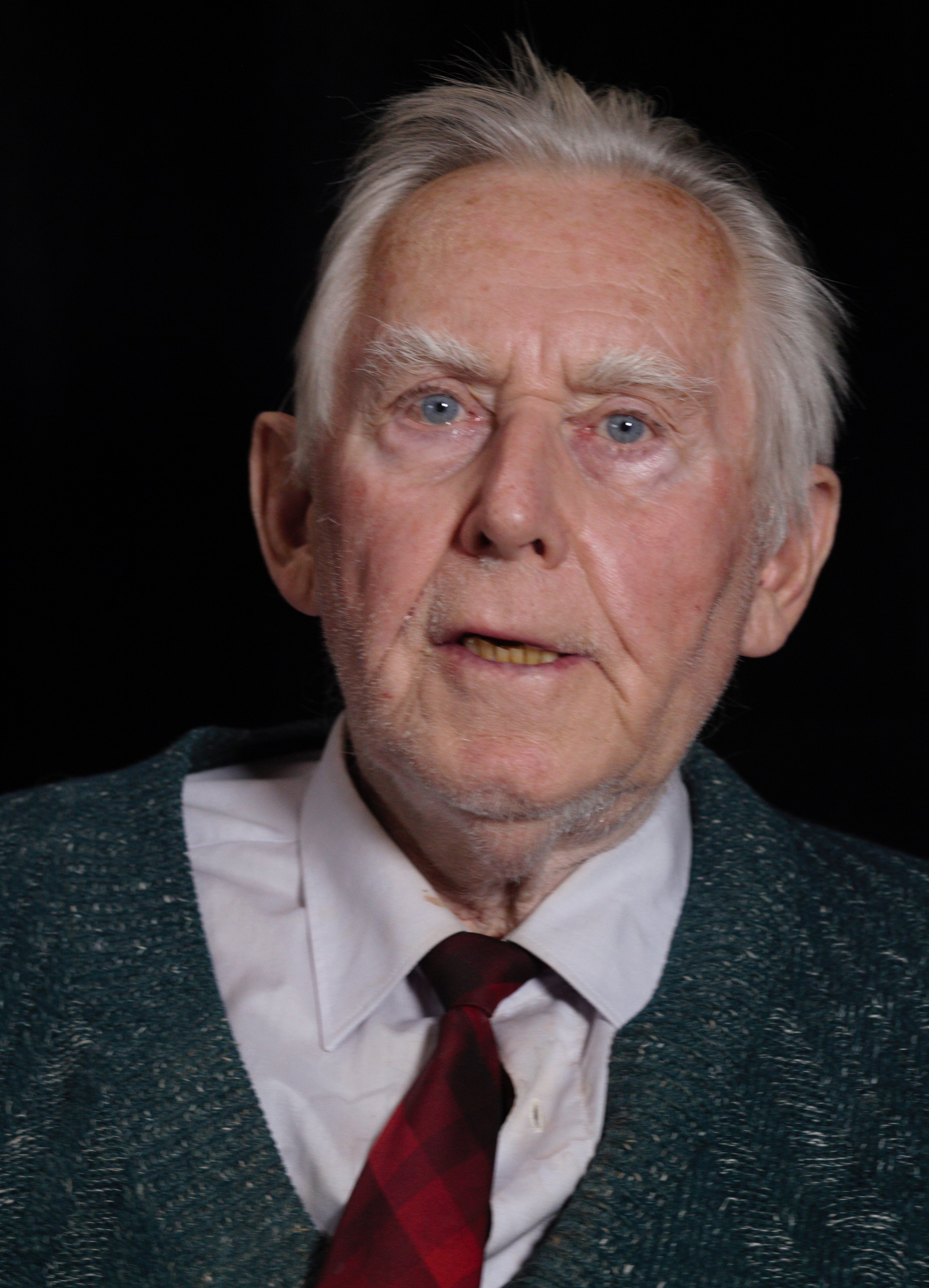
Jiří Uhlíř during recording in 2021
zdroj: Memory of Nation

Jiří Uhlíř was born on 21 April 1937 in Jasenná near Jaroměř into a farming family. He had an older sister Helena and younger siblings, twins Maruška and Václav. Their parents brought them up in the Catholic spirit. In 1945 Jiří welcomed the Soviet army in Jasenná and the soldiers stole their clothes and a basket of eggs from their home. He completed the municipal school in Jasenná, the municipal school in Josefov and in 1955 he graduated from the Jaroměř Grammar School. He studied Czech language and literature for the third grade at the Pedagogical University in Prague. In 1983 he received his doctorate from the Faculty of Arts of Charles University. His first teaching position was at the primary school in Pilníkov. From 1961 he taught Czech language and literature and history at the Secondary School of Forestry in Trutnov. He condemned the occupation of Czechoslovakia in 1968. He was interrogated by State Security on suspicion of espionage because of an essay on the occupation that he had assigned to students. He refused to delete the names of inconvenient authors from his bibliography on Božena Němcová and the book was therefore not allowed to be published. He was still allowed to publish only anonymously or under a pseudonym. He never hid the fact that he was a believer and regularly attended church. In 1989 he participated in the general strike in Trutnov and welcomed the regime change. Throughout his life he published articles, medallions, obituaries, bibliographies and promoted regional personalities and figures of forestry education. He was never a member of any political party. In 2021 he lived in Jaroměř.