Kvido Sandroni

* 1970

  • Italy doesn’t provide services; instead, it gives money directly to individuals — and of course, enough of it. A blind person can then afford to purchase the services they need in order to live independently. The state is essentially saying: “Look, you can’t see, but I’ll give you an allowance and create conditions that enable you to work. Just please don’t bother me.” Thanks to this, a blind person has enough money — if they can manage it and if their family helps — to live well. In the Czech Republic, the final outcome can also be good, but the state’s approach is different. It says: “You can’t see, I understand, so I’ll provide services for you. You probably won’t find a job anyway, so here’s a little extra, and let me know if you need more.” It’s clear, then, that the problem isn’t a lack of motivation but the lack of a starting point. In Italy, a blind person wants to work because they also receive a pension and can afford to live decently. A Czech blind person, however, doesn’t have these conditions, even though the Labour Code recognizes sheltered workshops. But I think many companies would rather pay a penalty for not meeting the quota than employ someone and create a protected job. The difference is visible even when buying electronics. If an MP3 player normally costs two thousand crowns, a Czech shop assistant will tell me: “This one is average, it costs two thousand. But that’s probably a lot for you, right? Here’s a Chinese version for eight hundred.” In Italy, a blind person walks into a store and hears: “Here’s the standard model for eighty euros, but since you’re blind, you need a better device to ensure reliability. Here’s one for one hundred twenty euros — it will suit you better.” So there is a collective assumption that even if a person can’t see, they somehow have money. In the Czech environment, the prevailing attitude is the opposite: “He probably wouldn’t buy it anyway with that disability pension.”

  • "There was such a shortcoming that it was not just an amendment, but a political problem. Italy was very polarised in those years. The right and the left, the leadership of the state - the left had more power at that time and claimed that if we abolished special schools, we wouldn't be masking anything. The past will be over and there will be nothing more. And almost out of political conviction, they also closed down the counseling centers because they thought they represented ghettos, right-wing intentions to isolate people. It was extreme, of course, because there was nowhere to go. In the 1980s, the situation levelled out, educational counselling centres opened and assistants and specialists appeared. In the seventies, however, the way it worked was that whoever was close to the left-wing party had a job as an assistant, because that served the modernisation of society. It's interesting - in Italy, polarisation was pervasive, whether it was about literature or about baking pizzas. It was said: 'You're a right-winger, you bake it this way, we left-wingers bake it another way.' It didn't lead to prison or camps, but it was always at the top of the agenda. So I didn't really go anywhere. One extreme was that the Braille teacher had to get Braille from the encyclopedia because they were making obstructions with the blind. If you wanted regular schools, you just suck it up. That was the paradox."

  • “We had a list from acquaintances. One wanted chewing gum, another an empty Coca-Cola bottle for trips, someone wanted some goods, a toy, or pictures. To us, it was ridiculous. It cost a few crowns, and then we gained benefits from it. For example, a weekend at a cottage. 'That's impossible, you brought such a T-shirt with the inscription: I love you USA. Thank you. For that, I'll lend you the cottage.' We told ourselves that it was nothing special, that it was normal. They said: 'That's not normal, they don't even have that at Tuzex.' That’s when I realized how the regime had led people into such shortages, which today seem completely unbelievable to young people, but back then it was like that. Even a picture of some English singer could be a big deal.”

  • Celé nahrávky
  • 1

    Olomouc, 16.07.2025

    (audio)
    délka: 01:15:19
    nahrávka pořízena v rámci projektu Stories of the region - Central Moravia
Celé nahrávky jsou k dispozici pouze pro přihlášené uživatele.

The teacher had to look up braille in the encyclopedia
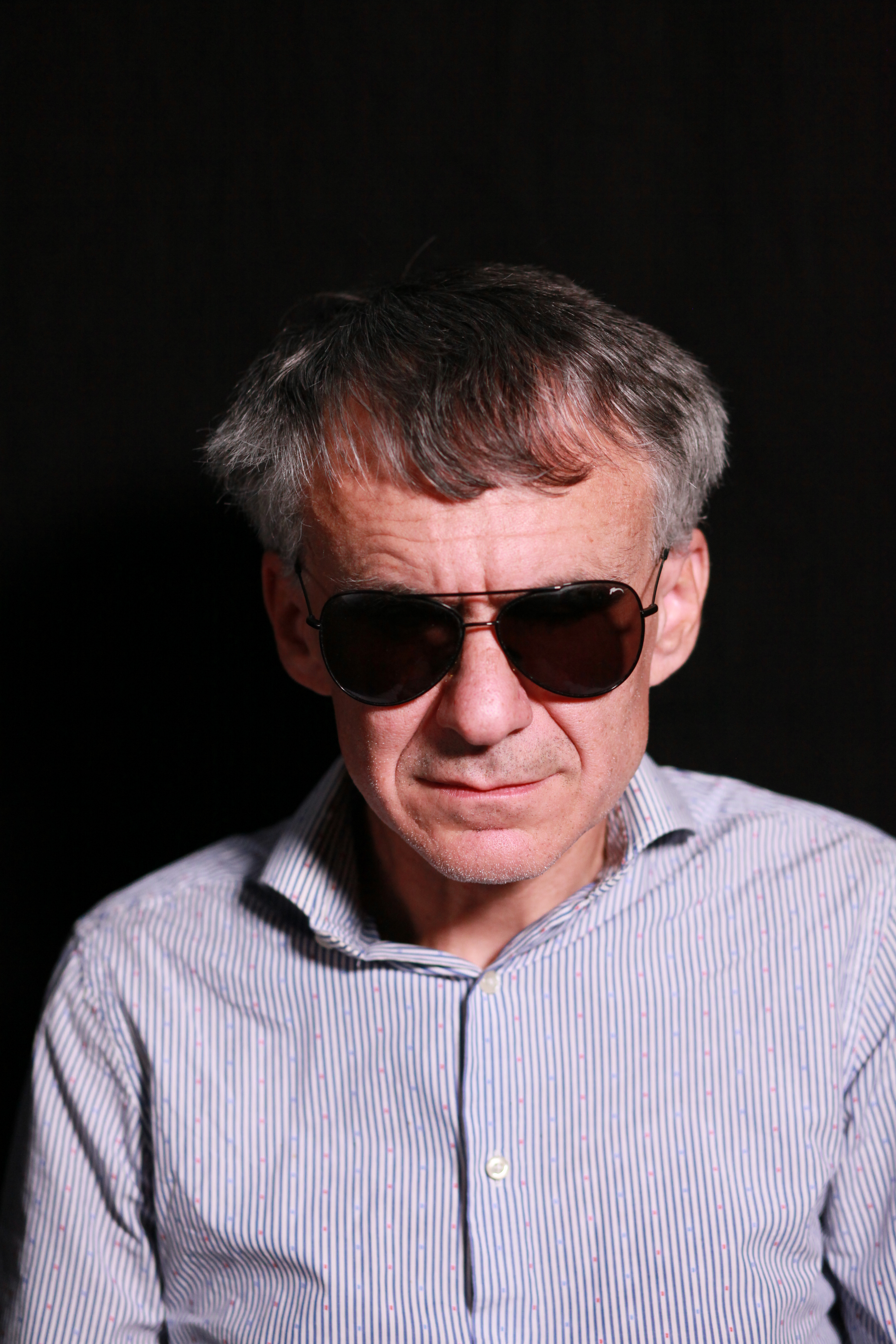
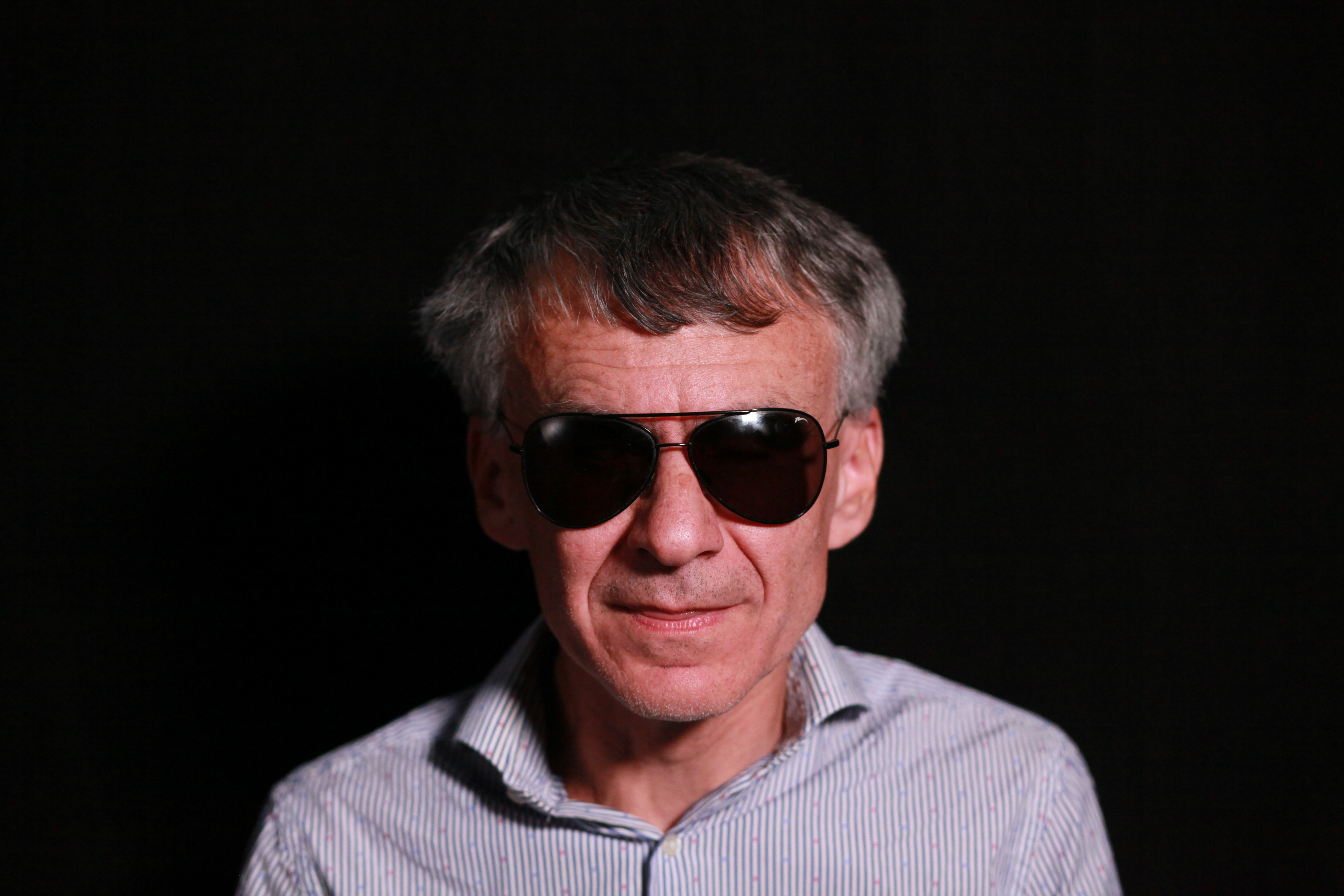
Kvido Sandroni in 2025
zdroj: Post Bellum

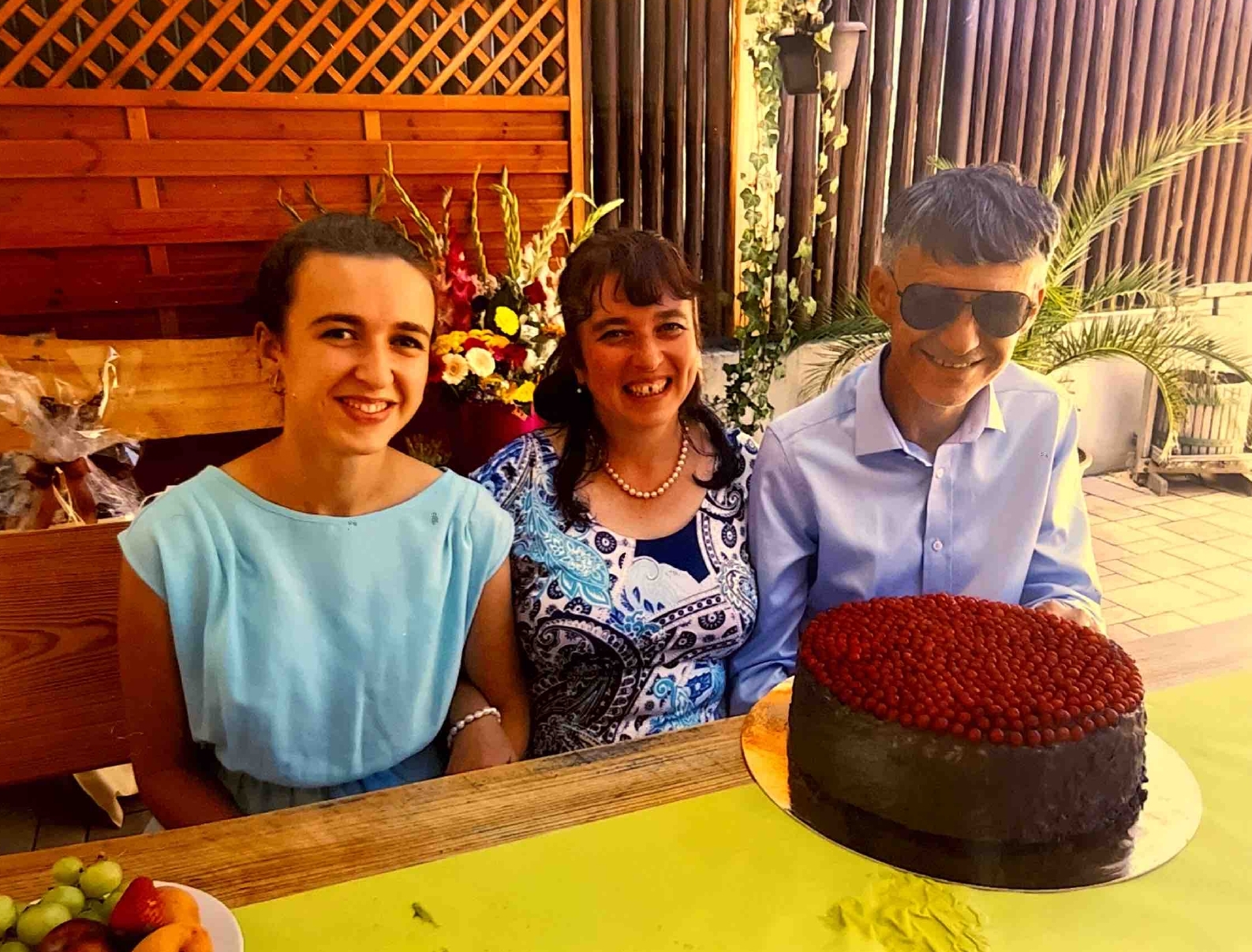
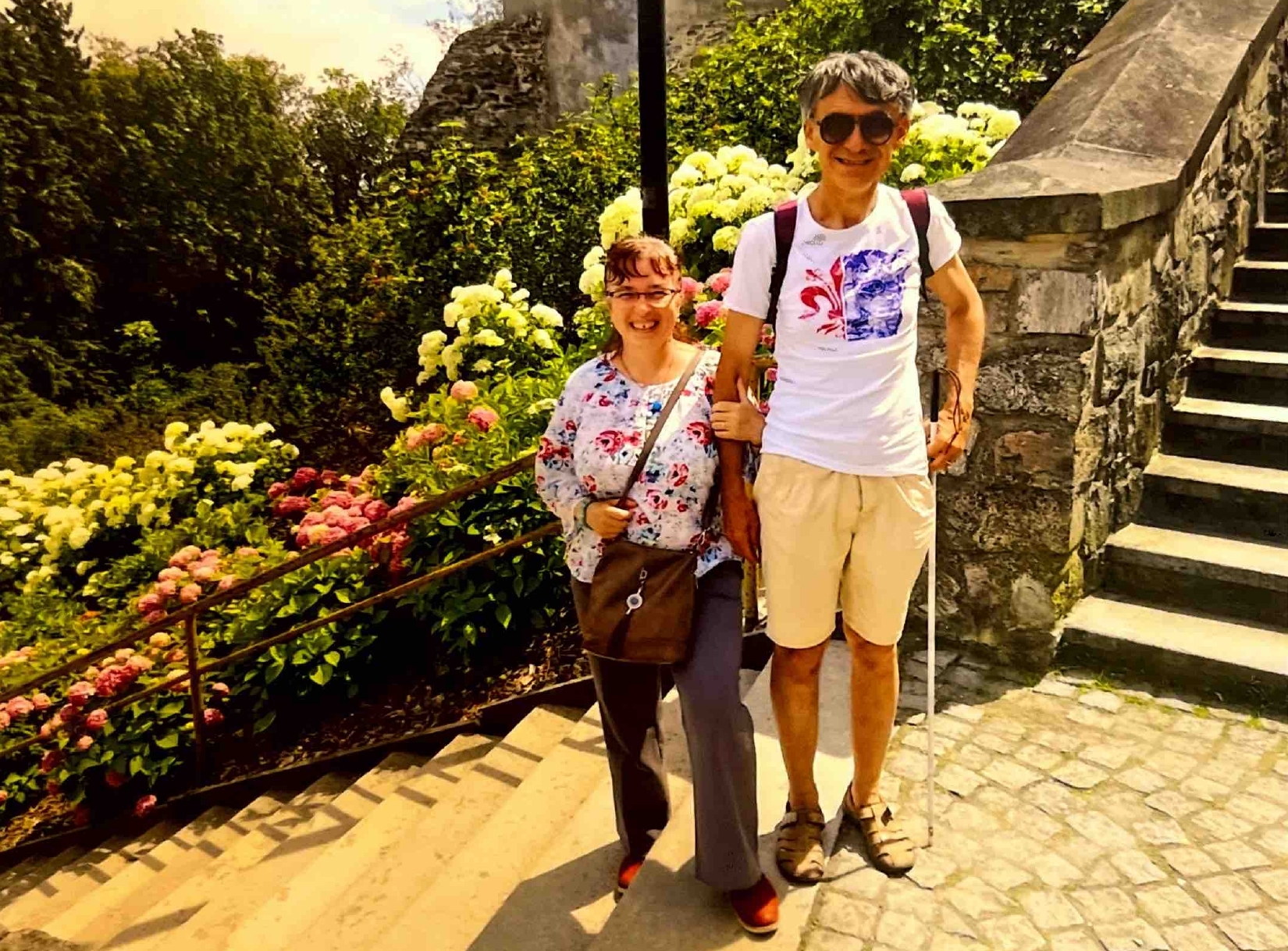
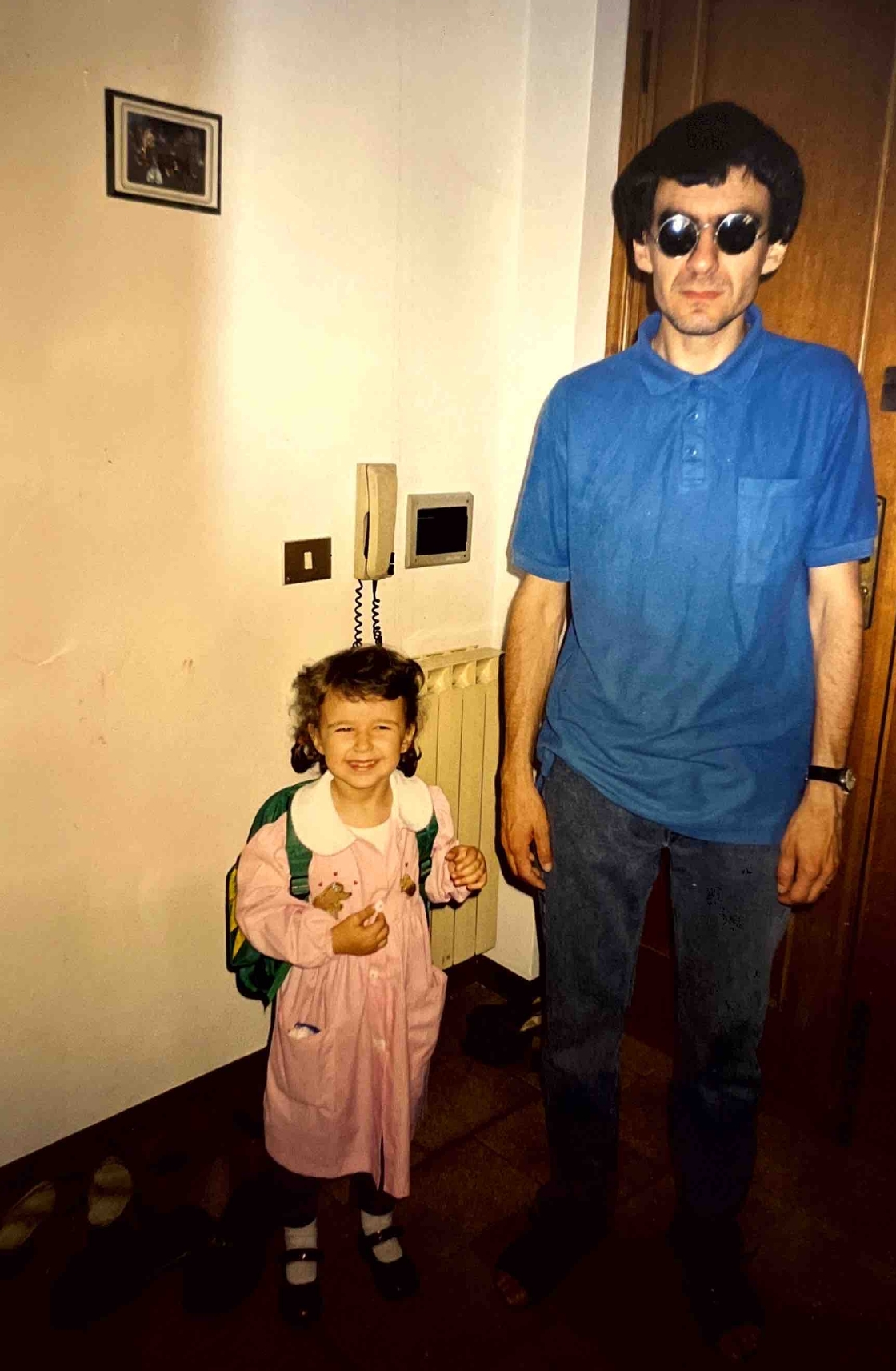
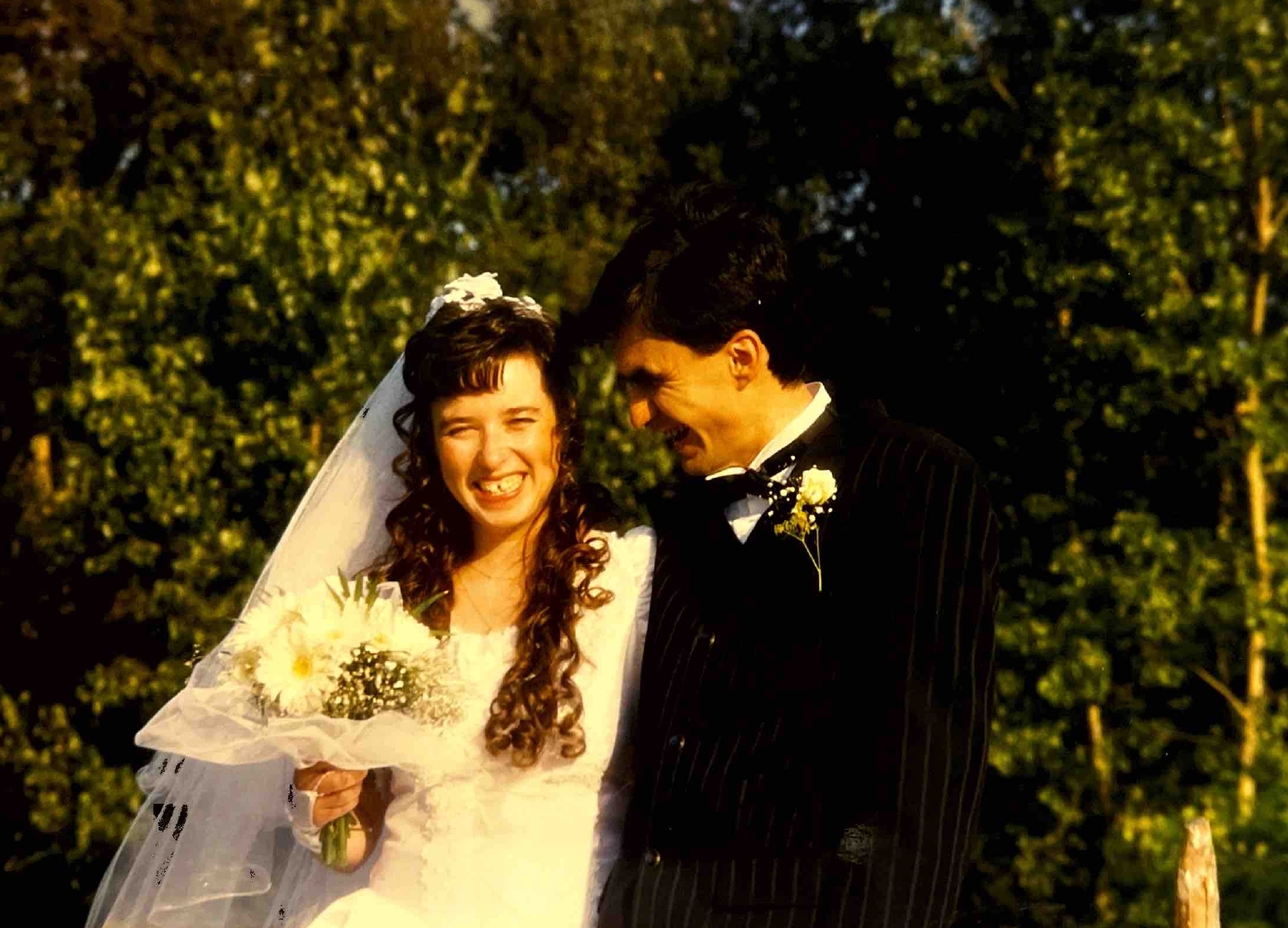
Kvido Sandroni was born on March 10, 1970 in Prague, where his parents met. His father, Gino Sandroni, came from Figline Valdarno, Italy, and worked in Prague for the construction company FEAL on the construction of the Chemapol building. His mother Věra Klenotová lived in Prague. After their marriage in 1969 and the completion of the building, the family moved to Italy. The family lived in different Italian cities depending on the father‘s occupation. When Kvido became ill with cancer at the age of four and lost his sight, they settled permanently in Tuscany. In 1976, he entered a mainstream primary school, just as Italy was introducing inclusive education. Kvido Sandroni then went to high school and then to the College of Modern Languages in Florence, where he studied German and English. Every year, he and his mother went to Czechoslovakia for a month to visit his family. They brought friends scarce goods from Italy - chewing gum, empty Coca-Cola bottles or pictures of singers. After the fall of communism in 1989, he studied for two semesters at Charles University in Prague, where he met his future wife, Hana Vojkovská. They married in 1997 and settled in Olomouc. Kvido Sandroni worked as a salesman for a textile company and then for the Svárovský company, where he was in charge of selling blindfolds in Germany and Italy. He also taught Italian privately in Olomouc.