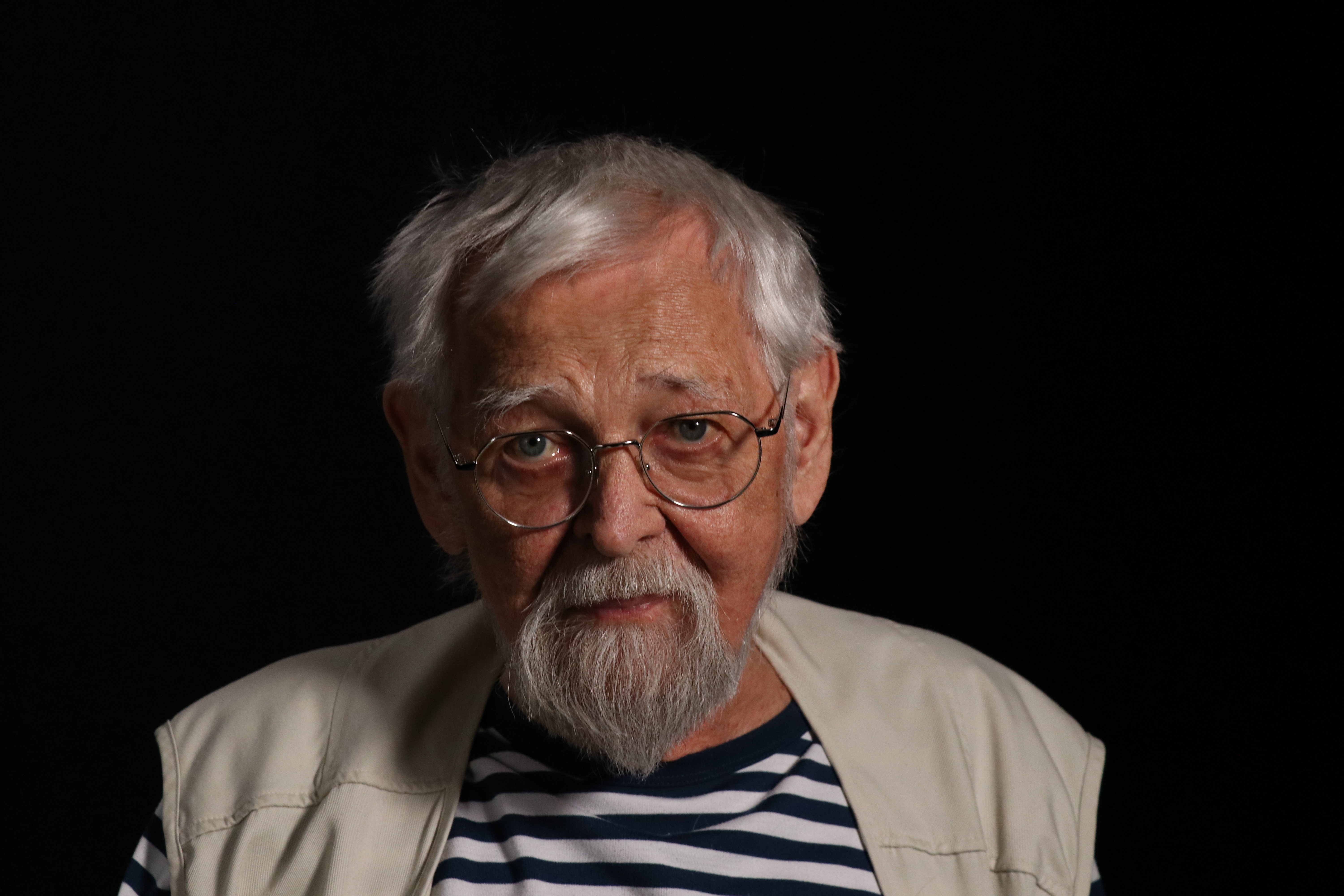
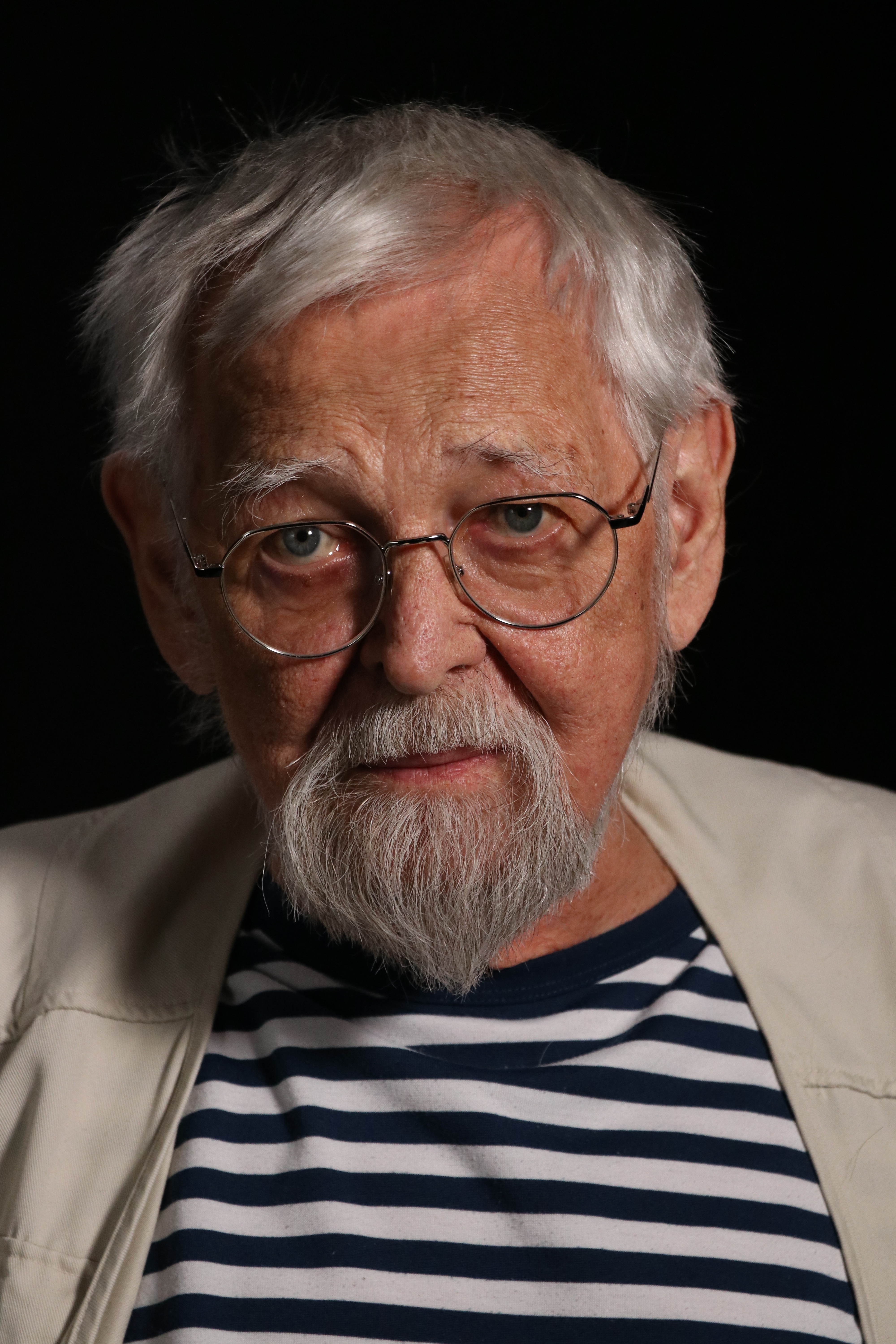
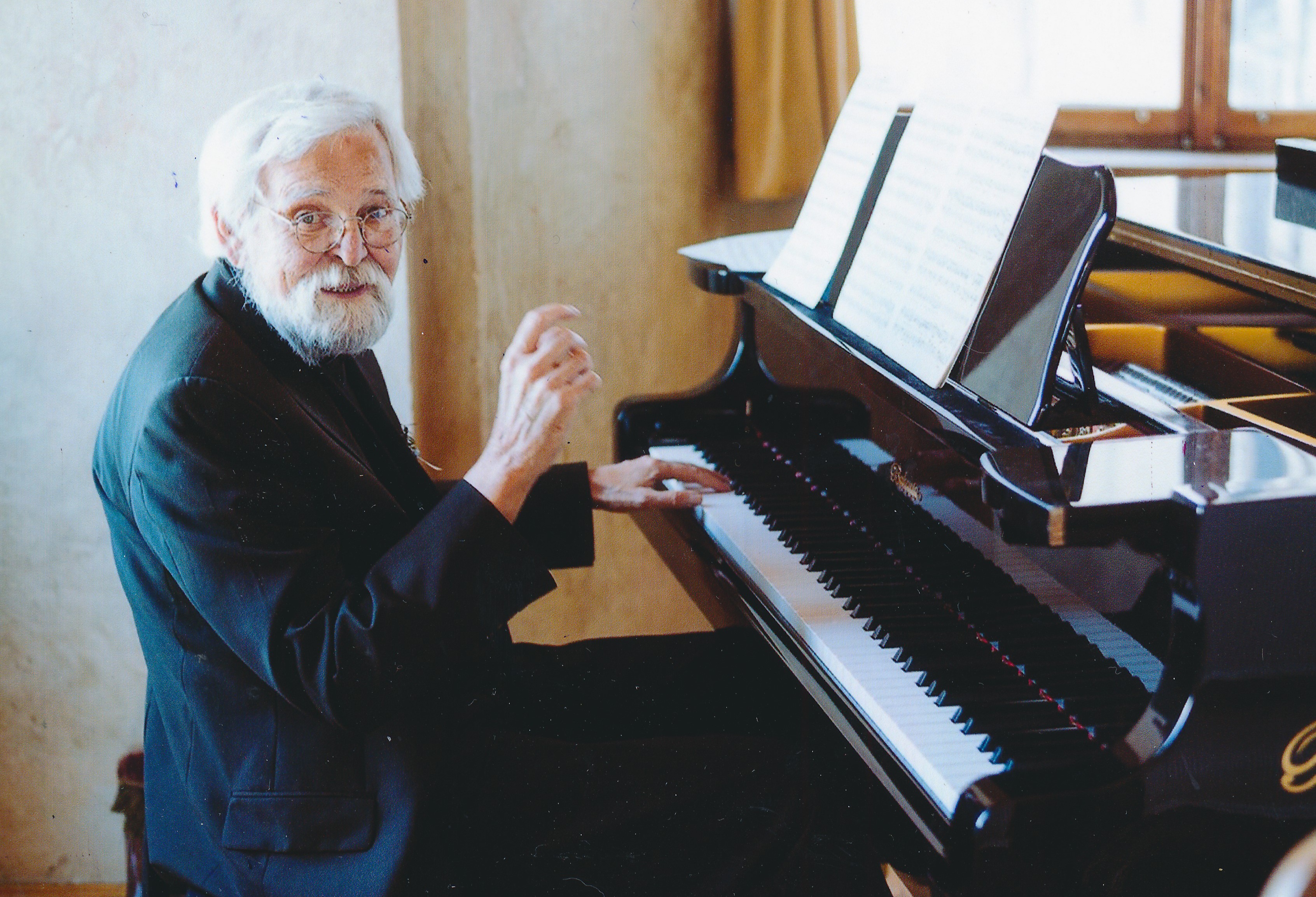
Jiří Růžička

* 1941

  • "He escaped from Ethiopia to Canada. So when I was in Vienna and I wrote to him, he didn't get it. I didn't know that and I thought I would never see my father again. Suddenly my father is standing at the conservatory. What happened was that he was a surgeon, originally a urologist and gynecologist, which he couldn't do in Canada. So he worked in the pharmacological institute. They had to go to Germany to some pharmacological factory. When he was in San Francisco before, he met Karel Hašler, who was with me in that ice rink in Vienna, and he told him that I had gone to the Swiss, or at least I had been through the Swiss. When he arrived in Europe, he looked in the phone book, and there he found my mother. He found me from my mother. If they hadn't met on the San Francisco trip, I probably wouldn't have met him."

  • "I had a girlfriend at the time who went to work somewhere in England. I told her, 'If they come, don't come back, I'll find you somewhere. Wait there.' I was hoping all along that it would work out. I didn't sleep for most of the week either. Because everything was blocked off, I stayed at Hlávka's dormitory with my friends. We had a club at the tech school where I played piano and directed. The guys were sleeping in Hlávkárna, so I crashed there. They were shooting at our windows, so we sat there in the corridor under the central heating, because bullets were flying into the rooms. There was a thing that happened there that I'd like to film. The door opened and a Vietnamese student came out and said, 'It doesn't concern me,' and went to the toilet. We were shouting, 'Get down on the ground, you idiot!' And he went as if nothing happened, I'm Vietnamese. He peed and went back. And bullets were flying."

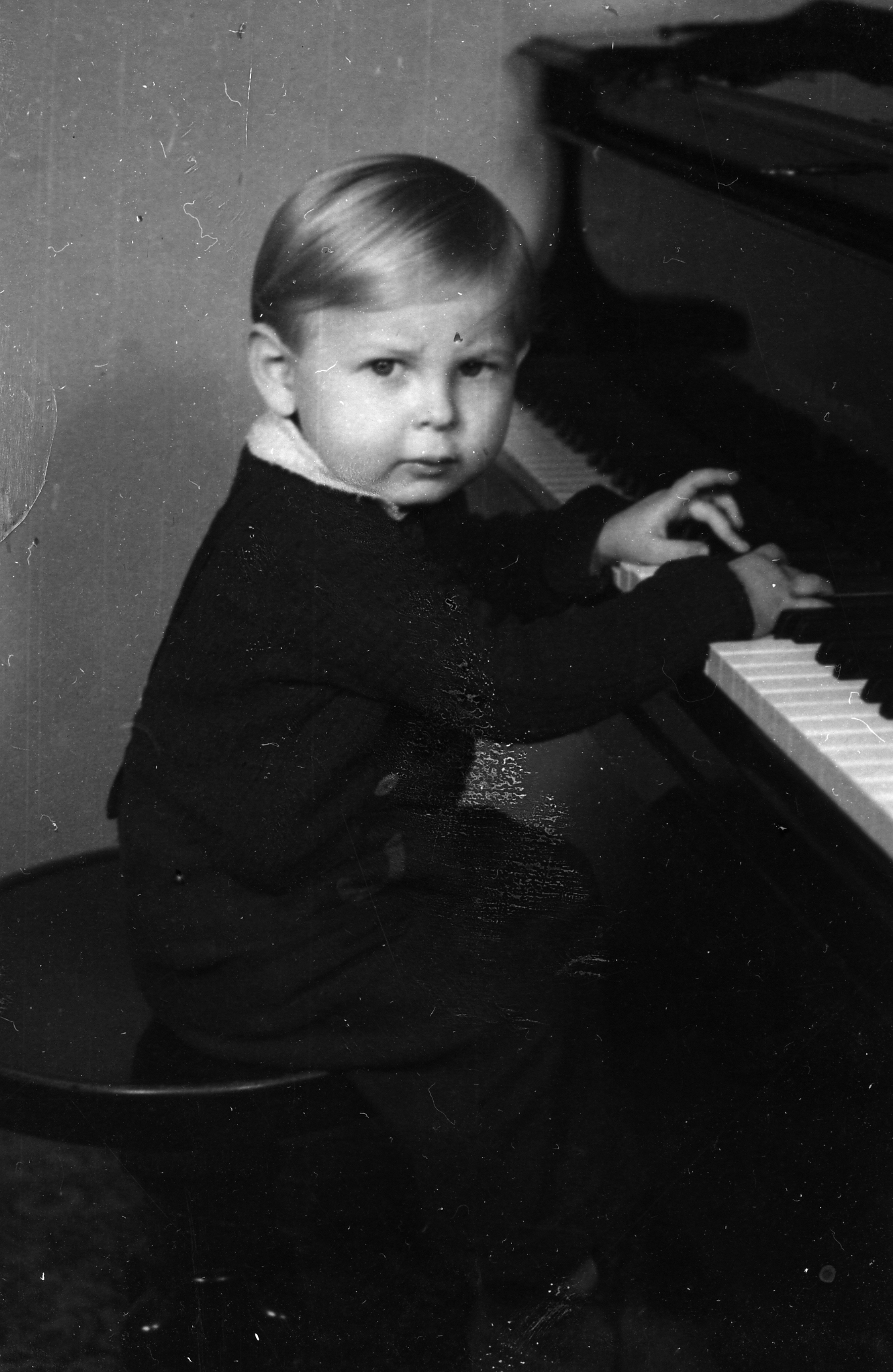
  • "By then my parents had divorced and it was such an unbearable situation for me. We had a piano, and when I was at my worst, I would just start playing on my own. And I made a world that I was comfortable in, that I could live in, and I didn't care about the rest of it. It was a kind of isolation from the world that I... Then when I was in eleven-years-school, I just threw my bag from school and sat at the piano and played until eight o'clock at night. And they'd talk to me about having a snack or something, I didn't care, I just sat at the piano. But I was just improvising, I didn't even know the notes then."

  • "That I went with my father to Prague. He was carrying me on his shoulders and we got off at the train station in Smíchov and at that moment there was a crazy alarm. The sirens were ringing, I mean, sirens were blaring, and the policemen were shouting: 'Everybody to the shelter!' And I was watching and I was excited. That was the first fireworks display I'd ever seen. Stones were flying, light bombs were flying, everybody was scared - and I, being three years old, had a lot of fun. I was still dancing when we went into the shelter, and I was saying, 'A bomb is going to fall here and I'm going to fly out.' I was really high because of it."

  • Celé nahrávky
  • 1

    Praha, 02.12.2024

    (audio)
    délka: 01:46:44
    nahrávka pořízena v rámci projektu The Stories of Our Neigbours
  • 2

    Praha, 04.09.2025

    (audio)
    délka: 01:38:35
    nahrávka pořízena v rámci projektu Pamětníci Prahy 1 vyprávějí
  • 3

    Praha, 16.10.2025

    (audio)
    délka: 01:48:50
    nahrávka pořízena v rámci projektu Pamětníci Prahy 1 vyprávějí
Celé nahrávky jsou k dispozici pouze pro přihlášené uživatele.

I‘m packed, so take me to the border
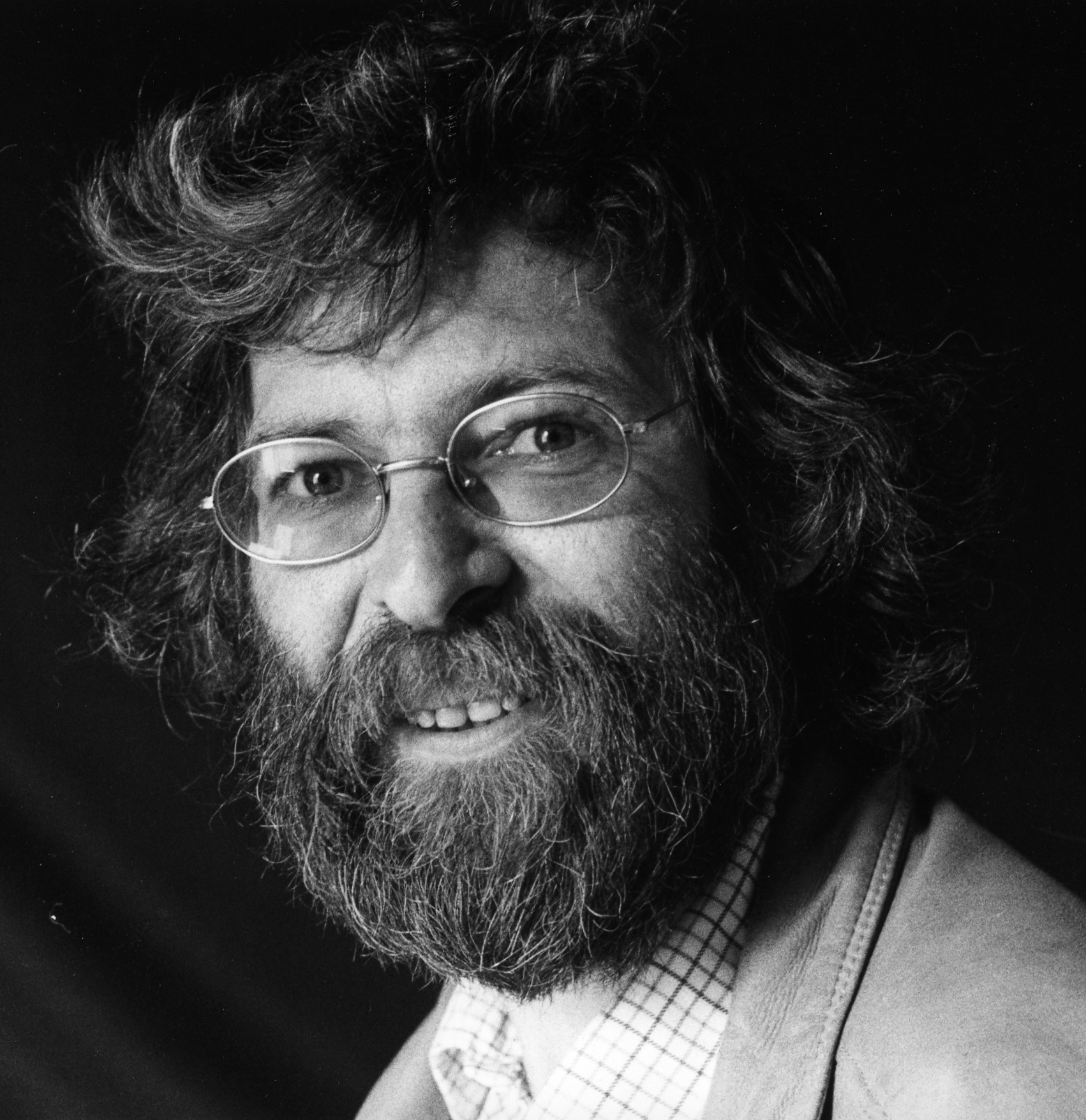
Jiří Růžička in his youth
zdroj: archive of ´the witness

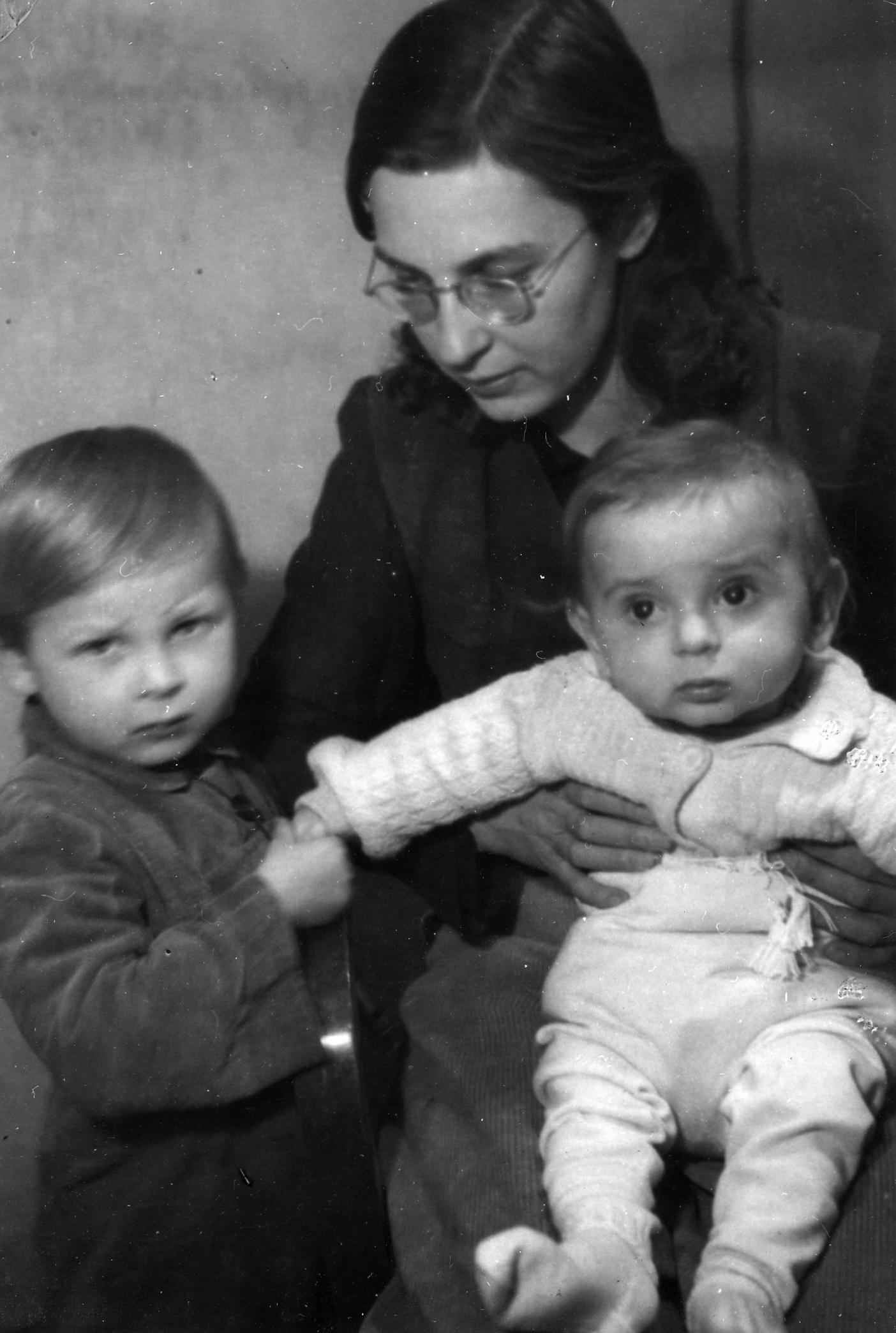
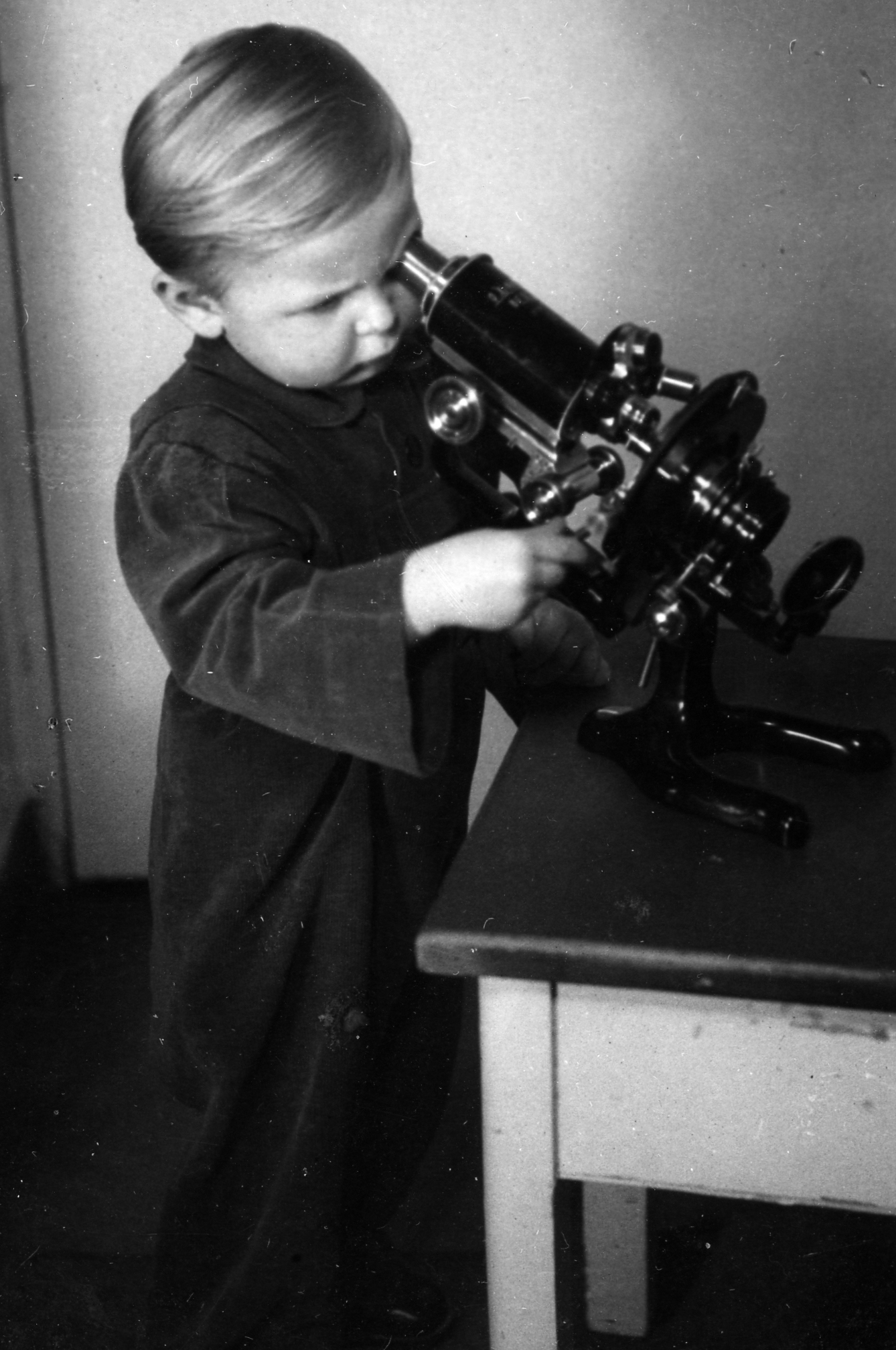
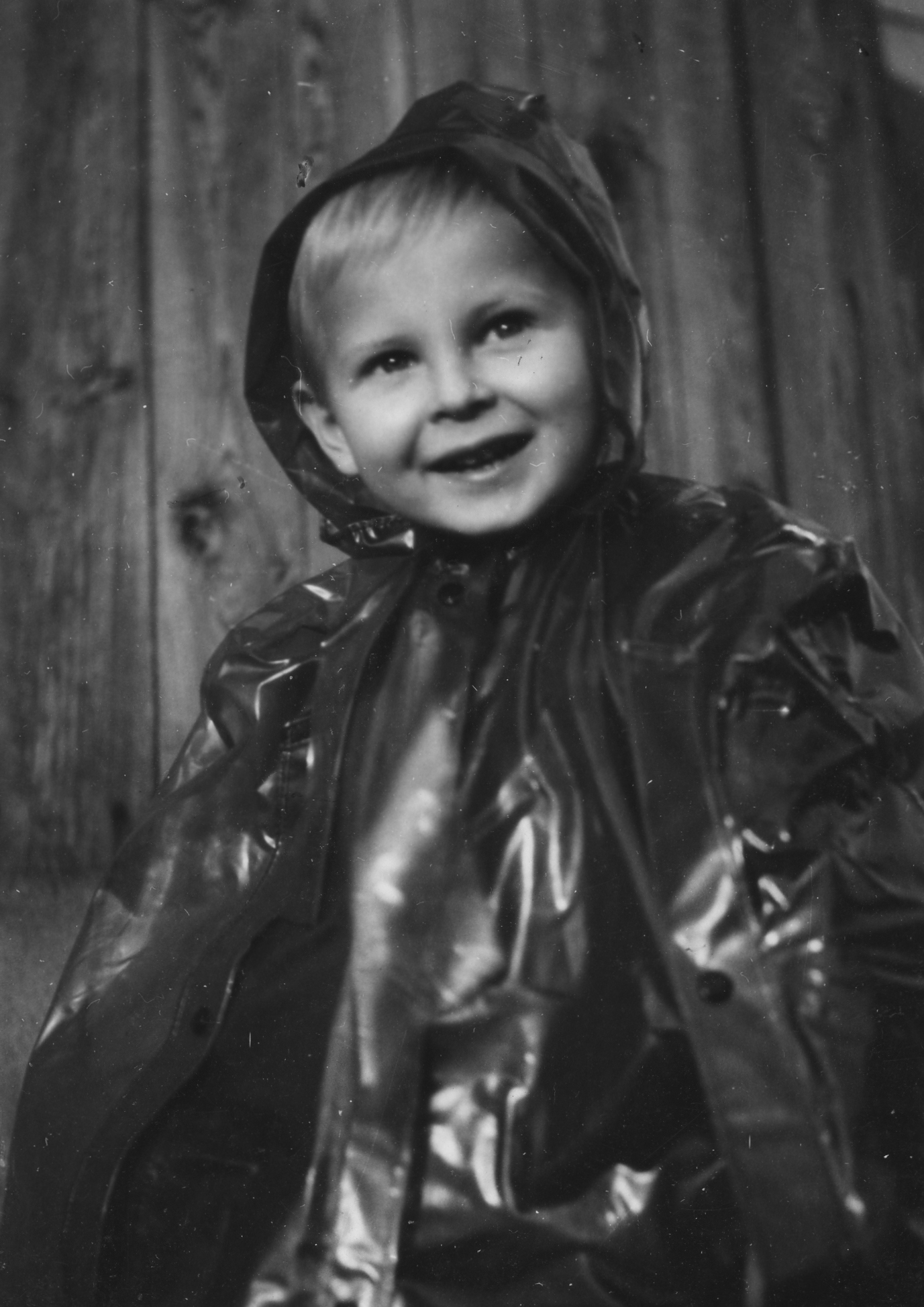
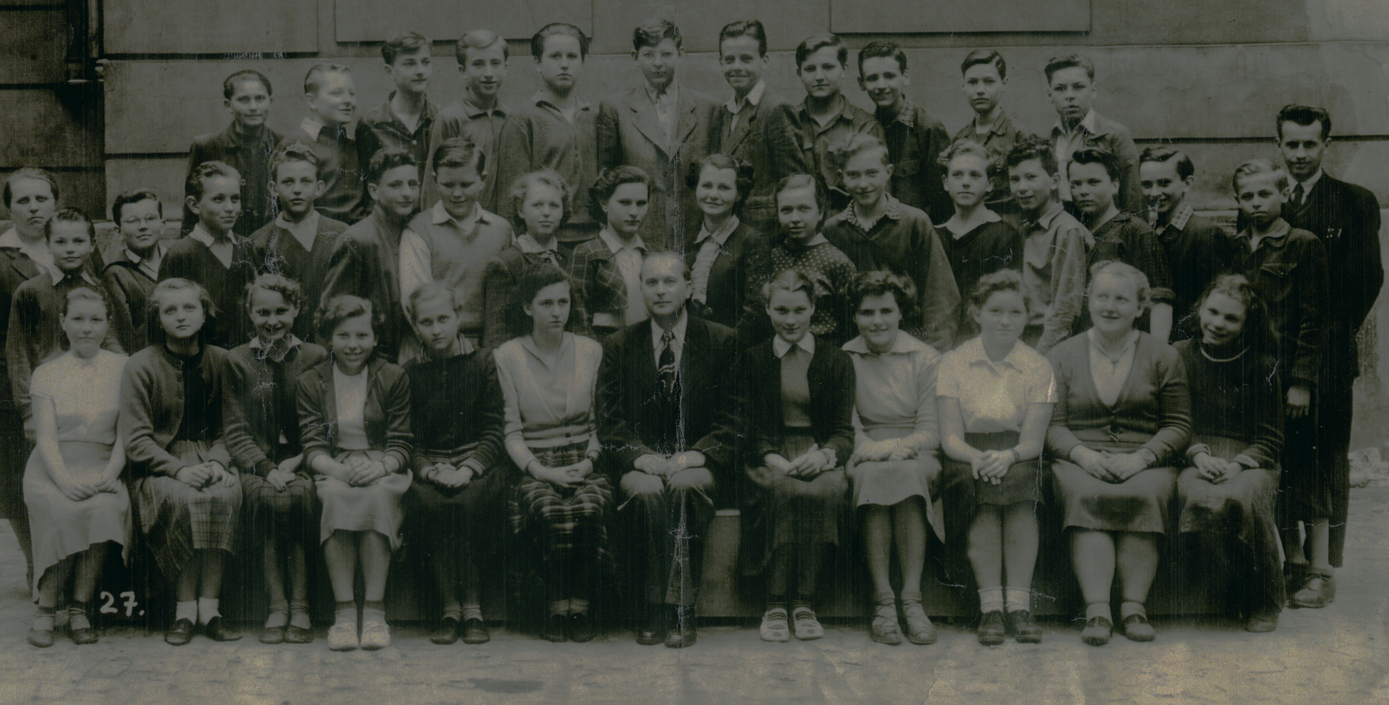
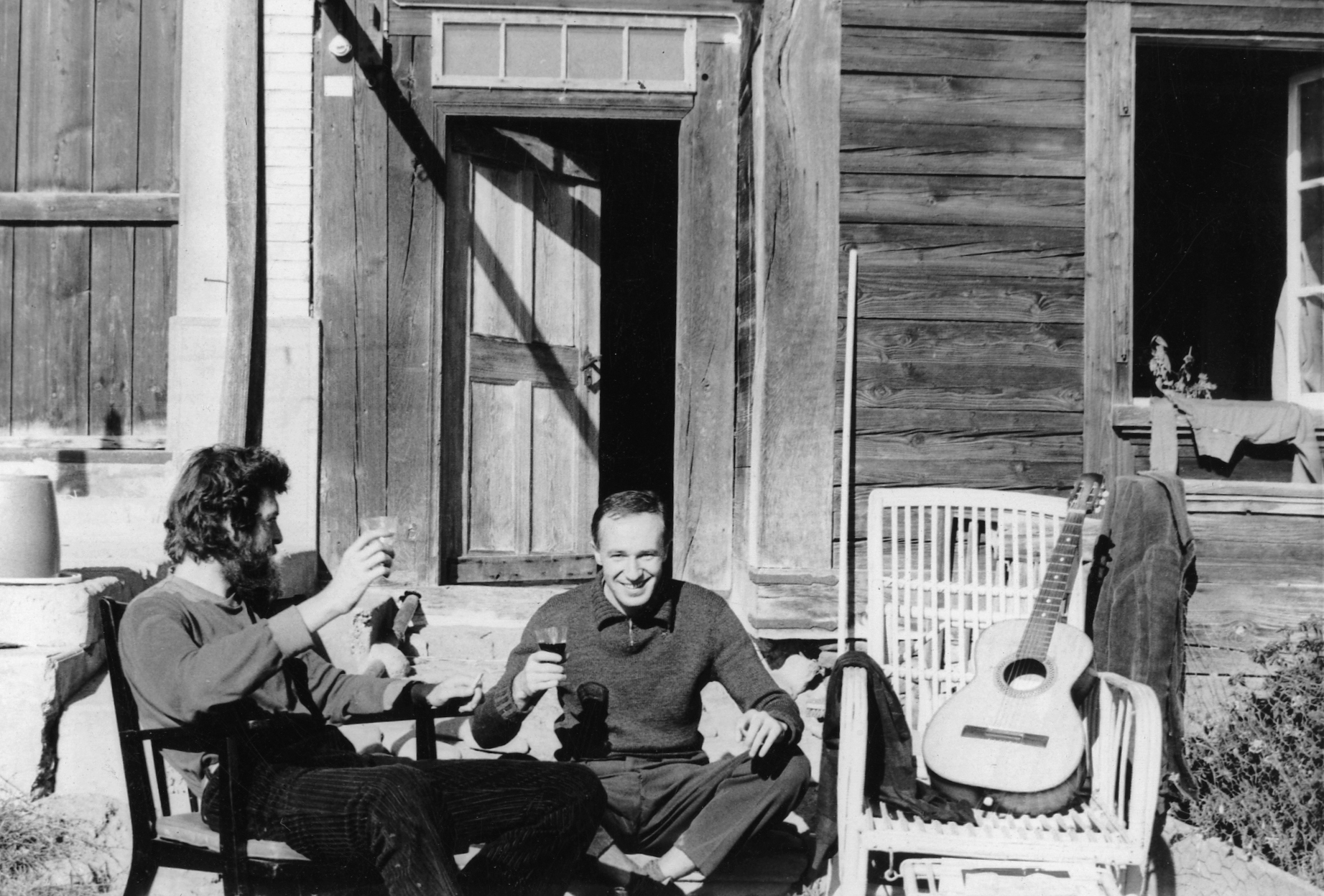
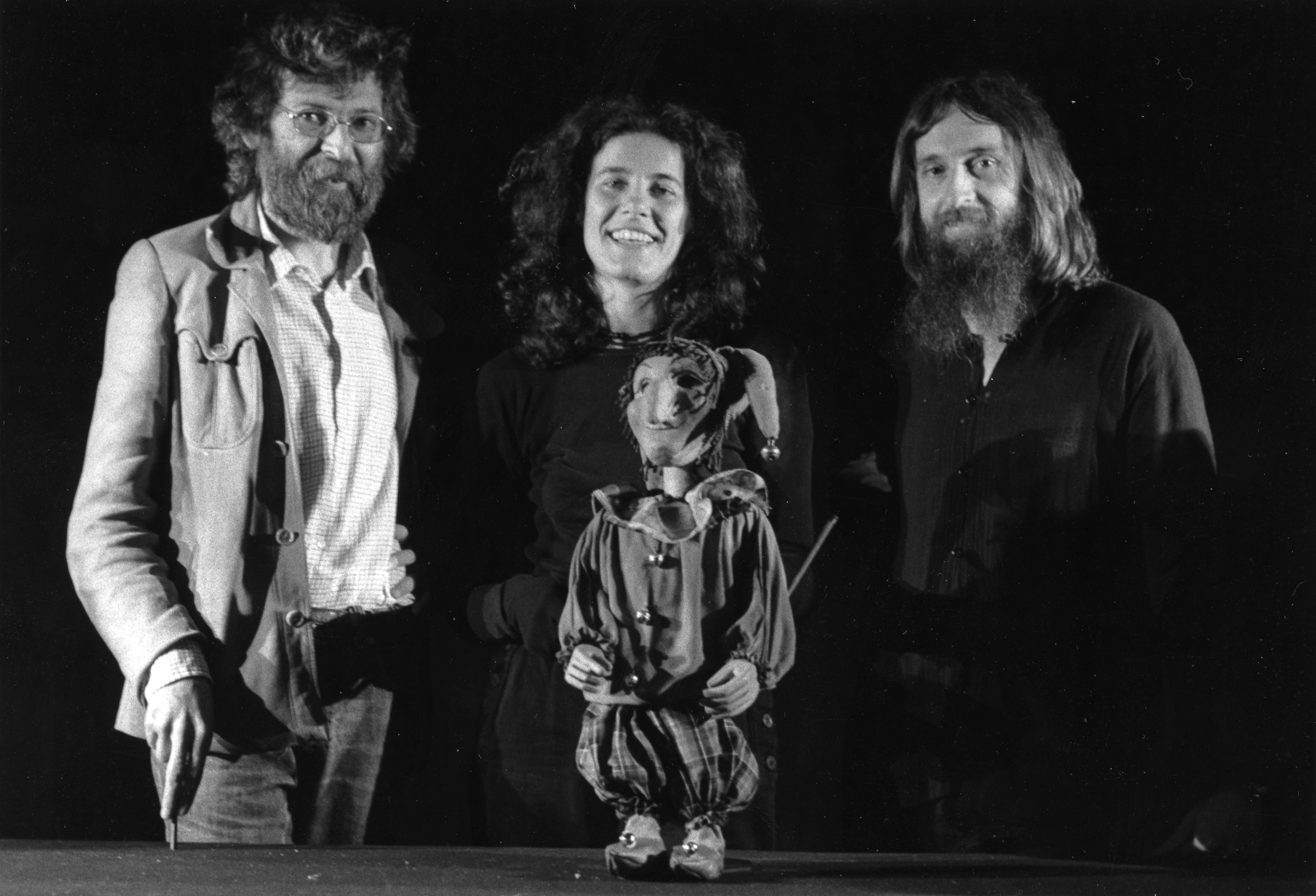
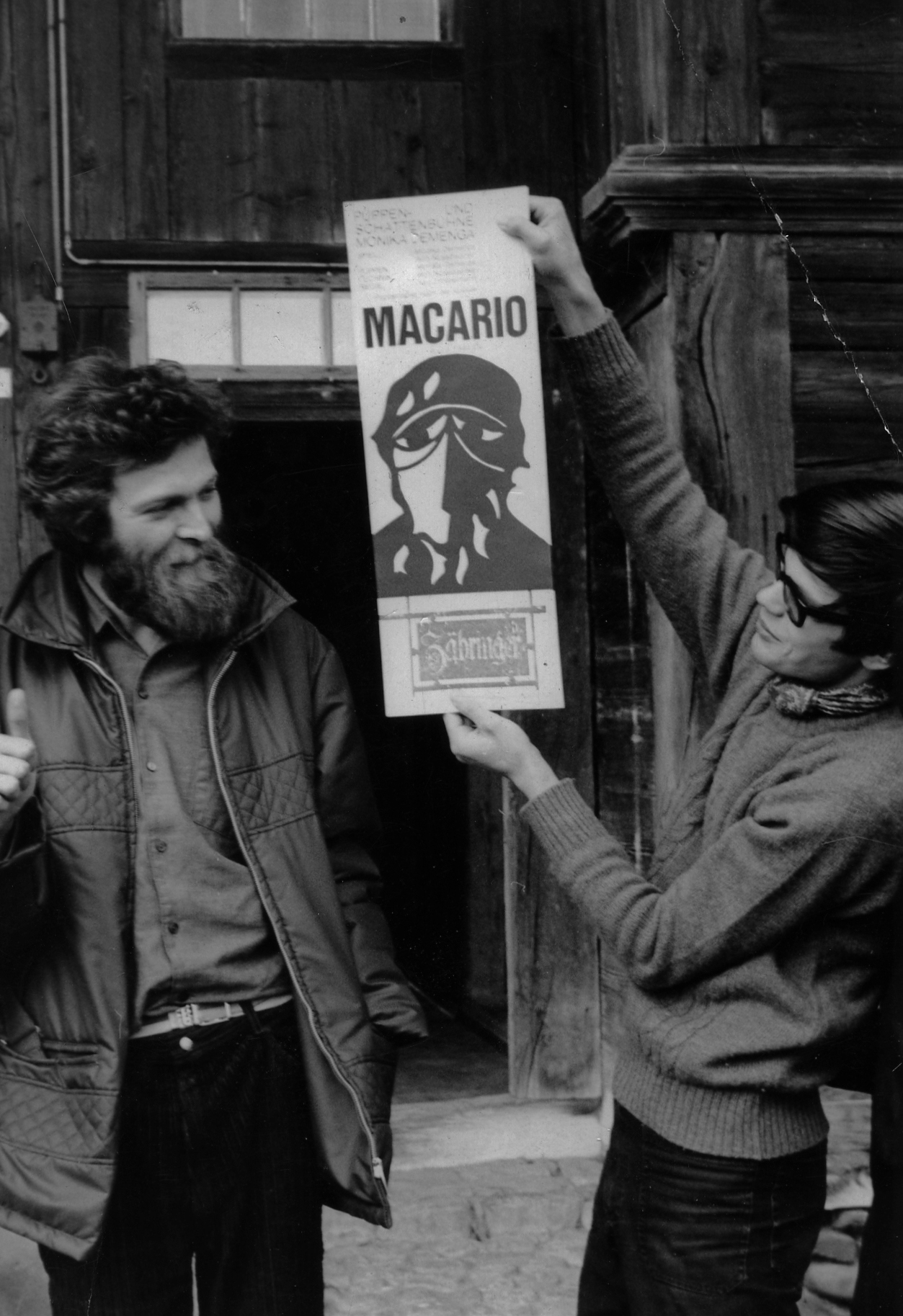
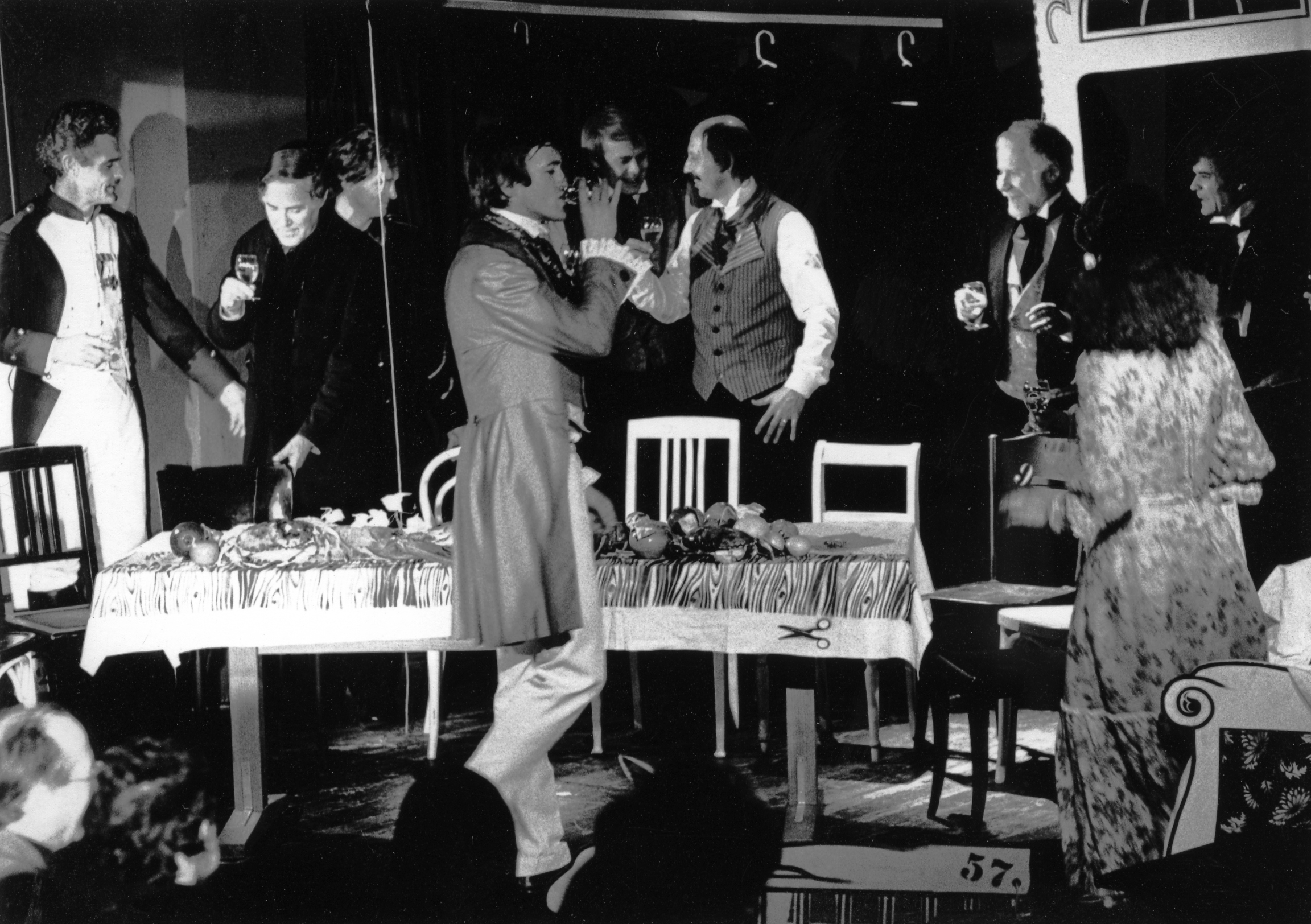
Jiří Růžička was born on 23 January 1941 to the medical students Milada Kolečkářová and Otakar Růžička. His parents were unable to complete their studies due to the closure of Czech universities during the Protectorate. At the end of World War II, Jiří Růžička experienced the bombing of Prague. After the war, he went to an orphanage so that his parents could finish their medical studies. His father eventually worked with the Red Cross, worked at the faculty and began studying Romance studies, during the war he wrote and published an Italian textbook. His mother devoted herself to the then completely new field of allergology. In 1951, after four years in Switzerland, Jiří Růžička‘s younger brother Zdeněk returned to the family and the coexistence of the whole family became difficult. The parents‘ relationship broke down and little Jiří found solace in music. However, his parents did not consider music studies to be promising, so he graduated from the Faculty of Education, majoring in Czech - music education. During his studies, he became close friends with the poet Václav Hrabě, and for many years cherished his literary legacy. After school he worked as a teacher in the borderlands, but he was drawn to Prague. There, he struggled with difficulties until 1968, his marriage broke up. The Prague Spring brought not only political refreshment, but also a joyful time in Jiří Růžička‘s life. He found a job at the Prague Ballet. But his hopes were cut short by the invasion of Warsaw Pact troops in August 1968. After a speech by Alexander Dubček, who had returned from Moscow, Jiří Růžička decided to emigrate. He took up residence in Switzerland. He met his brother and mother there. He studied music composition at the Bern Conservatory. He then wrote music for television, film and theatre, which he became more and more interested in. After the Velvet Revolution he spent a long time between Switzerland and Prague, until in 2013 he decided to return permanently to the Czech Republic. In 2025, Jiří Růžička was living in Prague.