Jiří Pichrt

* 1951

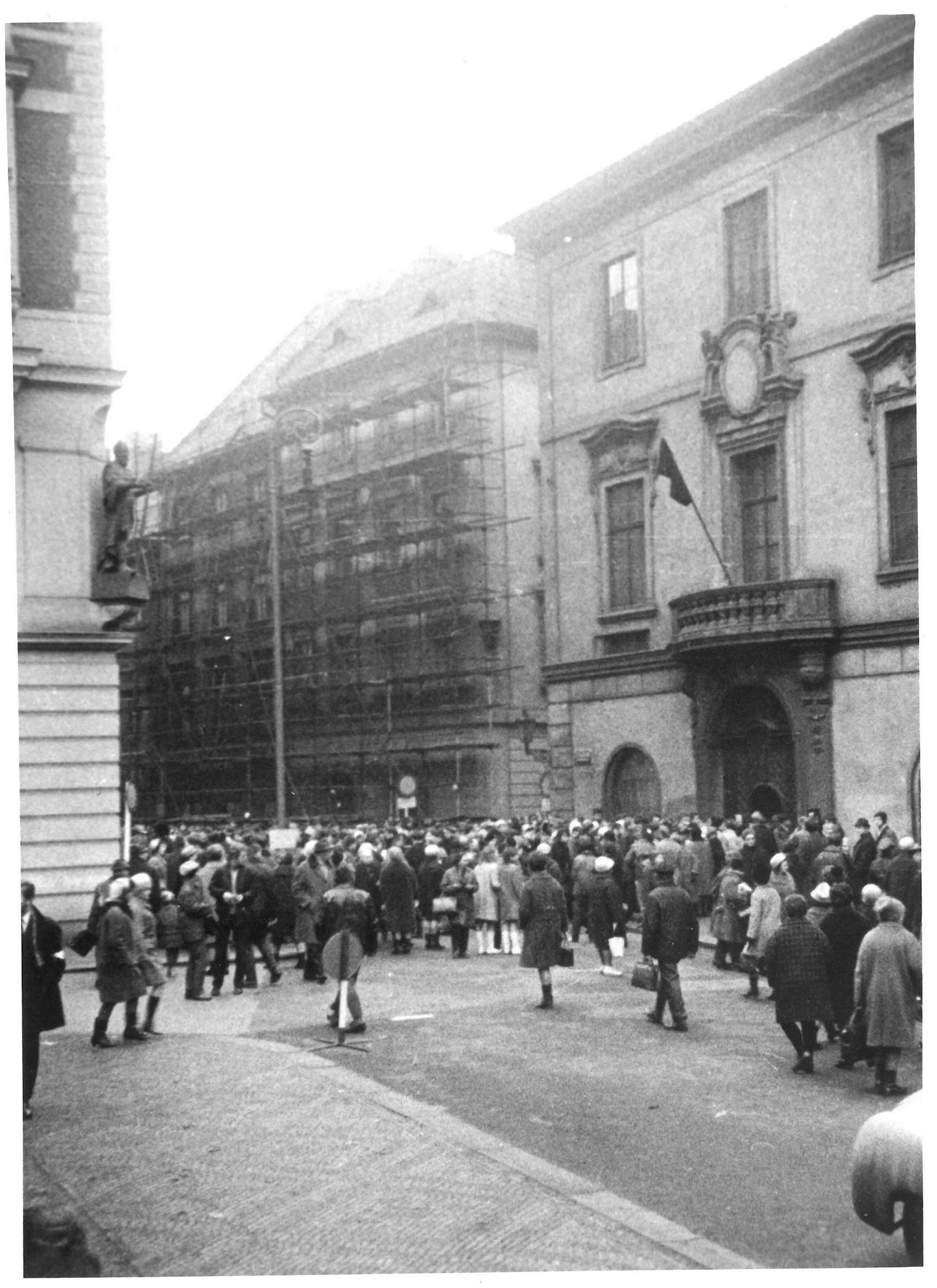
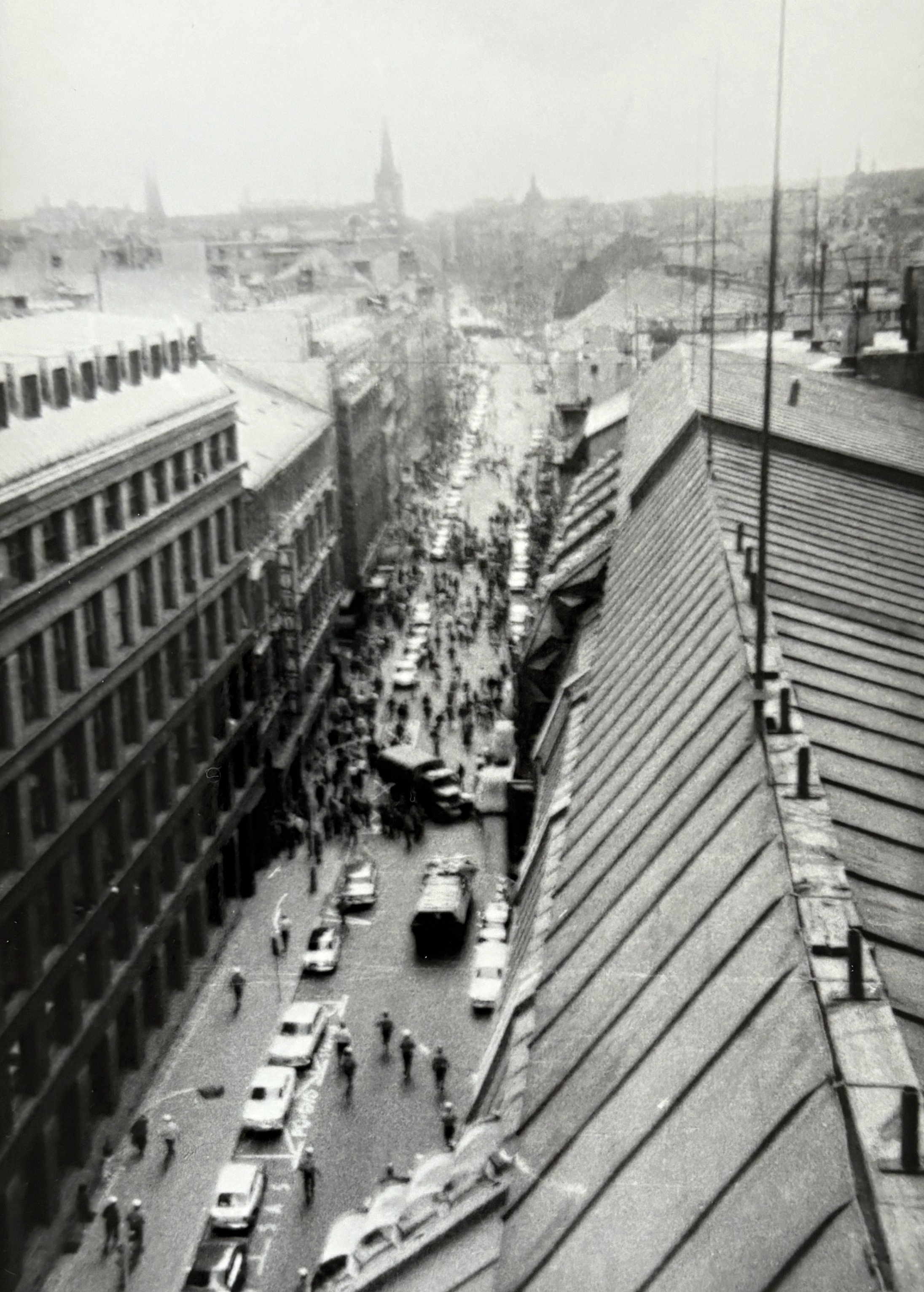
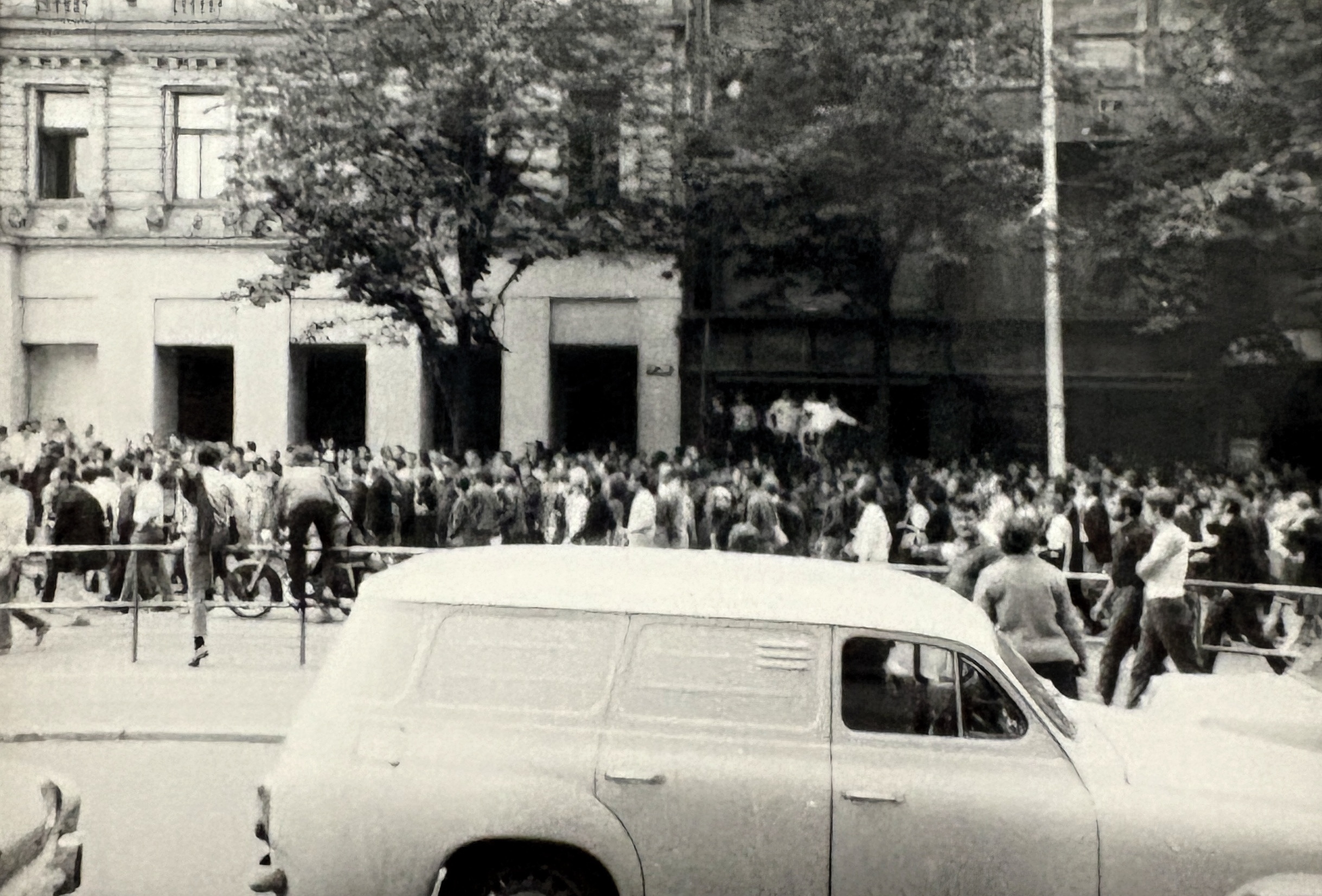
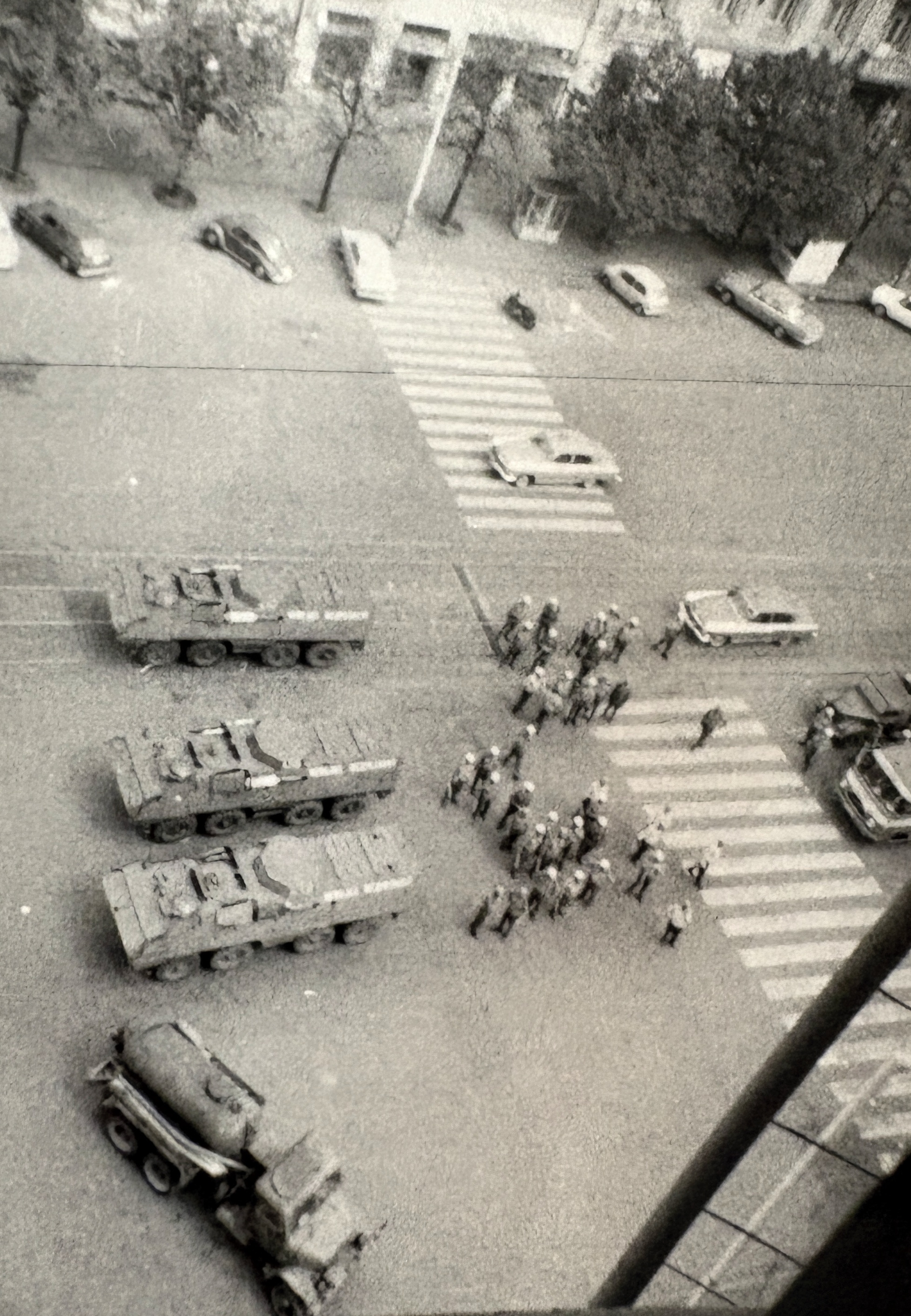
  • "They were always being attacked and so on. Thanks to the foresight of my classmate Jarda Ludvík, who turned around - since then I've always had the feeling that I have to watch my back - Jarda said, 'Let's get out of here' - Zlatnická Street goes downhill a bit - 'Let's get out of here, I can hear the buses.' So I hesitated for a moment, and before long we saw police buses blocking Zlatnická Street from below and entering Zlatnická. We had no choice but to run. We couldn't go forward and staying there was pointless. We ran as fast as we could, and we even ran through the cordon - they didn't have orders then, they were still getting off then, and they had these half-metre long batons, to get beaten with that, that's about breaking ribs, they weren't normal batons anymore..."

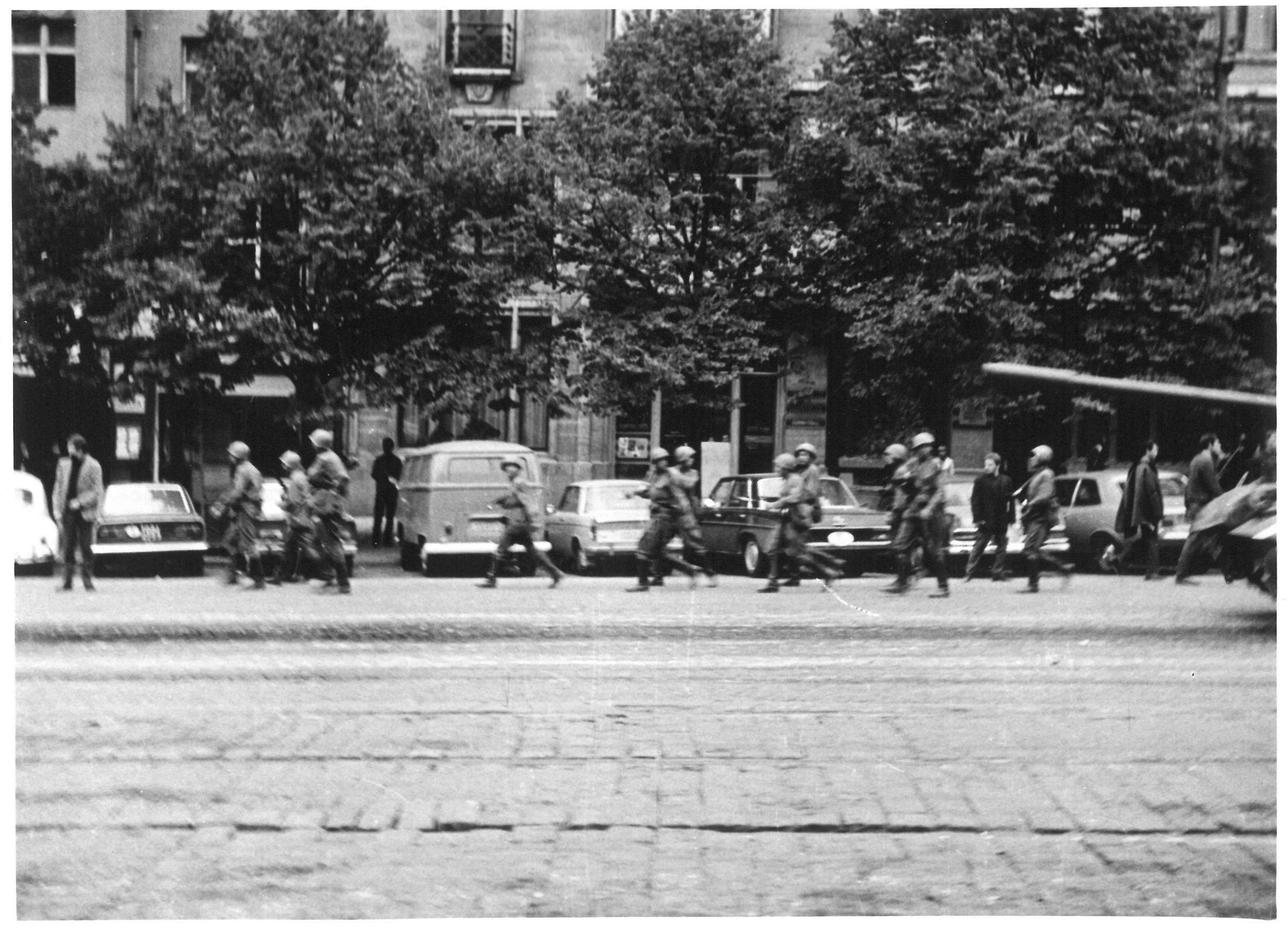
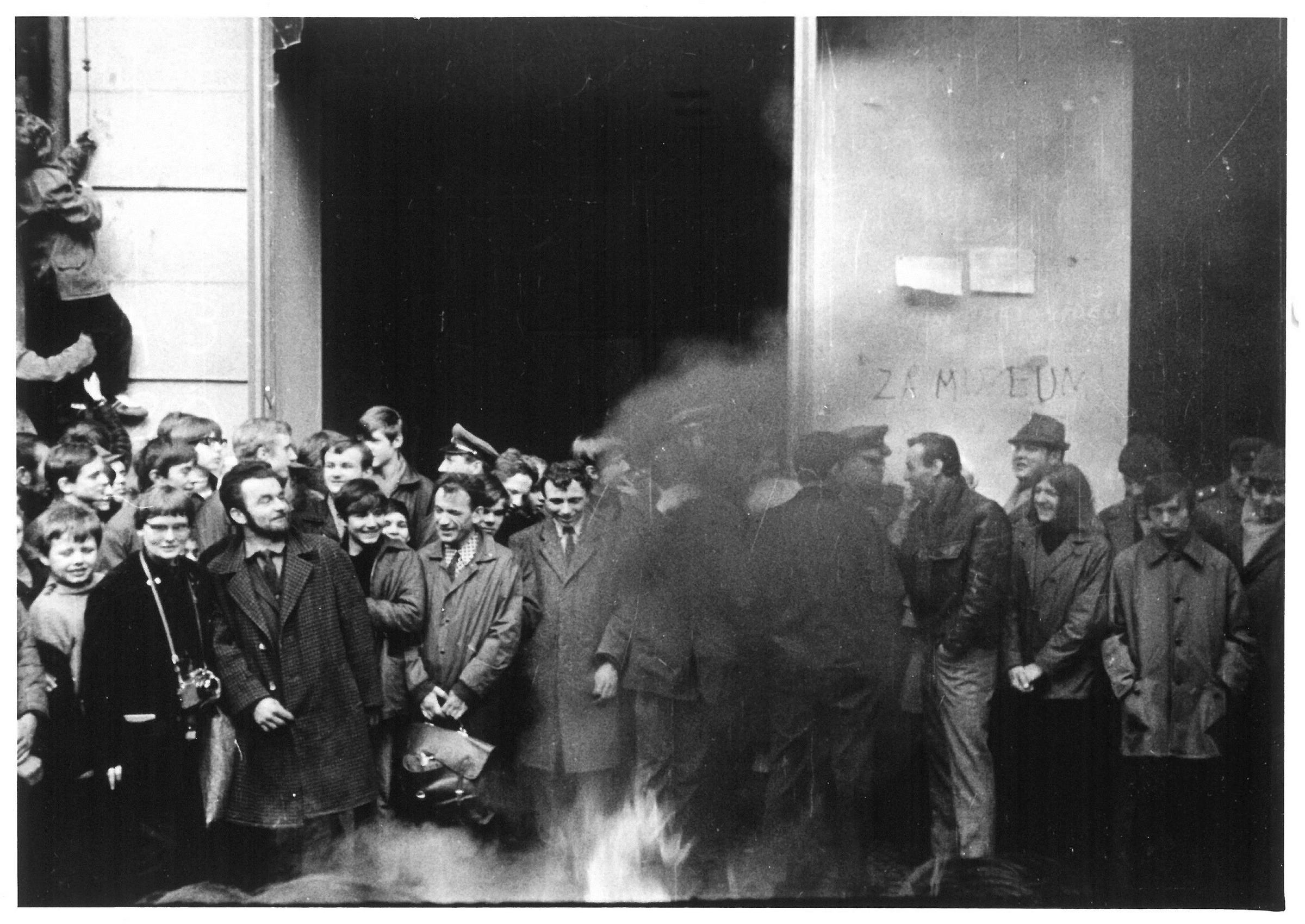
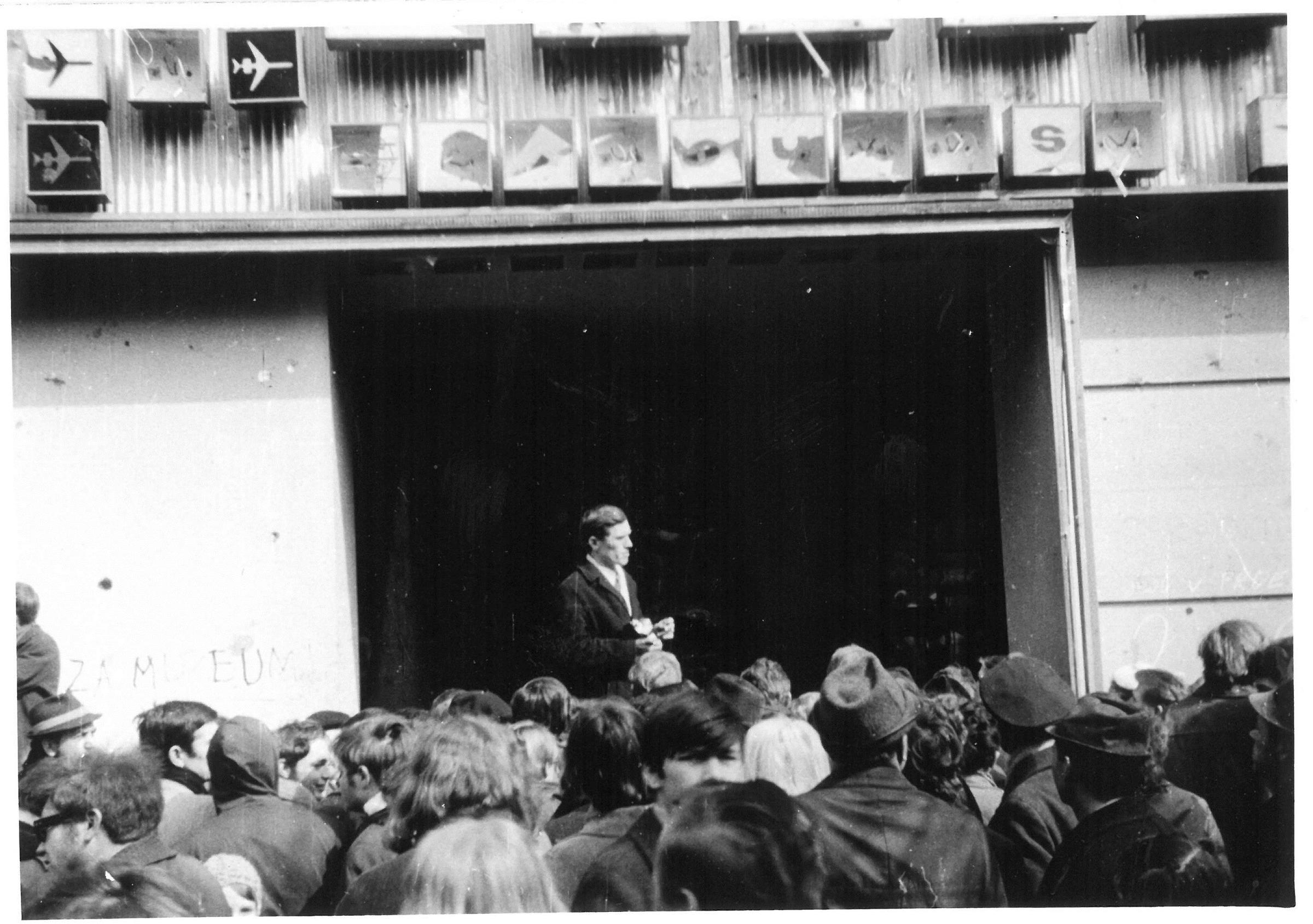
  • "A large group of soldiers was setting off from the Museum, but this time it was militiamen. And I think they were trotting along, but because I was eighteen at the time, I was pushing nineteen, and I liked to run, so they definitely didn't have a chance against me, but I was kind of like maybe I was provoking them, because they were running and I was always running maybe a hundred yards ahead of them and I still had no idea... I thought: 'Well, they're not going to shoot at me...' And when I got to I.P. Pavlova Square, to the plain, they were a little bit behind me and they were running and I was running faster, and suddenly one of them fired a tear gas canister in front of me..."

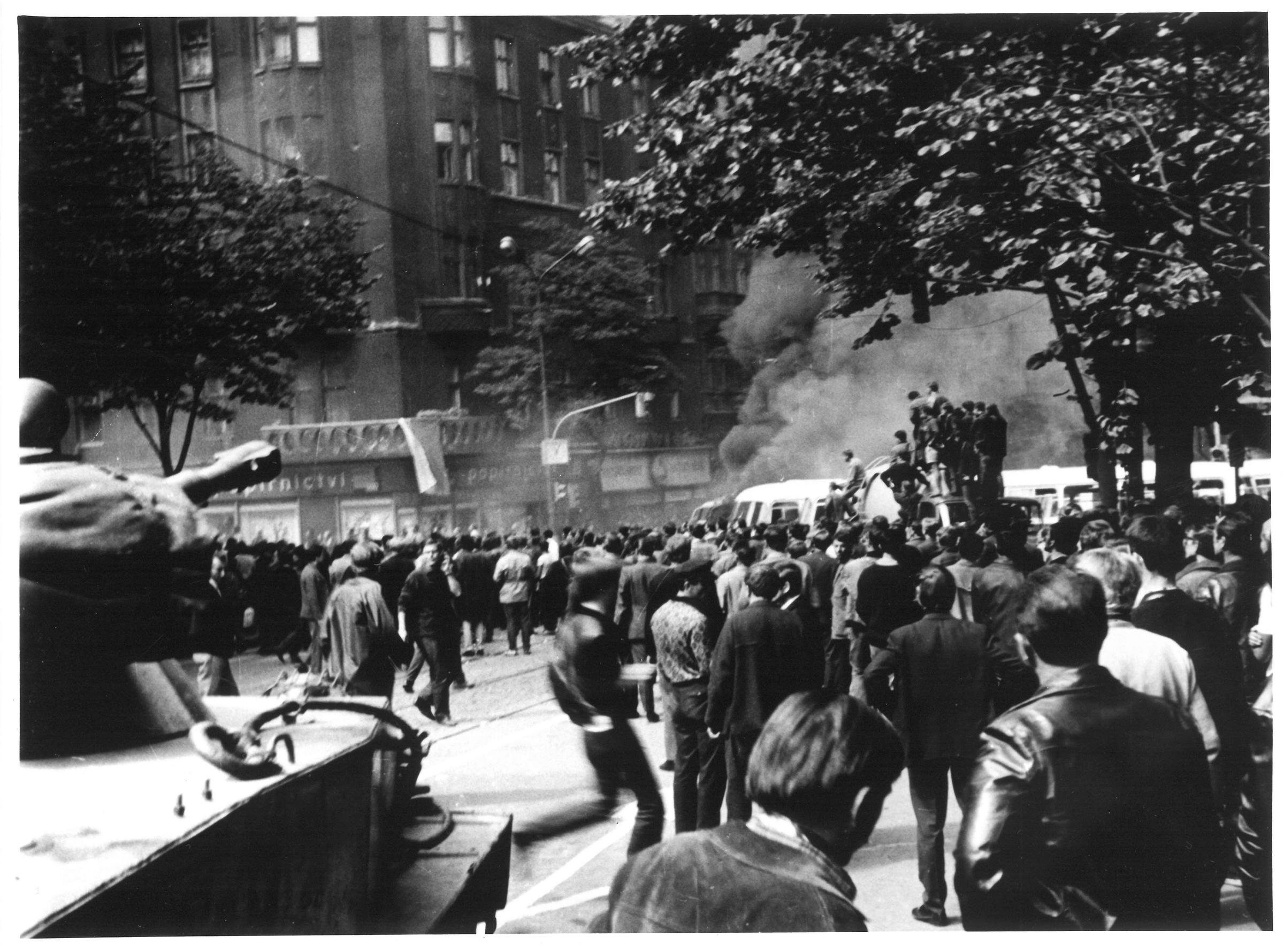
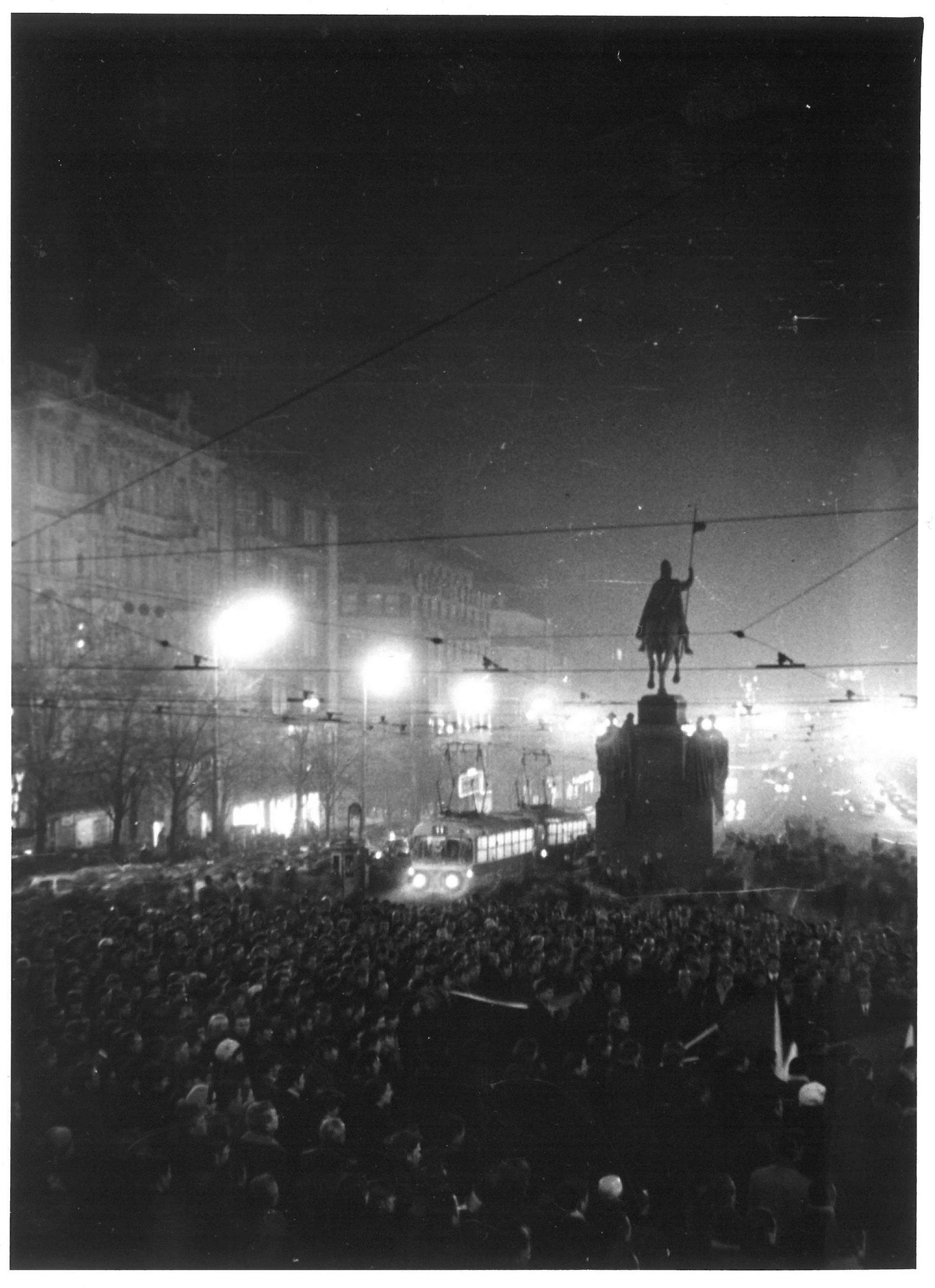
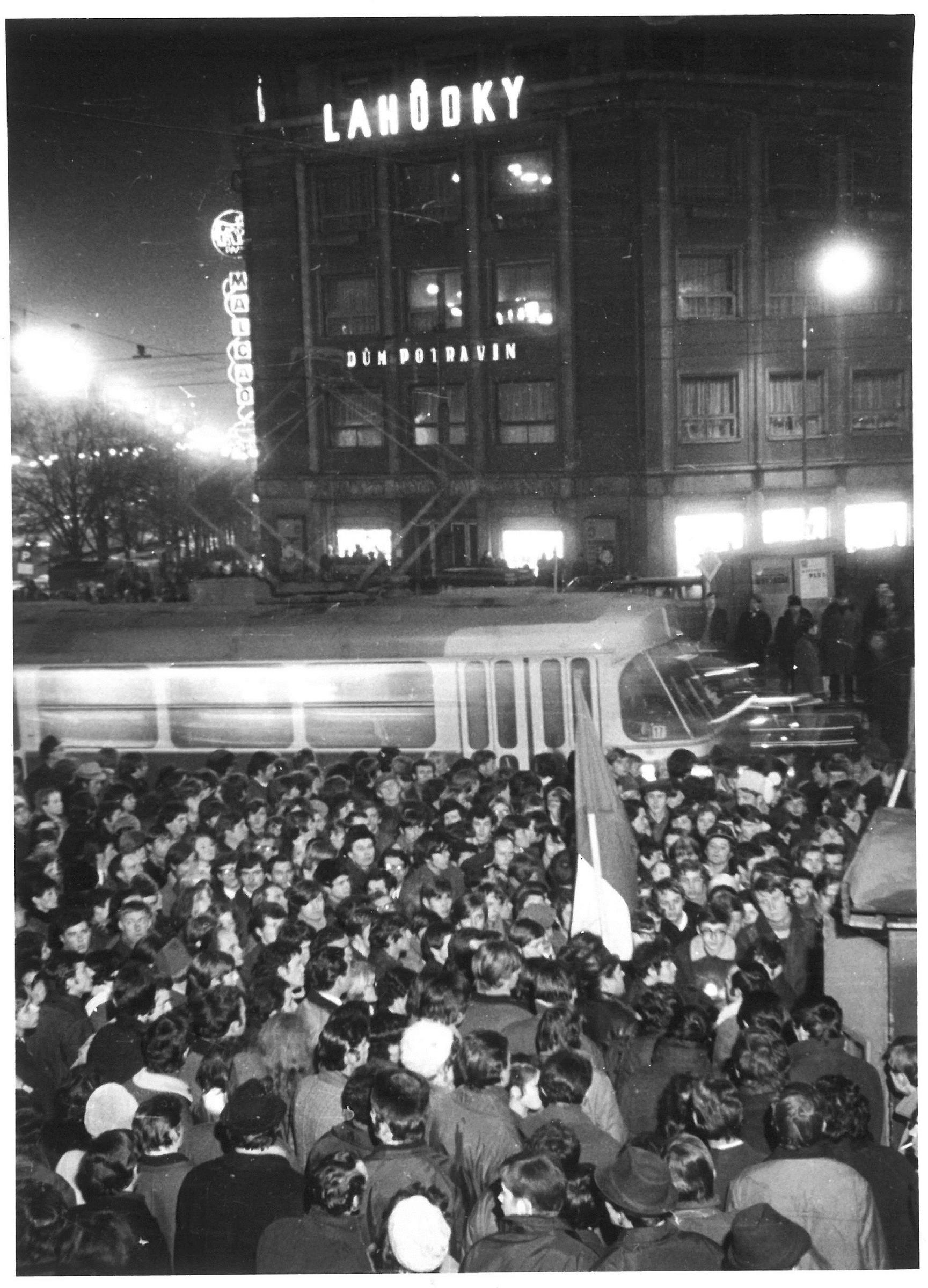
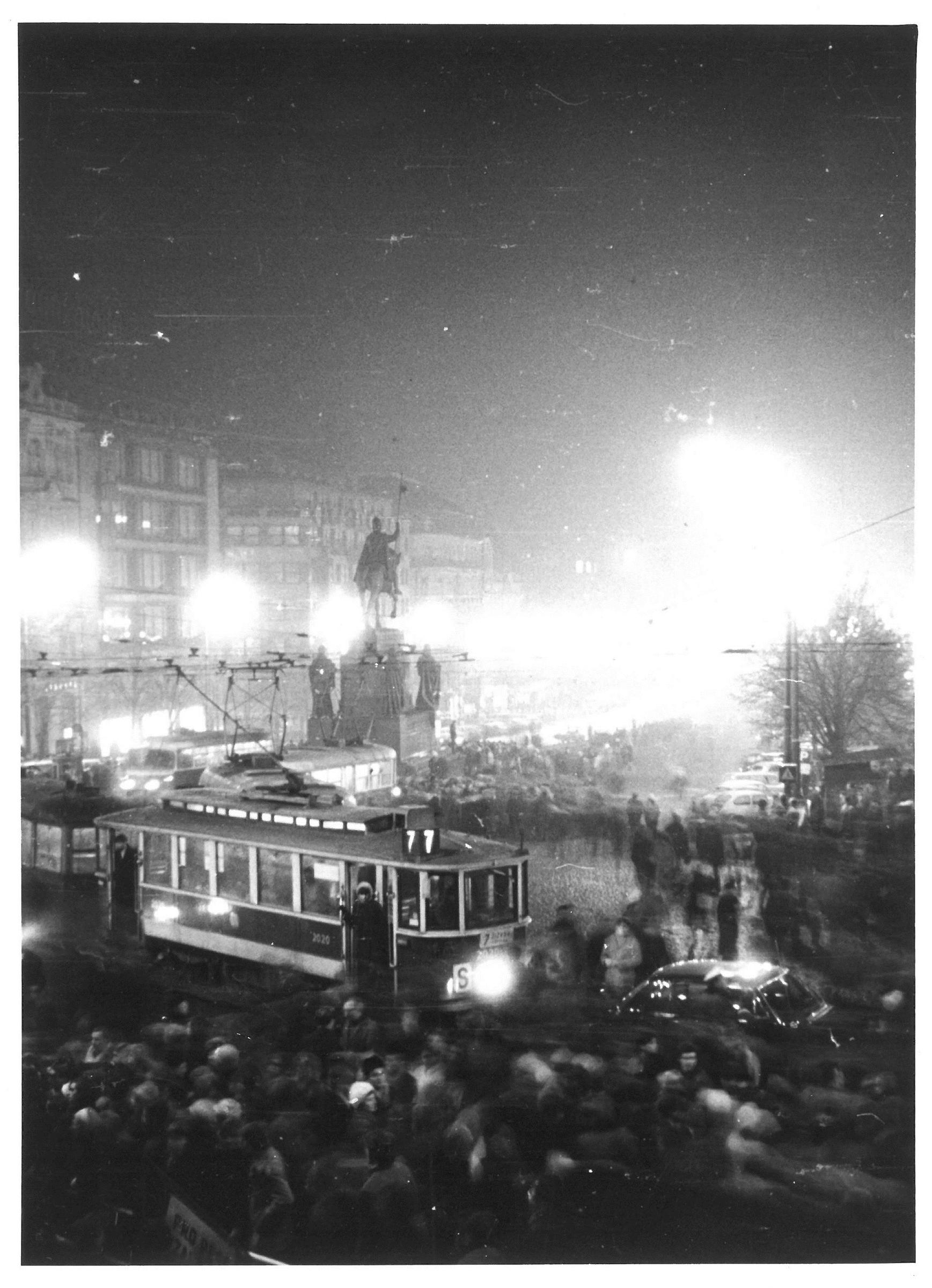
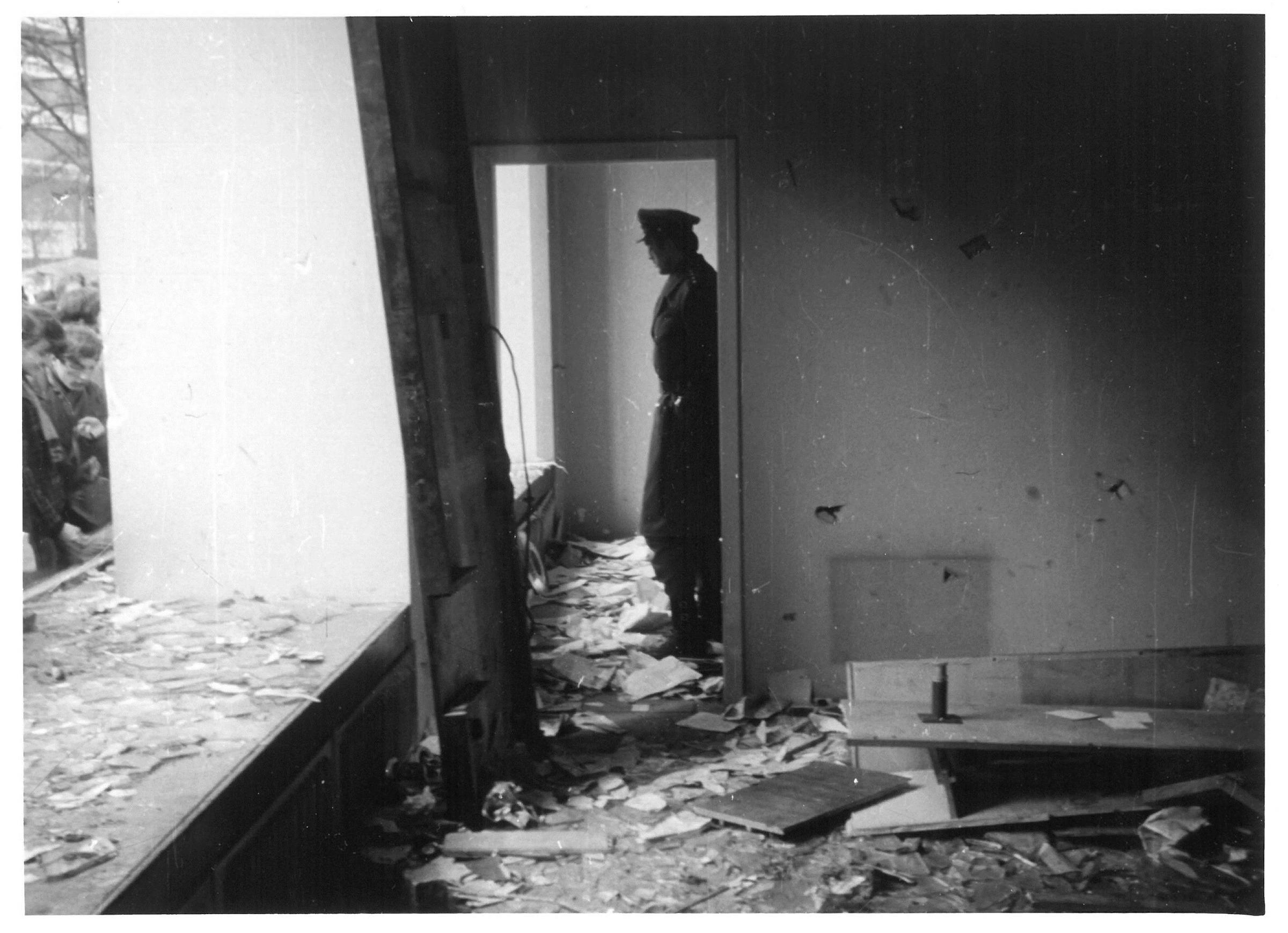
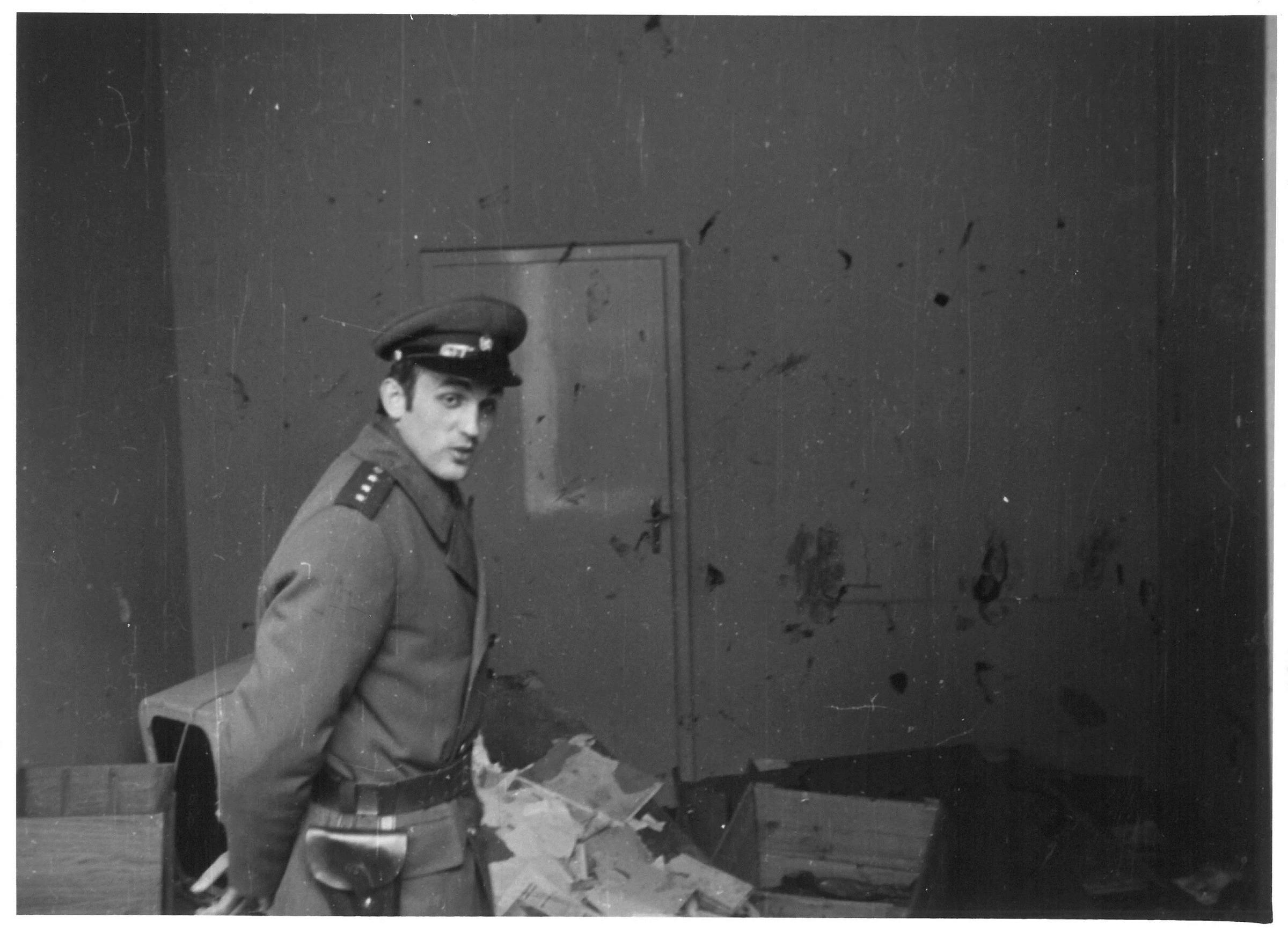
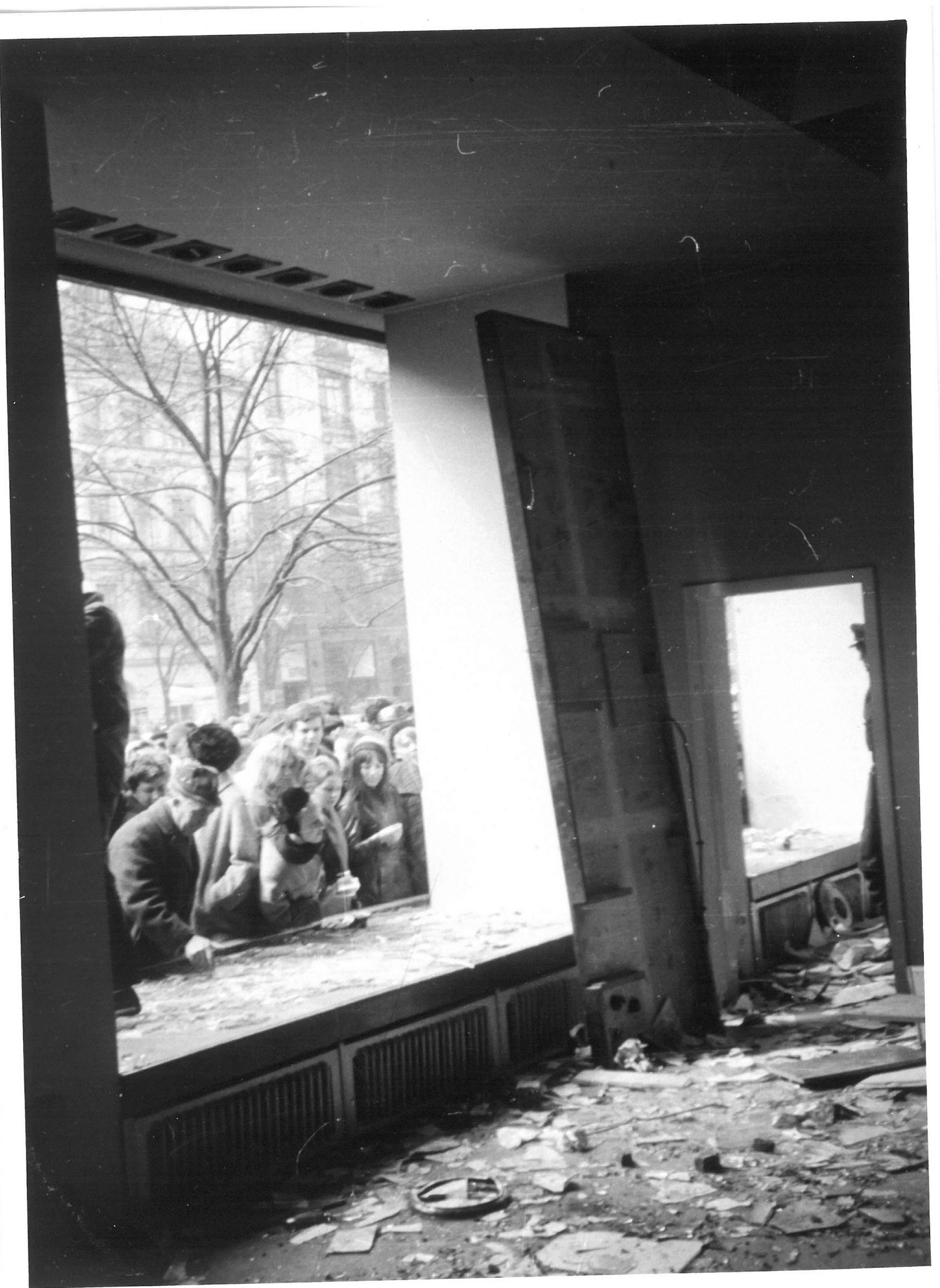
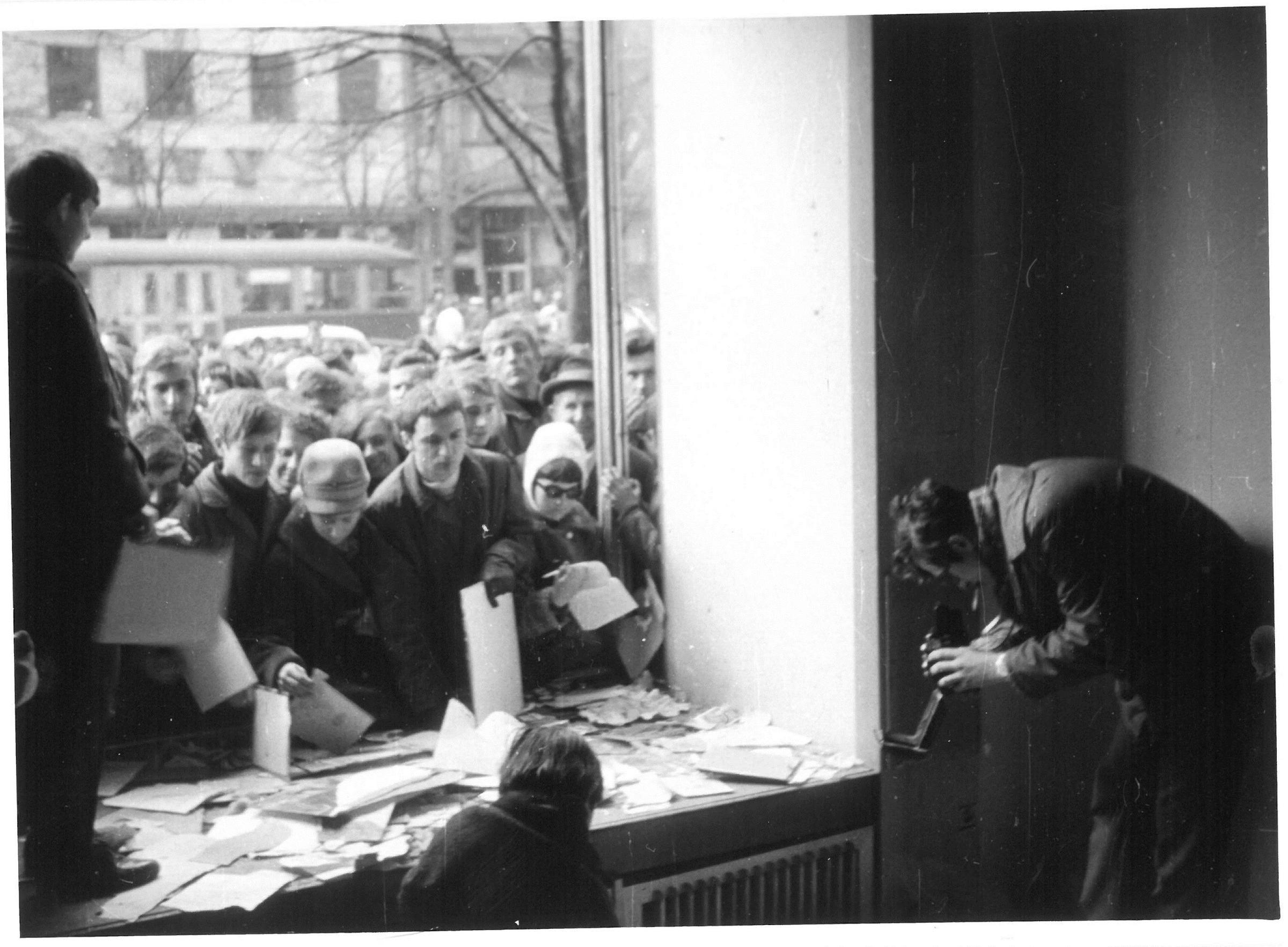
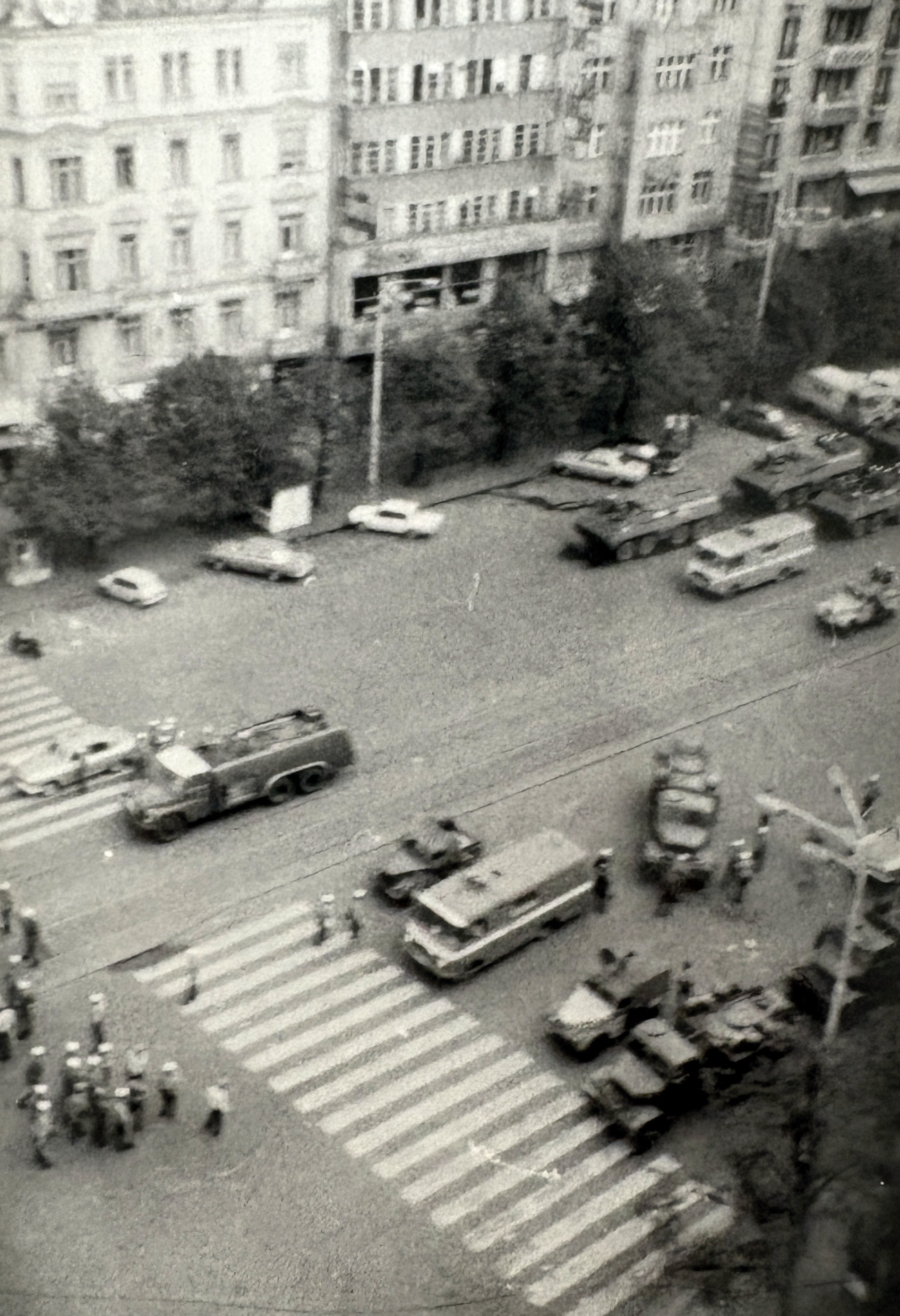
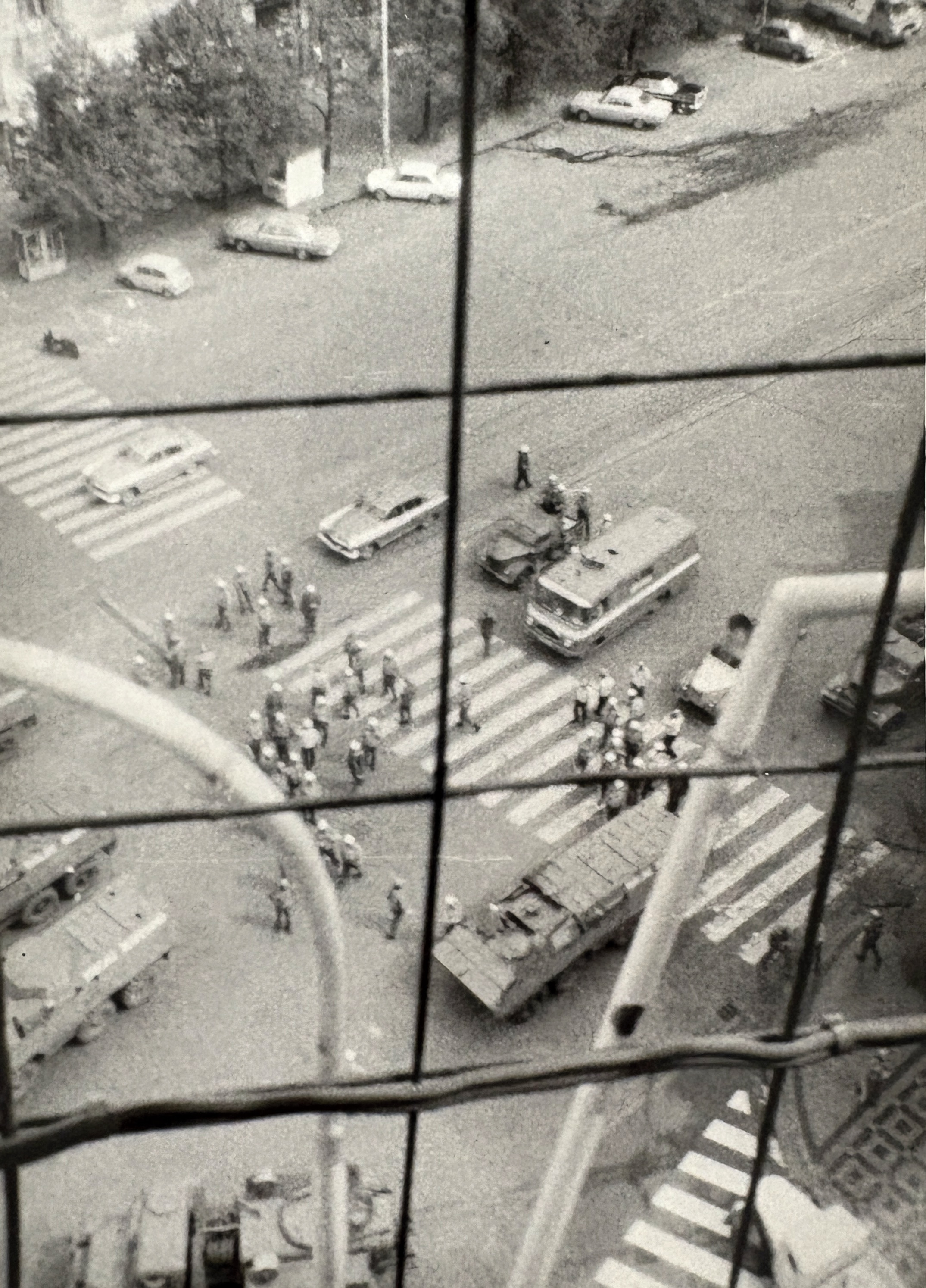
  • "Štěpánská Street was also cordoned off with police cars, there are still demonstrators up here, but there are already police cars here. And one interesting thing was that when I was taking pictures of the policemen down here, the officers, to be precise, one of them - and they were firing tear gas - and one of the officers down there noticed us, the small group, who [were] all the way up on that gallery of Lucerna. So he pointed and fired a tear gas canister at us. I can't imagine it, but he hit it so well that it flew, it fell right on top of roof among us. That was a good performance on his part, too, judging by today. But somebody didn't hesitate at all and kicked it right back down and it fell among them."

  • Celé nahrávky
  • 1

    Praha, 31.03.2026

    (audio)
    délka: 02:11:07
    nahrávka pořízena v rámci projektu Stories of 20th Century
Celé nahrávky jsou k dispozici pouze pro přihlášené uživatele.

I wanted to be present at everything, but I always watched my back
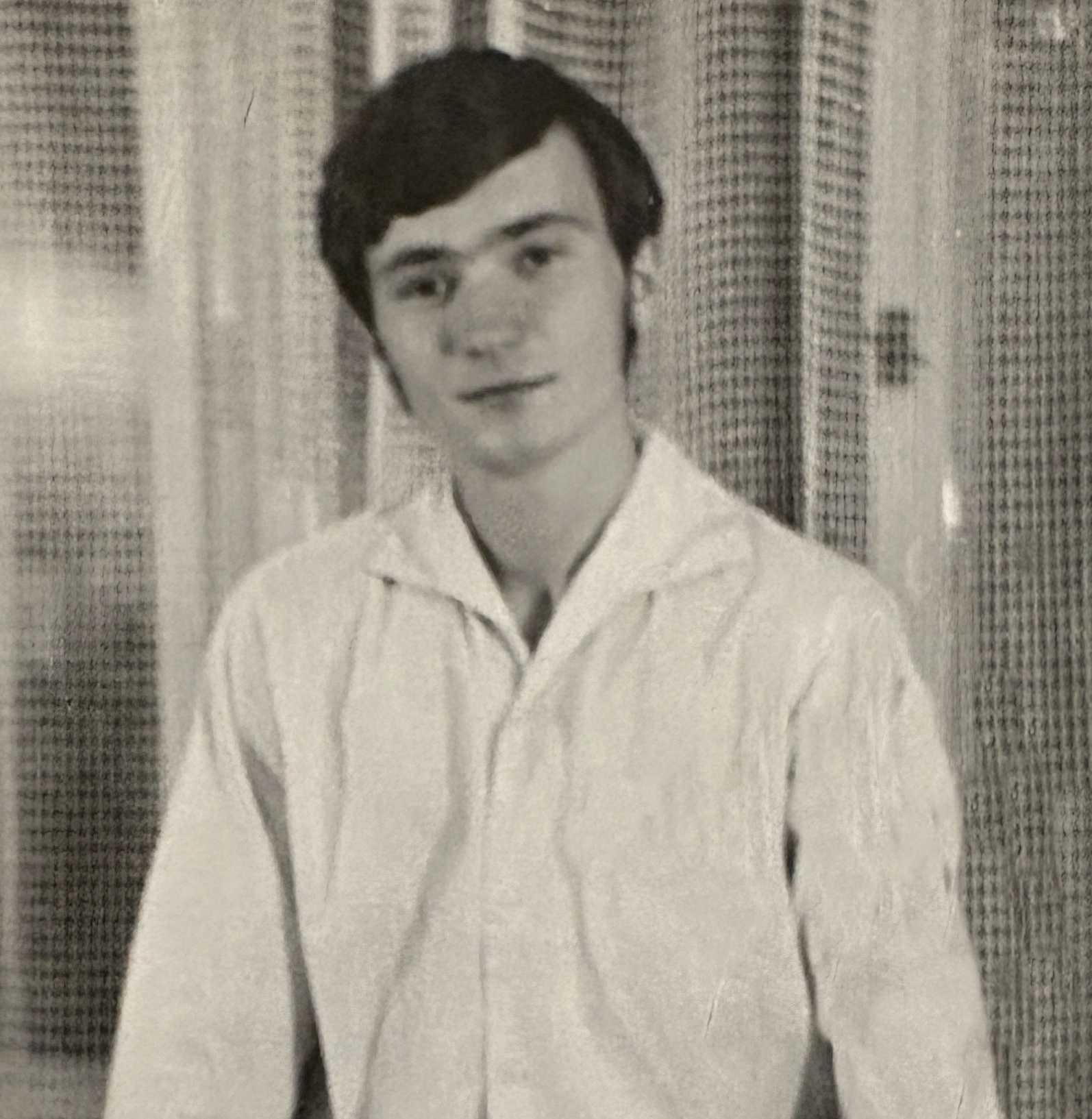
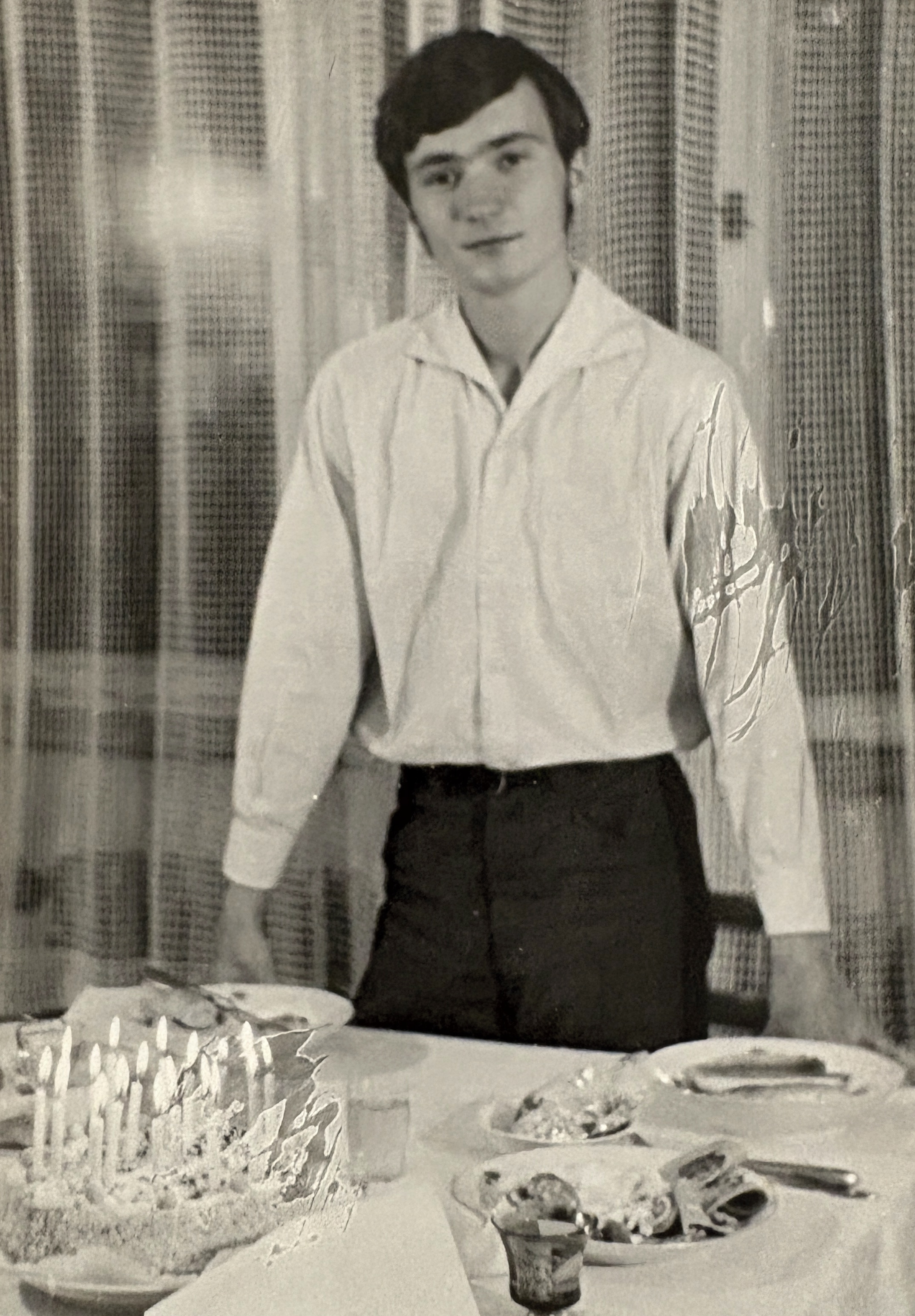
Jiří Pichrt, 18 years old
zdroj: witness´s archive

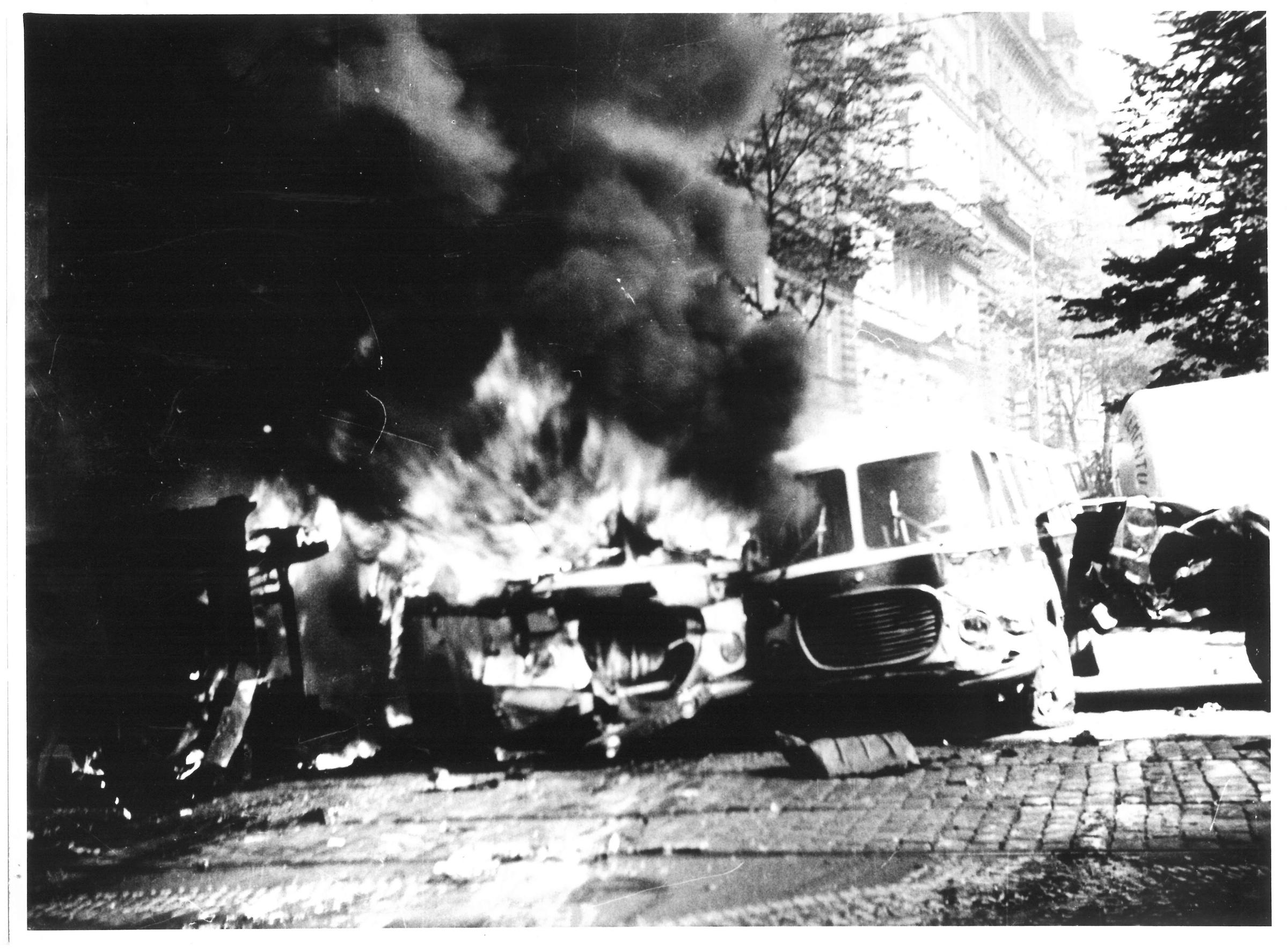
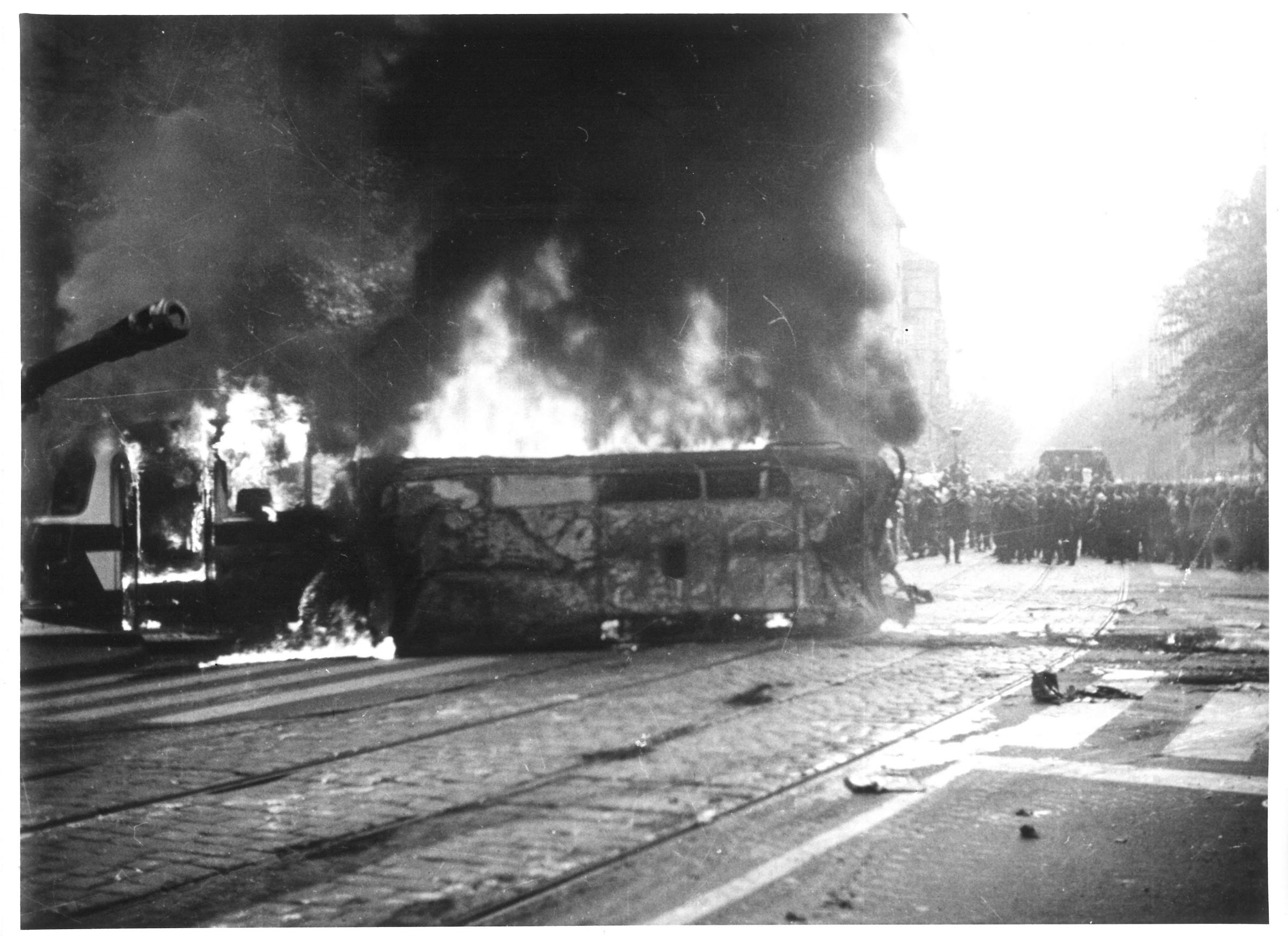
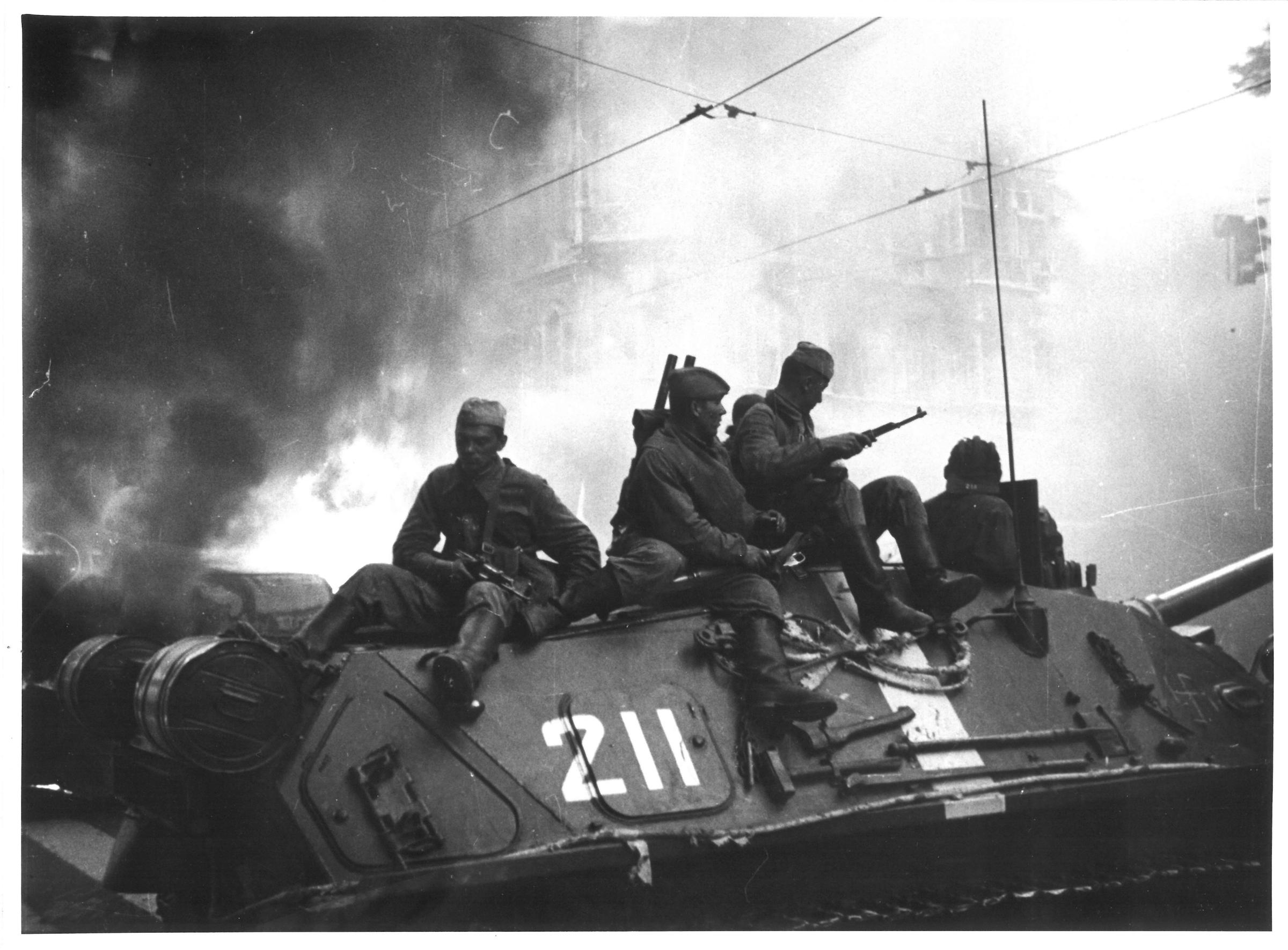
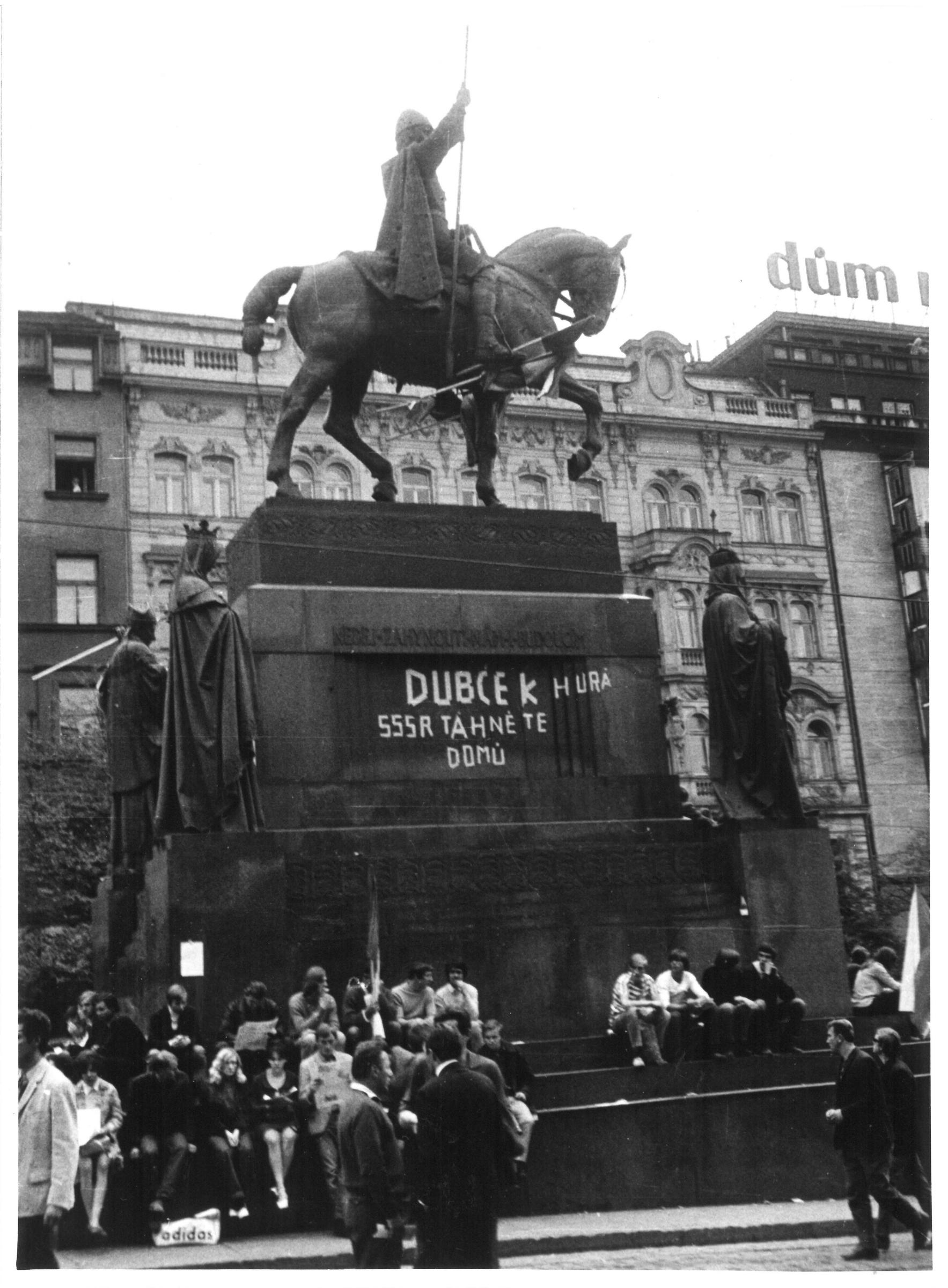
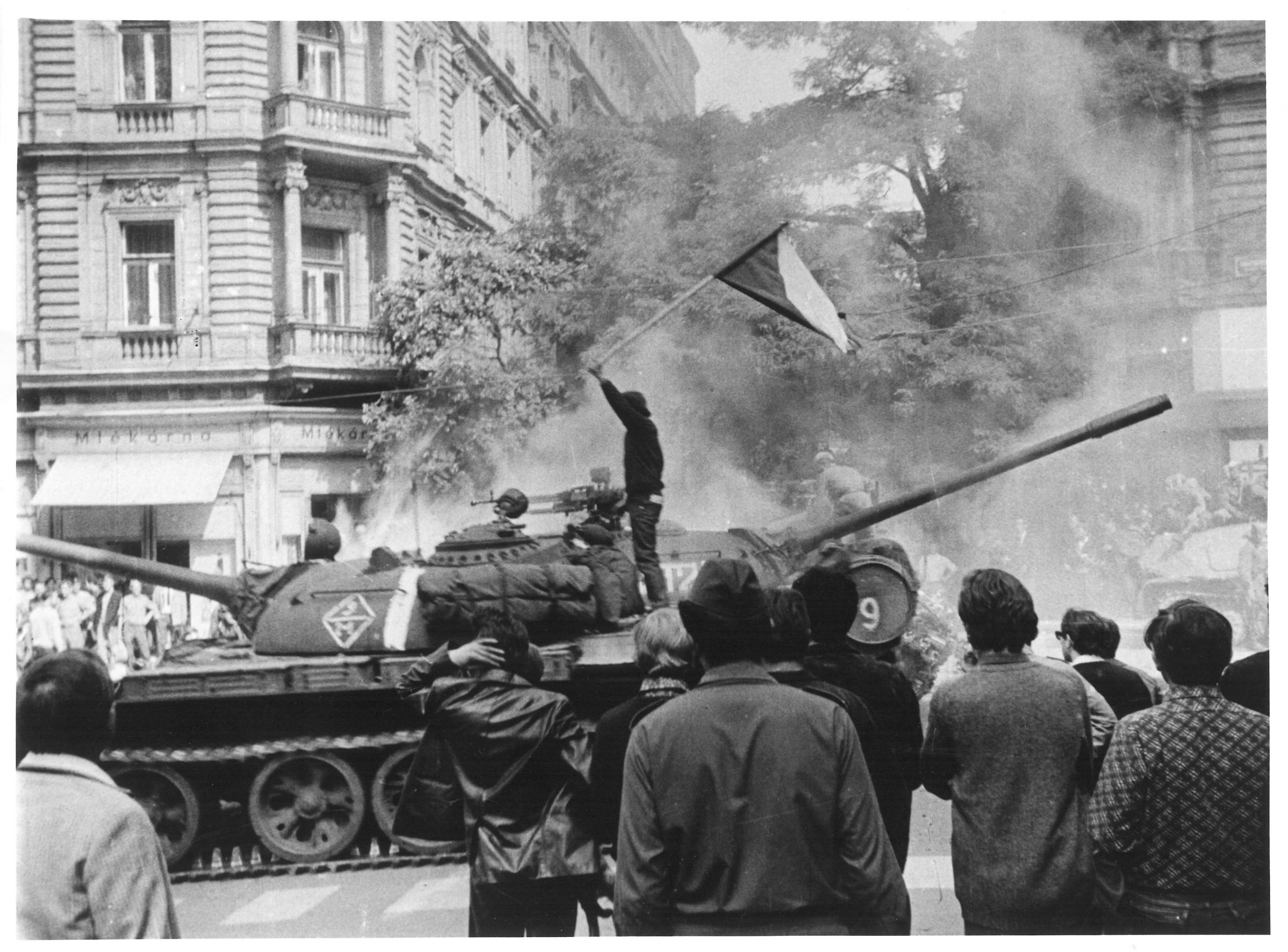
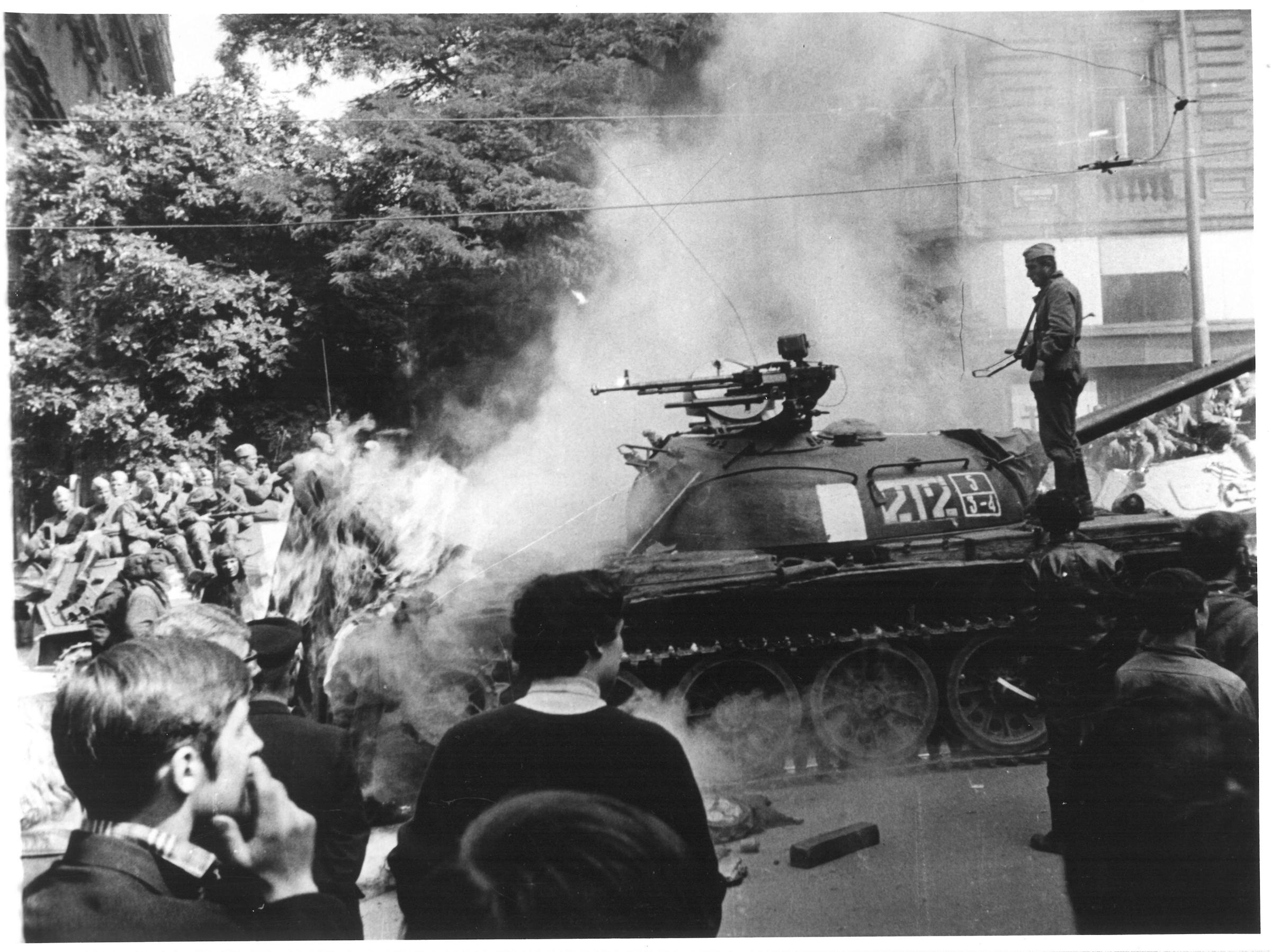
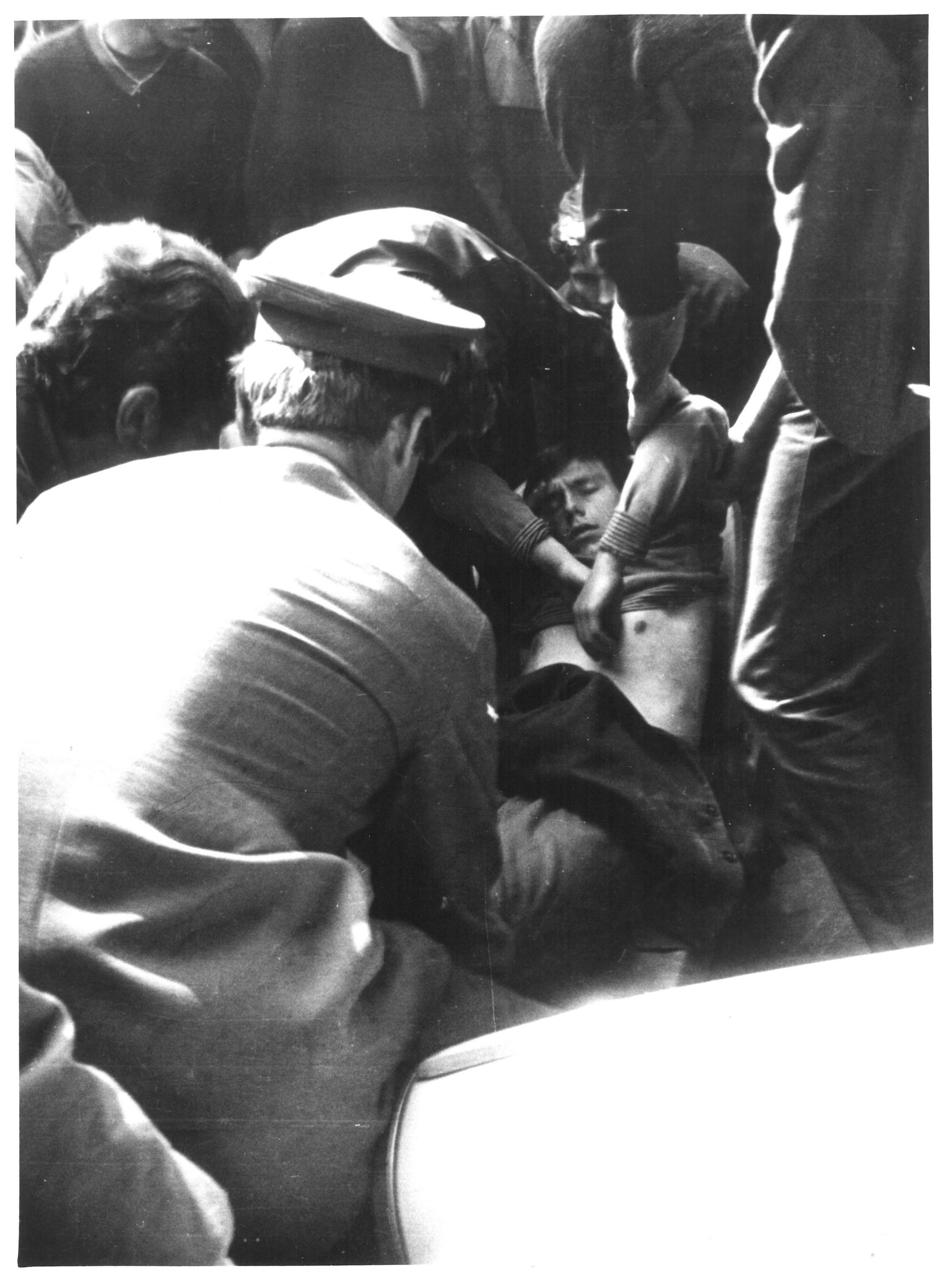
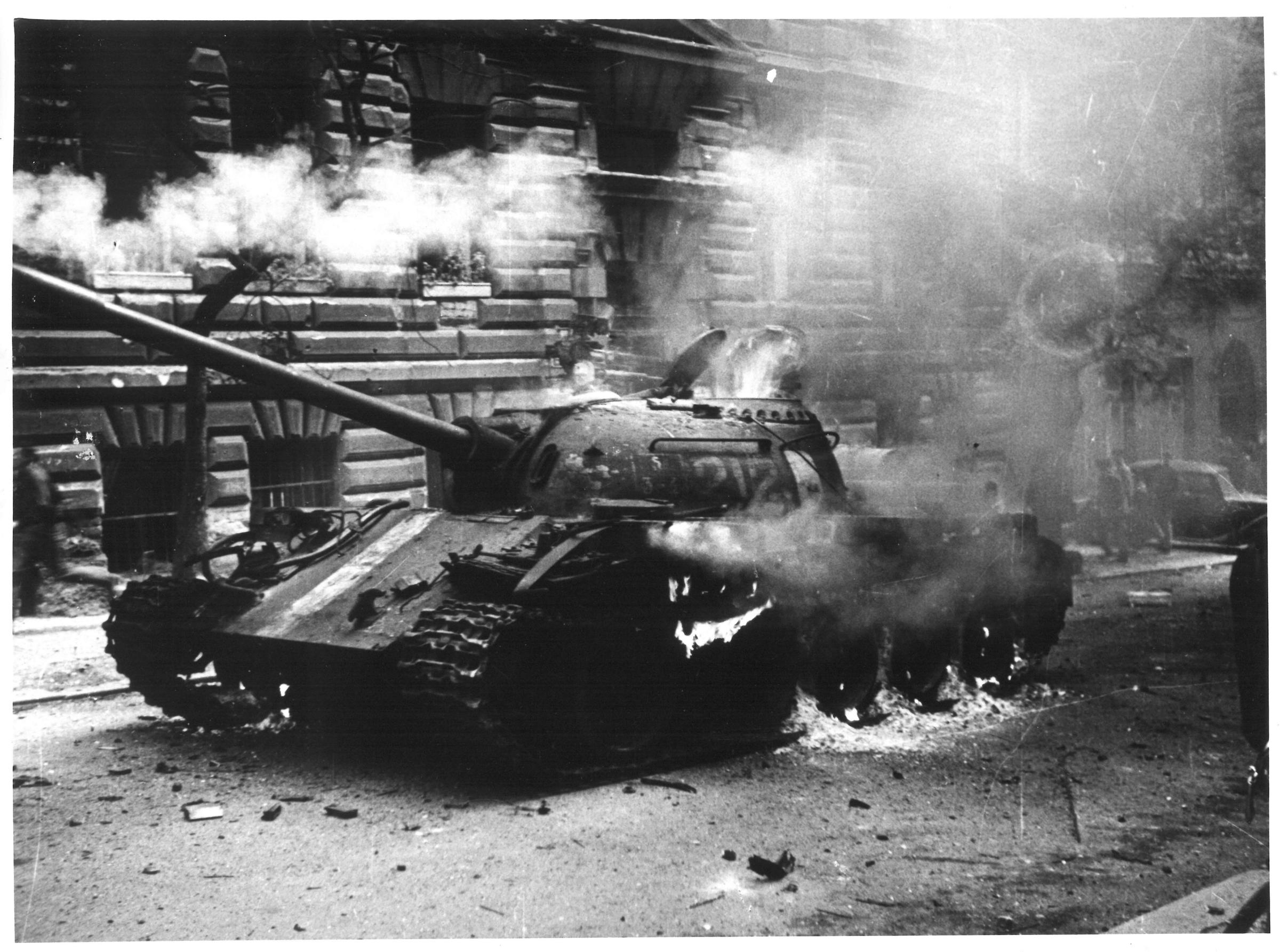
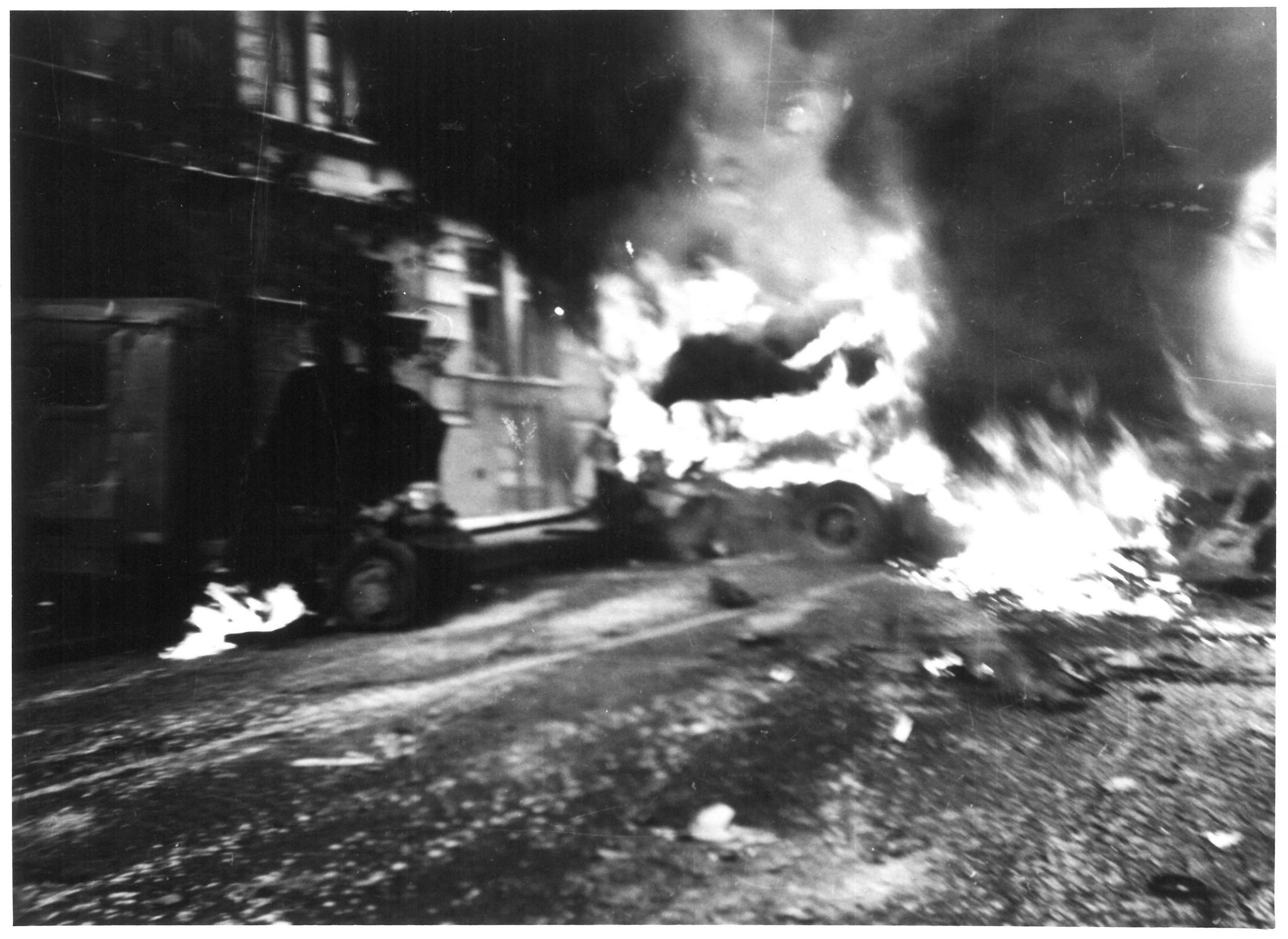
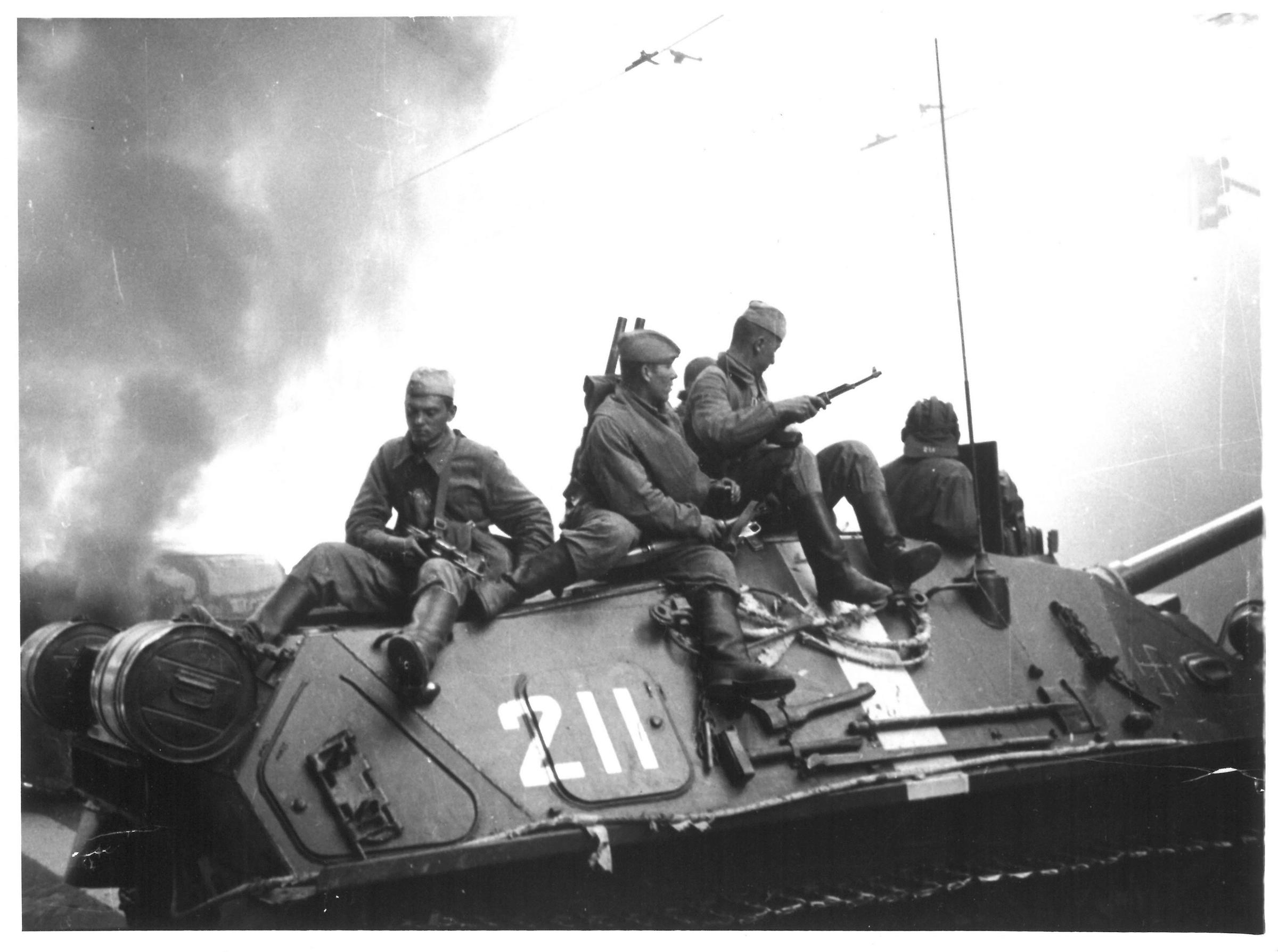
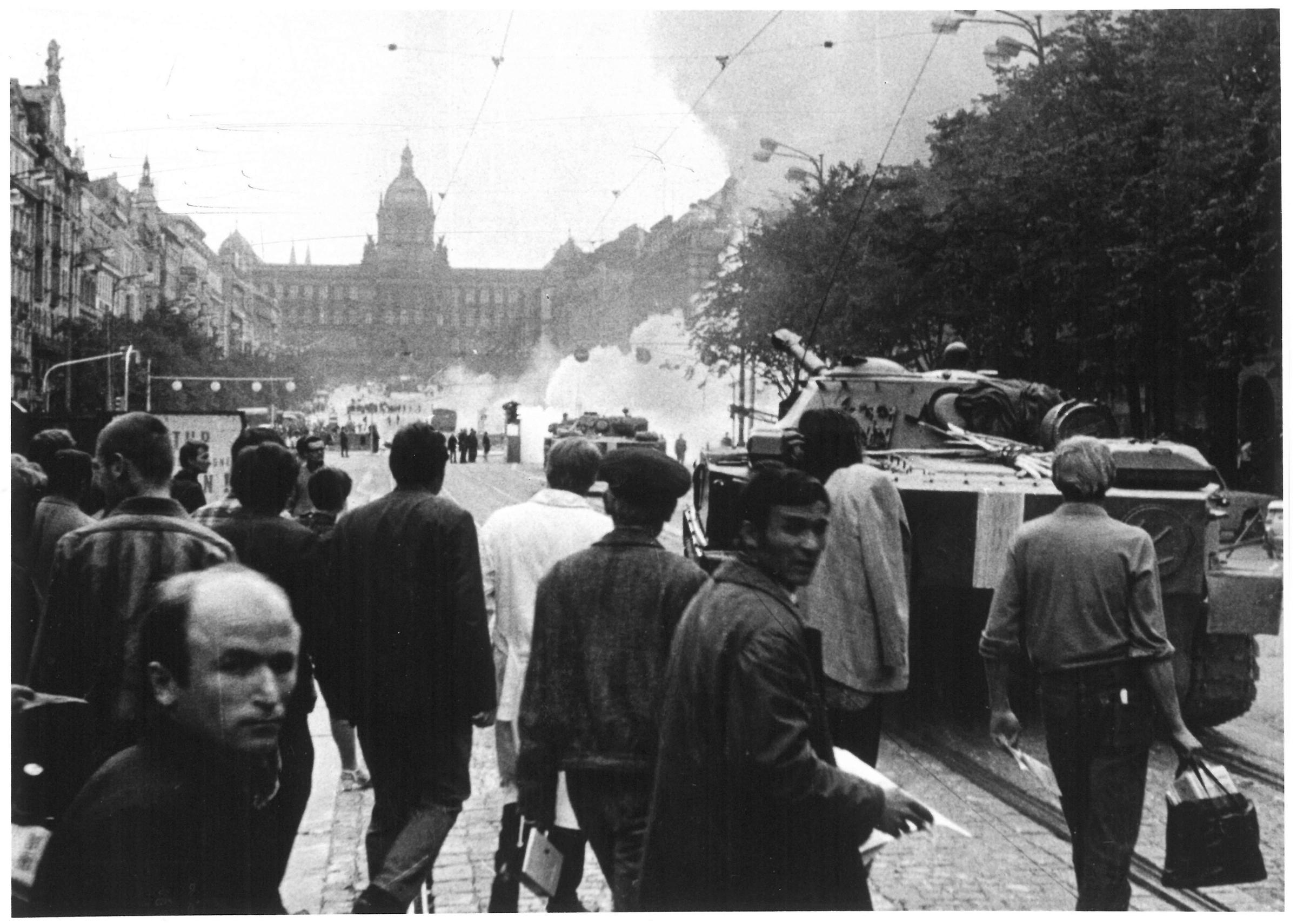
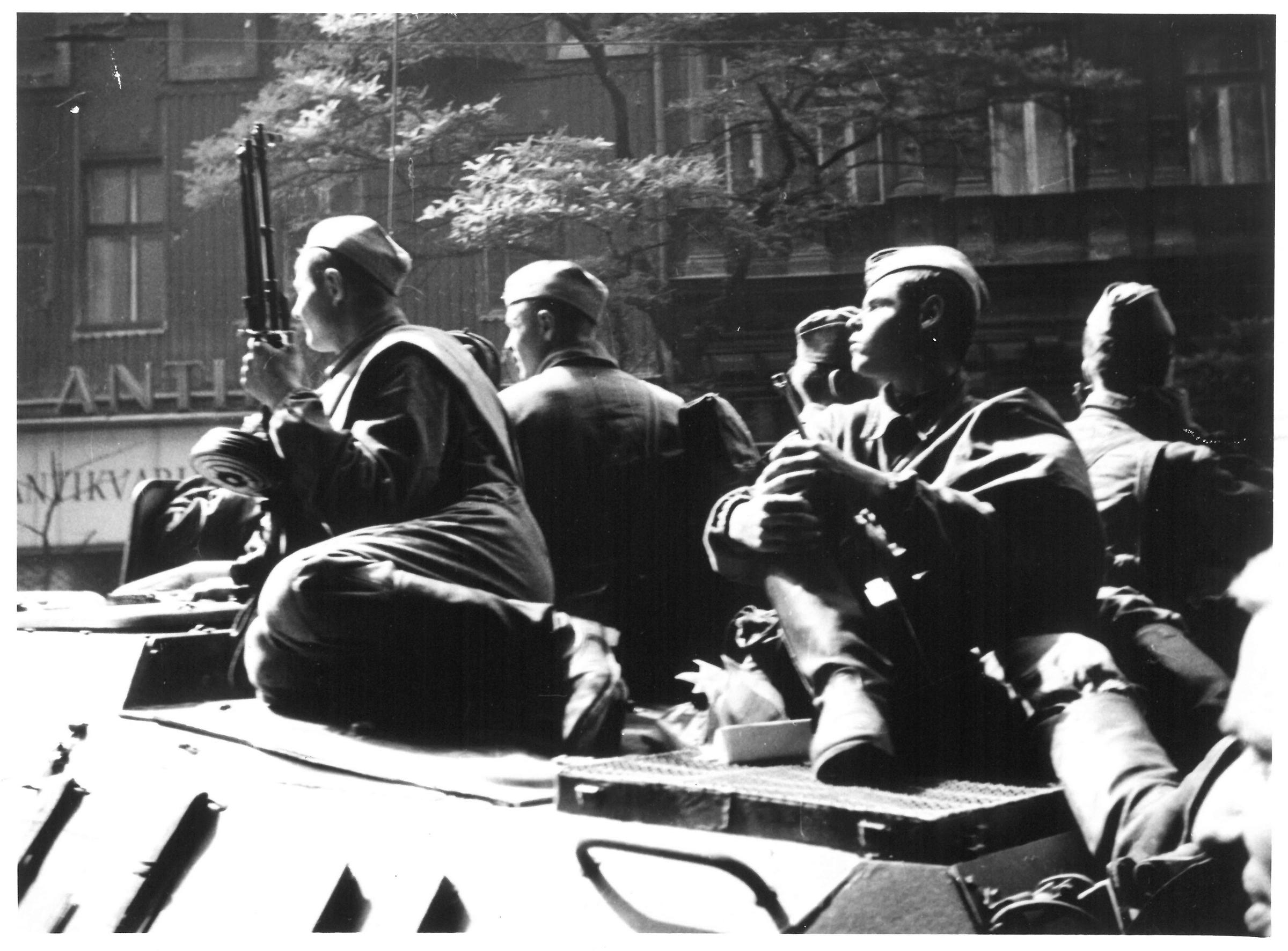
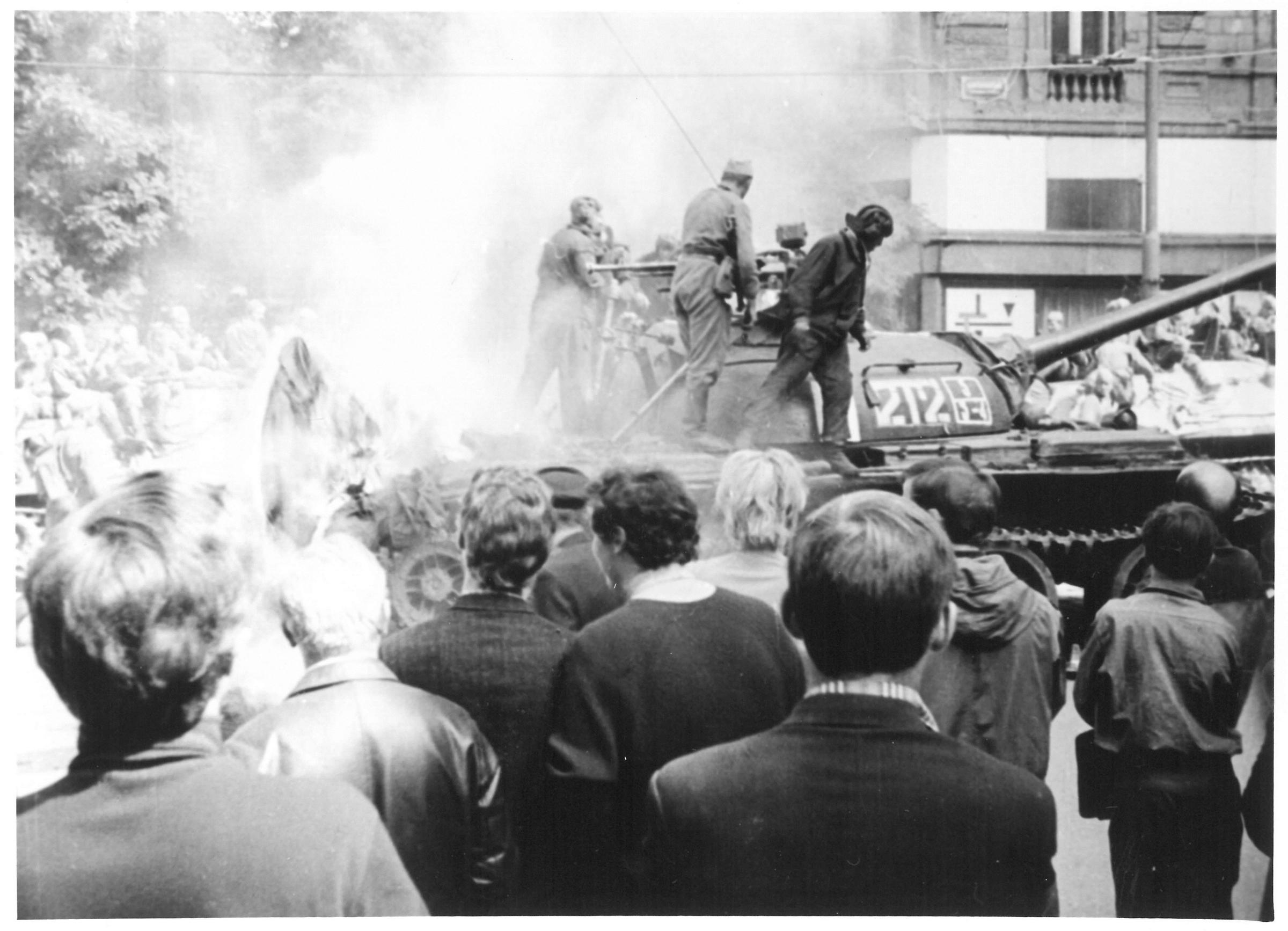
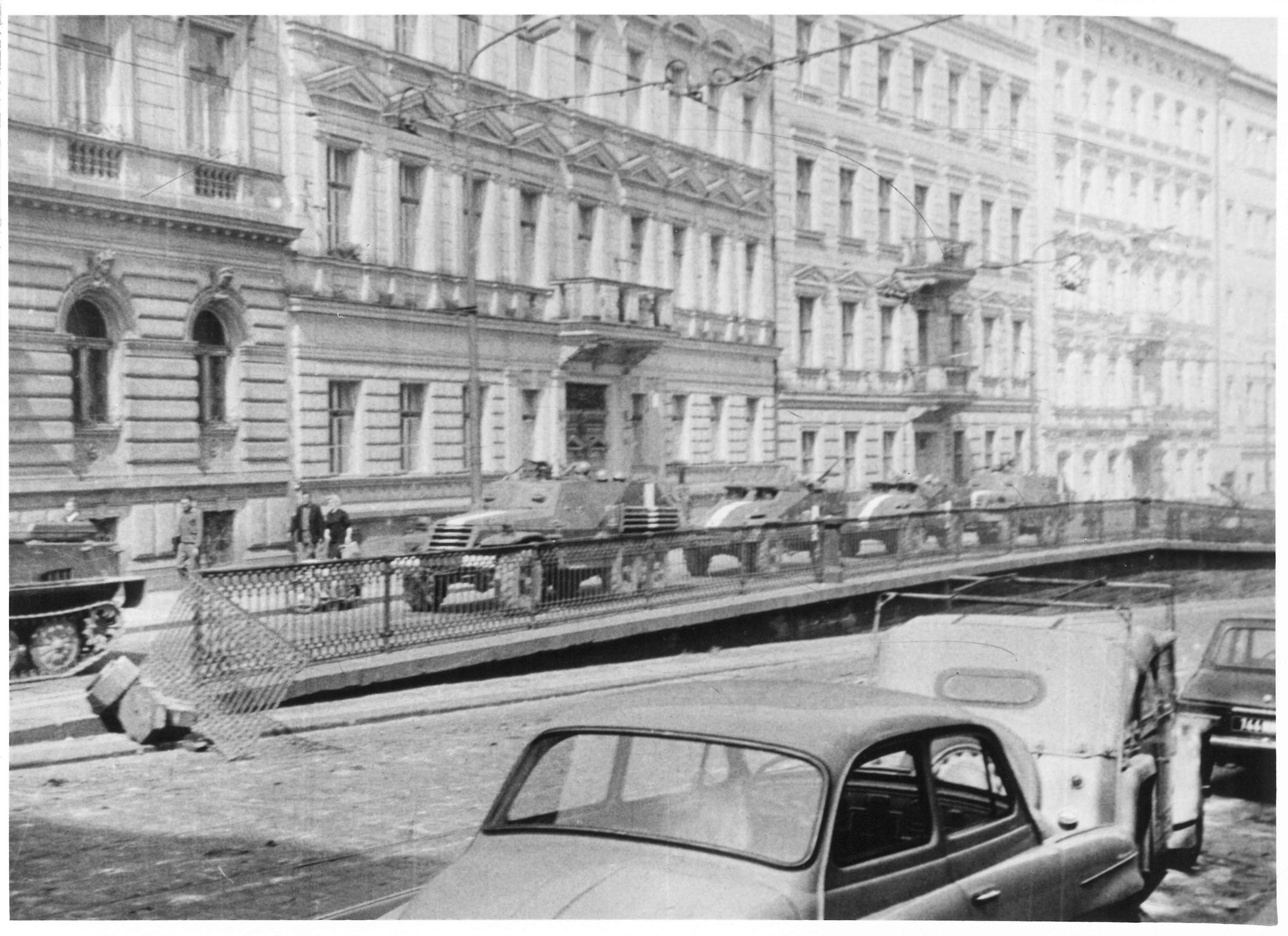
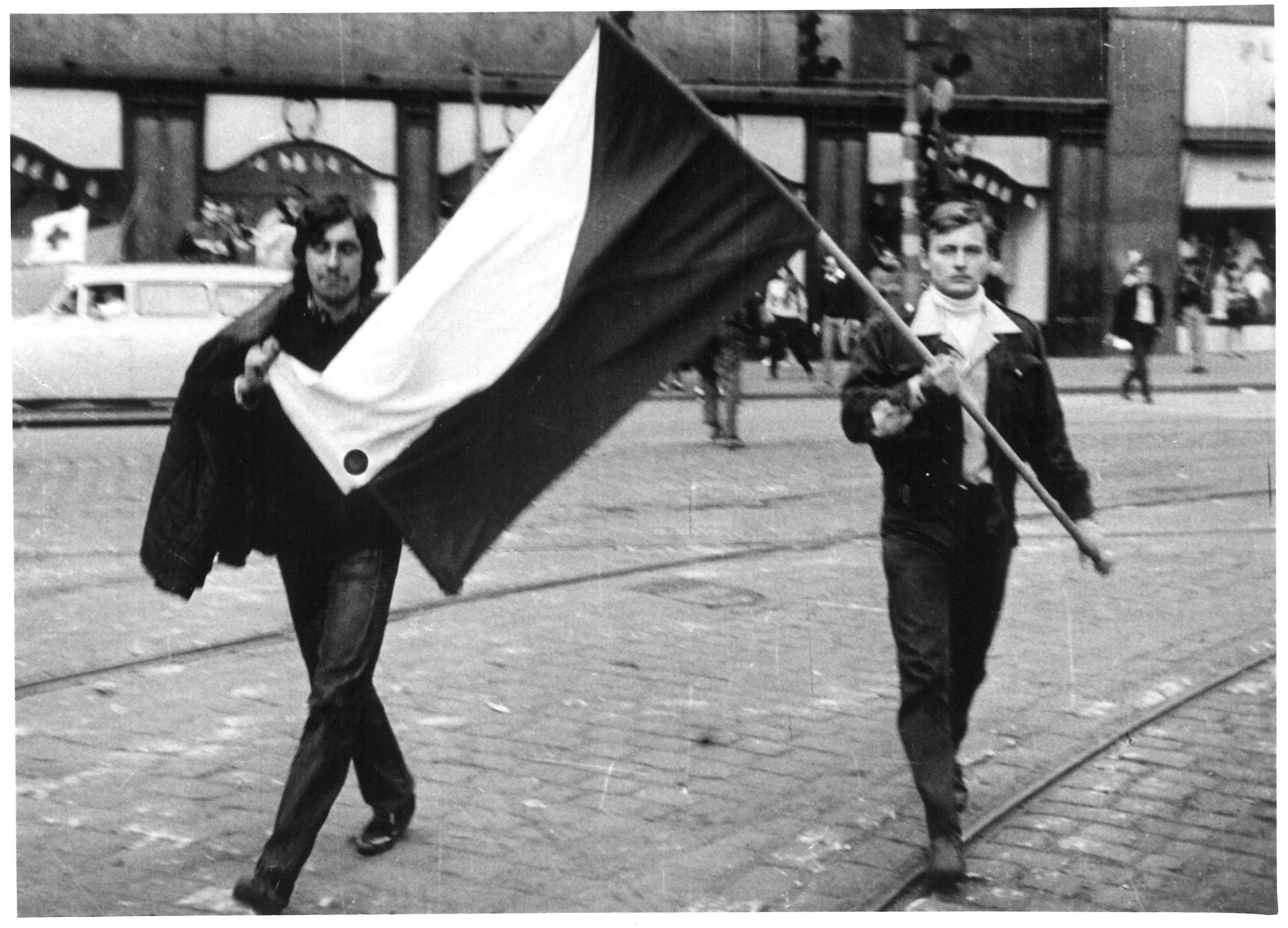
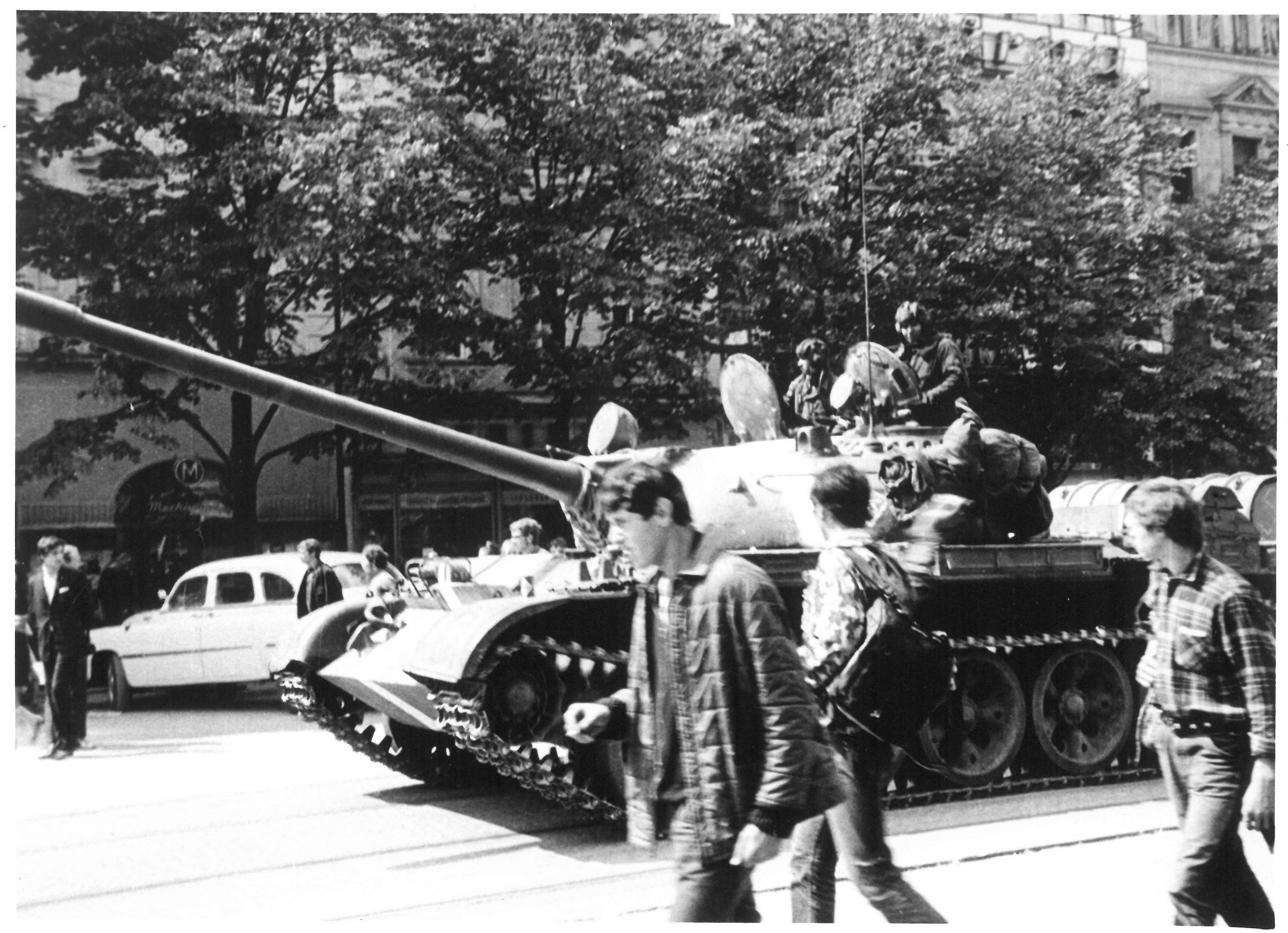
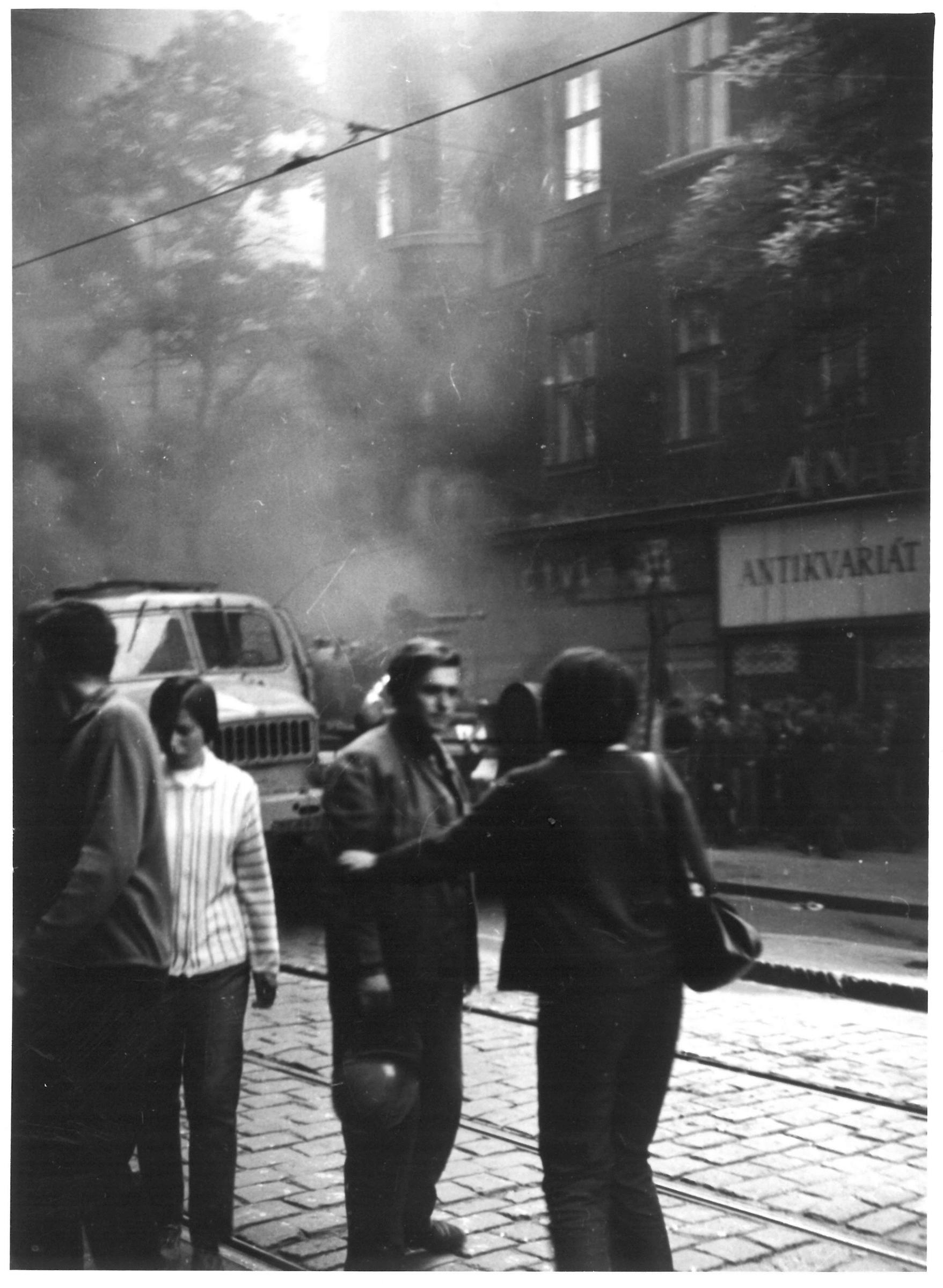
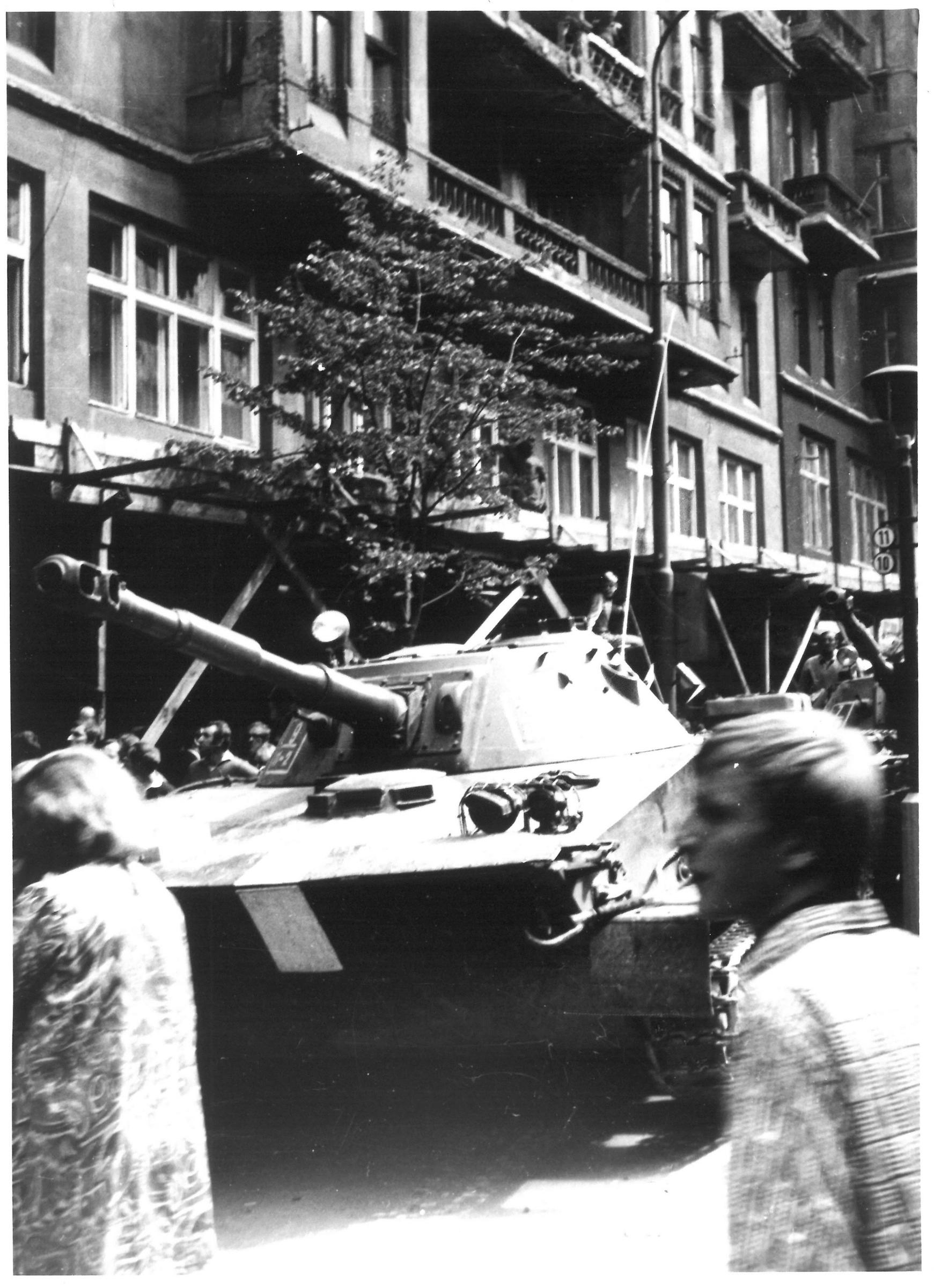
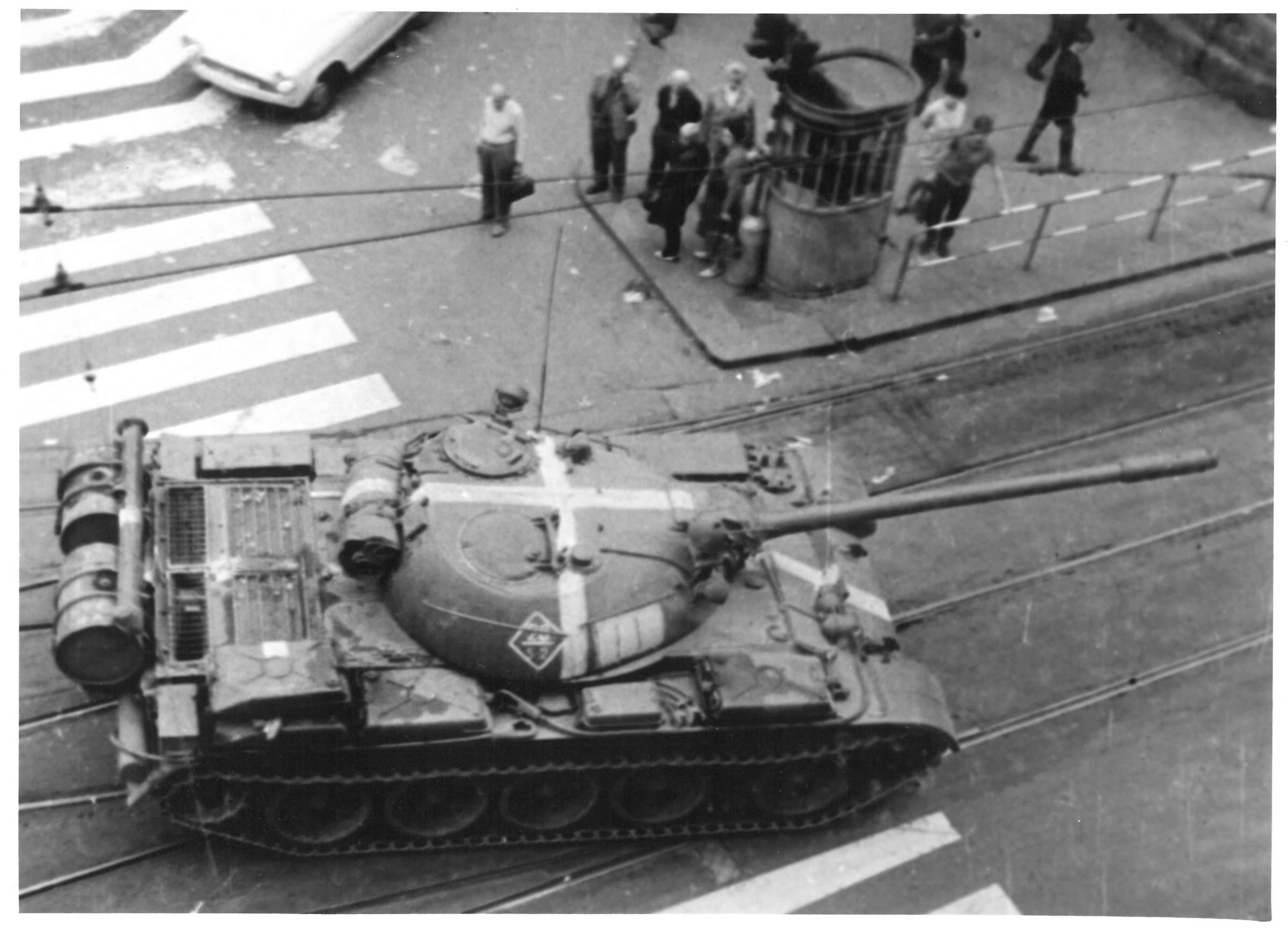
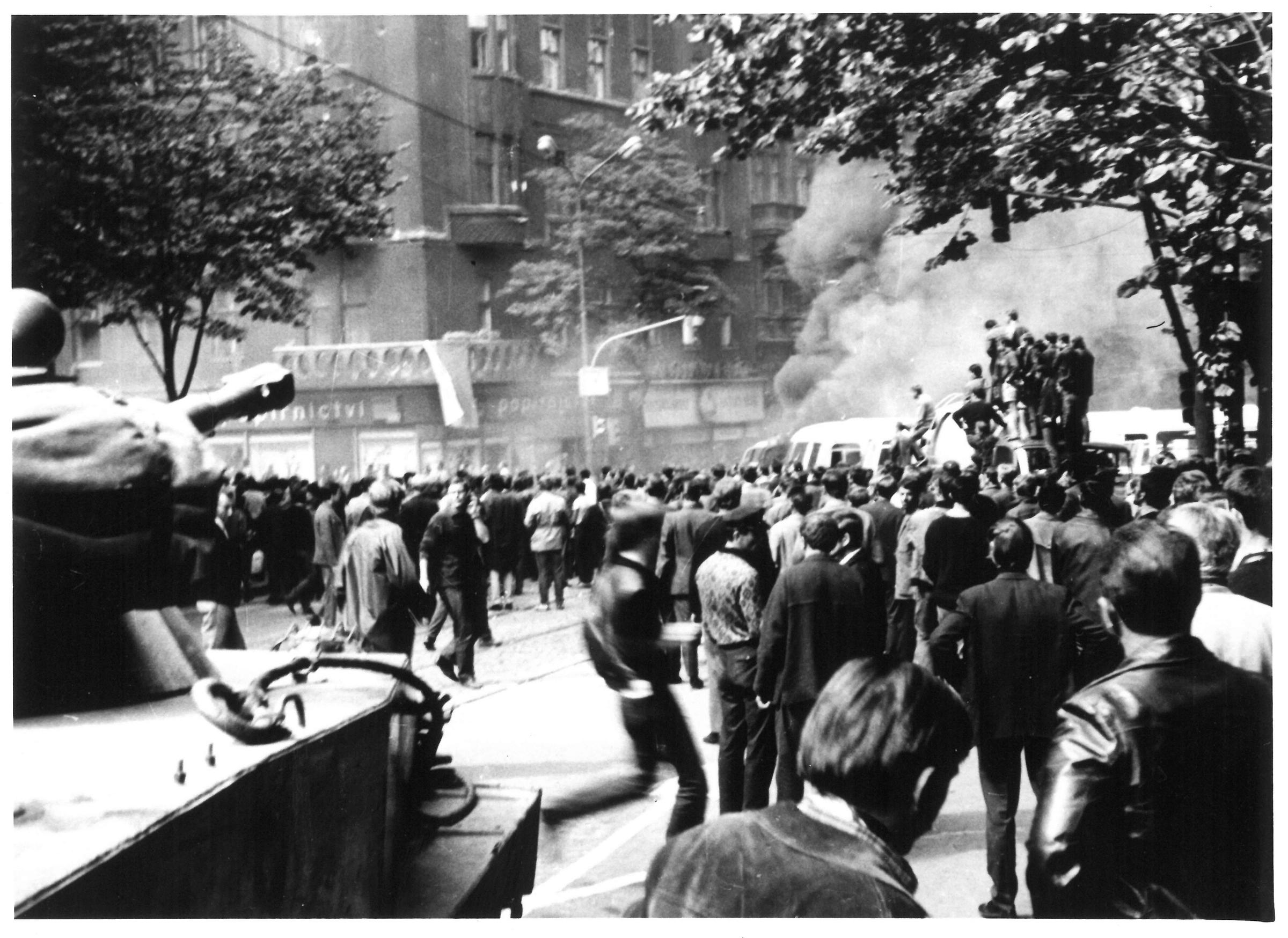
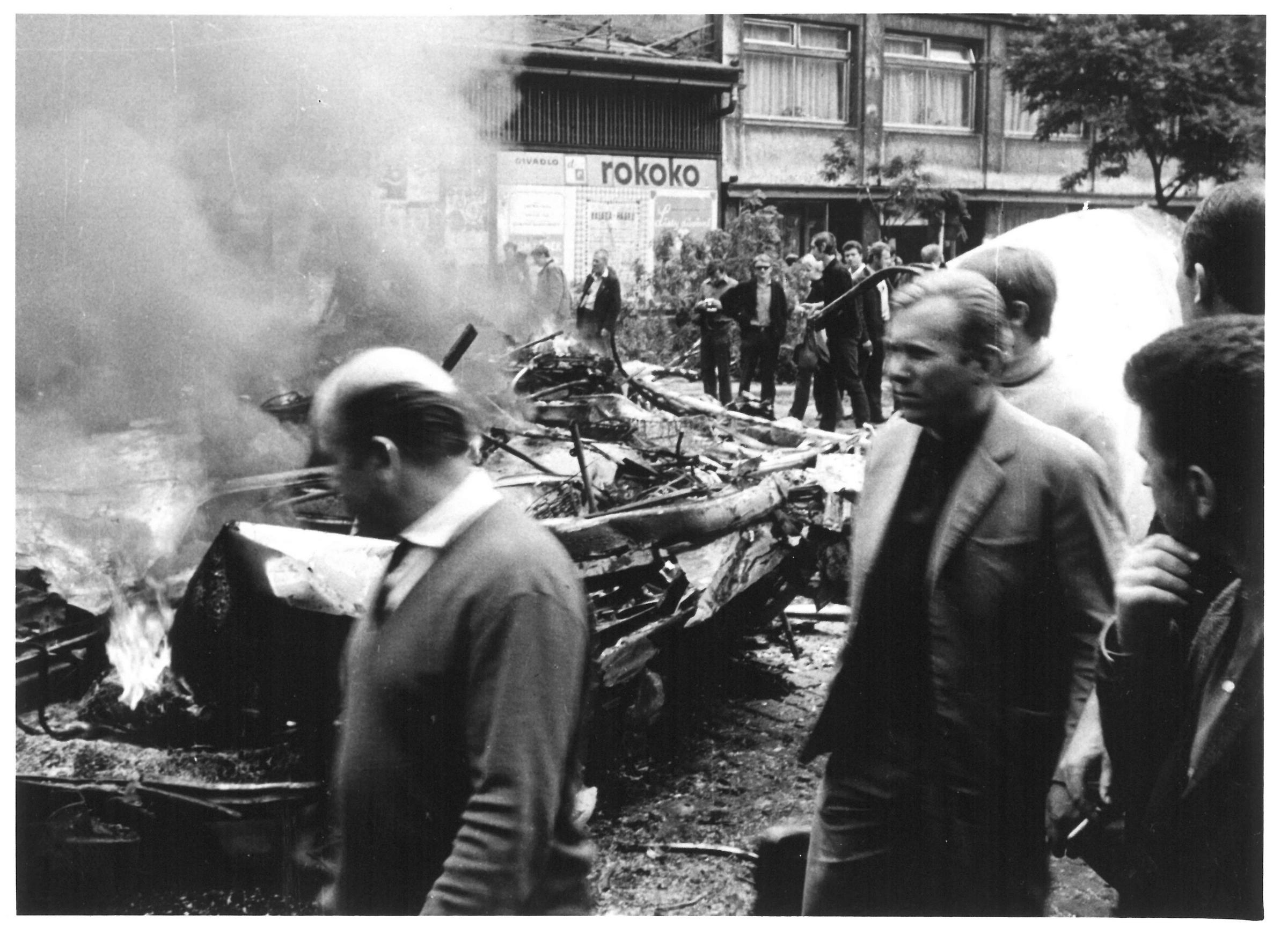
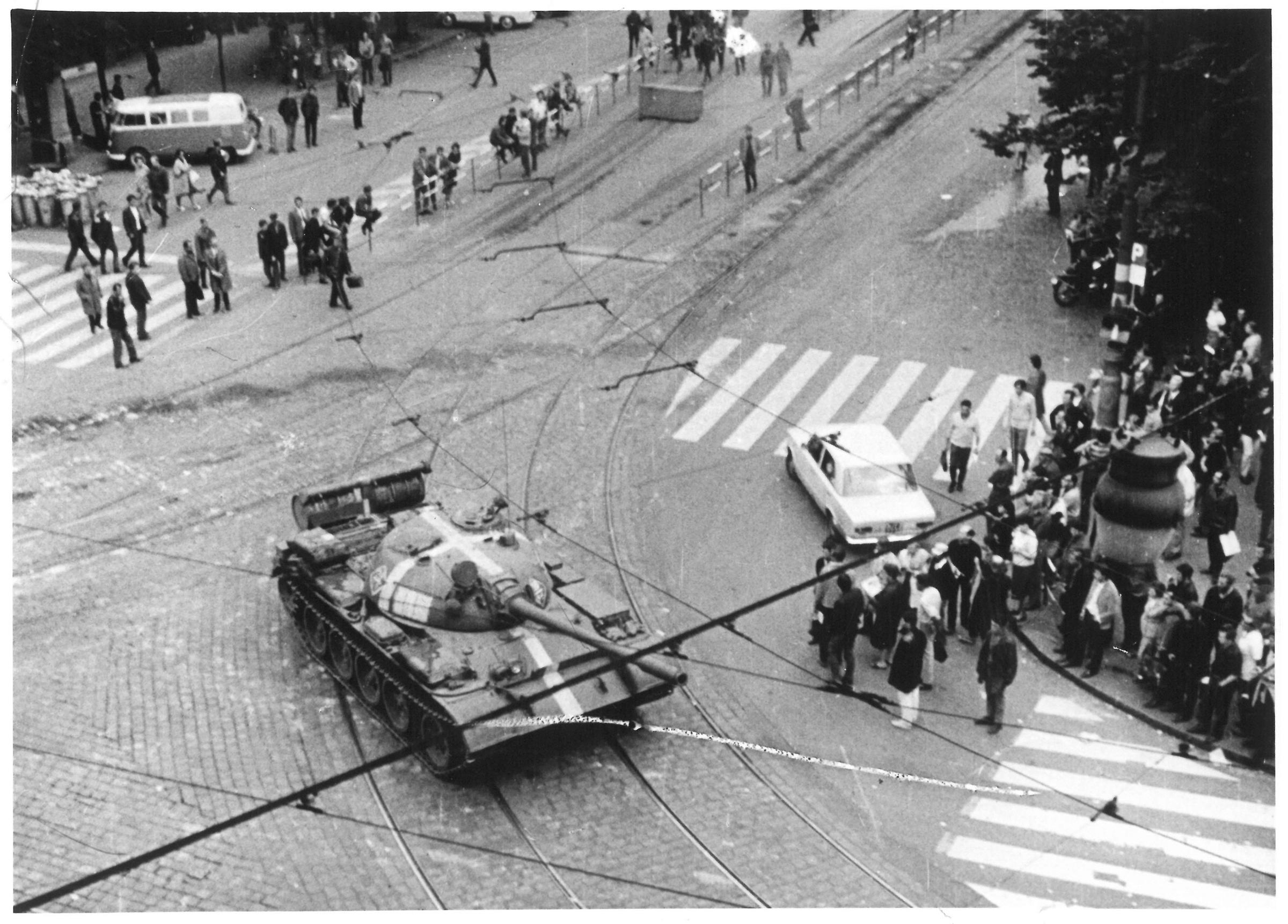
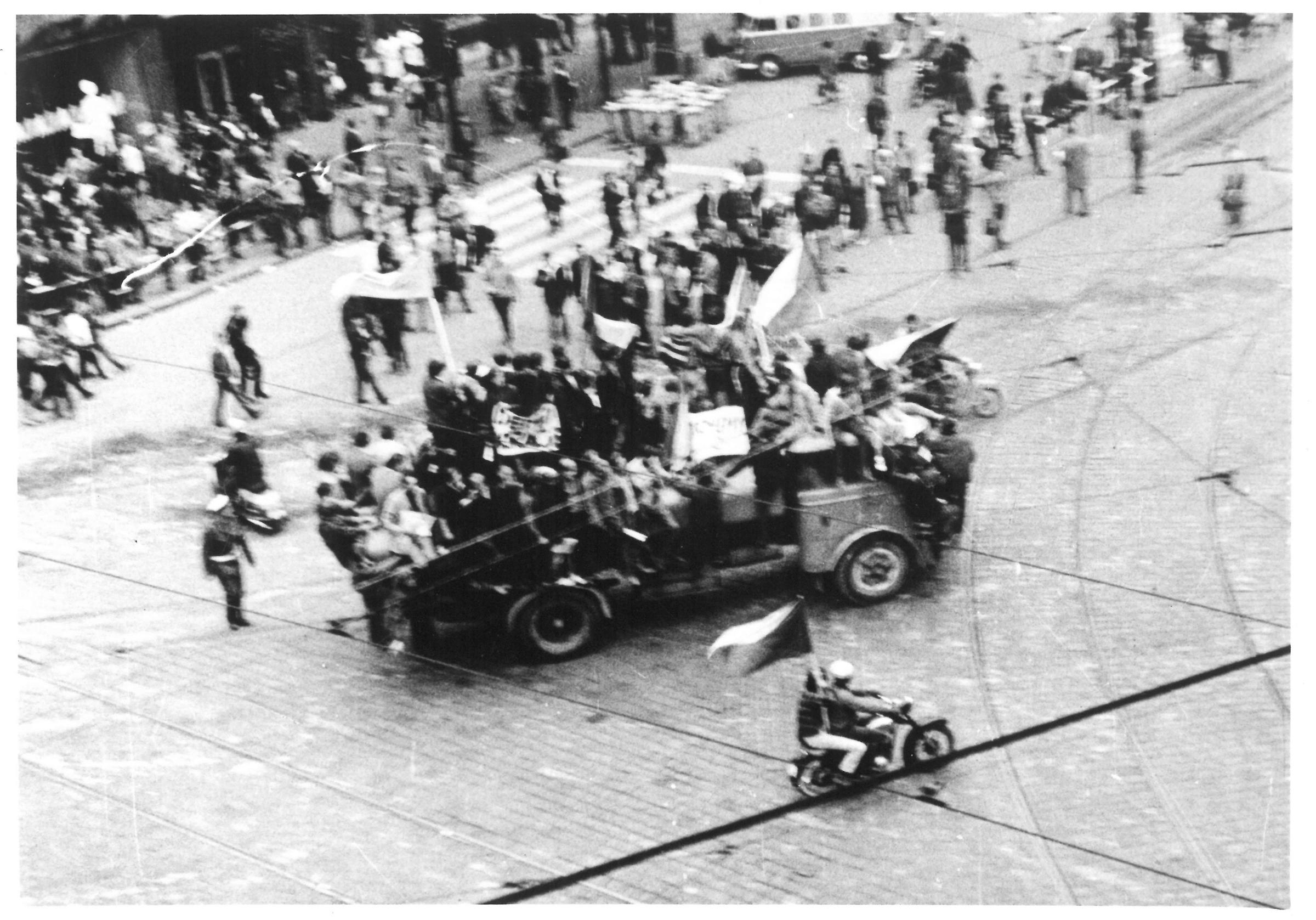
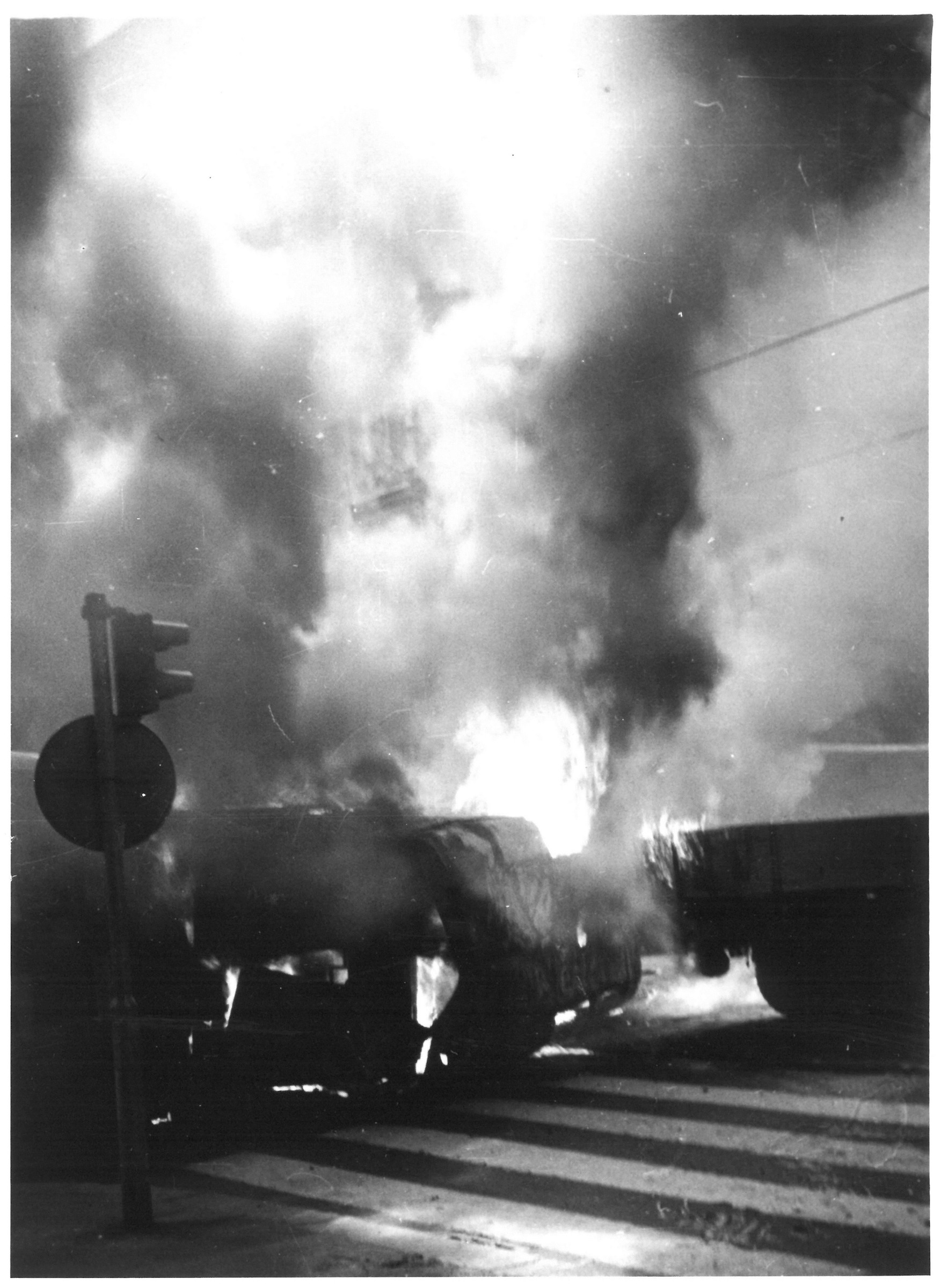
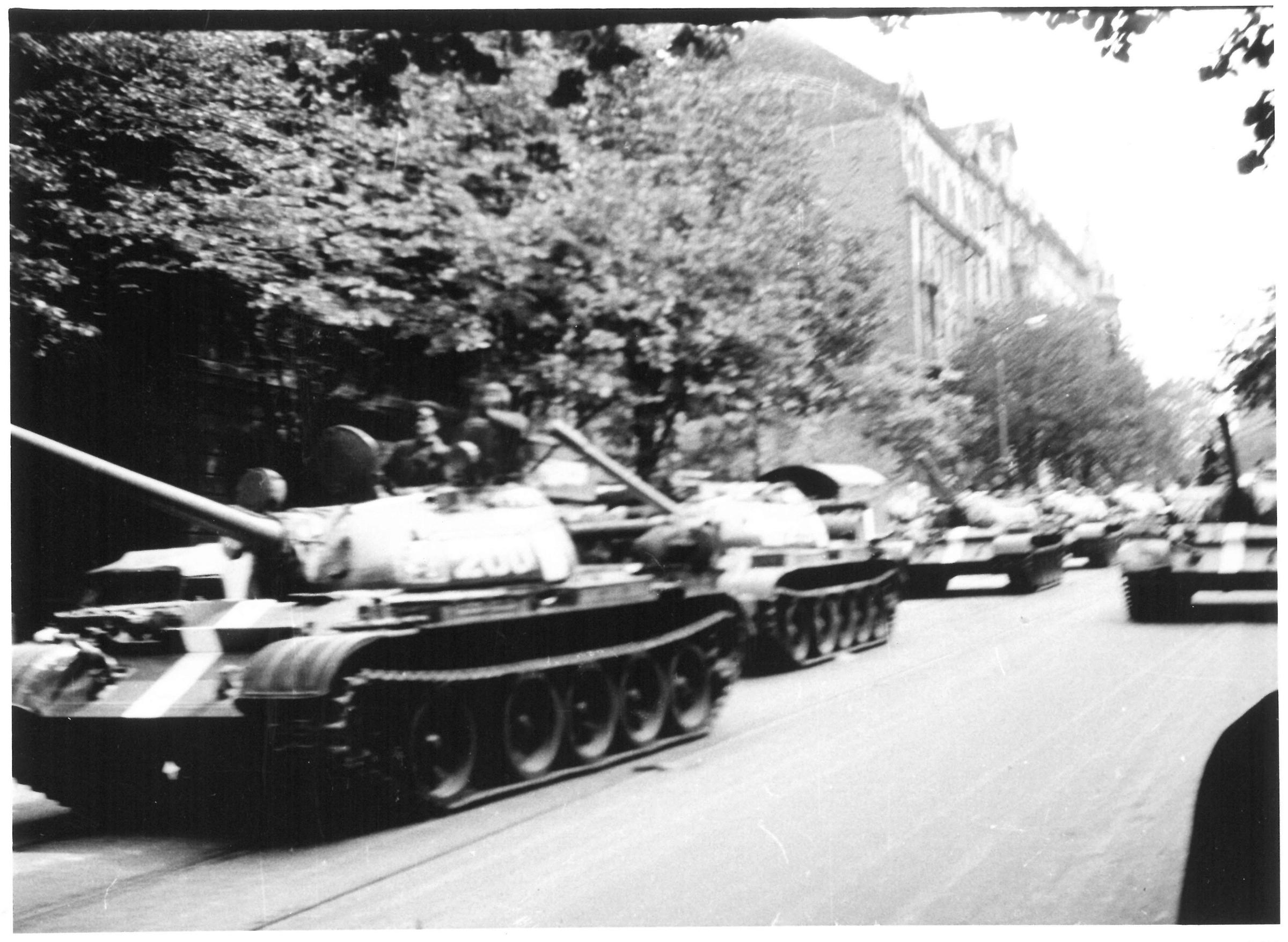
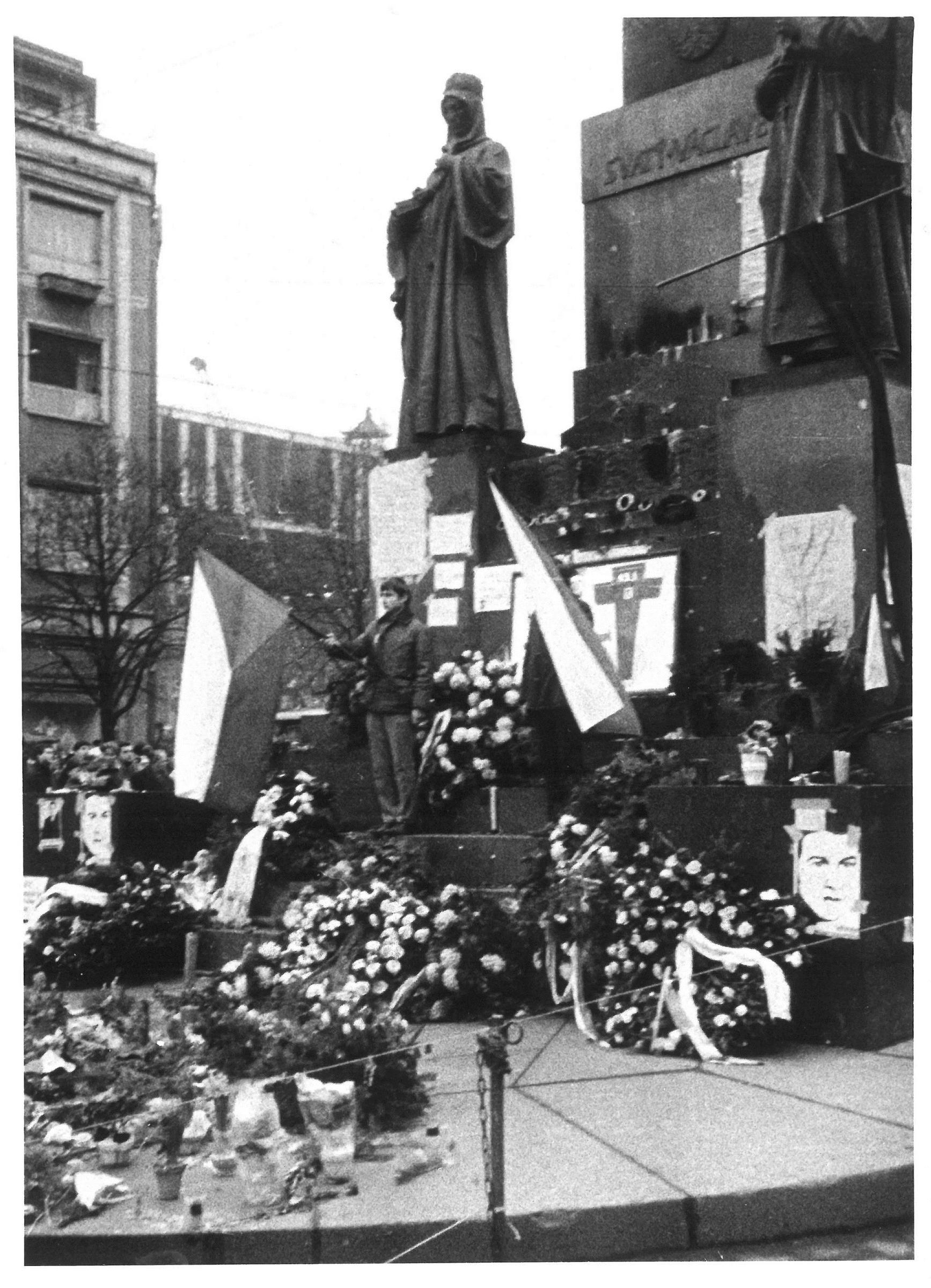
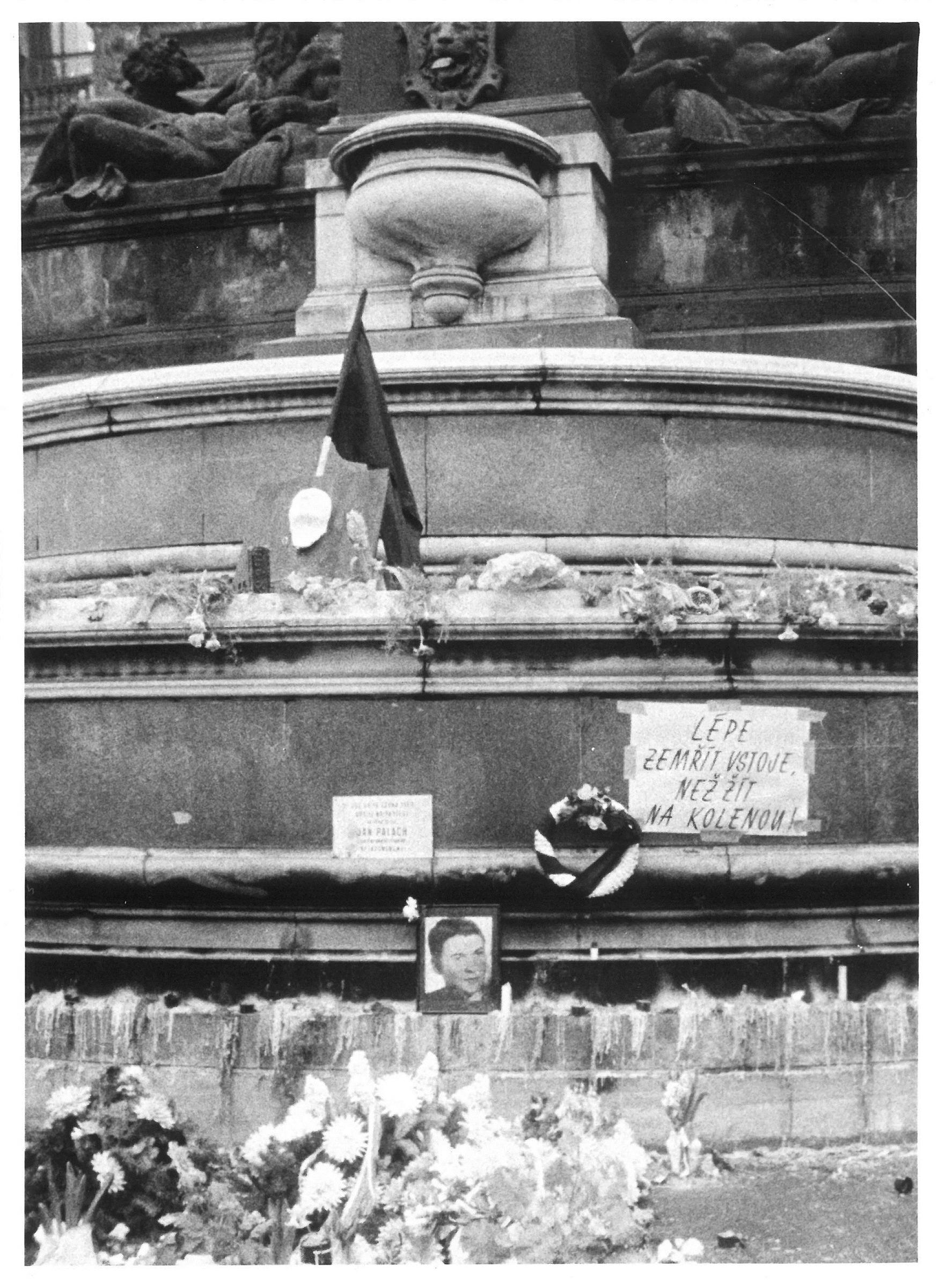
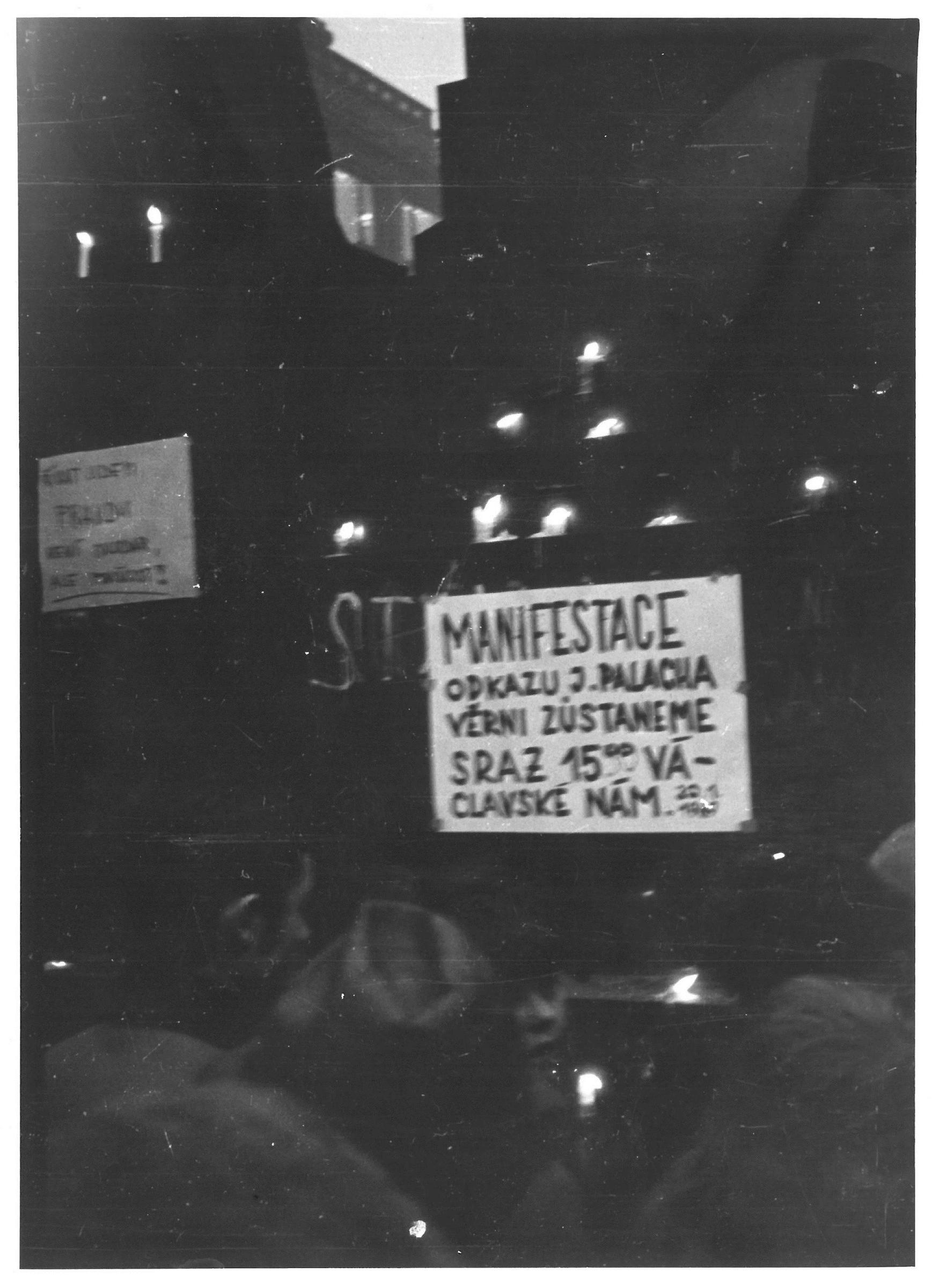
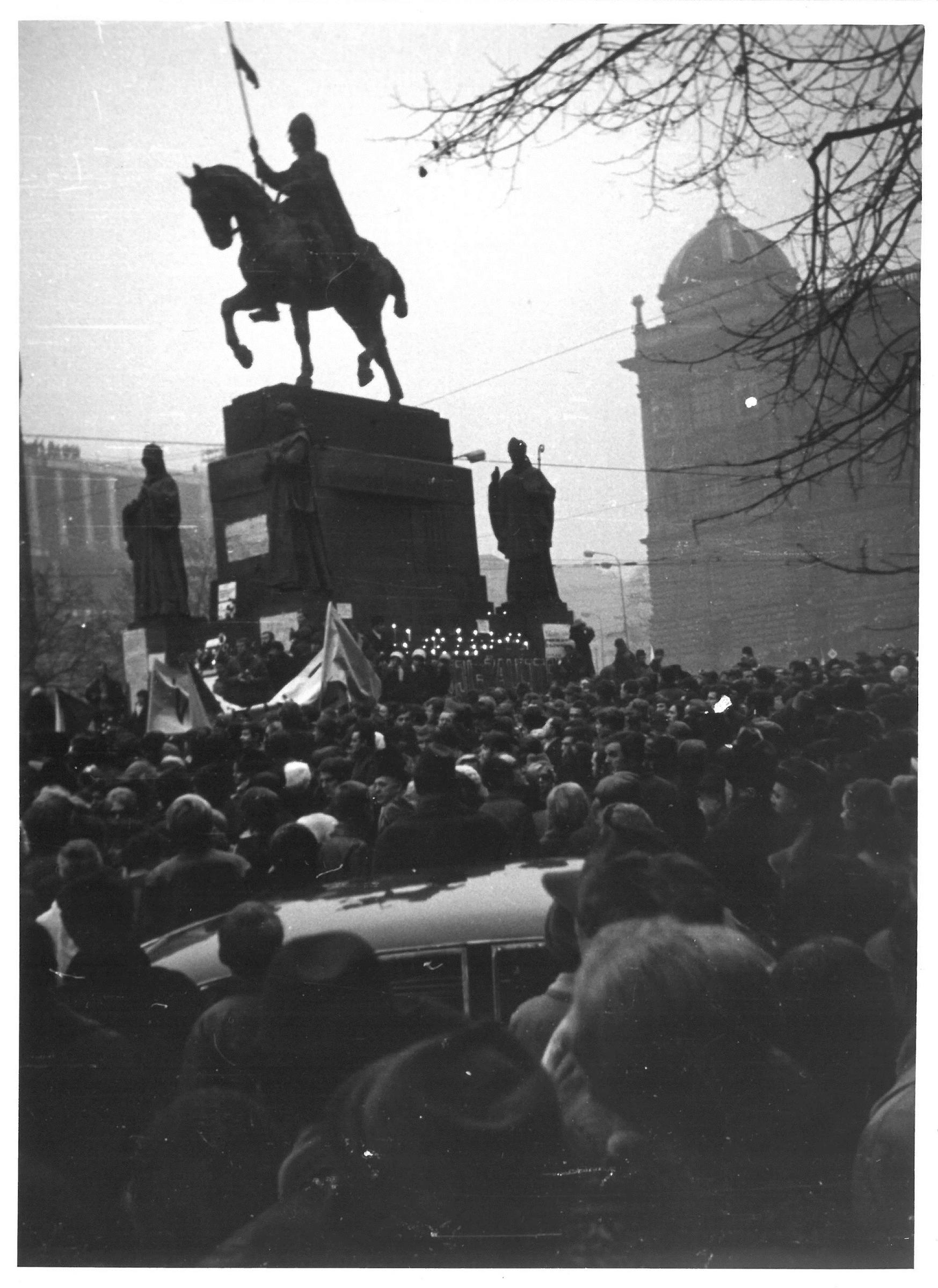
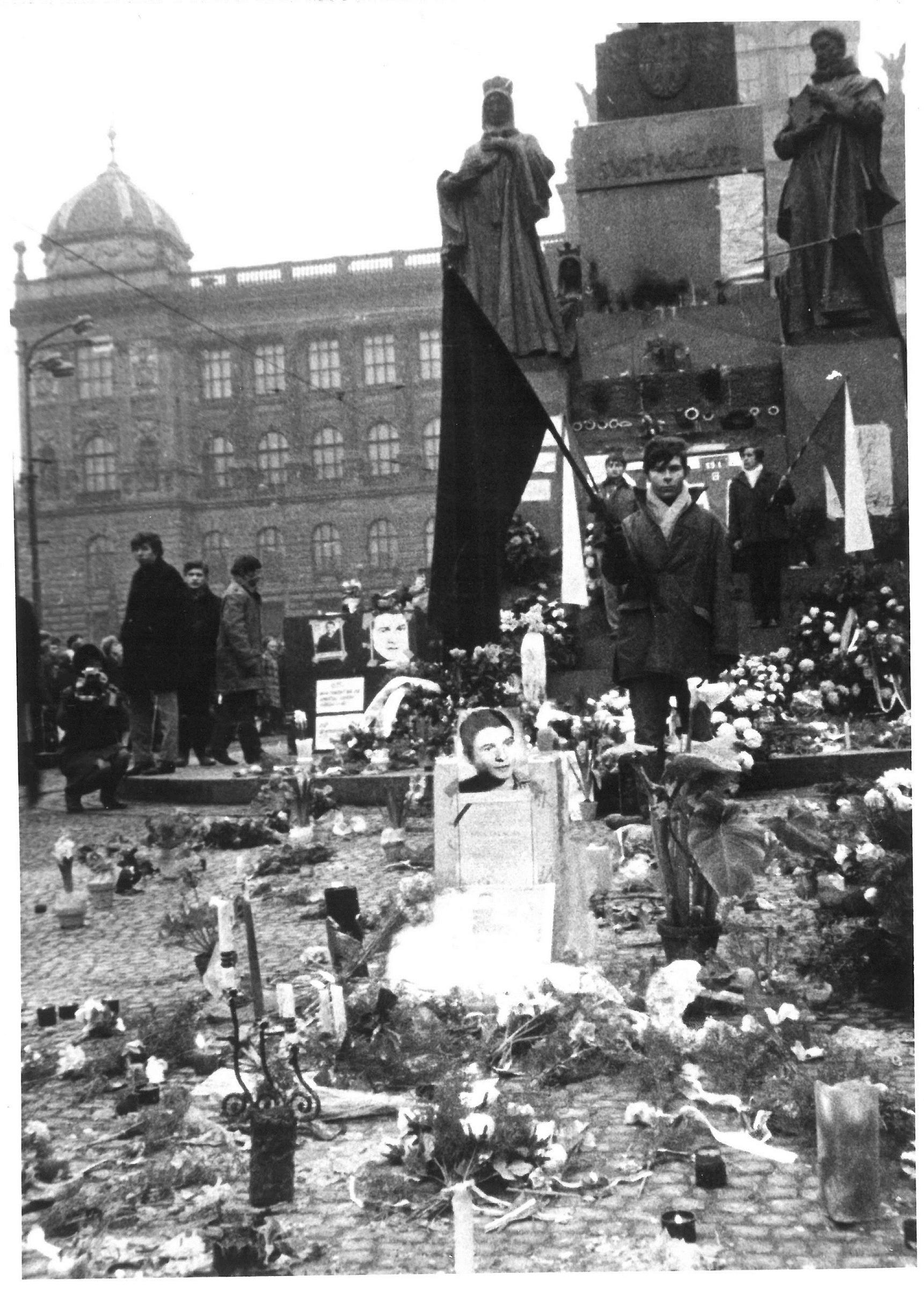
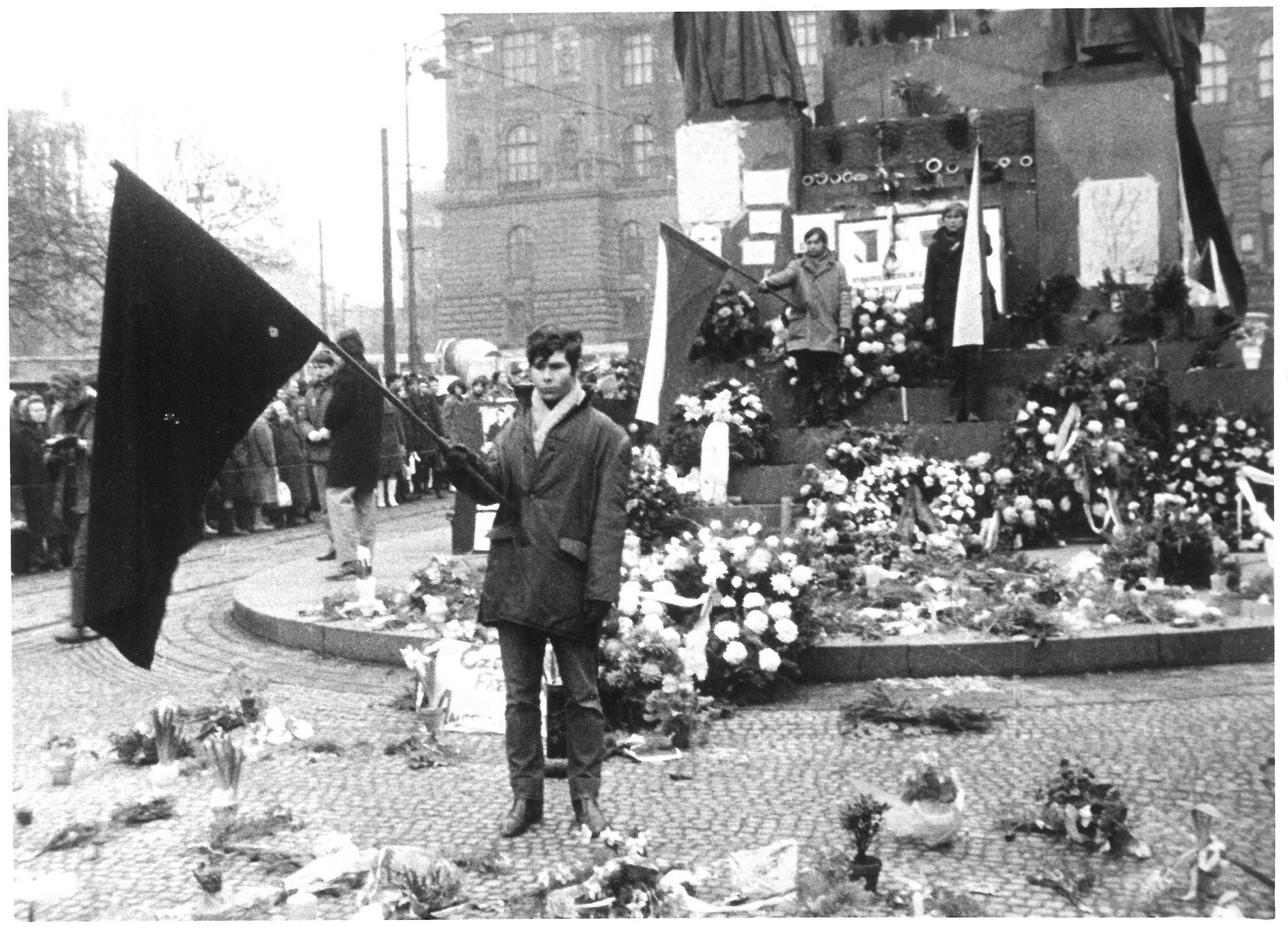
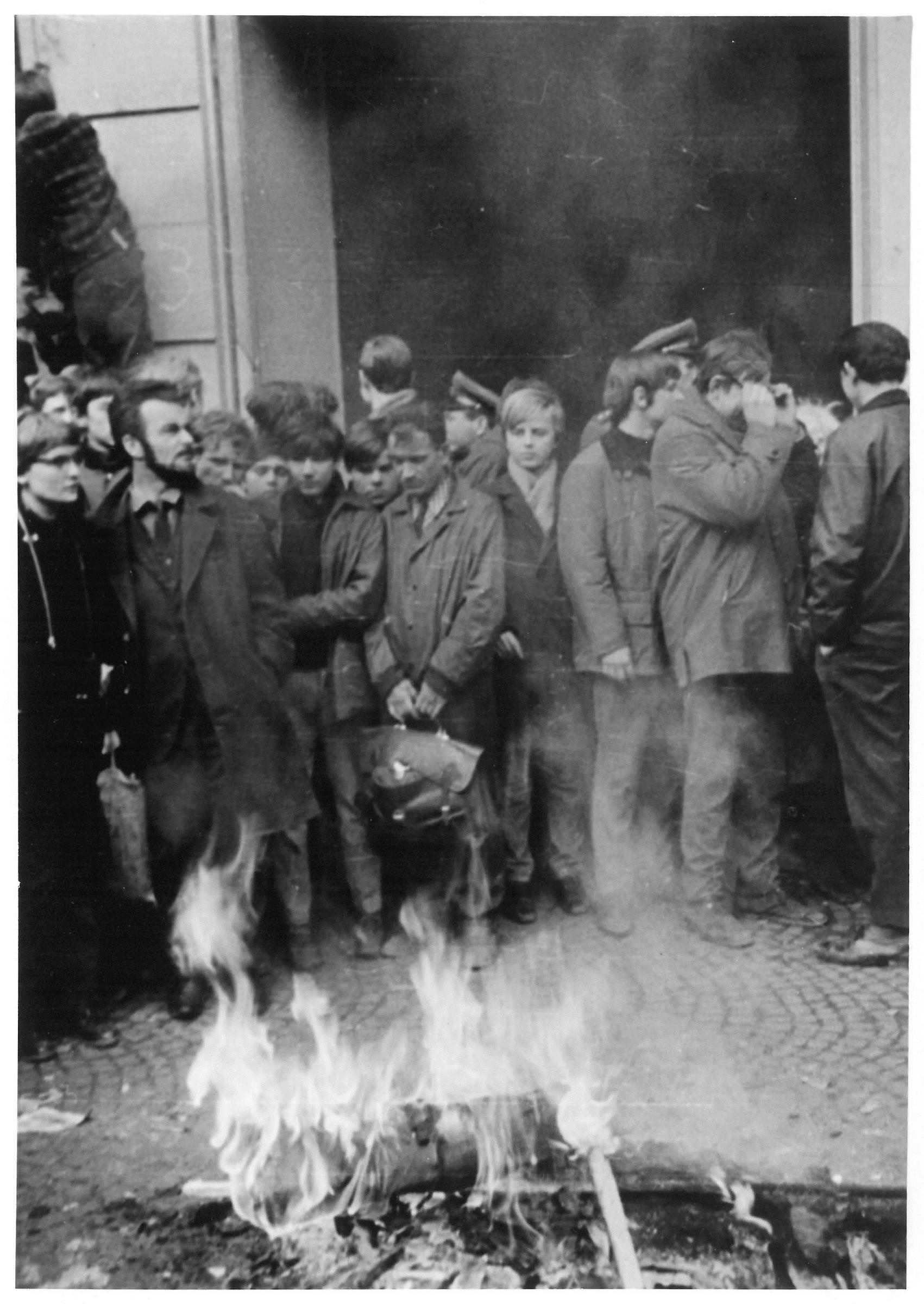
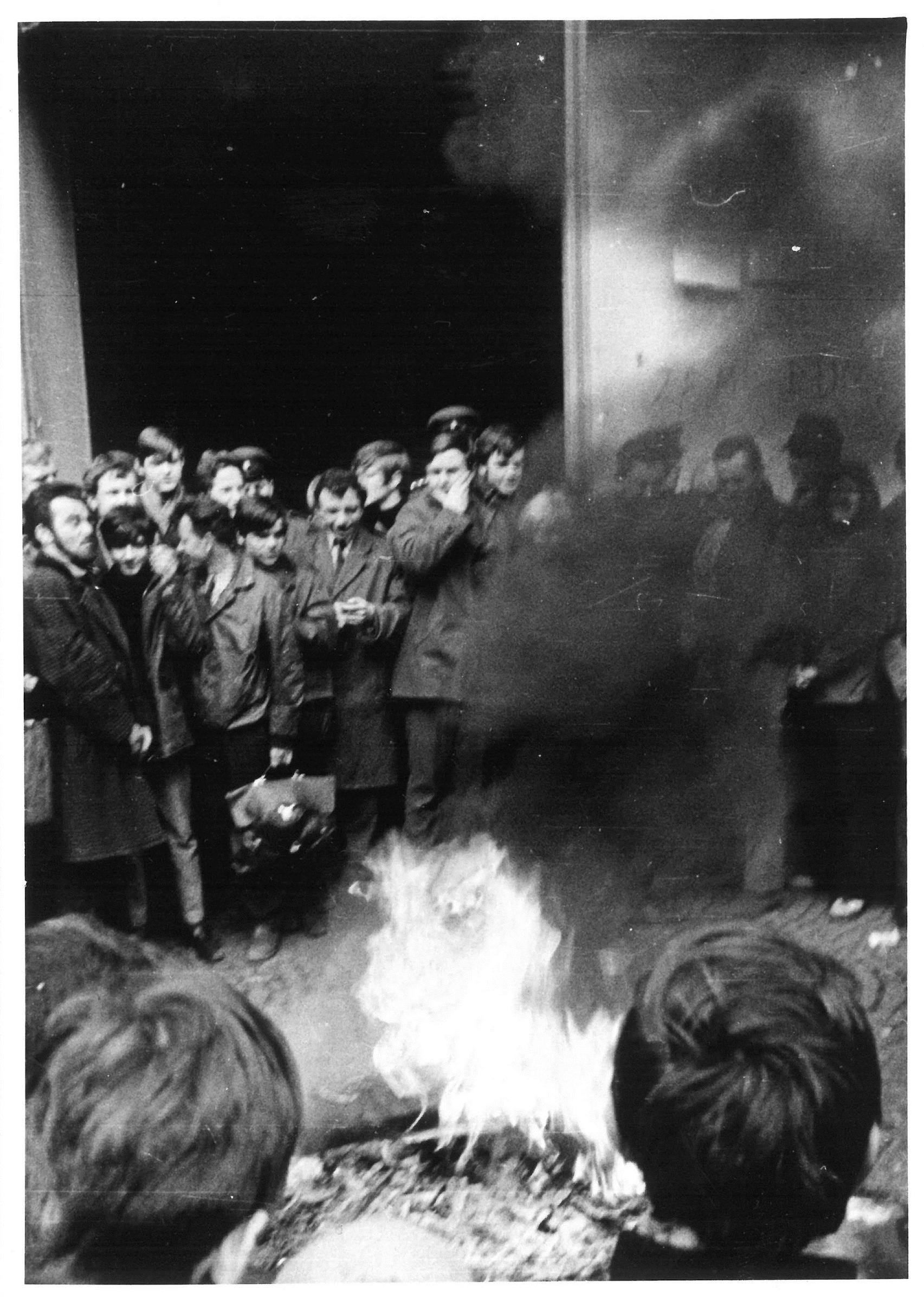
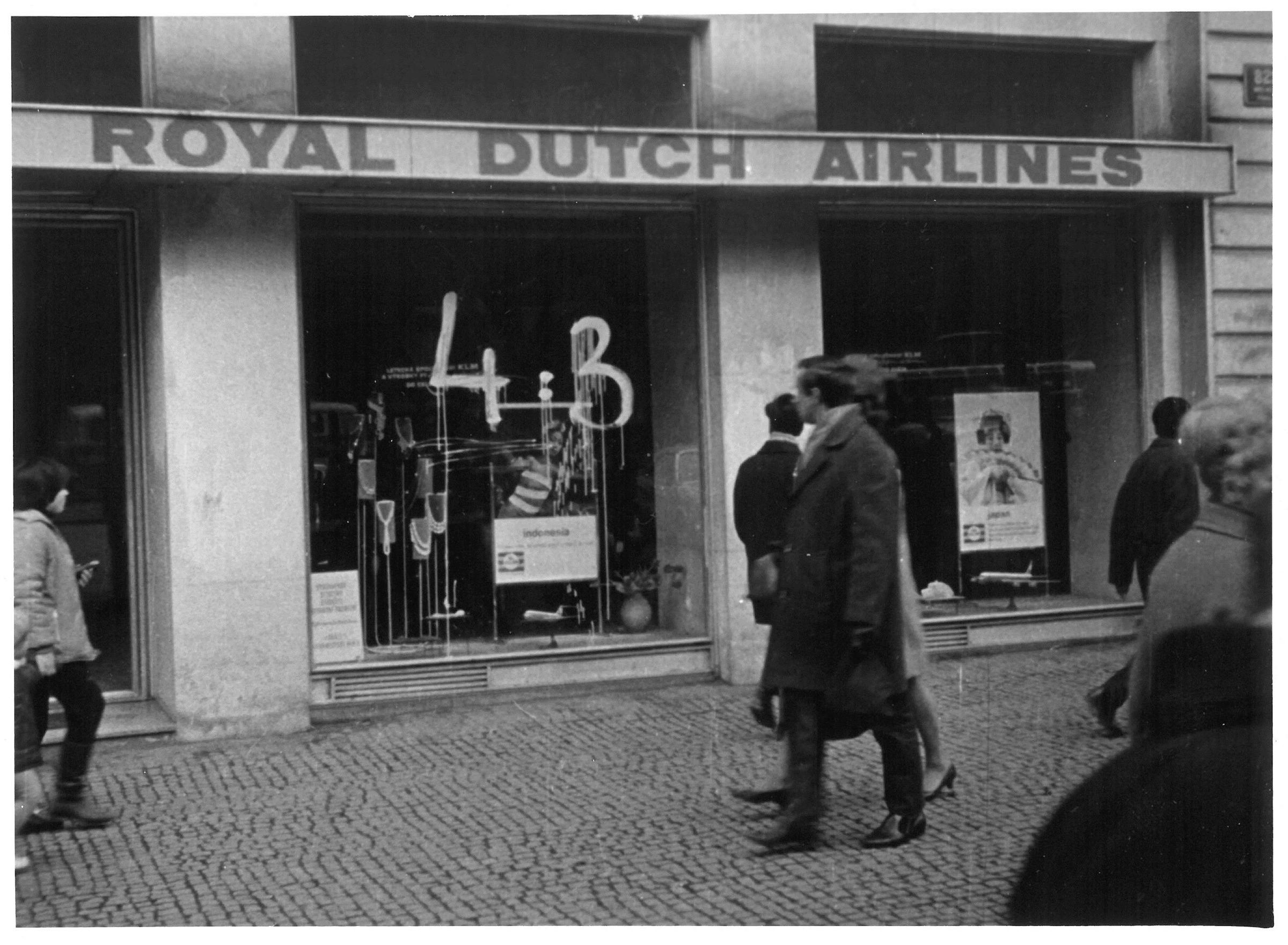
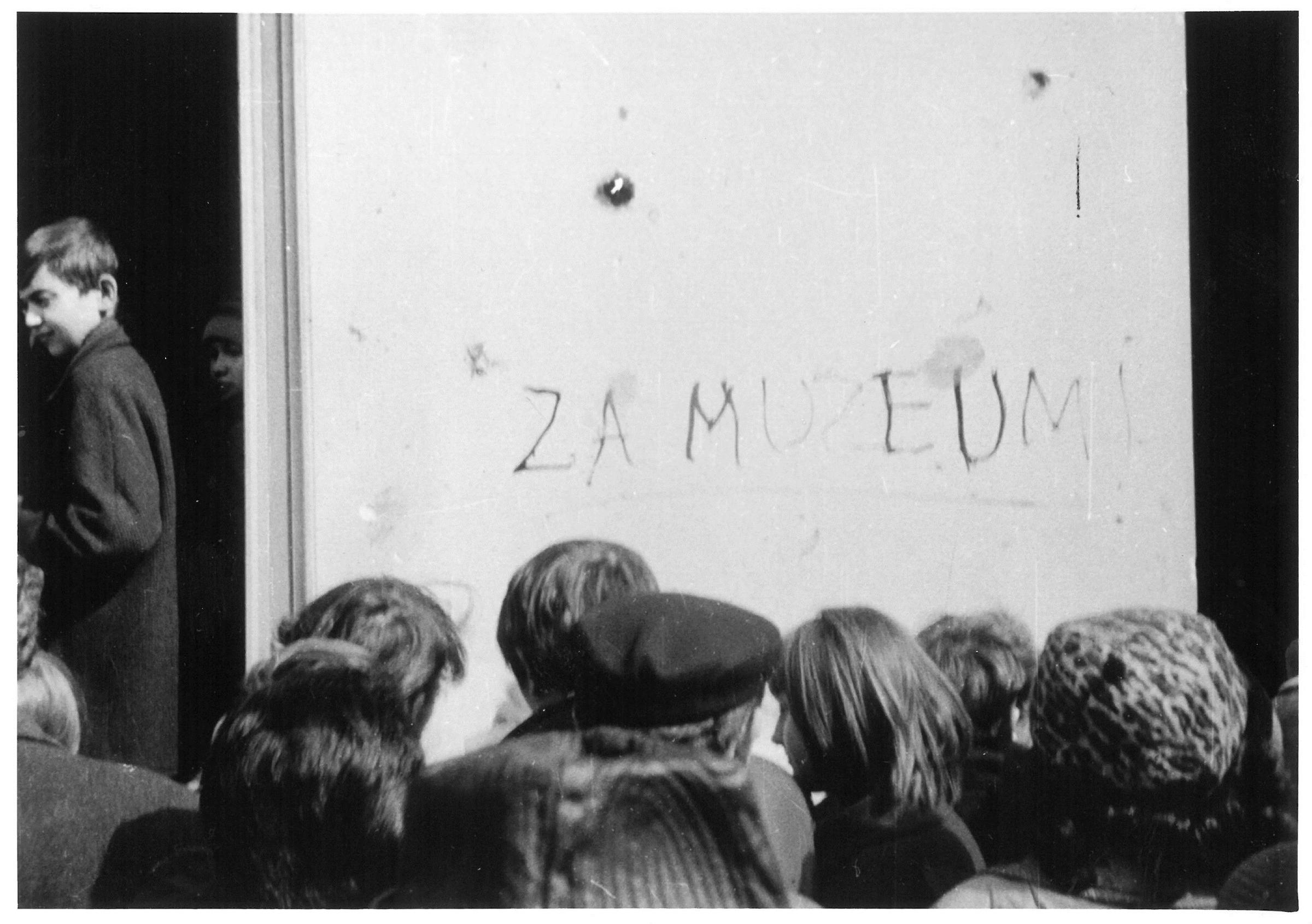
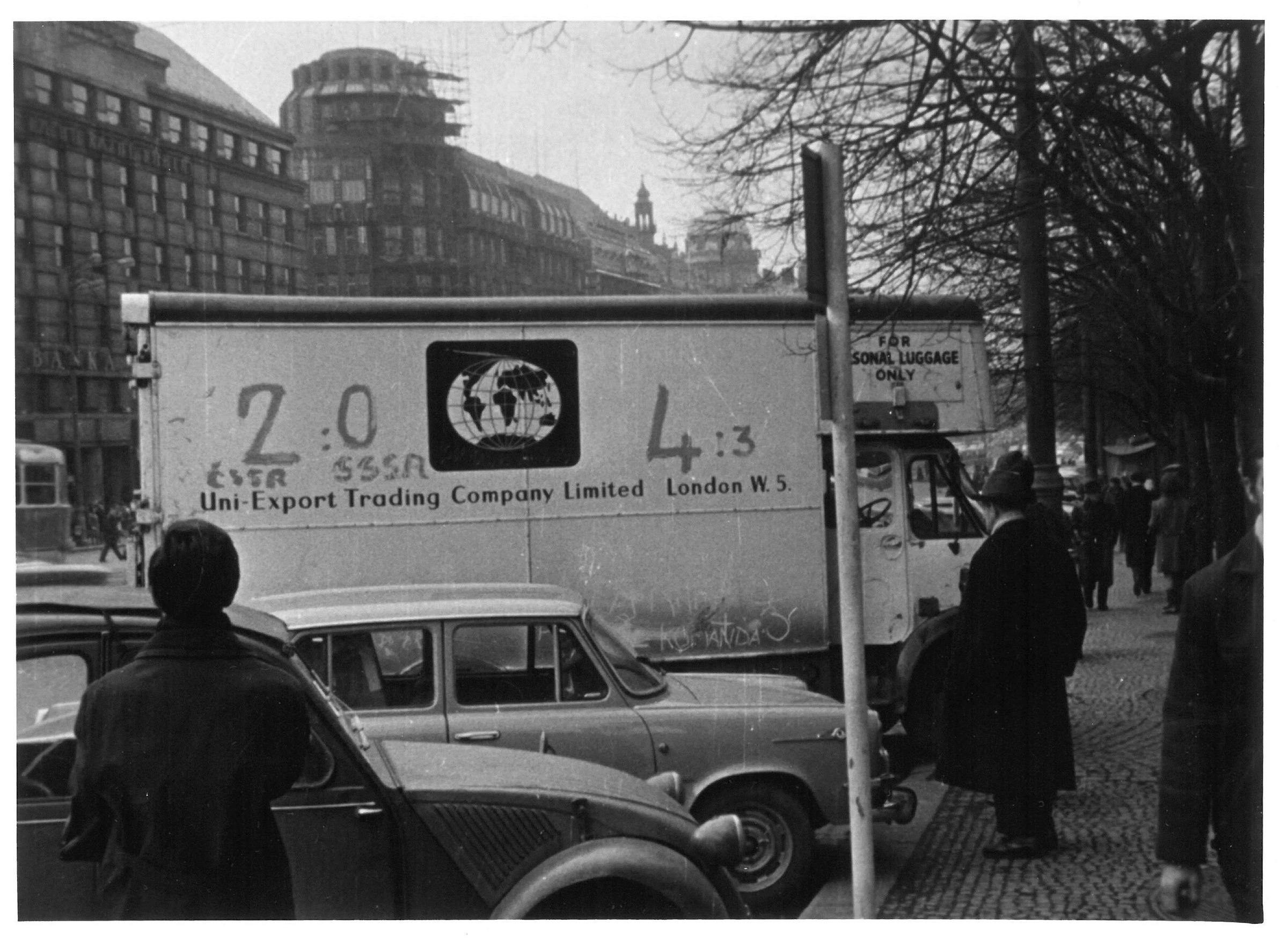
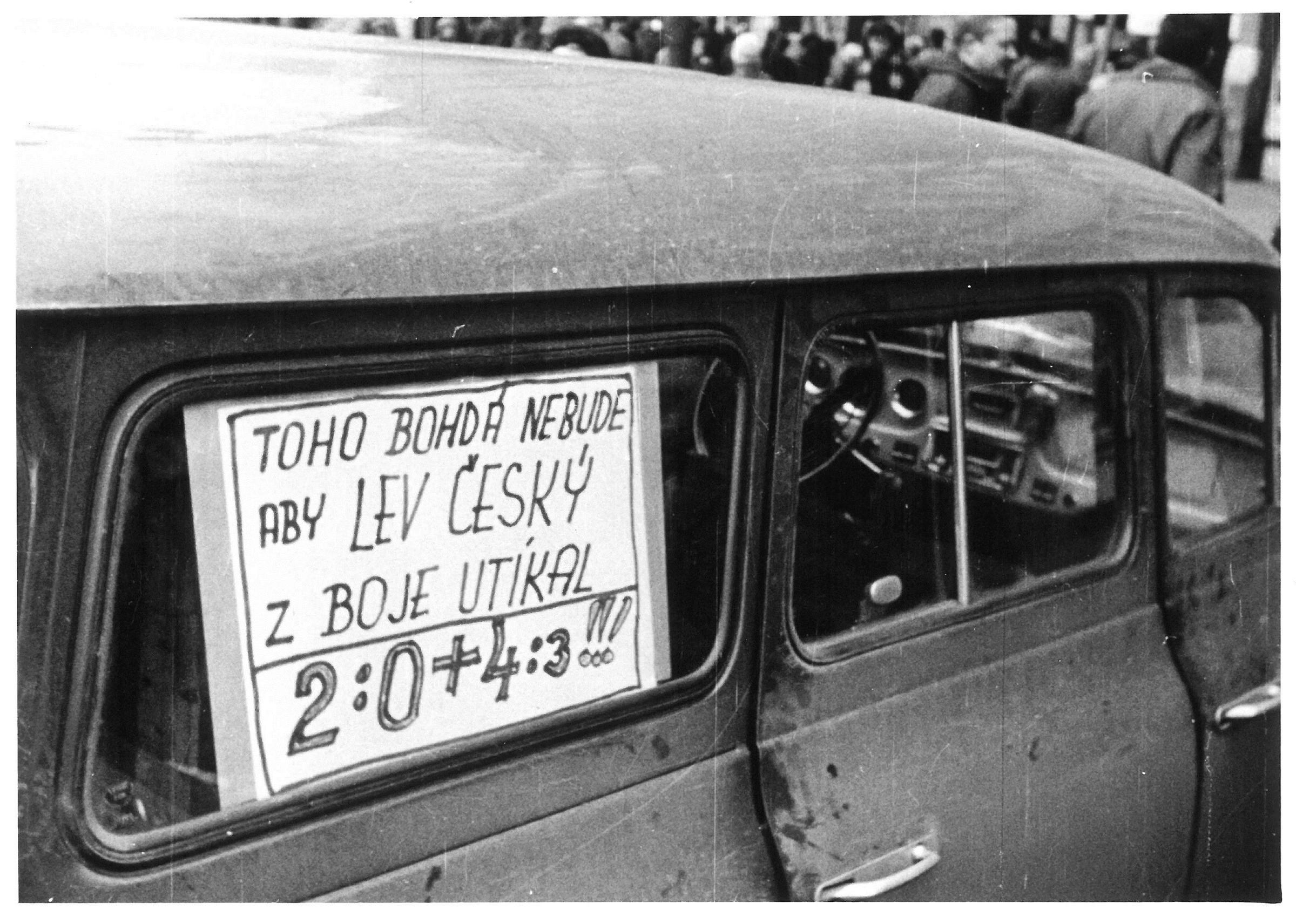
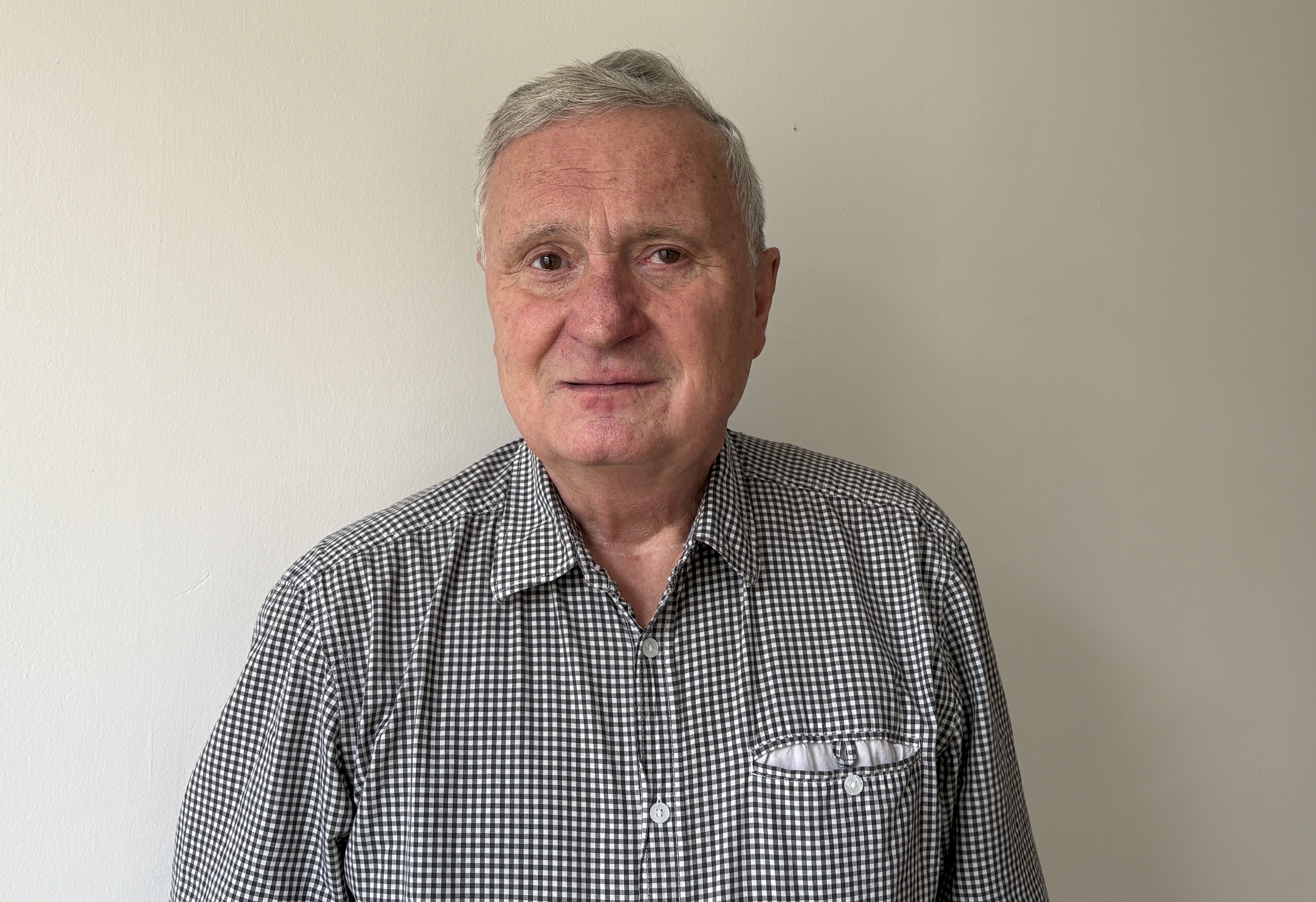
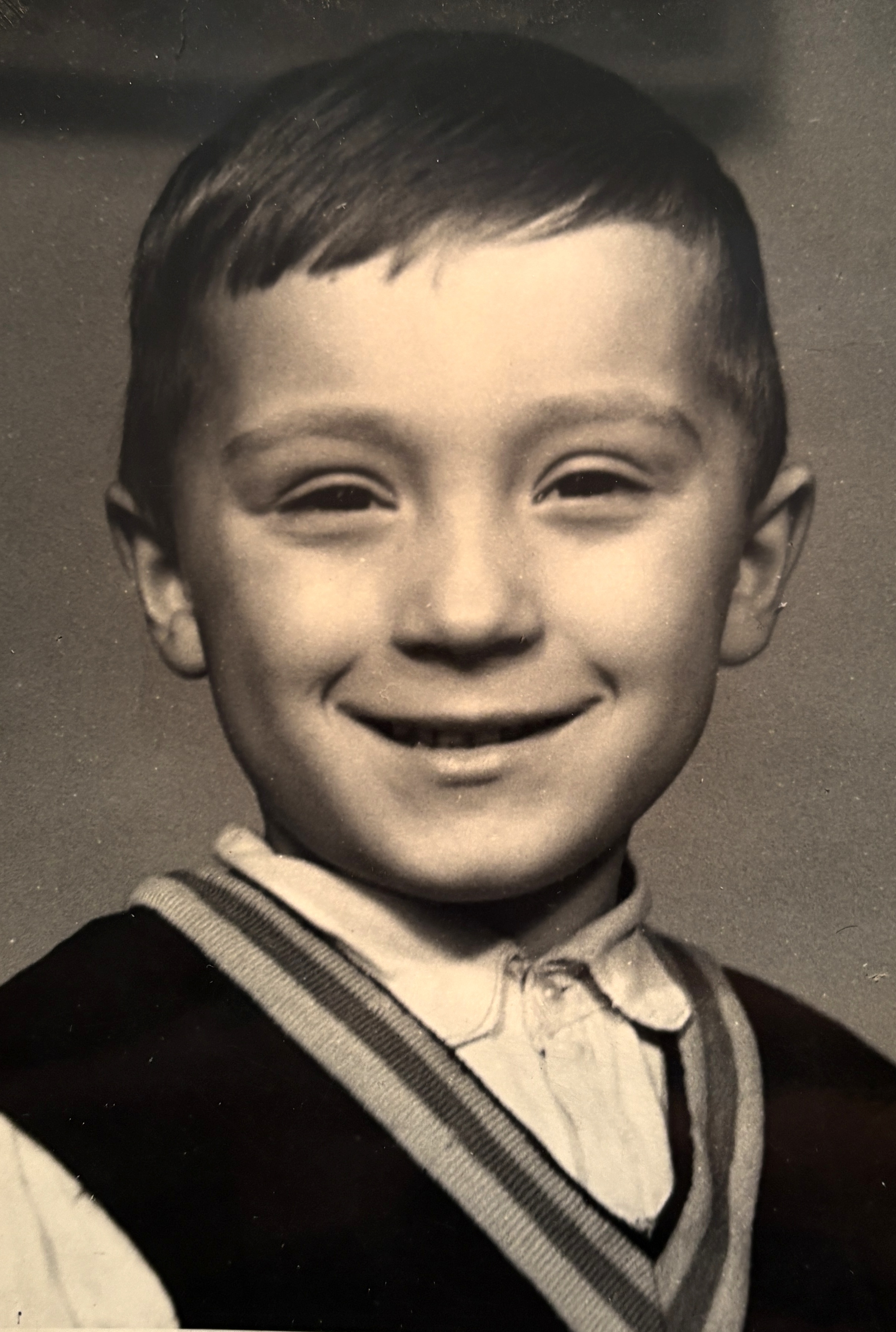
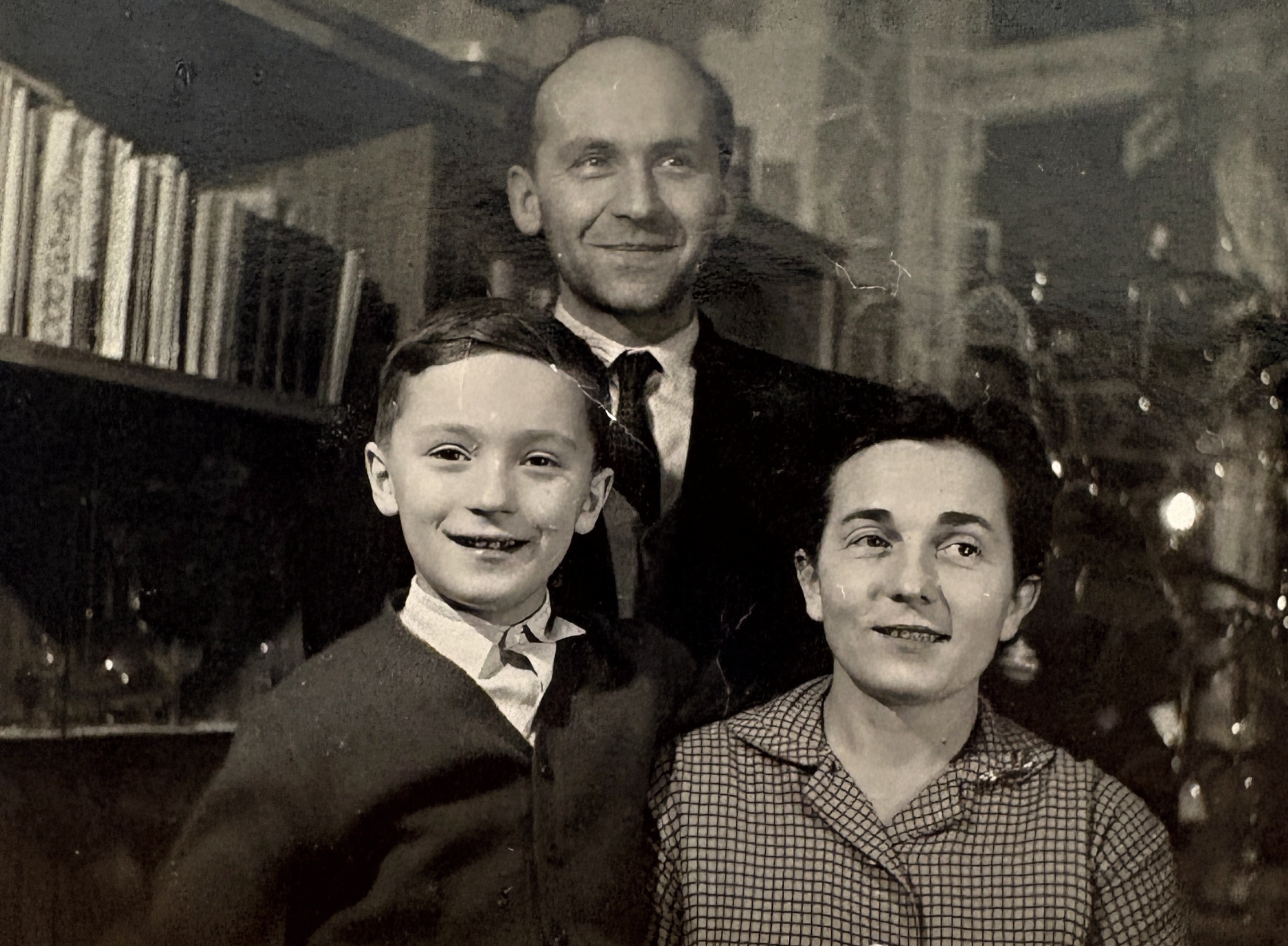
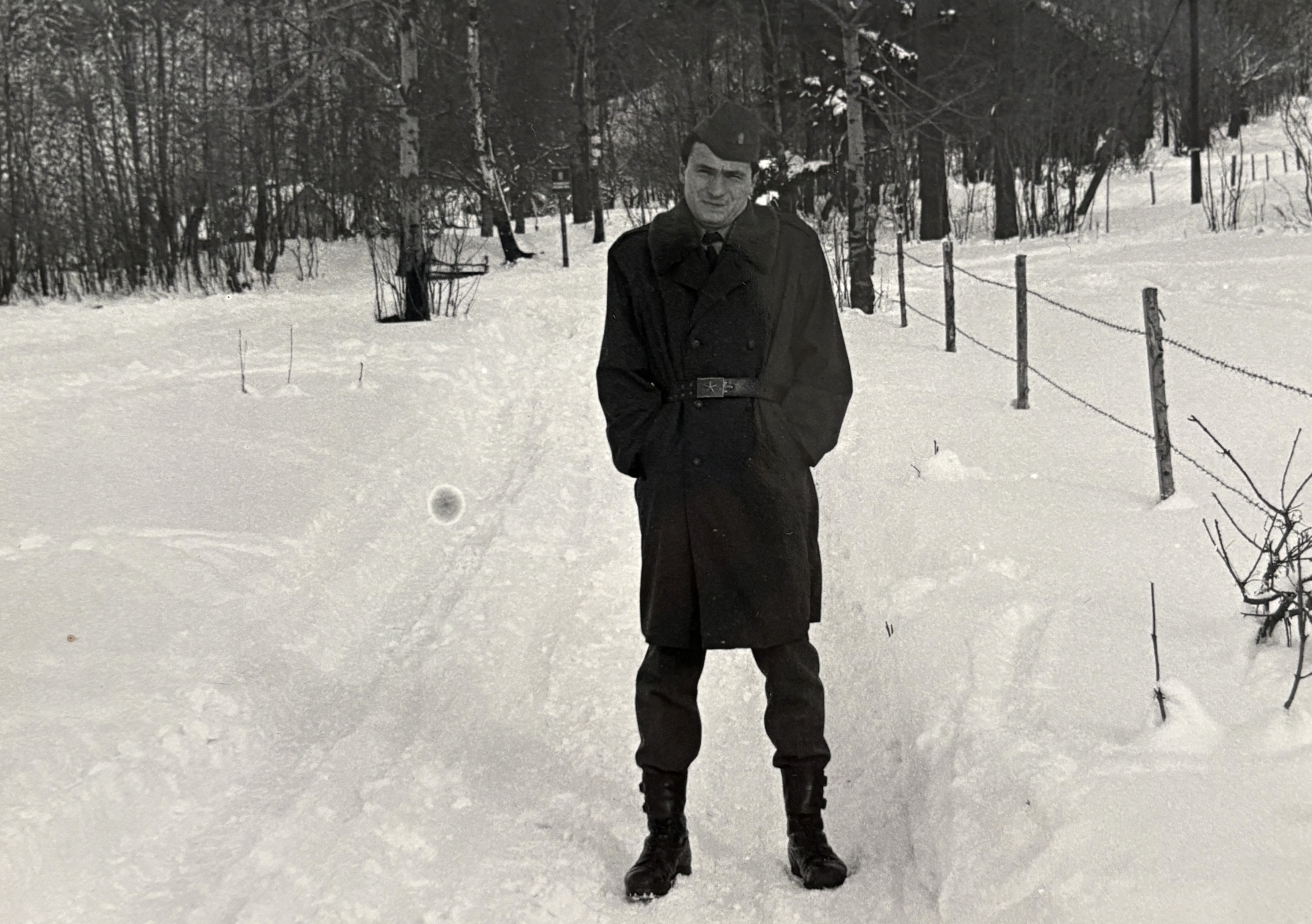
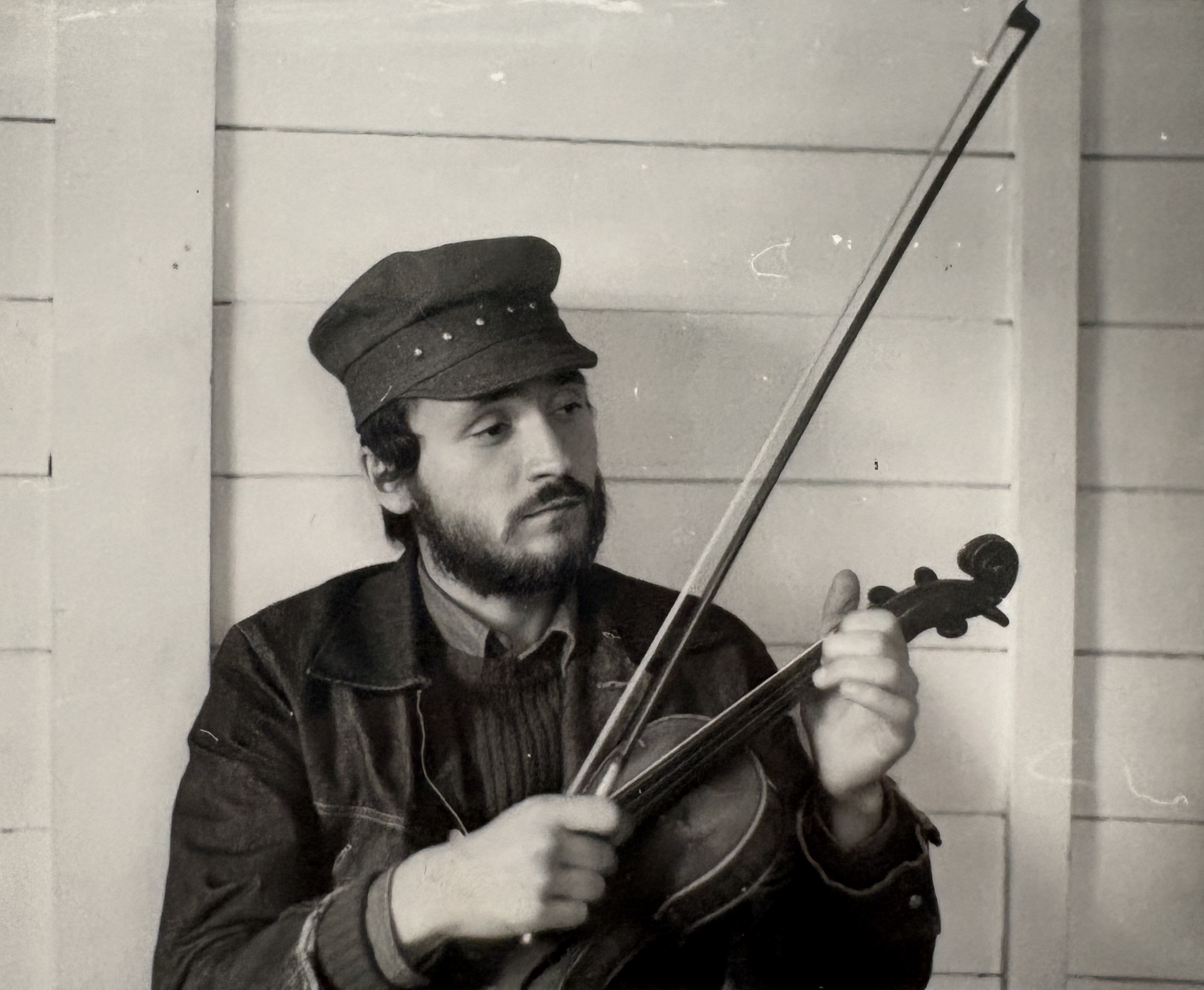
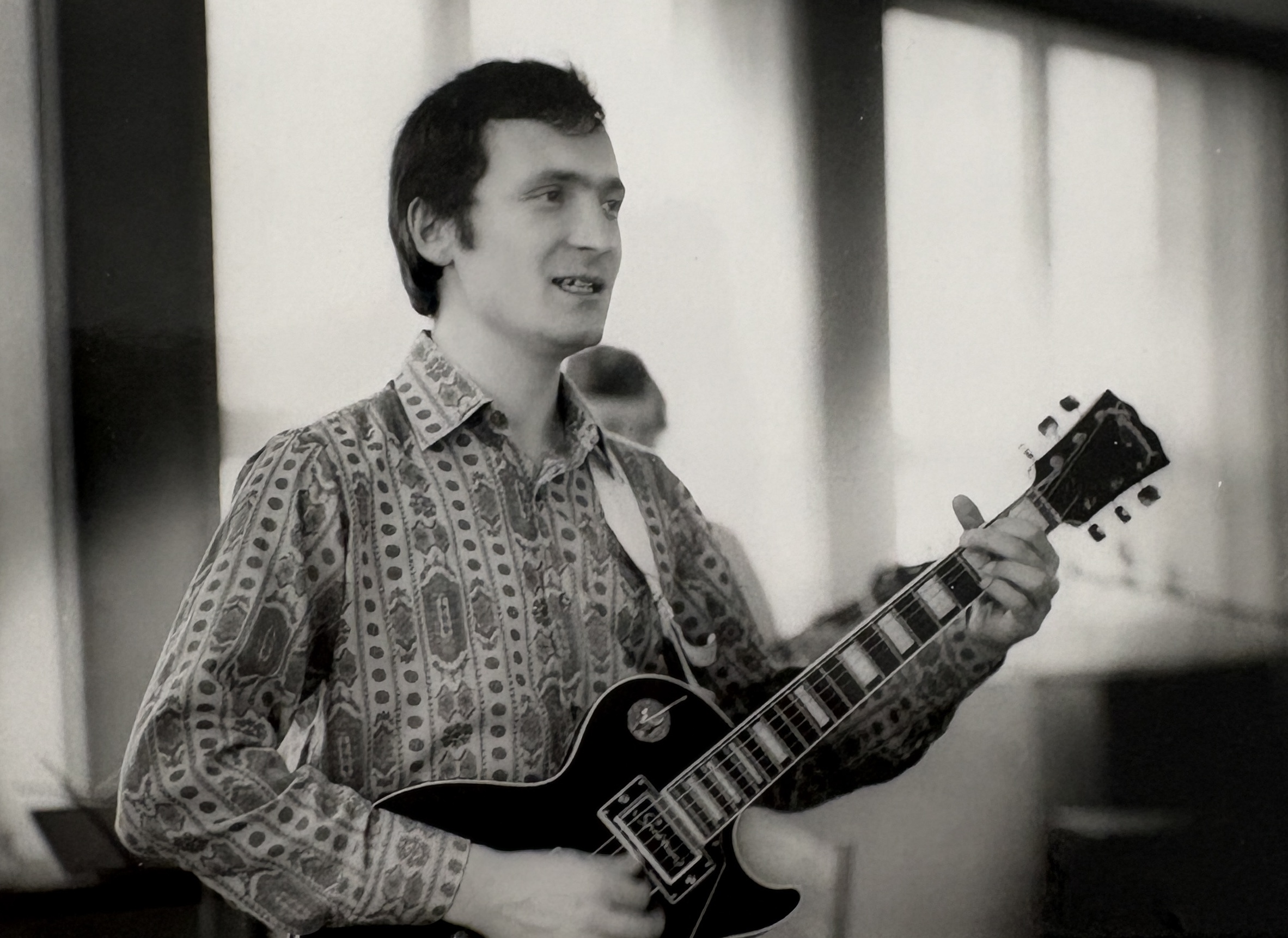
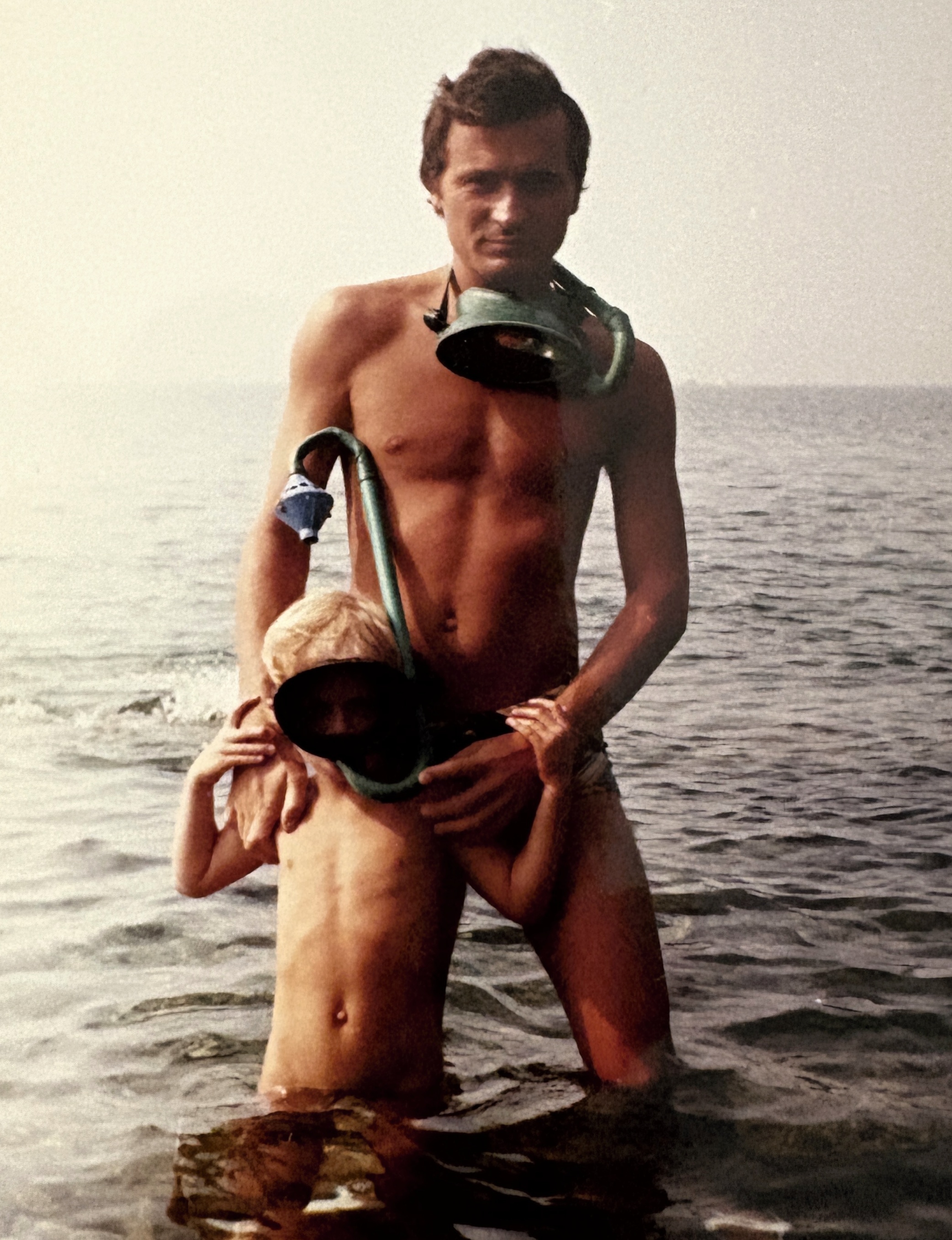
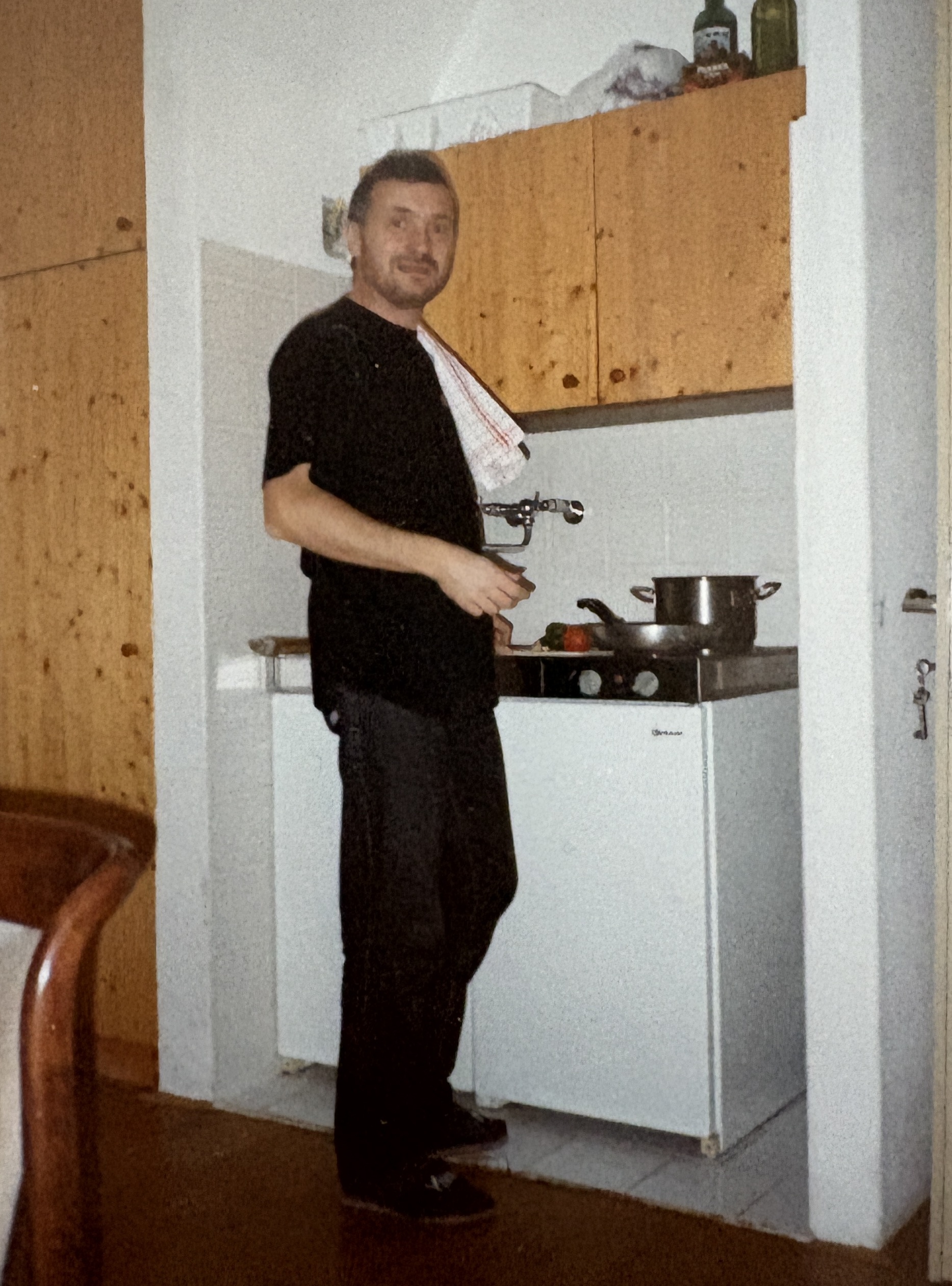
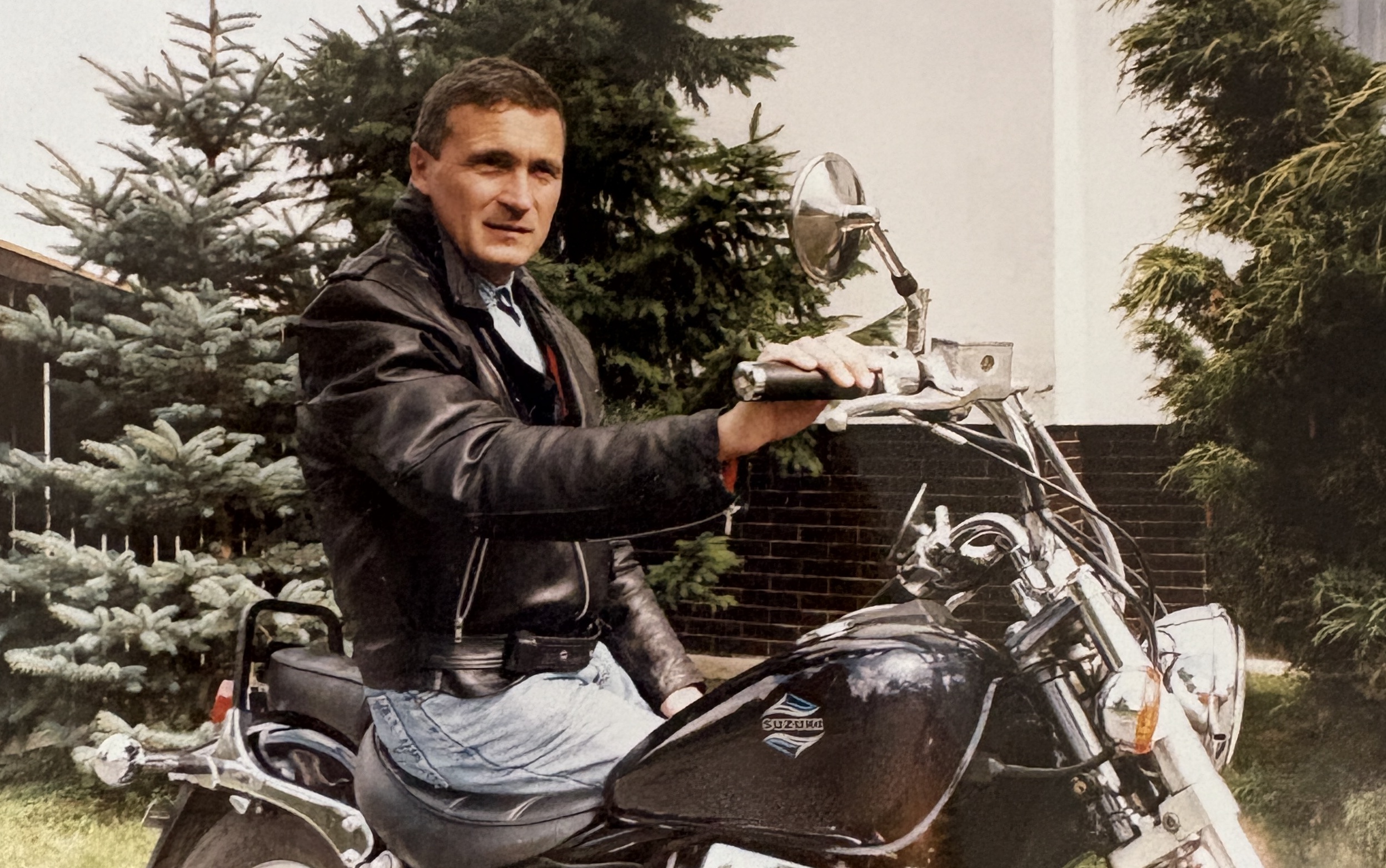
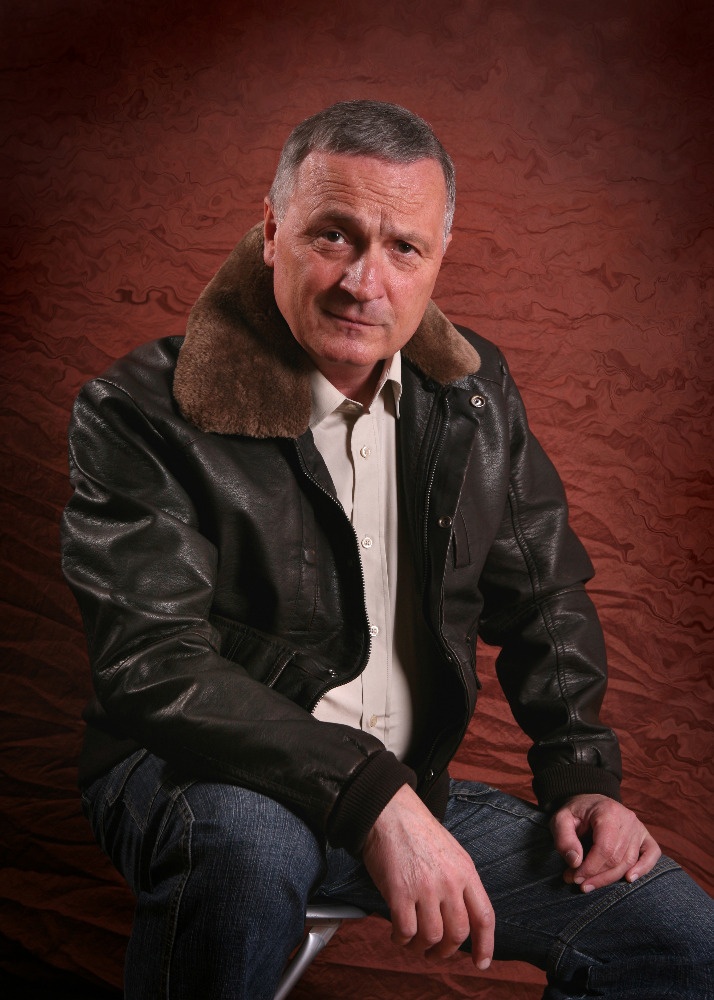
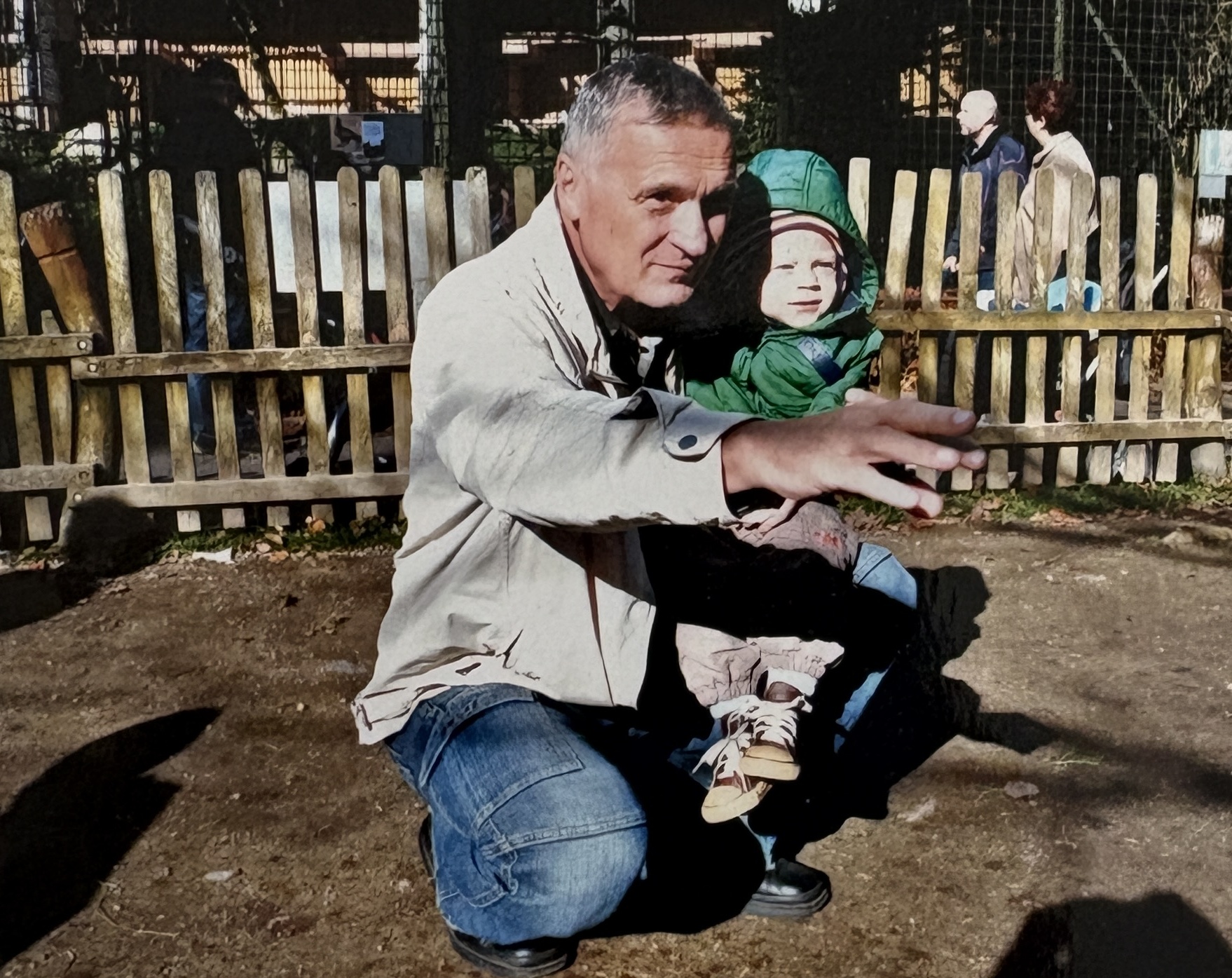
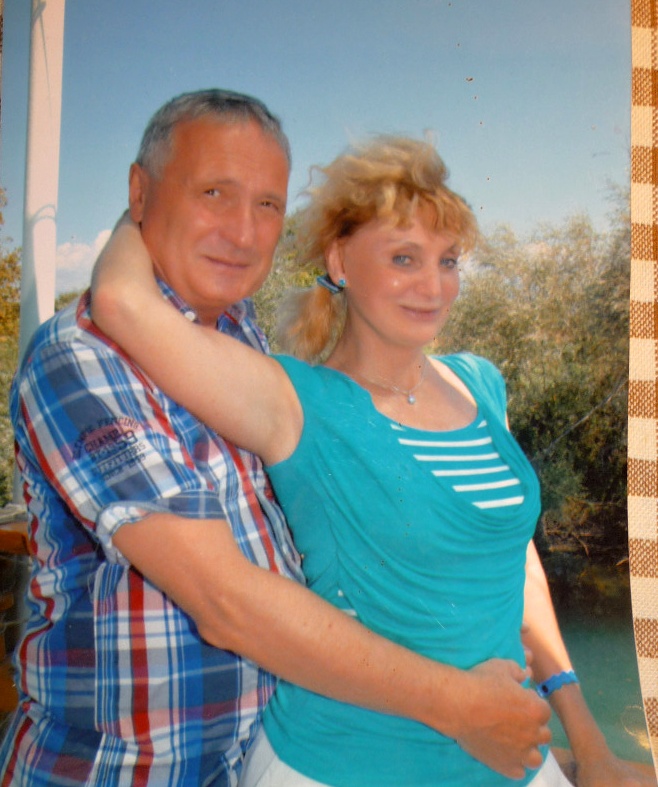
Jiří Pichrt was born on 15 September 1951 in Prague. He grew up in a family marked by the dramas of the Second World War. In March 1942, his mother Eliška witnessed first-hand the death of Captain Václav Morávek, the last of the anti-Nazi resistance group the Three Kings, who was shot by the Gestapo at the Powder Bridge. After the war, she joined the Communist Party of Czechoslovakia (KSČ), but after the political trials in 1951, she handed in her membership card. His father, Jiří Pichrt Sr., took part in the Prague Uprising and only by chance escaped execution at Masaryk Station. He grew up in Vršovice, trained as an electromechanic and later completed his education at secondary technical school. From a young age he was fascinated by events in public space - he had to be present at everything. In August 1968, he documented the occupation at Czechoslovak Radio, where he photographed burning tanks, barricades and gunfire. He actively participated in the demonstrations of the late 1960s, including Palach‘s funeral, the protests after the hockey victory over the USSR, and the anniversary of the occupation in 1969, when he repeatedly faced police and People‘s Militia interventions. In the mid-1970s, he joined the Engineering and Industrial Construction (IPS) company and then served his military service at the Interior Ministry‘s security regiment, where he experienced absurd conditions and officers‘ parties. After the war, he worked for ten years as a low-current technician in the Czechoslovak Stone Industry Workshops. In the 1980s he also participated in a number of important protests, including Palach Week and 17 November 1989 on Národní Street. After the revolution, he used his knowledge of German and with his wife founded the Via Bohemica travel agency, which took tourists to Italy and Croatia after the Velvet Revolution. After its closure in 2005, he worked for Euromont until his retirement. In 2026 he was still living in Prague and playing in a country band.