"I still have the rock in my yard from the Rosary grinding. It was kind of wooden and the stone was set on it to make it spin. A huge long belt spun around in such a circle. This huge wooden wheel with a crank. And it had to spin so that dad could grind. Now imagine him doing it with an old scythe or an old rusty saw. He had to forge everything, the shape, everything. He had this ambusher, this big anvil. And then he had to spin it around for two hours at a time to grind it. But he'd take a hair and it'd cut through. That's how sharp it was."
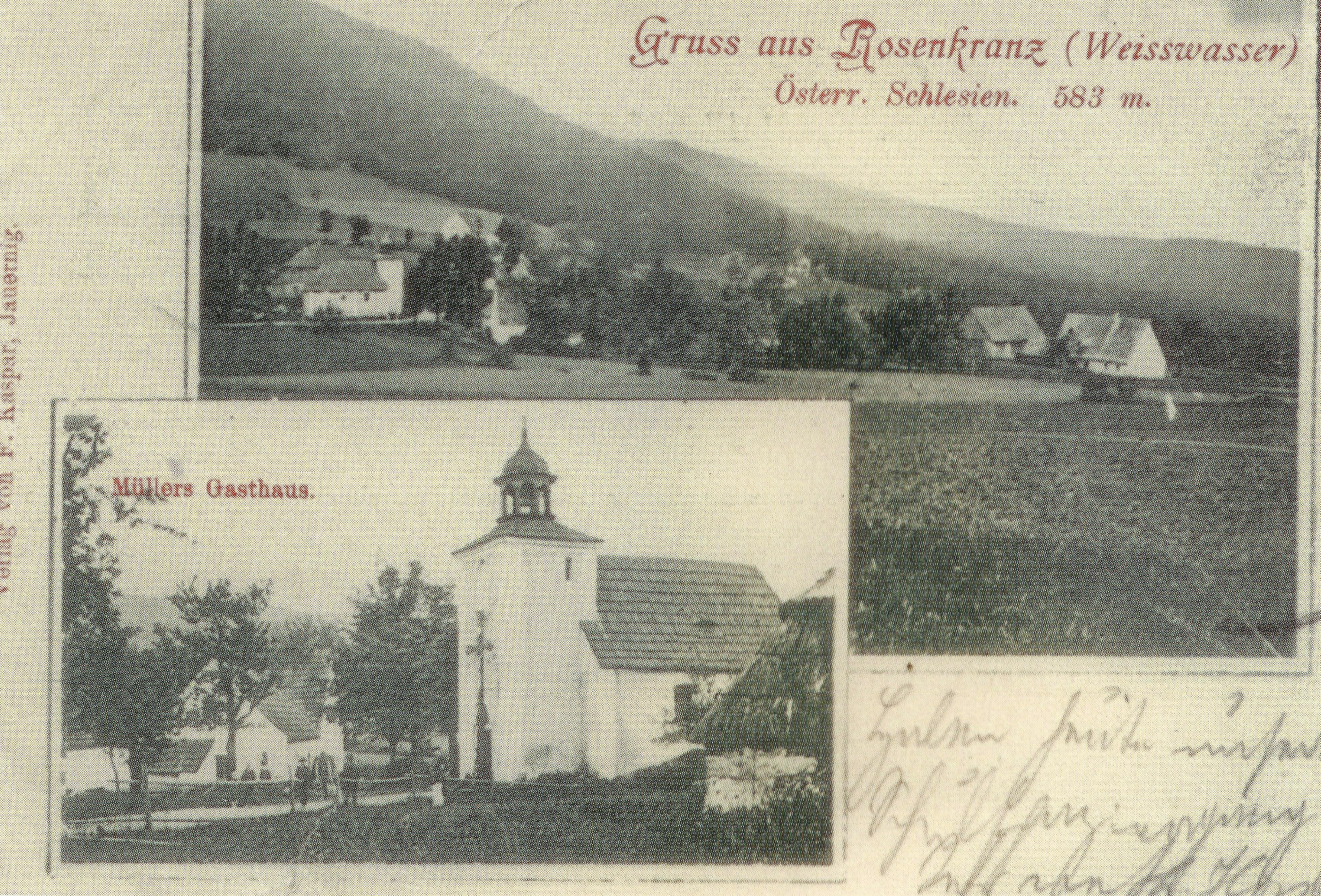
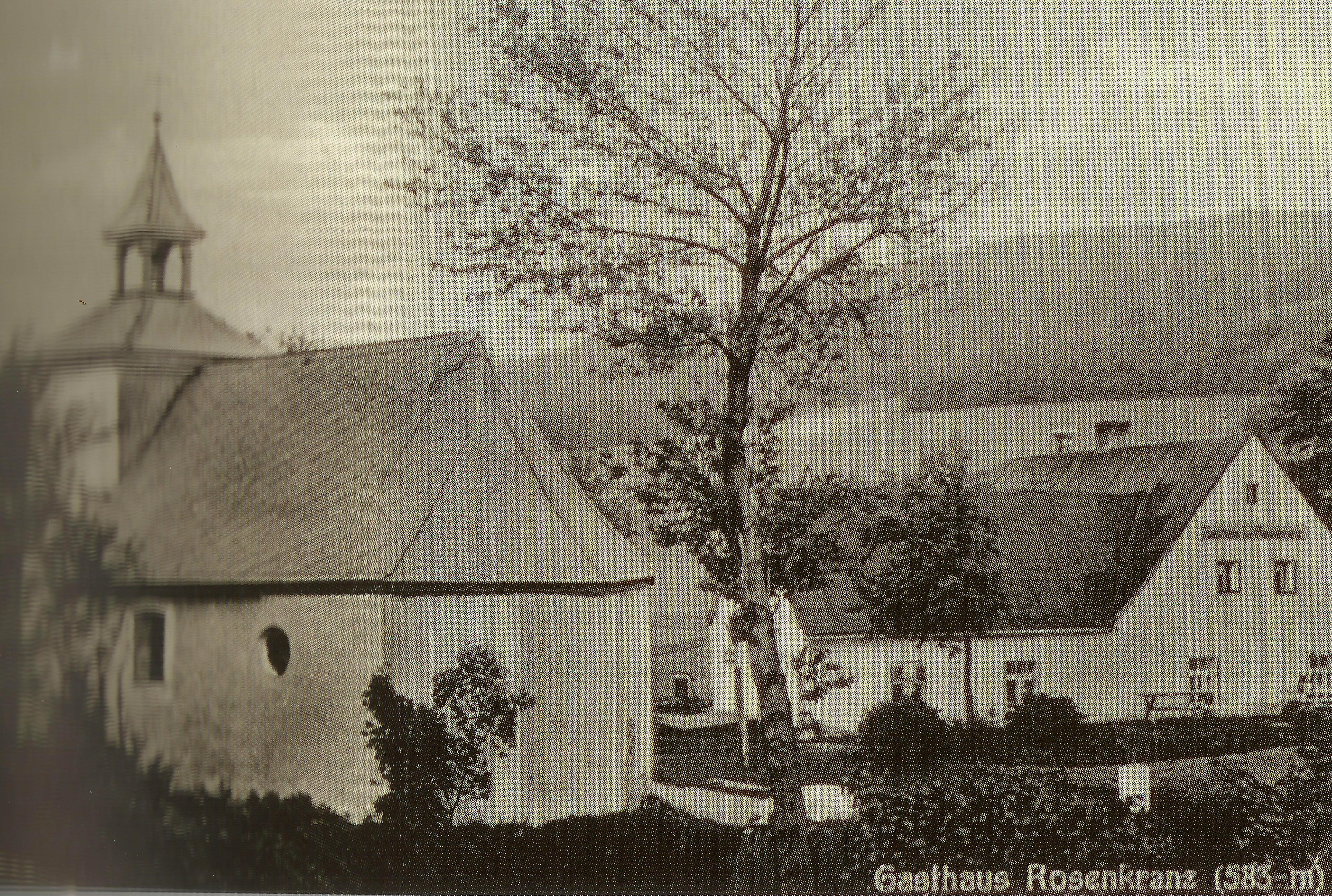
"Once a year there was a celebration on St. Antnonín´s day, that's June 13. And so we've always decorated from the Růženec, the Růženec people. The guys always put a birch tree by every pew. We used to pick flowers in the field for the altar. And there was this arched wreath. And it was made of what grew everywhere. That has to be picked and tied on strings. And the parish priest came, the last time in 1948, the parish priest came with a procession. By then the Czechs had come to Růženec. That was the last time I was there helping to decorate it."
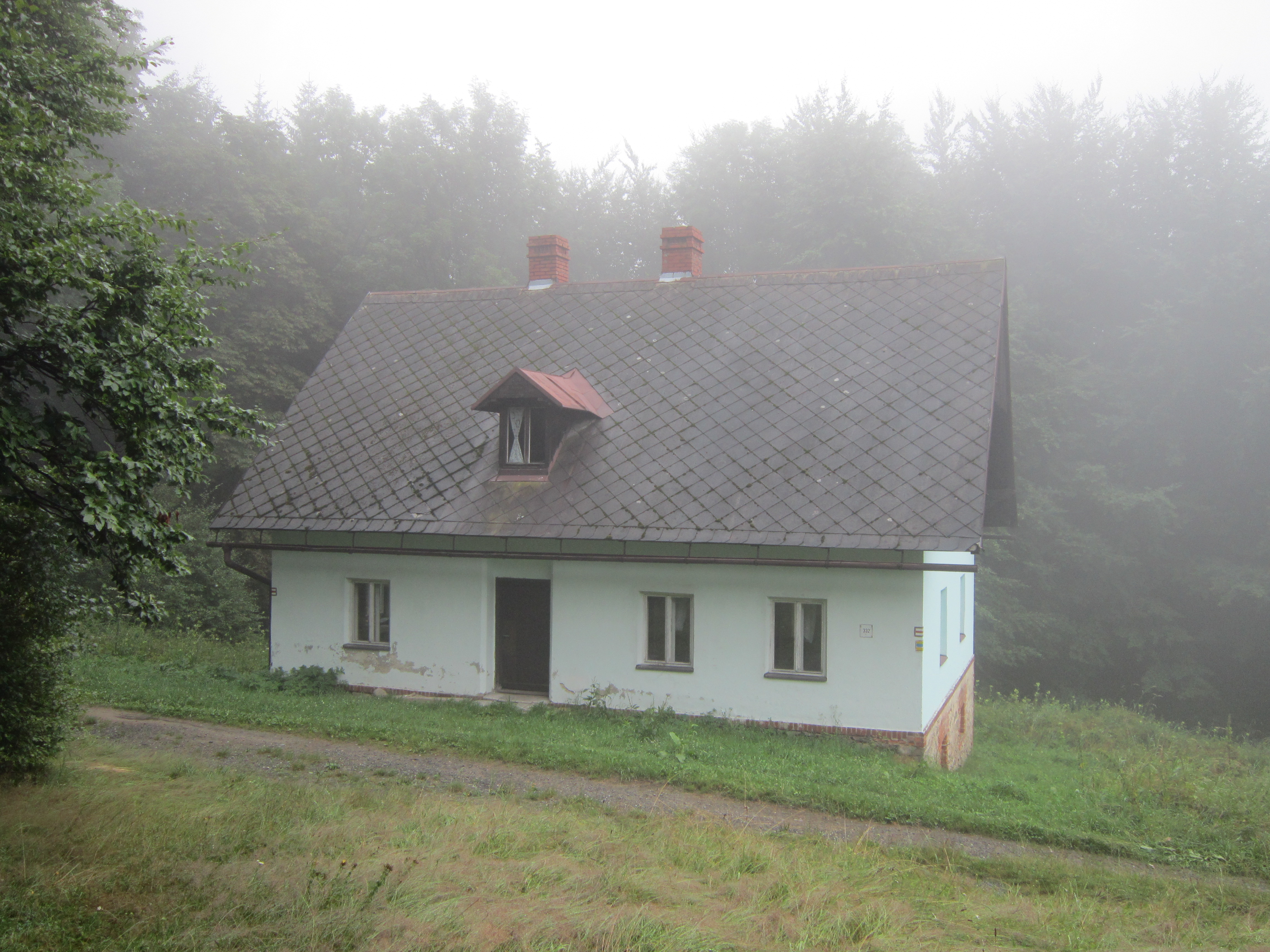
"There was a pub there, it was still functioning until the coup and then it was over. Guys used to go there to buy tobacco. Because she always had tobacco there for them, as it was during the war, so they had it in that pub. They rented the finance building there during Germany because the publican bought it from the state. Then, after the customs ended, he bought it. It was a teacher from Javorník, Mr. Moche, and he rented apartments there for people from Berlin, from different places, for a summer residence. There were family rooms on the sides and single workers’ quarters upstairs. So people would come there for their Sommerfrische, you know? City folks escaping to the countryside."
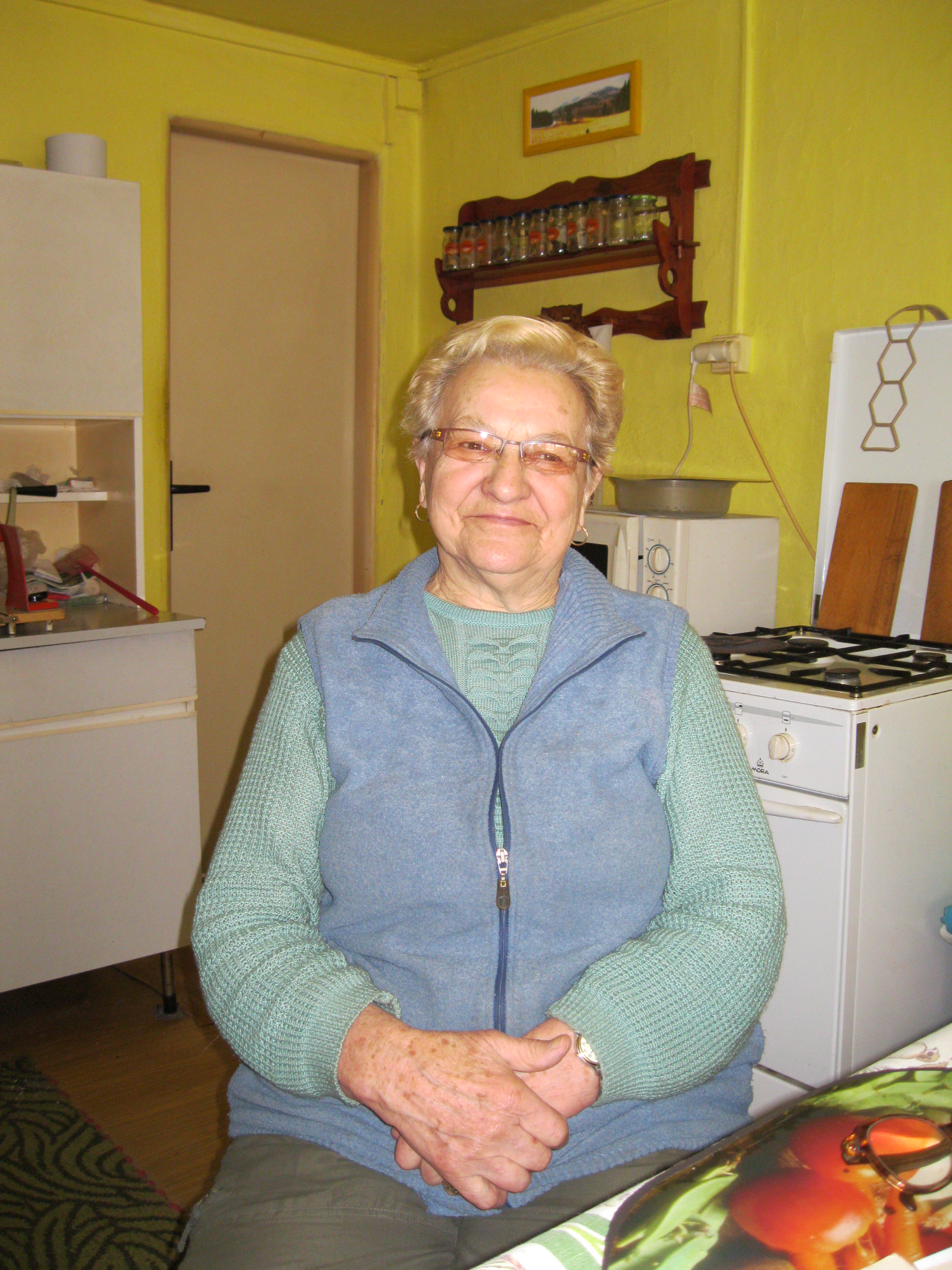
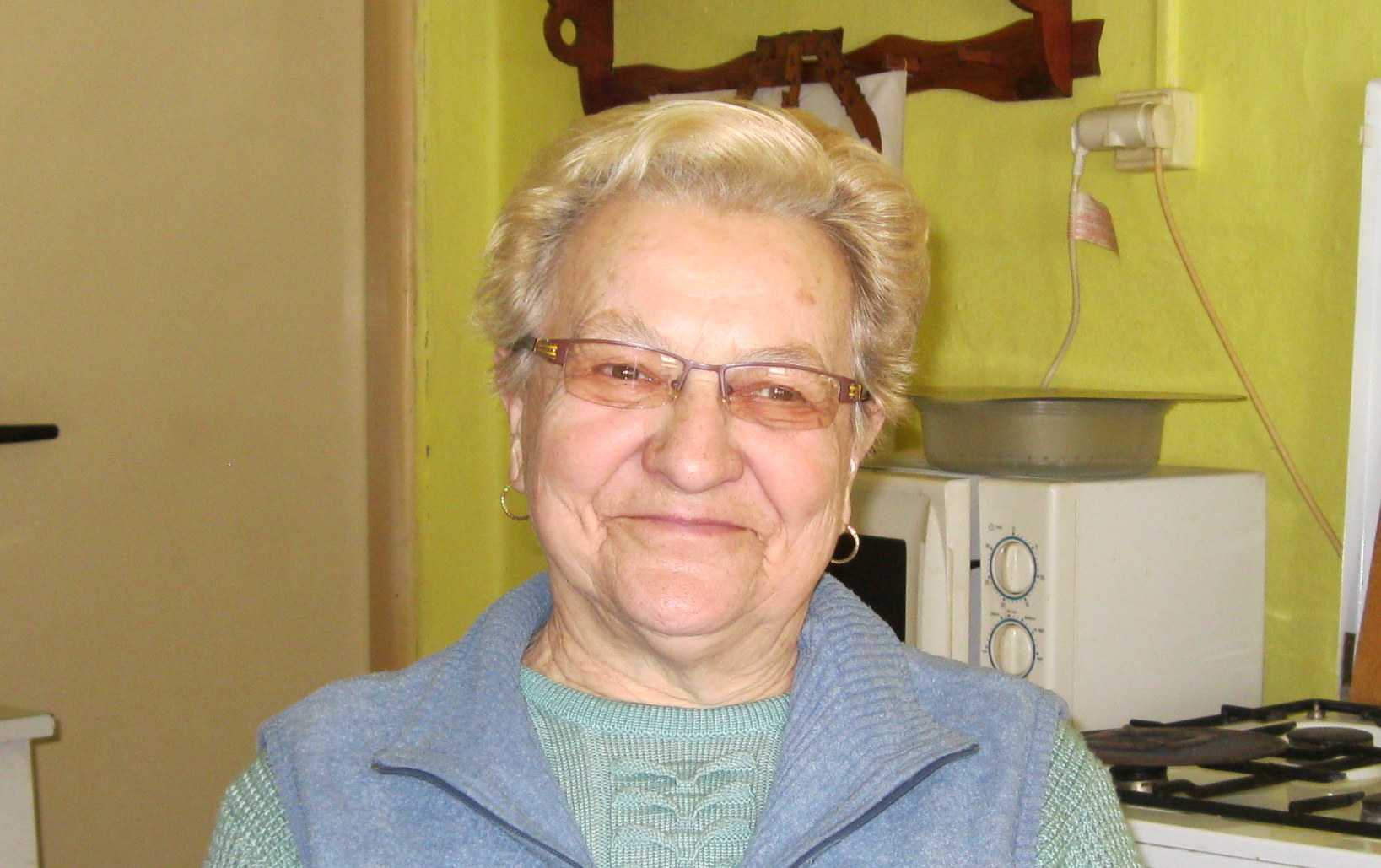
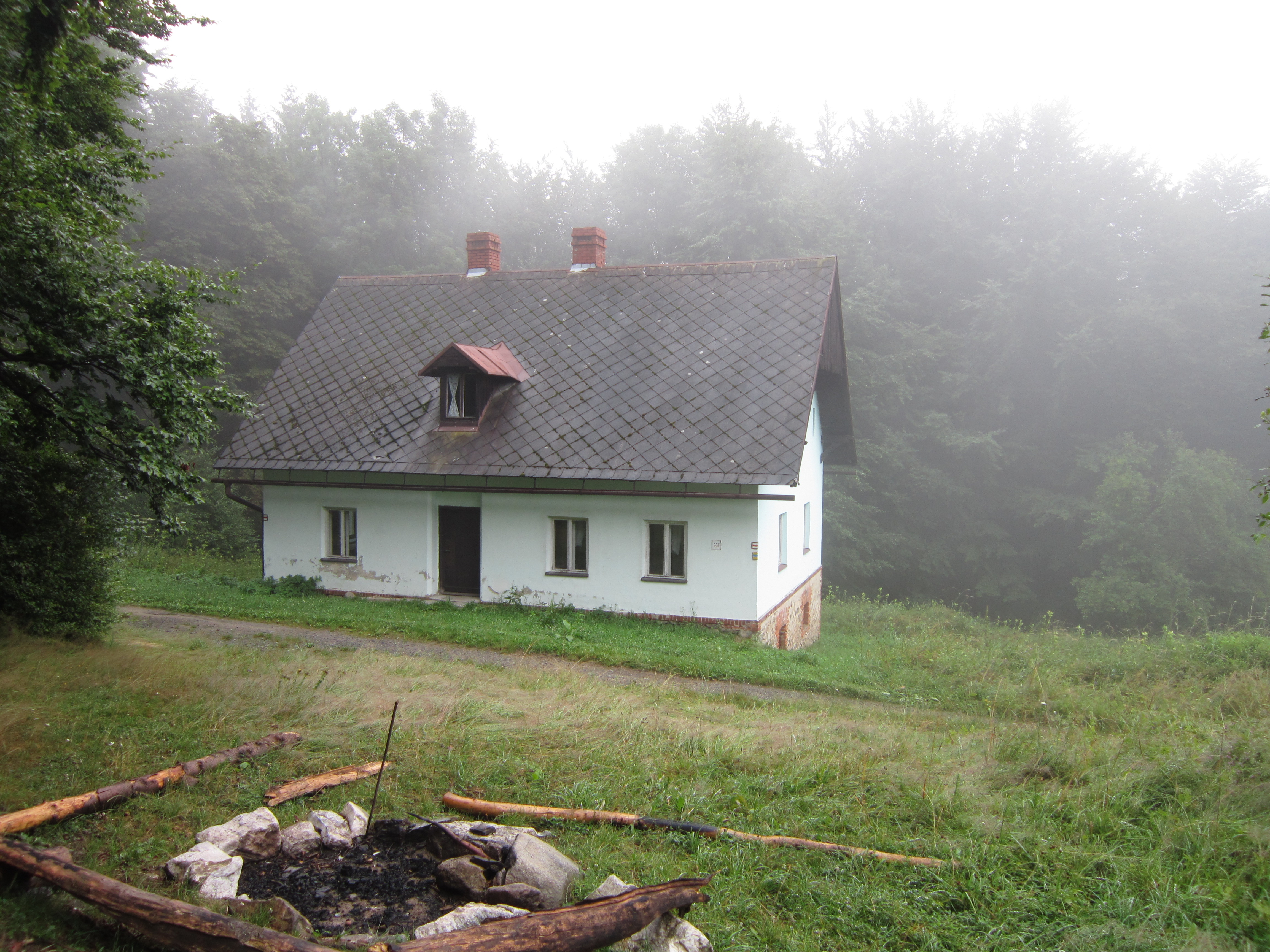
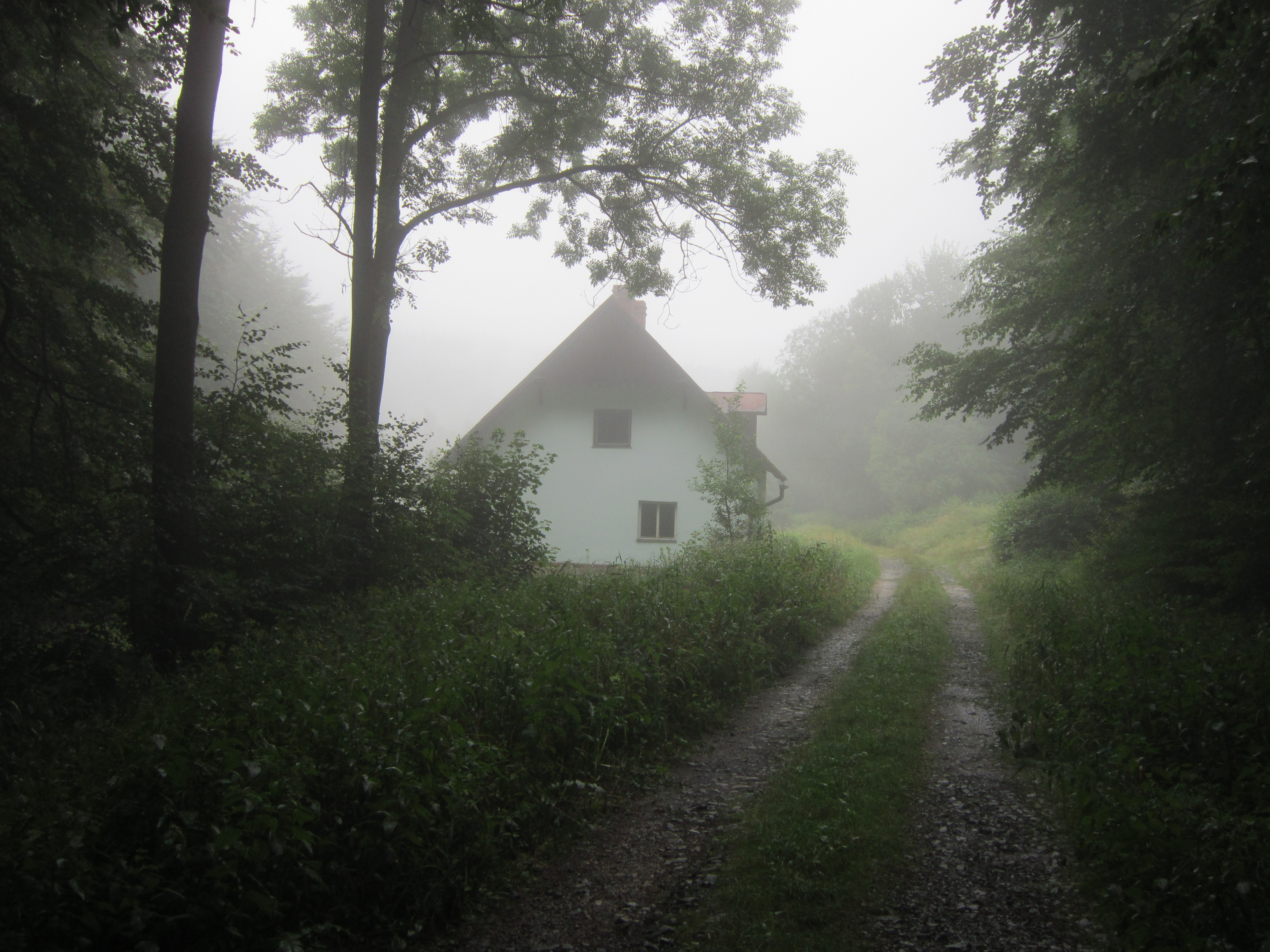
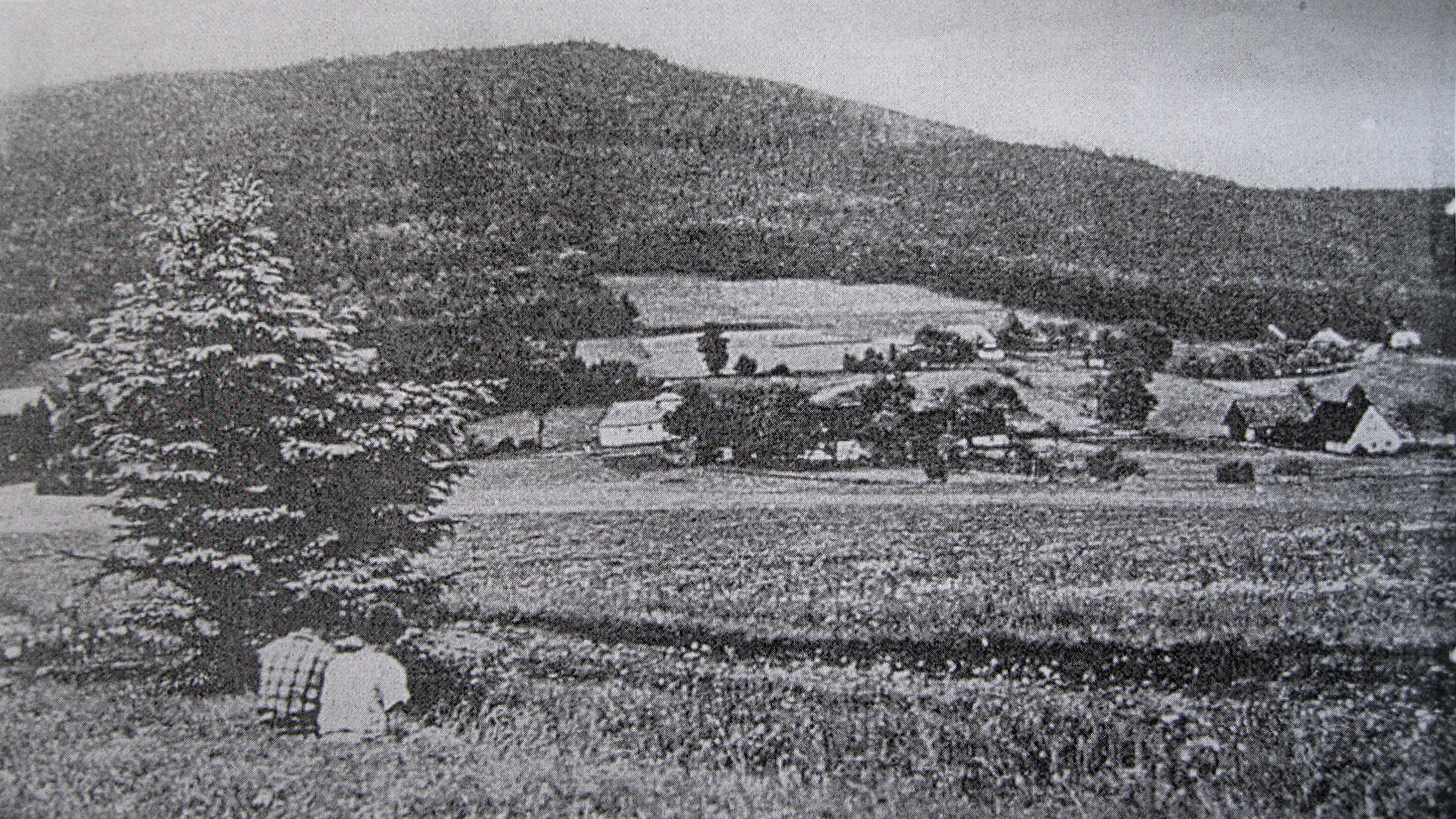
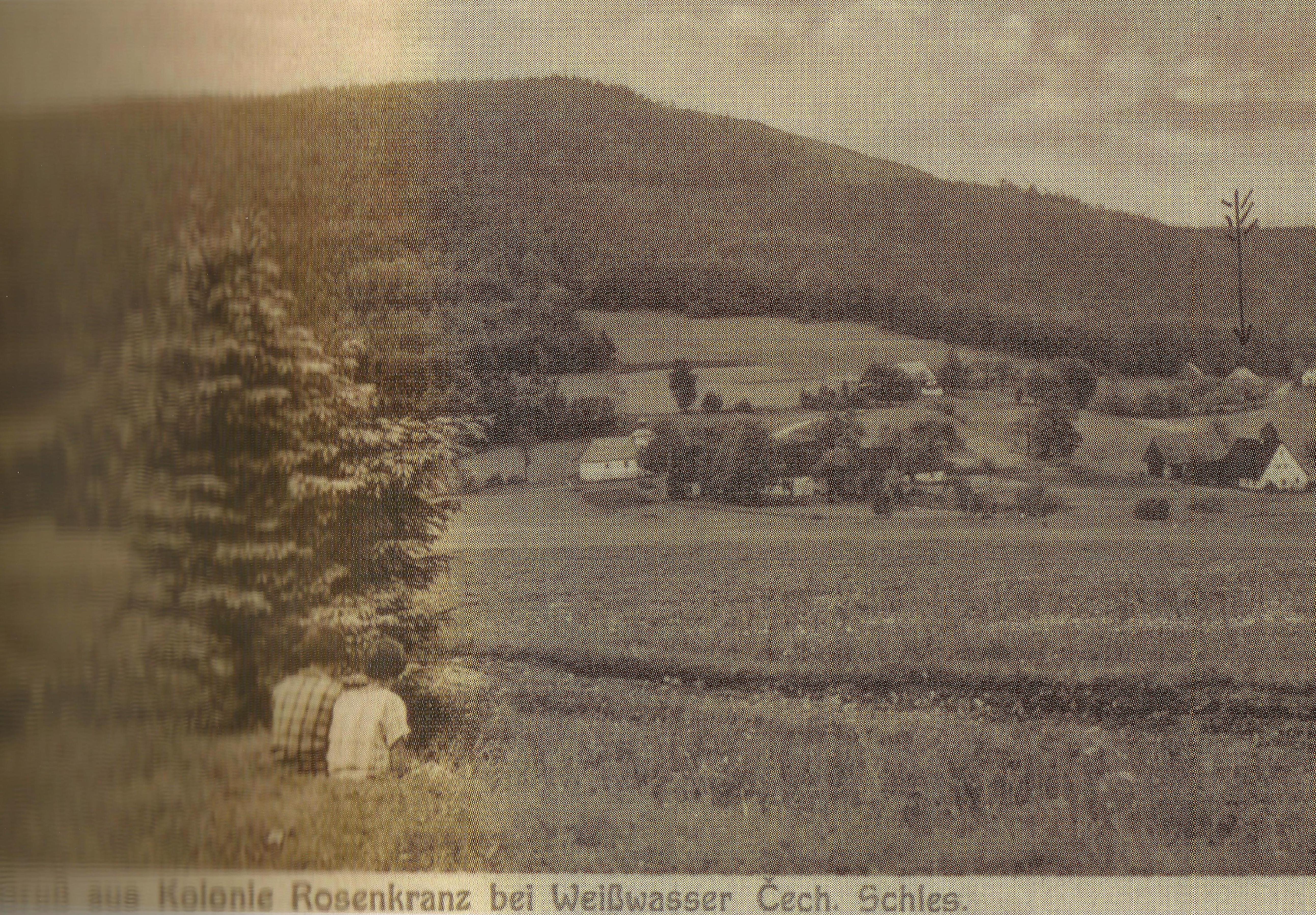
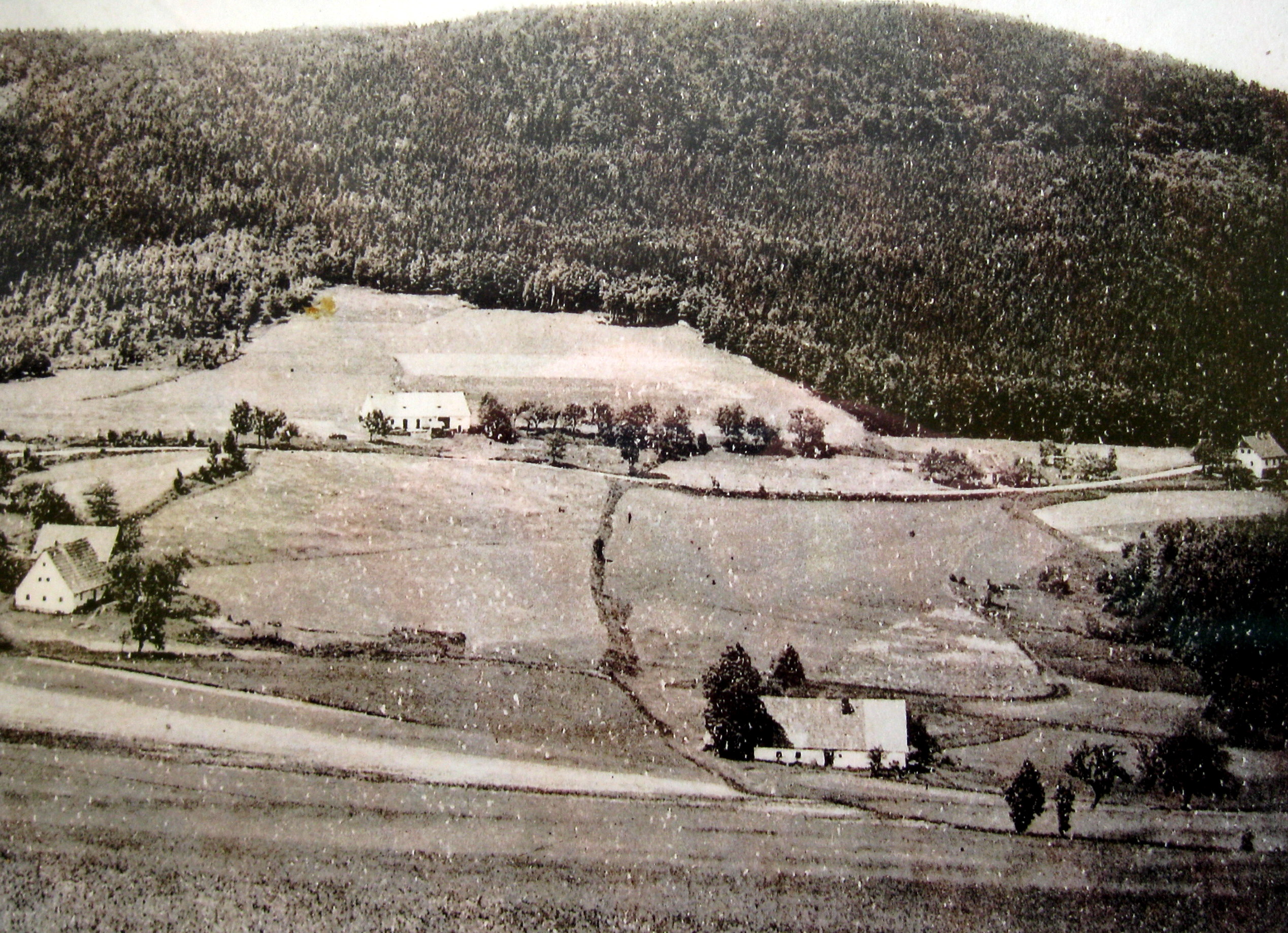
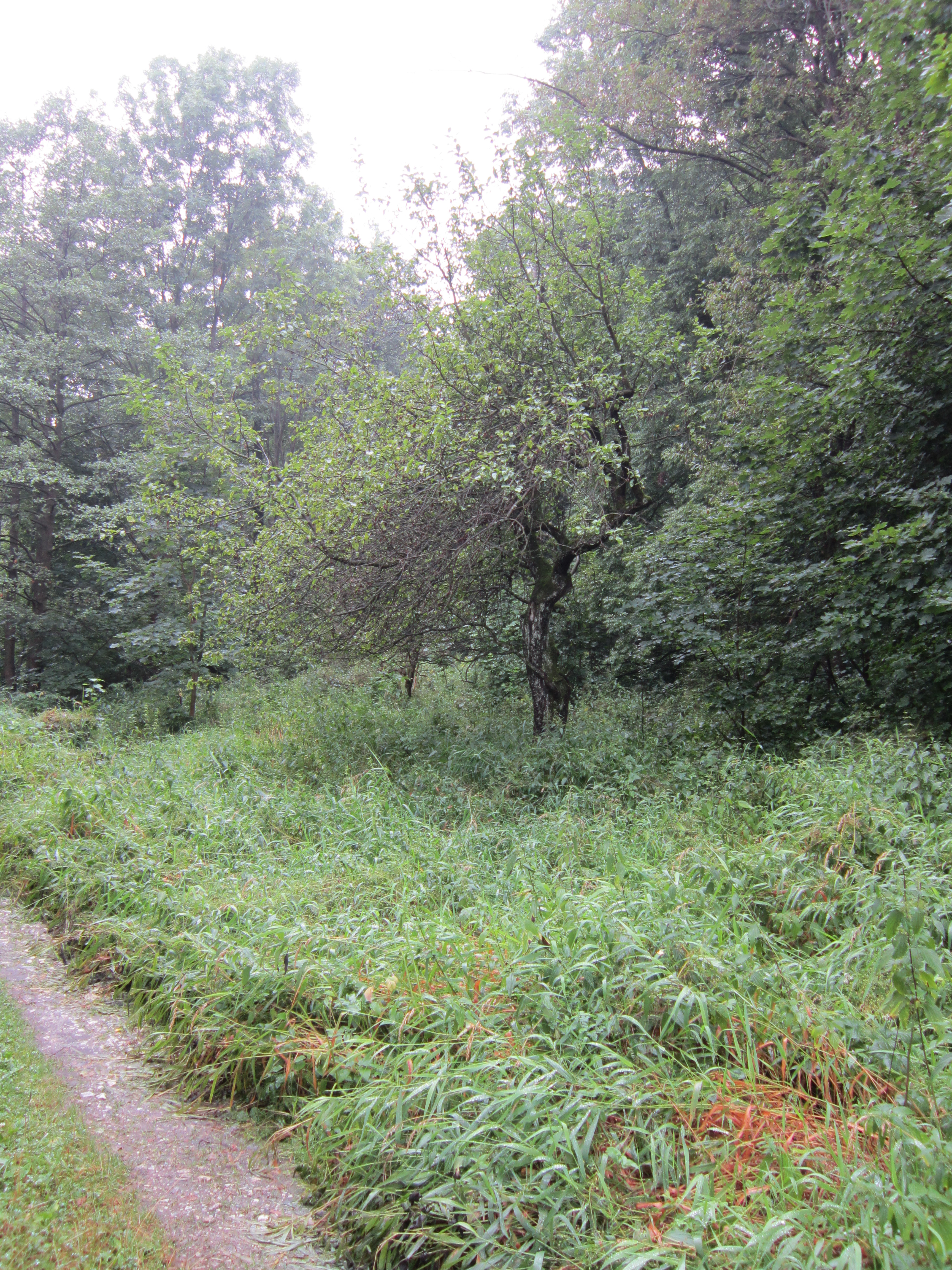
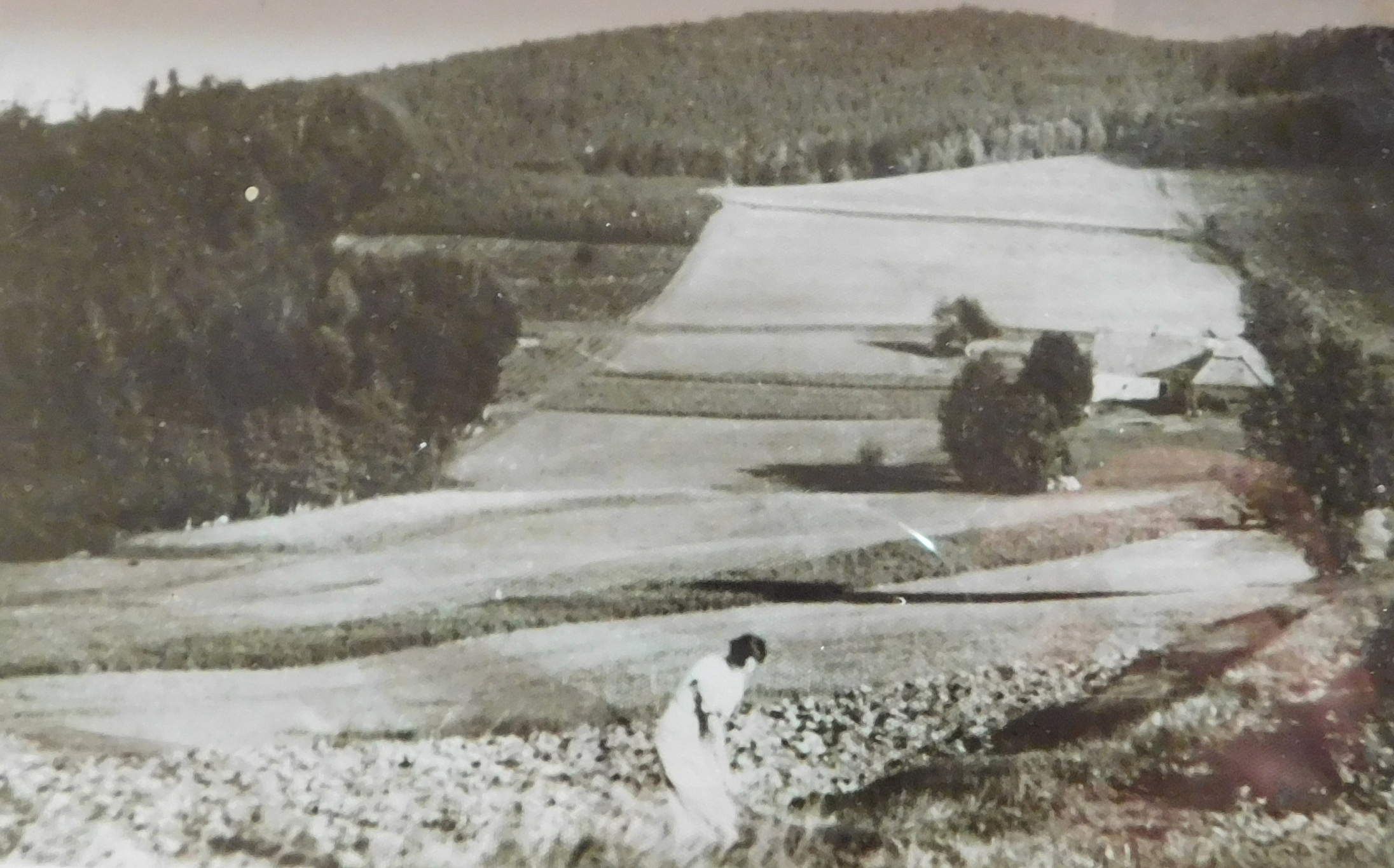
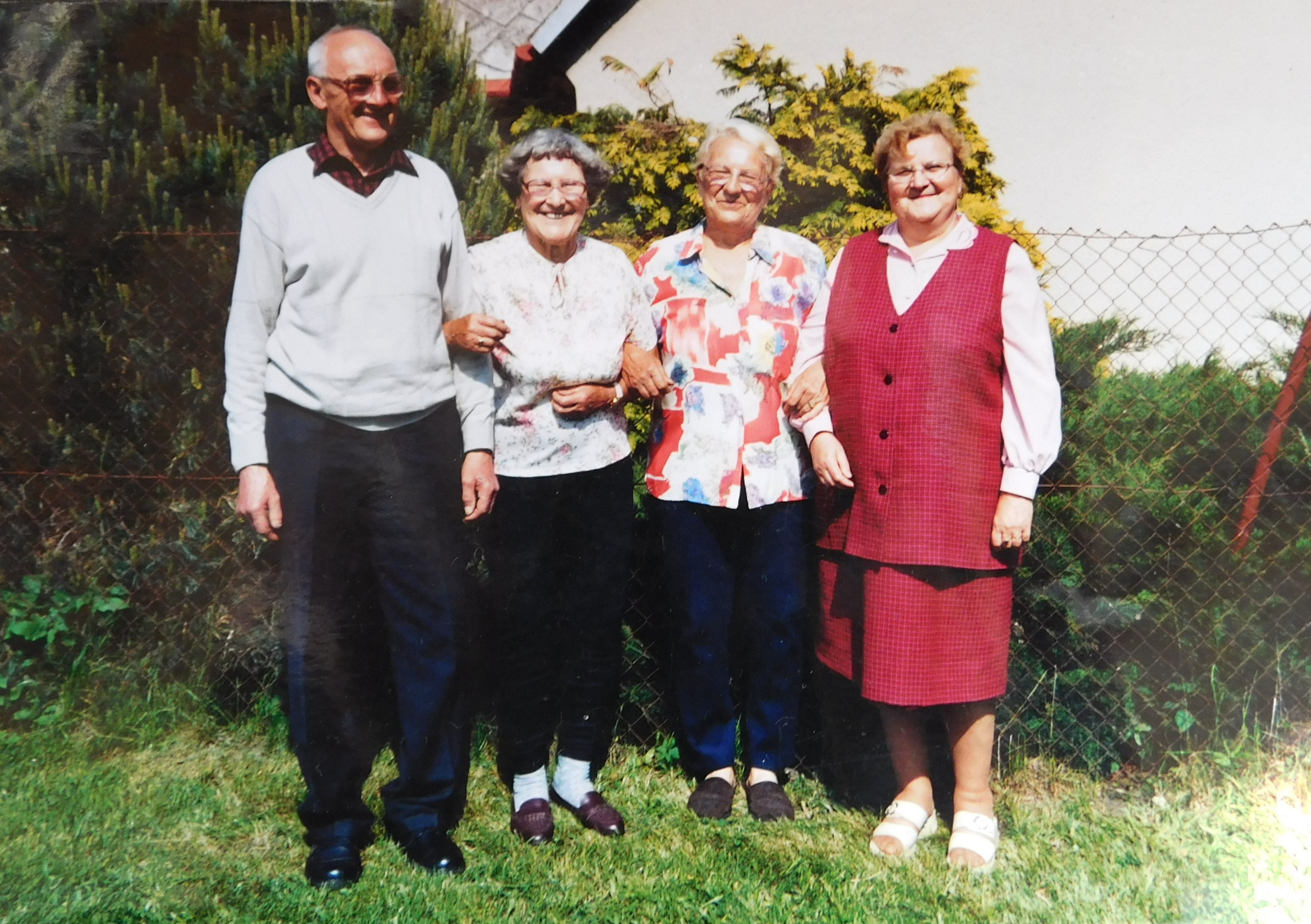
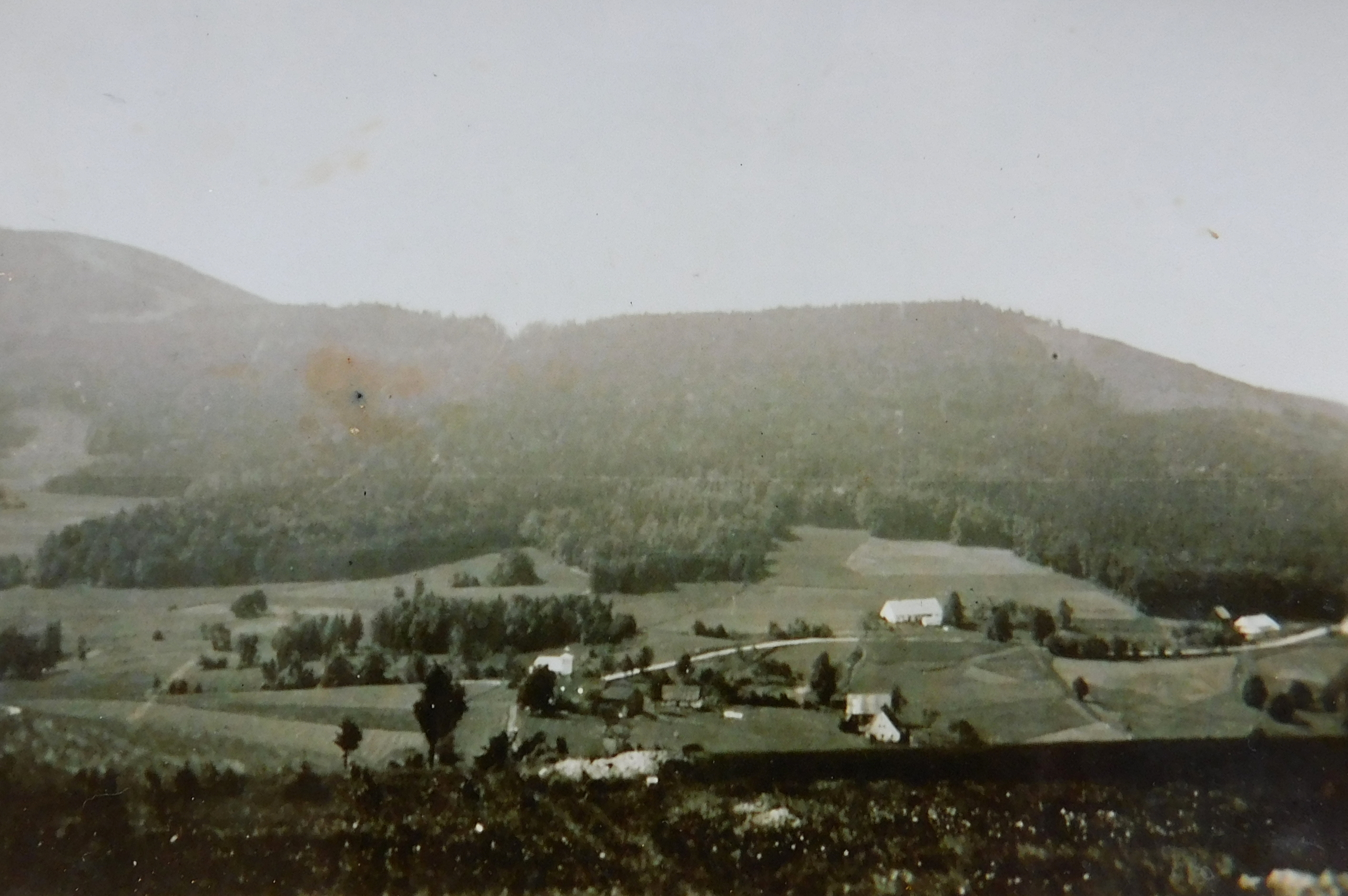
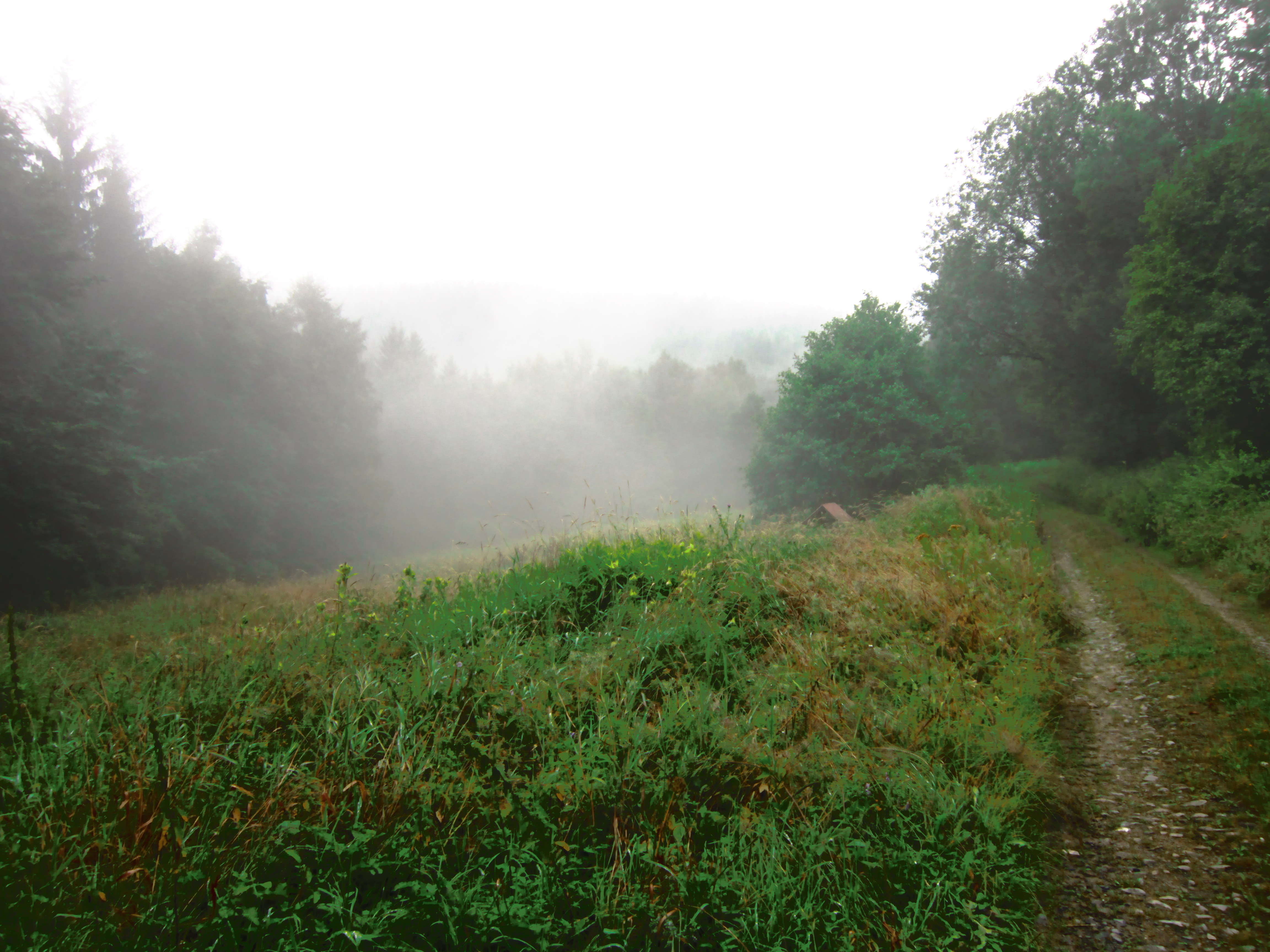
Hedvika Petřičová was born on October 16, 1935 in the settlement of Růženec (Rosenkranz in German) as the second of four children to her parents Emanuel and Maria Fischer. Like all the inhabitants of Růženec, her parents were of German nationality. After the war, they were not included in the expulsion of Germans and eventually became the last inhabitants of Růženec. However, life in the settlement became increasingly difficult after the war; they lost their cattle and machinery and had to deal with raids by thieves. In 1949 the family moved to Bílá Voda, five kilometres away. The settlement was eventually razed to the ground, including the local chapel of St. Antonín Paduánský. Only the building of the former sausage factory survived. Hedvika Petřičová remained in Bílá Voda. For many years she worked as a nurse in the local psychiatric hospital. She also died in Bílá Voda in 2017.
Hrdinové 20. století odcházejí. Nesmíme zapomenout. Dokumentujeme a vyprávíme jejich příběhy. Záleží vám na odkazu minulých generací, na občanských postojích, demokracii a vzdělávání? Pomozte nám!