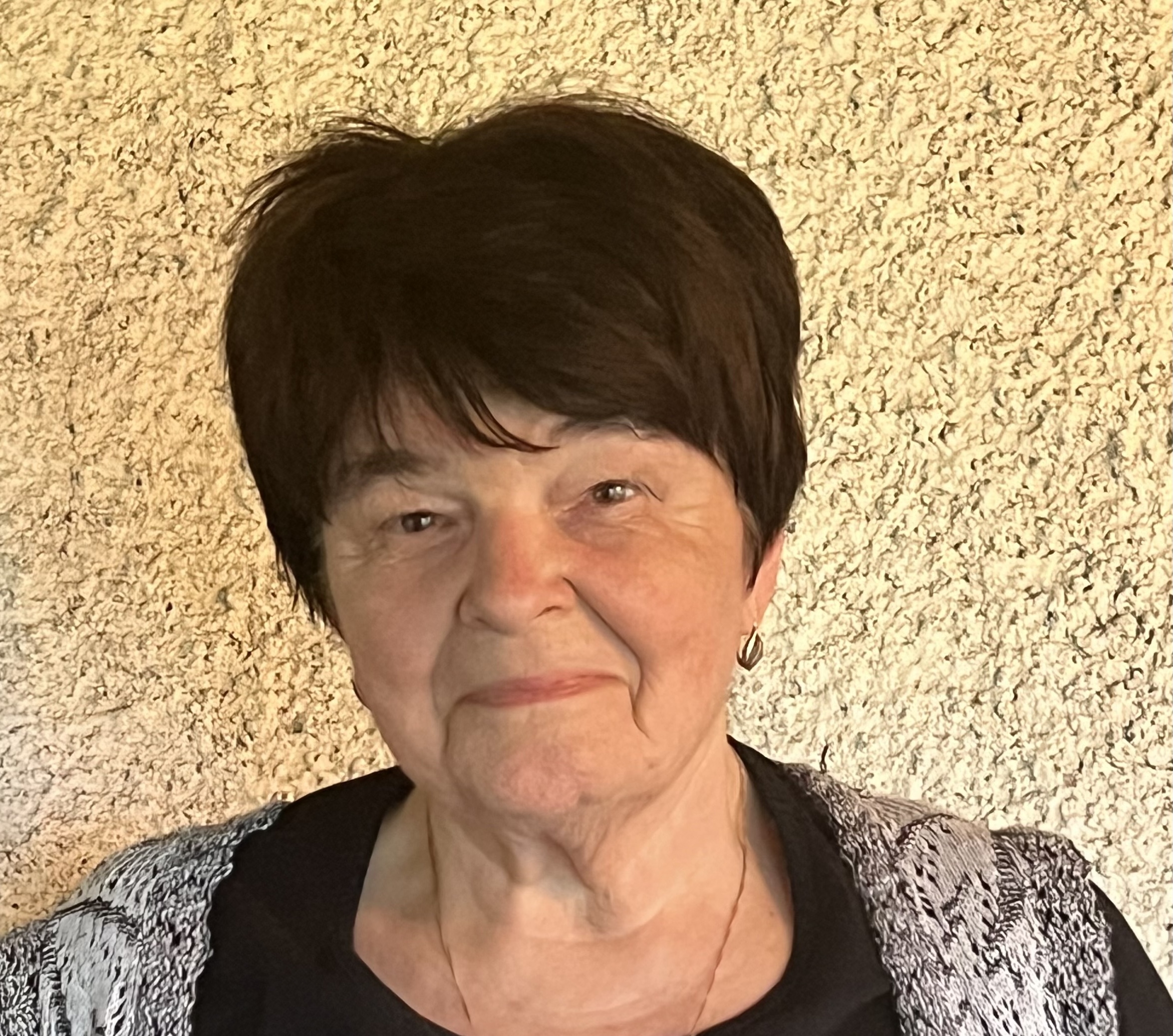
Mgr. Zdenka Pančochová

* 1944

  • "I studied pretty well, I'd say. Well, graduation year came, graduation came. The interesting thing was that in that year, it was in the year 1962, the first year the graduation exams were allowed in a foreign language other than Russian, of course. So we had Czech, Russian, Mathematics, and one elective subject, which, for the first time in a long time, could be a Western language. Well, but we actually didn't start learning English or German until the second year. Up until then, we only had Russian, and we only started learning another foreign language in the second year of high school. So I had English. I enjoyed English very much. It was my love, even then. So I applied for graduation, and I was the first and only one to graduate after all these years, in English. Two other girls graduated in German. So it was a bit of a sensation, the English exam. Anyway, I got a 1. I graduated, as they say, with a 4. That means straight A's. All right, so I graduated. And then I got a notice that I didn't have the qualifications for further studies..."

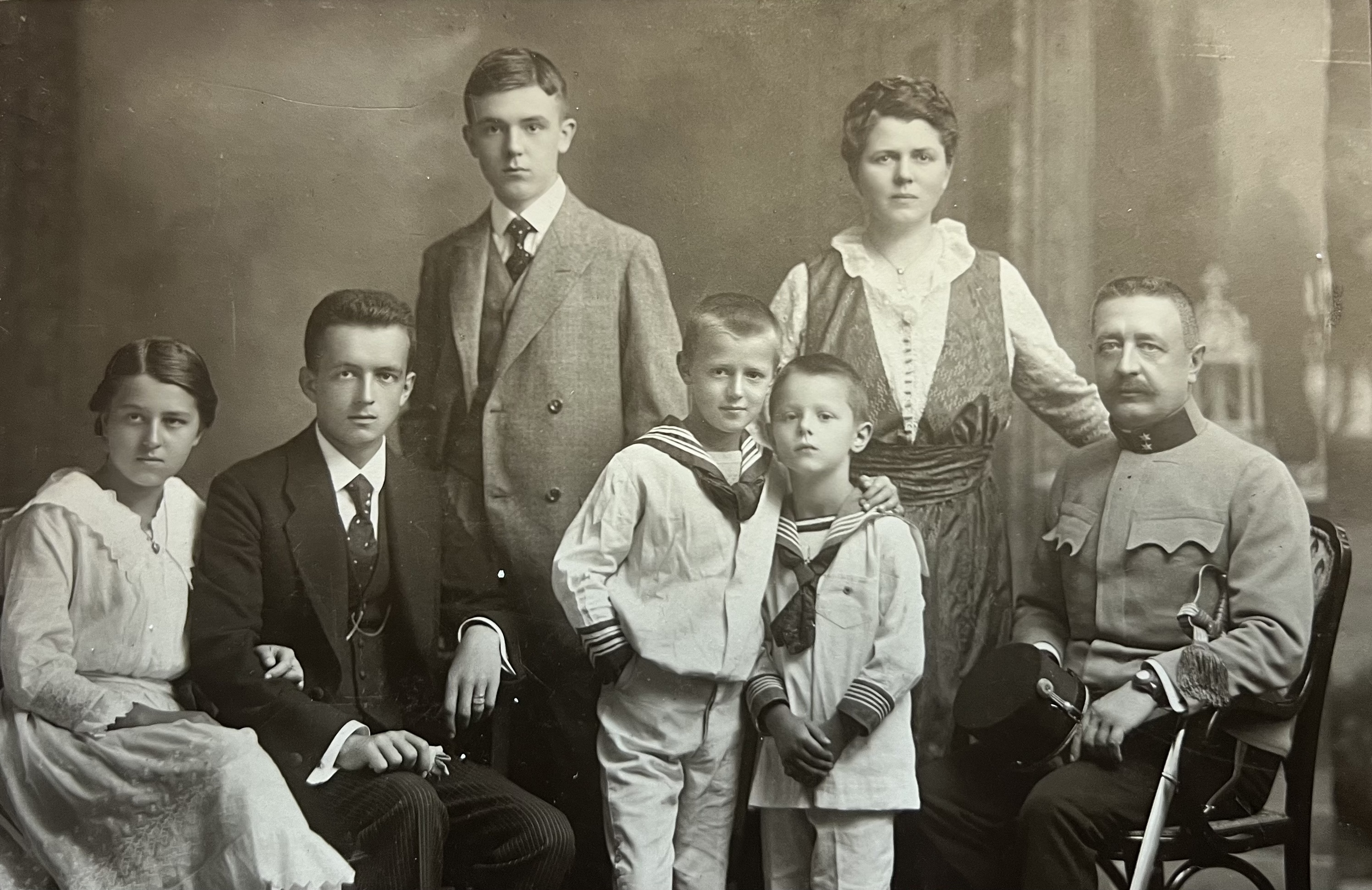
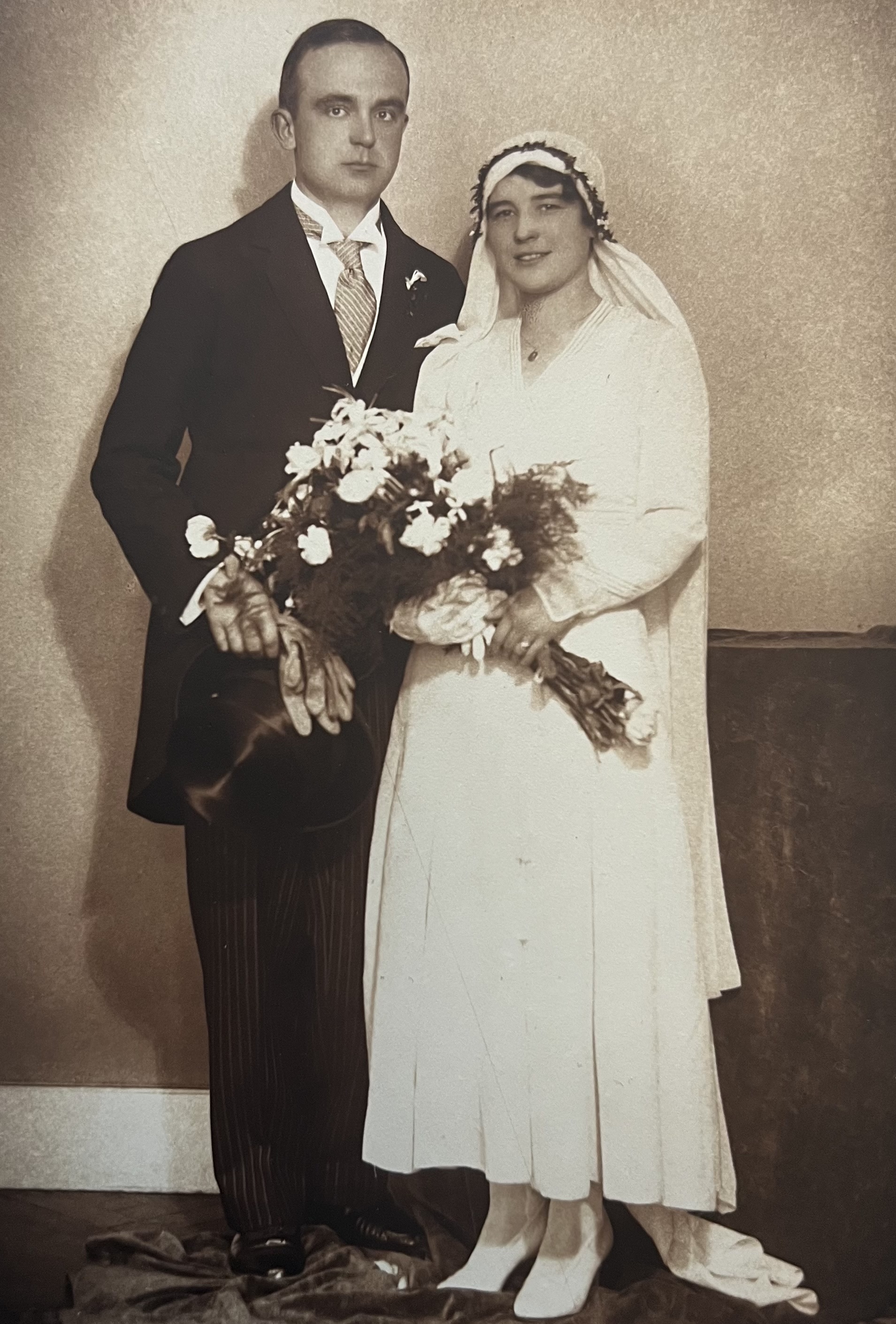
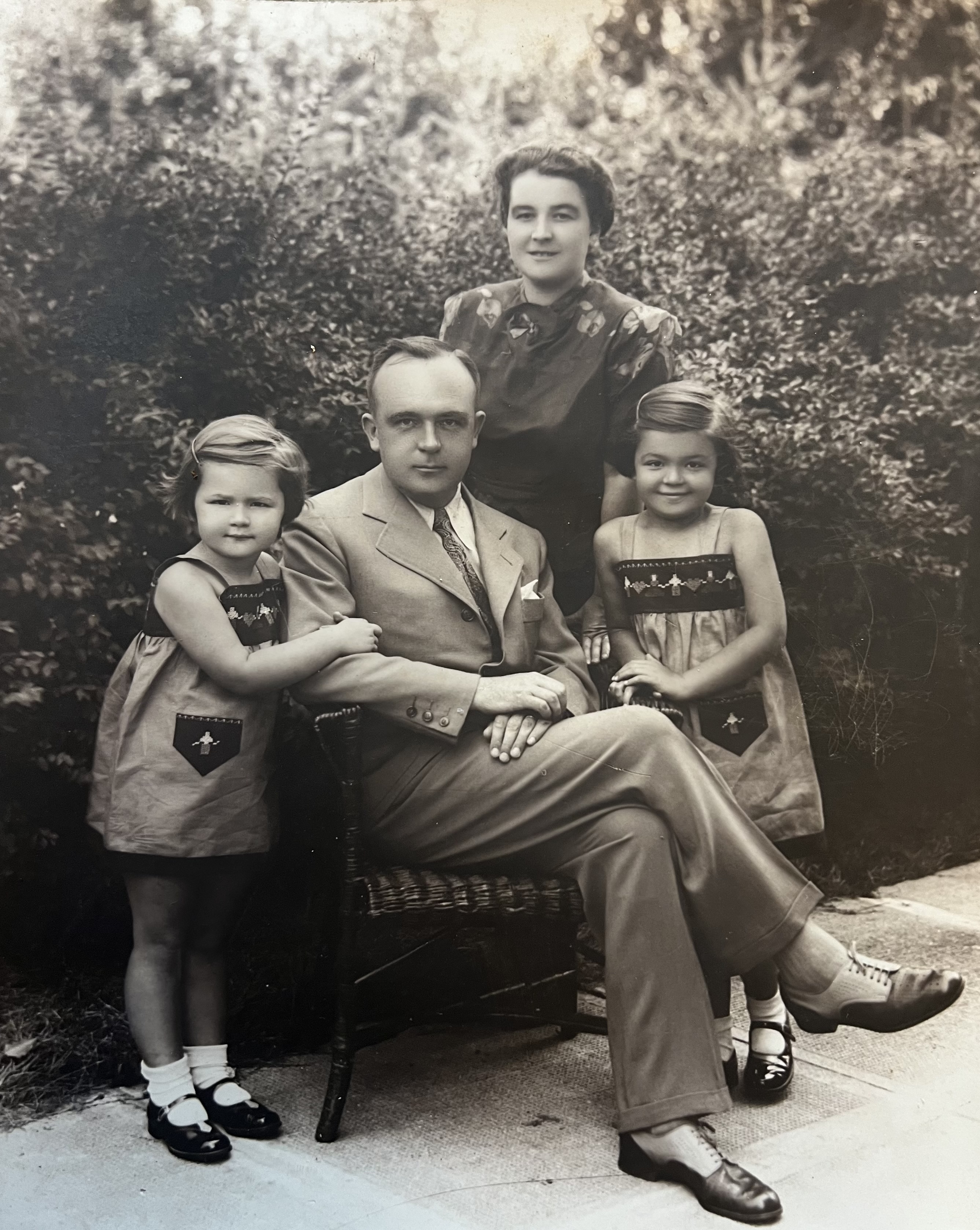
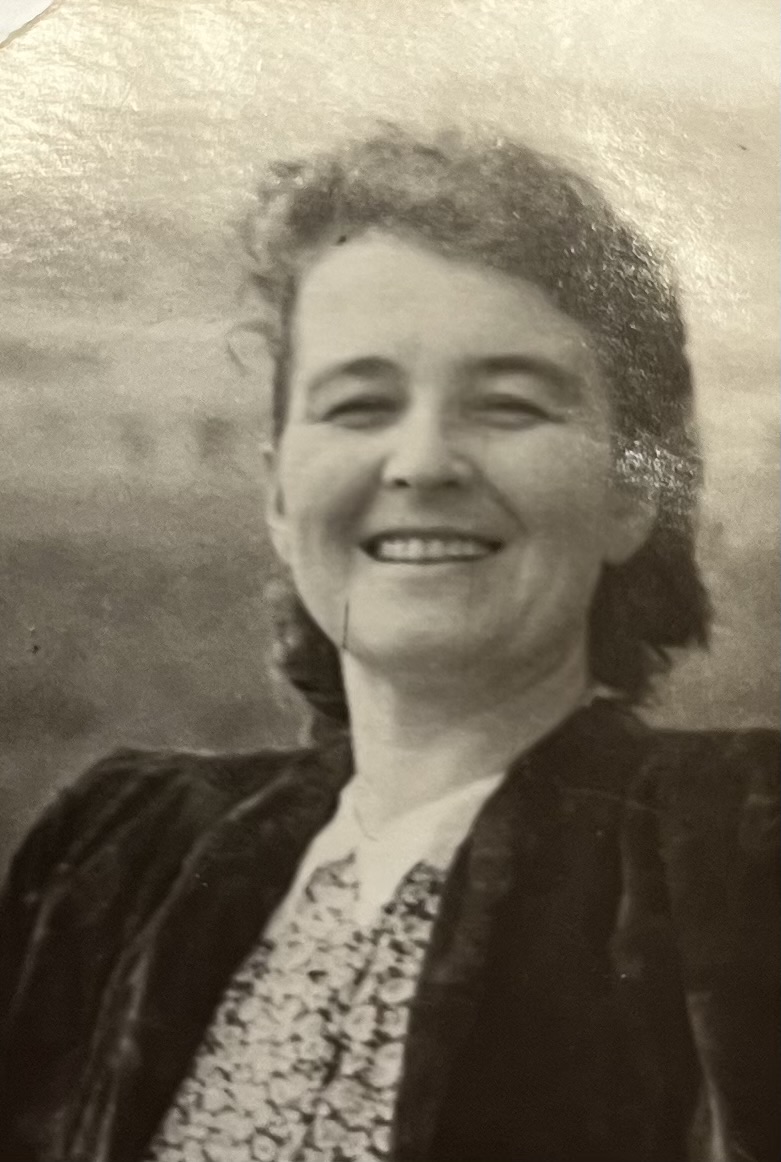
  • "They were together for seventeen years, married, because they married in October 1930, and she died early in the year 1948. They built a business, brought four children into the world, and then he remarried, but he continued to love her immensely for the rest of his life. And for me, when I read the letters, of course, I was moved by that, but on the other hand, it gave me such joy that I was a child of parents who loved each other so wonderfully. It made me feel very strong. Certainly, I was the last child, and the question is, perhaps, if I hadn't been born, she might have survived, whatever. It doesn't matter. Still, I know that she likely gave me the capacity for optimism in life, and it's admirable because I was only three and a half when she died. But still, I guess she loved me. I guess she was happy for every one of the children, or every one of hers. I explain that really, my optimism in life probably came from her, maybe both of them. I don't know. So that's how it worked out. Now imagine it was the eighth of February, mom dead, four kids, the company, well, the company was still going. The twenty-fifth of February came, and they confiscated everything from him. I searched for some documents, and he used to have everything - not anymore today - everything written down, everything labelled, how much it was. He managed to equip the company to a very decent standard, a steamroller, and I don't know what all. And they just confiscated all that. I read yesterday that the assets of the company at the time they confiscated it were thirty-four million, which was a huge amount of money in those days. Well, and so he said he came into his office, after the twenty-fifth of February, and they just told him that it didn't belong to him anymore."

  • "I just think, when I think about it, they were labelled, as were my husband's parents, as enemies of the people, of the working class. And these people really had to do everything from zero with their own hands, and in our house - well, the house was already built, but we never lived in any kind of luxury, because everything they earned, they put into the company. My mother's dowry, everything went into the company. That's just the way it was in the beginning. In the year '39, in the fall, they had their third child, a longed-for son, which must have been a wonderful thing for the father, and of course, the mother was thrilled too, because the successor of the firm was born. It was the year 1939, the war was on. You'd think, or at least I always thought, that during the war, life stopped completely. And then you start thinking. You find out that films were being made, there was culture, and there were a lot of children being born. So I guess that life actually did go on, and just as I was saying, my mother spoke German well, that it was her second language, so she was able to arrange certain commissions."

  • Celé nahrávky
  • 1

    Luhačovice, 28.05.2025

    (audio)
    délka: 02:04:32
    nahrávka pořízena v rámci projektu Stories of 20th Century
Celé nahrávky jsou k dispozici pouze pro přihlášené uživatele.

Feeling needed is the most important thing to me
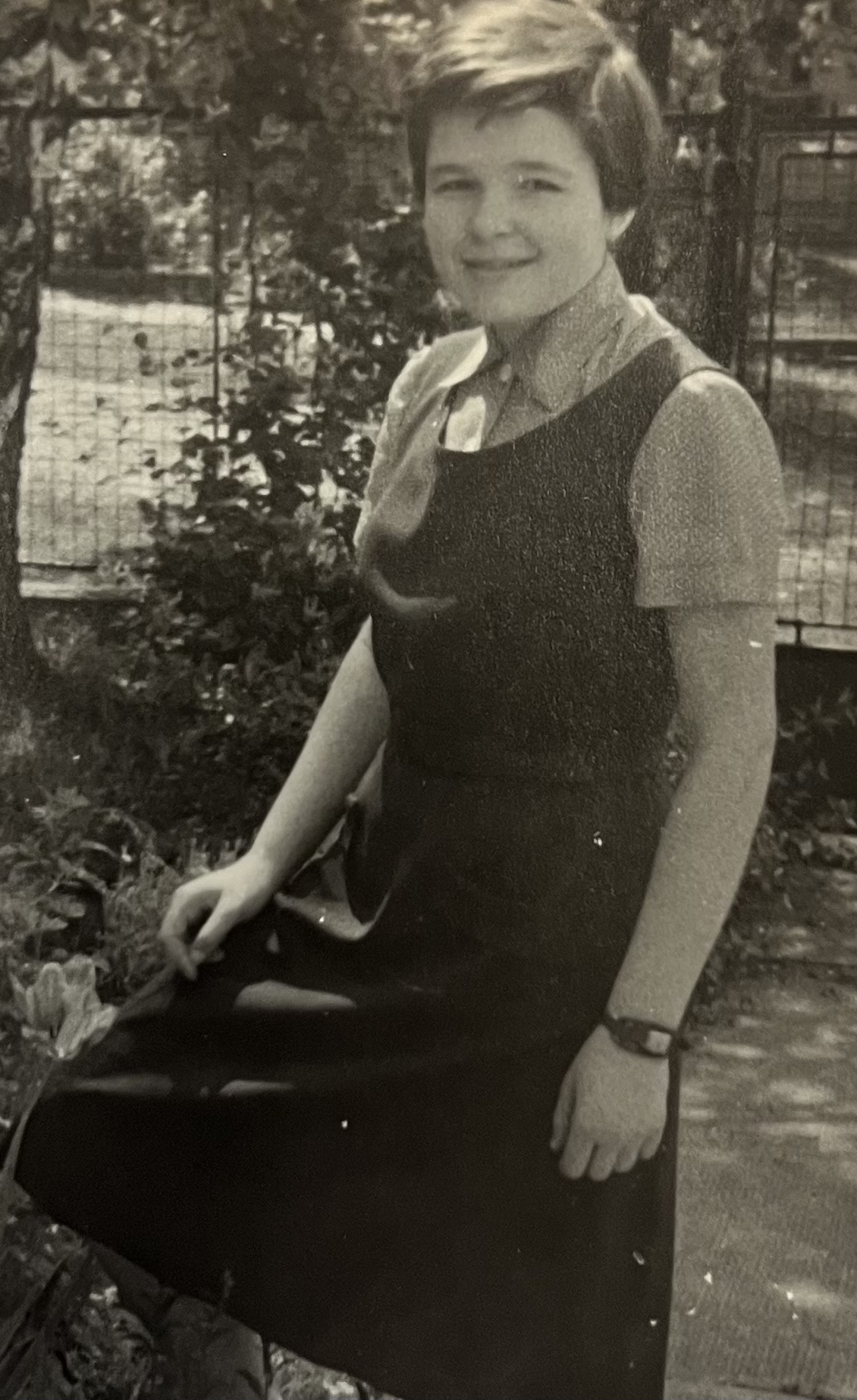
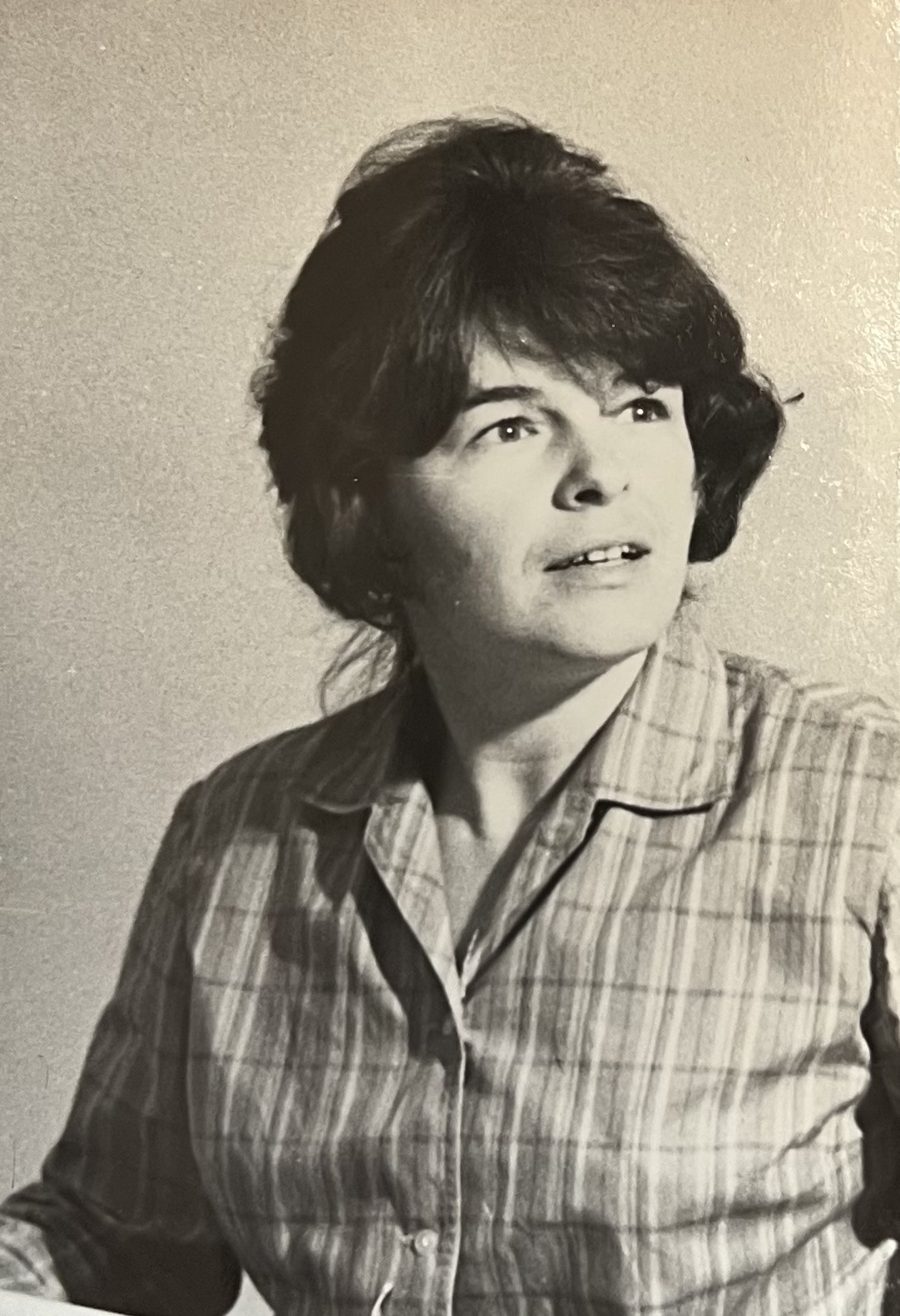
Zdenka, 1957
Zdenka, 1957
zdroj: Witness archive

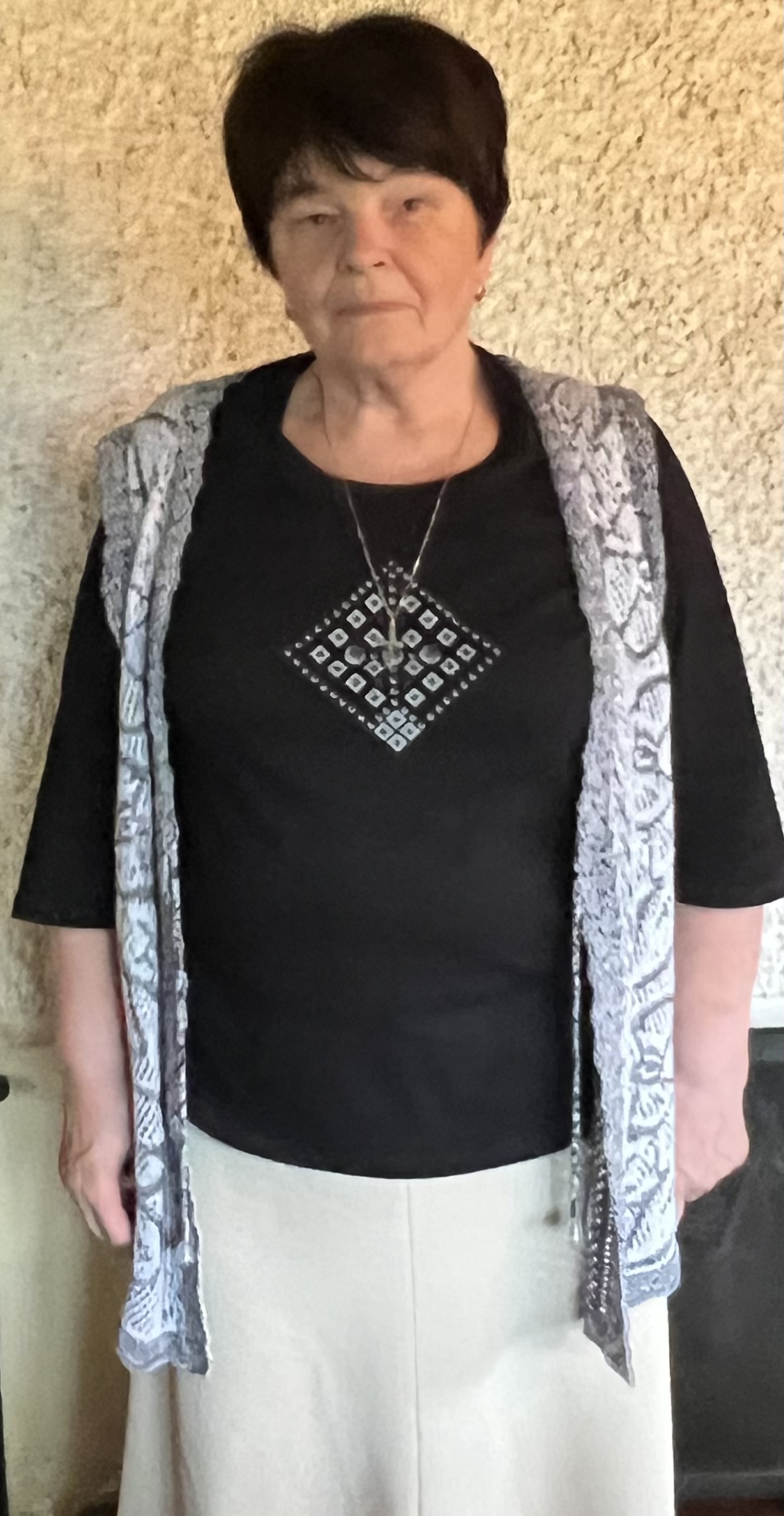
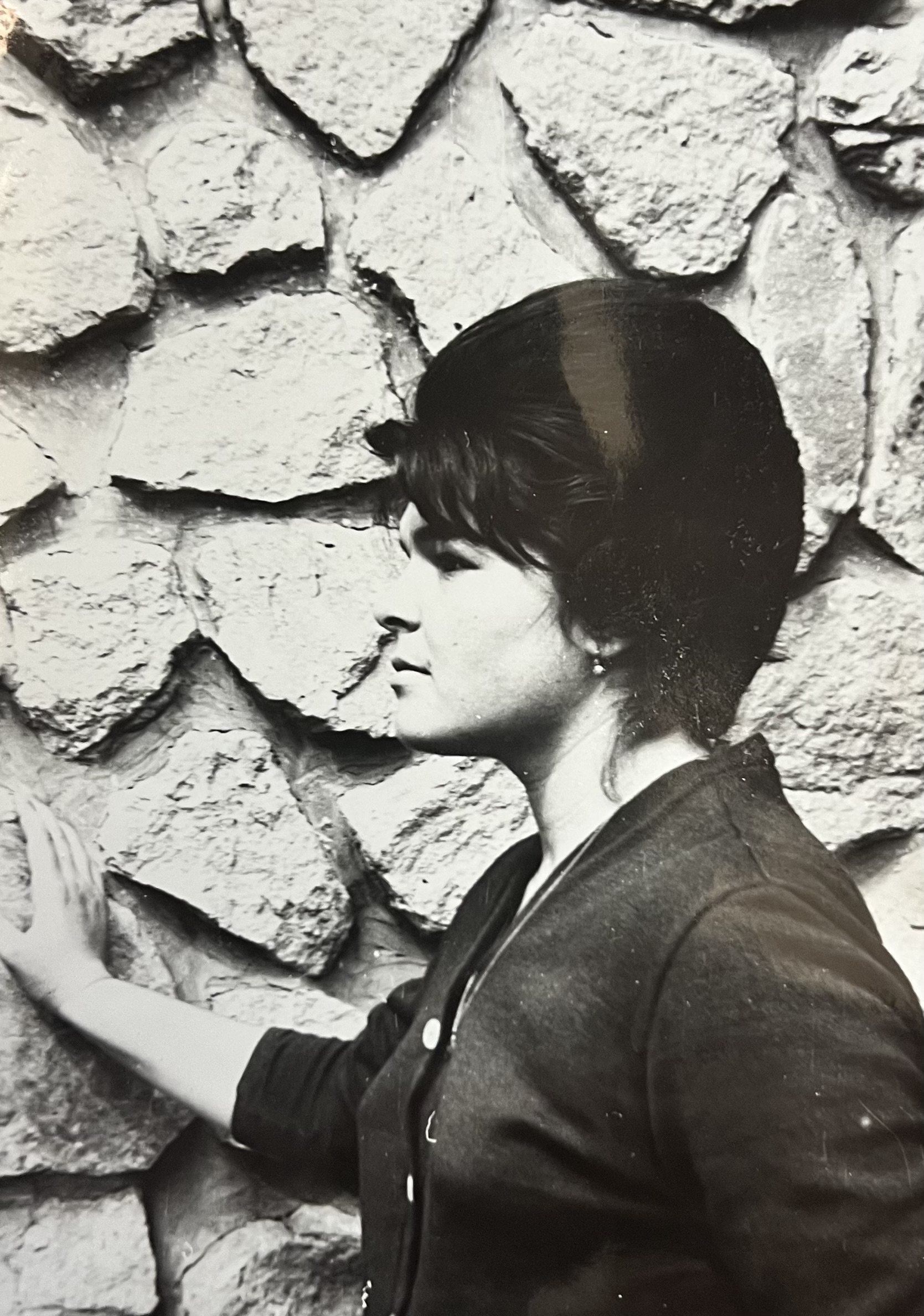
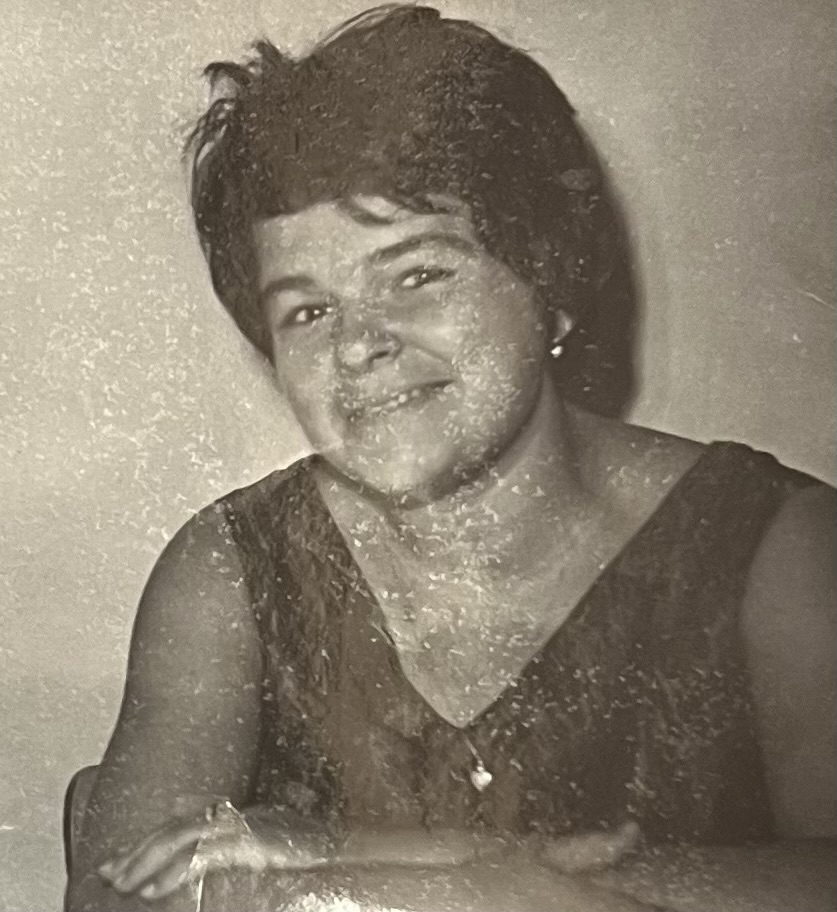
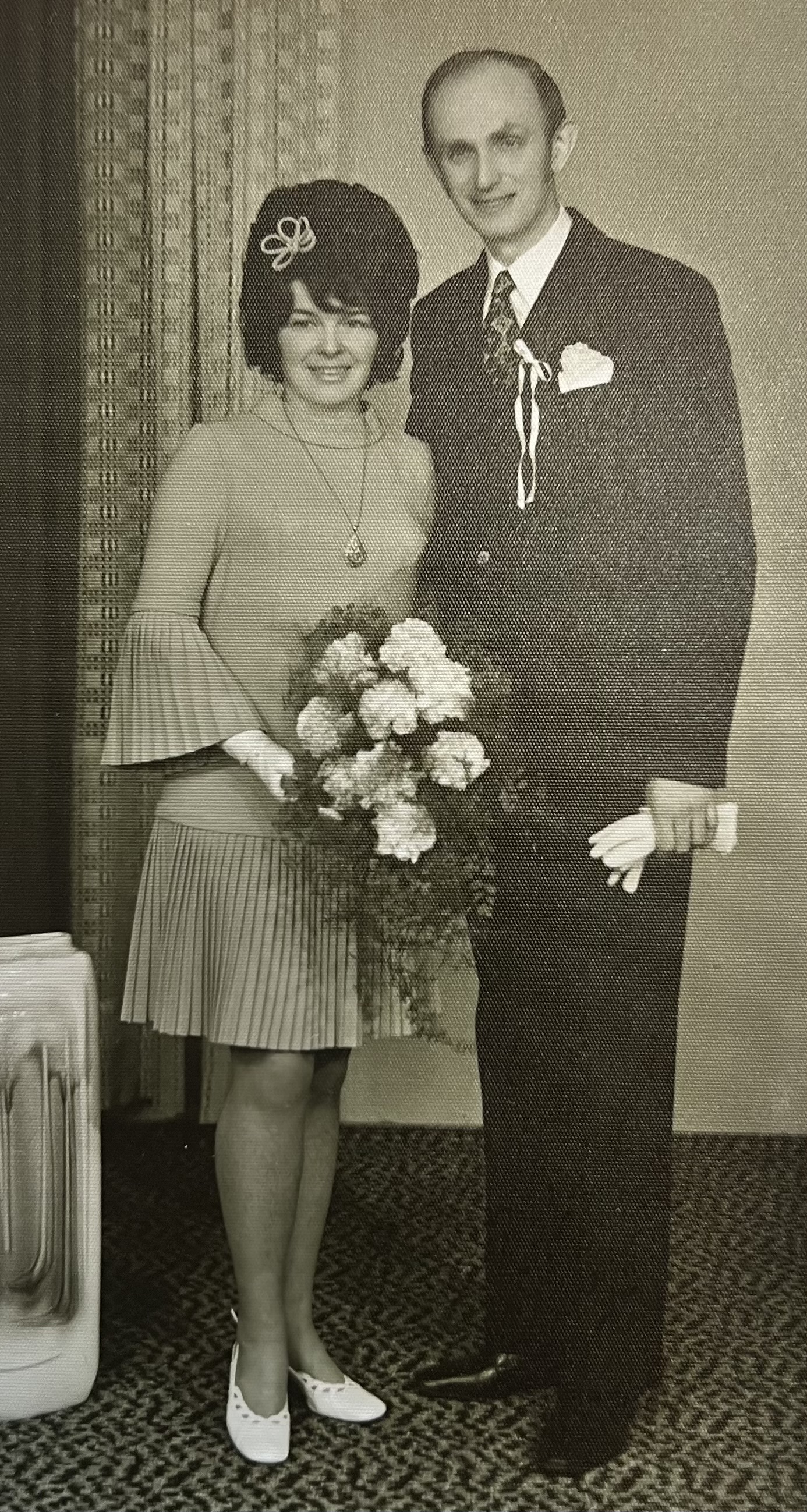
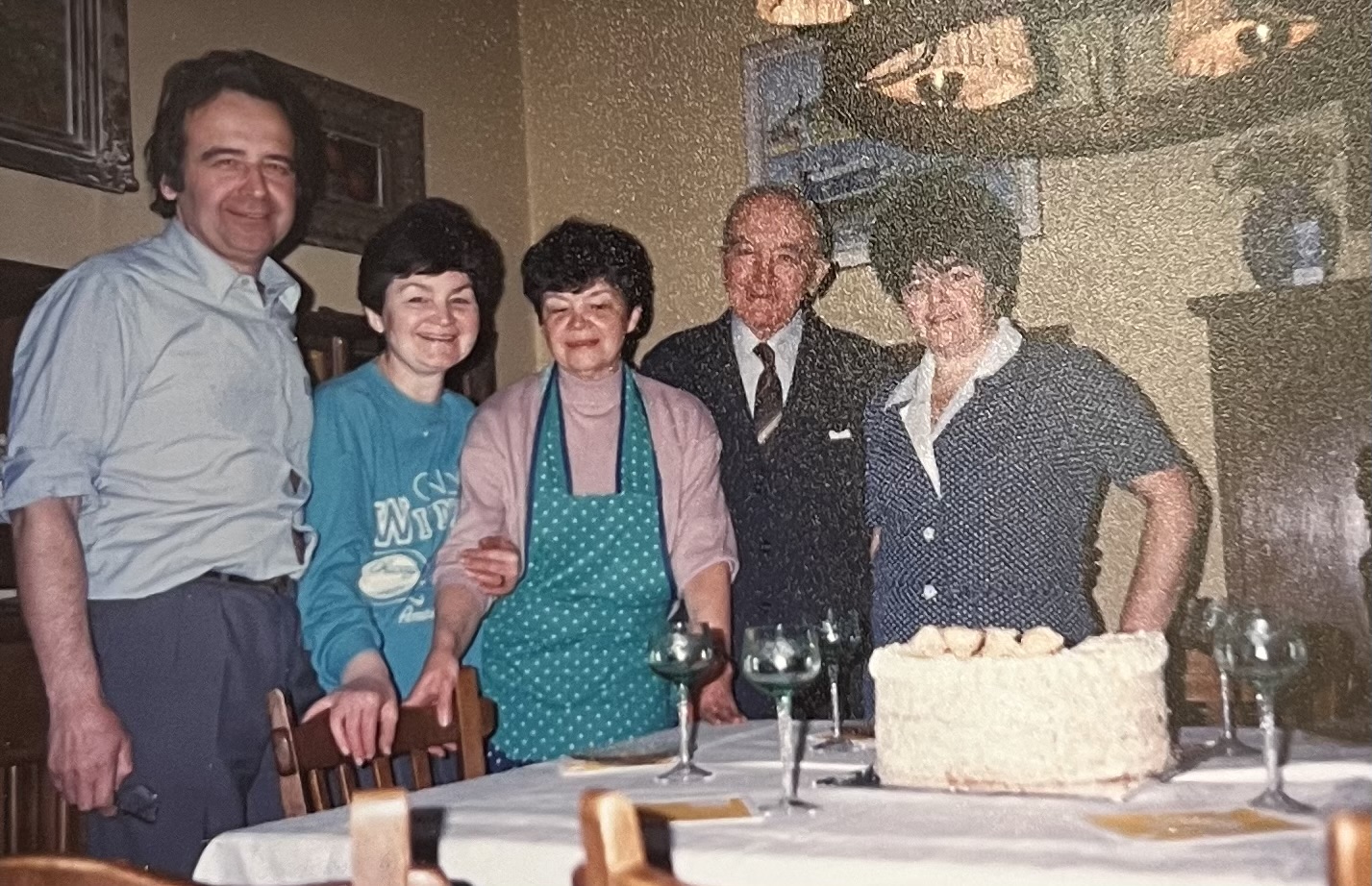
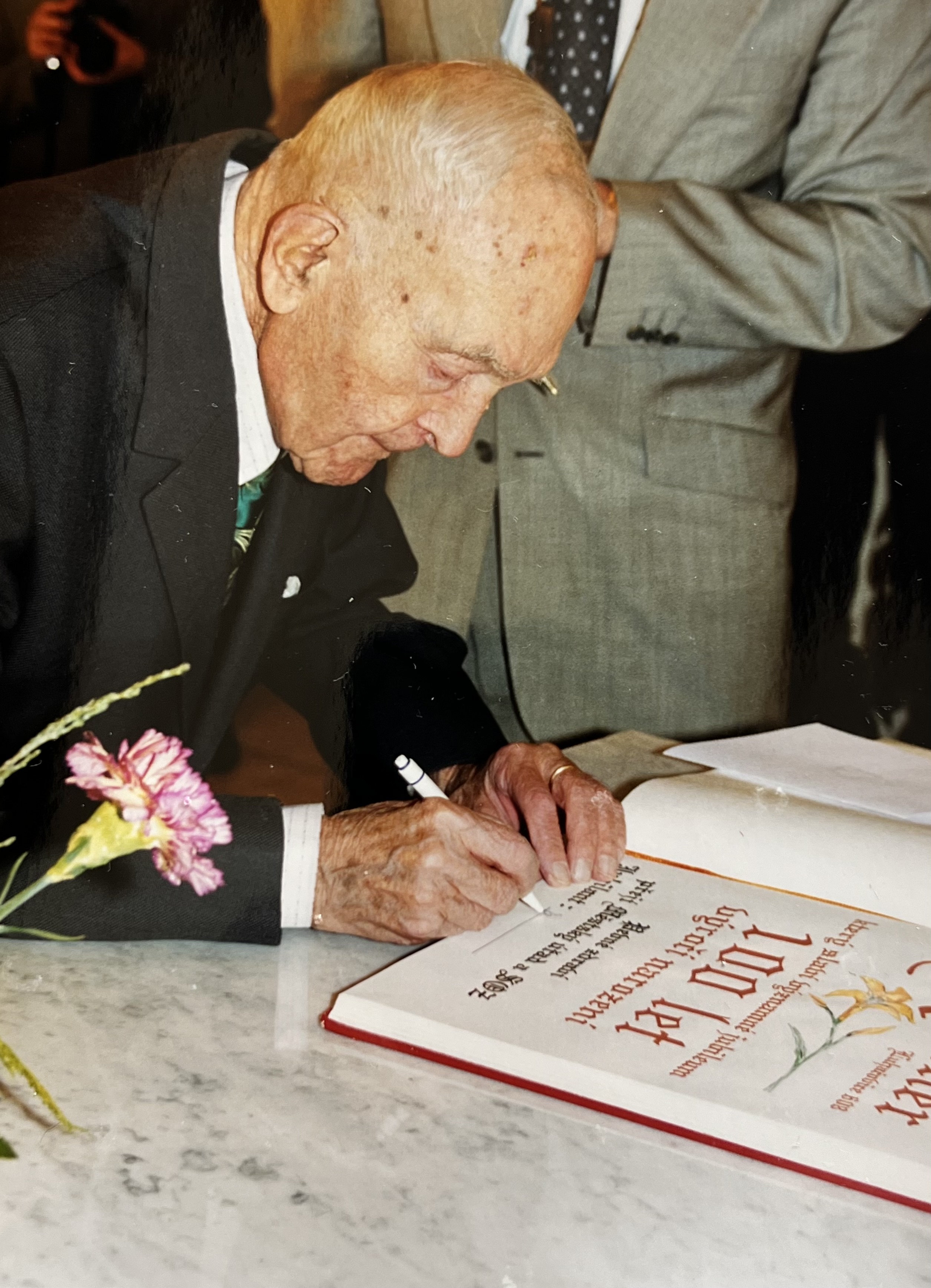
Zdenka Pančochová was born on 17 June 1944 in Zlín as the youngest of four children. She grew up in the family of a civil engineer Jaroslav Renner, who lost his company during the communist coup in 1948. Zdenka‘s studies were strongly influenced by the political regime - despite her excellent results, she had limited opportunities for further education. Eventually she studied teaching, Russian and later Czech and English, which she ended up teaching throughout her life. She worked first in Újezd near Valašské Kloubouky, then for most of her career in Luhačovice, where she also met her husband Jaroslav. After 1989, she became the headmistress of the school and led it for ten years. During her tenure, the school underwent a major extension. She left her position in 2001 to care for her aging father, who lived to be 100 years old. Even after leaving the head position of the school, she remained active in teaching and participating in community life. In retirement, she is dedicated to parish work, tutoring children and is grateful to be of service to others. At the time of filming (June 2025), she was living with her husband in Luhačovice.