"I knew the poverty of the First Republic, unemployment and beggars. When we went on pilgrimages to Svatý Kopeček, there were beggars sitting at every chapel. That was the life of the First Republic. I saw how parents had to work. When the new stream to Morava was built as a flood protection, what conditions the workers worked in! Heavy wheelbarrows, heavy planks, everything had to be dug and exported by hand from morning till evening. The women on the farm also worked from morning till night, came home and had to cook. Even on Saturdays, I saw the misery. I heard about Duchcov, about the massacre, so there was no way I could be a rightist. I have remained a leftist to this day. I can't be happy with Bakala and others like him who stole the flats from the miners."
"My older brother, born in 1922, was stationed in Germany, in Potsdam, in an aircraft factory - Arado was its name. The other was in Poland, in Javorec and Kuncice. He was home on leave twice and never came back the second time. A neighbour, a man named Choleva, turned them both in, along with a friend who was with him. After the war they dealt with him manually. They didn't even turn him in as a traitor after the war, they dealt with him manually, he got beating with a belt."
"We've been through a lot. First of all, the landscapes as we drove around Lake Baikal. It's the largest freshwater lake in the world, one thousand one hundred kilometres. It was a great experience - a huge lake and clear water, visibility to a depth of about thirty metres or more. We drove slowly around Lake Baikal all day, going through 52 tunnels. There are about 360 rivers and streams flowing there and only one - the Angara. So you can imagine the wild river on which they built the Angara dam. Then we continued through northeastern China to Korea. We crossed the Yalu River bridge on the Sino-Korean border; there was no other way to cross. And that's where it started. The horrors of war. The bridge was half Chinese and half Korean. The Korean part had already been bombed, only a makeshift wooden structure remained, so the train had to move at a pace. As the line continued on to the 38th parallel, the landscape was littered with craters. The bridges were makeshift, made of wooden beams. It was a big risk to ride in step to avoid trains or locomotives falling off before reaching Kesong. There was first a tent camp, later the Koreans built a wooden one."
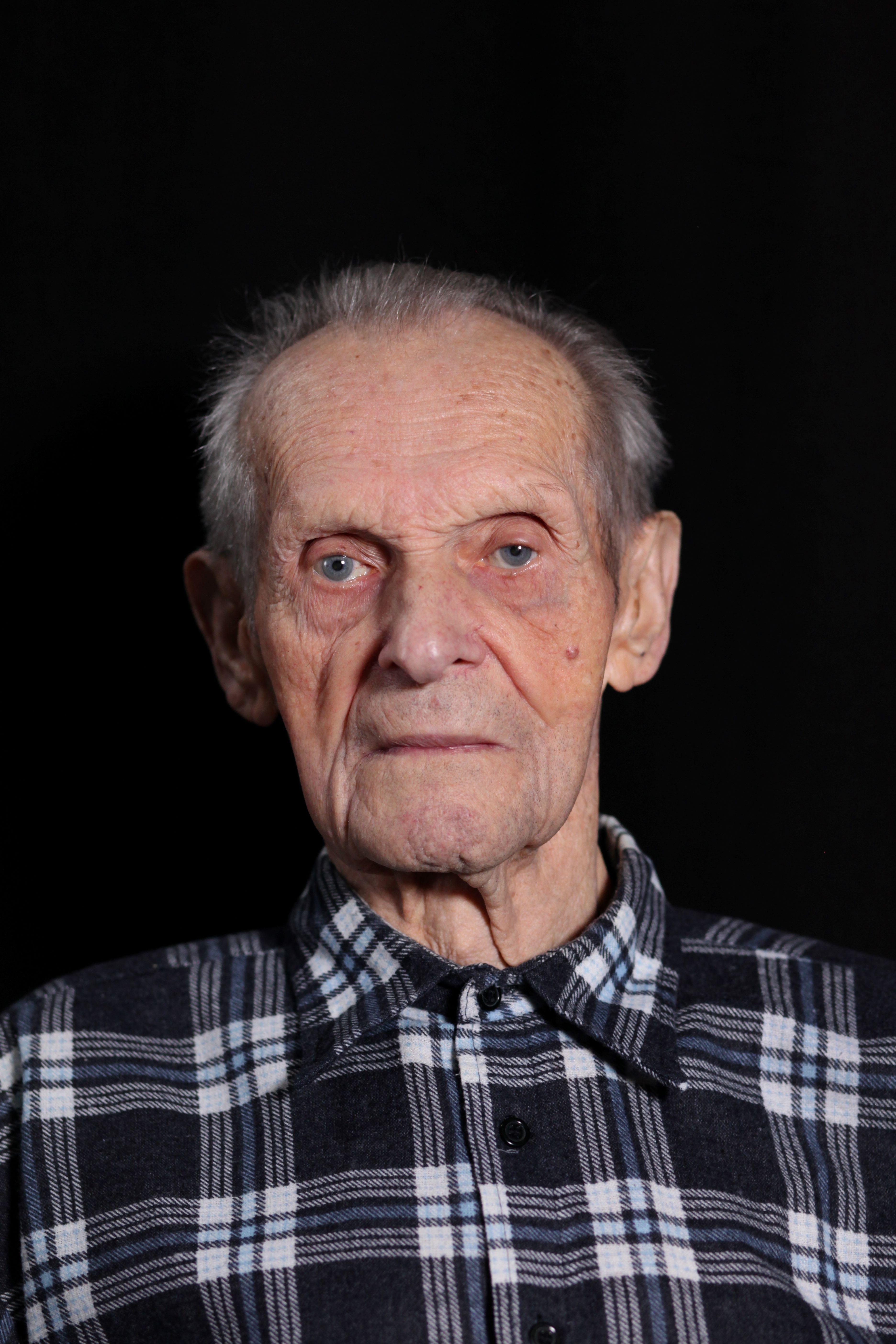
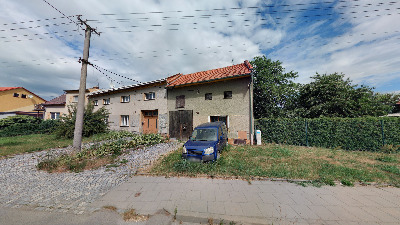
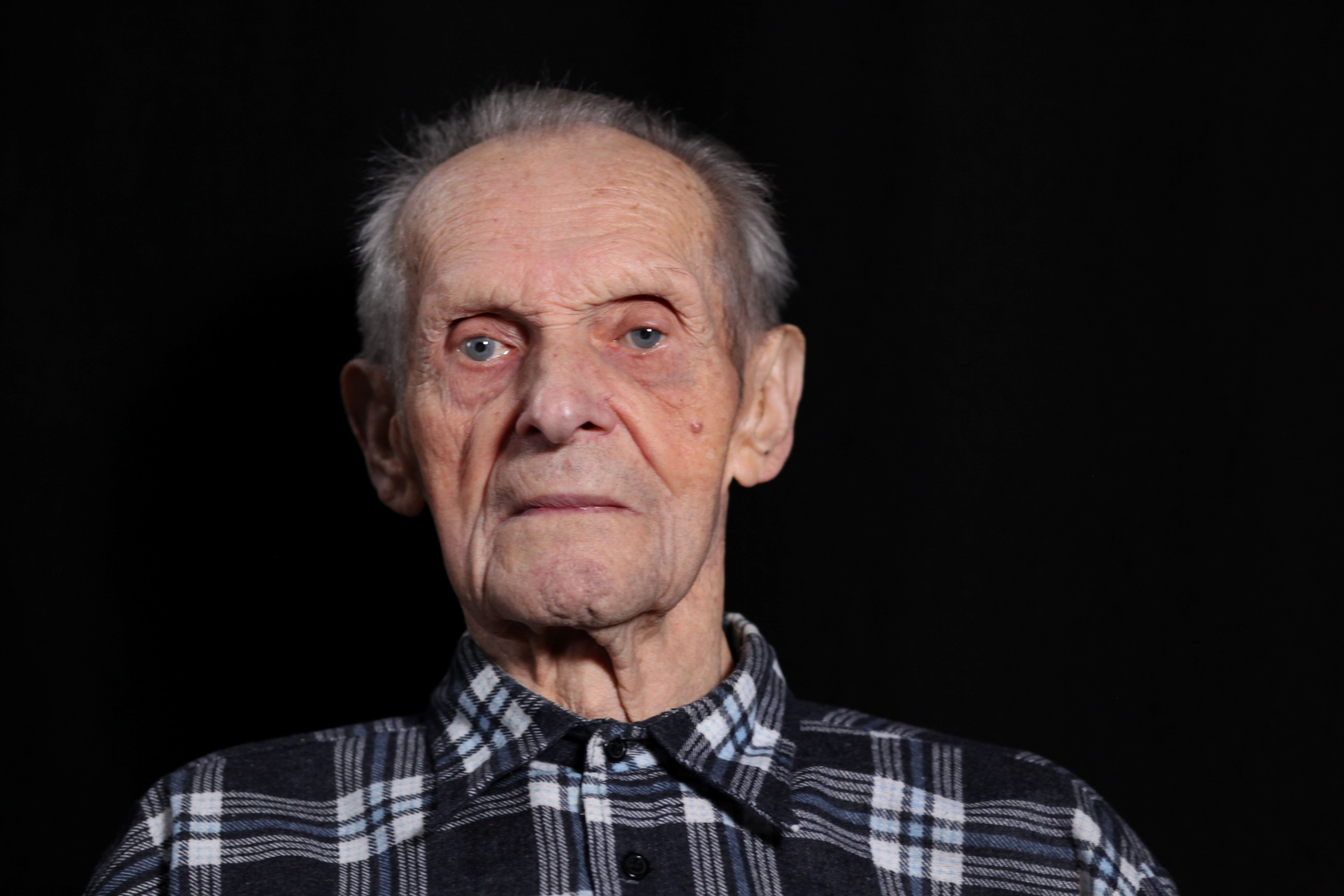
Antonín Nesvadba was born on 16 December 1928 as the fourth of five children of Josef and Františka Nesvadba in Chomoutov near Olomouc. His father earned his living as a saddler during the war and later as a labourer. His mother worked in agriculture. In Chomoutov he lived through the Second World War and the local war events associated with it. During the liberation, their rented flat was hit by an aircraft shell and damaged. A bomb landed near the shelter where they were hiding from the front. Between 1943 and 1945 he trained as a joiner in Horka nad Moravou. In the autumn of the same year, the family moved to Šternberk as part of the resettlement of the borderland. Antonín Nesvadba joined the Arts and Crafts Workshops (Uměleckoprůmyslové závody, UP) as a joiner. At that time he joined the Communist Party of Czechoslovakia (KSČ). Between 1950 and 1952 he completed his compulsory military service in Terezín and Prague. From 1953 to 1954 he took part in an extraordinary military peacekeeping mission in Korea, serving as a driver. After his return, he worked as a joiner in UP workshops, from 1960 as a driver under the Military District Administration in Šternberk and later in the Military Repair Plant 025 there. In 1961 he got married. He and his wife Karla raised their sons Břetislav (*1962) and Petr (*1967). In Šternberk he lived through the invasion of Warsaw Pact troops in August 1968 and the Velvet Revolution in 1989. He died on January 5, 2025.
American convoy transporting North Korean prisoners of war to their reception centre, Pyeongchang, Korea, 1953
American convoy transporting North Korean prisoners of war to their reception centre, Pyeongchang, Korea, 1953
zdroj: Source: National Archives and Records Administration (NARA), USA. Author. U.S. Air Force (Letectvo Spojených států). Identifikátor: 84558 AC / HF-SN-98-07399. Licence: Public Domain (Free rights).
Stáhnout obrázek
Hrdinové 20. století odcházejí. Nesmíme zapomenout. Dokumentujeme a vyprávíme jejich příběhy. Záleží vám na odkazu minulých generací, na občanských postojích, demokracii a vzdělávání? Pomozte nám!