Brigitte Marksová

* 1941

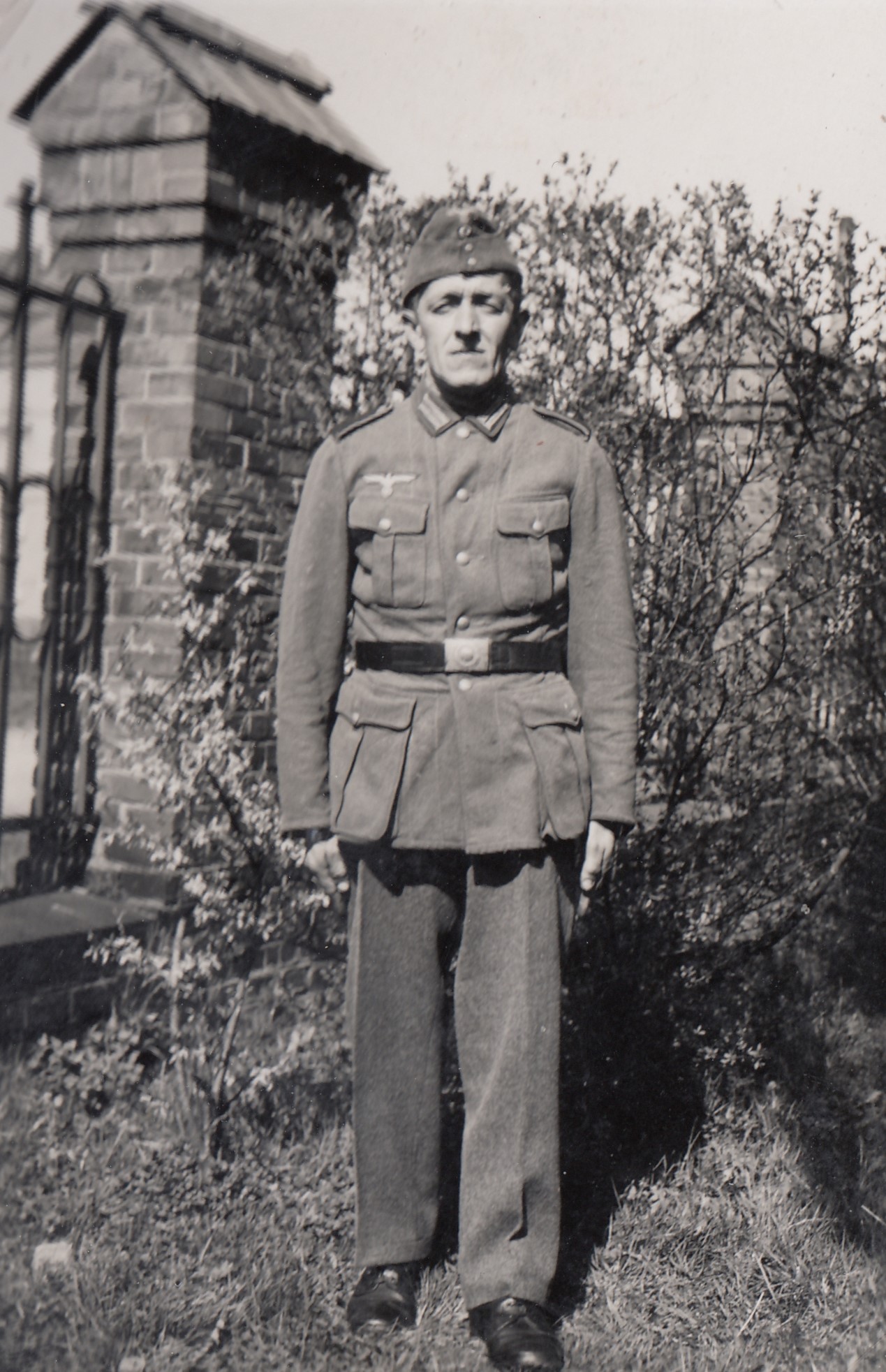
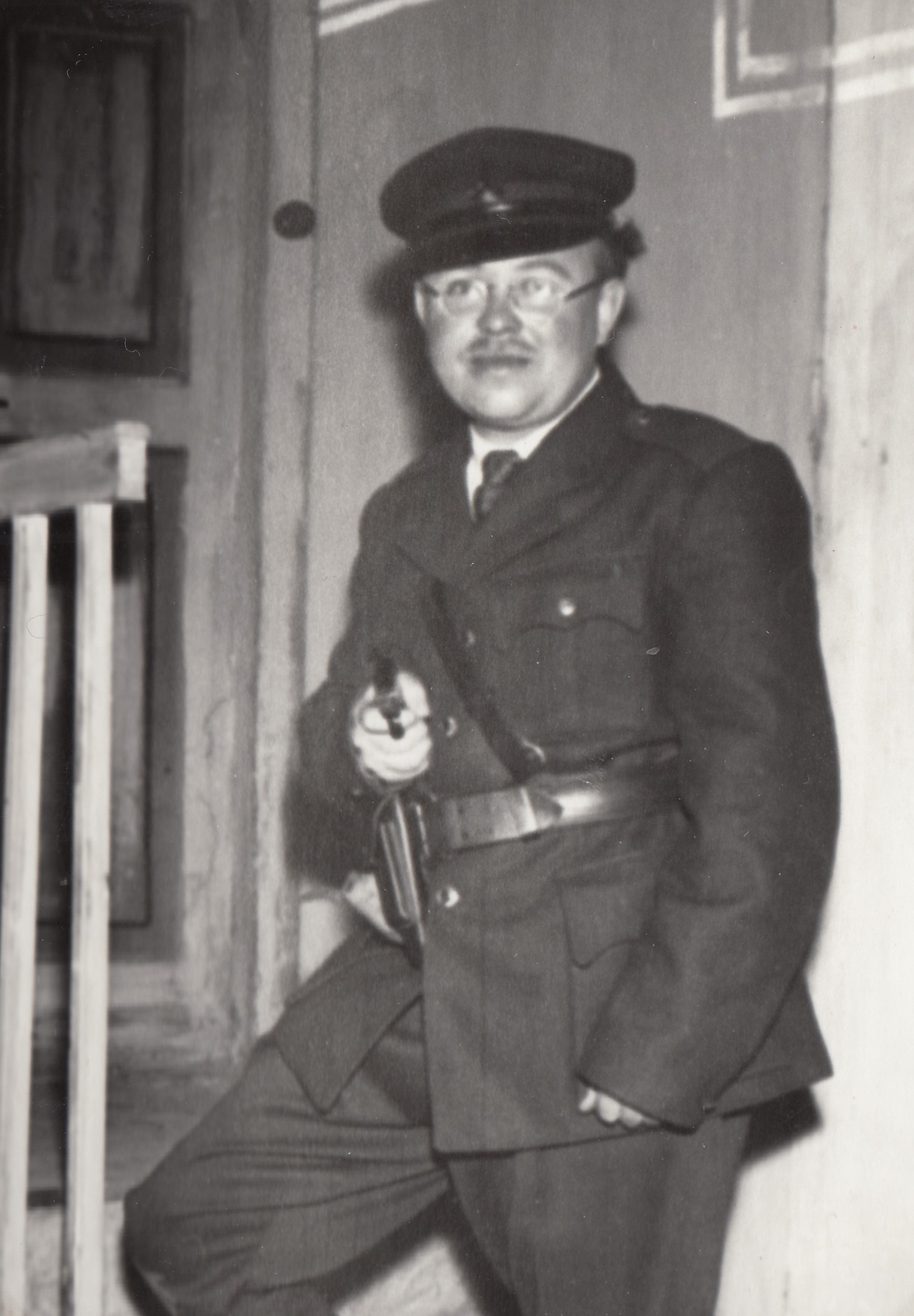
  • "It was the end of the war and they wanted to take him prisoner. He and another man, a fellow [soldier] he met there, sneaked down through Poland at night. In '47 he came home. During the day the landlords in Poland, it wasn't so cruel there, sometimes they took them in or opened the barn for them to sleep in. Then they would sneak in at night and about the beginning of the forty-seventh he came home, but he was sick. His bronchial tubes were infected, bronchitis. He couldn't do the shoemaking anymore, everything had been taken away from him. We still managed to clean up some of the hand [tools] a little bit so they wouldn't be so visible, but there were only a few. So he went to the mines. But he could not do it that, he was bagging dust on the ground even with the affected bronchial tubes."

  • "The cooperative farm started in the autumn and ended in the spring because they didn't know how to manage it. All the [animals] they had taken from the farmers they gave back to us when they had nothing to feed. When they brought [the cows] to us at the end of February, it was not yet spring in our country, there was a lot of snow. We had a second house that they didn't take down, and my mother rented it. What didn't fit in our attic, we put next door. Usually it was straw and things that you don't need every day. But they didn't know that. When they took things to the cooperative farm, they cleared out our attic, leaving just a little bit of hay for the two goats we had. 'That must be enough for you, it will be spring soon,' they said. They didn't know we had something next door, so we fed [the cows] with straw."

  • "We were supposed to move out too, so my mum went to the mine to have my dad called from the mine, that we had to move out. They told her that all the families where someone works in the mine could stay. There were already lists and people gathered where they were all supposed to meet at the pub in Prkenný Důl with bundles, usually they put things in blankets. There wasn't much they could take with them. Aunt said, `Why do we have to go away and you stay here? You're lucky to be allowed to stay here in the family house!' Then we got contacts because we stayed in the house, we didn't change our address. There were a lot of them like my uncle. He had a mill, but they took it away. He stayed in Prkenný Důl, but at the very other end, all the way in Křenov, he got a little house. It wasn't until the fifties that he was allowed to rent something closer because it was impossible to live in that house. Then he had possibility to rent [his] mill. Not as a mill anymore, because it was all ruined, but he farmed."

  • Celé nahrávky
  • 1

    Žacléř, 23.04.2025

    (audio)
    délka: 02:04:13
    nahrávka pořízena v rámci projektu Příběhy regionu - HRK REG ED
Celé nahrávky jsou k dispozici pouze pro přihlášené uživatele.

Daddy was like a stranger to her after he returned from the war
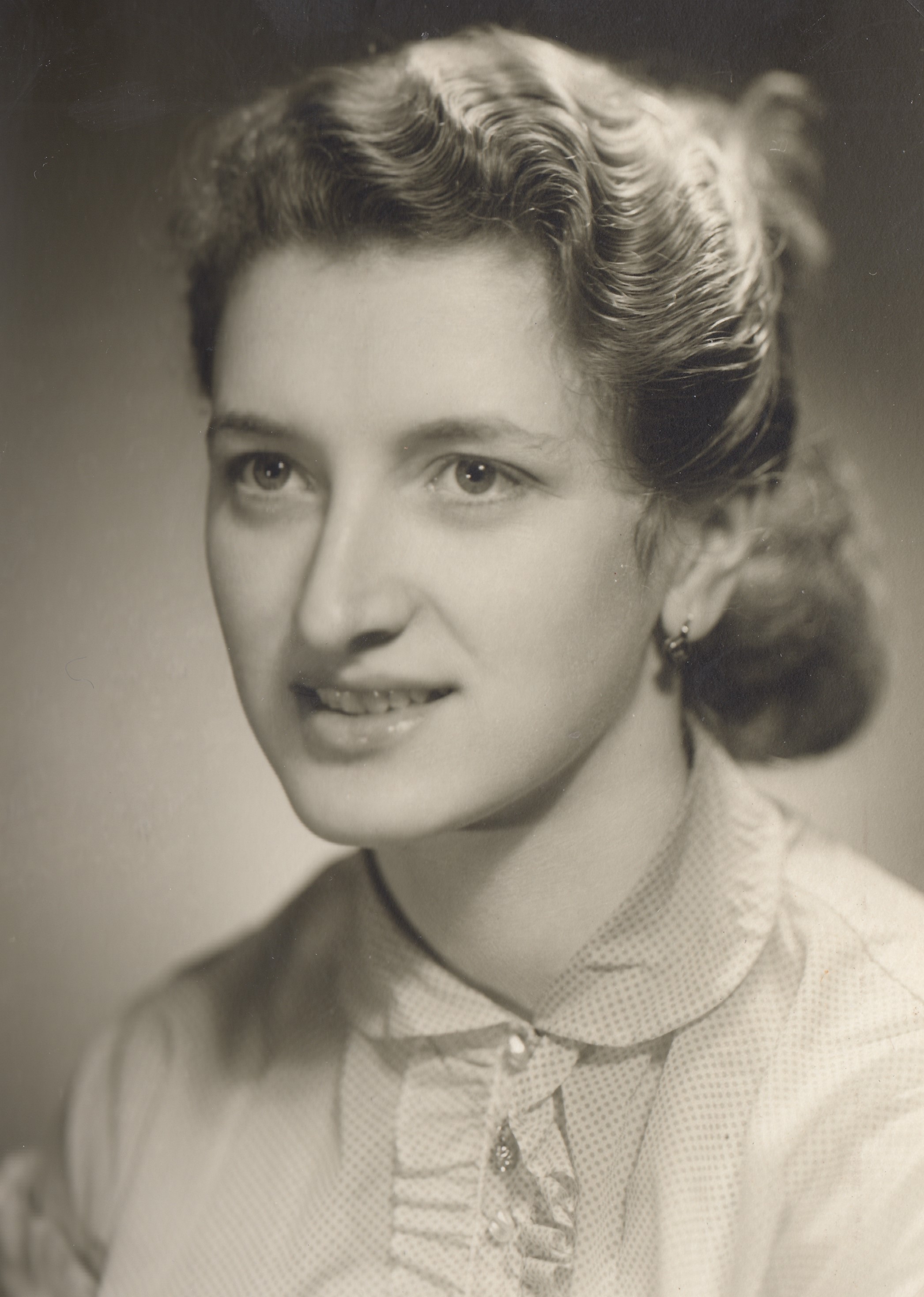
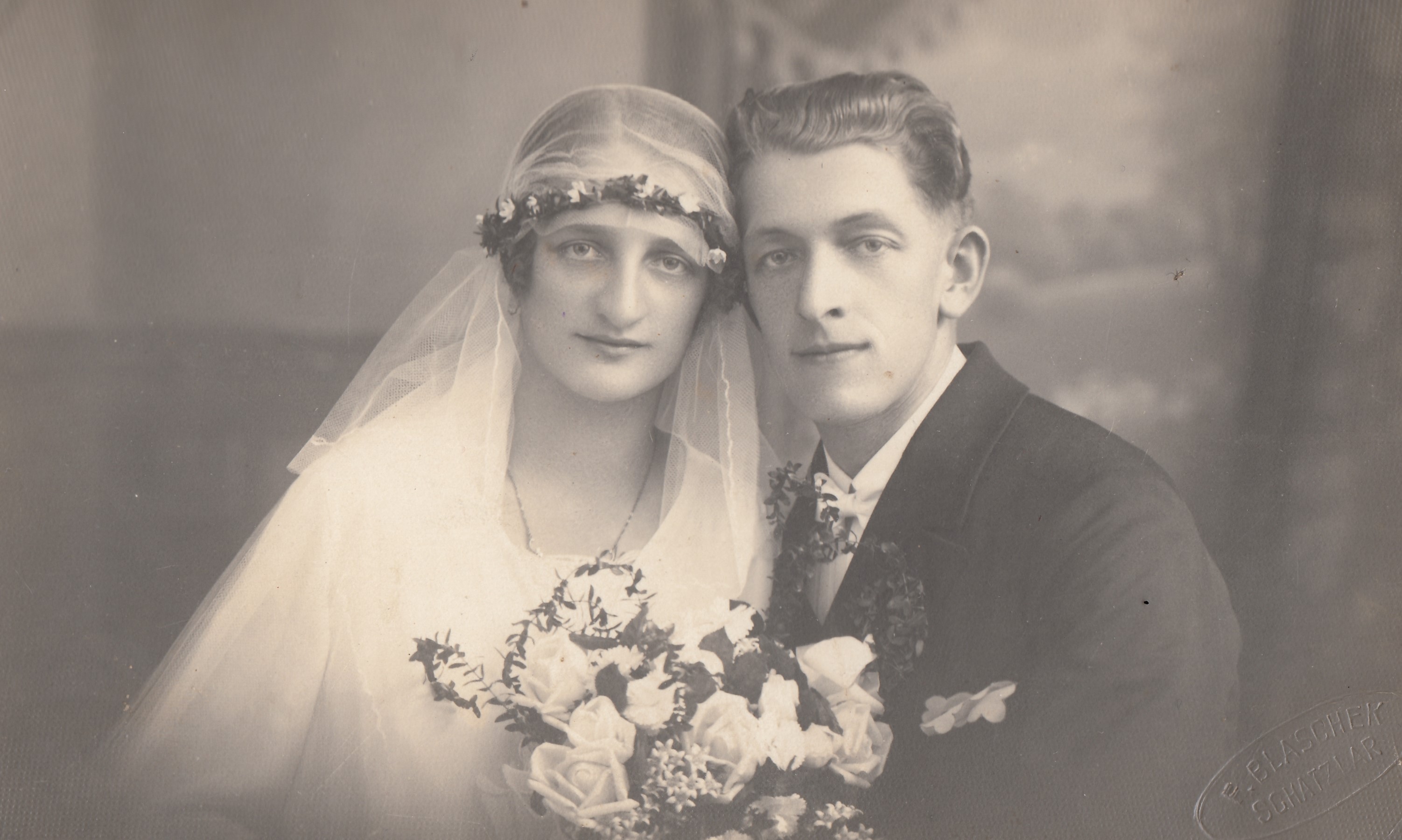
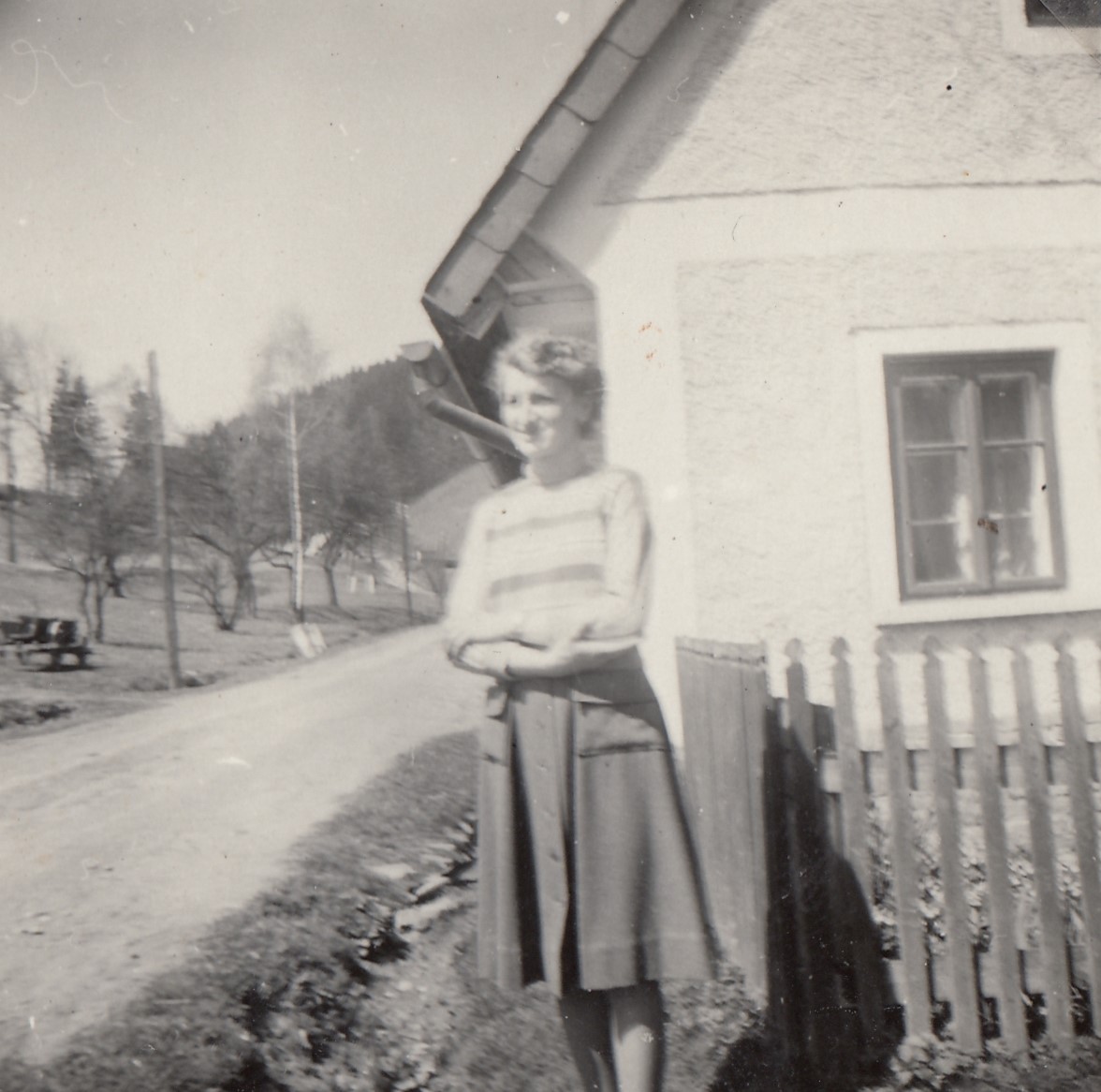
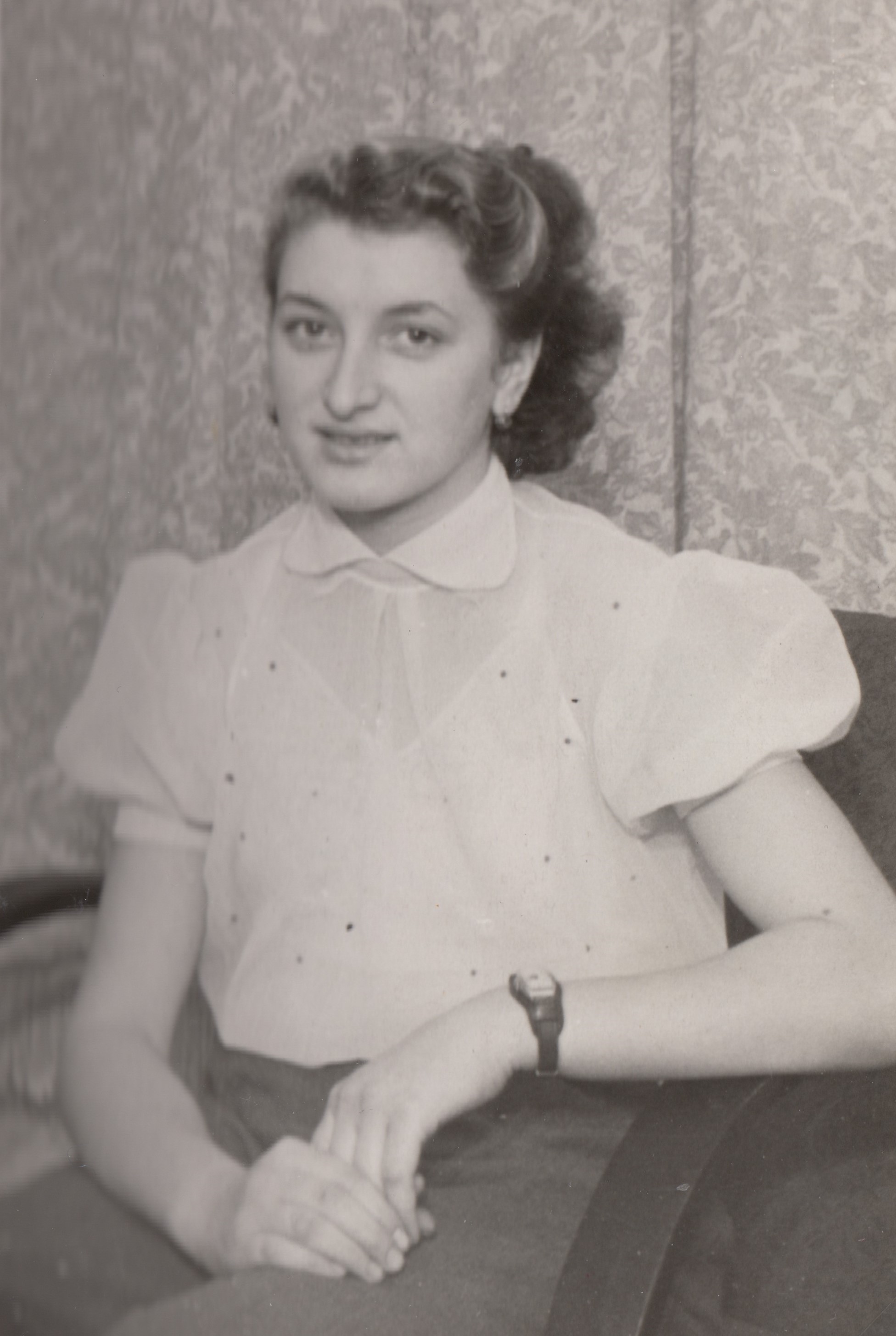
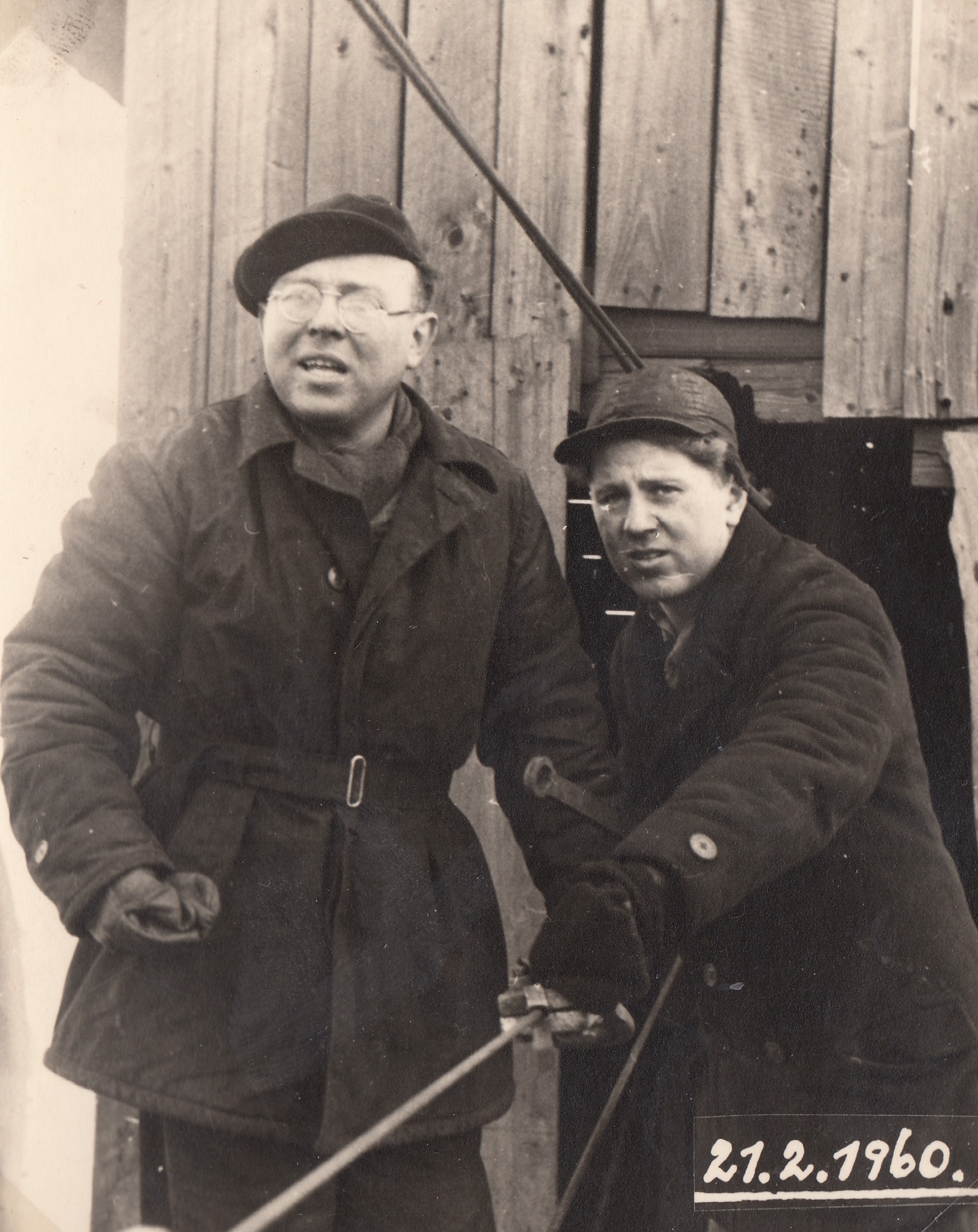
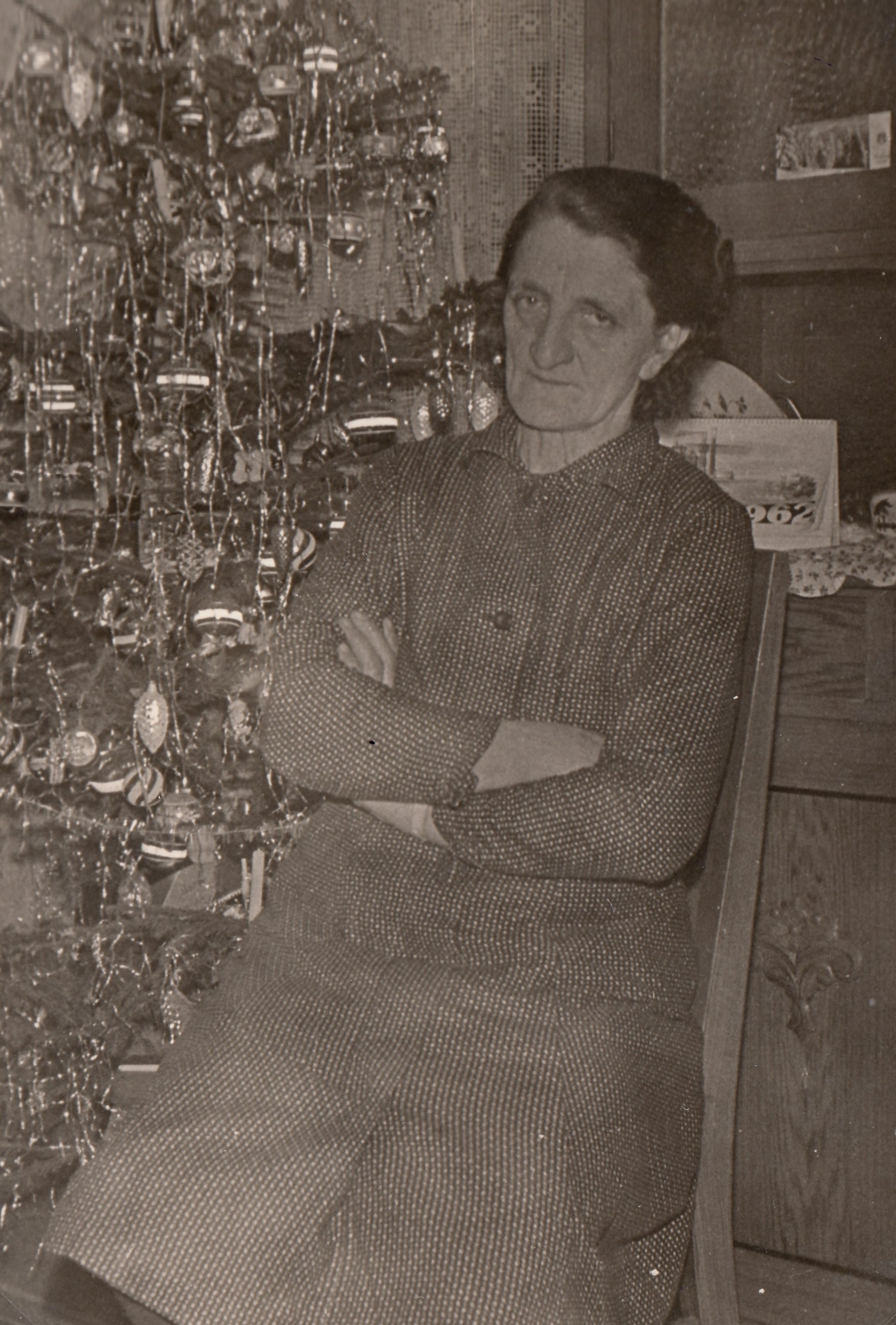
Brigitte Marksová in 1960
zdroj: Witness´s archive

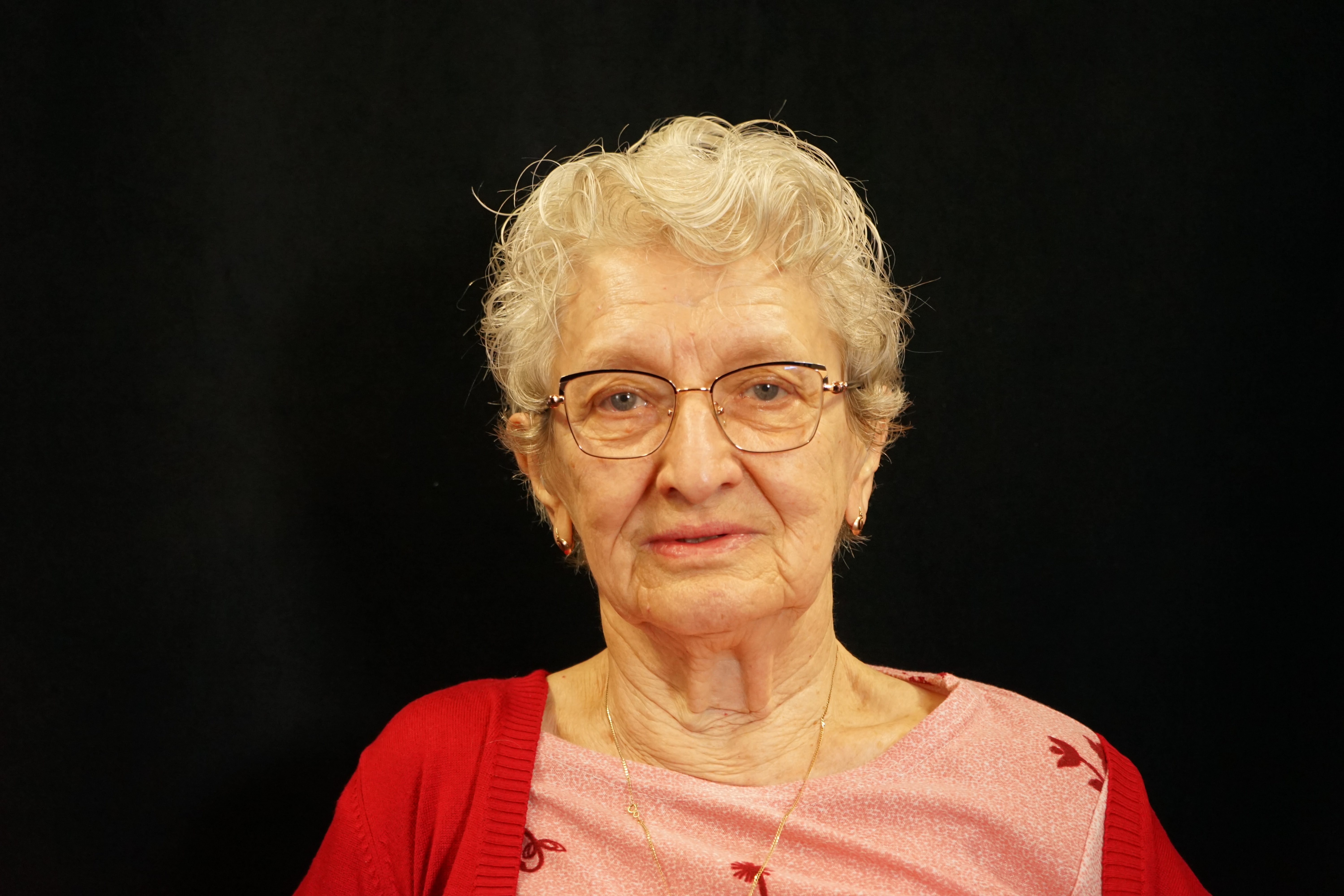
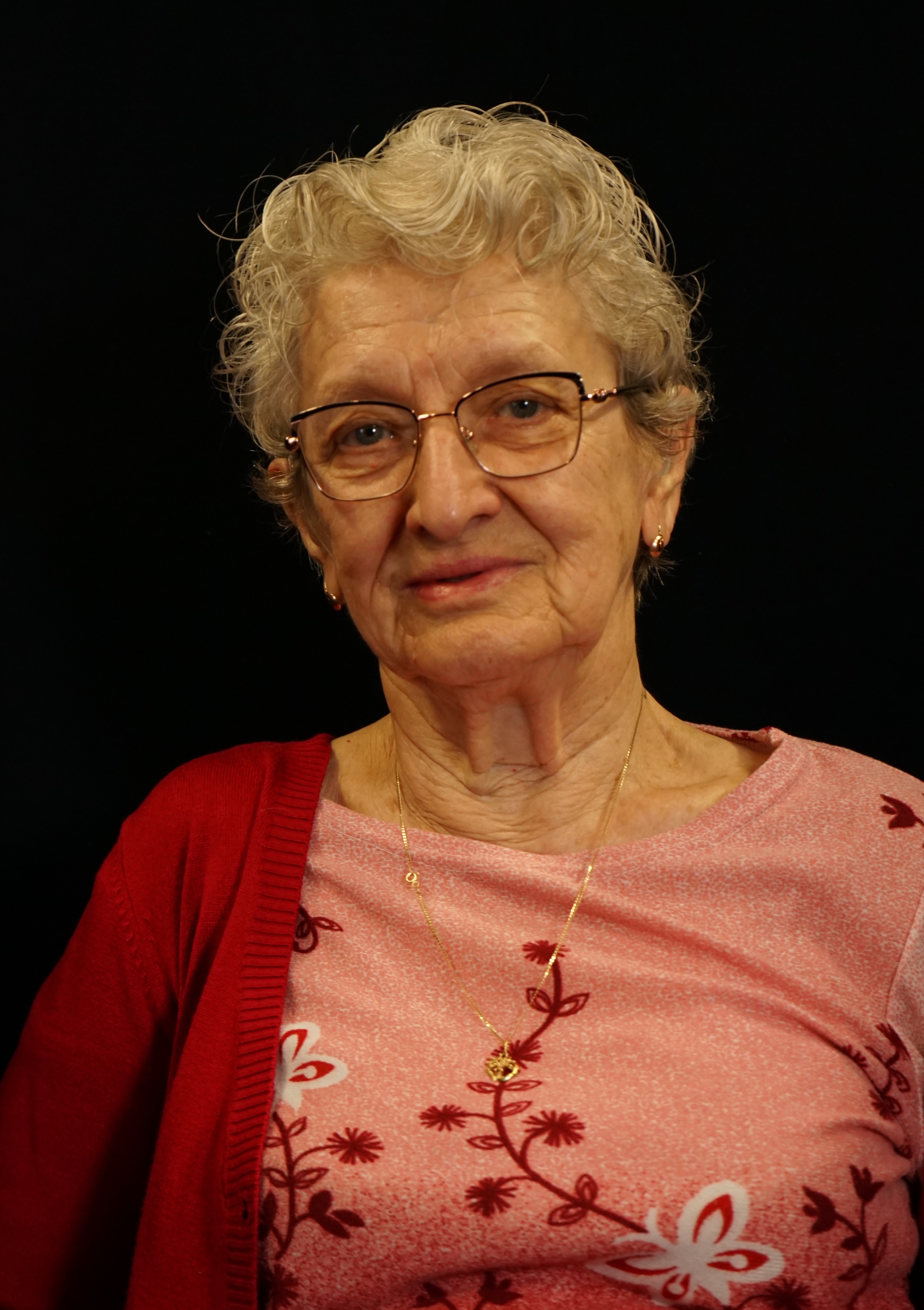
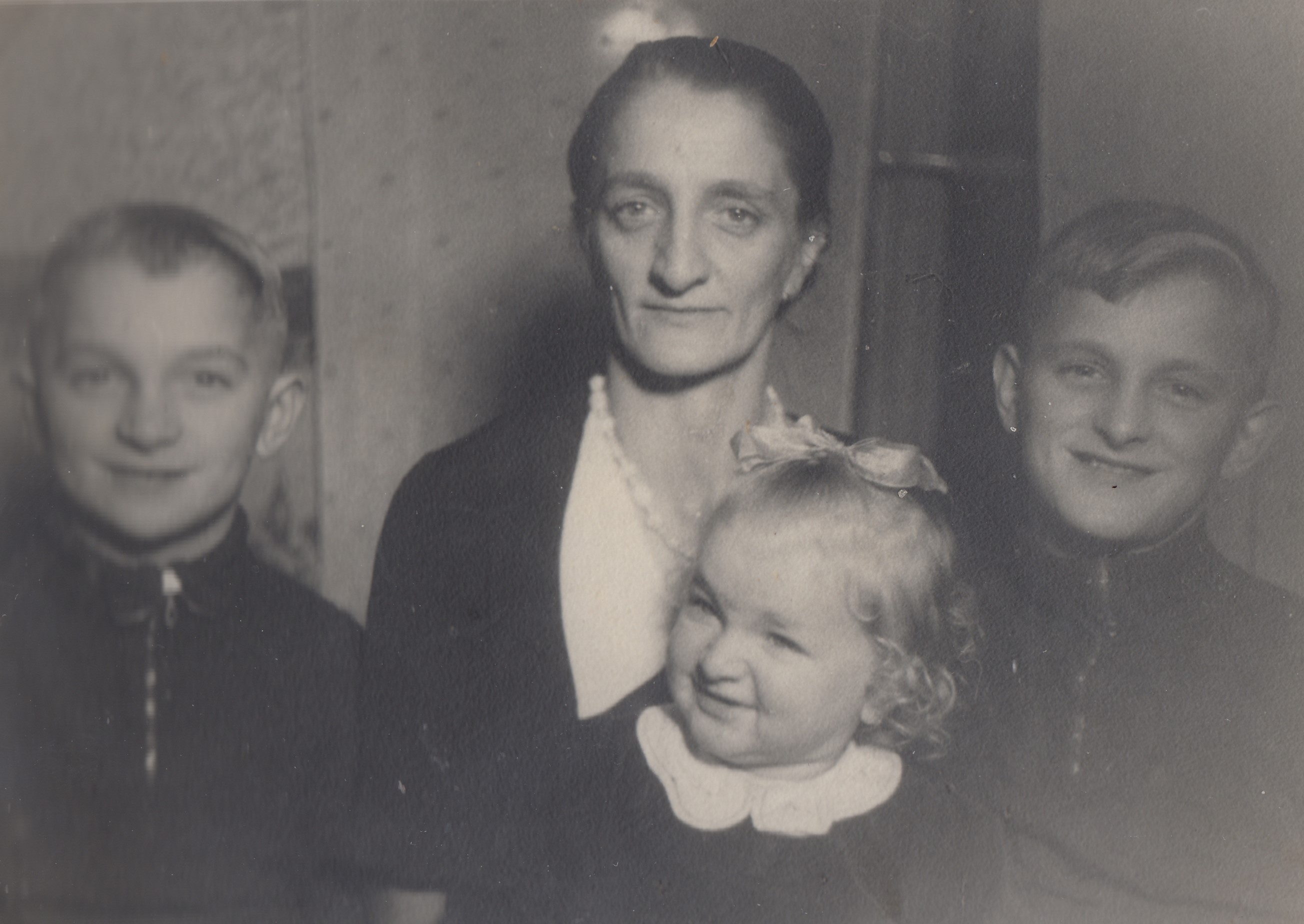
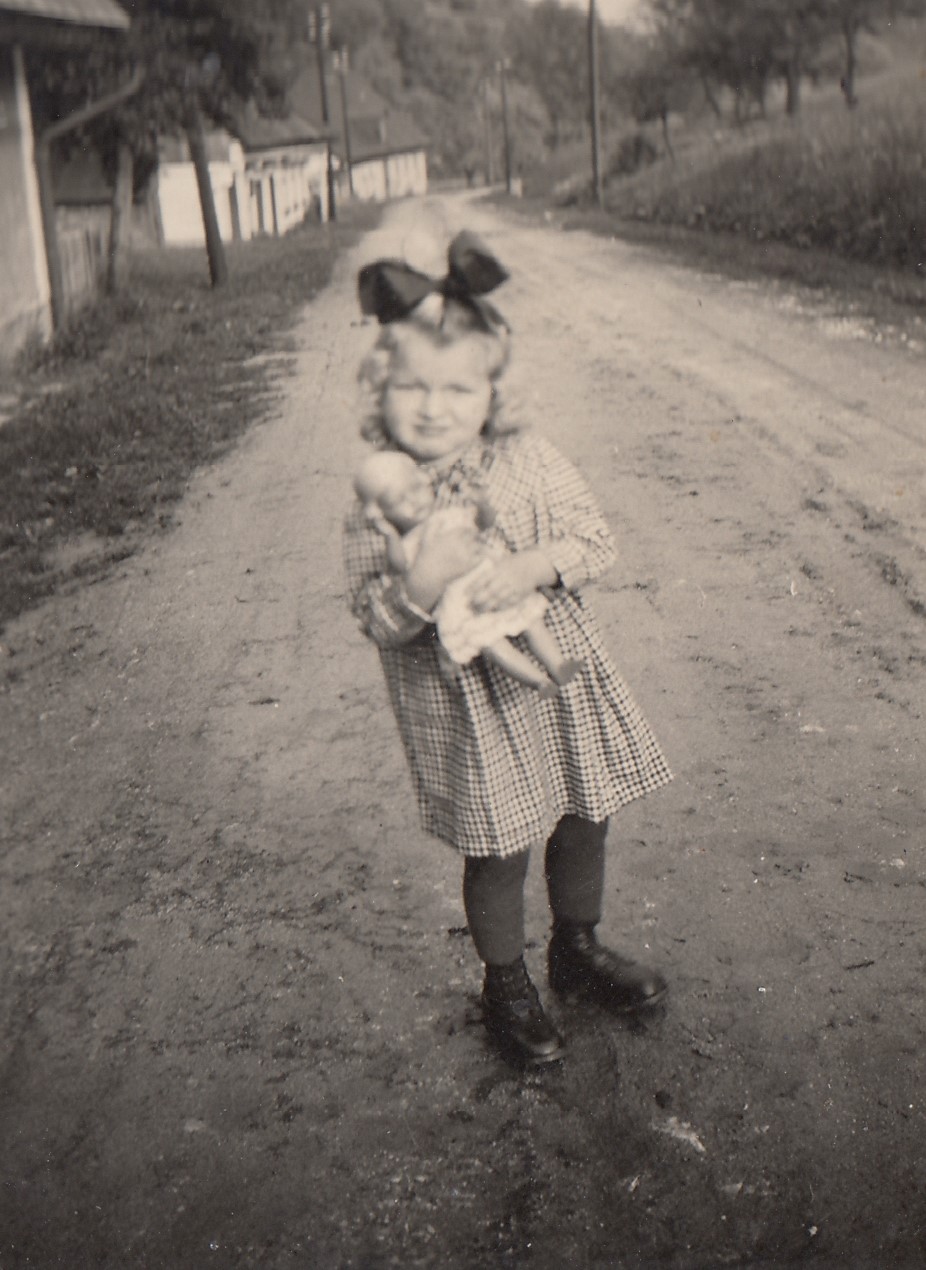
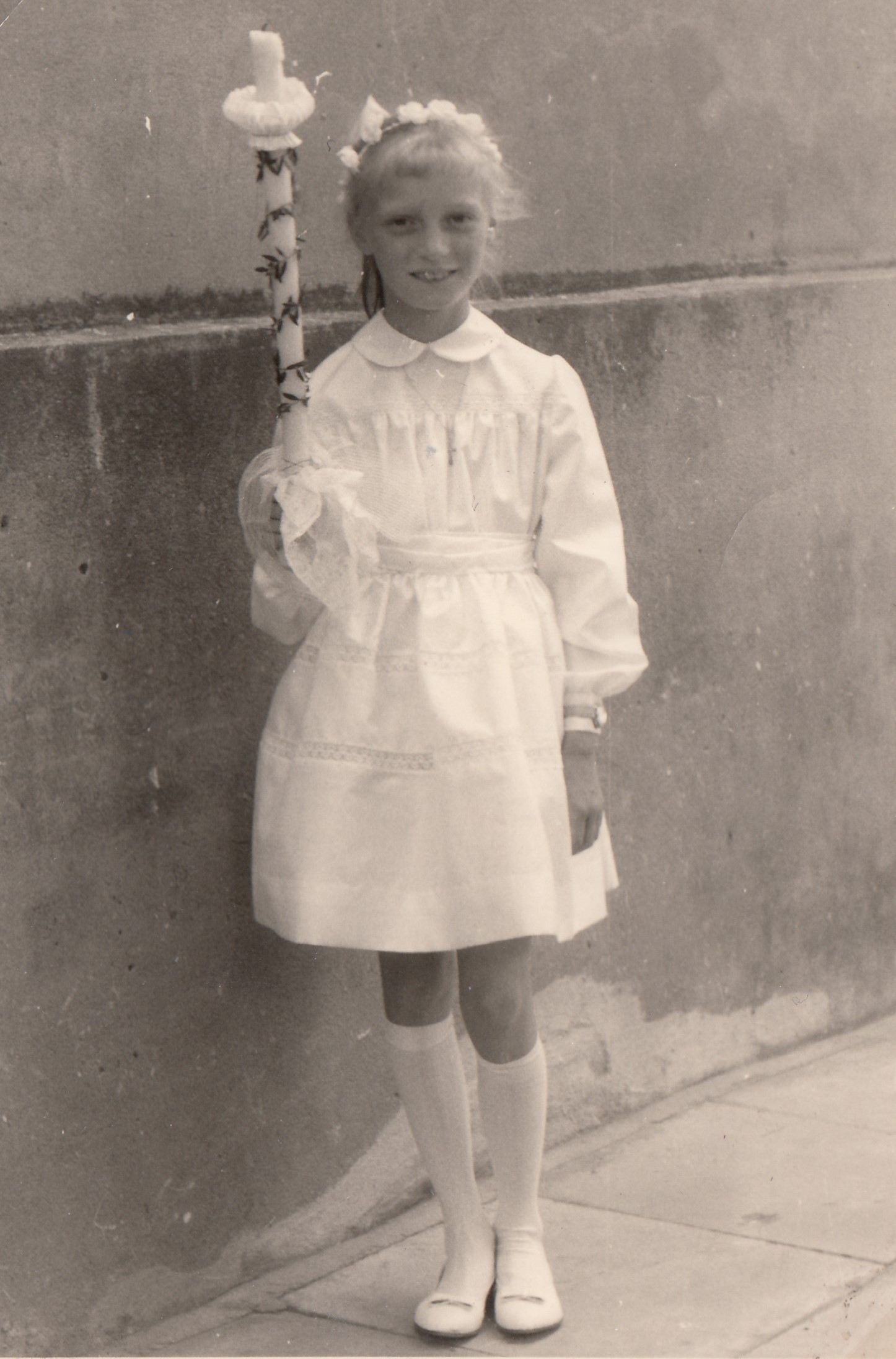
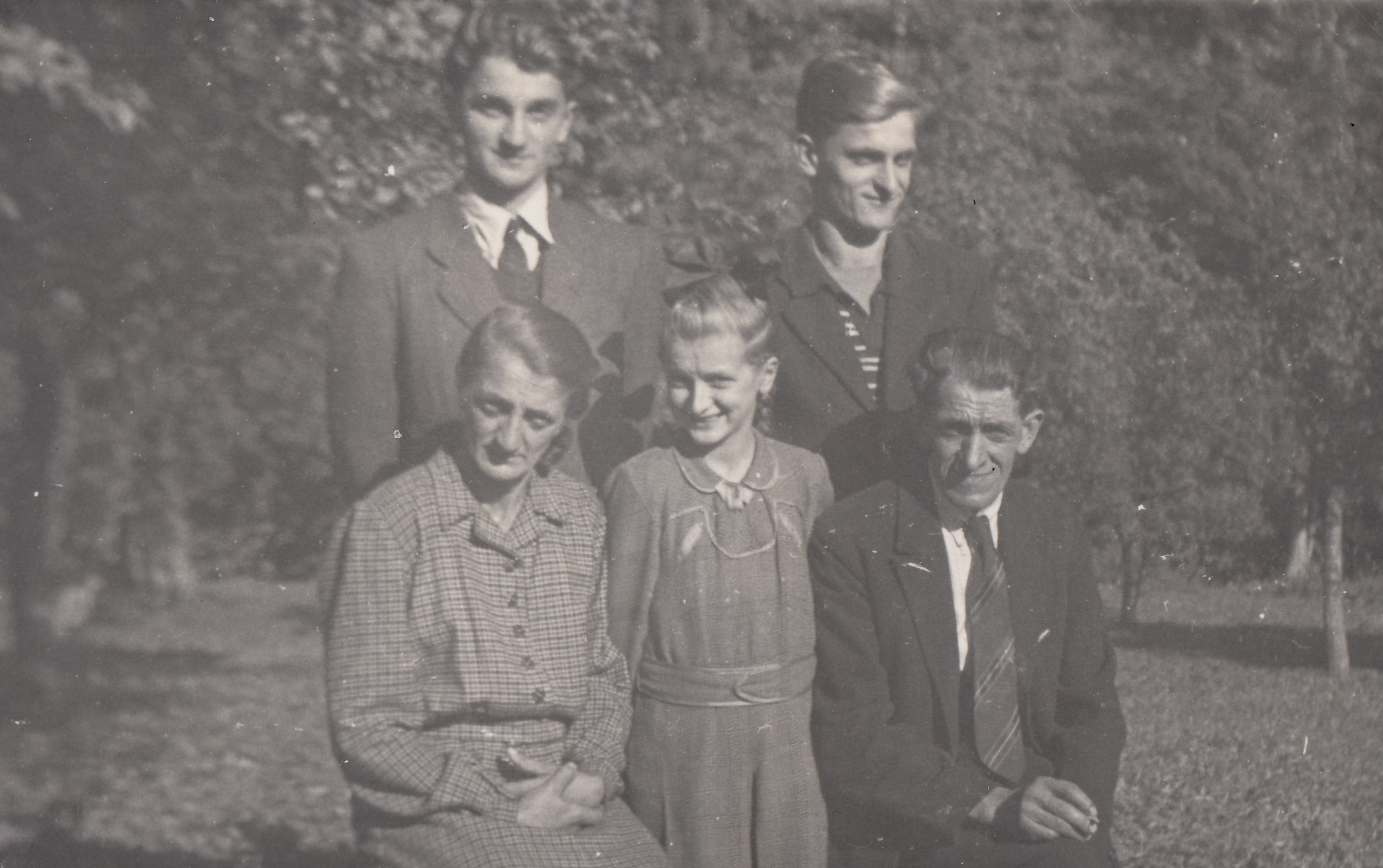
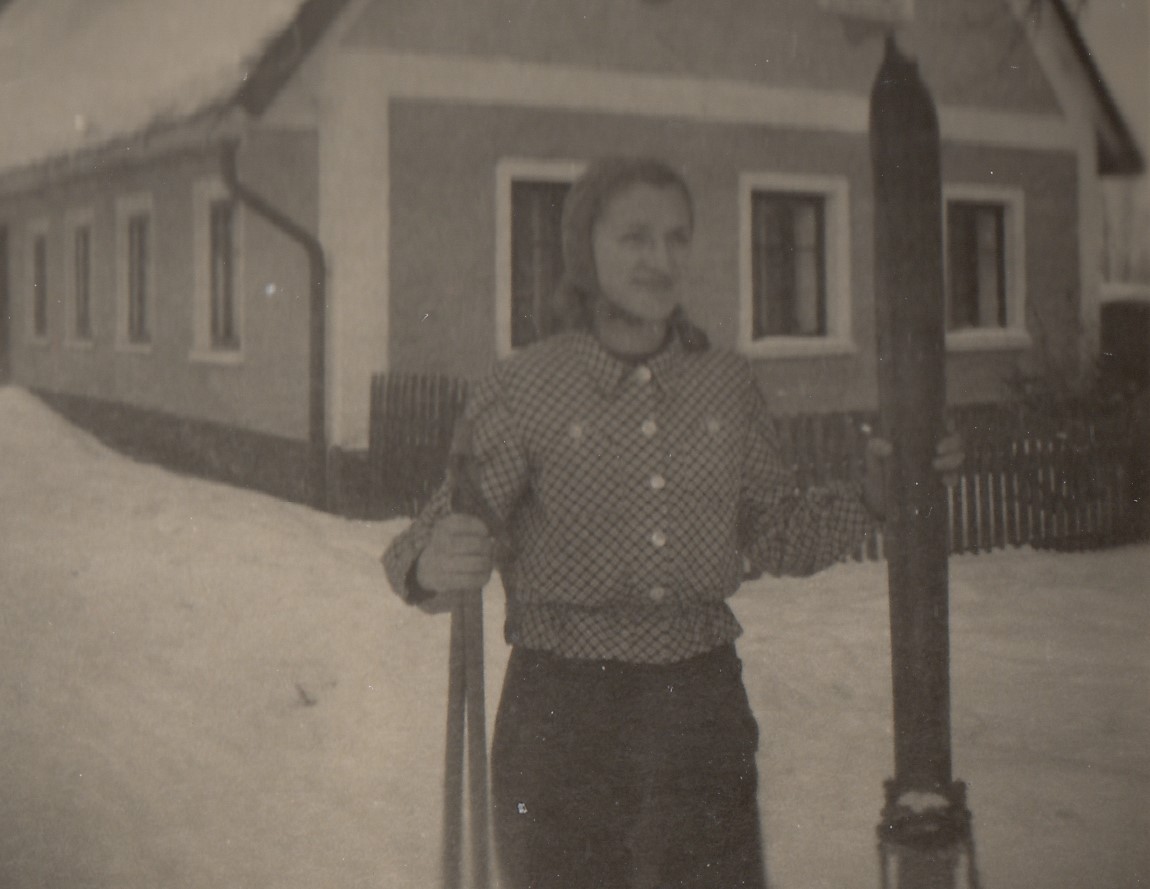
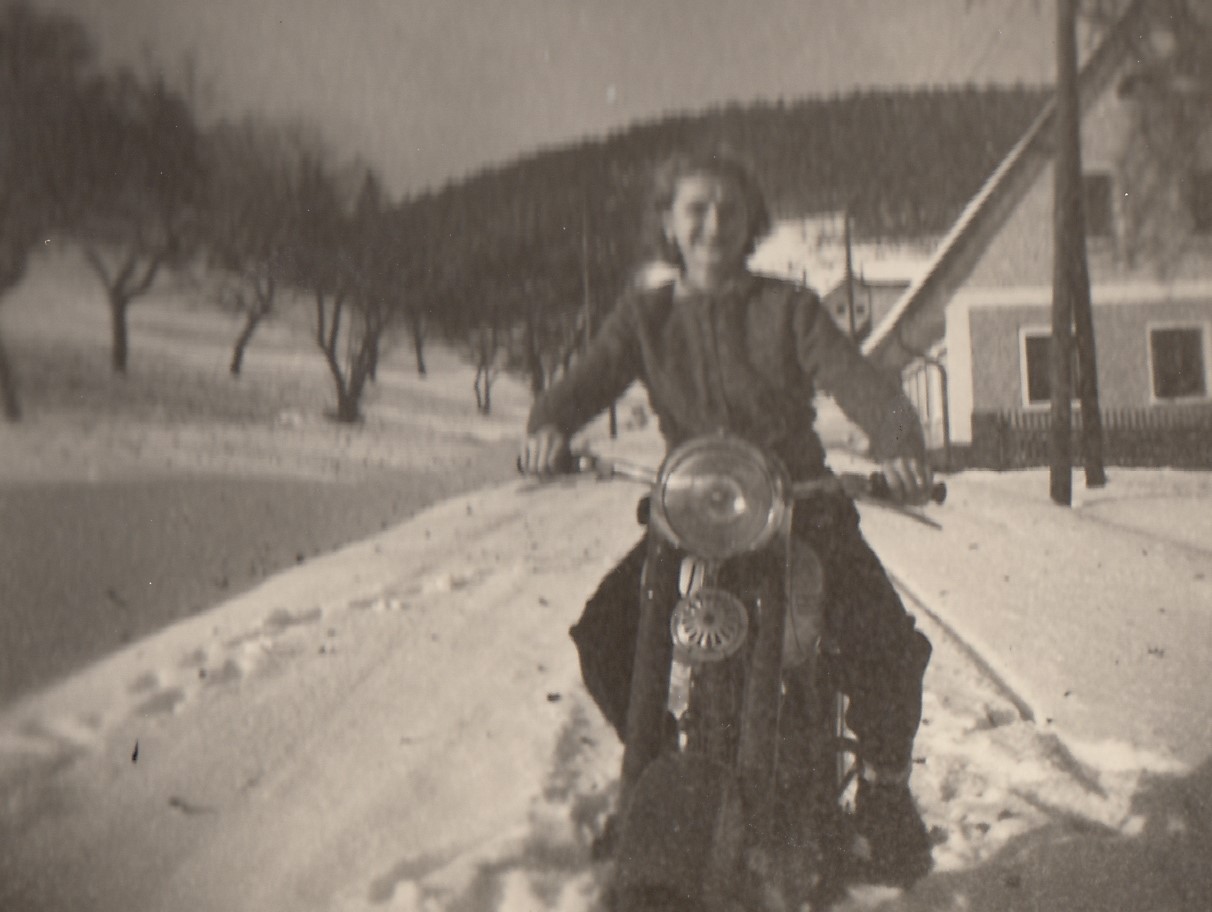
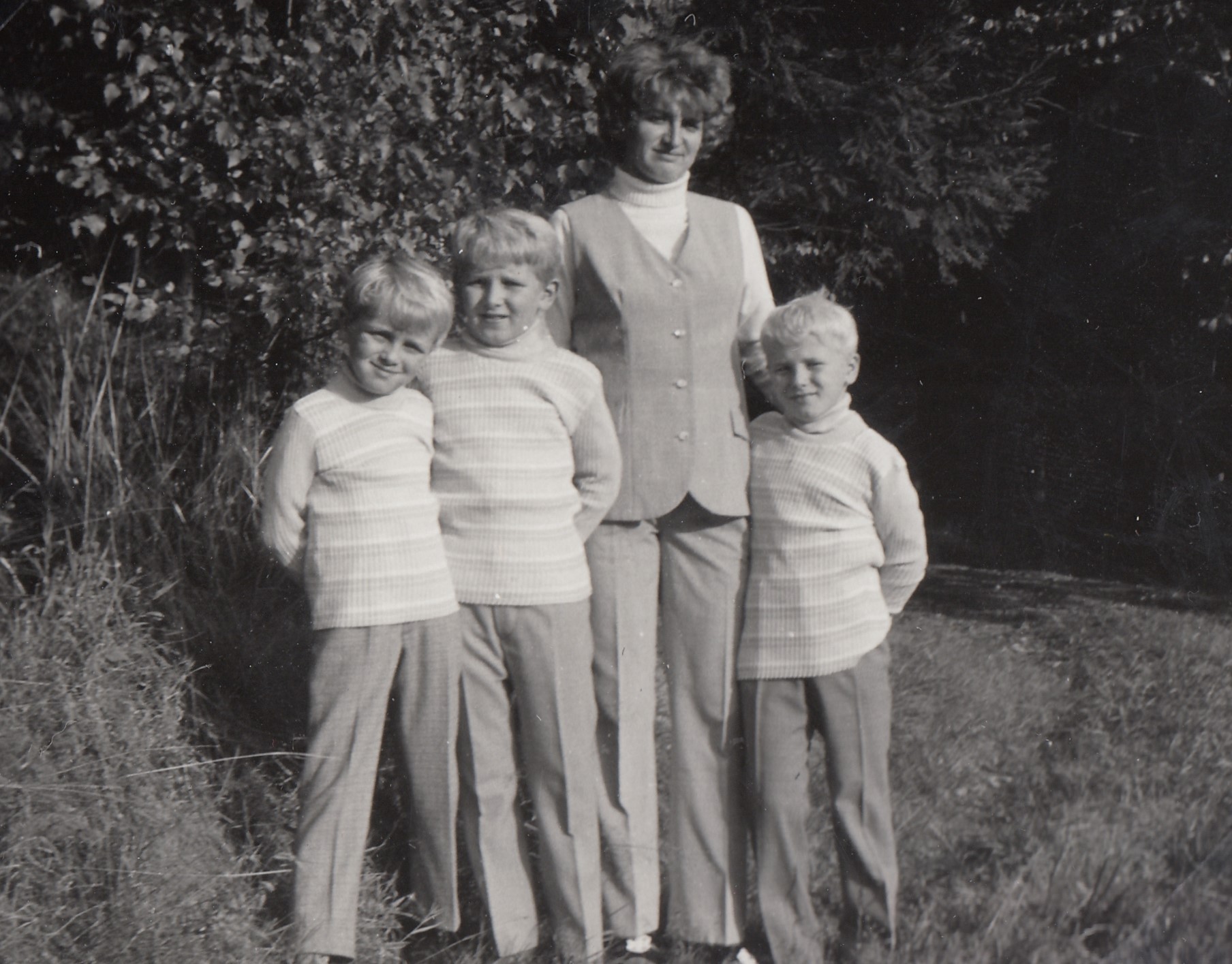
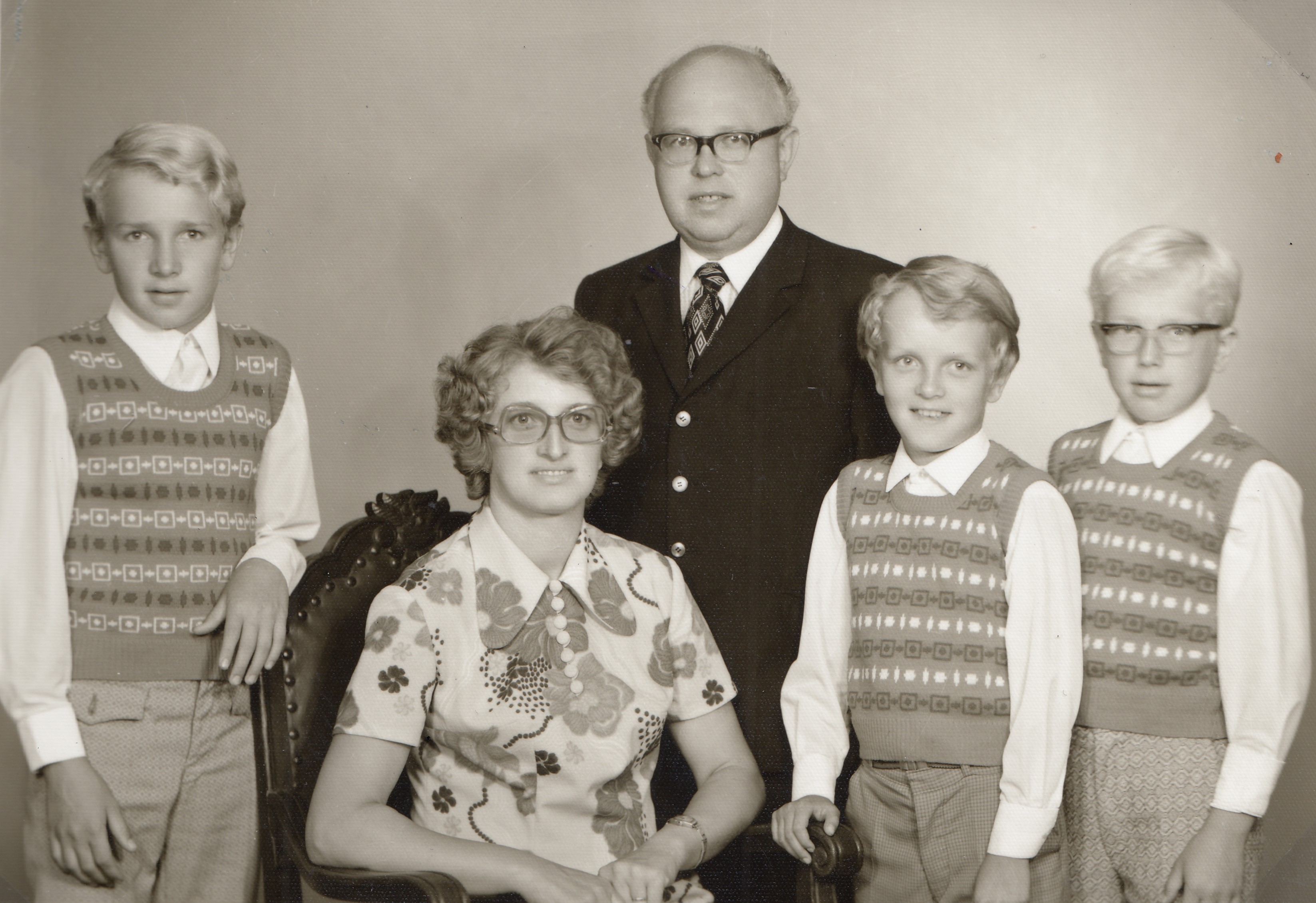
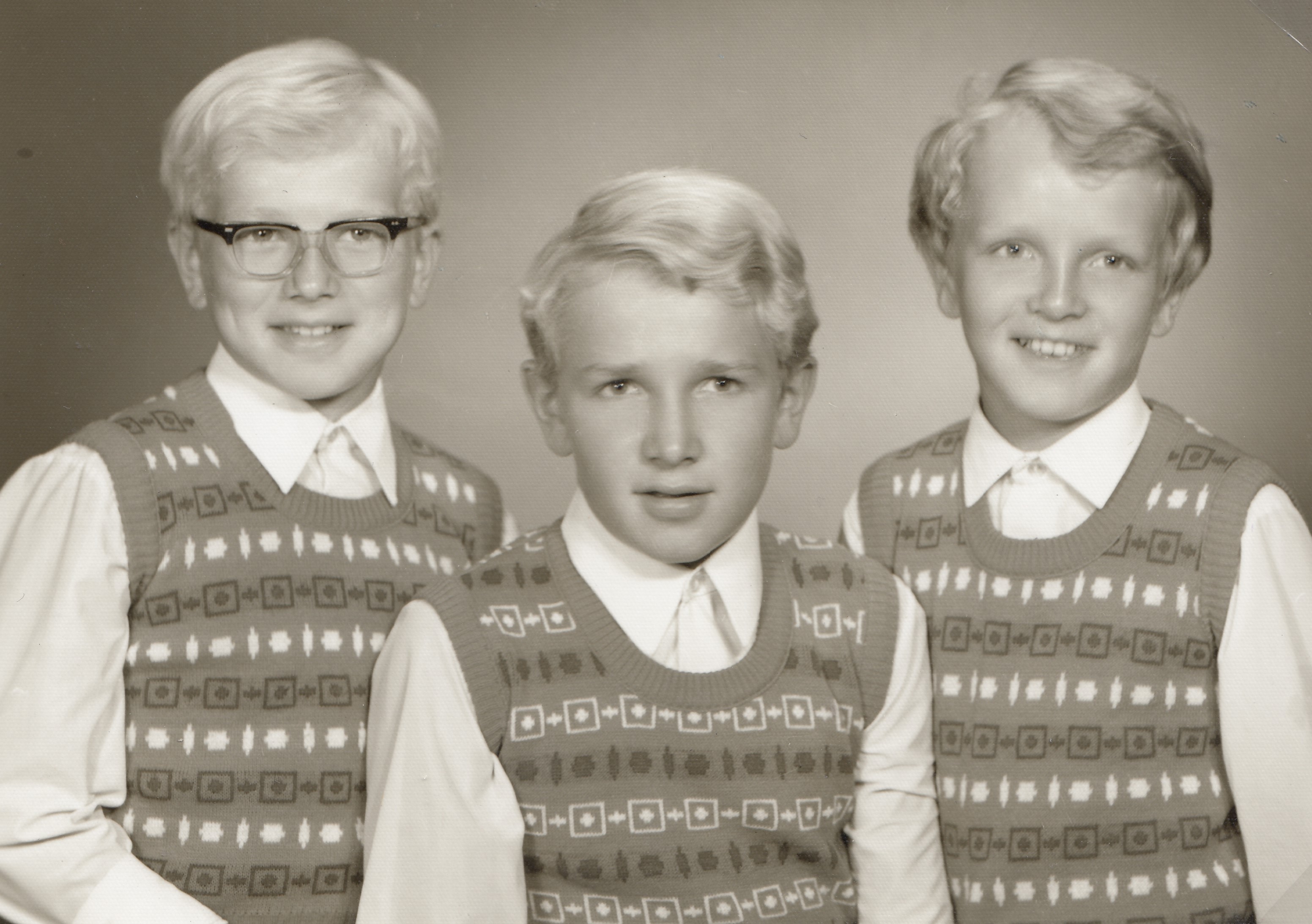
Brigitte Marksová, née Bocková, was born on 22 November 1941 in Prkenný Důl near Žacléř into a German family. She had two older brothers, Rudolf and Walter. Her parents, Elfrída and Vincenc Bock, were private farmers. Her father enlisted in the German army in 1942. In May 1945, Soviet soldiers camped in their garden. Dad escaped from capture and went into hiding. He did not return home until the spring of 1946. He started working in the mine. In the spring and summer, the German population was expelled from Czechoslovakia and many relatives had to leave. Their family was able to stay thanks to their father‘s work in the mine. In 1947, the witness entered the Czech school in Žacléř. Around 1958, their farm was taken over by state farm, where her mother then worked. In 1960 Brigitte married Edwin Marks and they had three sons. She worked in the kitchen at the kindergarten in Žacléř and she and her husband worked in the Cultural Association for German citizens and led a recitation club until 2002. In the 1970s they visited relatives in the GDR. In 2025 Brigitte Marks was living in Žacléř.