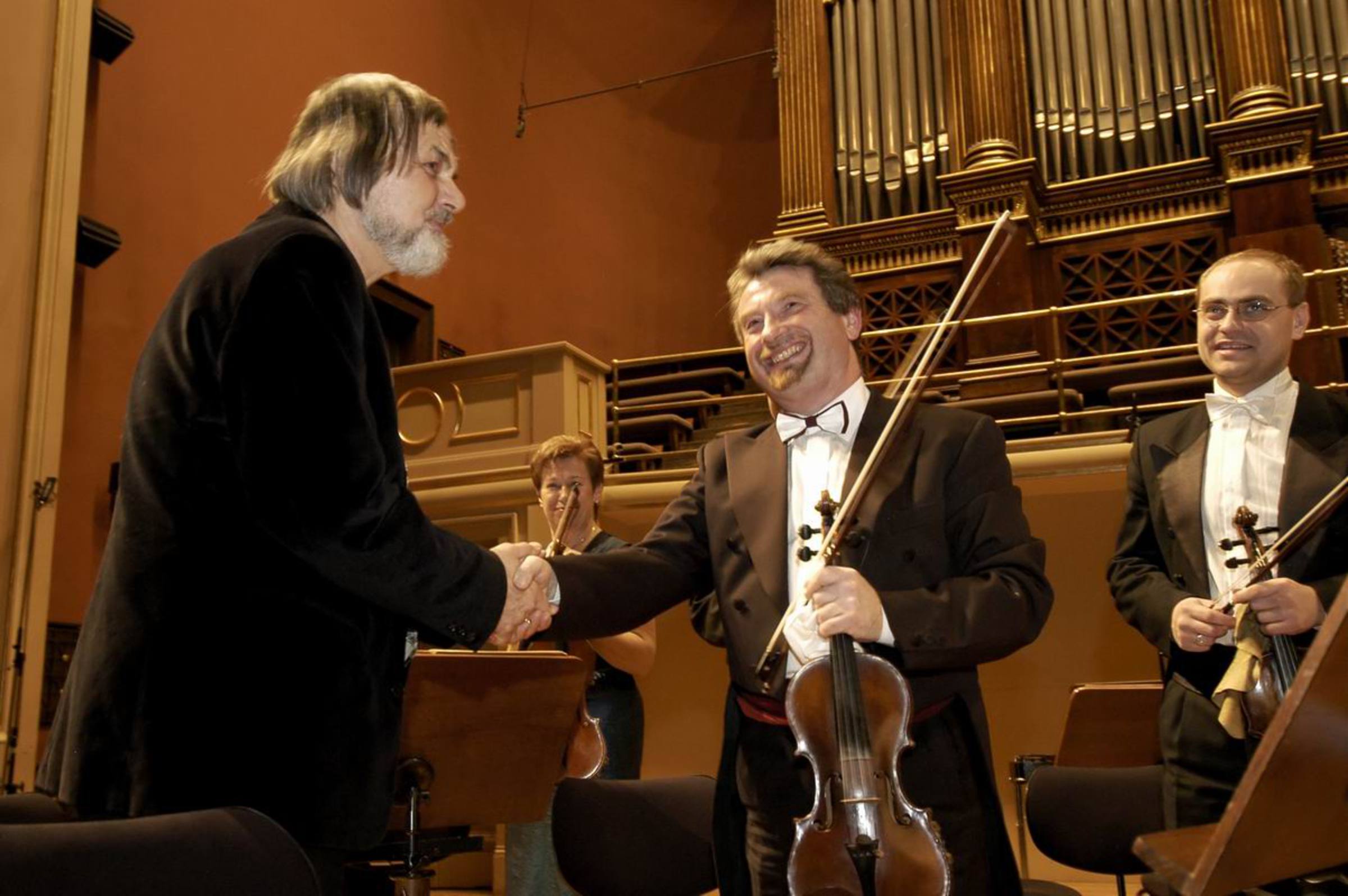
Jan Málek

* 1938  †︎ 2026

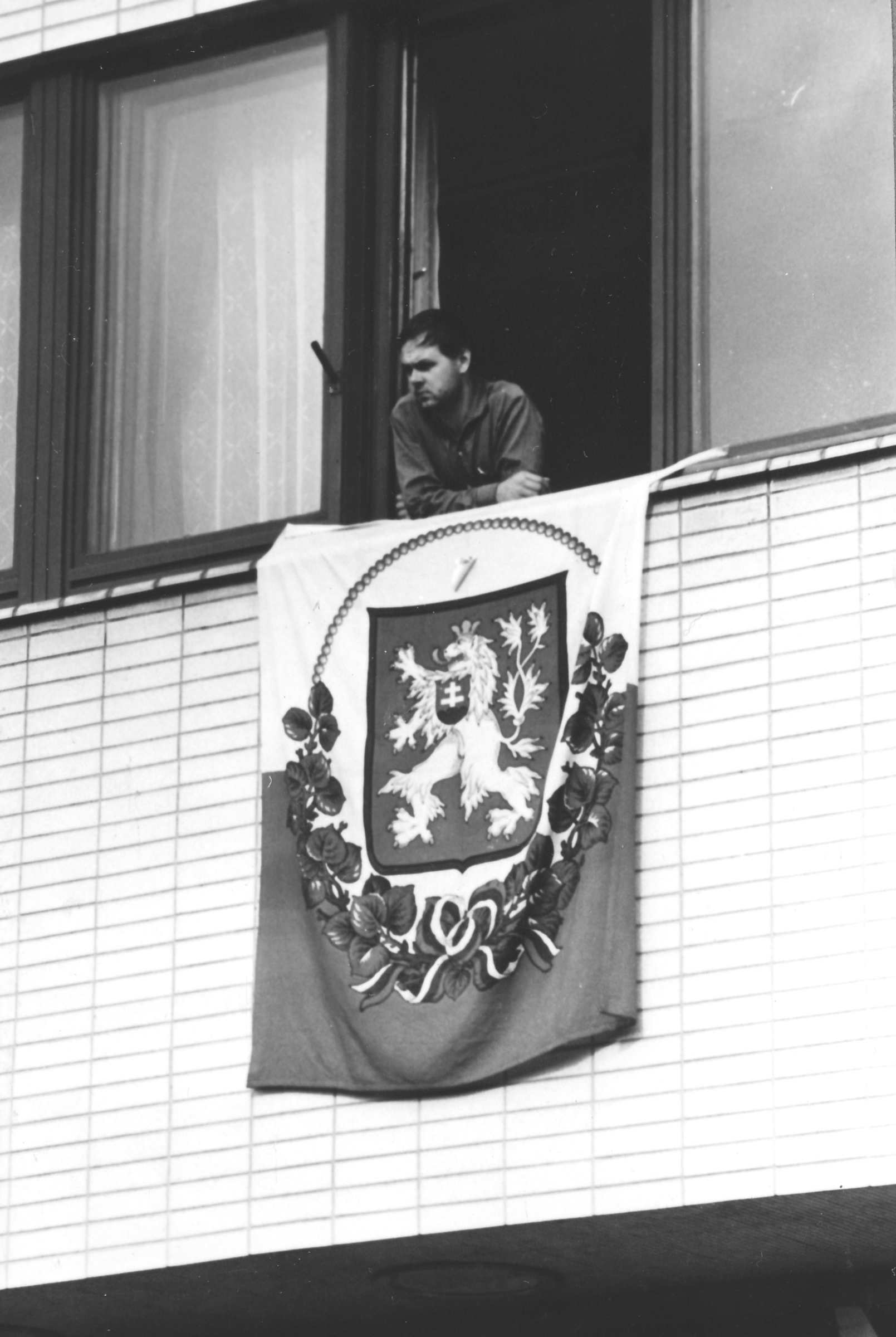
  • „There were tents in a square in August 1968 with fires burning at night. I was in a radio with Zdeněk Bláha for three or four days in a row. They kept bringing us flowers, mainly the gladiolas. Someone wrote that in former literary papers that those are our only weapons. They also brought yogurts form the nearby milk factory. We broadcasted an old music, whatever we wanted. There were agreements with certain regions, but we knew about none of them. Then the tanks came and put their guns up into the radio windows. That was the second time a gun pointed at me, but this time I knew what was going on and didn’t fear. Yet I was terribly angry. All employees stood up and went to look out. And then the message came that a Russian leader will be negotiating. As I spoke a good Russian, they sent me there. People were screaming at me: ,Don´t go for him, let it go...‘ We offered them a cigarette and they refused. Then they lit their own ones. The director Semerád was patiently telling them about no contra revolution taking place here. And I was translating. Those tanks were standing there for two or three days. Once I went up to the roof and collected their leaflets they were throwing around and suddenly there was a smoke and they left. It was probably established that way we were in the American zone, so such things as in Prague didn’t happen here.“

  • „It was essential that one evening we went to a little street, where there was the Edison cinema. I knew it was there and went past it. I just remember just that window shutters were flying and everything was in flames. I felt the wind and everything burning and between the burial grounds Zelená liška and the houses that the Germans built during the Hitler times, above us it just whizzed. It was overshooting up there. We had a white flag and were placed in some cellars and I know that I didn’t eat anything all day just a single cube of sugar. I didn’t even want to eat anything, I refused any soup. When I went down to the toilet a bullet shot into the wall straight above me. And there we were on May 9, 1945.“

  • „My parents were terribly joyful, when the communists won in 1948. Then we still lived in Krč and there was a group of intelligent people. Actually you could say it was a kind of an intellectual circle and all were fans of communism. Later I found my father´s notebook with remarks, he was totally overwhelmed by Gottwald, how naturally and human he acted. It may have seemed that way, but it is possible that the pre-war republican policy was somehow unalive and rigid. With all due respect to the president Beneš, when you imagine those speeches done with his nasal tone and closed “e” sound, not to sound to Prague-like. People thought of it much official and when you imagine how large influence was the fact we were liberated by the Red Army and we didn’t care much how they acted then. In Prague, they were decent opposite to Brno, where apparently they did terrible stuff. So it had to end up the way it did.“

  • Celé nahrávky
  • 1

    Praha, 12.03.2015

    (audio)
    délka: 03:41:00
    nahrávka pořízena v rámci projektu Stories of 20th Century
Celé nahrávky jsou k dispozici pouze pro přihlášené uživatele.

AI asistent Paměti národa
Probádá tisíce příběhů pamětníků

Objevte nový způsob, jak používat Archiv Paměti národa. Ptejte se na témata, události, místa nebo zkušenosti, které vás zajímají. AI asistent prohledává přepisy rozhovorů s více než 30 000 hodin nahrávek rozhovorů a vyhledává relevantní vzpomínky napříč archivem. Nemusíte znát jméno pamětníka ani vědět, kde hledat. Stačí položit otázku vlastními slovy.

Položte otázku
beta

The Bolshevik wanted to show that we are a cultured nation
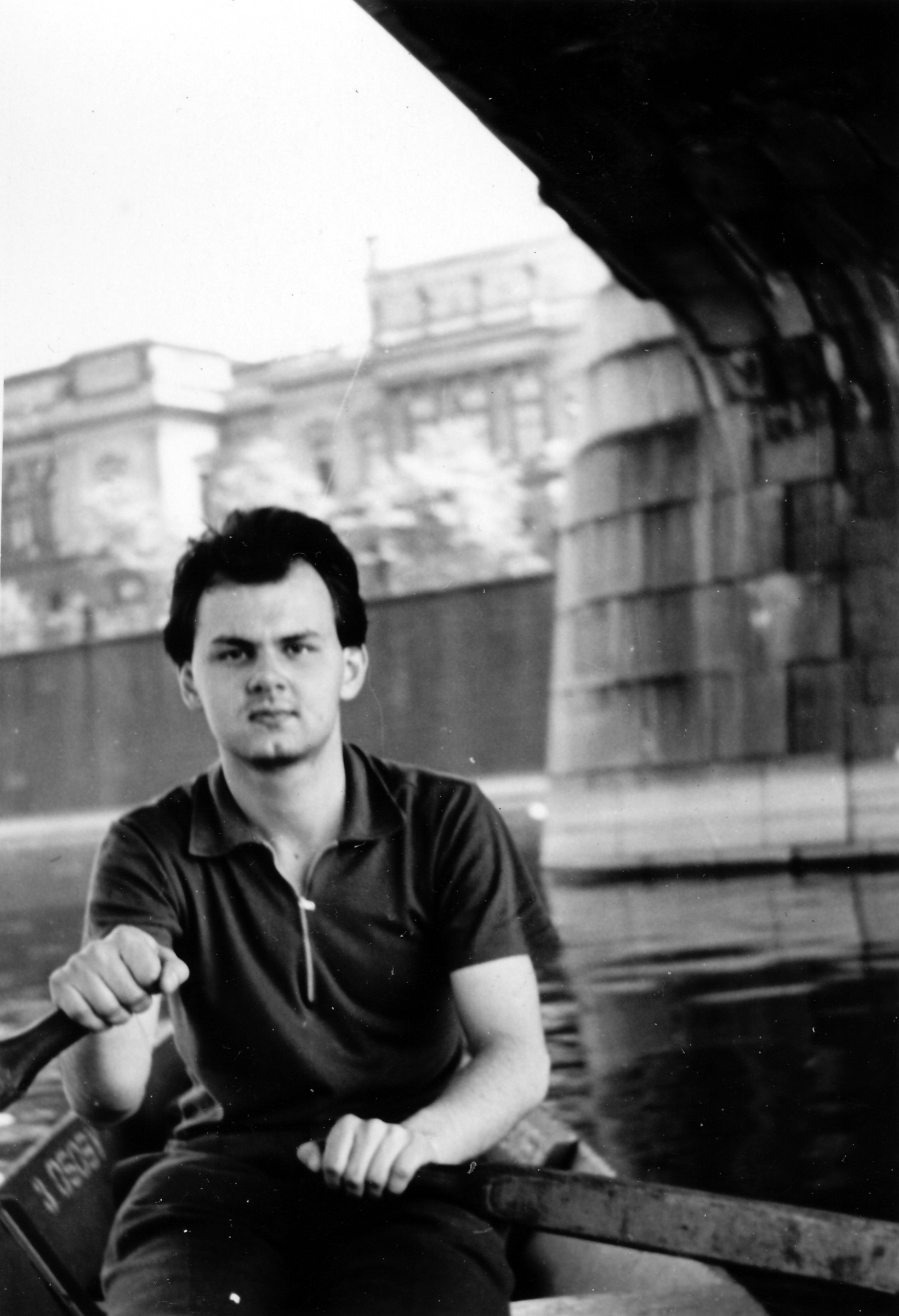
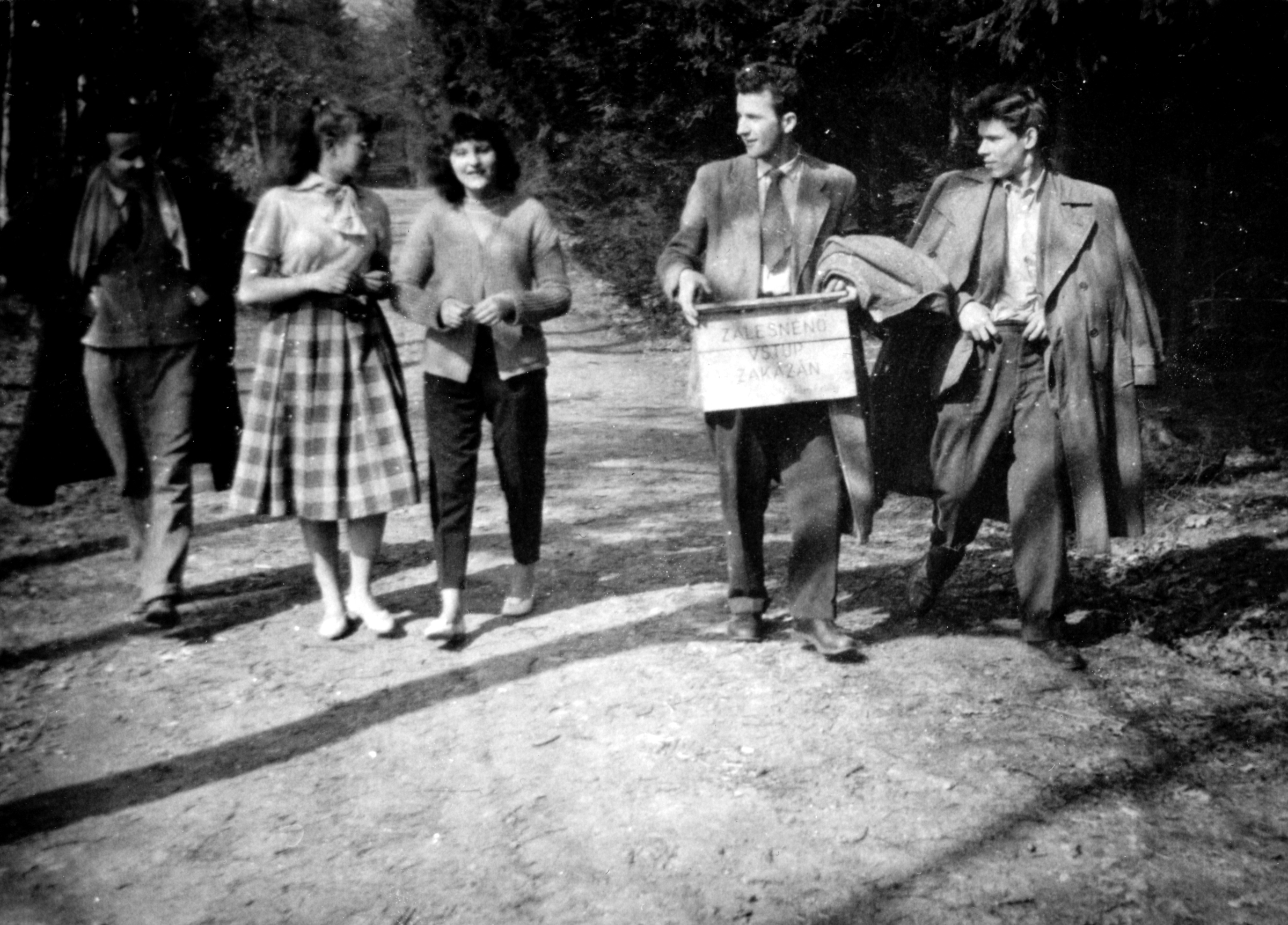
J. Málek in 1957
J. Málek in 1957
zdroj: soukromý archiv pamětníka

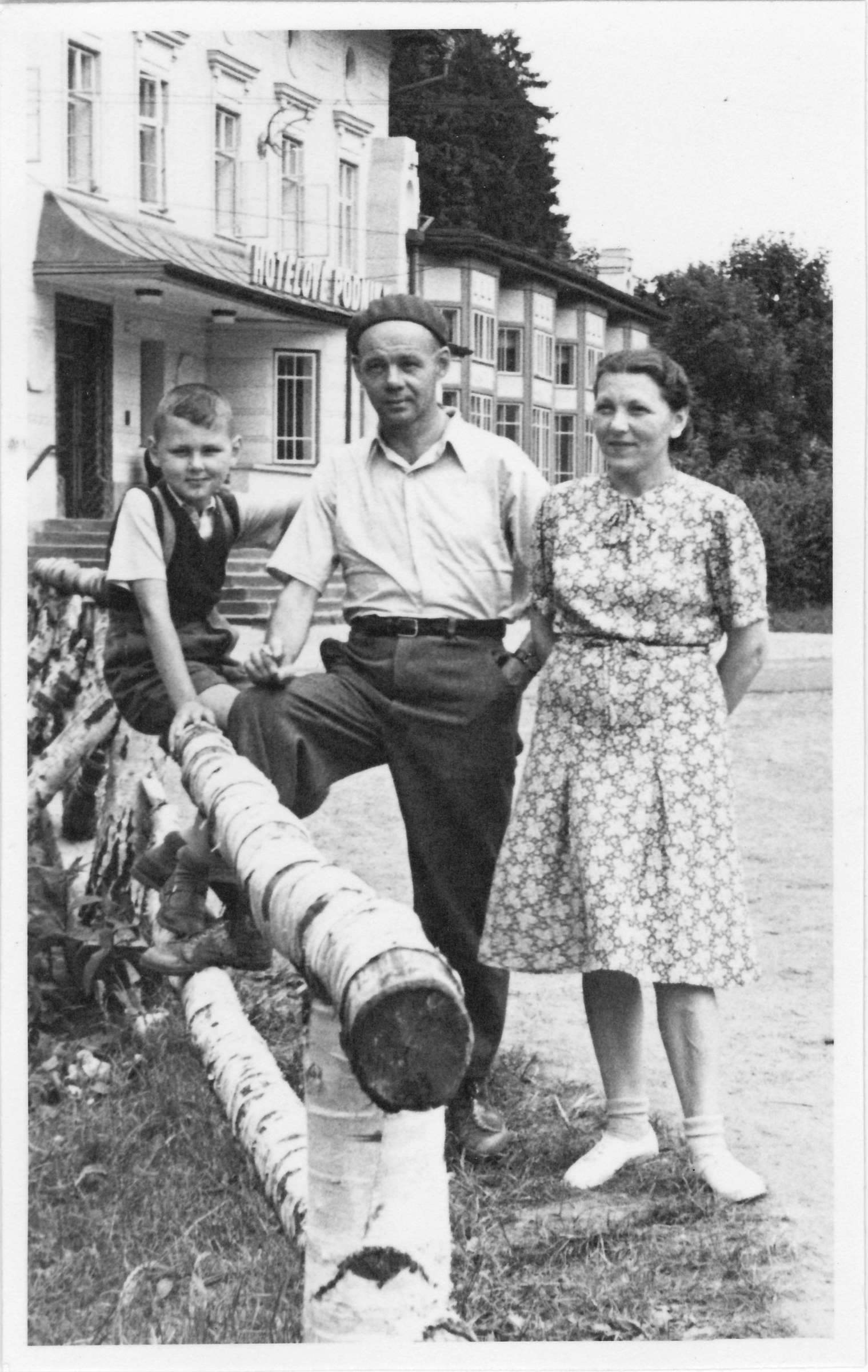
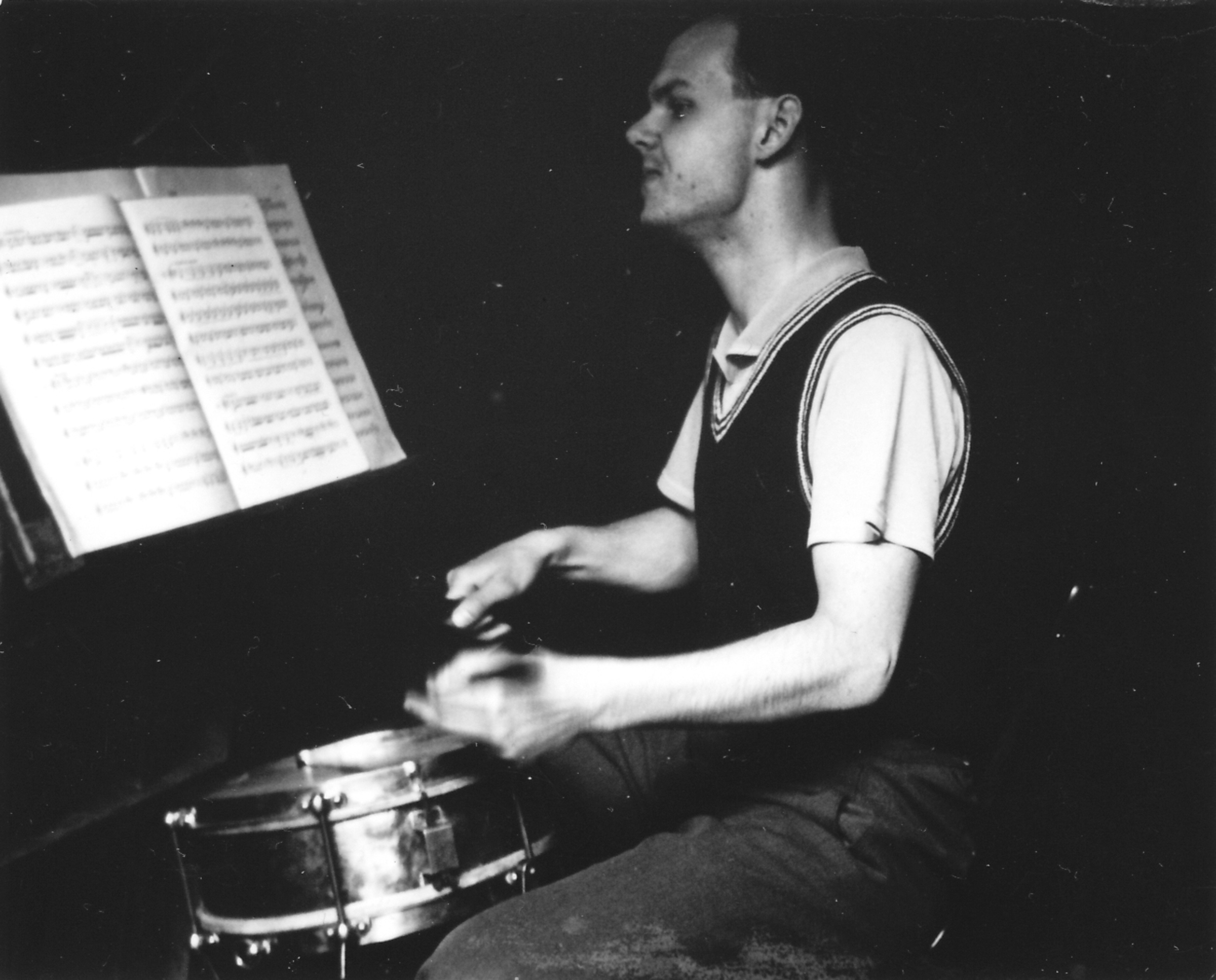
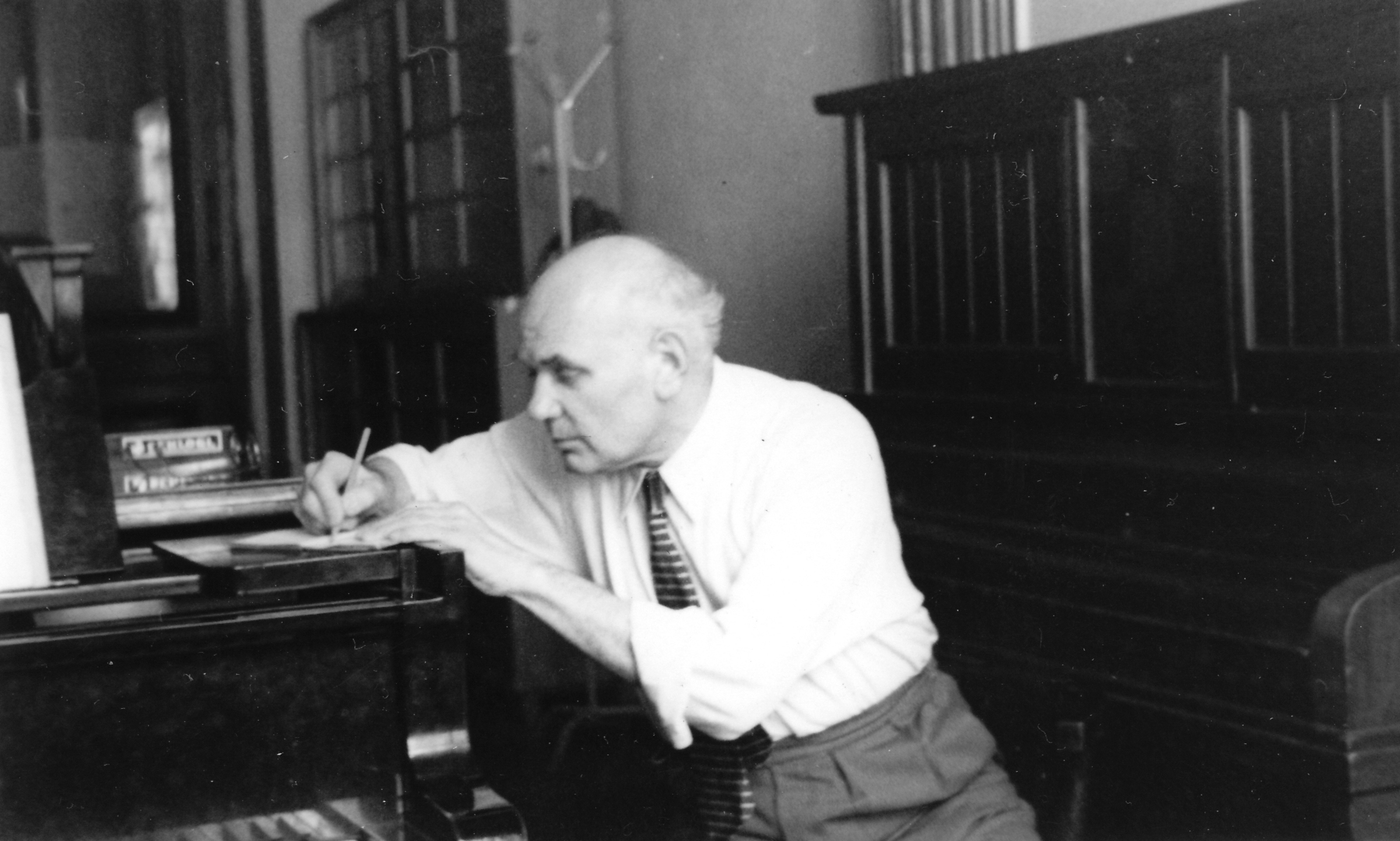
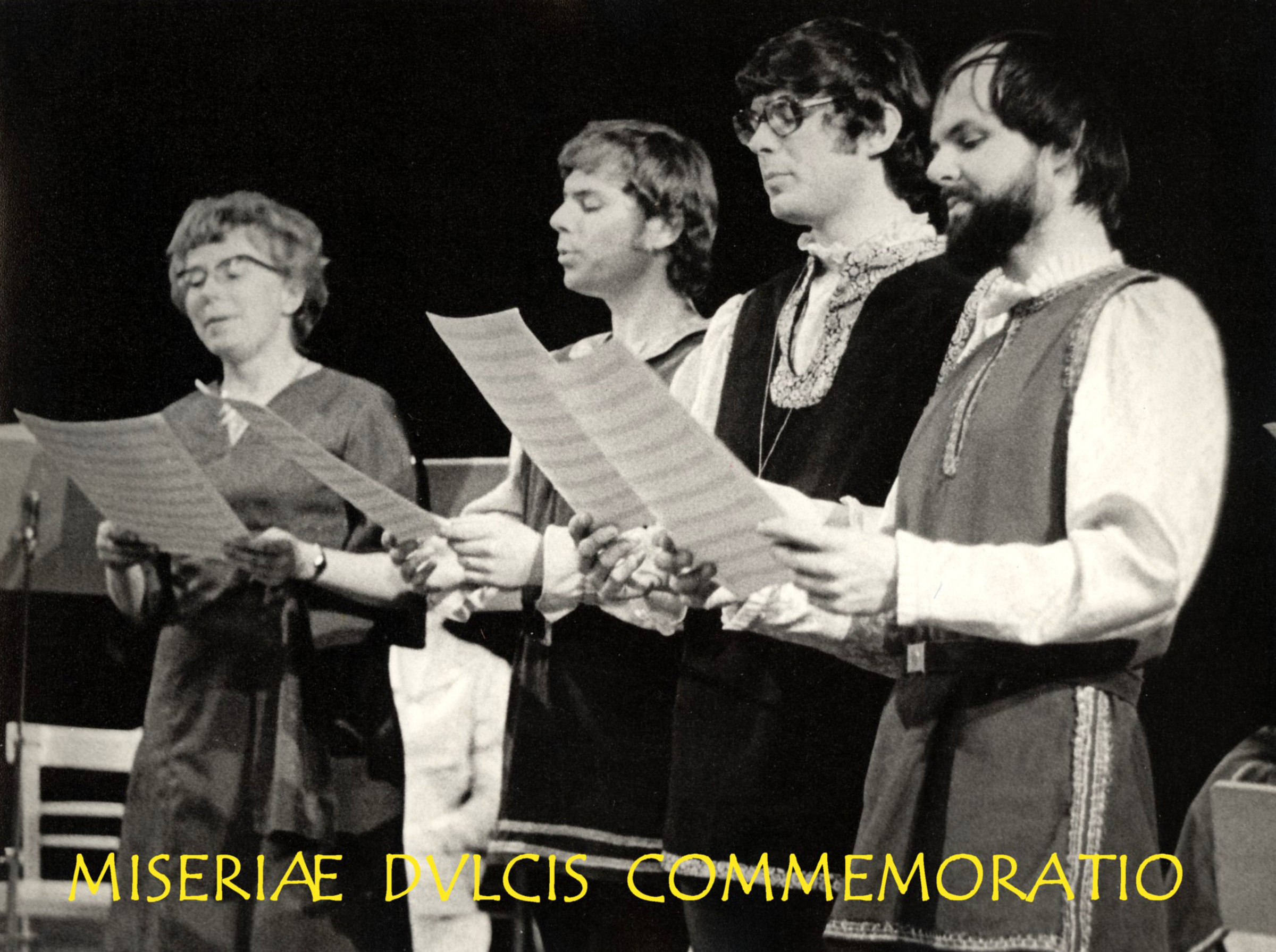
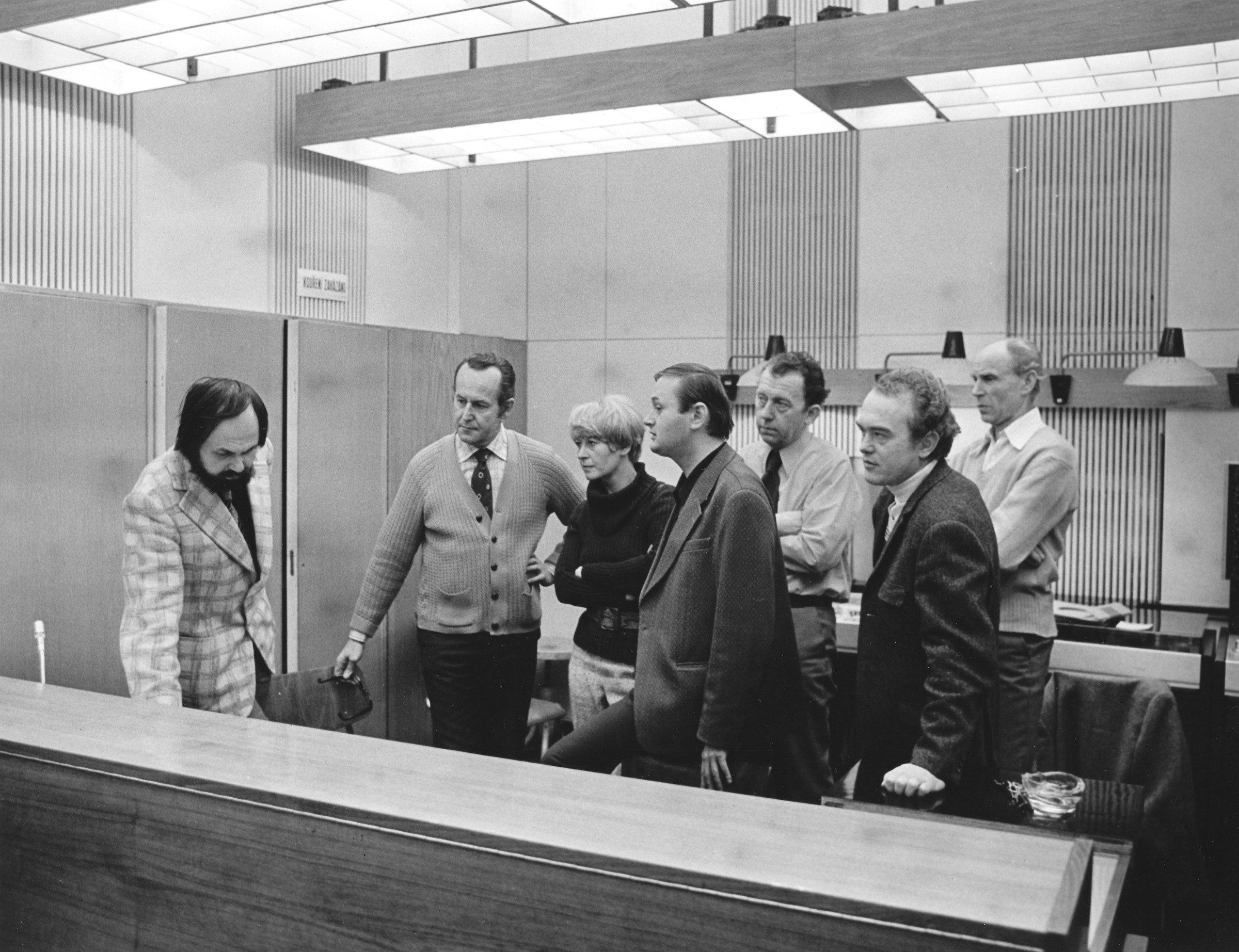
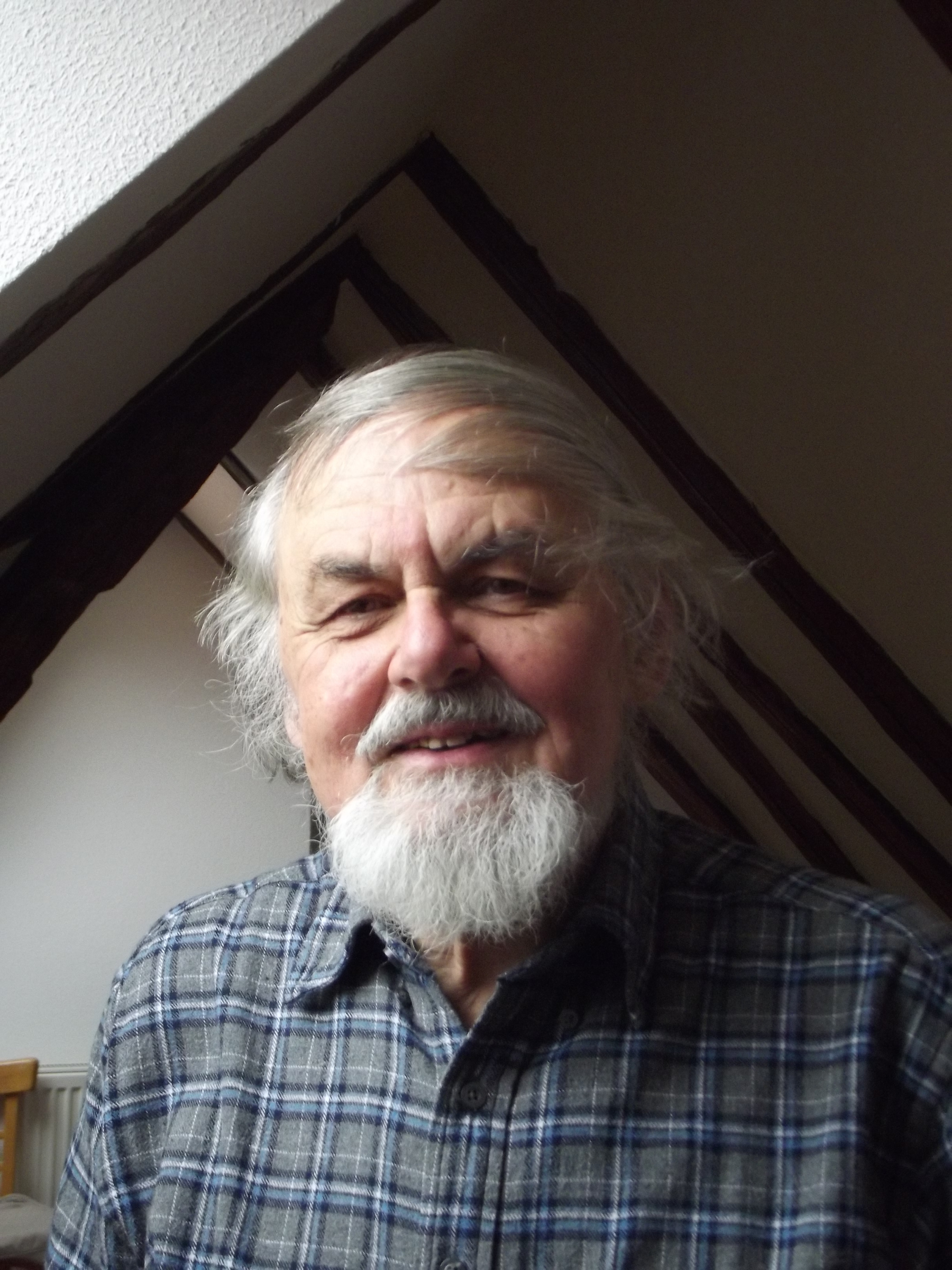
Jan Málek was born on May 18, 1938, in Prague. His mother was a nurse, and his father worked as a clerk. As a child, he experienced the dramatic events of the Prague Uprising in May 1945. He studied at a Russian high school and was later admitted to the State Conservatory in Prague in the folk instruments department. In his third year, he transferred to Miloslav Kabeláč’s composition class. After graduating from the conservatory in 1961, he was drafted for mandatory military service in Rajhrad. From 1965, he worked at Czechoslovak Radio, first at the Pilsen studio as a music director and dramaturg, and from 1976 in Prague as a music director. During the Normalization period, he was not a member of the “normalized” Composers’ Union, yet he was able to continue working in the field. He died on June 10, 2026.