Anna Kroulová

* 1946

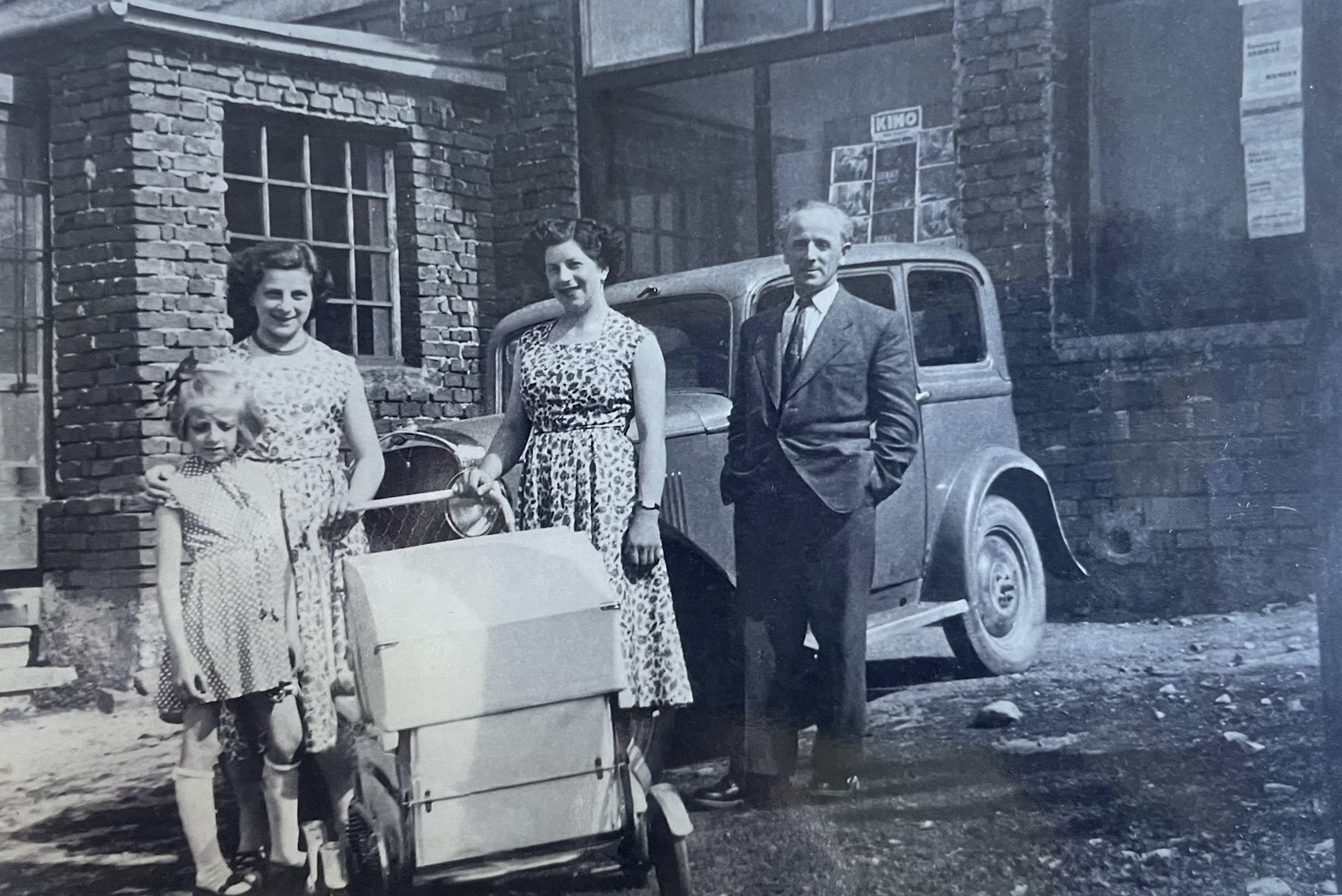
  • "Even in 1945, when people had no place to live, we had about five families. My father made five rooms out of the workshop upstairs and they were there for I don't know how long before they got housing and went to the Sudetenland. Some went to Austria, some went to Velké Losiny, some went to Lanškroun, to Munich and there and one family stayed here, I think. That was after 1945, when people had no place to stay. They used to go to the borderlands, to the Sudetenland, where they took the houses left by the Germans."

  • "He said a lot of them hanged themselves, committed suicide. Otherwise, hard work. I mean, he was building a convalescent home there, what was it called - Vyšné Hágy, doing bricklaying. And since he was a trained tailor, he mended the comrades' clothes, clothing, so he had a lighter job by sewing there too. It was in that Komárno, but Vyšné Hágy, they were taken there and they did bricklaying. I say, a lot of them didn't come back."

  • "I used to sleep in the workshop, as I said, the desk was there, where they used to cut. That's where I used to sleep when I was bigger. By then my sister was married. She already had one room. They had like a bookkeeping room then. Líba was the bookkeeper, the middle one, when Dad still employed people. How old could she have been? About 14 when she started, the middle one, Libuše. Then it went downhill, because it became more socialist, so there was really nothing to do. They even came to him. When Dad came back from Komárno, I see one of them, how old could I have been...? nine years old... saying: 'You, Čenda, should join the Communist Party.' And he says: 'Do you want to go back?'" - "Did he join then?" - "Well, he did. Because Mum... we might have been on the thrown on the street. Nobody - not even family - would stand up for you."

  • Celé nahrávky
  • 1

    Malé Hradisko, 13.06.2025

    (audio)
    délka: 01:54:34
    nahrávka pořízena v rámci projektu Field reports
Celé nahrávky jsou k dispozici pouze pro přihlášené uživatele.

The regime took away my father‘s trade and freedom
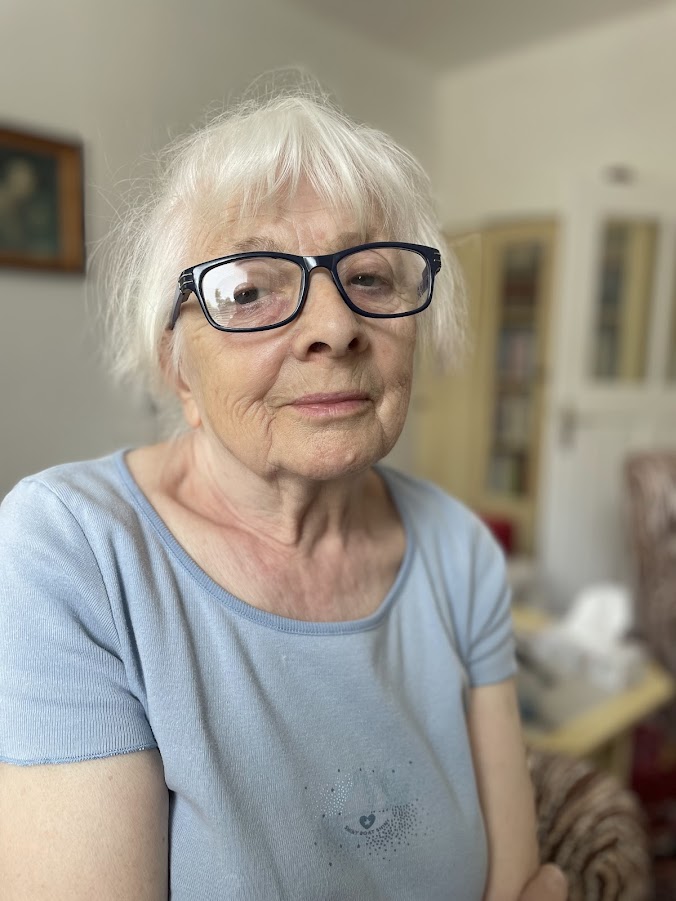
Anna Kroulová during the interview, 13 June 2025, Malé Hradisko
zdroj: Memory of Nations

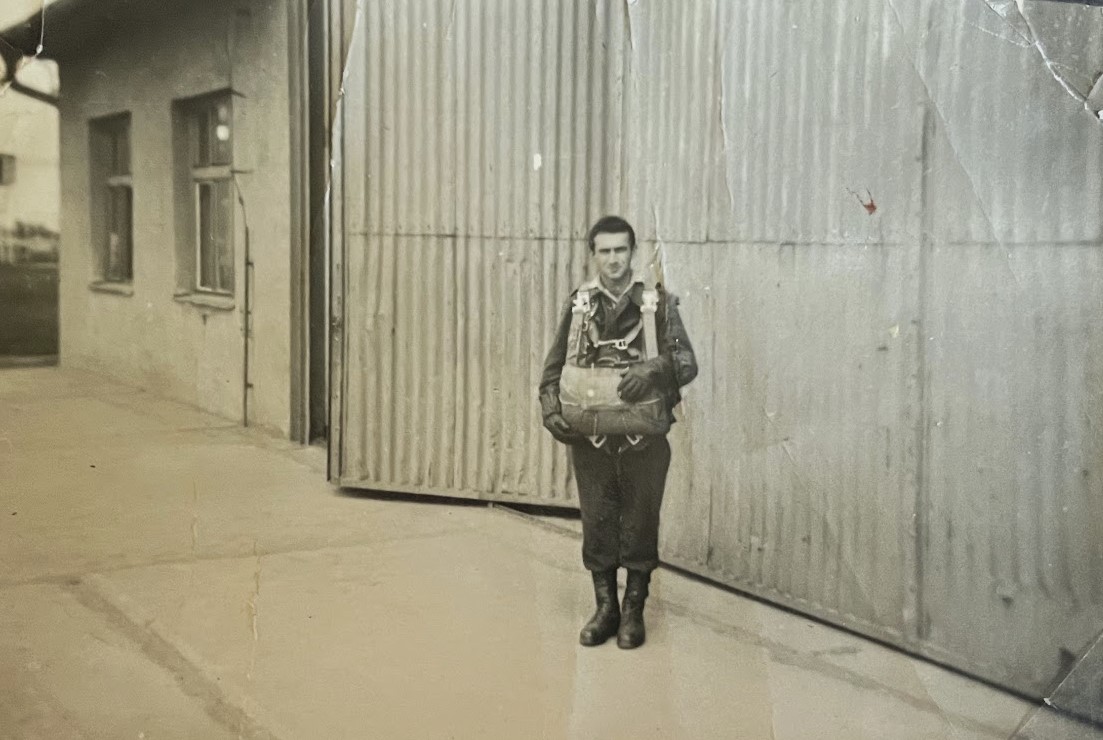
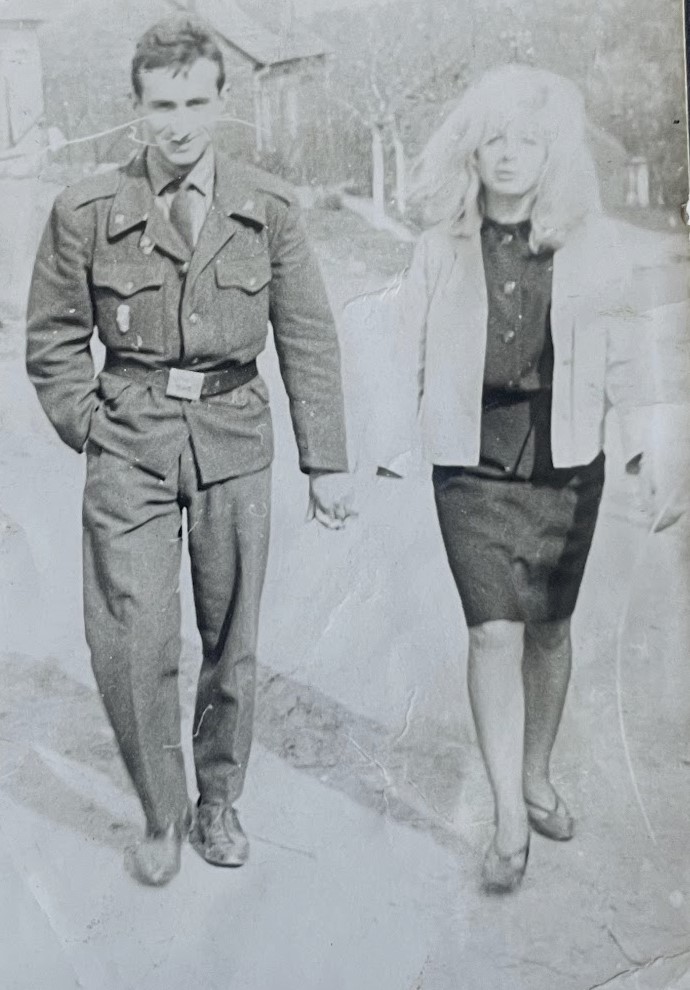
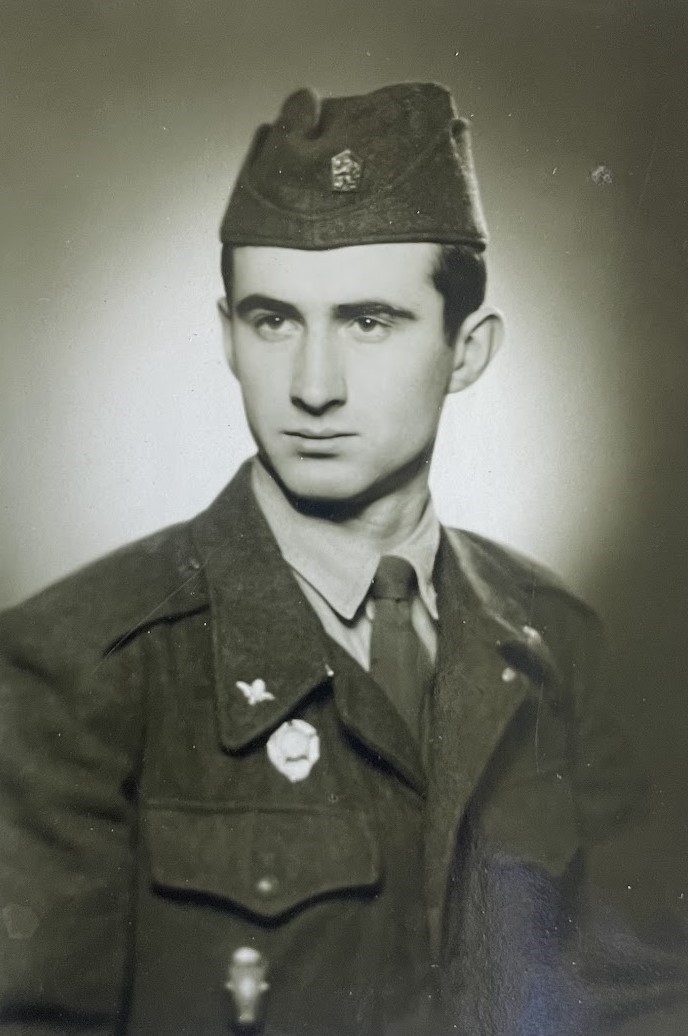
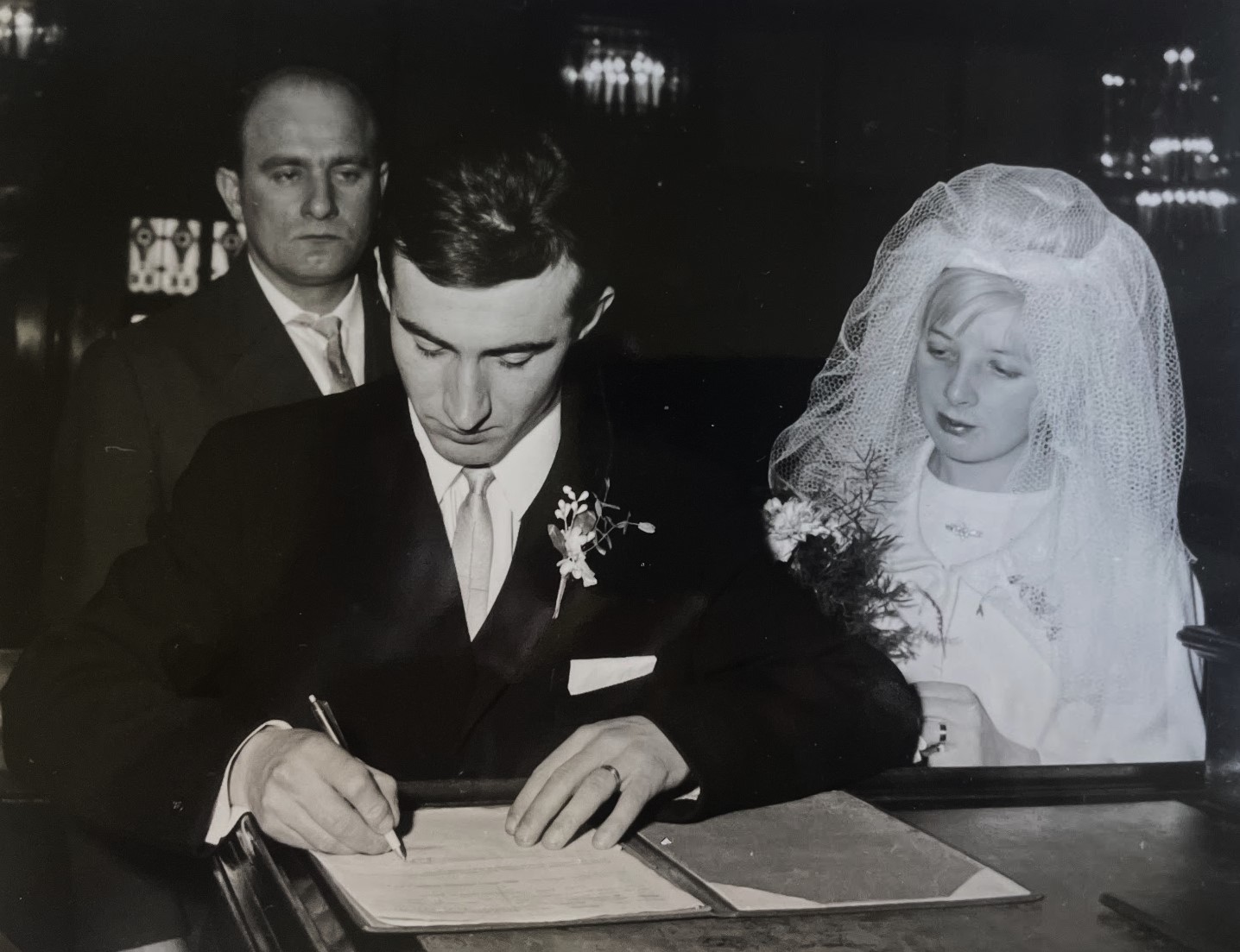
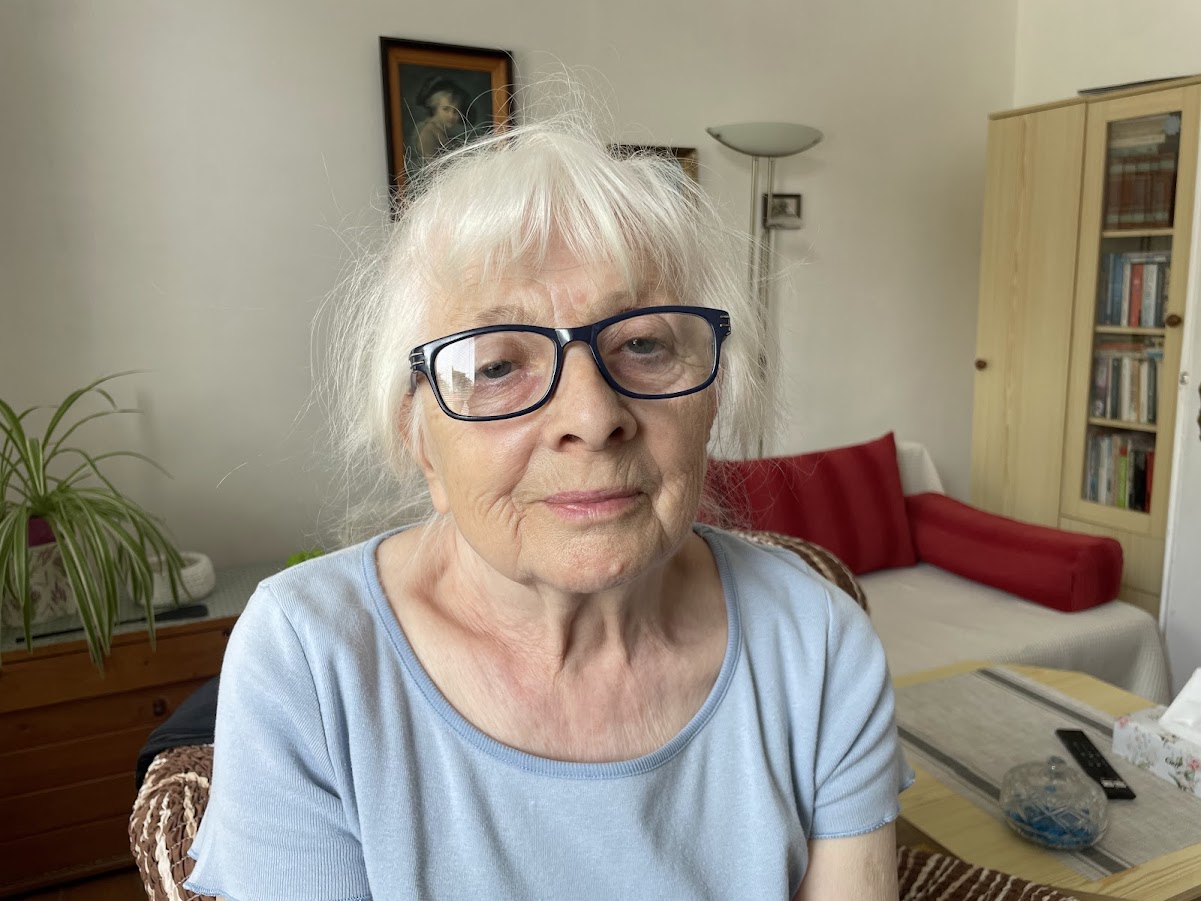
Anna Kroulová, née Grulichová, was born on 13 February 1946 in Malé Hradisko as the youngest of three children of Marie and Vincenc Grulich. Her father was originally a tailor who gradually built a prosperous clothing factory in Prostějov. Before the war he built a house No. 136 in Malé Hradisko with his own clothing workshop, a pub and later a cinema. His mother was a housewife and then helped his father with the running of the pub. After February 1948, her father‘s business was nationalized. In 1952 he was conscripted to the Auxiliary Engineering Corps (PTP) in Komárno, where he suffered seven heart attacks due to the harsh conditions and exhaustion. After his release from forced labour, he was unable to find a job for a long time, until he finally started working as a cutter at the Clothing Plant (OP) Prostějov. The persecution affected the whole family; the mother had to plant trees in the forest for minimum wage and the daughters were forbidden to study. Under threat of further imprisonment, her father finally agreed to join the Communist Party. Anna trained as a ladies‘ dressmaker at OP Prostějov in 1961-1964. In 1965 she married František Kroul, a butcher, whose family‘s trade was also nationalised by the regime. The couple lived in Dolní Dobrouč and raised a daughter Petra (1966) and a son Pavel (1972). Anna worked as a manager of a textile shop and later in various economic positions at Jednota, most recently at the headquarters in Ústí nad Orlicí. In 2006, she and her husband returned to Malé Hradisko. František Kroul died in May 2025. Vincenc Grulich was never rehabilitated, as all military documents proving his involvement in the Auxiliary Engineering Corps were allegedly shredded.