Karel Kocourek

* 1932

  • "It was the custom there that in the morning a bell would ring, and it would jingle, and that was our wake-up call. I hear the jingle, I get up, I pick up a towel, soap, toothbrush, I go to the washroom, and there's a police officer and a policeman at the door. And where I'm going, it's 11:30. I hadn't thought about what time it was." - "So it was night?" - "Yes, it was night. So they sent me back. And then there was all this talk that where are your guns? There was nothing."

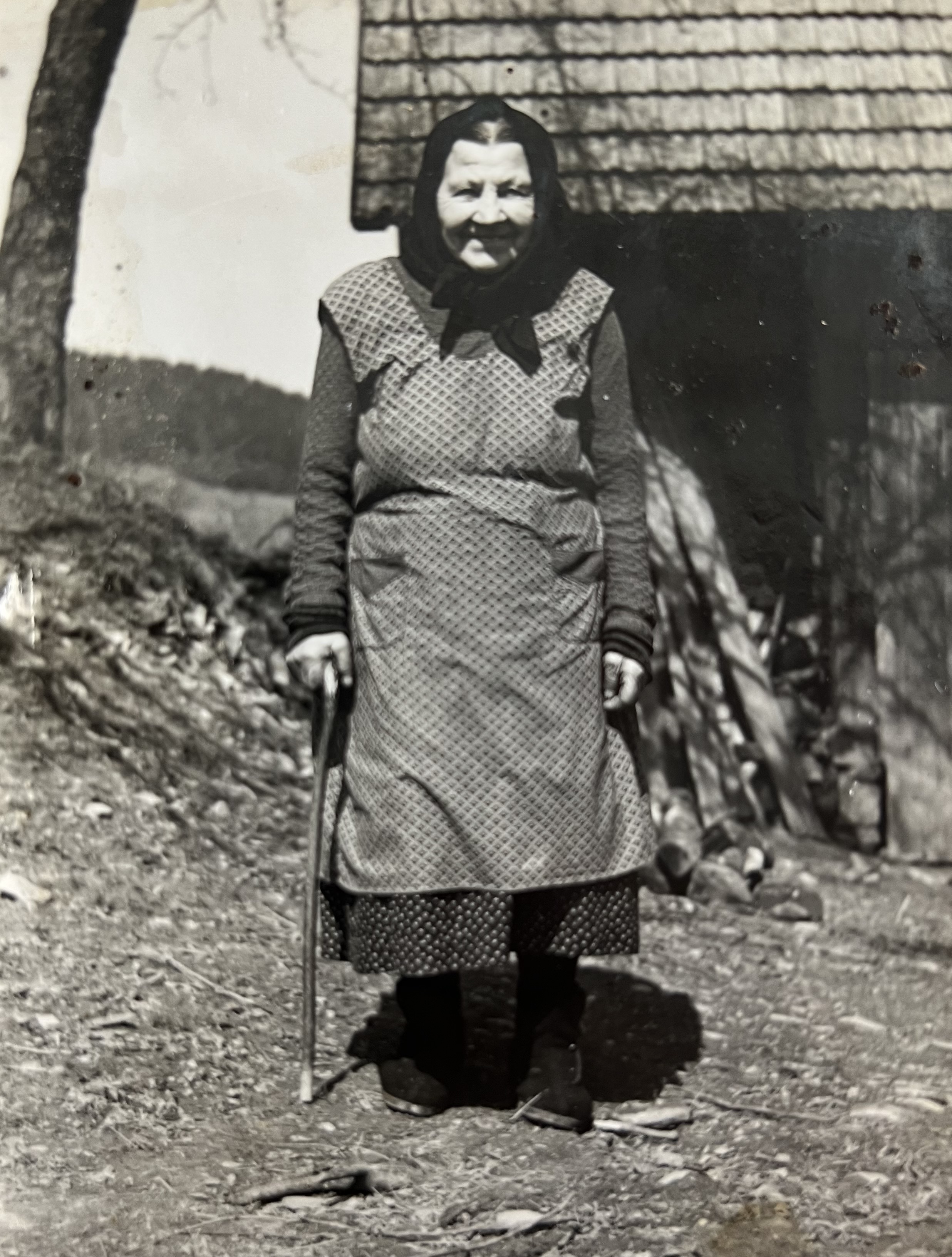
  • "I am in the forty-ninth, in August, when my grandmother and the mother of the Hajdík from Paseky... He came to us. Because Trochta was in Litoměřice. And when he was at the inauguration with Gottwald, they sat together. And he told him that he wanted to take boys from the working class for priestly vocations. And Gottwald told him he could. So he wanted to fulfill that verbal promise and he published some posters in Ostrava where it was in writing. And he, when he was there in Ostrava, he came with it and told me. And I say, 'Well, I’d go.' So we wrote to this Lepařík. And he said, 'Come.' So I actually left that August."

  • "They simply behaved in such a way that they had horses at the neighbours' place. Once there was such a conflict that they almost wanted to shoot the one, the Kuňák. I don't know the exact reason, he 'resisted' something. And when they gathered there, I think it was the fourth of May, they went to Huslenky. The Germans were already coming there from Karlovice. So they had to go back and they had one or two cars with them, or a horse cart, and they went to Lužná. But there's a narrow road where the car got stuck. And I'm so curious, that was in the morning, that happened during that evening, still in the dark. They managed to cross it. And I went up there and I watched as they were carrying all kinds of things out of that car that they had. They had what they had stolen from somewhere, some bedding or something, a typewriter, petrol and ammunition, and I watched it like that. You just knew it was over."

  • "Then I remember one time when the Germans came and went through the cellars and the attics and wanted to see the supplies and wanted to take them for the army. Only when they came, and there were seven of us siblings, and they saw so many children, they waved their hands at what was there and left when they saw it. They were sympathetic. The cellar that we had under the barn, it used to be full of potatoes. And those potatoes were said to be Wallachian bread. Because if there wasn't that bread... Well, I remember that our dinners used to be that there was milk and potatoes. Whether it was sour milk or other milk, buttermilk. That kept us going. I know that at that time of starving, my uncle had a friend who used to bring bread to Zděchov, so he would go from him, because it was all on ration tickets. Because everything in our house was on tickets until the '30s. It was only the communists who said that because the cooperative farms had been established, they were so productive that they could abolish the tickets. But that was so, we could almost say, delusional. So we all rushed for the bread because we were hungry."

  • Celé nahrávky
  • 1

    Zděchov, 26.02.2026

    (audio)
    délka: 01:37:42
    nahrávka pořízena v rámci projektu Stories of 20th Century
Celé nahrávky jsou k dispozici pouze pro přihlášené uživatele.

Nothing impure gets into heaven
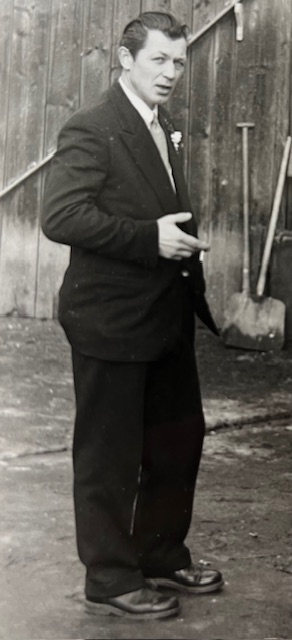
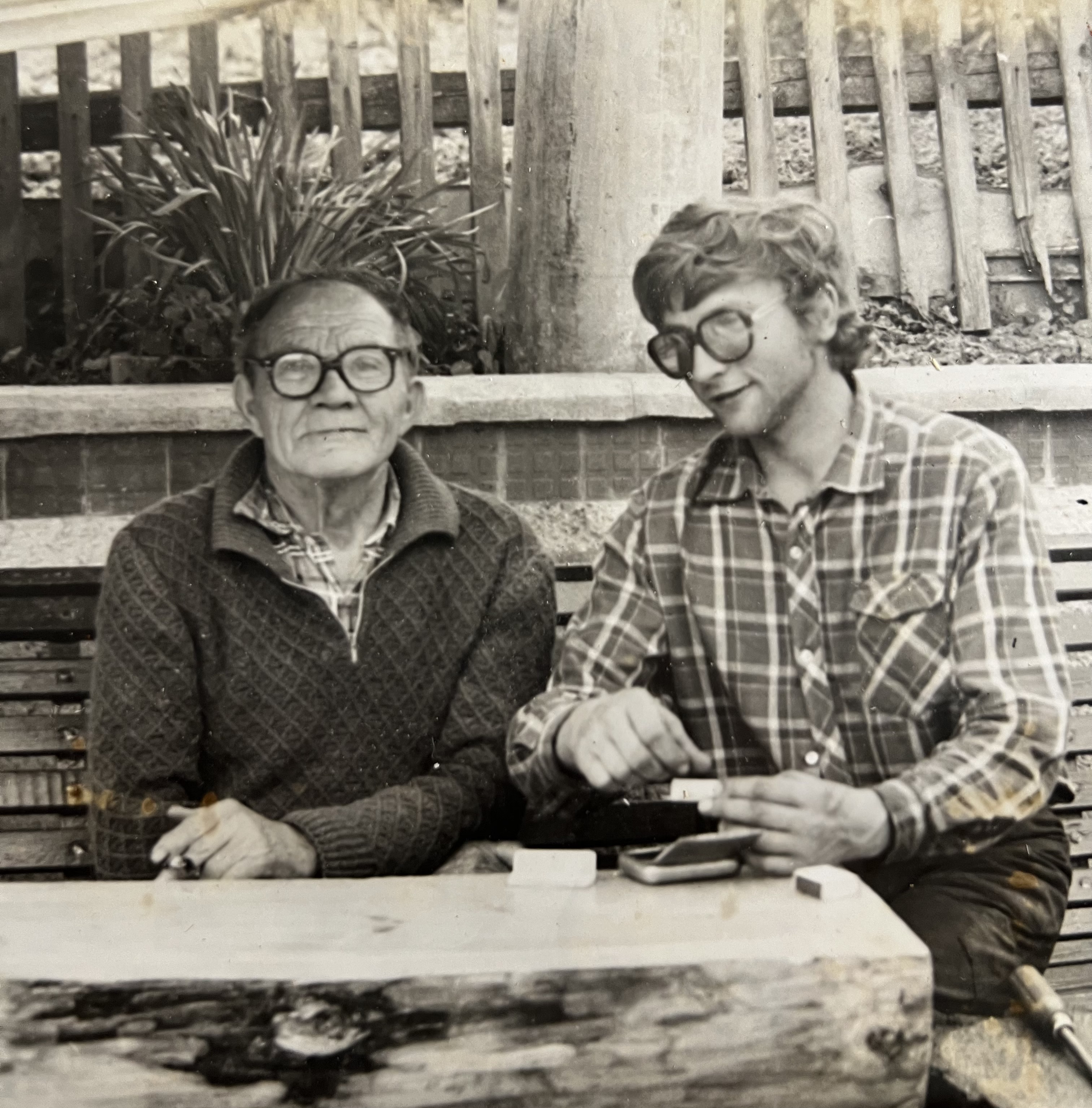
Karel Kocourek, 1960s
zdroj: witness´s archive

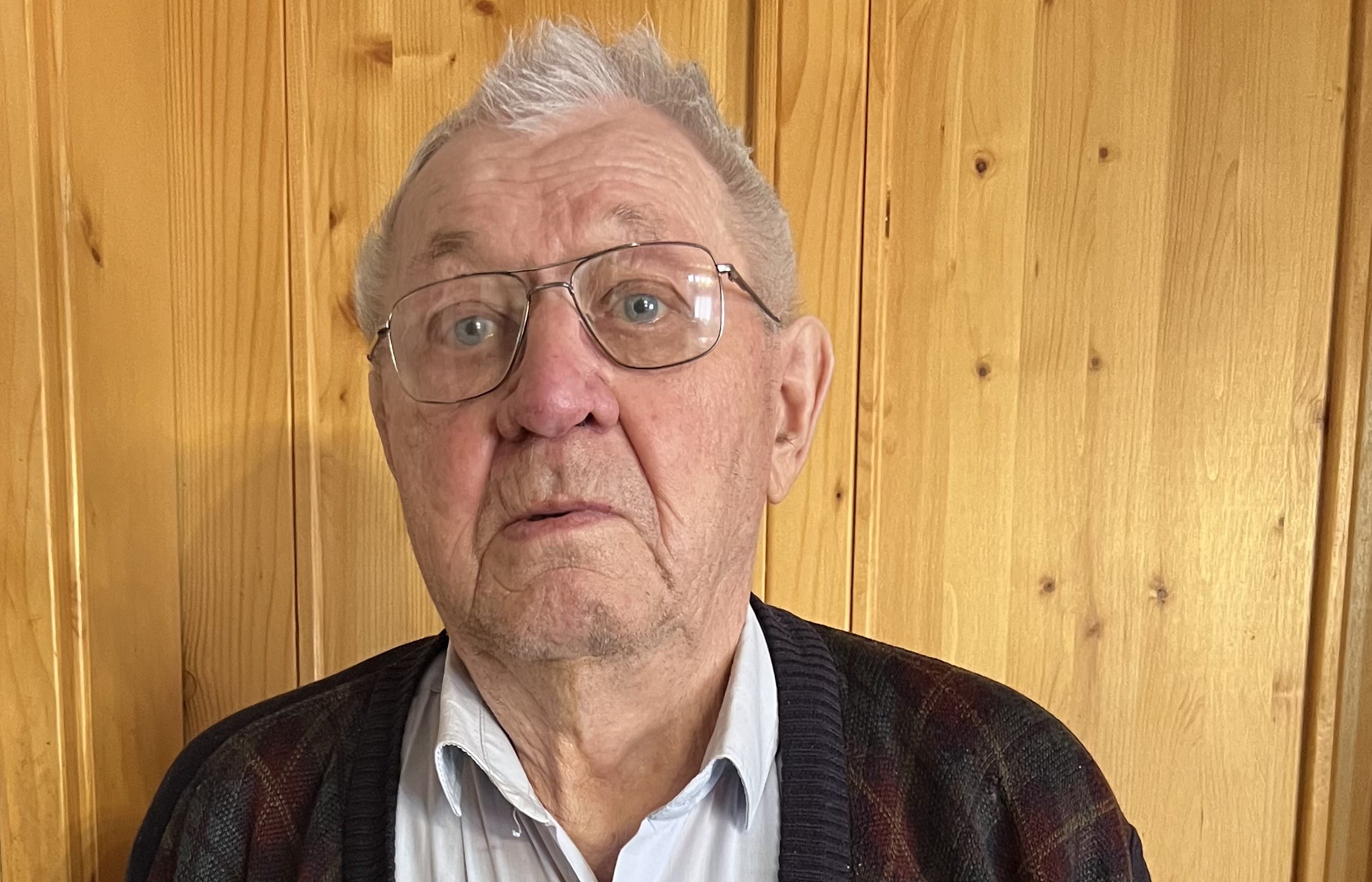
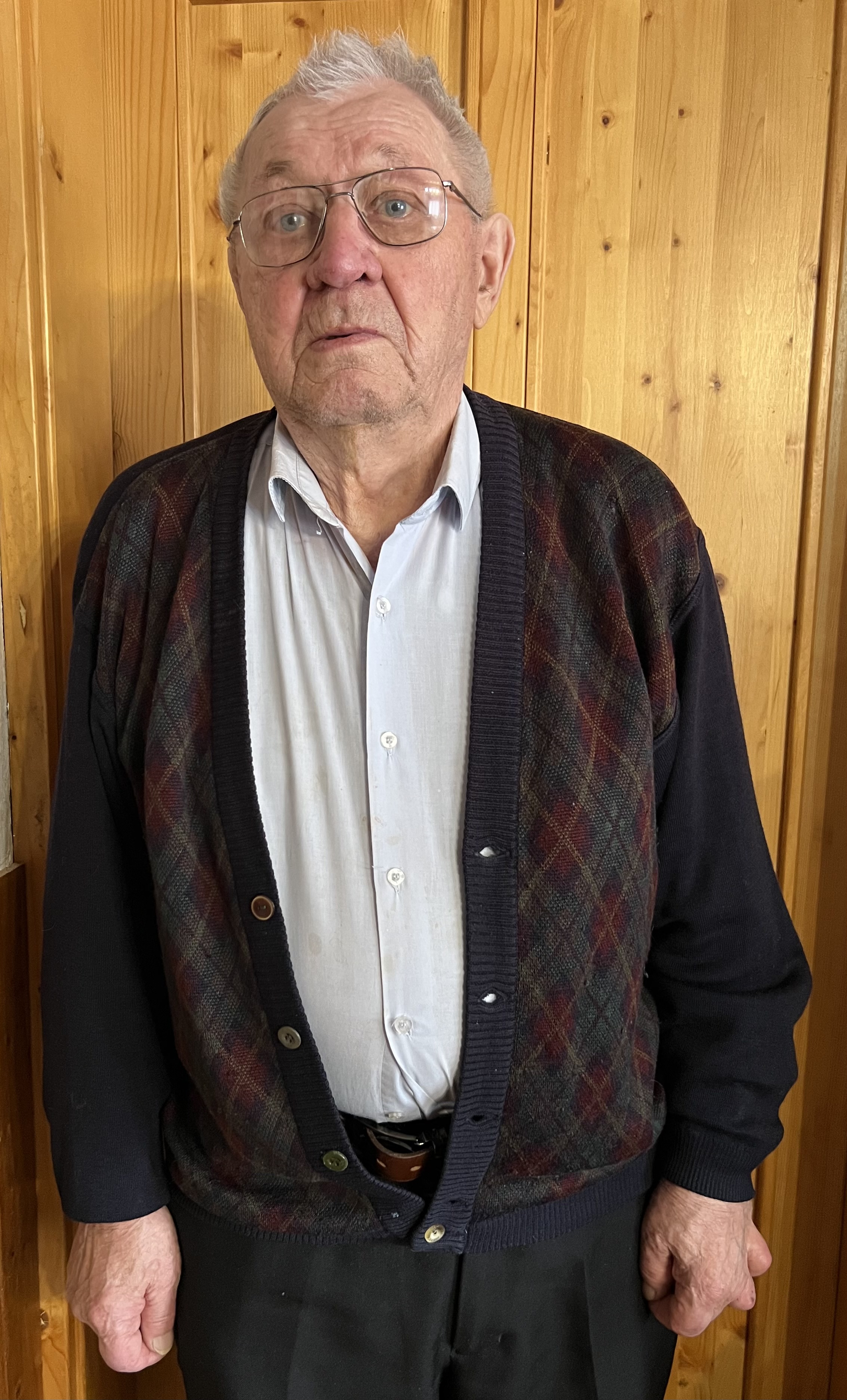
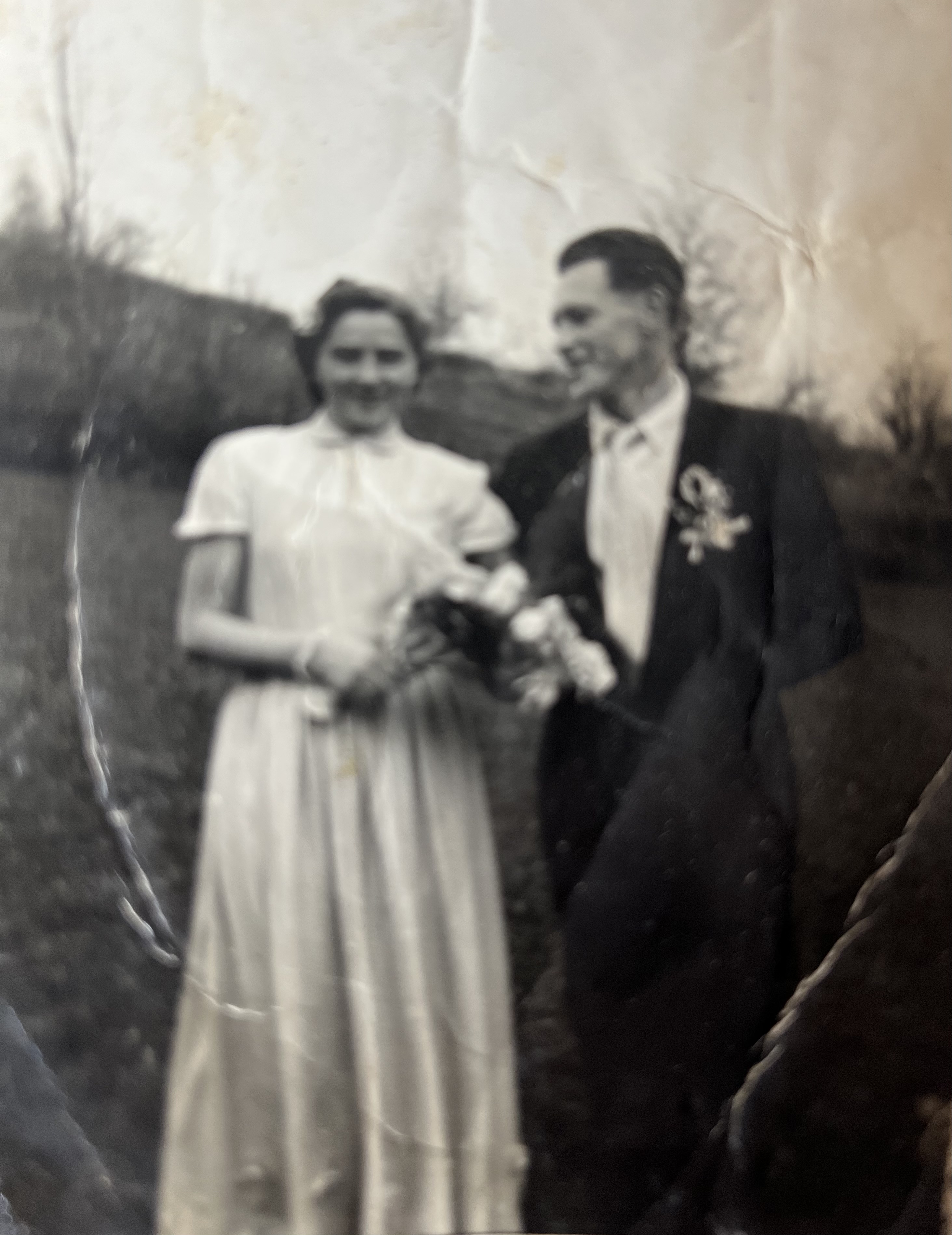
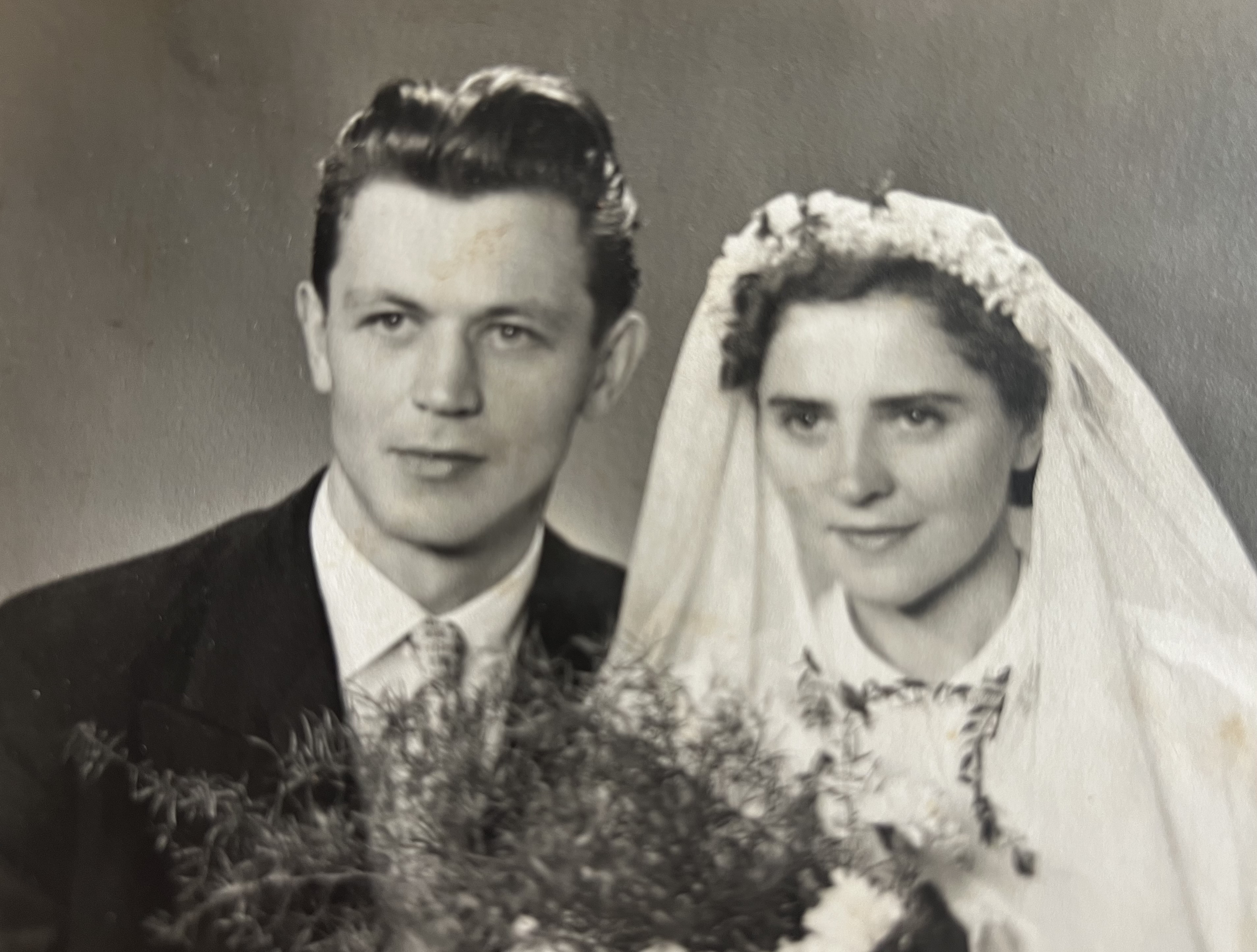
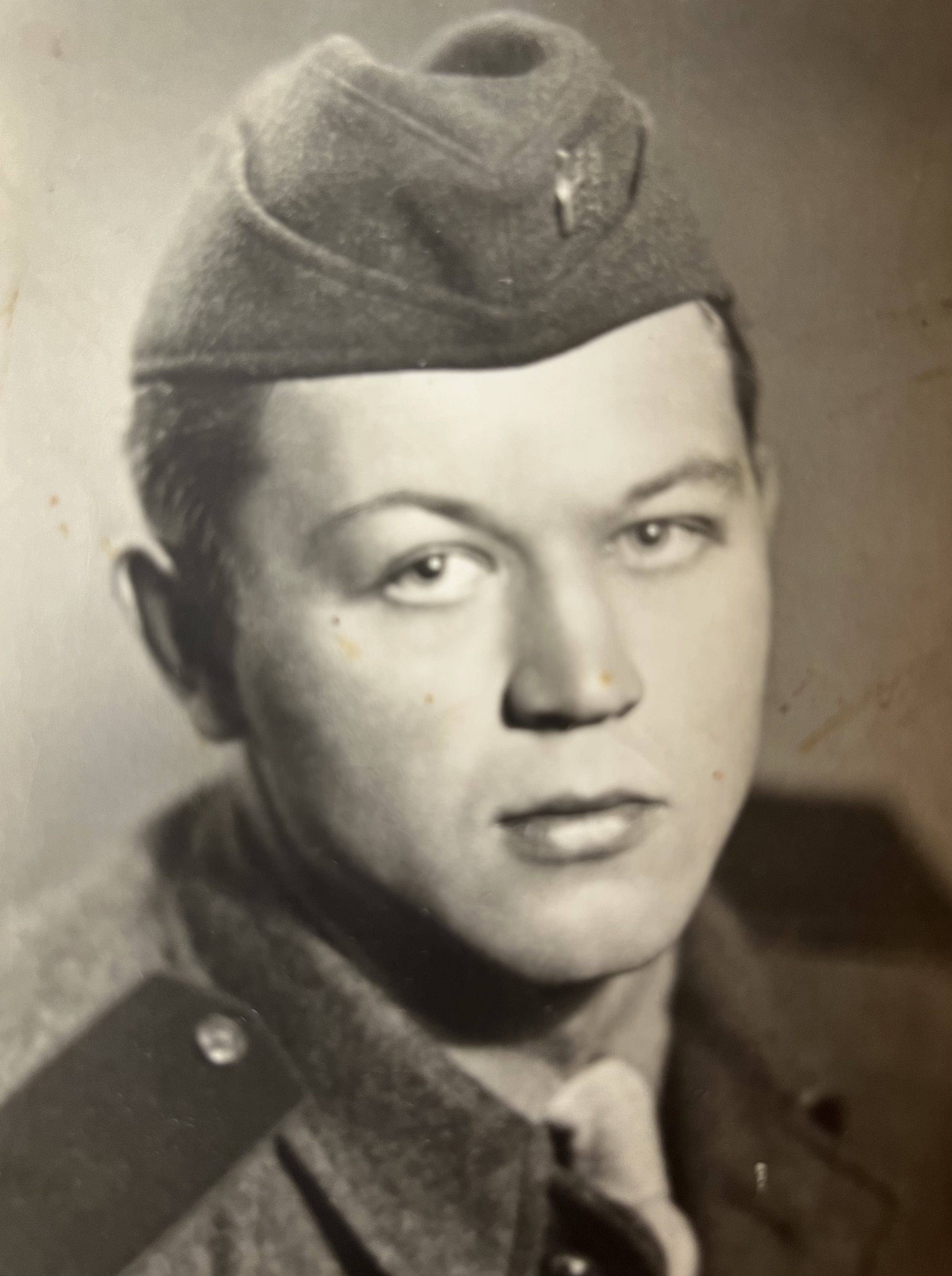
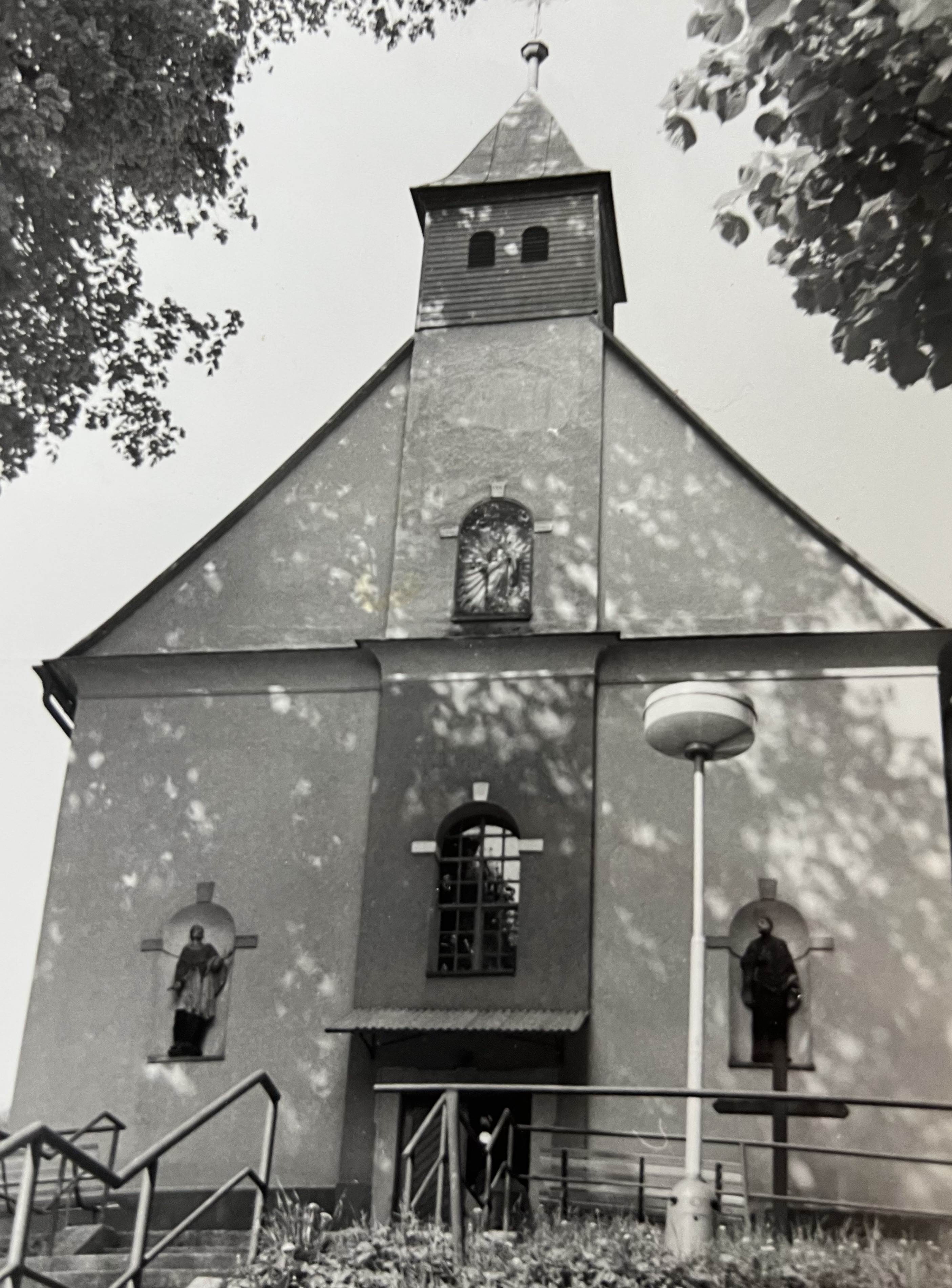
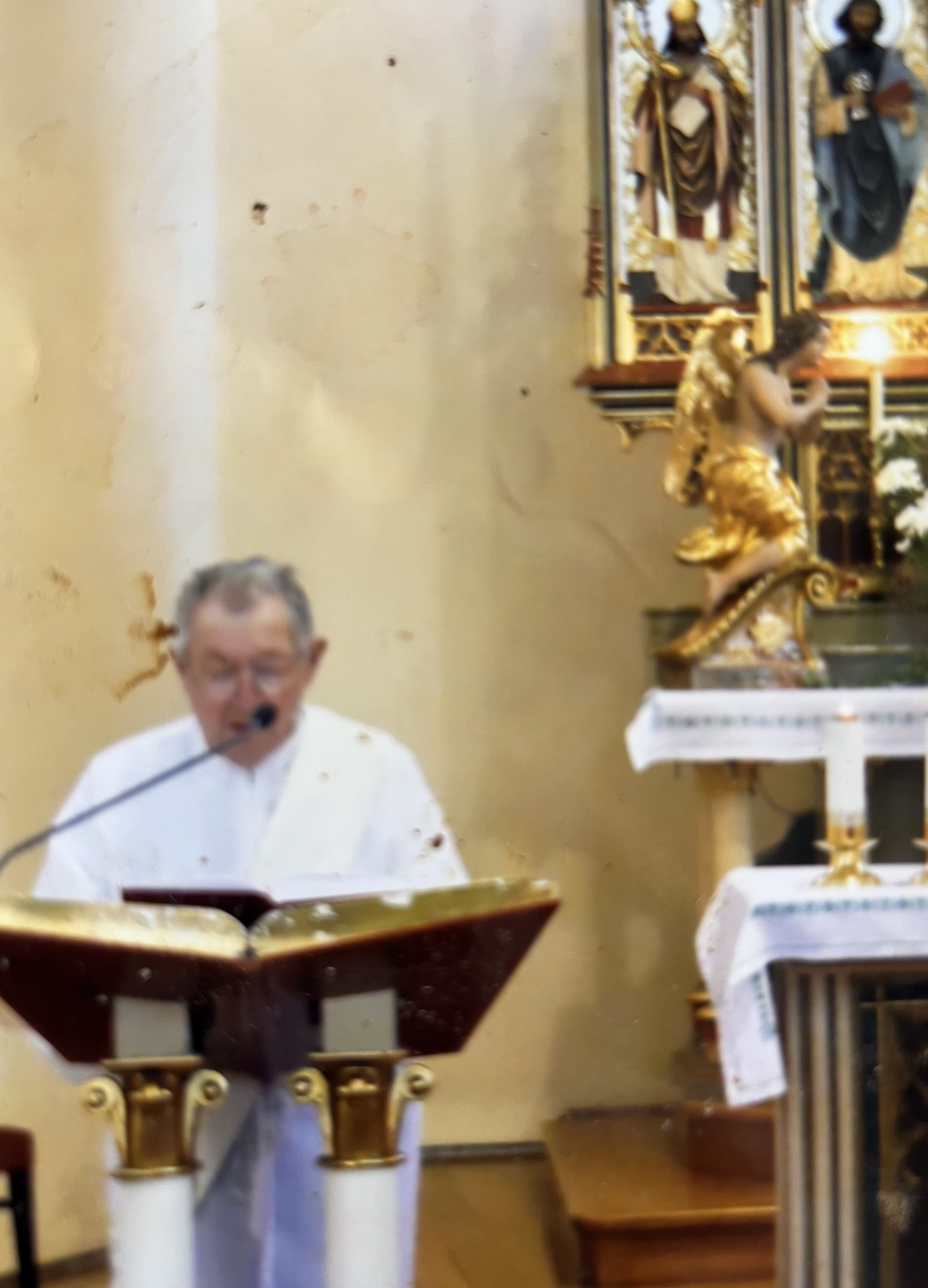
Karel Kocourek was born on 15 February 1932 in Zděchov in Wallachia into a family of small farmers. He spent his childhood during the Second World War in a large family, which lived mainly by working on their own farm. After primary school he went to study at the seminary in Litoměřice. However, his studies were soon interrupted by the intervention of the communist regime in 1950, when the seminary was occupied by the security forces and the students were sent home. After returning to his native village, he worked briefly in a sugar factory and then joined Zbrojovka in Vsetín. In 1953 he completed two years of military service in Znojmo. After returning from his military service he married and together with his wife they raised three sons and a daughter. In 1959, while working, he dgraduated from grammar school by distance learning. After 1989, he was able to return to his theological studies, which he completed in Olomouc. Later he was ordained a deacon and became involved in the life of the local parish. Throughout his life he remained connected with his native village of Zděchov. At the time of the recording, in February 2026, Karel Kocourek was living with his son in Zděchov and was engaged in beekeeping.