With a totalitarian regime like Cuba’s, and with an institution such as State Security that holds all the power, all the impunity, and all the resources, you are never safe.
Stáhnout obrázek
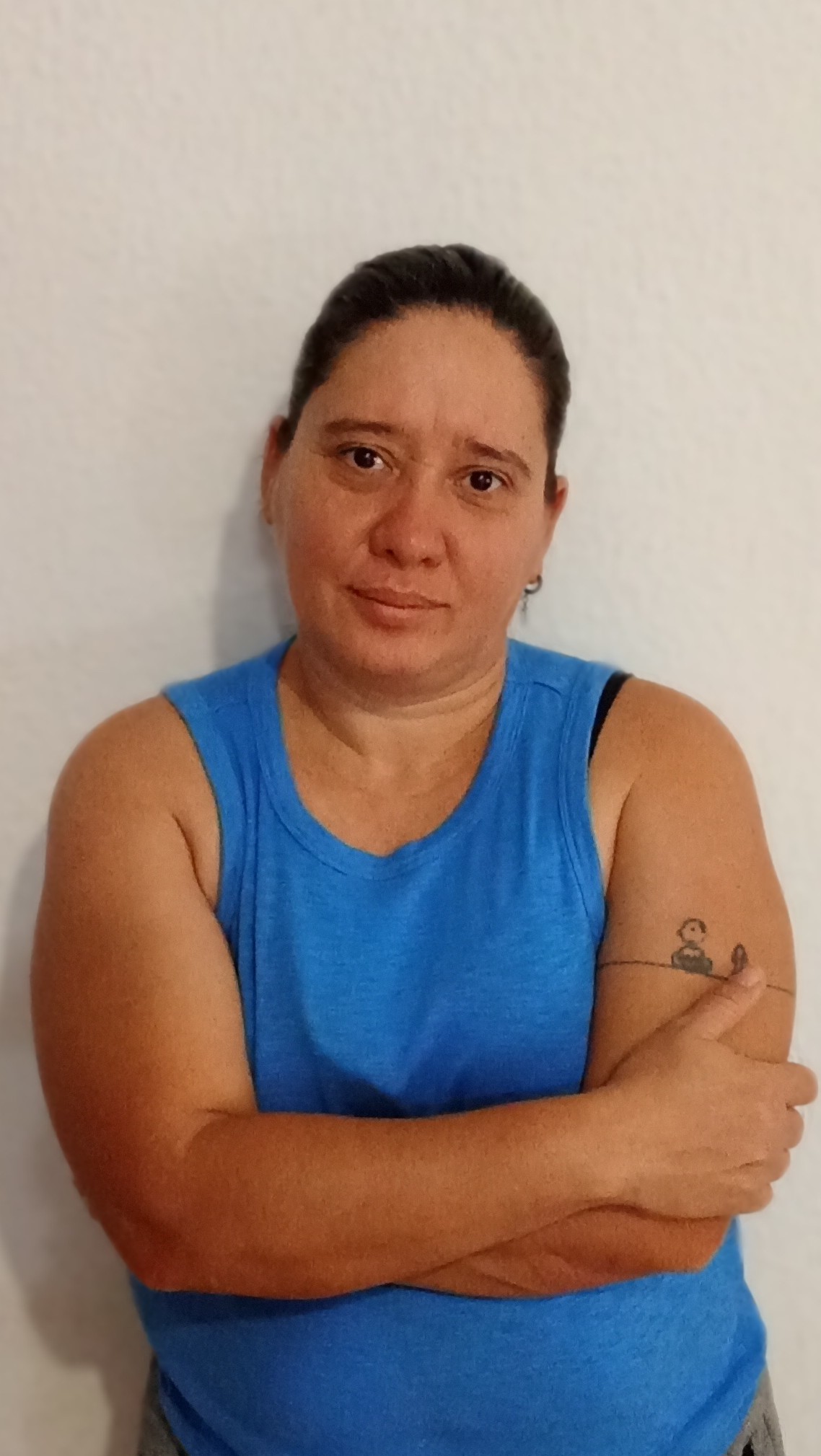
Yenni Hernández grew up in a rural area of Cuba during the 1980s and 1990s, in precarious material conditions and with limited access to basic services such as electricity and drinking water. Despite these hardships, she remembers her childhood and youth as happy stages of her life. The crisis of the “Special Period” in the 1990s intensified the economic difficulties that shaped her surroundings. She earned a PhD in Chemistry and worked for fifteen years as a university professor. At the same time, together with her husband, she engaged in independent journalism and civic activism—activities that exposed her to constant pressure and conflict in both her professional and personal life. Her journalistic work made her a target of State Security. The systematic harassment culminated in October 2024, when she was subjected to a twelve-hour interrogation during which her savings and work equipment were confiscated, and she was forced to publicly resign from her jobs. This episode eliminated her means of subsistence in Cuba and precipitated her departure from the country. Yenni defines her migration as a forced exile, marked by the impossibility of returning and by the difficulty of starting over in an unfamiliar country without support networks. From exile, she observes a growing political awakening in Cuban society, especially among young people, though she believes that greater organization is still needed for this discontent to translate into real change. She advises future generations of activists to act with caution, cooperation, and determination, without allowing fear to paralyze them. This interview was recorded within the framework of the project Memory of Our Cuban Neighbors, in Madrid, 2025.