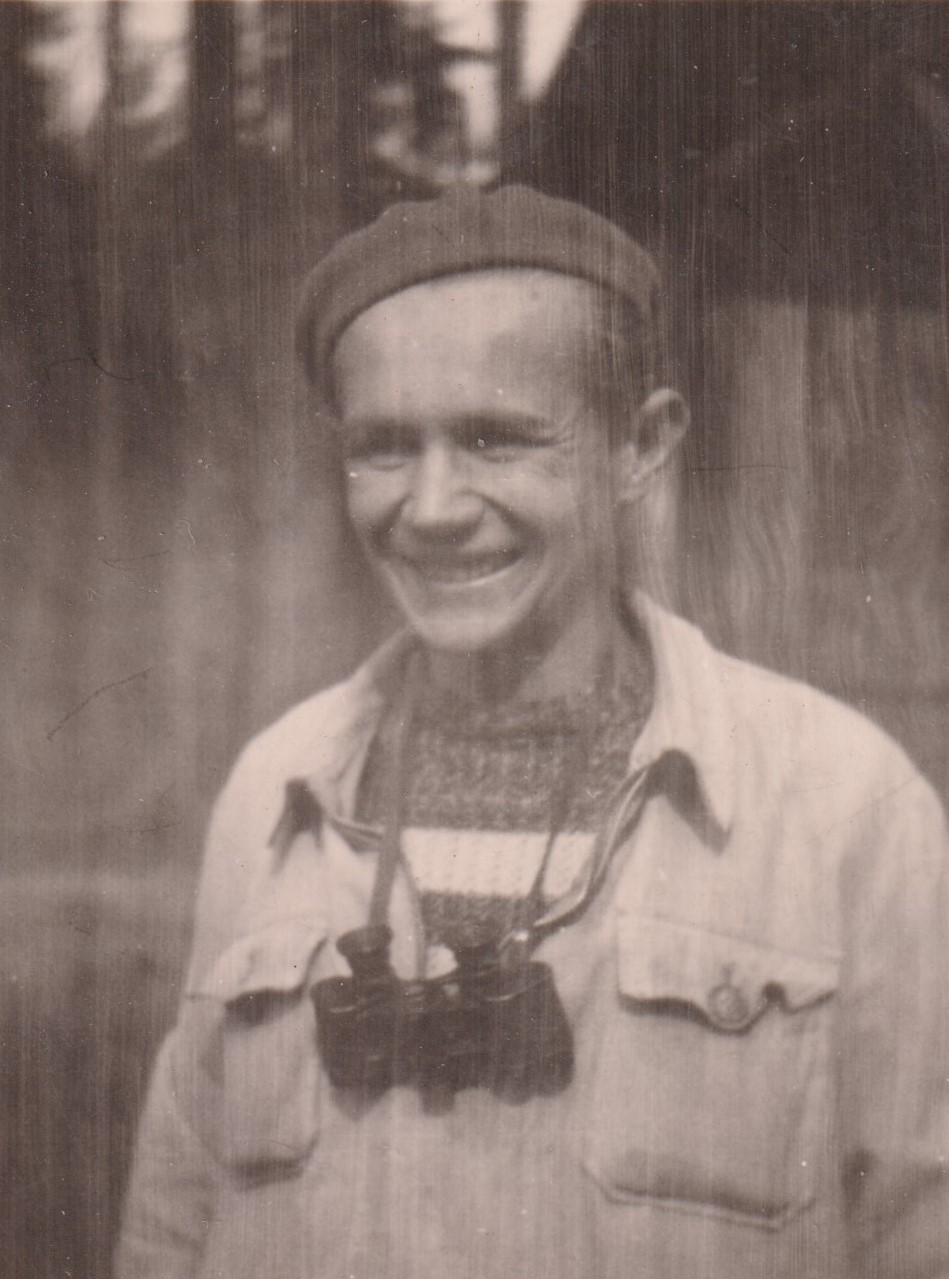
Ivo Havlovič

* 1930

  • "It was raining, it was nasty, and they drove around our house under the windows like that and parked in the square. On Masaryk [Square] and there were tanks everywhere. And I remember that because it was raining, they had a machine gun with a condom over it to keep the rain out. So we were watching the Americans. And by noon we were coming down to the square. There were tanks all over the square, but the soldiers were still there. And I know that around noon the Germans started shooting from the church tower. That was such a rush. There was one shaving, he poured everything into the tank and immediately they started firing up. The Germans fired again, I even remember that they broke the shop window, not far from where we were hiding. But that only lasted maybe half an hour, when the Americans liquidated it. But that was such a rush, you know - as he jumped up and was already firing up."

  • "Then once more, but that was at night, they bombed the station. And that was about three days later, when you could see the station burning. But not the station directly, but rather the so-called depot, that is, the rails where the trains were made, so they completely destroyed that. And, of course, some bombs were dropped - there was... they were slaughtering cattle there, it was a big thing. And they were taking it from there to the shops. So they pretty much destroyed it there, because it was right next door. So the communists couldn't forgive them that they were bombing. But they did it nicely. They hardly hit the main building, so we somehow survived. We saw the huge flames as it burned."

  • "Towards the end of the war, it was in '45, they bombed Pilsen, and we experienced that twice. The first time was the bombing of the Škoda plant, and they - I mean, the Americans announced or the English announced - that Škoda plant would be bombed then and then. And indeed it was - you could see everybody leaving the Škoda plant, and it fell. I know they destroyed the Škoda [premises] where they had all the models that they were making. So they dropped it in there. Luckily, [it]... well, it concerned us, because there was a bomb dropped nearby too, so we were all hidden in the basement. That was in '45, that was like a thrill because the house was shaking, of course. There was one next door, they got hit, but it didn't kill people. They were hiding in the basement ."

  • Celé nahrávky
  • 1

    Karlovy Vary, 30.01.2025

    (audio)
    délka: 02:26:41
Celé nahrávky jsou k dispozici pouze pro přihlášené uživatele.

It bothered us so much that they wouldn‘t let us go anywhere
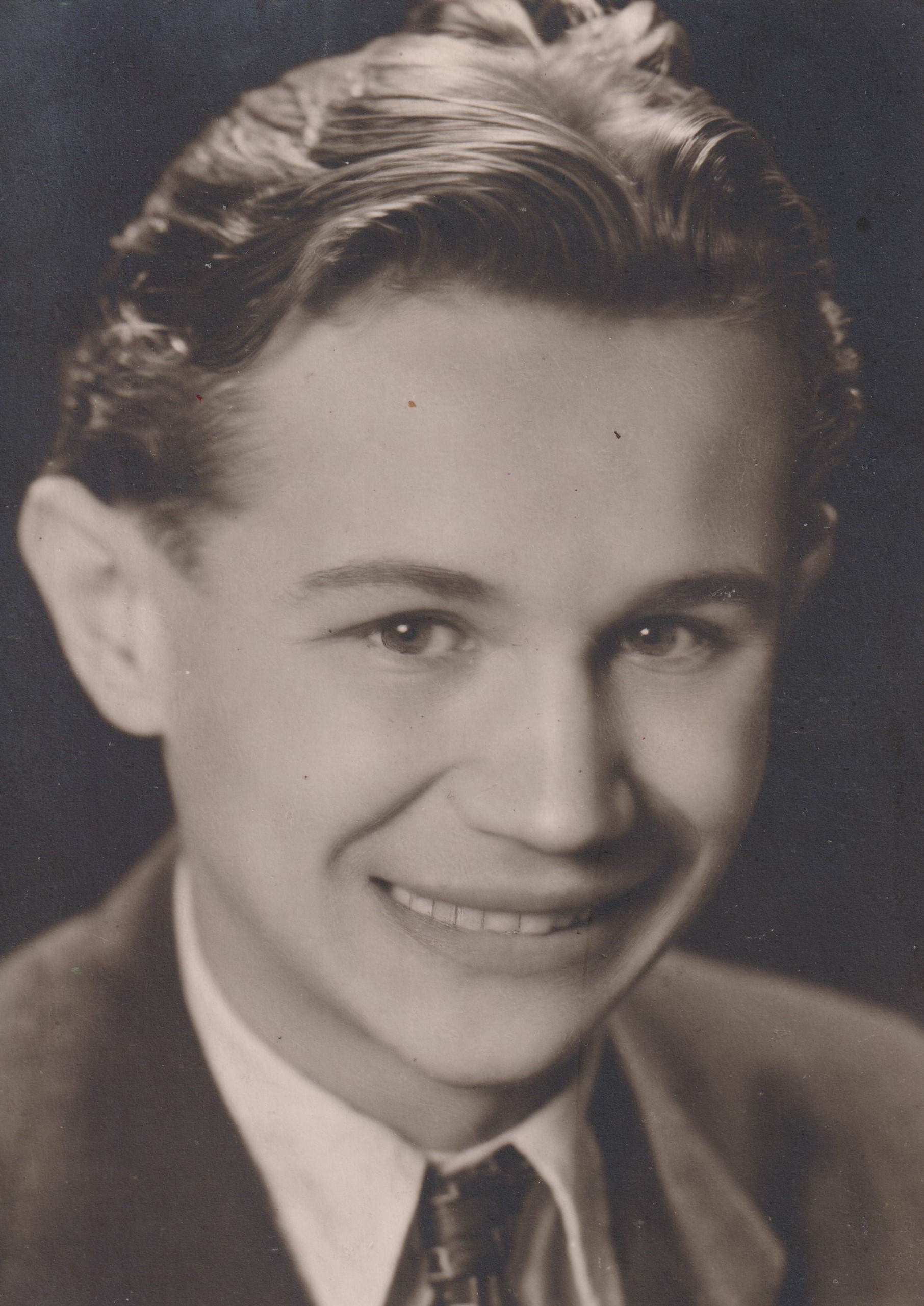
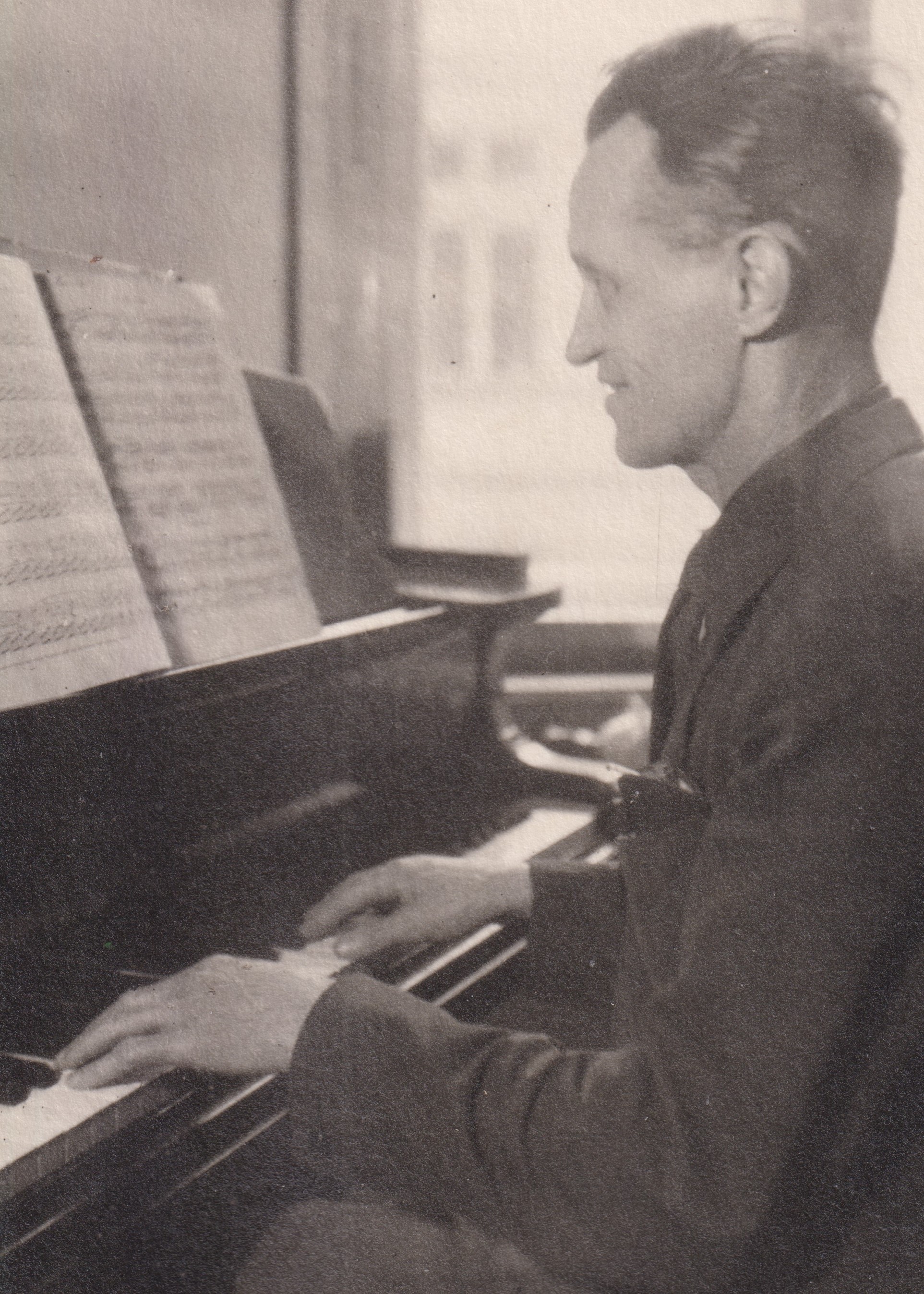
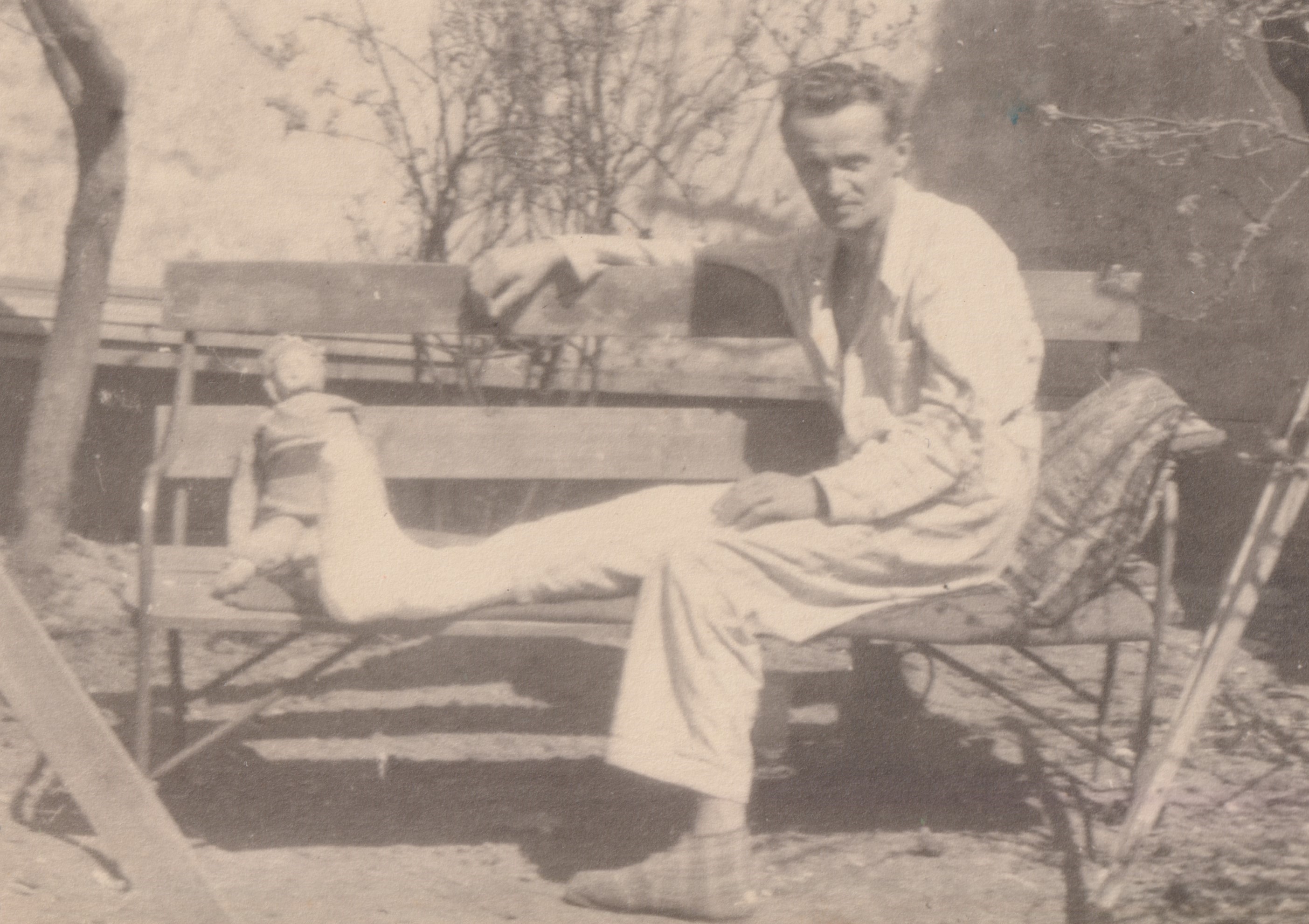
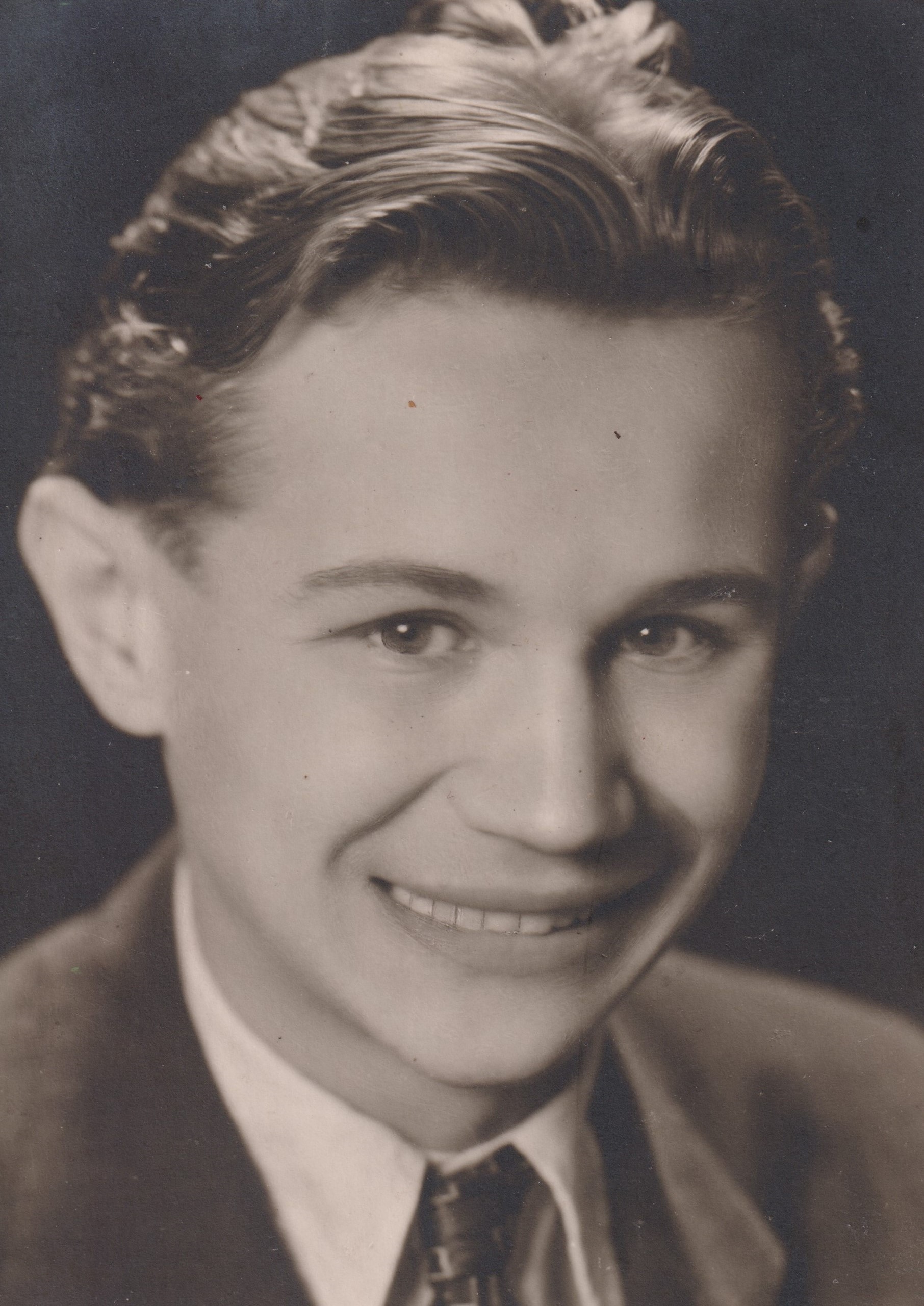
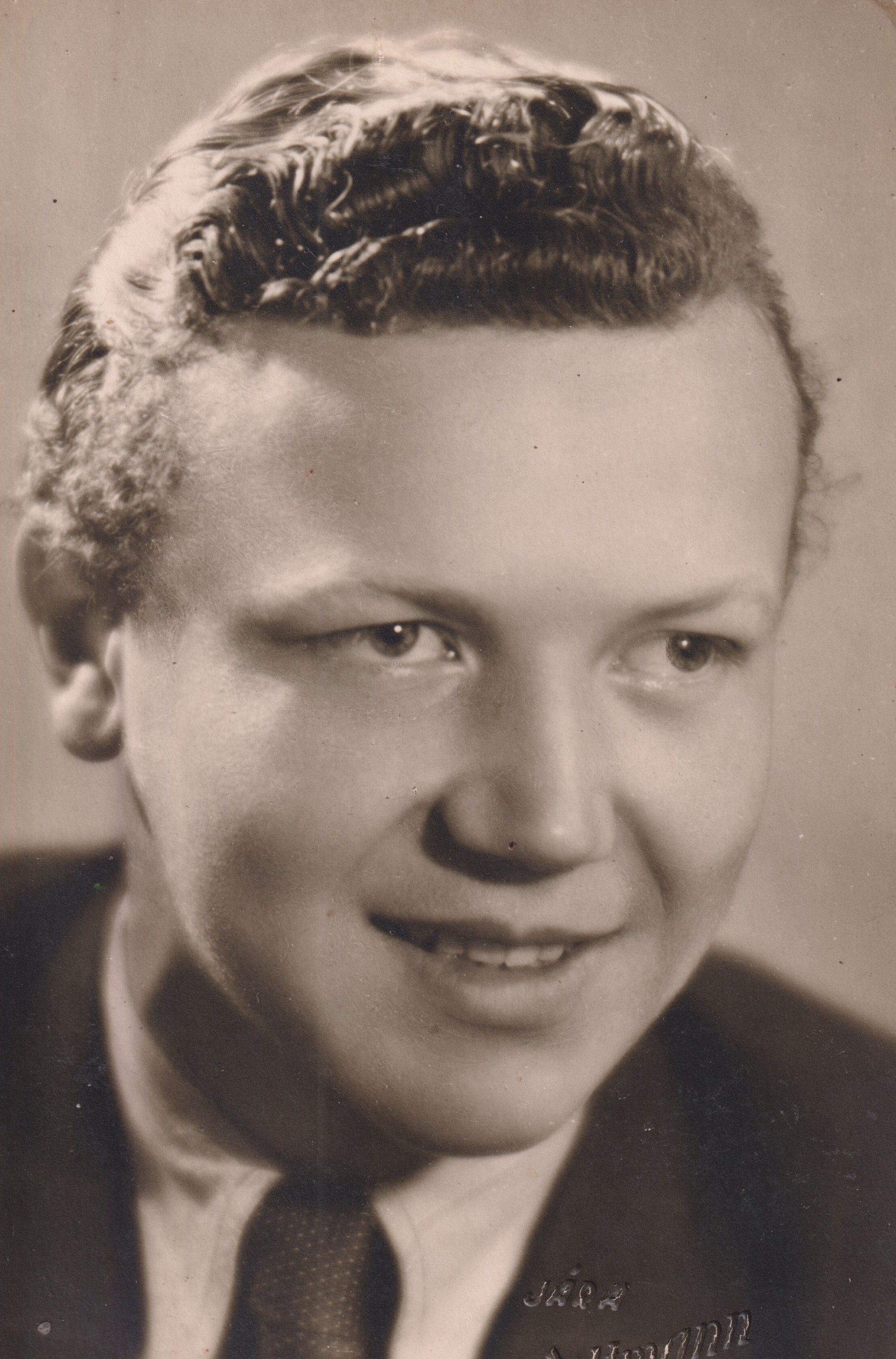
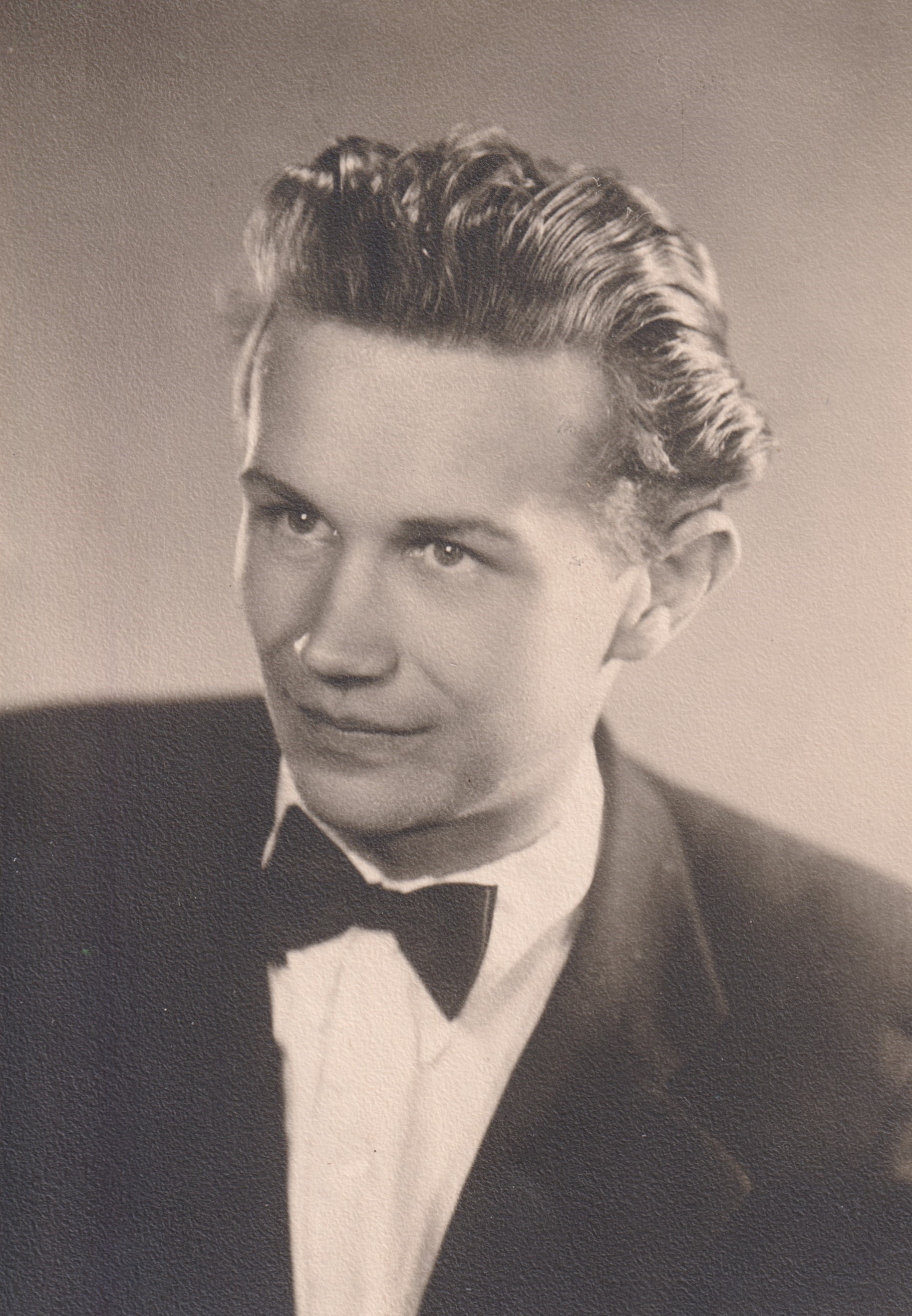
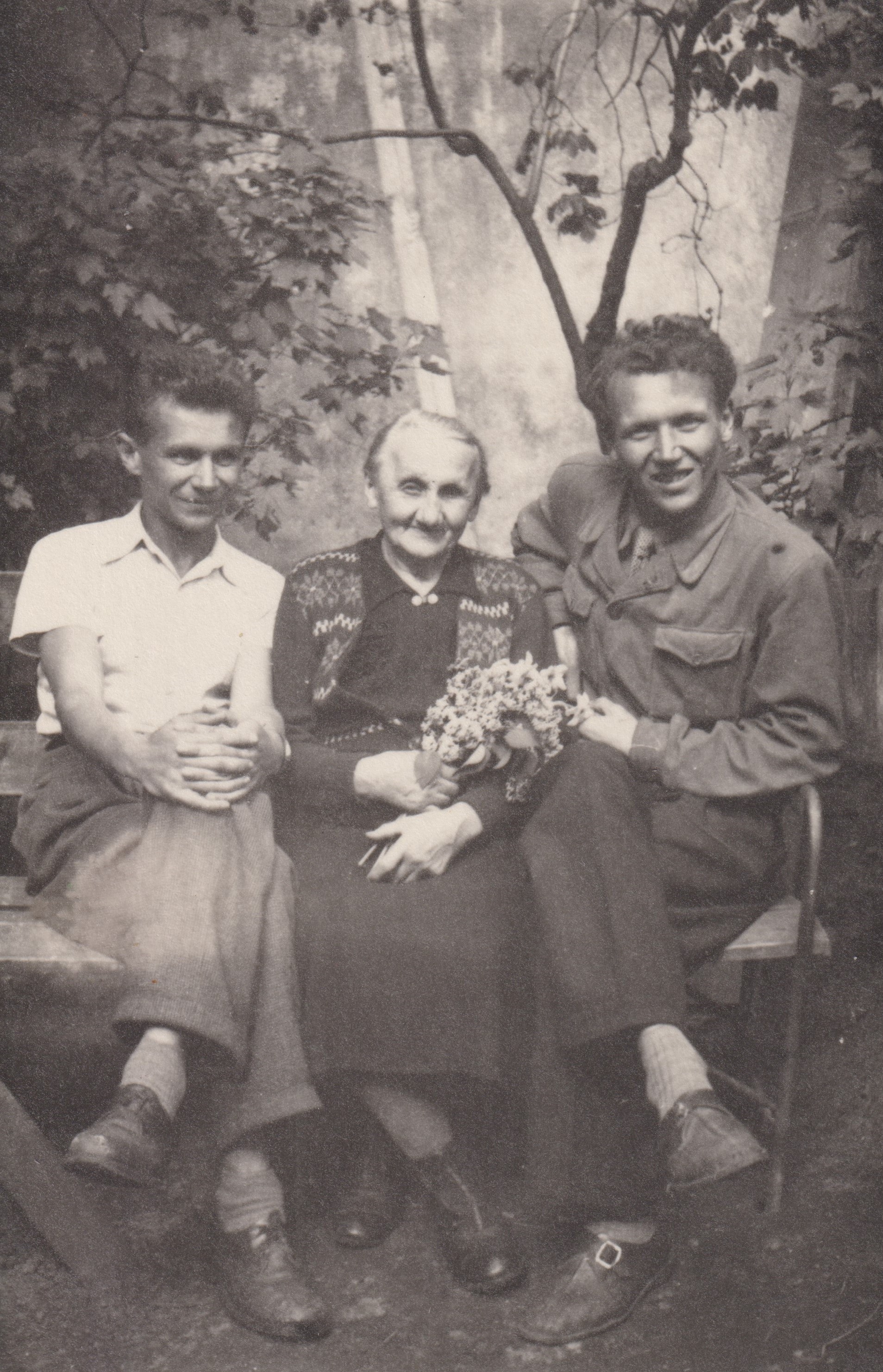
Ivo Havlovič in the 40s
zdroj: Witness´s archive

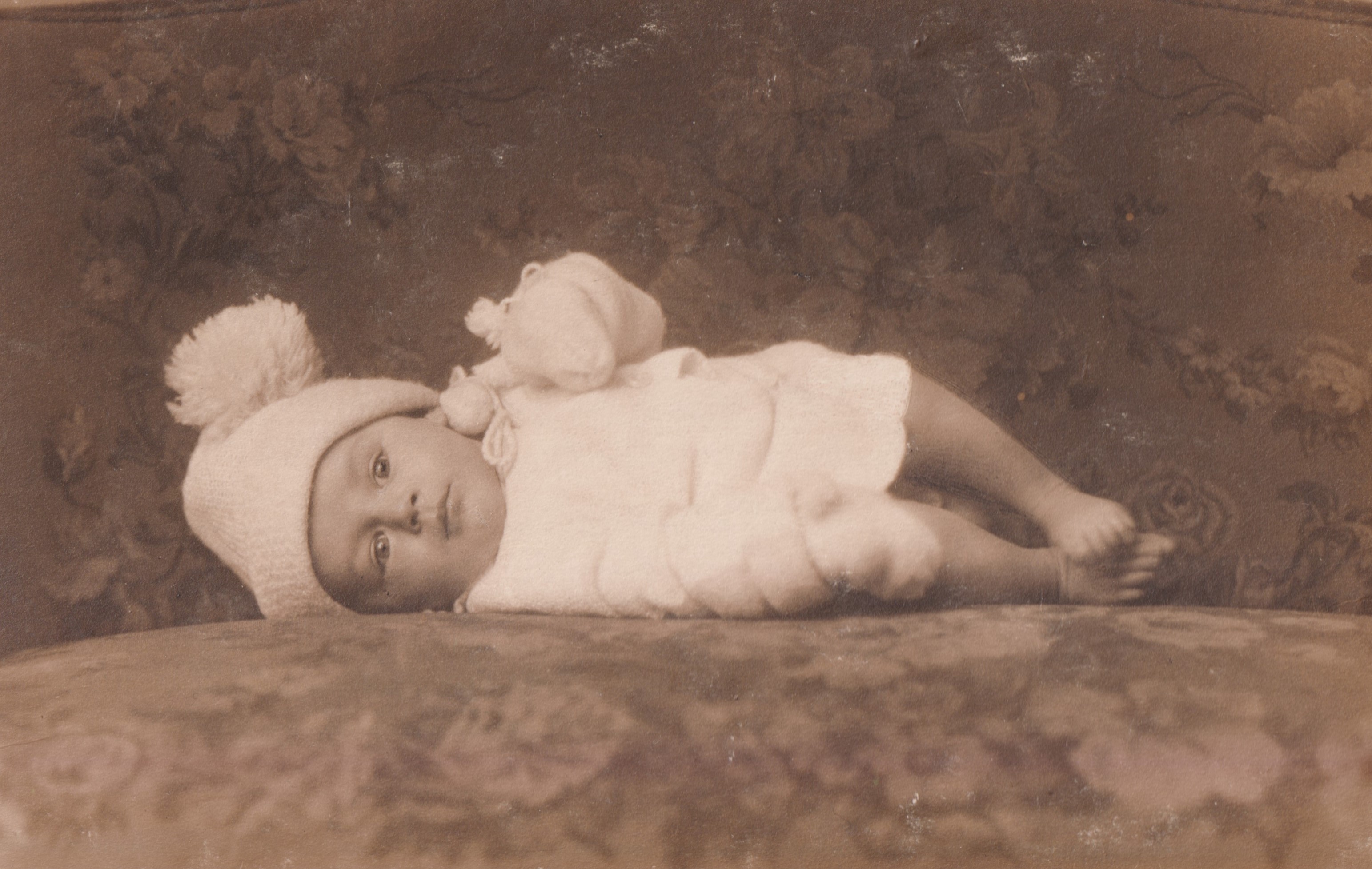
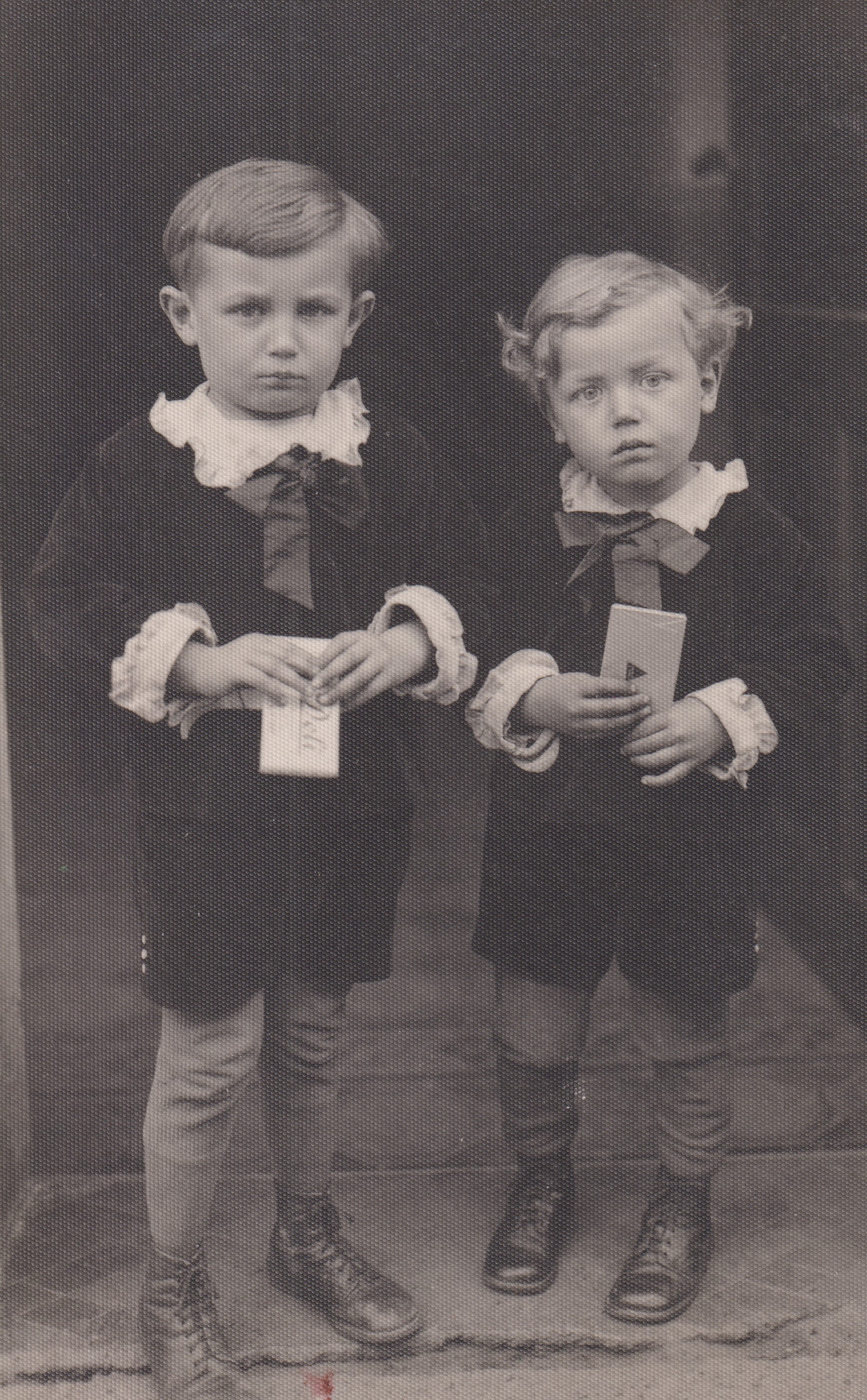
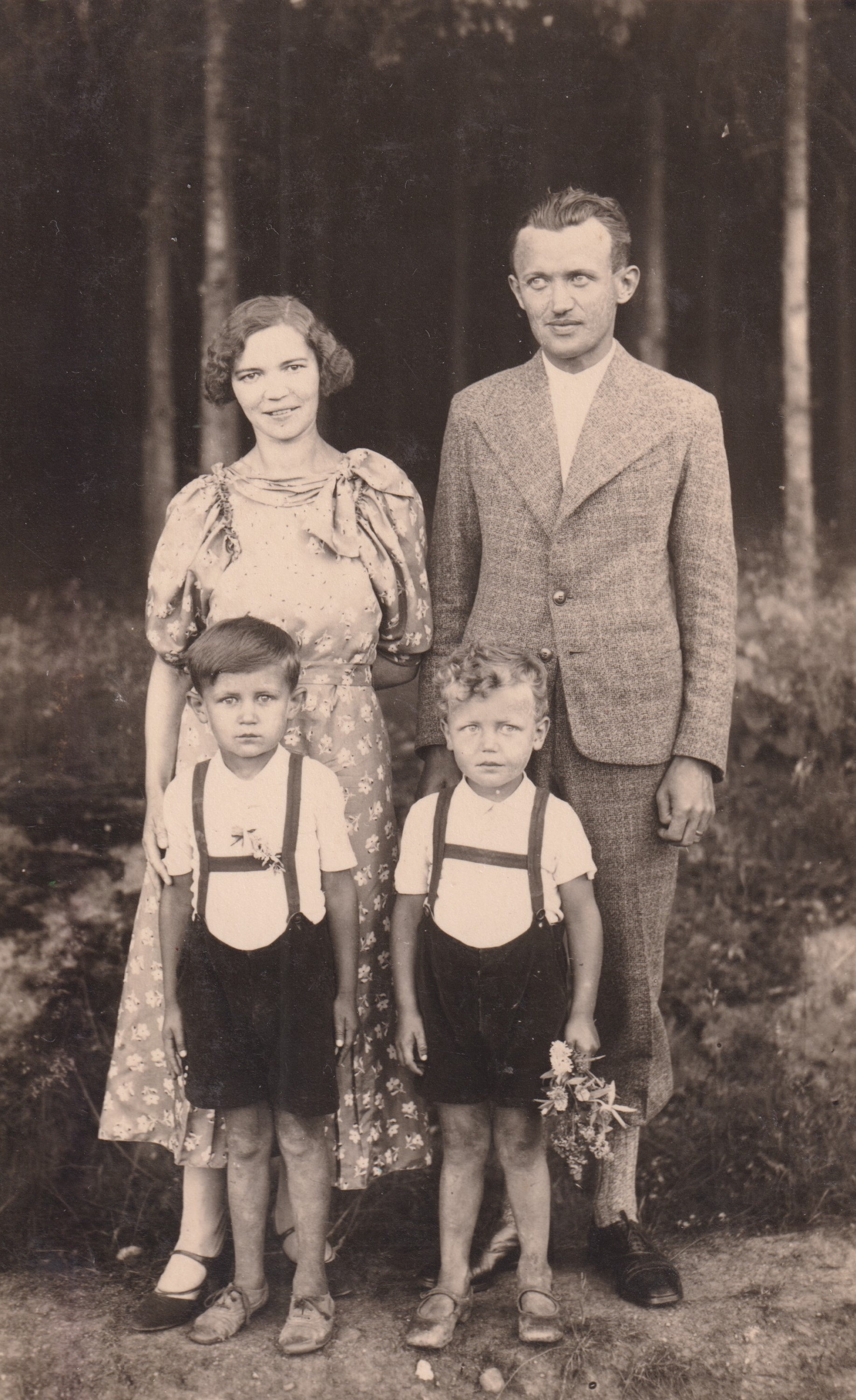
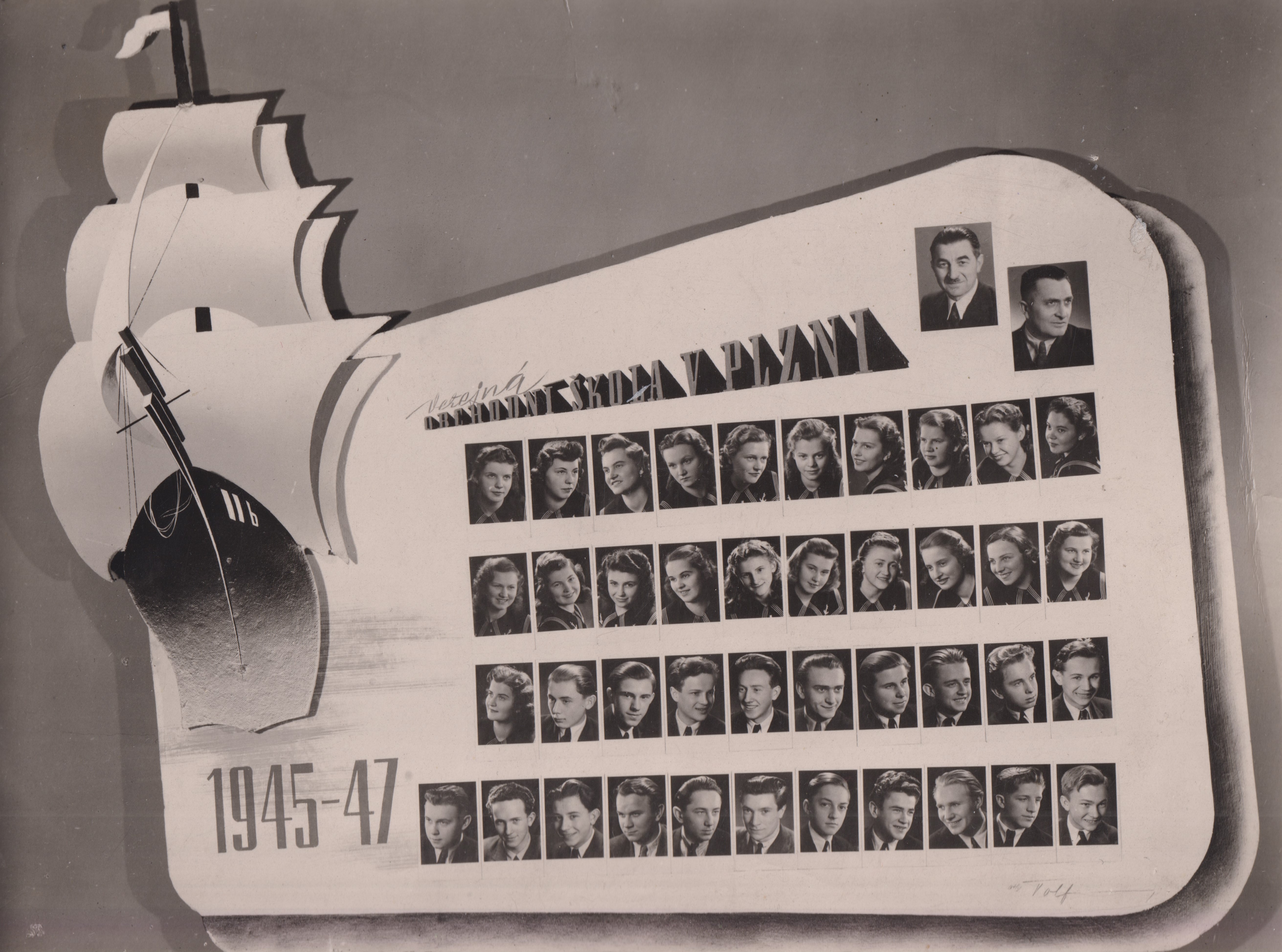
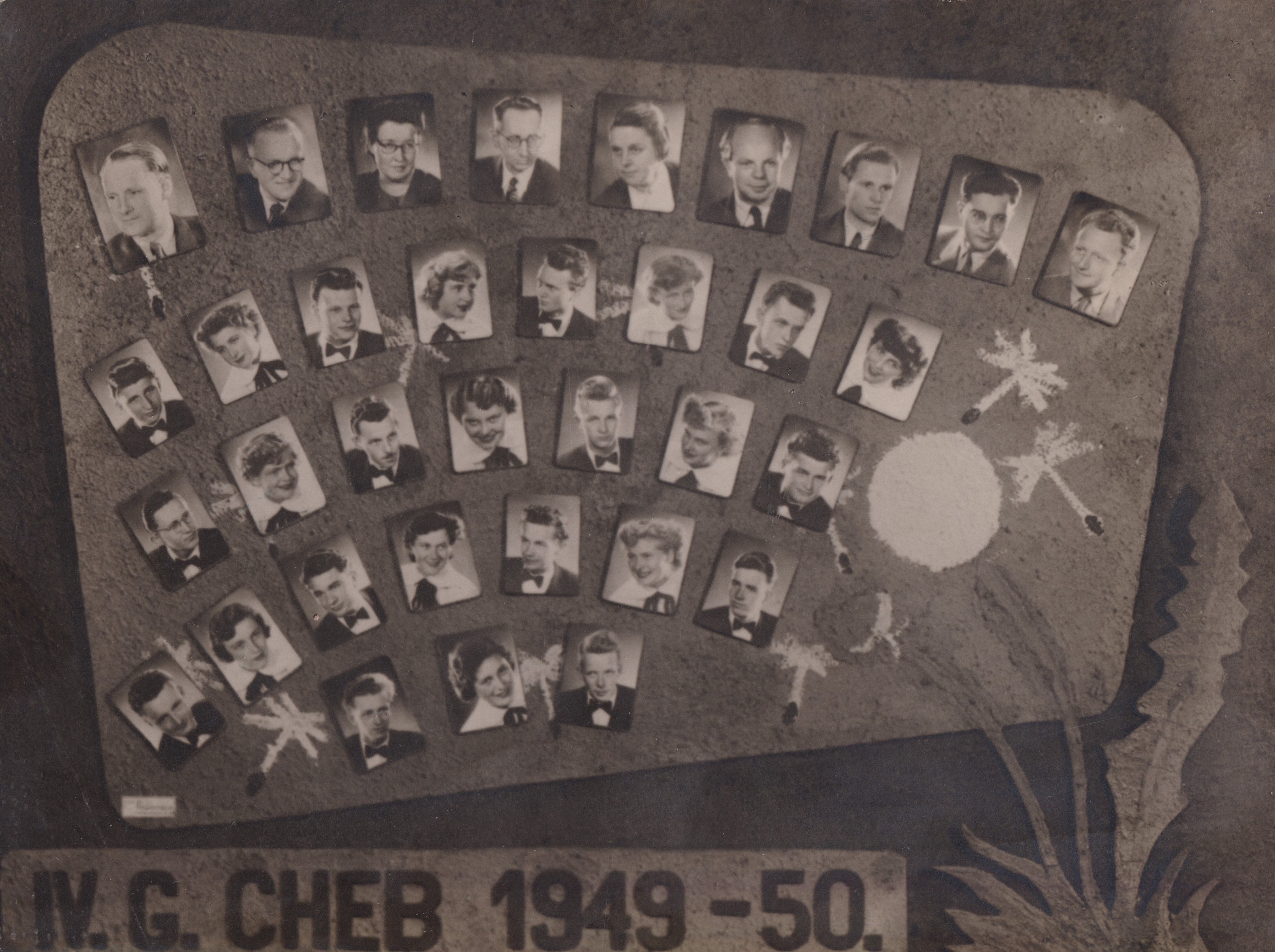
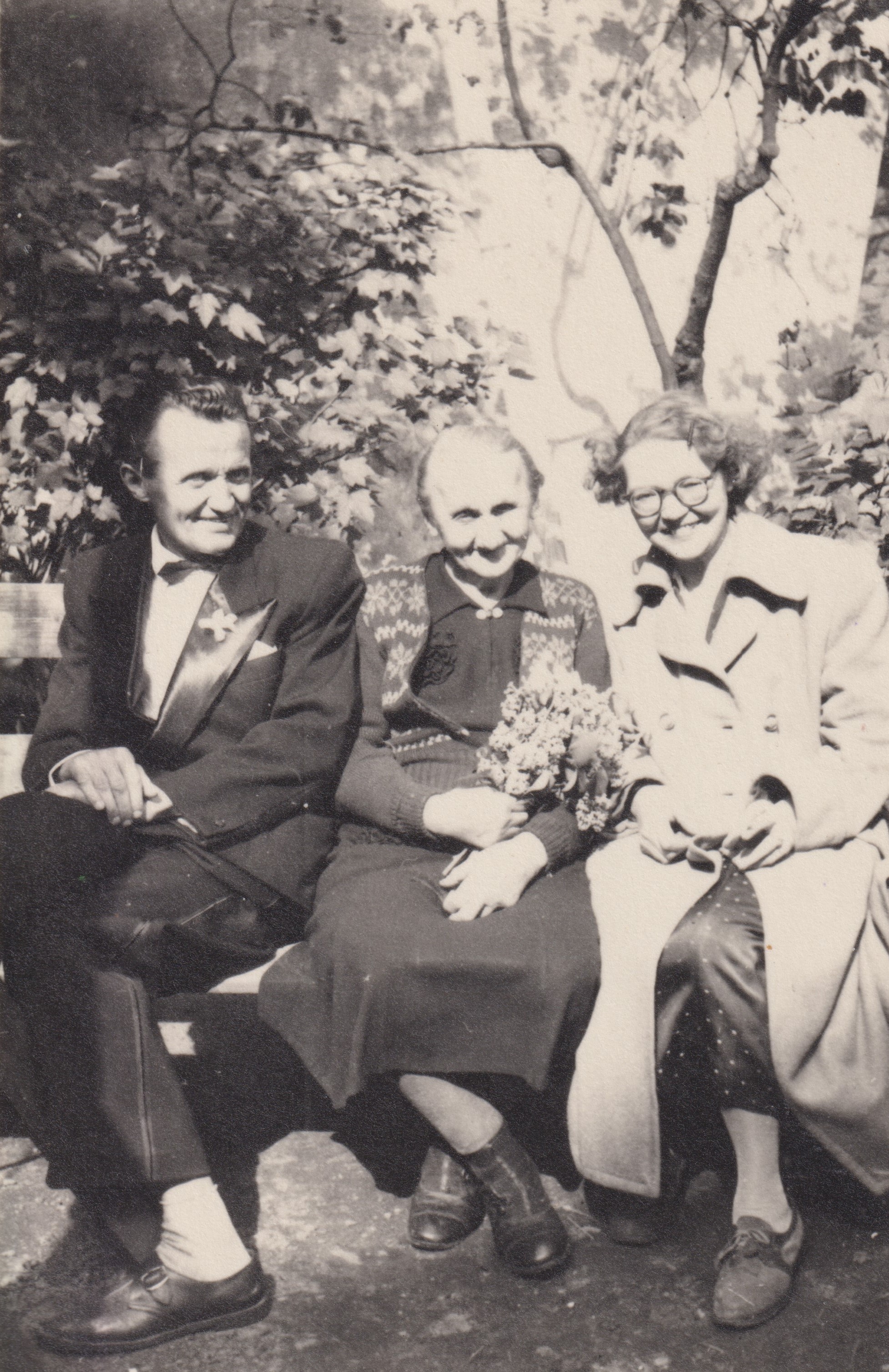
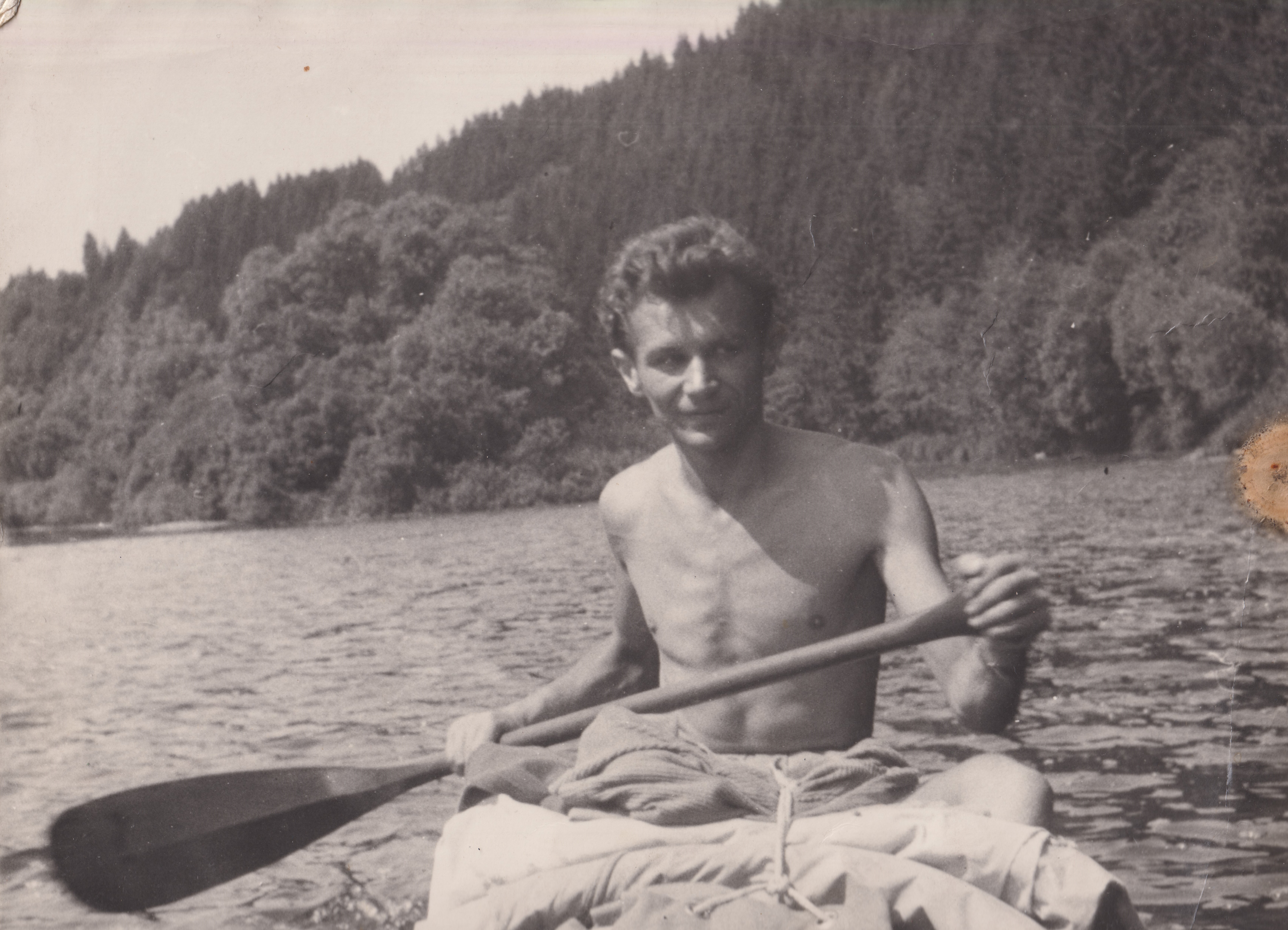
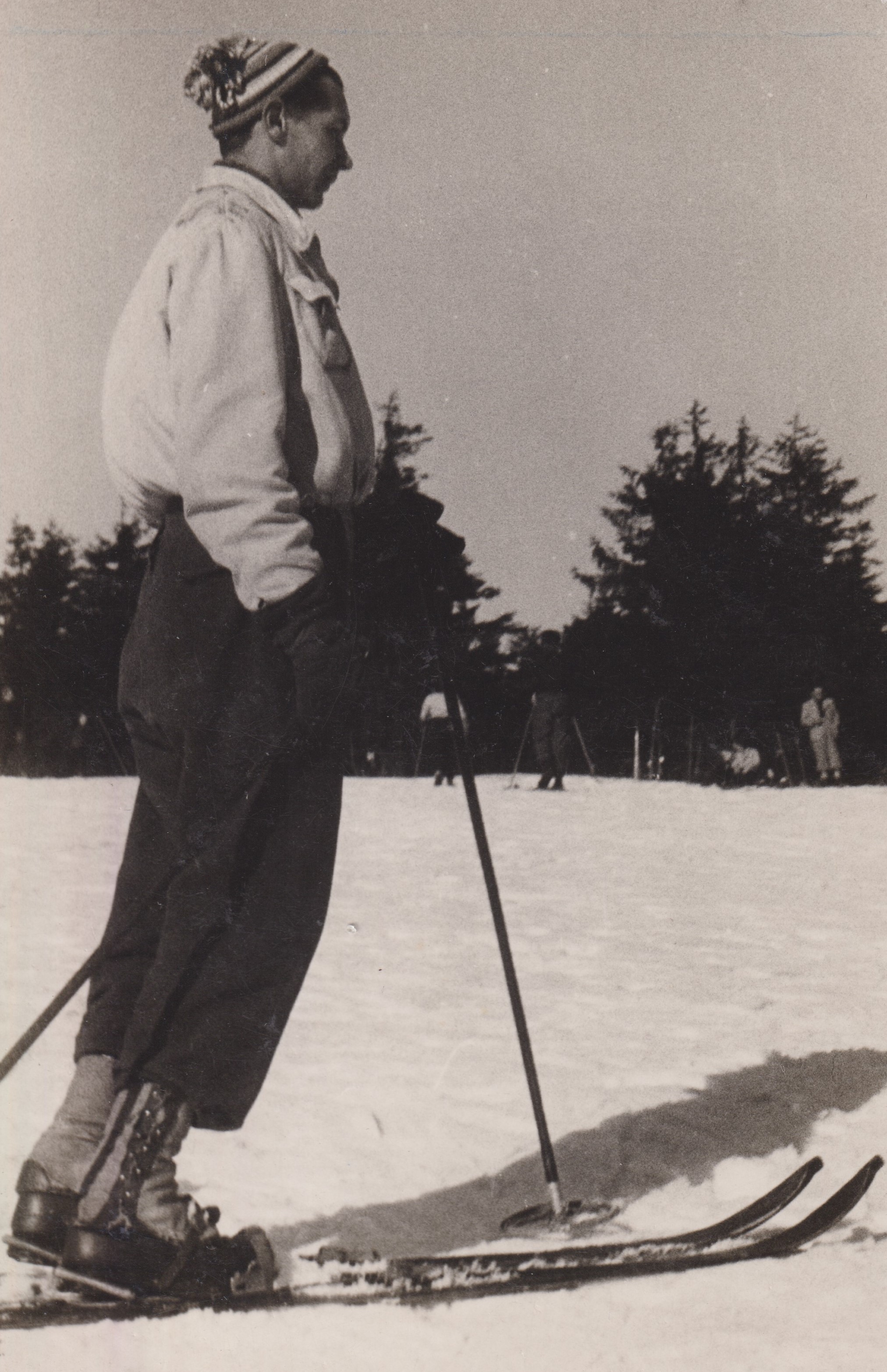
Ivo Havlovič was born on 4 July 1930 in Pilsen. His father Alois Havlovič worked in an insurance company, his mother Eliška was a teacher. He spent his childhood in Vidhostice and later in Orlovice in Šumava. In 1938, after a holiday in Pilsen, the family did not return to the Sudetenland and stayed in the town until the end of the war. In April 1945, he experienced the bombing of Pilsen twice, when the Allies hit the railway station and the Škoda factories and a bomb landed near their house. In May of that year he welcomed the American liberators in rainy weather and soon afterwards helped the Red Cross weigh the residents. In 1947, the family moved to Aš, where the witness finished secondary school. After graduating in 1950, he entered the Faculty of Electrical Engineering in Pilsen and later continued his studies in Prague. After his studies he worked as a teacher at the secondary technical school in Ostrov, where he headed the laboratories. Eventually he stayed for more than fifty years. In 1968 he went on strike with students against the occupation. As a punishment he was transferred to Karlovy Vary. Although he never became a party member, he served as regional chairman of the Socialist Youth Union for two years. He travelled through Yugoslavia and Scandinavia, among other countries. After 1989, he supported change and took part in the Letná demonstration, but later rather avoided politics. In 2025 he lived in Karlovy Vary.