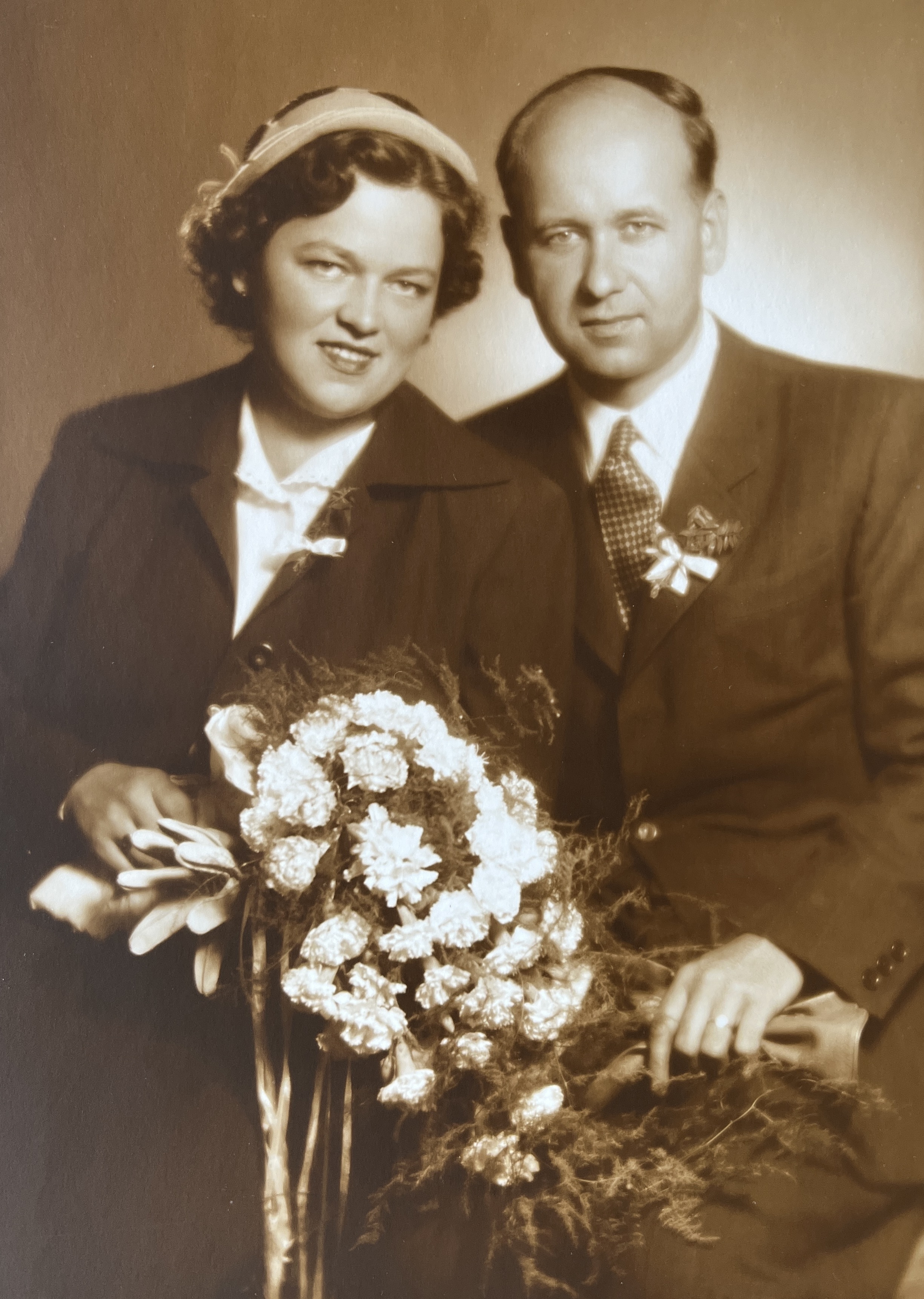
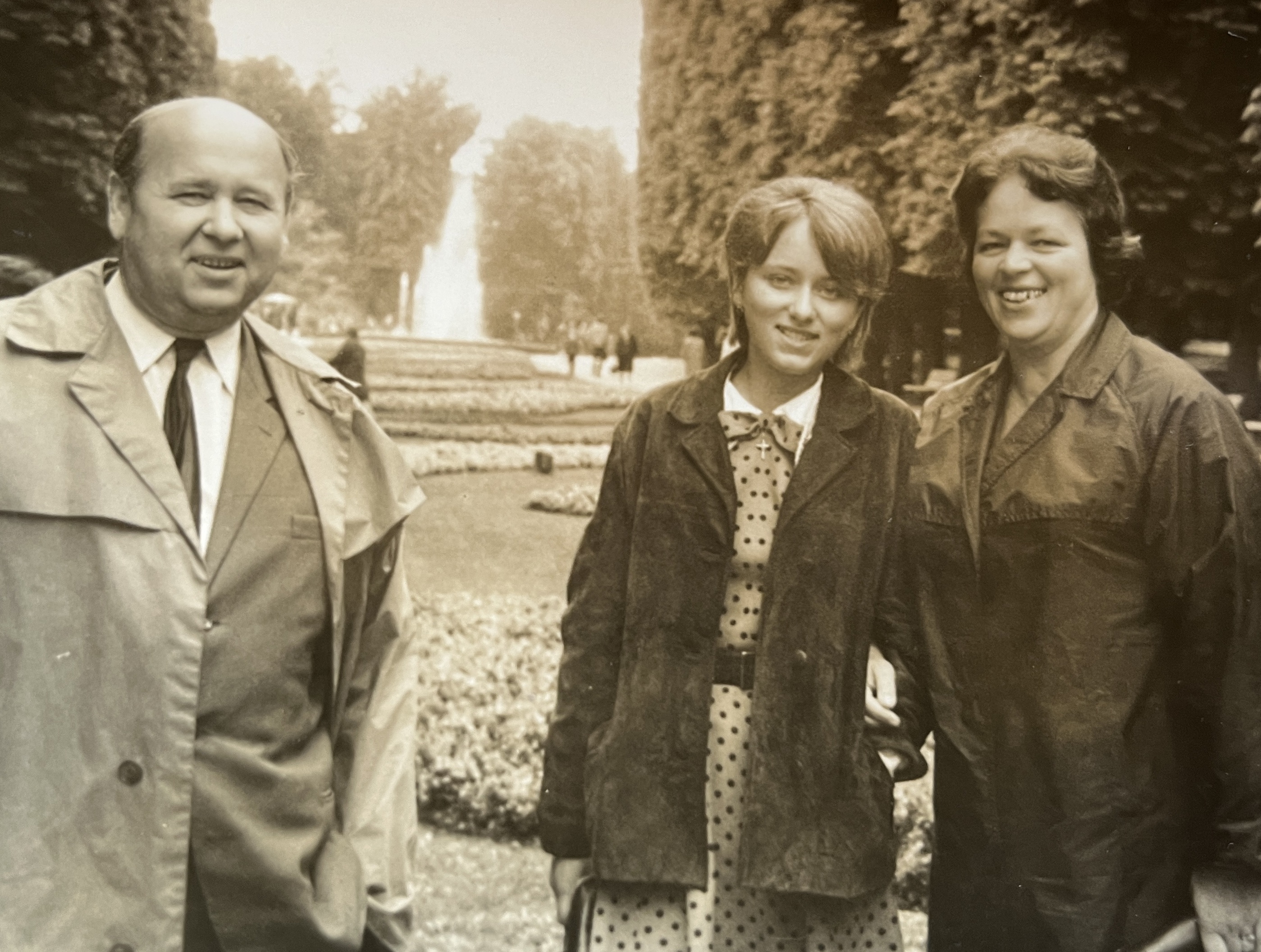
The Germans brought a radio to us. Daddy had to translate for them where the front was

Stáhnout obrázek
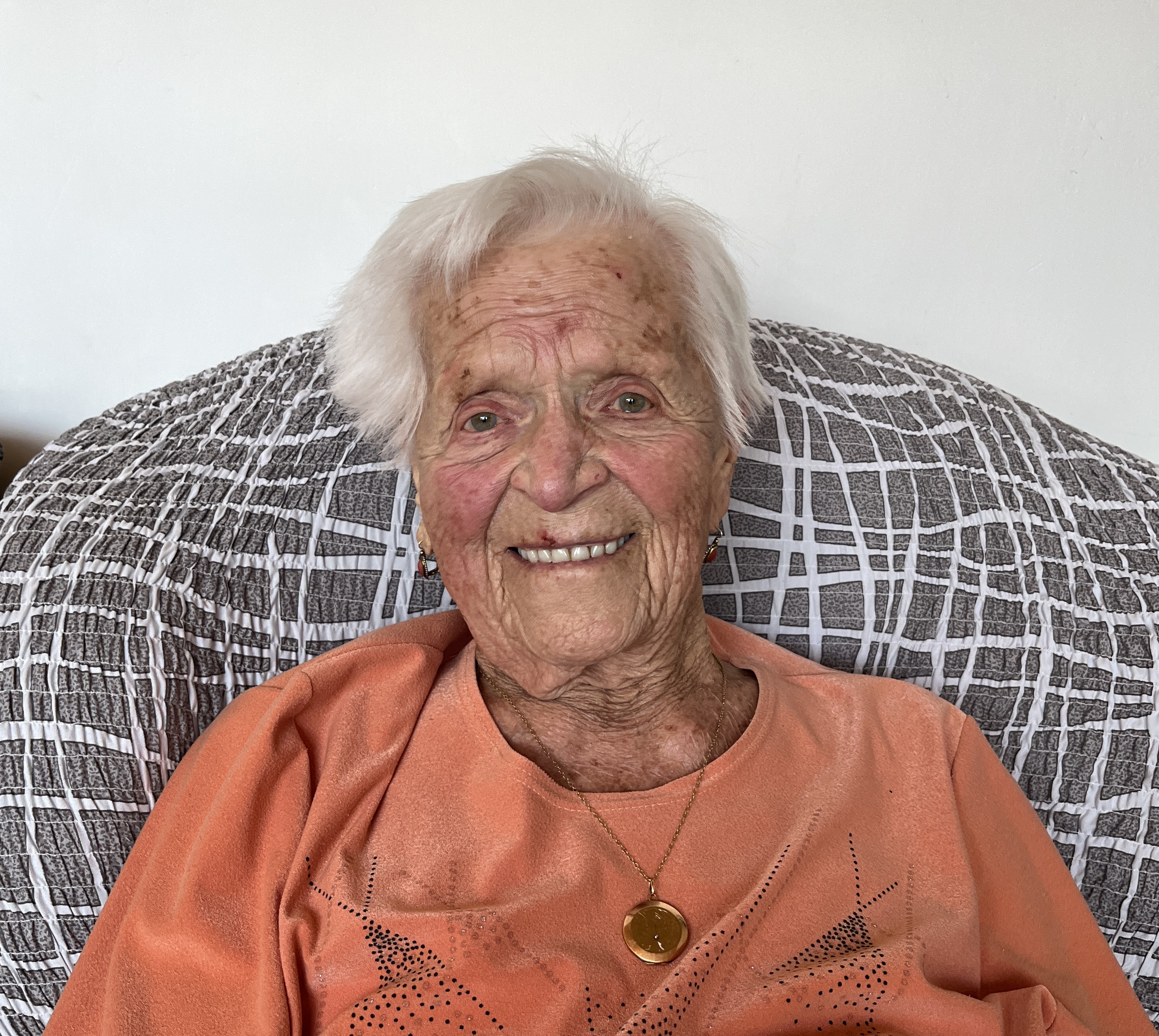
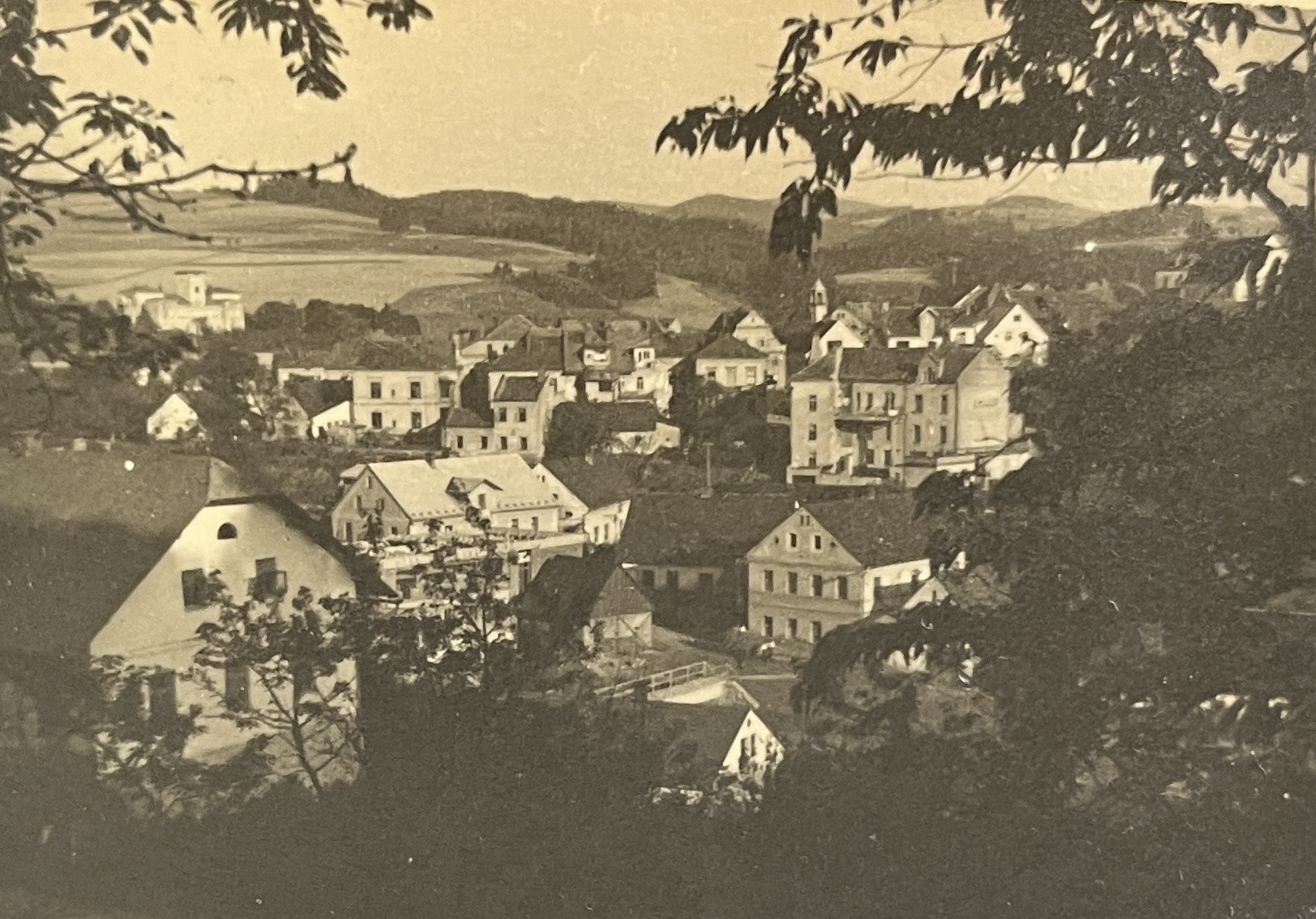
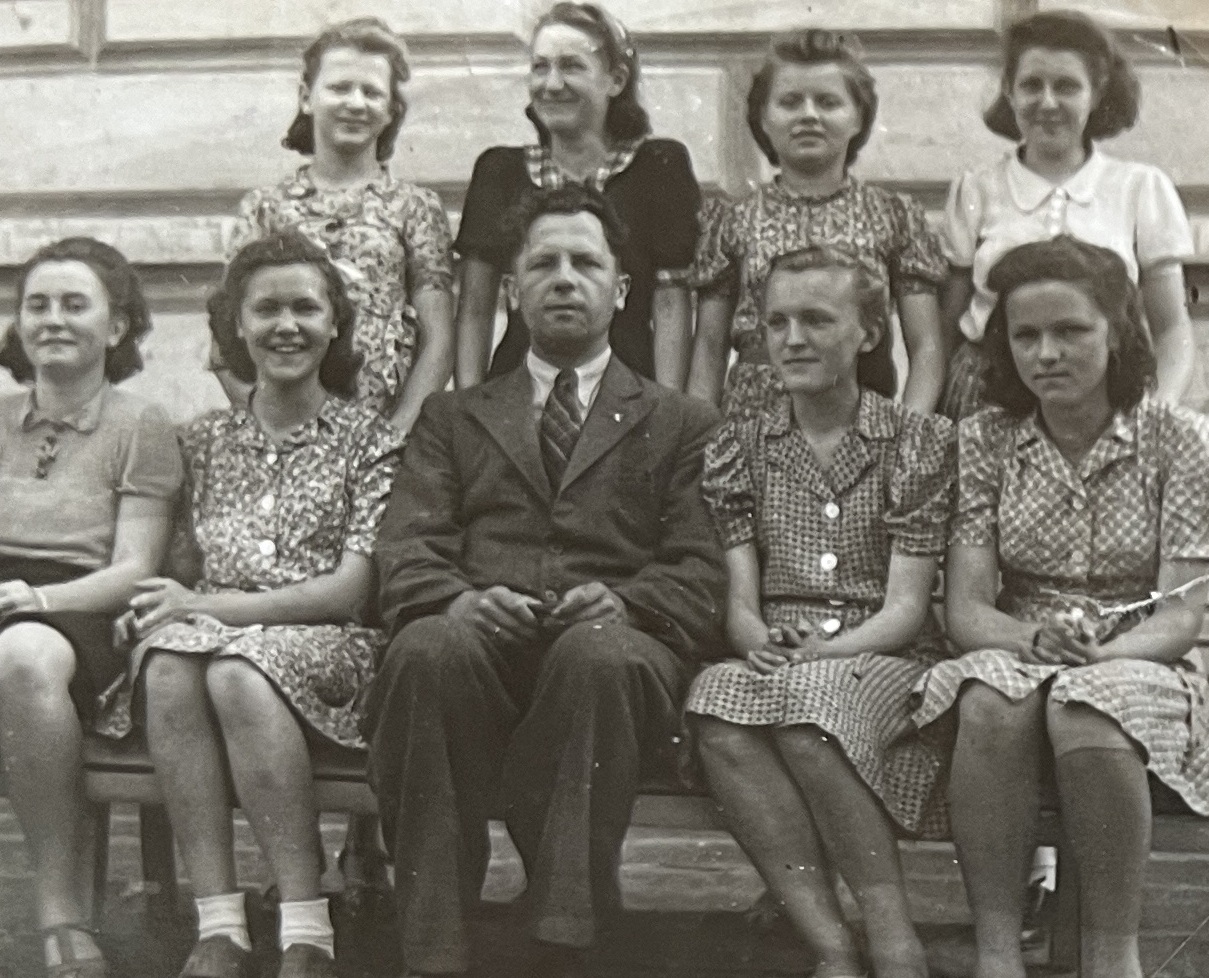
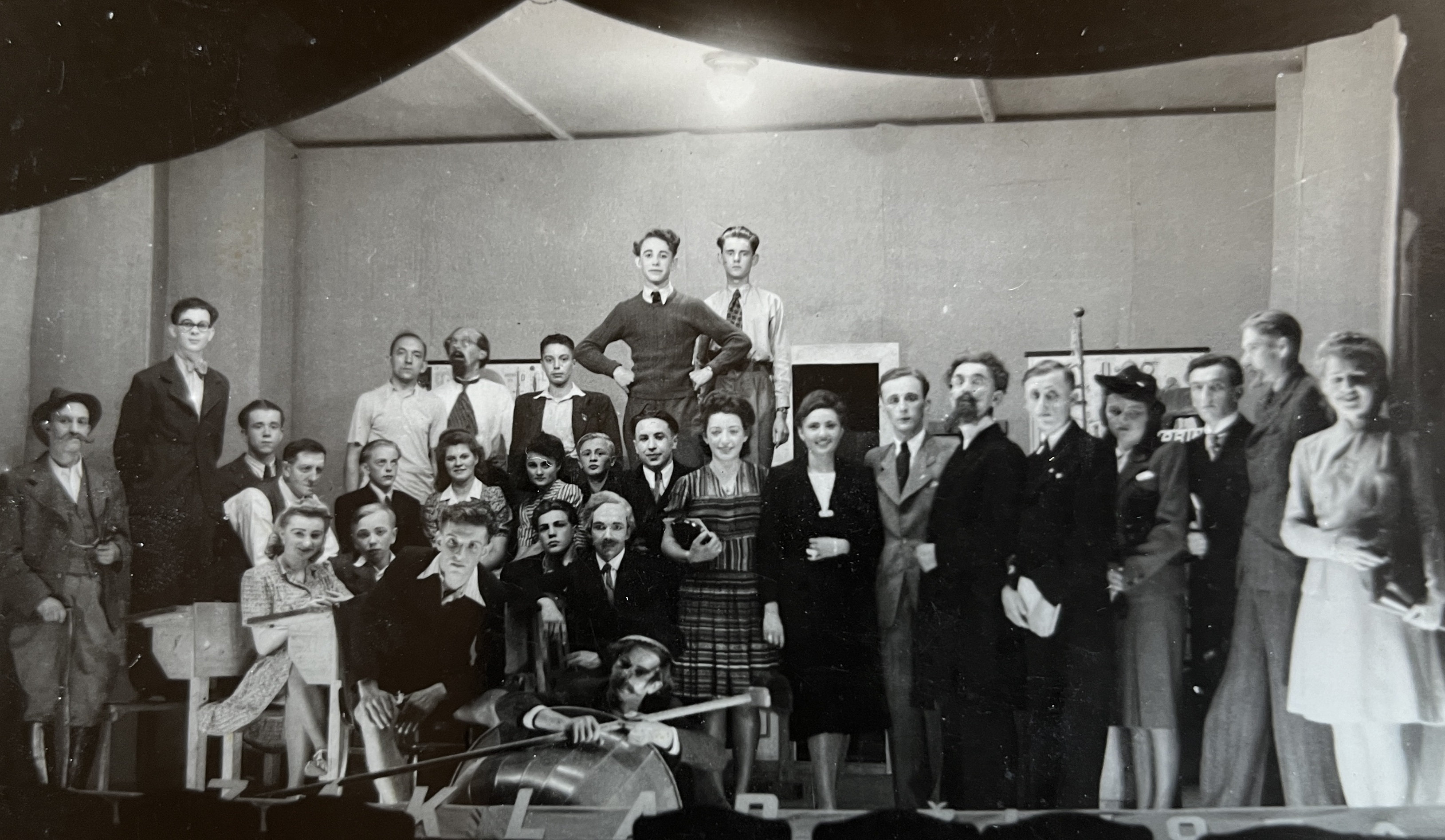
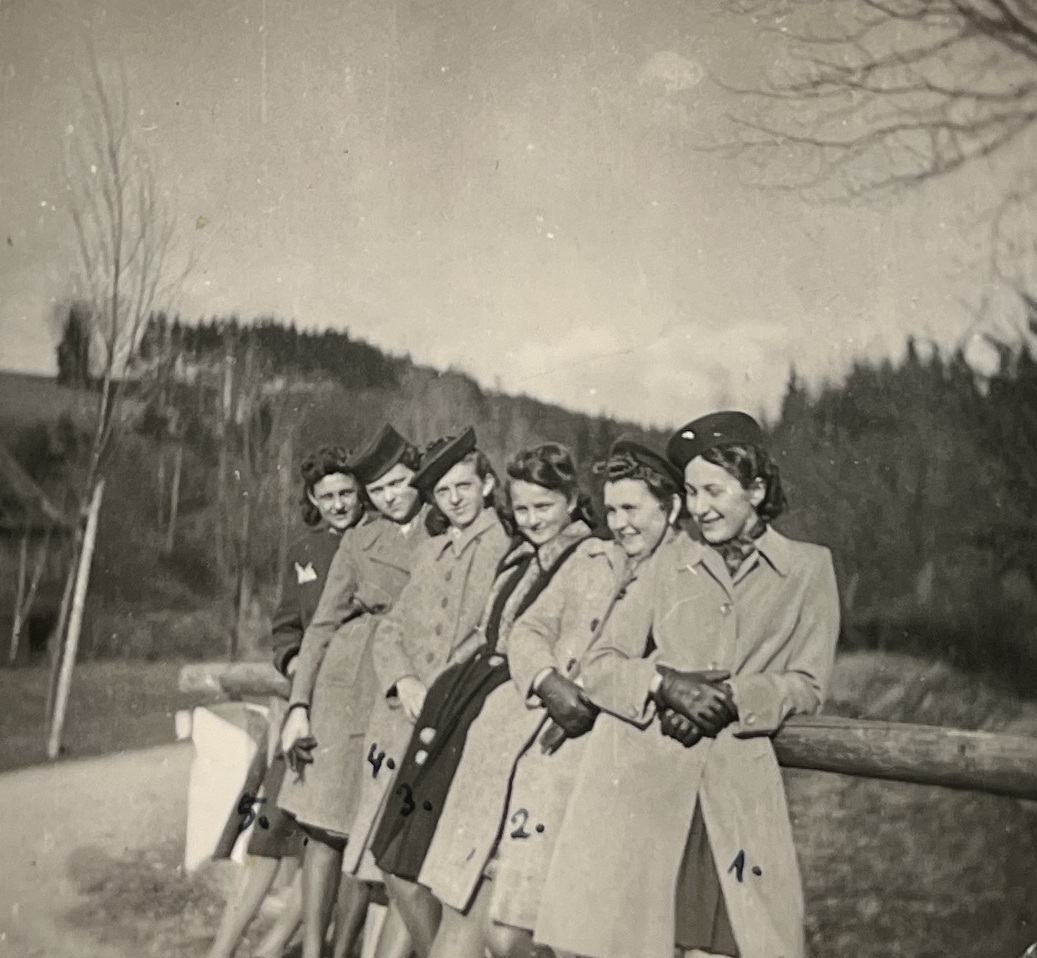
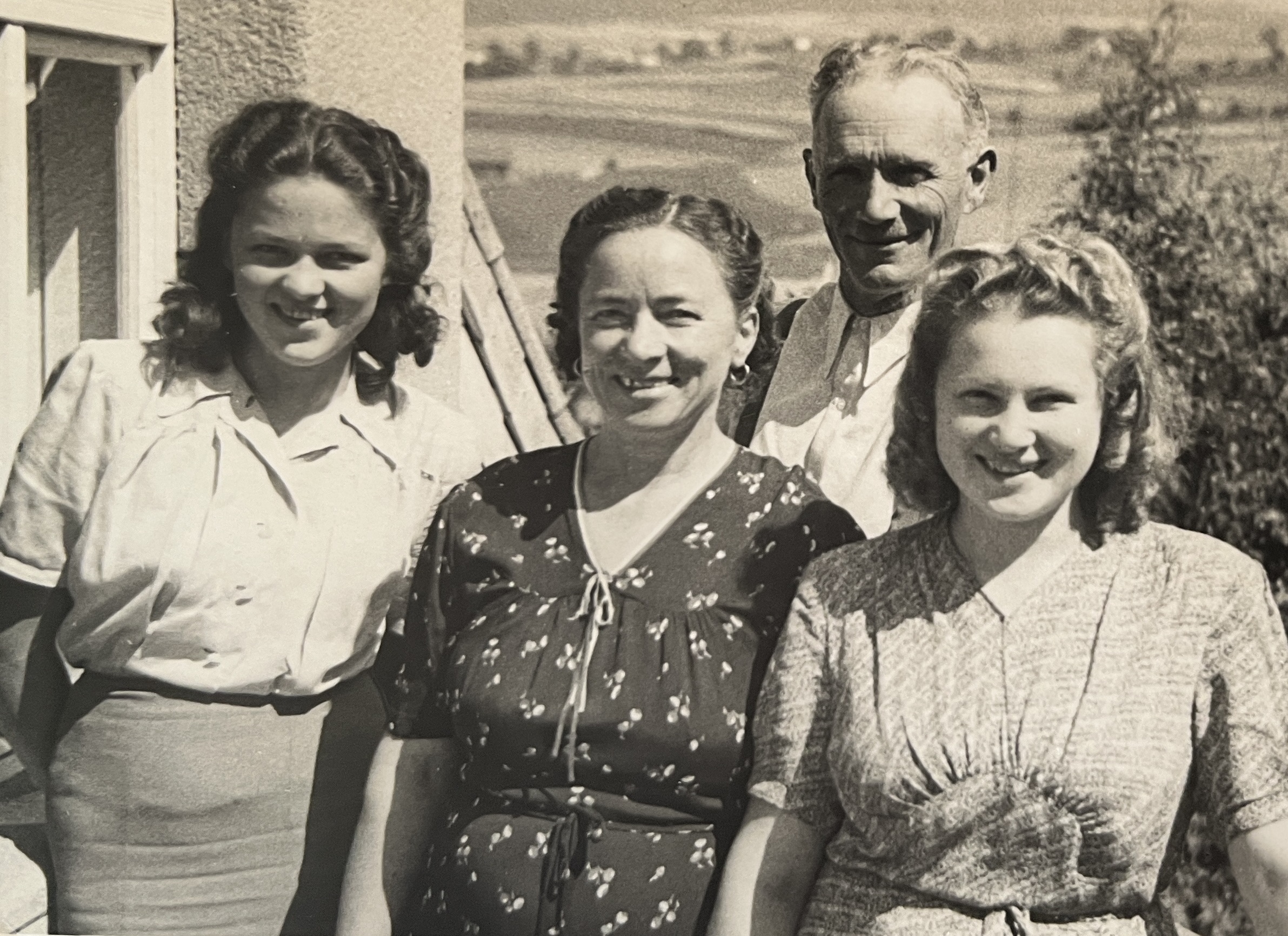
Marta Grusová was born on 19 February 1926 in Nekoř-Bořitov and soon afterwards the family moved to Jablonné nad Orlicí. Father Václav Dostálek worked in a quarry, mother Emílie was a housewife. As a schoolgirl, she joined Sokol, which played an important role in the cultural and sporting life of the town, which, unlike the surrounding villages, remained in the Protectorate during the war. At the end of 1942, in a fleeting encounter at the train station, her Jewish neighbour, who was leaving on a transport to a concentration camp, said goodbye to her forever. Between 1941 and 1943 she studied at the business school in Vysoké Mýto. One of her classmates was executed by the Nazis. After graduation, she managed to avoid being deployed in an ammunition factory and joined Telegrafia Jablonné. By early 1945, the town was becoming busier and busier along the main road. At first, transports of prisoners of war were flowing through, and the local people were trying to help them somehow. As the end of the war approached, German civilians fled from the Sudetenland, German troops at the beginning of May, partisans on 5 May and Soviet soldiers on 9 May. The two warring sides clashed in battle in the town. Most of the inhabitants were then hidden in shelters and cellars. After the war, the witness lived a few beautiful years. After the XI All-Sokol Meeting she and the whole committee were expelled from the association for chanting anti-communist slogans. In 1951 she married dentist Josef Grus (1915-1993) and in 1952 they had a daughter, in whose care she was living in Jablonné nad Orlicí even at the time of the interview in 2025. She died on November 2025.