“It is very true that the health personnel in Cuba is being very well prepared. But I value a health system not only for its personnel. Because all the institutions and technology are also integrated into the health system, and I believe that Cuba is very bad in that, because the institutions do not meet the requirements, and there are hospitals that do not look like a hospital. And you can find many diagnostic equipment that are already obsolete. That is why I question whether it [Cuba] is a [medical] power, because when you talk about power, it is not only the staff, even though you prepare it very well, but you do not give them the tools that staff need to diagnose. The last years that I practiced in Cuba were also very difficult for me as a doctor, because I had to practice without the basic medications of the National Drug Program, I was lacking 49 medications, and I'm not talking about ibuprofen or paracetamol. I’m talking about drugs for hypertension, for a person with cancer, or for a diabetic. Then sometimes my patients came to the consultation and I said to the nurse: well, here what we have to do is put a glass of water with some herbs because we don’t have anything to give to the patients.”
“In the end, you never knew where the [Cenesex] funds went. An example: we organized a cinema debate which should have offered snacks to everyone, and that cinema debate was never made. We went to the police to give a workshop and we were supposed to use this a that, and I never knew... I mean, it was a lie. But what was actually for me the very last drop, was a repressive wave that occurred in 2013 and 2014 at the meeting places. I was with some activists doing health promotion in one of these meeting places, and we also fell into the [police] entanglements. They took us all into custody. First, they put us on a street, on a public highway, where public transport and people passed, and they put us there so that all the people who were passing, would see that we have done something improper, something immoral. And there they take us, detained by car, to the First Police Unit of Cienfuegos, where they prepare warning reports for public exhibitionism, which was not true, because it was like a little forest, and besides, nobody was doing anything. We were handing out condoms, lubricants, leaflets on the rights of people, and other things of the LGTBI community.”
“From the second year of the university, because my name was already standing out, and, boy, there were many people who talked about me, even in front of me, and they did not know me that well. The first time I got to know that there was an interest on the part of State Security, I was in a cafeteria when a person who didn’t know me, came, and said that there was a counterrevolutionary and a worm here at the university. And people started asking and he said: some Nelson Gandulla. But he didn't know that it was me, that I was the famous counterrevolutionary who was at the university. And that’s when the maneuvers began – bribing the teachers to fail me for no reason in my exams, they talked to my fellow students so that they would make my life miserable, so that they would bully me both for my sexual preferences and my ideology.”
“I also remember that when the school started during the Special Period, I did not have a backpack to go to school, and they made me a backpack from a nylon bag, and from pieces of fabric and tractor tires, they made the retractors. Also, they marked the feet and with that a seamstress made some kind of sandals. I carried all the aromas and all the thorns on my feet, because imagine going to school in the middle of a field, I had to go through all those things. Now they make me laugh but they are things that were very sad at the time.”
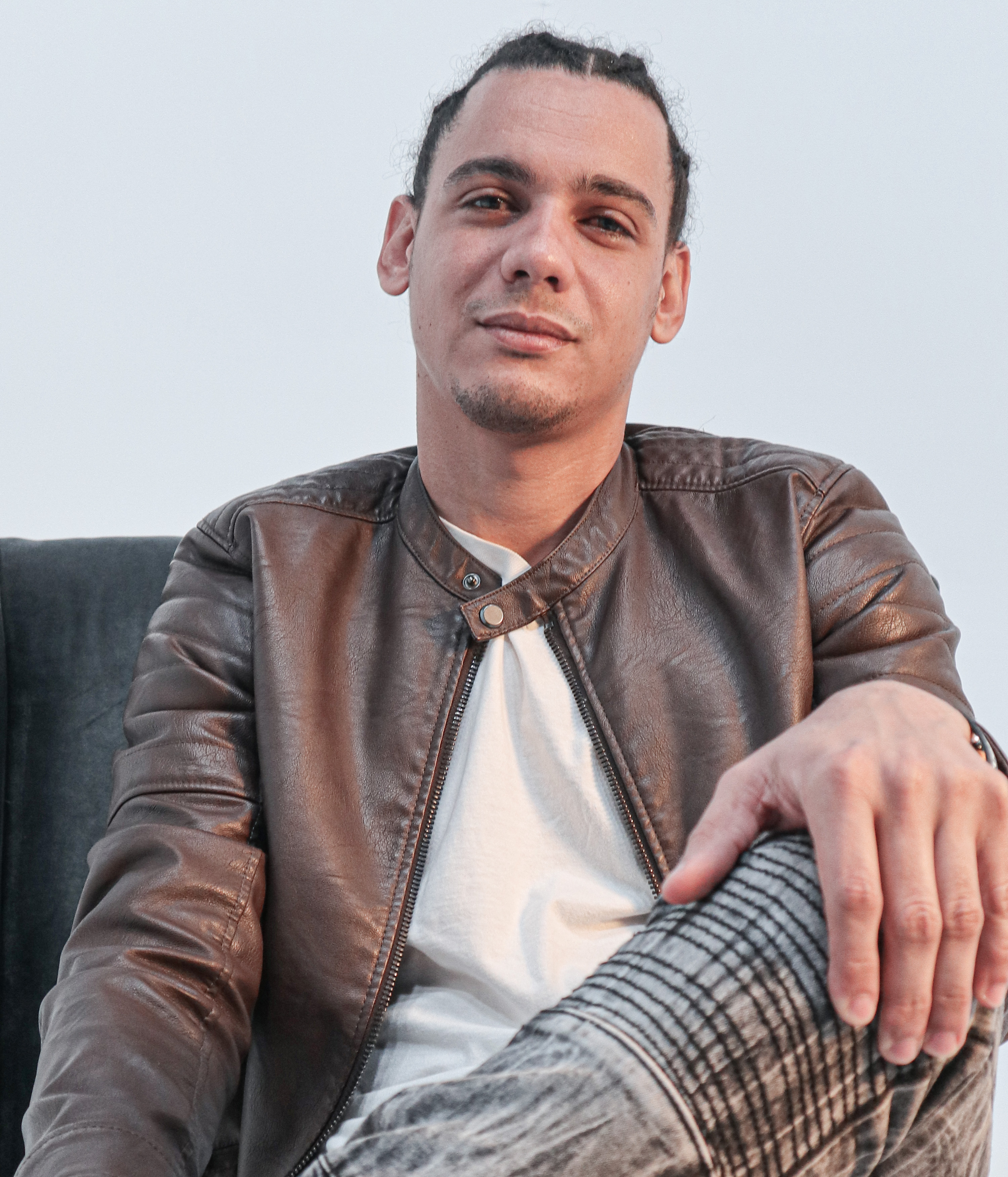
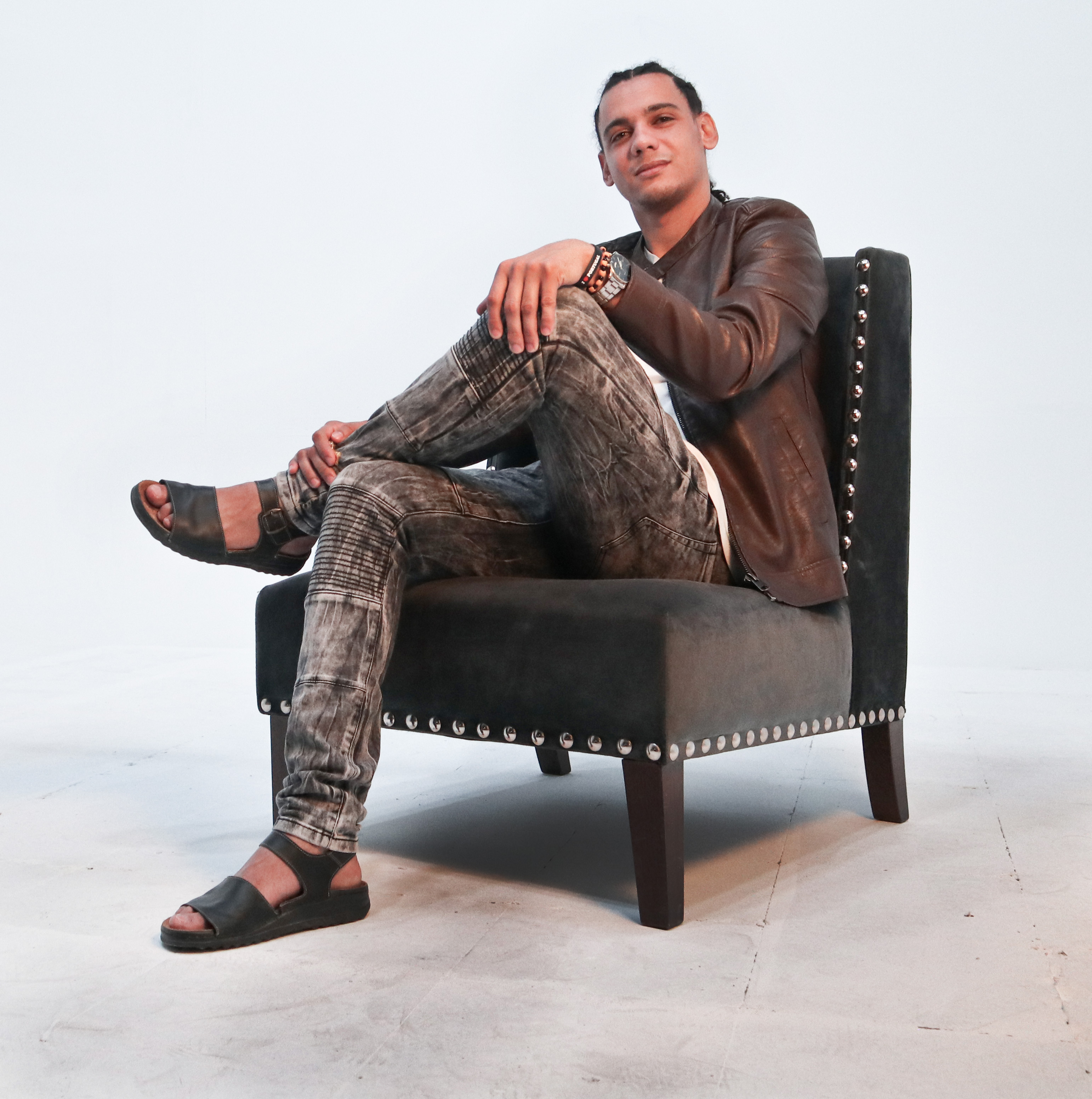
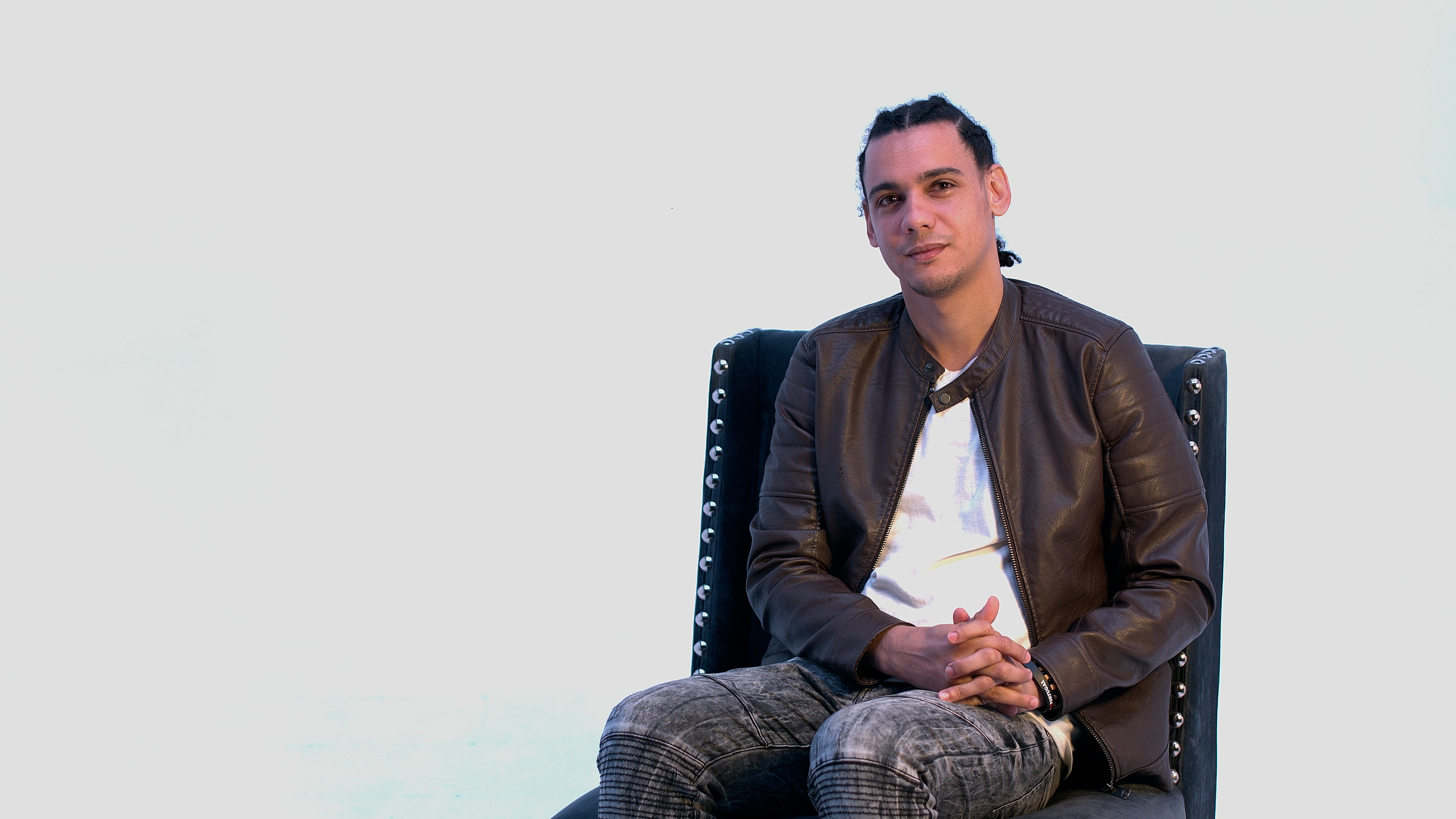
Nelson Gandulla Díaz was born on February 25, 1988. Although he was born in Sancti Spíritus, he was registered in and considers himself from Cienfuegos. He grew up in rural environments, raised by his mother and grandmother, who made great efforts to provide him with a good education. From an early age, he sensed that the context in which he lived limited his aspirations and his desire for change.
His life in Cuba was marked by a turning point at which he became aware that the country’s reality did not align with his values or with respect for fundamental rights. His activism exposed him to escalating repression that included discrimination, homophobia, harassment at university, surveillance, arbitrary detentions, travel bans, and direct threats against his life.
Faced with growing risk, and at his family’s insistence, he was forced to emigrate. In 2018 he moved to Spain, where he continues to work as a physician and remains active as an LGBTI rights advocate. He lives in Madrid with his partner.
From exile, he describes the present situation in Cuba as uncertain and confusing. He acknowledges the impact of internet access on social awareness, but notes increasing repression and a lack of political will for real change. Even so, he maintains that Cuba’s future depends on the joint action of Cubans both on the island and abroad to build a country based on rights, guarantees, and dignity. This interview was conducted as part of the project Memory of Our Cuban Neighbors, in Madrid, 2025.
Hrdinové 20. století odcházejí. Nesmíme zapomenout. Dokumentujeme a vyprávíme jejich příběhy. Záleží vám na odkazu minulých generací, na občanských postojích, demokracii a vzdělávání? Pomozte nám!